
The Psychology of Perception: Why Wood Inspires Trust on a Subconscious Level

Today’s market is saturated with products that are virtually indistinguishable from one another in terms of their specifications. In an environment of fierce competition, it is no longer the content itself that takes centre stage, but the way it is presented. Wood is a material associated with reliability, durability and natural origin. When a customer sees a product in a wooden box, their brain instantly reads signals of premium quality. This happens on a deep subconscious level: wood is warm to the touch, it has a unique grain and a pleasant weight, creating a sense of substance and quality.
Unlike plastic or thin cardboard, wooden packaging conveys the values of sustainability and attention to detail. Customers subconsciously equate quality packaging with quality contents. If a manufacturer has invested resources in creating an elegant wooden case, it means they are confident in their product. This credit of trust makes it possible to set a higher margin that consumers are willing to pay without a second thought. Wood removes the barrier of scepticism that arises when buying an expensive product in cheap wrapping.
Tactile contact also plays an important role. In the digital age, people experience a deficit of natural sensations. The texture of sanded birch or the smoothness of lacquered oak provides genuine physical pleasure. This moment of contact becomes part of a user experience that cannot be reproduced with paper. When someone picks up a substantial wooden case, they feel the significance of the purchase. This is no longer just a purchase, but an investment in an emotion.
In addition, wood is associated with tradition and craftsmanship. In the eyes of the consumer, a wooden box is not a mass-produced, stamped-out item but the result of painstaking work. Even when production is automated, the natural origin of the material preserves this aura of exclusivity. As a result, the product ceases to be merely a utilitarian object and moves into the category of items that have a story of their own.
Using wood helps brands stand out from budget-segment competitors. When everyone around is using standard courier bags or corrugated cardboard, the appearance of a wooden box at a pick-up point or on a store shelf creates a ‘wow’ effect. This instantly raises the brand’s status in the eyes of the target audience. Trust built through packaging grows into loyalty, which is the key to repeat sales and rising profits.
Finally, it is worth noting the archetypal connection between people and the forest and nature. Wood is perceived as a living material that ‘breathes’. For many buyers this becomes the decisive factor, especially when it comes to food products, natural cosmetics or children’s goods. The visual purity of a wooden case’s lines underlines the ecological purity of the brand, which today is one of the most powerful triggers for making a purchase at a higher price.
From Product to Gift: Transforming Value with a Wooden Case
One of the key strategies for increasing the average order value is moving a product from the ‘purchase for oneself’ category into the ‘ready-made gift solution’ category. A wooden box handles this task perfectly. Consumers no longer need to think about how to wrap a gift or hunt for wrapping paper and ribbons. A wooden case looks festive and solid in its own right. This added value — sparing the customer unnecessary hassle — makes it possible to build into the product’s price not only the cost of the packaging but also a service fee.
Consider the example of a tea or coffee set. In an ordinary paper bag, such a product costs a notional unit. But if the same set is packed into a stylish wooden crate with slatted filling and engraving, its value to the customer rises two- or threefold. Meanwhile, the cost of the wooden container adds only a small fraction to the final price. The customer pays for the ‘completeness’ of the idea. They are buying a ready-made gesture of attention that they will not be embarrassed to hand to a colleague, a partner or a loved one.
The transformation of value also happens through a change in the perception of volume. A wooden box often looks more impressive than a cardboard box of the same size. Its rigid walls make it possible to create multi-layered compositions and to use inserts and decorative filler, which visually expands the contents of the set. The customer feels they are getting ‘a lot of everything’, packed into an expensive shell, which justifies the high final total on the receipt.
The ‘second life’ factor is also worth considering. Unlike gift paper, which is thrown away five minutes after the present is received, a wooden case stays in the home. This creates a lasting positive effect from the gift and constantly reminds the recipient of the brand. For the giver, this is an additional argument: they are giving something that will be useful and long-lasting. This rationalisation of an emotional purchase helps the customer part with larger sums more easily.
Brands that have successfully introduced wooden packaging often create entire ranges of ‘gift sets’. For example, a bottle of wine in an engraved wooden case moves from the category of ordinary alcohol into the category of a collector’s gift. This allows retail stores and online marketplaces to increase the average order value without significantly changing their assortment, simply by repackaging existing items.
The table below compares how the same product is perceived in different types of packaging:
| Comparison criterion | Cardboard packaging | Wooden box / case |
|---|---|---|
| Perceived value | Standard (matches the price) | High (seems more expensive than it is) |
| Gift-readiness | Requires additional decoration | Fully ready ‘as is’ |
| Emotional response | Neutral or functional | A sense of delight and surprise |
| Packaging lifespan | Discarded immediately | Used for years as an organiser |
| Impact on margin | Minimal (+5-10%) | Significant (+50-100% and higher) |
Tactile Marketing: How the Texture and Scent of Wood Close the Sale
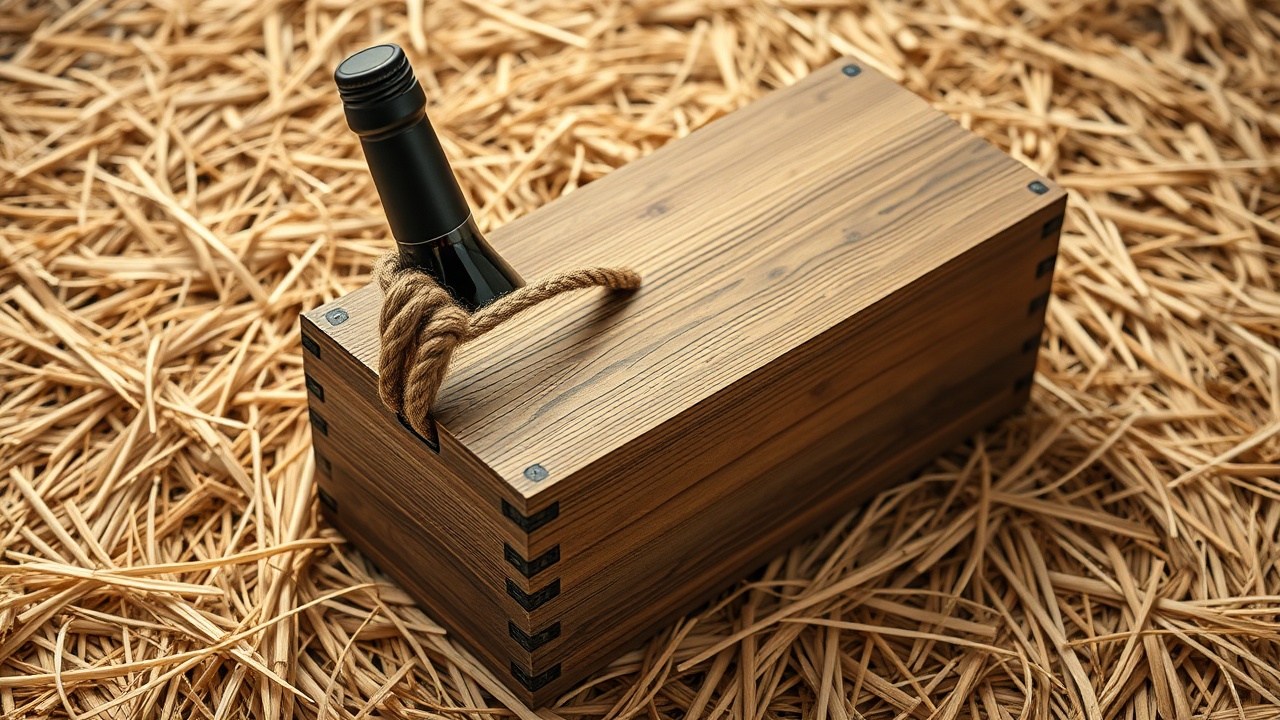
Tactile marketing is a powerful tool that is often underestimated. In a world where most communication happens through smartphone screens, physical contact with a product becomes decisive. Wood has a unique texture that cannot be fully imitated with printing or lamination. Every ring, every knot on the surface of the box tells a story. When a customer touches the lid of the case, they feel a natural warmth, which creates an instant liking for the product.
Scent is another hidden trump card of wooden packaging. The barely perceptible aroma of conifers, cedar or birch evokes associations with cleanliness, nature and quality. Neuromarketing has proven that smells are directly linked to the centres of memory and emotion. A pleasant wood aroma when unpacking a product reinforces the positive purchasing experience. This forms a so-called ‘olfactory memory’ of the brand, making the customer come back again and again.
The process of opening a wooden case can be compared to a ritual. If it is a case with a sliding lid, the characteristic sound of wood rubbing against wood creates a feeling of mechanical reliability. If it is a box on hinges, the click of the clasp adds elegance. These fleeting details all contribute to the overall impression. The more intricate and pleasant the process of interacting with the packaging, the higher the contents are valued. This is the ‘endowment effect’, amplified through physical sensation.
Packaging designers often use different wood-processing techniques to emphasise the character of a brand. For example, brushing (accentuating the grain texture) makes the surface textured and ‘wild’, which is perfect for men’s accessories or craft products. A perfectly smooth sanding finished with oil or wax underlines the refinement and premium quality of cosmetics or jewellery. Each type of finish conveys its own message without a single word.
To increase the average order value, it is important to use quality hardware. Brass hinges, neat clasps or leather straps combined with wood create the finished look of an expensive product. The customer sees that every detail has been thought through, and this justifies the high price. Attention to detail is a mark of exclusivity that people are willing to pay a premium for.
The interior filling should not be forgotten either. A wooden box allows for a variety of inserts: from velvet and linen to sisal and wood shavings. The combination of hard wood and soft filler creates a contrast that emphasises the delicacy and value of the product inside. This turns the unboxing process into a real show, which modern users love to film for social media, giving the brand free reach.
The Economics of Packaging: Calculating Profitability and the Impact on Average Order Value
Many entrepreneurs are wary of switching to wooden packaging because of its cost. It seems too expensive and as though it will ‘eat up’ the entire margin. In practice, however, the situation looks quite different. The main secret lies in the disproportion between the rise in production cost and the rise in perceived value. If the cost of the packaging goes up by €2-5, the retail price of the product can rise by €15-30 purely by changing the format of presentation.
The maths here is simple. Let’s say you sell a set of organic honey for €20 in a cardboard box. Your net profit is €6. If you place that honey into a beautiful wooden box with an insert that costs you an extra €4, you can confidently set the price at €45. The customer perceives such a set as an exclusive VIP gift. Now your profit is €21 per sale. The average order value has more than doubled, while net profit has grown 3.5-fold.
Beyond directly increasing the price, wooden packaging helps optimise marketing costs. A product in such packaging ‘sells itself’ from the shelf or the marketplace page. Photos of products in wood collect more likes and saves because they are aesthetically pleasing. This lowers the customer acquisition cost (CAC). Beautiful packaging is the cheapest way to get people talking about your brand in a positive light.
It is also worth considering the reduced return rate. When a product arrives in a sturdy wooden box, the risk of it being damaged in transit is minimal. The customer receives their purchase in perfect condition, which eliminates negative reviews and the costs of reverse logistics. For marketplaces, where the cost of a return can be significant, this is a substantial boost to the profitability of the business.
There are several ways to optimise the production cost of wooden packaging:
- Batch production: Ordering large batches significantly reduces the price per unit.
- Choice of material: Top-grade plywood with a quality sanded finish looks no worse than solid wood, but costs less.
- Minimising the finish: Sometimes the natural texture of wood without varnish looks more stylish and modern, saving on painting.
- Standardising dimensions: Using standard sizes makes it possible to buy materials at wholesale prices and speed up assembly.
Investing in wooden packaging is not an expense but an investment in the brand’s capital value. You are creating an asset that works for the long term. Brands with a recognisable packaging style are valued more highly by the market, as they enjoy higher audience loyalty and greater resilience to competitors’ price wars.
The Second Life of Packaging: Why a Wooden Box Is Never Thrown Away
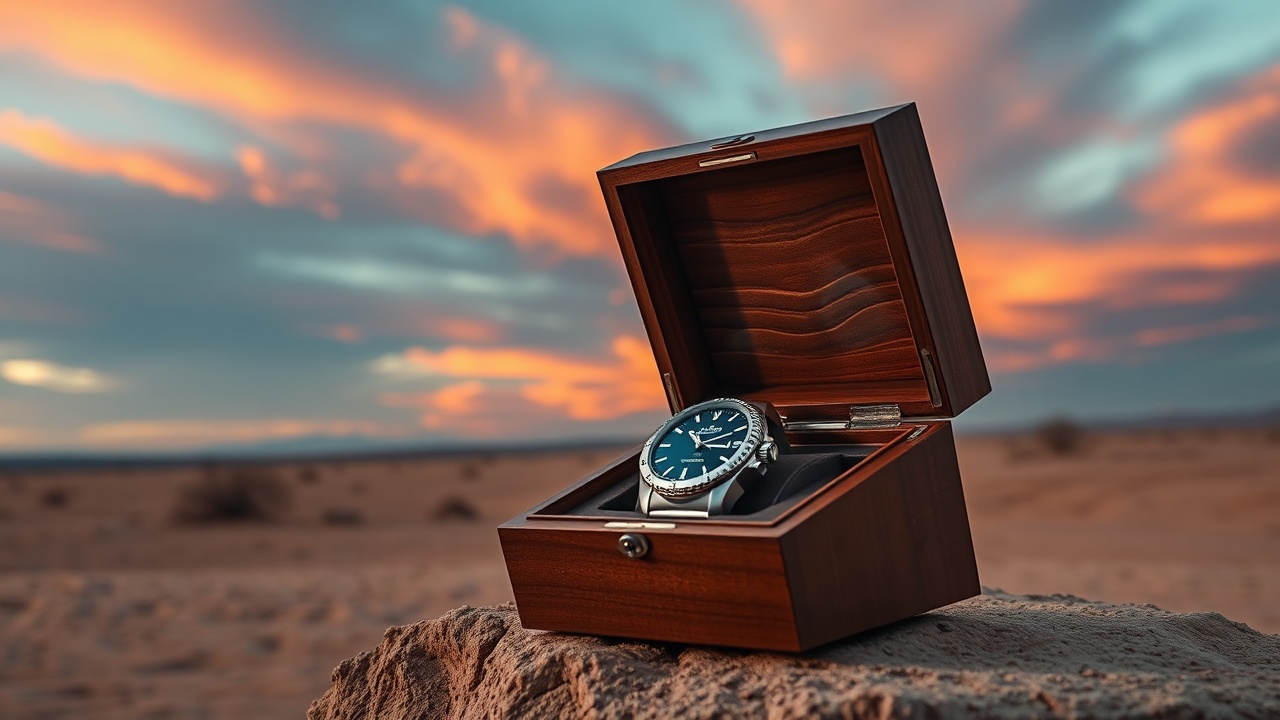
One of the unique features of wooden packaging is its ‘post-sale’ value. Cardboard boxes, even the most beautiful ones, end up in the bin within the first 24 hours in 95% of cases. A wooden box is a fully-fledged piece of interior décor or a functional organiser. People keep documents, jewellery, tools, spices or keepsakes in them. This property of packaging is called reuse, and it plays a colossal role in marketing.
Every time someone opens this box in the future, they see your logo. If the engraving is done well and tastefully, the packaging becomes a permanent advertising medium inside the customer’s home. This creates a long-term emotional bond. The brand ceases to be merely a seller of a product; it becomes part of the customer’s daily life, part of their comfort. Such integration into someone’s personal space is priceless in terms of loyalty.
From a psychological standpoint, people find it hard to throw away something made of wood. It is perceived as something alive and valuable. Even if the box is no longer needed for its original purpose, it is more likely to be passed on or taken to a holiday home than thrown out. This is an eco-friendly approach that resonates with the values of the modern consumer. Conscious consumption means giving up disposable items in favour of reusable alternatives.
Many companies deliberately design their packaging so that people want to keep it. For example, the lid of a case can be made double-sided: the logo on one side and a calendar or a beautiful quote on the other. Or you can add internal dividers that turn the box into a handy organiser for tea. Such ‘features’ increase the value of the packaging in the customer’s eyes and give them an extra reason to buy from you specifically.
The second life of packaging also fuels word of mouth. Guests visiting your customer’s home notice the stylish wooden box on the shelf and ask: ‘Where is that from?’. In this way your packaging turns into a tool for attracting new customers with no investment in advertising. This is organic reach that keeps working for years.
For a business, this means the opportunity to create an ecosystem of products. You can sell refills for your wooden boxes. If a customer has already bought an expensive set in wood once, next time they can buy just the contents, knowing they already have the perfect place to store it. This ties the customer to your brand for a long time.
Design and Customisation: How to Make Packaging an Extension of Your Brand
Wooden packaging offers boundless opportunities for personalisation. Unlike printing, wood-processing methods create a sense of volume and depth. The main method of applying a logo remains laser engraving. It conveys the finest details of an image, while the logo neither wears off nor fades over time. The engraving is literally ‘burned’ into the structure of the material, becoming one with it.
Besides engraving, other decorating methods are also widely used:
- UV printing: Allows full-colour images to be applied directly onto the wood while keeping the grain texture visible.
- Foil stamping: Gives the packaging a luxurious look, adding the metallic sheen of gold, silver or copper.
- Pyrography (wood burning): Creates a handmade, vintage effect, which is ideal for authentic products.
- Colouring and staining: Wood can be painted in any colour of the RAL palette or treated with stain to give it the look of expensive wenge or mahogany.
The shape of the box can also be unique. It does not have to be a rectangular crate. Modern technology makes it possible to create round tubes from flexible veneer, shaped cases, tiered caskets and boxes with complex internal geometry. A bespoke packaging design makes a product recognisable in a fraction of a second. If the shape of your case is unique, it becomes a patentable element of your corporate identity in its own right.
Customisation can also be individual for each customer. For example, an online gift shop can offer the service of adding the recipient’s name to the lid of the box. This turns a mass-produced item into a personal exclusive. Customers are willing to pay significant sums extra for such a service, because personalisation dramatically increases the emotional significance of the gift.
The internal ergonomics of the packaging are no less important than the external appearance. Using custom inserts made of flock-coated foam or holders cut from plywood ensures that the product inside is held perfectly in place. This creates a sense of order and professionalism. When everything sits ‘in its place’, the value of the set rises in the customer’s eyes.
It is important to remember that the packaging must match the overall positioning strategy. If a brand positions itself as eco-friendly and minimalist, it is better to choose light birch plywood without varnish and simple black engraving. But if the goal is to emphasise status and wealth, it is worth considering dark wood species, varnish and antique-bronze-style hardware. Well-chosen packaging design works as a visual manifesto of the brand.
The Green Agenda: Wood as a Manifesto of Conscious Consumption
In recent years, the environmental factor has become one of the decisive considerations when choosing a product. Customers, especially the younger generation, pay attention to how much a brand cares about the environment. Wood is the ideal material in this context. It is fully biodegradable, renewable and recyclable. Switching from plastic cases to wooden boxes is not just a marketing move; it is a contribution to the company’s environmental reputation.
Many wooden-packaging manufacturers use wood from responsible sources with forest-management certification. Mentioning this on the packaging itself or in the product listing earns the brand extra ‘green points’. Customers feel they are part of a good cause, which reduces consumer guilt and makes the purchase more enjoyable.
Wood also beats cardboard on its ‘environmental footprint’ in the long run. Thanks to its durability and reusability, it replaces dozens of single-use packages. Brands that convey the idea of ‘buy once, use forever’ inspire more trust. This shapes the image of a responsible manufacturer who thinks not only about profit but also about the future of the planet.
To reinforce the eco-image, you can use natural finishes. Wax-based oils, natural colourants from plant extracts and the absence of harsh glue are all details that are valued in the natural-products niche. If your product is organic cosmetics or farm produce, wooden packaging becomes the only right choice, completing the concept of purity and naturalness.
In your marketing communications, it is worth emphasising that a wooden box is an alternative to plastic pollution. Tell your customers how they can use the packaging after their purchase, inspire them to be creative or to organise their space. This builds a community of like-minded people around the brand who share common values. Loyalty built on shared ethical principles is the strongest of all.
In addition, wooden packaging fits perfectly with the aesthetic of minimalism and Scandinavian design (hygge), which are closely tied to the themes of ecology and comfort. Visual simplicity, natural colours and the absence of excess plastic make your product a desirable element of a modern interior. This lets you sell the product not just as a functional item but as part of a lifestyle.
Practical Applications Across Niches: From Gastronomy to Electronics
Wooden packaging is versatile, yet in each niche it solves its own specific tasks. In gastronomy, it is above all about preservation and emphasising naturalness. Cheeses, cured meats, honey, tea and premium alcohol look their most organic in wood. For these products, slatted crates or cases with a sliding lid are often used, protecting the contents from sunlight and mechanical damage.
In the beauty and health industry, wooden boxes help structure multi-component sets. For example, a set of oils, candles and massage accessories packed in a wooden casket is perceived as a complete home spa kit. Here wood works to create an atmosphere of relaxation and premium quality, which makes it possible to set high prices for cosmetic sets.
Jewellery and accessories (watches, cufflinks, wallets) require special presentation. A wooden case with a velvet or leather insert is a classic that will never go out of fashion. In this segment, the packaging is confirmation of the authenticity and value of the item. A customer is unlikely to believe in the exclusivity of a ring if it sits in a cheap plastic case. Wood puts a firm full stop to any question of quality.
Even in the field of high technology and electronics, wood finds its place. Flash drives, power banks or headphones in wooden housings and packaging look unusual and stylish. This is an excellent way for a brand to stand out against the ‘plastic’ giants of the market. Such packaging emphasises the intellectual value of the product and the manufacturer’s attention to design.
Examples of Use in the Corporate Sector
Corporate gifts are a huge market where wooden packaging dominates. Companies order branded boxes for partners and employees, because it looks solid and prestigious. Such sets can combine the most varied items: from planners to portable speakers. A wooden box unites them into a single concept, turning disparate items into a stylish gift.
The main advantages of using wood in the B2B segment:
- The option of ordering small runs: Modern workshops easily produce batches from 10-20 pieces.
- Speed of branding: Laser engraving is applied quickly and precisely.
- Durability: The gift will sit on a partner’s desk for a long time.
- Versatility: A solution can be found for any budget — from simple plywood to precious wood species.
For the HoReCa segment (hotels and restaurants), wooden packaging serves as a tool for serving and presentation. Tea menus, bill folders, menus in wooden covers or boxes for cutlery create a unified style for the establishment. These are the small touches that shape the overall impression of the level of service and make guests come back.
Logistics and Protection: Reliable Armour for Fragile Contents
Beyond aesthetics and marketing, wooden packaging carries a crucial functional role — protecting the product. When shipping via freight carriers and courier services, the safety of the contents becomes a critical factor. Cardboard can be crushed, soaked or torn. A wooden box has a rigid frame that withstands significant vertical and lateral loads.
For fragile goods such as ceramics, glass, expensive cosmetics in glass bottles or electronics, wood is the best guarantee of safety. Using a wooden case makes it possible to save on additional protective packaging (bubble wrap, foam), as the body of the box itself takes all the knocks. This is not only more reliable but also looks far more attractive when the customer unpacks it.
Wood is resistant to fluctuations in temperature and humidity (provided it is properly treated). This matters for products that require a special storage regime, such as quality chocolate or cigars. A wooden box creates a kind of microclimate, smoothing out sharp external influences. In this way, the packaging looks after the product’s consumer qualities all the way from the warehouse to the customer’s door.
From a logistics standpoint, wooden boxes are convenient to store. They have a clear geometry and are easy to stack without the risk of crushing the lower layers. This optimises the use of warehouse space and simplifies the inventory process. Moreover, sturdy packaging allows the use of simpler and cheaper outer shipping cartons, since the main protection is already provided.
Let’s look at a comparative table of strength characteristics:
| Type of damage | Cardboard (corrugated) | Wood / Plywood |
|---|---|---|
| Compression (stacking) | Low (deforms) | High (holds the weight) |
| Impact from a drop | Medium (transfers energy inward) | High (dissipates energy) |
| Moisture and damp | Critical (goes soggy) | Moderate (keeps its shape) |
| Puncture by a sharp object | Easily damaged | Practically impossible to puncture |
For online stores, using reliable packaging is a way to reduce the number of customer complaints. Every item broken in transit is not only a direct loss but also damaged reputation. By investing in a wooden box, you insure your business against logistics risks. In the customer’s eyes, a brand that took such thorough care of the safety of the parcel looks supremely reliable.
An Implementation Roadmap: Where to Start with Wooden Packaging
Switching to a new packaging format requires a systematic approach. The first thing to do is analyse your current assortment and identify the items with the greatest growth potential. These are usually flagship products, gift sets or high-margin goods. You do not have to move your entire stock to wood at once — start with a limited collection or a ‘festive’ line.
The second step is finding a reliable manufacturer. It is important to find a partner who understands the specifics of your business. Pay attention to the quality of the sanding, the precision of the fit of the parts (especially in cases with a sliding lid) and the branding options. Order samples, test them for durability and see how your product sits inside them. The packaging should fit like a glove.
The third stage is designing the look and the interior filling. Think about which type of box suits best: a classic hinged box, a minimalist case or an open slatted crate. Choose the filler (shavings, tissue paper, a foam insert). Remember that packaging is the stage on which your product performs. The design should emphasise the product’s merits, not distract from them.
Next comes the price-testing stage. Run an A/B test: offer the same item in ordinary and in wooden packaging with a corresponding difference in price. In 80% of cases, customers choose the more expensive option if it looks like a ready-made gift or a premium product. This will confirm the hypothesis that the audience is willing to pay more for quality presentation.
After a successful test, you can move on to scaling up. Introduce wooden packaging into your permanent range, update the photos in your catalogue and on social media. Be sure to highlight the advantages of the packaging in the description: talk about its eco-friendliness, durability and reusability. Give the customer rational arguments in favour of their emotional choice.
- Analysis: Selecting items for the test.
- Prototype: Creating and checking the sample.
- Economics: The final calculation of the retail price.
- Marketing: Presenting the product in its new wrapping.
- Gathering feedback: Assessing the customers’ reaction.
Introducing wooden packaging is a path to qualitative business growth. It lets you move away from price dumping and start competing on the level of meaning and aesthetics. In the end, the winner is the one who offers not just a product but an exceptional experience of owning it. A wooden box is the simplest and most effective way to make that experience unforgettable — and your average order value record-high.





