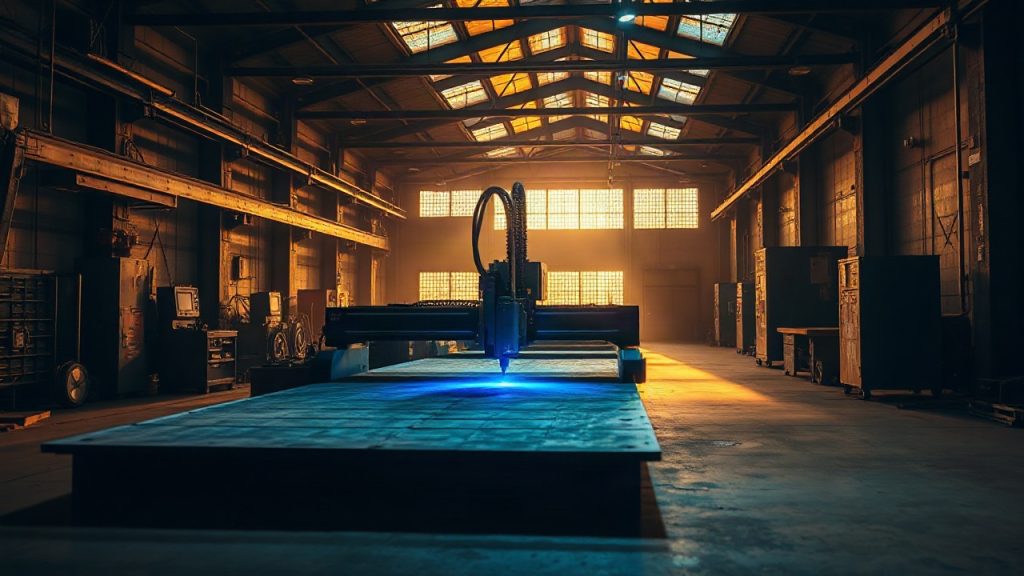
Mathematics as a new tool of creativity
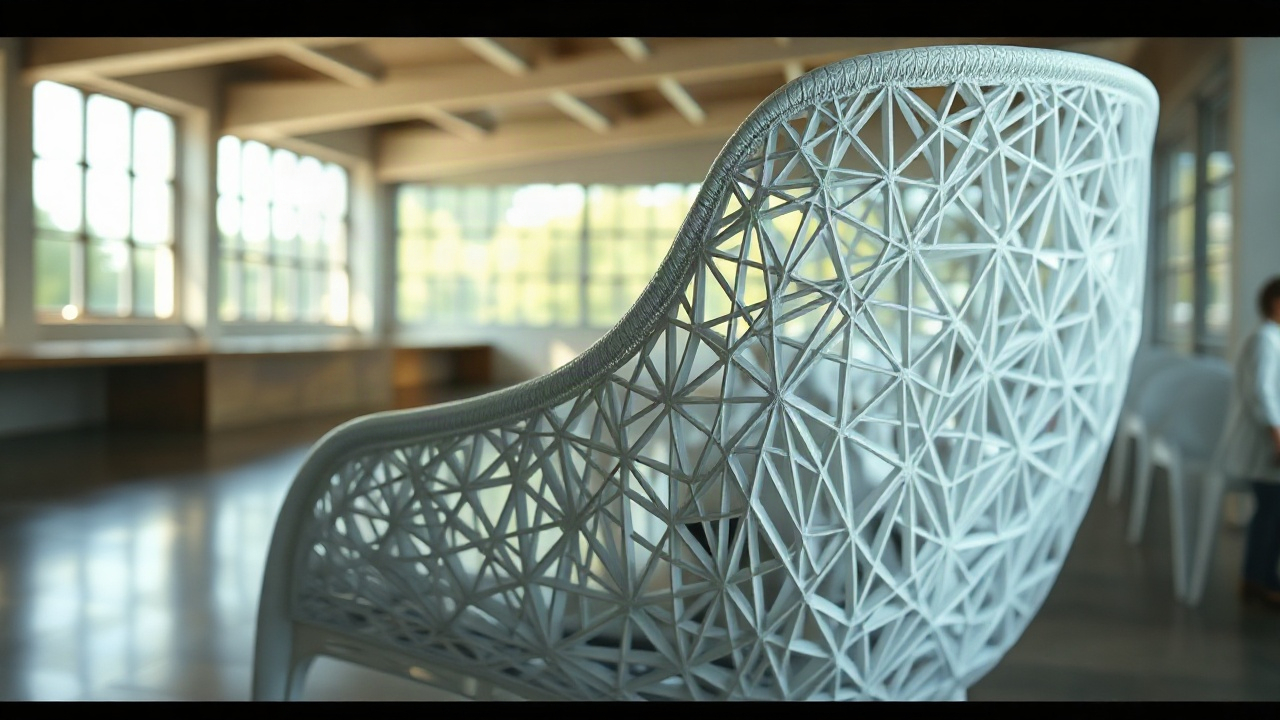
Parametric design is not just another style of interior decoration; it is a fundamental shift in the very methodology of design. Where a classic designer draws a form guided by intuition and experience, the parametricist defines a system of rules, constraints and mathematical relationships. In this process the computer becomes a full-fledged co-author. The human sets the parameters — the dimensions of the room, the weight of the user or the properties of the wood, for example — and the software generates an infinite number of variants that satisfy those conditions.
At its heart lies algorithmic thinking. Instead of drawing every line by hand, the specialist creates a “recipe” for the piece. This makes it possible to create objects that look alive, fluid and incredibly complex. Every element of such furniture is unique, yet it fits perfectly with the neighbouring parts, forming either a monolithic or an openwork structure. It is much like the way corals grow or trees rise in a forest: the form is dictated by function and the surrounding environment, not simply by a wish to make something “pretty”.
It is important to understand that parametrics is not chaos but a higher order. Behind every curve lies a formula describing the path of the router bit or the laser. This approach lets designers move beyond the limits of human imagination, which is confined to familiar geometric primitives — the cube, the sphere or the cylinder. In parametrics, a form can vary its density, transparency and curvature depending on the load it has to bear.
The toolkit of the digital craftsman
Creating objects that cannot be drawn with a pencil calls for specific software packages. The most popular tool in this field is Grasshopper — a plug-in for the visual modelling environment Rhino. It lets you build algorithms out of graphical nodes connected by link lines. This is visual programming, where moving a single slider at the start of the chain instantly transforms the entire geometry of the finished piece.
Beyond Grasshopper, tools based on Python and specialised generative-design solutions are widely used. The main advantage of such programs is the ability to run simulations right in the middle of the design process. The designer can see how stresses are distributed within the structure of a chair, and the algorithm itself will “grow” material where the load is greatest and remove it where it is superfluous. This leads to biomorphic structures reminiscent of bird skeletons or plant fibres.
Working with code demands new competencies from the designer. They are now not only an artist but also a software engineer who understands the logic of loops and conditions. The design process turns into a constant dialogue with the machine: the human adjusts the conditions and the algorithm returns variants. This iterative approach makes it possible to reach a level of ergonomics and aesthetic perfection that was previously unattainable.
Materials and production technologies
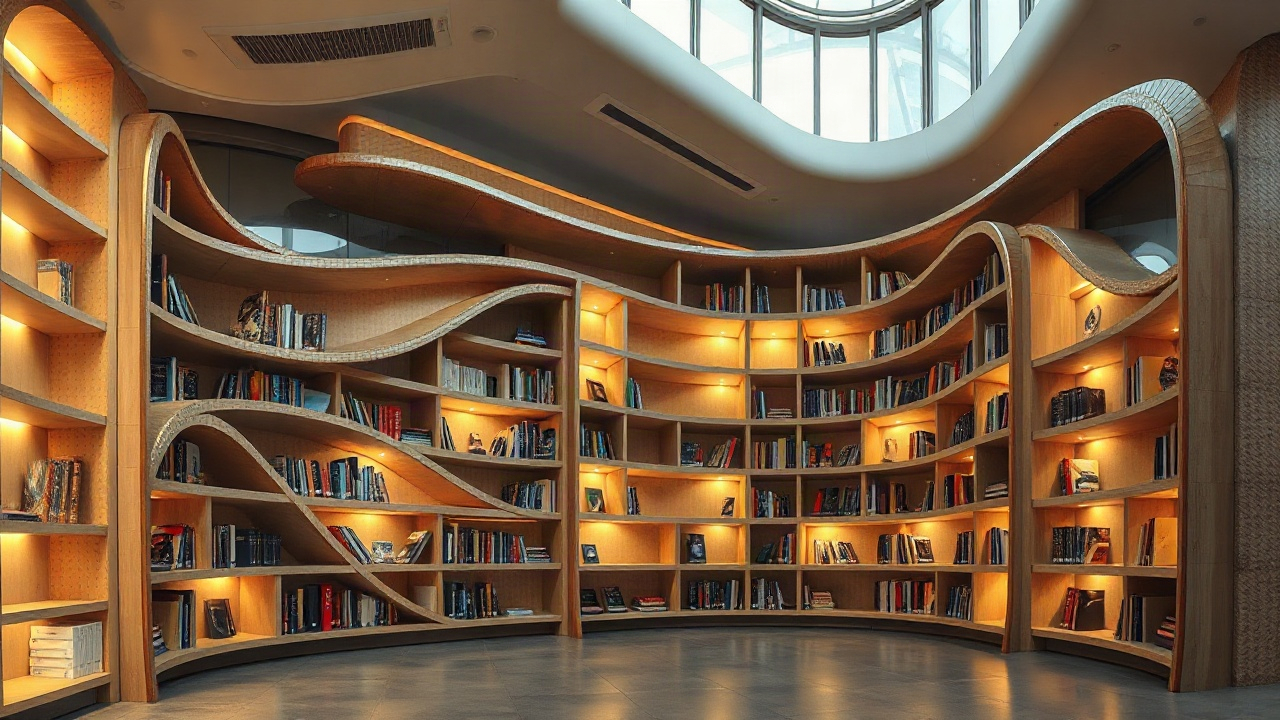
Turning algorithmic ideas into physical form requires modern equipment. The most commonly used methods are CNC milling and additive technologies (3D printing). With wood, the layered-structure method is used most often. A sheet of plywood is cut into hundreds of unique “ribs”, which are then assembled into a single array on metal rods or with glue.
Metal and plastic open up even greater horizons. Thanks to large-format 3D printing, it is possible to create seamless, monolithic chairs or tables with a porous structure. This makes furniture incredibly light while retaining high strength. Materials are chosen according to their ability to deform and hold a shape. The most common ones include:
- Premium-grade birch plywood (ideal for layered structures);
- Composite materials and acrylic stone;
- Metal powders for printing complex nodes;
- Recycled plastic for eco-friendly projects.
The production technology has a direct impact on cost. For now parametrics remains in the segment of premium and collectible design, as it demands considerable computing power and machine time. Yet as automation advances and equipment prices fall, such pieces are becoming ever more affordable for private interiors and public spaces alike.
The aesthetics of the organic and bionic forms
The visual language of parametric design is often called biomimicry. It is an attempt to reproduce the complexity and harmony of nature. In such pieces you will rarely find a right angle. Lines flow smoothly one into another, creating a sense of movement and dynamism. This turns furniture from a mere everyday object into a genuine art piece that captures attention and changes the way space is perceived.
Types of parametric structures
There are several main approaches to shaping the visual image in parametrics:
- Voxel structures: building an object from a multitude of small cubes or cells whose density varies according to a defined rule.
- Layered systems (slicing): dividing the form into flat slices, which creates an effect of “horizontals” and visual depth.
- Tensegrity: structures based on a balance of tension and compression that appear to float in the air.
- Mesh shells: openwork structures resembling a spider’s web or a honeycomb, offering high rigidity.
These structures let light and shadow play across the surfaces of the furniture, creating an intricate rhythmic pattern. In an interior such objects act as focal points. A parametric bench in a hotel lobby, for instance, can take the place of expensive wall finishes, since it shapes the architectural landscape of the room in its own right.
Ergonomics calculated to the millimetre

One of the main misconceptions is the belief that parametric furniture is uncomfortable because of its unusual shape. In reality it is exactly the opposite. Algorithms make it possible to design a surface that perfectly follows the contours of the human body. The software can analyse the pressure points that occur while sitting and adapt the shape of the chair so that the load is distributed as evenly as possible.
In traditional manufacturing, creating an ergonomic chair is a lengthy process of building prototypes and making corrections. In parametrics you can set a “comfort map” and the algorithm will itself find the optimal curve of the backrest and the depth of the seat. What is more, it is possible to create bespoke furniture tailored to the parameters of a specific person using 3D body-scanning data.
| Criterion | Traditional furniture | Parametric furniture |
|---|---|---|
| Form generation | Manual, intuitive | Algorithmic, data-driven |
| Complexity of details | Limited by the capabilities of the tool | Almost unlimited |
| Adaptability | Low (fixed dimensions) | High (easily adjusted to conditions) |
| Material consumption | Standard | Optimised (minimal waste) |
This approach makes furniture not only beautiful but genuinely functional. Layered structures, for example, provide natural ventilation, while flexible connections between elements can lend the construction a pleasant springiness that rigid frame models cannot match.
Impact on ecology and sustainable development
Parametric design is closely tied to the concept of conscious consumption and sustainable development. One of the key capabilities of algorithmic design is topology optimization. This is a process in which the software calculates the minimum amount of material needed to perform a given function. As a result we obtain pieces that consume fewer of the planet’s resources during production.
In addition, parametrics makes it possible to minimise waste when cutting materials. Nesting algorithms (the arrangement of parts on a sheet) find positions for hundreds of unique elements in which the off-cuts between parts approach zero. This is especially important when working with expensive wood or rare materials. It is also worth noting the possibility of designing knock-down structures without glue or metal fasteners — relying on complex mortise-and-tenon joints that cannot be cut by hand.
Furniture created with algorithms often has a longer life cycle. Thanks to its uniqueness and artistic value, it is less often thrown away when an interior is refreshed, moving instead into the category of collectible items. This is an important step away from the culture of “fast furniture” that clutters landfills with cheap and short-lived materials.
Integration into modern interiors
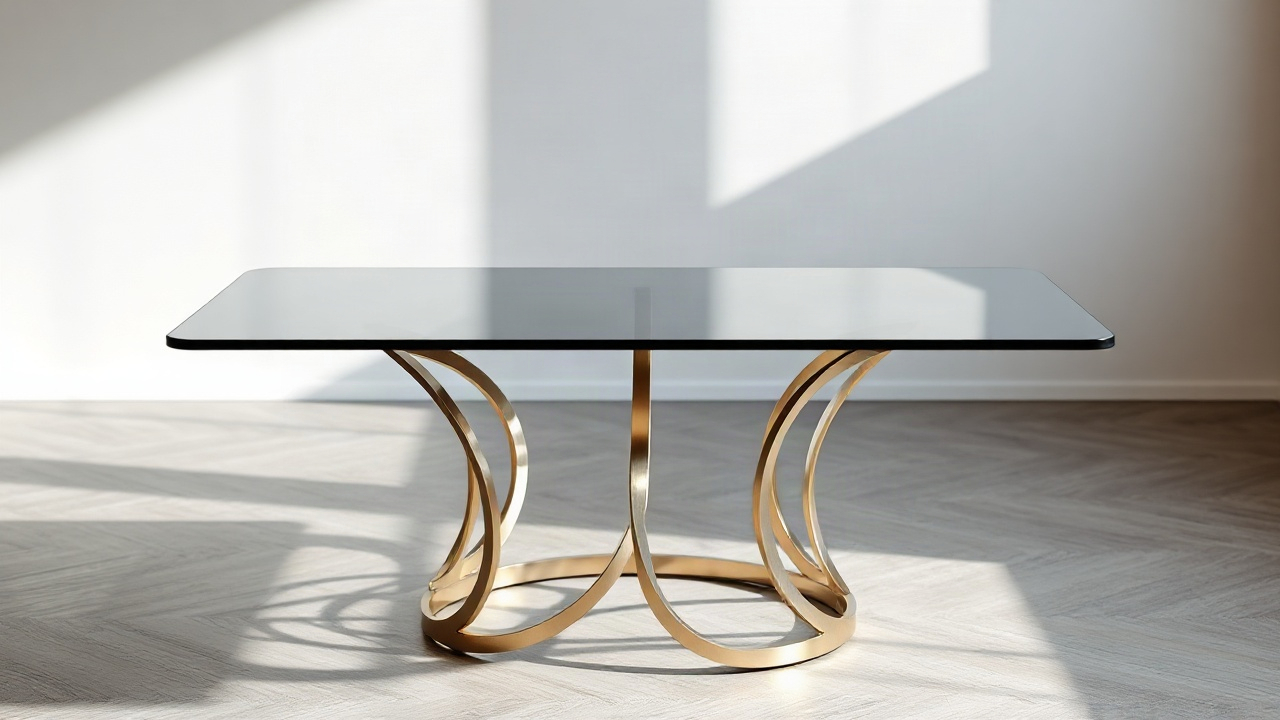
How do you fit such a complex object into an ordinary apartment or office? Parametric furniture needs air and space. It looks best in minimalist, modern or futuristic interiors. Yet thanks to the use of natural materials (wood in particular), such objects can harmoniously complement even a loft or Scandinavian style, bringing to them an element of natural complexity.
Tips for placement in the interior
- Keep your distance: a parametric table or shelving unit should have free space around it so the viewer can appreciate the play of forms from different angles.
- Light as a co-author: directional lighting will emphasise the rhythm of the ribs and create dramatic shadows, heightening the sense of volume.
- A neutral backdrop: such pieces look best against plain walls in restrained shades — greys, whites and deep dark tones.
- Functional zoning: parametric partitions or large sofa groups are excellent at dividing space without creating solid barriers.
Do not overload a room with a multitude of algorithmic objects. One or two accent pieces are enough to set the tone for the entire space. It might be a console in the hallway, an unusual bed headboard or a dining table. The key is to remember that parametrics is always about the balance between mathematical rigour and aesthetic freedom.
The future of parametrics: self-assembly and living materials
Technology does not stand still, and we are already seeing the first signs of the next stage of development — the use of 4D printing and programmable materials. Imagine furniture that ships flat and, once unpacked, takes on the required shape by itself under the influence of heat, moisture or light. This will become possible thanks to embedding algorithms directly into the structure of the material at the molecular level.
Another promising direction is the use of neural networks to generate designs. Where once a person had to write the script in Grasshopper themselves, they can now describe the desired result in words, and the AI will offer thousands of variants optimised for weight, cost and ergonomics. This democratises the process of creating unique pieces, making bespoke design accessible to the mass consumer.
In the end, parametric design leads us towards a world where every piece of furniture is created specifically for a particular place and a particular person. It is a return to the age of craftsmanship, but on an entirely new technological plane. Furniture ceases to be a faceless product of the mass conveyor and becomes the embodiment of a complex mathematical beauty that was once accessible only to nature itself.