
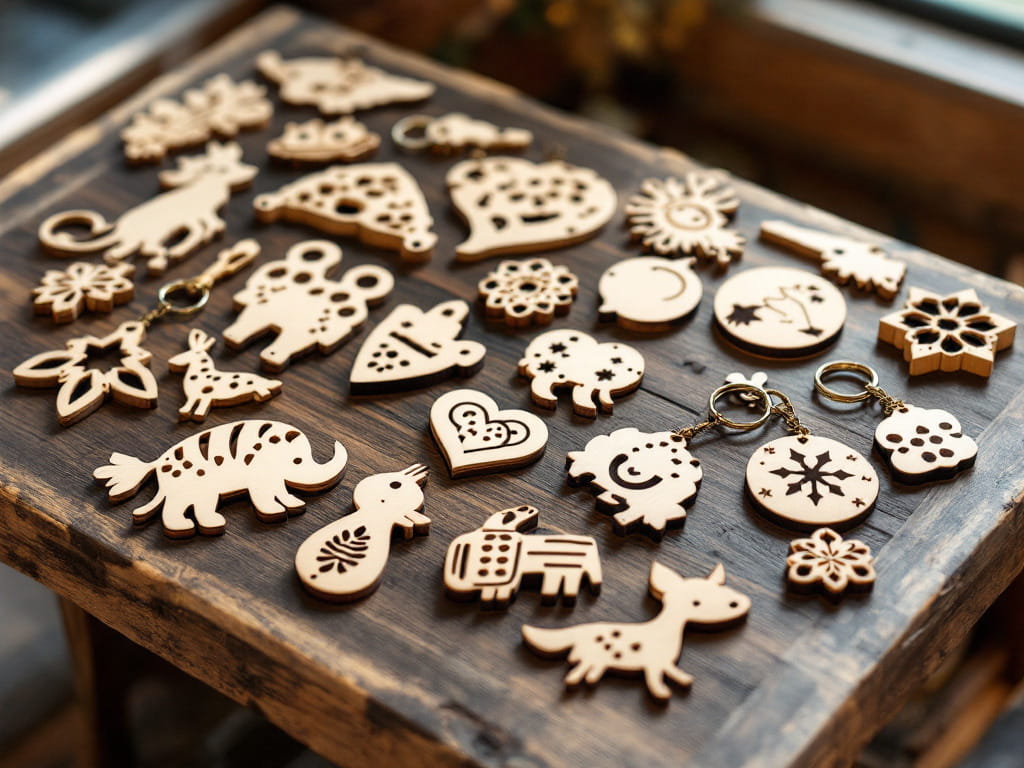
Wooden Souvenir Products
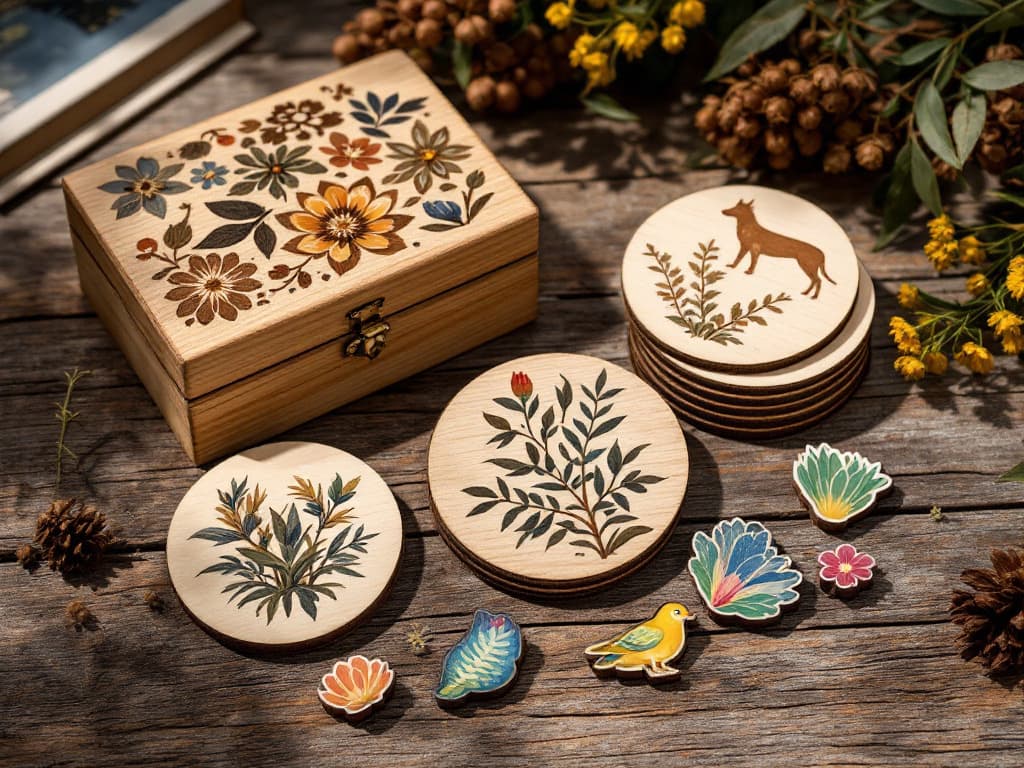
Wooden souvenirs are gift and promotional items that work equally well on the retail shelf and in corporate sets: boxes, photo frames, magnets, wall panels, stands and medal hangers. TigerWood manufactures them from plywood, MDF, MFC and particleboard to order and in any volume, with branding to match your corporate identity. Below you will find which souvenirs are made from wood, how production and finishing are organised, which species go into the work and how to place a wholesale order tailored to your goals.
Wooden souvenirs: from concept to finished product
Behind the phrase “wooden souvenirs” lies a whole layer of products: gifts, corporate merchandise, interior decor and goods for the retail shelf. This includes boxes, photo frames, stands, magnets, wall panels, all sorts of decor and handcrafted items, assembled both by classic woodworking methods and on a modern machine park. Thanks to the variety of shapes and purposes, such souvenirs are equally in demand in tourism, advertising, the event industry and everyday gift retail.
Wood is prized in souvenirs for its natural look, pleasant appearance and the way it sits in the hand. Such an item feels warmer than a plastic trinket and often stays with a person for a long time, rather than ending up in a drawer after an event. TigerWood’s capacity covers both ends of demand: large runs of identical items for mass giveaways, and small one-off collections for a specific task — client gifts, branded packaging, accessories for a gift shop.
This category calls for not only precision but also taste. Every part is refined by sanding, carefully glued and assembled, and coated with safe, wear-resistant compounds. Many items sit on display in an interior, are handled daily or serve to store small things — which means they must be strong and durable, not a one-time beauty. That is why quality is kept consistent along the entire chain: from preparing the blank to the final packaging in which the souvenir reaches the recipient without chips.
What matters to our clients and partners

Professional team
Experienced craftsmen, engineers and CNC operators. Thorough quality control at every stage

Flexibility and a tailored approach
We adapt to any task: we work from your drawings or develop the cutting and machining program ourselves

End-to-end approach
We offer the full range of woodworking services — from sawing to painting and assembly

Wide delivery coverage
We work with clients across many European countries. We help with logistics and packaging

Fast lead times
Large-scale production and streamlined processes let us complete even complex orders quickly

Modern equipment
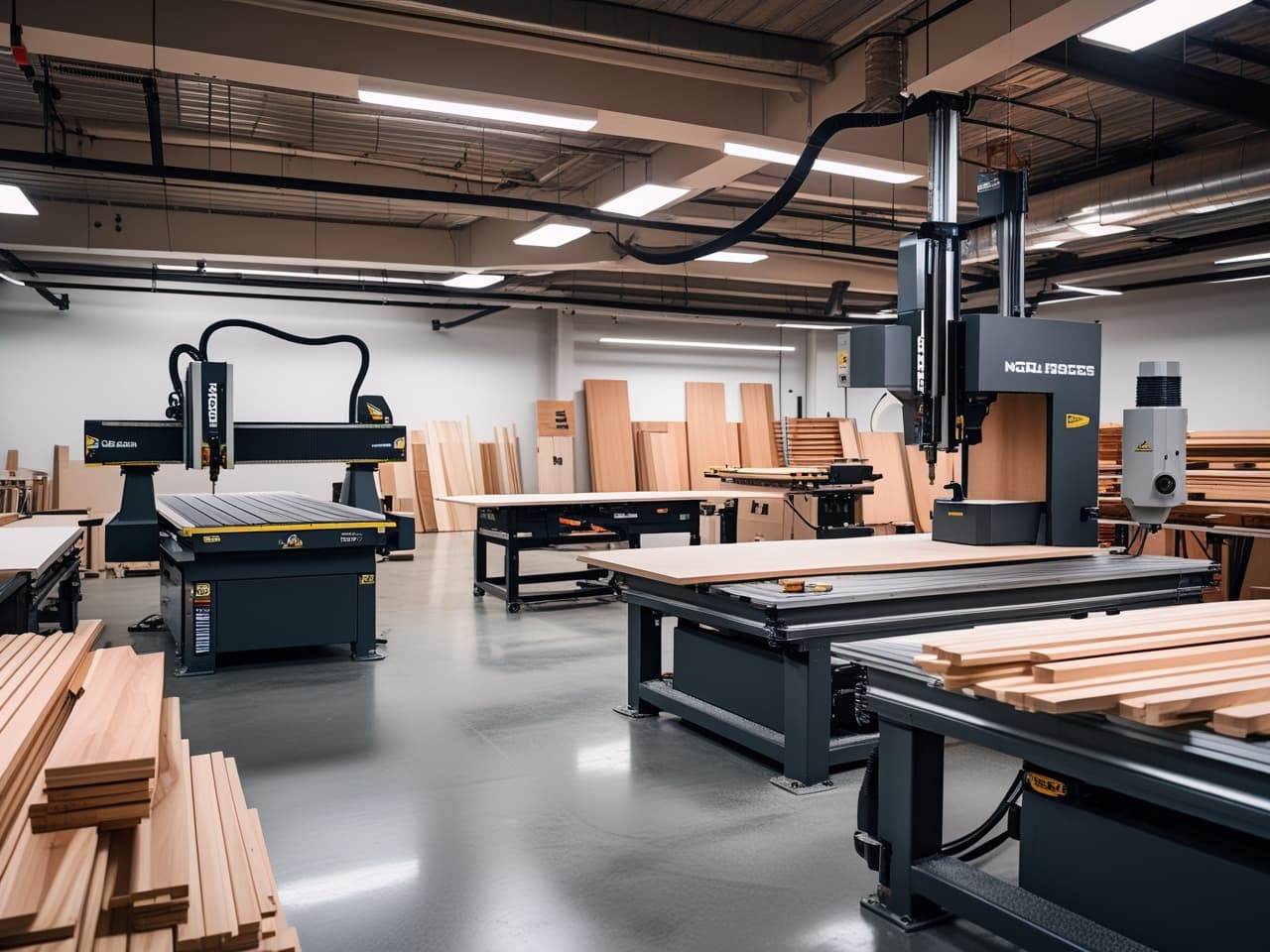
We work with panel saws, CNC machines, routers and sanding machines
Features of wooden souvenir production
Wooden souvenirs have their own nuances that set them apart from ordinary woodworking. The main thing is that everything here hinges on perception: how the item looks and how it feels in the hand. It is not enough to simply make a souvenir functional — it must please the eye and evoke emotion, otherwise it will not work as a gift. Hence the heightened requirements for the material, the surface treatment and the finishing details that would be overlooked in a utilitarian product.
A significant part of the work is done by hand or with manual finishing — especially in the finishing, painting, pattern application and engraving. It is precisely handwork that gives an item the individuality that stamped plastic never has. Working alongside it are machine techniques: laser cutting, milling, pyrography, artistic carving, shaped assembly. Such an arsenal makes it possible to produce both classic-style souvenirs with carving and understated pieces in the spirit of modern minimalism.
Another trait of the category is the variety of shapes. A souvenir is rarely a simple rectangle: complex geometry, carved details, decorative legs and handles, hinges, lids, pull-out drawers and shaped cut-outs all come into play. Each such element has to be thought through, fitted and checked in assembly separately. Because of this, souvenir production is more painstaking than turning out uniform packaging, but the result is noticeably more interesting.
The look of the wood itself works separately — its texture, colour and grain pattern. To enhance this effect, tinting, patination or brushing is applied: they emphasise the texture and give the item a refined patina of age. Such a souvenir looks more expensive and stands out more on the shop shelf, in a corporate set or in a tourist stall — which means it sells better and stays with its owner longer.
What wooden souvenirs are made
Boxes

Photo frames

Wall panels
Magnets

Stands

Medal hangers
A wide choice of wooden solutions for gifts and decoration
Within wooden souvenirs there are several subcategories, and each covers its own task and its own business segment. TigerWood makes them all, so a customer can assemble a ready-made product line turnkey from a single manufacturer instead of pairing magnets from one workshop with boxes from another. Below is a short overview of the main groups.
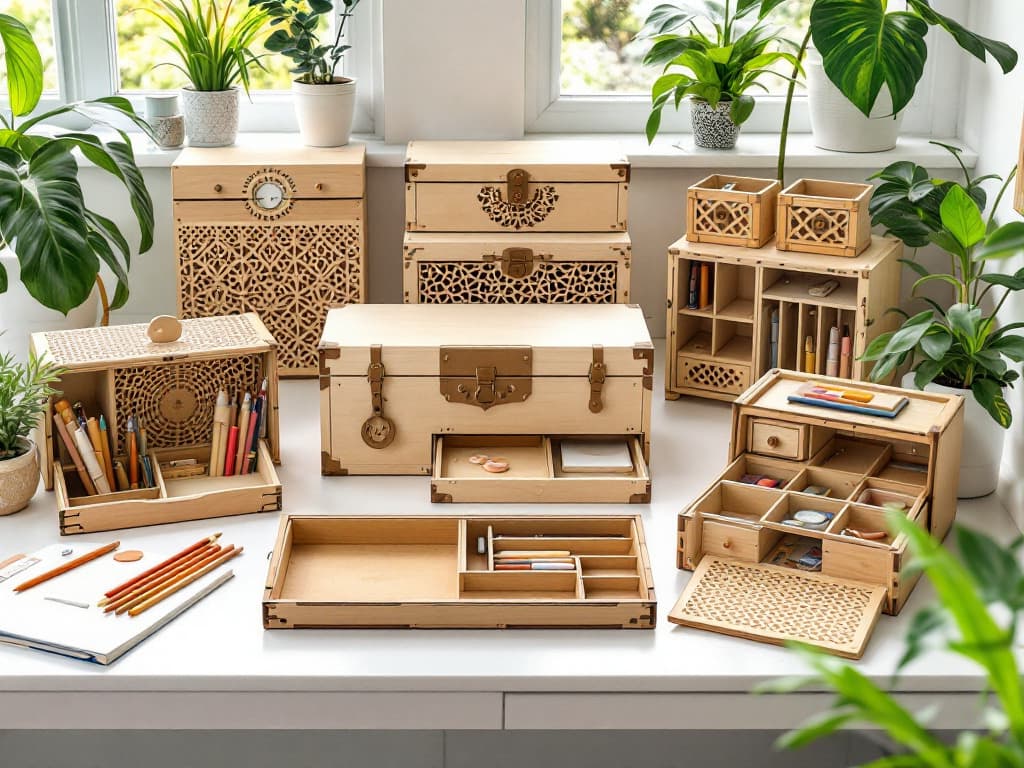
📦 Boxes — from miniature gift boxes to roomy ones for jewellery and keepsakes. They are made with a lid, lock, hinges or a magnetic catch depending on the purpose. Each has its own decor: some have a logo burned in, others carry an artistic ornament — so the same base turns into a personal gift.
🖼️ Photo frames — a popular item for interior decor. They are produced in various formats, vertical and horizontal, with a stand or wall mount. A frame is often ordered with engraving — a logo, an inscription, a date — and then an ordinary photograph becomes a keepsake tied to an event or a brand.
🪵 Stands for mugs, phones, books or business cards combine usefulness and decor. At home they bring order to the desk, while in the office they serve as a neat accessory and a handy carrier for a logo — a pen stand with a corporate mark easily becomes part of a corporate set.
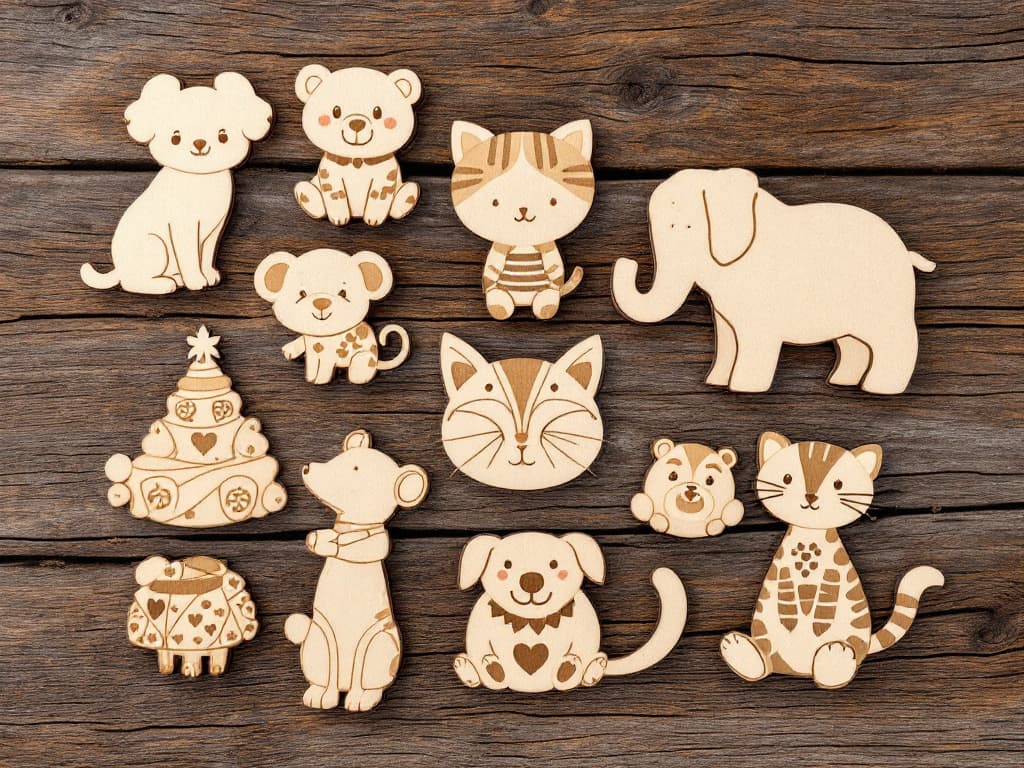
🧲 Magnets — a budget yet effective souvenir that sells in large runs. They are made by contour cutting, laser engraving, with appliqué and in non-standard shapes. The low per-unit price makes the magnet an ideal option for mass giveaways at trade fairs and tourist spots.
🏅 Wall panels and medal hangers carry not only a decorative but also a meaningful load. A panel with a quote, a map or symbolism decorates an interior and works as a gift with a message, while a medal hanger gives sporting awards their place on the wall. The latter are especially popular with sports schools, coaches and parents — children enjoy seeing their medals on display.
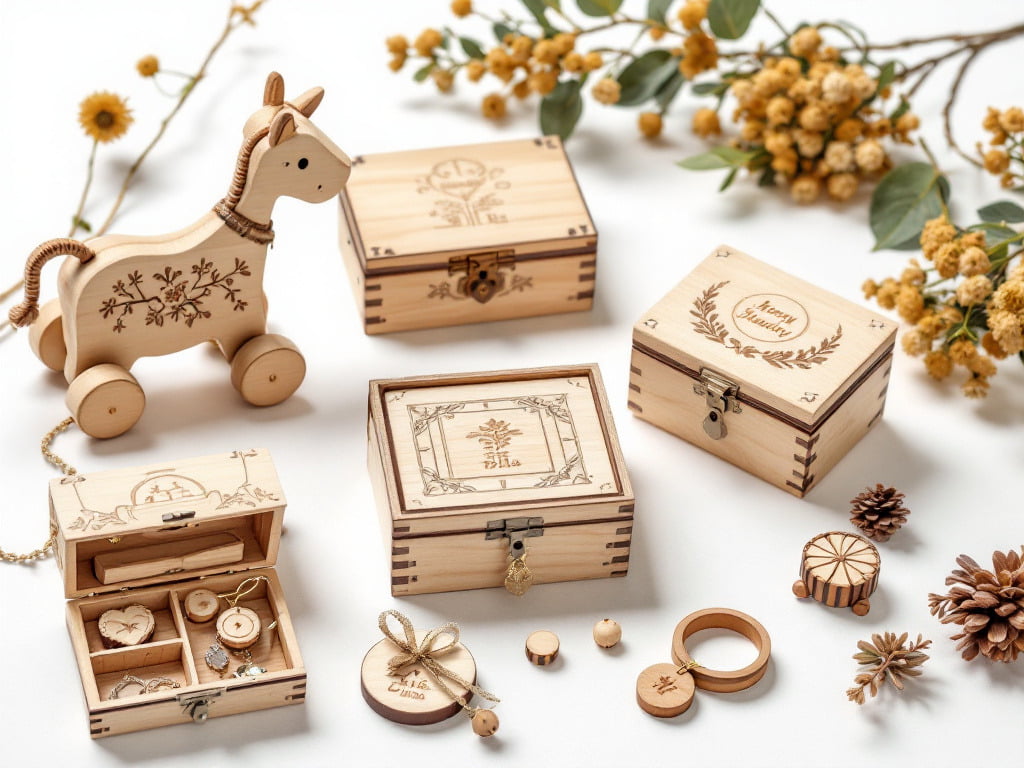
Subcategories of wooden souvenirs: an overview of solutions
Each line of wooden souvenirs has its own scenario and its own steady demand. Boxes are most often bought for corporate gifts and event souvenirs. Demand is especially high for personalised models — with a logo, initials, themed symbolism — because it is personalisation that turns an item from a faceless gift into a targeted one.
Photo frames are bought by decor shops and photo services — both as a standalone product and as part of ready-made photo compositions. Whole lines are often assembled for a specific theme: wedding, children’s, tourist. In such series, wood sets the right mood, emphasising the warmth and naturalness that a plastic or metal frame cannot provide.
Stands live at the intersection of a souvenir and a working accessory. A pen stand with a logo easily fits into an office set or a gift for a partner while remaining a useful thing on the desk. Wood adds warmth and solidity to such an item — it looks more prestigious than a plastic organiser and stays on the workplace longer.
Magnets are the backbone of tourist and regional series. They feature local views, landmarks, the coat of arms or a city’s symbolism, and such a souvenir is taken home as a memento of a trip. Magnets are also widely used in advertising: they are enclosed in branded packaging and handed out at promotions where a low per-unit price at a large run matters.
Wall panels and medal hangers carry added meaning — they are given not just “for form’s sake”. A panel is presented for an anniversary, a corporate event or as a token of gratitude, carrying a message rather than just decor. Medal hangers are ordered by sports schools, coaches and parents to reward a child: medals gain their own place of honour, and this noticeably motivates them to keep training.
The types of wood and sheet-material processing we use
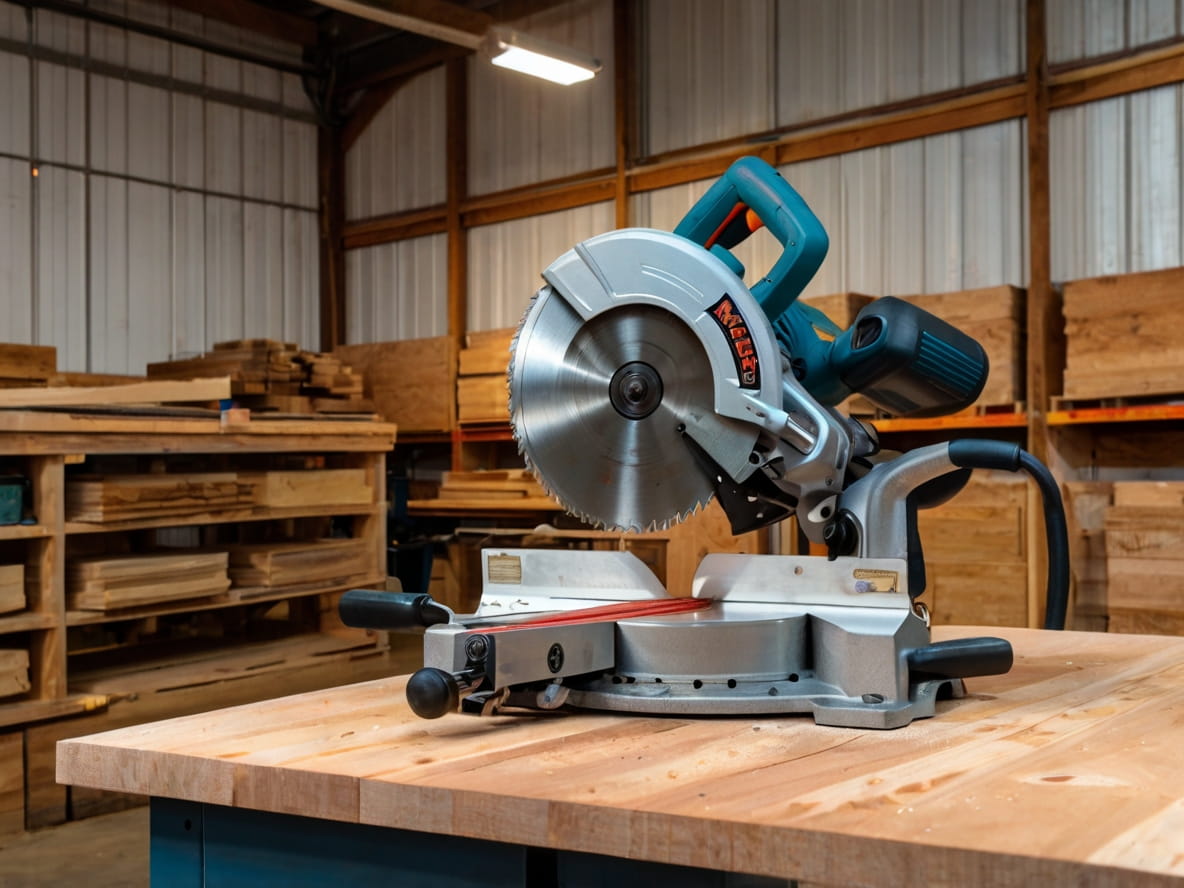
Cutting
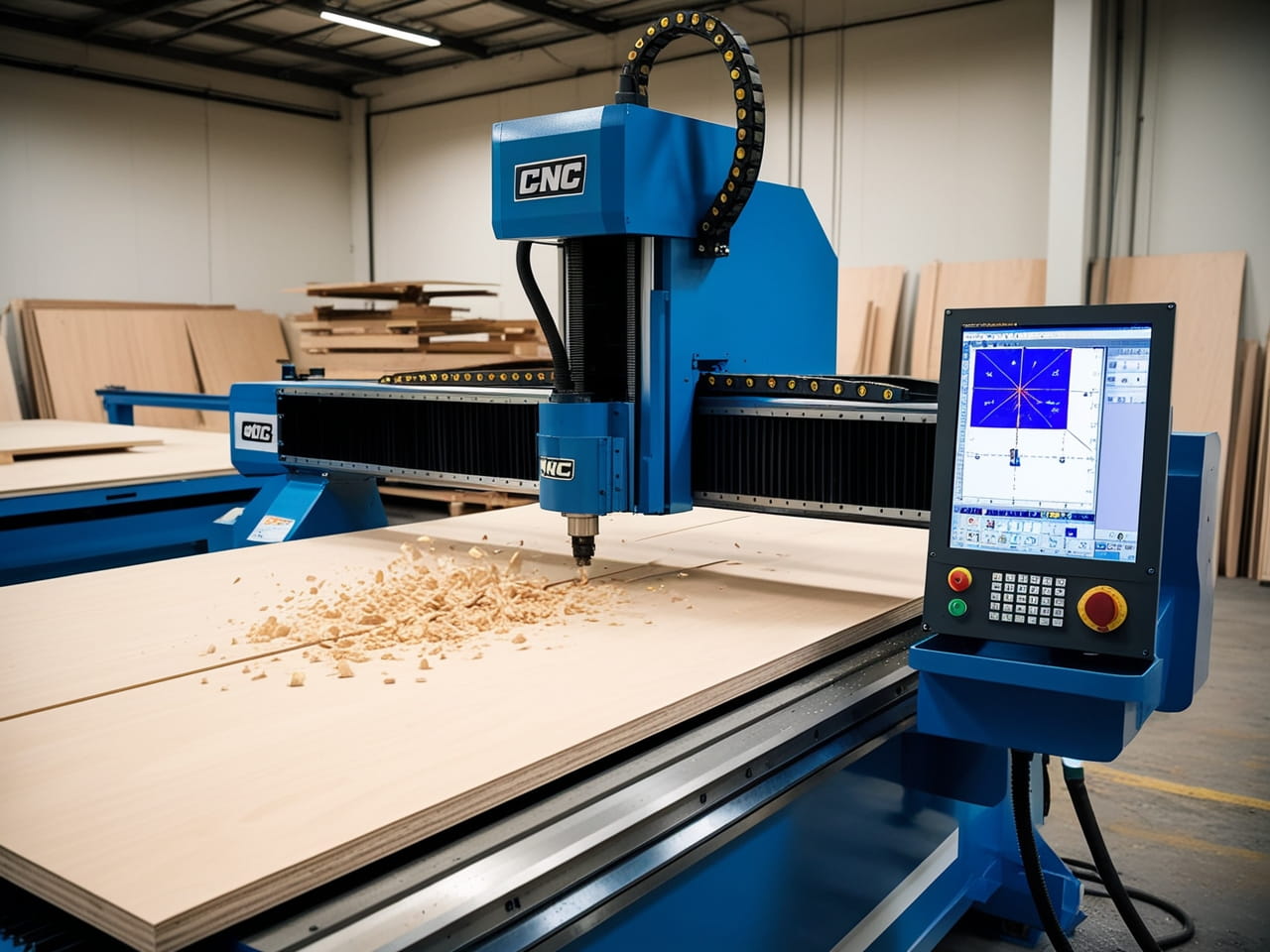
CNC

Cross-cutting

Drilling
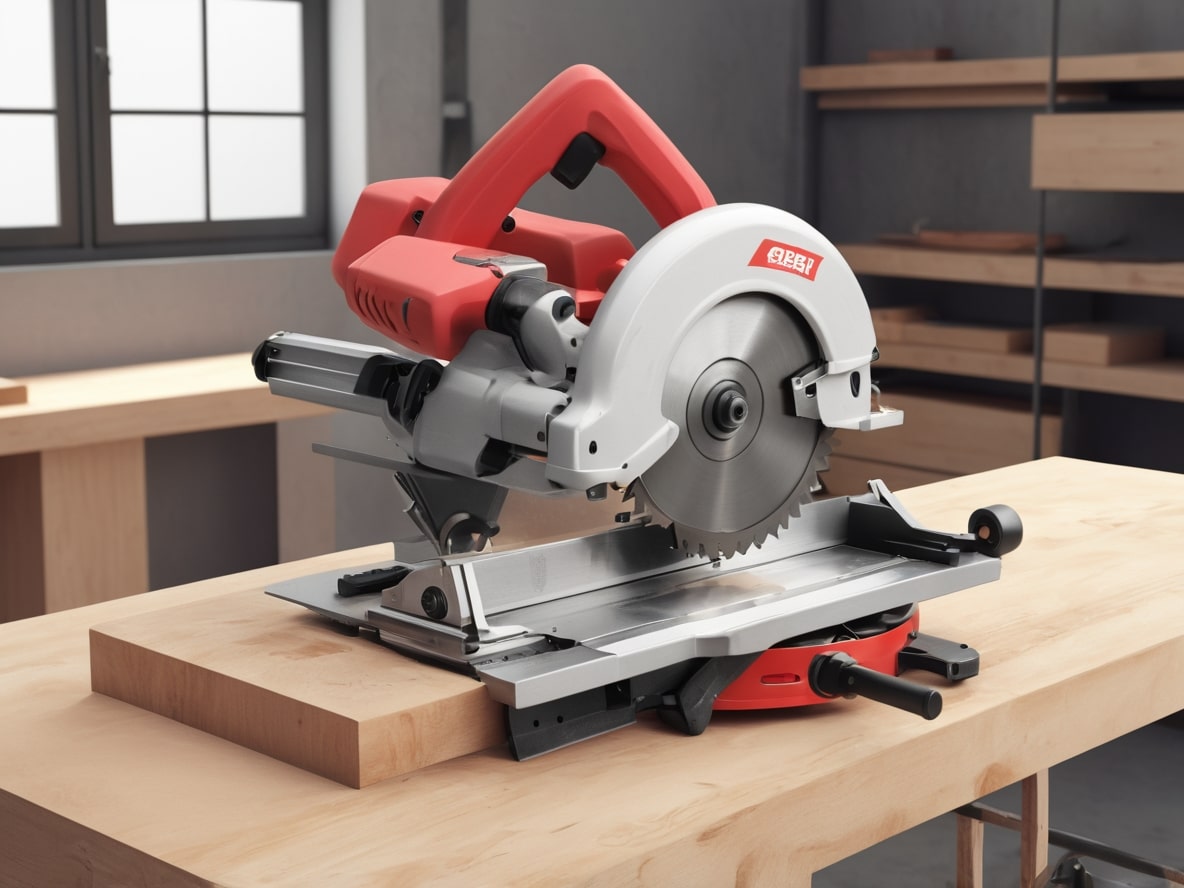
Sawing

Ripping

Machining
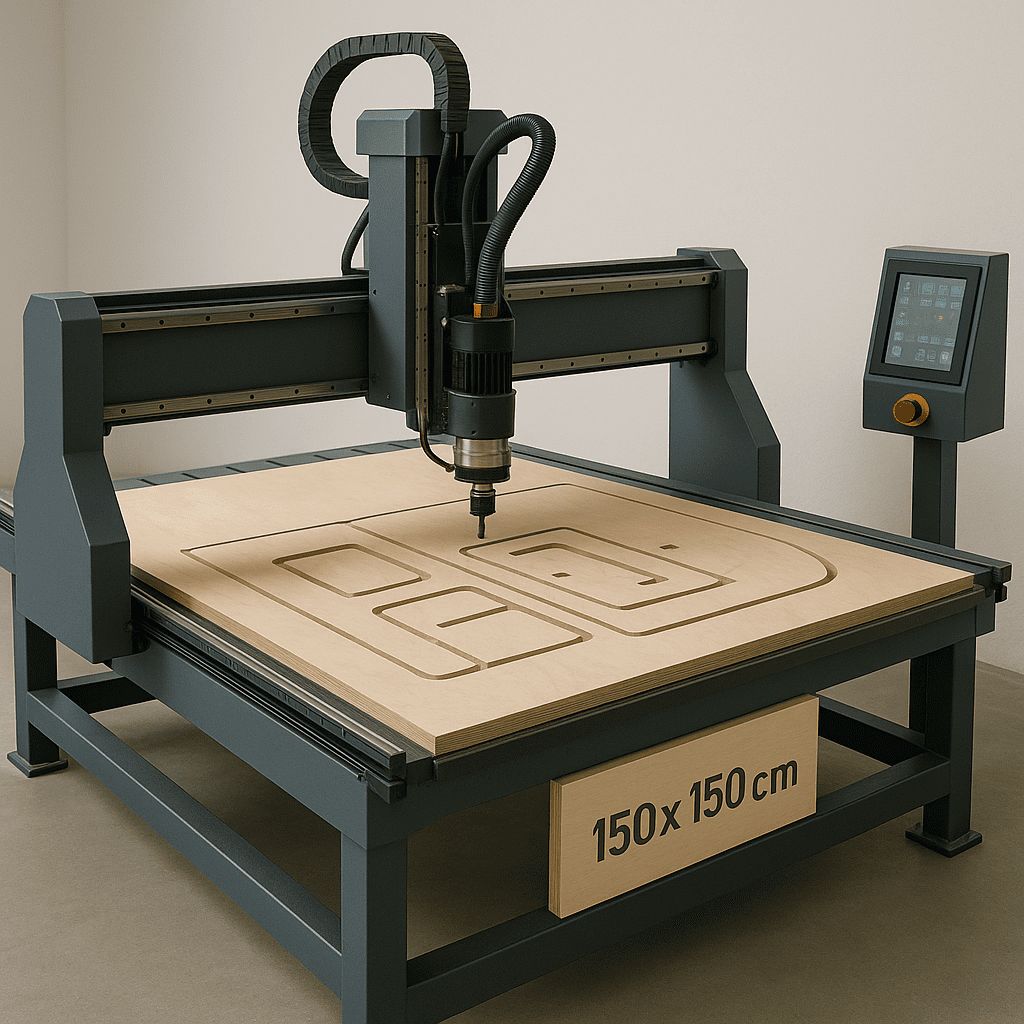
Cutting to size
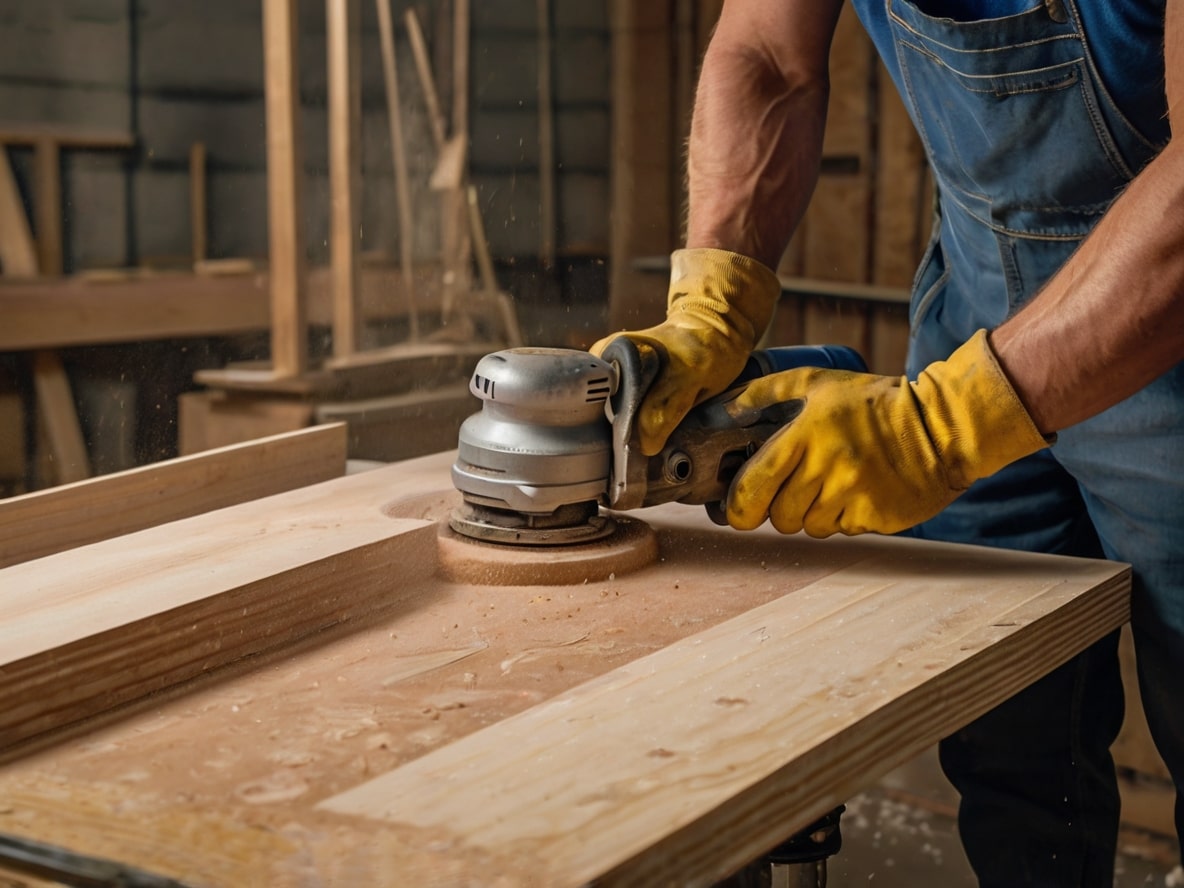
Sanding
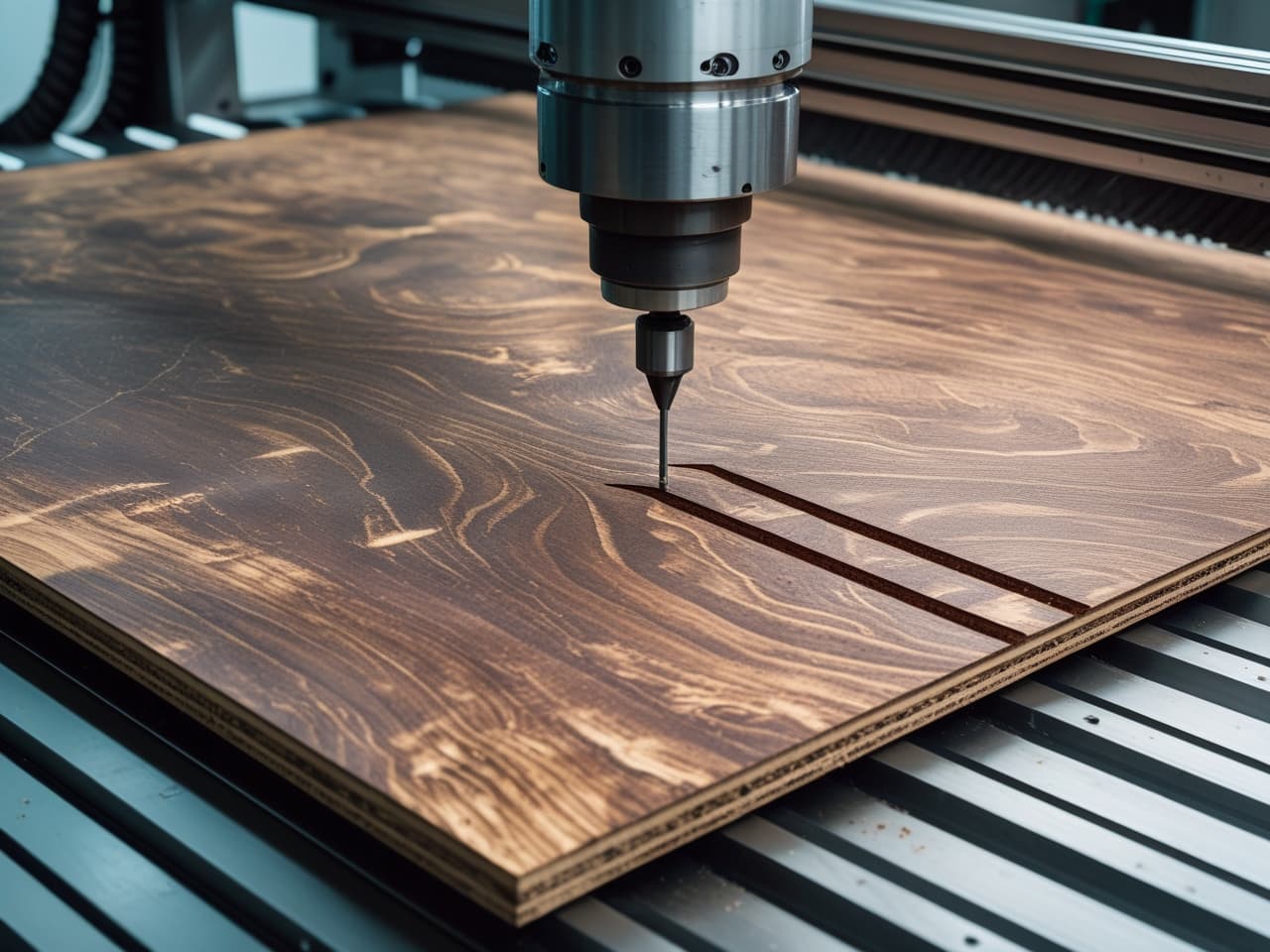
Grooving
Milling

Painting
Working with wood in the production of wooden souvenirs
In souvenirs the material decides almost everything: the look of the item, its service life, how the piece feels in the hand and even a light woody aroma all depend on it. The most commonly used species are linden, birch, pine and beech. These species are easy to work, pleasant in texture and hold a pattern well under engraving and pyrography — the line comes out crisp rather than blurring along the grain.
Before work, the material is dried to the required moisture content — otherwise the finished souvenir will warp, crack or deform over time right on the buyer’s shelf. Every blank is inspected for knots, cracks and hidden defects: in a small item even a minor flaw immediately catches the eye, so rejection here is stricter than in large structures.
Safety is a topic of its own. A souvenir is held in the hands, placed at home, sometimes given to children, so it must have no burrs, sharp edges or untreated areas. Surfaces are sanded by hand or on a machine to complete smoothness, and the coatings chosen are eco-friendly — odourless varnishes and oils that do not release harmful substances. For an item living in a residential space this is not a formality but a mandatory requirement.
Besides the technical preparation, the wood is treated artistically: tinted, brushed, scorched, patinated. These techniques deliver expressive decorative effects — from an aged-surface look to deep, revealed texture. It is precisely they that give a souvenir character and make it unlike its neighbour on the shelf, even if the base was the same.
The production stages of woodworking and manufacturing
The technological sequence: how wooden souvenirs are made
It all starts with an idea. From the brief, a sketch or drawing is made, dimensions are set, and the construction and finishing options are worked out. Then the material is selected — the species, the treatment method and the finish coating are chosen for the specific item. This stage determines both the look and the price of the future souvenir, so it is not skipped but discussed with the customer.
After the construction is approved comes cutting and shaping. Blanks are cut to the specified dimensions, parts are cut out, sanded and checked against the drawing. Next comes assembly, specific to each type of item: somewhere gluing, somewhere a tenon joint, somewhere the fitting of hardware, magnets, glass and mounts. It is in assembly that the precision of the previous steps shows — the parts either match or they do not.
Finishing is arguably the main stage for a souvenir. Here the surface is refined by sanding to perfect smoothness, painted or tinted, and a pattern, engraving or pyrography is applied. Then the item passes a quality check, is packed in individual or transport packaging and heads off to the customer. Whether a souvenir is perceived as a valuable gift or a cheap trinket depends on how neatly the finishing is done.
Why choosing TigerWood souvenirs is the optimal solution for wholesalers and companies
The first thing TigerWood wins with is an individual approach, and in souvenirs it is especially important. Here you rarely just need “an object made of wood”: the customer wants the item to hit precisely their task — an advertising campaign, a corporate set, a tourist line. A wholesale client gets a souvenir tailored to their marketing goals, not a universal blank that equally suits no one.
The second advantage is a wide choice of materials and processing techniques. Thanks to it, you can put together both a budget magnet for mass giveaways and a premium box for an expensive gift, adapting the offer to the market segment. Consistent quality rests on modern equipment and well-honed processes: the result does not “wander” from batch to batch, which is critical when souvenirs go out under a single brand.
The third is flexibility in lead times and volumes. A small batch for a shop and a large corporate order for a nationwide event are handled equally. The terms stay transparent, and there is a person on hand ready to discuss the details, so the ordering process is clear from the first message to shipment, with no surprises in the invoice or the timeline.
A separate plus is branding. A logo, slogan and corporate colours on a souvenir work for the company’s recognition right in the client’s hands. And since the item is high quality and made of natural material, it does not fly into the bin after an event but stays with a person for a long time — quietly reminding them of the brand all that while, which is worth a great deal to an advertising budget.
Finally, TigerWood works across all of Europe, and well-established logistics make it possible to deliver souvenirs even to remote regions without a long wait. For a wholesale customer this means a batch can be timed to a specific event date, without setting aside extra weeks for transit.


Additional TigerWood product categories: expanding the scope of cooperation
TigerWood’s range is not limited to souvenirs — alongside them runs a whole set of other categories that expand a wholesaler’s options. This is convenient for building a comprehensive offer: a buyer assembles several complementary lines at once from a single manufacturer and gets a set of goods coordinated by material and style, rather than a mismatched hodgepodge.
Among these categories is interior and furniture production: office, kitchen, garden and retail furniture. It is made from plywood, MDF and other wood-based materials with an eye to current trends and quality requirements, so something can be found for almost any request — from a strict office setting to outdoor garden sets.
There is also the production of wooden blanks and components — bought by makers of furniture and decor. A ready semi-finished part saves the client time and resources: there is no need to cut and calibrate it yourself, and consistent quality and precise dimensions let the parts go straight into their own assembly without extra fitting.
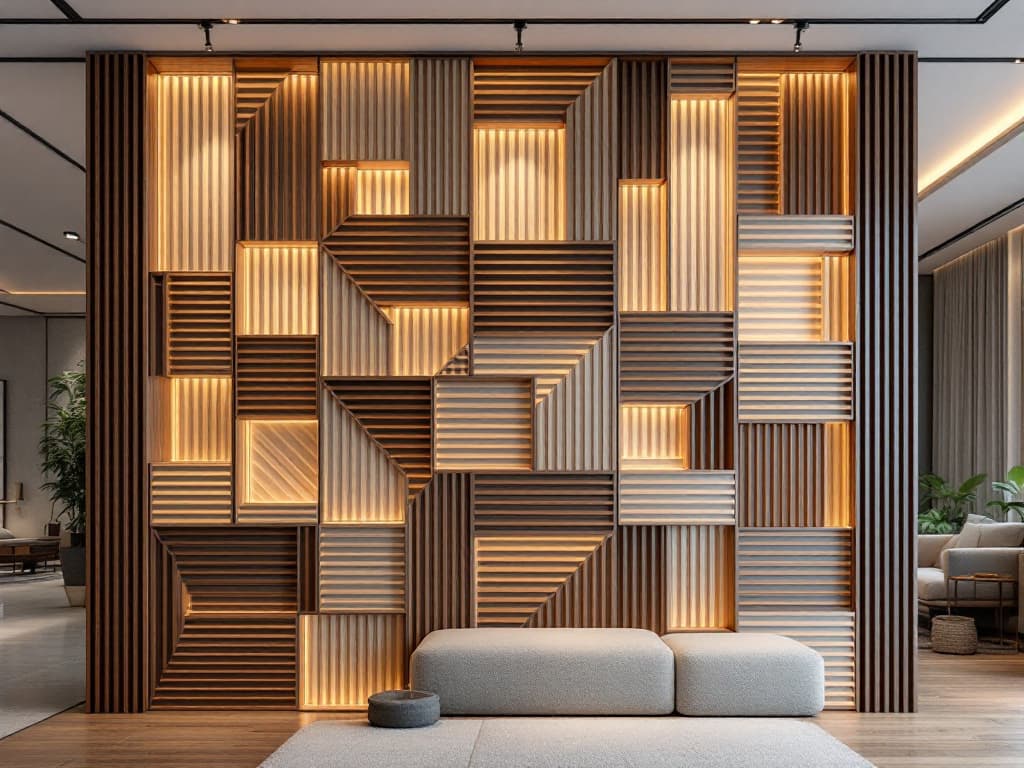
Interior decor and finishing elements are another separate category: wall panels, frames, decorative inlays, partitions for fitting out spaces. It pairs well with the souvenir line, because both speak one language — natural wood and neat finishing. From such a set it is convenient to build a whole space-design concept, rather than scattered details.
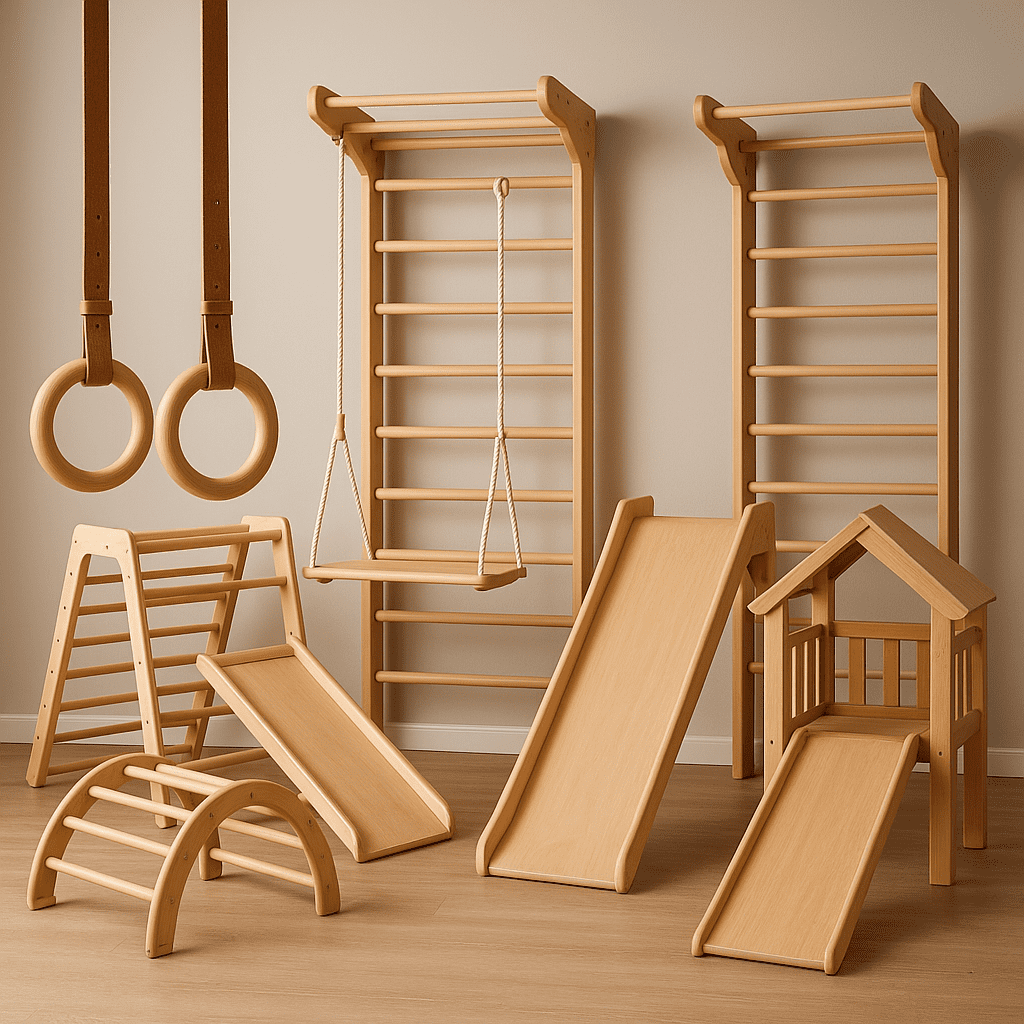
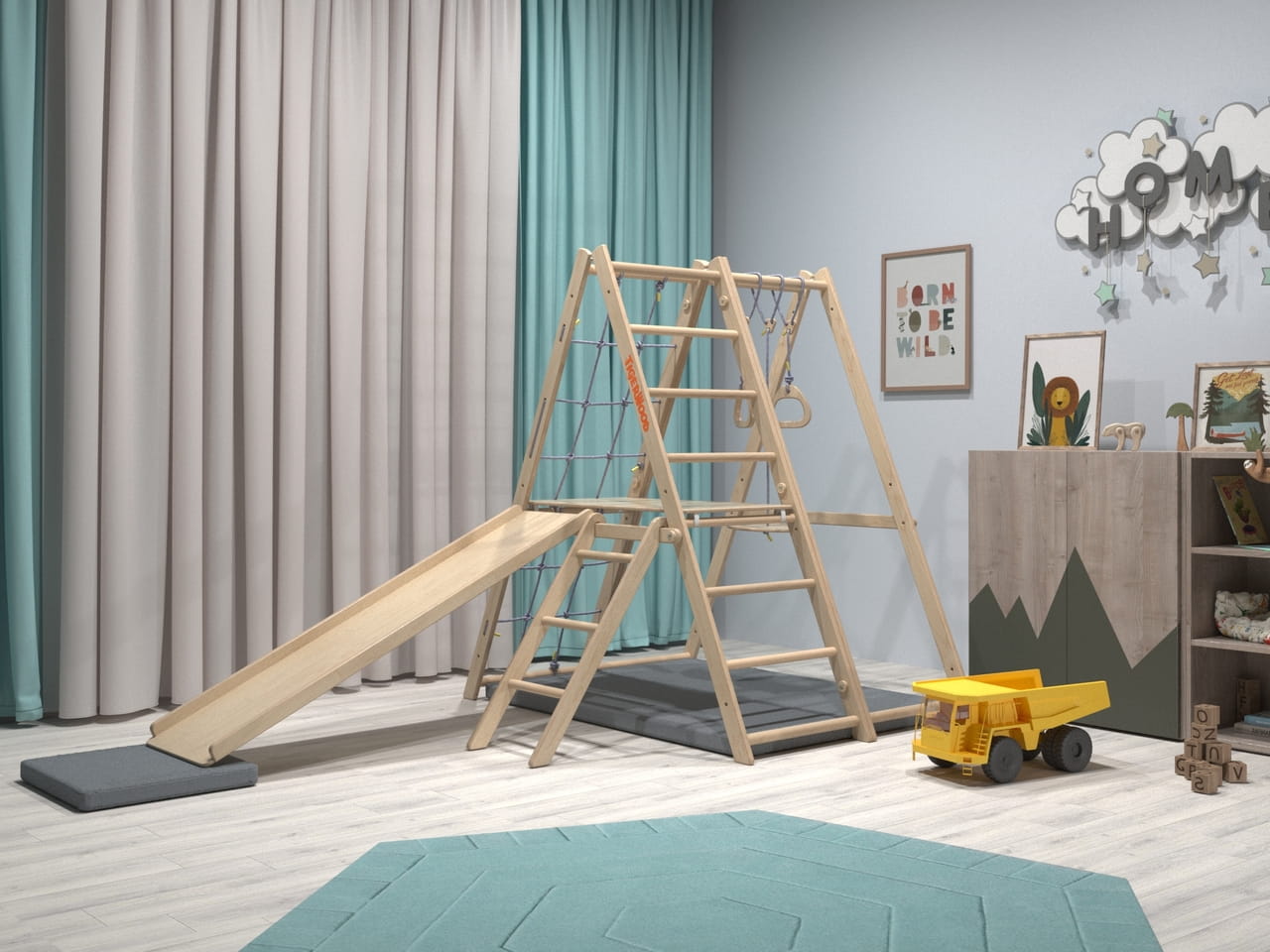
For those working with the children’s segment there are lines made from natural, eco-friendly materials that meet safety standards. Such goods are needed by shops and manufacturers focused on family and children: here the harmlessness of coatings and the absence of sharp parts come first, and wooden products meet these requirements better than plastic.
Such a set of directions lets a customer tie souvenirs together with other products into a single offer — for retail or for a corporate client across Europe and beyond. A comprehensive order from one manufacturer is easier to run, cheaper to ship and easier to keep in a single style than gathering the same items from several disparate suppliers.
Examples of our work and partner projects
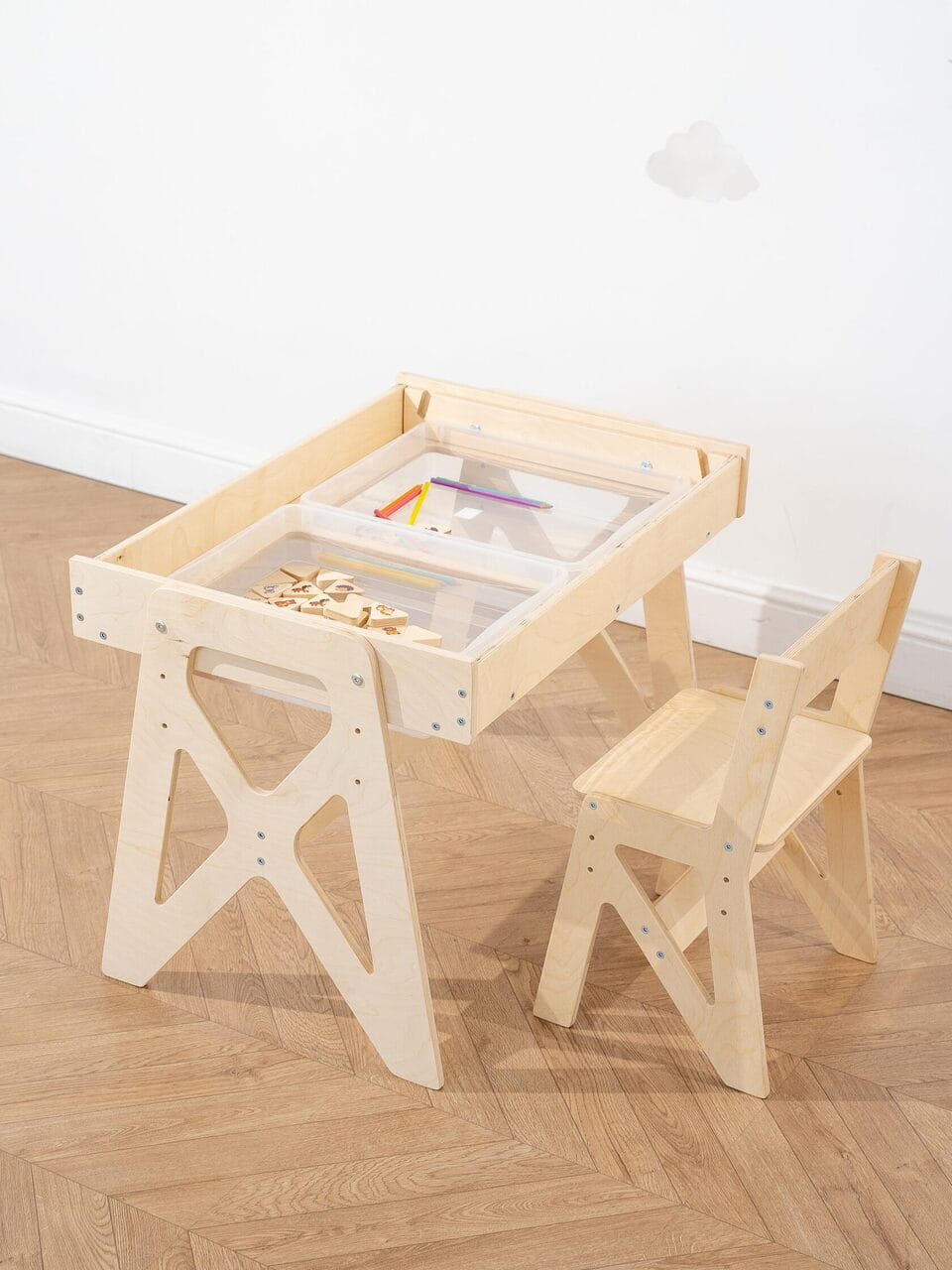
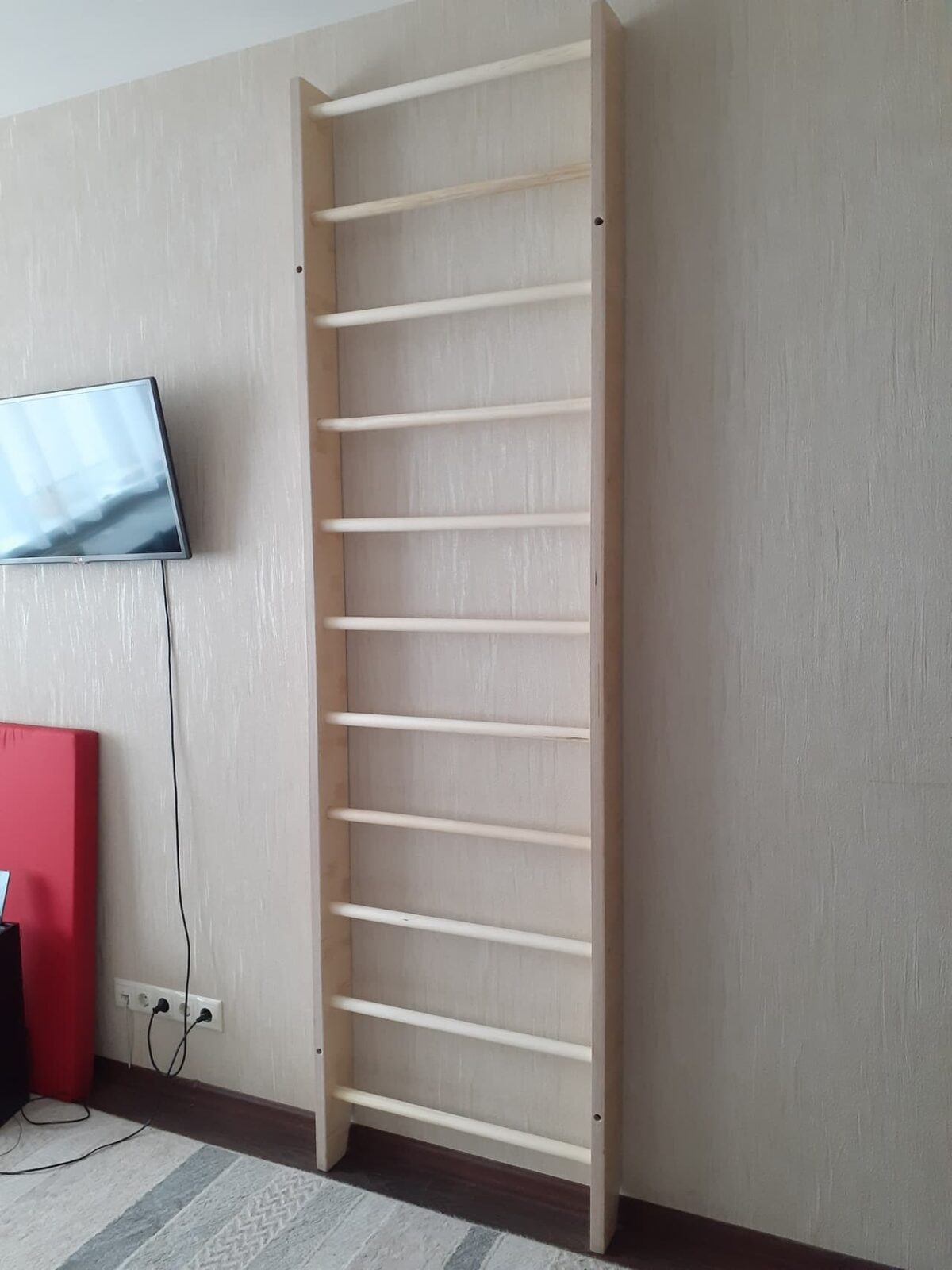

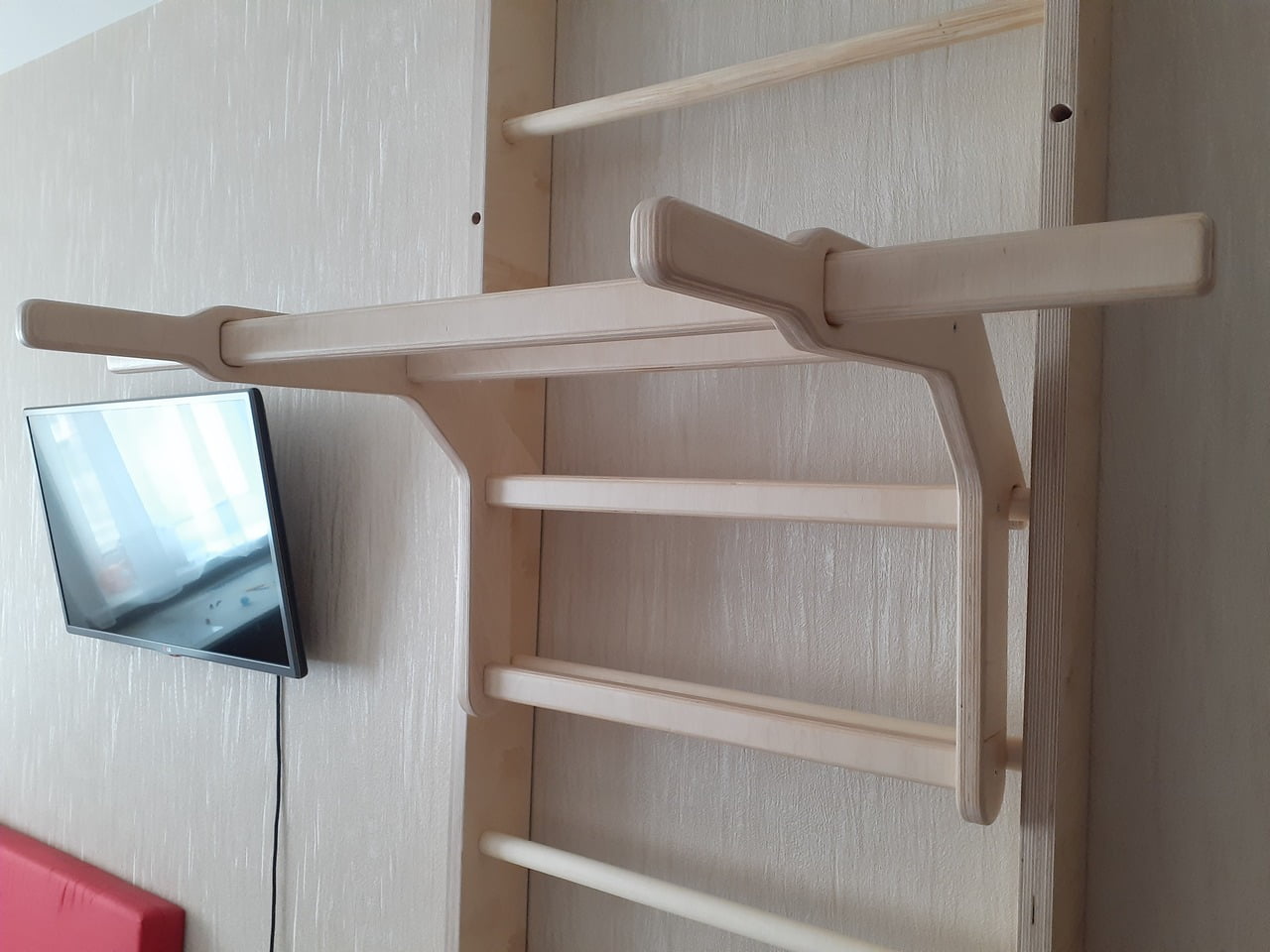
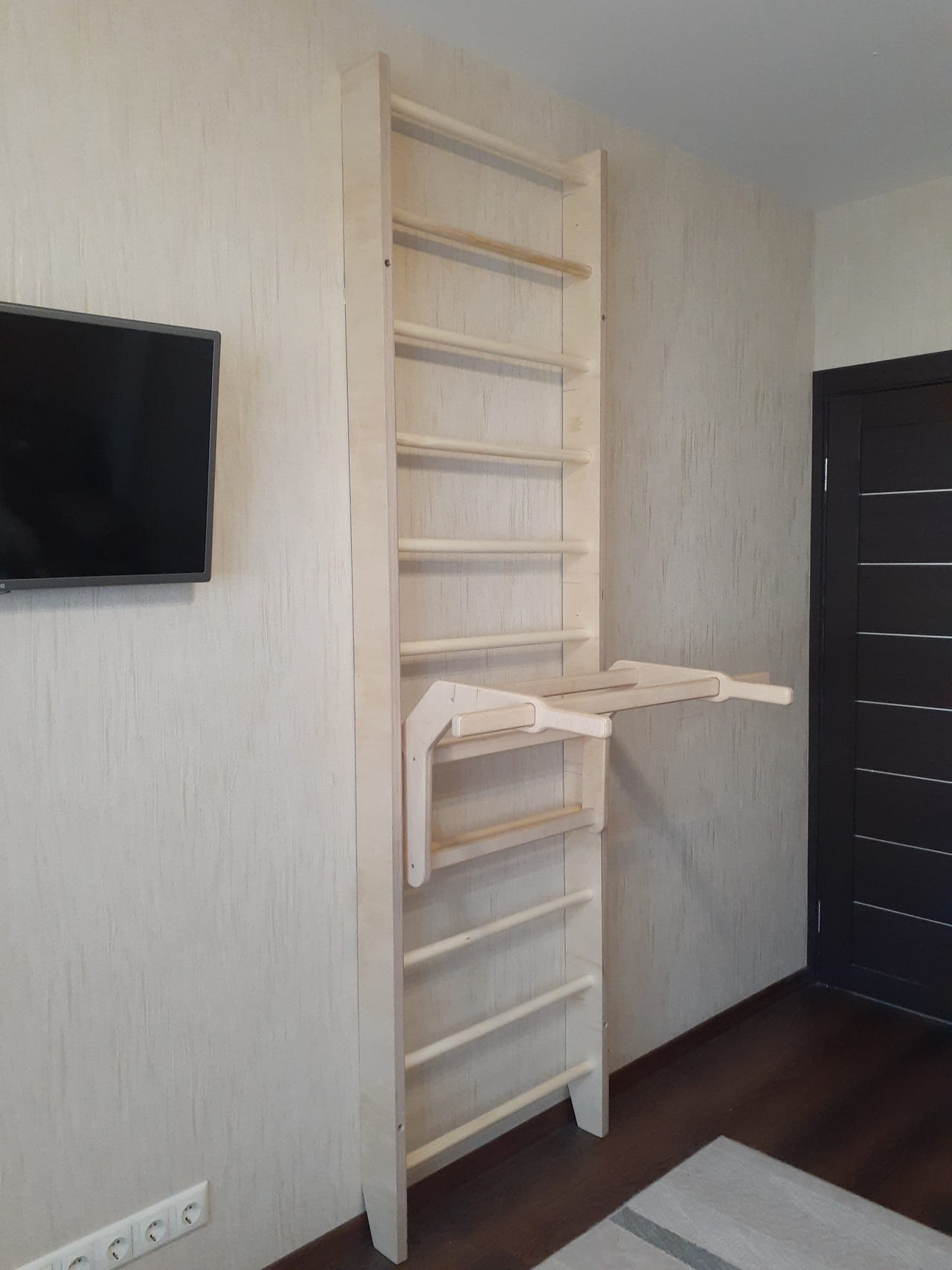


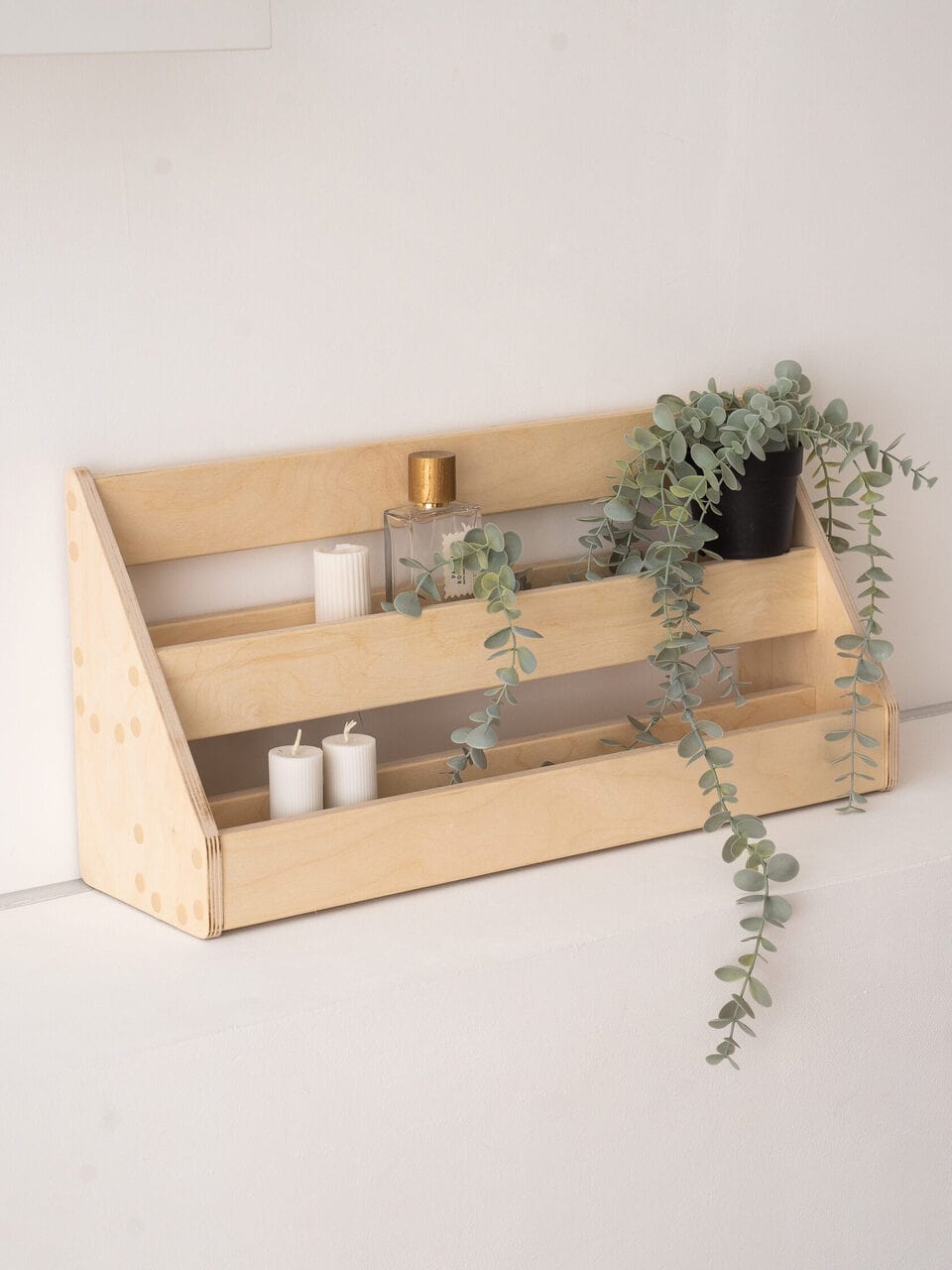
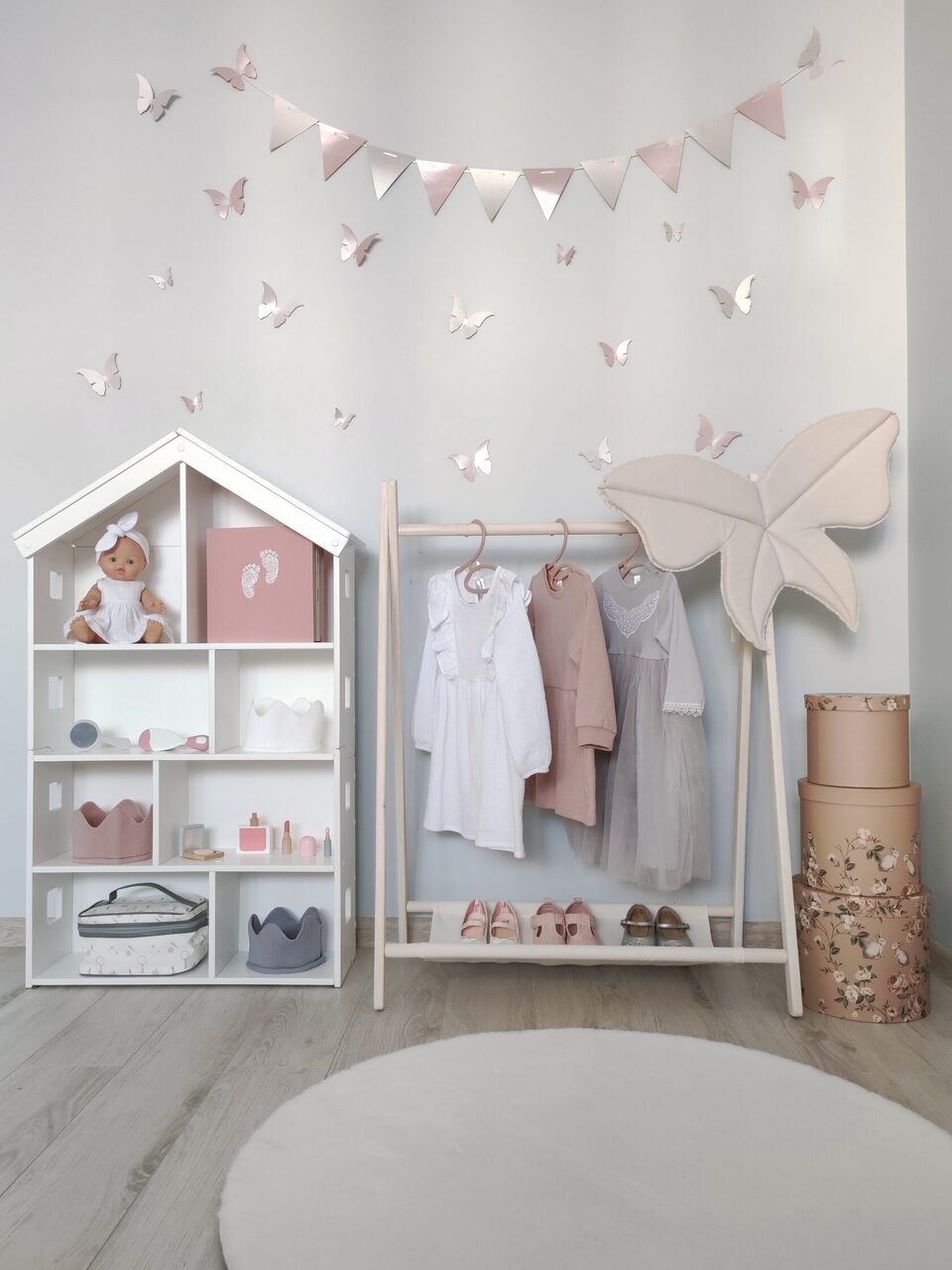
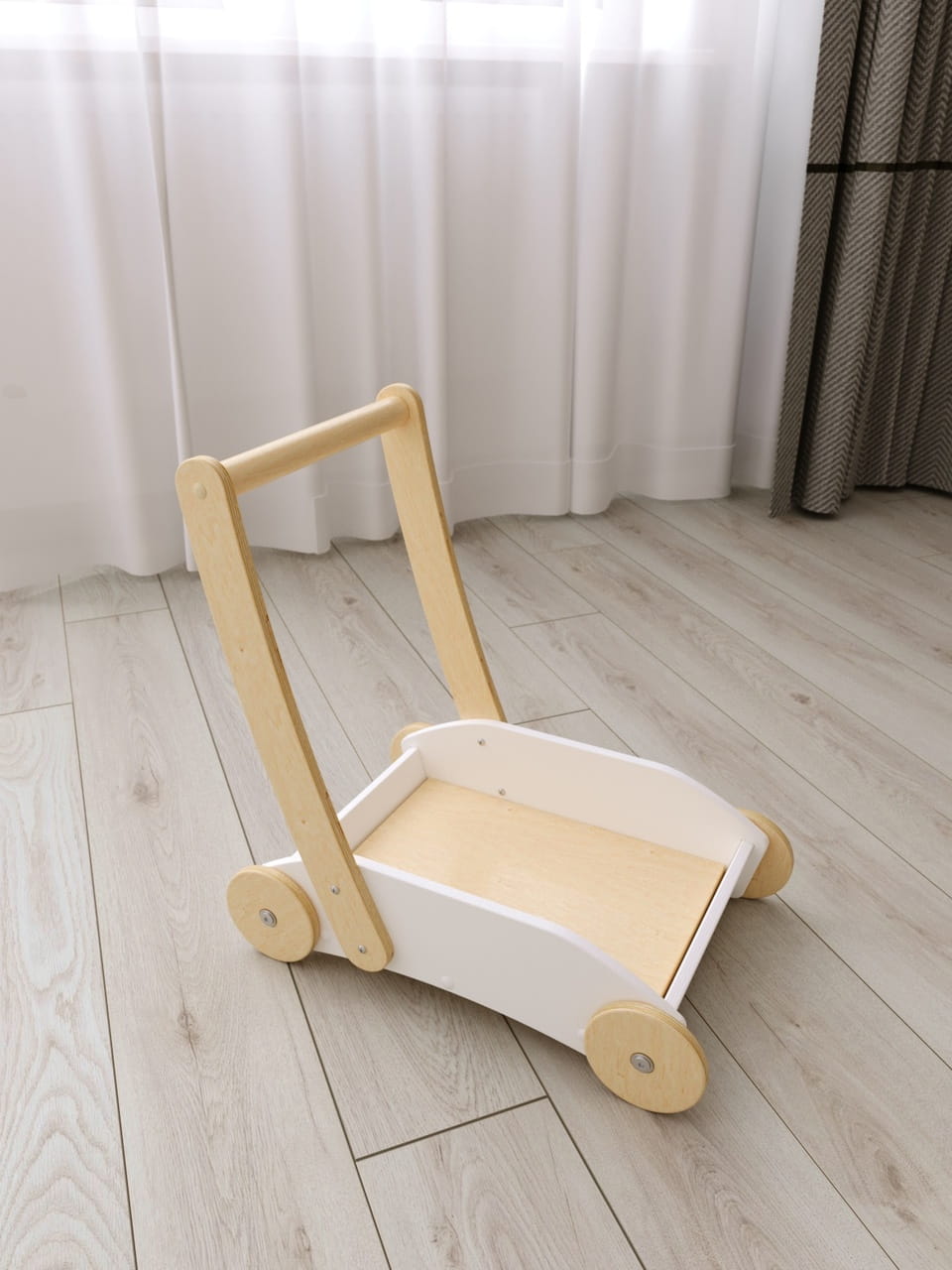

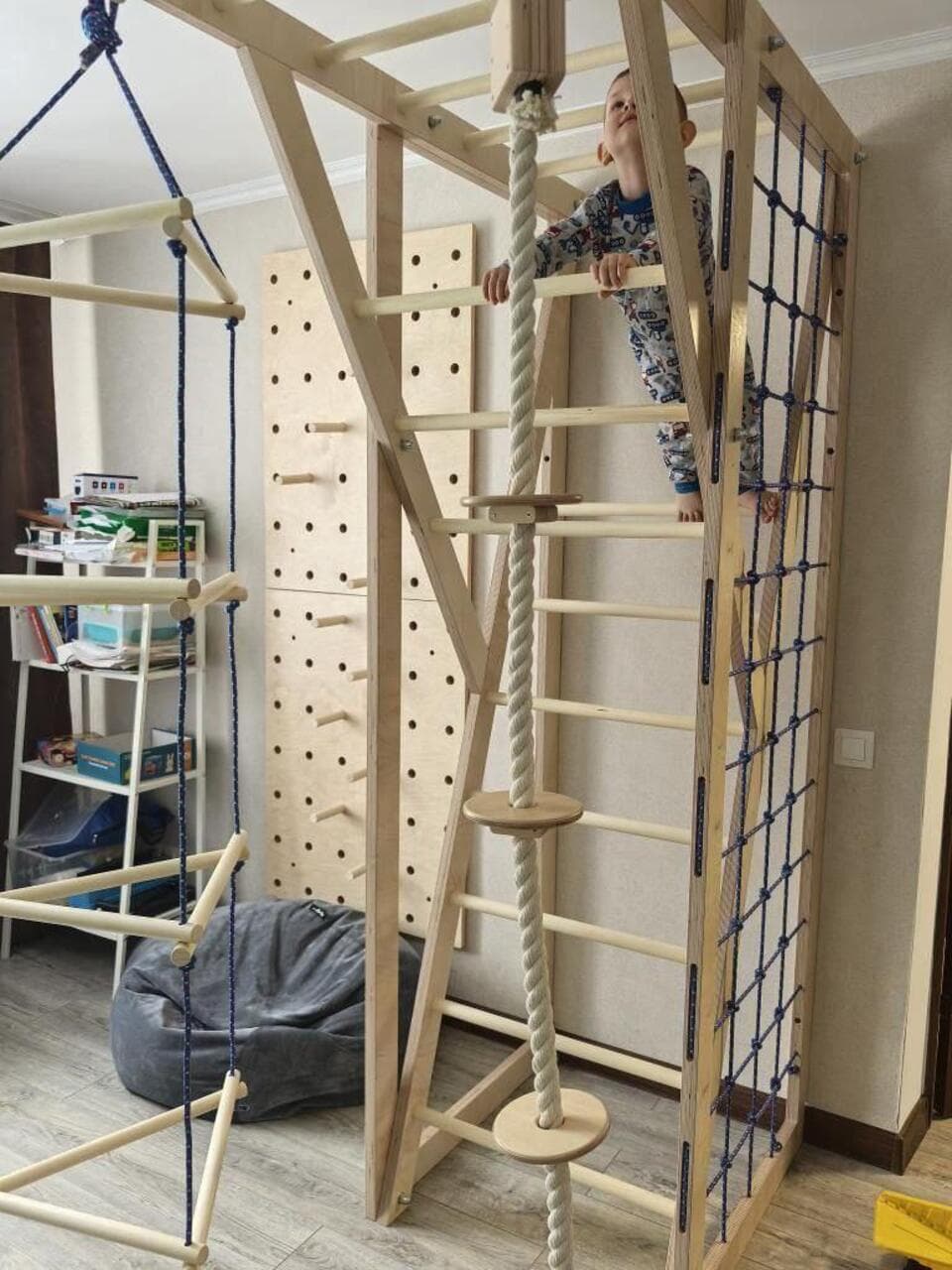
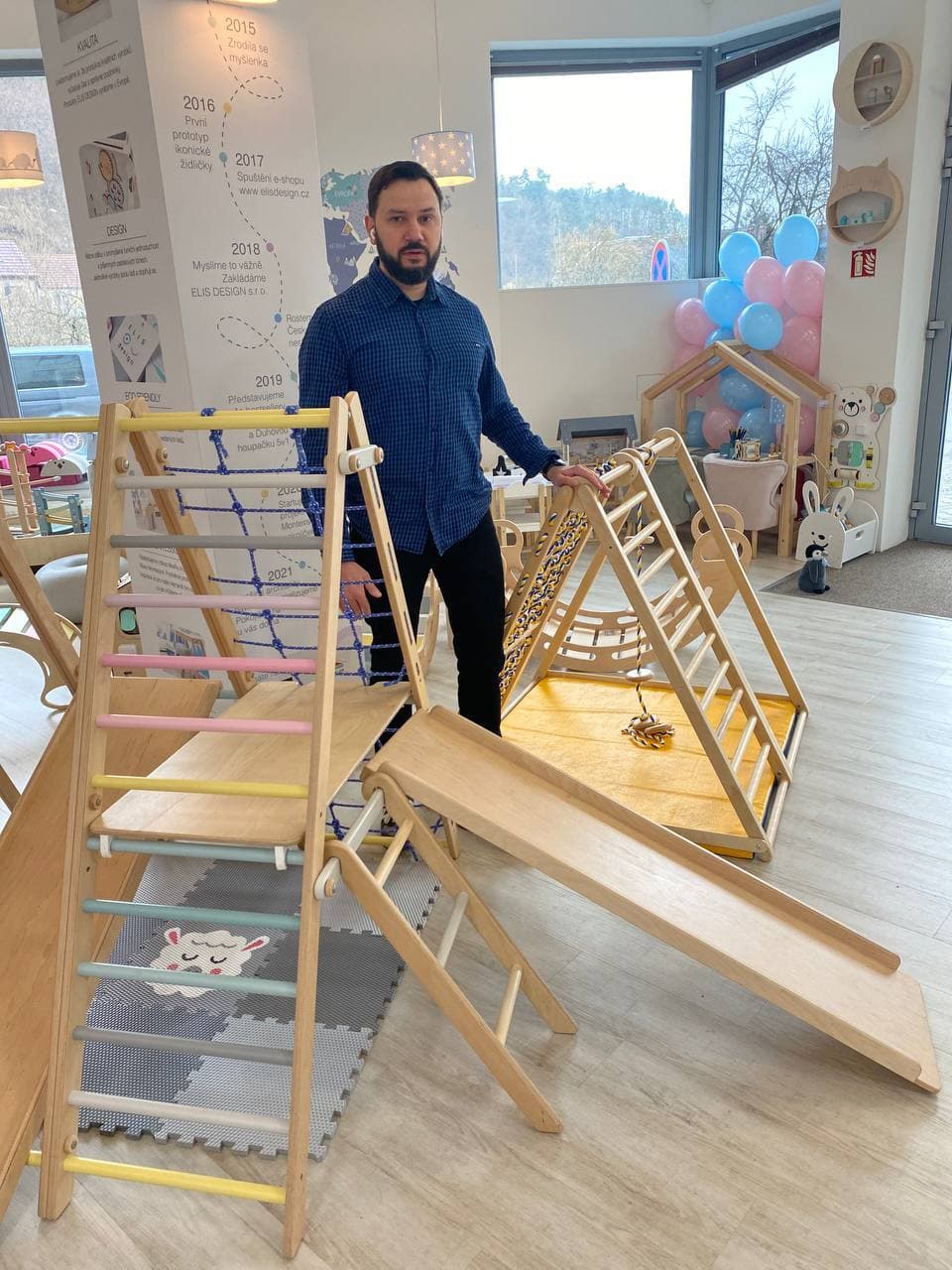

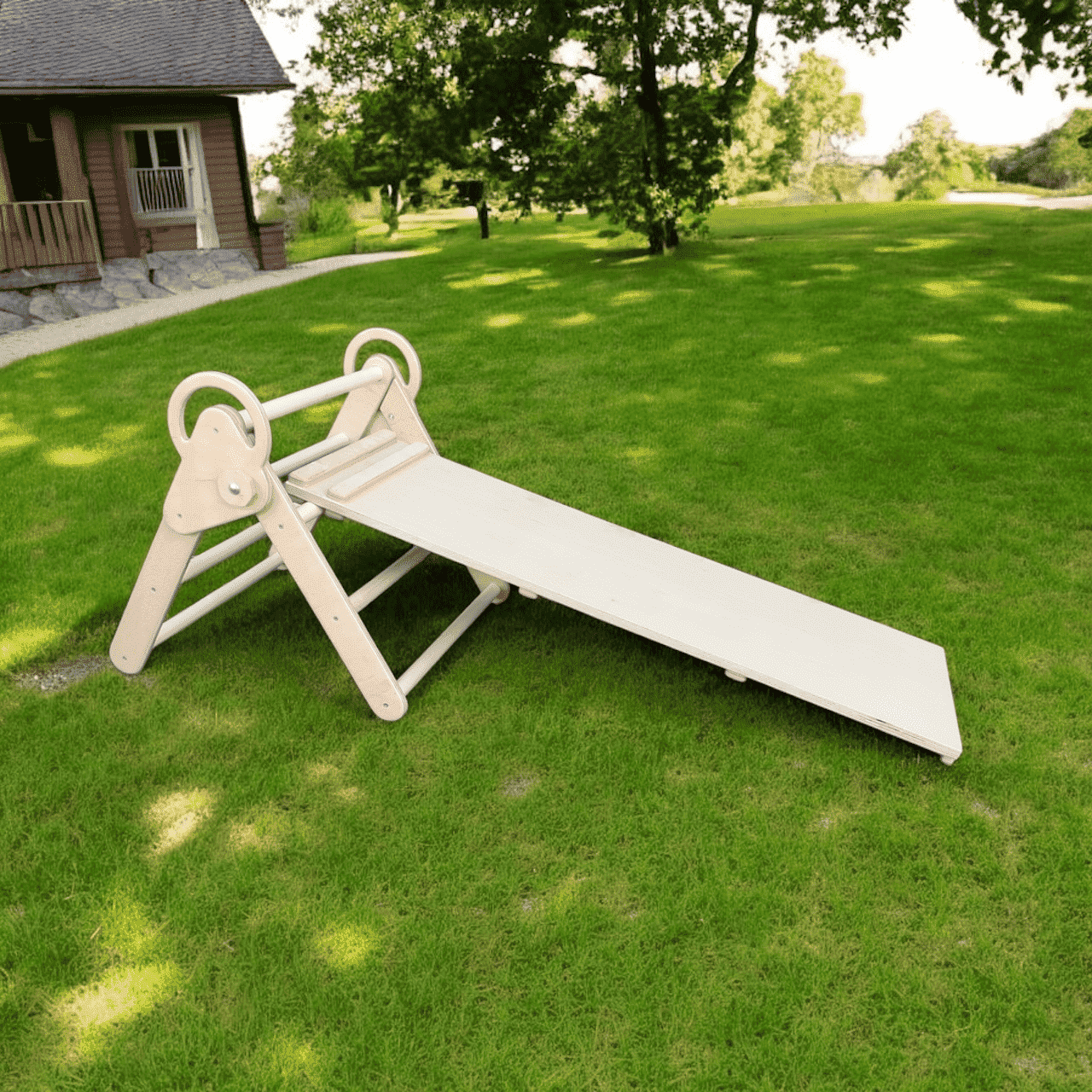
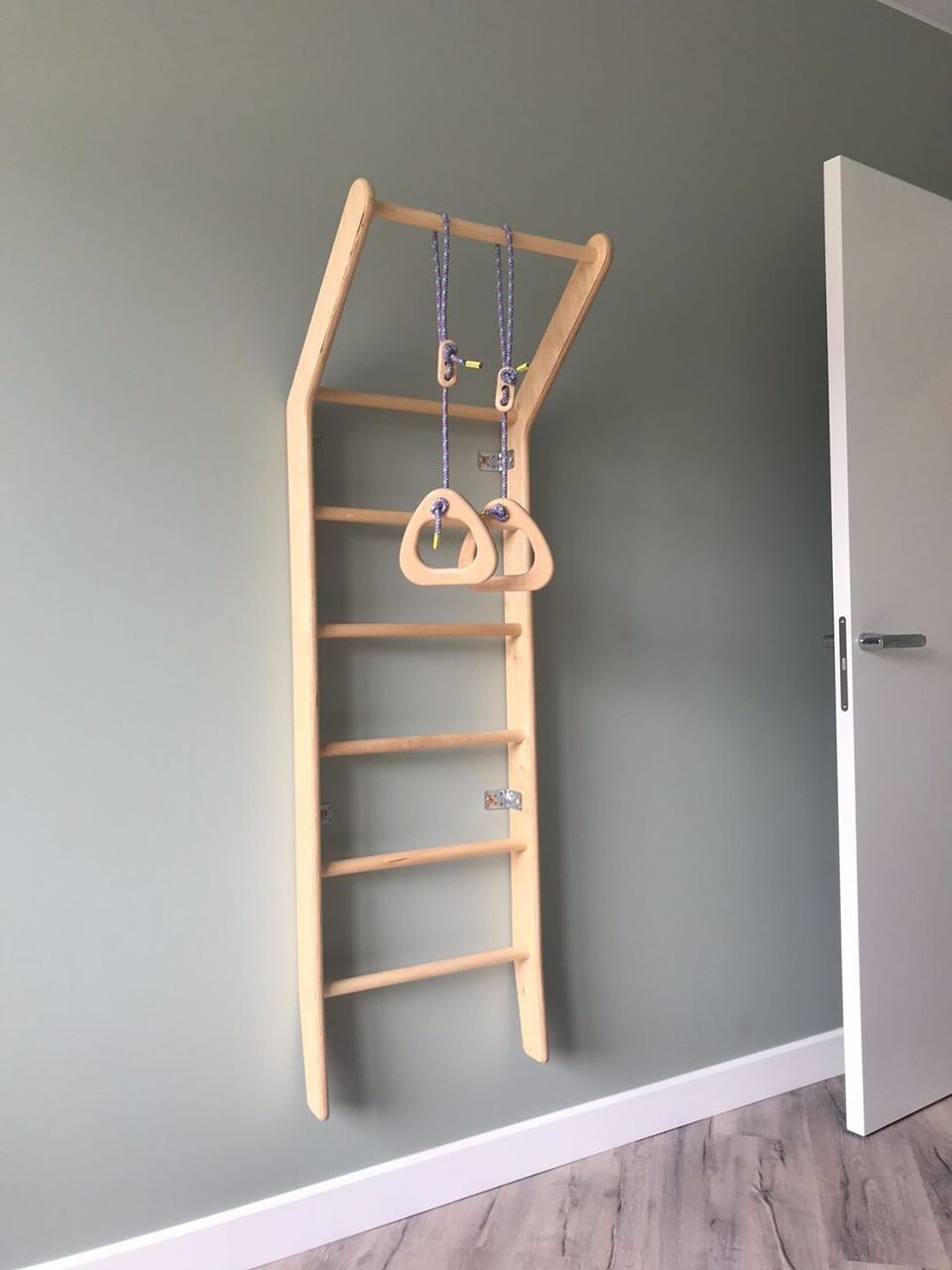
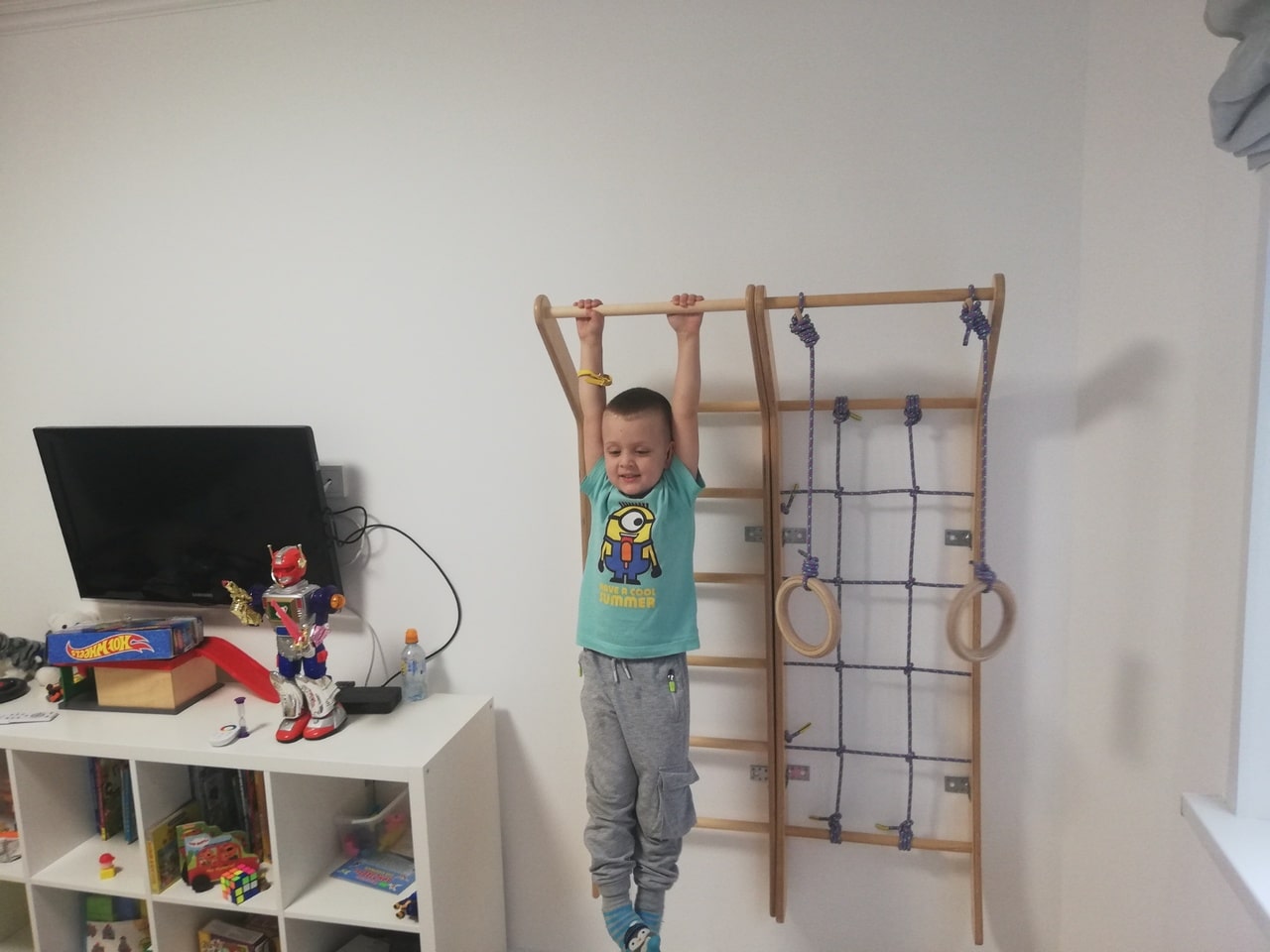
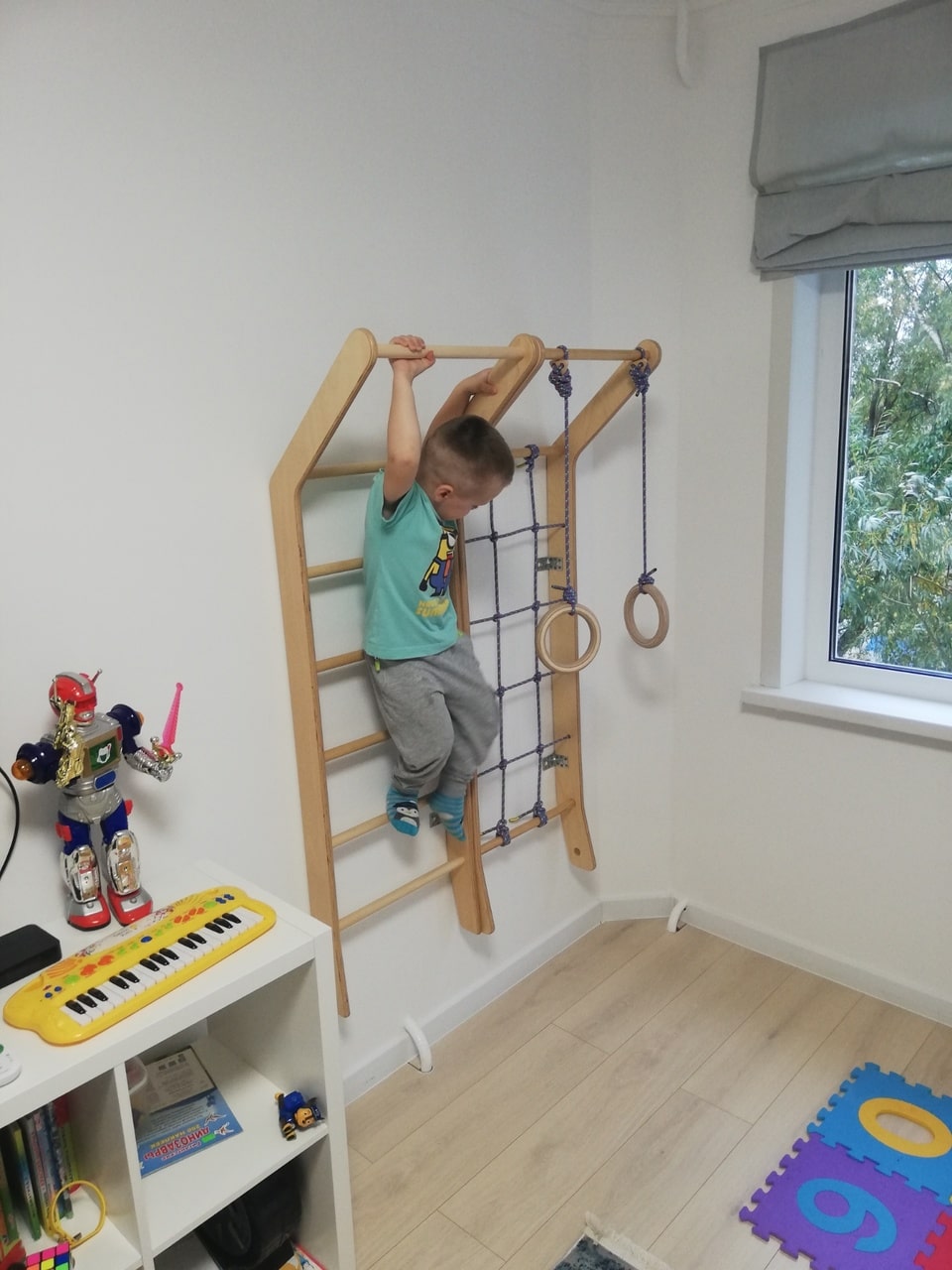

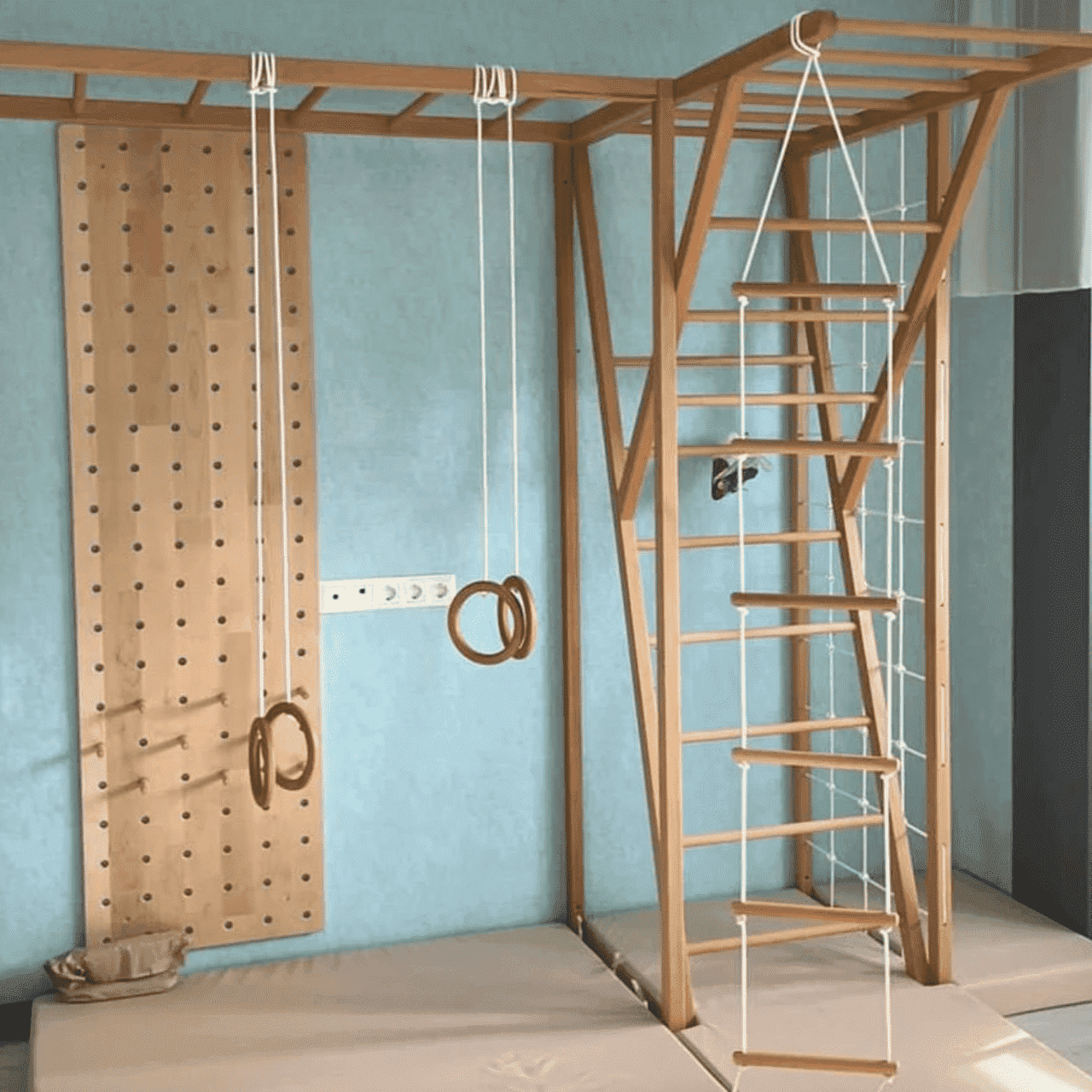
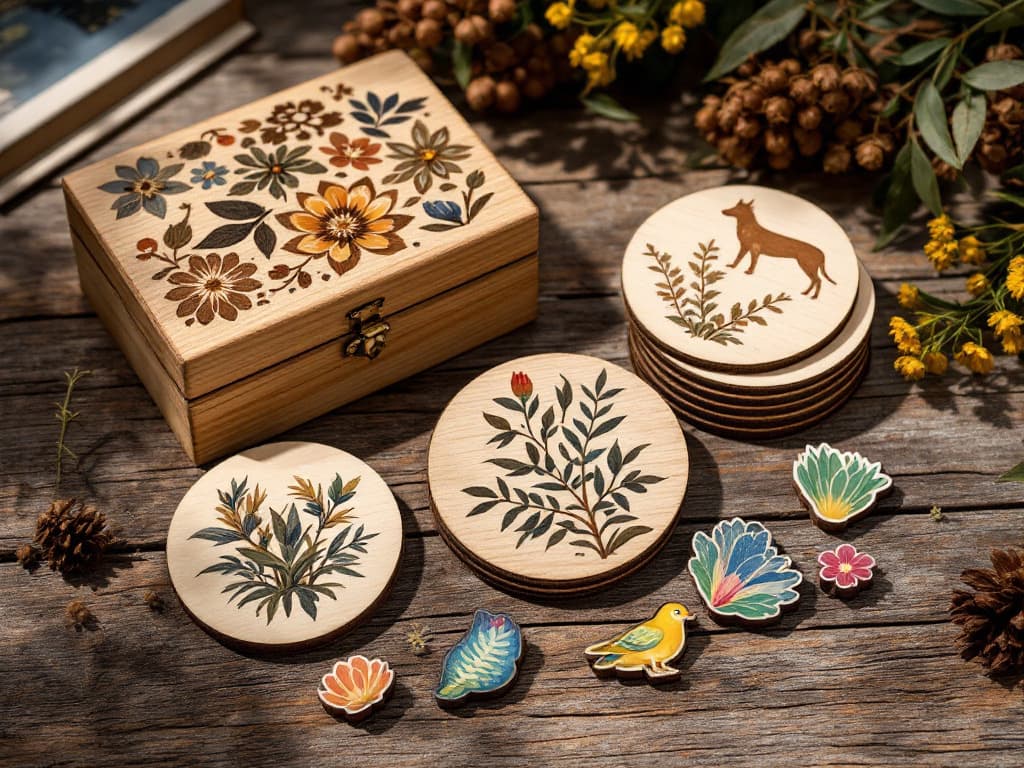
Examples of wooden souvenir items: real solutions for business
TigerWood constantly runs projects for clients from various fields, and its souvenirs spread across shop shelves, offices and exhibition stands. A few examples from real orders show well just how different such works can be in idea and requirements — from a simple magnet to a one-off corporate set.
In one project we made a series of branded card holders and pen stands with company logos. These souvenirs were handed out at business events and given to partners, and they worked for the customer’s image better than standard print materials — a wooden accessory with a corporate mark stays on the desk rather than heading into the bin along with a flyer.
Another order was sets of wooden keyrings and magnets with engraving and colour printing. Such products sold quickly in souvenir stalls and retail outlets, where the buyer looks for something eco-friendly and out of the ordinary. Combining engraving and printing made the items vivid without losing the natural texture of the wood.
There were also orders for decorative wall panels and small tabletop ornaments for events and presentations. Such items helped companies stand out against competitors with identical plastic souvenirs: a wooden panel on a stand draws the eye and is memorable, which means it earns back the budget invested in it.
Each of these projects was run with quality control at every stage and attention to detail. It is precisely the details — even engraving, a smooth edge, neat packaging — that determine whether a souvenir will match the expectations of the customer and their buyers, so they are not skimped on even in inexpensive runs.
Experience with different formats and different customers helps in selecting solutions that genuinely work for the client’s business in their region. Having seen many other projects is also a tip for a new customer: often a ready move can be proposed that has already proven effective in a similar task, so there is no need to reinvent everything from scratch.
Who already works with us

Cabinet furniture makers

Joinery workshops

Interior designers

Architects

Private craftsmen and artisans

Online sellers

Advertising agencies

Set designers

Restorers

Toy manufacturers

Artists and sculptors

Construction companies

Exhibition equipment manufacturers

Educational institutions

Sports equipment makers

Wooden packaging manufacturers

Private customers

Shops and boutiques

Manufacturing enterprises

Restaurants and cafés
TigerWood’s target audience in the wooden souvenir segment
TigerWood’s main souvenir customers are companies that need a reliable contractor for wholesale batches. These are gift and souvenir shops, as well as sellers supplying goods to marketplaces and retail chains. For them, consistency of quality and repeatability matter: a marketplace buyer should not receive an item worse than the photo in the listing.
A notable share of the audience is organisers of advertising campaigns and corporate events. They need original, high-quality, branded souvenirs that build a positive image and strengthen ties with partners and clients. In such projects the souvenir is part of the communication, so both the idea and the execution matter, not just a logo on an empty surface.
Separately, there is work with makers of furniture and interior elements who add souvenirs to their main lines. For them this is a way to expand the range and attract a new buyer: alongside large items appears a small gift product that is easy to sell as an add-on and that keeps the client within the same natural-wood aesthetic.
The geography of customers covers all of Europe, and that requires well-tuned logistics and the ability to work at different scales — from a small local partnership to a large international project. The same manufacturer covers both a one-off order for a city stall and a run for a pan-European campaign, adjusting volume and timing to the task.
Working with such a varied circle of clients constantly pushes production forward. Each new order poses its own challenge, and to solve it new techniques, equipment and design moves are mastered. As a result, the range and quality do not stand still but adapt to what the souvenir market considers relevant right now.
A detailed overview of TigerWood’s production and wholesale of wooden souvenirs
Product variety and its market demand
Among gift and corporate goods, wooden souvenirs stand apart — thanks to their naturalness and living texture. TigerWood keeps a wide choice of such items, made from a natural material on modern equipment. Because of this, the souvenirs come out original and high-quality, and demand for them holds steady among wholesalers across Europe.
The range includes both classics — keyrings, stands, frames — and exclusive decorative elements that emphasise the individuality of a brand or a specific occasion. Different species of wood expand the design possibilities: linden, birch, beech and pine each have their own colour and pattern, and this makes it possible to achieve a very different appearance without stepping outside a single material.
Production technologies and quality
Production relies on high-precision equipment: laser cutting, milling, sanding and finishing are carried out with high precision and neatness. For souvenirs with their small details and fine engraving this is fundamental — the machine reproduces the pattern identically across the whole run, so quality does not “wander” from the first item to the last.
Separate attention goes to the selection and preparation of the material — this removes defects and adds to the item’s service life. Coatings and finishing methods are chosen to be eco-friendly, so the souvenir is safe in everyday use and pleasant in the hands. For an item that stands at home and is constantly on view, this is not a trifle but a direct condition of it actually being used.
Advantages of cooperation and flexibility of terms
An order is handled individually, with flexible lead times and volumes — convenient for both a wholesaler and a large company. Branding of souvenir products turns them into a promotion tool: a logo and corporate identity on an item work for recognition every time the piece catches the owner’s or their guests’ eye.
Experience in various segments and a broad set of related categories make cooperation convenient and profitable. A client need not limit themselves to souvenirs but can assemble a comprehensive offer for their buyers from a single manufacturer — from a gift trinket to furniture and decor — saving on logistics and keeping everything in a single style.
Geography and logistics
Supplies go across all of Europe, with high-quality and fast delivery to different regions. For a wholesale customer this is one of the decisive factors: a batch of souvenirs must arrive exactly in time for an event or the start of sales, rather than leaving one to guess whether it will get stuck in transit — so reliability and transparency of logistics are especially valued.
TigerWood is gradually scaling up its production capacity and logistics to keep pace with growing client demand and maintain a high level of service. Development is pursued not for the sake of scale itself, but so that a large order does not hit the ceiling of production and the usual lead times do not stretch as the number of clients grows.
Wood species for souvenir products
In souvenirs the species of wood affects not only the price but also how the item looks and how the engraving sits. Soft linden cuts cleanly and holds a fine line, birch gives an even light background for printing, beech wins with a refined cross-section for expensive pieces. That is why the material is matched to the specific task: a mass-market magnet and a premium box are more logically made from different woods. The table below shows where each species is more appropriate.
| Species | Features | What it suits |
|---|---|---|
| 🌿 Linden | Soft, cuts cleanly, holds a fine line | Carving, engraving, boxes |
| 🌳 Birch | Even, light, inexpensive | Magnets, stands, printing |
| 🌲 Pine | Pronounced texture, budget | Panels, frames in rustic style |
| 🪵 Beech | Hard, beautiful cross-section | Premium souvenirs, handles |
| 🟫 Plywood | Even sheets, holds its shape | Magnets, keyrings, laser cutting |
Linden is deservedly considered a “carver’s” species: it is soft, without pronounced hard grain, and allows a fine pattern to be cut without chips. Birch and birch plywood are good for laser cutting and printing — the light, even tone serves as a handy background for an image or a logo. Pine, with its expressive rings, suits places where a deliberately natural, rustic look is needed, while beech is taken for status items where a refined, dense cross-section matters.
Regardless of the species, the material is pre-dried and calibrated. In a small item any warping immediately catches the eye, and a cracked souvenir loses its look and its value as a gift. That is why the blank is brought to the required moisture content, boards with knots in unfortunate spots are rejected, and only then does it go into cutting. This preparation is invisible to the buyer, but it is precisely what tells a souvenir that delights its owner for years from one that dried out and cracked in its first season.
Branding of souvenir products
The main value of a corporate souvenir is the brand applied to it, so the marking methods deserve a separate discussion. Wood has several of them, and each gives its own effect: strict monochrome engraving, bright colour printing, three-dimensional carving. The choice depends on the material, the run size and the impression the recipient should be left with. Below are the main techniques and where each works best.
- 🔥 Laser engraving — fine, durable, monochrome; burns the logo right into the wood and does not wear off over time.
- 🎨 Full-colour UV printing — a bright image with gradients; good for complex graphics and photos.
- 🪓 Milling and carving — three-dimensional relief that gives the item a premium look.
- 🖌️ Tinting and painting — an accent on colour or a brand’s corporate shade.
- 🏷️ Combination — engraving plus printing, when you need both logo relief and a colour element.
Laser engraving is the method most “native” to wood. It is not stuck on top but burned into the material itself, so it does not peel or wear away, and a dark line on light wood looks restrained and expensive. For strict corporate gifts this is often the best choice: the logo reads clearly but does not clash with the natural texture. There is one downside — engraving is monochrome, and where colour is needed, printing is added to it.
Full-colour printing, on the contrary, comes into its own on complex graphics: corporate colours, gradients, photos, detailed illustrations. It is used for bright tourist magnets and advertising series where catching the eye matters. The techniques are often combined — a relief logo is burned in and a colour accent added by printing, yielding an item that is both pleasant to the touch thanks to the wood and eye-catching thanks to the colour. This approach delivers the maximum return from a souvenir as an advertising medium.
Corporate gifts and business souvenirs
The corporate segment is one of the main consumers of wooden souvenirs, and it has its own rules. Here a gift works as part of business communication: it must be appropriate, high-quality and carry the brand unobtrusively. A cheap trinket hurts the image more than its absence, whereas a neat wooden item with engraving is perceived as a mark of respect and stays with the partner for a long time, continuing to remind them of the company.
The gift format is matched to the occasion and the recipient. For partners and VIP clients, one-off solid-wood pieces are appropriate — boxes, writing sets, panels with individual engraving. For mass mailings and giveaways at conferences a simpler run is taken: stands, card holders, keyrings, magnets with a logo. A story of its own are New Year and anniversary sets, where several items are united by theme and packaging into a single gift composition.
Why wood beats standard promo products
The bulk of promotional souvenirs — plastic pens, cheap flash drives, print materials — ends up in the bin by the end of an event. A wooden gift behaves differently: it feels a shame to throw away, it is pleasant to the touch and looks like an object rather than a consumable. Because of this, the “life” of the advertising contact stretches into months and years, and the cost of a single brand impression turns out lower than with a pile of disposable promo products.
The environmental agenda adds value too. A natural material reads as care both for the recipient and for the environment, which reinforces the image of a responsible company. Combined with quality engraving and thoughtful packaging, a wooden souvenir turns from a trifle into a standalone marketing tool that works for the brand’s reputation every time it catches the owner’s or their guests’ eye.
Tourist and gift souvenirs made of wood
A separate large market is tourist and regional souvenirs. Here the item sells the emotion of a trip: a magnet with a city view, a keyring with a landmark, a panel with a map of the region. Wood works especially well in this segment because it reads as a natural, “local” material and contrasts pleasantly with the stream of identical plastic trinkets on the neighbouring stalls. Such a souvenir is taken home and kept as a memory, rather than thrown away at the airport.
For tourist outlets two things matter — recognisability of the place and a low per-unit price. So whole lines are assembled for a region: the same base but different views, symbols and inscriptions for a specific city or landmark. Mass production keeps the cost low, while variety of imagery lets the whole range of the stall be covered. Magnets, keyrings and small panels in such a series complement each other and give the buyer a choice in different price categories.
The gift segment outside tourism is arranged similarly, but with an emphasis on the occasion. Weddings, birthdays, anniversaries, graduations — themed series with matching decoration and inscriptions are assembled for each event. Wood is again a plus here: it is associated with warmth, family values and durability, which fits the emotion of a celebration perfectly. Personal engraving — a name, a date, a short wish — turns a standard item into a one-of-a-kind gift.
Types of wooden souvenirs and their formats
The souvenir range is conveniently sorted by purpose and price group — this makes it easier to assemble a line for a specific point of sale. Some items are meant for mass giveaways and cost pennies apiece, others go as a standalone gift with a high price. The table below gives a rough guide to the main groups, their typical size and their role in the range.
| Item | Approximate size | Role in the range |
|---|---|---|
| 🧲 Magnet | 5–10 cm | Mass-market, budget |
| 🔑 Keyring | 4–8 cm | Mass-market, promo |
| 🪵 Stand | 8–15 cm | Mid-range, functional |
| 🖼️ Photo frame | 10–30 cm | Mid-range, decorative |
| 📦 Box | 10–25 cm | Premium, gift |
| 🏅 Panel / medal hanger | 20–50 cm | Premium, meaningful |
A well-assembled line usually includes items from every group. Cheap magnets and keyrings cover the impulse purchase and mass giveaways, the mid segment of stands and frames provides the main turnover, and premium boxes and panels raise the average check and work for the outlet’s image. Such a set lets the seller offer something both to a tourist with a few coins and to a buyer looking for a serious gift.
Souvenir products to a custom design
When a standard format does not fit, an item is made to a custom design. This is justified for signature gifts, anniversary series and non-standard shapes for a specific idea. From the brief, a layout is drawn, dimensions and finishing are agreed, and if needed a sample is made. The fuller the inputs — purpose, run size, wishes on style and budget — the more precise the result and the fewer revisions once the batch is already in production.
How to order souvenir products wholesale
A wholesale order goes through a clear chain, and the fuller the initial data, the more predictable the timing and price. At the start the task is discussed: which items are needed, what for, what run size, what branding and by which date. Here it is also decided whether a ready format will do or a design needs developing to a sketch. Next come the calculation, layout approval, a sample if needed, production and delivery.
- 1️⃣ Request — type of souvenirs, run size, kind of branding, deadline and occasion.
- 2️⃣ Calculation and layout — selection of material and application technique, a sketch, a preliminary estimate.
- 3️⃣ Sample — for a large order, production of a trial item for approval.
- 4️⃣ Production — cutting, assembly, finishing, logo application, quality control.
- 5️⃣ Packaging and delivery — packaging for the run and dispatch to the required region.
Wholesale is more advantageous than retail thanks to the per-unit cost: a large run is more rational in cutting, and applying a logo to a batch is cheaper per piece. That is why goods are ordered by the batch for an event, a promotion or a sales season, rather than topped up one at a time. For regular clients repeatability is maintained: a new batch arrives the same as the previous one, which matters when souvenirs go out under a single brand and must match each other.
Lead times depend on the run size, the complexity of the items and the type of branding. A simple batch ships quickly, while one-off items with a custom design require time for approval and a sample. For high-demand dates — the New Year, major conferences, anniversaries — it is wiser to place the order in advance, with a margin for production and delivery. A last-minute rush almost always means overpaying or a compromise on finishing quality.
Packaging and presentation of wooden souvenirs
With a souvenir, it is not only the thing itself that matters but also how it is presented. A good gift in a crumpled bag loses half its effect, so packaging is a full part of the product, not a formality. For wooden items it is thought through on two planes: transport, to deliver without chips, and gift, so the recipient senses the value even before revealing the contents. Both planes are usually combined in one solution.
Transport packaging protects the item on the road: a corrugated box, formers shaped to the item, padding on the corners and ends, which suffer first. For fragile panels and boxes this is critical — delivering the souvenir intact is no less important than making it beautifully. Thoughtful packaging reduces breakage in transit, and thus returns, which for a wholesale customer turns into direct savings across the whole batch.
Gift packaging works for the impression. A craft box, a fabric pouch, a ribbon, an insert with the item’s story or the brand — all this heightens the emotion and adds perceived value. For corporate sets the packaging is often made in the corporate style, so the whole gift reads as a single whole. As a result, a well-presented wooden souvenir is perceived as worth more than its cost and works better both as a gift and as an advertising medium.
Eco-friendliness and trends in souvenir products
Demand for wooden souvenirs largely rests on the general turn toward the natural and eco-friendly. The buyer increasingly chooses a thing made of a natural material over a plastic one, and companies more readily invest in gifts that support the image of a responsible brand. Wood is a renewable and recyclable material, and this is no longer an abstract plus but an argument read by both end consumers and corporate customers.
In design there is a noticeable shift toward minimalism and honest texture. Understated shapes are ever more popular, where the wood is not hidden under solid paint but, on the contrary, its texture is emphasised with tinting, brushing or a clear oil. Engraving is crowding out garish stickers: a restrained burned-in logo is perceived as more expensive than a bright sticker. This style sits well with both the corporate segment and a young audience that values naturalness and a “non-glossy” look.
Durability here works hand in hand with ecology. A souvenir that serves for years generates less waste than a pile of disposable promo trinkets and performs its function longer — reminding of a trip, an event or a brand. As a result, wooden souvenirs answer several demands of the times at once: they are natural, durable, pleasant to use and fit the current aesthetic, which means demand for them will stay steady for the foreseeable future. For business this is a signal that investment in such a direction is not a one-off: the trend toward naturalness does not look like a fashionable flash but rests on the buyer’s stable values.
Souvenir products for shops and marketplaces
For a retail shop and a marketplace seller, souvenir products are goods that must sell themselves. Here the appearance on the shelf and in the listing, batch consistency and an adequate purchase price that leaves room for a markup come to the fore. Wooden items handle all three points well: they are photogenic, are perceived as a quality natural product, and hold the standard from supply to supply if made by a well-honed technology.
For marketplaces, repeatability and correspondence to the photo matter especially. A buyer orders by the picture and leaves a review by the fact — any discrepancy hits the listing’s rating. So it is more profitable for a seller to have a manufacturer that keeps identical quality across the whole run and does not slip items worse than the sample into a batch. Neat packaging is part of the product here too: the souvenir must reach the pickup point intact, otherwise returns will eat up the whole margin.
It is convenient for a gift shop to assemble a range so as to cover different price requests. Inexpensive magnets and keyrings draw the impulse purchase at the till, stands and frames form the main turnover, and boxes and panels raise the average check. When all these souvenir products are made in a single material and style, the shelf looks whole and expensive, and it is easier for the buyer to pick several items for a gift at once, which increases the check total. For the same reason shops readily take ready-made lines from a single manufacturer: there is no need to manually reconcile mismatched items from different suppliers into a single visual row on the shelf, and the whole range is presented to the buyer as a thought-out collection.
Quality control of souvenir products
The quality of a souvenir is decided not at the final inspection but at every step, and control is built into production from the very start. The blank’s moisture is checked after drying, boards with knots and cracks in visible spots are rejected before cutting, and after the logo is applied the sharpness of the line and its match to the layout are verified. Such an end-to-end approach removes the situation where a defect surfaces already on the shop shelf or in the hands of a gift’s recipient.
In small items repeatability is especially important. For a run, pieces are checked not only against the drawing but also against each other: the engraving must sit identically, the tinting shade must match, the edges must be equally smooth. It is precisely because of these details that a batch of souvenirs looks like a single set rather than a scatter of similar but different items — which is critical when the items go out under one brand or in one gift line.
Closing the chain is a check of safety and presentation. The surface must be free of burrs and sharp edges, the coating even and odourless, the packaging intact and neat. Souvenir products verified at every stage cost more upfront than an unbranded trinket, but they are noticeably more profitable in terms of the result: fewer returns, higher reviews, a stronger reputation for the customer’s brand. Quality control here is not a formality but insurance for the investment in the whole run. For a customer ordering souvenirs under their own name it is also protection of reputation: a single defective item in a client’s hands can undo the impression of the whole campaign, so rejection is carried out strictly, not on a leftover basis.
What types of wooden souvenir products are available for wholesale orders?
The range is wide: from simple keyrings and stands to complex decorative panels and complete gift sets. Almost any item can be taken with branding and individual refinement to the task — from changing the size to applying a corporate identity.
What materials are used to produce souvenirs?
Plywood, particleboard, MFC, MDF and solid wood are used. Such a set of materials covers the whole range — from budget souvenirs for mass giveaways to premium solid-wood items — adapting both the design and the price to a specific segment.
Can souvenirs be ordered with a logo or corporate identity applied?
Yes, a logo or corporate identity is applied in several ways: laser engraving, full-colour printing and other methods. The suitable option is matched to the material and the run — in some cases strict engraving on wood wins out, in others bright colour printing.
What are the production times for wholesale orders?
The time depends on the volume and complexity: a simple run leaves within a few days, complex items with individual refinement within a few weeks, accounting for all stages. Exact dates are given at the calculation stage, so the order can be planned around a specific event.
How is product quality ensured?
Quality is checked at every stage — from the selection of raw material to the final finishing and packaging. Such end-to-end control removes the situation where a defect surfaces at the customer’s: an item with a defect is cut off in production, not on the shop shelf.
Can product samples be obtained before placing a large order?
Yes, before a large batch you can order samples and assess the quality, finishing and appearance in person. This is a sensible step for a large order: it is easier to approve a ready sample than to decide by a picture and risk the whole run.
Which regions are covered by supplies?
Supplies cover all of Europe. Logistics are set up so that delivery is prompt and reliable even to remote regions, and the customer can time a batch to the needed date without an extra margin for transit.
Are individual cooperation terms offered for large clients?
Yes, for regular and large clients there are flexible terms and a personal approach: individual volume pricing, priority on timing and a dedicated manager. The more regular the cooperation, the more convenient the terms become for both sides.
We’re always here to help — choose the way that suits you best to get in touch
Call us, message us on a messenger or reach out via social media — we’ll respond promptly!
We work across all of Europe
Useful information and articles
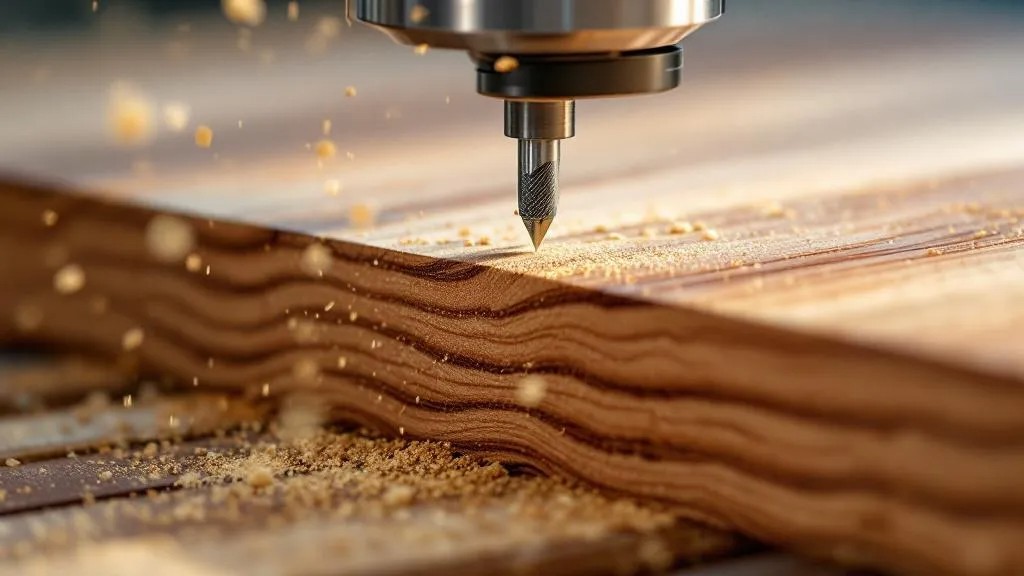
The Specifics of Radius Milling for Creating Rounded Edges on Wooden Products
The Specifics of Radius Milling for Creating Rounded Edges on Wooden Products Radius milling, or edge rounding, is one of the most sought-after and critically important stages in producing high-quality wooden
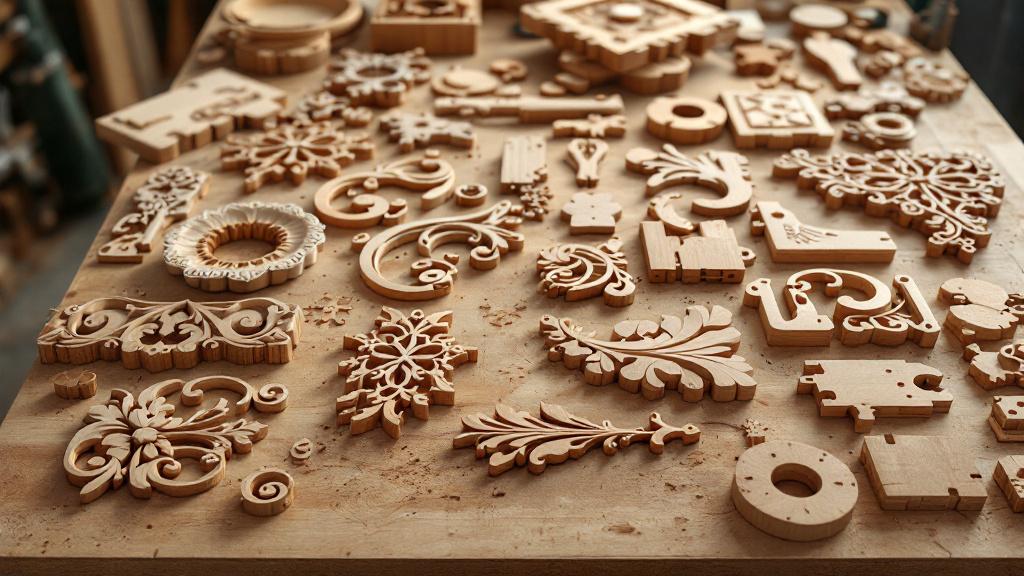
The Role of Milling in Making Decorative and Functional Wooden Parts
The Role of Milling in Making Decorative and Functional Wooden Parts Wood is a material that people have been using for thousands of years. It is valued for its natural
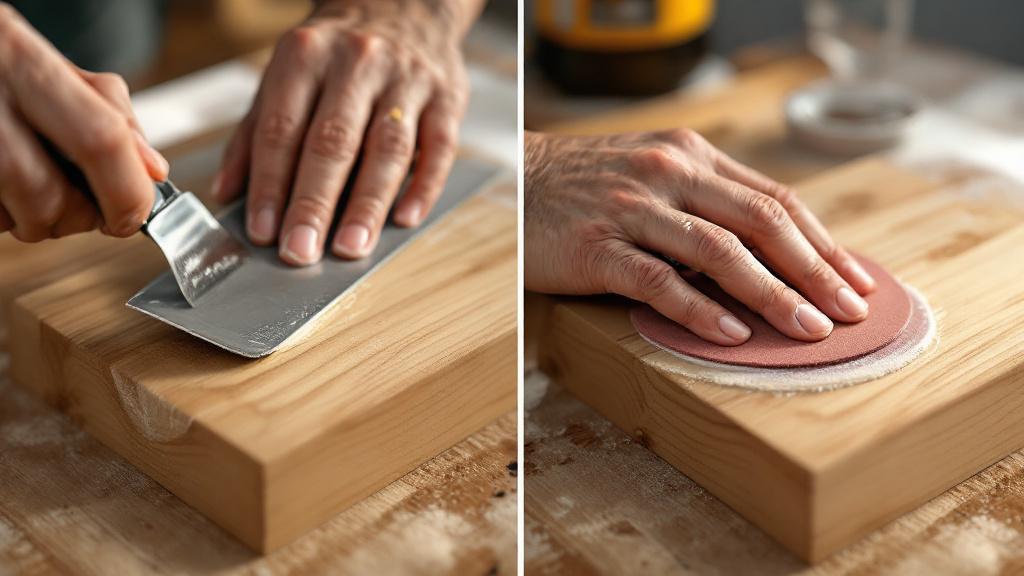
Stages of Filling and Sanding Wooden Products: Creating a Flawless, Even Surface
Stages of Filling and Sanding Wooden Products: Creating a Flawless, Even Surface Woodworking is not merely a mechanical process but a true craft, in which every stage is decisive for the

The synthesis of wood and metal: technological aspects of combining wood and aluminium to create durable products
The synthesis of wood and metal: technological aspects of combining wood and aluminium to create durable products In the field of professional woodworking, the search for the ideal material often leads