
Custom furniture manufacturing
Custom furniture manufacturing means producing cabinet, office, children’s, kitchen, garden and interior pieces from plywood, particleboard, MFC, MDF and edge-glued panel to the customer’s drawings or on-site measurements. A full cycle under one roof: CNC cutting to size, milling, sanding, painting, drilling for hardware, assembly and packaging. Below we break down which materials furniture is made from, how the process is structured step by step, how the subcategories differ, who orders wholesale batches, and what lead times, volumes and terms you can count on.
Custom furniture production: versatile wooden solutions for business
Wooden and panel-based furniture is everywhere — in retail, offices, cafés, warehouses and production facilities. Made for a specific space, it shapes both the look of an area and the comfort of the people who work with it: staff, clients, shoppers. That is why custom furniture manufacturing is equally needed by retail chains, interior studios, marketplace sellers and furniture brands that round out their own range with outside hands, without loading their own workshop.
The base is most often sheet materials — MFC, MDF, plywood and edge-glued panel. Each has its own density, texture and behaviour during processing and assembly, so the choice is made strictly for the task. Children’s furniture needs eco-friendliness and a safe edge; café furniture needs wear resistance and a moisture-proof surface; warehouse racking needs strength and a load margin. A mistake at this step is costly: the wrong base shows up in service, when it is too late to redo it.
Pieces are made to drawings, sketches or samples, often fitted to the dimensions of a specific interior. For a supplier and reseller of finished solutions, it matters that a part is accurate, cleanly finished, easy to assemble and long-lasting. An order can come fully ready to install or as a kit of parts with cut-outs, milling and holes for fasteners — the second option is cheaper to ship and lets the furniture be assembled on site. The format is chosen for logistics: delivering an assembled cabinet is one thing, a flat pack of panels quite another.
Within the furniture segment there are dozens of subcategories, and each has its own character. Everything changes: shape, type of fasteners, surface finish, even the way it is packed. A bar stool, an office pedestal and a garden bench live in different conditions and are assembled differently. The versatility of wood and panels is exactly what lets one base cover this spread — from clean standard designs to complex bespoke solutions where every radius and joint matters.
What matters to our clients and partners

Professional team
Experienced craftsmen, engineers and CNC operators. Thorough quality control at every stage

Flexibility and a tailored approach
We adapt to any task: we work from your drawings or develop the cutting and machining program ourselves

End-to-end approach
We offer the full range of woodworking services — from sawing to painting and assembly

Wide delivery coverage
We work with clients across many European countries. We help with logistics and packaging

Fast lead times
Large-scale production and streamlined processes let us complete even complex orders quickly

Modern equipment
We work with panel saws, CNC machines, routers and sanding machines
What matters in making furniture from wood-based materials
Unlike a faceless factory flow, custom furniture is handled individually at every stage. Even in a series you have to keep the material’s behaviour and machining accuracy in mind. Each category has its own nuances: office furniture needs ergonomics and modularity so workstations can be added without rebuilding the whole set; hospitality needs moisture resistance and easy cleaning; warehouses need the ability to bear weight without shelves sagging. One template for all does not work here.
The difficulty of making furniture is that the stages must be lined up in a strict order: cutting, milling, sanding, drilling, painting, packaging, labelling. Skip or swap one and everything drifts at assembly. On top of the base cycle come requirements for hardware, edge banding, radius edge machining and inset elements. Painting is often requested in a specific RAL, NCS or Pantone shade, or a wood, stone or concrete finish — and that is already separate work with samples and matching.
Production must also think ahead about how the end customer will assemble the furniture. Parts are prepared precisely, numbered, and holes set within tolerances — otherwise on-site drilling by guesswork begins. For large batches for shops, offices and cafés this is critical: a single error in the drilling pattern is multiplied across the whole series. What follows is an unpleasant chain — reassembly, scrap for disposal, buyer complaints and lost supplier trust that takes a long time to win back.
Often a single piece brings together parts with completely different machining: alongside flat panels — elements with curved milling, chamfers, engraving. Decorative overlays, concealed joints, built-in lighting and cable channels come into play. You cannot assemble something like that on a rigid line — you need a flexible cycle where operations retune quickly for a specific item. It is exactly this flexibility that sets a custom workshop apart from a conveyor tuned for a single size.


Furniture product subcategories: focus and specialisation
Wooden and sheet-material furniture spreads across dozens of industries, and each subcategory differs in both purpose and technical make-up. One thing unites them — a sturdy base machined to high precision. Below, point by point, what each area lives on and what gets the first look when making furniture.
- 🗄️ Office furniture — desks, pedestals, partitions, cabinets, shelving and reception counters for work areas. Modularity, quick assembly and cable channels come first, so you can scale up without rework.
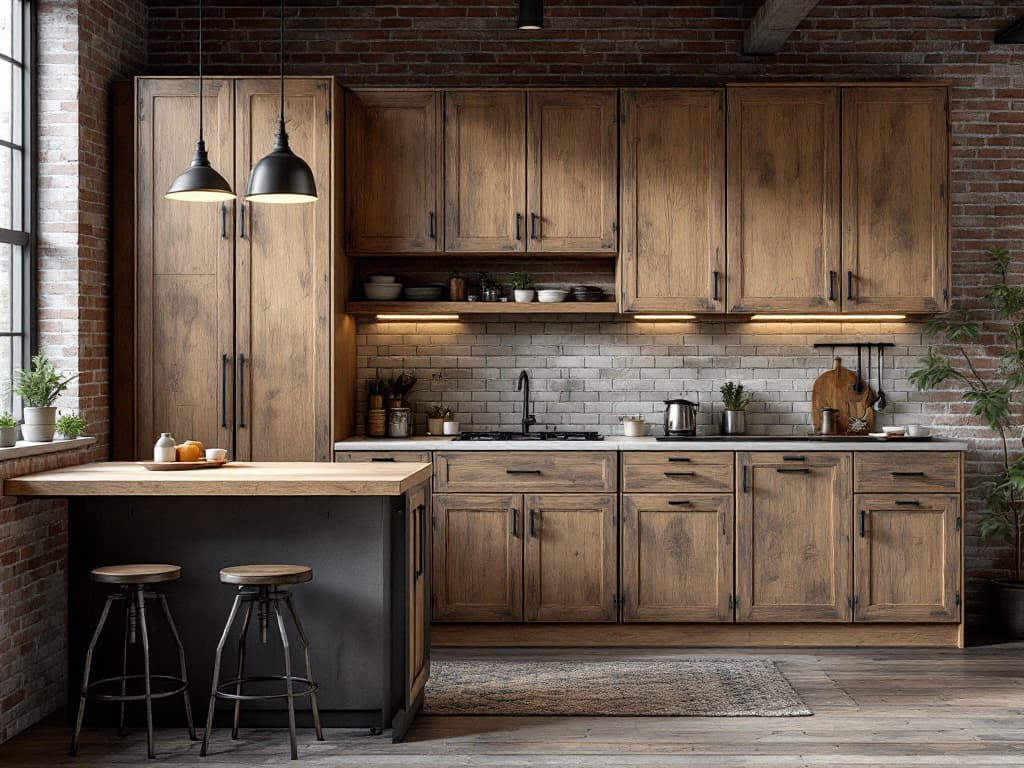
- 🍳 Kitchen furniture — fronts, carcasses, tall units, shelves and worktops with moisture resistance and sturdy hardware. A frequent request: rounded edges, cut-outs for the sink and built-in appliances.
- ☕ Café and restaurant furniture — tables, bar counters, benches and storage areas. Here there is no way around wear resistance and tolerance of frequent washing: the surface is cleaned dozens of times a day.
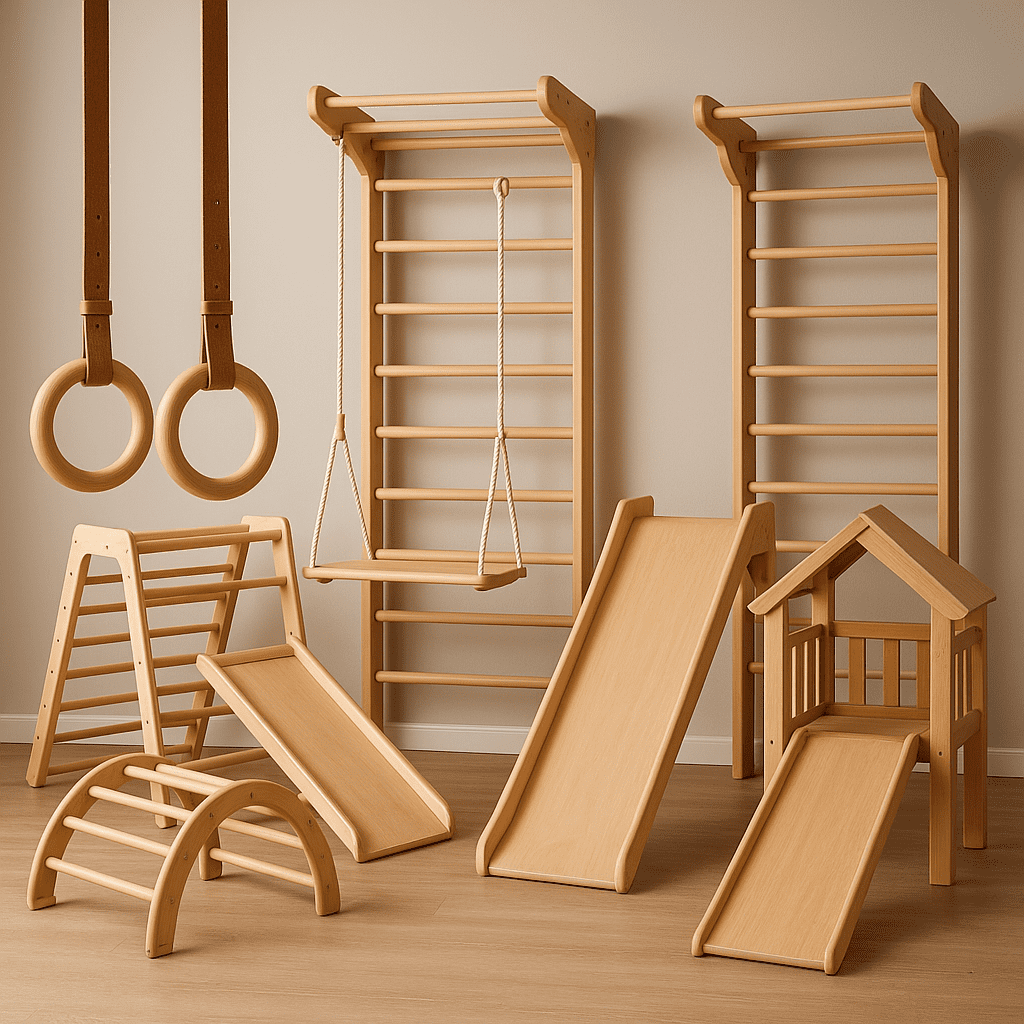
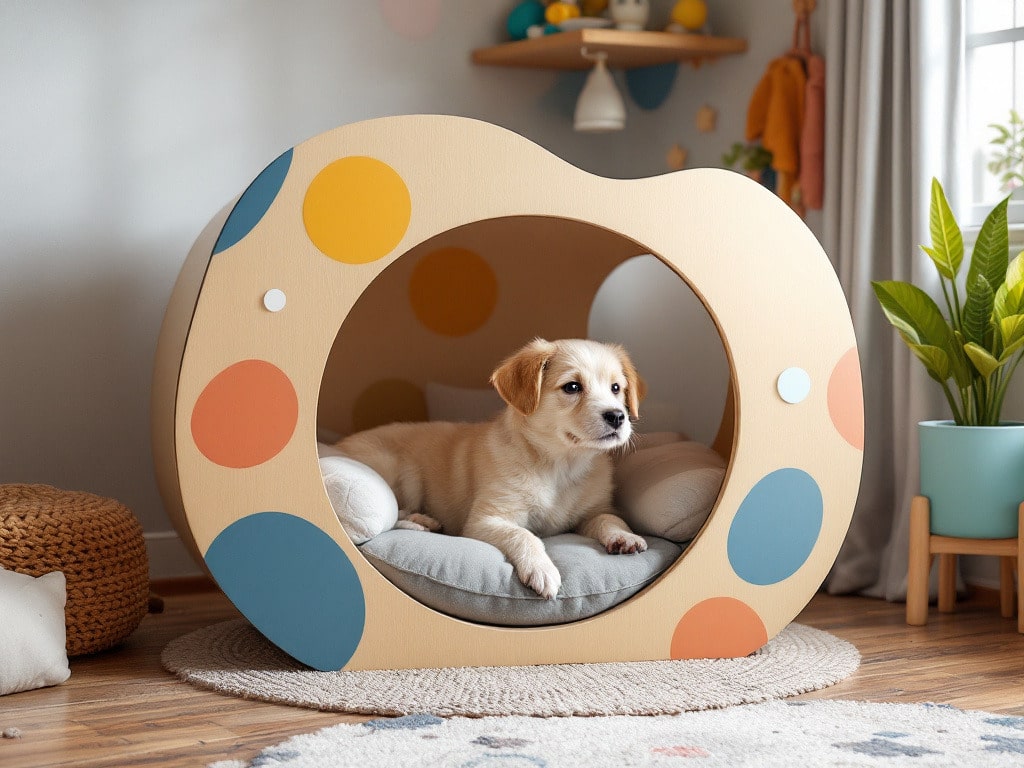
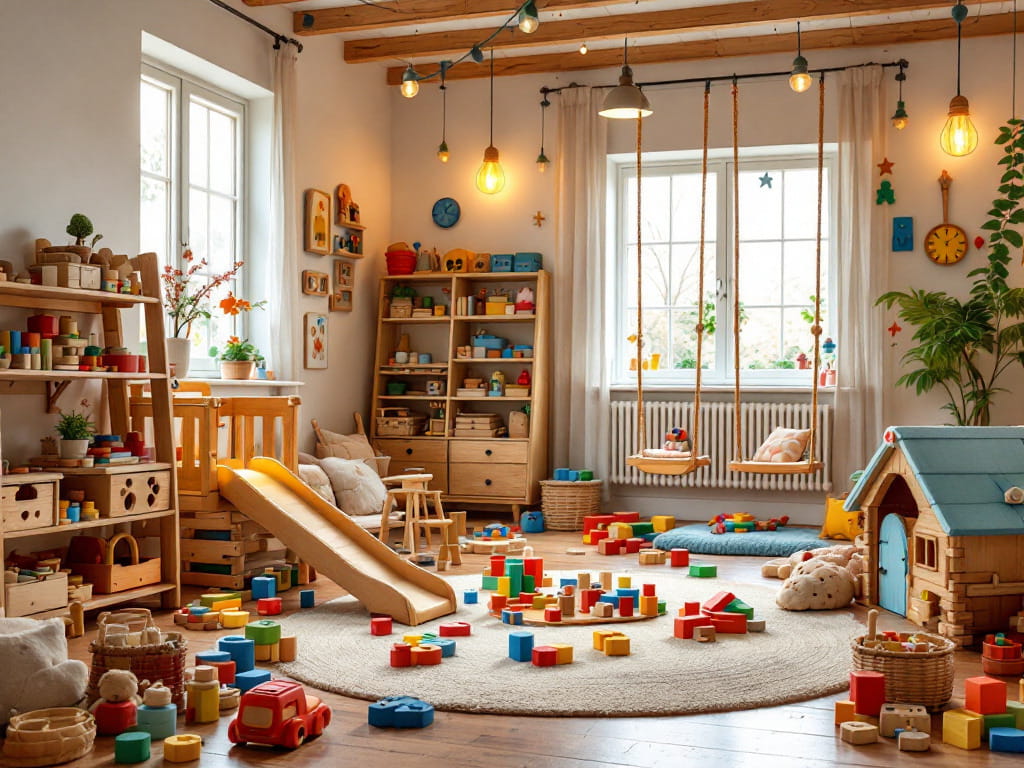
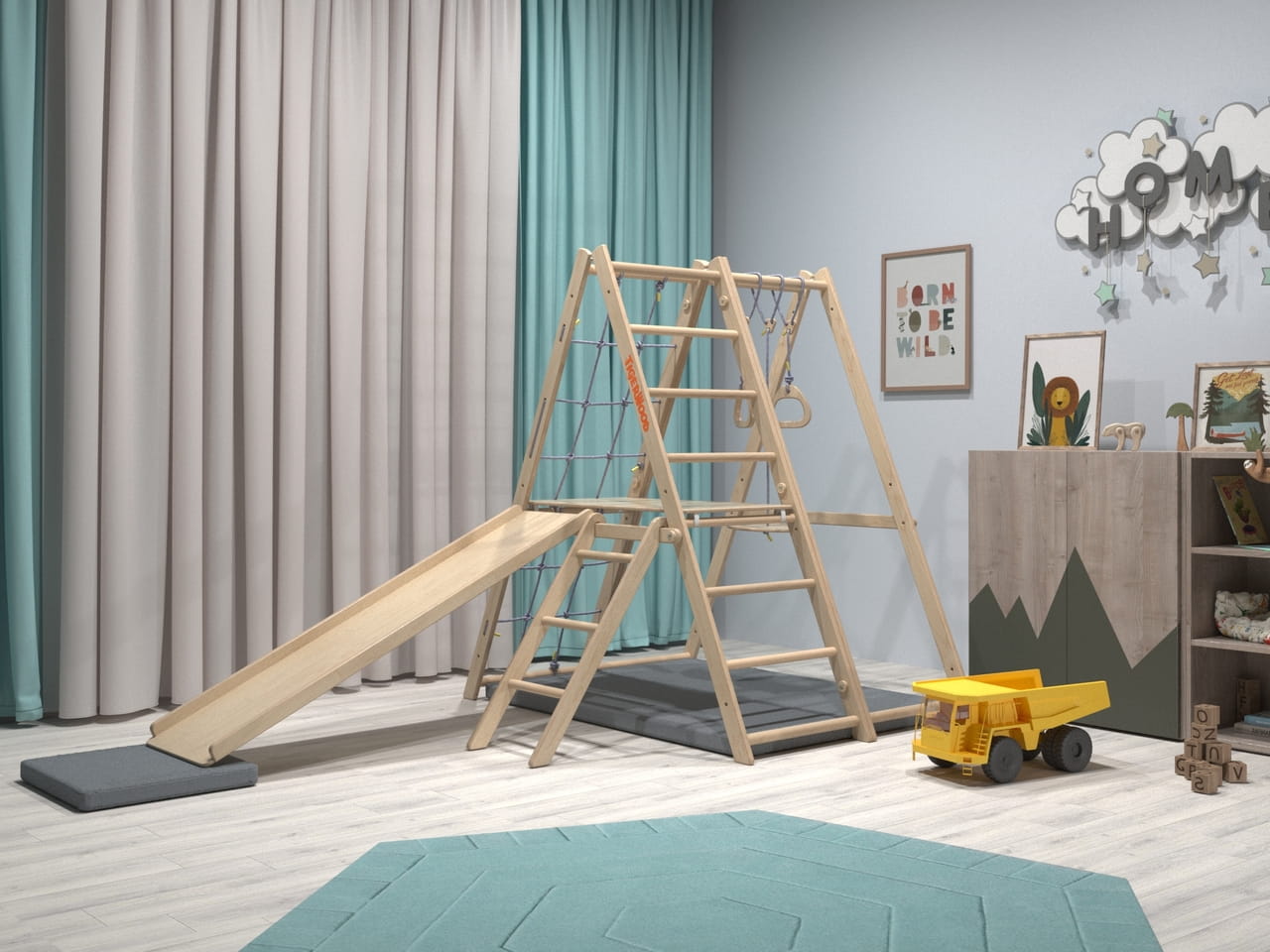
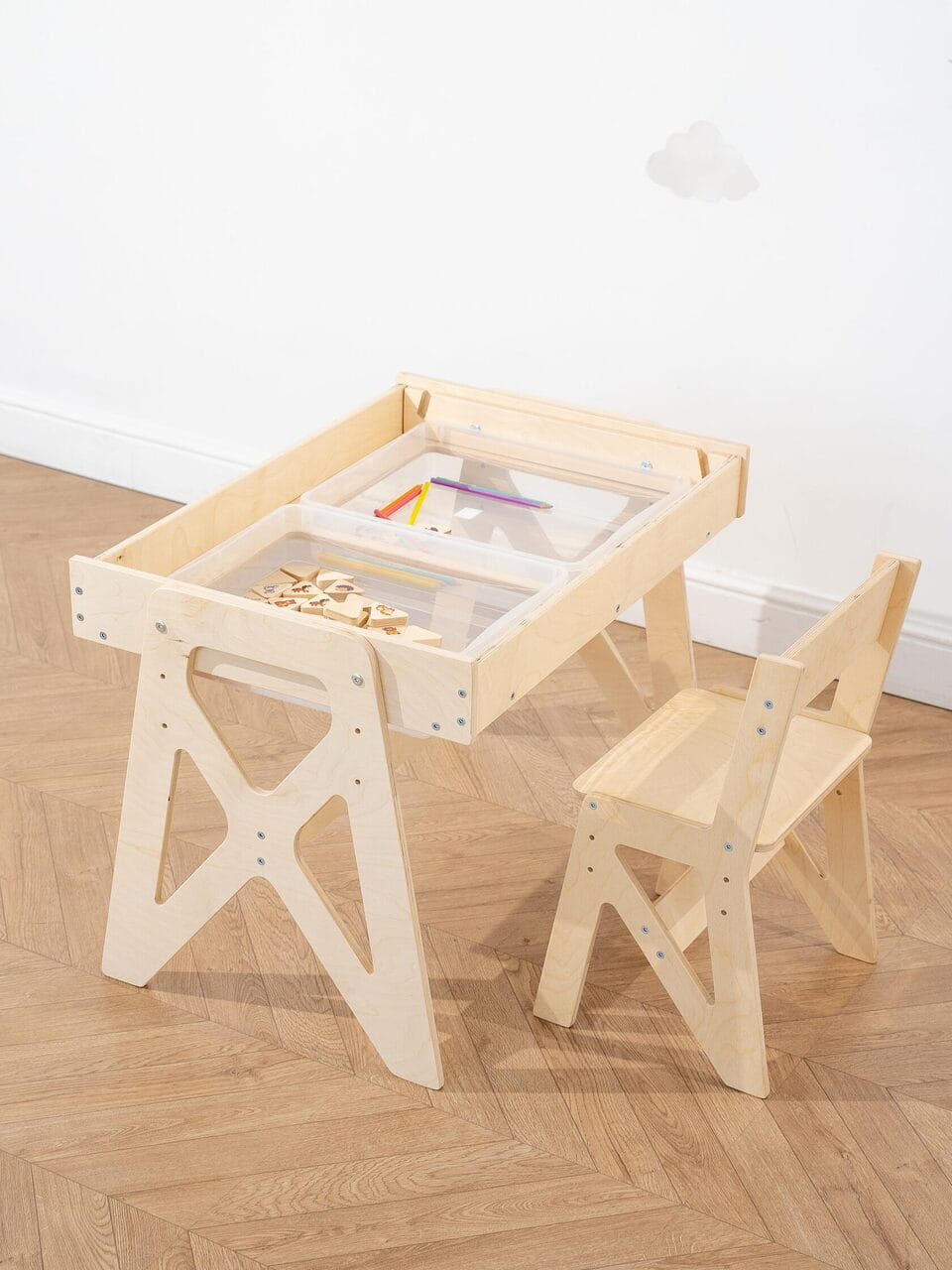
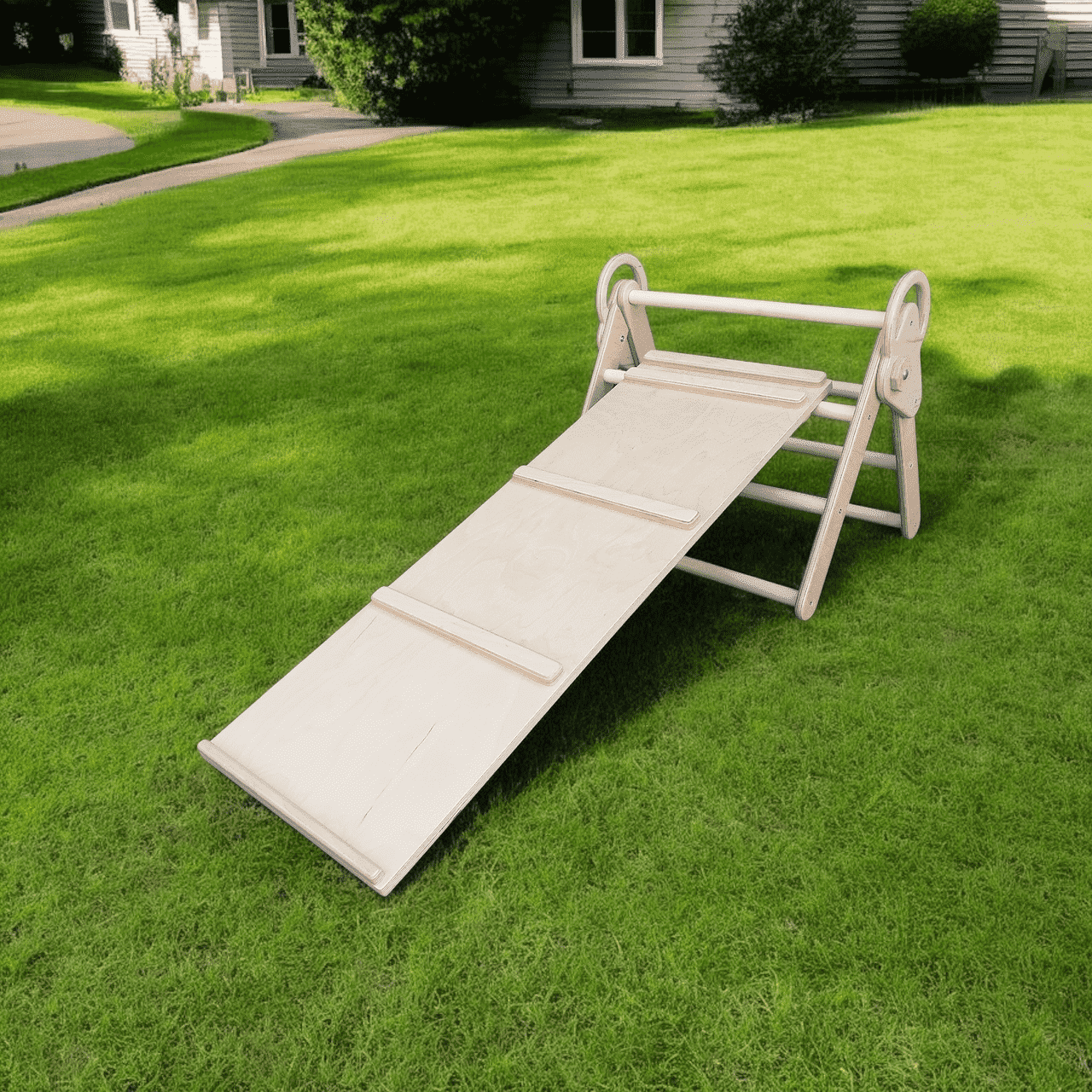
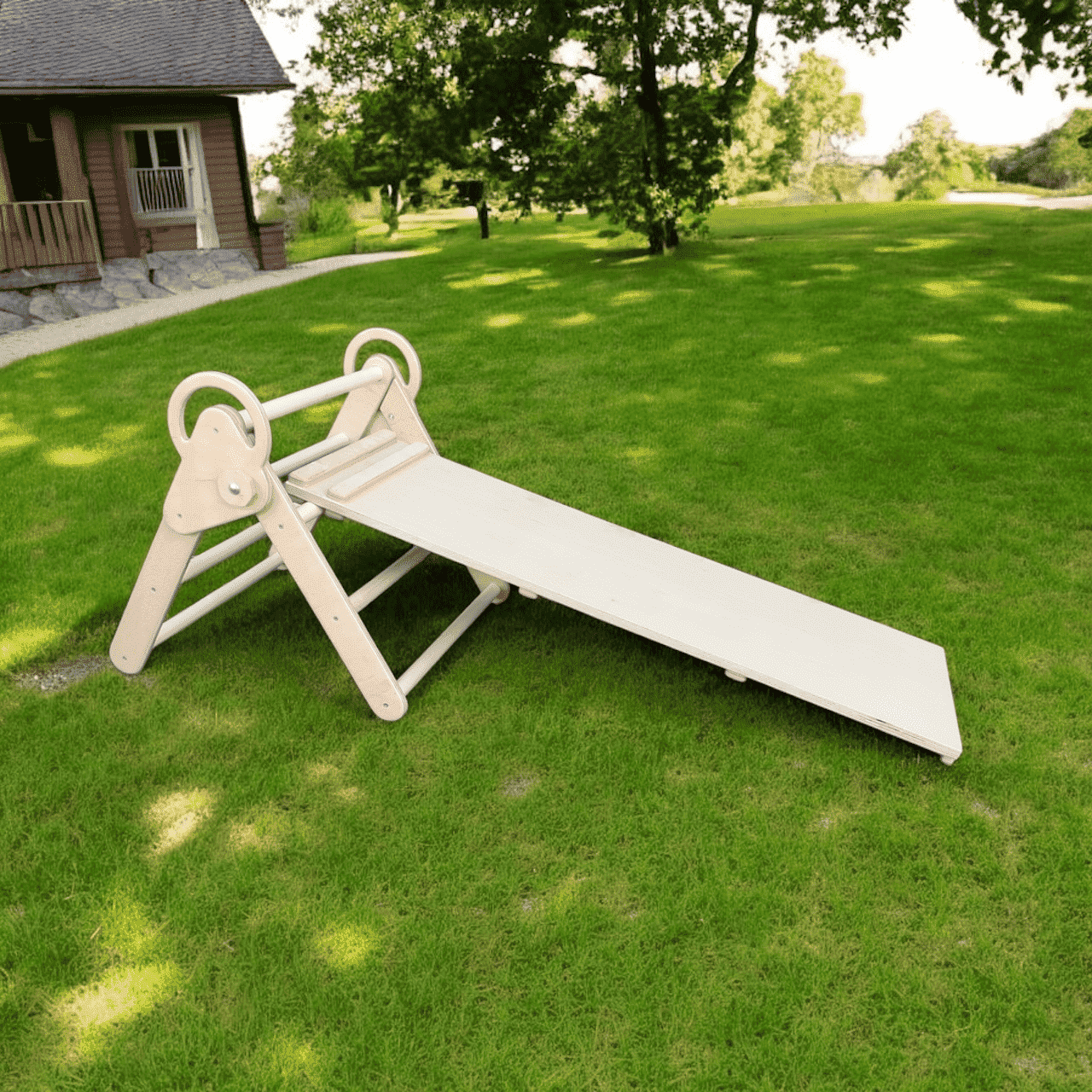
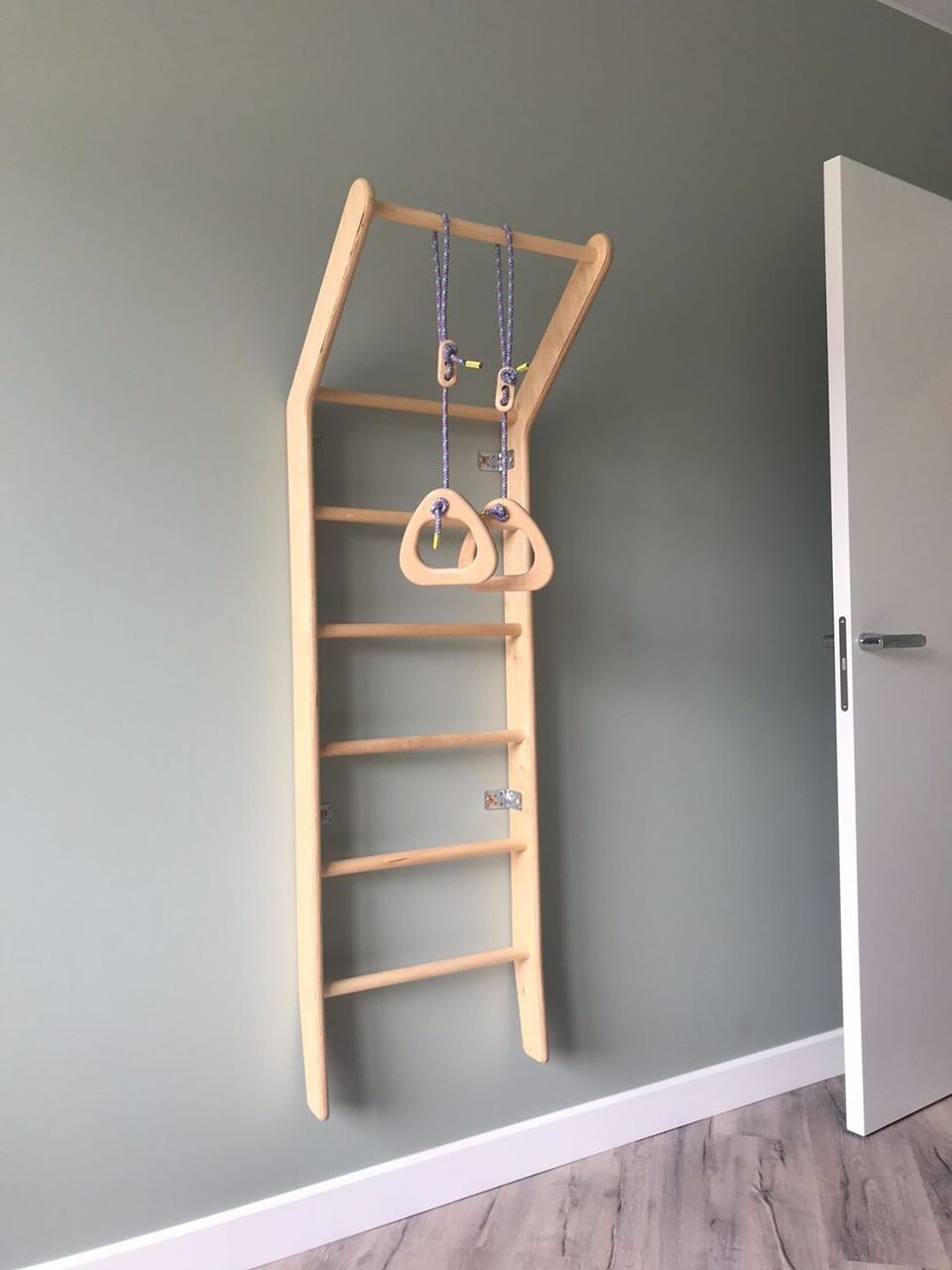
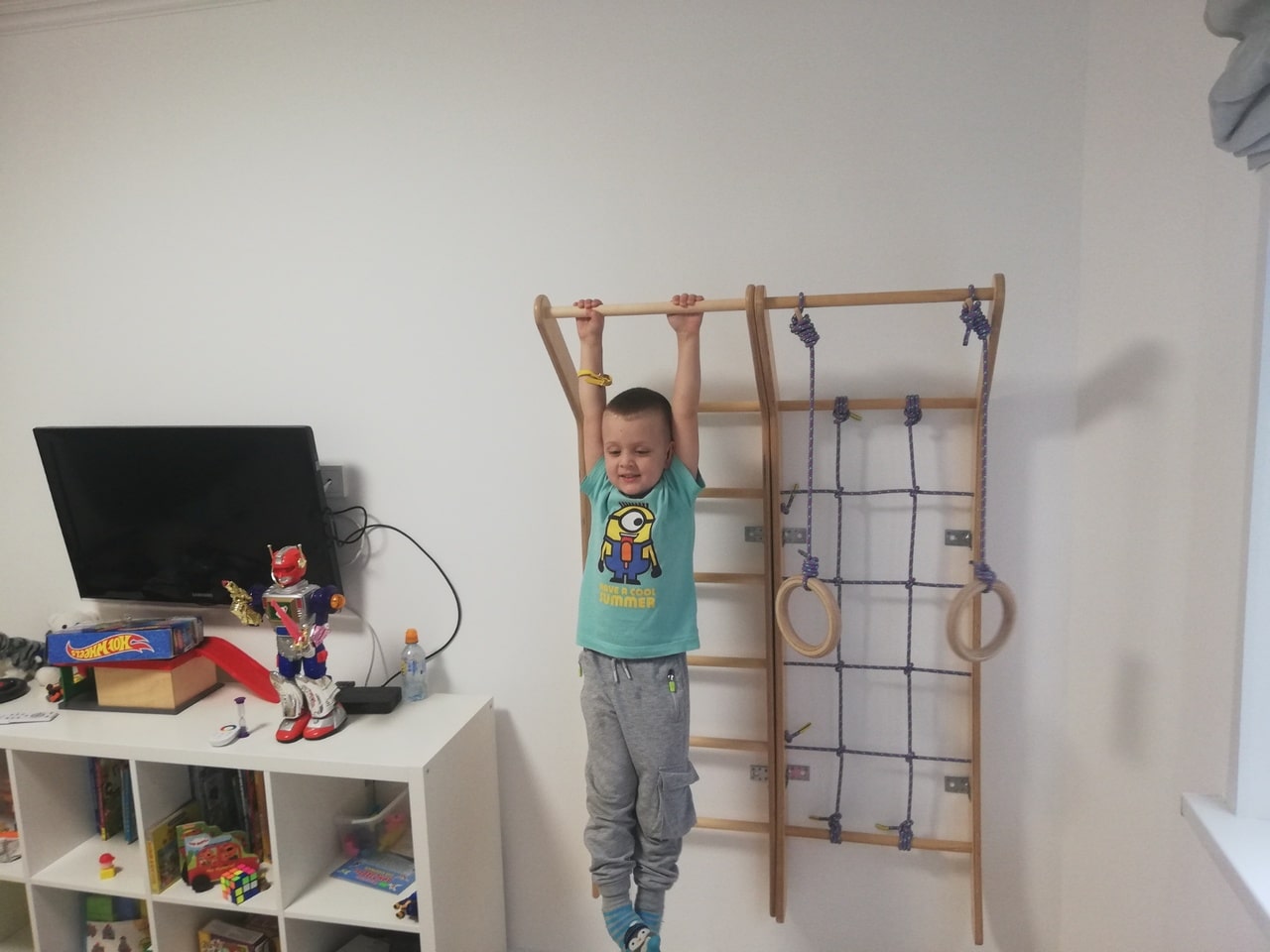
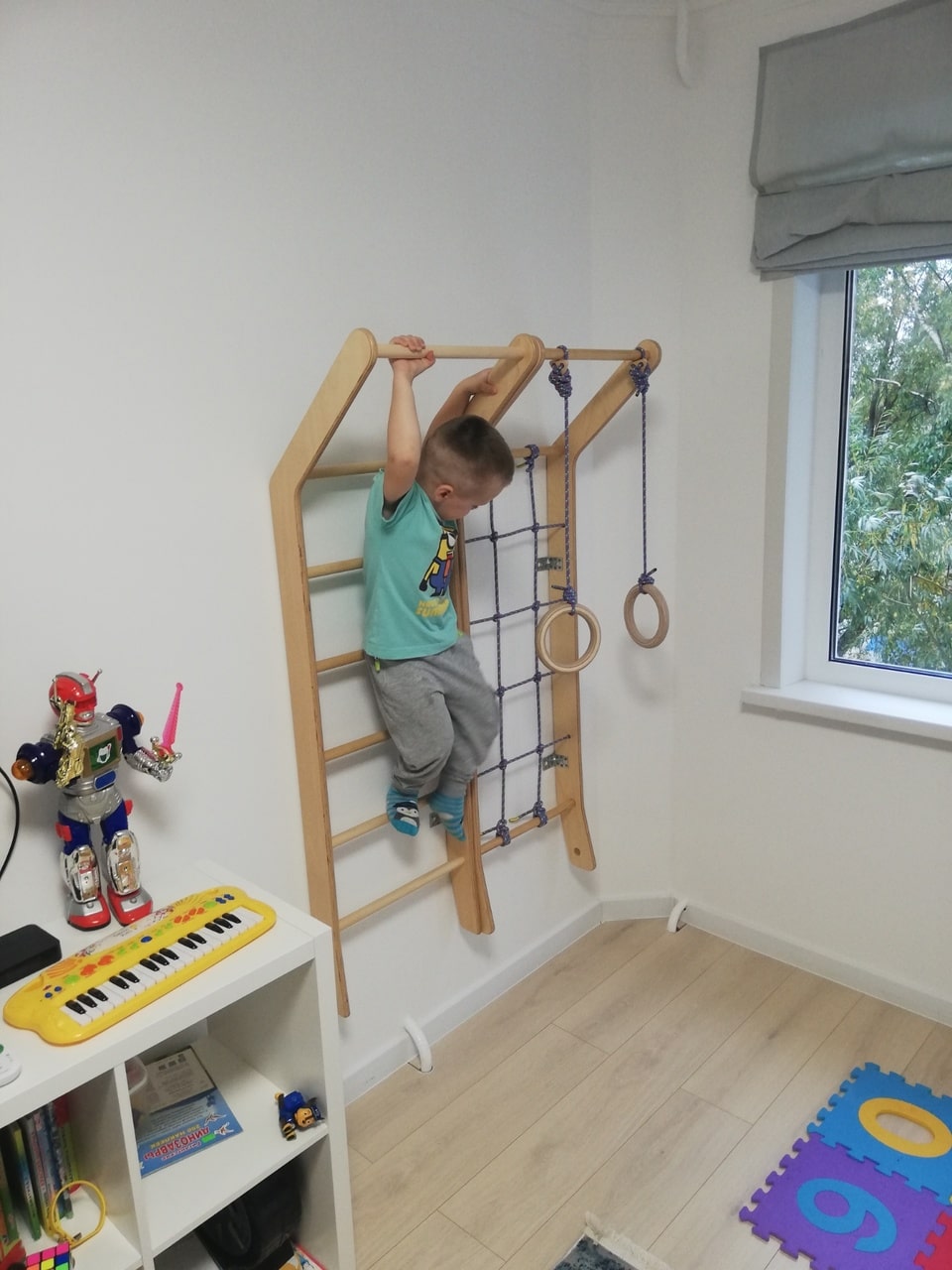
- 🧸 Children’s furniture — only safe materials, rounded corners, careful final sanding and a strength margin. Shapes and sizes are often non-standard, for a specific room or garden.
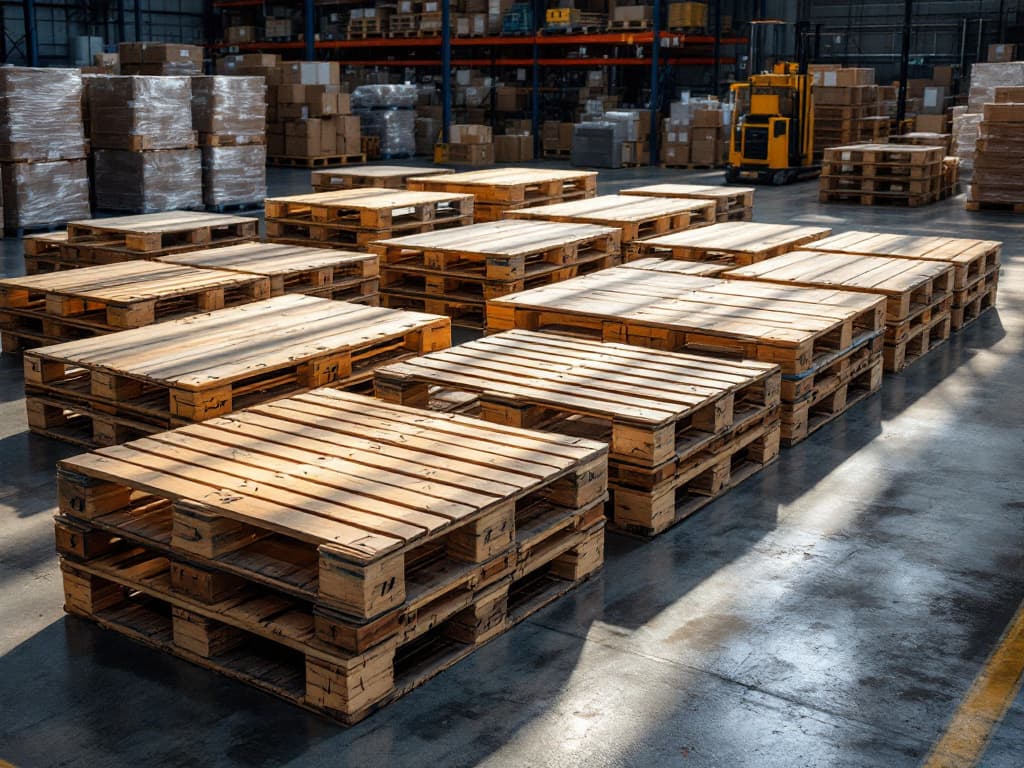
- 📦 Warehouse furniture — shelves, racking, work surfaces and tool cabinets. The main things here are strength, joint accuracy and stability under weight that builds up over the years.
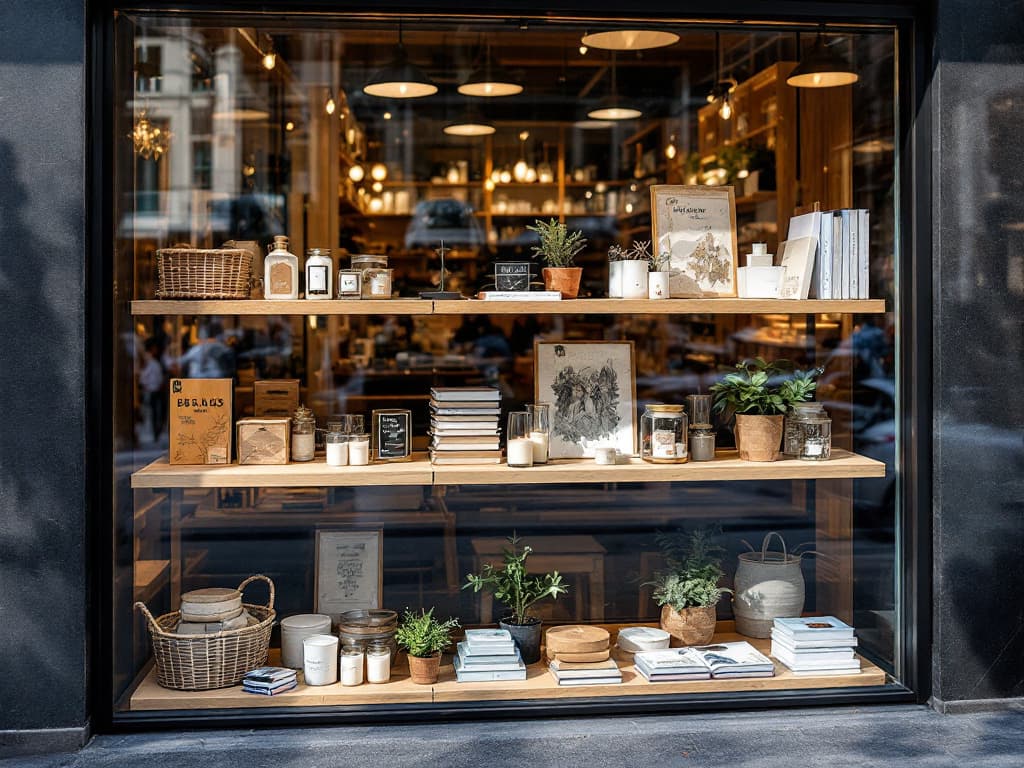
- 🏬 Shop furniture — display cases, stands, shelving and product modules. A tidy look, quick assembly and the option to brand it in the chain’s corporate style are valued.
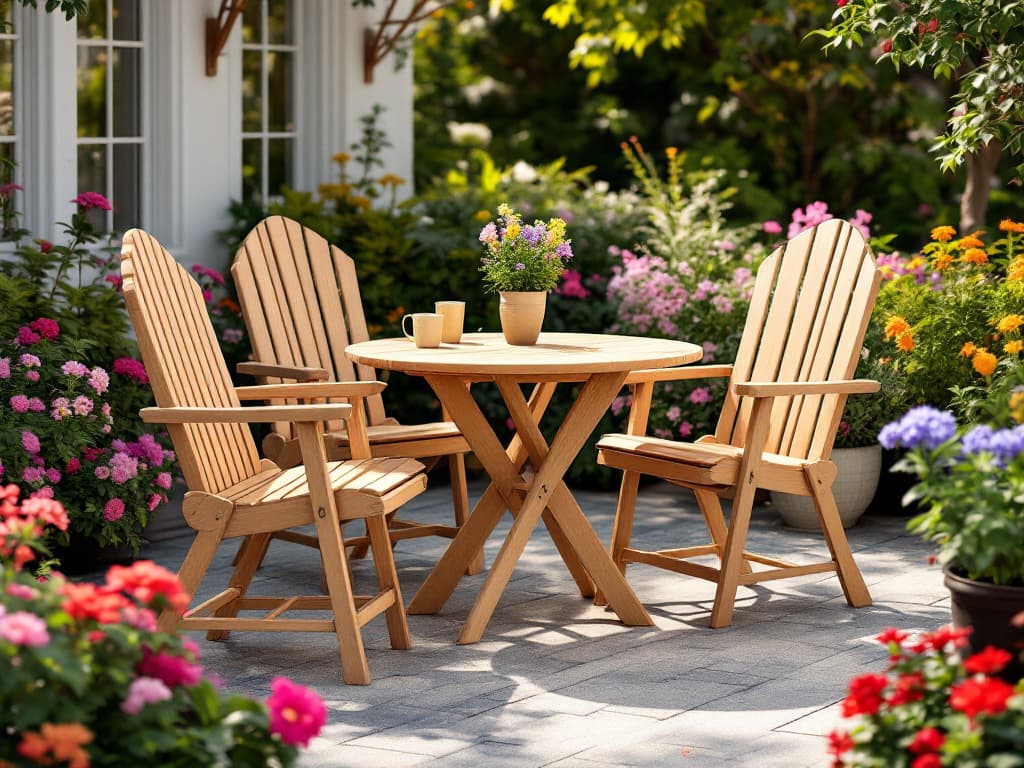
- 🌳 Garden furniture — designed for outdoors, so protection from the elements is needed: moisture-resistant plywood or thermally modified wood, oil and varnish that withstand rain and temperature swings.
All these areas are united by making furniture from wood, but each has its own decisions on shape, material and finish — there is no universal recipe, and that is the whole point of working to order.

Office furniture can be simple or combined: worktops with cable outlets, pedestals, document storage modules, reception counters. Below are a few more areas with the specifics that come up as early as the quotation stage.
- 📐 Kitchen to size — made exactly for the room, with cut-outs for built-in appliances. Decorative front milling and concealed handles are often added for a minimalist look.
- 🍽️ Venues — furniture that is easy to maintain: film coatings or durable paint. The shape is often fitted to the concept of the room rather than taken from a standard catalogue.
- 👶 Children’s items — safety without compromise: rounded corners, eco-friendly compounds, moisture-resistant bases. MDF and plywood are most often used as the most predictable.
- 🔩 Warehouse and production — everything rests on load: strong fasteners, well-considered frame rigidity, resistance to the swaying of tall racking.
- 🛍️ Retail outlet — for a specific format: display cases, shelving, checkout areas, podiums, islands. The balance is kept between appearance and function so the product is shown to advantage.
- ⛱️ Outdoors and garden — designed for the open air: moisture-resistant plywood, thermal treatment, protective oils against moisture and fading in the sun.
The types of wood and sheet-material processing we use
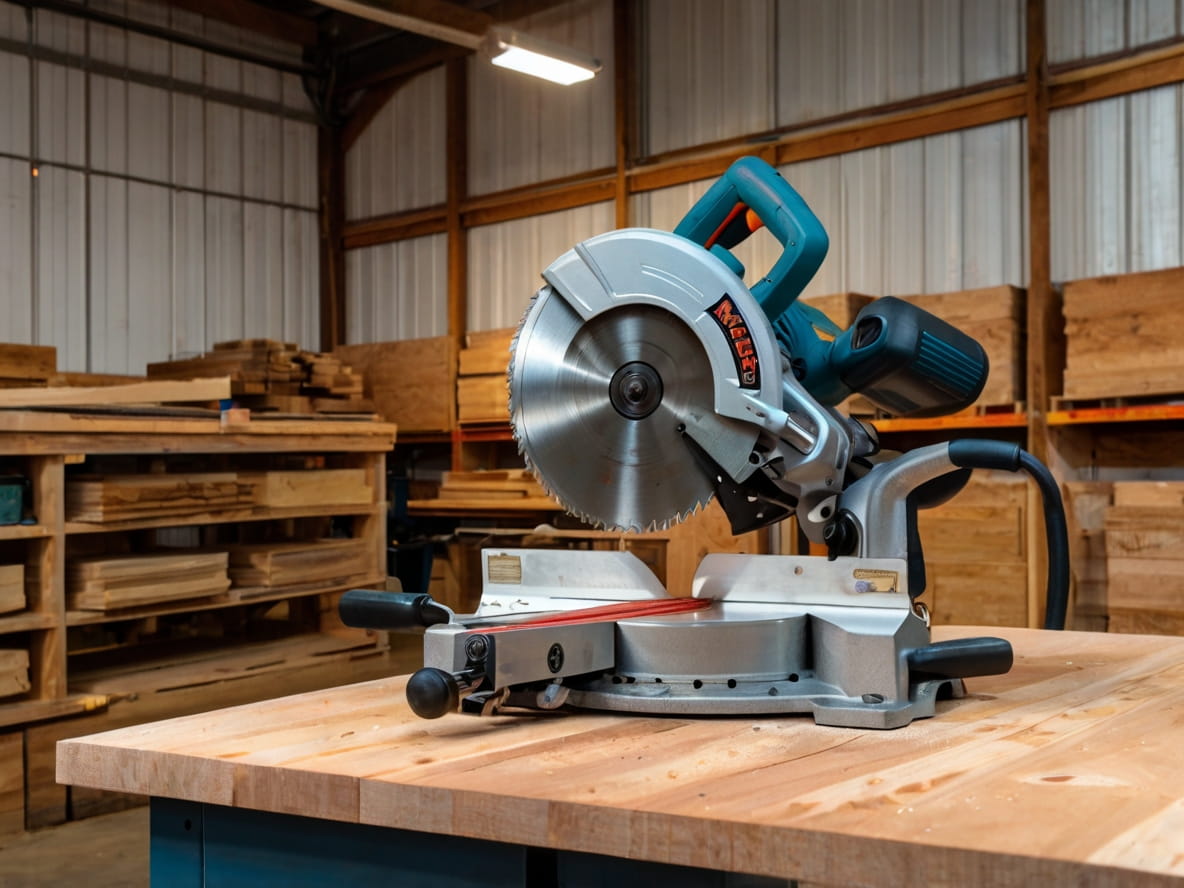
Cutting
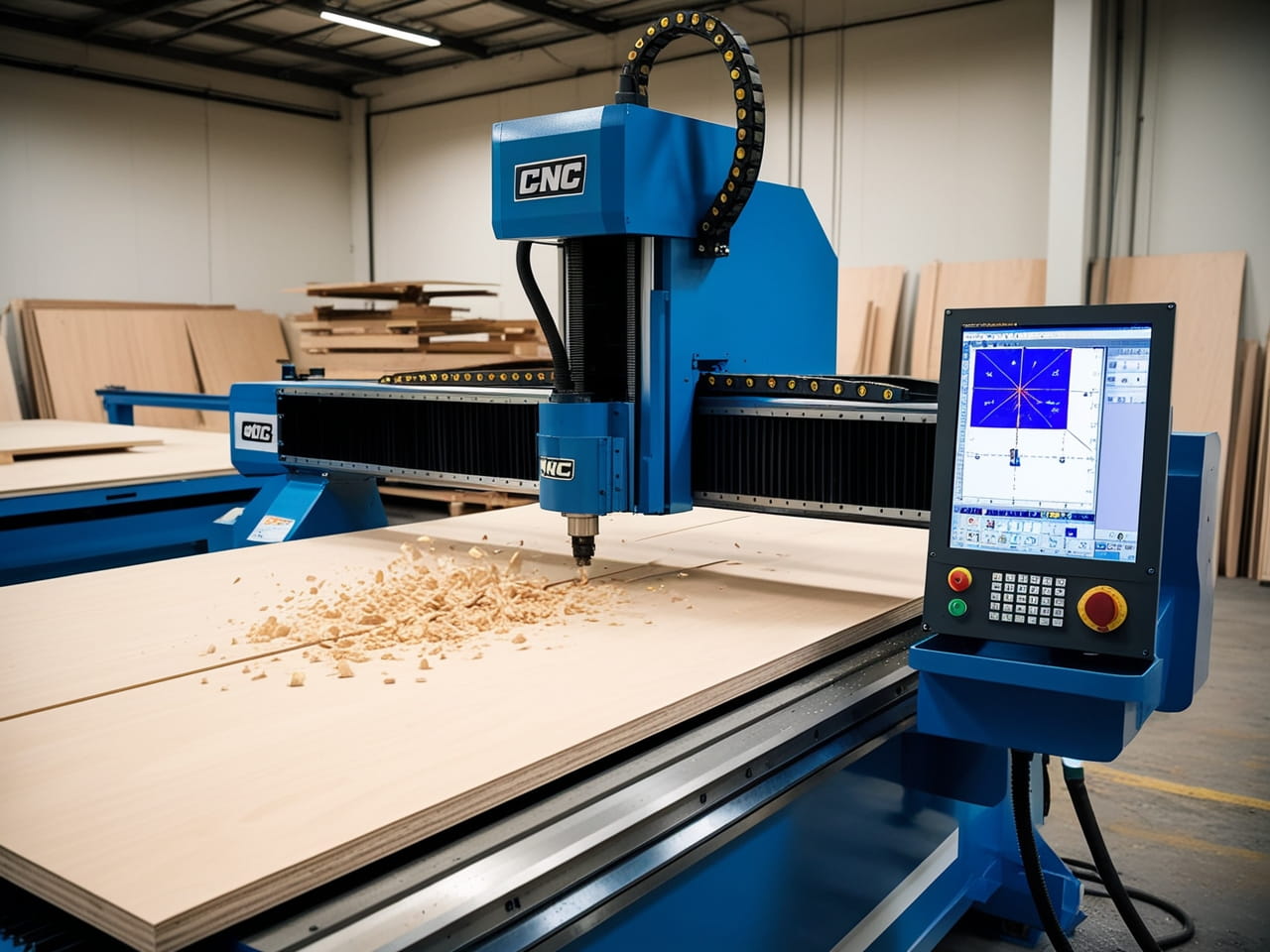
CNC

Cross-cutting

Drilling
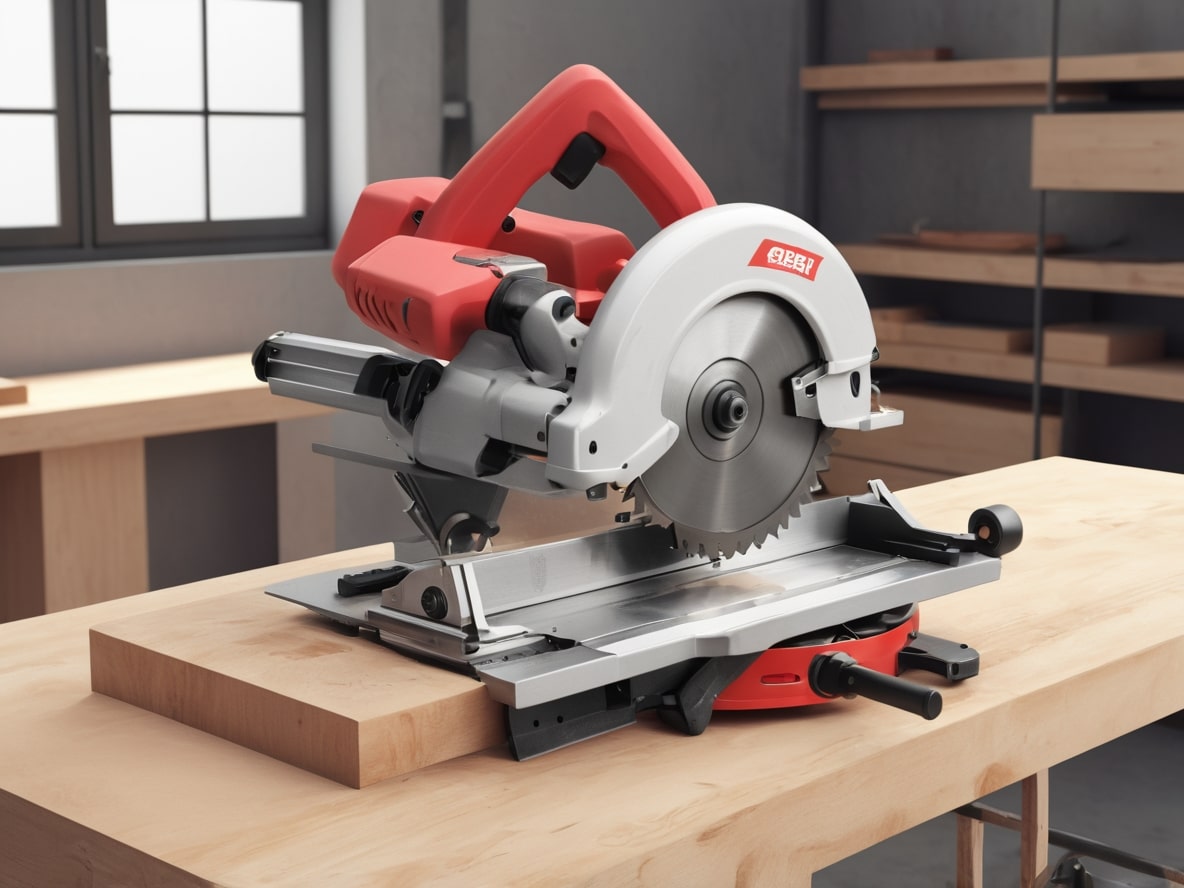
Sawing

Ripping

Machining
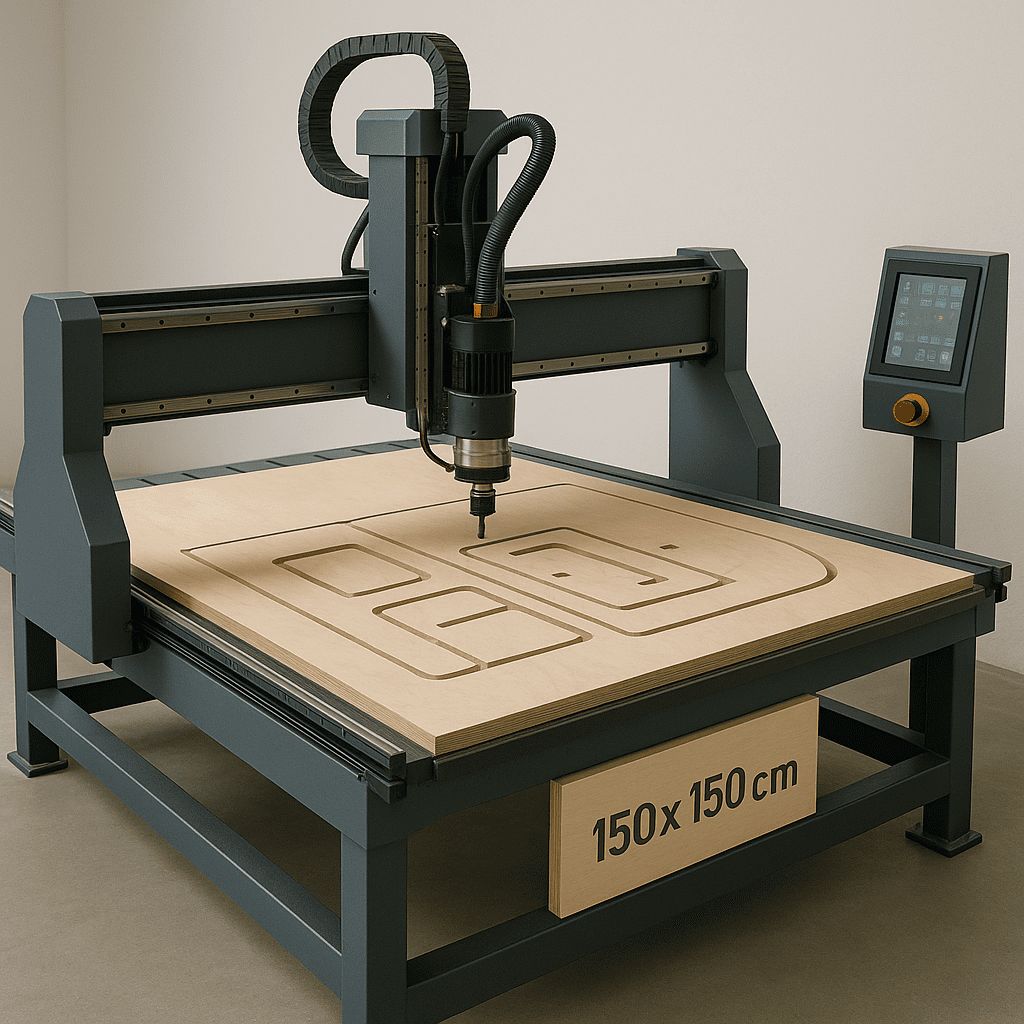
Cutting to size
Sanding
Grooving
Milling

Painting
Working with the material: how bases are machined in furniture production
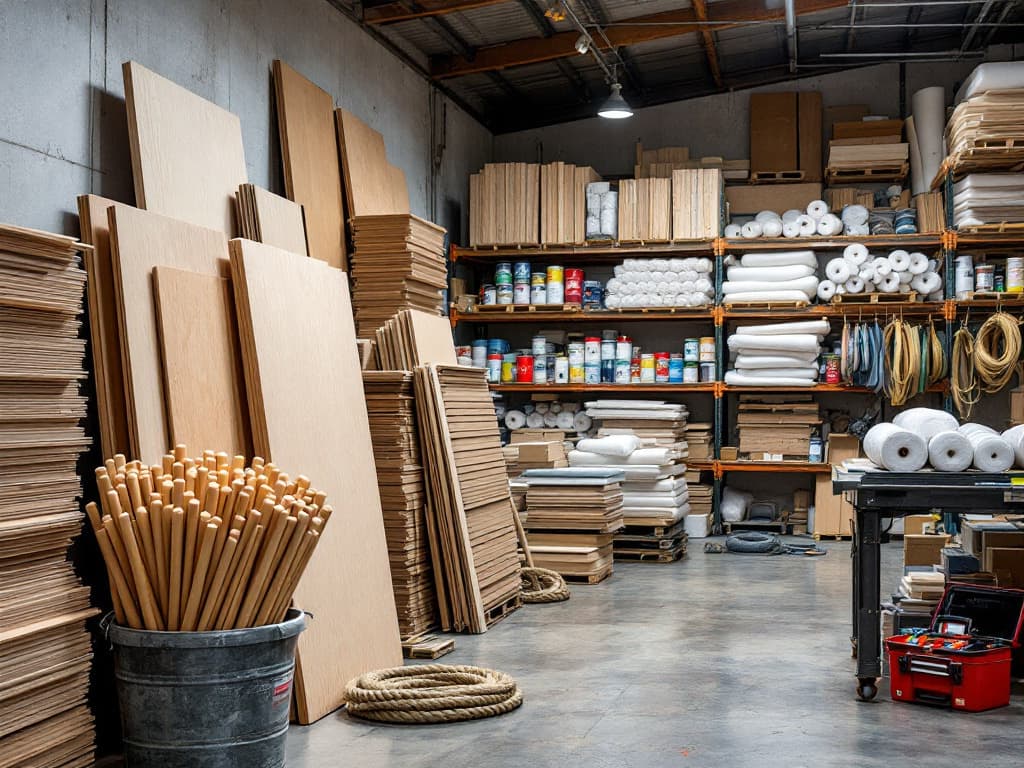
Material is chosen for a specific project, not the other way round. Plywood goes where a curved shape and high strength are needed. MFC covers boxes, carcasses and simple fronts with ready-made décor. MDF is chosen for milling and painting — it holds relief and gives a smooth painted plane. Edge-glued panel is for worktops, benches and bar counters, where the natural grain of the wood is on show and valued.
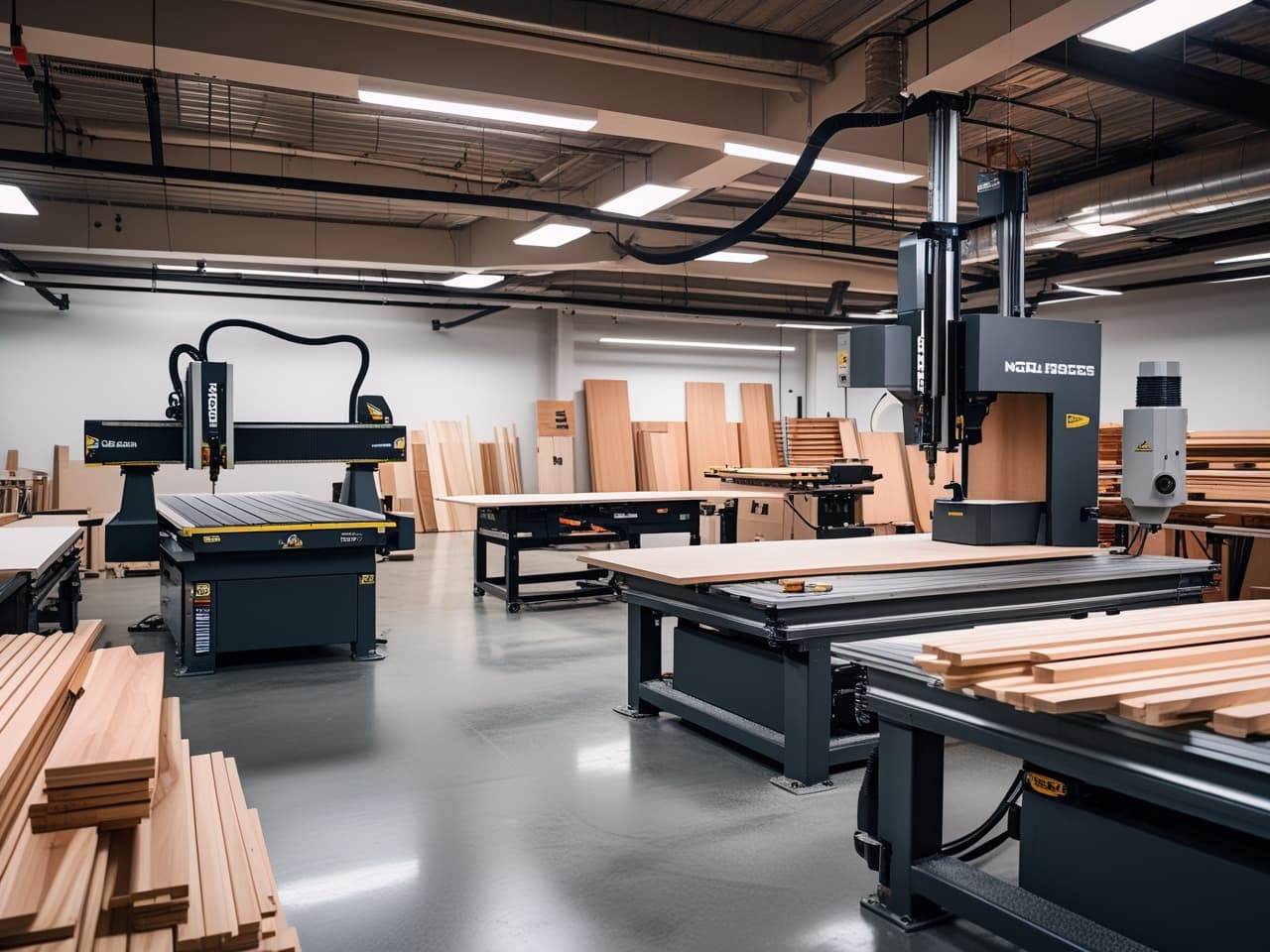
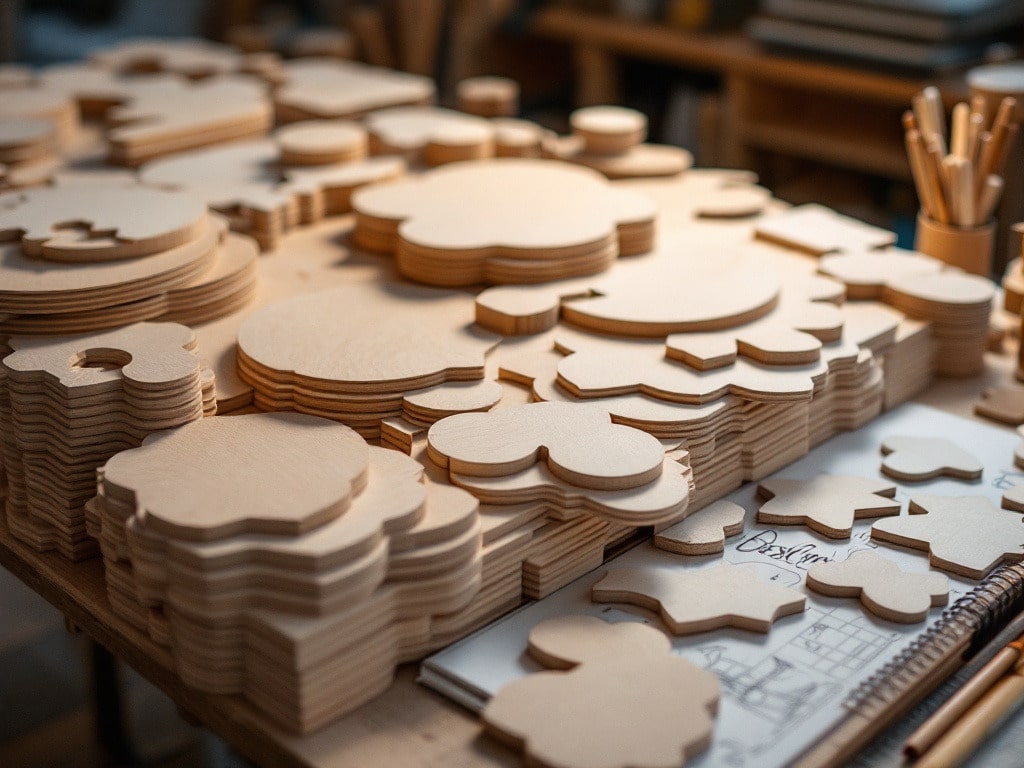
Sheets are cut on CNC and panel saws. This way the blank comes out accurate to size, and along with it the holes for fasteners, grooves, rebates and corners are set right away. For a series a separate nesting layout is made that places parts on the board with minimal waste — on a large run that is a noticeable saving of board.
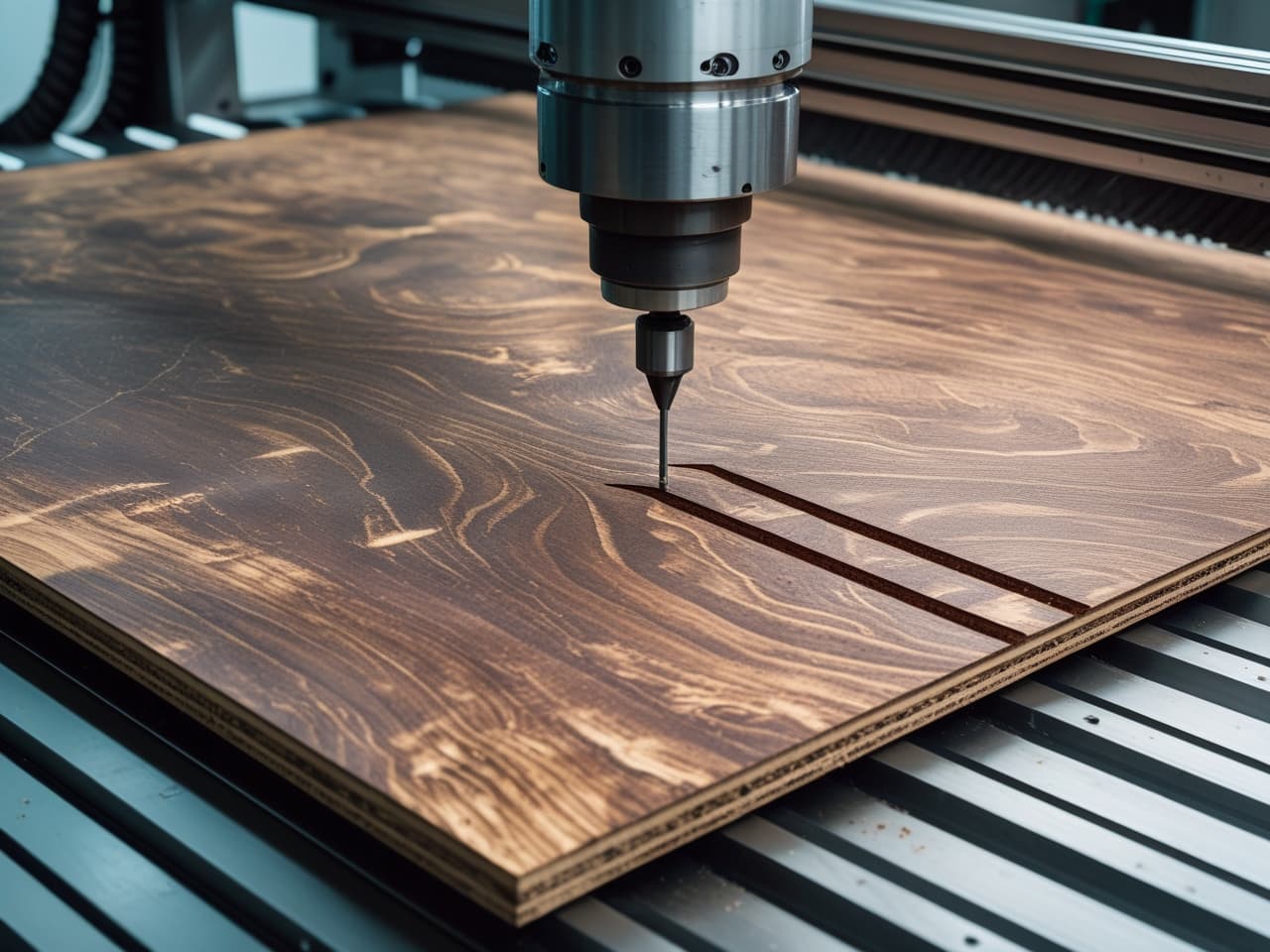
After cutting comes milling: chamfer, rebate, engraving, radius machining, three-dimensional 3D relief. Some operations work on appearance, some on assembly: a groove and rebate define how parts meet each other. It is at this stage that a flat blank turns into a recognisable part of a specific furniture model.
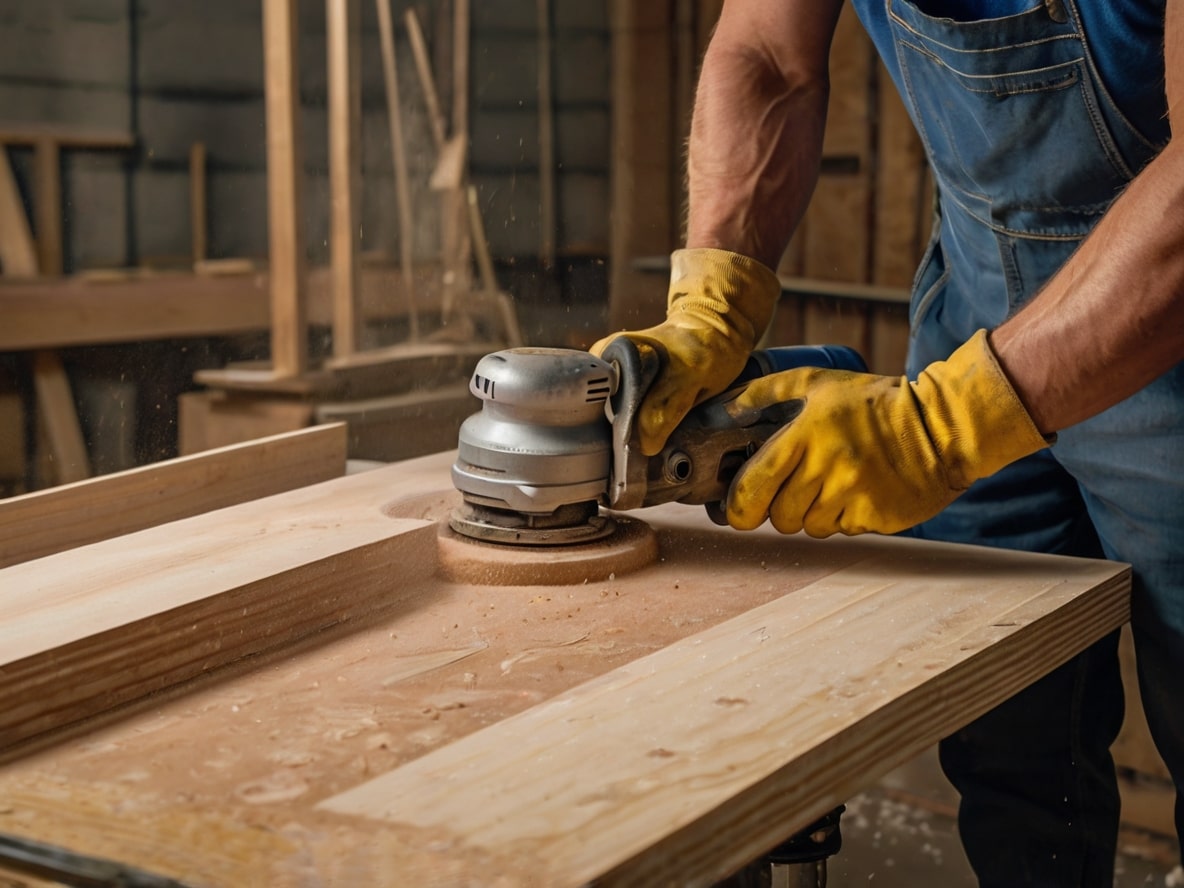
Next the blanks are sanded — by hand, with a machine or on a wide-belt sander, and more often all together. There are several passes, especially if a part is going to be painted: paint will honestly reveal any scratch left behind. Painting is done in a separate booth with a drying zone, where clean air and controlled conditions keep the coat from orange-peeling or picking up dust.
The finish — varnish, paint or oil — is matched to the type of furniture: matt or gloss, resistant to moisture or to abrasion. This is not cosmetics but a working property: the coating decides whether a front will survive daily wet cleaning and how long it keeps its look. A kitchen and a venue need one compound, a decorative shelf quite another.
The production stages of woodworking and manufacturing
Step by step: the stages of making custom wooden furniture
Making furniture from wood and panel materials goes through several key stages, and each affects the outcome: quality, joint accuracy, service life, ease of assembly. It starts with project preparation. The customer sends drawings or a specification, and from them the cutting program and the rest of the operations are written. Here the number of parts and fasteners is counted and assembly is thought through in advance, so it does not later turn out that a couple of rails are missing or the holes are in the wrong place.
Once the layout is agreed, cutting follows. A sheet of MFC, MDF or plywood is sawn on a panel saw or CNC machine to produce blanks of the required shape and size. The cut is not only straight: curved contours, cut-outs, grooves and technical holes are set right away, so the part does not have to go back to the machine.
Next comes milling. For a specific model, rebates and grooves, a radius chamfer and engraving are made. Here too three-dimensional 3D machining is done if a front or décor is to look more expressive than a flat panel. The set of operations is always specific: a simple shelf gets by with little, a designer front goes through almost the whole arsenal.
After milling the parts are sanded. This stage removes irregularities and cut marks and prepares the surface for painting or assembly. Work is done by hand and on a machine, depending on the part and the requirements. The exposed parts of the furniture — fronts, worktops, edges — get especially careful attention: they are on view, and any roughness there is immediately felt by hand and seen against the light.
Then — painting, varnish or oil. For furniture in cafés, kitchens or children’s facilities, compounds with increased resistance to moisture and wear are used: the load on the surface there is at its highest. After painting the parts are dried in a chamber — this is not only about the hardness of the coat but also about geometry: correct drying keeps the board from warping and bowing.
The final step — assembling the pieces or packing the kits. On request, hardware, fixings and an assembly diagram are put in the box so the customer assembles everything without guesswork. On large series the parts are labelled — otherwise similar panels are easily mixed up on site. Finished products are packed with transport in mind, protecting edges and face sides, and held until dispatch.
The case for partnership: what cooperation in furniture production looks like
Making furniture from wood-based materials is always a balance: accuracy against deadlines, structural stability against machining flexibility. For a partner in supply, resale or fitting out venues, what matters most is clear lead times, easy communication and the ability to scale up volumes. That is why furniture is made not simply “to the drawing” but with service in mind: who will use it, where it will stand, what loads it will bear. These questions are asked at the start, not after the first complaint.
Large and small-wholesale orders rest on transparent approval, clear documentation and standard operations. For shop chains, cafés or office centres this is fundamental: pieces from different batches must be identical, as if made in one go. It is repeatability that a B2B customer will hold on to a contractor for: inconsistency across a run is seen at once and hits the chain’s brand.
Furniture suppliers, shops, online sellers and tender participants look above all for a reliable contractor. Especially when a series is needed — tables, racking, display cases — that has to be made, packed and shipped quickly. The design must be well thought out and assembly simple: if the end buyer struggles with the instructions, the displeasure lands not on production but on the seller. That is why ease of assembly is built in as early as the drawing.
Another plus of made-to-order furniture is that it can be tailored to a project’s styling. This lets you build collections for different market segments without being stuck with a standard catalogue. The customer needs a batch that matches not only the drawing but also the overall concept: colour, texture and shape work towards a single image. Here furniture becomes part of the identity rather than faceless filler for a room.


Other areas of furniture and industrial production
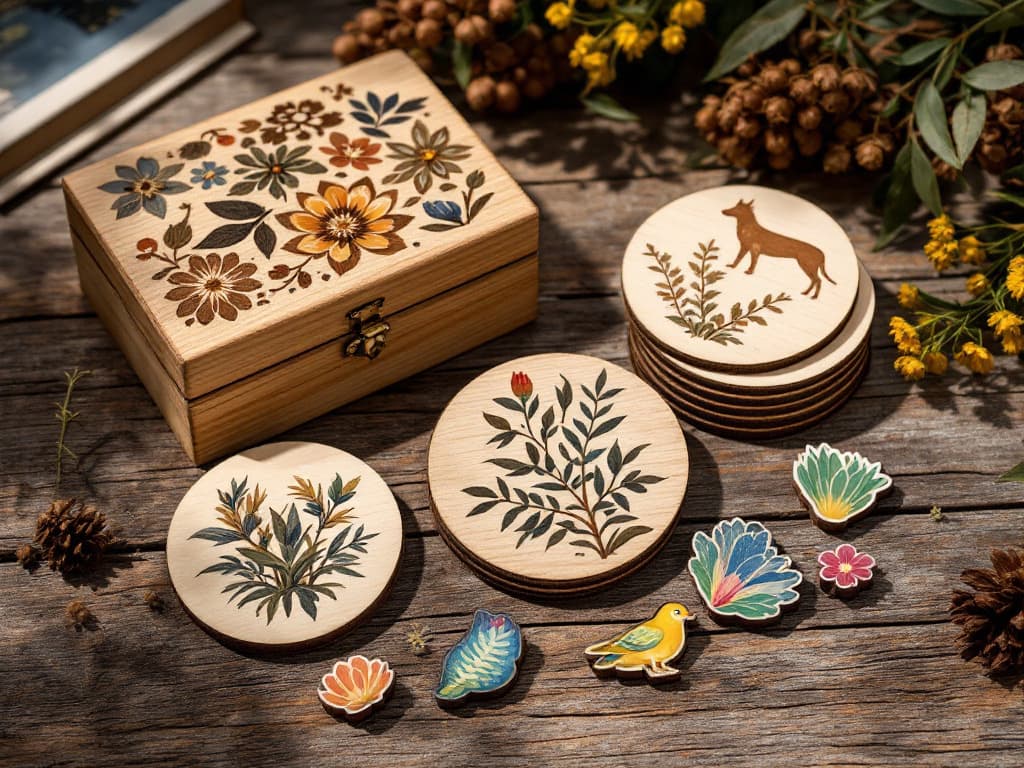
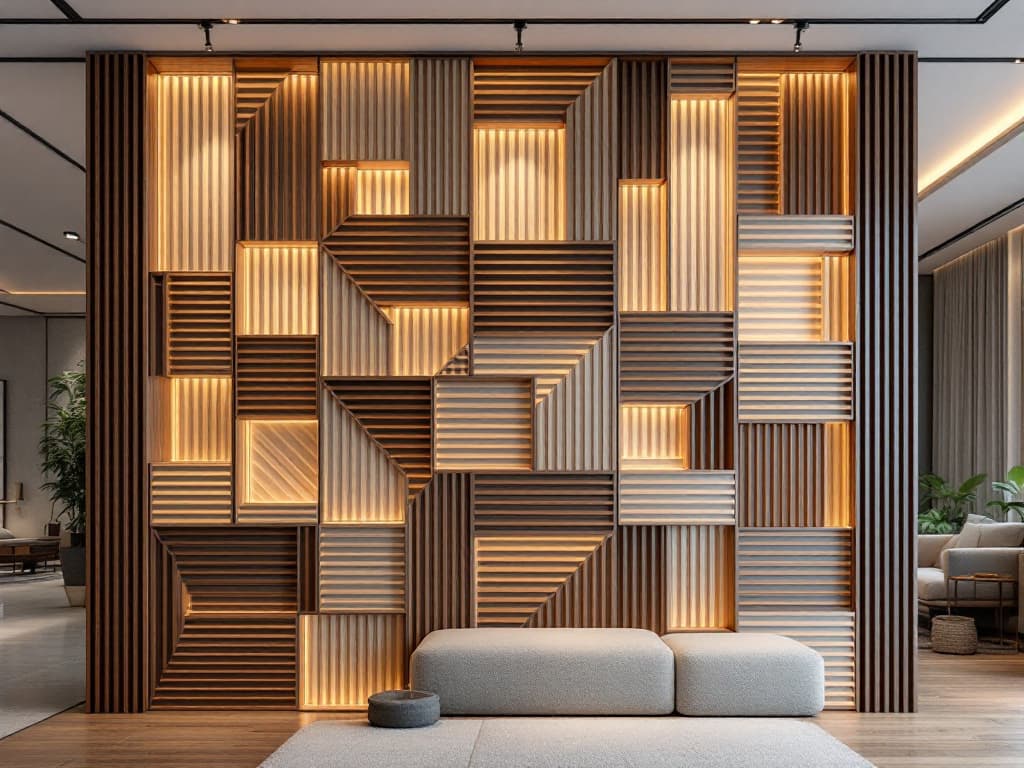
Besides furniture, wood and panels yield a mass of other products. Industrial panels, decorative panels, non-standard blanks, exhibition stands, architectural elements, house façades — all of this is made on the same equipment and by the same precise methods. In essence, a mastered machining cycle is not tied to one category: change the drawing and you get a different product.
A separate demand is for furniture components: fronts, side panels, shelves, partitions. This helps furniture ateliers, assemblers, showrooms and network suppliers when they need to round out a range or quickly close a specific request without spinning up a whole production line for a couple of parts. Ordering what is missing is easier than keeping your own machine and operator for it.
Interior elements, retail equipment and packaging from plywood and MDF are gaining momentum. All of this is built on a single base within one machining cycle — convenient for those who work across several categories at once and do not want to scatter orders among different contractors. One contractor for furniture, components and fit-out means fewer approvals and a single quality standard.

Examples of our work and partner projects
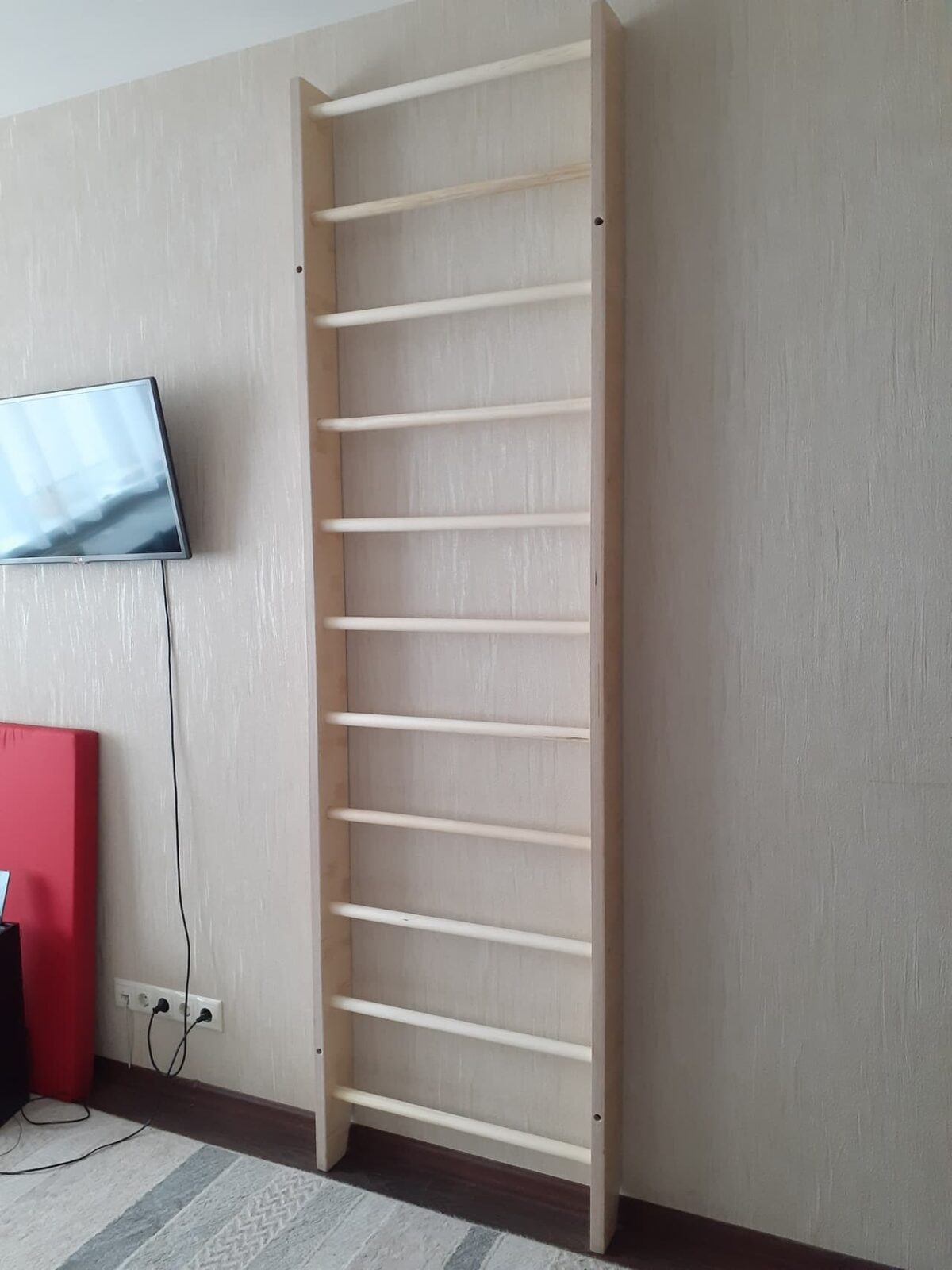

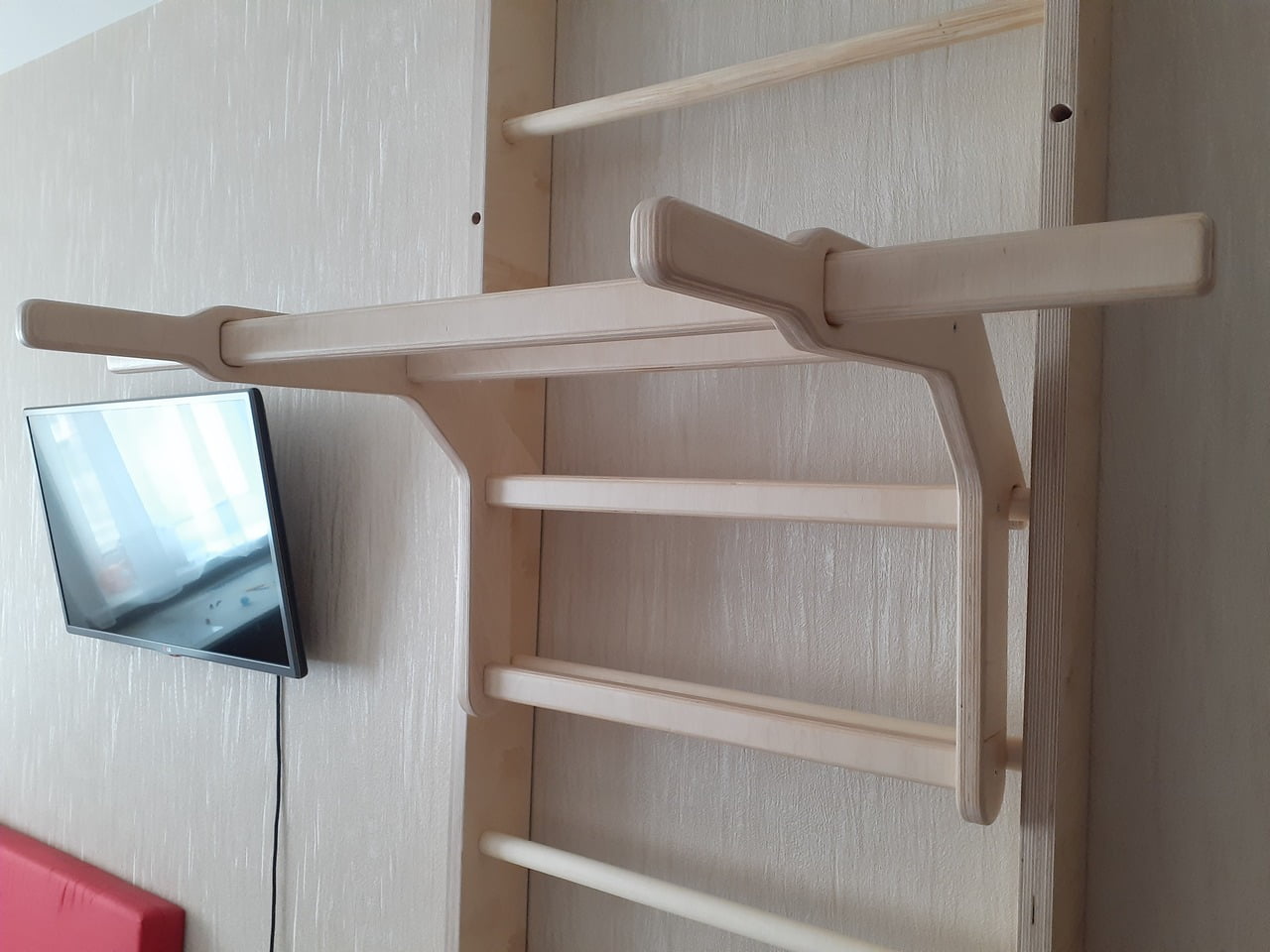
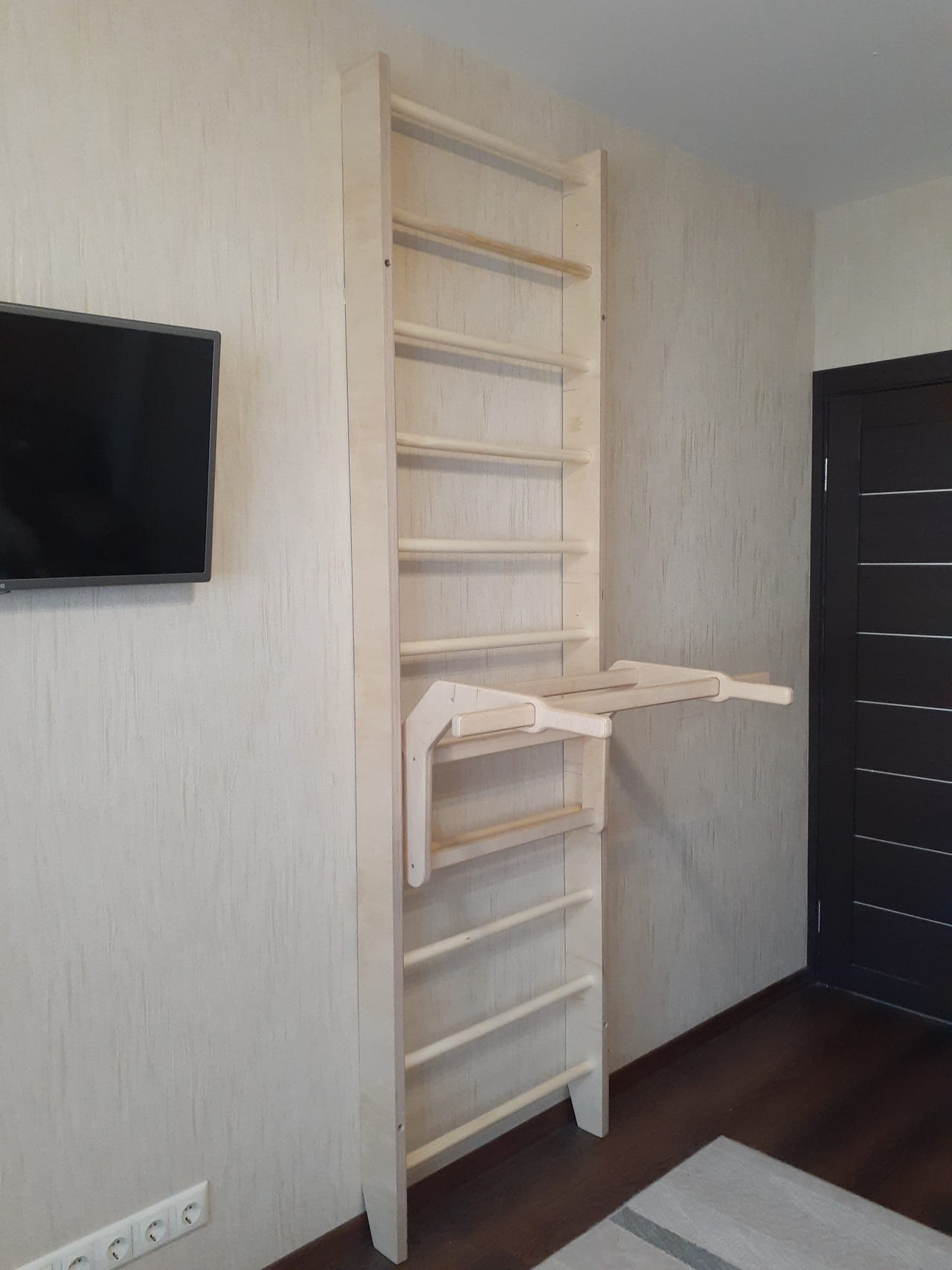


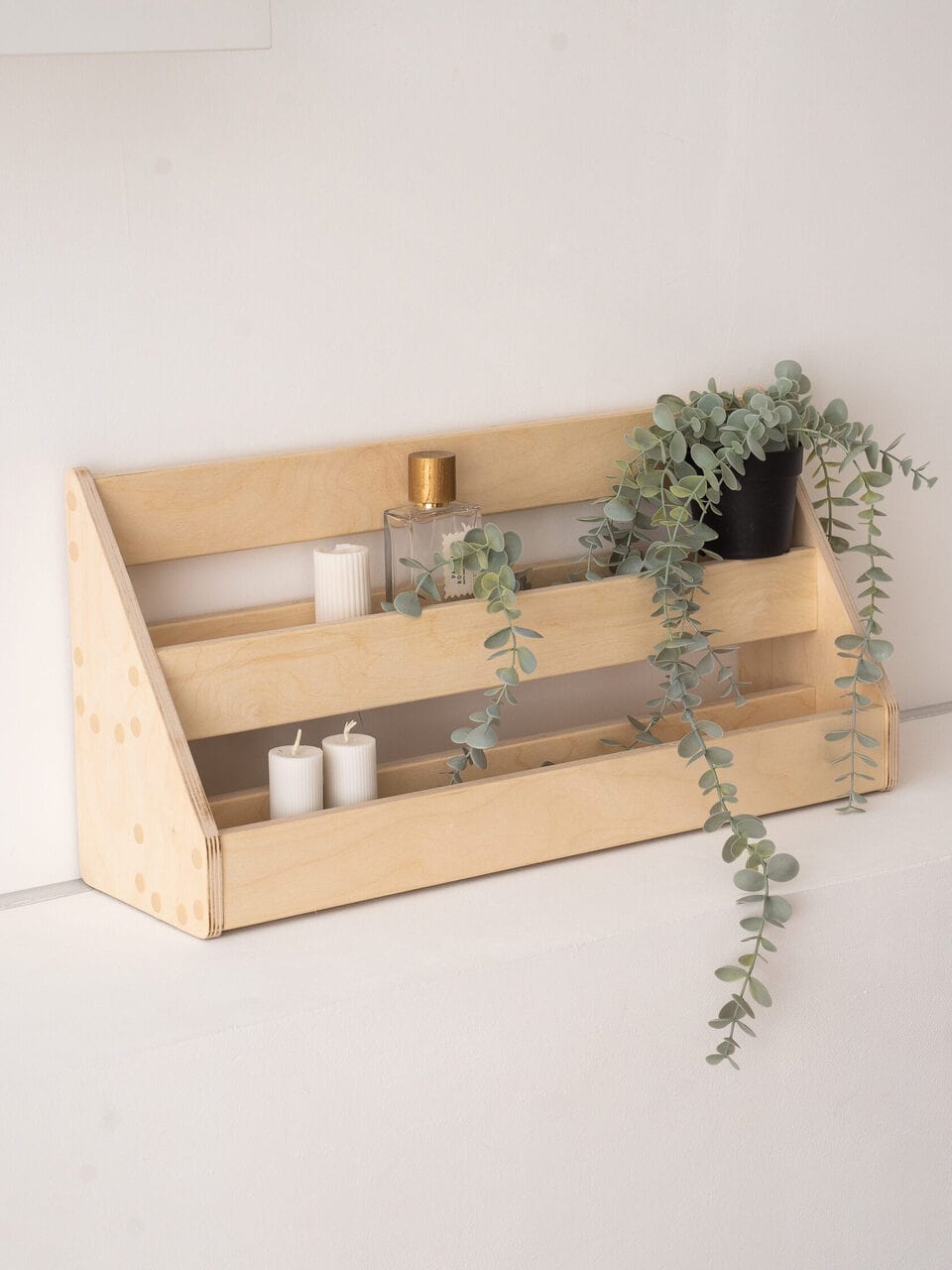
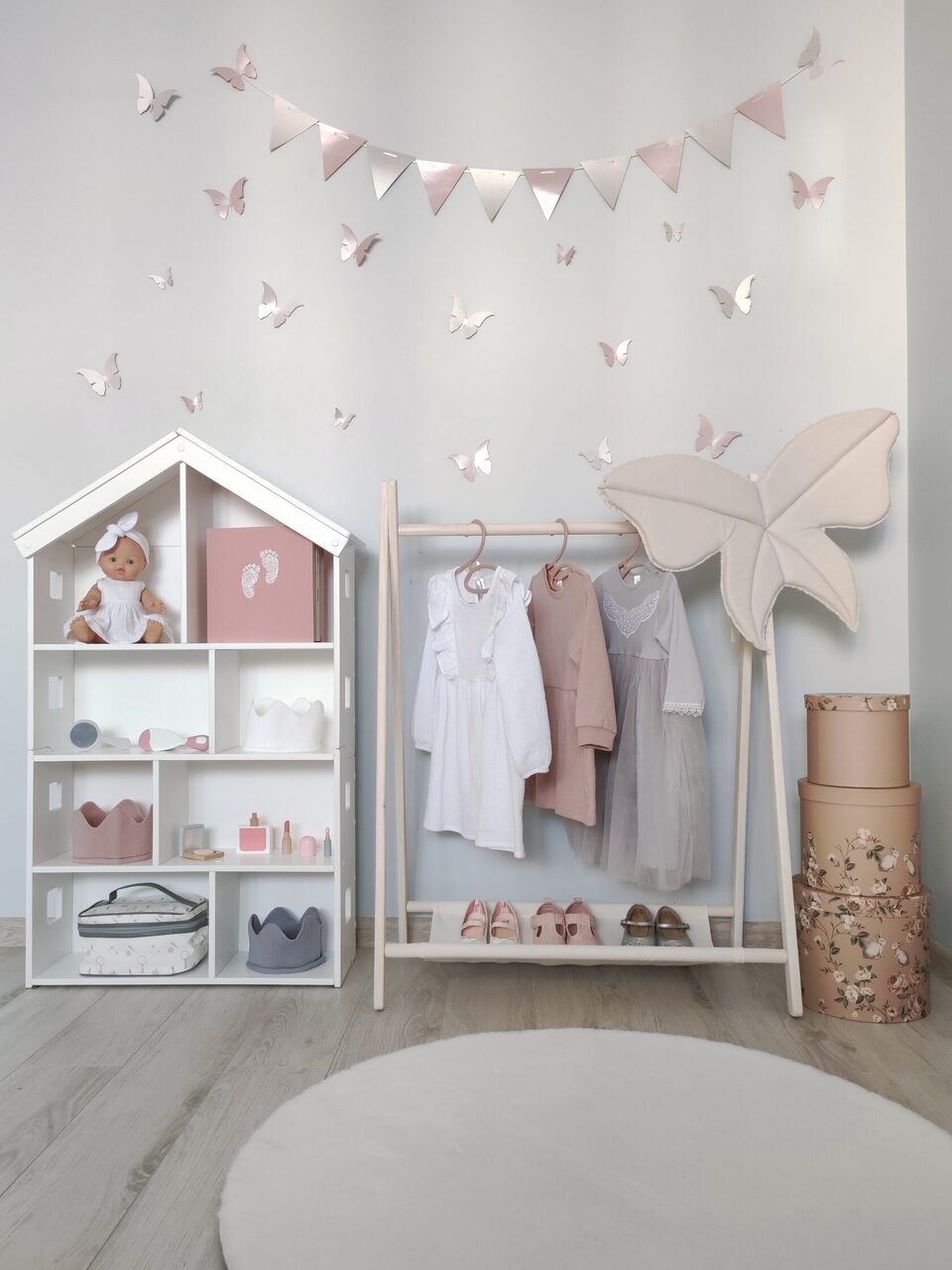
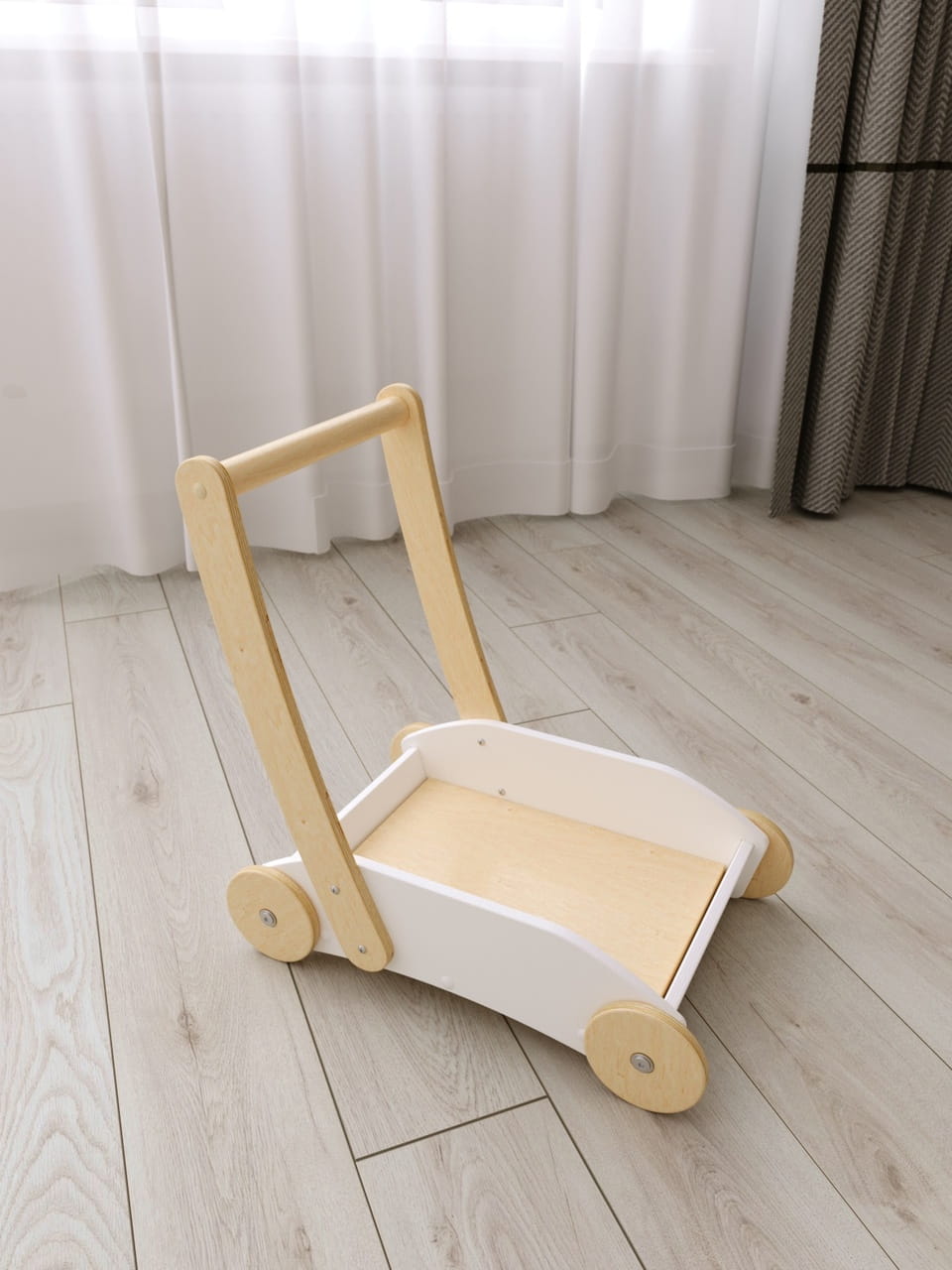

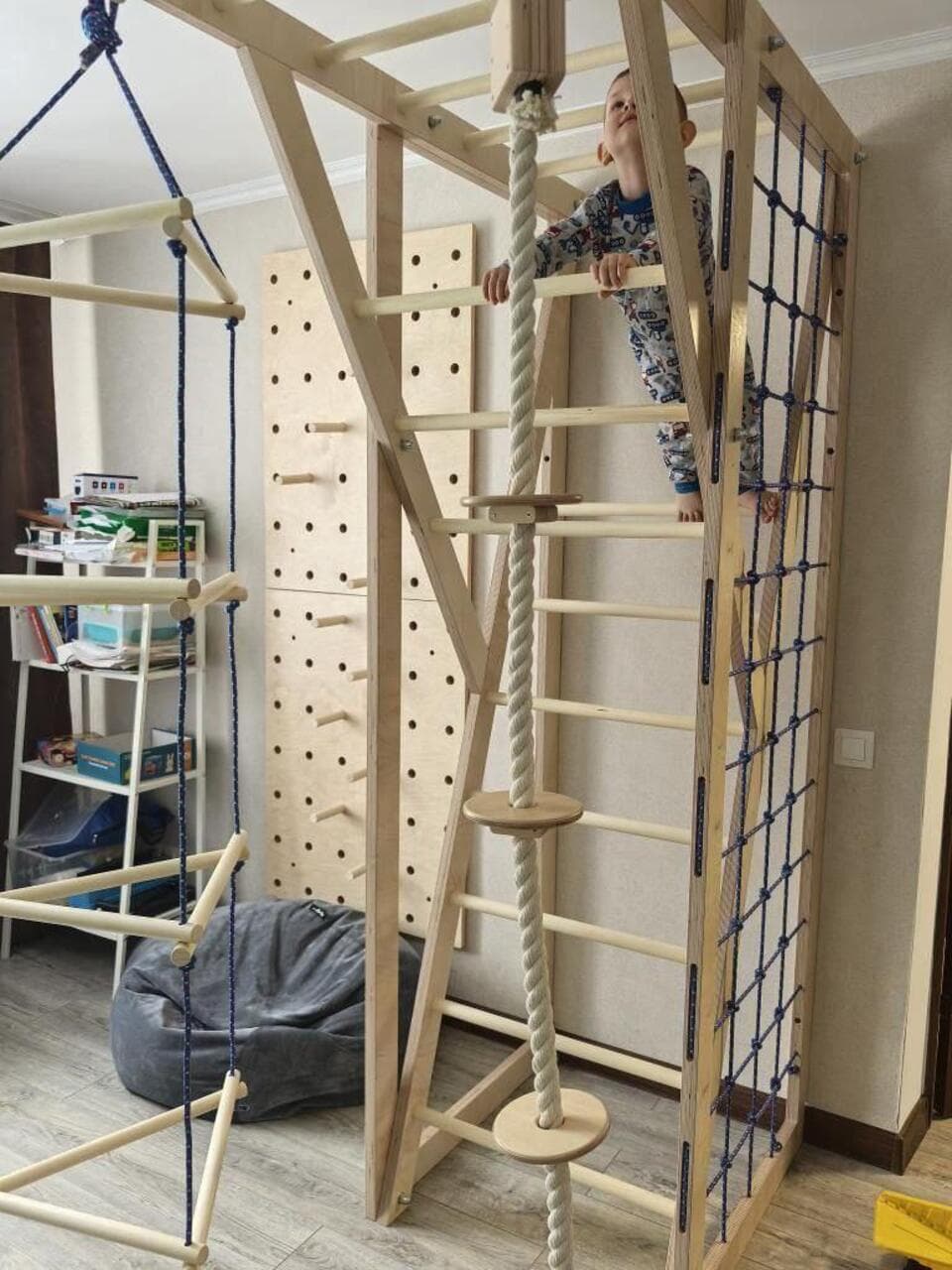
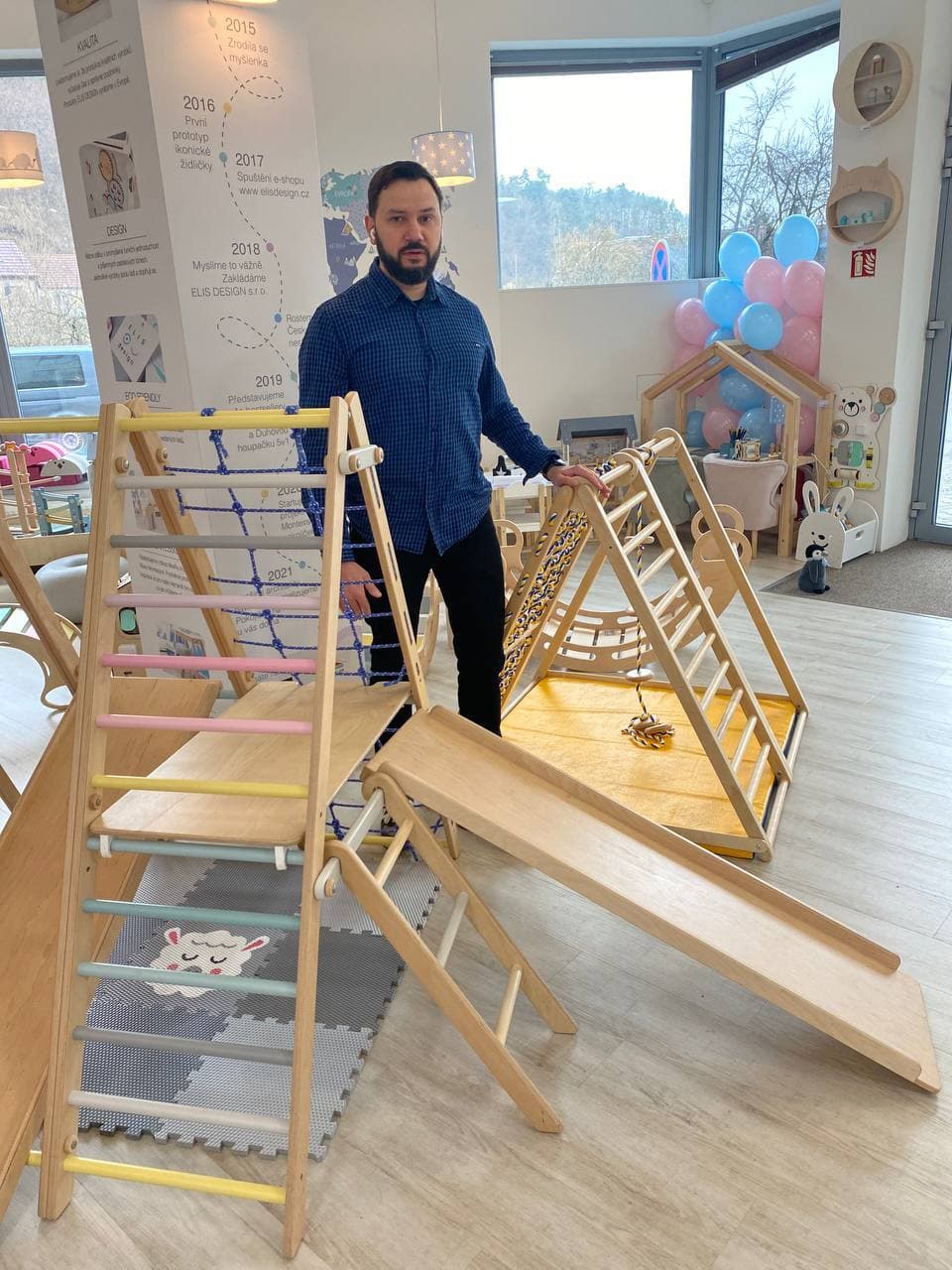

A range of orders: who buys wooden furniture wholesale
Custom furniture from wood and panel materials is steadily in demand in B2B. The core of regular clients — online shops, marketplace sellers, retail chains, architectural bureaus, design studios. Alongside them are companies fitting out corporate interiors, offices, children’s facilities, hotels, restaurants, cafés and production workshops. They all have a different scale and rhythm of orders, but the request is the same: get a predictable batch on time.
Tender companies need fast delivery of batches with precise repeatability — here everything is decided by standardisation, packaging and logistics without failures. Architects and designers have the opposite request: unique models where a non-standard shape, texture and unusual assembly method are valued. A single production covers both poles — both the “carbon-copy” flow and one-off exclusives, just with a different process setup.
There is small business too — those opening a retail outlet, café or salon who want furniture exactly to the measurements of their space. For them lead times, a clear price without surprises and the option to order a small batch rather than a truckload are critical. Such a client needs to be talked to even at a volume of five items, not only at industrial runs.
Who already works with us

Cabinet furniture makers

Joinery workshops

Interior designers

Architects

Private craftsmen and artisans

Online sellers

Advertising agencies

Set designers

Restorers

Toy manufacturers

Artists and sculptors

Construction companies

Exhibition equipment manufacturers

Educational institutions

Sports equipment makers

Wooden packaging manufacturers

Private customers

Shops and boutiques

Manufacturing enterprises

Restaurants and cafés
Furniture production from wood and panel materials for business needs
Making furniture from wood and sheet materials gives business room to manoeuvre. Custom furniture stops being just furnishing and becomes part of a concept — a visual image and a functional system. In any field, from hospitality to logistics, products are fitted to specific tasks. MFC, plywood, MDF and edge-glued panel let you hit the right density, colour, texture and shape, and modern machining — CNC milling, sanding, painting — brings the piece to readiness with no rework on the customer’s side.
The cycle covers everything — from design to packaging, so what comes out is pieces fully ready for assembly and use. In a series, accuracy, repeatability and control at every step come to the fore. Packaging, labelling and kitting are also part of the process, not a separate worry for the client — for B2B that is a tangible saving of time and nerves. The customer only has to accept the batch, not assemble it piece by piece from different contractors.
The furniture segment is broad: office fit-out, shop display cases, garden structures, bar counters, kitchen modules. Each has its own requirements for material, cutting and fasteners, and they have to be taken into account from the very start. In the end the customer gets not just furniture but a functional solution for the task. Those who turn to us are people who care about keeping a single style, building a unique interior or releasing a product under their own brand — and all three need a contractor who will grasp the intent.
Making furniture from wood is about maximum flexibility with stable quality, reasonable lead times and control of every technical parameter. This format is equally good for the mass market and for projects where you need to hit the design solution exactly, down to the shade and edge radius. Flexibility and predictability do not contradict each other here but work in tandem.
Furniture materials: how MFC, MDF, plywood, particleboard and edge-glued panel differ
Every furniture project starts with the material, because almost everything depends on it: weight, price, moisture resistance, the look of the edge and how the part holds a fastener. The same carcass in MFC and in solid wood is different money and different behaviour in service. That is why an order is calculated not from the shape but from the question of where the furniture will stand and what load it will bear. Below is a short comparison of the bases that most often go into custom furniture.
| Material | Strengths | Where it is used | What to look for |
|---|---|---|---|
| ⬜ MFC | Ready-made décor, a rich palette, price | Carcasses, shelves, partitions, simple fronts | A tidy edge, chipping with a rough cut |
| 🟤 MDF | Uniformity, ideal for milling and painting | Painted and milled fronts, bending, décor | Heavier than particleboard, vulnerable to heavy moisture without a coating |
| 🪵 Plywood | Strength, holds fasteners, bent-laminated shapes | Frames, load-bearing parts, children’s and garden furniture | Edge needs finishing or banding |
| 🟫 Particleboard | Inexpensive, large formats | Hidden parts, bases, rough assemblies | Weak fastener hold, vulnerable to moisture at the cuts |
| 🌳 Edge-glued panel | Natural grain, repairability | Worktops, benches, bar counters | Pricier than panels, reacts to air humidity |
The practice is simple: MFC covers the bulk of carcass furniture, fronts with relief and paint go to MDF, load-bearing and children’s elements to plywood, and showpiece worktops to edge-glued panel. Often materials are combined in a single piece: an MFC carcass, an MDF front, a plywood frame. This balances price and reliability without overpaying for solid wood where a panel is enough. A separate matter is the edge: visible board edges are covered with PVC or ABS banding, otherwise the cut is the first to draw in moisture.
How to choose the material for the type of furniture
The logic of selection always starts from the conditions of use. A kitchen and venues need moisture resistance and a durable finish — the surface there is washed every day. For children’s furniture safety matters more: eco-friendly compounds, rounded corners, no sharp edges. Warehouse racking needs a load margin and frame rigidity. An office needs modularity and tidy cable channels. Garden furniture needs protection from rain and sun. A mistake in the choice of base usually surfaces not at once but after a season of use, when redoing it is already expensive.
Hardware and fasteners: what holds furniture together
A handsome front is half the job; the other half is hidden in the drilling and the hardware. It is they that decide whether a door will close softly and a drawer slide without skewing after a year of use. Holes for hinges, connectors and runners are drilled to a single map so the hardware fits without redrilling on site. Skimping on this node usually backfires: a cheap hinge sags, and inaccurate drilling drifts across the whole batch.
- 🔩 Confirmats and cam locks — the basic carcass connector; a cam lock gives an invisible joint with no caps.
- 🚪 Hinges — with a soft-close for smooth closing, overlay or inset to suit the type of front.
- 📤 Runners — roller ones simpler, ball-bearing full-extension ones for load and comfort.
- 🎯 Drilling — holes strictly to the map, so hardware fits without adjustment.
- 🪝 Handles and supports — from concealed profiles to adjustable feet for an uneven floor.
The type of hardware is agreed in advance — the drilling is done for it, and changing it later is difficult. For loaded drawers, full-extension ball-bearing runners are used; for display cases, invisible hinges; for frequently opened doors, soft-close. The more precisely the customer names the system the holes are for, the fewer surprises at assembly. Good hardware on accurate drilling means quiet furniture that works for years without complaint.
Finish coatings for furniture
The finish is responsible not only for appearance but also for the surface’s service life. It protects against moisture, scratches and household chemicals and sets the feel — matt velvet, warm oil or gloss are perceived differently. The choice of compound depends on where the furniture works: a café worktop and a decorative wall shelf need different durability, even if made from the same material.
| Coating | What it gives | Where it fits |
|---|---|---|
| 💧 Varnish | Transparent protection, preserves the wood grain | Carcass furniture, décor, interiors |
| 🎨 Enamel | Solid colour, an even smooth plane | Painted MDF fronts, children’s, office |
| 🌿 Oil | Emphasises the texture, repaired locally | Worktops, edge-glued panel, bar counters |
| 🛡️ Film/laminate | Resistance to washing, ready-made décor | Kitchens, venues, retail equipment |
There is no universal answer: for daily wet cleaning a durable varnish, enamel or film is used, for a warm natural look — oil. Painted MDF gives the seamless smooth plane it is chosen for on fronts. At the same time any coating honestly reveals the preparation: an under-sanded surface will orange-peel, a missed dent will catch the light. That is why sanding and dust removal before painting matter no less than the compound itself.
Lead times, volumes and the cost of making furniture
An exact price and lead time are quoted after calculation: there are many inputs — material, run size, front complexity, type of finish, board availability in stock. But the general logic is transparent and worth understanding in advance to plan purchasing. Below are benchmarks for typical orders: they do not replace a calculation but show how volume and complexity affect the outcome when making furniture.
| Order type | Approx. lead time | Min. batch | What affects the price |
|---|---|---|---|
| 📦 Standard carcasses and shelves | from 3–5 days | from small wholesale | Volume, board area |
| 🚪 Fronts with milling and painting | 5–10 days | to be agreed | Relief complexity, finish |
| 🏢 Kit for a venue (office, café) | from 10 days | per project | Number of items, hardware |
| 🎨 Bespoke design project | from 2 weeks | from 1 pc. | Engineering, sample, tooling |
It is not cutting that presses hardest on price but fronts and finish. A smooth painted front costs more than a film one, and a milled one with multilayer enamel — several times more again. Run size works the other way: the more identical parts, the lower the price per piece, since the program is written once and the board is cut with fewer losses. That is why a trial batch and a large run are almost always priced at different rates — that is normal practice.
Savings come not from quality but from planning: a well-made cutting layout reduces waste, combining items into one run cuts changeovers, and a correct drawing at the input removes rework. The flip side of haste is well known — a rush order without a proper specification costs more, both in money and in nerves. Finish drying cannot be sped up by an act of will, and that too is built into the schedule.
Quality control and acceptance of a furniture batch
Quality is checked not at the end but along the way: dimensions are verified after cutting, geometry after milling, cleanliness before painting, the fit of assemblies at assembly. Such end-to-end control is cheaper than a one-off final check, because an error is caught where it can still be fixed without losing the part. When accepting a batch, the customer will find it useful to go through a few simple points.
- 📏 Dimensions and geometry — the part matches the drawing, the carcass diagonals are equal.
- 🔗 Edge — glued on evenly, without peeling, the ends are covered.
- 🕳️ Drilling — holes to the markup, hardware fits without rework.
- 🎨 Finish — uniform colour and sheen, without runs or inclusions.
- 📦 Completeness — all hardware, fixings and the assembly diagram in place.
If everything is clean on all points, the batch can be accepted with confidence. Most problems are born not in production but at the input — in an inaccurate specification, so the more detailed the task is described, the fewer grounds for claims at acceptance. Quality criteria agreed in advance save both sides time and remove disputes before they arise.
Who orders furniture and how: scenarios from practice
The logic of furniture production is easiest to grasp through concrete situations. A furniture workshop without its own CNC brings a parts map a month ahead: cutting and drilling are taken on in batches, while the workshop concentrates on assembly and sales. Everything here rests on tolerance stability — parts from different batches must match so hardware fits the same way. Let a dimension drift by a couple of tenths and the assembler on site starts drilling by guesswork, losing time and nerves.
Another typical case — a coffee-shop chain that needs identical bar counters, shelves and tables for the opening of a new location. The run is priced at a single rate, a moisture-resistant finish is chosen for daily washing, and some items are shipped flat-packed so the fitters assemble them on site in a few hours. For a chain, repeatability is critical: a guest should not notice that a table in one coffee shop is a shade darker than in another. A single standard for colour and geometry here is part of the brand.
A third scenario — a designer with one complex object: a shaped reception counter with curved milling and lighting. Here it is not the price per piece that matters more but the accurate realisation of the sketch, so first a sample of the node is made, the shade agreed, and only then the final part run. These three stories are united by one thing: an input agreed in advance turns an order into a predictable process, and tasks of different scale are handled on one set of equipment, just with a different setup.
How to order custom furniture
The ordering scheme does not require engineering preparation from the client — it is enough to describe the task, and what is missing will be clarified at production. Usually the path from enquiry to finished batch fits into a few clear steps.
- 📝 Send a sketch, drawing or description with the dimensions, purpose and conditions of use of the furniture.
- 📋 Agree the material, edge, hardware, type of machining and finish, and receive a lead-time and cost estimate.
- ✅ Approve the parameters and, if needed, make a trial sample of a node or front.
- 🏭 Launch the batch: cutting, milling, sanding, painting, drilling, assembly, packaging.
- 🚚 Accept the labelled and packed products and arrange dispatch to your region.
This order of things is equally convenient for a one-off task and for regular supply. It is easier for regular partners: the built-up context speeds up approvals, and standard items launch almost at a word. In the end, making furniture turns from a quest into a routine where lead times, price and the result are all predictable. Feedback on the first batch is taken into account in the next, and successful solutions are locked in as a standard.
Myths and reality about custom furniture
A good deal of misconception has built up around custom furniture and it skews expectations. The first myth — “custom is always several times pricier than ready-made from a shop”. In reality, well-chosen MFC with quality edging and hardware covers most tasks for reasonable money, while the furniture sits exactly to the room’s dimensions, with no gaps or voids. The premium for a fitted piece often pays off by sparing you from building false panels around a standard cabinet that did not fit.
The second myth — “CNC makes the human redundant: load the file and it’s done”. Someone has to write the program, set the tooling, secure the material and check the result. The machine repeats what is set with high precision, but quality is laid down by the process engineer and operator, not by the electronics on their own. The third myth — “the thicker the board, the stronger the furniture”. Strength is determined by the design of the joints, the fasteners and the stiffening ribs, not by millimetres alone; excess thickness often just makes the piece heavier and dearer.
The fourth myth — “rush means the same price, just faster”. Urgency breaks the schedule, requires changeovers and pushes out other orders, and finish drying cannot be sped up. The fifth — “custom furniture cannot be repaired”. On the contrary: a modular design lets you replace one part rather than the whole set, an oil coating is touched up locally, a scratch on an edge-glued panel is sanded and recoated, and hardware can always be swapped for new. Understanding these nuances makes the dialogue with production calmer, and the result closer to expectations and longer-lasting in use.
Care for wooden furniture and service life
The life of furniture depends not only on how it was made but also on how it is treated. The basic rules are simple: don’t leave water on ends and joints, wipe up spills at once, don’t put hot items on a worktop without a trivet, keep solid wood away from radiators and direct sun. Panel materials with a quality edge forgive a lot, but water standing in a seam or on an unfinished cut does them no good either.
Oiled pieces are refreshed periodically — a thin coat restores protection and a fresh look without streaks. Varnished and painted surfaces need only wiping with a soft cloth, without abrasives or aggressive chemicals. Once a season it is worth tightening the hardware: hinges and connectors loosen slightly over time from constant opening. With such simple care, carcass furniture, fronts and worktops last for years, keeping both look and function. The right finish at production lays the foundation, and careful use prolongs what has already been done well.
Logistics, packaging and working with drawings
Well-made furniture is not hard to ruin in transit, so packaging is thought through, not left to last. Face surfaces and edges are the most vulnerable: they are padded, corners are protected, glass and fragile elements fixed separately. Large cabinets and racking are more often shipped disassembled — as a kit of parts with ready fasteners and an assembly diagram. This lowers the risk of damage, saves space in the vehicle and simplifies carrying to a floor where an assembled carcass simply would not fit through the door.
Delivery works across Europe and beyond, with the format chosen for volume and geography: from a haulage company to a dedicated vehicle for a large batch. It is agreed in advance who is responsible for loading, whether rigid crating is needed and how to accept the goods by quantity and appearance. A transparent dispatch scheme saves both sides time and removes most disputes before they could arise. For regular supply, logistics is set up once and then simply repeated.
Now about drawings. The clearer the source, the faster the order is calculated and the fewer discrepancies in it. Ideal is a vector file in DWG or DXF — the machine reads the geometry directly, without redrawing. But a hand-drawn sketch with dimensions is perfectly workable too: what matters is the overall size, material thickness, face sides and the type of hardware to drill for. If something is missing, the process engineer will clarify it — the customer’s task is not to learn the technology but to describe clearly what they need and what for.
It is useful to attach a colour reference too: a shade sample, the desired degree of gloss, the type of coating. This removes the main source of disputes — a divergence in how each person pictures “warm walnut” or “soft grey”. When the input is complete, calculation, approval and launch run smoothly, and the finished batch matches the picture in the customer’s head. In essence, a quality drawing and an accurate reference are half the success of the whole furniture-making project.
Standard solutions and bespoke projects
Orders roughly divide into two streams. Standard solutions are proven items with a clear price and a short lead time: standard carcasses, shelves, tables, repeating modules. They launch almost at a word. Bespoke projects start with a sketch, require engineering, sometimes a sample, and are therefore dearer and slower — but the result is exactly for the task. Many orders live at the junction: a standard carcass plus fronts to a bespoke design — this balances price and uniqueness without overpaying for exclusivity where a standard piece is enough.
Rational material use and the economics of an order
Every sheet of MFC, MDF or plywood costs money, so a sensible cutting layout is not about eco for show but about direct economics. The nesting program lays parts on the board so that there is minimal empty space between them and offcuts, where possible, go into small items. On a series this turns into real sums: a couple of percent of board saved, multiplied by a large run, pays for the time spent on a tidy layout. Where the material is counted, time and quality are usually counted more accurately too — this discipline shows across the whole production cycle, not only in the nesting on the board.
Waste is not always rubbish either. Large offcuts go into samples, finish testers and small parts, and shavings find use beyond the workshop. For the customer, a culture of use shows up as a clear price without hidden “just-in-case” surcharges: when losses are calculated in advance, the estimate does not swell from over-insurance, and deadlines are not missed because a board suddenly ran out. Furniture made at a production with this approach is usually both more reasonable in price and more predictable on time.
A separate benefit of the full cycle is a single tolerance. When cutting, milling, sanding, painting and drilling go under one roof, parts fit without adjustment and responsibility for the result is not diluted between contractors. There is no need to assemble a piece from parts, reconcile other people’s tolerances and work out who is to blame if nothing matched at assembly. One contractor for the whole cycle means fewer risks, less correspondence and steadily repeatable quality from batch to batch.
Making furniture for business needs: the takeaway
Putting it all together, the picture is clear. Production selects the material for the conditions of use, cuts the sheet precisely, mills the fronts, sands, applies a suitable finish, drills for hardware and, if needed, assembles the finished piece. At every step it is not chance that works but technology and control, so the result is repeatable. For the customer this means predictability on the three main questions: how much it costs, when it will be ready and how it will look.
Small wholesale and large runs, a standard shelf and a designer front, a kit for one location and supply to a whole chain — all of this fits into a single managed process. Products travel across Europe and beyond, packed and labelled, and arrive in the state they left the workshop in. Little remains — to describe the task clearly and send a sketch or drawing, and custom furniture manufacturing will take on the rest, translating wishes into concrete dimensions, materials, hardware and lead times.
Combining materials and non-standard solutions
The most interesting furniture is often born at the junction of materials. A wooden or MFC carcass is combined with an acrylic insert, a metal frame, a glass display or aluminium edging. Each material requires its own machining regime — feed rate, type of tool, method of fixing — and the ability to join them in one piece is exactly what sets a full-cycle production apart from a narrow contractor. The customer does not have to look for a separate craftsman for metal and another for wood.
Non-standard requests are the norm, not the exception. Radius fronts, hidden contour lighting, cable channels inside worktops, bent-laminated elements, inset appliances or sinks to a custom markup. All of this is solved at the design stage, when the node is drawn up in advance and a trial sample is made if needed. This approach removes the main risk of complex projects — when a beautiful idea on paper won’t assemble in reality because of an unaccounted detail like the thickness of a fitting or the gap for a hinge. Better to spend time on a sample node than to redo the whole batch because of one error in the project.
That is exactly why a conversation about non-standard furniture always starts with details, not promises. The sooner the subtleties surface — the thickness of the metal, the weight of the glass, the type of lighting — the more accurate the calculation and the closer the result to the intent. A flexible production adapts to the concept rather than forcing it into the frame of a single size, and therein lies the main value of custom furniture manufacturing for those who care not just about furnishing but about a specific solution. And when a project comes off and the node is worked out, it is easy to repeat in a run — so a one-off find becomes a ready series solution for a chain of locations or a whole line under one’s own brand.
Which materials are most often used for furniture?
Most often these are MDF, particleboard, MFC, plywood and edge-glued panel, and solid wood if needed. The base is chosen for the type of furniture and the conditions of use: moisture-resistant boards for wet areas, eco-friendly compounds for children’s items, sturdy bases for loaded structures.
Is it possible to make furniture to a custom drawing?
Yes, making furniture to a custom drawing is standard practice. It is enough to send a drawing or sketch with the overall dimensions: we will take into account the sizes, design, type of hardware and function for a specific room.
What order volume is considered the minimum?
The minimum batch is agreed individually — both small-wholesale orders and single items for a project are possible. The specific volume depends on the complexity of the pieces and the type of furniture; the exact terms are discussed at the calculation stage.
How is furniture packed for transport?
Finished pieces are packed with protection for edges and face surfaces: corners are padded, fragile parts fixed so they don’t get knocked in transit. Large structures are often shipped disassembled — this lowers the risk of damage and makes transport easier.
Can components be ordered without assembly?
Yes, you can order separate parts and components without final assembly. They come with ready milling and holes for fasteners, so assembling the piece on site is straightforward.
Are parts labelled on series orders?
Yes, on series orders the parts are labelled. This rules out mixing up similar panels and noticeably speeds up assembly at the end client’s, especially on large batches for chains.
Can furniture be painted a specific colour?
Yes, painting is available in the required shade from the RAL, NCS or Pantone palettes — in a matt or gloss finish. On request, a wood, stone or concrete finish is also made, as well as colour matching to the customer’s sample.
How long does production take?
The lead time depends on volume, complexity and material availability — usually from a few days to a few weeks. An exact date is quoted after calculation, once the drawing, material and finish are agreed.
Can furniture be ordered with decorative milling?
Yes, furniture is made with decorative milling: chamfers, roundings, relief, engraving, three-dimensional 3D patterns on fronts and panels. The pattern is chosen to suit the style of the piece and the customer’s wishes.
Is delivery of furniture to other regions available?
Yes, dispatch goes across Europe and beyond. The delivery format is chosen for volume and geography — from a haulage company to a dedicated vehicle for a large batch; terms are discussed separately.
We’re always here to help — choose the way that suits you best to get in touch
Call us, message us on a messenger or reach out via social media — we’ll respond promptly!
We work across all of Europe
Useful information and articles
The Specifics of Radius Milling for Creating Rounded Edges on Wooden Products
The Specifics of Radius Milling for Creating Rounded Edges on Wooden Products Radius milling, or edge rounding, is one of the most sought-after and critically important stages in producing high-quality wooden
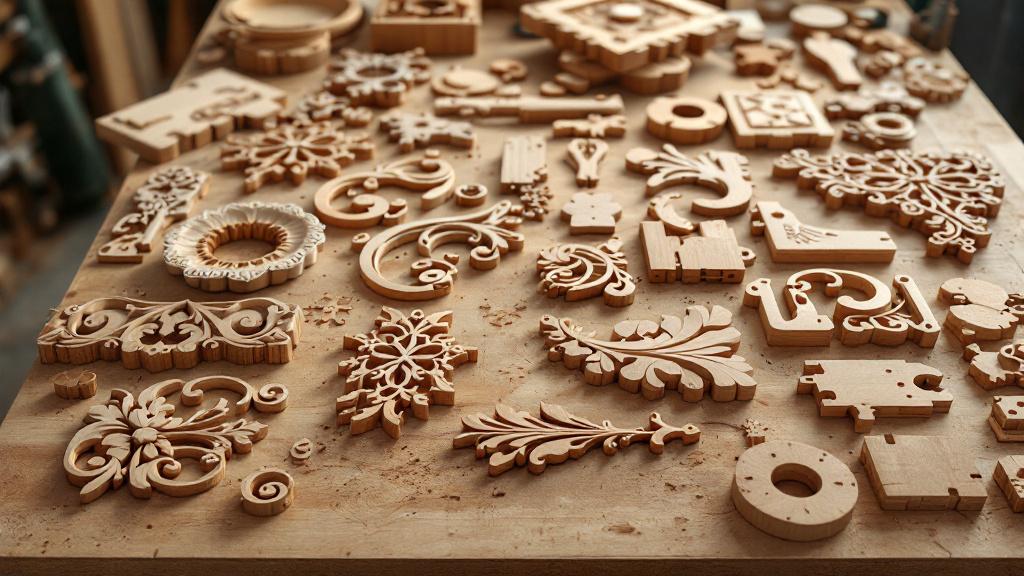
The Role of Milling in Making Decorative and Functional Wooden Parts
The Role of Milling in Making Decorative and Functional Wooden Parts Wood is a material that people have been using for thousands of years. It is valued for its natural
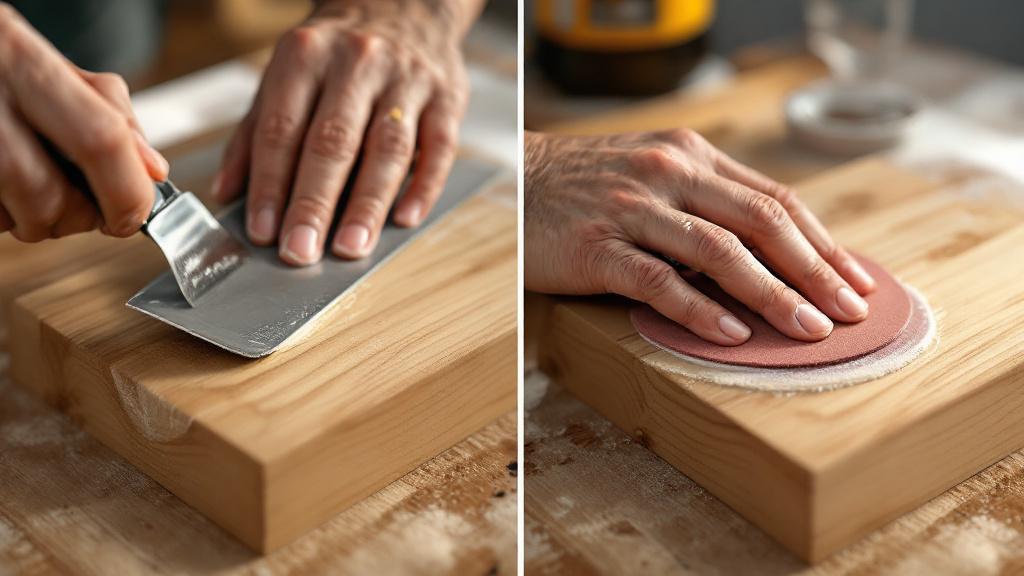
Stages of Filling and Sanding Wooden Products: Creating a Flawless, Even Surface
Stages of Filling and Sanding Wooden Products: Creating a Flawless, Even Surface Woodworking is not merely a mechanical process but a true craft, in which every stage is decisive for the

The synthesis of wood and metal: technological aspects of combining wood and aluminium to create durable products
The synthesis of wood and metal: technological aspects of combining wood and aluminium to create durable products In the field of professional woodworking, the search for the ideal material often leads