
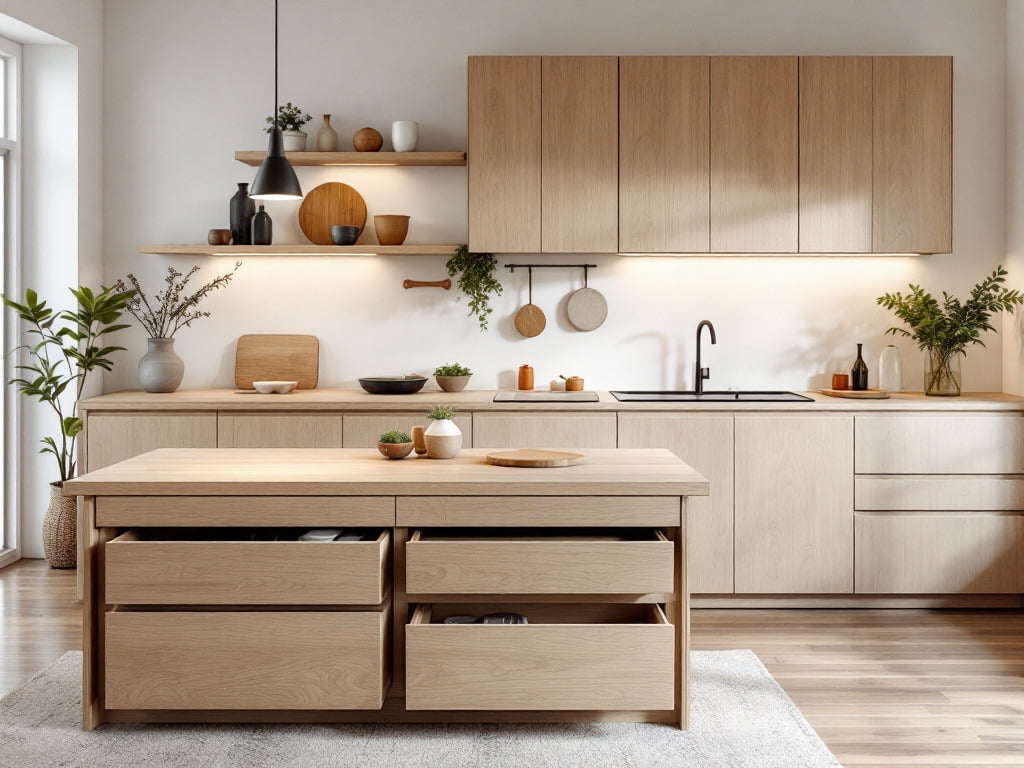
Custom kitchen furniture
Custom kitchen furniture means tables, chairs, cabinets, shelves, tall units, worktops, breakfast bars, drawers and chopping boards made from MFC, MDF, plywood, particleboard and solid wood for flats, country houses, cafés and restaurants. Our production runs on standard modules and bespoke drawings alike: moisture-resistant materials, precise drilling for fittings, a durable finish, and cut-outs for sinks and appliances. Below we explain what kitchen furniture is made of, how the production process is set up, which items are in the range, who orders batches at wholesale, and what lead times, volumes and terms you can count on.
Kitchen furniture production by TigerWood
Kitchen furniture by TigerWood means tables, chairs, shelves, cabinets, drawers, worktops and chopping boards. Every element is built with material quality, durability and convenience in mind. We work with both solid wood and panel materials — MFC, MDF, plywood — and together they meet high standards of safety and aesthetics. A kitchen operates in tough conditions, so a safety margin and a durable finish are not a luxury here but a mandatory requirement for every part.
Producing kitchen furniture starts with developing the project and selecting materials that deliver both strength and the right look. This furniture goes into the most varied spaces — from a compact flat to a spacious country house and a modern café. Every element is prepared with the user’s comfort in mind: the kitchen long ago stopped being merely a place to cook and became a zone for socialising and relaxing. That is why both ergonomics and how the furniture behaves under daily load and frequent cleaning matter.
The range is broad: from functional tables and chairs to capacious cabinets and shelves for crockery and kitchen utensils. Wood and wood-based materials look refined and add the warmth and cosiness to an interior that bare plastic never gives. Yet behind every handsome front there is always a working core — moisture-resistant panels, reliable fittings and precise drilling, without which a kitchen would quickly lose its looks under daily use.
What matters to our clients and partners

Professional team
Experienced craftsmen, engineers and CNC operators. Thorough quality control at every stage

Flexibility and a tailored approach
We adapt to any task: we work from your drawings or develop the cutting and machining program ourselves

End-to-end approach
We offer the full range of woodworking services — from sawing to painting and assembly

Wide delivery coverage
We work with clients across many European countries. We help with logistics and packaging

Fast lead times
Large-scale production and streamlined processes let us complete even complex orders quickly

Modern equipment
We work with panel saws, CNC machines, routers and sanding machines
Features of kitchen furniture manufacturing
Manufacturing kitchen furniture has its own specifics, and all of them come down to durability and resilience. The kitchen is a zone of high humidity, temperature swings and heavy mechanical load. Steam from pots, splashes at the sink, heat from the hob — all of this hits the furniture every day. That is why every element must be not only attractive but also resistant to external factors. At TigerWood we pay particular attention to treating the material so that it neither swells nor loses its looks under intensive use.
The key point in producing kitchen furniture is high demands on materials: they must withstand moisture, heat and mechanical stress. Panels and solid wood undergo special treatment so they do not swell or deteriorate from water — this matters especially for cabinets and worktops near the sink. Surfaces are made smooth and easy to clean, so only quality coatings resistant to washing and household chemicals are used. It is precisely the edge and the finish that usually give way first on a cheap kitchen: water finds an unsealed edge, and the panel starts to swell.
Producing kitchen tables and chairs also calls for attention to ergonomics. People sit at the table for long stretches, so the furniture must be comfortable and safe by design — no wobbly joints or sharp corners. Sturdy assemblies, neat finishing and attention to detail are exactly what set TigerWood kitchen furniture apart from mass-market goods. The difference is not obvious straight away but shows after a year of use: where a cheap chair starts to develop play, a quality one keeps working like new.
What kitchen furniture is made from wood
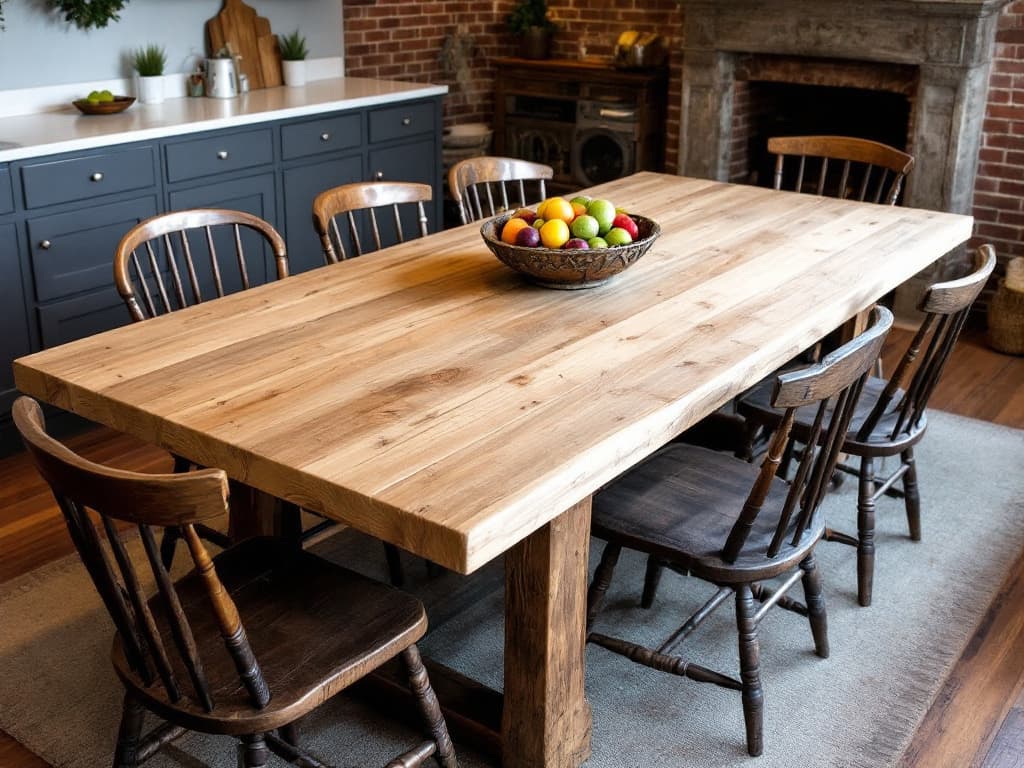
Tables
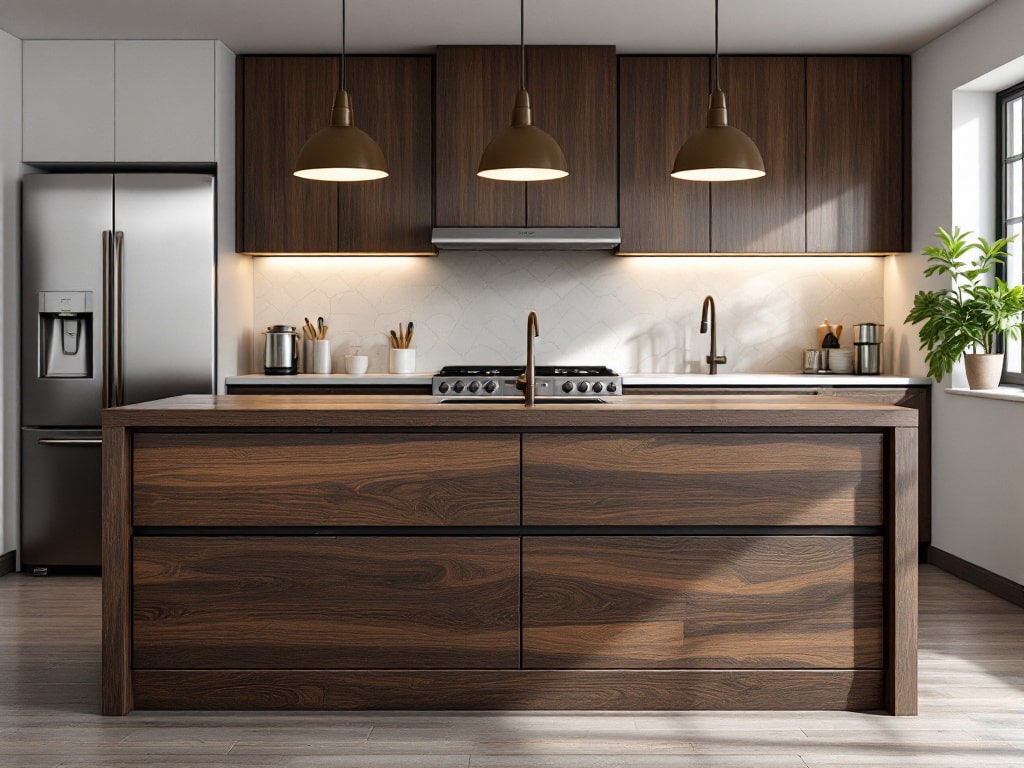
Breakfast bars
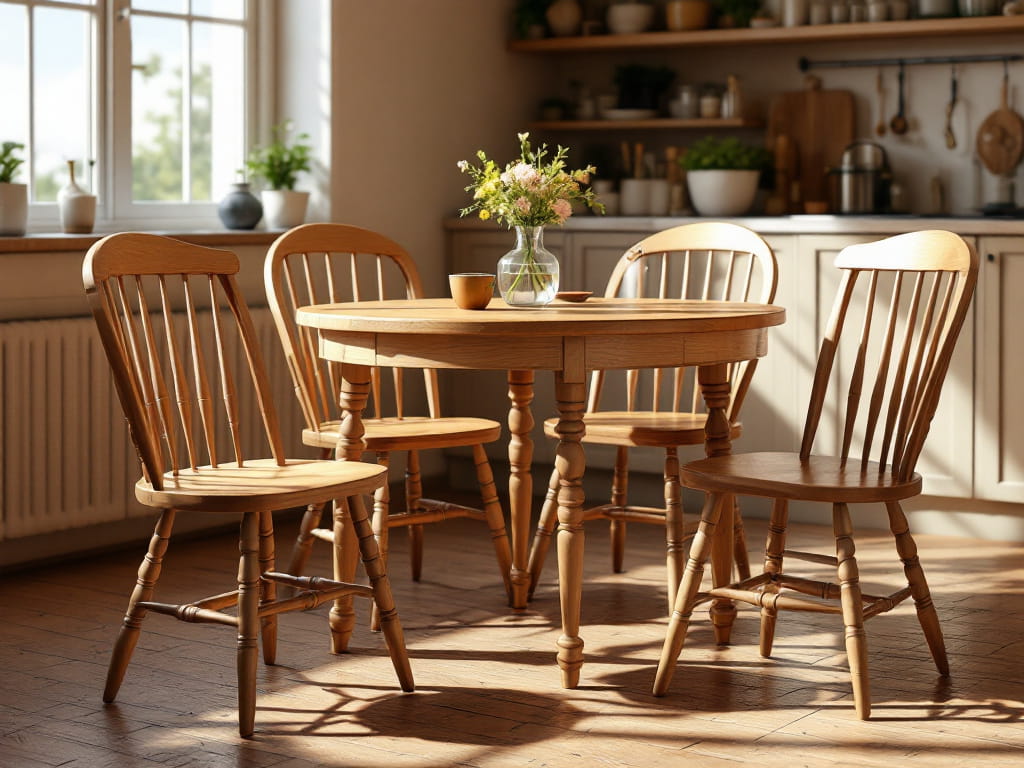
Chairs
Cabinets
Chopping boards
Shelves
Drawers
The variety of kitchen furniture from TigerWood
TigerWood makes a range of kitchen furniture subcategories, and each has its own requirements. First and foremost these are tables and chairs — the central elements of any kitchen interior. Tables come in different shapes and sizes: from compact ones for a small kitchen to large ones for spacious rooms. Chairs are matched to the style — from classic to contemporary models. The shape of the table, incidentally, affects more than looks: a round one saves space in a cramped kitchen and makes conversation easier, while a rectangular one sits better along a wall.
Shelves and cabinets are no less important — for crockery, food and kitchen utensils. Shelves can be open or closed, to the client’s taste: open ones look lighter and are handy for frequently used items, closed ones hide everything from dust and grease. Cabinets provide reliable storage and easy access. This also includes drawers of various formats, ideal for small items and accessories. A well-designed storage system is half the convenience of a kitchen: when everything is within reach and in its place, cooking is noticeably more pleasant. Thoughtful storage saves not only nerves but also time: there is no rummaging through shelves in search of the right tin or dish, which means the kitchen works for its owner rather than against them.
Functional accessories are not forgotten either — chopping boards and other small items that make cooking easier. They are designed for everyday use, so they must withstand wear and be easy to wash. All of it is made with ergonomics and comfort in mind, so it lasts long and works practically. A good chopping board of the right species, for example, spares your knives and does not absorb odours, whereas a cheap one quickly dries out and cracks along the seam.
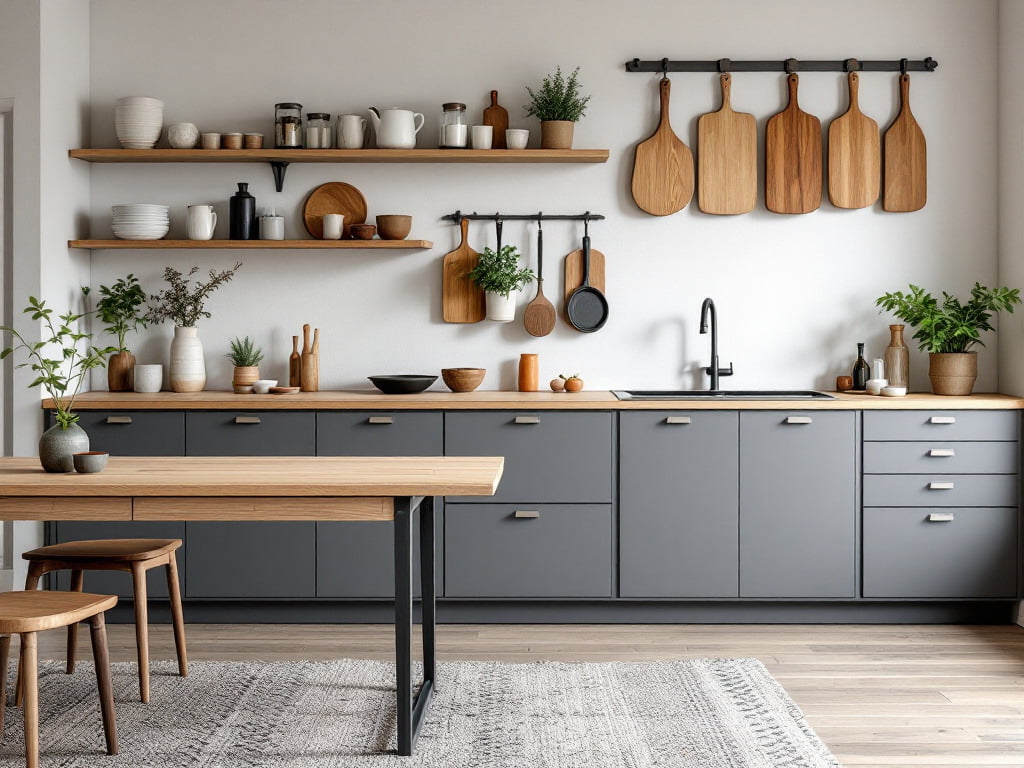
TigerWood kitchen tables — from compact models for a small kitchen to spacious ones for large rooms. They stand out for durability, tidy design and functionality. Any style can be chosen — from contemporary to classic. The worktop is considered separately: for a busy kitchen we use a coating resistant to moisture and scratches, since it is the tabletop that takes the main load and is the first to show the furniture’s age. Hot pots, wet cups, knife cuts — all of it falls to the worktop, so for a busy kitchen it is chosen especially carefully, without cutting corners on the coating.
TigerWood kitchen chairs complement the tables harmoniously. They are comfortable, ergonomic and come in various versions — with a soft seat or all-wood. Such chairs help create a comfortable, cosy space in the kitchen. The strength of the joints is especially important here: a chair is rocked every day as people sit down and get up, and a weak joint gives itself away with creaks and play within a few months, so the frame is built with a margin. This matters especially for cafés and canteens, where dozens of people of the most varied weight sit on a chair over a day — there a safety margin directly affects the service life of the whole batch.
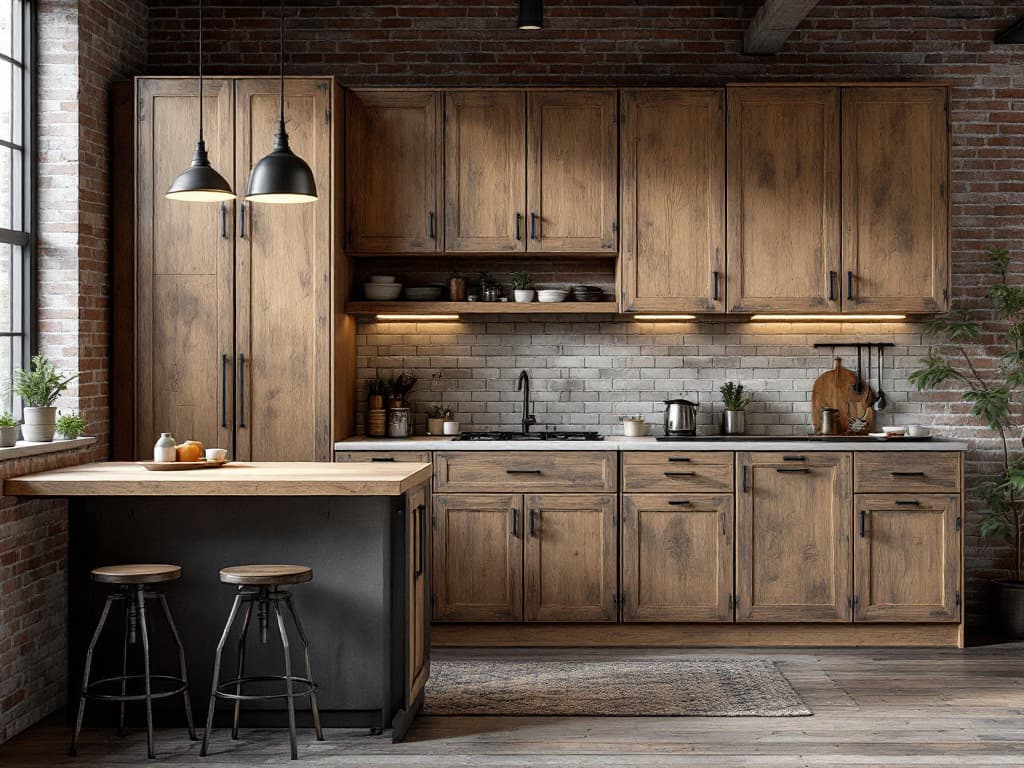
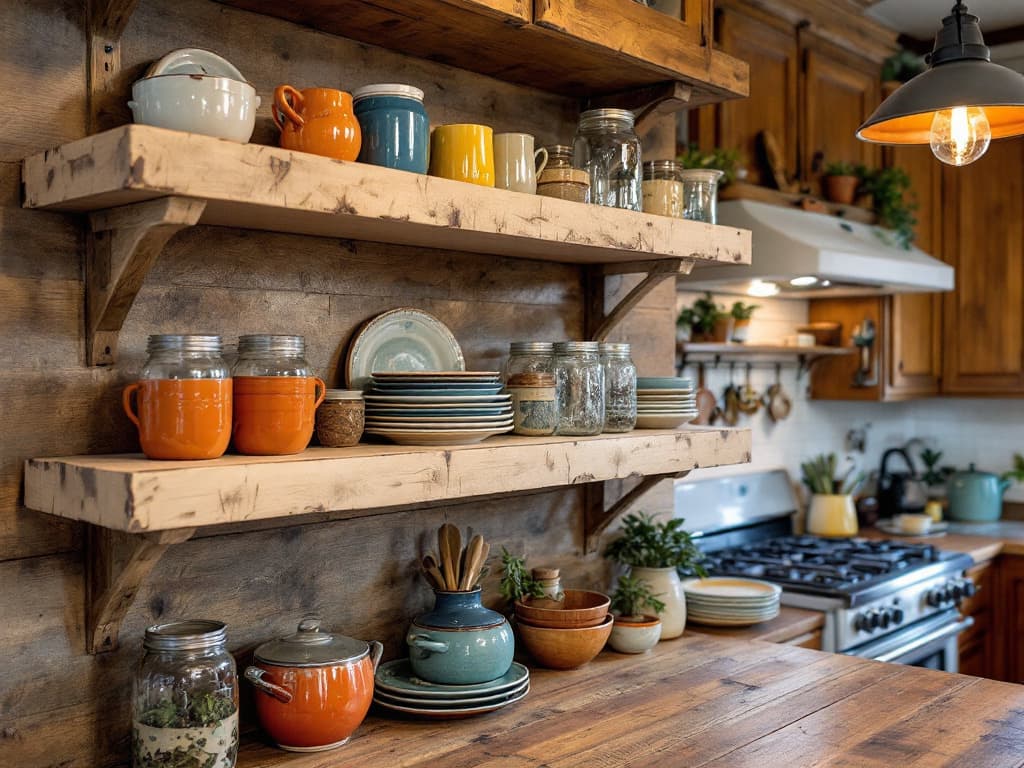
Cabinets and shelves are an indispensable part of any kitchen: all storage of crockery, food and utensils rests on them. Shelves come open and closed, and combining the two helps establish optimal order. The internal layout is planned in advance — for plates, grains, jars — because an empty cabinet and a cabinet with well-thought-out dividers differ in convenience like night and day, even though they look the same from the outside.
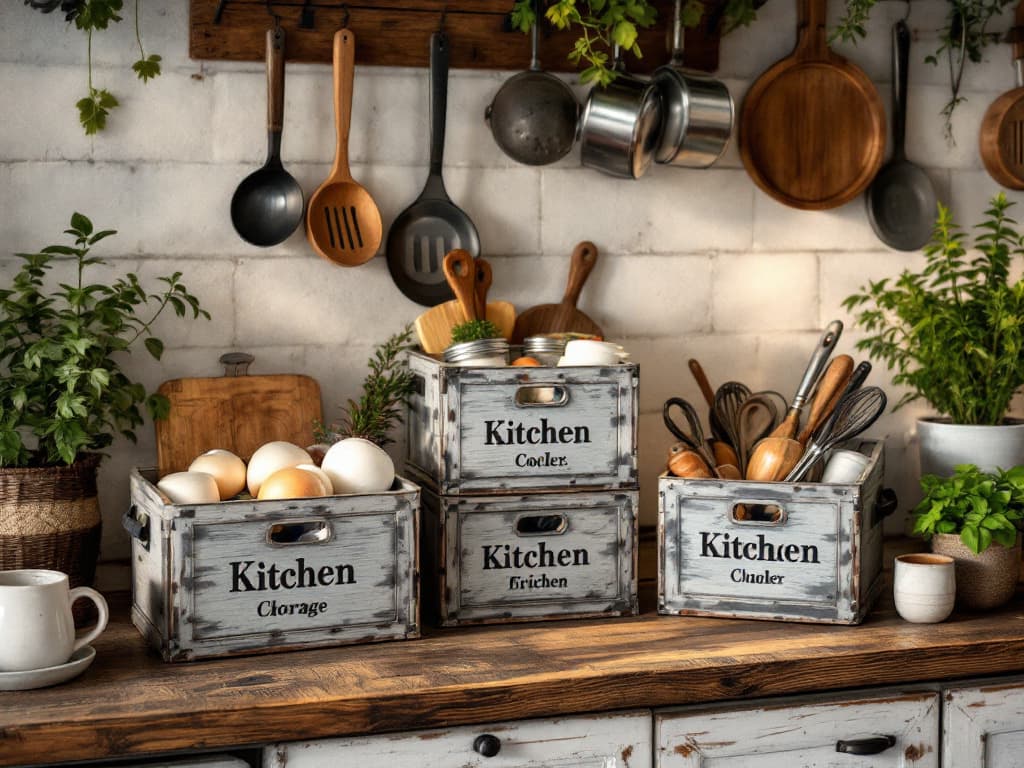
TigerWood drawers are designed for storing small items, kitchen accessories and food. Thanks to their sturdy construction and reliable runners they easily handle daily load — and in the kitchen they are pulled out dozens of times a day. Smooth movement on quality runners matters more here than it seems: a loose drawer that jams and skews is irritating every single time you cook.
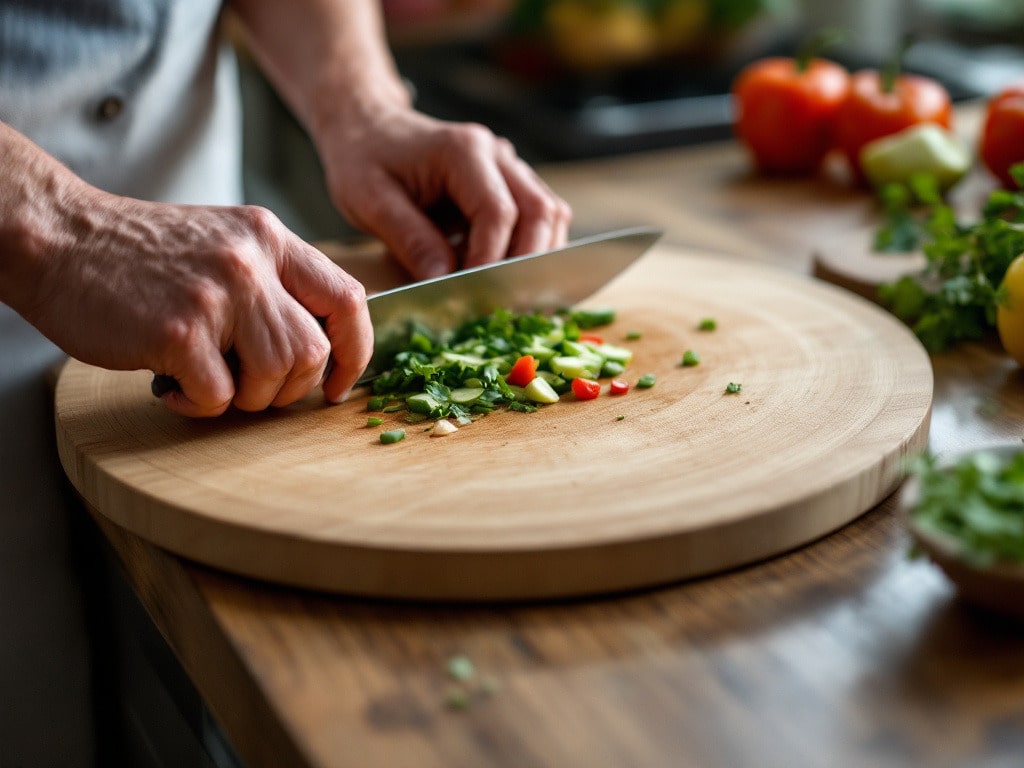
TigerWood chopping boards are well suited to cutting food and are made from various wood species. Such an accessory is needed for convenient and safe work in the kitchen. The species is chosen deliberately: dense wood spares the knife’s blade and absorbs less odour and moisture, so a quality board lasts for years, whereas a cheap one dries out and cracks within a single season of active cooking.
The types of wood and sheet-material processing we use
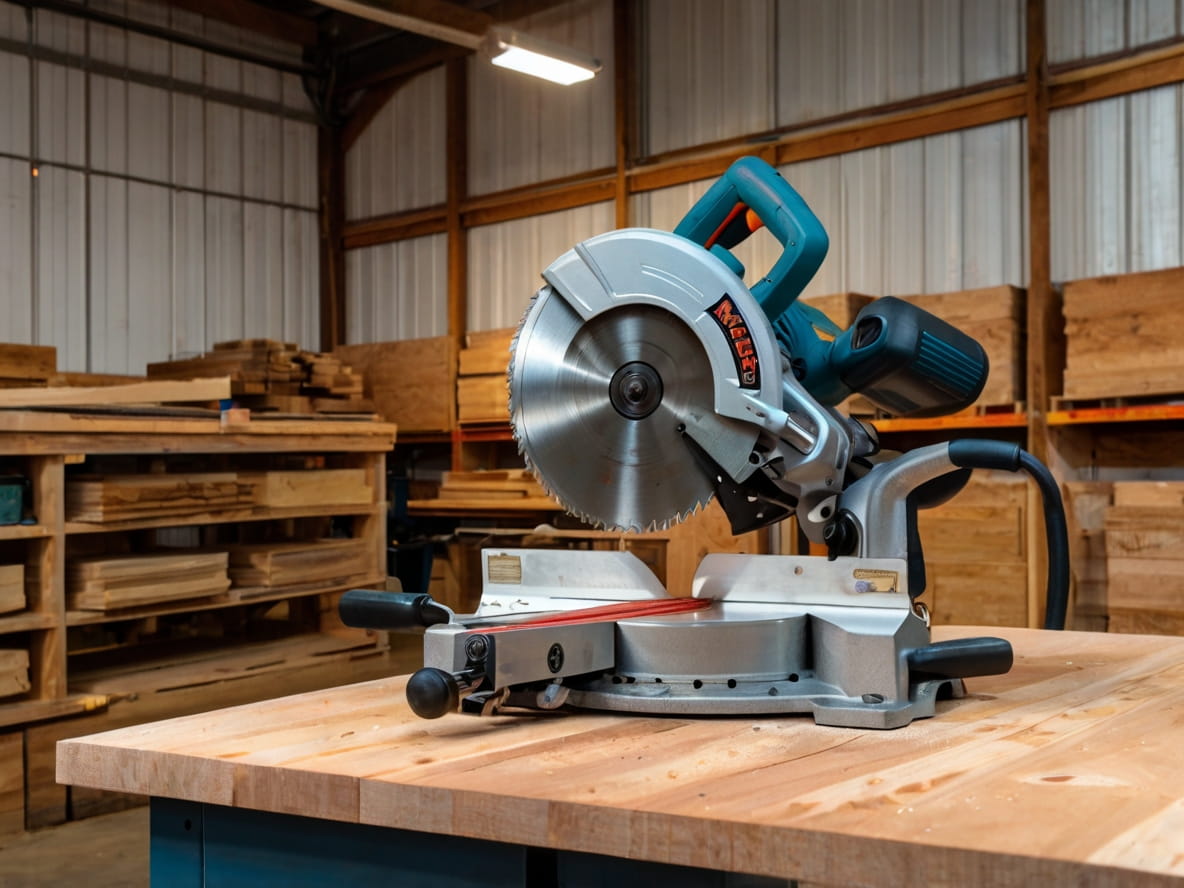
Cutting
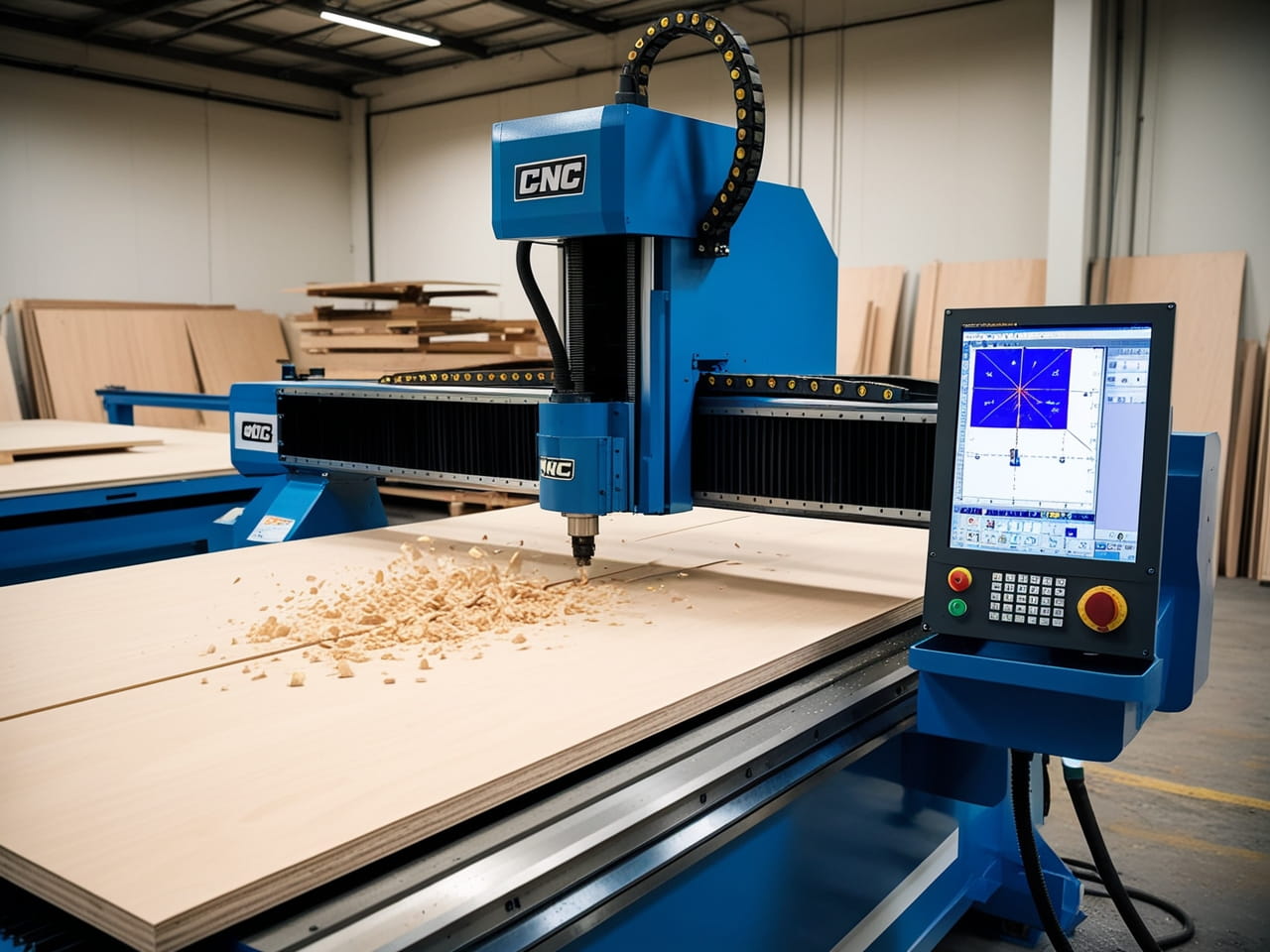
CNC

Cross-cutting

Drilling
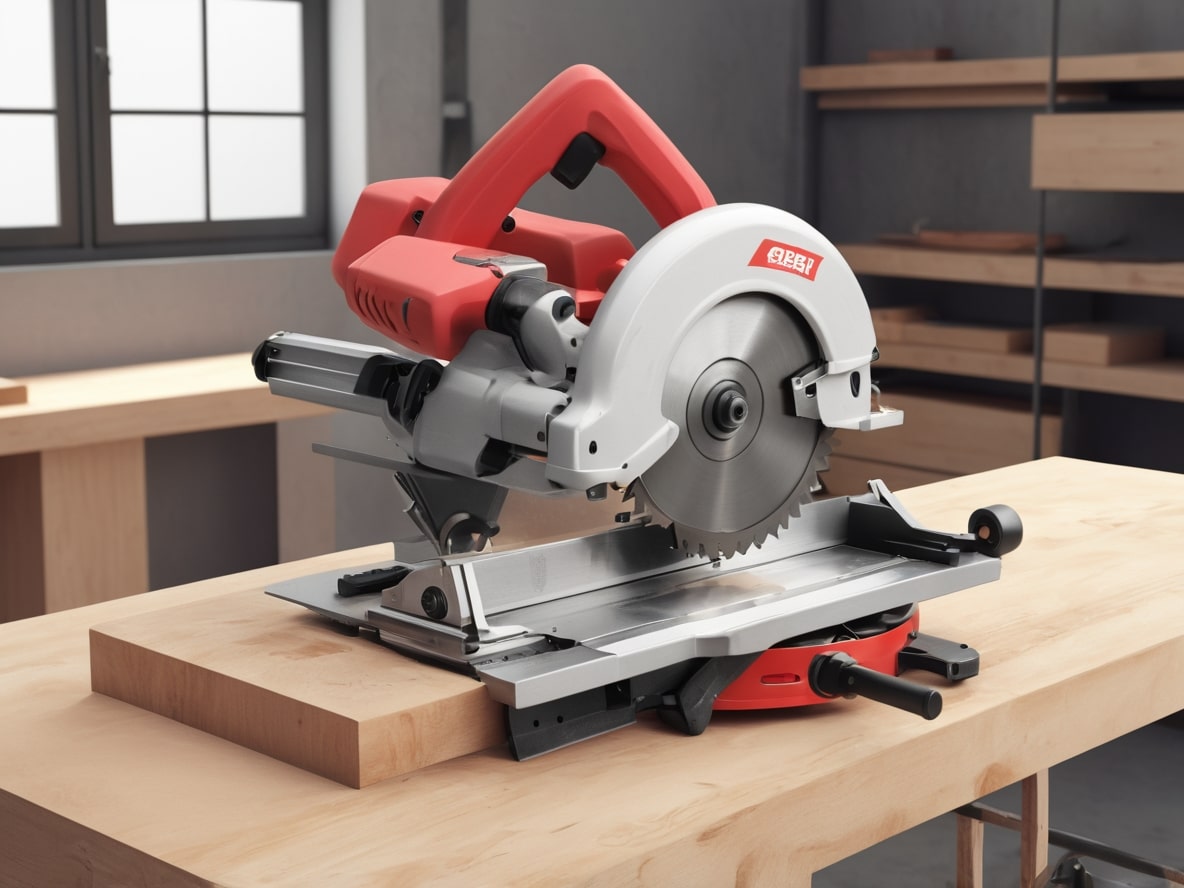
Sawing

Ripping

Machining
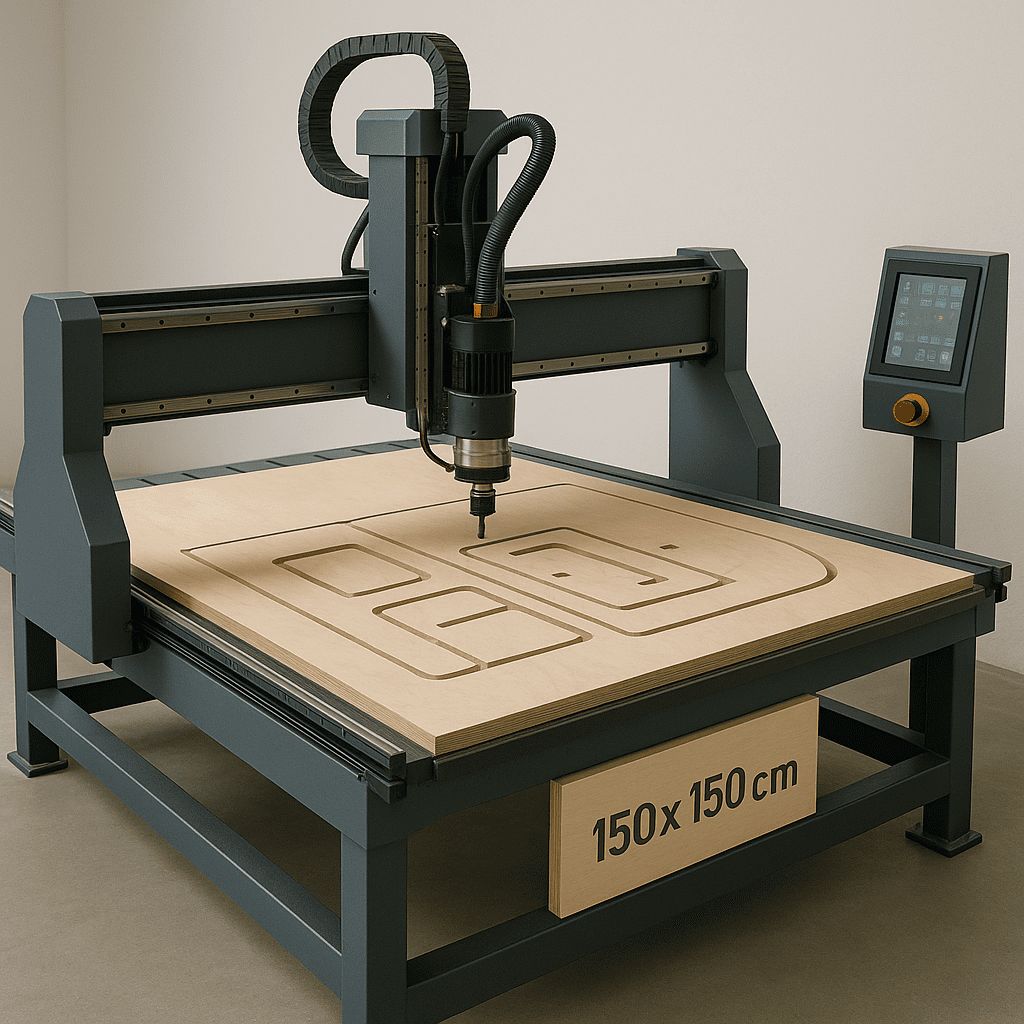
Cutting to size
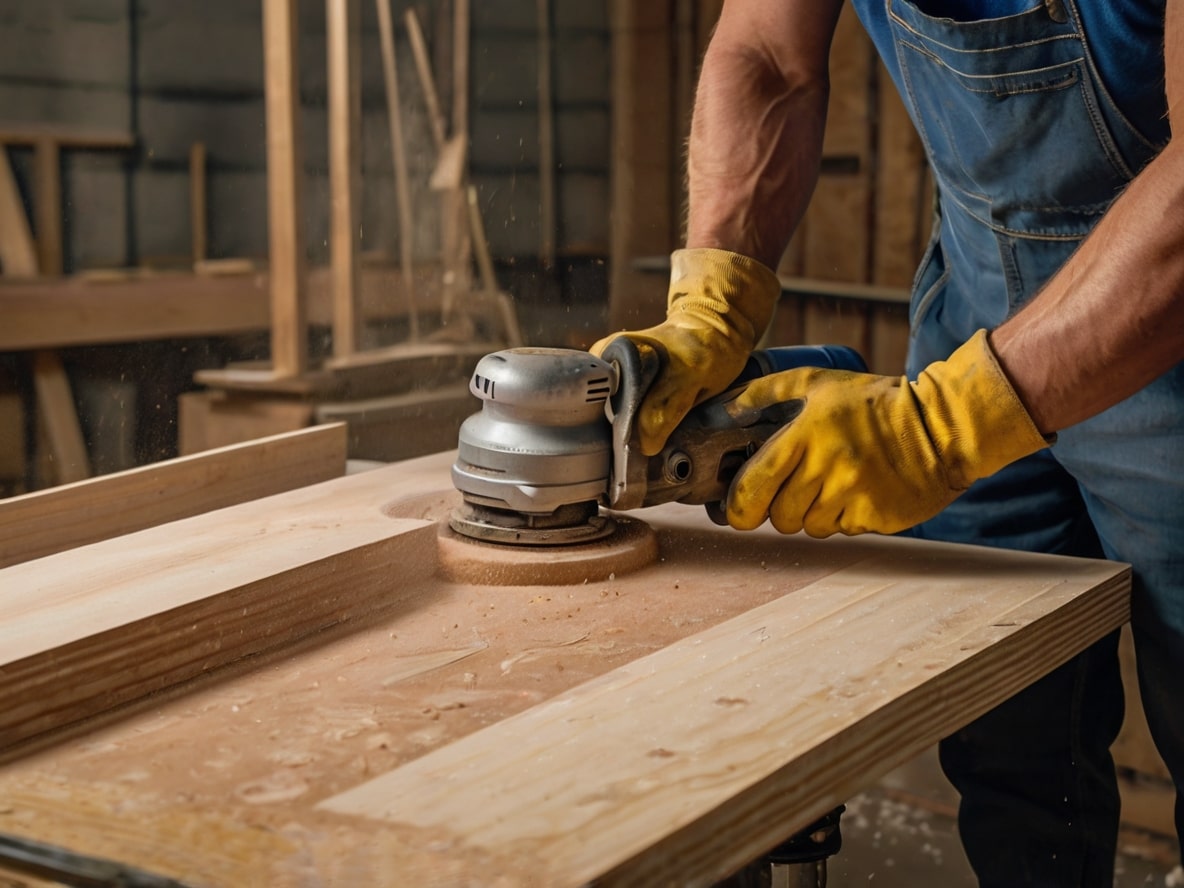
Sanding
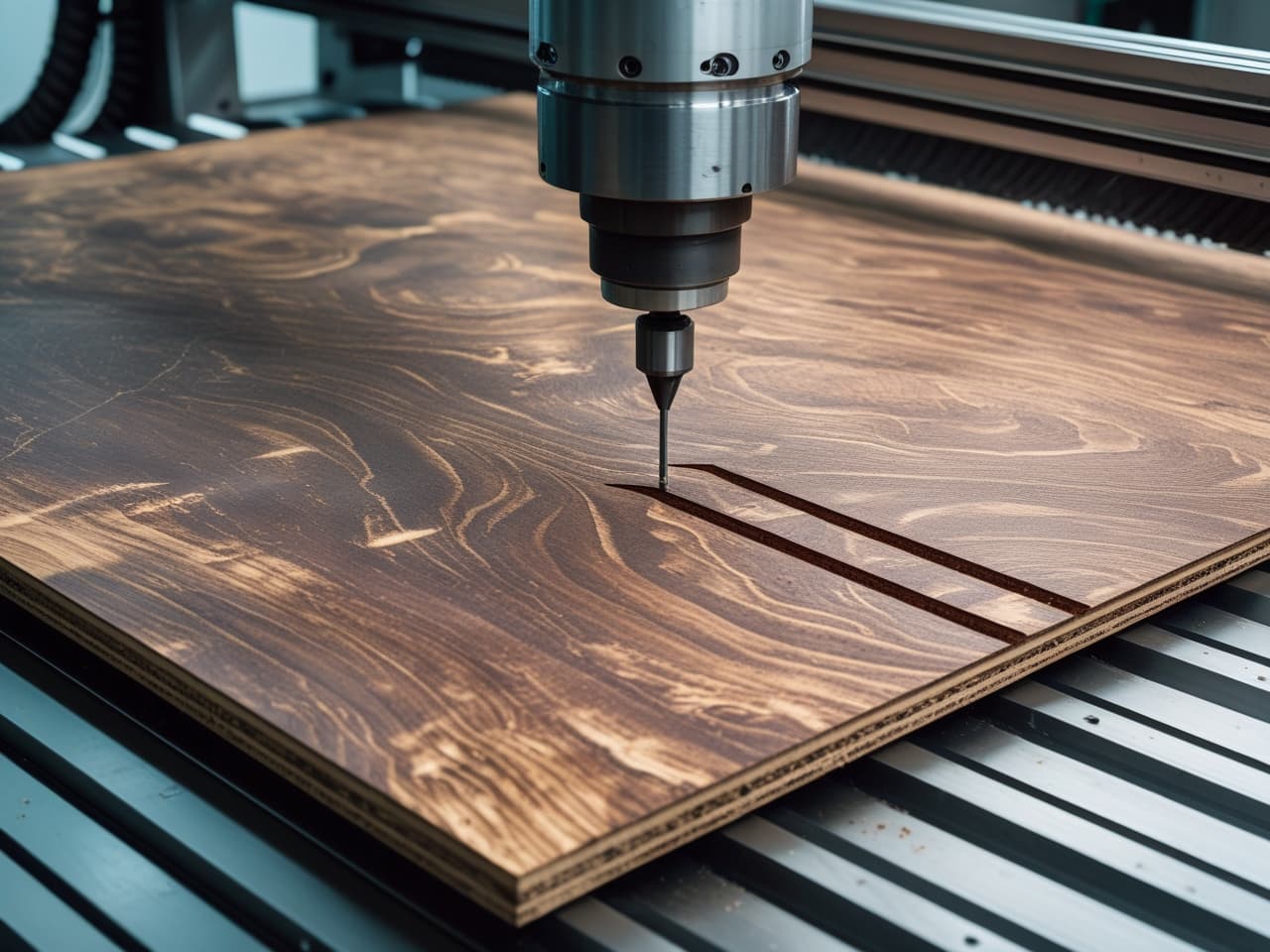
Grooving
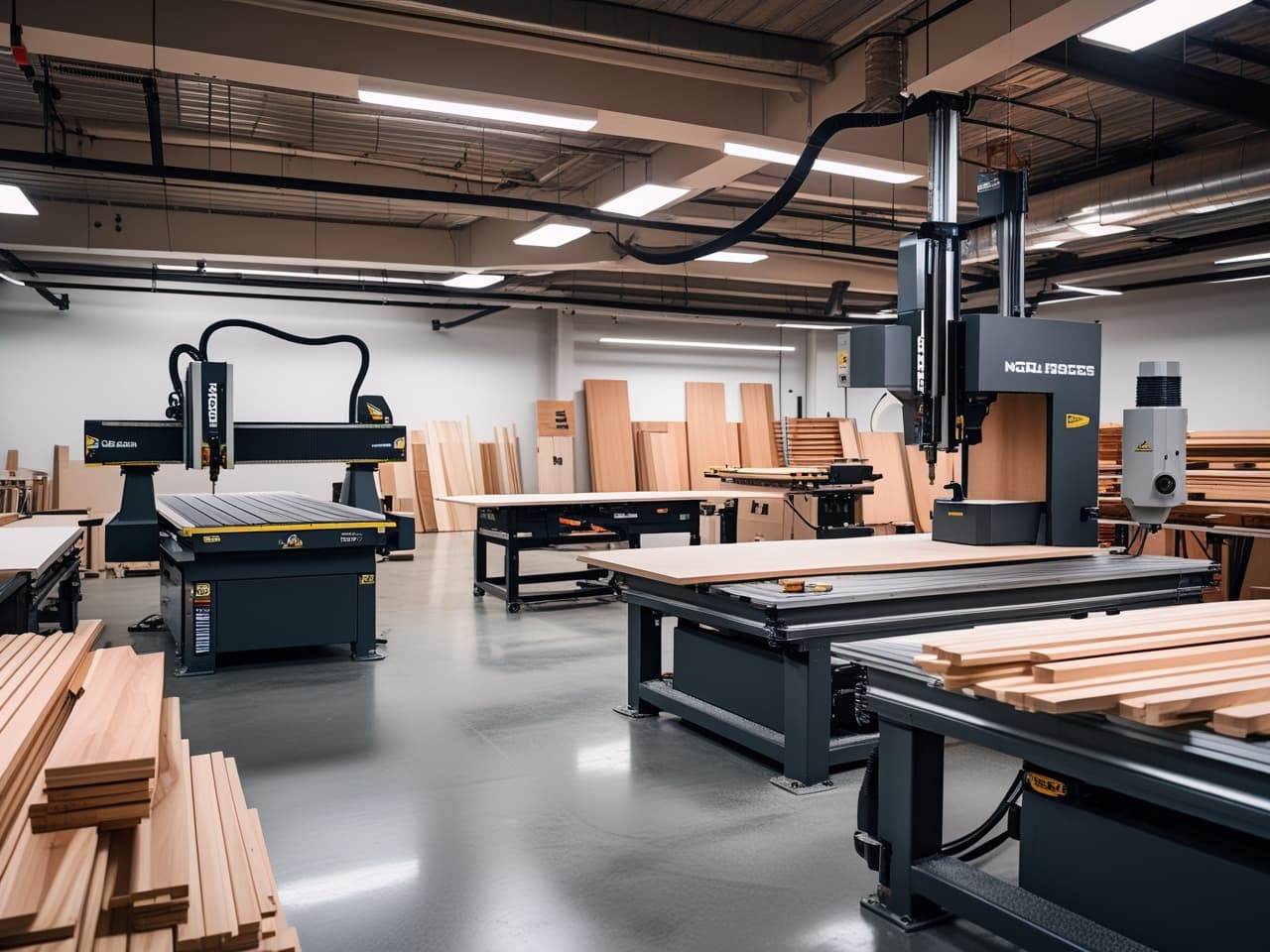
Milling

Painting
How TigerWood works with material when producing kitchen furniture
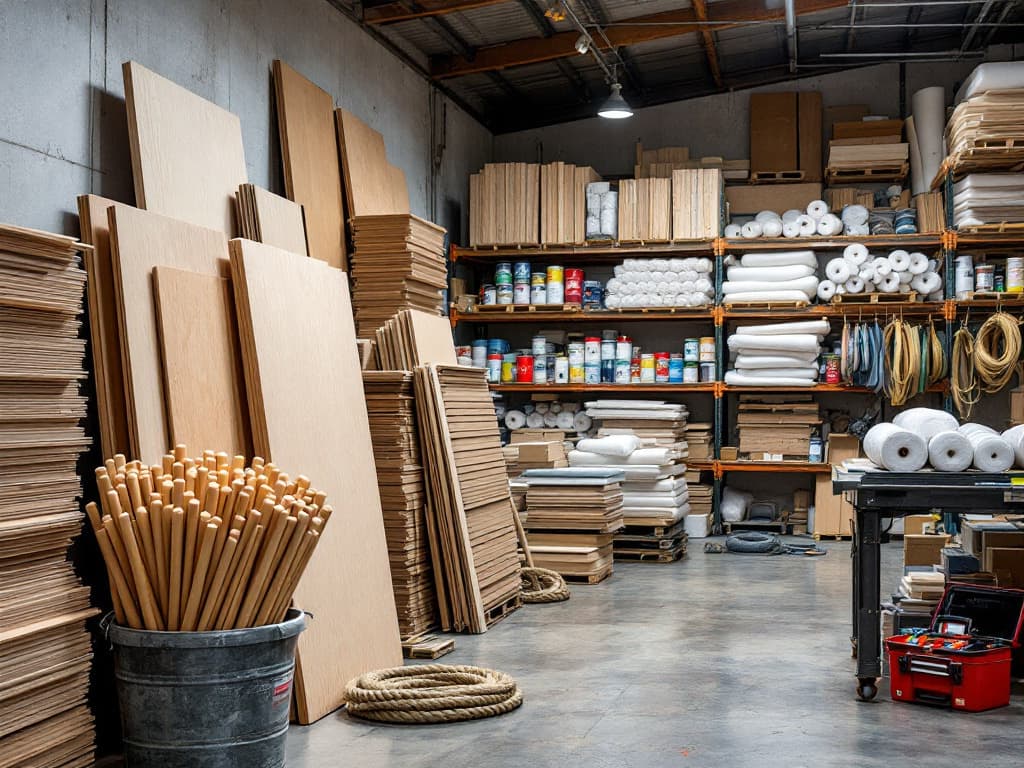
When producing kitchen furniture, TigerWood works with wood and quality panel materials that undergo thorough treatment for the sake of durability and safety. The material goes through several stages — drying and protection against moisture and temperature fluctuations, which are unavoidable in a kitchen. All raw material is certified and meets environmental standards, which means it is safe for health — an important point, since kitchen furniture is in direct contact with food and crockery.
Material for the furniture is selected carefully. Strong and durable species and panels go into the work — for a kitchen that operates hard, this is fundamental. Every item passes through several stages of processing, including sanding and protective coatings, which make the furniture both attractive and resistant to water, heat and mechanical stress. Skimping on these stages shows quickly: an unsanded edge catches clothing, while a weak coating lets moisture in, and the panel swells at its most vulnerable spot — right next to the sink.
In producing kitchen furniture TigerWood watches over every element — from joints to the final finish, and this is exactly what yields products that serve for years. In a kitchen there are no minor details: a weak fastening, an uneven edge or an under-dried panel will sooner or later show under load, which is why quality is built in at every step, not only where it is visible from the outside.
The production stages of woodworking and manufacturing
Stages of kitchen furniture production
Producing kitchen furniture starts with design, where all the client’s wishes are taken into account — from dimensions for a specific layout to the placement of sockets and cut-outs for appliances. Then the material for each element is chosen. An important stage is treatment: drying, removing excess moisture and applying protective compounds. It is this that makes the furniture resistant to external factors. A mistake at the design stage costs the most: if you fail to account for a pipe projection or a ventilation duct, the finished set simply will not fit into place, and reworking it will be at your own expense and in a hurry.
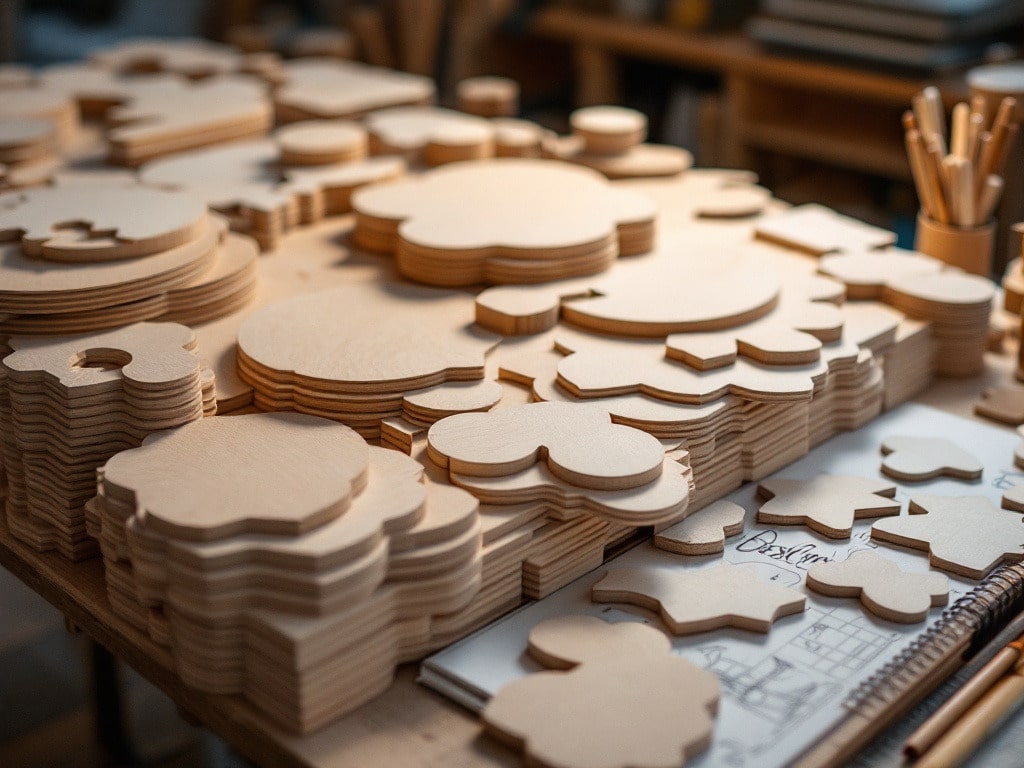
Next, individual elements are manufactured — tables, chairs, cabinets, shelves. At every stage there is a quality check to weed out defects before assembly. Once everything is assembled, the items undergo the final finish — lacquering or painting. The order here is no accident: control along the way is cheaper than a single check at the end, because a defective part is caught where it can still be replaced, not once it has already gone into the assembled set. Reworking one part at the cutting stage costs pennies, whereas replacing that same part in a finished kitchen at the client’s home turns into a call-out, downtime and a spoiled impression. That is exactly why a serious production invests in control throughout the process rather than hoping to catch everything at the final check.
The last stage is packing and delivering the furniture to the customer. TigerWood is responsible for quality execution and meeting deadlines on every order. Packaging is designed for kitchen specifics: fronts and worktops are protected separately, since it is the visible surfaces that are easiest to damage in transit, and a chip in a prominent spot undoes all the careful work of the production.
The advantages of working with TigerWood in kitchen furniture production
Working with TigerWood on kitchen furniture gives a business plenty of upsides. The main one is consistent quality, which rests on selected material and strict control at every stage. Every item undergoes inspection, hence the durability of each element. For anyone reselling or installing furniture, this is a direct benefit: fewer returns for defects, fewer complaints from end customers and, as a result, a stronger reputation of one’s own on the market.
TigerWood also offers an individual approach to each order, so as to hit the client’s requirements and wishes precisely. For sellers of kitchen furniture this is especially valuable: they order exactly what their audience needs — in the right price segment, style and configuration. The ability to tailor the product to specific demand helps stand out among competitors trading in identical off-the-shelf sets from a common catalogue.
Besides quality and bespoke solutions, TigerWood offers competitive prices and flexible terms of work. You can always agree on optimal delivery times and obtain the required documentation and quality certificates. This makes cooperation both profitable and convenient for companies that care about maintaining a high product standard while staying within budget. Documents, incidentally, are no formality for a business: without certificates you cannot pass a tender or supply a major retail chain.
Delivery runs across Europe and beyond, which noticeably widens the geography of cooperation. For retail chains and online platforms this is fundamental: they need reliable supply to different regions at once, without disruptions or inconsistency in quality between batches. Well-organised logistics matters here no less than the goods themselves — a kitchen that arrives damaged and late derails the client’s installation and spoils the impression of the whole purchase.


The variety of other product categories from TigerWood
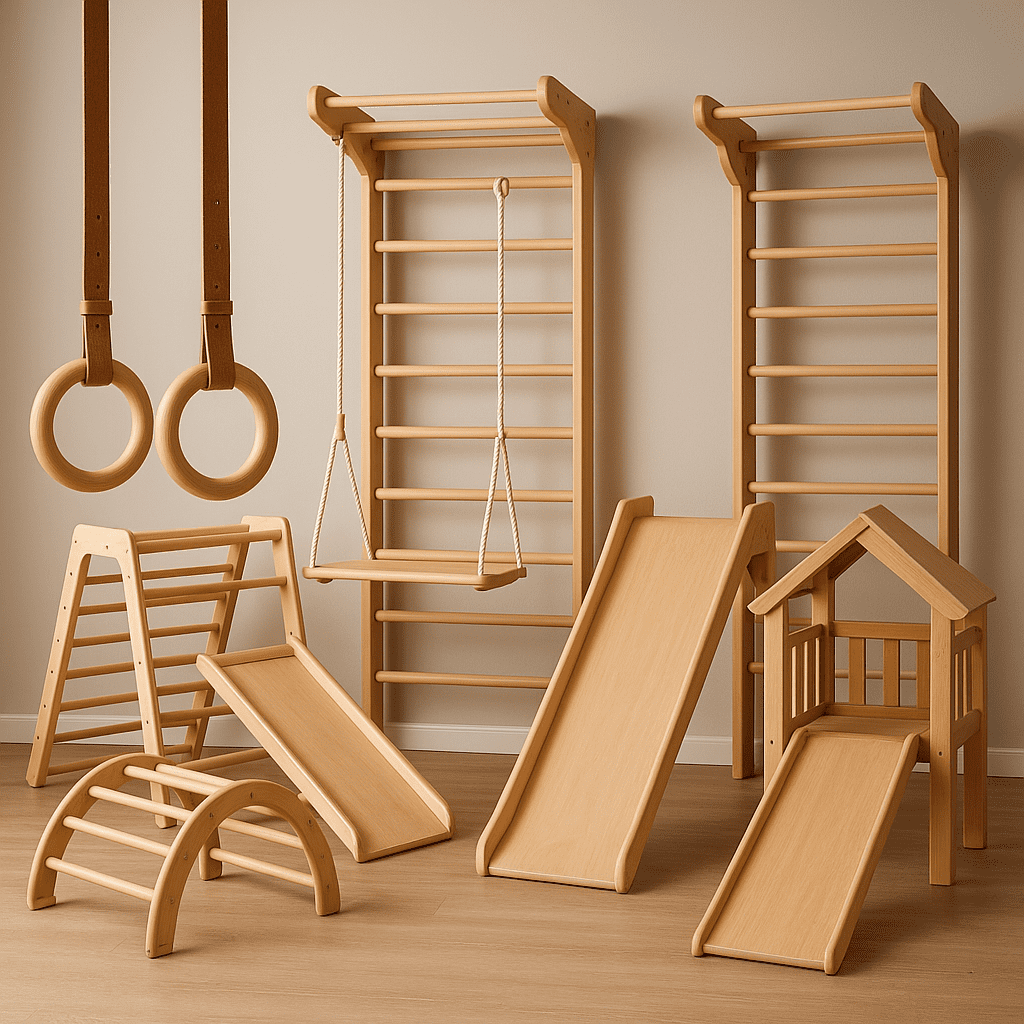
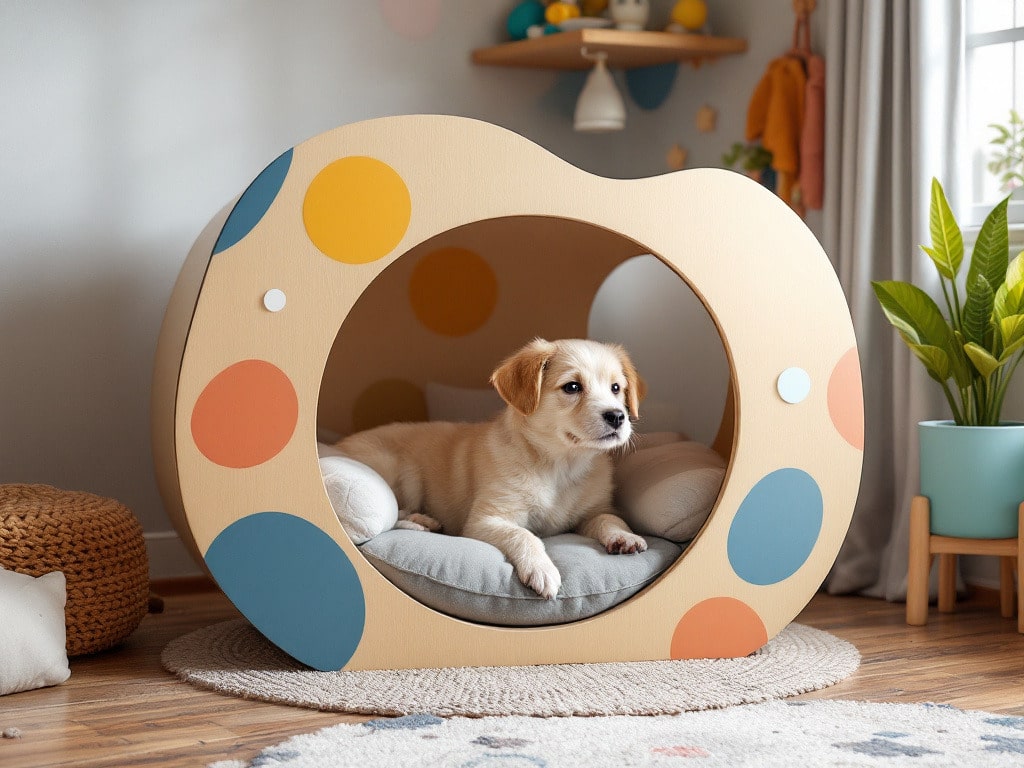
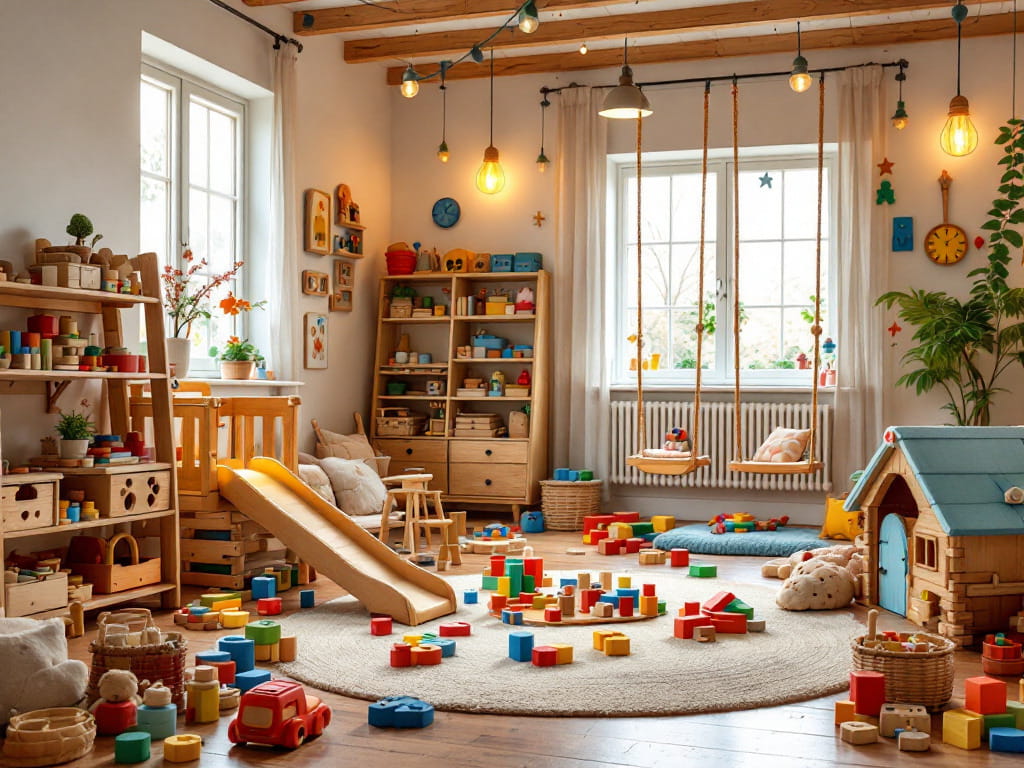
Besides kitchen furniture, TigerWood produces other product categories of interest to businesses. These include furniture for kindergartens, schools and offices, as well as for bathrooms, hallways and other spaces. Everything is made from quality wood and panel materials, hence the durability and tidy appearance. For anyone fitting out a facility in full, it is convenient to cover several categories with a single manufacturer: one style, one quality standard and one coordinated delivery instead of a dozen scattered ones.
Kitchen furniture can be complemented with other interior elements — breakfast bars, accessories and auxiliary details for a specific project. All of it fits organically into the kitchen space and creates a coherent atmosphere. A breakfast bar, for example, not only extends the work surface but also gently separates the kitchen from the living room in a studio — one solution again covers several tasks at once, from zoning to extra space for a quick snack and working on a laptop.
In addition, TigerWood makes furniture for public and commercial premises — cafés, restaurants, hotels — so a business gets all the interior elements it needs from quality, durable material. For such venues this is especially valuable: there furniture works many times harder than at home, and a unified style throughout the room creates that very coherent impression for which a guest returns again and recommends the place to acquaintances.
Examples of our work and partner projects
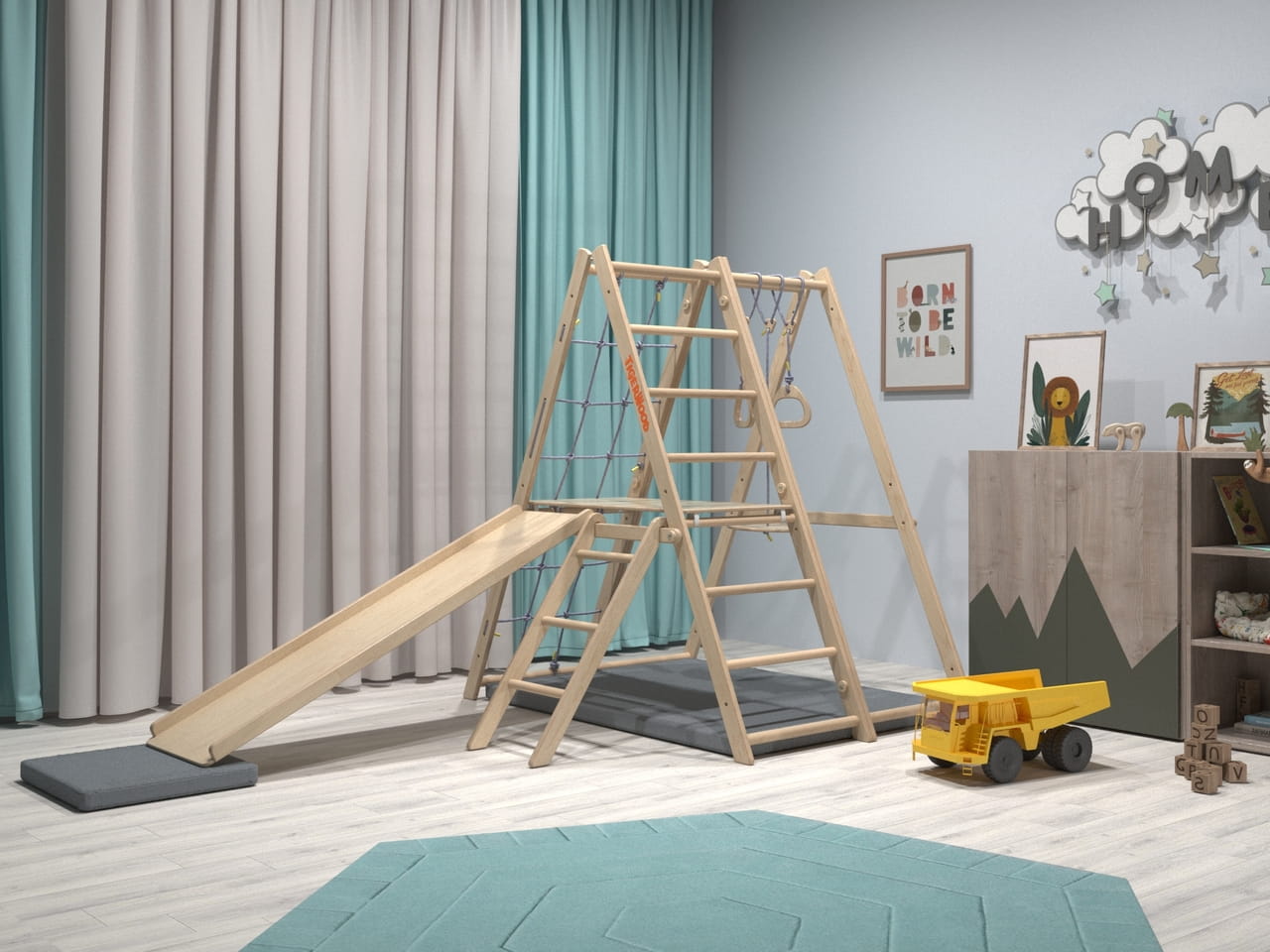
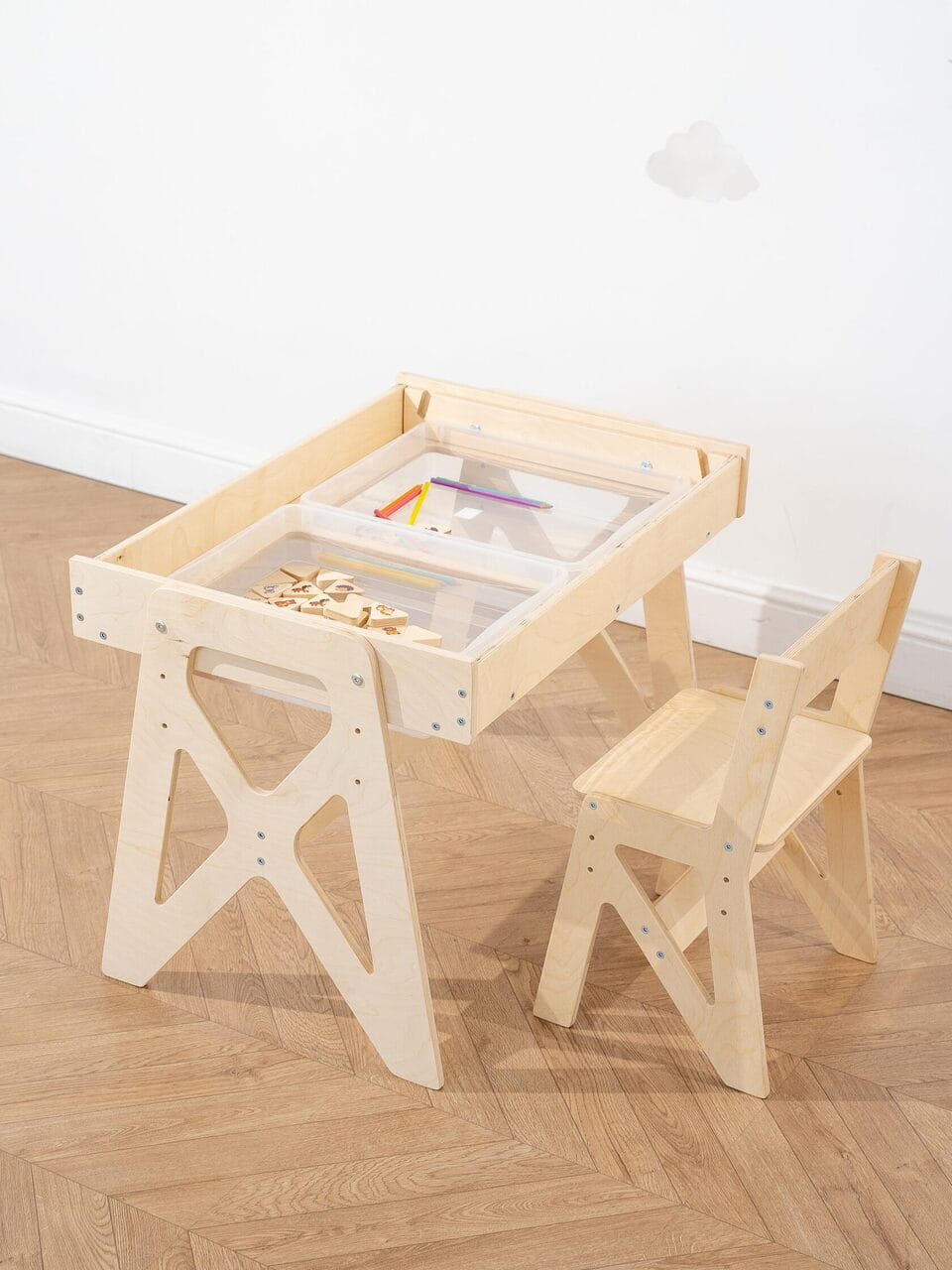
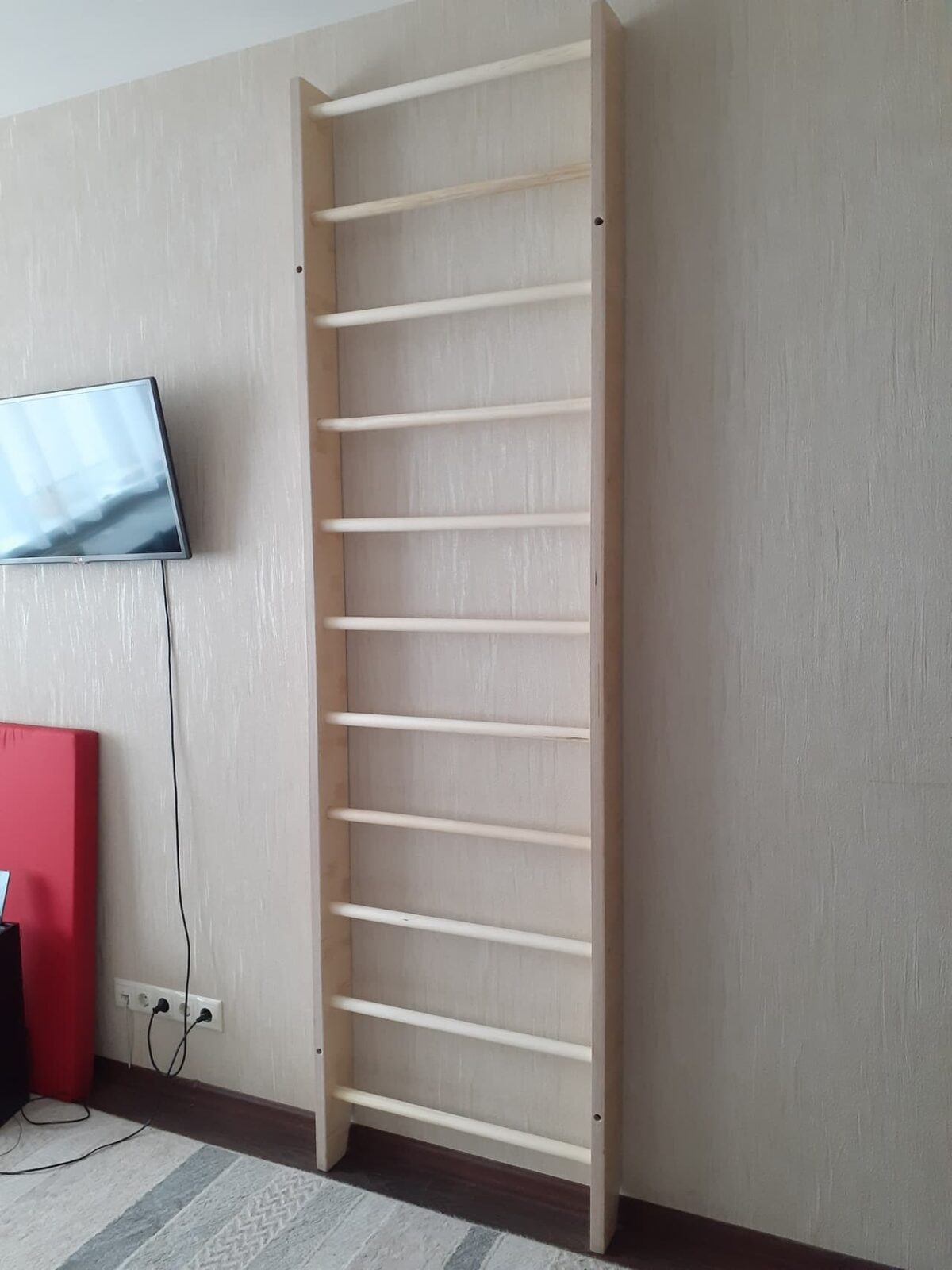

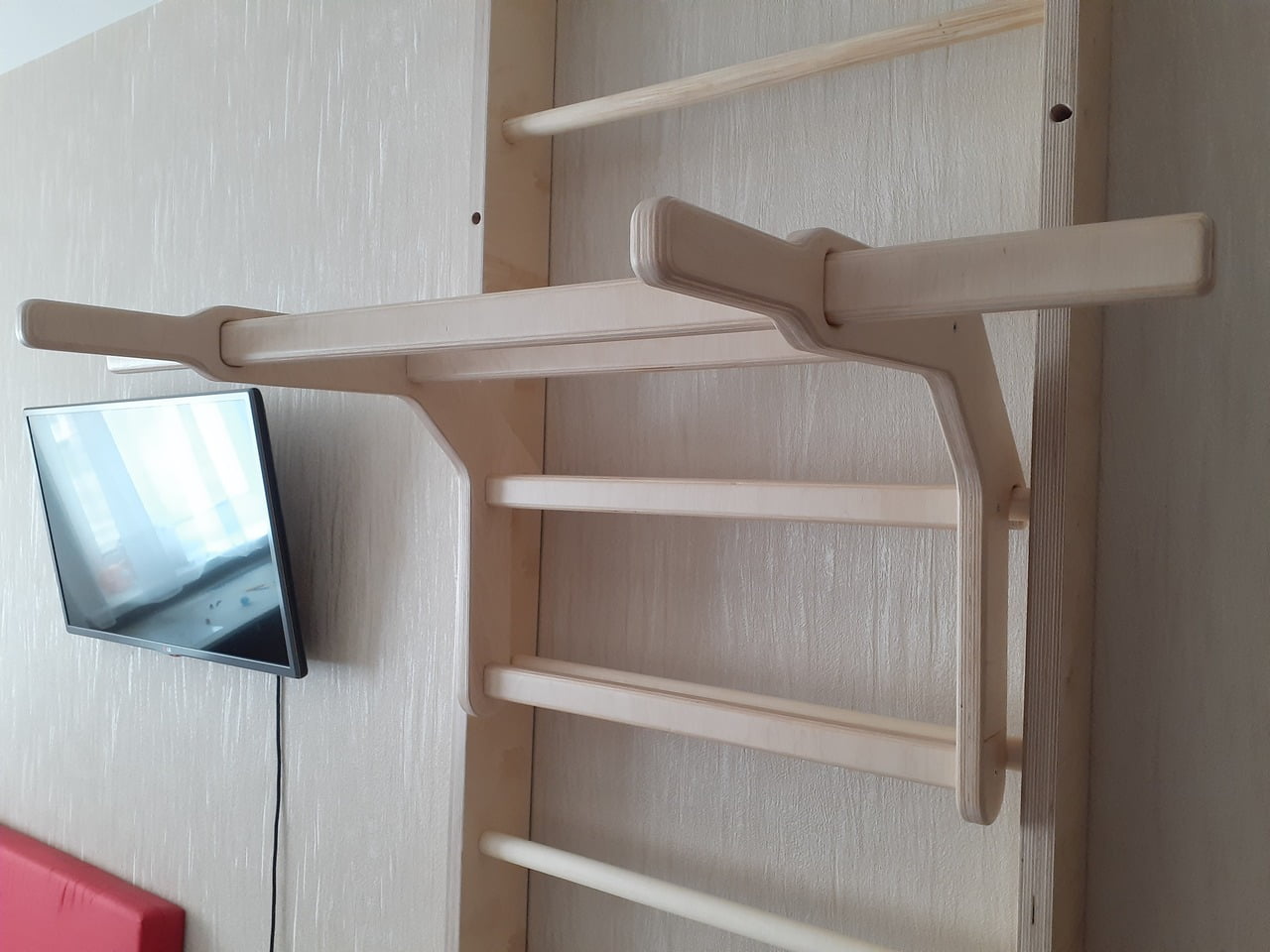
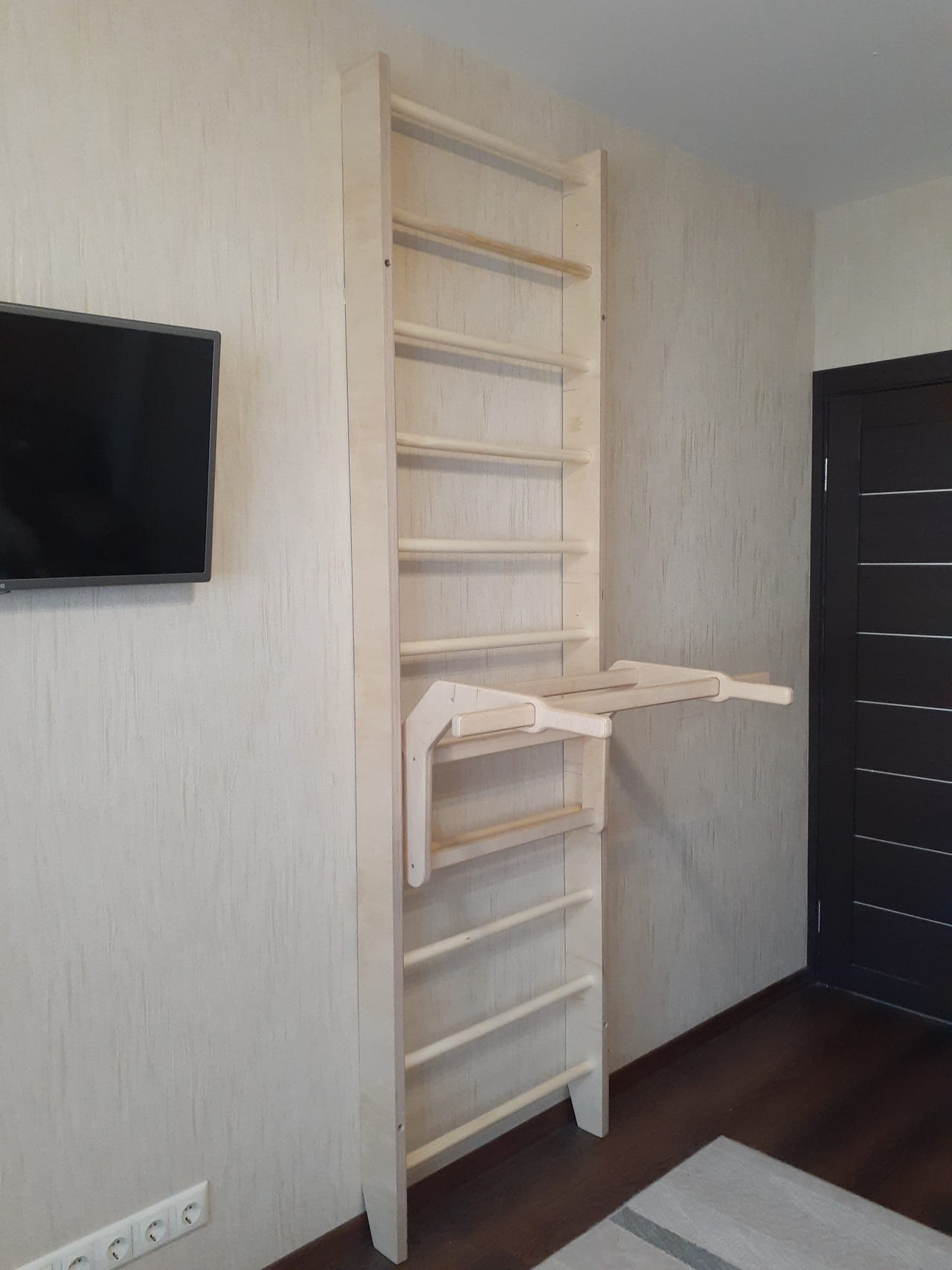


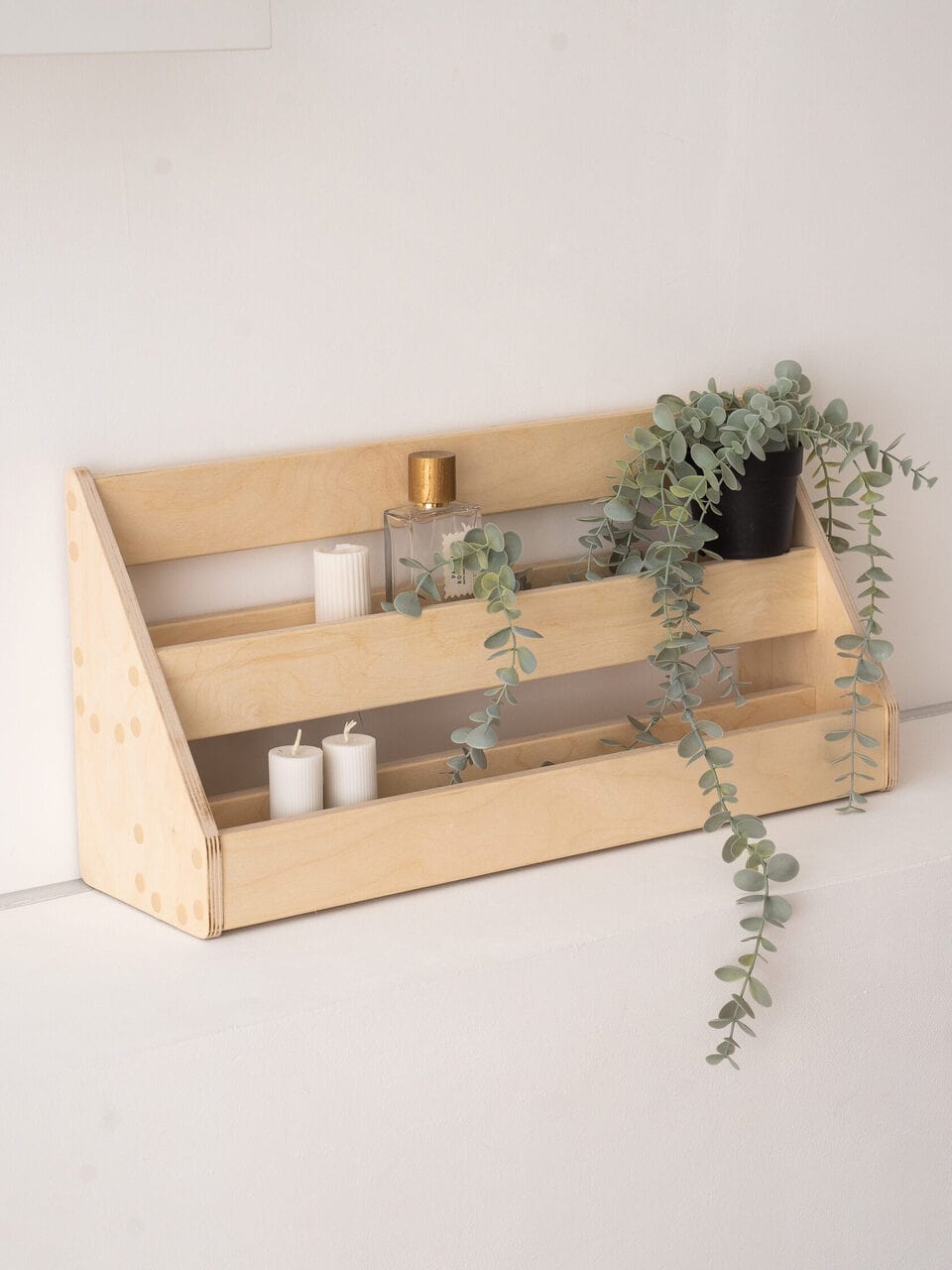
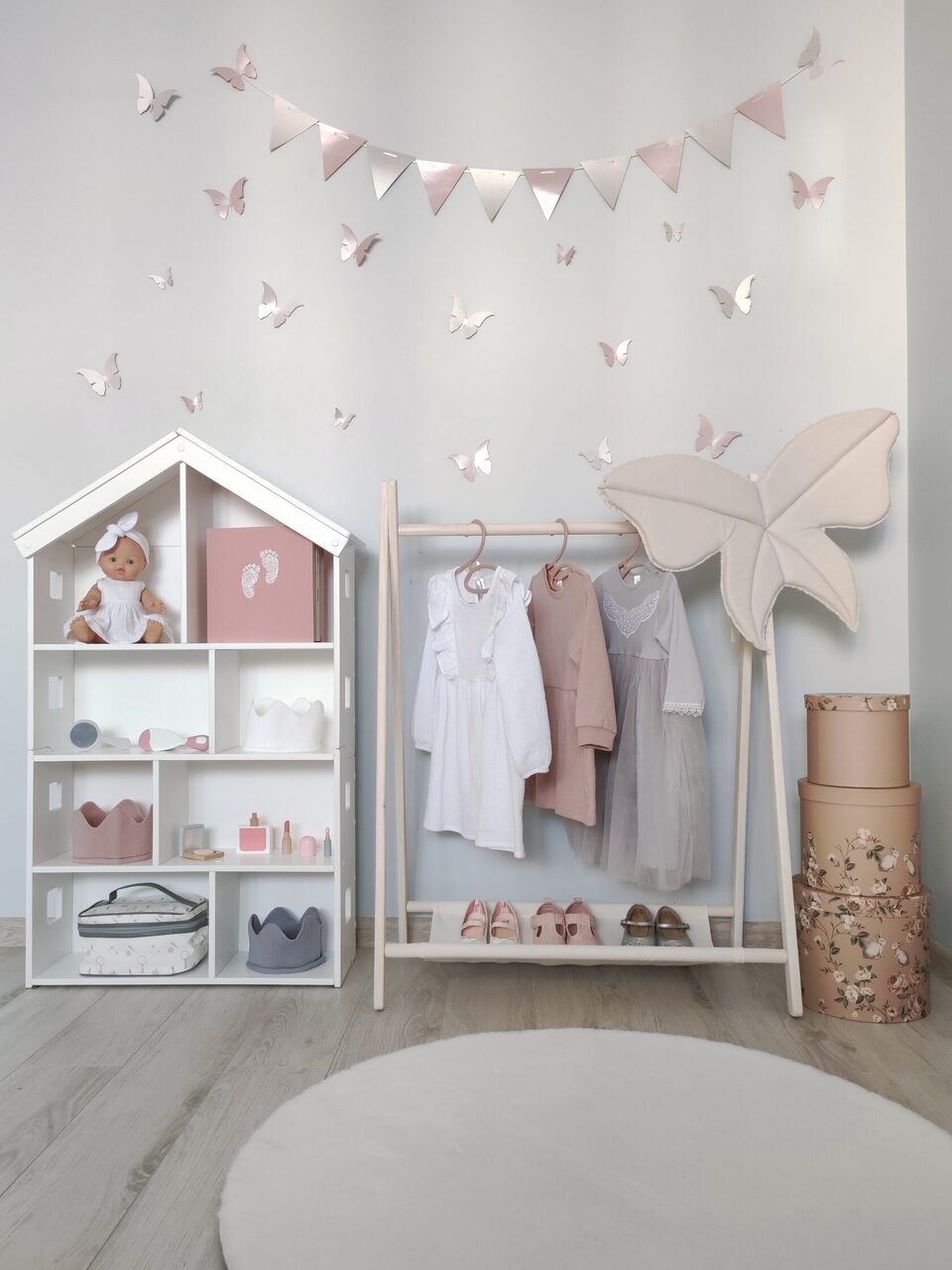
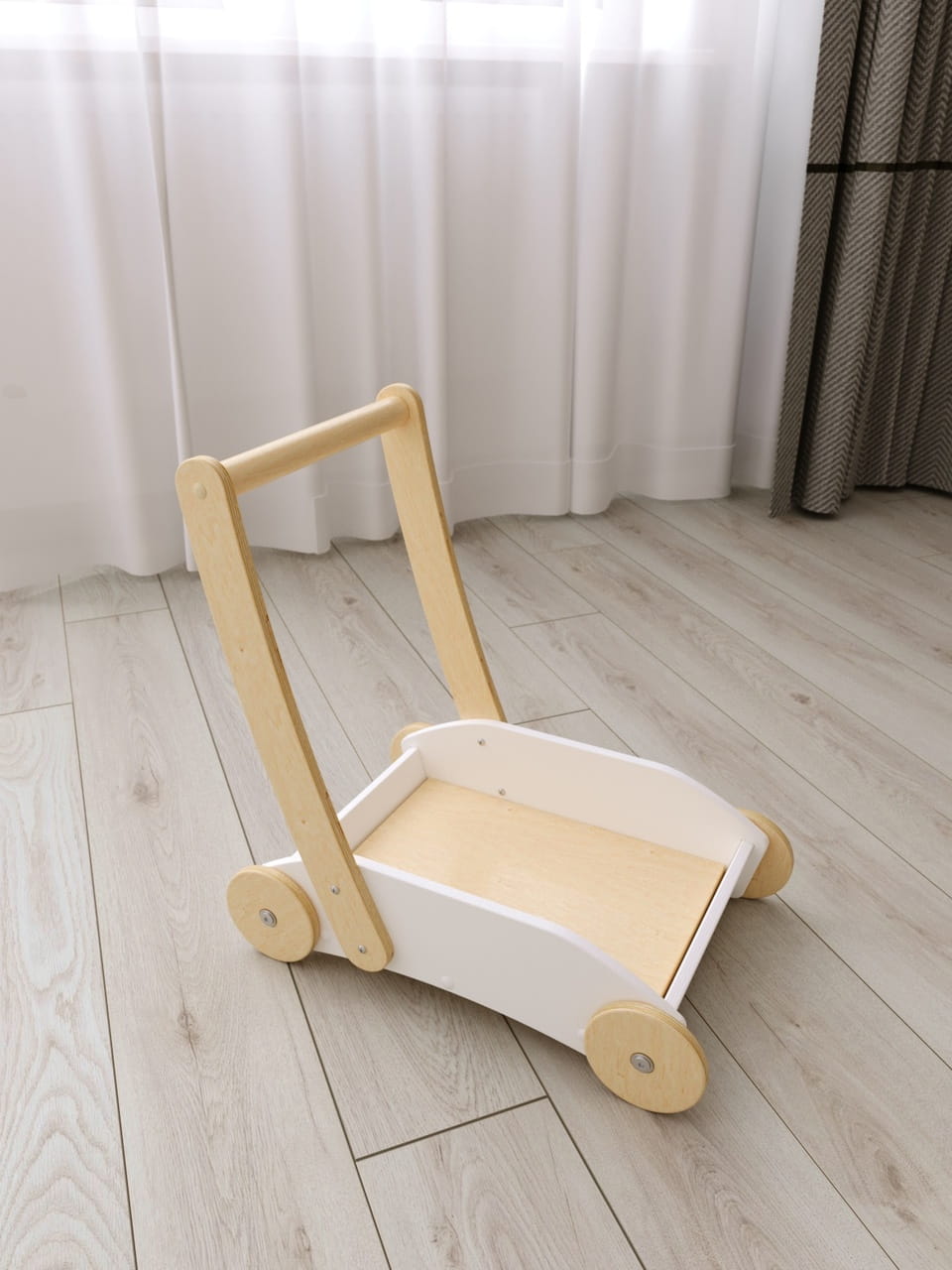

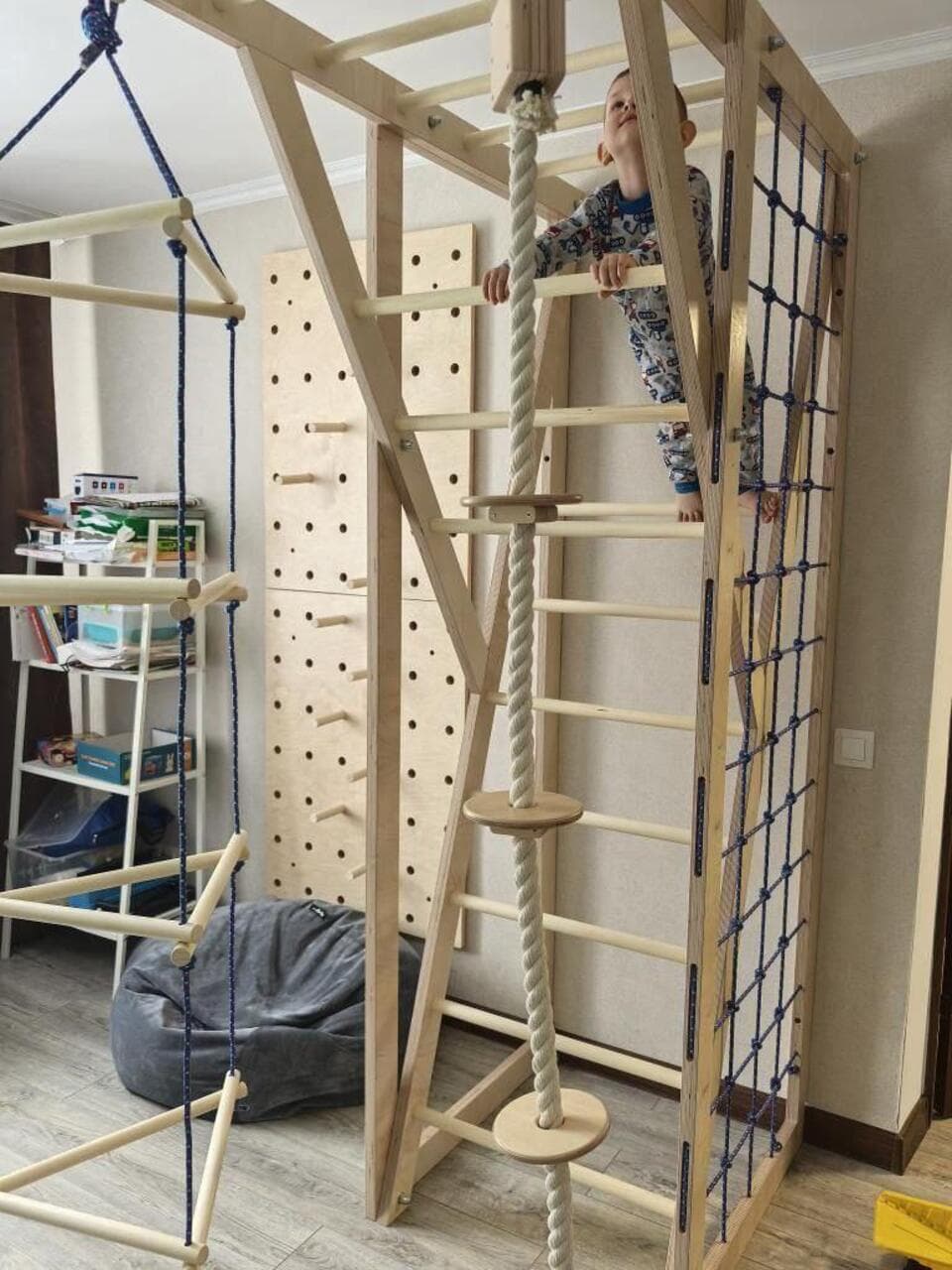
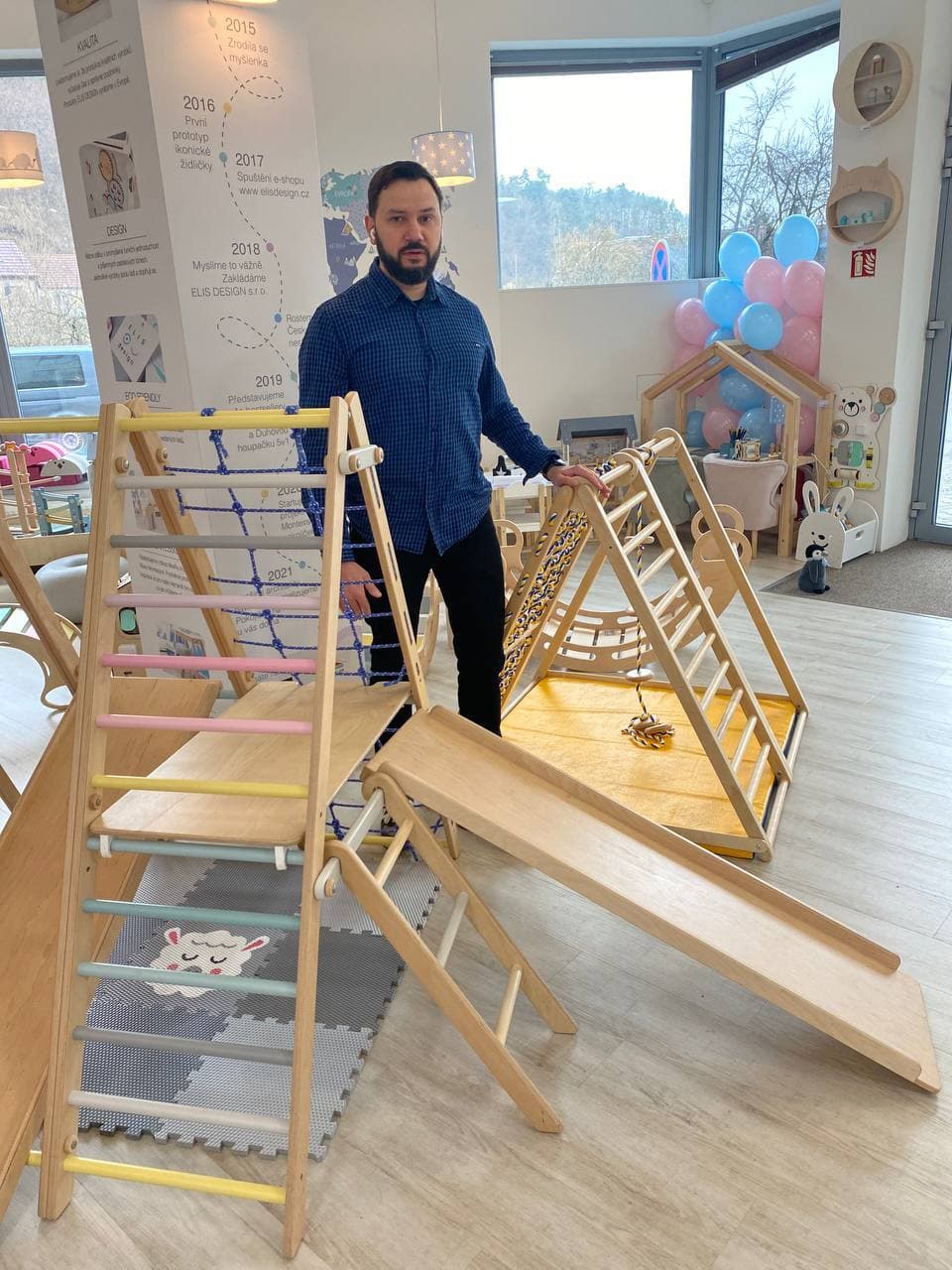
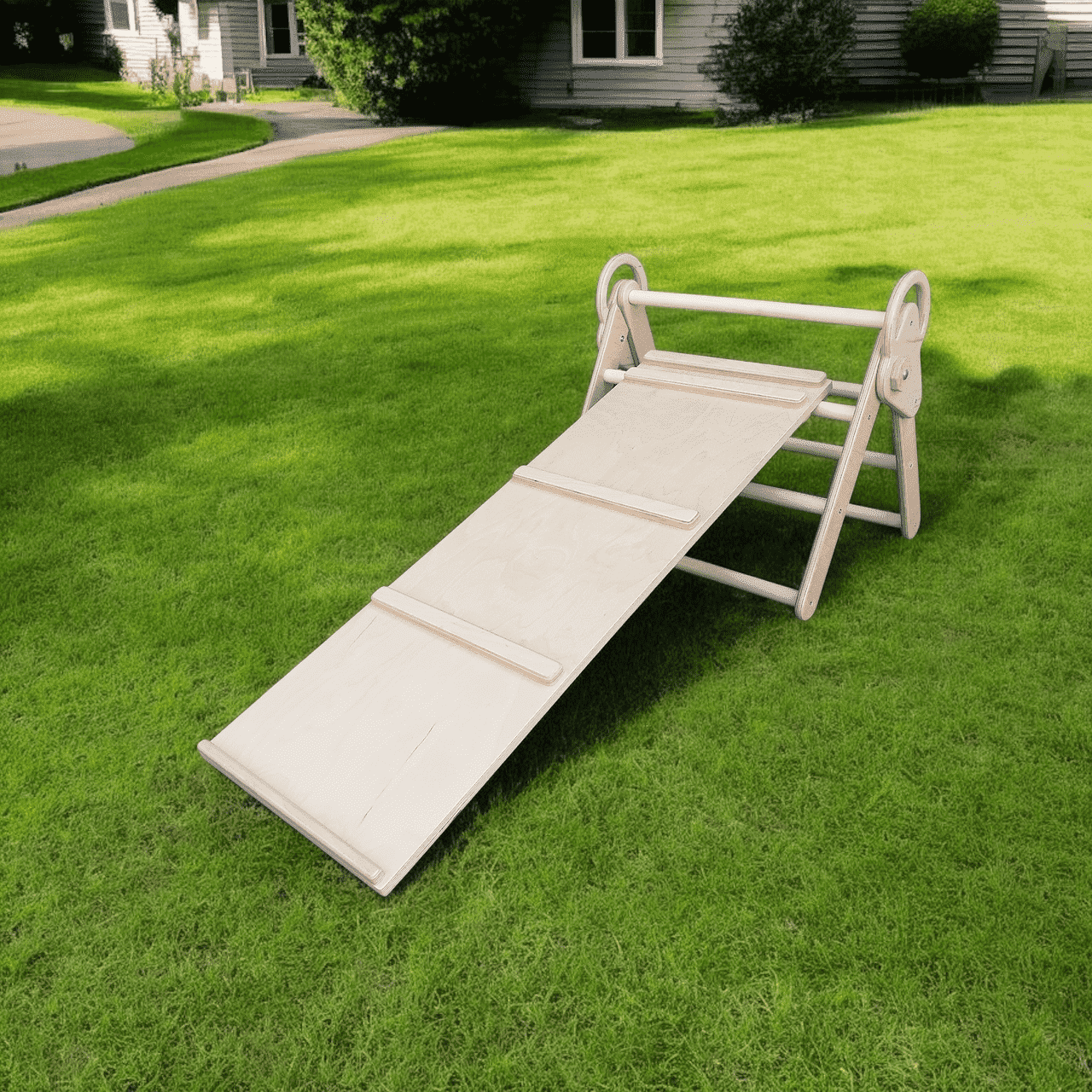
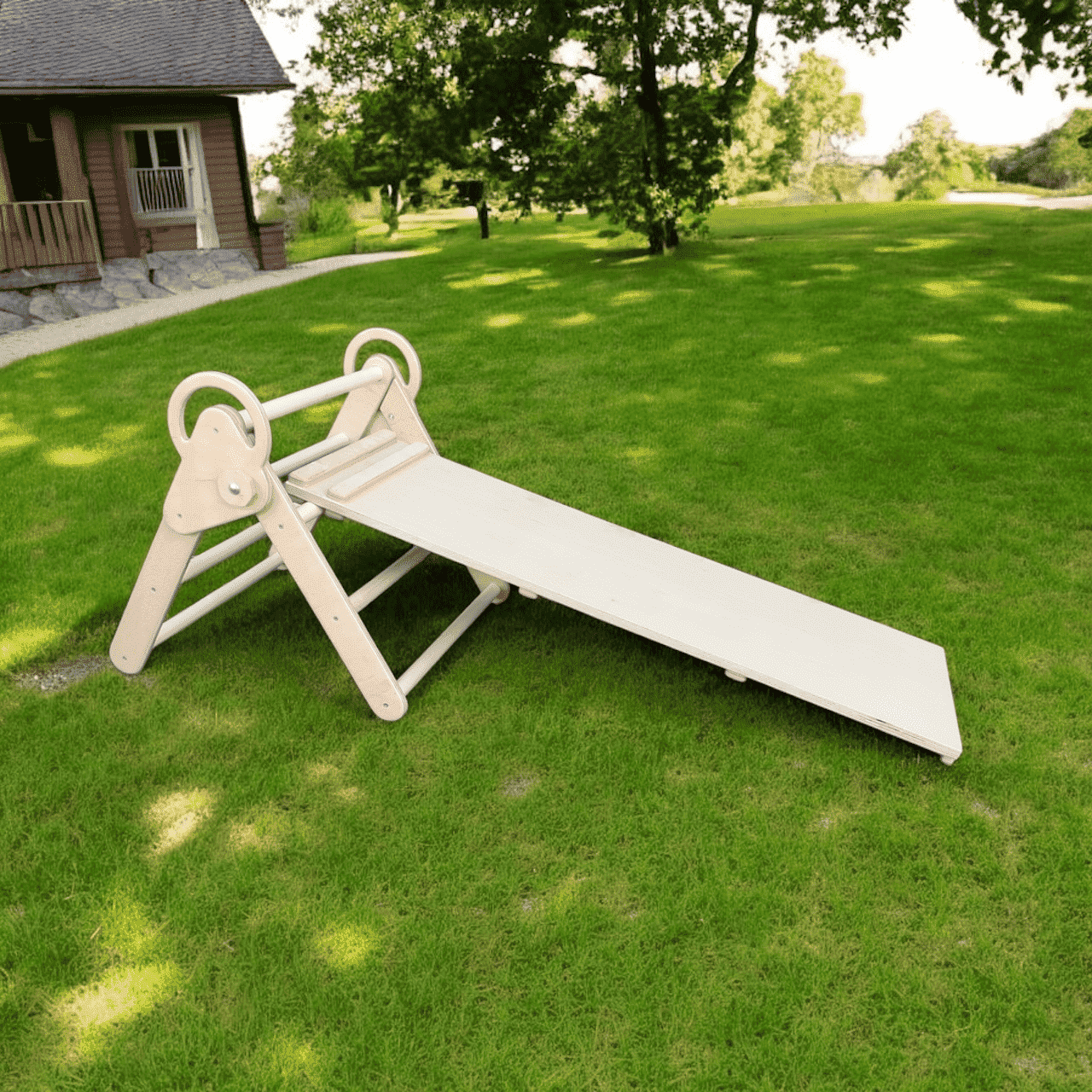
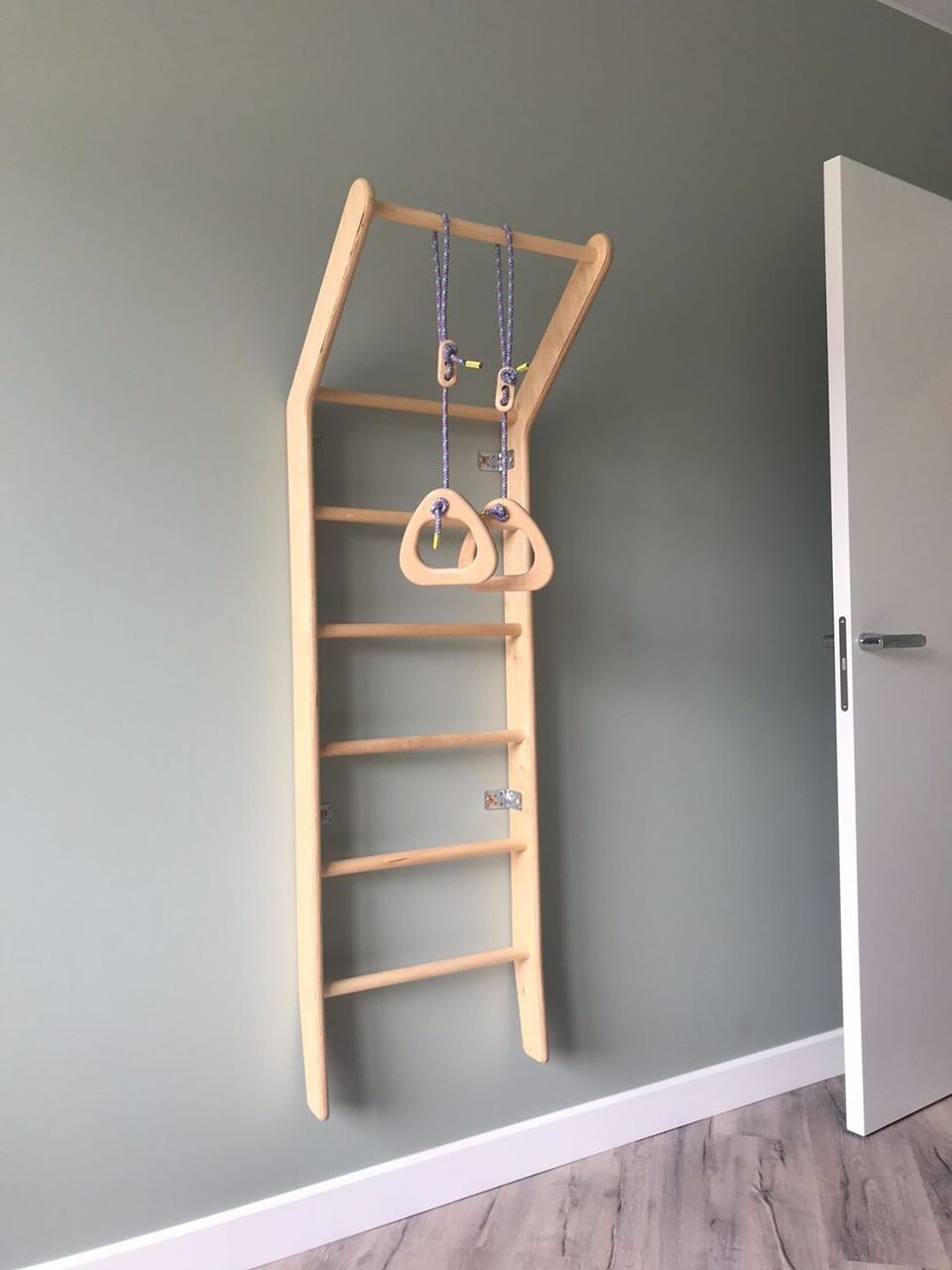

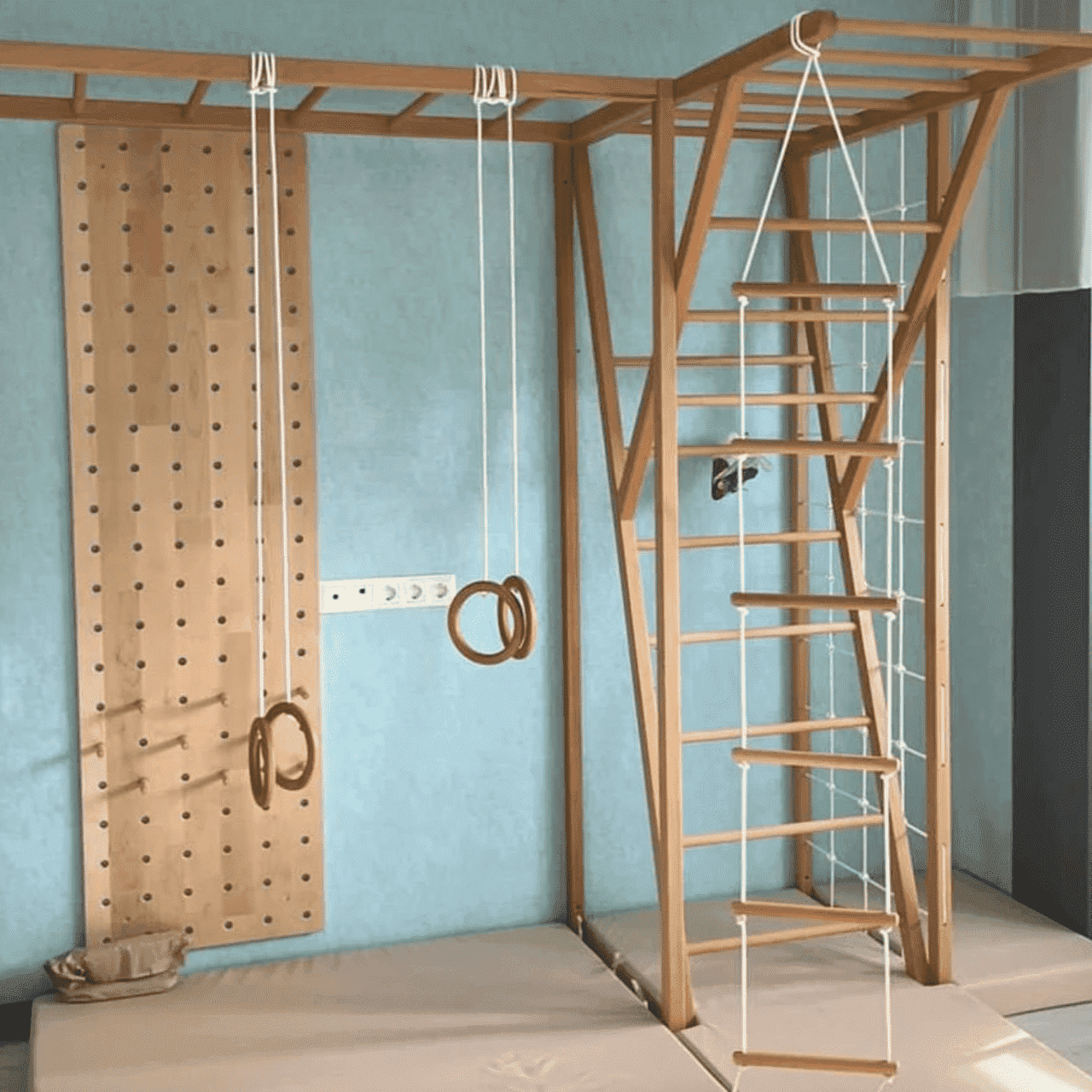
Examples of TigerWood’s work in kitchen furniture
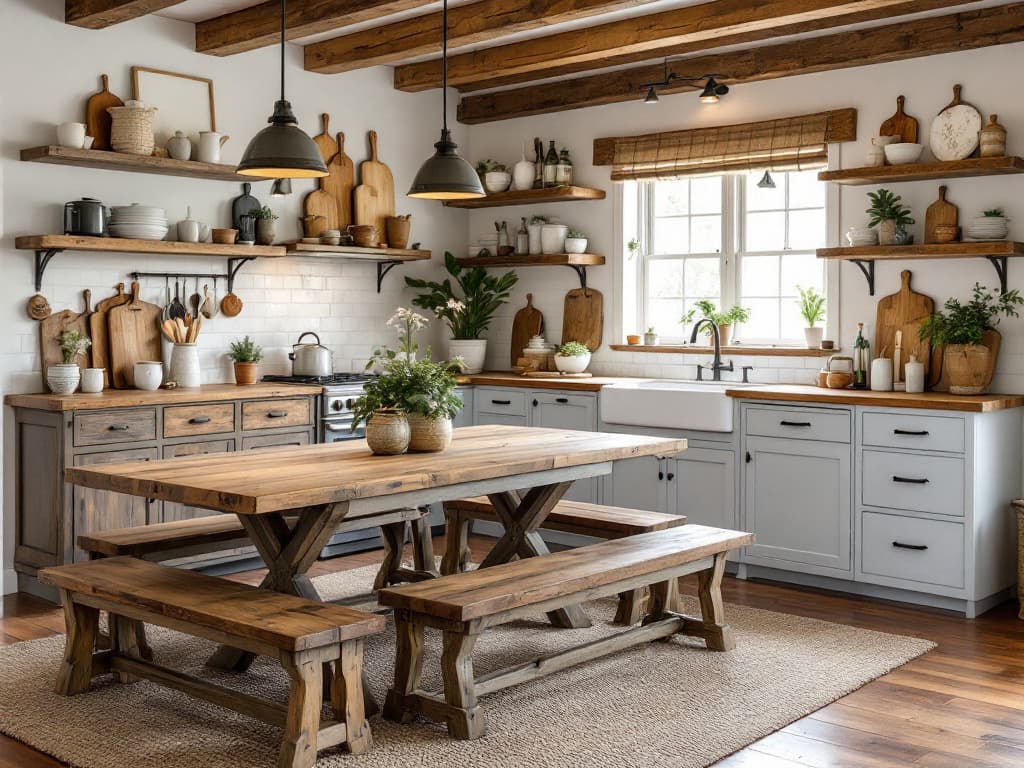
TigerWood has extensive experience in producing custom kitchen furniture. Among its work are pieces for large retail chains, cafés, restaurants and residential complexes. Each order is approached individually, so the furniture fits the client’s unique requirements exactly. Scale, meanwhile, does not get in the way of precision: both a single kitchen for a flat and a batch for an entire residential complex are made to the same technology, simply with different volumes and terms.
Among the examples are stylish tables and chairs, cabinets, shelves and drawers for the kitchen that fit organically into any interior. A great many successfully completed projects speak to consistent quality and professionalism at every stage. Tellingly, the furniture looks equally good in a budget and a premium kitchen: the materials and finish change, but the approach to precision and reliability stays the same.
TigerWood’s products have gone into projects in many European countries, which confirms their demand on the market. However complex a project, a solution is found for it that meets high standards. A wide geography is also an indirect measure of reliability: delivering a kitchen to a distant region intact and on time is harder than shipping it to the next yard over, and well-organised logistics here speaks for itself.
Who already works with us

Cabinet furniture makers
Joinery workshops

Interior designers

Architects

Private craftsmen and artisans

Online sellers

Advertising agencies

Set designers

Restorers

Toy manufacturers

Artists and sculptors

Construction companies

Exhibition equipment manufacturers

Educational institutions

Sports equipment makers

Wooden packaging manufacturers

Private customers

Shops and boutiques

Manufacturing enterprises

Restaurants and cafés
TigerWood works with a wide range of clients: large retail chains, furniture stores, developers and private entrepreneurs who sell or install furniture. At the core of the client base are companies that value quality and reliability and are looking for a partner with a strong wooden product. A developer and a furniture store have different demands, but one thing unites them: they need a contractor they can rely on in volume and timing, not one who lets them down at the last moment. For a developer, a failed kitchen delivery holds up the handover of an entire building; for a store, it leaves the sales floor empty, so they sometimes value a supplier’s reliability even above the lowest price.
Large chains of cafés, restaurants, hotels and other public venues are served too, needing furniture where functionality, durability and a stylish look converge. Orders come from different regions across Europe, which confirms the demand on the market. For a catering chain, repeatability is especially important: furniture in a new location must match the ones already open, otherwise the recognisability of the format is lost — the very thing for which a chain builds a unified style.
Made-to-order kitchen furniture manufacturing
TigerWood kitchen furniture production is a pairing of modern technology and traditional craftsmanship in working with wood. The range includes different types of kitchen furniture: tables, chairs, shelves, cabinets, drawers, chopping boards. Every item is made with an eye to both function and aesthetics, so the furniture fits easily into any interior. Machinery and CNC are responsible for precision and repeatability, while hand finishing and attention to detail ensure the kitchen looks expensive rather than mass-produced.
When producing kitchen furniture, particular attention goes to materials. Wood and panels undergo repeated treatment for the sake of resistance to moisture, high temperatures and mechanical stress. The furniture is made to serve for a long time and remain convenient and safe. The kitchen is the most demanding room in the home for furniture: nowhere else do steam, grease, water and constant mechanical load act on it all at once, so a margin against each of these factors is built in advance. A kitchen made on the cheap gives itself away quickly: first the edge swells near the sink, then the doors sag, and within a couple of years the furniture looks noticeably older than its age.
TigerWood is oriented towards customers to whom quality and reliability matter. Furniture is made to individual projects taking the client’s wishes into account — that is how a unique and functional solution is born for each space. Kitchen furniture turns out sturdy, durable and stylish, and good design does not grow tiresome over the years. An individual project is especially helpful with non-standard layouts, where an off-the-shelf set either will not fit or leaves unsightly gaps and dead zones.
Working with TigerWood is profitable for a business: competitive prices, flexible delivery terms and quality materials to strict standards. Kitchen furniture here means reliability, convenience and durability, which matter to anyone who sells or installs furniture. In essence, the seller gets not just goods but peace of mind: a product that will not come back for defects and will not undermine the buyer’s trust is worth holding on to such a supplier and building a long relationship.
Materials for kitchen furniture: what to choose
In the kitchen the material works in the toughest conditions in the home, so the choice of base determines durability, price and appearance alike. Moisture at the sink, steam and heat at the hob, constant cleaning with aggressive chemicals — all of it tests the furniture for strength every day. Below are the main materials from which kitchen furniture is made, with their strengths and what to look at when ordering.
| Material | Strengths | Where it is used | What to look for |
|---|---|---|---|
| ⬜ MFC | Ready-made décor, palette, price | Carcasses, shelves, simple fronts | Moisture-resistant class, edge quality |
| 🟤 MDF | Smooth painted surface, milling | Fronts, relief, curved parts | Durable coating, price higher than MFC |
| 🪵 Plywood | Strength, holds fasteners | Carcasses, load-bearing joints | Edge treatment and protection |
| 🌳 Solid wood | Natural grain, repairability | Premium fronts, worktops, chairs | Humidity, drying quality |
| 🪨 Worktop (postforming/stone) | Resistance to moisture, heat, scratches | Work surface | Edge, joints at the sink |
In practice, MFC covers the bulk of carcasses and fronts, painted and milled fronts go into MDF, load-bearing joints and chairs into plywood and solid wood, while the work surface is made from a moisture-resistant worktop. Materials are often combined within a single set, balancing price and reliability. The key point is the edge: with panel materials it is precisely the edge that draws in moisture first, so visible cuts are sealed with PVC or ABS edging, and areas near the sink are sealed especially carefully.
Fittings and kitchen internals
A handsome front is half the job; the other half is hidden in the fittings and internals, and it is these that determine whether the kitchen will be convenient to use every day. Soft-close hinges, full-extension runners and well-thought-out storage systems turn a set of cabinets into a working tool. Skimping on this element backfires fastest of all: a cheap hinge sags, and a loose drawer jams within a few months of active cooking.
- 🚪 Soft-close hinges — gentle closing of fronts without slamming or wear.
- 📤 Full-extension runners — the drawer opens fully, nothing gets lost at the back.
- 🧺 Cargo units and mesh baskets — convenient storage of bottles, grains and household chemicals.
- 🔄 Rotating mechanisms — “carousels” in corner cabinets, where otherwise there is a dead zone.
- 🪝 Rails and organisers — keep utensils within reach, freeing up the worktop.
The type of fittings is agreed in advance — the drilling is done for them, and it is hard to change later. For heavily loaded drawers, ball-bearing full-extension runners are used, for upper cabinets lift-up mechanisms, for corners rotating systems. The more precisely the client describes how they use the kitchen, the more convenient the internals will turn out. Good fittings on precise drilling mean a quiet kitchen that works for years without complaints or minor daily irritations.
Finishes and fronts for the kitchen
The finish in a kitchen is responsible not only for appearance but also for resistance to moisture, grease, heat and daily washing. The coating determines whether the front will survive years of use by the hob or peel off within a couple of seasons. The choice depends on where the element works and what look it should support. Below are the main types of fronts and finishes with their strengths.
| Front type | What it gives | Caveat |
|---|---|---|
| 🛡️ Foil-wrapped (PVC) | Resistance to washing, a rich choice of décor, price | Vulnerable to strong heat by the hob |
| 🎨 Painted MDF (enamel) | Even smooth surface, any colour, gloss/matt | More expensive, sensitive to chips |
| 🌳 Solid wood/veneer | Natural grain, premium look | Requires care, reacts to humidity |
| 💧 Laminate (HPL) | High wear and moisture resistance | Limited milling |
There is no universal answer: for a busy family kitchen, durable foil or laminate is used, for a premium interior painted MDF or solid wood, for contemporary minimalism smooth enamel. Painted MDF gives that very seamless surface for which it is chosen for fronts, but it requires careful preparation: any dent under enamel turns into a noticeable glare. That is why sanding and dust removal before painting matter no less than the compound itself, and areas near the sink and hob are additionally protected against moisture and steam.
Kitchen layout and ergonomics
A convenient kitchen begins not with the fronts but with the layout. At its core lies the principle of the work triangle — the sink, hob and fridge should be positioned so that moving between them is convenient without extra steps. The set’s arrangement is matched to the shape of the room: a straight in-line kitchen for narrow spaces, an L-shaped one for compact ones, a U-shaped one and an island for spacious ones. A mistake in the layout later comes back to bite every day, so it is thought through in advance.
Heights and depths are no less important. The worktop is matched to the height of those who cook, upper cabinets so they can be reached without a stool, while the extractor hood and sockets are marked out at the design stage. Small things like a plinth for the feet, free door swing and making sure an open dishwasher does not block the passage determine real convenience more strongly than the colour of the fronts. An individual project is precisely what allows these nuances to be accounted for against a specific layout and the owners’ habits.
Lead times, volumes and cost of kitchen furniture
An exact price and lead time are quoted after calculation: everything depends on the front material, layout complexity, fittings, worktop type and volume. But the general logic is transparent, and it is useful to understand it in advance — especially when purchasing for a facility handover or the opening of a venue. Below are guidelines for typical kitchen furniture orders: they do not replace a calculation but show how complexity and volume affect the outcome.
| Order type | Approx. lead time | Min. batch | What affects the price |
|---|---|---|---|
| 🍽️ Standard kitchen (MFC, foil) | from 1–2 weeks | from 1 pc. | Linear metres, fittings |
| 🎨 Painted MDF fronts | 2–4 weeks | to be agreed | Colour, gloss, milling |
| 🏢 Batch of kitchens for a developer | from 3 weeks | per project | Volume, standardisation |
| ☕ Furniture for a café/restaurant | from 2–3 weeks | per project | Wear resistance, style |
The strongest pressure on the price comes from the fronts, fittings and worktop. A painted gloss front is more expensive than a foil-wrapped one, and a stone worktop is several times more expensive than postforming. Volume works the other way: a batch of identical kitchens for a developer is costed at a lower rate than a one-off project, since the modules are standardised and cut more economically. The saving, moreover, is not on quality but on planning: standard solutions and a sensible layout reduce costs, while a correct survey up front removes reworks and on-site adjustment.
How to order custom kitchen furniture
The ordering scheme requires no engineering training — measurements and wishes are enough, and anything missing will be clarified at the production. Usually the path from enquiry to a finished kitchen fits into a few clear steps.
- 📐 Send the room dimensions or a survey, and the positions of the sink, hob, windows and utilities.
- 📋 Agree on materials, fronts, worktop, fittings and colour, and receive a project and a quote.
- ✅ Approve the project and, if needed, colour and front samples.
- 🏭 Launch production: cutting, edging, drilling, painting, assembly, control.
- 🚚 Receive the packed furniture, with installation or an assembly diagram if required.
This order suits both a single kitchen and a batch for an entire residential complex or chain of venues. It is easier for regular partners: with established modules it is enough to adjust the dimensions, and the batch goes into production. In the end, ordering kitchen furniture becomes a predictable process with clear timing, price and a result that fits into place exactly, without gaps or adjustment.
Myths and reality about custom kitchen furniture
There is no shortage of misconceptions around kitchen furniture. The first myth — “a bespoke kitchen is always several times more expensive than a ready-made one from the store”. In reality, a kitchen made exactly to size saves both space and money: there are no dead zones, which in a standard kitchen are covered with decorative panels, and every centimetre works. There is a difference in price, but it pays off through the furniture sitting perfectly, with no gaps or filler pieces. The second myth — “solid wood is always better than panel”. For fronts by the hob and sink, moisture-resistant MFC with a quality edge is often more practical than capricious solid wood, which reacts to humidity.
The third myth — “handsome fronts are the main thing, the rest doesn’t matter”. On the contrary: the carcass, edge, fittings and drilling determine how long the kitchen will last, whereas a front can be replaced separately. The fourth myth — “the thicker the worktop, the better”. Resistance is determined by the coating and the edge treatment at the sink, not by millimetres of thickness. The fifth — “urgent means the same in price”. Urgency breaks the schedule and requires re-tooling, while drying and multi-layer painting cannot be sped up, so haste almost always costs more and carries more quality risk.
Understanding these nuances makes the choice calmer and more advantageous. Custom kitchen furniture is about precision for a specific room, reliable internals and durable materials, not about the magic of the word “solid wood” on its own. When a well-made carcass, quality fittings and proper moisture protection stand behind a handsome front, the kitchen serves for a long time and stays convenient all those years.
Caring for kitchen furniture and its service life
A kitchen’s lifespan depends not only on how it was made but also on care. The basic rules are simple: wipe up splashes and condensation at once, do not leave water on joints and at edges, wash surfaces with mild products without a harsh abrasive, protect fronts from direct steam by switching on the hood while cooking. It is precisely water and steam that are the main enemies of kitchen furniture, and most problems begin where moisture finds an unsealed edge or a gap in a joint.
Solid wood and timber fronts are periodically refreshed with oil or wax, which restores protection and a fresh look without streaks. Foil and painted surfaces only need wiping with a soft cloth. Once a season it is worth tightening the hinges and checking the front adjustment so the doors do not sag and close evenly. With such simple care, kitchen furniture keeps both its looks and its function for many years, while individual elements such as a front or worktop can be replaced if needed without replacing the whole set. It is also a way to refresh a kitchen without major expense: swapping the fronts and worktop on a sound carcass costs noticeably less than a new kitchen yet looks like a full interior update.
Kitchens for the home, developers and catering
Kitchen furniture solves very different tasks depending on whom it is made for. This is easier to grasp through concrete scenarios, behind which lie different priorities in price, timing and materials. Below are three typical cases that neatly show how a single production adapts to entirely dissimilar demands.
A private customer is fitting out a kitchen in a flat and wants furniture exactly to their layout — accounting for a pipe projection, a window and a favourite cooking routine. Here the individual project, convenient internals and fronts to match the interior come first. A developer, by contrast, orders a batch of identical kitchens for a new build: standardisation, repeatability and the per-unit price at large volume matter to them, and the layouts are pre-fitted to typical flats. A café or restaurant orders furniture for intensive use — with moisture-resistant surfaces, reinforced joints and a style to suit the concept of the room.
These scenarios are united by one thing: an input agreed in advance turns the order into a predictable process. For a private customer, accurate measurement and internals matter most; for a developer, batch consistency and timing; for a venue, wear resistance and a unified style across all locations. A single production covers all three demands, simply with a different setup of the process and different materials. The more precisely the customer states for whom and in what conditions the kitchen will work, the closer the result to expectations and the fewer reasons for rework.
Working with measurements and drawings
A kitchen is furniture that fits snugly into a specific room, so accuracy of measurement here matters more than in any other category. An error of a couple of centimetres and the set will not fit, a gap will remain or a door next to the wall will not open. Ideally, there is a drawing of the room with dimensions and the positions of the sink, hob, windows, sockets and projections. But a detailed description with measurements is a perfectly workable start too, and a technologist will clarify what is missing.
Utilities and appliances matter separately: where the pipes and ventilation run, what built-in appliances are planned, where the sockets are routed. All of this is built into the project in advance so that there are ready cut-outs for the sink, hob and hood, and the carcasses go around the projections. It is useful to attach a colour reference too — a shade sample and the type of front. When the input is complete, the project, quote and launch run smoothly, and the finished kitchen fits into place without adjustment or unpleasant surprises at installation. It is precisely accurate measurement that sets custom furniture apart from standard: the set is made not “roughly for a kitchen” but exactly to the specific walls, niches and projections of that room.
Styles of kitchen furniture and matching to the interior
The kitchen sets the tone for the whole interior, so the style is chosen not least of all. Wood and wood-based materials fit equally well into the most varied directions, and this is one reason for their popularity. In the classic style, panelled fronts, warm tones and milling are valued; in the contemporary style, smooth surfaces, hidden handles and matt finishes; in Scandi, light wood and restraint; in loft, texture, metal and dark shades. The style pulls the material, the fittings and the type of front along with it.
It is important that the kitchen does not clash with the rest of the interior, especially in studio flats where the kitchen is open to the living room. Here the fronts, shade and texture are coordinated with the overall design, while a breakfast bar or island gently ties the zones together. A competent manufacturer suggests successful combinations at the start: hidden handles and a matt front for minimalism, panelling and warm wood for the classic. Hitting the style precisely makes the space coherent, whereas a random assortment of fashionable fittings, on the contrary, fragments it and cheapens the look.
Colour is a story of its own. Light kitchens visually enlarge a small room and look less prone to soiling, dark ones look striking but are more demanding of cleaning and lighting. Combinations are common: light top and dark bottom, a contrasting island, an accent worktop. The shade is chosen from a sample, not in words, because everyone pictures “warm walnut” or “soft grey” in their own way, and the discrepancy surfaces on the finished kitchen, when correcting it is expensive. That is why a colour sample is agreed in the flesh, not by a photo on screen: a monitor distorts shades, and what seemed a warm beige in a picture may drift towards yellow or grey in the kitchen’s real light.
Logistics, packing and installation
A well-made kitchen is easy to spoil in transit, so packaging is thought through separately. Fronts and worktops are the most vulnerable: they are interleaved, corners are protected, glass and fragile elements are secured. A kitchen is almost always shipped disassembled — as a set of parts with fasteners, fittings and a diagram, which reduces the risk of damage and simplifies carrying it into the room and up the stairs, where an assembled set simply would not fit.
Delivery operates across Europe and beyond, and the format is matched to volume and geography: from a freight company to a dedicated vehicle for a large batch for a developer. On request, installation or a detailed assembly diagram with recommendations is possible. It is agreed in advance who is responsible for lifting and installation, and how to accept the goods by quantity and appearance. A transparent shipping scheme saves both sides time and removes most disputes before they could even arise.
Efficient material use and a full production cycle
Every sheet of MFC or MDF costs money, so smart cutting is not an abstract saving but the direct economics of the order. Nesting software lays out the parts on the panel with minimal waste, and off-cuts go into small elements where possible. On a batch of kitchens for a developer this translates into real sums: a couple of per cent saved on the sheet, multiplied by volume, tangibly affects the final price. Where the material is counted, time and quality are usually counted more precisely too.
A separate benefit of the full cycle is single-point responsibility. When cutting, edging, drilling, painting and assembly happen under one roof, parts fit together without adjustment, and quality is not diluted between subcontractors. There is no need to assemble a kitchen from parts made by different workshops, reconcile their tolerances and work out who is to blame if the fronts do not match in tone and the holes do not line up. One contractor for the whole cycle means fewer risks, less correspondence and a consistently repeatable result from order to order.
The full cycle is convenient in that a kitchen is easy to complement with accompanying items in the same style — a breakfast bar, shelves, a table with chairs, storage elements. All of it is made on the same base, from coordinated materials and with a single finish, so the space turns out coherent rather than assembled from random pieces. For the customer this means less hassle with procurement and a clear overall budget instead of a dozen scattered invoices from different suppliers. Moreover, a single contractor is responsible for the whole set at once: if something does not match in style or size, there is no one to pass the buck to — the matter is resolved at one point rather than in correspondence between subcontractors.
Custom kitchen furniture: the full picture
If you bring it all together, the picture is transparent. The production takes measurements or works from a drawing, selects moisture-resistant materials, cuts precisely, edges, drills for fittings, paints the fronts and assembles the finished set. At every step it is not chance but technology and control that are at work, so the kitchen fits into place without gaps and serves for a long time. For the customer this means predictability on the three main questions: how much it costs, when it will be ready and how it will fit into the room.
A single kitchen for a flat and a batch for a residential complex, a standard set and an individual project, furniture for the home and for a venue — all of it fits into a single manageable process. Products travel across Europe and beyond, packed with protection for the fronts and worktops, and arrive in sale-ready condition. Little remains — send the measurements and wishes, and from there the project, quote and launch run smoothly, with clear timing and a quality of kitchen furniture that will not let you down at home or in a commercial room. And feedback on the first order is taken into account in the next: successful decisions on internals, fronts and fittings are cemented as a standard, and repeat projects for the same chain or developer run even faster and more precisely than the first.
What materials are used to make kitchen furniture?
The work uses wood and quality panel materials — moisture-resistant MFC, MDF, plywood, solid wood. Everything undergoes thorough treatment for the sake of durability and resistance to moisture, heat and washing. The material is matched to the task: carcasses from MFC, painted fronts from MDF, load-bearing joints and worktops from sturdier bases.
Can furniture be ordered to an individual project?
Yes, TigerWood makes kitchens to individual projects taking all the client’s wishes into account — for a specific layout, with cut-outs for the sink and appliances. It is enough to send measurements or a drawing of the room; the rest will be clarified at the design stage.
What is the cost of delivering the products?
The cost of delivery depends on the region and the order volume. The format is matched to the batch — from a freight company to a dedicated vehicle for a large volume. Kitchens are shipped disassembled with protection for the fronts and worktops so they arrive without damage.
Can furniture be ordered for commercial premises?
Yes, TigerWood makes furniture for restaurants, cafés, hotels and other commercial premises. For these, moisture-resistant materials, reinforced joints and a durable finish designed for intensive use are used, and the style is tailored to the venue’s concept.
What advantages does working with TigerWood offer?
Working with TigerWood means consistent product quality, an individual approach to each order and competitive prices. Plus flexible delivery terms and a full package of documents, which is especially important for chains, developers and tender participants.
How long does an order take to produce?
The lead time depends on complexity and volume: a standard kitchen is made in one to two weeks, painted fronts and large batches take longer. Agreed deadlines are kept strictly, and the exact date is quoted after the project and calculation.
Can I get a warranty on the furniture?
Yes, a warranty is provided on all products and is set out in the contract. It covers structural integrity and fittings — the things on which the reliability and service life of kitchen furniture directly depend.
Can furniture be ordered for a small kitchen?
Yes, TigerWood makes furniture both for large kitchens and for compact spaces. For a small kitchen, an individual project is just the thing: it uses every centimetre, builds in corner mechanisms and removes the dead zones that remain with off-the-shelf sets.
What colours are available for kitchen furniture?
A variety of colours and finishes are available — from foil and painted MDF to veneer and solid wood, in a matt or gloss execution. The shade is chosen from a sample to suit the interior, so the kitchen matches the overall style of the room rather than clashing with it.
How can an order be placed?
An order is placed through the website or by phone, after which a manager discusses the details — measurements, materials, fronts, timing. For repeat orders from regular partners the process runs faster, since the main parameters are already agreed.
We’re always here to help — choose the way that suits you best to get in touch
Call us, message us on a messenger or reach out via social media — we’ll respond promptly!
We work across all of Europe
Useful information and articles
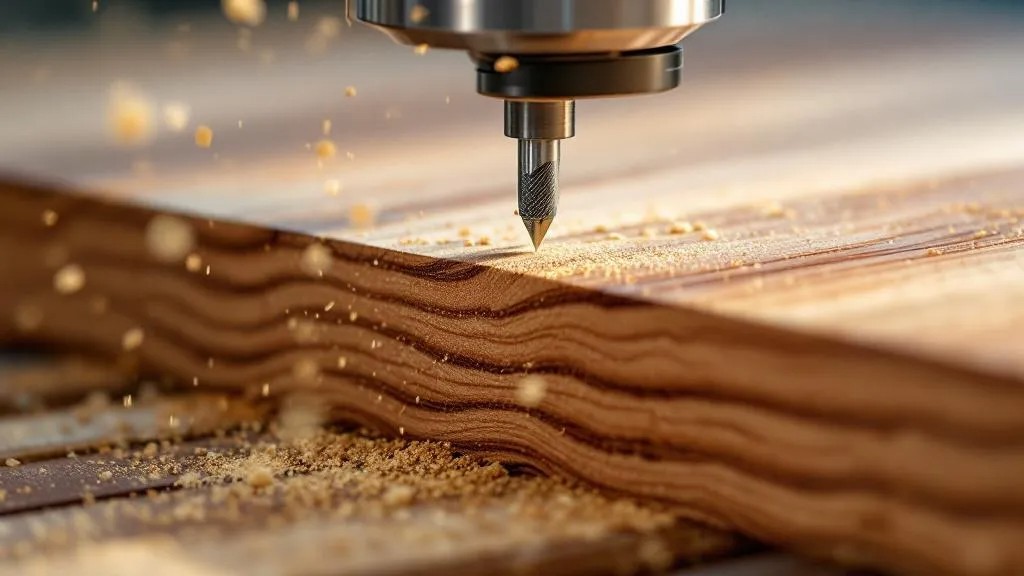
The Specifics of Radius Milling for Creating Rounded Edges on Wooden Products
The Specifics of Radius Milling for Creating Rounded Edges on Wooden Products Radius milling, or edge rounding, is one of the most sought-after and critically important stages in producing high-quality wooden
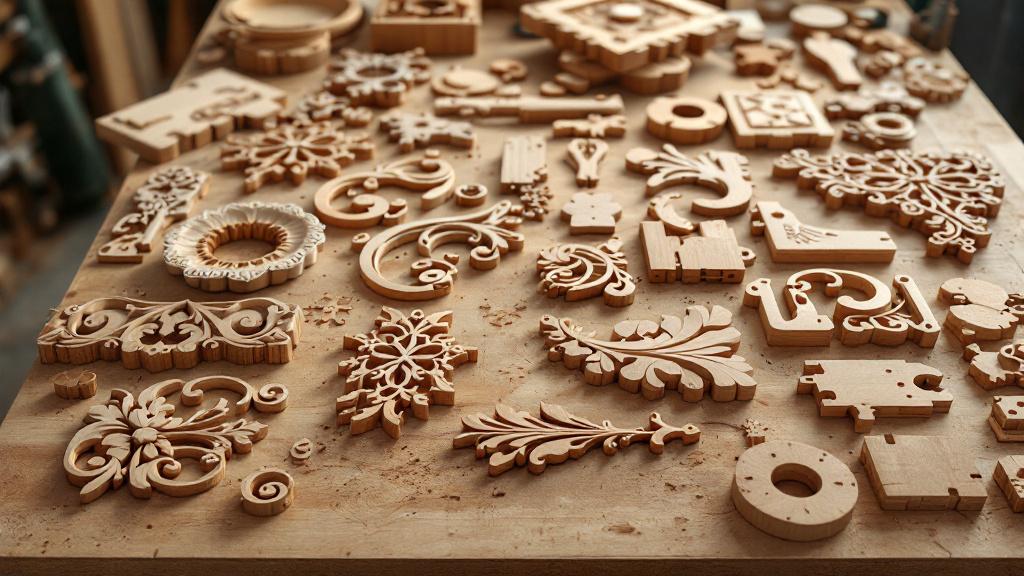
The Role of Milling in Making Decorative and Functional Wooden Parts
The Role of Milling in Making Decorative and Functional Wooden Parts Wood is a material that people have been using for thousands of years. It is valued for its natural
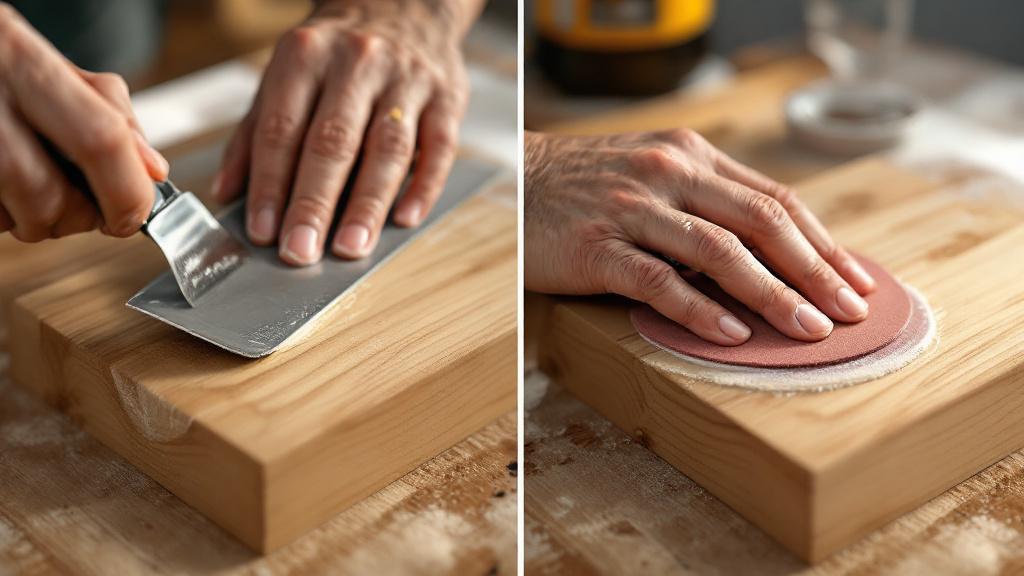
Stages of Filling and Sanding Wooden Products: Creating a Flawless, Even Surface
Stages of Filling and Sanding Wooden Products: Creating a Flawless, Even Surface Woodworking is not merely a mechanical process but a true craft, in which every stage is decisive for the

The synthesis of wood and metal: technological aspects of combining wood and aluminium to create durable products
The synthesis of wood and metal: technological aspects of combining wood and aluminium to create durable products In the field of professional woodworking, the search for the ideal material often leads