
Wooden products wholesale
Wholesale wooden products cover cabinet and frame parts, furniture fronts, panels, partitions, decor, packaging and blanks made from plywood, particleboard, MFC, MDF and solid wood, produced to the customer’s drawings or to standard sizes. The production line takes a sheet or a board, then performs cutting to size, CNC milling, sanding, painting and, where needed, assembly, before shipping small-wholesale and wholesale batches across Europe and beyond. Below we break down which materials we work with, how the process runs from drawing to dispatch, what wooden products come out at the end, who orders them, and what lead times, volumes and terms you can count on.
Manufacturing of wooden products and components
Wood holds its demand even where everything around it is plastic and synthetics. The reason is down to earth: it combines strength, repairability and a look that doesn’t grow tired after a couple of seasons. The material carries load with ease, takes precise machining, and fits equally well in a home interior, an office, a retail floor, an exhibition stand and in packaging production. Hence the steady interest in it: when you need a natural feel together with predictable geometry, the choice more often falls on wood and the sheet materials based on it — plywood, particleboard, MFC, MDF. With this approach, wooden products turn out not to be fussy decor but a working product with a clear service life.
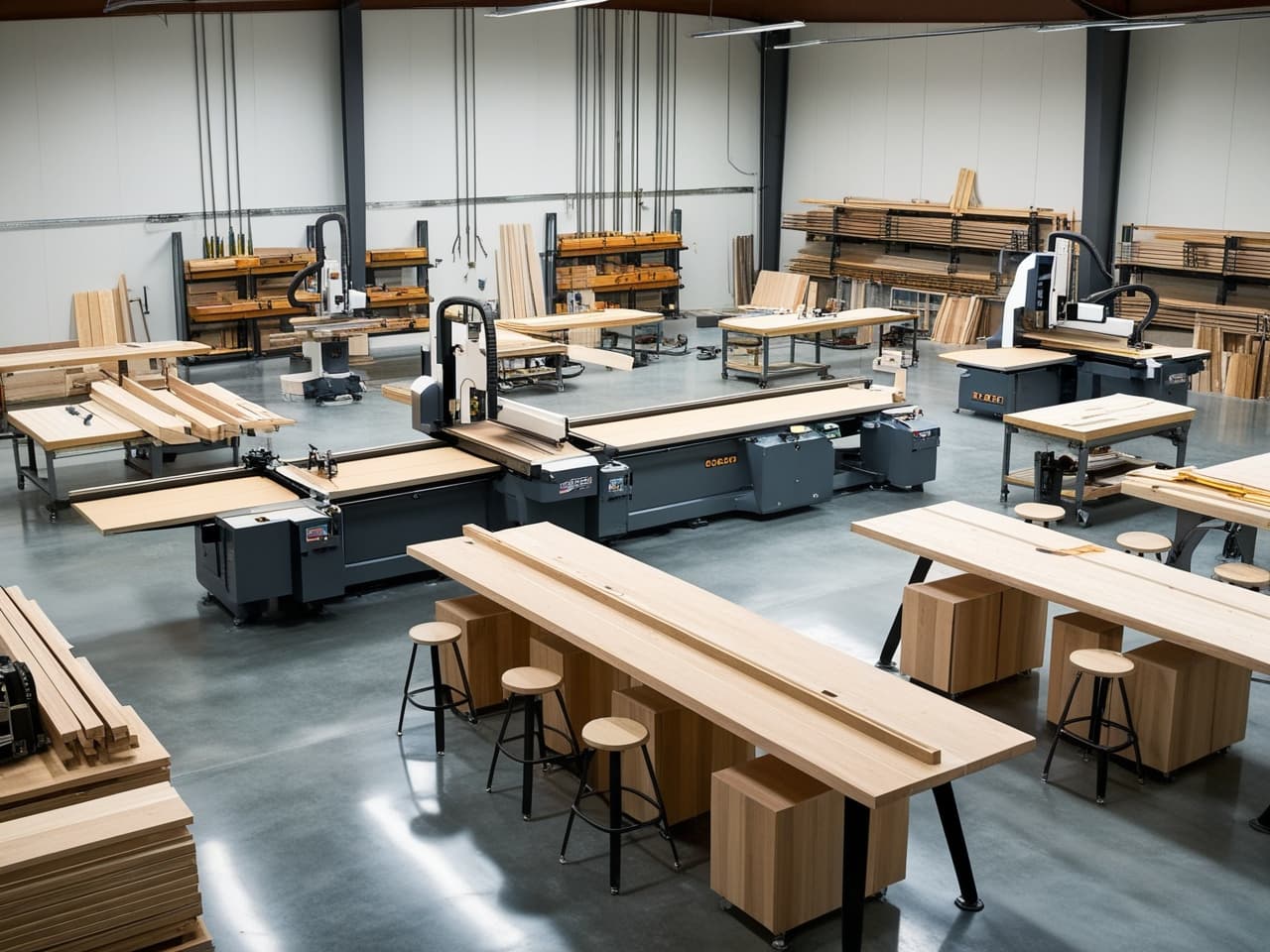
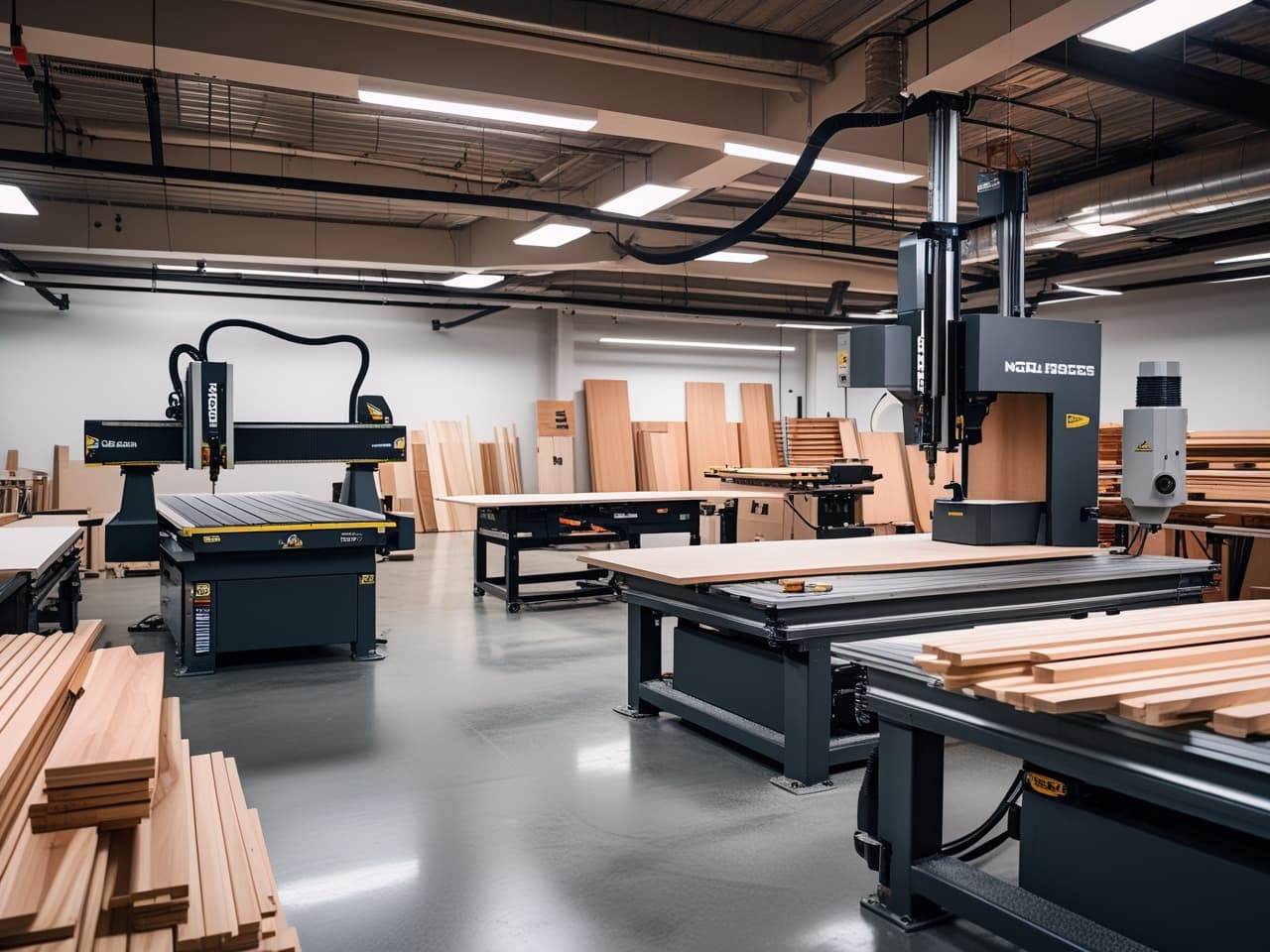
The manufacturing of wooden products has long moved past the image of a sawmill with two machines and a craftsman in a grease-stained coat. Today it is a facility with panel-sizing equipment, CNC machines, and a dedicated sanding and painting area, where a part travels the whole way from drawing to packed dispatch. Reviewing the project, calculating the cutting layout, selecting the material, assembly and finishing all come together in a single cycle rather than a set of scattered operations handled by different contractors. And the reach isn’t tied to a single city: products travel across Europe and beyond, especially when it comes to small-wholesale and wholesale batches of components, blanks, non-standard parts or finished items.
Today a customer needs more than “a block cut to size” — they need a result that drops into place without any filing to fit: accurate in dimensions, stable, safe, easy to assemble. These are exactly the tasks handled by a production line working with wood and panel materials. And they rest not on one joiner’s enthusiasm but on a refined process, sound equipment, and an understanding of how a specific material will behave during cutting, milling and painting. The difference between “done” and “done right” usually hides in precisely these details.
What matters to our clients and partners

Professional team
Experienced craftsmen, engineers and CNC operators. Thorough quality control at every stage

Flexibility and a tailored approach
We adapt to any task: we work from your drawings or develop the cutting and machining program ourselves

End-to-end approach
We offer the full range of woodworking services — from sawing to painting and assembly

Wide delivery coverage
We work with clients across many European countries. We help with logistics and packaging

Fast lead times
Large-scale production and streamlined processes let us complete even complex orders quickly

Modern equipment
We work with panel saws, CNC machines, routers and sanding machines
Why partners keep coming back: the logic of choosing a reliable manufacturer
When choosing a supplier, a customer rarely looks at price alone. Predictability and convenience come to the fore. Predictability is when the drawing was read exactly as intended, the result matched expectations, and every stage (cutting, milling, sanding, assembly) was carried out with no last-minute surprises before dispatch. Convenience is when you can send a sketch, quickly get a consultation, order a non-standard item and know the lead time in advance. It is these two things that build the wish to come back for the next batch rather than hunt for a new supplier every time.
An ongoing production partnership saves time on approvals: you don’t have to explain the task from scratch each time, because a shared context has built up from past orders. Hence the flexibility on volumes — from a trial small-wholesale batch to test a range, to a large run for a retail chain. Equipment precision matters too. Here fractions of a millimetre decide everything: they determine whether a cabinet assembles without skew, whether a front sits flush, whether a panel fits without adjustment. The very same part made “by eye” versus by a CNC program behaves completely differently during installation.
A separate advantage is in-house sanding and painting on site. A part leaves finished and needs no rework on the customer’s side: it can be installed, sold or sent for fitting straight away. For design solutions, interior elements, fronts and finished products this stage is critical — it is where the very look that wood is chosen for takes shape. When cutting, milling, sanding and painting are gathered under one roof, the customer receives not a semi-finished item but a completed product, and it is this all-in-one approach that is valued most.



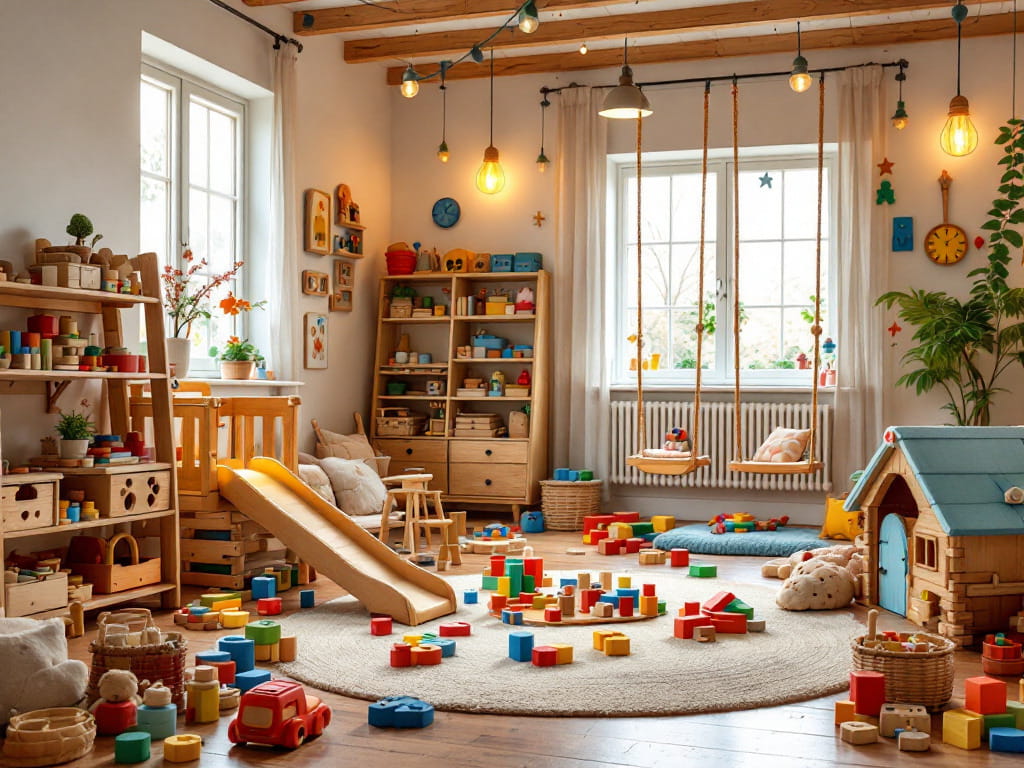

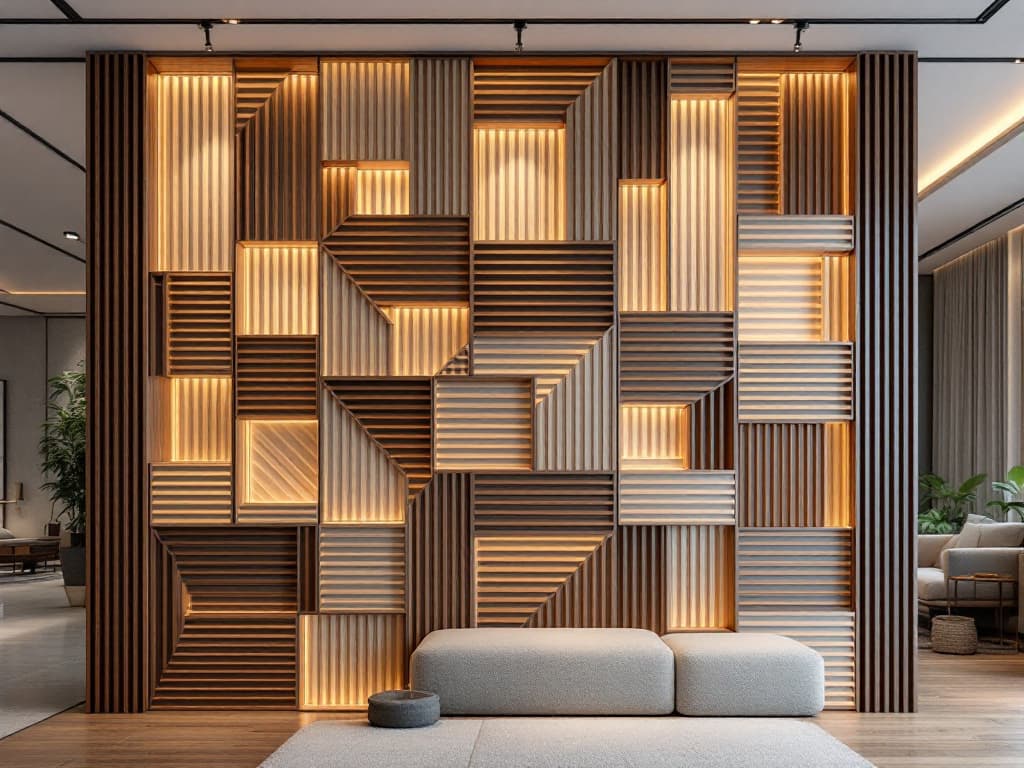
The variety of wood: how a broad product range is built
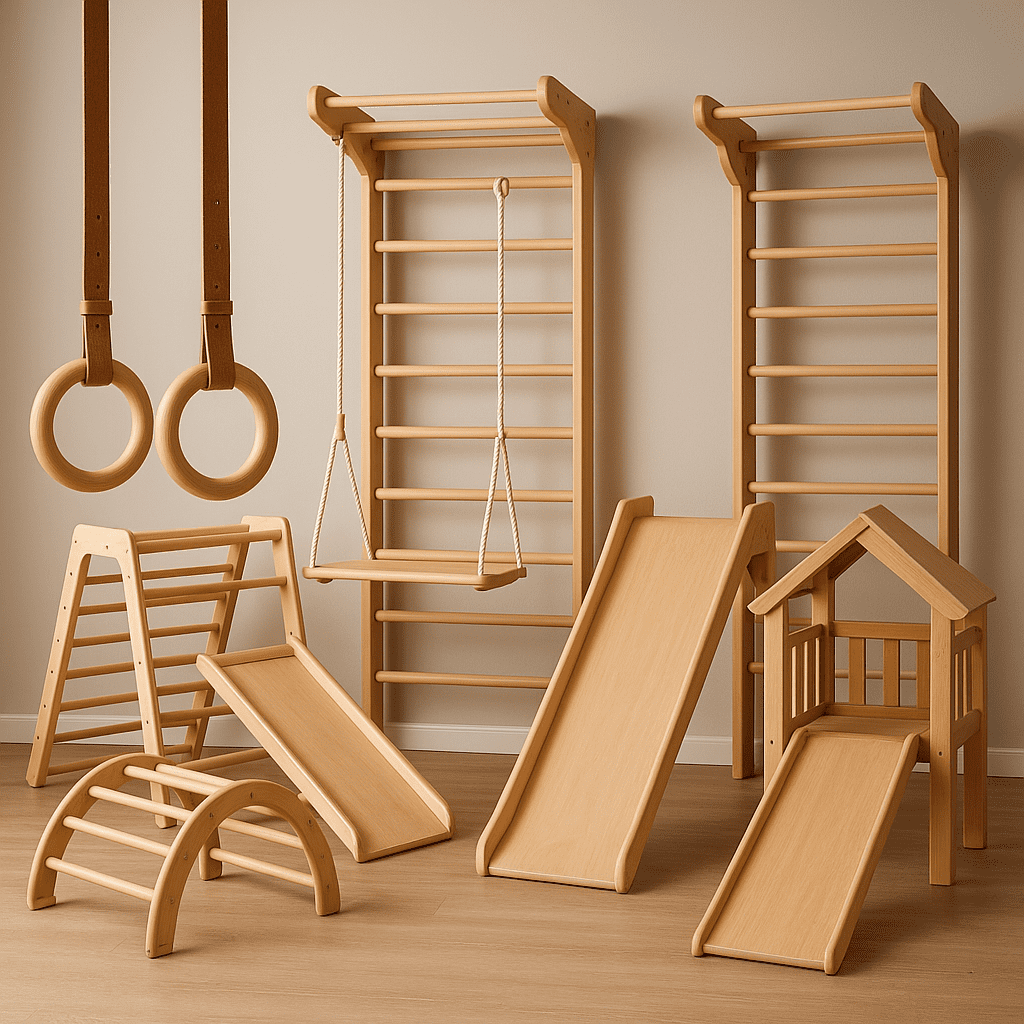
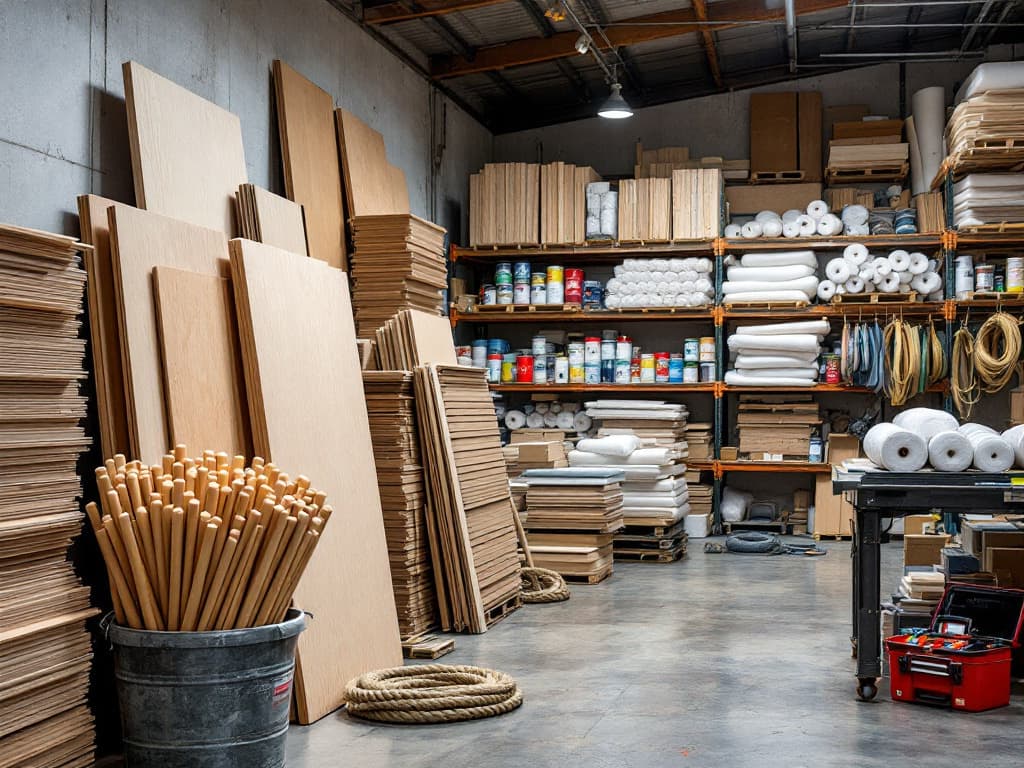
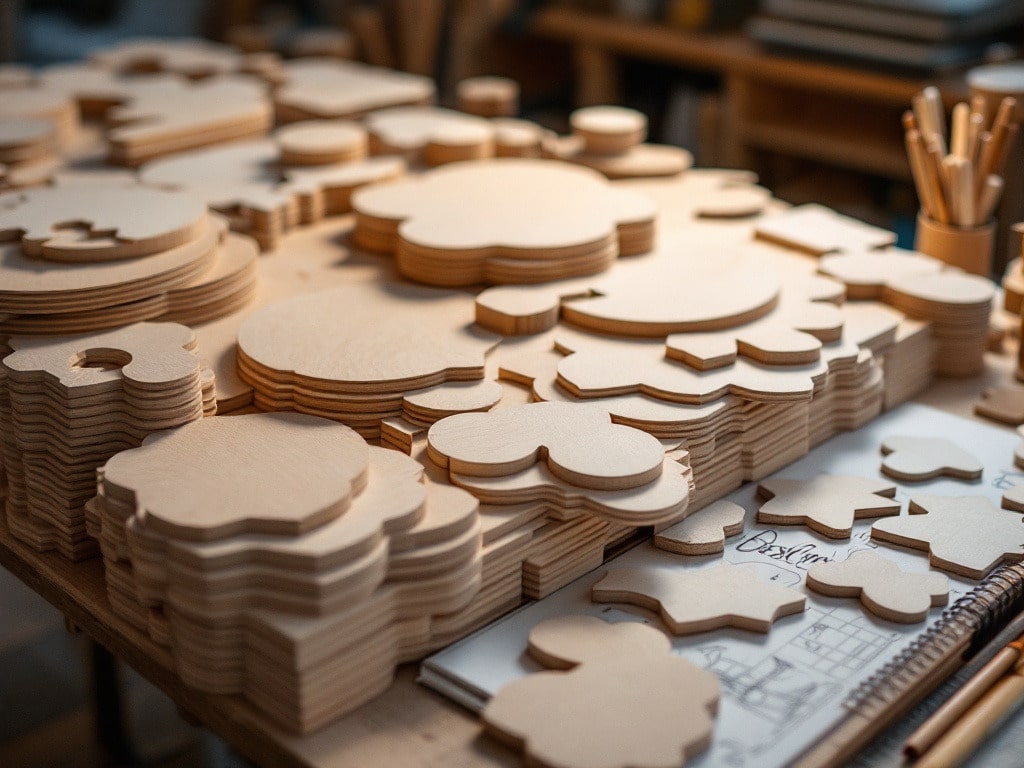
Wood is far more than boards and blocks. The real product range is wider: a dozen wood-based and composite materials are in play, and each has its own niche. Plywood goes where strength and shape stability are needed. MDF is great for milling and decorative elements — it holds relief without chipping. MFC is the workhorse for cabinet furniture and partitions. OSB proves itself in construction and packaging. And pairings with plastic, acrylic or aluminium yield products that combine function with a striking look. Choosing the right material for the task is half the result before the machine even switches on.
The list of categories turns out long: cabinet and frame furniture, fronts, partitions, stands, packaging, panels, decorative elements, furniture panels, blanks for joinery workshops and architectural studios. Because cutting, milling, sanding and painting can all be done to the same precision, orders come not only from builders and furniture makers. Among the clients are designers, advertising agencies, exhibition venues, and makers of household and office appliances. The same equipment serves both a serial batch of identical parts and a one-off complex project.
Another point: the customer doesn’t have to develop all the documentation themselves. Often a sketch or a brief is enough — from there the process engineer draws up the map, lays the parts out on the sheet with minimal waste, sets the program and carries out the cutting and milling. This scheme is a real lifesaver for those who produce complex items in small batches: niche furniture brands, architects, experimental designers, window dressers, packaging makers. What matters to them is getting a finished part rather than mastering the fine points of nesting on a panel.
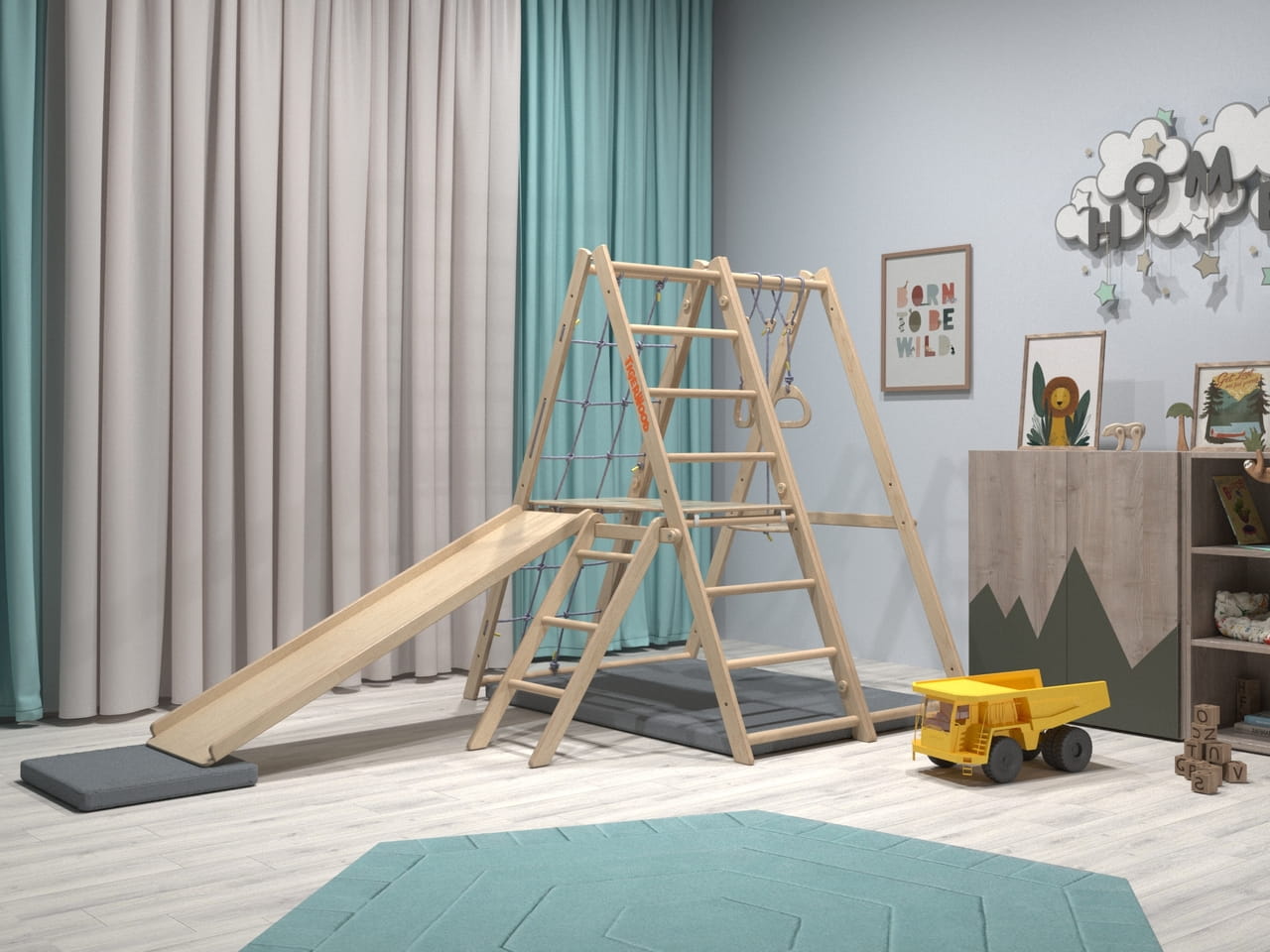
Manufacturing with no compromises: what’s worth knowing about the process
The main benchmark in production is not speed at any cost but precision. It determines how easily a product assembles, how it will look, and how long it will serve without complaints. Everything starts before the machine — with preparing the program. For sheet materials a cutting plan is drawn up, parts are laid out to reduce waste, cutting losses are calculated, and the router bits and pass depth are selected. An hour spent on a well-thought-out layout later pays off in saved sheet and defect-free parts.
CNC routing machines deliver what is hard to achieve by hand — repeatability: the hundredth part in a run matches the first in dimensions. Besides milling, a part goes through sanding in several passes, from coarse grit to fine, by hand and by machine. Where needed, recessing, radius milling and chamfering are added. Boards and timber get precise trimming and rip cutting. The processes are standardised, and that is exactly what removes random skew: not “it came out straight” but “straight to the program, in every batch”.
The spray booth and drying area close out the final part of the cycle. Thanks to them a part isn’t just machined but brought to full readiness. Painted elements are cured in a separate zone where dust doesn’t settle on them and the fresh coat isn’t damaged — coating evenness depends directly on this. On request oil, lacquer or paint is applied: the choice depends on where the product will stand and what moisture and abrasion load it will have to bear.
The types of wood and sheet-material processing we use
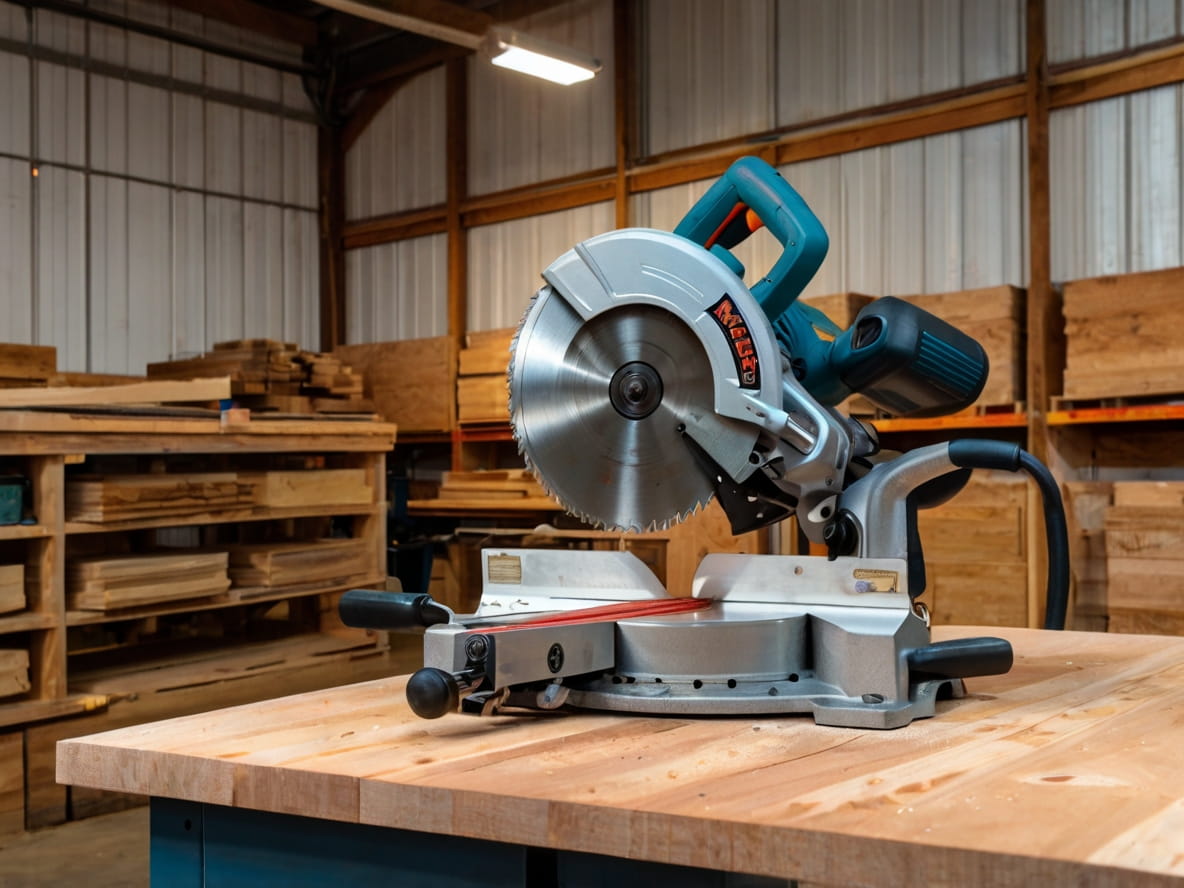
Cutting
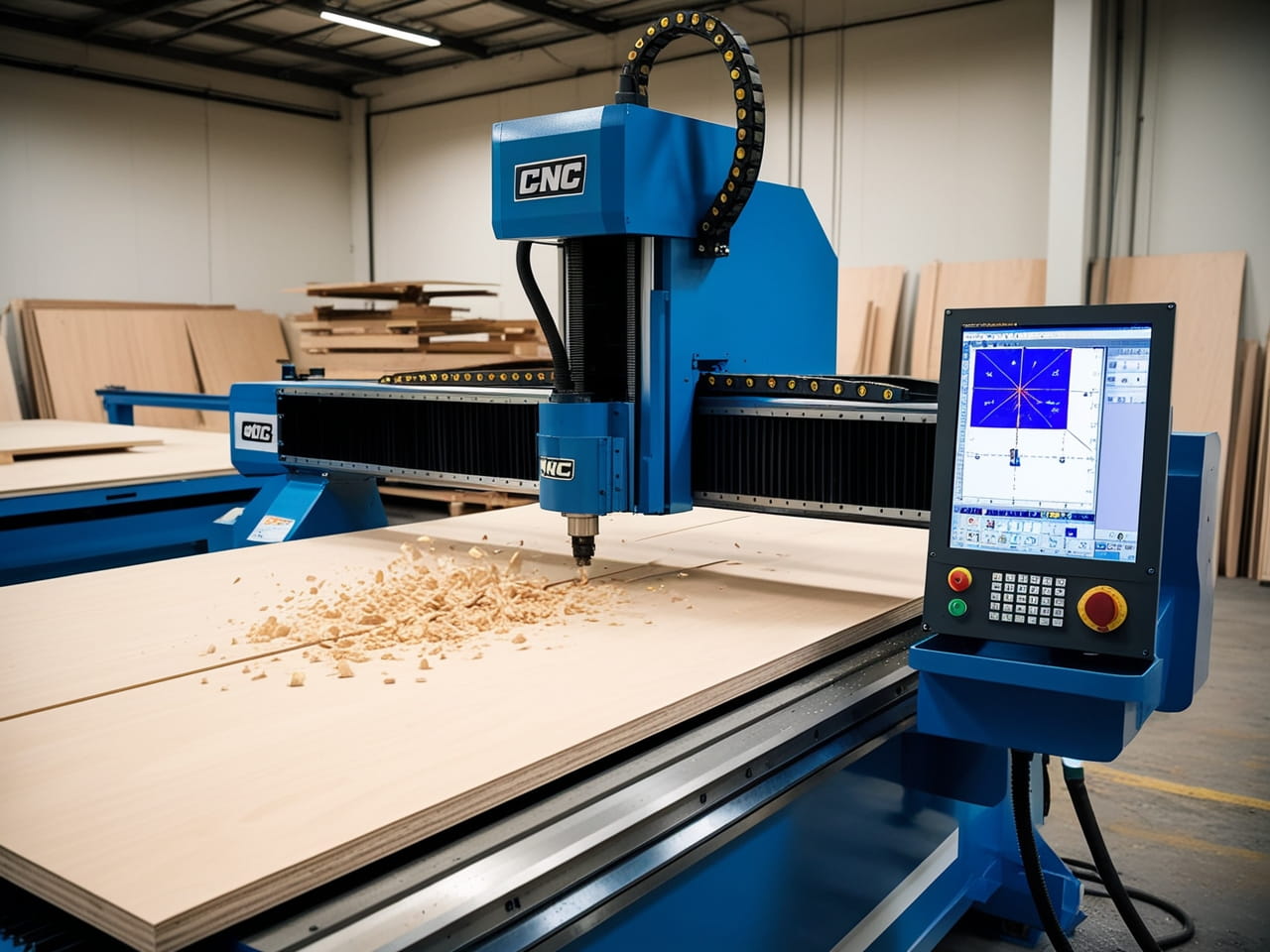
CNC

Cross-cutting

Drilling
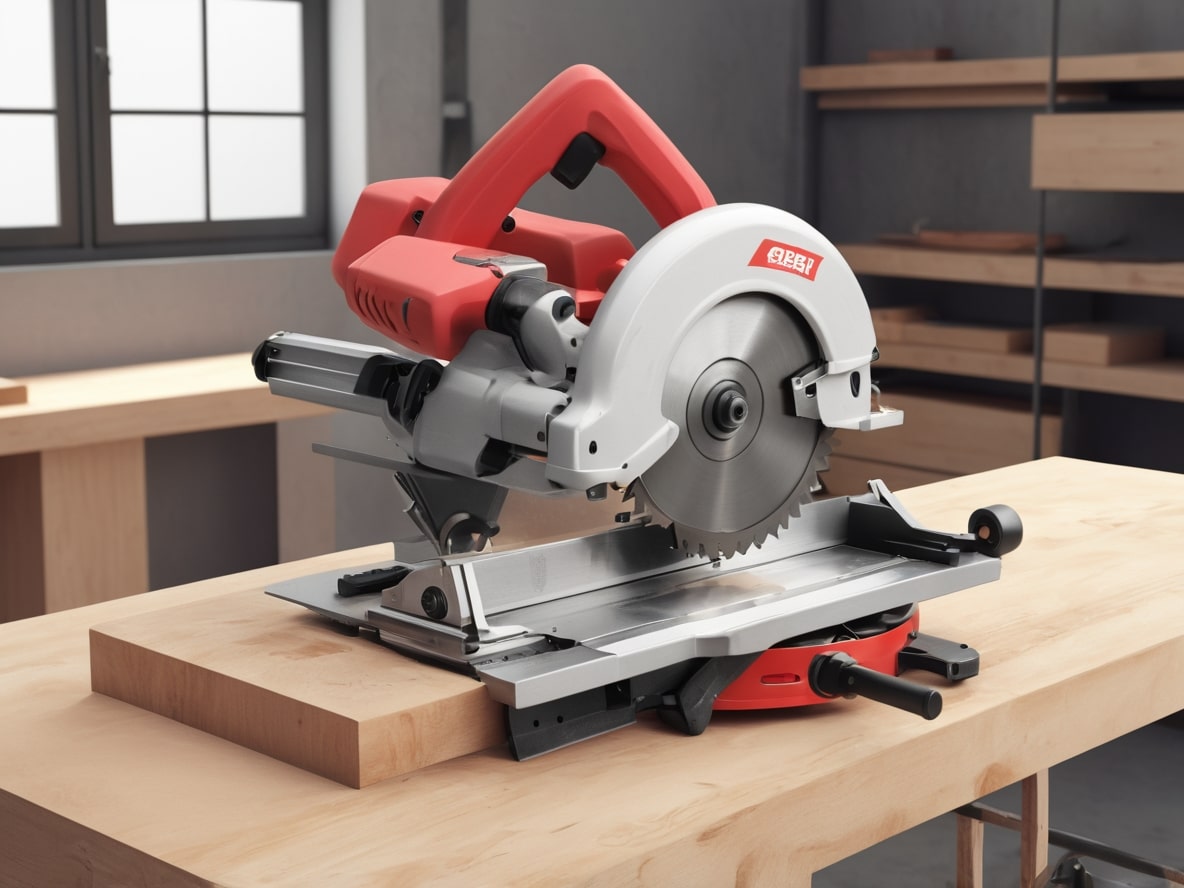
Sawing

Ripping

Machining
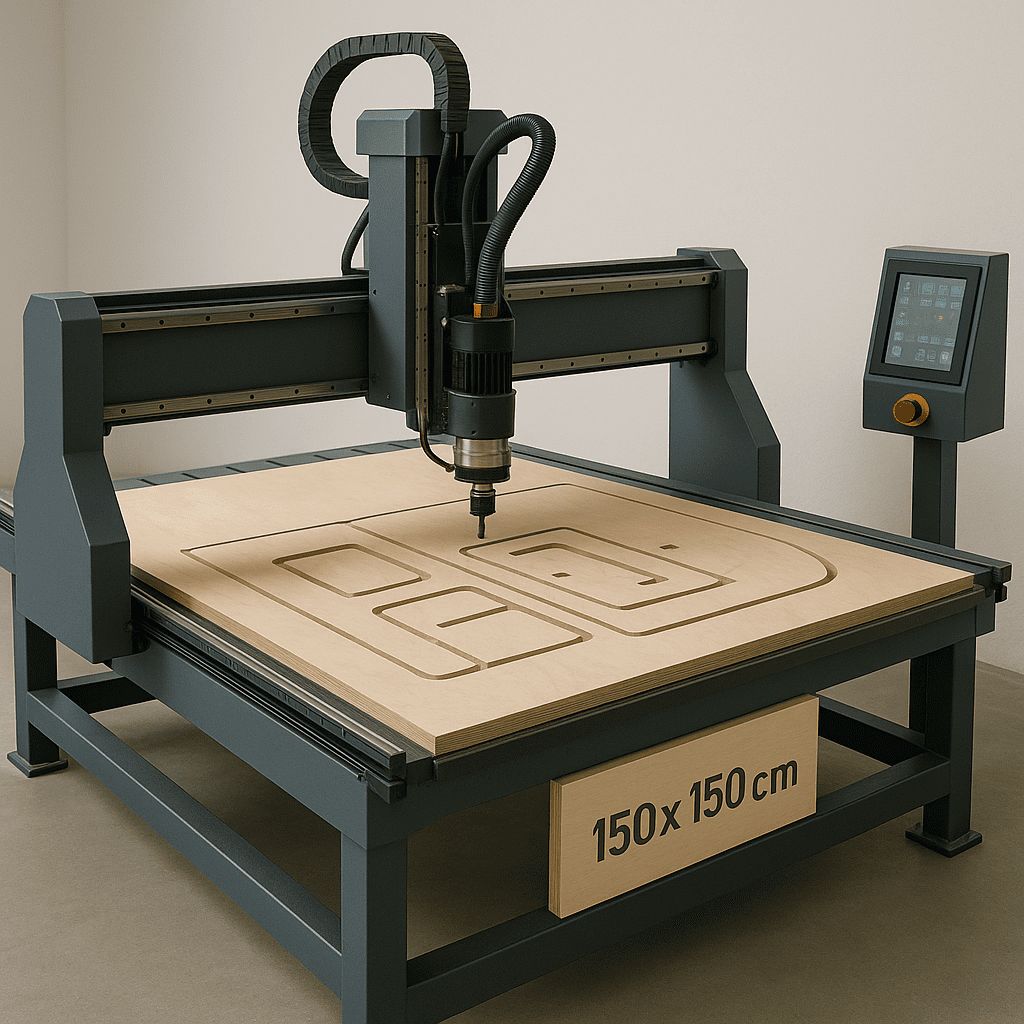
Cutting to size
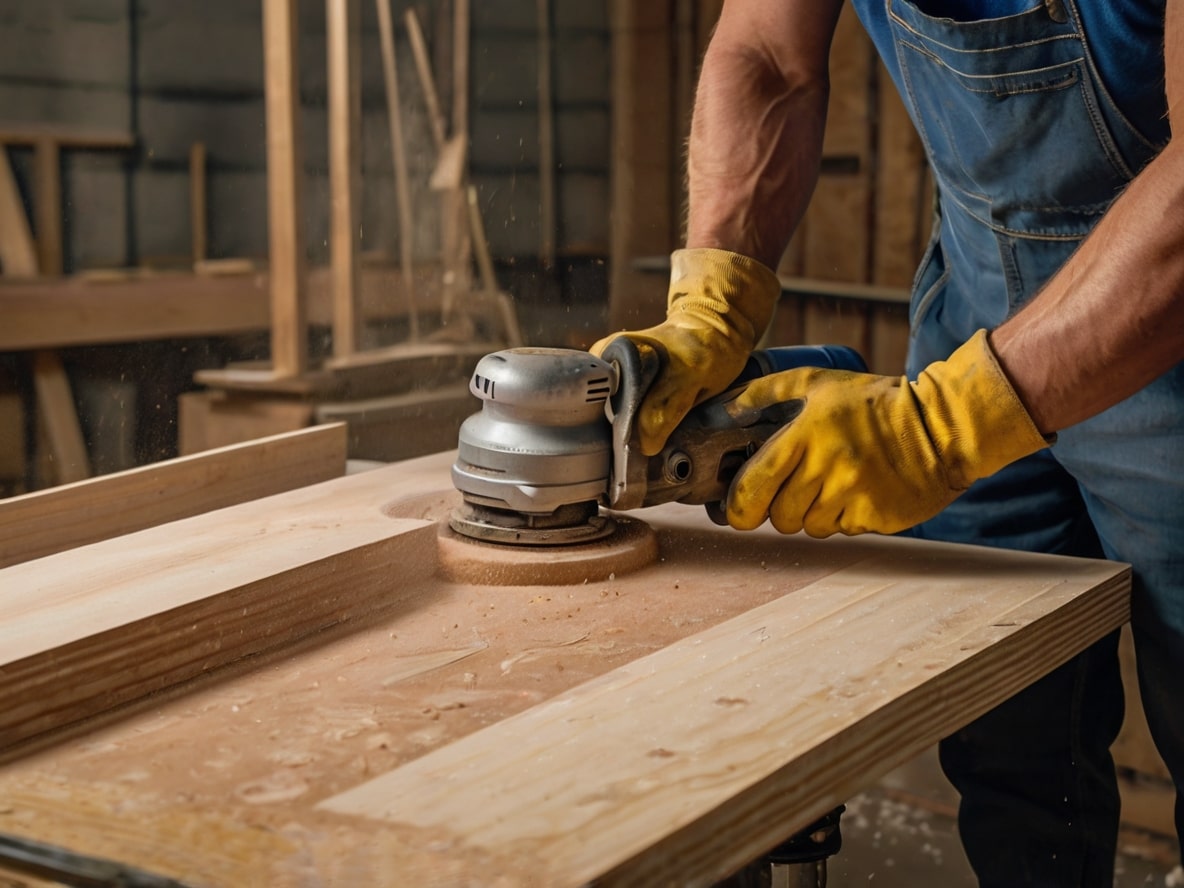
Sanding
Grooving
Milling

Painting
From idea to result: which technologies are used in woodworking
Working with wood starts with cutting, and even here much depends on choosing the right tool for the specific task. Panel-sizing machines, cross-cut saws, circular cutters and CNC routers all come into play — each with its own role. Sheet materials with complex geometry are more sensibly cut on CNC: angles and radii are held precisely there. Rip and cross cutting set the length and width of the blanks, while angled cutting opens up fronts, panels and structures of non-standard shape. A mistake at this step carries on down the whole chain, so cutting gets no less attention than the finish.
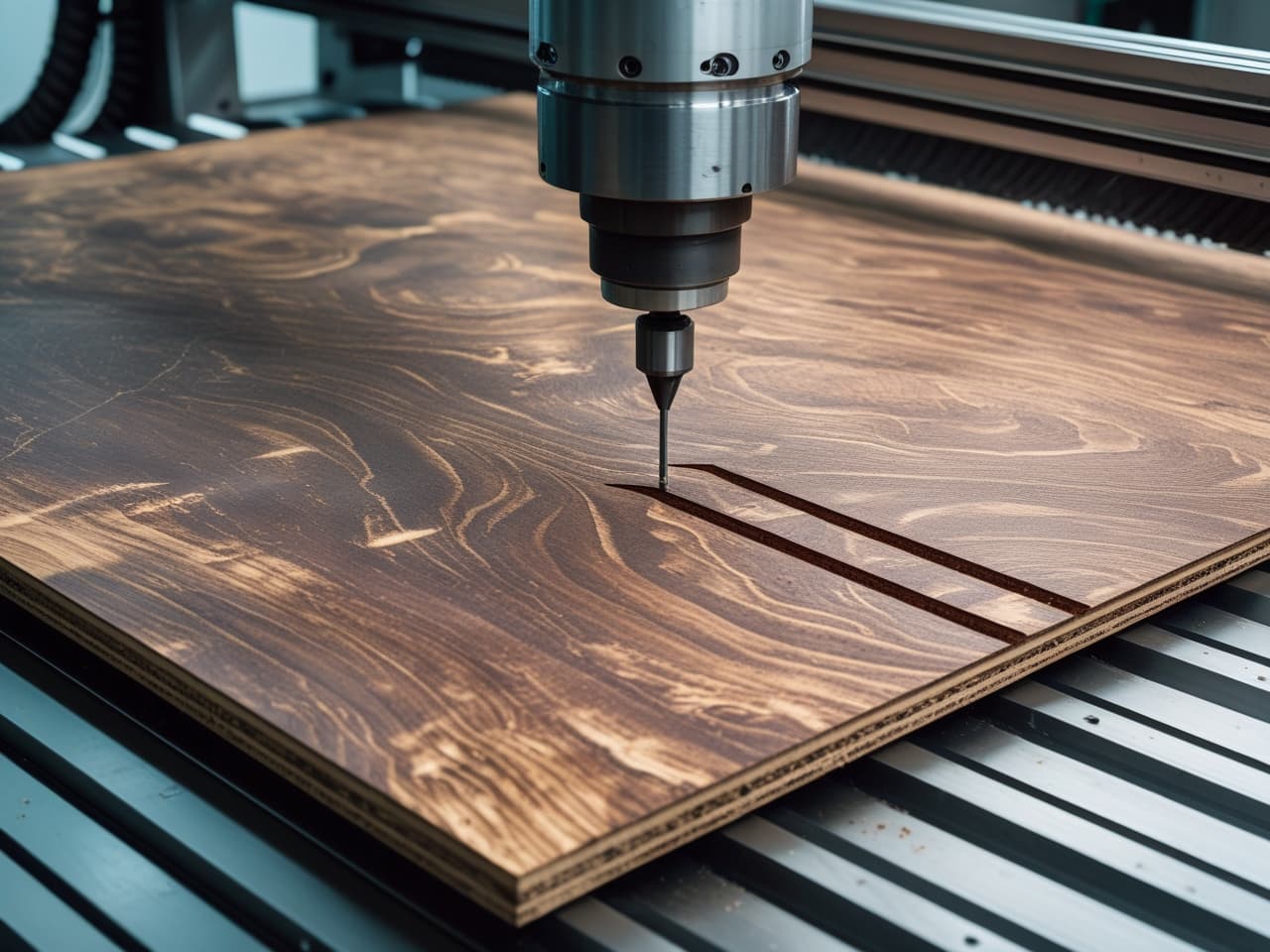
Milling offers the most options. Standard, radius, profile and edge router bits are in use, and with them decorative chamfers, roundings, recesses, grooves, rebates and rabbets are formed. Straight and curved machining goes onto interior panels, furniture parts, podiums and architectural elements. Recessing stands apart — non-through machining, where cups, grooves and shallow pockets for fittings or joints are cut into the body of the part. It is milling that most often turns a flat blank into the recognisable part of a specific product.
Next comes sanding, and the grit here is matched to the material: what works well for solid wood isn’t always right for MDF or plywood. Machining is done by hand and by machine, often in tandem: the machine takes off the bulk, hands finish the edges and hard-to-reach spots. After this the surface is ready to take a coating — a spray gun applies lacquer, enamel or oil. The final touch may be polishing: it’s needed for premium products, display structures and gloss furniture parts, where any roughness shows in the light.
The production stages of woodworking and manufacturing
How a product is born: a step-by-step path from idea to finished result
It all starts with a conversation about the task. We need to understand what’s in front of production: developing a product from scratch, or ready-made drawings and a brief. Often the basis is a hand sketch or approximate dimensions — and then the engineering part begins: drawing up the cutting map, selecting the material for the load and budget, calculating quantities, writing the milling program. This stage is invisible to the customer, but it is precisely where the price, the lead time, and how cleanly the finished wooden product will assemble are all set.
Once the parameters are agreed, the materials come into play. MFC panels, plywood, MDF, wood panels and other substrates arrive at the primary cutting area. There they are ripped lengthwise and crosswise on panel-sizing machines or CNC. If the project calls for it, non-standard-shaped blanks are cut right away — inner windows, rounded corners, openings for services and fasteners. For parts with high precision requirements, separate 2D and 3D programs are written so the machine reproduces the geometry without any manual fitting.
Then comes milling: straight or curved, with recessing, chamfering, at an angle — whatever the project needs. Here the blank takes on its final geometry and character: roundings, grooves, relief. Then the parts go to sanding, where machine and hand alternate. There are several passes — from coarse grit to near-dust, until the surface is smooth to the touch and uniform for coating. This step can’t be skipped: paint and lacquer mercilessly reveal every scratch and ripple that the abrasive didn’t remove.
Next is the finishing: lacquer, paint, oil or a tint to the required shade. Painting is done in a separate booth where humidity, temperature and ventilation are kept under control, otherwise runs, orange peel or dust appear on the coat. After painting, the parts move to the drying area and cure there for as long as the compound needs to reach full hardness — rushing the drying means getting marks and damage right at packing.
The finale is assembly. If the product was designed for joining, the parts are glued, drawn together with fasteners, pinned or screwed on cam locks — the method depends on the design and load. Then comes packaging that takes fragile edges and face surfaces into account, and dispatch. At the customer’s request, some items ship flat-packed — as a set of prepared parts that only need to be assembled on site.

A portfolio of our work and partner projects
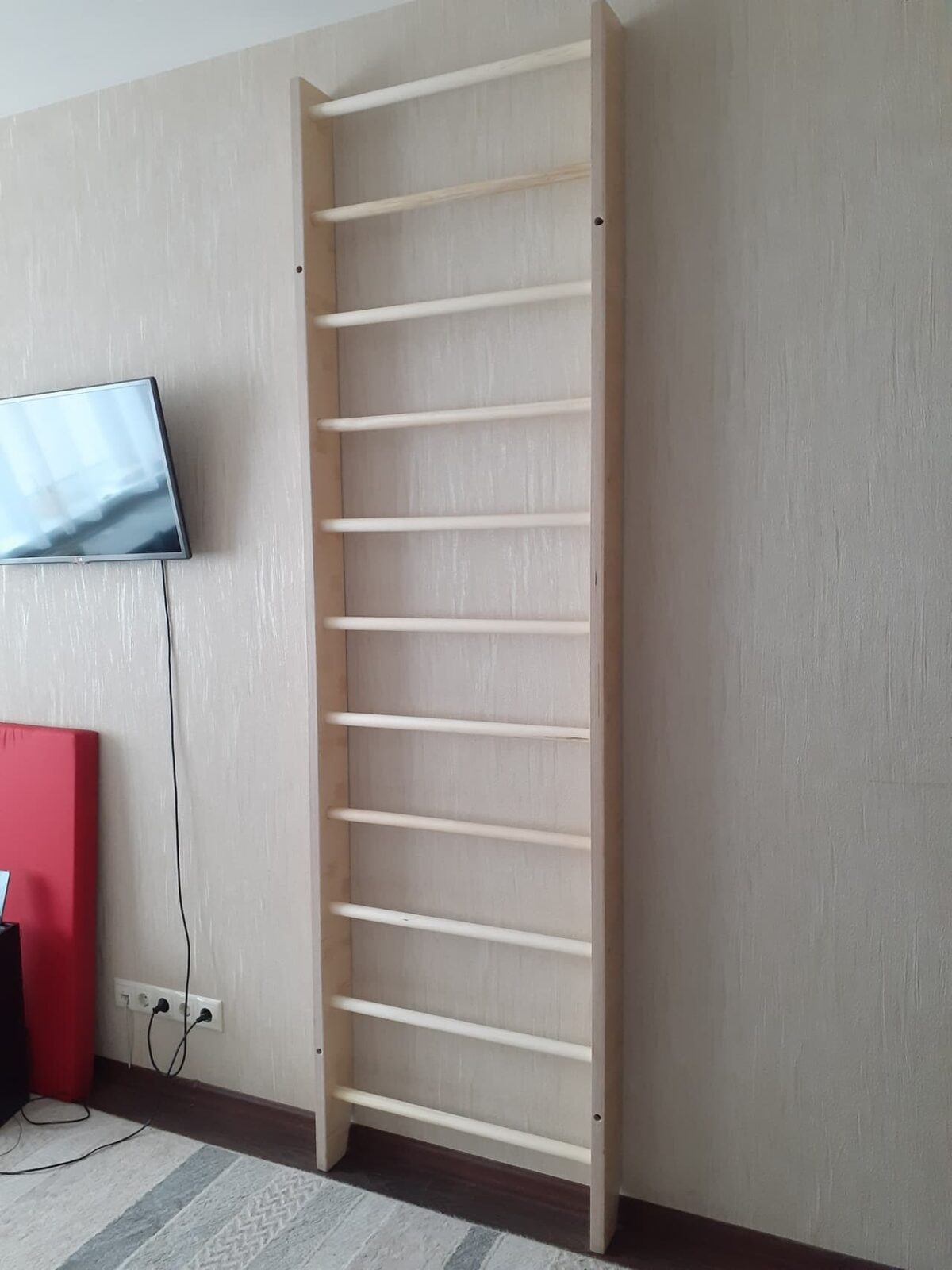

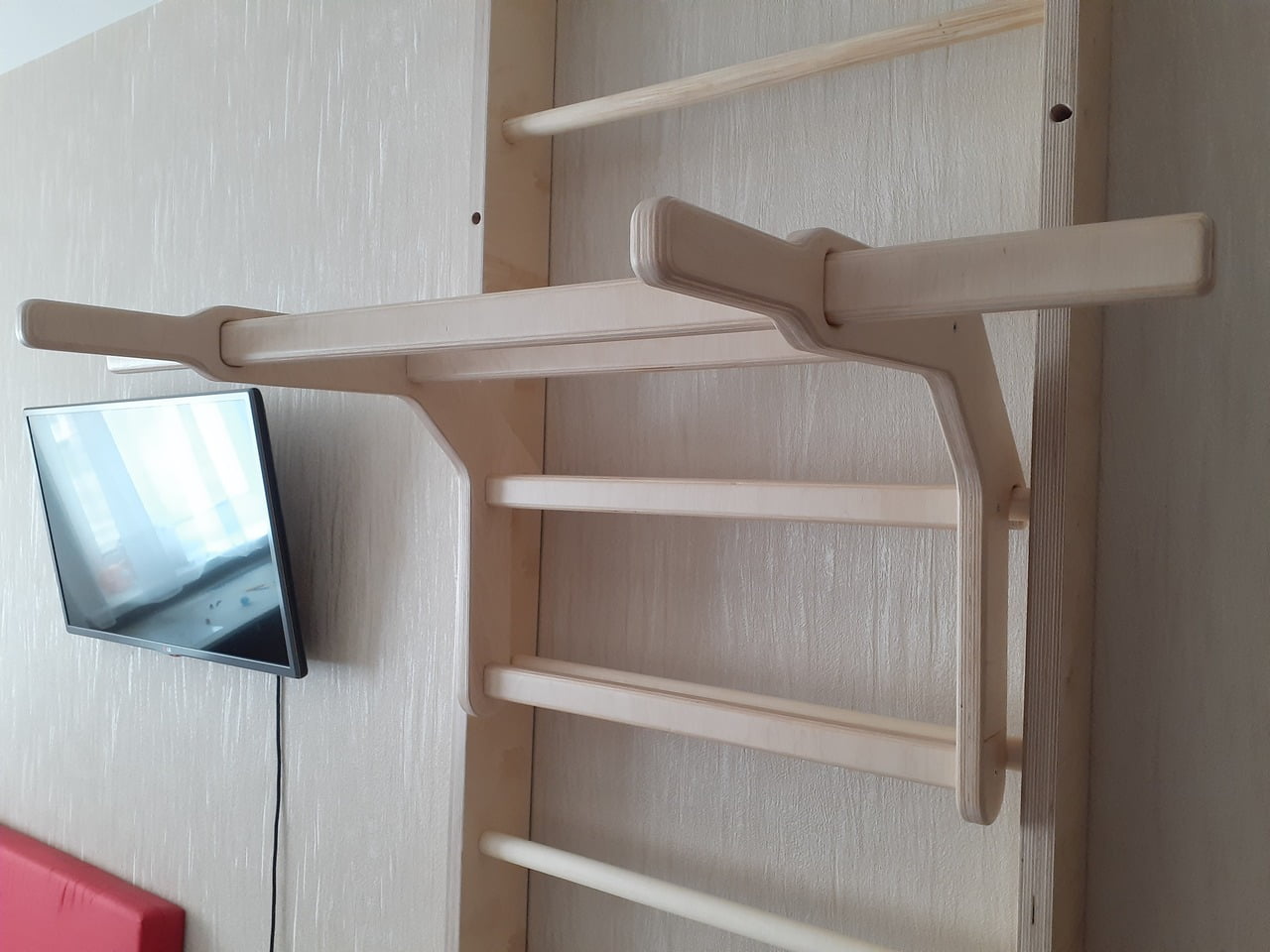
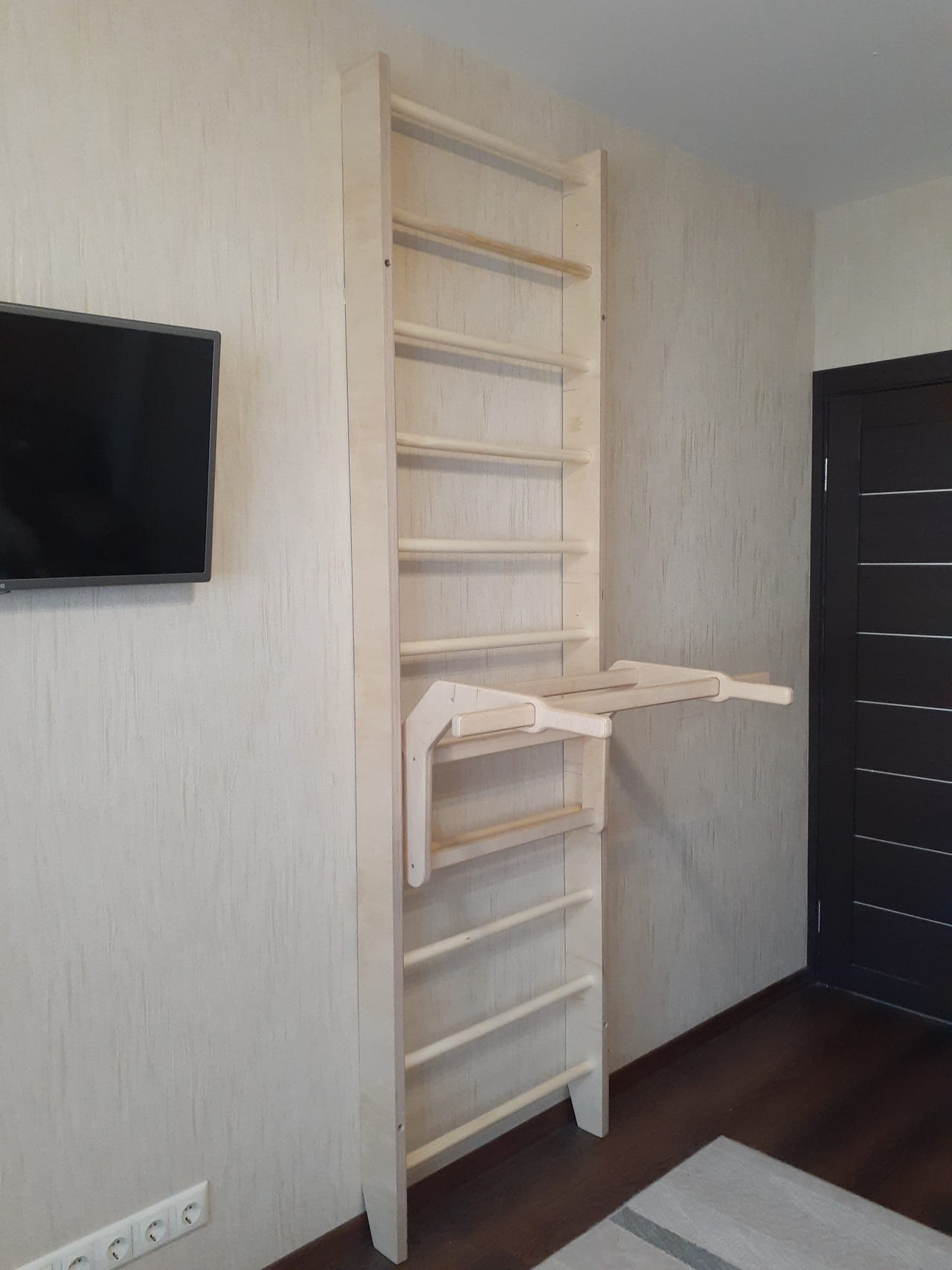



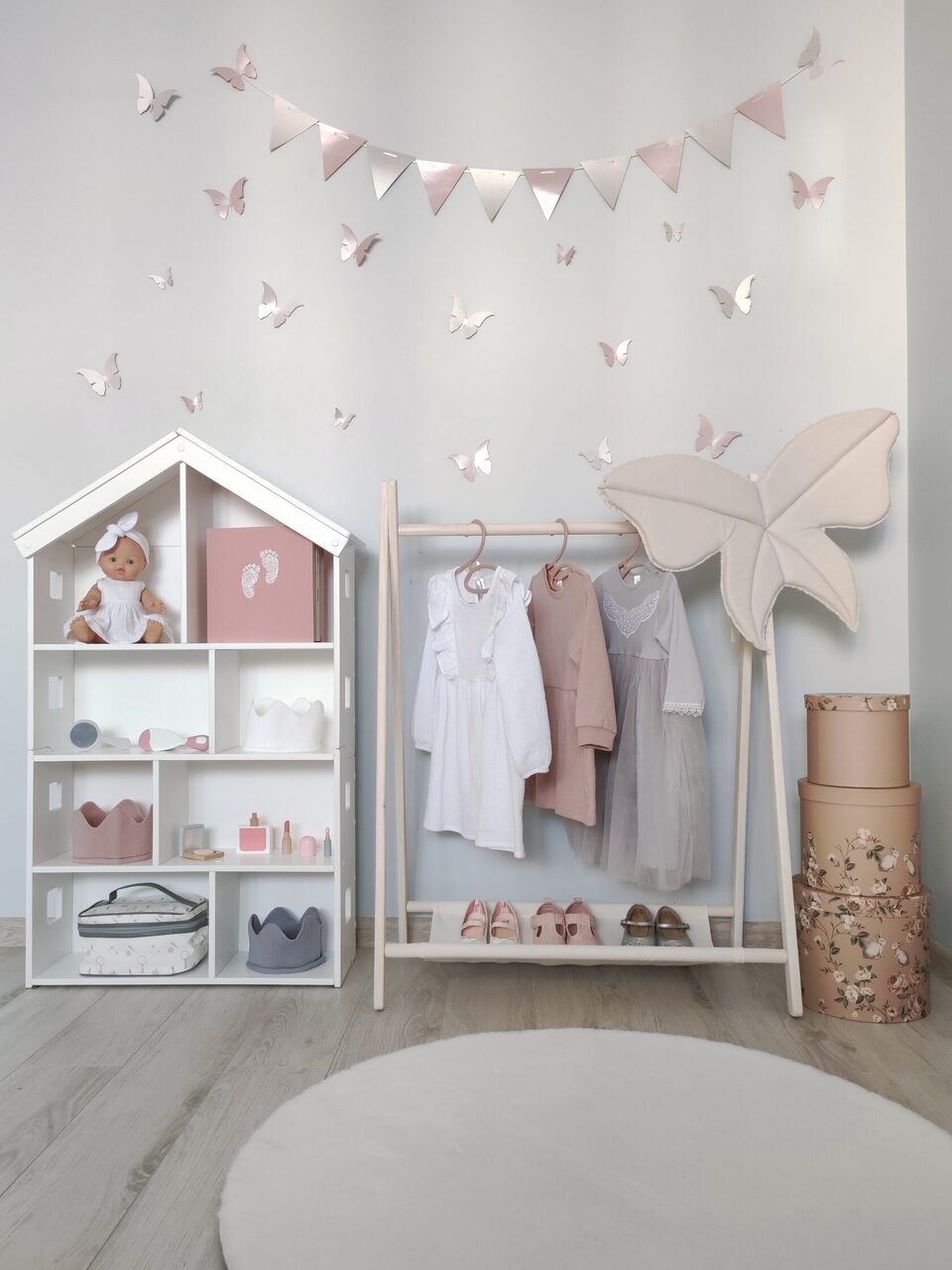
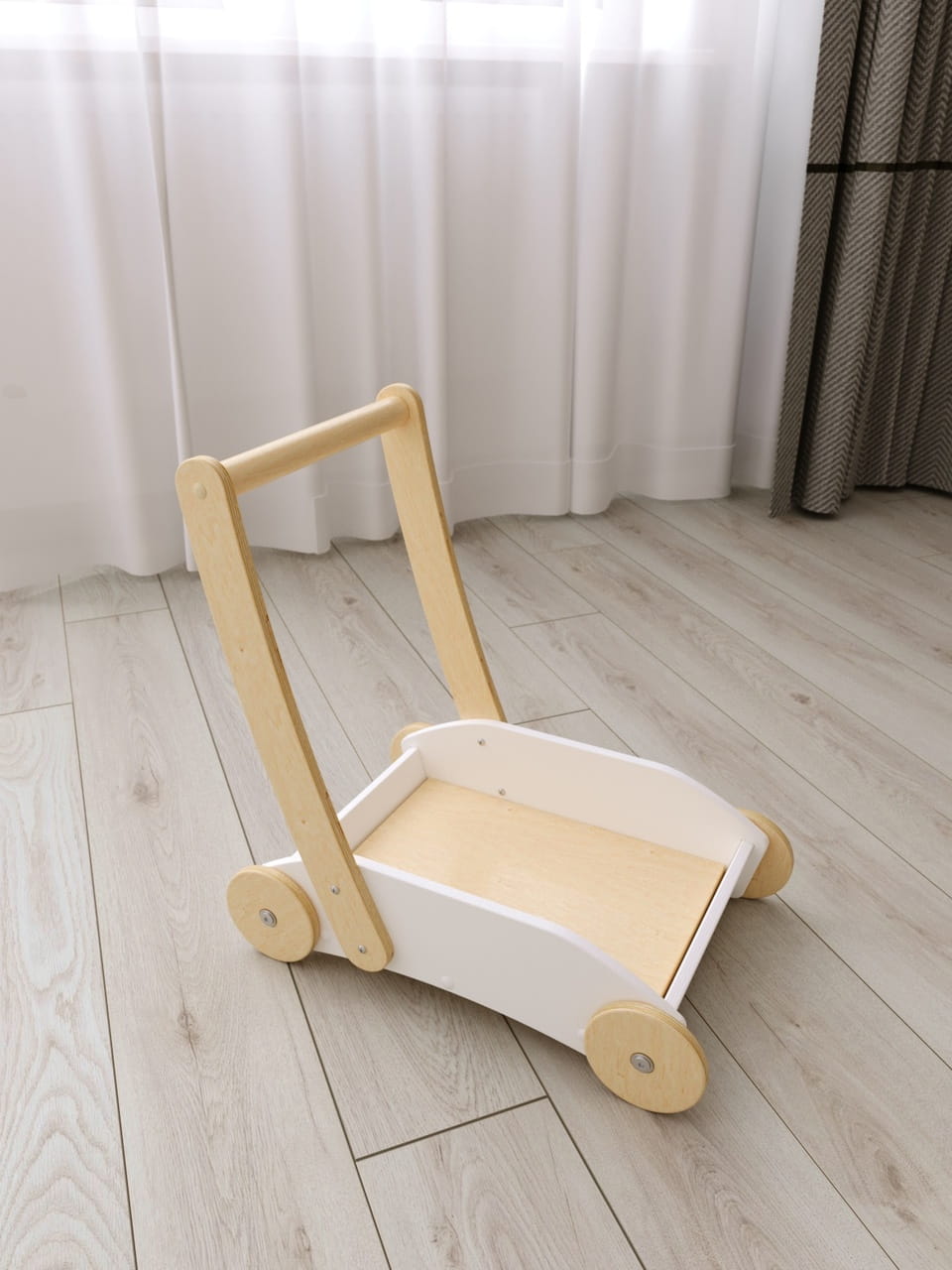

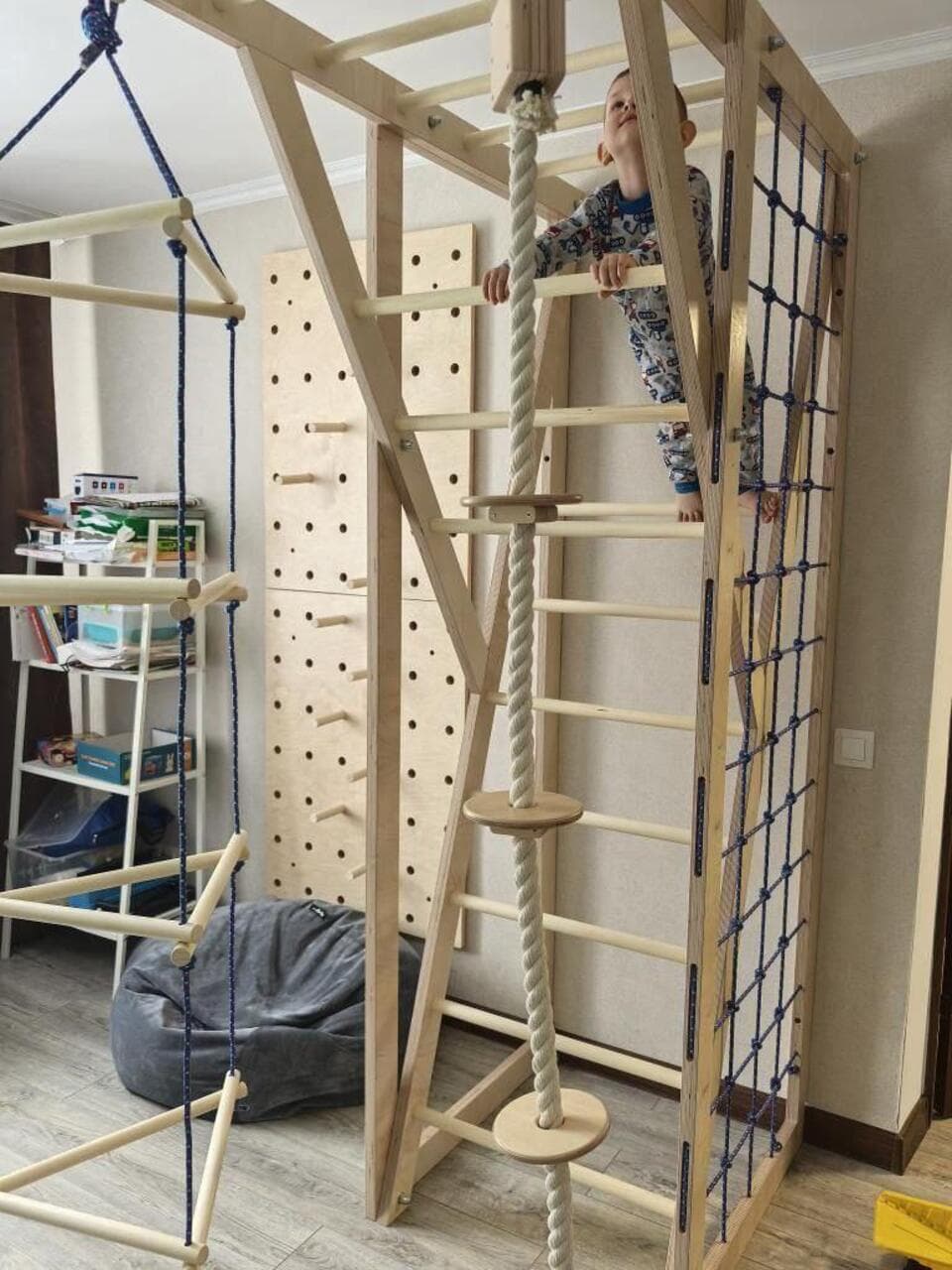
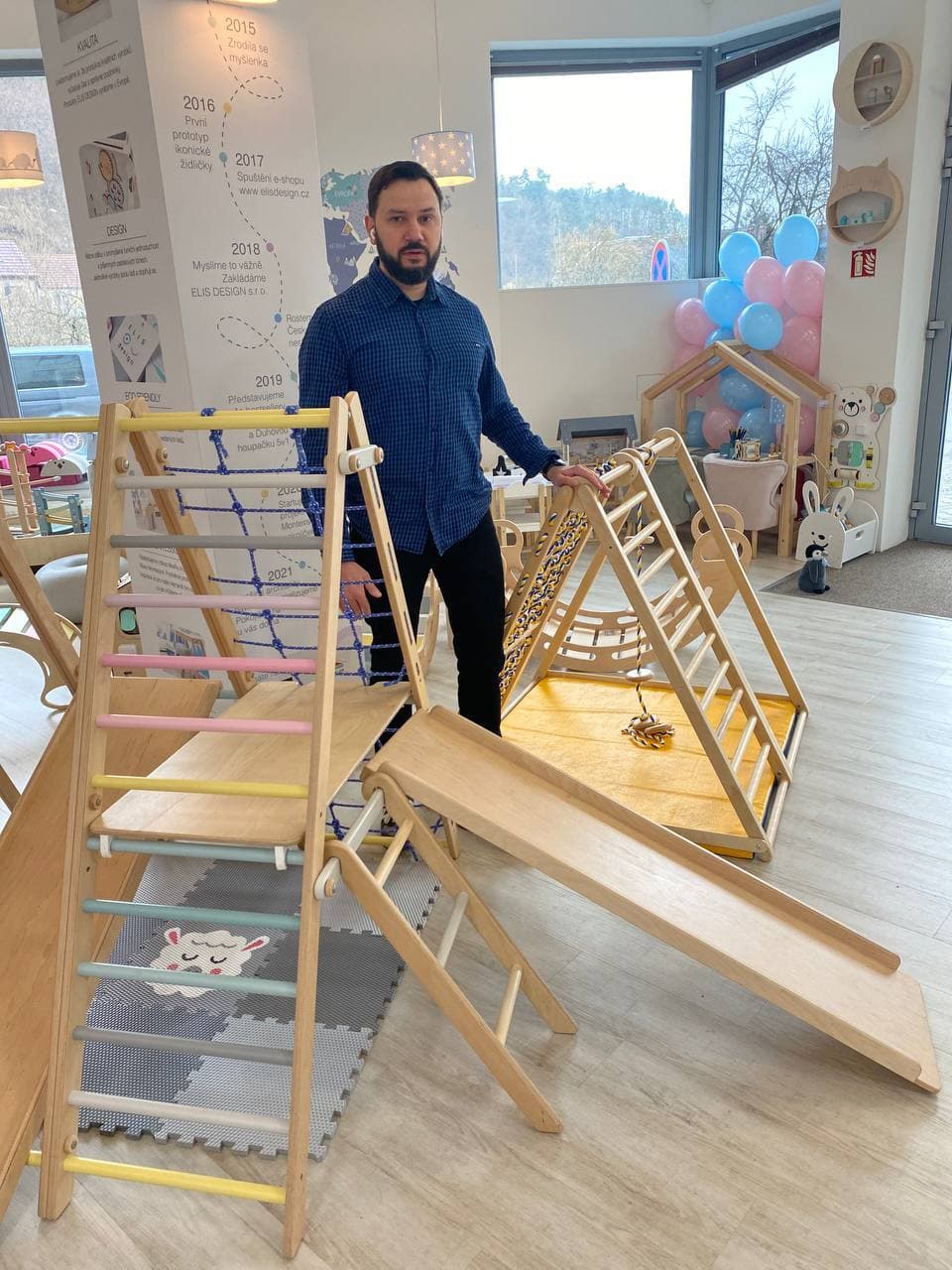
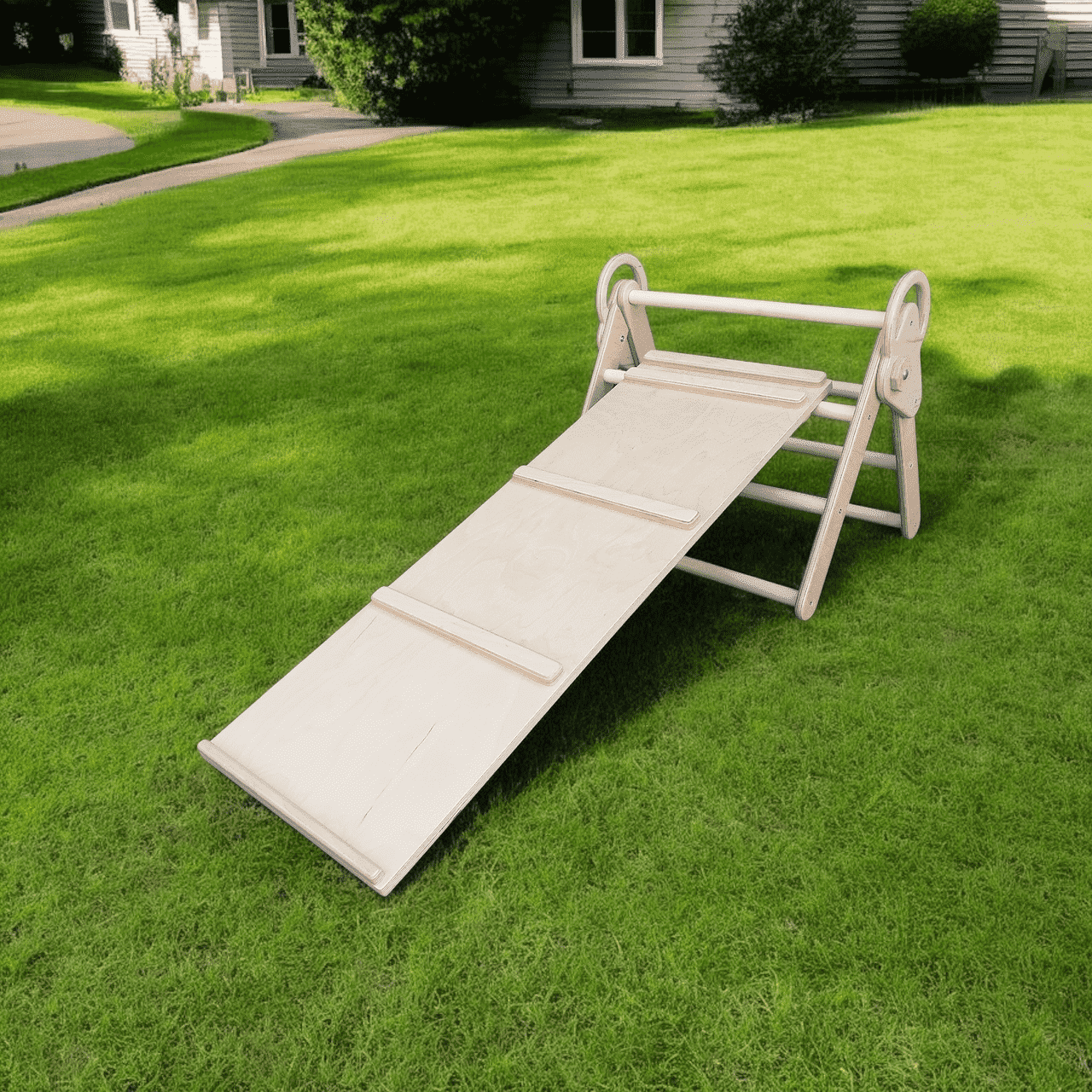
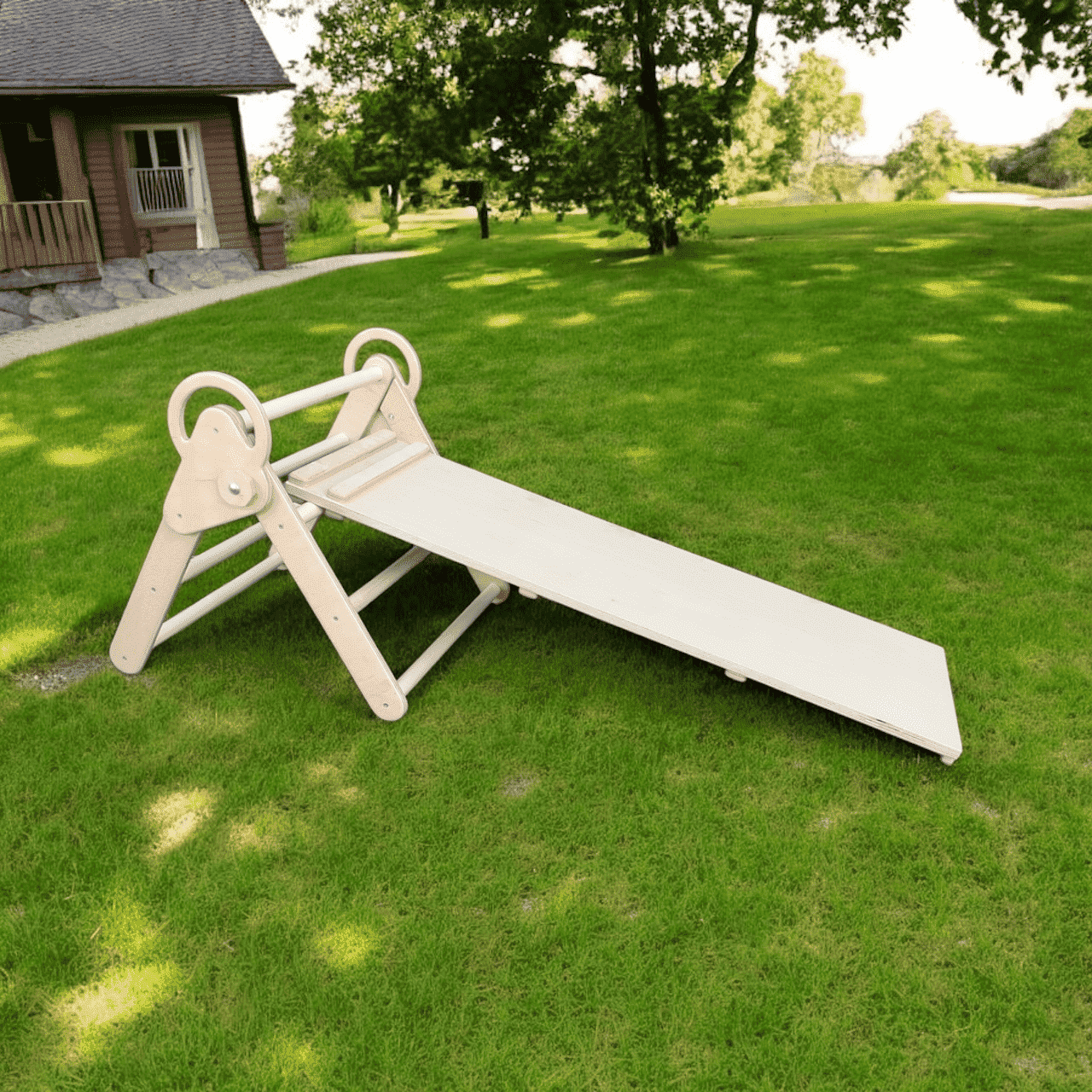
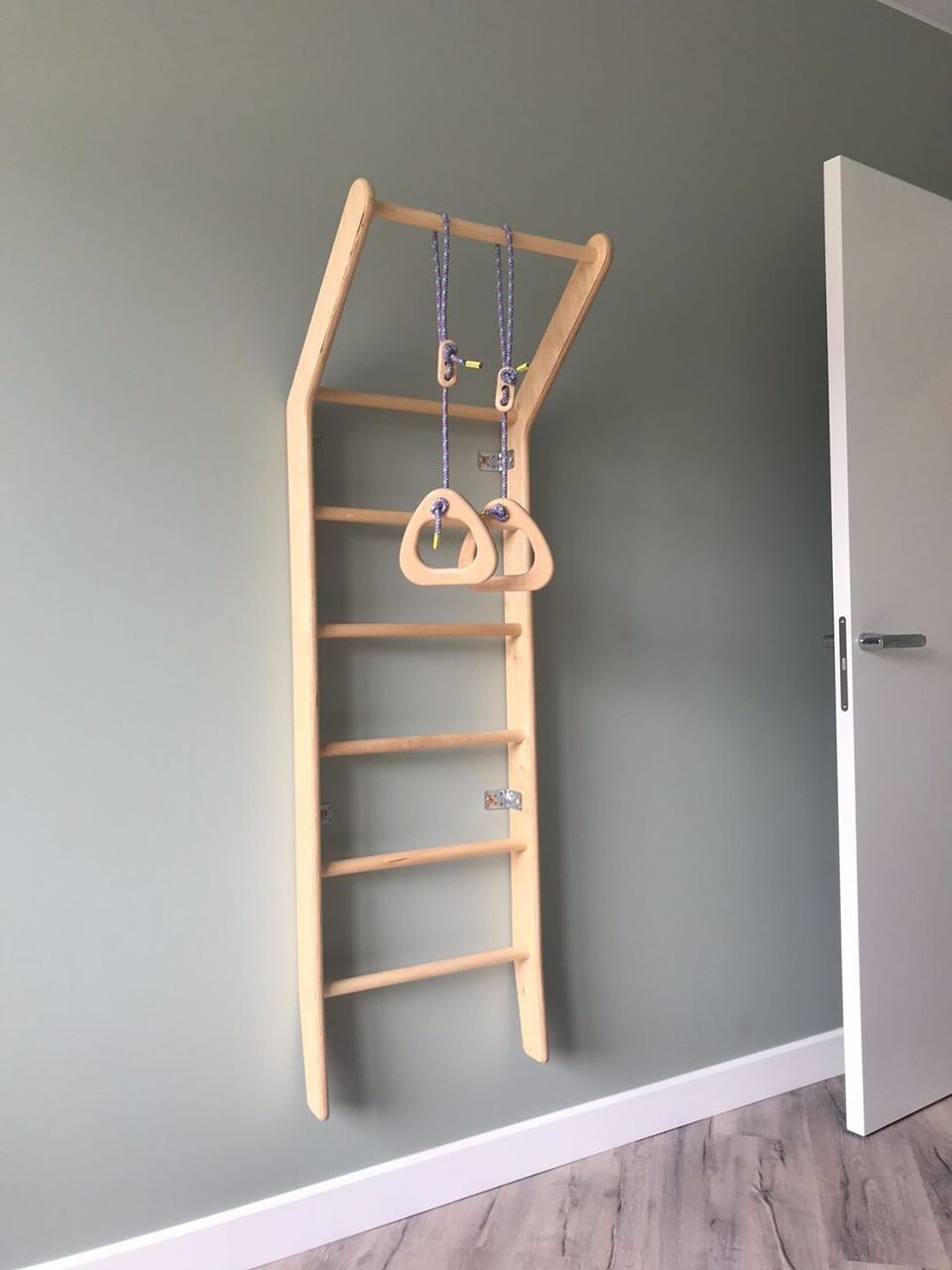
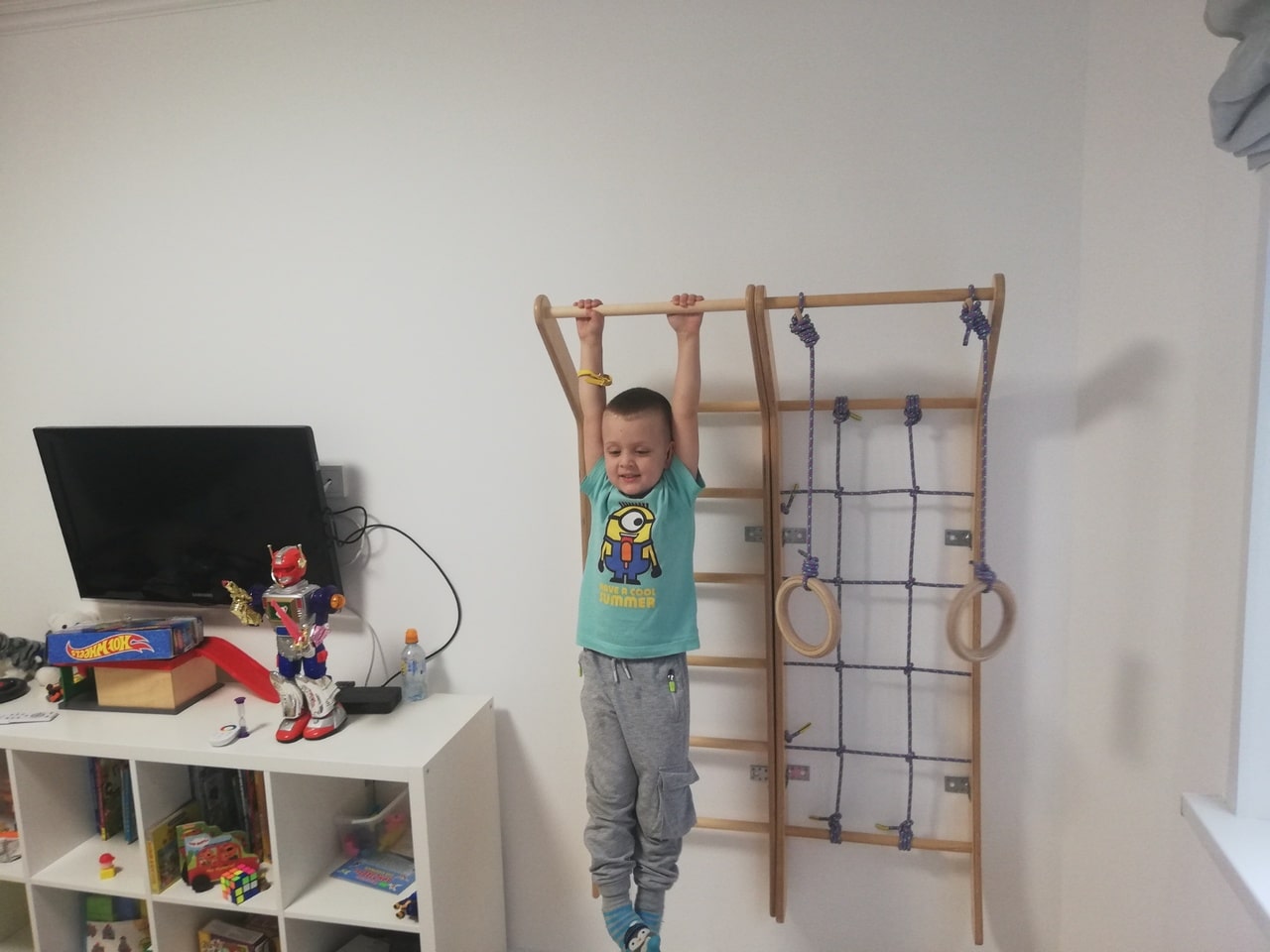
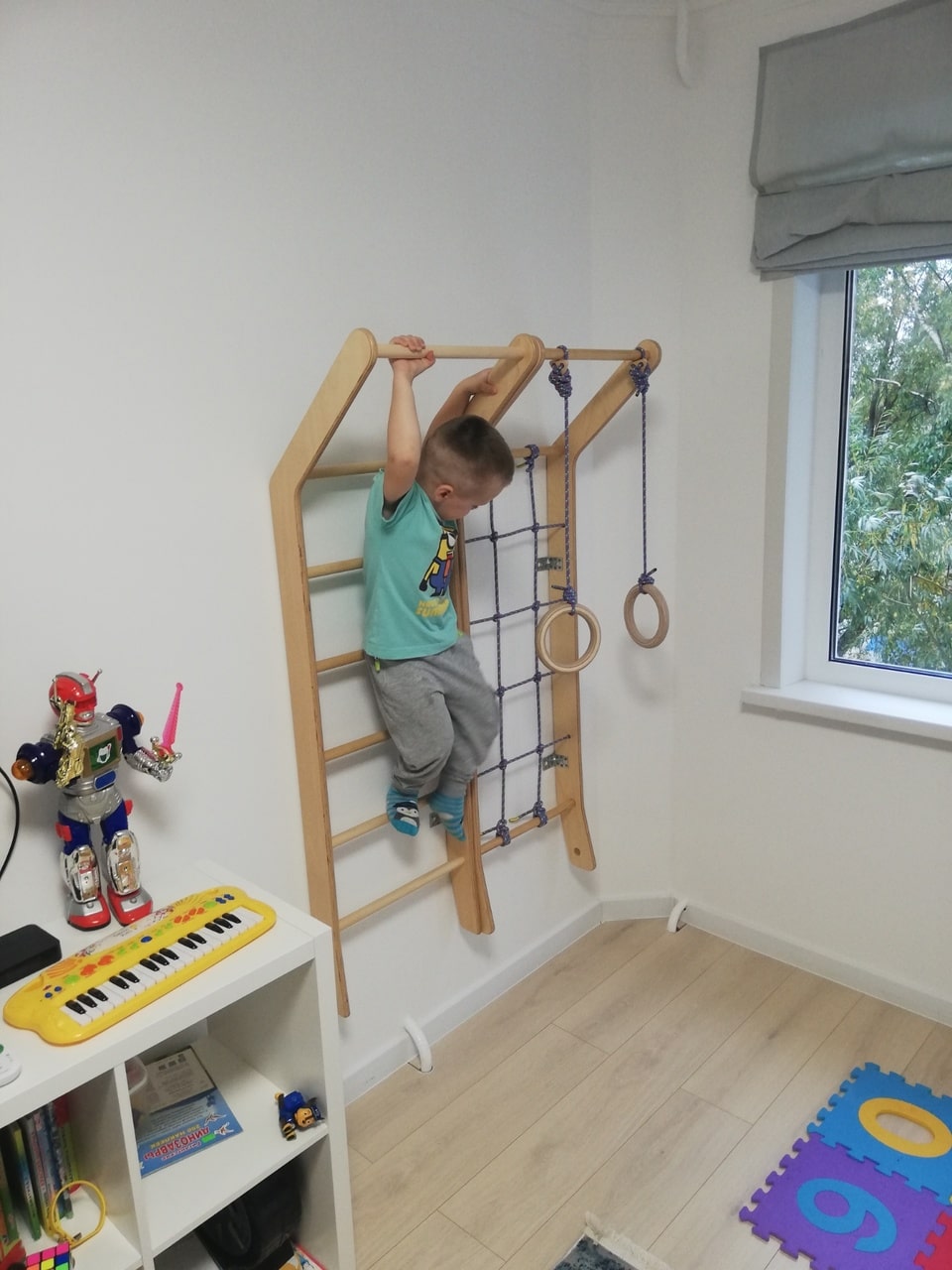

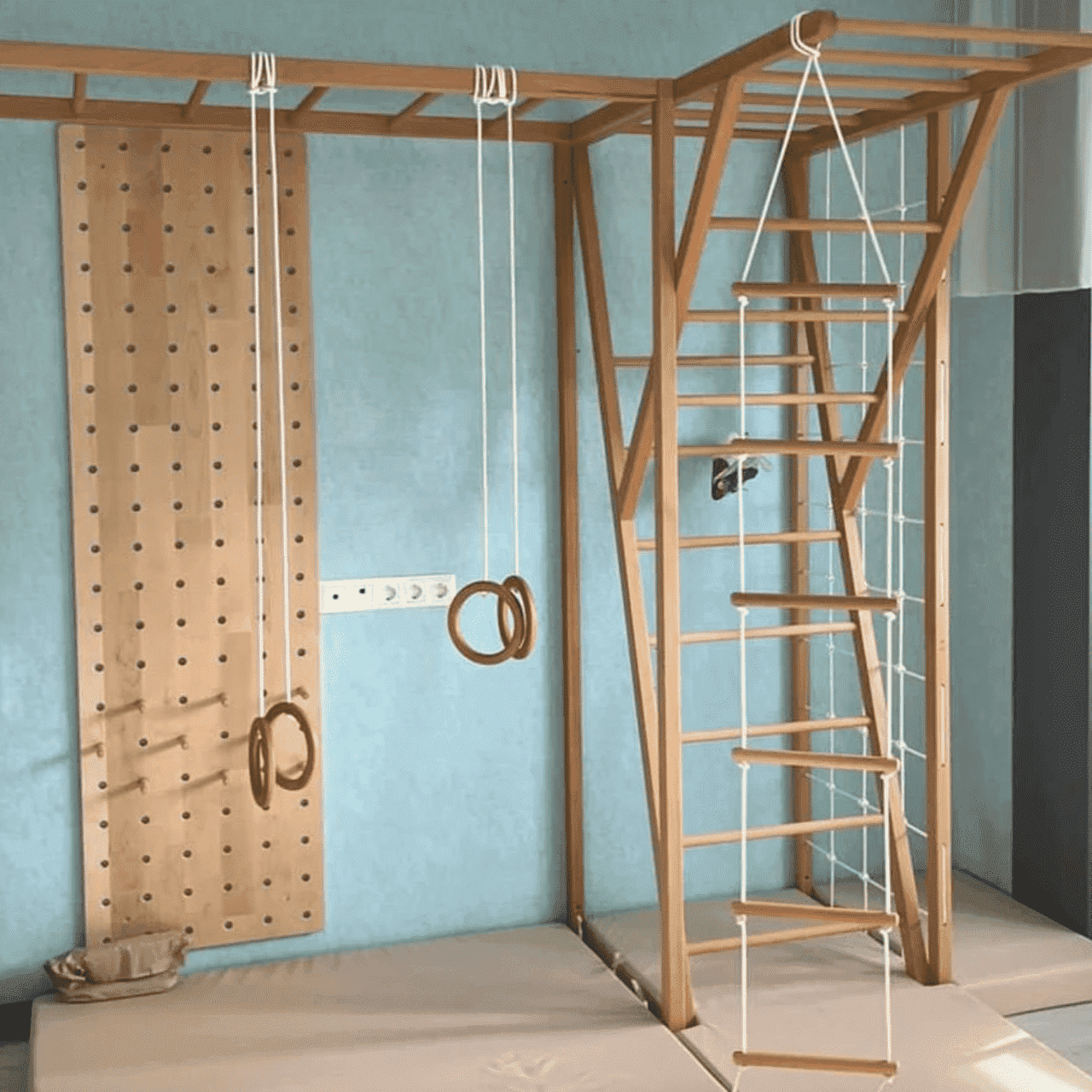
What comes out at the end: examples of products and directions
The range of what can be made from wood-based materials is genuinely wide, and it spreads across completely different industries. One of the most frequent requests is furniture fronts and parts for cabinets, kitchens and partitions. Alongside come decorative panels, display cases, exhibition stands, structures for retail floors, promo stands and podiums. Some orders repeat month after month, some come as one-off projects for a specific space or event.
In interior projects the demand is for milled wall panels, ceiling elements, shaped overlays and decorative inserts — the things that give a room its character. Architectural studios take blanks for models, cladding and frames for their projects. A separate story is appliance manufacturers: they need wooden inserts and side panels for premium models, where plastic no longer reads as “expensive”. Each such item demands its own precision and its own finish.
In packaging the demand is for wooden crates, pallets, decorative boxes and craft containers with precise geometry — for a specific product, not “roughly to size”. A notable flow comes from HoReCa: stands, menu holders, serving boards, furnishing elements for cafes and restaurants. Here both the look and resistance to moisture and washing matter, so the finish is matched to daily use, not just to the photo in the menu.
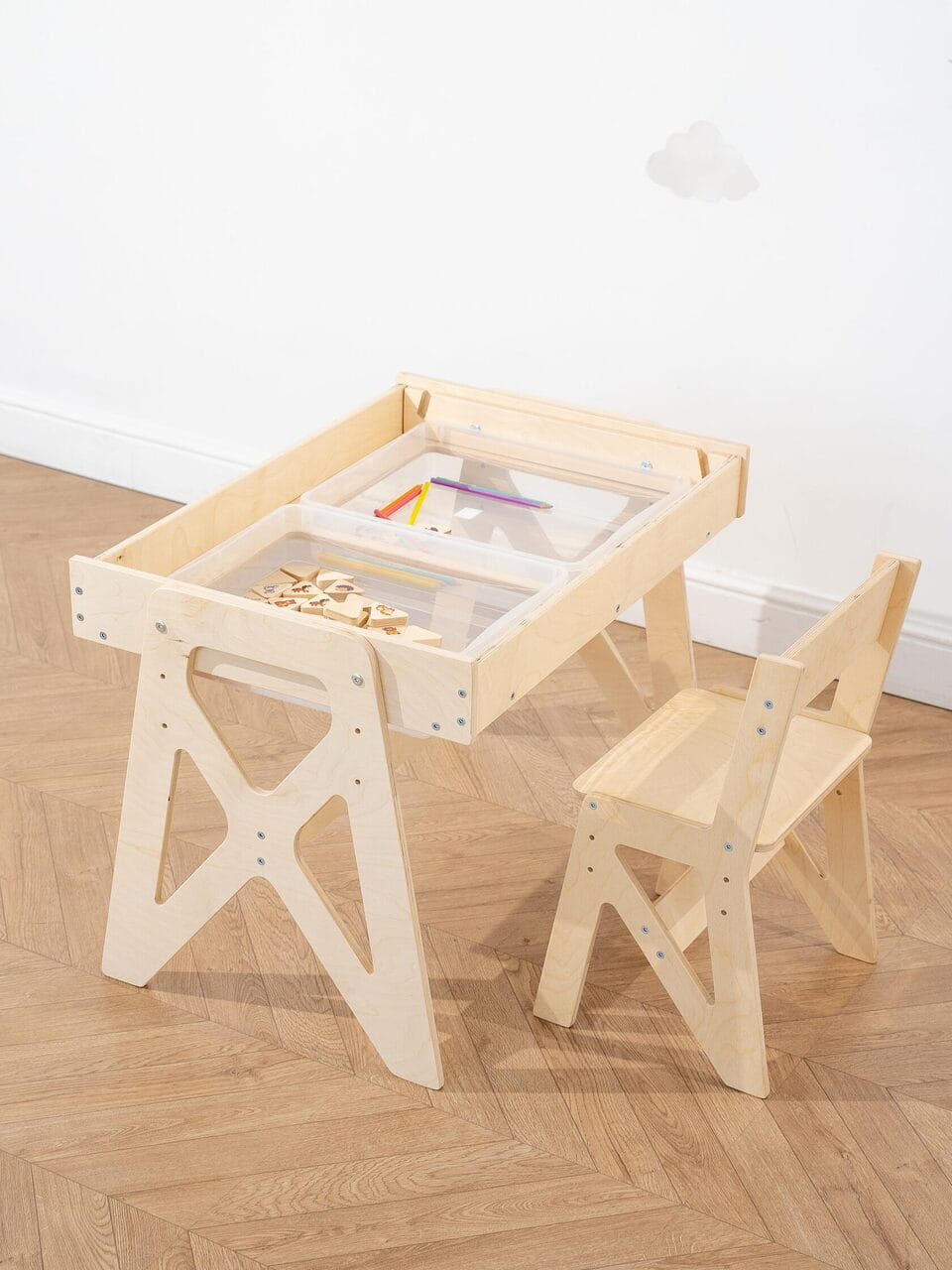
There are also orders for componentry: furniture panels, plywood blanks, decorative strips, legs, rails — the parts from which the customer assembles their own range. A sizeable share of products ships flat-packed: a set of already-milled parts with ready seats for fasteners, which only need drawing together per the instructions. This format is convenient for delivery, saves space in transit and lowers the risk of damaging face surfaces on the way.
Who already works with us

Cabinet furniture makers

Joinery workshops

Interior designers

Architects

Private craftsmen and artisans

Online sellers

Advertising agencies

Set designers

Restorers

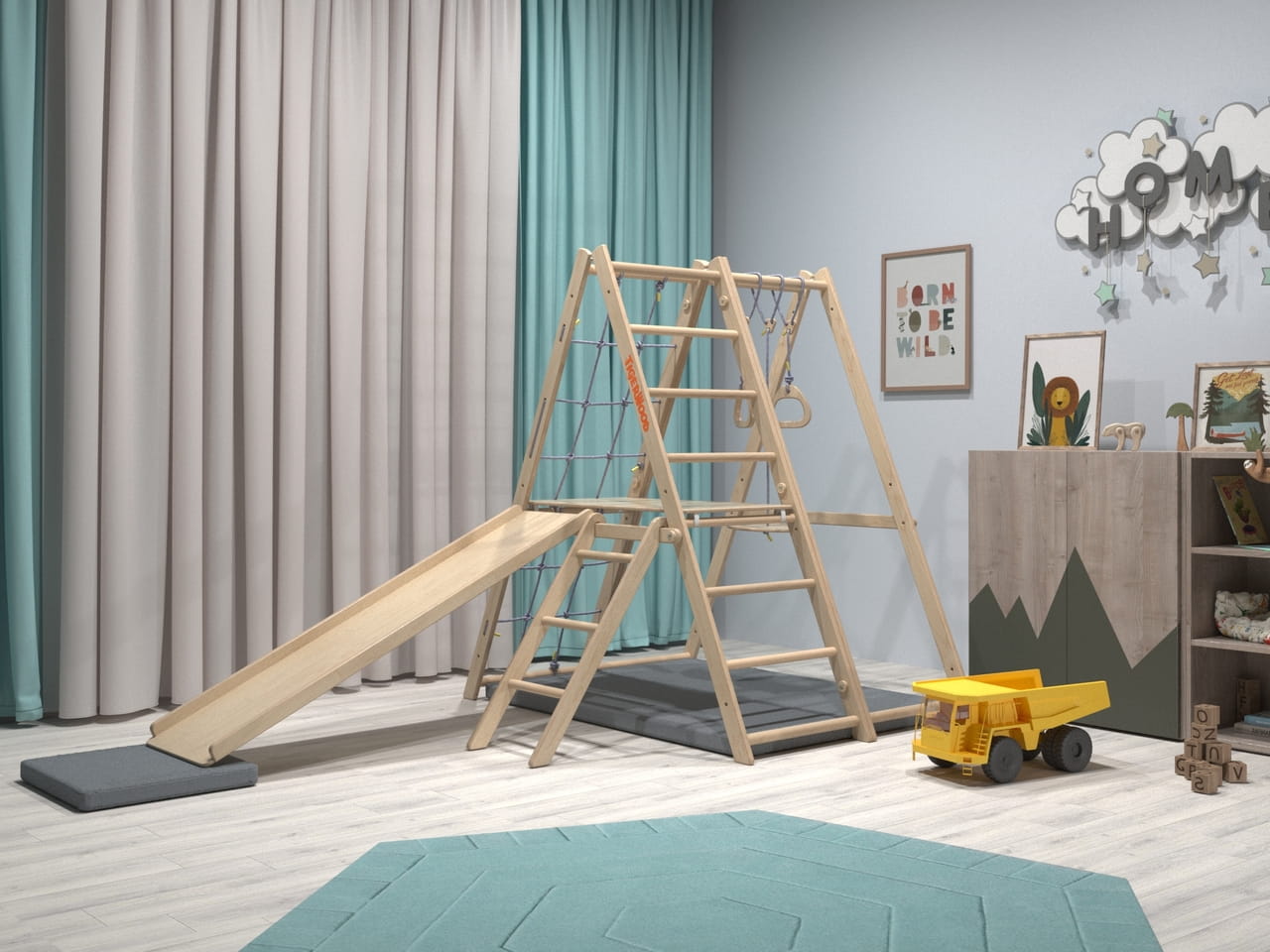
Toy manufacturers

Artists and sculptors

Construction companies

Exhibition equipment manufacturers

Educational institutions

Sports equipment makers

Wooden packaging manufacturers

Private customers

Shops and boutiques

Manufacturing enterprises

Restaurants and cafés
Who chooses wooden products: customers from different sectors
The circle of customers who need wooden products is quite varied. A notable share comes from furniture companies: they outsource cutting and milling so as not to tie up their own machines with work that doesn’t fit their cycle and not to keep extra staff. Architects and designers come with individual drawings — panels, partitions, decorative elements, non-standard shapes and sizes that aren’t in any serial catalogue. For them, hitting the project precisely matters far more than a low per-unit price.
Retail chains order stands, display cases, price-tag holders and advertising structures — often in runs for dozens of locations, where the sameness of every unit matters. Companies in the exhibition sector take stands, podiums and decor elements for a specific event and tight deadlines. Foodservice comes for serving items, interior details, signage and menu holders. Each segment has its own logic: some need a batch “cut from one cloth”, others a single striking object assembled exactly in time for an opening.
Demand also comes from clothing and footwear brands — they need store fit-outs, stands and displays that keep the chain’s single style. Factories and industrial enterprises take packaging, blanks and technical componentry. In the general flow are marketing and advertising agencies, private craftsmen, woodworkers, retail and online stores. This spread is exactly what speaks to the material’s versatility: one production line covers both a one-off designer order and a serial turnkey supply.
Natural feel, precision, variety: a general view of wood and its processing
Wood-based materials are a universal foundation: equally suited to small decor and to massive structures. They are sawn, milled, sanded, painted and assembled, combining operations to fit the task. In the hands of modern production, wood has become a high-precision material that meets the most varied requirements. The right cutting choice, careful milling, sanding with the proper grit, and then painting or oiling yield a wooden product that not only performs its function but also looks composed and expensive. Here the process matters more than “golden hands” alone — it makes the result repeatable.
Exactly how a part should be machined is dictated by its purpose. Wall panels need perfect geometry and an even finish — otherwise a joint will betray any inaccuracy during installation. Packaging, on the contrary, calls for strength and economy: extra operations here only raise the batch cost for no benefit. For furniture, the precision of holes and cut-outs comes first, and it determines whether a carcass assembles quickly and without on-site fitting. The very same machine is set up differently for these tasks, and that is the whole point of flexible production.
Modern panel processing hits several targets at once: it saves material, leaves less waste, and allows complex shapes to be produced without manual fitting. For serial batches this is direct savings — every sheet saved is multiplied by the run. At the same time nothing prevents producing unique items for a one-off task: the same line handles both the flow and the exclusive. It all comes down to the request — production adapts to it, not the other way round.
A diverse fleet of equipment opens up work with a wide spectrum of materials — from familiar plywood and MFC to acrylic, plastic and aluminium. Each requires its own approach: feed speed, router bit type, cutting mode. The ability to combine them in one product — for example, a wooden body with an acrylic insert and an aluminium trim — is exactly the advantage the customer comes to a full-cycle production line for, instead of assembling a part in pieces from three different contractors.
Materials for wooden products: how plywood, particleboard, MFC, MDF and solid wood differ
Choosing the base for a specific task decides more than it seems. The same drawing realised in plywood, MFC or solid wood will give different weight, cost, moisture resistance and edge appearance. That’s why the conversation about an order almost always starts with the material: where the product will stand, what load it bears, whether a moisture-resistant version is needed, whether a natural grain matters or an even decorative surface is enough. Below are the main materials from which wooden products are made in production, with their strong and weak sides.
| Material | Strengths | Where it’s used | What to look out for |
|---|---|---|---|
| 🪵 Plywood | High strength, shape stability, holds fasteners | Frames, load-bearing parts, bent-laminated elements, containers | The edge needs finishing or banding |
| 🟫 Particleboard | Inexpensive, available in large formats | Hidden parts, bases, rough structures | Fears moisture on cut edges, holds fasteners worse than plywood |
| ⬜ MFC | Ready decorative surface, rich palette | Cabinet furniture, partitions, shelves, fronts | Needs a neat edge, chips under rough cutting |
| 🟤 MDF | Uniform structure, ideal for milling and painting | Fronts with relief, decor, bent and shaped parts | Heavier than particleboard, sensitive to heavy moisture |
| 🔲 OSB | Strength, moisture resistance, expressive texture | Construction, packaging, loft interiors | Rough surface, needs prep before finishing |
| 🌳 Solid wood | Natural feel, repairability, premium look | Worktops, furniture, interior decor | Pricier than panels, reacts to humidity and temperature |
Plywood wins where a part bears load and must hold a screw or cam lock without working loose. MFC covers the bulk of cabinet furniture: the decorative layer is already on the panel, all that’s left is neat cutting and edge banding. MDF is indispensable when relief, bending or a smooth painted surface without joints is needed. Solid wood is used where natural grain and longevity matter and the budget allows. Materials are often combined in a single product: a body of MFC, a front of MDF, and load-bearing joints of plywood — that’s how price and reliability are balanced.
A separate question is the edge and cut face. With panel materials it’s exactly the cut that first betrays moisture and mechanical wear. That’s why visible edges are banded with PVC or ABS edging, covered with overlays, or prepared for painting. This is accounted for early at the calculation stage: it’s clear which sides of a part will be on show and which will go inside the structure. This approach saves both material and time, and finished wooden products get a complete look with no extra rework on the customer’s side.
Types of machining that add up to a finished product
The path from panel to finished part is a set of operations, each responsible for its own result. Some of them are visible to the naked eye, some show only during installation, when a part sits into place with no gaps. To make clear what each stage is responsible for, here’s a short breakdown of the main woodworking operations.
- ✂️ Cutting and sawing — set the part’s base dimensions; the precision here determines all the geometry that follows.
- 🛠️ Milling — forms grooves, chamfers, roundings, relief and curved contours.
- 🕳️ Drilling and boring — holes for fasteners, hinges and shelf supports strictly to the map.
- 🧲 Recessing — non-through cups and pockets for fittings and part joints.
- 🪄 Sanding — removes roughness in several passes, prepares the surface for coating.
- 🎨 Painting and finishing — lacquer, enamel, oil or a tint for the required shade and durability.
- 🔗 Assembly and packaging — drawing joints together, checking geometry and protecting edges before dispatch.
The order of operations isn’t rigid: for a specific project they get shuffled, something added, something left out. A simple shelf will get by with cutting, edge banding and boring. A shaped front will go through the full cycle with milling, sanding in several passes and painting. That’s exactly why two outwardly similar parts can differ noticeably in price and lead time — behind the apparent simplicity hides a different number of passes and different tooling complexity.
Lead times, volumes and price: what the cost of wooden products depends on
An exact figure for lead time and price is quoted after calculation, because there are many inputs: material, run size, milling complexity, finish type, panel availability in stock. But the general logic is transparent, and it’s useful to understand in advance so you can plan procurement. Below are benchmarks for typical orders: they don’t replace a calculation but show how complexity and volume affect the outcome.
| Order type | Approximate lead time | Min. batch | What most affects the price |
|---|---|---|---|
| 📦 Standard parts (cutting + edging) | 1–3 working days | from small wholesale | Sheet area, batch volume |
| 🪟 Fronts with milling | 3–7 working days | to be agreed | Relief complexity, coating type |
| 🏗️ Frames and structures | 5–10 working days | per project | Material, assembly joints, fasteners |
| 🎭 Non-standard products to project | from 7 days | from 1 pc. | Engineering, tooling, finish |
What presses on cost most is not the cut itself but complexity and finish. A smooth part without painting is several times cheaper than a shaped one with multi-layer enamel, even if the dimensions are the same. Run size works the other way: the more identical parts, the lower the per-unit price — the program is written once, and the material is cut with less waste. That’s why a trial small-wholesale batch and the subsequent large run are almost always priced at different rates, and this is normal practice for wooden products.
Savings come not from quality but from layout and planning. A well-made cutting map lowers waste, combining several items into one run reduces changeovers, and a correct drawing sent in advance removes reworks. The flip side of haste is well known: a rush order without a proper brief costs more both in money and in nerves. That’s why a calculation always proceeds from the full input, not from a single line “we need cheaper MFC parts”.
Quality control and typical mistakes when ordering
A part’s quality is checked not by eye at the end but throughout the whole cycle: dimensions are verified after cutting, geometry after milling, surface cleanliness before painting, and joint fit at assembly. This end-to-end control is cheaper than a single final check, because a mistake is caught where it can still be fixed without losing the whole part. Most problems in an order arise not in production but at the input — in an imprecise statement of the task.
- 📐 Incomplete drawing — material thickness, grain direction or face sides not specified.
- 💧 Ignoring moisture — a moisture-resistant version is needed, but the brief says nothing about it.
- 🔩 Forgotten fasteners — holes for fittings, hinges and connectors not agreed.
- 🎨 Vague finish — “paint it nicely” instead of a specific colour, gloss level and durability.
- ⏱️ Unrealistic deadline — a complex item “by tomorrow” with no allowance for drying and changeovers.
All these points are cleared at the approval stage with one detailed conversation. The more precisely the customer describes where and how the product will work, the closer the result is to expectations and the fewer reasons for rework. The good news is that the process engineer usually asks the missing questions themselves: about thickness, edge, moisture resistance and finish. This isn’t bureaucracy but a way to make a part once and right.
Logistics and packaging: how wooden products arrive intact
A well-made part is easy to ruin in transit, so packaging is thought through with care, not left for last. Face surfaces and edges are the most vulnerable: they are interleaved, corners protected, fragile items fixed so they don’t knock against each other. Large structures are often shipped flat-packed — as a set of parts with ready fasteners, assembled on site. This lowers the risk of damage and saves space in transport.
Delivery works across Europe and beyond, and the format is matched to volume and geography: from a freight carrier to a dedicated vehicle for a large batch. It’s agreed in advance who is responsible for loading, whether rigid crating is needed, and how to accept the goods by quantity and appearance. A transparent dispatch scheme saves both sides time and removes most disputes before they could even arise.
How to order wooden products wholesale
The ordering scheme is simple and requires no engineering background from the customer. It’s enough to describe the task, and production will clarify what’s missing itself. Usually the path from enquiry to a finished batch fits into a few clear steps.
- 📝 Send a sketch, drawing or description with approximate dimensions and the product’s purpose.
- 📋 Agree the material, edge, machining type and finish, and get a lead-time and cost estimate.
- ✅ Approve the parameters and, if needed, make a trial sample.
- 🏭 Put the batch into production: cutting, milling, sanding, painting, assembly.
- 🚚 Accept the packed products and arrange dispatch to your region.
This order is equally convenient for a one-off task and for regular supplies. It’s easier for regular partners: the built-up context speeds up approvals, and standard items are launched almost at a word. In the end, ordering wooden products turns from a quest into a routine, where the lead time, the price and the end result are all predictable.
Finish coatings: lacquer, enamel, oil and wax
Finish isn’t only about looks. A coating protects the surface from moisture, scratches, UV and household chemicals, and it also sets the tactile feel: matte velvet, warm oil or mirror gloss are perceived completely differently. The choice of compound depends on where the part will live and what load it will bear. A worktop in a cafe and a decorative panel on a wall call for different durability, though both can be made from the same material.
| Coating | What it gives | Where it fits | The catch |
|---|---|---|---|
| 💧 Lacquer | Transparent protection, keeps the grain, various gloss levels | Furniture, decor, interior parts | Chips are visible, local repair is harder |
| 🎨 Enamel | Dense opaque colour, an even smooth plane | Painted fronts, children’s and office segment | Requires perfect surface preparation |
| 🌿 Oil | Emphasises the texture, repairs without streaks | Worktops, solid wood, tableware and boards | Needs periodic care and renewal |
| 🕯️ Wax | Soft natural look, pleasant tactility | Decor, vintage and eco solutions | Low resistance to water and abrasion |
There’s no universal answer: for daily wet cleaning you choose a durable lacquer or enamel, for a warm natural look — oil, for decorative tasks — wax. Compounds are often combined: a primer levels the base, while the top coat handles durability and appearance. Painted MDF parts give that seamless smooth plane the material is chosen for in fronts. Solid wood and plywood are more often taken under lacquer or oil, so as not to hide the natural grain.
Preparation for the finish matters too. Any coating honestly reveals what stayed beneath it: an under-sanded surface will give orange peel, a missed dent — a glare, dust in the booth — inclusions. That’s why sanding and dust removal before painting are no less important than the compound itself. A well-painted wooden product is nine-tenths careful preparation and only one-tenth the last coat of lacquer.
Equipment and precision: what stands behind the abbreviation CNC
CNC stands for computer numerical control, and behind those three letters is a simple idea: the machine repeats a set program with a precision unattainable by hand. The operator doesn’t “guide the cutter by eye” but runs a file that spells out the paths, depths and speeds. The hundredth part in a batch comes out the same as the first — which is exactly what’s needed when it comes to a run, or to parts that must mate with each other without fitting.
Besides CNC machines, the fleet includes panel-sizing equipment, cross-cut saws, sanding machines and a spray booth. Each unit covers its own area, and together they deliver a full cycle under one roof. This speeds up the work and removes the inconsistency that’s inevitable when a part travels between different contractors: one has one tolerance, another has a different one, and at assembly it all suddenly fails to line up. A single process chain does away with such surprises.
Industries and tasks: where wooden products work
The same part sounds different across different industries. A furniture maker cares about repeatability and precise boring, a restaurant about resistance to moisture and washing, retail about the sameness of a hundred display cases, a designer about hitting the project down to the corner radius. Understanding these accents helps in selecting the material and finish before the start. The table below gathers frequent scenarios: what exactly is ordered and what is critical in each case.
| Industry | Typical items | What’s critical |
|---|---|---|
| 🛋️ Furniture manufacturers | Carcasses, fronts, shelves, bored parts | Repeatability, hole precision |
| 🍽️ Cafes and restaurants | Worktops, stands, menu holders, hall decor | Moisture resistance, durable finish |
| 🏬 Trade and retail | Display cases, stands, price-tag holders, POS structures | Sameness across the run, on-brand look |
| 📐 Architects and designers | Panels, partitions, decor, non-standard shapes | Hitting the project precisely |
| 📦 Industry and packaging | Crates, pallets, boxes, technical componentry | Strength, batch economy |
| 🎪 Exhibitions and advertising | Stands, podiums, promo stands, decor elements | Speed, ease of assembly and disassembly |
The more precisely the customer states the industry and use scenario, the less room is left for guesswork. A worktop for a bar and a worktop for a home kitchen look alike but live in different conditions, and so call for a different edge, different moisture resistance and a different finish. This concrete conversation at the input saves weeks of rework later.
Frequent order scenarios: examples from practice
The easiest way to understand the logic of production is through concrete situations. A furniture workshop without its own CNC brings a parts map for the month: cutting and boring in batches take the machine load off them, and they focus on assembly and sales. Here everything hinges on tolerance stability — parts must match from batch to batch so the fittings go in without adjustment.
Another typical case is a coffee-shop chain that needs identical bar counters, shelves and menu holders for a new location’s opening. The run is priced at a single rate, a moisture-resistant finish is chosen, and some items ship flat-packed so fitters assemble them on site in a few hours. A third scenario is a designer with one complex object: a shaped reception counter with curved milling. Here it’s not the per-unit price that matters but the exact realisation of the sketch, so first a sample is made and only then the final part.
These examples share one thing: an input agreed in advance turns an order into a predictable process. Tasks of different scale — from a run for dozens of locations to a single art object — are all handled on the very same equipment, just with a different setup and a different order of operations. This is exactly the flexibility of wooden-product manufacturing: it handles both the flow and one-off work with equal confidence.
Rational use of material and careful production
Every sheet of plywood, MFC or MDF costs money, so smart cutting isn’t about ecology for show but about direct economics. The nesting program lays parts on the panel so that minimal gaps remain between them, and offcuts go into small items where possible. Over a run this turns into real sums: a couple of per cent saved on a sheet, multiplied by a large run, pays back the time spent on a neat layout.
Waste isn’t always rubbish either. Large offcuts go into samples, finish testers and small parts; shavings and sawdust find use beyond the shop. This approach eases the load on both the budget and the environment, and at the same time disciplines production: where material is counted, time and quality are usually counted more precisely too. A careful attitude to the panel is an indirect but honest indicator of how much a production line values order at all.
For the customer this shows up as a clear price with no hidden “just-in-case” surcharges. When losses are calculated in advance, the estimate doesn’t swell from over-insurance, and lead times aren’t blown by a shortage of a suddenly run-out sheet. Wooden products made at a production line with a culture of consumption are usually both more reasonable in price and more predictable in lead time.
Advantages of ordering wooden products from a full-cycle production line
- 🎯 Single tolerance — all operations under one roof, parts mate without fitting.
- ⚙️ CNC precision — repeatability across a run and stable geometry in every batch.
- 🎨 Ready finish — a part leaves coated, ready to install or sell straight away.
- 📦 Flexible volumes — from a trial small-wholesale batch to a large run.
- 🧩 Work from drawing and sketch — no need to prepare the documentation yourself.
- 🚚 Dispatch across Europe — packaging with protection for edges and face surfaces.
Each of these points seems a trifle on its own, but together they add up to that very sense of calm the customer seeks a reliable supplier for. There’s no need to assemble a part in pieces from different contractors, reconcile their tolerances and work out who’s to blame if nothing lined up at assembly. One party responsible for the whole cycle means fewer risks and less correspondence.
A short glossary of woodworking terms
To speak the same language with production, it’s useful to understand a few basic words. They come up constantly in calculations and drawings, and knowing them removes half the misunderstandings right at the start.
| Term | What it means |
|---|---|
| 📄 Cutting map | A layout of parts on a sheet with minimal waste |
| 🪚 Boring | Drilling holes for fittings, hinges and connectors to the marking |
| 📏 Edge banding | Closing a panel’s cut face with PVC, ABS tape or veneer |
| 🔻 Chamfer | A bevelled edge of a part for looks or ease of assembly |
| 🕳️ Recessing | A non-through recess — a groove, cup or pocket for a joint |
| 🧾 Face | The wide front surface of a board or panel |
The list is deliberately short: these concepts are enough to read an estimate and understand what you’re paying for. Everything else, production will translate into plain language itself — the customer’s job isn’t to learn the technology but to state clearly what they need and what for.
Myths and reality about ordering wooden products
Plenty of misconceptions have built up around working with wood, and they get in customers’ way, raising their expectations one way and lowering them another. Let’s take on the most persistent. The first myth — “natural wood is always dearer than panel, and by a lot”. In reality, well-chosen MFC with a quality edge covers most furniture tasks for reasonable money, while solid wood is used selectively, where it’s genuinely needed. There is a price difference, but it’s not the chasm it’s assumed to be.
The second myth — “CNC makes people unnecessary, press a button and it’s done”. Someone has to write the program, set the tooling, fix the material and check the result. The machine repeats what it’s given with high precision, but quality is laid down by the process engineer and operator, not by the electronics on their own. The third myth — “the thicker, the stronger”. A part’s strength is determined by the material, the joint design and the fastening, not by millimetres of thickness alone; extra mass often only weighs the product down and raises its cost for no benefit.
The fourth myth — “rush means the same price, just faster”. Urgency costs money: it breaks the schedule, requires changeovers and pushes out other orders, and the finish drying still can’t be sped up by force of will. Understanding these nuances makes the dialogue with production calmer: the customer asks for the real, not the imagined, and gets a result without disappointment. Wooden products are a predictable product, if you approach them without magical expectations.
Care for wooden products and service life
The lifespan of a wooden product depends not only on how it was made but also on how it’s treated. The basic rules are simple: avoid prolonged contact with water on cut edges and joints, wipe up spills at once, don’t put hot items down without a stand, and keep it away from radiators and direct sun if it’s solid wood. Panel materials with a quality edge forgive a lot, but water sitting in a seam does them no good either.
Oiled products are renewed periodically — a thin coat returns protection and a fresh look to the surface, and without streaks or stripping the old coating. Lacquered and painted surfaces just need wiping with a soft cloth, without abrasives or aggressive chemicals. With this simple care, furniture, fronts and decor made of wood serve for years, keeping both their look and their function. The right finish at the production line lays the foundation, and careful use simply extends what’s already been done well.
And if a part does get damaged, the repairability of natural materials plays in your favour: an oil coating is touched up locally, a small scratch on solid wood is sanded and coated over, and a modular design lets you replace one part rather than the whole product. This is one of wood’s quiet advantages over solid plastic — it lives long and lends itself to repair, rather than heading to landfill at the first mishap.
Standard solutions and custom projects for wooden products
Orders roughly split into two streams, and each has its own logic. Standard solutions are proven items with a clear price and short lead time: standard shelves, drawers, cabinet-furniture parts, repeating elements. They can be launched almost at a word, because the process is already run-in. Custom projects are a different story: here you start with a sketch, work out the engineering, sometimes make a sample, and only then go into a run. Pricier and slower, but the result is exactly to task.
Many orders live at the crossover: a standard base plus custom parts. For example, a carcass is assembled from standard elements, while the fronts are milled to an original design. This hybrid gives a reasonable balance of price and uniqueness — you don’t overpay for the exclusive where standard is enough, but you get a recognisable look where it matters. A good production line points out exactly where that line runs, so the budget works to good effect.
Working with drawings and file formats
The clearer the source, the faster an order is calculated and the fewer discrepancies in it. It’s ideal when there’s a vector drawing, but even a hand sketch with dimensions is a perfectly workable start. Below are the formats and inputs that speed up calculation and remove unnecessary clarifications.
- 📐 Vector files — DWG, DXF and the like: the machine reads the geometry directly, without redrawing.
- 🖼️ Sketch with dimensions — even by hand: overall size, thickness and face sides matter.
- 🎨 Colour and finish reference — a shade sample, gloss level, coating type.
- 🔩 Fitting type — which hinges, connectors and runners to bore for.
- 📦 Operating conditions — humidity, load, the room: the material depends on this.
If something from the list is missing, no problem — the gaps are clarified at the approval stage. But the fuller the input from the very start, the shorter the path to a calculation and the more precisely expectations and result align. In essence, a quality drawing is half the success: it saves money, time and nerves for both sides, turning the making of wooden products into a calm, manageable process.
How to tell a quality wooden product
Good work shows in the details people usually don’t look at. Run your palm along the edge — it should be even, without sharp burrs or waviness. Check the panel’s cut faces: on a well-made part they are closed or finished, not left “as cut”. Check the holes for fittings — they should match the marking so a hinge or connector goes in without re-drilling on site. An even smooth surface with no orange peel under lacquer also says the preparation wasn’t skipped.
An assembled product shouldn’t wobble, and doors and drawers shouldn’t run with a skew. Gaps between parts are worth checking for evenness: a wandering seam betrays inaccurate cutting or careless assembly. And finally the finish — it should be uniform in colour and gloss, without stains, runs or dust inclusions. These simple checks need no tools and in a couple of minutes give an honest picture of how responsibly the work was approached.
| What to check | Sign of quality | Warning sign |
|---|---|---|
| 📏 Edge and cut faces | Even, closed, no burrs | Chips, an open panel cut face |
| 🕳️ Boring | Holes exactly to the marking | Fittings won’t go in without rework |
| 🎨 Finish | Uniform colour and gloss | Runs, orange peel, inclusions |
| 🔗 Assembly | Rigid, no play or skew | Wobbling, uneven gaps |
If there are no questions on any of the points, you have a product made with an understanding of the technology, not in a rush. Such wooden products serve longer, look better and return for rework less often. That’s why it makes sense to discuss these criteria with production in advance — then acceptance of the batch also goes calmly, with no mutual claims or arguments over who overlooked what and at which stage.
Wooden products to the customer’s task: the final picture
If you bring everything said together, the picture comes out clear. Production takes a sheet or a board, selects the material for the operating conditions, cuts precisely, mills on CNC, sands, applies a suitable finish and, if needed, assembles the finished structure. At every step it’s not chance that works but process and control, so the result is repeatable from batch to batch. This is exactly what sets an industrial approach apart from a cottage one, where everything rests on one craftsman’s mood.
For the customer this approach means predictability on the three main questions: how much it costs, when it will be ready and how it will look at the end. Small wholesale and a large run, a standard item and a one-off project, a simple shelf and a shaped front — all of it fits into a single manageable process. Products travel across Europe and beyond, packed with protection for edges and face surfaces, and arrive in the condition they left the shop. Feedback works too: comments on the first batch are taken into account in the next, and successful solutions are locked in as a standard for repeat orders — so over time wooden products only become more precise in fit and more stable in quality.
What’s left is small — to describe the task clearly and send a sketch or drawing. From there, calculation, approval and launch into production run along a well-worn track. Ordering wooden products requires no engineering knowledge from the client: it’s enough to understand where and how the part will work, and production takes care of everything else, translating wishes into concrete dimensions, materials and lead times. And if the task is standard and repeats regularly, over time it turns into a short exchange of messages: you send an updated list of items — you get an estimate and a dispatch date, with no long approvals or repeated explanations from scratch.
Can I send my own drawing?
Yes, work from ready drawings is possible. If you have a drawing in .dwg, .dxf format or even a hand-drawn one — that’s enough for a calculation.
What materials are used?
Plywood, MDF, particleboard, MFC, OSB, wood panel, hardboard, plastic, acrylic and aluminium. Hard metals and fabrics are not machined.
What’s the minimum order volume?
Small wholesale orders are possible. The specific volume is agreed individually depending on the project’s complexity.
How long does production take?
The lead time depends on volume, complexity and material availability. Usually from 1 to 10 working days. Confirmed at the calculation stage.
Can the parts be painted?
Yes, products are coated with lacquer, paint or oil. Finish coating and polishing are also available.
What machining technologies are available?
Cutting, cutting to size, 2D and 3D milling, sanding, recessing, painting, assembly. All operations are carried out on modern equipment.
Do you work with non-standard shapes?
Yes, machining of parts to individual size, at an angle, with curved milling and non-standard geometries is possible.
How are the products packaged?
After machining, products are packed in transport containers, taking fragility and surface features into account.
Do you assemble finished products?
Yes, if needed, assembly is carried out — gluing, screwing, pinning, insetting, packaging.
Is there delivery to the regions?
Yes, delivery across Europe and beyond is possible. Terms are discussed separately.
We’re always here to help — choose the way that suits you best to get in touch
Call us, message us on a messenger or reach out via social media — we’ll respond promptly!
We work across all of Europe
Reviews and articles
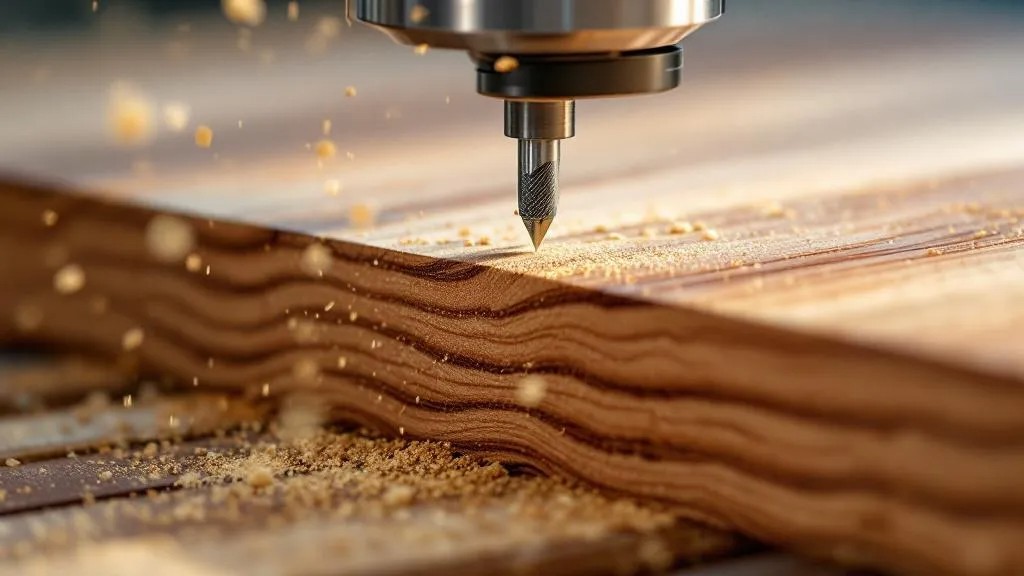
The Specifics of Radius Milling for Creating Rounded Edges on Wooden Products
The Specifics of Radius Milling for Creating Rounded Edges on Wooden Products Radius milling, or edge rounding, is one of the most sought-after and critically important stages in producing high-quality wooden
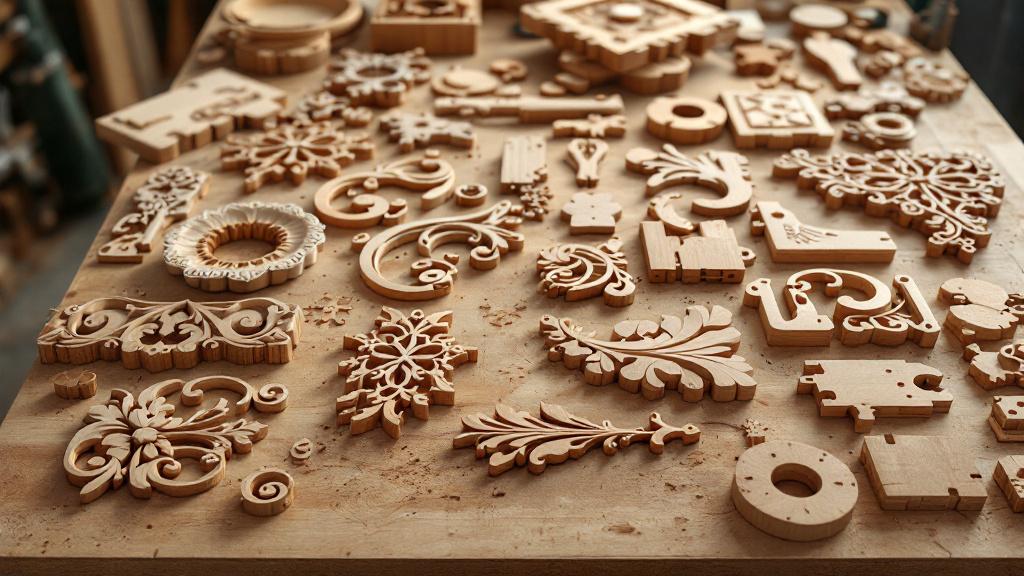
The Role of Milling in Making Decorative and Functional Wooden Parts
The Role of Milling in Making Decorative and Functional Wooden Parts Wood is a material that people have been using for thousands of years. It is valued for its natural
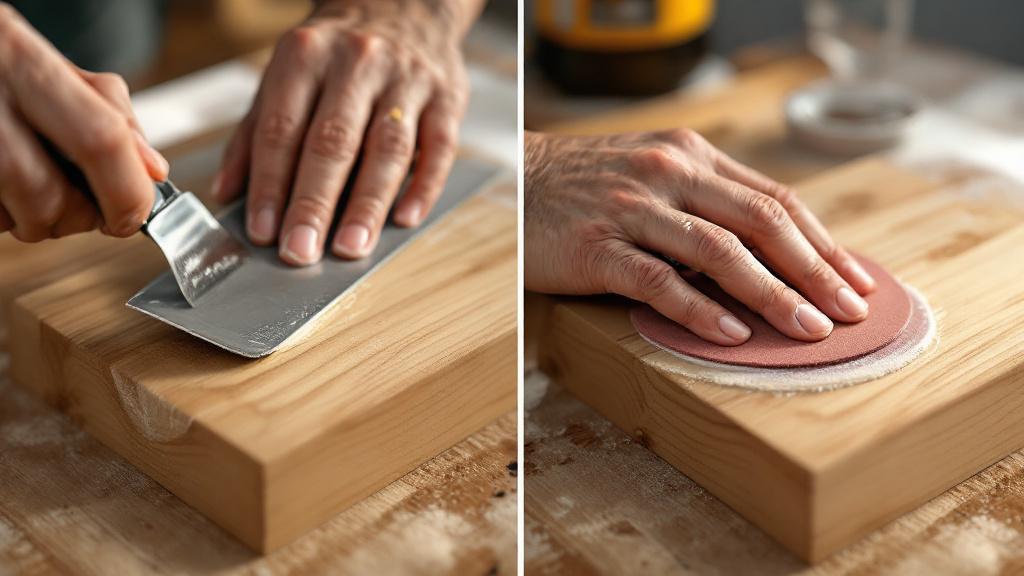
Stages of Filling and Sanding Wooden Products: Creating a Flawless, Even Surface
Stages of Filling and Sanding Wooden Products: Creating a Flawless, Even Surface Woodworking is not merely a mechanical process but a true craft, in which every stage is decisive for the

The synthesis of wood and metal: technological aspects of combining wood and aluminium to create durable products
The synthesis of wood and metal: technological aspects of combining wood and aluminium to create durable products In the field of professional woodworking, the search for the ideal material often leads
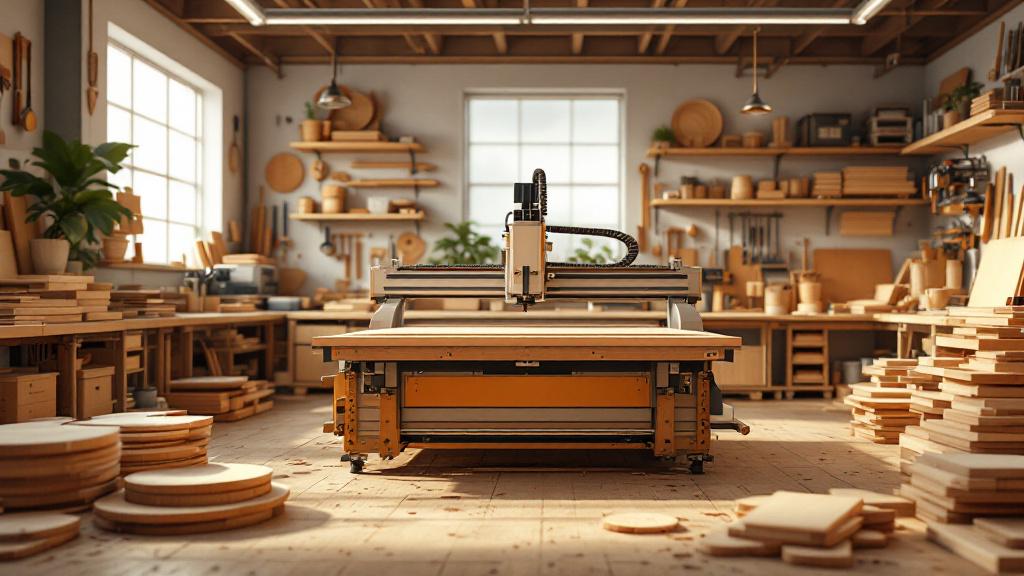
Using angled cutting to create complex wooden products
Using angled cutting to create complex wooden products Angled cutting of wood is a technological process in which the material is cut at a set angle to its main axis or
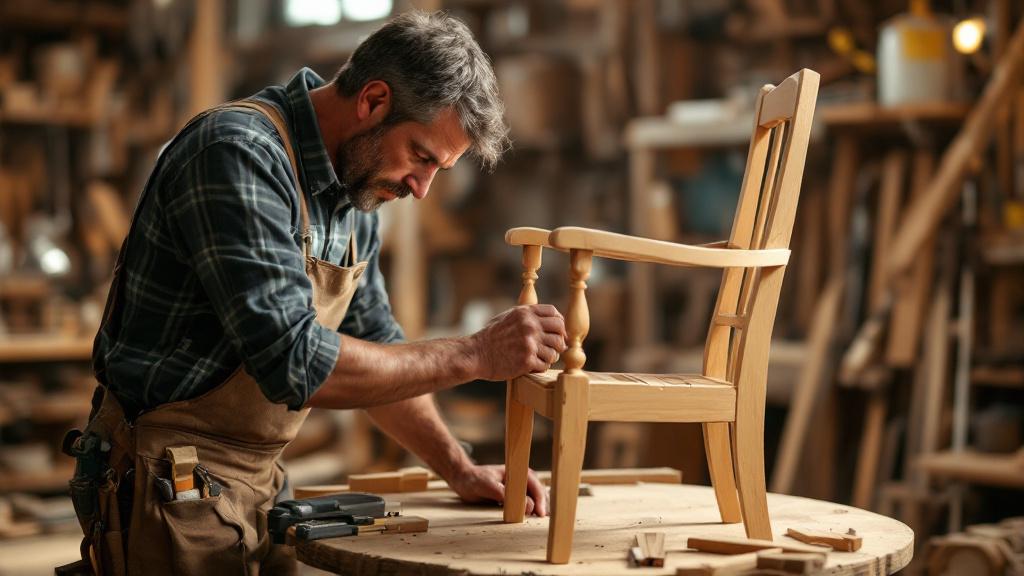
Why correct assembly of wooden products affects their strength and durability
Why correct assembly of wooden products affects their strength and durability In the process of manufacturing wooden products — be it furniture, structural elements or decorative panels — maximum attention is

A guide to choosing and ordering wooden products for selling on Wildberries
A guide to choosing and ordering wooden products for selling on Wildberries Launching a retail business on the Wildberries marketplace requires careful selection of a product niche. Products made of natural

How to choose the right wood-based materials for making furniture of every kind
How to choose the right wood-based materials for making furniture of every kind Choosing wood-based materials is one of the most important stages in producing quality furniture. How well the material
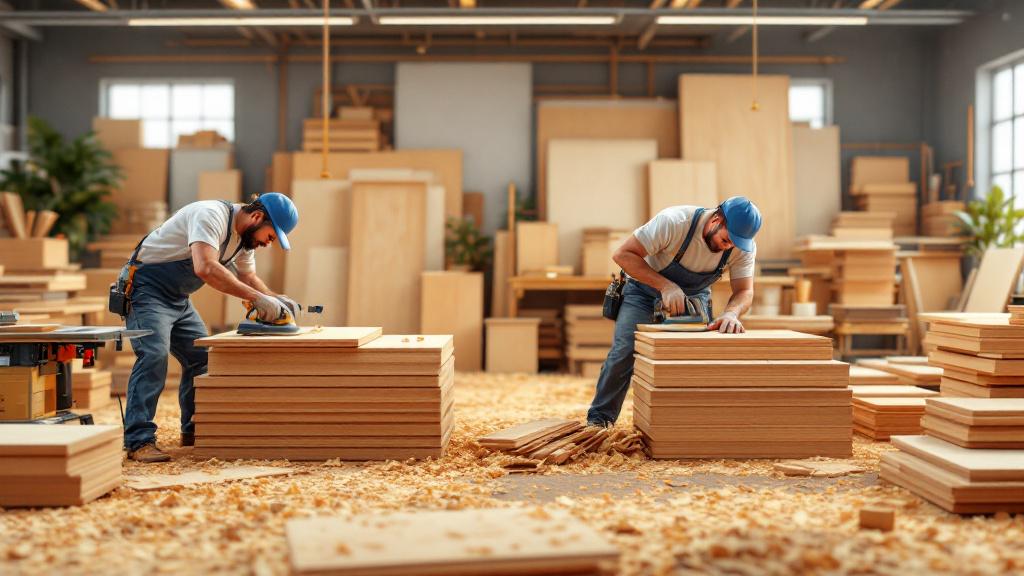
Key quality criteria for plywood and how to check it before buying
Key quality criteria for plywood and how to check it before buying Plywood is one of the most versatile and sought-after materials in woodworking. It is used both in large-scale furniture
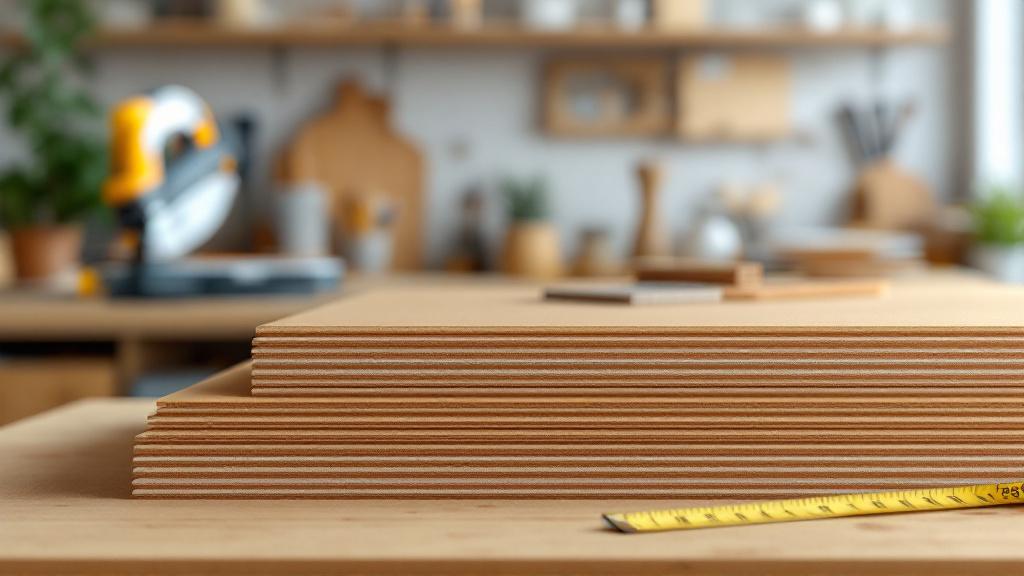
The differences between MDF and particleboard: advantages and areas of application
The differences between MDF and particleboard: advantages and areas of application In woodworking and the manufacture of wooden products, the choice of material is always an important stage that determines the
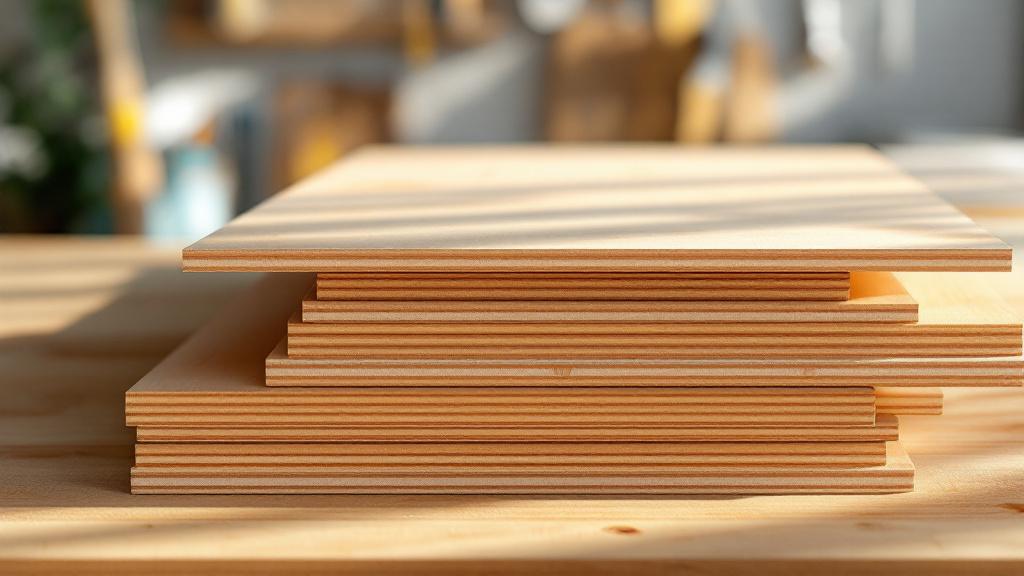
How to choose sheet materials for interior finishing and outdoor use
How to choose sheet materials for interior finishing and outdoor use In woodworking and the making of wooden products, there is often a need to use sheet materials. They have long
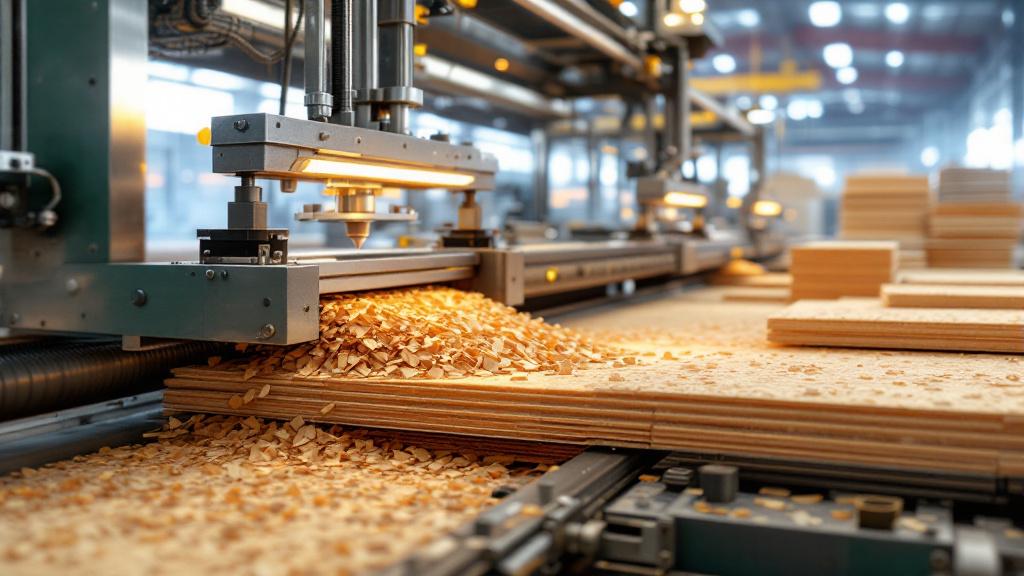
How finishing OSB boards affects their performance
How finishing OSB boards affects their performance When it comes to modern materials for making wooden products, OSB board is hard to overlook. This material has long held a firm and