
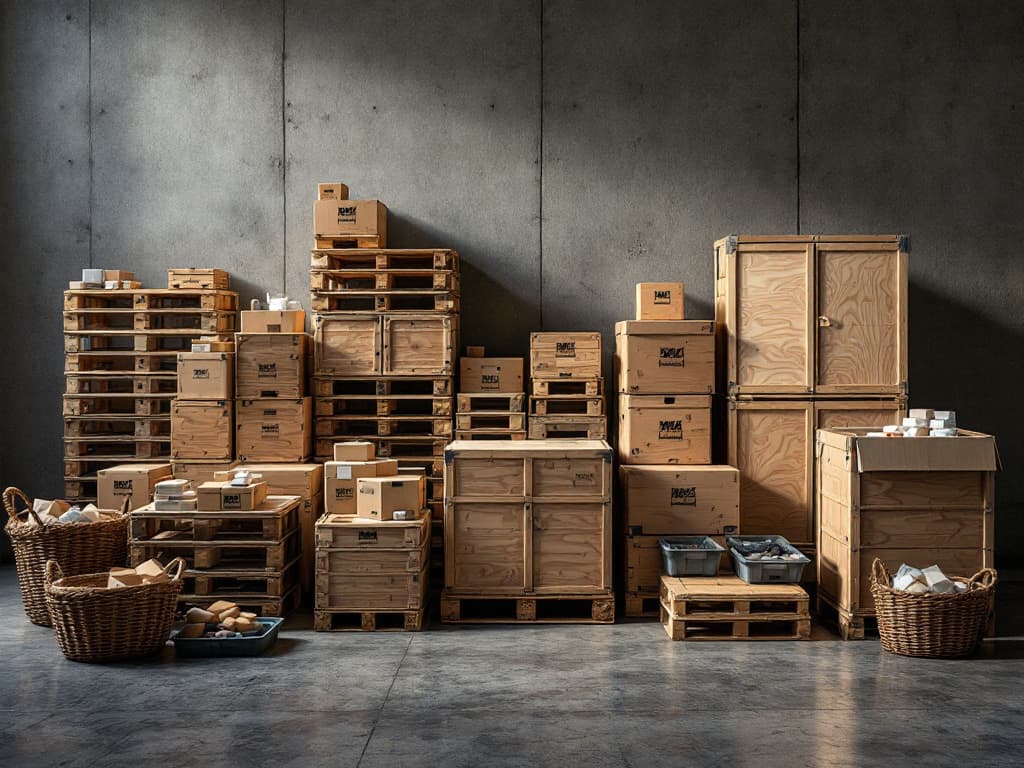
Warehouse furniture for production facilities
Warehouse furniture for production facilities means shelving, shelves, stands, modules and cabinets, as well as wooden crates, pallets, boxes, baskets, trays and cases made of solid wood, plywood, MFC, MDF and particleboard for warehouses, workshops, logistics and retail. Production runs to both standard and custom dimensions: sturdy structures for heavy loads, moisture-resistant treatment, easy assembly and standard dimensions for convenient stacking and palletising. Below we break down what warehouse furniture is made of, how the production process works, which products are in the range, who orders wholesale batches and what lead times, volumes and terms you can count on.
Warehouse furniture: a detailed overview of wooden product manufacturing
Manufacturing wooden warehouse furniture is an important part of the packaging and storage industry. This category includes shelving, crates, pallets, boxes, baskets, trays and cases — everything that ensures goods are stored and transported safely and conveniently. Such products go into logistics, retail, industry and other fields where it is important both to pack goods reliably and to meet the requirements for keeping them intact. In a warehouse, furniture works hard, and the speed of order picking and overall order depend directly on how well it is thought through — and so, therefore, does the efficiency of the entire logistics operation.
Wooden crates and boxes are most often designed to store goods of various categories — from food products to parts and consumer goods. They are used both for storage in the warehouse and for transport in containers or on pallets. Manufacturing companies, shops, retail chains and other organisations choose such solutions to simplify packaging, storage and logistics. Standard containers that are easy to stack and load onto a pallet save space in the warehouse and time on loading — and at large volumes that translates into real money.
Warehouse furniture production goes through several stages — from selecting materials to assembling and packing the finished product. Every stage is kept under control so that the products meet the requirements for strength, durability and functionality. It is important that wooden containers and furniture are not only convenient but also safe — especially when they are used to pack goods for further sale. A splinter or a protruding nail in a crate can damage both the goods and the loader’s hands, so a clean finish here is not aesthetics but a practical necessity.
In addition, wooden warehouse furniture must withstand external factors — humidity, temperature swings, mechanical stress. For this, special treatment is applied that adds protection from the environment and extends service life. In an unheated warehouse or workshop, humidity and temperature swing across a wide range, and unprotected wood would quickly warp and dry out, so the treatment is chosen to match real operating conditions rather than ideal ones.
What matters to our clients and partners

Professional team
Experienced craftsmen, engineers and CNC operators. Thorough quality control at every stage

Flexibility and a tailored approach
We adapt to any task: we work from your drawings or develop the cutting and machining program ourselves

End-to-end approach
We offer the full range of woodworking services — from sawing to painting and assembly

Wide delivery coverage
We work with clients across many European countries. We help with logistics and packaging

Fast lead times
Large-scale production and streamlined processes let us complete even complex orders quickly

Modern equipment
We work with panel saws, CNC machines, routers and sanding machines
Features of manufacturing wooden warehouse furniture
The manufacture of warehouse furniture has its own features that set it apart from other furniture. The key one is high strength and reliability. Crates, pallets, boxes and other elements have to withstand heavy loads, since they store and carry heavy goods. Equally important is resistance to mechanical damage, which is inevitable in use. Warehouse furniture takes rougher treatment than any other: it gets dropped, knocked by a forklift, stacked under serious weight, and the safety margin here is built in with exactly this kind of handling in mind.
Working with wood calls for careful material selection. For warehouse furniture, pine, oak, larch and other species with good performance properties — strength, resistance to stress and durability — are most often used. It is also important to process the wood properly so that cracks, chips and other defects that reduce quality do not appear. For containers carrying heavy loads there are no small details: a knot in the wrong place becomes a breaking point, and the part fails at exactly the moment maximum weight is placed on it.
Another feature is that warehouse products often have standard sizes and shapes, which simplifies warehouse and logistics processes. Crates and boxes are made to standard dimensions so that they are easy to stack on top of each other and place on pallets for transport. It is important that such products assemble quickly and have a simple, convenient design. Sizing in multiples of a standard pallet and shelving unit is not a formality but a way to avoid losing space: non-standard containers leave gaps, and in a warehouse every unused cubic metre costs money.
Processing wood for warehouse furniture is also divided into several stages. At each one the wood undergoes its own treatment that increases strength and protection from the environment. It is impregnated with compounds against moisture and fungus, and often painted or varnished — this extends service life and at the same time improves appearance. Antiseptic impregnation is especially important for containers that come into contact with food or stand in a damp room: without it wood is quickly attacked by mould, and that is already a threat both to the goods and to sanitary standards.
What warehouse furniture is made from wood
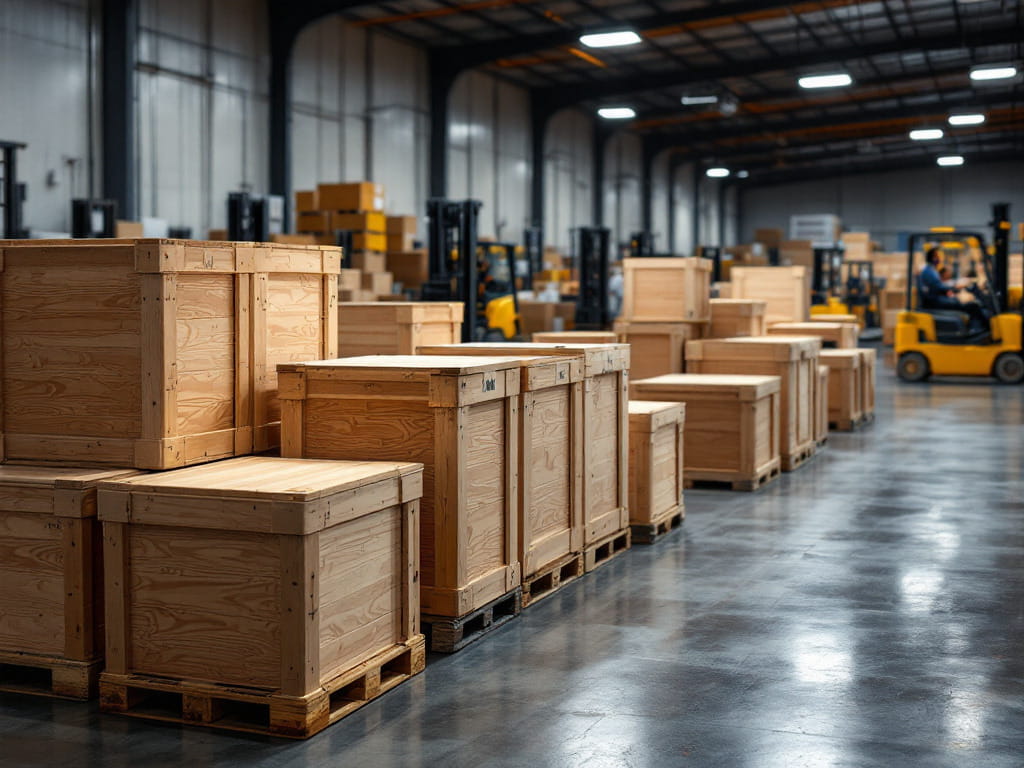
Crates

Packaging

Pallets
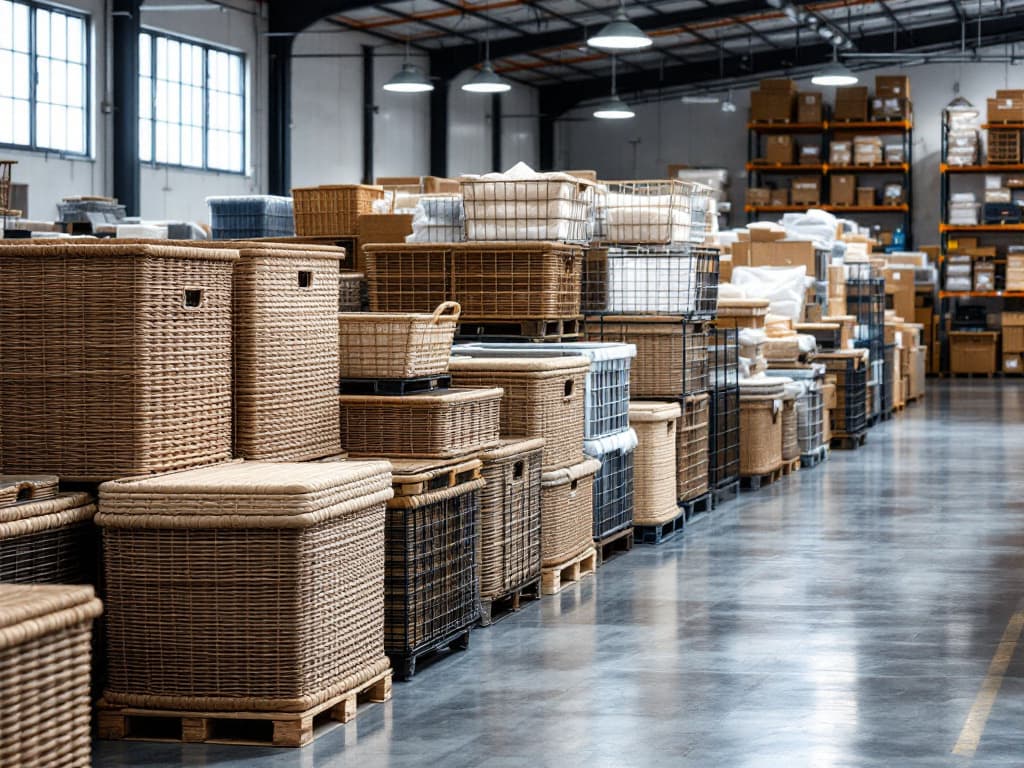
Baskets
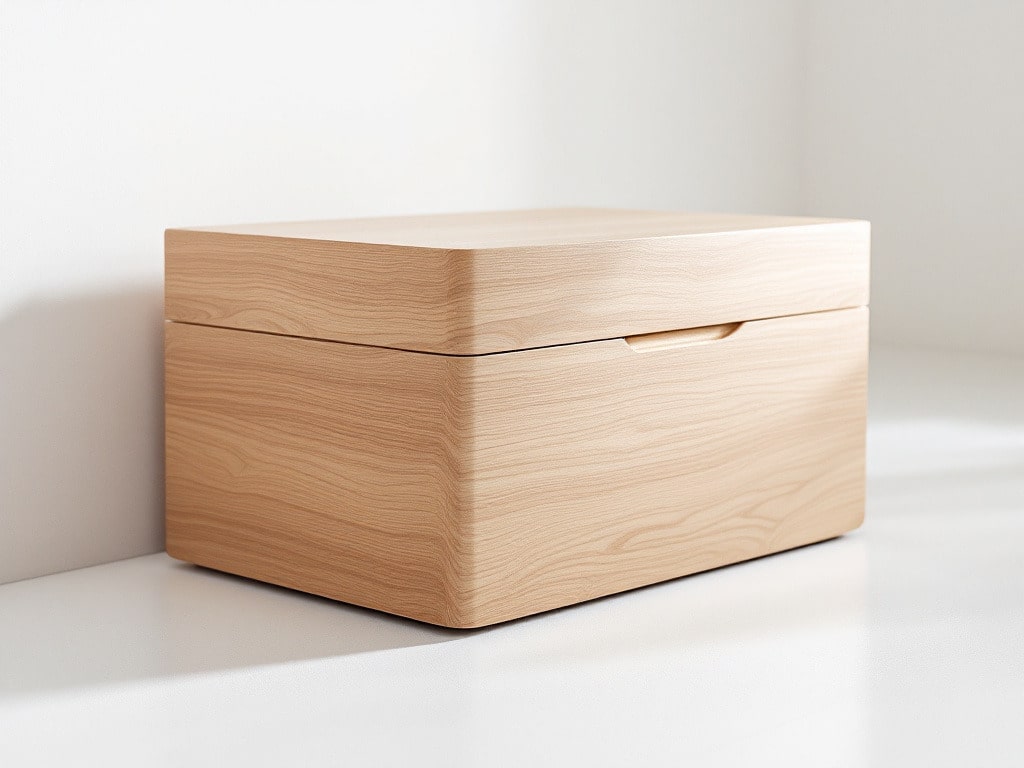
Cases

Boxes
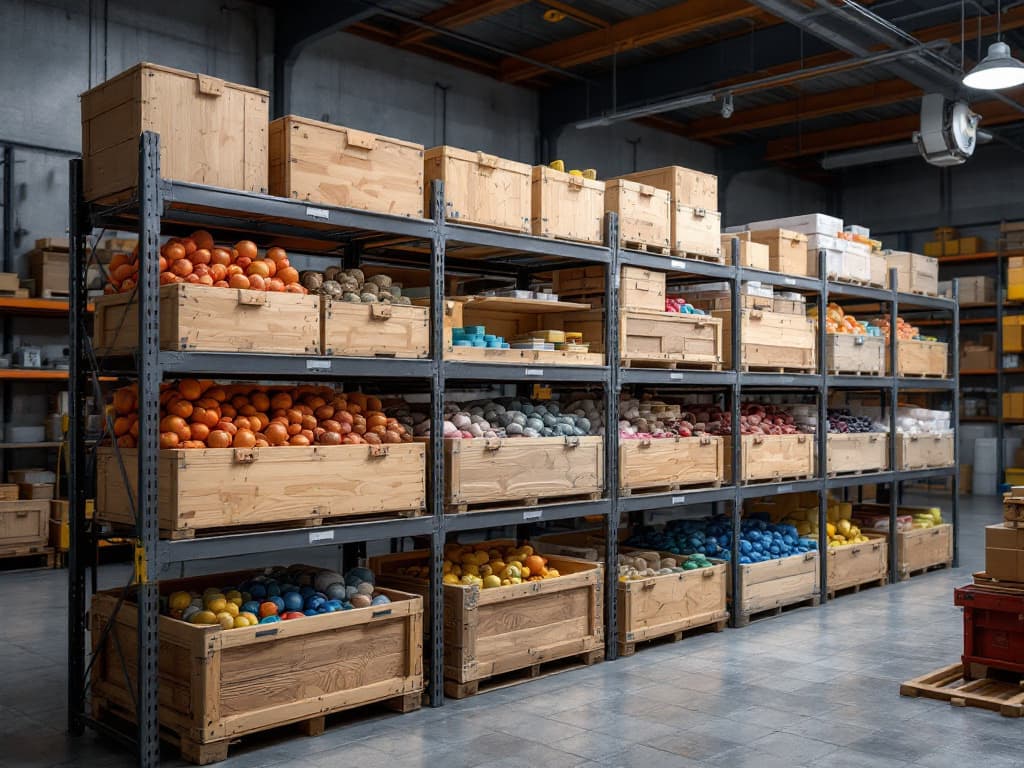
Trays
Subcategories of wooden warehouse furniture
Within this area there are several subcategories, and each has its own production logic and its own use case. Depending on the customer’s task, crates, pallets, boxes, baskets, trays and cases are built — this set covers the needs of retail, warehouse, workshop and logistics. They differ not only in shape: in one place load capacity matters, in another a neat appearance on the shelf, and in another the ability to protect fragile contents during transport.
- 📦 Crates — from small boxes for odds and ends to spacious containers for bulky items. Fastenings and the way they open are chosen to suit the task: sealed for long-term storage, with a lid and handles for frequent access. The design is deliberately simple so that assembly and use do not take up time.
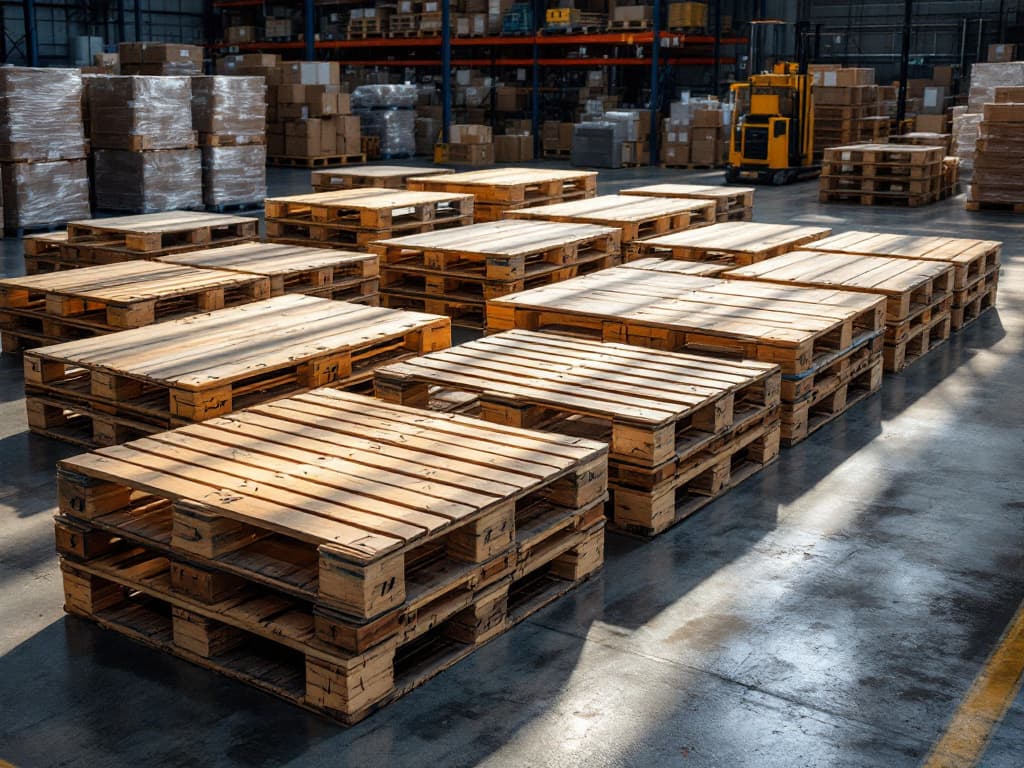
- 🪵 Pallets — the workhorse of the warehouse and of transport, when goods move in large volumes. The design option is chosen to match the calculated load: the heavier the cargo, the more massive the timber and the closer the spacing of the deck boards. Strength comes first here, but ease of stacking and of forklift handling are also built in from the start.
- 🧺 Boxes, baskets and trays — a compact group for small goods: tools, spare parts, toys, food. Shape and size change to suit a specific shelf or rack, and the open top of a tray speeds up picking when order-fulfilment speed matters.
- 🛡️ Cases — for fragile and valuable items: electronics, instruments, precision tools. Fitted inserts, liners and cushioning are added inside so that the contents do not shift or get knocked about from jolting on the road.
Each subcategory has its own set of requirements for material and assembly — hence the difference both in service life and in field of application. A crate, a pallet or a case goes through equally strict inspection: size, blank moisture content and joint strength are kept within set limits. It is this single standard that delivers a predictable result you can rely on when planning a warehouse.

If we break the area down by purpose, the picture becomes clear: crates, pallets, boxes, baskets, trays and cases cover the whole journey of a product — from packing small items to transporting oversized cargo. Some products live on a shelf for months, others ride a forklift around the warehouse and a truck along the motorway every day. The design, wood species and protection are chosen to match these scenarios.
- 📦 Crates easily adapt to their contents — from food to tools and household odds and ends. Lids, latches, reinforced corners and stiffening ribs are added where the strength and safety of the cargo matter.
- 🪵 Pallets carry the logistics of large volumes. Size and type are chosen to match the calculated load and the nature of the cargo: a lightweight version for light containers, a reinforced pallet with closely spaced boards for heavy equipment.
- 🧺 Boxes, baskets and trays are handy for small items: spare parts, toys, clothing, anything that calls for compact, clearly visible storage. They work equally well in the warehouse and on the sales floor, where they also keep the shelf in order.
- 🛡️ Cases — a narrow but important group for goods that need enhanced protection. Cushioning inserts and a snug fit inside absorb impacts and vibration so that the contents arrive without a single scratch.
The types of wood and sheet-material processing we use
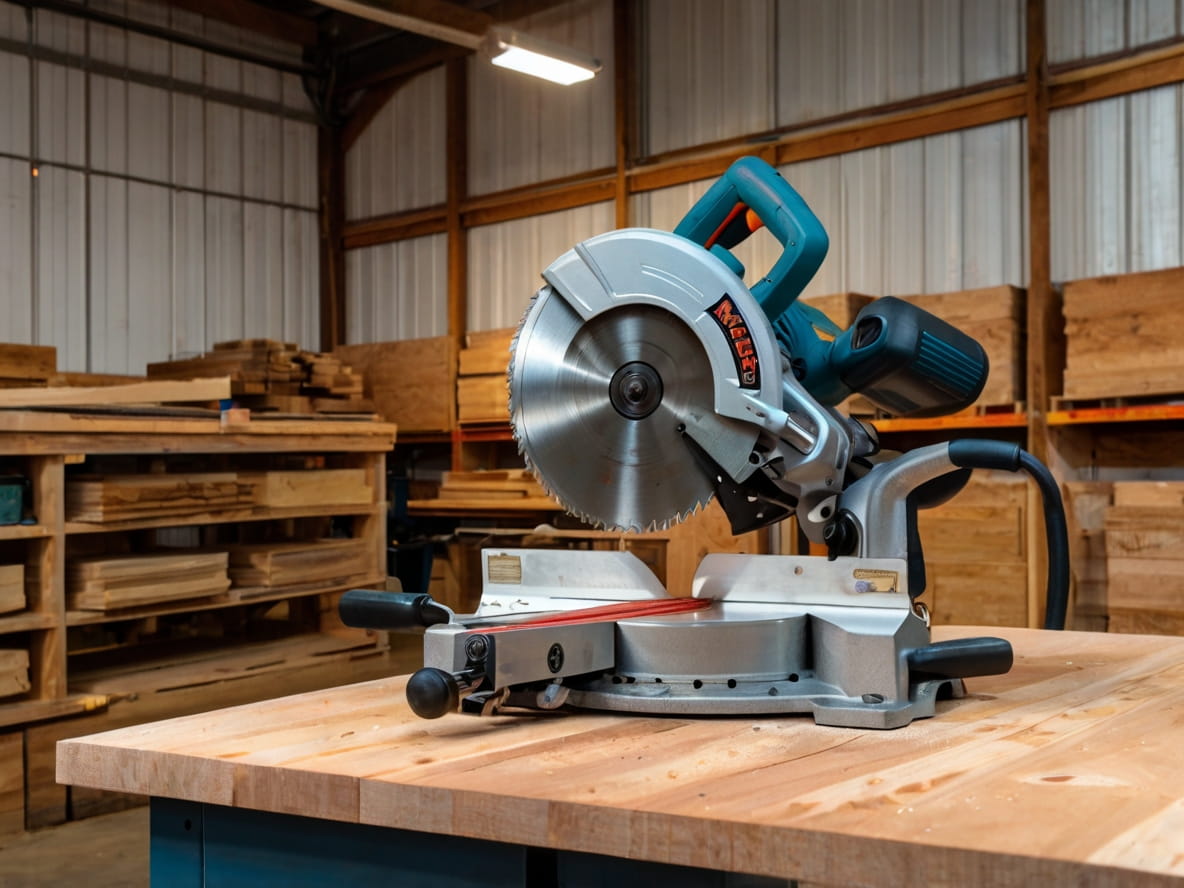
Cutting
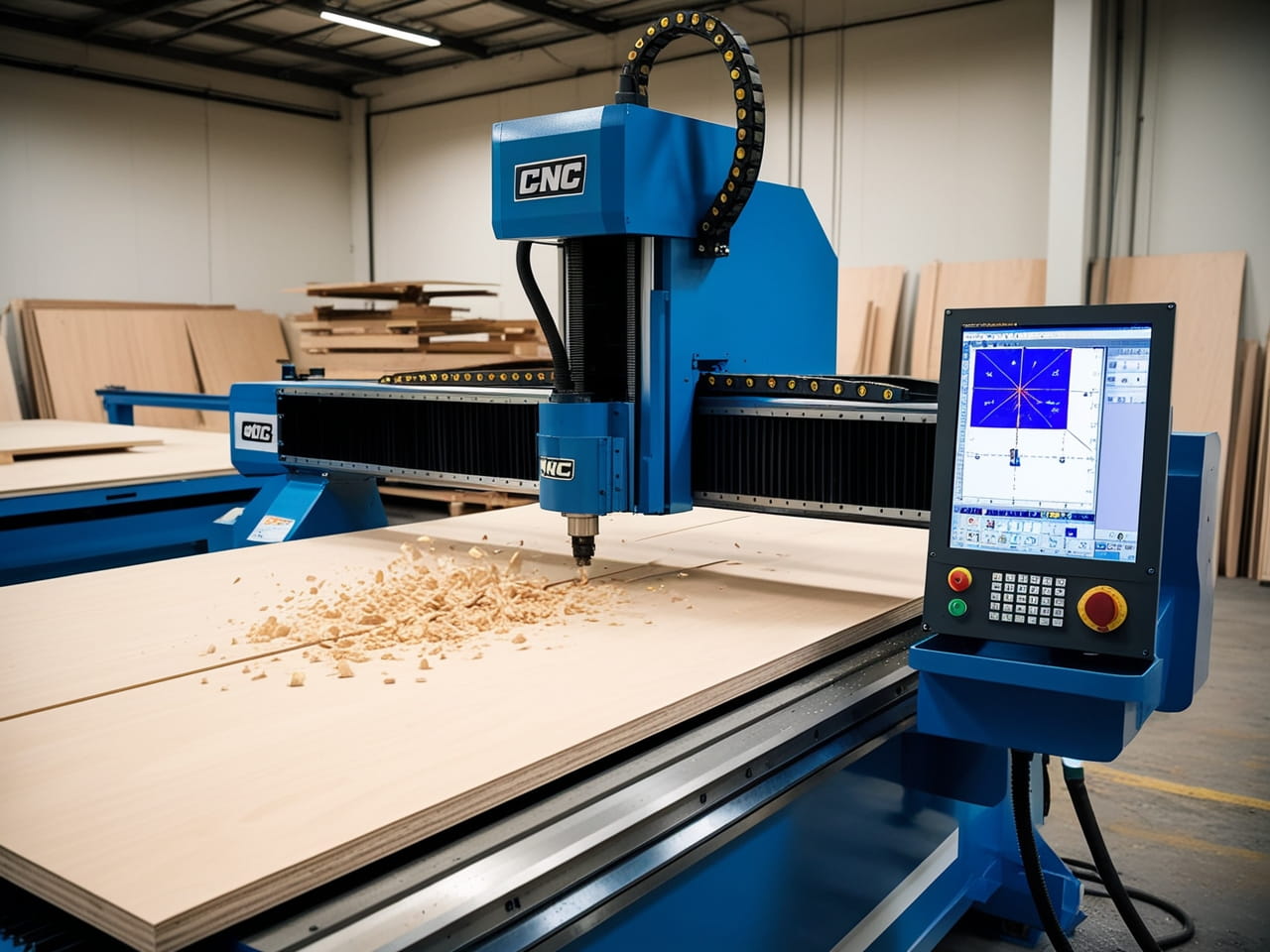
CNC

Cross-cutting

Drilling
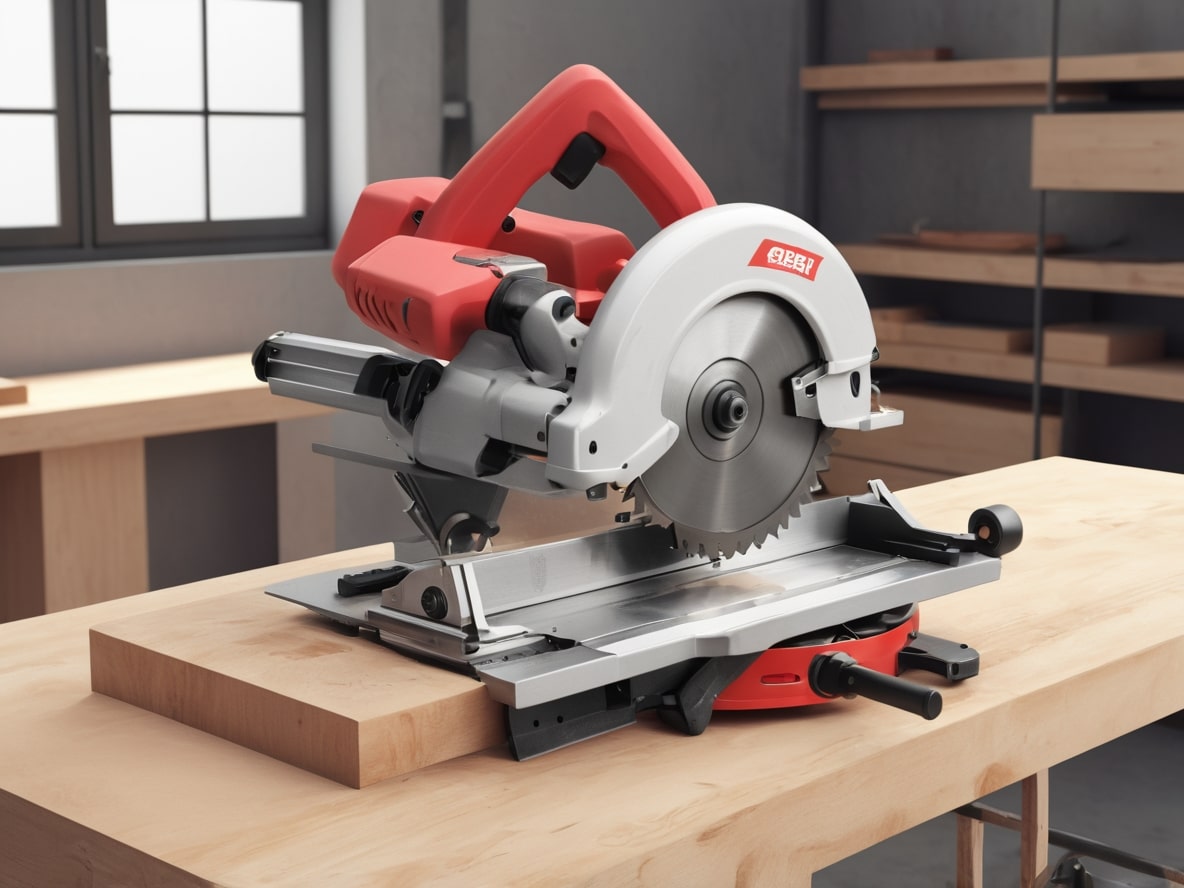
Sawing

Ripping

Machining
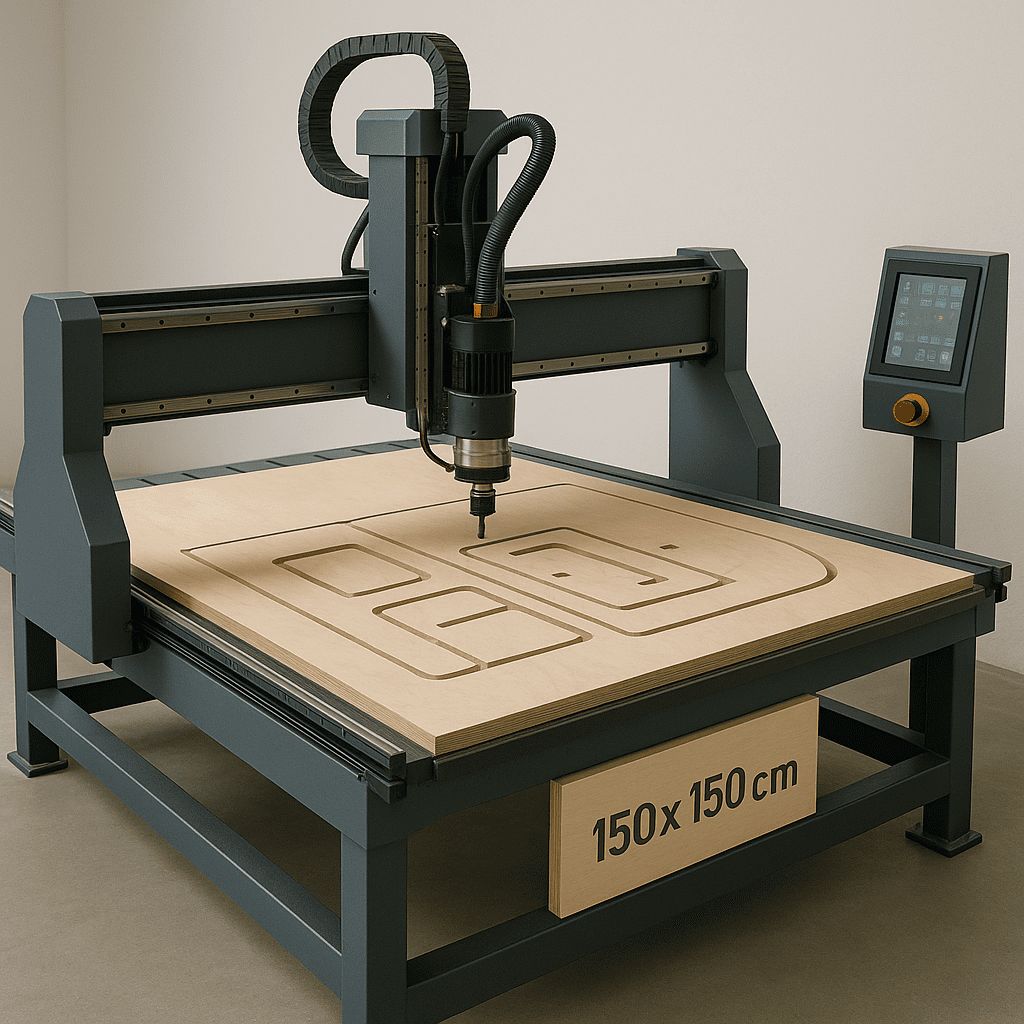
Cutting to size
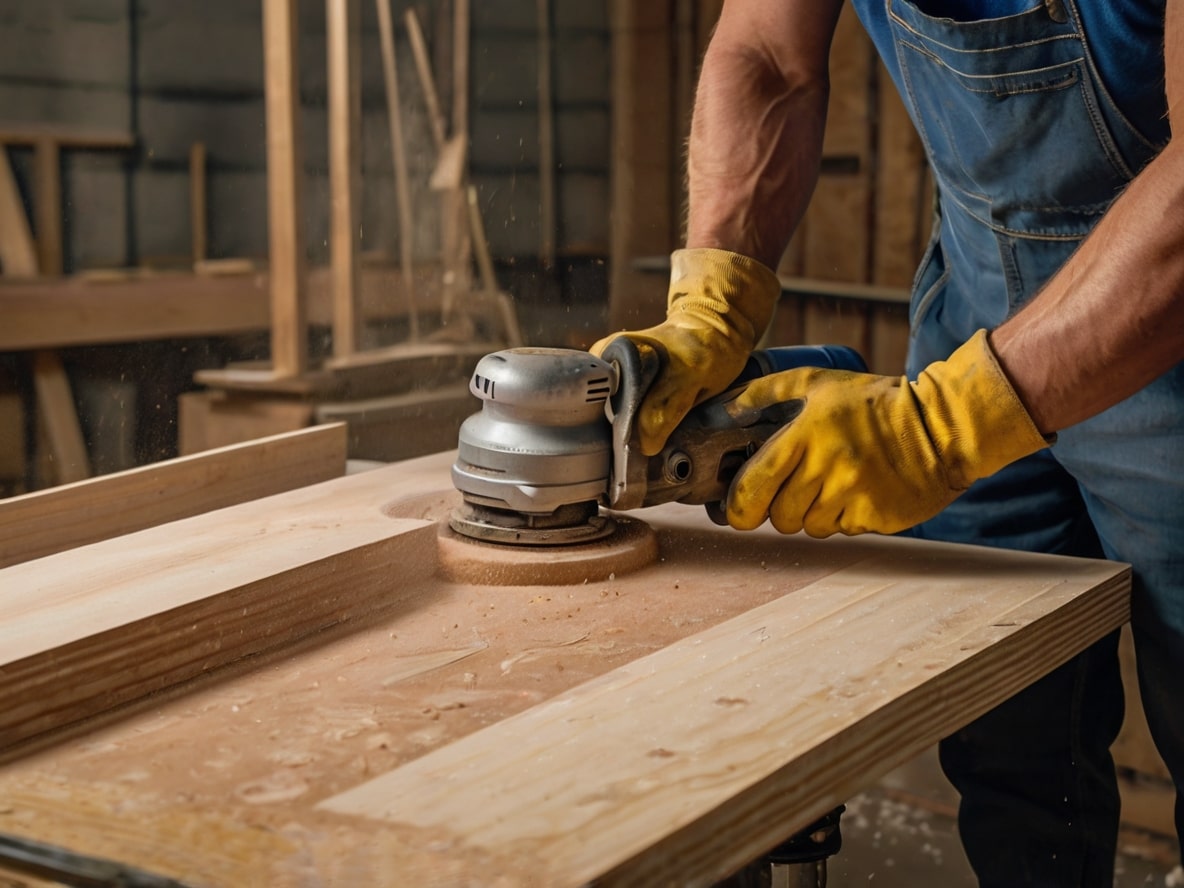
Sanding
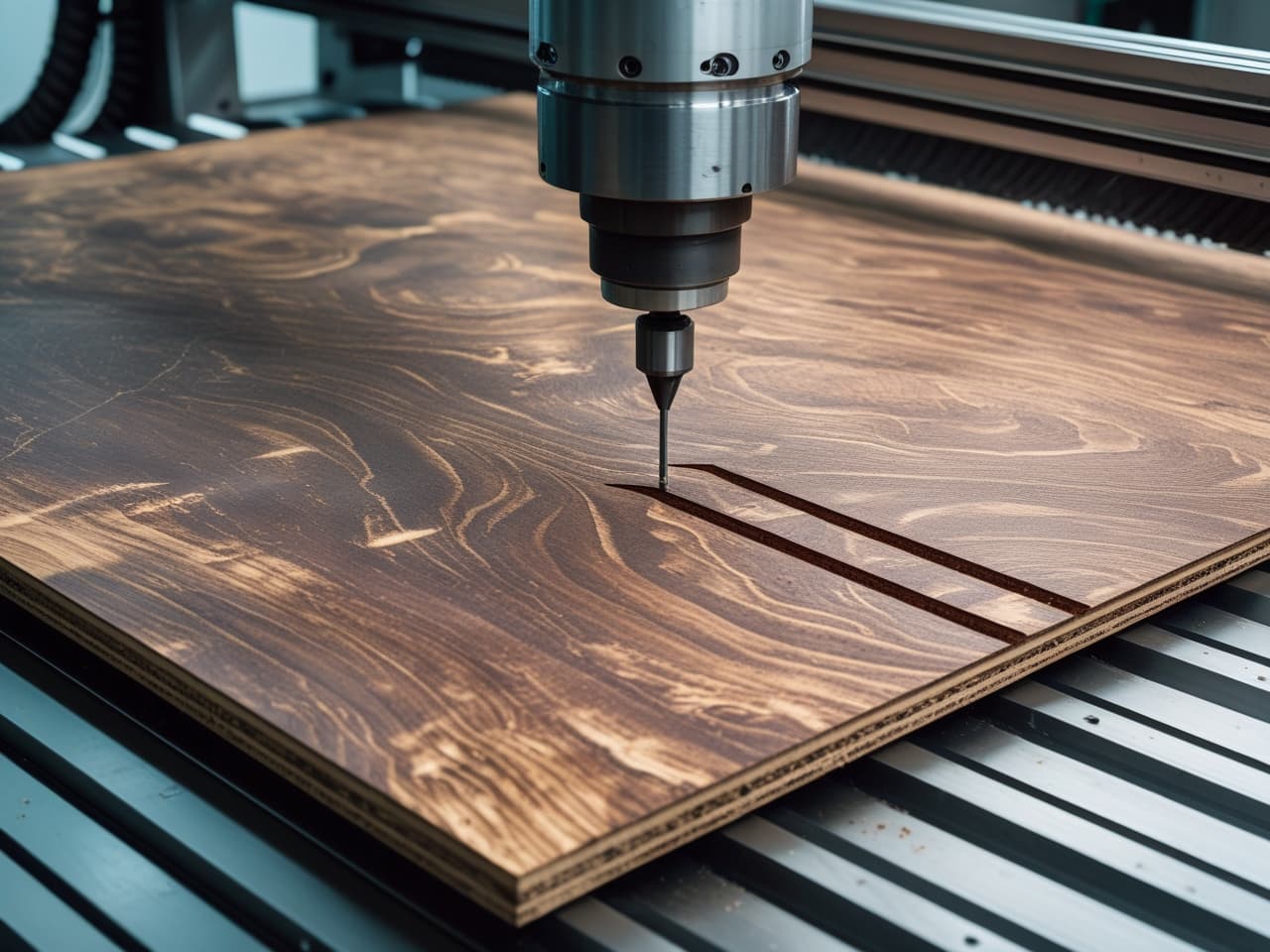
Grooving
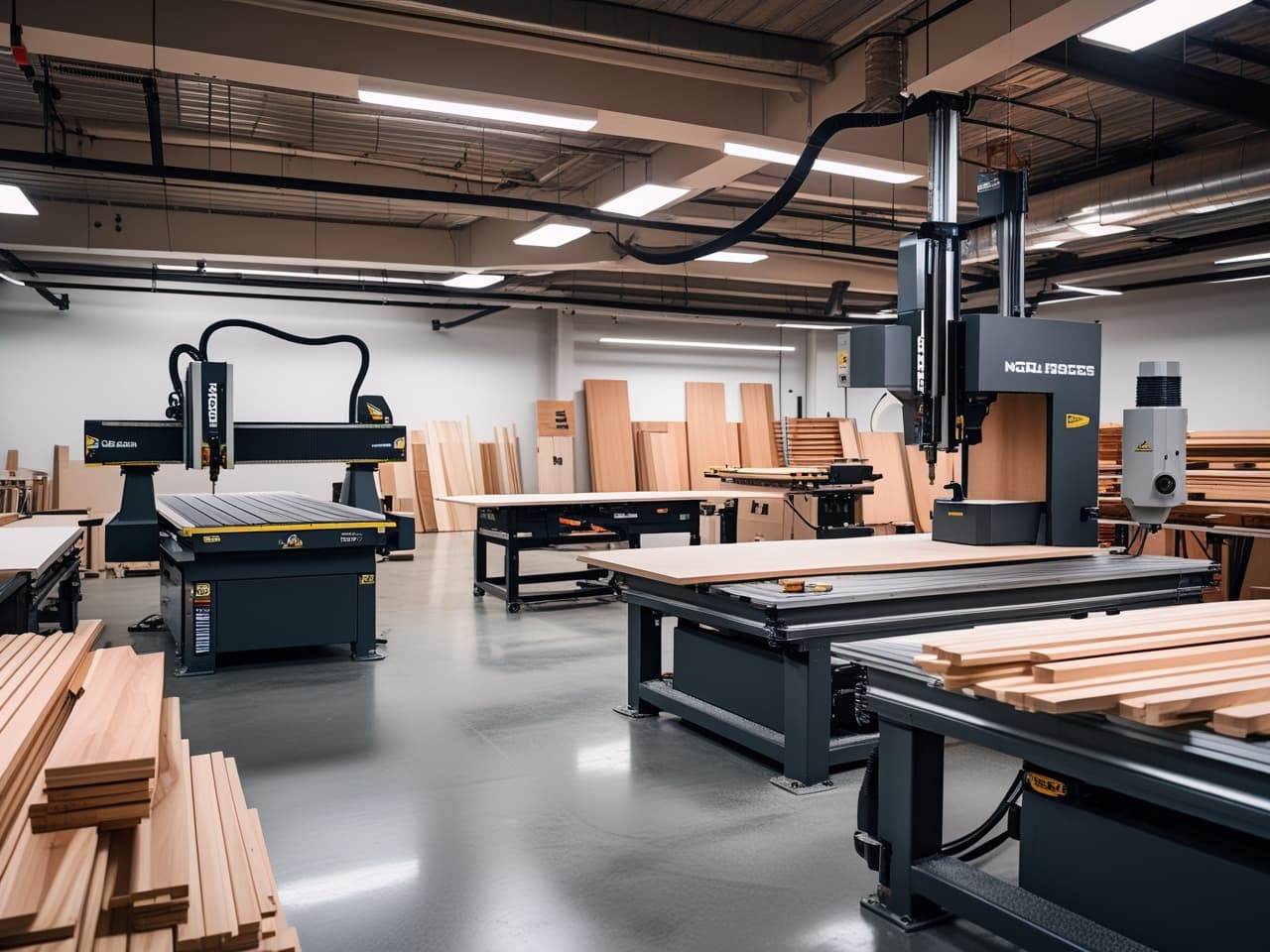
Milling

Painting
How materials are handled in warehouse furniture production
At this kind of production, material is handled meticulously — it directly determines how long the finished product will last and what load it will bear. The starting point of the whole chain is choosing the wood for the specific task: what suits a light basket will not do for a pallet that takes on tonnes of cargo every day.
Pine, oak and larch are most often used. Pine is inexpensive and easy to work, so it is good for mass-produced containers; oak brings strength where the cargo is heavy; larch calmly withstands damp and temperature swings, which is valuable for unheated warehouses. Each species has its own character, and the material is chosen to suit the type of product, not the other way around.
Before cutting to size, the blank is brought to the required condition. First drying — without it the wood will later warp and cracks will run through the product while it is still in use. Then culling: boards with large knots, chips and hidden cracks are set aside, because it is exactly at such spots that the structure usually fails under load.
Next comes protection from moisture and temperature swings. The blank is impregnated with an antiseptic and coated with compounds that slow rot and stop the wood from absorbing damp. For warehouse furniture this is no formality: an unheated hangar freezes in winter and heats up in summer, and without such treatment the wood quickly loses shape and strength.
A separate task is appearance, if the product is seen by a customer or a visitor. Varnish, tinting or paint not only decorate but also add another protective layer. For display containers and branded boxes this is also a way to maintain corporate style, so that the shelf looks tidy rather than like a back-room store.
The production stages of woodworking and manufacturing
Stages of manufacturing wooden warehouse furniture
The journey from board to finished product passes through several stages, and skipping any of them means losing quality. It all starts with selecting and preparing the wood: the species is determined, the timber is sorted by purpose and blanks are set aside for a specific type of product, whether pallets for heavy cargo or neat trays for a display.
Next the blank is cleaned of defects and prepared for processing. The key moment is drying: it removes excess moisture and eliminates the risk of cracking and warping in use. It is followed by sanding and antiseptic impregnation, which seal the wood against rot and pests before anything is assembled from it.
Then comes cutting into parts for crates, pallets, boxes and the other elements. Everything here rests on precision: each part is cut to the set dimensions, because a discrepancy of even a couple of millimetres will later show up as loose joints and a wobbly structure. The more accurate the cutting, the stronger and more predictable the assembled product.
Once the parts are ready, assembly begins. Here it is important to join the elements correctly, otherwise even strong blanks will produce a shaky structure. Various methods are used: gluing for rigidity, nails and staples for speed, metal fasteners where the joint takes the main load. The method is chosen to match the type of product, and often they are combined.
The assembled product awaits finishing — repeat sanding and a protective coating, which add both a tidy look and a margin of service life. The chain is closed by quality control: the product is checked for strength, stability and safety, so that only containers that hold the stated load without complaint go off to the customer’s warehouse.
Advantages of working with TigerWood in the field of warehouse furniture
Working with TigerWood on warehouse furniture gives a partner several tangible benefits that make companies take it on as a contractor on a permanent basis. The first of these is accumulated experience: over years in woodworking the team here has learned to translate a customer’s requirements into a specific design, rather than fitting the request to whatever is already on the shop floor.
Crates, pallets, boxes, packaging containers — all of this has long been in the product range, so for each type of product there is a proven solution rather than an experiment at the client’s expense. The technology at each stage is held within tight limits, which removes random defects and keeps service life predictable. Modern equipment adds precision in cutting and assembly — parts match up, and joints do not work loose under load.
Flexibility for the specific order deserves a separate mention. Material, dimensions, design — all of this is adjusted to the task rather than issued to a single template. This approach helps where the warehouse is non-standard or where logistics dictate their own container sizes: to fit a shelving cell, the body of a particular vehicle, or the usual forklift route.
The price too stays at a competitive level — for a business that counts its costs, this is often the deciding argument. Well-run logistics and optimised production make it possible to offer favourable terms on large batches, so the bigger the order volume, the more noticeable the saving per unit of container.
Rounding off the list are service and attention to detail on the customer’s side. Delivery times are met, orders are processed without unnecessary red tape, and support runs from the first conversation about material to questions that come up even after shipment. This way of working frees the client from the role of dispatcher, who otherwise has to manually reconcile production, warehouse and transport.


Other product categories on the site
TigerWood’s range is not limited to warehouse furniture — here wood is used to make products for the most diverse industries and tasks. The site also brings together other categories that will be useful to those looking for a single manufacturer for several areas at once, rather than splitting orders across different workshops.
One of these areas is garden furniture. The section brings together products for outdoors: tables, chairs, benches, loungers and everything needed for a garden, terrace or country house. Such furniture is made with the weather and a long service life in mind, so it calmly survives both rain and sun rather than falling apart in the first season.
Another area is interior furniture: decorative elements and furnishings for offices and living rooms. This coverage makes it possible to handle both work and home tasks with one contractor, and in different styles — from strict office classics to warm home comfort.
A separate line in the range is wooden packaging for the most varied goods. For small items and for oversized cargo, boxes and crates are built that keep the load intact all the way from warehouse to recipient. For a business this is a way to reduce breakage and mis-sorting in logistics, and therefore losses on returns.
The catalogue also includes narrower items — decorative wooden elements for interior design, as well as specialised solutions for storing and transporting products. Such a set is convenient when a single customer needs both functional containers and neat décor in one material and style at once.

Examples of our work and partner projects
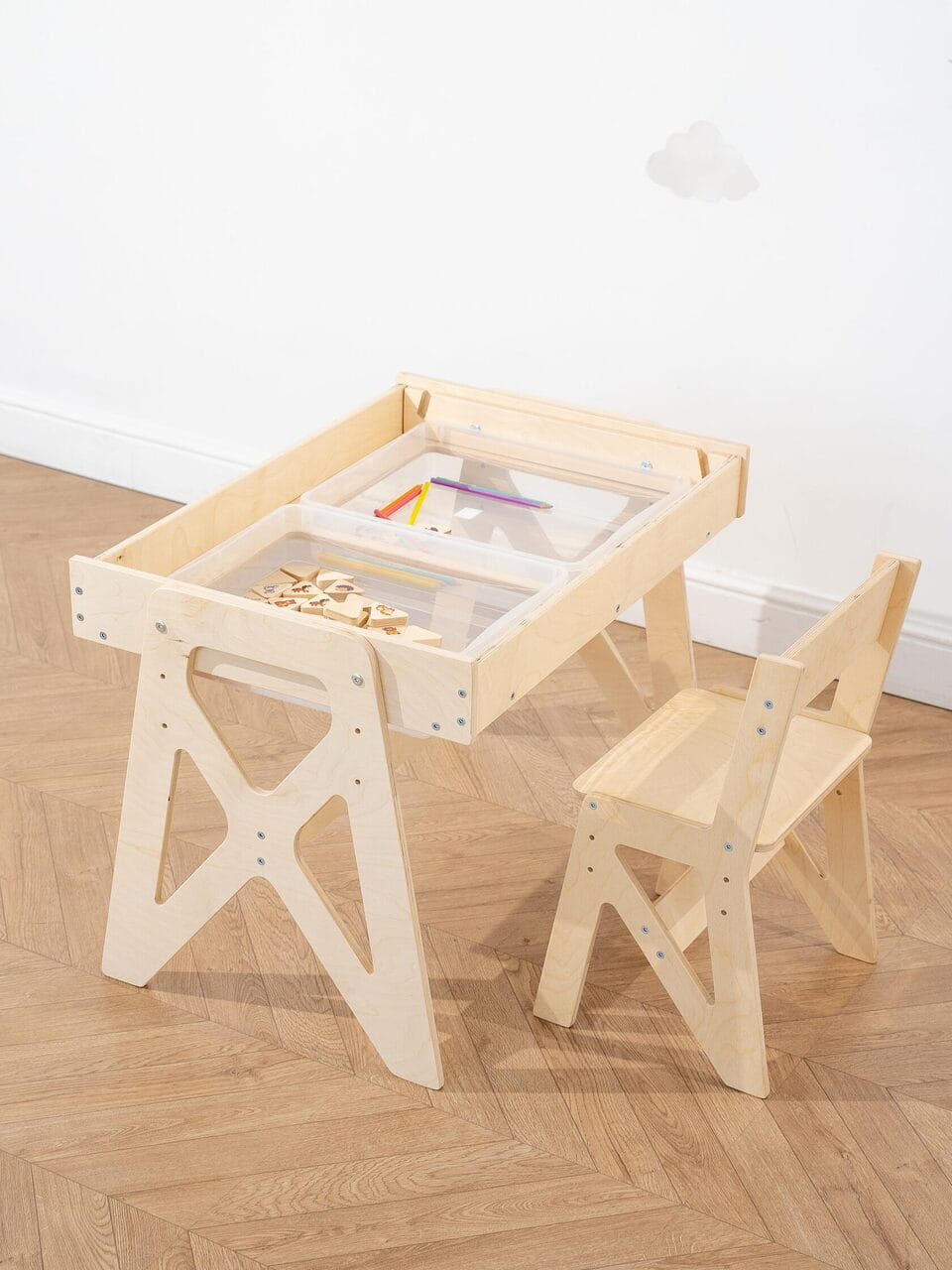
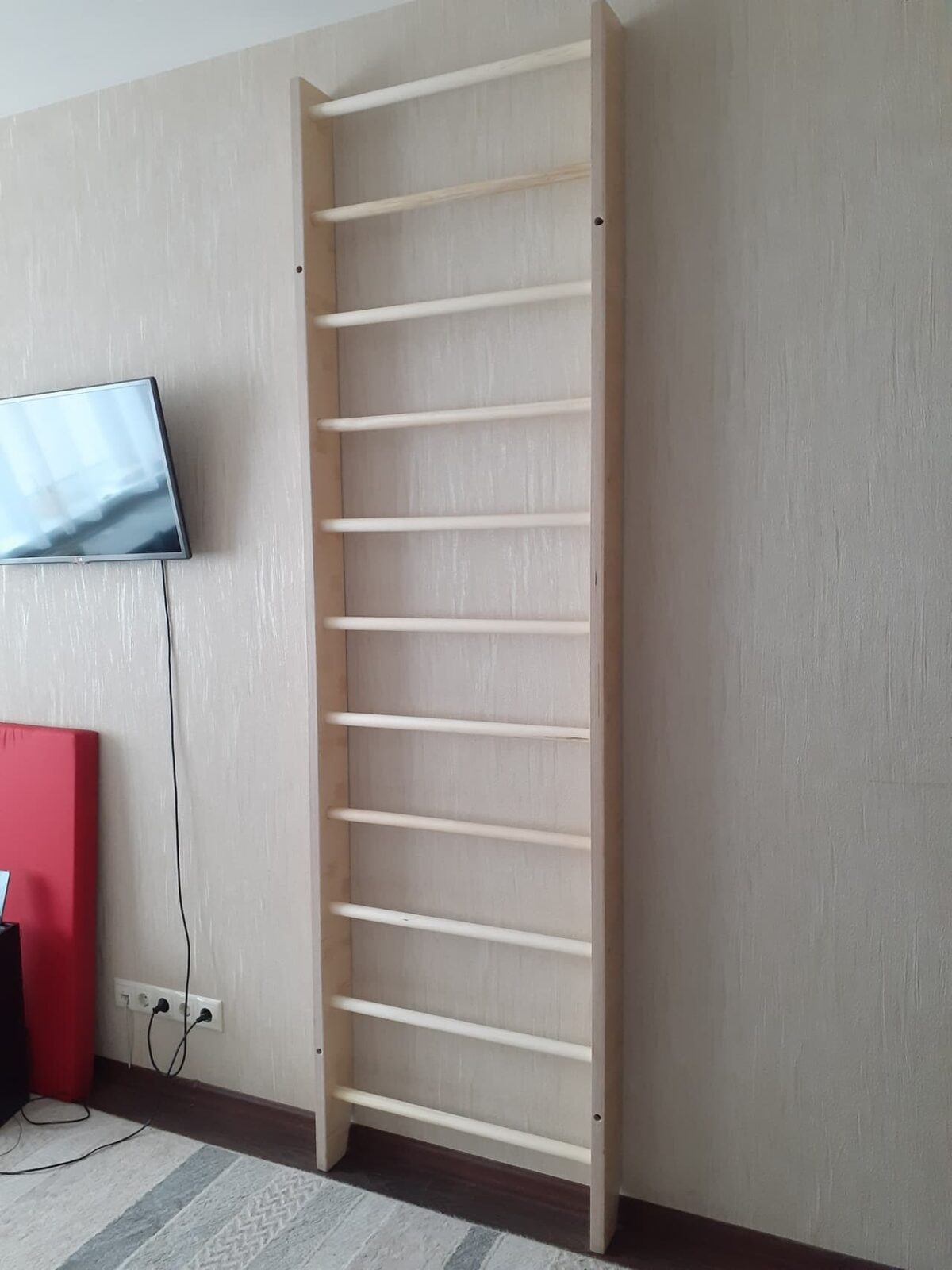

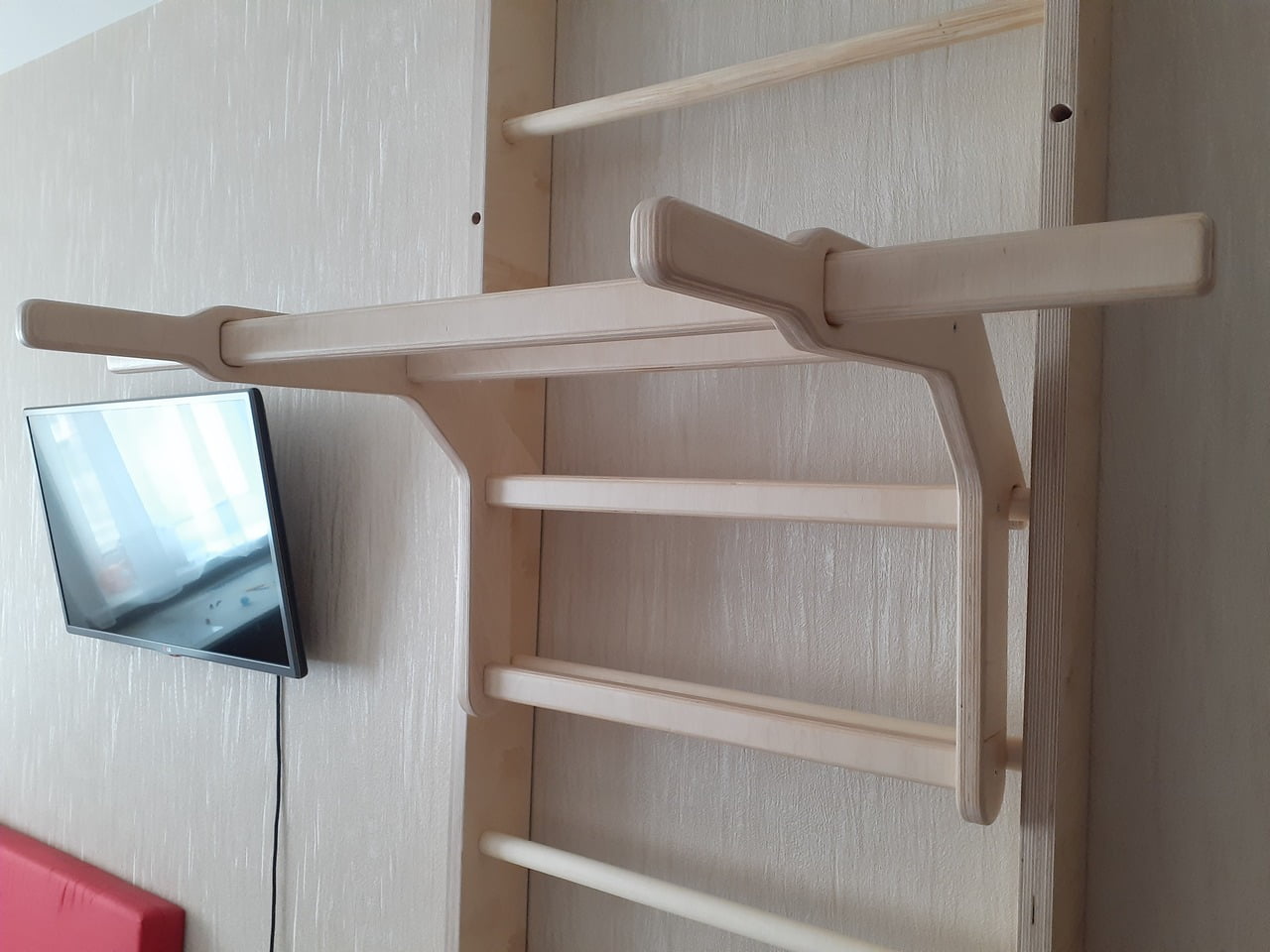
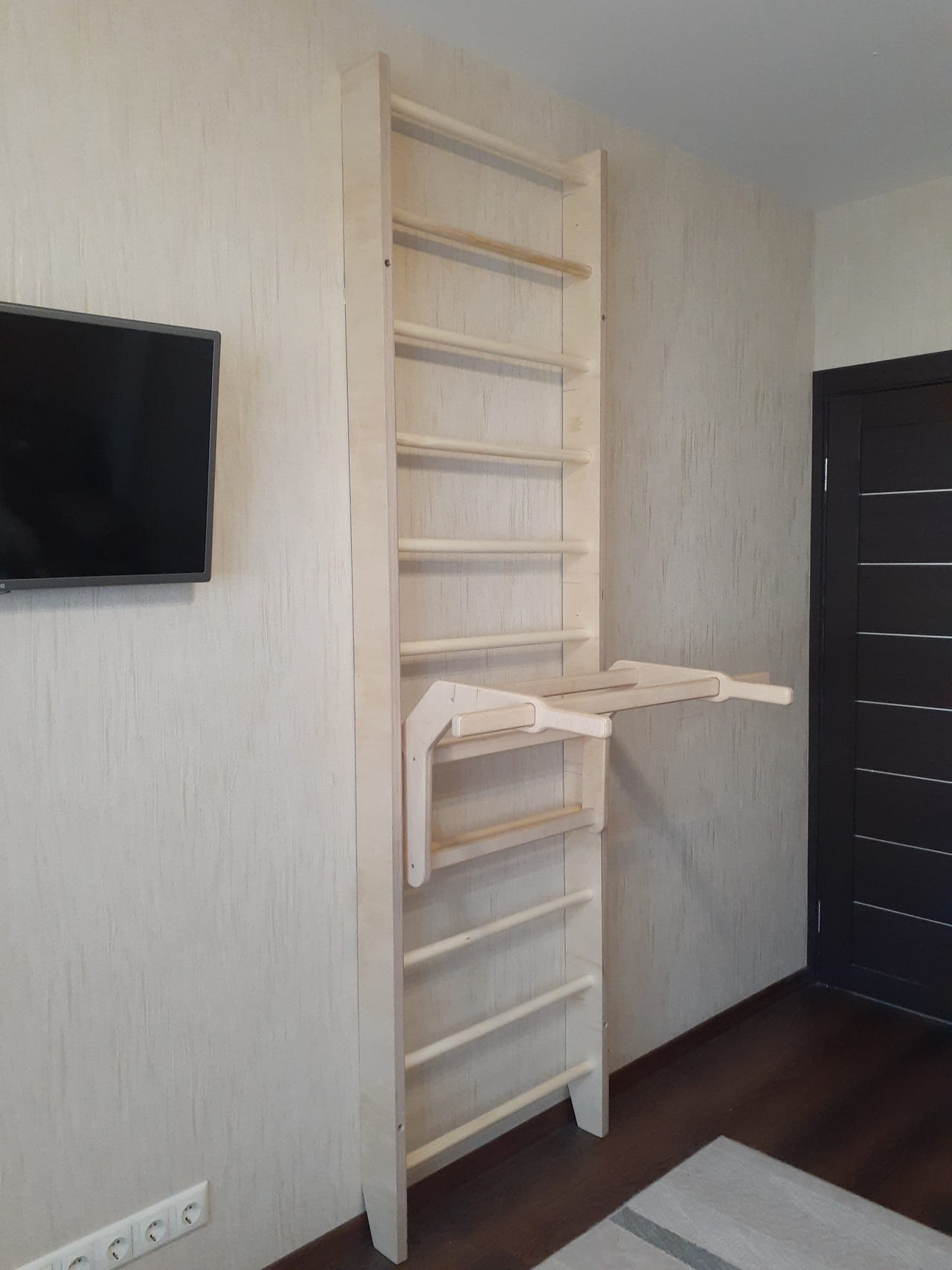


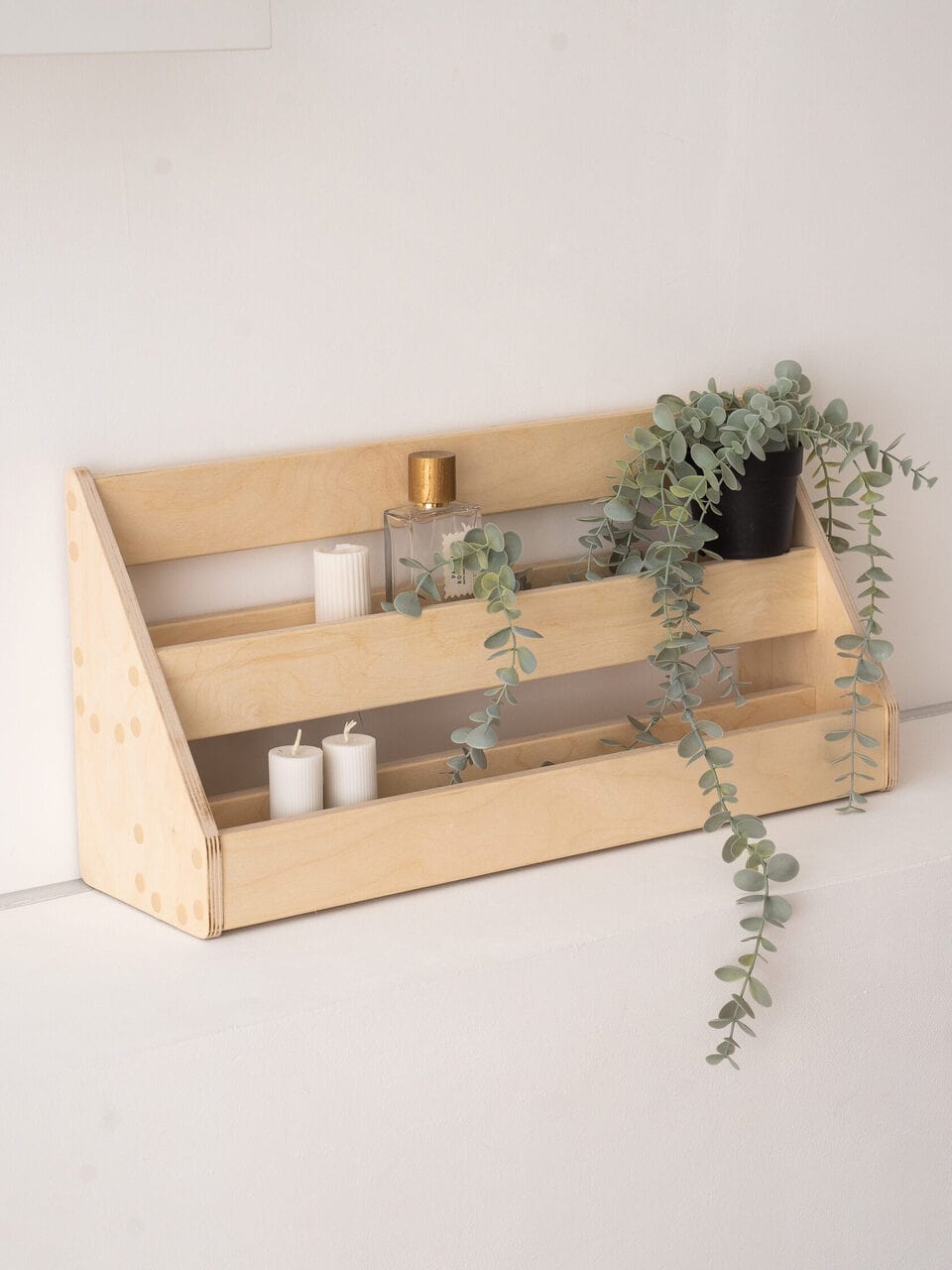
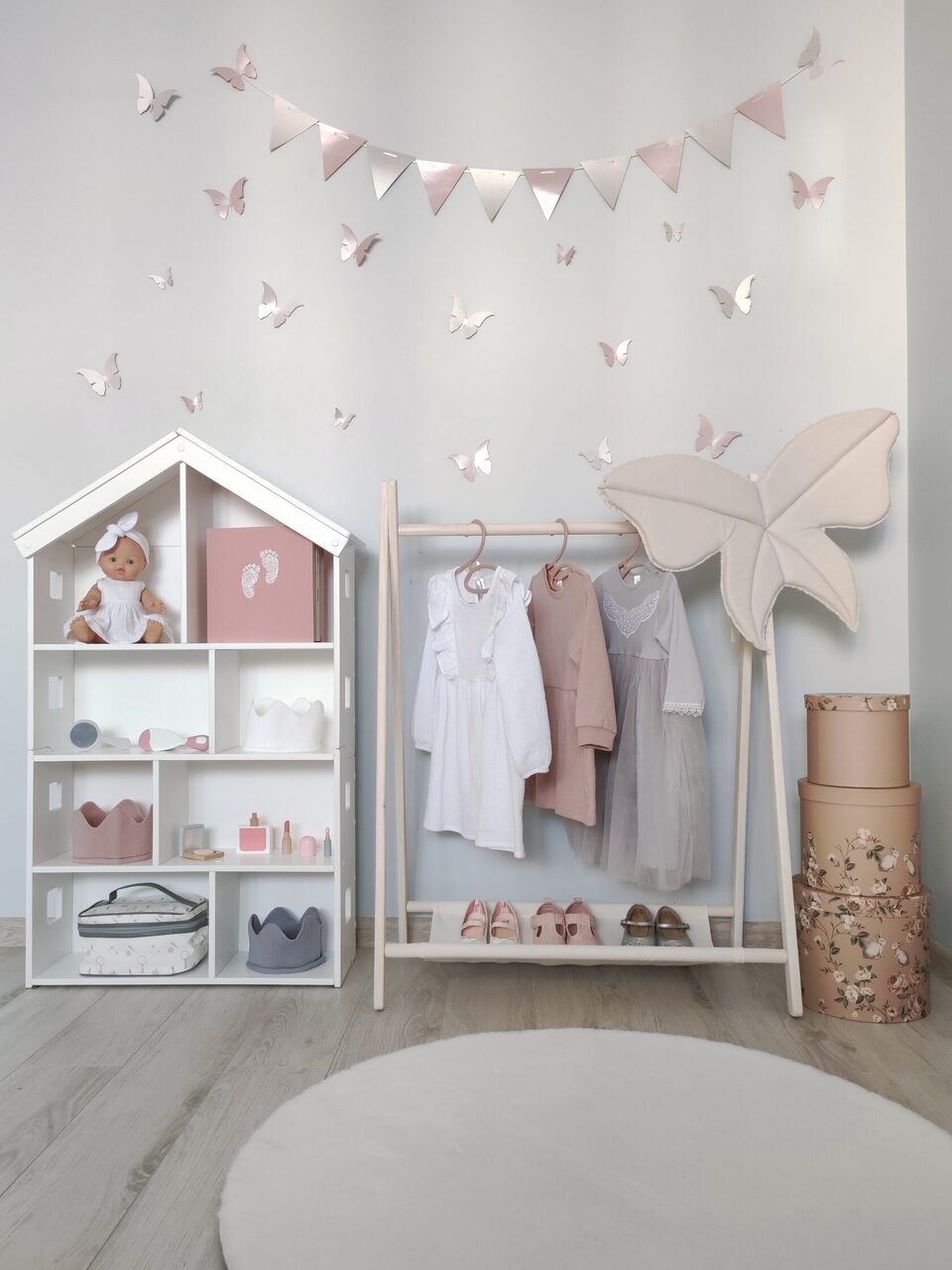
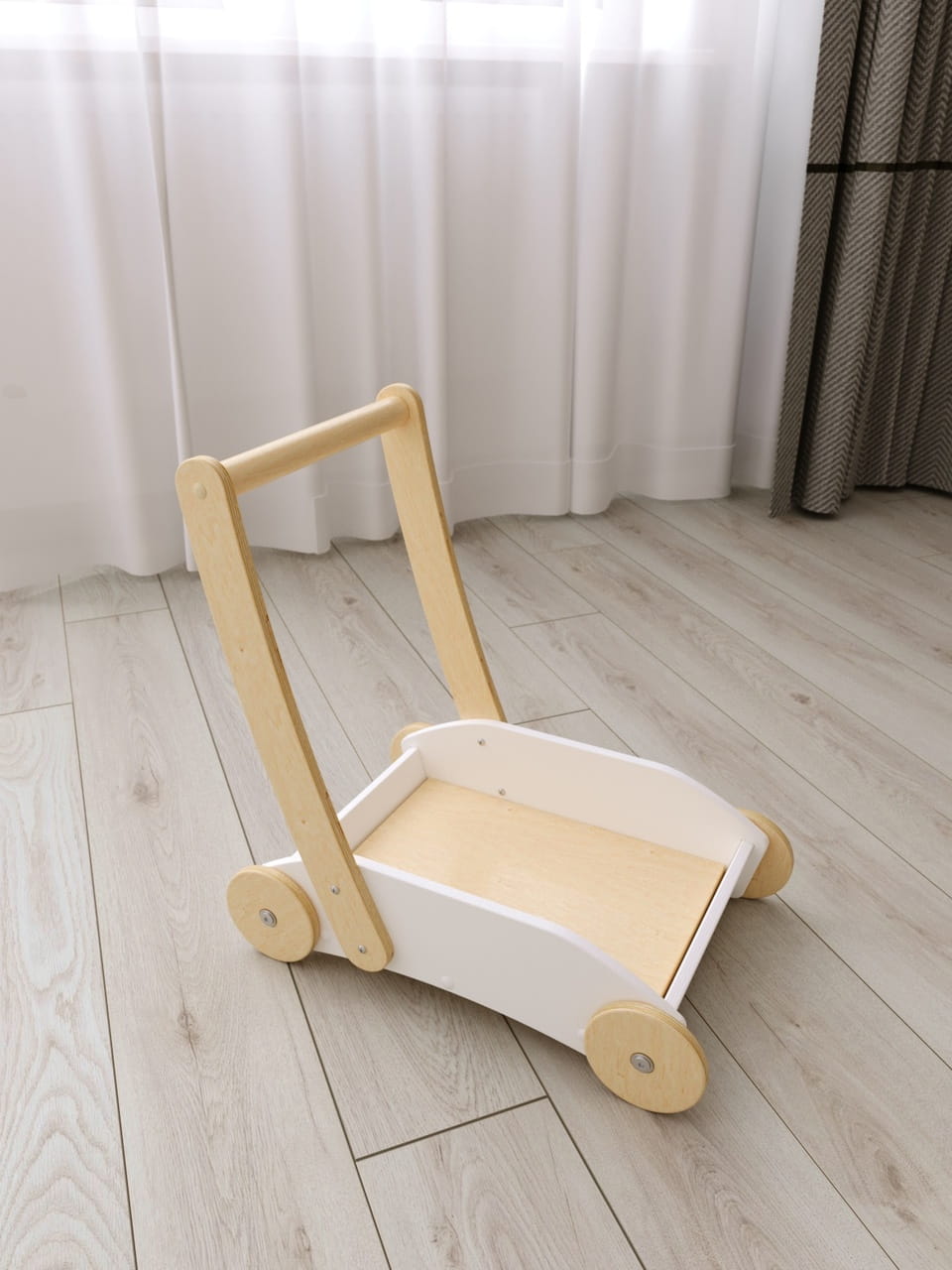

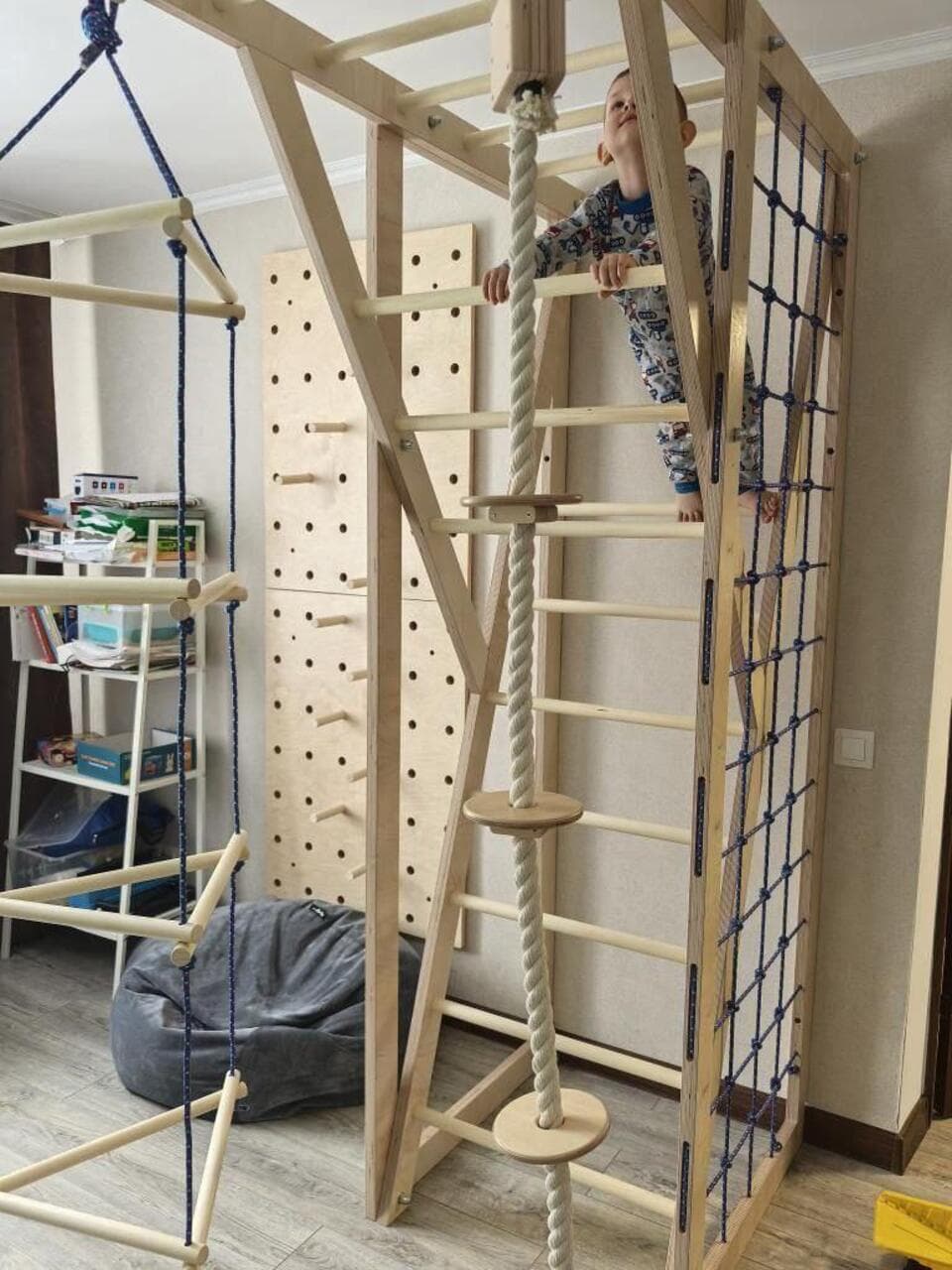
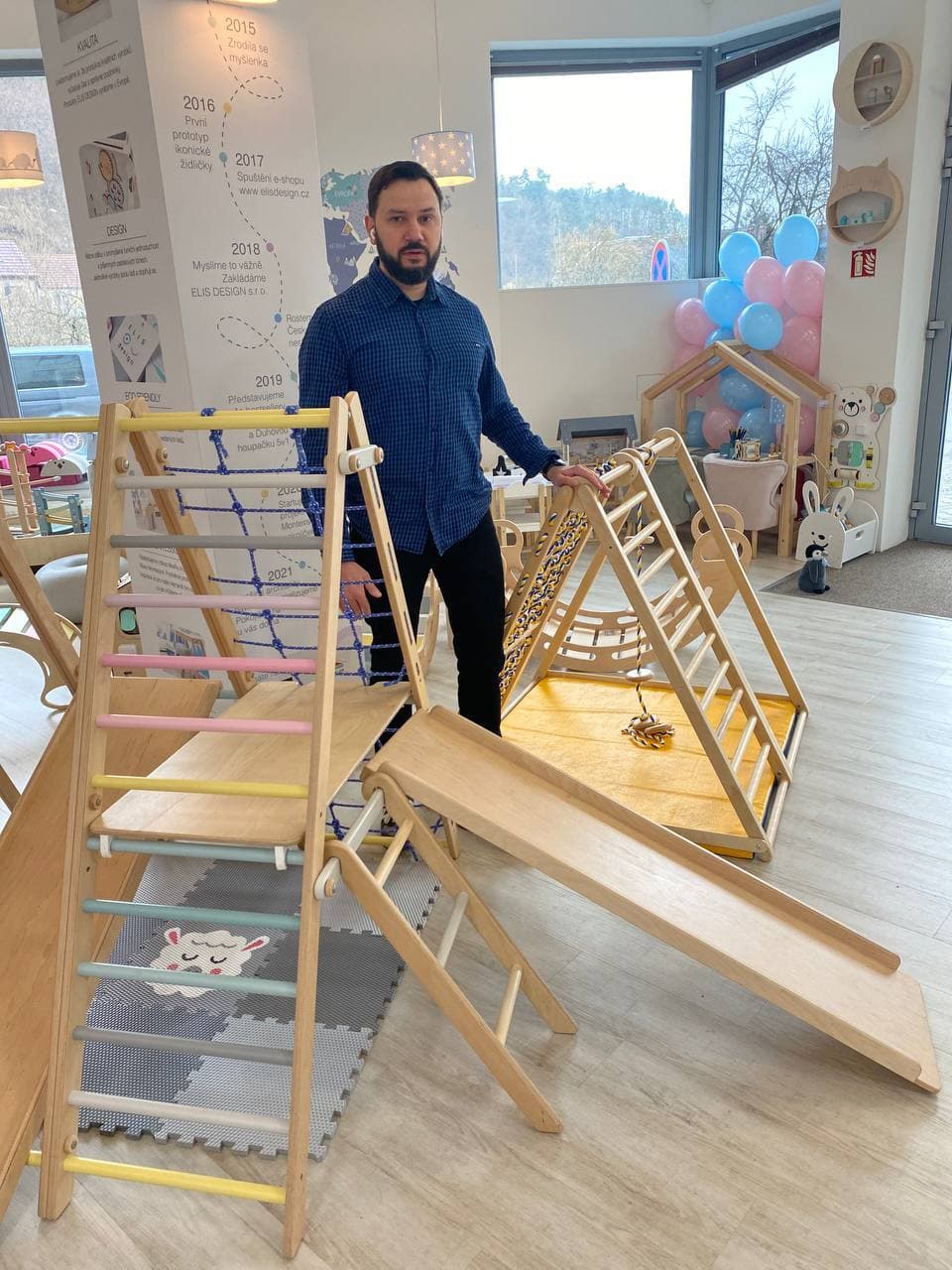
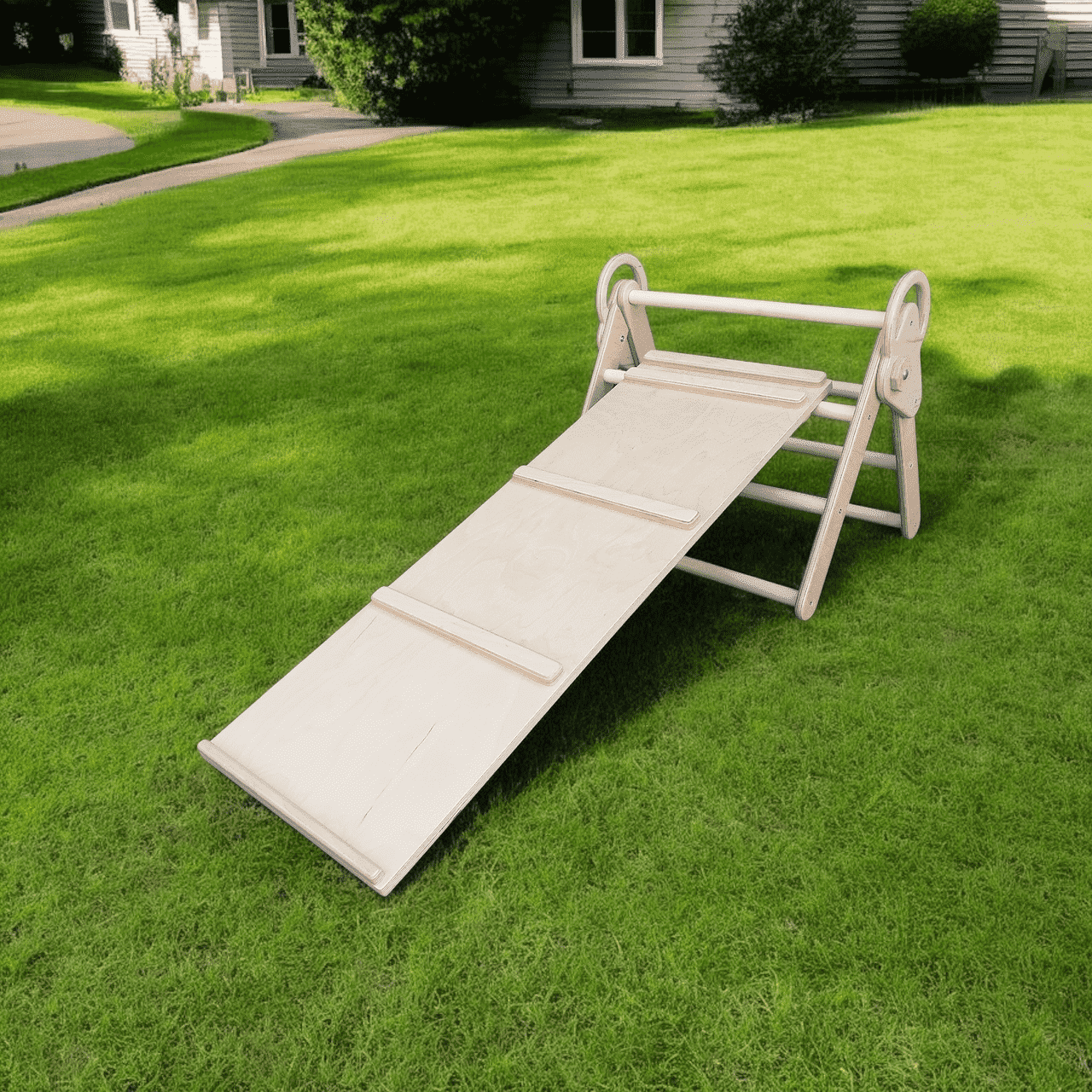
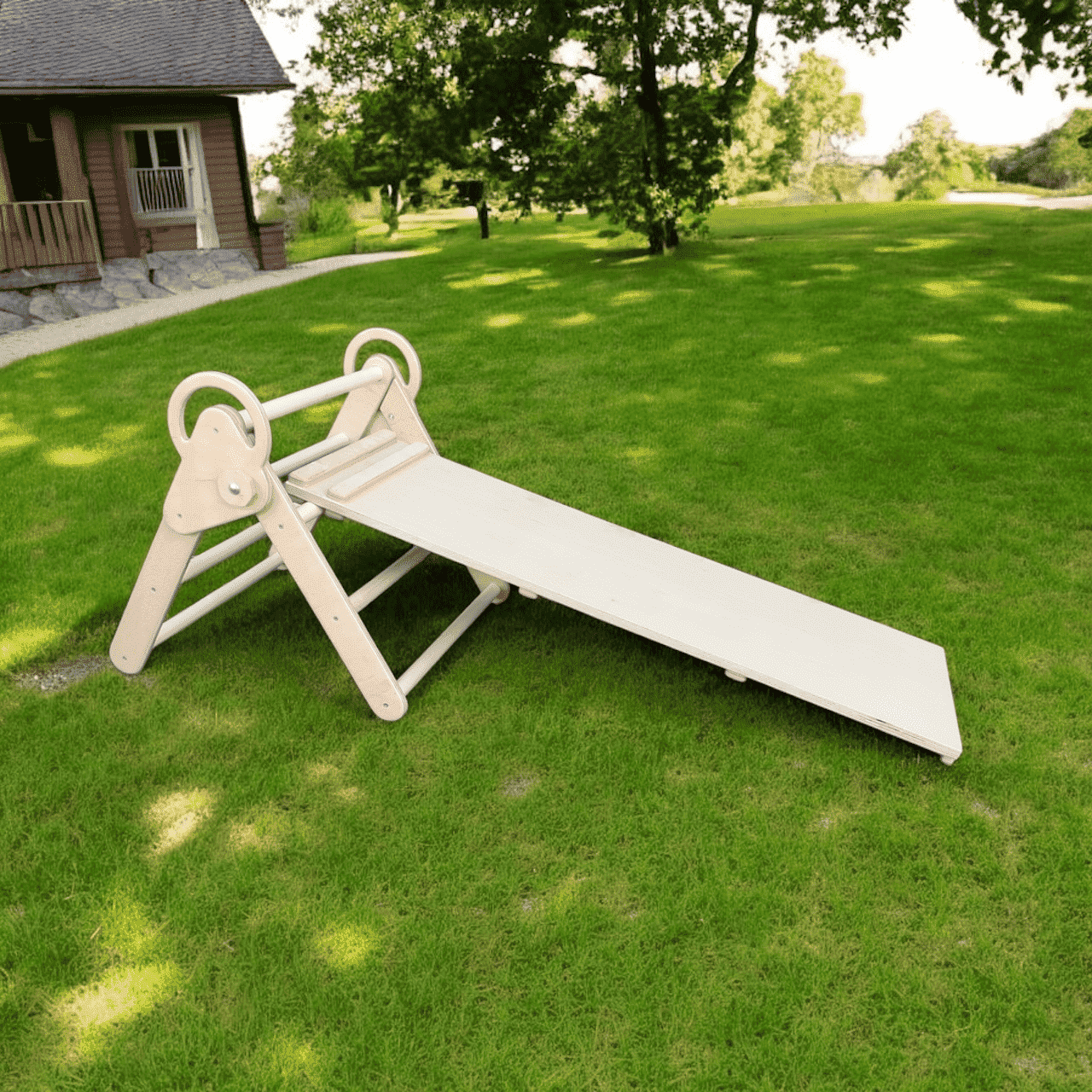
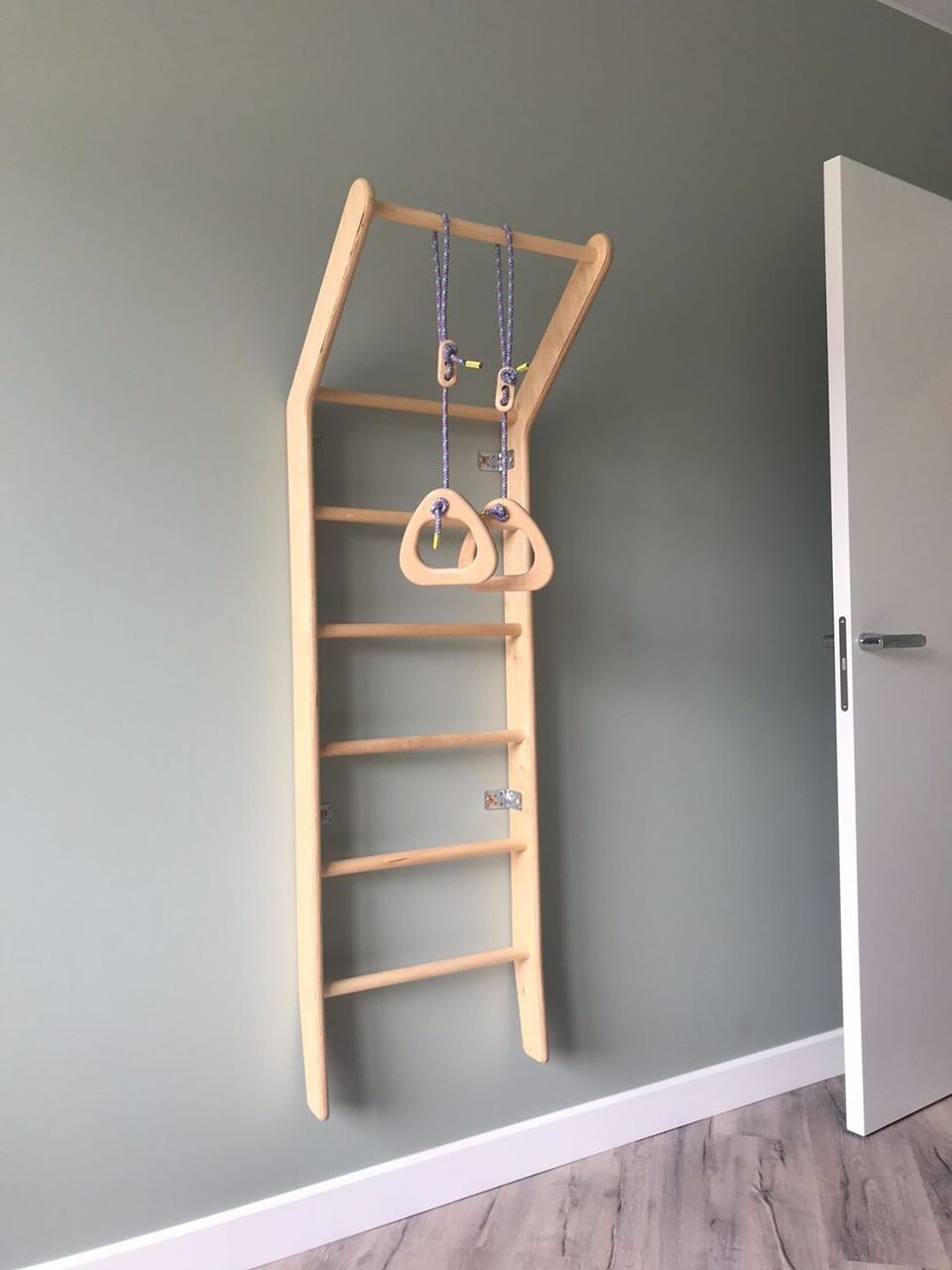
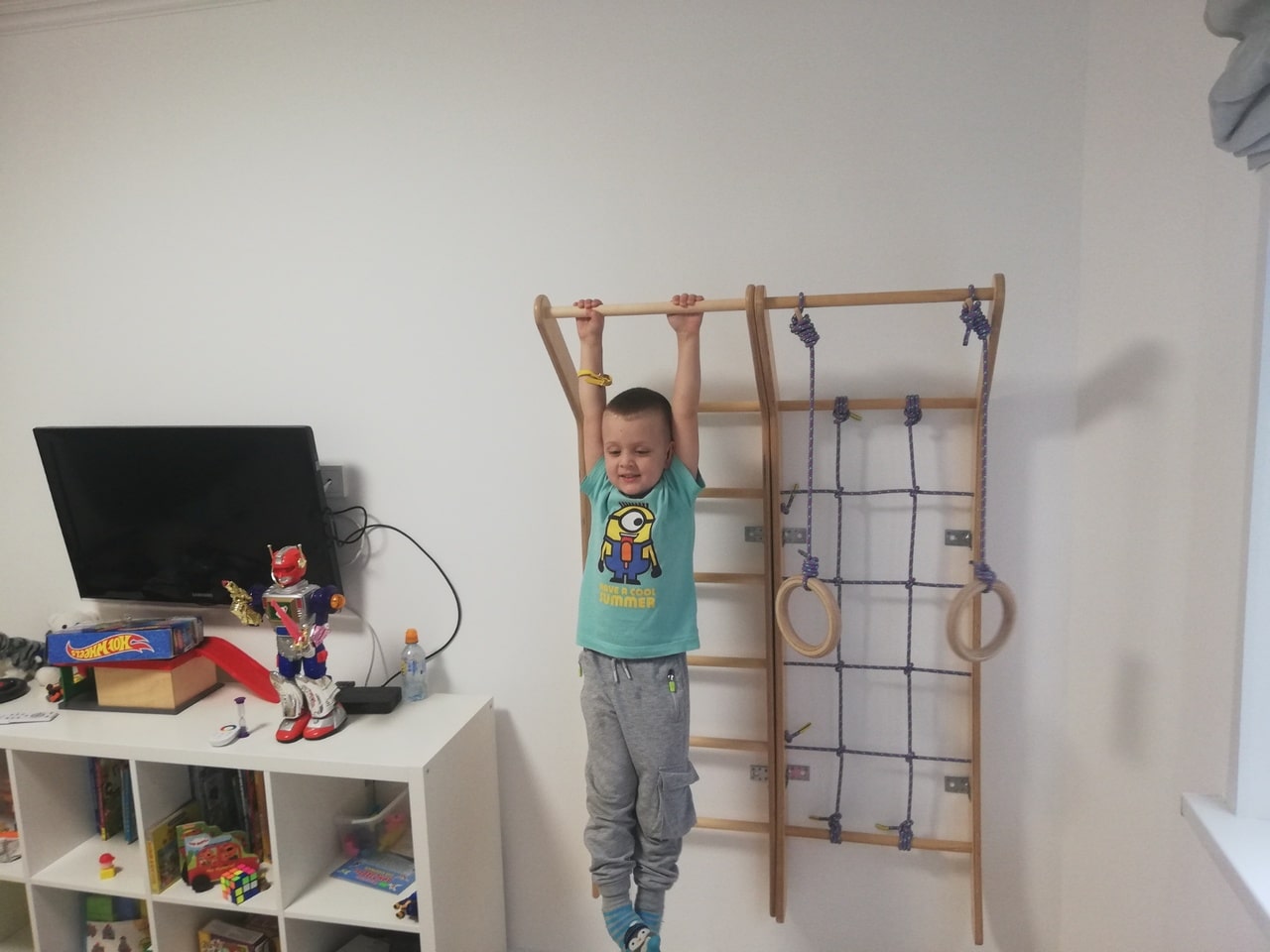
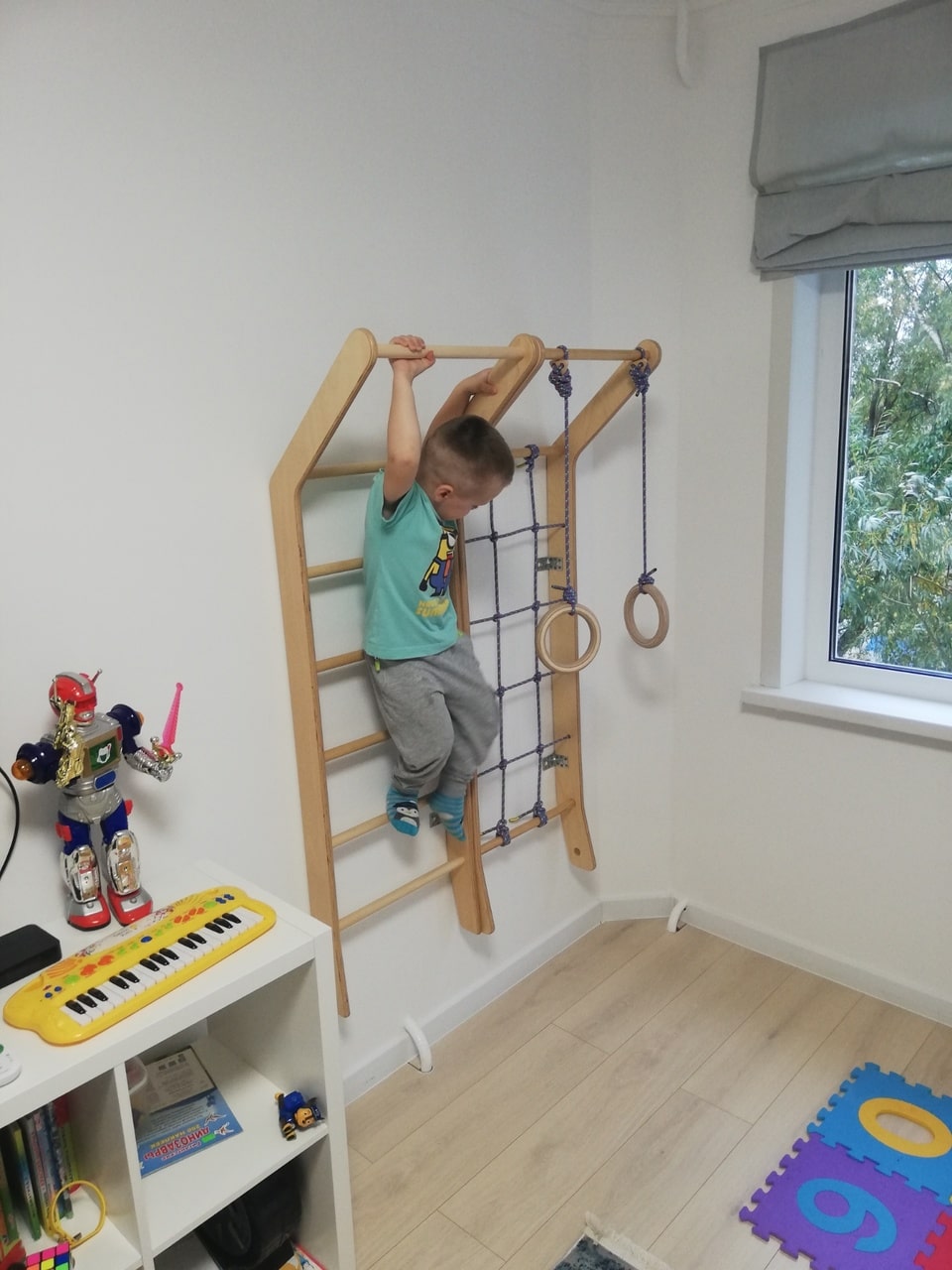

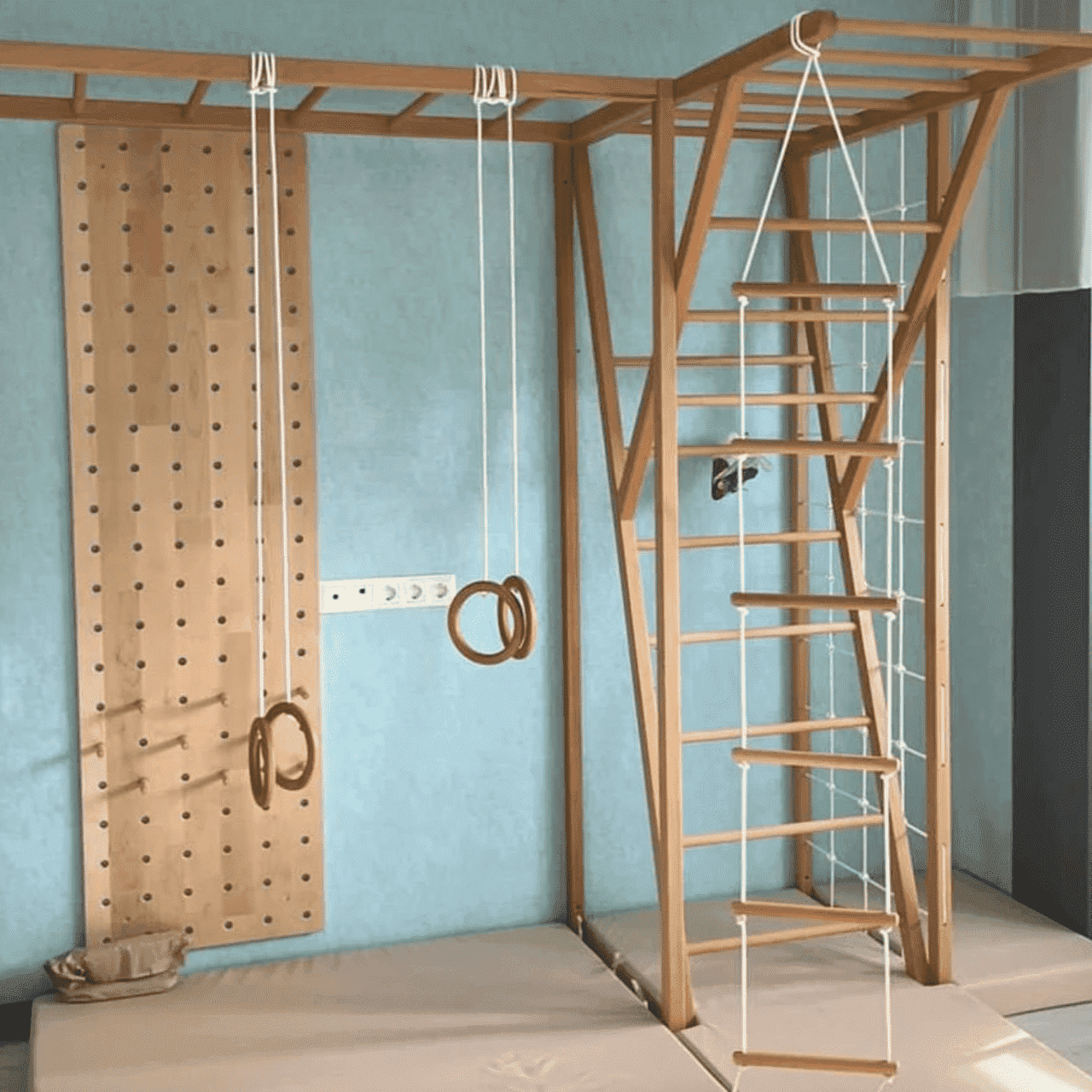
TigerWood has a good many completed warehouse-furniture projects behind it — both for large chains and for small companies. The portfolio includes both standard models that go into series production and one-off products built to a specific technical brief. It is on orders like these that you can see how one and the same technology adapts to very different conditions.
A telling example is a batch of wooden crates for large retail chains for packing and transporting food. The containers here had to have enhanced strength and resistance to constant overloading, and the crates managed it: the goods reached the end customer without breakage, and the boxes themselves survived more than one cycle.
Another case is wooden pallets for logistics companies. They were designed for serious loads and to all safety requirements, so the pallets calmly held heavy cargo on the forklift and in the truck. For a carrier such a pallet is a consumable that does not let you down at the most inconvenient moment in the middle of a run.
Projects for baskets and boxes for shops stand apart — containers that both store the goods and display them on the floor. Here a requirement for appearance was added to function: the products were made neat and in corporate style, so that the shelf works for sales rather than looking like a storage nook. This dual role is a frequent request from retail.
These and other works show future customers, not in words but on real samples — this makes it easier to assess both the build quality and the level of service in advance. A living example is more convincing than any description: the client sees how a similar task was solved and understands what to expect from their own order.
Who already works with us

Cabinet furniture makers

Joinery workshops

Interior designers

Architects

Private craftsmen and artisans

Online sellers

Advertising agencies

Set designers

Restorers

Toy manufacturers

Artists and sculptors

Construction companies

Exhibition equipment manufacturers

Educational institutions

Sports equipment makers

Wooden packaging manufacturers

Private customers

Shops and boutiques

Manufacturing enterprises

Restaurants and cafés
TigerWood’s circle of customers is wide: enterprises, organisations and shops that need reliable wooden furniture and packaging for their goods. The list includes large retail chains, manufacturers, logistics firms, retailers, and small and medium businesses from the most diverse industries. Each has its own specifics, but the request is the same — containers that do not let you down.
There is close cooperation with those who move cargo: carriers are supplied with pallets and crates for packing and transport. A large share is also taken up by manufacturers, where it is important to reliably store raw materials, finished products and components — for them boxes, trays and baskets of various formats are built. In effect, the container adapts to the specific link in the chain: receiving, storage or shipment.
A noticeable share of customers is retail, which needs packaging not only for storage but also for display. Here TigerWood covers both tasks at once: it makes both reliable containers for goods and products that work as a display right on the sales floor. A single supplier for packaging and presentation makes a shop’s life noticeably easier.
Architectural and design studios also get in touch — they need non-standard furniture and decorative elements for a specific interior project. For such orders it is precisely the flexibility of production that is valuable: to build a one-off product to a drawing that is not in any standard catalogue.
An overview of warehouse furniture production and its advantages
Wooden warehouse furniture carries a whole layer of a business’s work — storing, packing and transporting goods across several industries at once. Crates, pallets, boxes, baskets, trays and cases make these processes more convenient and safer: every cargo gets its own place and its own protection. So that such containers last a long time and do not fail under load, they are built from proven material and to a tested technology, without skipping stages for the sake of speed.
TigerWood makes warehouse furniture a focus and keeps a wide range for different tasks. Wooden crates and boxes go for packing the most varied goods — from food to small electronics. The design changes to suit conditions: in one place a sealed, sturdy box is needed, in another a light container with ventilation, and in another a version that stacks several tiers high without the risk of crushing the bottom row.
Wooden pallets are the basis for transporting and storing large volumes. They are expected to resist load and have precise dimensions, so that the pallet sits on the forklift and in the vehicle body without gaps or skewing. This is exactly why logistics relies on such containers: they interface with loading equipment and do not eat up usable space in the vehicle.
Boxes, baskets and trays work on two fronts — they both store goods and display them, helping to bring order to both logistics and the sales floor. Sizes and design are chosen to suit a specific shelf, rack or display, so for each case there is a dedicated solution rather than a universal compromise that fits nowhere perfectly.
Wooden cases fill a separate but important niche — protecting fragile goods. With cushioning and a snug fit inside, they protect the contents from jolting, and in a warehouse with packaging such an element often decides whether cargo arrives intact or not.
The production of wooden warehouse furniture follows a chain — from choosing the material to finishing the completed products. Every stage is kept under control, because the final quality is made up of small things: drying, precise cutting, fasteners, coating. As a result the element has to be strong, reliable and resistant to moisture and impacts, since in a warehouse containers live not in hothouse but in working conditions.
What warehouse furniture is made from: species and materials
The material is half the final result, so for each type of container the species is chosen separately. A light basket for the retail floor and a heavy pallet for a machine need completely different wood properties: one needs neatness and low weight, the other the ability to hold tonnes for years without sagging. Below is a short review of the species most often used in warehouse furniture, with their strengths and typical field of application.
| Species / material | Strengths | Where it is used |
|---|---|---|
| 🌲 Pine | Inexpensive, light, easy to work | Mass-produced crates, boxes, light pallets |
| 🪵 Larch | Resistant to moisture and rot, dense | Containers for damp and unheated warehouses |
| 🌳 Oak | High strength, wear resistance | Pallets and shelving for heavy cargo |
| 🟫 Plywood | Flat sheets, holds shape, does not warp | Box walls, cases, fitted inserts |
| ⬜ MFC / MDF | Smooth surface, neat look | Display and branded containers |
The choice between solid wood and panel materials is not random either. A solid board wins where the joint takes impact load and a margin of strength over years matters. Panel materials — plywood, MFC, MDF — score with flat geometry and a neat surface, so they go where the container is seen by the customer or has to carry brand identity. Often materials are combined in a single product: a frame of solid wood, cladding of plywood, a front panel of laminated board.
Blank moisture content stands apart. Damp wood put into work without drying will inevitably warp later: the box will skew, the boards will crack, the fasteners will work loose. That is why timber is brought to the required moisture level in drying chambers and only then cut to size. For a warehouse this is fundamental: containers often live in temperature and humidity swings, and the margin of stability built in at this stage has to last the entire service life.
Fasteners and hardware for warehouse furniture
Wood holds its shape exactly as far as the joints are reliable. In warehouse furniture the fasteners work hard: a pallet is lifted dozens of times by a forklift, a crate is dropped and moved, a box lid is opened several times a day. That is why the joints use galvanised and stainless nails, staples, screws and brackets that do not rust from moisture and do not crumble over time. Where maximum rigidity is needed, the joint is additionally glued.
The joining method is chosen to match the load. For light containers staples and nails are enough, giving assembly speed. For heavy shelving and pallets, bolted and screwed joints with metal plates are used — if necessary they can be tightened or rebuilt without destroying the whole structure. This approach extends the life of the product: a joint that has worked loose is repaired rather than the whole container being thrown away.
Warehouse furniture in logistics and storage organisation
In a warehouse, containers do not exist on their own — they are built into the flow of goods, and the speed of all the work depends on them. Well-chosen warehouse furniture speeds up receiving, picking and shipment: boxes of one size stand neatly on the shelf without wasting space, pallets interface with the forklift, and open-topped trays cut order-picking time. A mistake at this level turns into extra distance walked by the storekeeper and idle equipment, which quietly eat up money every day.
The key quantity here is modularity. When the container dimensions are multiples of the shelving cell and pallet size, the warehouse fills densely and predictably, without gaps or overhanging edges. This is precisely why product sizes are more often tied not to ’round’ numbers but to the real storage cell and the body of the vehicle the goods will travel on. Such a link turns a set of crates into a single system rather than a chaotic scatter of assorted boxes.
- 📥 Receiving — sturdy crates and pallets that withstand unloading and rearrangement without damaging the goods.
- 🗄️ Storage — modular containers to fit the shelving cell, so as to use the warehouse’s height and depth without waste.
- 🔎 Picking — open trays and baskets that speed up order fulfilment and reduce the number of errors.
- 🚚 Shipment — pallets and boxes to fit the vehicle body, so as to pack the cargo hold densely and protect the load in transit.
The durability of containers in a warehouse is also a matter of safety. A pallet that has worked loose under a tonne of cargo or a cracked shelving unit create a direct risk to staff, so the safety margin is built in by calculation rather than ‘by eye’. Products designed for a specific load and verified in quality control remove this risk: they hold the stated weight and spring no surprises in the middle of a working shift.
The economic effect of well-chosen warehouse furniture is easiest to see over the distance. A container that survives dozens of cycles costs less than a cheap single-use one, if you count not the purchase price but the cost of operation over a year. Less breakage of goods, fewer replacements, less downtime from a broken pallet — all of this adds up to a tangible saving, for the sake of which a business moves from random containers to a well-thought-out storage system.
Types and standard sizes of wooden warehouse containers
The spread of sizes in this category is large, and it is more convenient to navigate by purpose than by abstract dimensions. Small containers for fasteners and spare parts are measured in centimetres, pallets in hundreds of millimetres to standard formats, and large containers for equipment reach sizes at which they can only be moved by machinery. The table below gives a rough guide to the main groups of products, while exact sizes are always calculated for the specific task.
| Product type | Approximate size | Typical load |
|---|---|---|
| 🧺 Tray / basket | 20–50 cm on the long side | up to 10–15 kg |
| 📦 Crate / box | 40–80 cm | 20–60 kg |
| 🪵 Standard pallet | 800×1200 / 1000×1200 mm | up to 1000–1500 kg |
| 🗃️ Large container | from 1 m and up | hundreds of kg and above |
| 🛡️ Case | to fit a specific item | according to contents |
Standard formats are convenient because they interface with existing infrastructure — shelving, forklifts, vehicle bodies. If a warehouse is built around the 800×1200 Euro pallet, then it is wiser to keep containers on this grid too, so that nothing has to be redone. But as soon as non-standard goods or a narrow cell appear, custom sizes come into play: the product is designed for the specific dimension, and then it sits in place without gaps or reworking.
When you need custom-designed warehouse furniture
A standard solution covers most tasks, but not all. A custom project is justified when the goods are an unusual shape, the warehouse has unusual geometry, there are special load requirements, or containers in corporate style are needed. In such cases, fitting the cargo to a ready-made crate is more expensive and worse than making a crate for the cargo. The technologist starts from the dimensions of the item, the storage and logistics conditions, and then chooses the species, wall thickness and type of fastener.
For a custom order to come out right the first time, the input data matters. Ideally a drawing or measurements of the item, its weight, operating conditions and the desired quantity. Even a detailed description with a reference photo becomes a working start, and a specialist will clarify what is missing. The fuller the brief, the fewer revisions at the production stage and the more precisely the finished container fits into your storage system without on-site adjustments.
How to order wooden warehouse furniture
An order goes through a clear chain, and the clearer the task at the input, the more predictable the lead times and price at the output. It all starts with a discussion: what we are storing, in what conditions, what the batch volume is and whether there is a link to existing shelving or vehicles. At this same step it is determined whether a standard solution will do or whether custom development is needed. Then come calculation, approval and production — with no surprises at the final stage.
- 1️⃣ Request and inputs — type of goods, storage conditions, volume, link to the dimensions of the warehouse and transport.
- 2️⃣ Calculation and selection — species, material, design and fasteners to suit the load; a preliminary estimate.
- 3️⃣ Approval — clarifying dimensions, and if necessary a sample or drawing before starting the batch.
- 4️⃣ Production — drying, cutting to size, assembly, protective treatment and quality control.
- 5️⃣ Delivery and assembly — shipment of the batch and, if necessary, on-site installation of large containers.
A wholesale order is calculated differently from a retail one. At a large volume the unit cost is more favourable, and logistics are easier to plan as a single delivery. That is why large clients are usually offered more flexible terms: fixed sizes for their warehouse, repeat batches to a schedule and a stock of material for future re-orders. For a business this means that containers will not run out at the wrong moment, and a new batch will arrive exactly the same as the previous one.
Lead times depend on the type of products and the production workload. Standard containers are shipped faster, one-off structures require time for design and approval. Drying and protective treatment cannot be sped up — these are the stages where saving time turns into a loss of quality. That is why, for seasonal peaks in demand, it is better to place an order in advance, with a margin for production and delivery, rather than in the last week before the rush.
A separate plus of working with a single manufacturer is unified responsibility for the whole order. The customer does not have to reconcile deliveries from different workshops, match shades and work out who is to blame for a mismatch. One point of contact is responsible for the material, the assembly and the timing, and on repeat orders already knows the specifics of your warehouse. This noticeably reduces risks and saves the time that would otherwise go on coordination between contractors.
Myths and reality about wooden warehouse furniture
A good deal of misconception has built up around wooden containers, because of which a business either overpays or, on the contrary, saves in the wrong place. The first myth — ‘wood is impractical in a warehouse, plastic and metal are better’. In reality, wood has an excellent strength-to-weight ratio, it is easier to repair, and a cracked board is replaced on the spot, whereas cracked plastic usually goes to scrap as a whole. The second myth — ‘all containers are the same, the only difference is price’. The difference lies precisely in the species, the drying and the fasteners, and it is exactly this that determines whether a product survives ten cycles or falls apart on the third.
The third myth — ‘warehouse furniture needs no care, it’s a workhorse’. In fact, even simple prevention extends service life: dry storage, timely tightening of fasteners and renewal of the protective coating on products that stand in damp. The fourth myth — ‘the more expensive the species, the always better’. For mass-produced containers, practical pine is more sensible than expensive oak, and larch often beats both, precisely in damp warehouses. The fifth — ‘a rush order is no different from a planned one’. Drying and treatment cannot be sped up, so haste hits quality, not production times.
Care and service life of warehouse furniture
The lifespan of a container depends not only on how it was made but also on how it is handled. The basic rules are simple: do not store it in constant damp, wipe away standing water, do not overload beyond the calculated weight and check the joints once a season. It is precisely water that lingers on the ends and in the joints that most often starts the destruction of wood, so these places are watched especially closely, and at the first signs of wear the protective coating is renewed.
Repairability is an underrated merit of wooden containers. A joint that has worked loose is tightened, a cracked board is replaced, a worn coating is reapplied, and the product returns to service instead of going to the dump. With this simple care, crates, pallets and shelving last many years, and the investment in quality warehouse furniture pays off through a long service life and fewer replacements. Good work at the production stage lays the foundation, and careful use simply extends what has already been made conscientiously.
Industries where warehouse furniture is in demand
Warehouse furniture is needed everywhere goods are stored, counted and moved, and there are far more such fields than it seems at first glance. Retail keeps its stock in the back room and its display on the floor on it, manufacturing keeps raw materials and components, logistics keeps cargo on pallets, farming and food enterprises keep products in ventilated containers. Each industry has its own requirements, but the request is the same: warehouse furniture must withstand load, not spoil the contents and last a long time.
- 🛒 Retail — containers for stock and display, neat warehouse furniture for the sales floor and back room.
- 🏭 Manufacturing — crates and shelving for raw materials, blanks and finished products next to the line.
- 🚛 Logistics and transport — pallets and containers to fit the vehicle body and loading equipment.
- 🌾 Food and farming enterprises — ventilated containers for vegetables, fruit and other produce.
- 🔧 Service and workshops — trays and crates for tools, fasteners and spare parts with quick access.
The more specific the industry, the more important it is to tailor containers to its conditions. Food production needs wood without aggressive impregnations and with ventilation, so that the product does not suffocate; heavy machine-building needs reinforced pallets for multi-tonne assemblies; pharmacy and electronics warehouses need cases with cushioning for fragile contents. A universal crate loses out here: it is either excessive in price or falls short in function, so warehouse furniture for a specific industry almost always turns out more cost-effective in use.
The link with warehouse equipment is another argument in favour of a well-thought-out choice. When containers, shelving and loading equipment are matched to each other, the warehouse works as a single mechanism: a pallet sits on the forks without skewing, a box goes into the cell without a gap, a tray comes off the shelf in one movement. A mismatch, on the other hand, slows every operation, and over the distance it is precisely from these small hitches that lost hours and extra costs add up.
Why people choose wooden warehouse furniture
For all the variety of materials, wood remains a working choice for the warehouse, and there are sober reasons for that, not just habit. Wood holds a serious load at a low weight, is easily repaired, does not give static shocks and does not crumble in the cold like cheap plastic. Wooden warehouse furniture is easier to adapt to a specific task: a board can be trimmed, reinforced, replaced, whereas a metal or plastic structure has to be ordered anew for anything non-standard.
Economics also plays in favour of wood. The starting price of wooden containers is lower than metal, and repairability stretches the service life over years: instead of buying a new unit, the worn element is replaced. If you count not the price at the checkout but the cost of ownership over several seasons, quality wooden warehouse furniture often works out more cost-effective than the alternatives — especially at volumes where even a small difference in unit price turns into a noticeable sum across the whole batch.
There is also a practical environmental argument. Wood is a renewable material, a container that has served its time can be recycled or reused without harm to the environment, and the production of wooden products itself is less energy-intensive than making plastic or metal. For companies that keep an eye on the environmental agenda and their reputation, this is an additional plus that fits well with an overall policy of responsible resource use.
The conclusion is simple: wooden warehouse furniture combines strength, repairability, a reasonable price and flexibility to the task. It is equally at home in a small workshop warehouse and in the distribution centre of a large chain, and for specific conditions it can always be tailored by species, size and protection. It is precisely this versatility, together with a long service life, that explains why wood does not yield its place to more modern materials but continues to remain the basis of warehouse equipping.
Quality control of warehouse furniture
The quality of a container is decided not at the finish but at every stage, and control is built into production from the very first board. Blank moisture content is measured after drying, timber with large knots and cracks is culled before cutting, finished joints are checked for joint strength. This end-to-end approach removes the situation where a defect surfaces at the customer’s warehouse: warehouse furniture leaves production only after being checked for the calculated load and resistance to external factors.
Geometry and repeatability are checked separately. For modular containers it is critical that every unit of the batch matches the rest in size: otherwise the whole point of systematic storage is lost, where crates and pallets have to stack without gaps. That is why in serial orders products are compared against each other, not only against the drawing, so that the whole batch fits into shelving and onto the forklift with the same precision.
The final protective treatment is also part of the service-life guarantee. Antiseptic and coating are applied evenly, with attention to the ends and joints where moisture accumulates first. It is precisely the care at this step that determines whether warehouse furniture will stand for years or start to grey and crack within a season. Containers checked at all stages cost more up front than nameless single-use ones, but are noticeably cheaper over the whole service life. In effect, quality control is not a formal tick-box but the customer’s insurance against downtime, breakage of goods and unplanned replacements that cost far more than the difference in the container’s own price.
What materials are used to manufacture wooden warehouse furniture?
Pine, oak and larch are most often used. Pine is inexpensive and easy to work, oak wins on strength under heavy cargo, and larch calmly withstands the damp of an unheated warehouse. The species is chosen to suit the type of product and operating conditions, not to a single template.
What sizes and shapes do storage products have?
Sizes and shape depend on the customer’s task. Crates, boxes, pallets and trays are made both in standard sizes to fit common shelving and forklifts, and to custom drawings — for a specific storage cell, vehicle body or goods dimension.
How long do wooden storage products last?
Service life is determined by the quality of the wood and the operating conditions. Containers of dried and impregnated wood, under normal storage, last many years, whereas damp, overloading and lack of care wear them out noticeably faster. Proper protection and careful use directly extend the product’s life.
What technologies are used for processing wood?
Wood goes through several stages: drying, which removes moisture and the risk of warping; sanding for an even surface; and antiseptic impregnation against moisture and fungus. If necessary, varnish or paint is added — they seal the material with another protective layer and at the same time improve appearance.
What safety standards are observed in warehouse furniture production?
Containers are built to strength and safety norms: the product is checked for the calculated load, resistance to impacts, and resistance to moisture and temperature swings. Quality control at the finish weeds out those items that do not reach the stated characteristics, so only verified products go off to the customer.
Can I order products with custom sizes?
Yes. TigerWood also works on custom orders: the sizes, design and material of the warehouse furniture are chosen to suit the task. This is convenient when the warehouse is non-standard or logistics dictate their own container dimensions that are not in the standard catalogue.
How quickly is the product delivered?
The delivery time is made up of the batch volume and the complexity of the products: standard containers are shipped faster, one-off structures require more production time. Exact times are given when the order is calculated, and production itself aims to keep to the tightest possible schedule without loss of quality.
What additional services are provided to clients?
Besides the manufacture of warehouse furniture itself, delivery and on-site assembly of products are available. This format takes the worry of transporting oversized containers and of installation off the customer, and the whole path from blank to finished structure in the warehouse stays in one pair of hands.
We’re always here to help — choose the way that suits you best to get in touch
Call us, message us on a messenger or reach out via social media — we’ll respond promptly!
We work across all of Europe
Useful information and articles
The Specifics of Radius Milling for Creating Rounded Edges on Wooden Products
The Specifics of Radius Milling for Creating Rounded Edges on Wooden Products Radius milling, or edge rounding, is one of the most sought-after and critically important stages in producing high-quality wooden
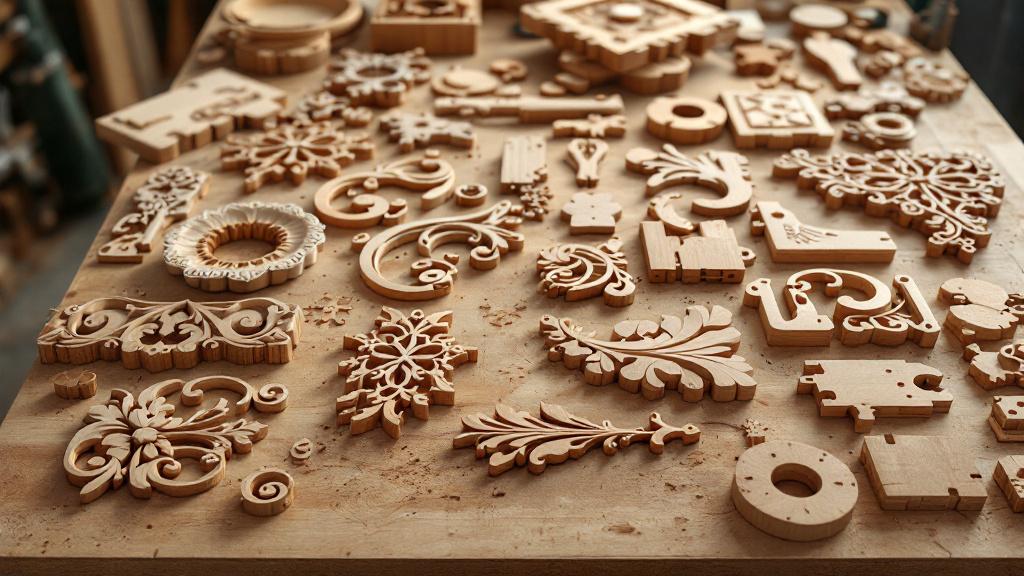
The Role of Milling in Making Decorative and Functional Wooden Parts
The Role of Milling in Making Decorative and Functional Wooden Parts Wood is a material that people have been using for thousands of years. It is valued for its natural
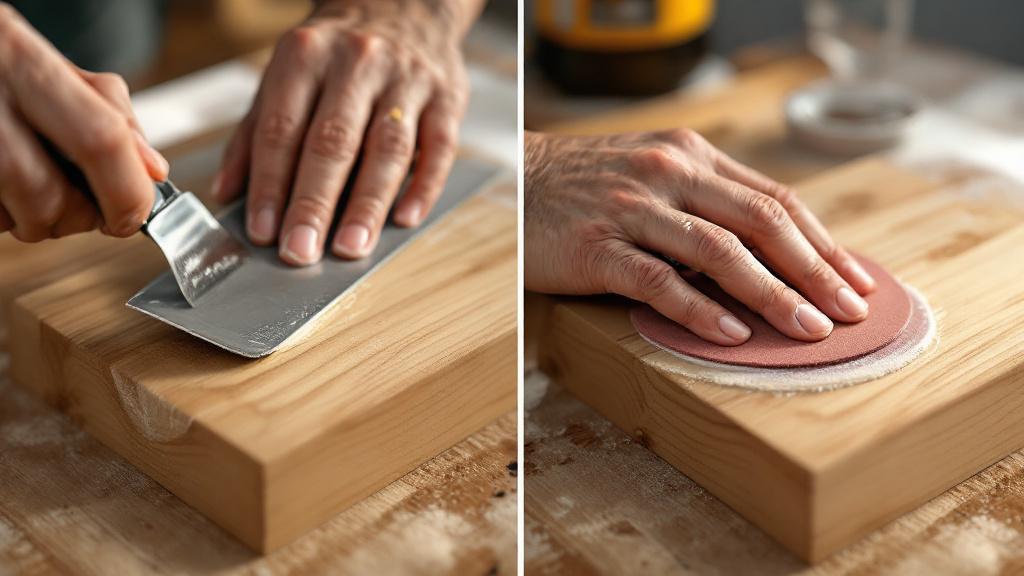
Stages of Filling and Sanding Wooden Products: Creating a Flawless, Even Surface
Stages of Filling and Sanding Wooden Products: Creating a Flawless, Even Surface Woodworking is not merely a mechanical process but a true craft, in which every stage is decisive for the

The synthesis of wood and metal: technological aspects of combining wood and aluminium to create durable products
The synthesis of wood and metal: technological aspects of combining wood and aluminium to create durable products In the field of professional woodworking, the search for the ideal material often leads