
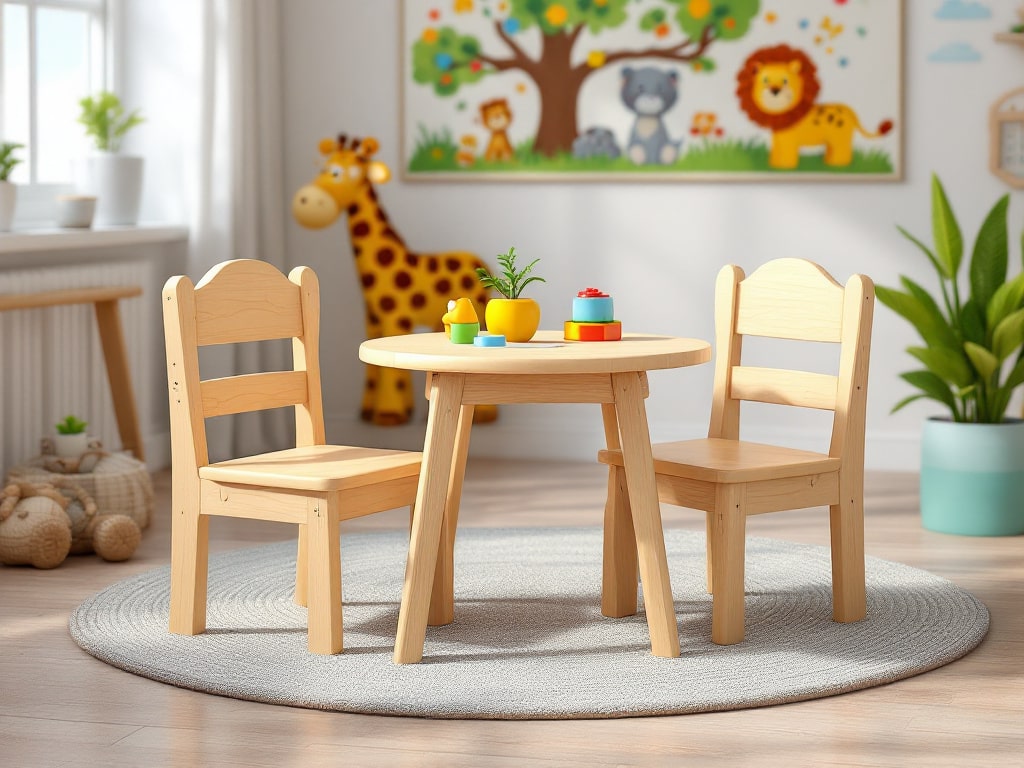
Made-to-order children’s furniture
Made-to-order children’s furniture means beds, school desks, tables, chairs, cabinets and storage modules in MDF, MFC, plywood, particleboard and solid wood for children’s rooms, kindergartens, schools and early-learning centres. Production runs to the customer’s drawings and to standard specifications: certified low-emission materials, rounded corners, non-toxic finishes and reinforced structures built for daily use. Below we explain what children’s furniture is made from, how the process runs from drawing to dispatch, which subcategories the range covers, who orders these products wholesale, and what lead times, volumes and terms you can expect.
Wooden children’s furniture: how the category is manufactured
Manufacturing wooden children’s furniture means dozens of products for different ages and types of institution. The core of the range is beds, school desks, tables, chairs, cabinets and shelves — everything a child uses every day at school, kindergarten or a development centre. Each item is made with ergonomics, safety and age-appropriate standards in mind: what suits a first-grader is no good for a toddler group, and vice versa. That is why “children’s furniture in general” always breaks down in practice into specific subcategories for a specific age.
Furniture for the B2B segment lives in far tougher conditions than home furniture. It is designed for years of service, heavy loads, dozens of users a day and easy sanitary cleaning. At the same time appearance still matters: children’s furniture must be not only sturdy but also pleasant for a child, helping to create a comfortable environment for learning, play and rest. A dull box and a bright, well-thought-out module have very different effects on how children feel in a room.
Every item is made to parameters agreed in advance, and it all starts with clarifying its purpose. For the youngest group, compact dimensions, smoothed corners and hypoallergenic finishes matter most: a toddler tests everything for strength and puts it in their mouth. Furniture for teenagers has its own requirements — taller supports, an adjustable tabletop tilt, reinforced fittings for the increased load. Intermediate ages call for intermediate solutions, and all of this is set out in the drawing rather than adjusted on site.
Another important factor is versatility. Institutions are more willing to buy furniture that can be used in several ways: a desk turns into a workstation, shelves into a rack, a bed into a bunk structure. This extends the useful life of the item and saves budget, since a single convertible unit covers several needs. For schools, kindergartens and development centres this flexibility often outweighs the price difference between a standard model and a modular one.
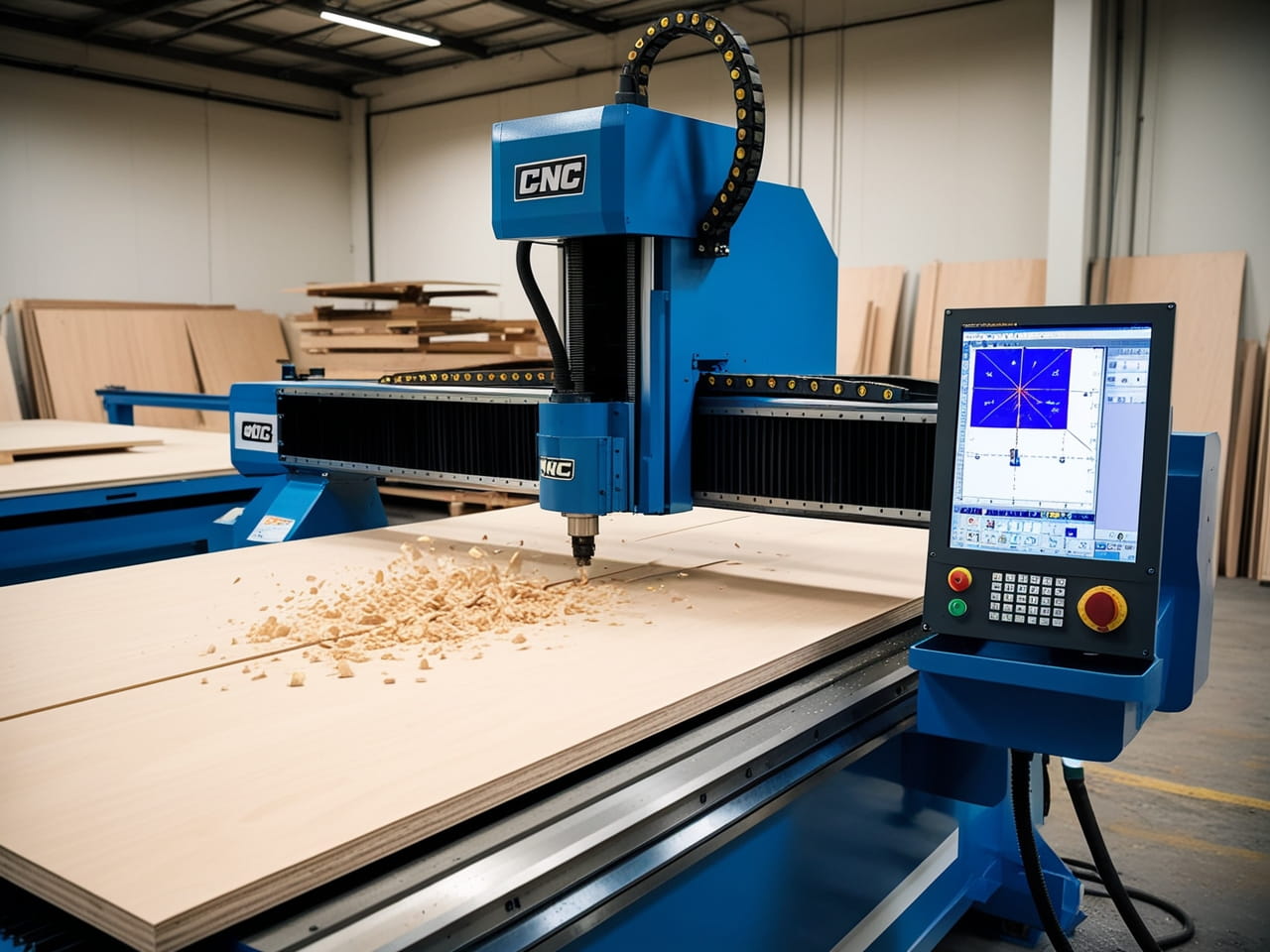
The work draws on modern methods for processing wood and board materials. CNC machines and automated lines deliver high precision and, with it, something critical for children’s institutions: consistent quality from batch to batch regardless of volume. Whether a client orders ten chairs or a set for an entire school, the geometry and safety of the parts stay the same. It is exactly this repeatability that distinguishes industrial manufacturing from a one-off joinery job.
What matters to our clients and partners

Professional team
Experienced craftsmen, engineers and CNC operators. Thorough quality control at every stage

Flexibility and a tailored approach
We adapt to any task: we work from your drawings or develop the cutting and machining program ourselves

End-to-end approach
We offer the full range of woodworking services — from sawing to painting and assembly

Wide delivery coverage
We work with clients across many European countries. We help with logistics and packaging

Fast lead times
Large-scale production and streamlined processes let us complete even complex orders quickly

Modern equipment
We work with panel saws, CNC machines, routers and sanding machines
How children’s furniture is made: the category’s key features
Furniture for children calls for a special approach, and safety always comes first here — in everything: the structure, the materials, the fittings, the paint and varnish finishes. No sharp corners, protruding elements or wobbly joints. Surfaces are worked to perfect smoothness, and the finishes chosen are non-toxic, wear-resistant, moisture-resistant and safe in contact with skin. This is not over-caution: children’s furniture is handled by those who put everything in their mouths and test objects for strength every day.
Both the anatomy and the psychology of the age are taken into account. Furniture must be not merely comfortable but matched to the specific height group. An adult chair or table is no good for a small child — you need lowered models with the right seating position. The same goes for cabinets, beds and drawers: a child should be able to reach a shelf on their own. Seat depth, backrest angle, desk height — none of this is judged by eye; it is calculated according to current sanitary standards and height charts.
Strength is a concern of its own. In a kindergarten or school, furniture is tested for strength every day in the literal sense: children stand on chairs, jump on beds and hang off cabinets. That is why the structures are reinforced and the fasteners are chosen to allow for dynamic, not just static, loads. Joints are built with years of intensive use in reserve — children’s furniture that comes loose within six months simply does not qualify for this category.
Colour also plays a noticeable role. Furniture should be bright but not garish: an overloaded palette tires the eyes and makes it harder to concentrate. Shades are chosen according to the principles of pedagogy and educational-environment design — so as to support attention rather than overwhelm it. Combinations are common: one colour for the frame, another for the fronts or tabletops. This approach both livens up the space and helps children quickly work out whose place is where.
Easy sanitary cleaning is no less important. Surfaces must not absorb dirt and must calmly withstand water, cleaning agents and disinfectants. For kindergartens, medical facilities and primary schools this is a matter not of convenience but of hygiene: furniture there is wiped down and disinfected regularly. A porous or cheap finish quickly clouds over and loses its look in such conditions, so the finish is chosen specifically with frequent wet cleaning in mind.
What children’s furniture is made from wood
Beds
School desks
Chests of drawers

Tables
Shelves
Kindergarten
Chairs
Lockers
Schools
Navigating the subcategories: what the “Children’s furniture” category includes
The children’s furniture category covers many kinds of products for the educational and childcare environment, and each line has its own requirements for structure, dimensions and functionality. To make it easier for both customer and production to find their way around, all products are divided into subcategories by function or product type. This division simplifies both selection and calculation: it is clear which group an item belongs to and which standards to apply to it.
This includes beds of various designs — from single-tier to bunk beds, often with drawers or guard rails. Tables and desks come in versions by age: preschoolers, younger and older schoolchildren. Chairs are likewise split by height group, and the models may be fixed or feature adjustable height and tilt. Adjustable furniture costs more, but it “grows” with the child and lasts longer without being replaced by a larger size.
A separate subcategory is formed by cabinets, chests of drawers, shelves and storage modules. They are placed in classrooms, cloakrooms, playrooms and dormitories — anywhere things, toys or bedding need to be stored. Fronts may be open or closed, and the opening systems and layout vary with the task. For little ones, low open shelves are more often chosen so the child can reach items themselves; for older children, closed sections for personal belongings.
The category also includes furniture for classrooms, laboratories, and craft and workshop rooms. Here wear resistance, strength and extra functions matter — holders, hooks, and containers for tools and materials. For kindergartens and nurseries, compact modules for toys, personal items and bed linen come to the fore. Each such item is tailored to a specific scenario: a shelf in an art room is one thing, a drawer in a nursery-group dormitory quite another.
Each subcategory is developed with an eye to standardisation, regulations, sanitary requirements and ease of use. The result must be functional, reliable and visually appropriate in an educational space — children’s furniture does not work on its own but in combination with the rest of the group’s or classroom’s interior. A mismatch in style and colour is glaring, so items are often ordered as a set for a unified look.

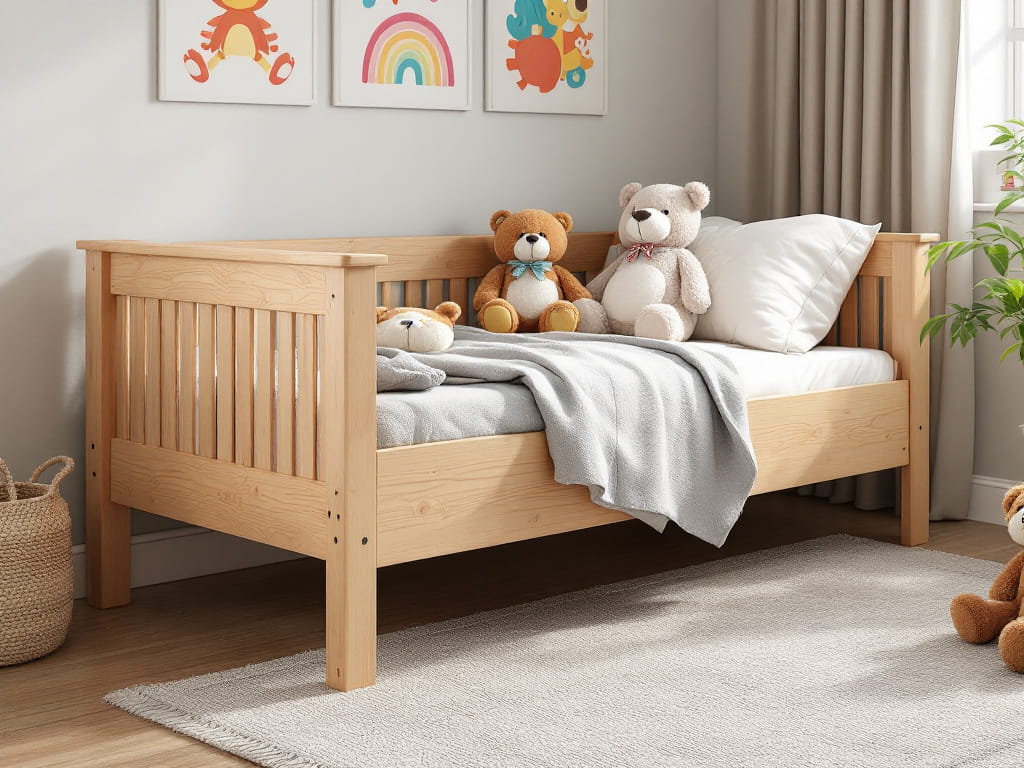
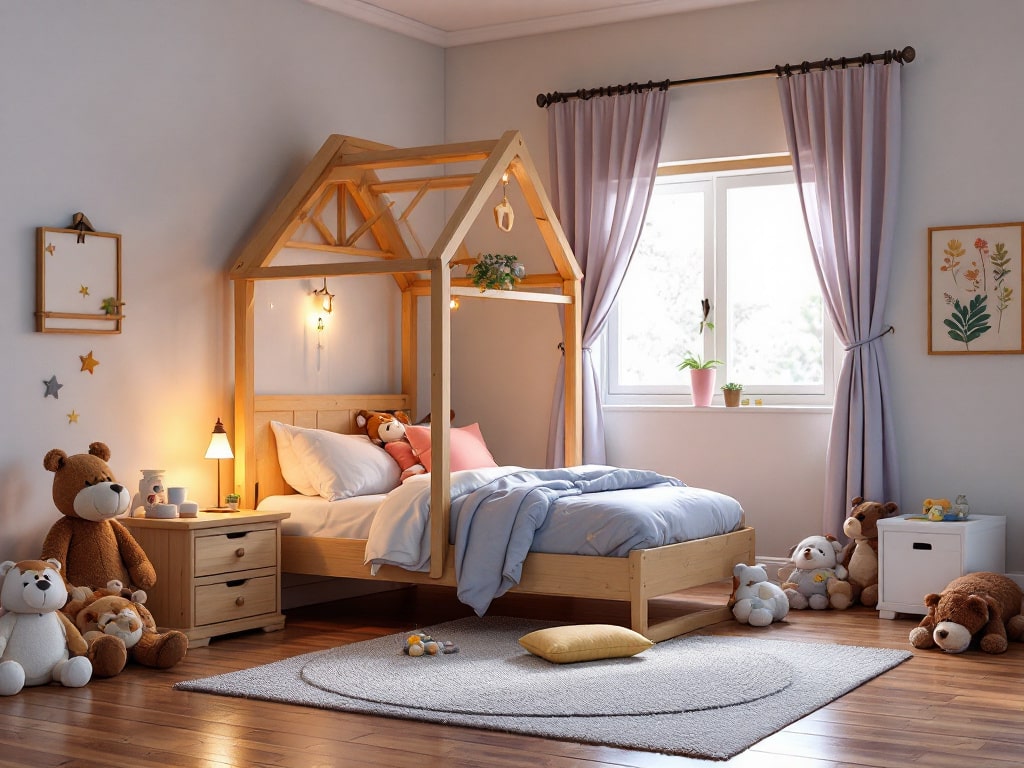
Children’s beds are made with a reinforced frame and protective features — guard rails, rounded corners and sturdy ladders on bunk models. They come in single-tier and bunk versions, with pull-out drawers or built-in shelves that save space in the dormitory. They are used in kindergartens, boarding schools, schools with after-school care and camps, where the load on sleeping furniture is at its highest and any weakness in the joints quickly makes itself known.
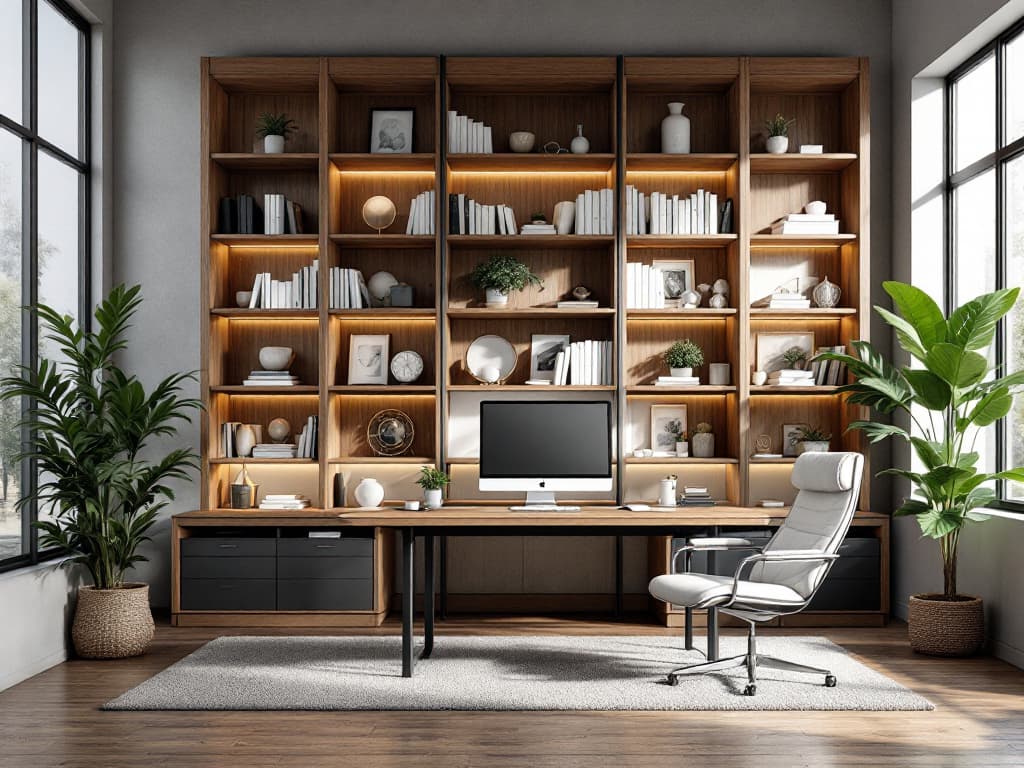
- 📐 Tables and desks — are designed for the child’s height: adjustable height, tilting tabletops, built-in organisers. Materials are chosen to resist scratches and impacts, since desks are written on, drawn on and banged every day.
- 🪑 Chairs — by age group, with an ergonomic backrest and rounded corners. Non-slip feet and pads are often added so the chair does not slide across the floor or scratch the surface. They come in all-wood and combined versions.
- 🗄️ Cabinets and shelves — for clothes, stationery and toys. Made in various depths, with different numbers of sections and opening types, tailored to the room and the age: low and open for the little ones, closed sections for older children.
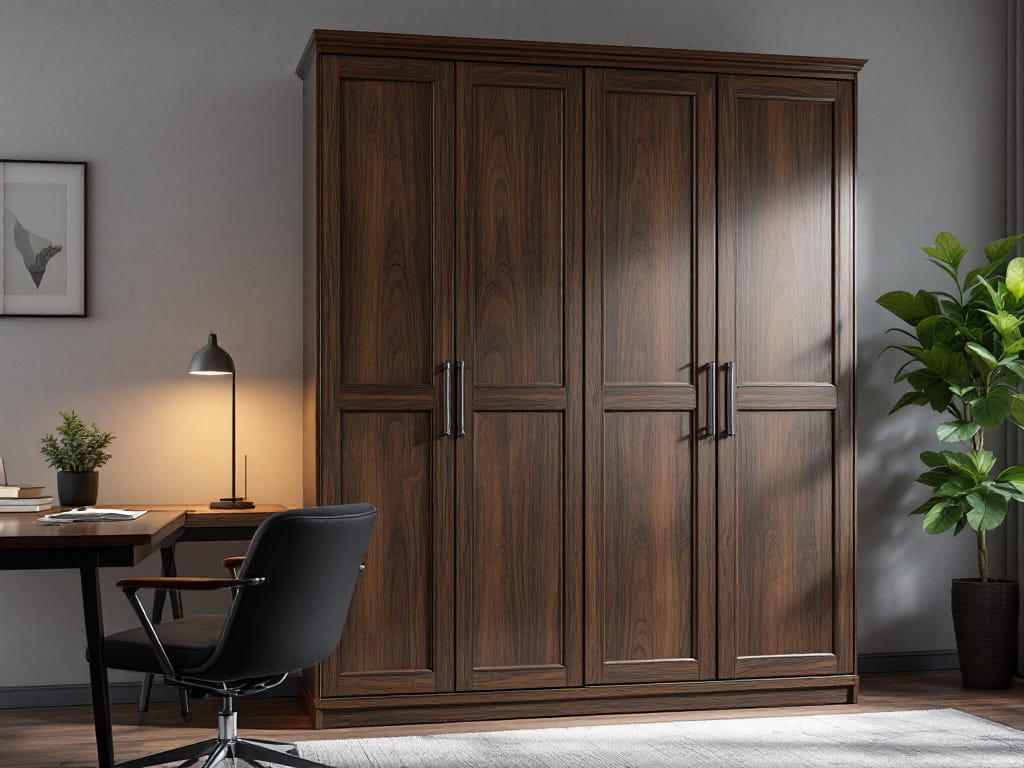
- 🧰 Chests of drawers — in cloakrooms, dormitories and playrooms. The structure is designed so that the child can reach in themselves, while the chest stays sturdy, stable and safe as the drawers are pulled out every day.
Besides the basic items, we make benches, changing modules, book stands, boxes for personal belongings and furniture for narrow tasks — for example, tables for speech-therapy sessions or fitting out a psychologist’s room. Specialised products almost always follow individual drawings: such rooms have their own specifics that a standard catalogue does not cover. This is exactly where a production able to work to a specific technical brief comes to the rescue.
The types of wood and sheet-material processing we use
Cutting
CNC

Cross-cutting

Drilling
Sawing

Ripping

Machining
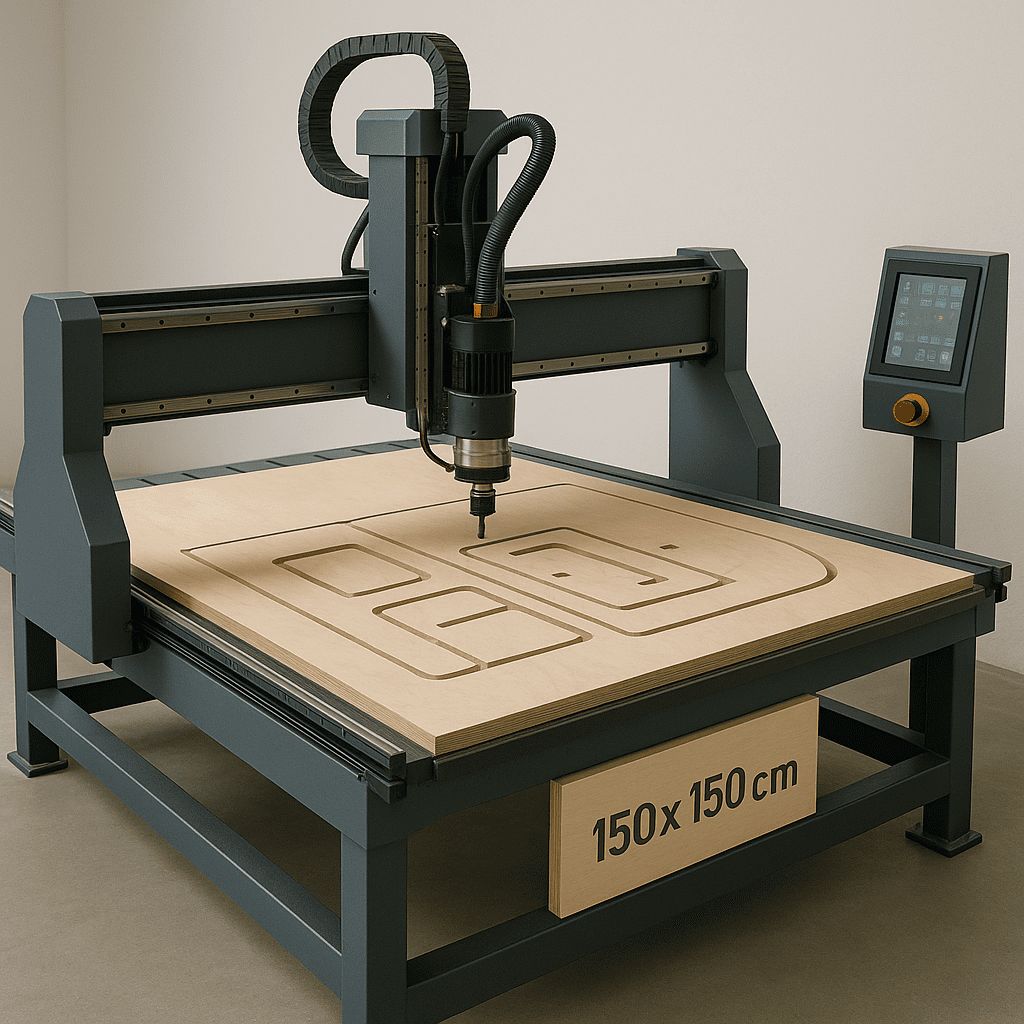
Cutting to size
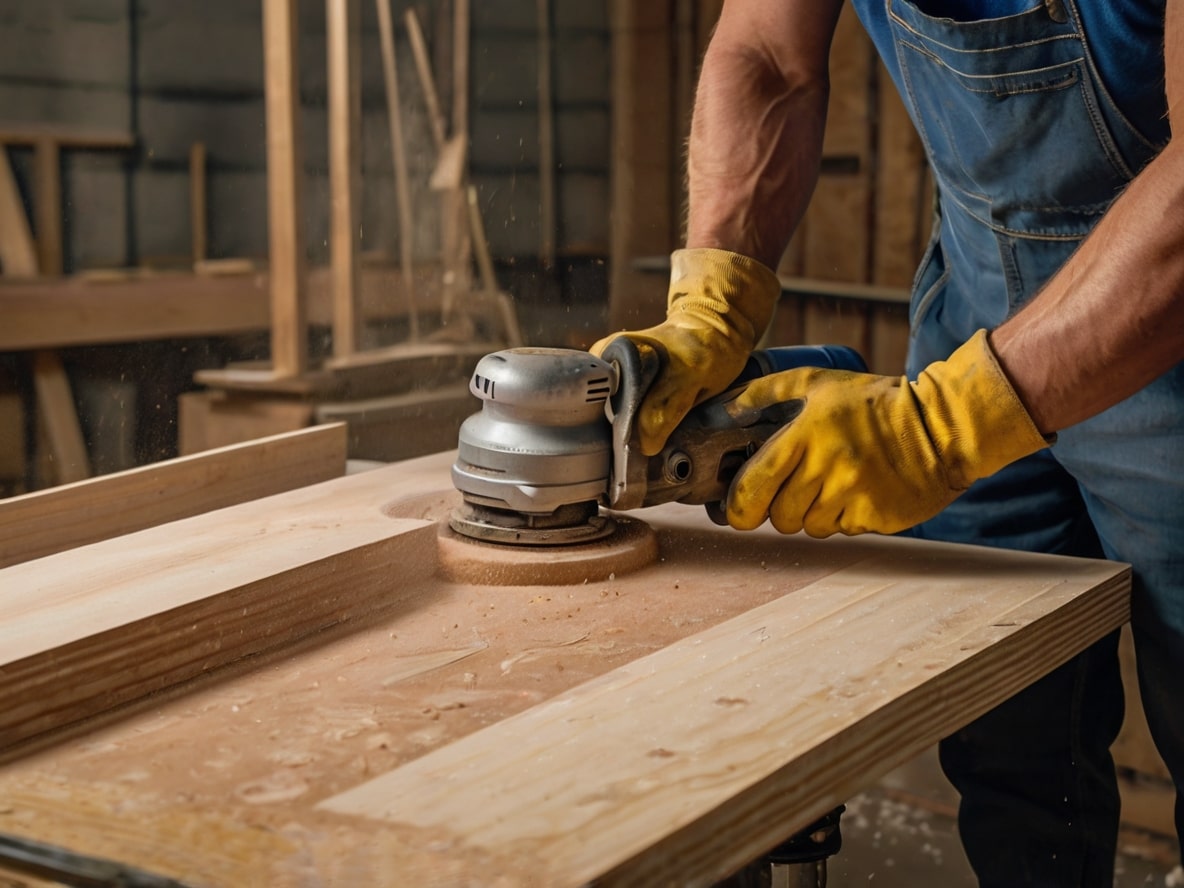
Sanding
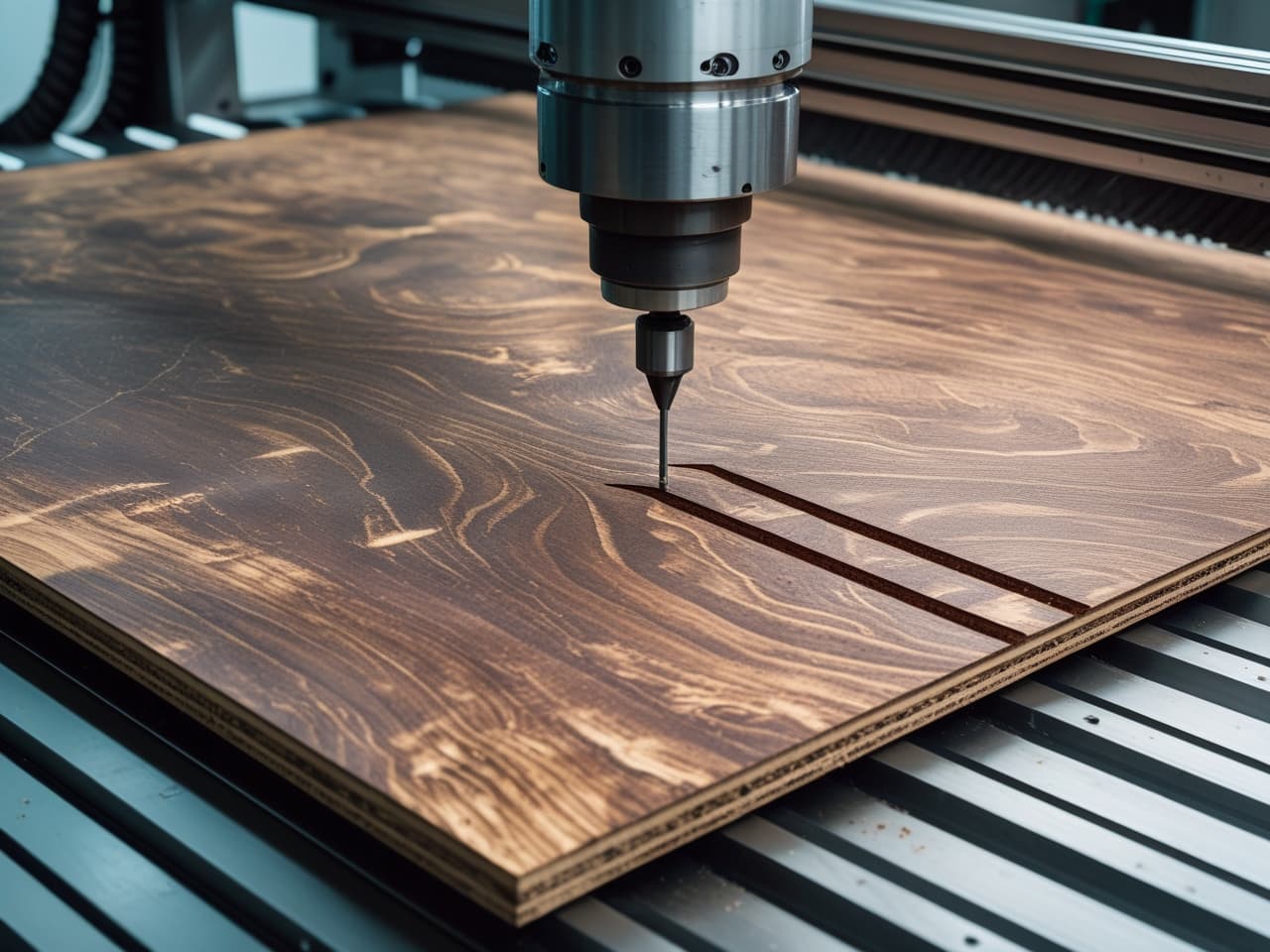
Grooving
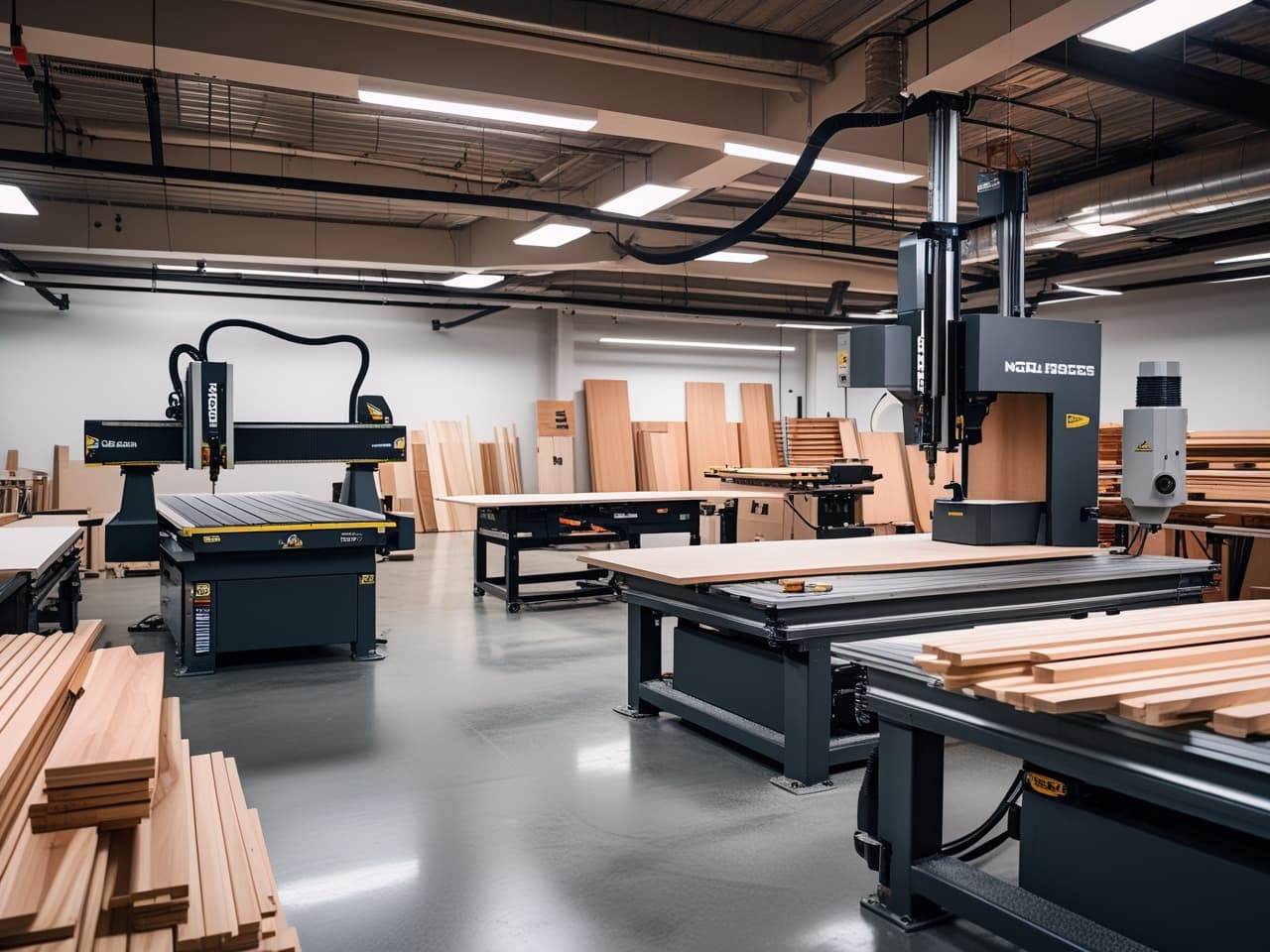
Milling

Painting
Material selection: the approach to working with wood when creating children’s furniture
Materials for children’s furniture are selected with particular care, and here safety and eco-friendliness come first. Only certified raw material is used, meeting the standards for formaldehyde and toxicity. Most often this is low-emission MFC, MDF, plywood and solid wood. Surfaces are sealed with moisture- and wear-resistant finishes. The difference between an ordinary board and a low-emission one is invisible to the eye, but it is exactly what determines what a child breathes in a closed group all day.
When choosing the base material, we look not only at its properties but also at the part’s role in the item. The load-bearing joints of beds and desks are made of strong solid wood or multi-layer plywood — that is where the load is. Fronts are made of MFC with a protective film or of veneered panels, where look and price matter more. Edges are always sealed: both for a neat appearance and to protect against moisture and chipping. An exposed board edge is unacceptable in children’s furniture — it looks sloppy and draws in moisture during cleaning.
Paints, varnishes and adhesives used are only those that cause no allergies, release no harmful substances and withstand daily use. Most often these are water-based acrylic formulations or UV coatings. They give an even surface, protect the wood and do not change its structure. Cutting costs here is unacceptable: cheap varnish with a harsh smell in a children’s room is not about saving money but about health, and a contractor who takes that approach is usually replaced after the very first delivery.
Fittings are also chosen for the specifics of children. Safe opening mechanisms, soft-close devices and catches are fitted that rule out finger pinching — a common injury in kindergartens and schools. Fasteners are recessed or covered with decorative caps so nothing sticks out. Everything a child touches is worked on separately: handles, legs, corners and edges. There are no trifles here — it is precisely these details that everyday injuries most often involve.
Working with the material is a balance of durability and comfort. The structure is thought through so that the furniture is sturdy yet visually light, not overloaded with details that collect dust and catch on clothing. All products are designed for intensive use and a long service life without losing their look. For an institution this is a direct saving: furniture that lasts for years spares them constant replacements and the associated purchases and downtime.
The production stages of woodworking and manufacturing
The production stages of creating wooden children’s furniture
Creating children’s furniture proceeds through sequential stages, and each one affects the final quality. The cycle is set up to reduce errors and to make the result match the stated characteristics exactly. It starts with project documentation: drawings, 3D models and specifications are prepared to the customer’s requirements. For standard items, already-approved templates are used; for bespoke ones, a new structure is designed, allowing for every nuance of future use. It is at this stage that whether the furniture will be safe and comfortable is decided — before the first sheet goes into production.
Once the drawings are approved, materials are selected: the item’s purpose, loads and operating conditions are assessed, and the board, fittings and décor are chosen accordingly. Next comes cutting and initial processing. On high-precision machines the sheet is cut into blanks, and tolerances are critical here: a deviation of a couple of tenths of a millimetre and the chair starts to wobble or the drawer jams. That is why geometry is checked right away, not after assembly, when correcting a part is already difficult.
Then comes milling and surface preparation. Grooves and holes are cut in the blanks and the edges are sanded, achieving a precise fit of all elements to one another. After machining comes painting, varnishing or lamination. The protective coatings give not only a pleasant look but also resistance to moisture, impacts and disinfecting solutions — and the latter is essential for children’s institutions, since the furniture there is regularly treated with antiseptics.
Assembly is carried out on specialised lines. Depending on the design, the item is either assembled fully at the plant or shipped in modules for assembly on site — which is more convenient for logistics and for getting it into the room. Special attention goes to the fastenings: they must be both reliable and safe, with no sharp edges or protruding elements. A child must neither be pinched nor injured by an assembled joint, and this is checked separately.
After assembly, the furniture undergoes quality control: geometry, strength, joint safety, stability and the absence of finish defects are checked. Only after passing this inspection does a batch move on — it is labelled, packed and prepared for dispatch. Labelling then noticeably simplifies acceptance and installation at the customer’s, especially when it comes to a large fit-out for an entire institution with dozens of similar items.
Cooperation when ordering children’s furniture: practical advantages
Cooperation in the field of children’s furniture has features not found in other categories. The main focus is compliance with current regulations and standards. When choosing a contractor, the customer first looks at whether the products meet the requirements for hygiene, safety, ergonomics and strength: these matters are settled with the inspecting authorities in advance, not after complaints. A well-run cycle makes it possible to launch both small-batch and large orders quickly without a drop in quality — and for seasonal purchases ahead of the start of the school year, speed is sometimes no less important than price.
The production infrastructure must be geared towards high-precision work with board materials — only then are stable geometry, a neat look and the strength of tables, chairs, cabinets and other items maintained. For orders going to schools, kindergartens, government institutions and educational centres this is especially important: there the furniture passes both a document-based acceptance and a daily test by real use. A cottage-industry approach usually cannot clear that double bar.
Another plus is flexibility. The ability to adapt to the customer’s requirements, quickly launch a new model, and refine an existing structure for the specifics of a project keeps the products relevant and precisely on target for the client’s task. Predictable logistics is valued too: clear deadlines, sensible packaging, and labelling to identify the items on site. When a delivery arrives on time and complete, installation keeps to schedule rather than derailing the opening of a group or class.
A great deal of attention goes to the furniture’s resistance to intensive daily loads. In schools and kindergartens items serve for many years, and every unplanned replacement hits the budget and disrupts the group’s work. That is why reliability and practicality rank among the key criteria when choosing a contractor — cheap furniture that has to be replaced within a year turns out, over its service life, to be more expensive than quality furniture. Institutions usually make this simple calculation quickly.


Categories of wooden products: navigating the other lines
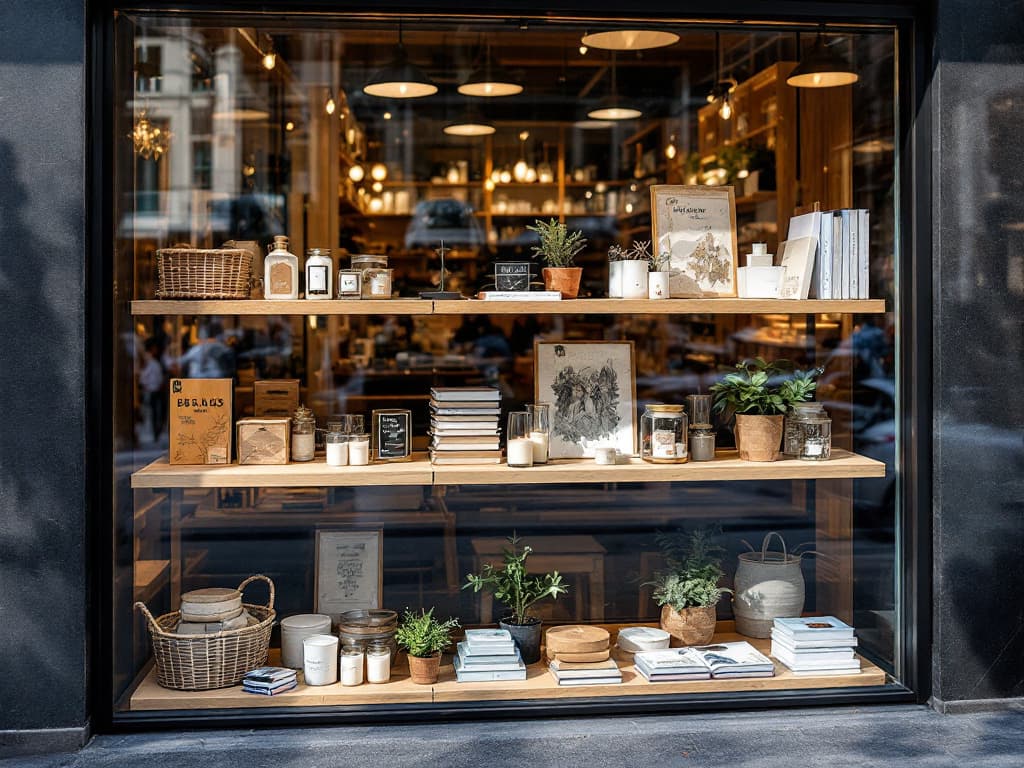
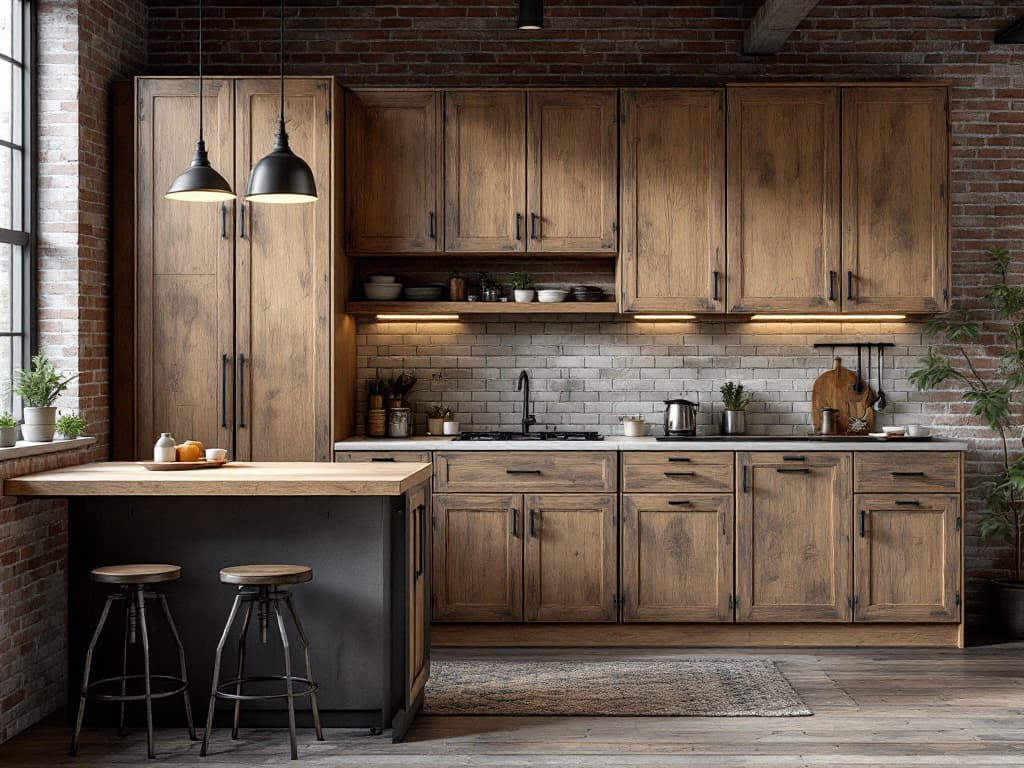
Besides children’s furniture, wood and board materials are used to make products for a wide range of sectors. The capacity allows us to produce furniture and components for offices — tables, chairs, partitions, racks and reception desks. There is also a kitchen line: both for restaurants and cafés and for corporate canteens and training centres. In essence, the mastered processing cycle is not tied to a single category — the drawings and requirements change, but the equipment stays the same.
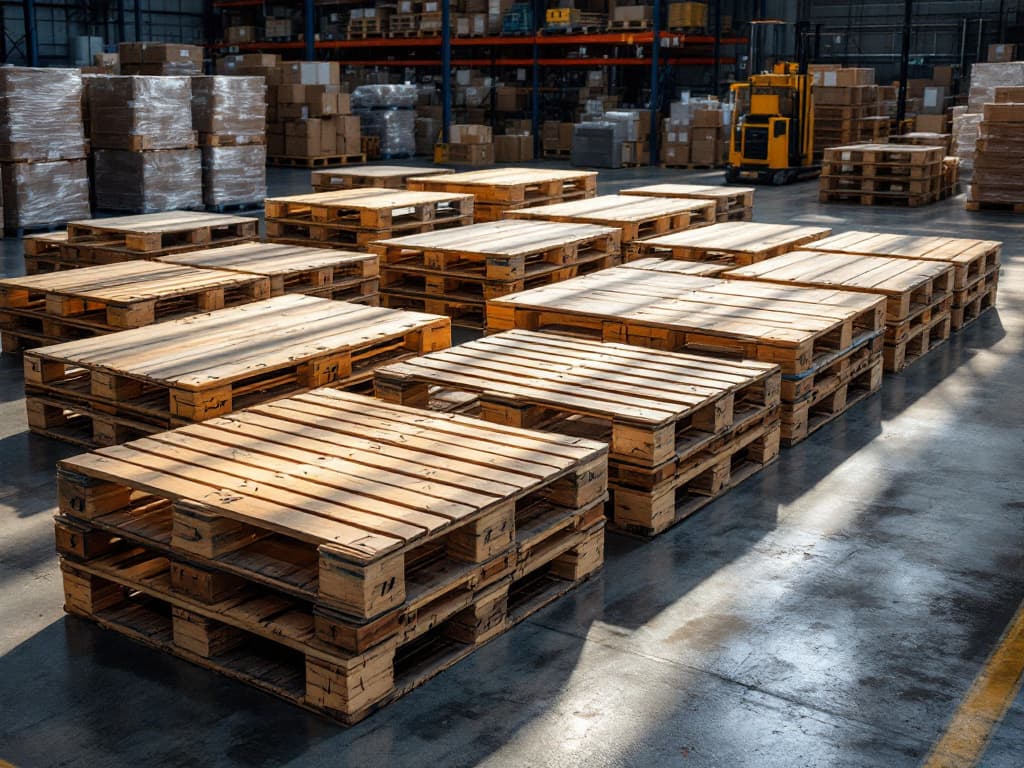
Garden furniture stands apart: here materials and finishes are used that withstand rain, sun and temperature swings. For shops we make racks, display cases, podiums, shelves, checkout areas and retail modules. In warehouse furniture the emphasis is on strength, endurance and a simple design without unnecessary details. Separately, the development of individual solutions for a brand or niche is possible — when what is needed is not a standard catalogue but a recognisable corporate style across the whole range.
Division into categories helps you quickly get your bearings and choose the right segment. Thanks to the modular approach to production, variations are possible even within a single category — hybrid solutions or a combination of several subcategories in one project. For example, a set for a development centre may combine children’s furniture, play-zone elements and staff furniture, made in a single style and in one delivery.
Examples of our work and partner projects
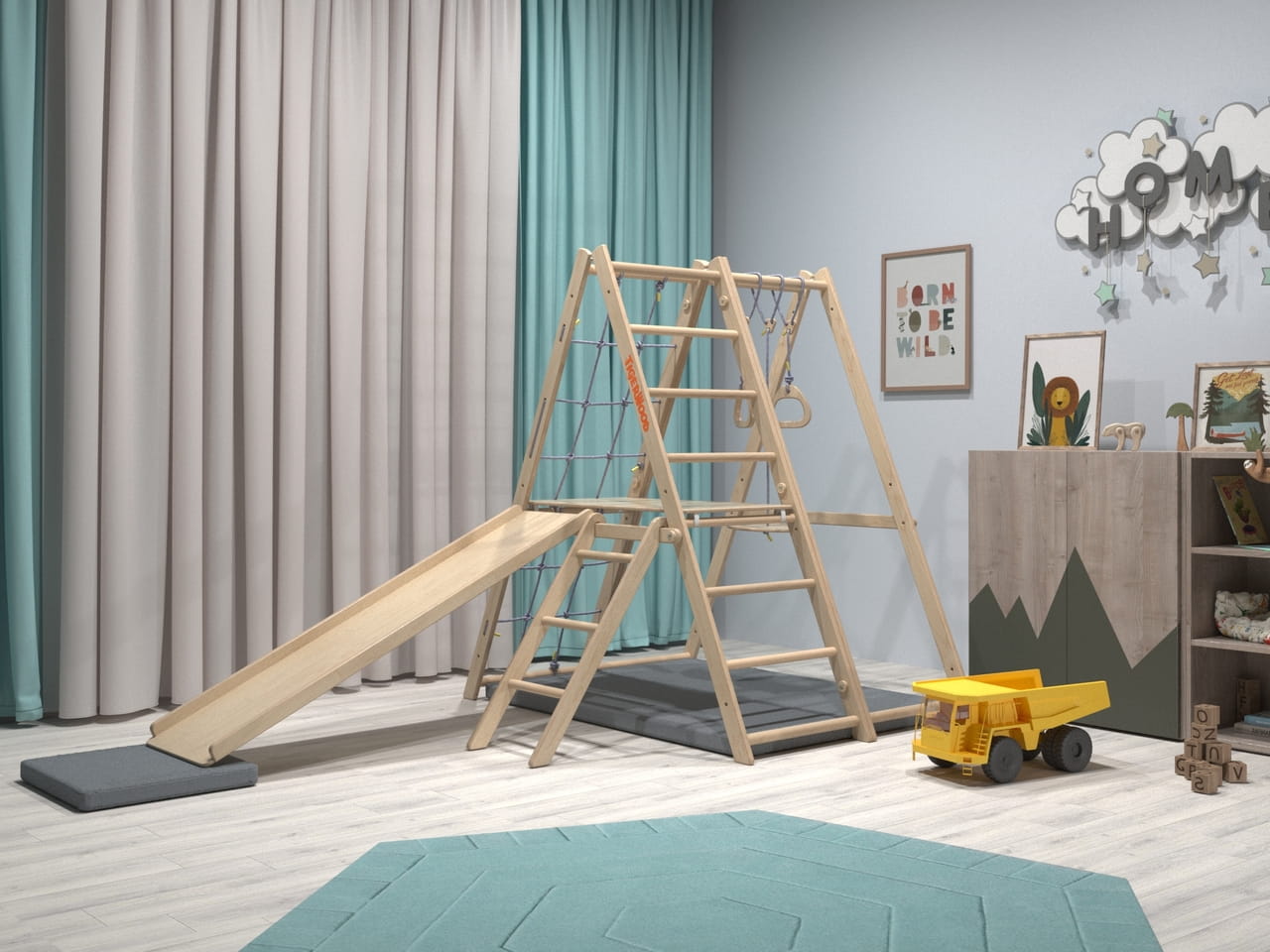
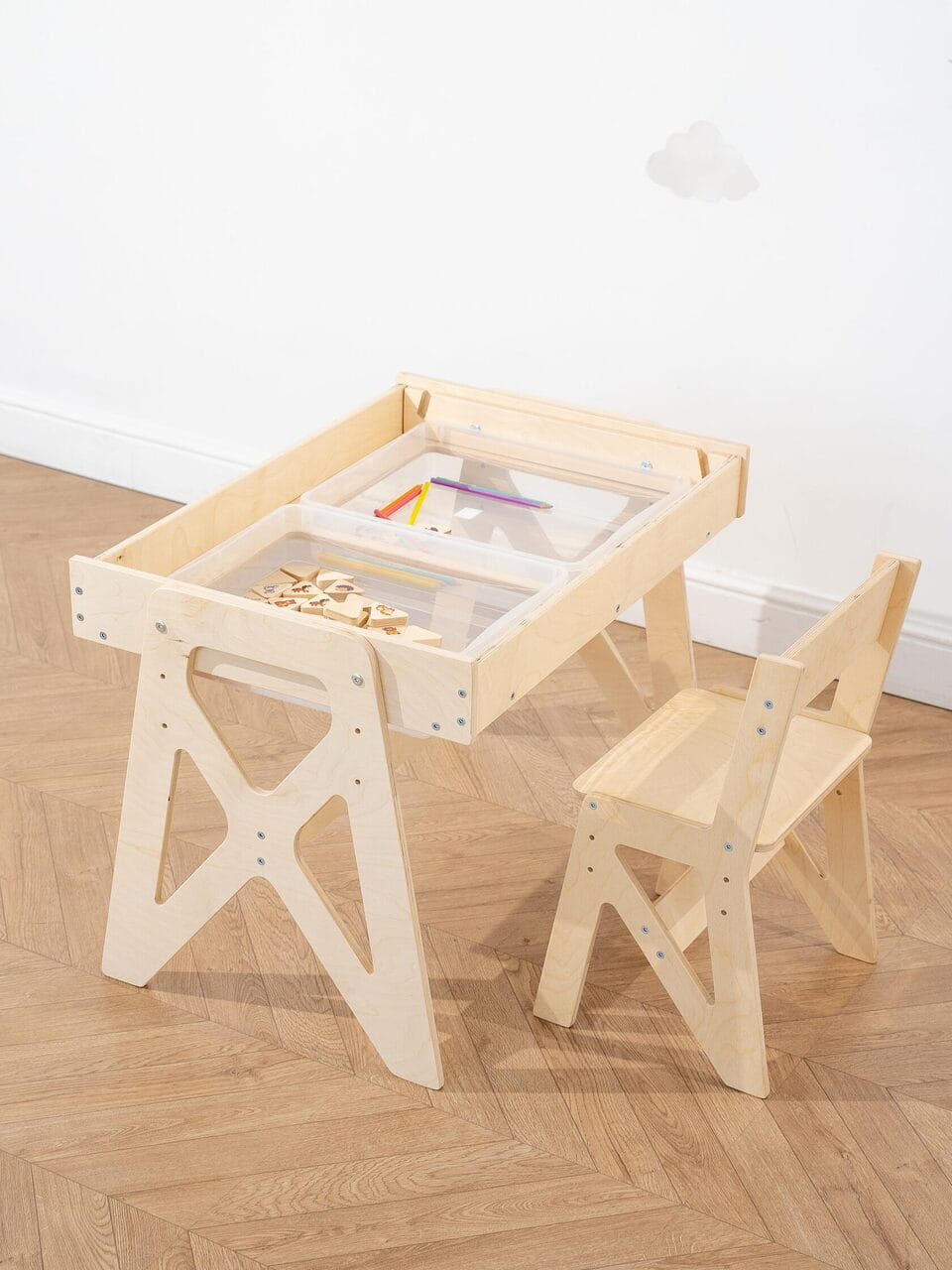
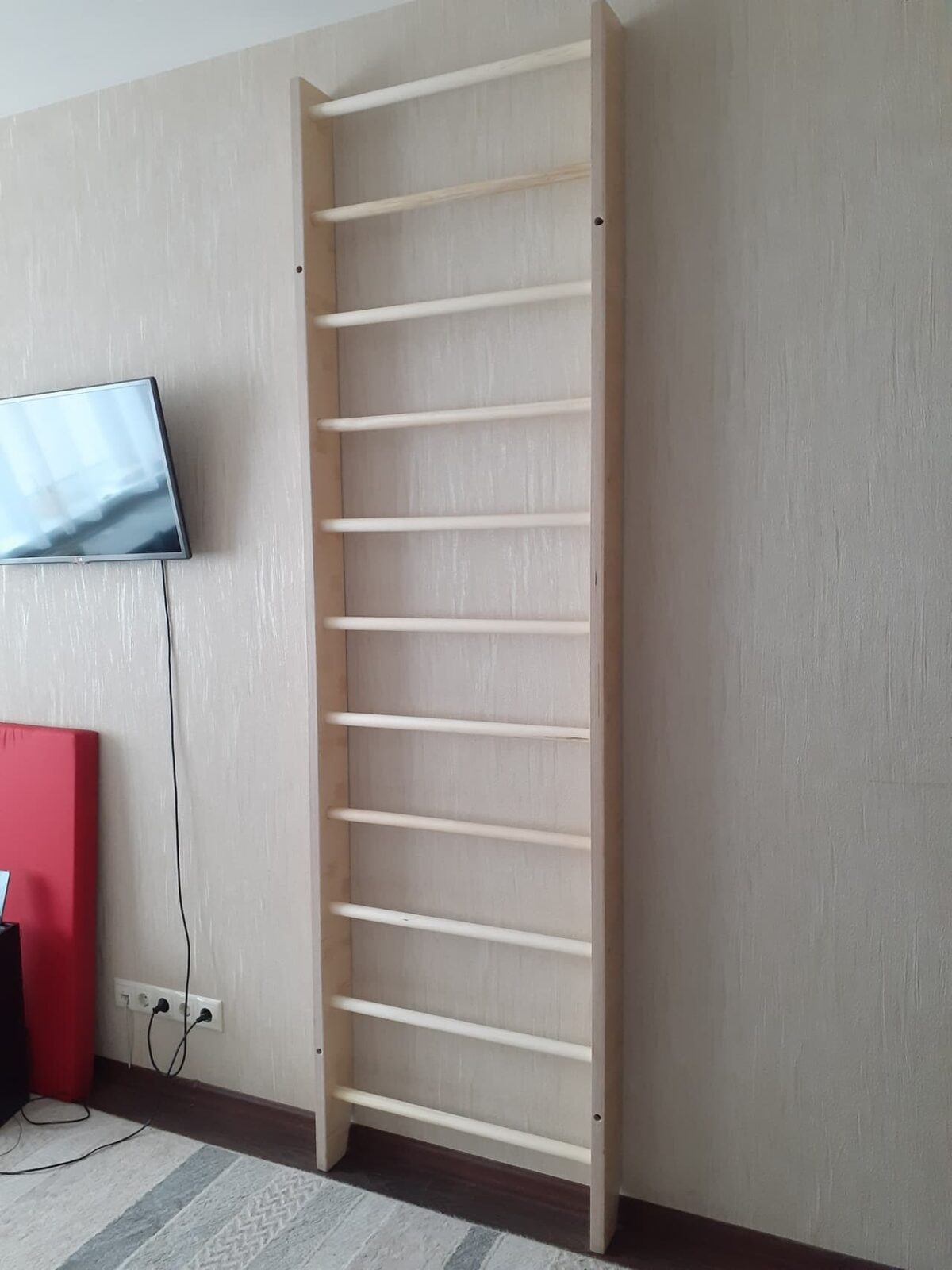

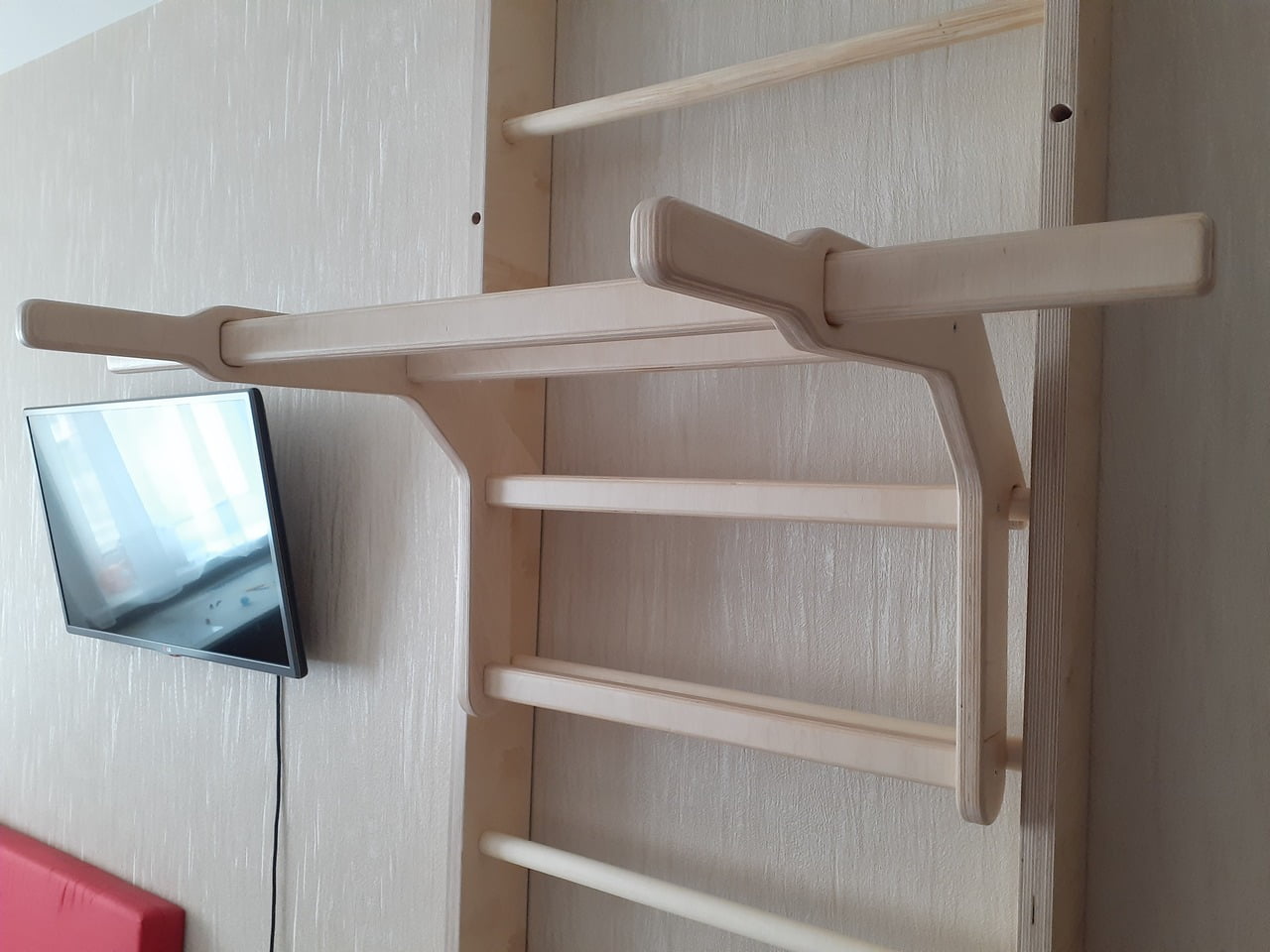
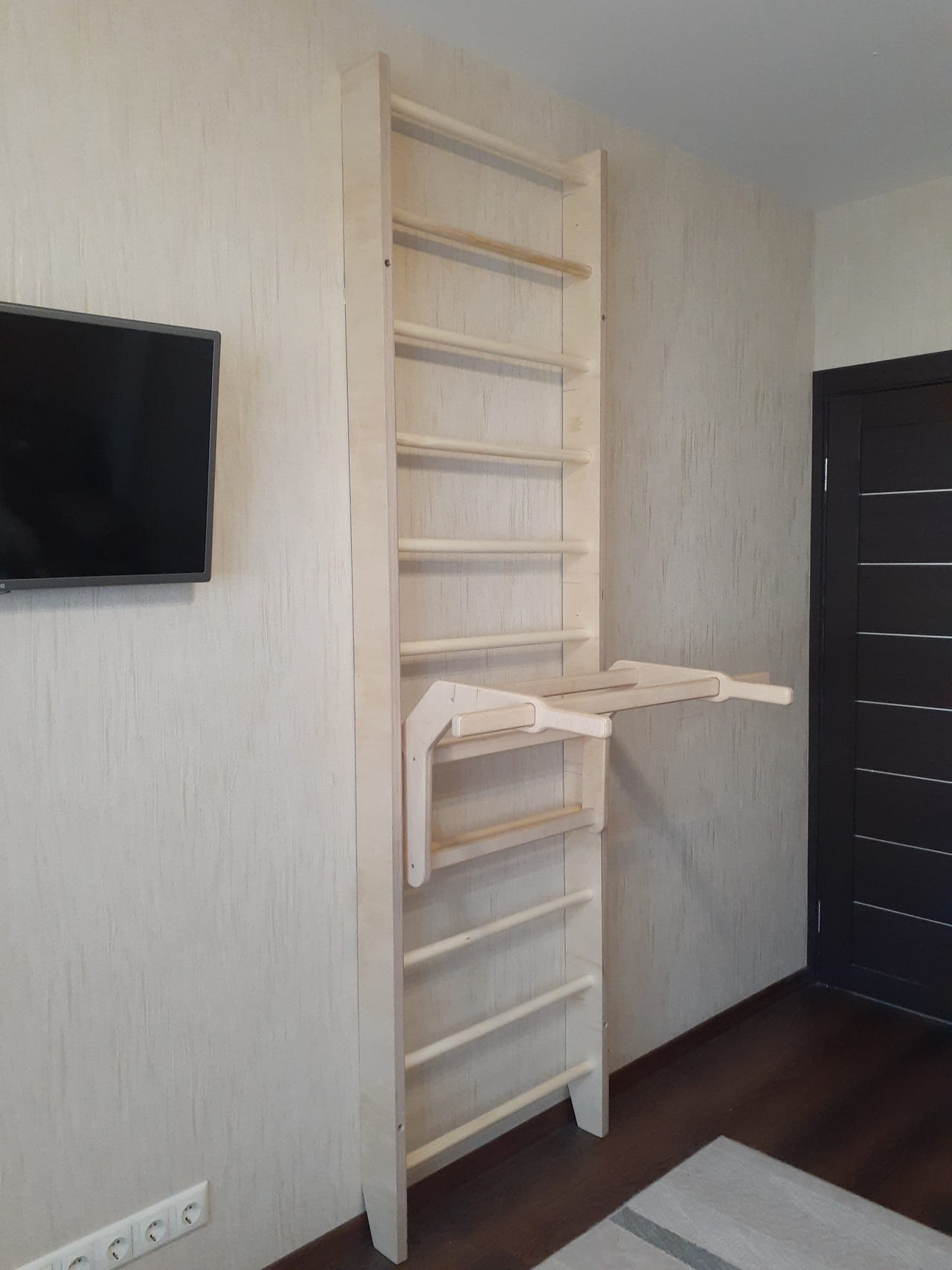


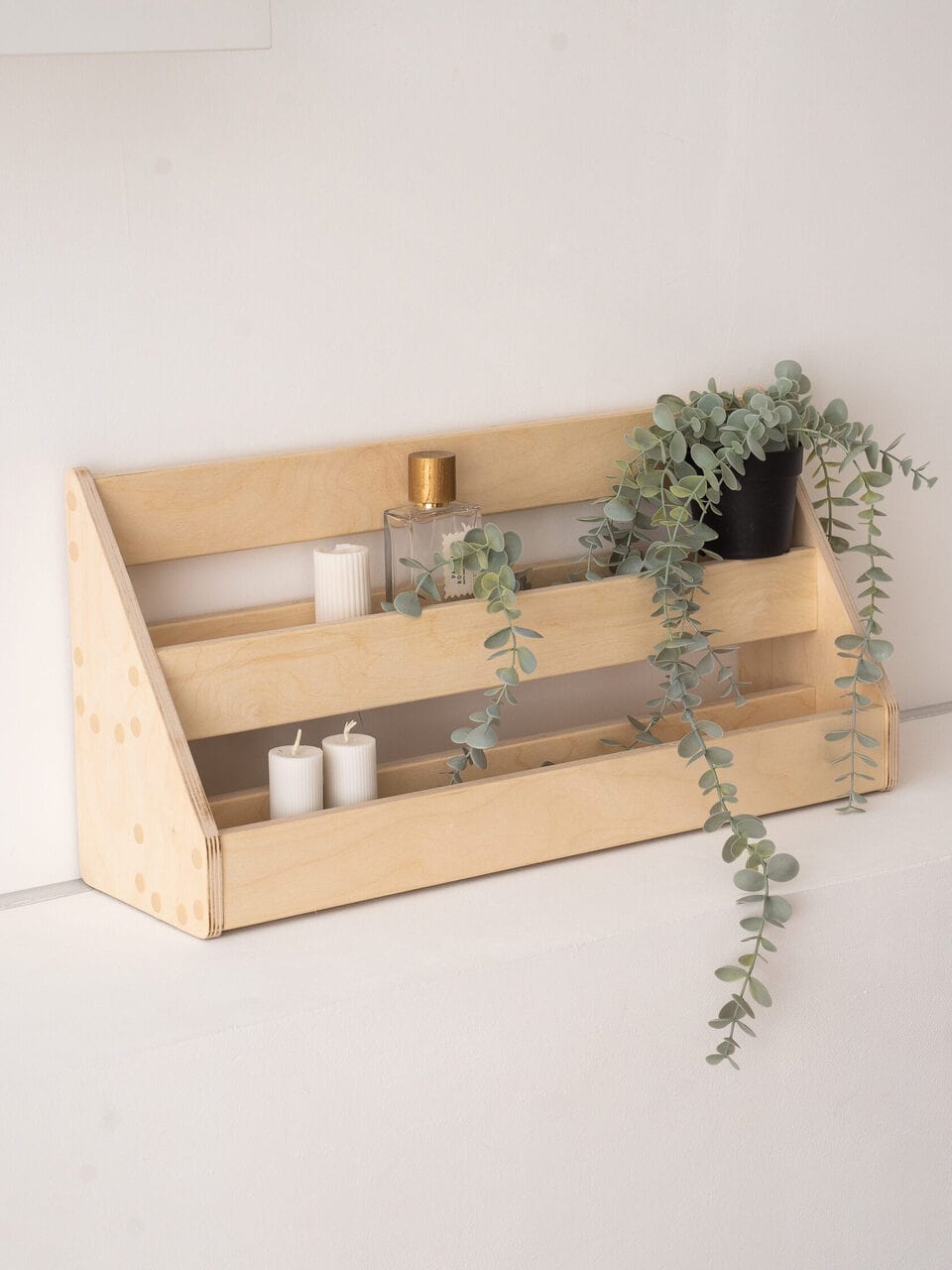
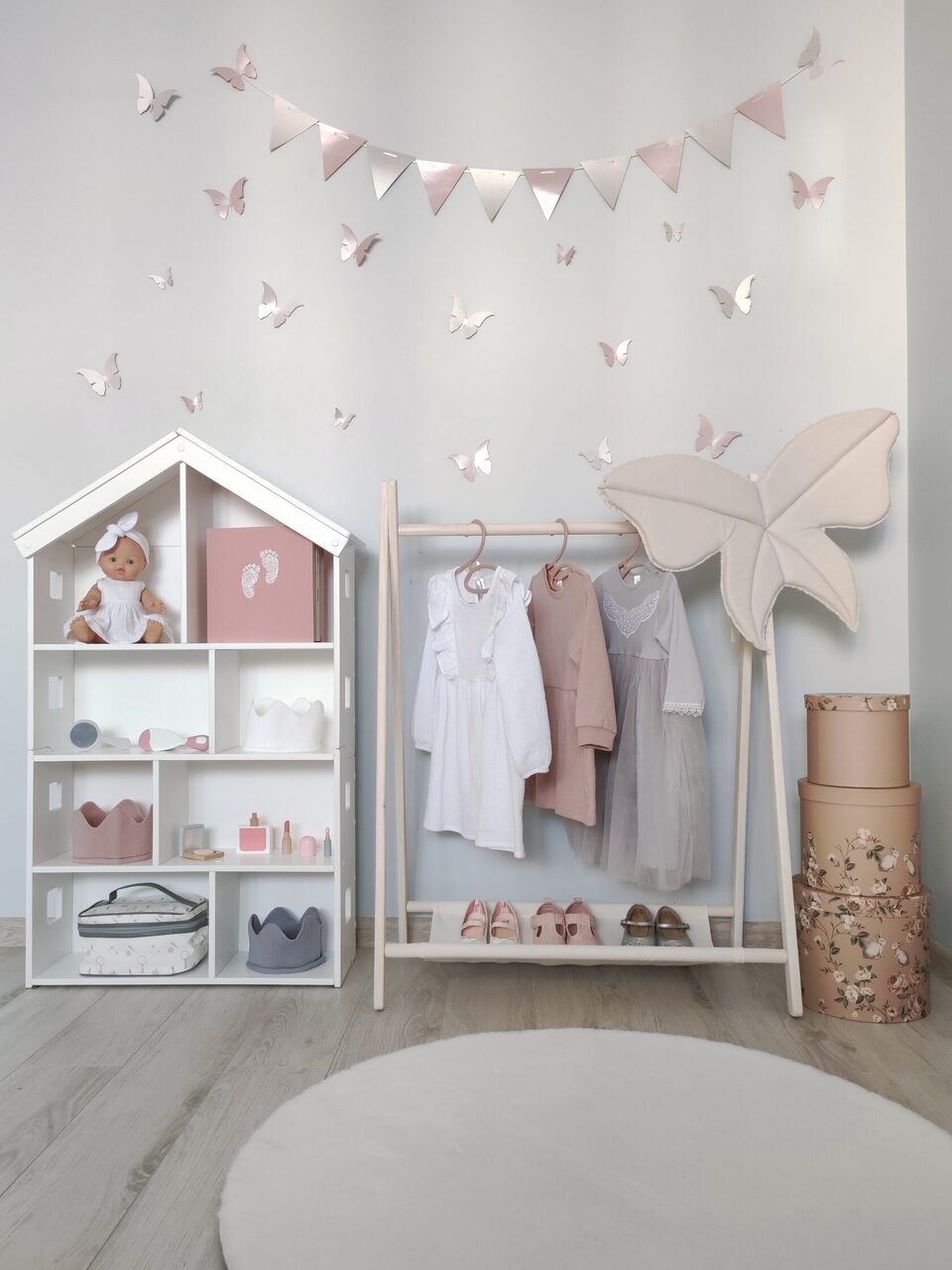
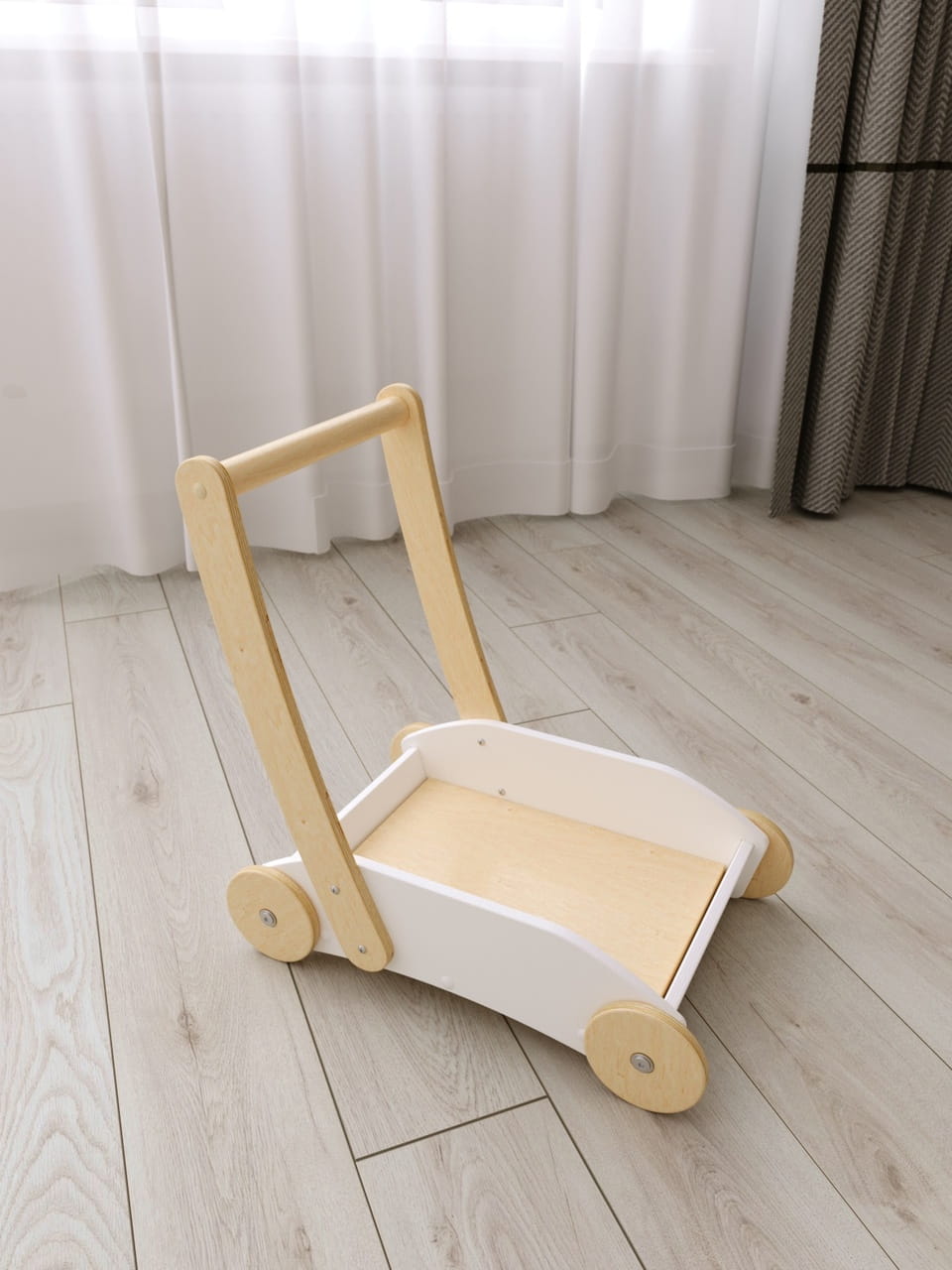

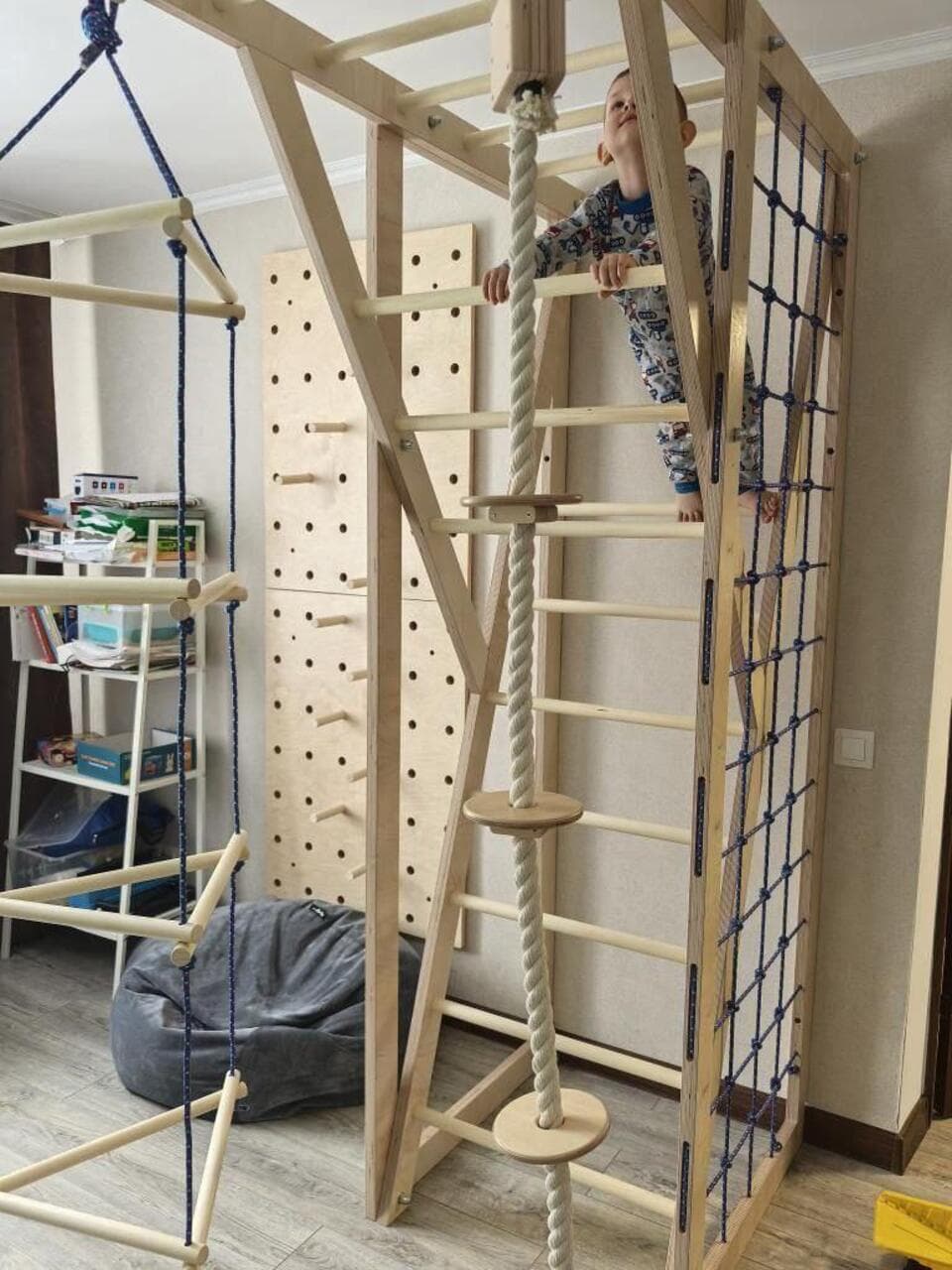
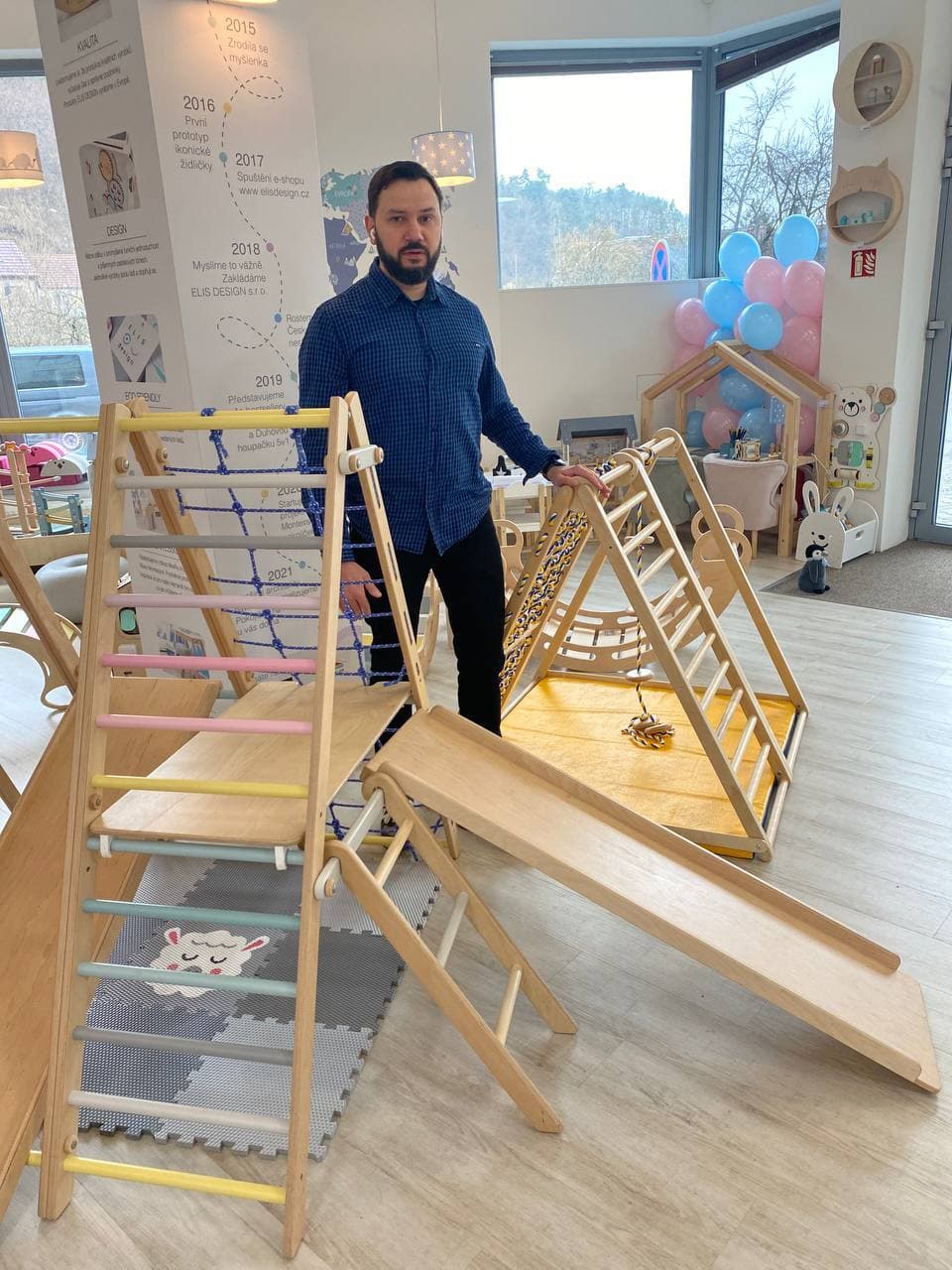
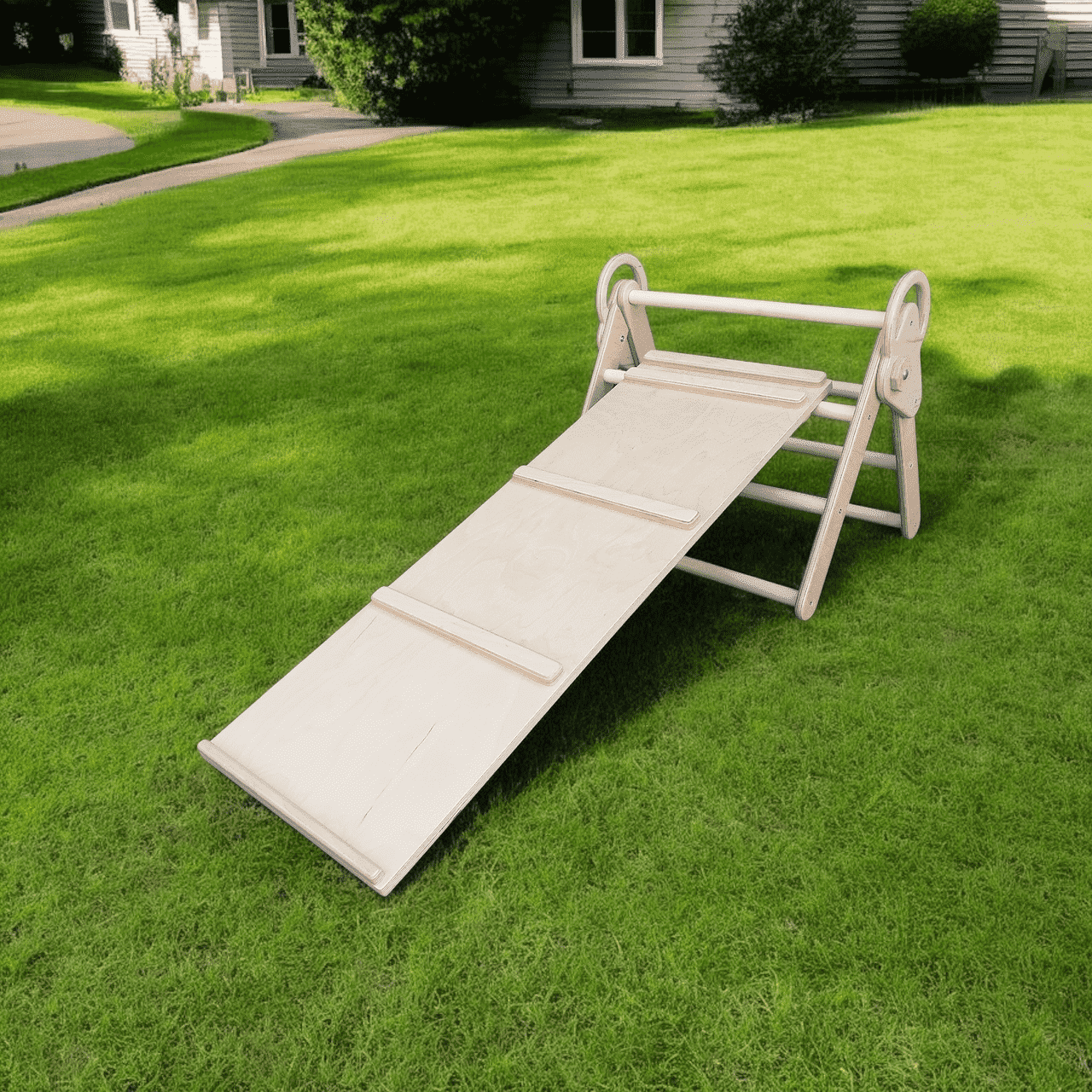
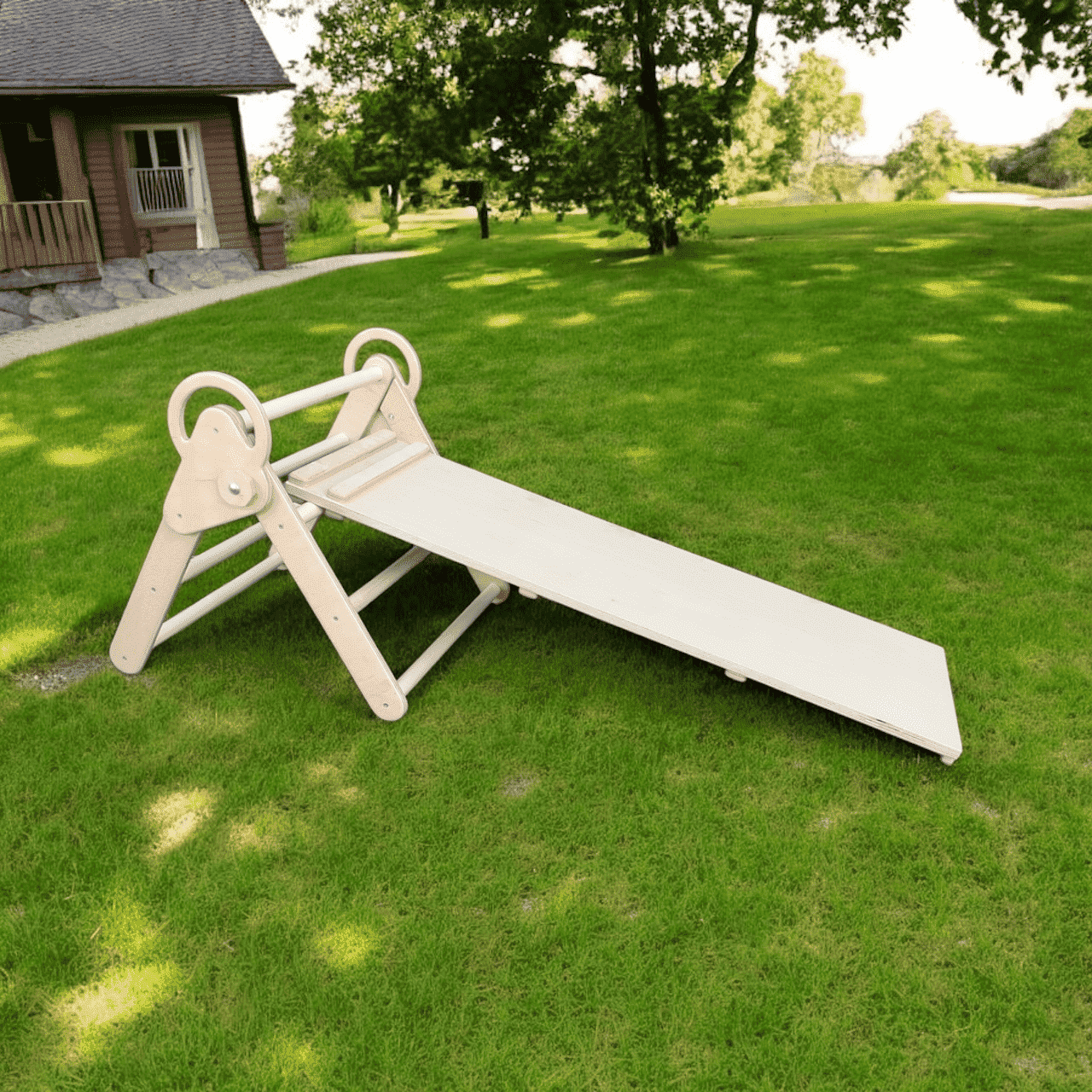
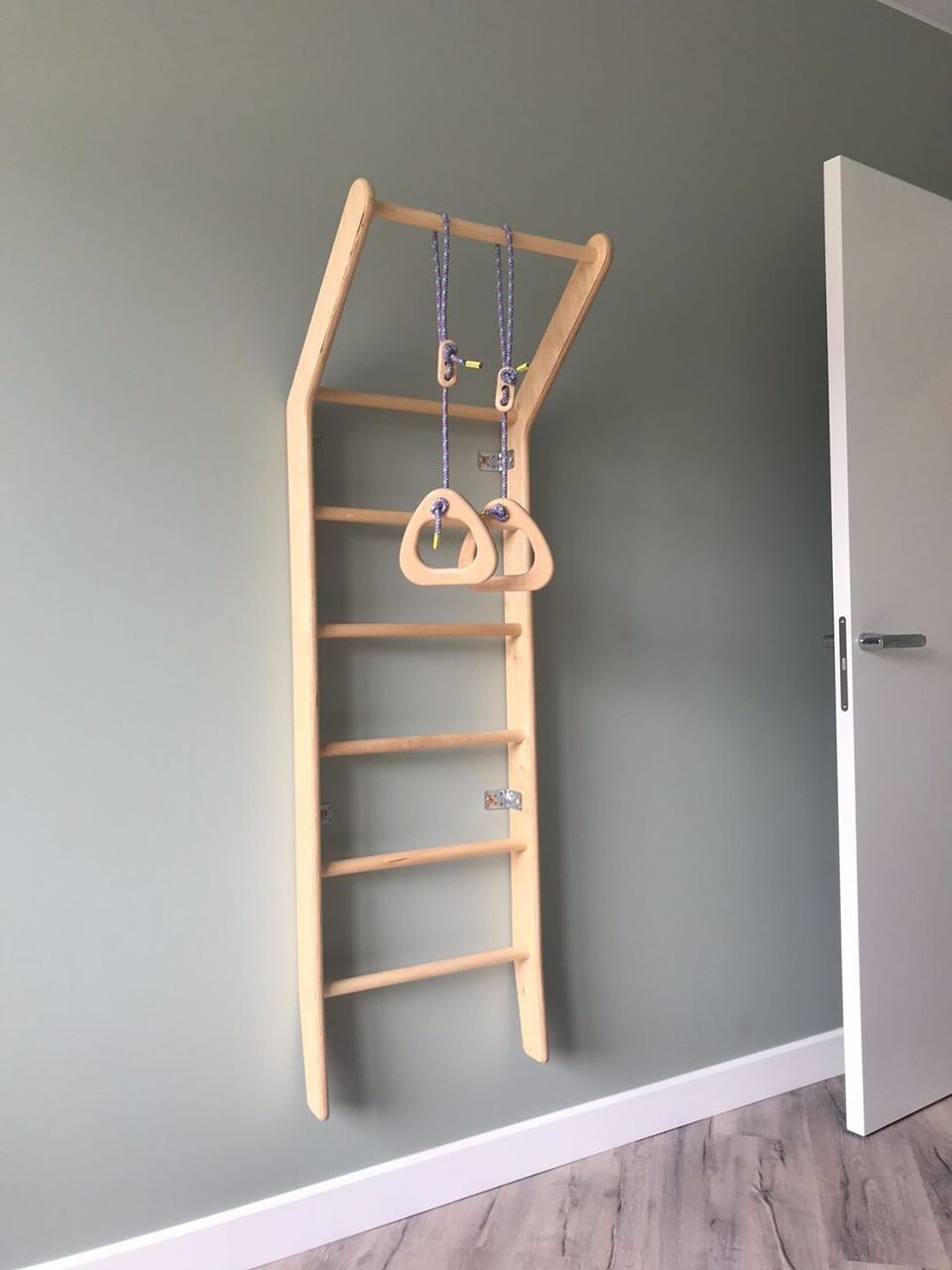
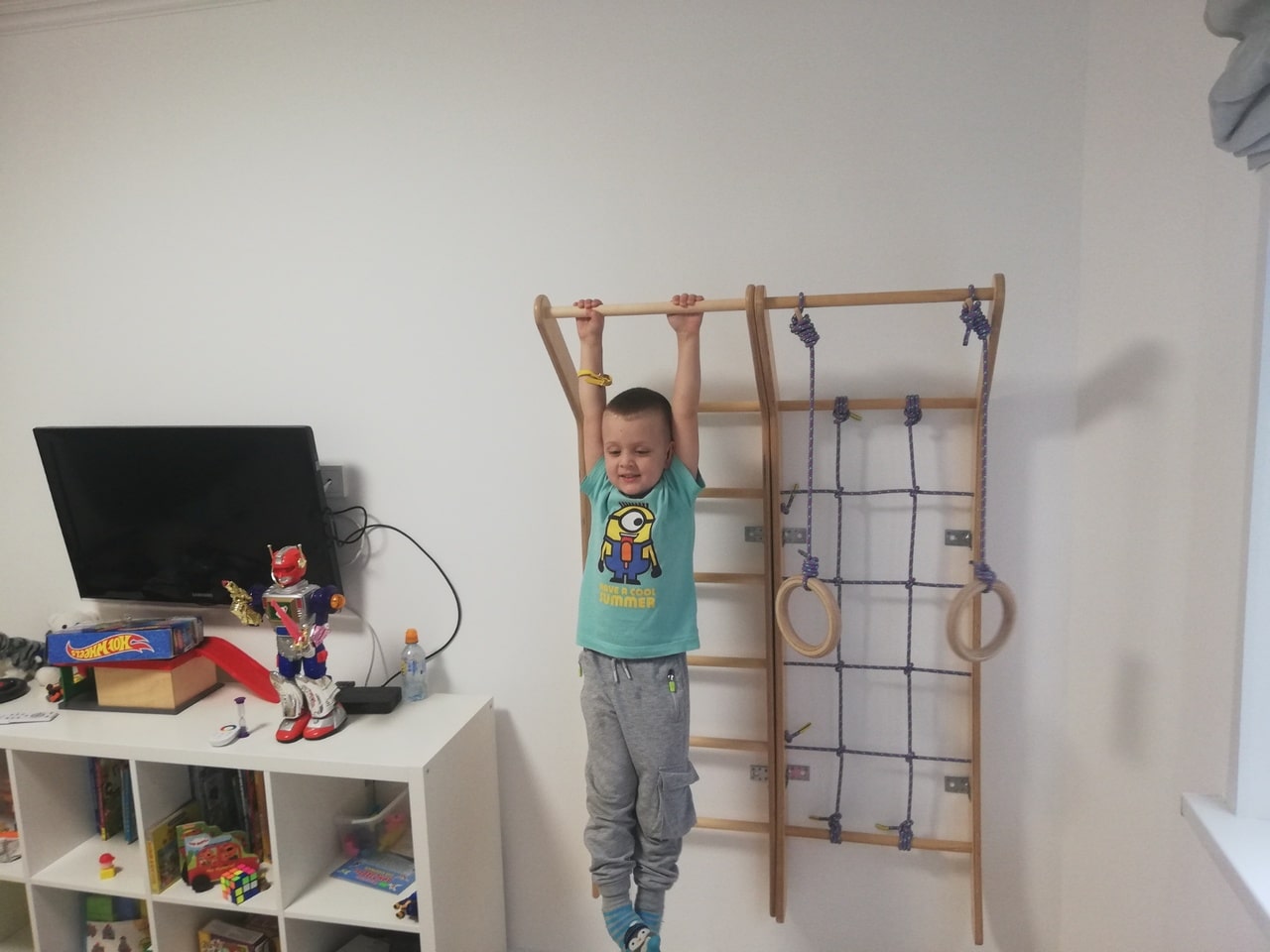
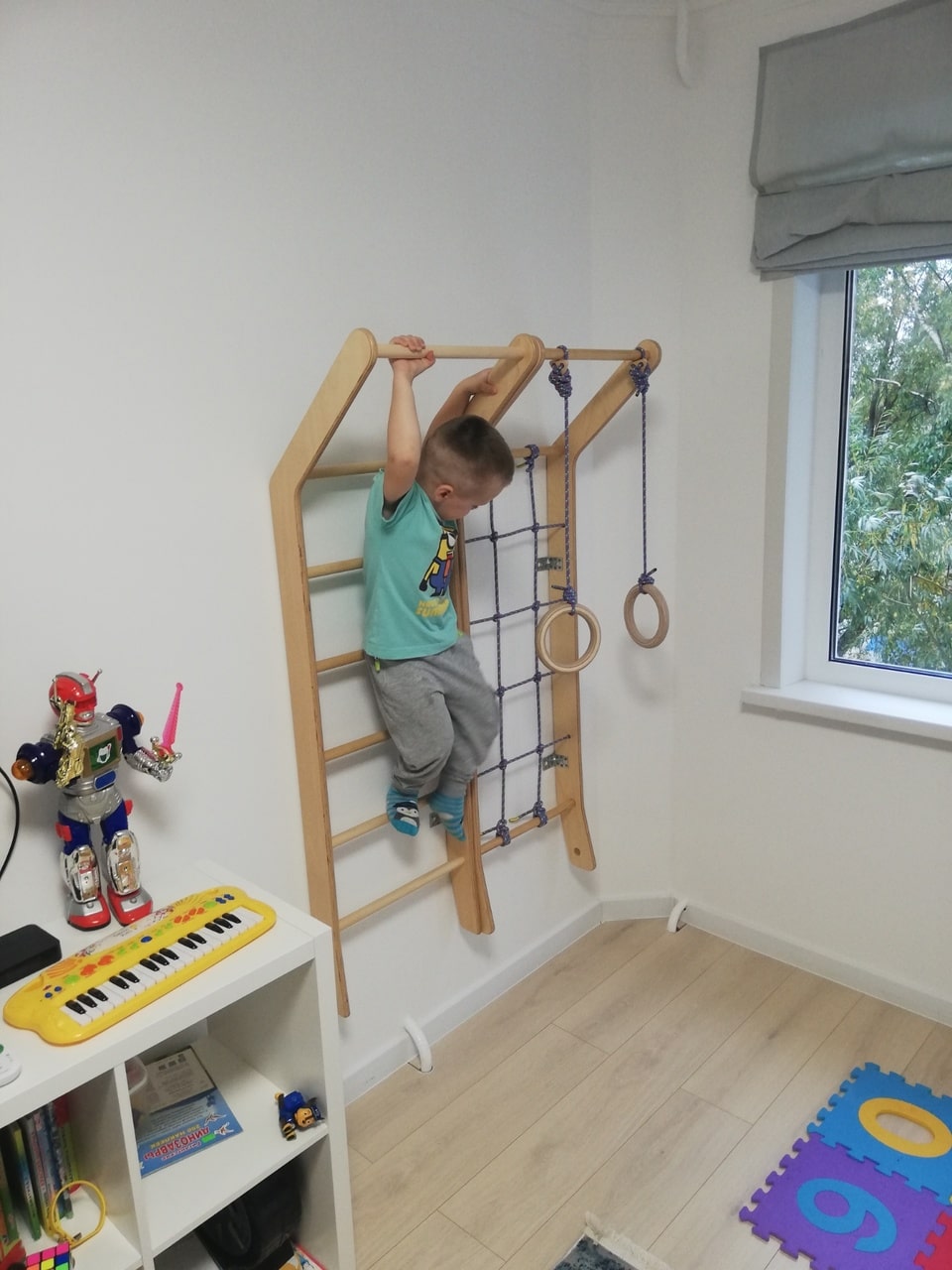

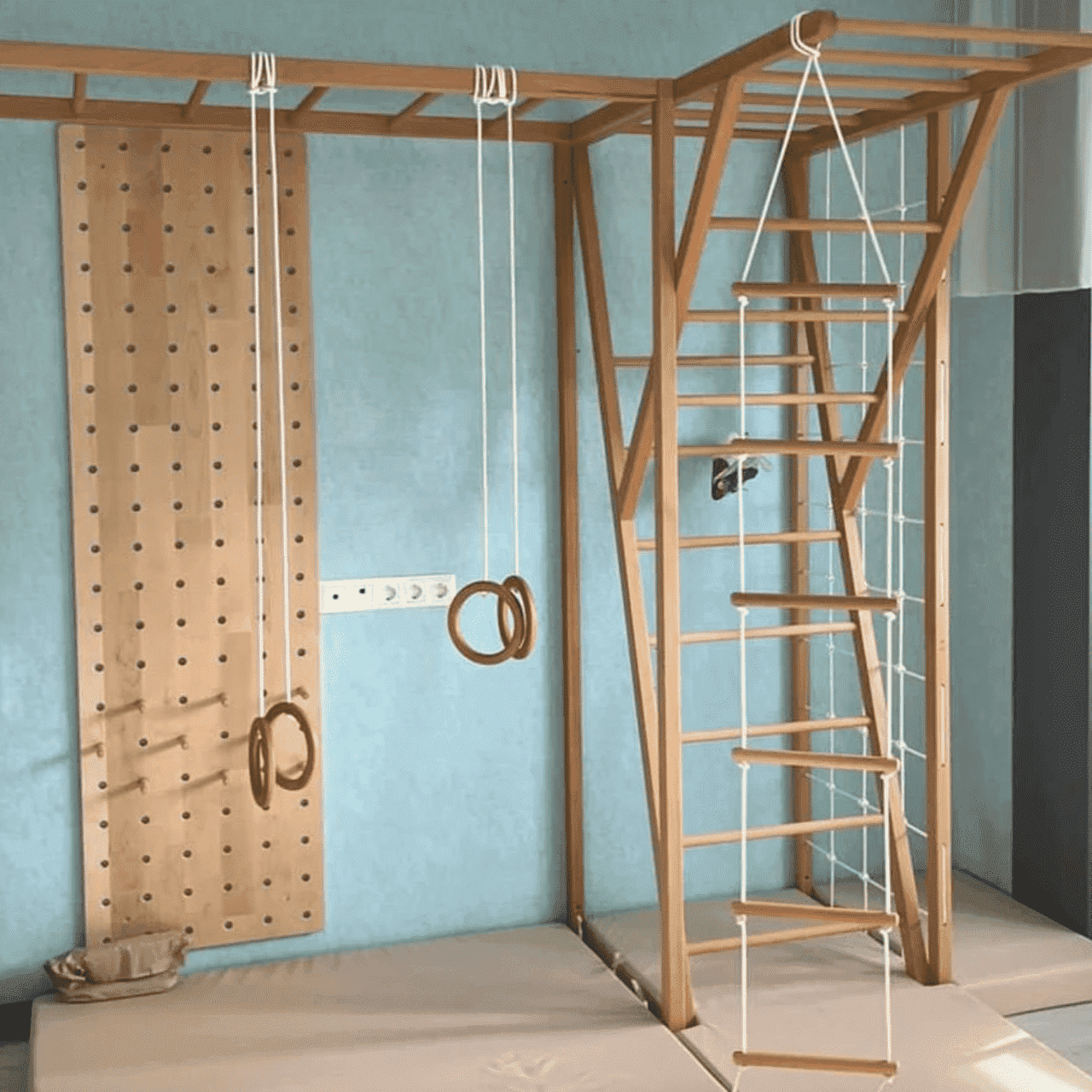
Examples of completed projects: experience in making children’s furniture
Children’s furniture projects for institutions are orders of varying volume and geography. Our work has included fitting out kindergartens and schools in smaller towns as well as supplies to large private educational institutions in major cities. The range is wide: from standard solutions to fully bespoke fit-outs based on the customer’s design mock-ups. A small kindergarten and a private grammar school set tasks differently, but the production logic stays the same — precision, safety, repeatability.
In one project we made and supplied bunk beds for boarding schools; in another, mobile desks and light modular racks for development centres, where furniture is often rearranged to suit the format of a lesson. We have also shipped desks with built-in stands, ergonomic chairs with an adjustable seat, and lockers with anti-pinch systems. Each such detail is an answer to a specific need, not a catalogue decoration: the stand keeps the desk tidy, the anti-pinch system protects fingers.
Some institutions ordered whole series for different age groups — from nursery furniture to fit-outs for primary school. A single delivery often includes play modules, items for rest, craft tables and staff furniture. Such a complex order is more convenient to run through a single supplier: a unified style, coordinated deadlines and one dispatch instead of a dozen scattered batches from different contractors.
Who already works with us

Cabinet furniture makers

Joinery workshops

Interior designers

Architects

Private craftsmen and artisans

Online sellers

Advertising agencies

Set designers

Restorers

Toy manufacturers

Artists and sculptors

Construction companies

Exhibition equipment manufacturers

Educational institutions

Sports equipment makers

Wooden packaging manufacturers

Private customers

Shops and boutiques

Manufacturing enterprises

Restaurants and cafés
Who orders wooden children’s furniture: customer segments
Children’s furniture is ordered by educational institutions, kindergarten chains, private schools, and sports and creative centres. Architectural studios that handle turnkey fitting-out of a space often get in touch too. Among the clients are developers furnishing new facilities with an educational function. Demand also comes from government institutions — boarding schools, arts centres and rehabilitation centres. Each segment has its own procurement cycle and priorities, but all are united by the requirement for safety and documentation.
Large sellers and shops on marketplaces buy items in small batches or on a modular basis, assembling a range for their own buyer. Children’s-themed brands order furniture under their own design — in the required palette and style so the product is recognisable. A story of its own is the corporate standards of large franchises, where visual consistency across the whole network matters: furniture in an outlet in one city must not differ from the same in another. Maintaining this consistency rests precisely on the repeatability of production.
Manufacturing of wooden children’s furniture – solid wood, MDF, particleboard, MFC
A wealth of solutions
The manufacture of wooden children’s furniture covers all the key lines — from beds and cabinets to desks and racks. Each item is developed with an eye to safety, ergonomics and durability, and the approach is tailored to the needs of a specific institution — a kindergarten, a school or a private development centre. A single catalogue for all simply does not work here: each has its own standards, its own age of users and its own budget.
Technological process
Every stage — from design to packaging — is built around precision and standardisation. Certified wood and fittings, safe finishes and structural joints thought through down to the smallest detail go into the work. The result withstands daily loads, is easy to maintain and is designed for many years of use. It is precisely this technological rigour, rather than hand-crafted enthusiasm, that ensures the same quality in the first unit of a batch as in the hundredth.
Flexibility and customisation
Both standard models and fully bespoke solutions are available. Furniture is adapted to the client’s standard, and the colour, material and dimensions are selected to fit a specific room. Production is geared towards the precise fulfilment of the customer’s task while meeting deadlines. Such flexibility is especially valued when furniture needs to fit into a finished design project, rather than adjusting the interior to whatever happened to be in stock.
Support for the B2B segment
The cooperation is geared towards business clients: shops, sellers, developers and design organisations. Logistics, labelling and the compiling of documentation — without which a government order or tender simply cannot go through — are taken into account. Work is possible to the customer’s ready-made drawings or with refinement to a technical brief — whichever suits the client. For B2B, predictability matters most: a clear price, lead time and set of documents from the outset.
Relevance and reliability
All products meet current regulations, pass quality control and arrive in sturdy, safe packaging. The formats vary — from fixed to mobile furniture, from budget solutions to premium series. This range makes it possible to assemble a fit-out for any institution’s budget without sacrificing the main thing — the safety of children’s furniture and compliance with sanitary requirements.
Materials and safety of children’s furniture
In children’s furniture the material is chosen not by price but by safety and behaviour in use. The board must have low formaldehyde emission, the surface must be easy to wash and unafraid of disinfection, and the load-bearing joints must withstand the dynamic load of an active child. Below are the main base materials children’s furniture is made from, with their strengths and what to look for when ordering.
| Material | Why it’s good for children’s furniture | Where it’s used | What to look for |
|---|---|---|---|
| ⬜ MFC (low emission) | Ready-made décor, palette, price | Carcasses, fronts, shelves, lockers | Emission class, edge quality |
| 🟤 MDF | Smooth painted surface, rounded edges | Fronts, shaped parts, décor | Safe varnish, resistance to washing |
| 🪵 Plywood | Strength, holds fasteners, bending | Load-bearing joints of beds and desks | Grade, edge finishing |
| 🌳 Solid wood | Naturalness, repairability | Tabletops, frames of premium series | Moisture content, drying quality |
In practice, carcasses and fronts are more often made of MFC and MDF, while plywood or solid wood is used where the load is higher. The key point is the edge: in children’s furniture the board edges are always sealed, without exception. An exposed cut looks sloppy, draws in moisture during daily washing and can splinter. The certificates for the board, varnish and adhesive are checked separately: in a closed group where children spend the whole day, air quality depends directly on what is built into the furniture. The difference between certified and “grey-market” board is invisible on the showroom floor, but it is exactly what sets apart furniture you can trust with a child’s health from furniture that is simply cheaper at the start and more expensive later.
Height groups and ergonomics
Children’s furniture cannot simply be “scaled down” — its dimensions are tied to the child’s height and to sanitary standards. Table and chair height, seat depth and backrest angle are calculated by height group so that the child develops the correct posture rather than a stoop. Below is a guide by group that helps match furniture to the age, although the exact dimensions are always agreed for the specific institution.
| Group | Child’s height | Table height | Seat height |
|---|---|---|---|
| 🟢 №1 | up to 115 cm | ~46 cm | ~26 cm |
| 🔵 №2 | 115–130 cm | ~52 cm | ~30 cm |
| 🟡 №3 | 130–145 cm | ~58 cm | ~34 cm |
| 🟠 №4 | 145–160 cm | ~64 cm | ~38 cm |
This is exactly why kindergartens and schools often go for adjustable models: a single desk covers several height groups at once and lasts longer without replacement. An error in size is no trifle here — the wrong table height affects posture and eyesight over years of study. A good production calculates these parameters to the standards rather than by eye, and where necessary adjusts them to the requirements of a specific institution. For mixed groups, where children’s heights differ noticeably, adjustable furniture is exactly what is used — it removes the problem in one go instead of keeping separate sets for each height group.
Finishes and fittings for children’s furniture
The finish in children’s furniture is responsible for three things at once: safety, resistance to washing and appearance. The formulations used are non-toxic, without a harsh smell or harmful fumes, and resistant to disinfection and daily wet cleaning. Most often these are water-based acrylic enamels and UV coatings — they give an even surface, protect the wood and do not change its structure. Cheap varnish with a smell is unacceptable in a closed group in principle, however much one would like to save on the batch. The difference in the cost of the finish against the whole purchase is small, while the consequences of the wrong choice are something everyone has to deal with — the children, the staff and the institution’s reputation.
- 🎨 Acrylic enamel — a dense, safe colour, easy to wash, resistant to disinfection.
- 💧 UV varnish — transparent, durable protection that preserves the wood grain.
- 🌿 Oil-wax — for solid wood, a natural look, repairable locally.
- 🛡️ Lamination/film — ready-made décor and maximum abrasion resistance.
No less attention goes to the fittings. Children’s furniture uses soft-close devices and catches that rule out finger pinching, while fasteners are recessed or covered with caps so nothing sticks out. Handles are made without sharp edges, and legs come with pads so the chair does not slide or scratch the floor. Everything a child touches is worked on separately: it is precisely on the small details that everyday injuries most often occur, which is why you cannot cut corners on them.
Quality control and batch acceptance
The quality of children’s furniture is checked throughout the whole cycle, not only at the end: geometry after cutting, edge cleanliness, the fit of fittings and the stability of the assembled item are all verified. When accepting a batch, it is useful for the customer to run through a few simple points that require no tools and that, in a couple of minutes, show how responsibly the work was done.
- 🔒 Safety — no sharp corners or splinters, fasteners recessed or covered.
- 📏 Geometry — the part matches the drawing, the item does not wobble, diagonals are equal.
- 🧼 Edge and finish — edges sealed, the coating even, without runs or smell.
- 🔗 Joints — rigid joints, fittings work smoothly, no play.
- 📄 Documents — certificates for materials and finishes on hand.
If there are no questions on any point, the batch can be accepted with confidence. Quality criteria agreed in advance remove disputes at acceptance and save both parties time. For children’s institutions this is especially important: there the furniture passes not only an internal check but also the scrutiny of inspecting authorities, which means any flaw will surface quickly and cost more than careful work from the very start.
Lead times, volumes and cost of children’s furniture
The exact price and lead time are quoted after a calculation: much depends on the material, the print run, the complexity of the design, the type of finish and the availability of documentation. But the overall logic is transparent, and it is useful to understand it in advance — especially with purchases ahead of the start of the school year, when lead times often matter more than price. Below are guideline figures for typical children’s furniture orders: they do not replace a calculation, but they show how volume and complexity affect the outcome.
| Order type | Approx. lead time | Min. batch | What affects the price |
|---|---|---|---|
| 🪑 Standard chairs and tables | from 10 days | from small wholesale | Volume, height groups |
| 🛏️ Beds and storage modules | 2–3 weeks | to be agreed | Design, fittings |
| 🏫 Group/classroom fit-out | from 3 weeks | per project | Number of items, unified décor |
| 🎨 Bespoke project | from 3–4 weeks | from 1 pc. | Engineering, sample, design |
The price is affected most not by the dimensions themselves but by the complexity of the design, safe fittings and the quality of the finish. An adjustable desk costs more than a fixed one; a painted shaped front more than a film-faced one. The print run works the other way: the more identical items there are, the lower the price per piece, since the program is written once and the sheet is cut more economically. That is why a trial batch and a large fit-out are costed at different rates — this is standard practice, not a trick.
Savings come not from safety but from planning: a well-designed nesting layout reduces waste, combining items into a single run cuts down changeovers, and a complete set of drawings from the outset removes rework. Urgency, on the other hand, always costs money — it breaks the schedule and requires changeovers, and the drying of a safe finish cannot be sped up by sheer will. That is why orders for the start of the school year are more sensibly placed in advance rather than in the last week of summer.
How to order made-to-order children’s furniture
The ordering scheme requires no engineering training from the client — it is enough to describe the task, and anything missing will be clarified at the plant. Usually the path from enquiry to a finished batch fits into a few clear steps.
- 📝 Send a list of items, height groups, the room’s purpose and, if available, a drawing or design mock-up.
- 📋 Agree the materials, finishes, fittings and colour, and receive an estimate of lead time and cost.
- ✅ Approve the parameters and, if necessary, make a trial sample of the item.
- 🏭 Launch the batch: cutting, milling, sanding, a safe finish, assembly and inspection.
- 🚚 Receive the labelled and packed furniture and arrange dispatch to your region.
This procedure is equally convenient for a one-off purchase and for regular supplies to a network of institutions. It is easier for regular partners: the accumulated context speeds up approvals, and standard items are launched almost at a word. As a result, ordering children’s furniture turns from a hassle into a predictable process with clear lead times, price and end result.
Myths and reality about made-to-order children’s furniture
Plenty of misconceptions circulate around children’s furniture. The first myth is that “made-to-order is always more expensive than ready-made from a shop, and by a lot.” In reality, furniture matched precisely to the height groups and the room saves both space and money: there is no need to buy footrests for chairs that are too tall or to redo the interior to fit whatever was available. There is a price difference, but it pays off through service life and the fact that the furniture fits the project without compromise.
The second myth is that “bright furniture is safer and healthier.” Safety is determined not by colour but by materials, finishes and structure: rounded corners, non-toxic varnish, reliable fasteners. An overloaded, garish palette, on the contrary, tires the eyes and hinders concentration. The third myth is that “the more massive, the stronger.” The strength of children’s furniture rests on the design of the joints and the right fasteners, not on extra centimetres of thickness, which only make the item heavier and complicate rearranging it in the group.
The fourth myth is that “certificates are a formality.” For children’s furniture it is precisely the documents that confirm the board, varnish and adhesive are safe, and without them you cannot pass either acceptance or inspection. The fifth is that “broken furniture is easier to throw away.” On the contrary: a modular design lets you replace a single part rather than the whole set, an oil finish is touched up locally, and fittings can always be replaced with new ones. Understanding these nuances makes the choice calmer and the purchase more advantageous over years of use.
Caring for children’s furniture and service life
The lifespan of children’s furniture depends not only on how it was made but also on care. The basic rules are simple: wipe up spills at once, do not leave water on joints and edges, use mild cleaning agents without harsh abrasives, and tighten the fittings once a season. In kindergartens and schools furniture is treated with antiseptics regularly, and a quality finish takes this calmly, whereas a cheap one quickly clouds over and loses its look.
Oil-finished items are periodically refreshed with a thin layer — this restores protection without streaks or stripping off the old coating. Painted and varnished surfaces just need wiping with a soft cloth. Joints that have come loose from active use are tightened in good time so that a small amount of play does not grow into a breakdown. With this simple care, beds, desks, chairs and lockers serve an institution for many years, keeping both their safety and their appearance. Proper work at the plant lays the foundation, and careful use simply extends what has already been done well. And if a part does get damaged, repairability plays in your favour: a scratch on solid wood is sanded and re-coated, a single module is replaced without touching the rest of the set, and worn fittings are replaced with new ones — and the furniture keeps serving on.
Ordering scenarios and working with drawings
The logic of production is easier to grasp through specific situations. A private kindergarten opens a new group and orders a set for the nursery age: low tables and chairs of the first height group, open shelves, cots with guard rails, and clothing lockers with anti-pinch. Here everything is sized for small heights and maximum safety, and the colours are chosen calm so as not to overload the little ones’ perception.
Another scenario is a boarding school that needs bunk beds and modular racks in a large batch. The run is costed at a single rate, the structure is reinforced for intensive loads, and some items are shipped disassembled for convenient transport and getting them up to the floor. A third case is a development centre with mobile furniture: light desks and racks on castors that are rearranged to suit the format of a lesson. Here low weight, stability and reliable castor locks matter.
These stories share one thing: an initial brief talked through in advance turns the order into a predictable process. The clearer the source material, the faster the order is costed. Ideally there is a drawing or design mock-up, but a description with height groups, the room’s purpose and colour preferences is a perfectly workable start too. Anything missing the production will clarify itself: the customer’s task is not to understand the technology but to explain clearly whom and which room the furniture is for.
Children’s furniture for an institution’s needs: the takeaway
Pulling it all together, the picture is a transparent one. The production selects safe materials, calculates dimensions by height group, cuts, mills and sands precisely, applies a non-toxic finish, fits safe fittings and assembles the finished item. At every step it is not chance that is at work but technology, standards and control, so the result is repeatable and predictable — and for children’s furniture, the predictability of safety matters more than anything else.
Small wholesale and a large fit-out, a nursery group and a senior school, a standard chair and a bespoke play module — all of this fits into a single, manageable process. The products travel all across Europe and beyond, labelled and packed with edge protection, and arrive in the same condition in which they left the workshop. Little remains — describe the task and send a list of items, and from there the calculation, approval and launch run along well-worn tracks, with a full set of documents and compliance with sanitary requirements. The customer does not need to understand height groups and standards: the production translates the wishes into specific dimensions, materials and lead times, and takes on the questions of safety and documentation.
Convertible furniture and a sensible budget
For institutions, convertible children’s furniture is a way to stretch the budget without loss of quality. A desk with adjustable height covers several height groups at once and serves as the children grow, rather than going for replacement every year. A loft bed frees up space for a play or study zone, and modular racks are reconfigured for a new classroom layout. One well-thought-out unit often replaces two or three ordinary ones, and over its service life it works out cheaper.
Combining also works in the economy’s favour. A single item combines an MFC carcass, a painted MDF front and plywood load-bearing joints — this way price and reliability are balanced, without overpaying for solid wood where board is enough. Hybrid solutions are convenient in fit-outs too: a play zone, study tables and staff furniture are made in a single style and arrive in one delivery. For an institution this means fewer approvals, a unified look for the room and a clear overall budget instead of a dozen scattered invoices.
Rational use of material at the plant is also reflected in the price. A well-planned nesting map reduces waste, and combining items into a single run cuts changeovers — and this goes into the estimate without hidden “just-in-case” surcharges. When losses are calculated in advance, the price of children’s furniture stays transparent and lead times do not slip because a sheet suddenly ran out. In sum, a thought-through approach to material, structure and logistics gives the institution exactly what it needs: safe, durable furniture at a fair price and on time. And feedback on the first delivery is taken into account in the next: successful choices of colour, dimensions and fittings are fixed as a standard, and a repeat order runs even faster and more accurately than the first.
Can I order furniture under my own brand?
Yes, furniture is made under your own brand: individual labelling, a corporate colour scheme, selected fittings and packaging in the customer’s style. This suits chains and sellers for whom it is important that the product is recognisable and keeps a unified look across all outlets.
What materials are used in production?
We work with low-emission MFC, MDF, plywood and solid wood. All raw material is certified, meets sanitary standards and is safe for children — with no harmful fumes. The material is matched to the item: load-bearing joints from a strong base, fronts from board with ready-made or painted décor.
Is it possible to adapt furniture to non-standard sizes?
Yes, products are adapted to the dimensions of a specific room and the institution’s requirements — from a non-standard cabinet width to the required height group for tables and chairs. Just send the measurements or a drawing, and the rest will be clarified at the calculation stage.
Can I get samples?
Yes, by arrangement, samples of materials, individual structural elements or finished modules are provided. This helps to assess quality, colour and fittings in advance before launching the whole batch.
How is the furniture packed for shipping?
Sturdy transport packaging is used with protection of the edges and face surfaces — so the part is not damaged in transit. Palletising and labelling to the client’s system are possible, which simplifies the acceptance of a large fit-out on site.
Is there a warranty?
Warranty obligations are set out in the contract. As standard, the warranty covers structural integrity and fittings — that is, what directly affects the safety and service life of children’s furniture.
Do you provide assembly?
Assembly is possible by arrangement. Products are supplied both assembled and disassembled — as a set of parts with fasteners and a diagram. The knock-down format is more convenient for transport and getting up to the floor; the assembled one is for when it is important to place the furniture and use it right away.
What are the order lead times?
The lead time depends on the volume, the availability of project documentation and the type of item — usually from 10 to 30 working days. The exact date is quoted after a calculation. Large fit-outs for the start of the school year are more sensibly placed in advance, not in the last week.
What is the minimum order volume?
The minimum volume depends on the type of furniture: both small-wholesale and large wholesale orders are possible. Exact terms are discussed individually — the approach will differ for a one-off purchase for a single group and for fitting out a network of institutions.
We’re always here to help — choose the way that suits you best to get in touch
Call us, message us on a messenger or reach out via social media — we’ll respond promptly!
We work across all of Europe
Useful information and articles
The Specifics of Radius Milling for Creating Rounded Edges on Wooden Products
The Specifics of Radius Milling for Creating Rounded Edges on Wooden Products Radius milling, or edge rounding, is one of the most sought-after and critically important stages in producing high-quality wooden
The Role of Milling in Making Decorative and Functional Wooden Parts
The Role of Milling in Making Decorative and Functional Wooden Parts Wood is a material that people have been using for thousands of years. It is valued for its natural
Stages of Filling and Sanding Wooden Products: Creating a Flawless, Even Surface
Stages of Filling and Sanding Wooden Products: Creating a Flawless, Even Surface Woodworking is not merely a mechanical process but a true craft, in which every stage is decisive for the

The synthesis of wood and metal: technological aspects of combining wood and aluminium to create durable products
The synthesis of wood and metal: technological aspects of combining wood and aluminium to create durable products In the field of professional woodworking, the search for the ideal material often leads