

Wooden garden furniture
Wooden garden furniture covers benches, tables, seats, stools, loungers, swings, pergolas, canopies and log stores made from solid timber, larch, pine, oak and moisture-resistant board materials for holiday homes, leisure resorts, hotels, cafés and parks. Production runs both standard models and bespoke projects: drying and anti-rot treatment, moisture- and UV-resistant finishes, stainless fasteners and sealed joints for year-round outdoor use. Below we explain which timber species garden furniture is made from, how the production process is organised, which products the range includes, who orders wholesale batches, and what lead times, volumes and terms you can expect.
Wooden garden furniture manufacturing: a segment in demand all year round
Wooden garden furniture is a distinct category with a wide range of products designed for outdoor use. Manufacturing it calls not only for technical precision but also for an understanding of how the furniture will behave in different climates. Demand for it is not purely seasonal: many pieces work all year round — in private gardens, on café terraces, in hotel leisure areas, in parks and on residential grounds. Timber left to overwinter under snow without protection breaks down within a couple of seasons, so it is the treatment, not just the species, that determines how long outdoor furniture will last.
The category includes benches, loungers, swings, tables, stools, log stores, pergolas and other structures. All of them are built to withstand rain, sun and temperature swings, which sets specific requirements for materials and construction. The products must combine aesthetics with strength. At the same time, wooden garden furniture also plays an important decorative role — it is what sets a cosy atmosphere in a garden or leisure area. A bare space with concrete benches and the same space with wooden tables and a pergola are perceived quite differently, even though their function is the same. Wood creates a sense of a lived-in, well-kept space, and that is precisely why it is chosen for places where people are meant to linger rather than just sit down for a minute.
The wooden garden furniture market has two directions: universal series products and items made for a specific project. Shops and retail need series production, while developers and architectural studios, on the contrary, need bespoke execution that matches the overall style of the site. TigerWood covers both directions, offering capacity for any volume and complexity. A shop needs a popular range at a competitive price, and a landscaping designer needs unique benches to match a park concept — and a single production facility handles both requests, simply with different settings. That is exactly why a facility with broad capabilities is more convenient than a narrowly specialised one: it covers both the mass range and one-off exclusives, and the customer does not have to look for different contractors for different tasks.
What matters to our clients and partners

Professional team
Experienced craftsmen, engineers and CNC operators. Thorough quality control at every stage

Flexibility and a tailored approach
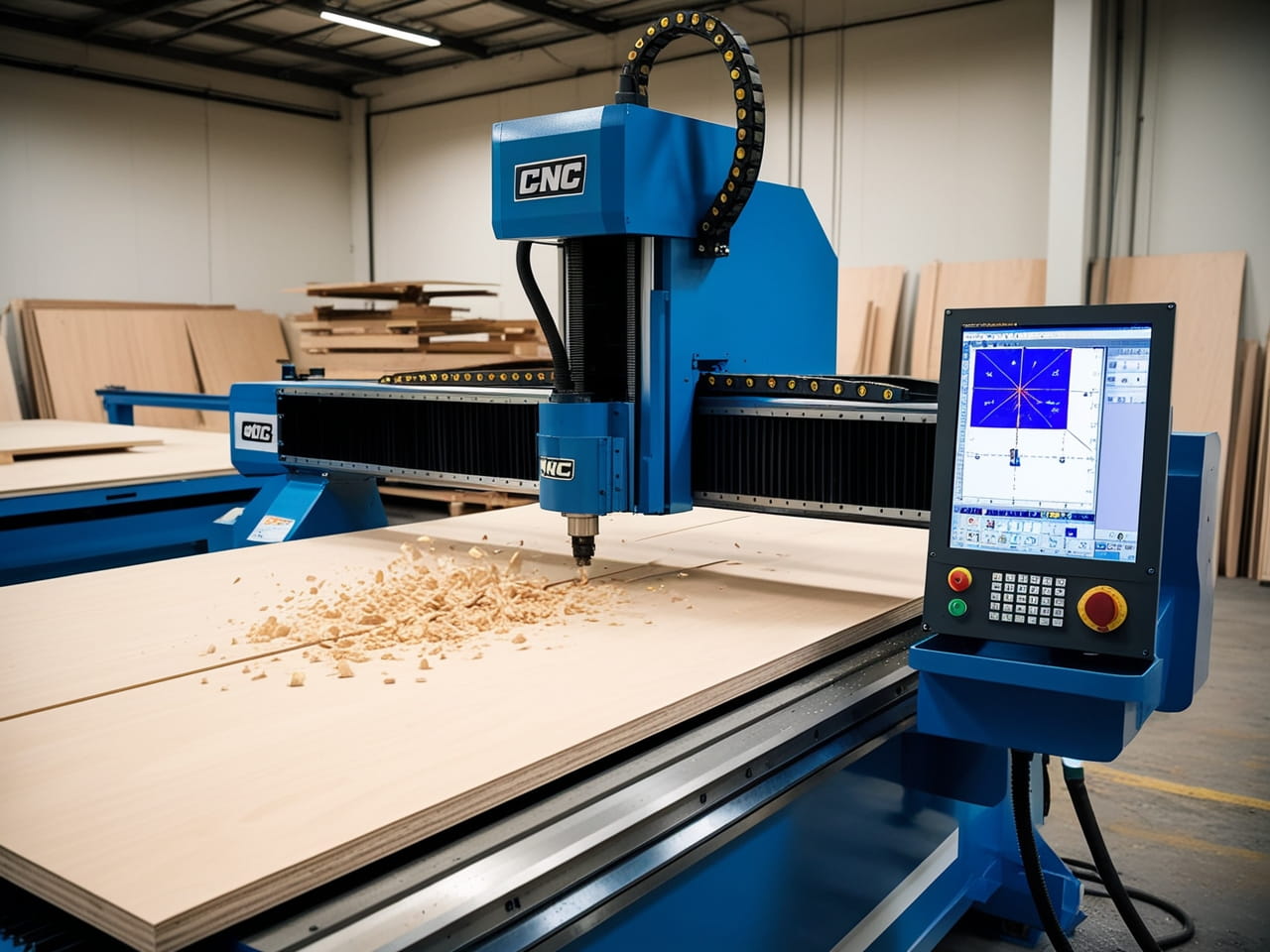
We adapt to any task: we work from your drawings or develop the cutting and machining program ourselves

End-to-end approach
We offer the full range of woodworking services — from sawing to painting and assembly

Wide delivery coverage
We work with clients across many European countries. We help with logistics and packaging

Fast lead times
Large-scale production and streamlined processes let us complete even complex orders quickly

Modern equipment
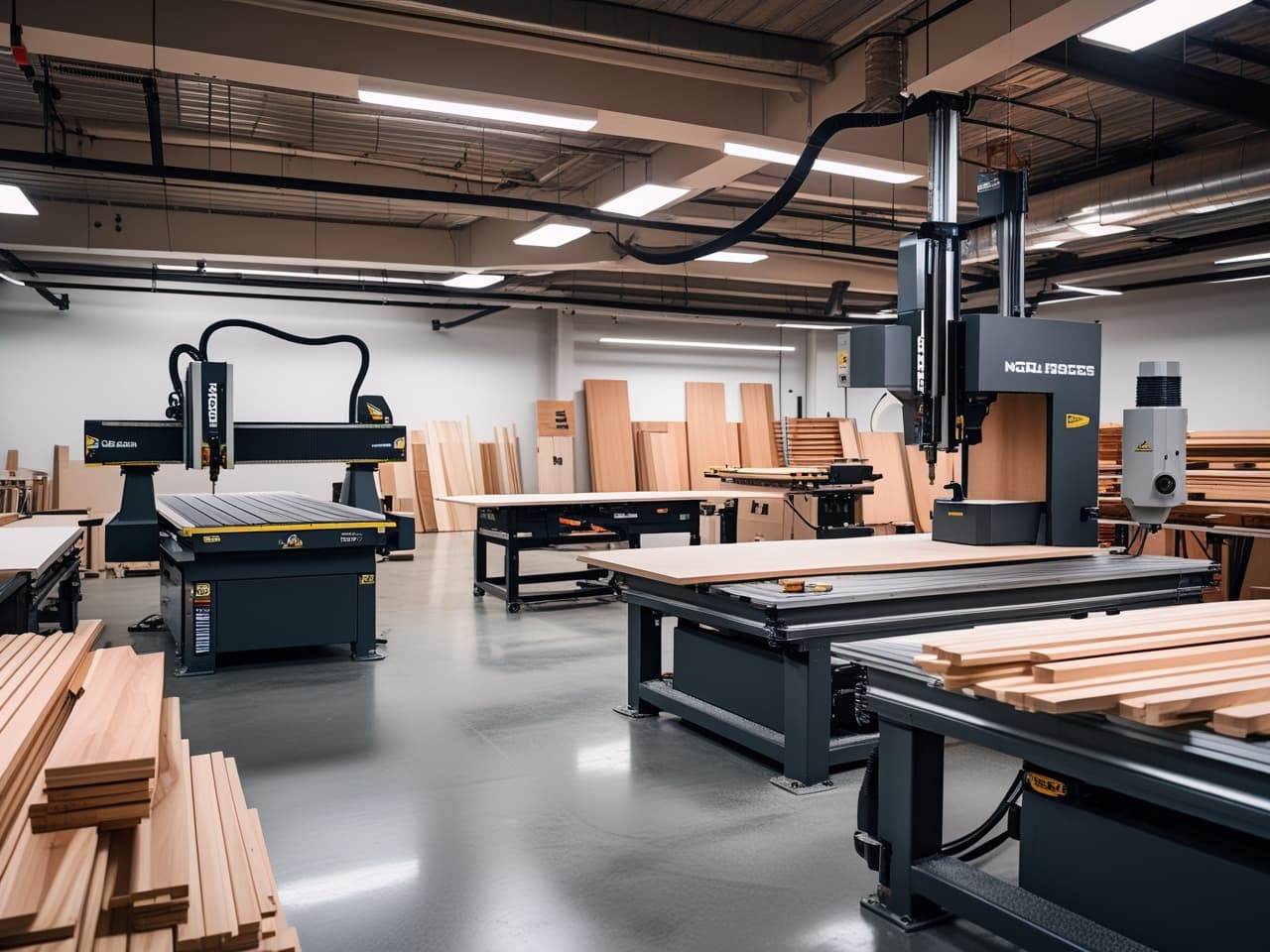
We work with panel saws, CNC machines, routers and sanding machines
Features of wooden garden furniture production: the nuances you cannot miss
Working with wood for outdoor furniture has its own specifics. The main difference lies in the operating conditions. Garden furniture is constantly exposed to the environment: rain, sun, wind, snow, high humidity, dust and temperature swings. That is why it is important not only to choose the right species but also to process the material correctly at every stage — from cutting to the final protective finish. It is this end-to-end protection at every step that sets outdoor furniture apart from indoor furniture: a missed stage becomes a weak point through which moisture destroys the wood from the inside.
Each item is designed for seasonal or permanent use. Park benches and tables require vandal resistance and maximum durability — dozens of people sit on them every day. Swings and loungers in hotel leisure areas must be comfortable, easy to maintain and safe. Pergolas and log stores combine a utilitarian and a decorative role, so they are subject to requirements for both design and durability at once. Furniture for a private garden and for a city park represent different safety margins, even though the products may look similar. That is exactly why an experienced customer does not choose outdoor furniture by the picture alone: they ask about the species, the treatment and the rated load, understanding that the real difference is hidden inside the structure.
Formats and dimensions are selected to match the scenario: a private plot, a public area, a restaurant terrace, a cottage estate. Each has its own standards — seat height, seating depth, tabletop width, fastener placement. Mistakes at the design stage lead to discomfort and rapid wear, so normative and ergonomic parameters are maintained at every stage. An uncomfortable bench with the wrong backrest angle puts people off even in a beautiful park, while a well-calculated one invites them to linger, and the difference here comes down to literal centimetres built into the drawing. For a public space this matters twice over: comfortable benches and tables draw people in and the area comes to life, while uncomfortable ones stand empty no matter how many you install.
Fasteners and joints are of great importance. For outdoor furniture, stainless or galvanised, corrosion-protected hardware is used. The tightness of the joints also matters, especially if the furniture overwinters outdoors. TigerWood applies climate-resistant assembly and finishing technologies suited to European and neighbouring climate zones. An ordinary black screw on an outdoor bench rusts within a single season, leaving streaks and loosening the joint, so cutting corners on fasteners here ends up costing the most — the whole structure has to be redone. Stainless or galvanised fasteners cost more than ordinary ones, but this difference, tiny against the price of the whole piece, pays for itself: the furniture does not fall apart or become covered in rusty streaks after the very first wet season.
What garden furniture is made from wood
Benches

Swings

Tables

Pergolas

Stools
Loungers

Log stores
Product range: from loungers to log stores
Within TigerWood’s wooden garden furniture category, several key directions can be identified. Each has its own purpose and its own specifics. This structure helps the customer navigate the range precisely and choose products for specific needs. Below we go through the main groups in more detail: where they work and what matters most in each when ordering.
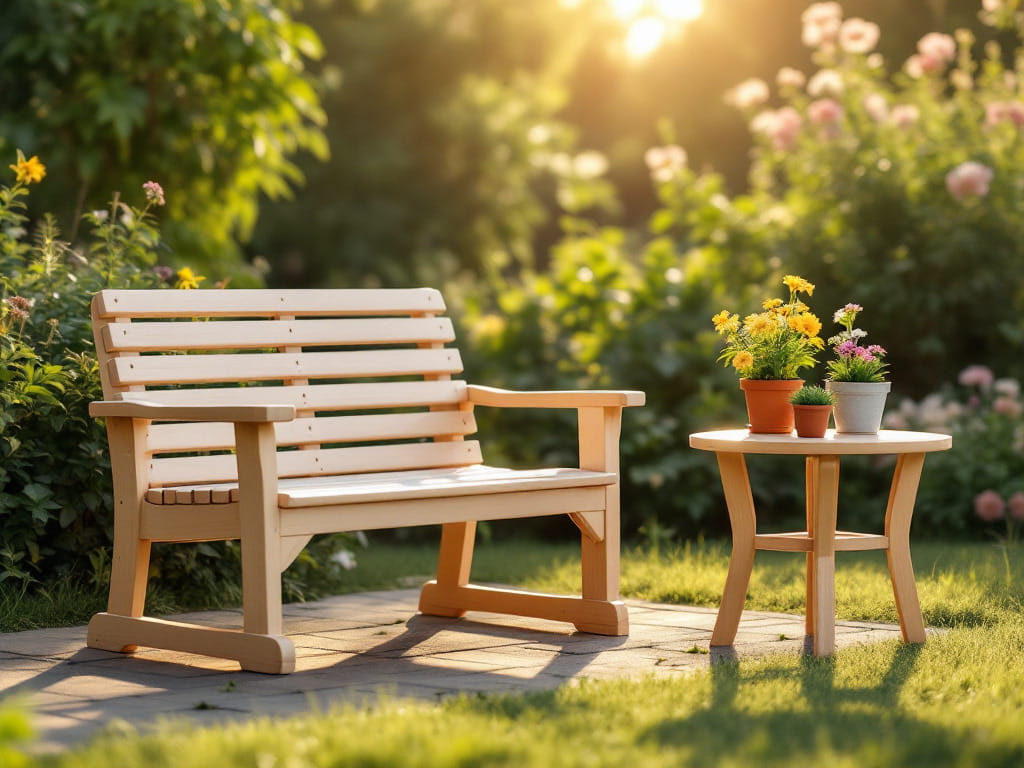
Benches are the most popular type of outdoor furniture. They are placed in parks, public gardens, the courtyards of residential complexes, at holiday homes and on verandas. It is important that the structure be both comfortable and stable, especially in a public area where the load is at its highest. A city bench must withstand not only the weight of people but also attempts to move or break it, so such items are made massive and firmly anchored to the base rather than simply set on the ground.
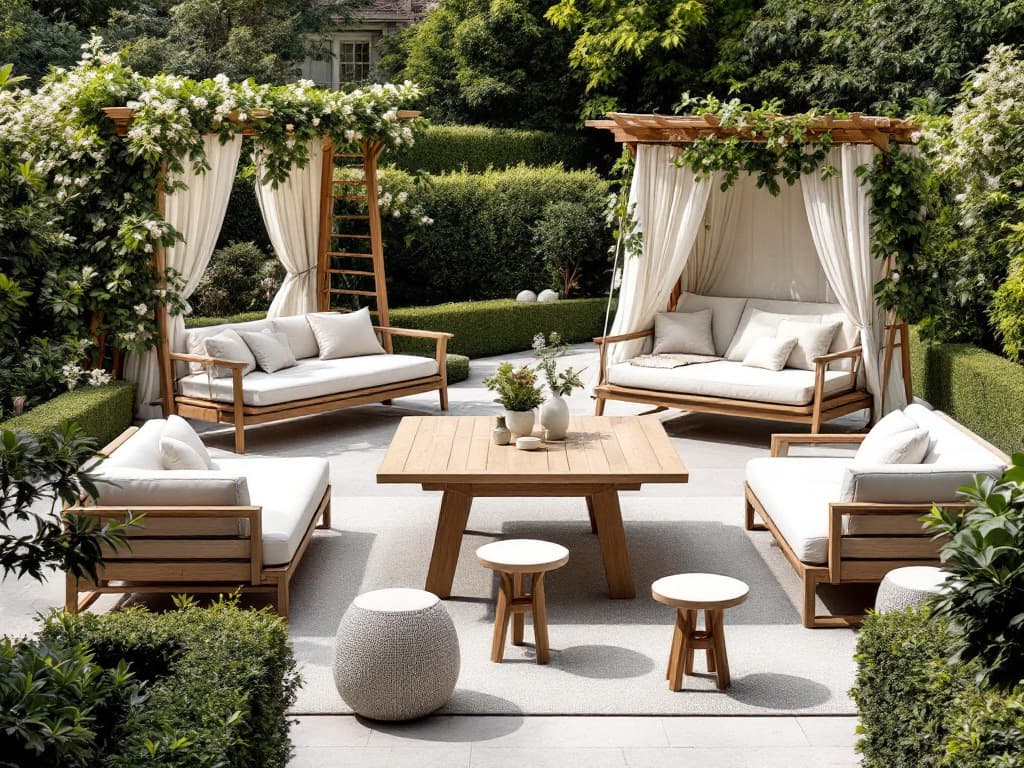
Tables and stools are an indispensable part of the furniture for picnic areas, summer cafés, terraces and country plots. They are often made in sets in a single style. Products are selected by type of use: fixed or mobile, knock-down or one-piece. For a holiday home, a lightweight knock-down set that can be put away in the shed for winter is more convenient, while a summer café needs a stable fixed one that a gust of wind or a careless guest will not shift. Furniture that constantly needs adjusting and levelling irritates both staff and visitors, so for public places stability matters more than lightness.
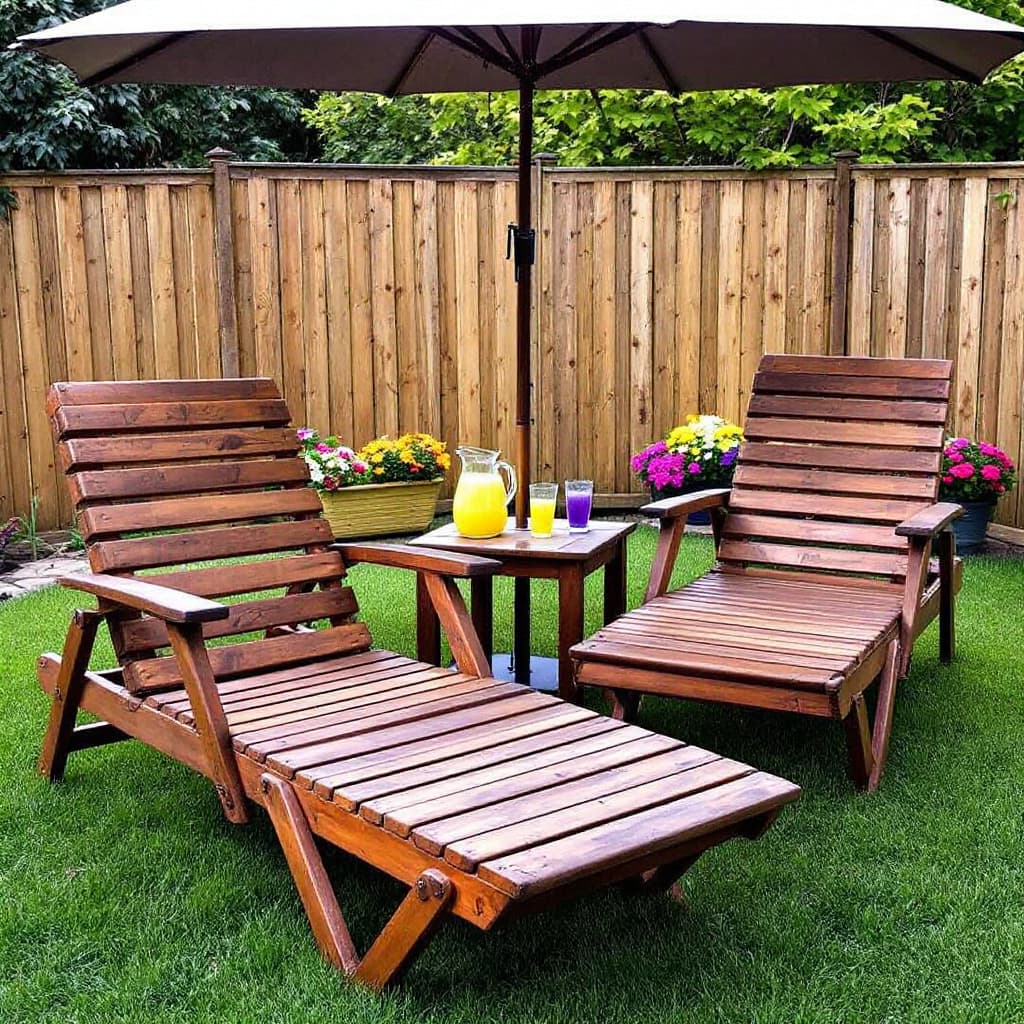
Loungers call for a special approach. The recline angles, anatomy and seat material are all taken into account. They are often combined with fabric or slatted inserts for ventilation — a solid seat heats up in the sun and does not let the skin breathe. The right backrest angle is decisive here: you cannot relax on an uncomfortable lounger, while a well-calculated one supports the body so well that you do not want to get up — and it is precisely this sense of rest that makes it valued.
Swings are in demand in the hotel business, private projects and children’s leisure areas. They require special control in production, since they involve increased loads and safety concerns. Swings work in constant motion, and all the nodes — hangers, fixings, frame — experience a dynamic load rather than a static weight. A weak joint here will not simply fail but may cause injury, so such items are calculated and checked especially carefully.
Pergolas and canopies are architectural elements of landscape design. Besides decoration, they provide shade, zone the space and serve as a base for climbing plants. A pergola draped in greenery turns into a living, shady nook within a couple of seasons — something no umbrella or fabric canopy can create. For a country plot or a café terrace, this is a way to set off a cosy leisure area without erecting permanent structures or blocking off the space with walls. What is more, a wooden pergola looks warmer and more natural than metal or plastic structures and fits better into the green surroundings of a garden.
Log stores are highly specialised structures, but they are actively bought by country houses, leisure resorts and cottage estates. They make firewood storage easier, protect it from precipitation and often serve as a decorative element as well. Neatly stacked firewood under a stylish canopy looks like part of the plot’s design rather than domestic clutter — so a utilitarian task is solved alongside an aesthetic one, which is no small thing for a well-kept property. Small touches like a handsome log store or a tidy canopy add up to an overall sense of a considered plot, the very thing that sets a lived-in space apart from a neglected one.

Each direction of wooden garden furniture has its own purpose. Benches are used everywhere — from parks to private plots — and are often ordered in series. Loungers are geared towards leisure areas and are bought by hotels, leisure resorts and holiday complexes. Swings, for children and adults, require individual design for load and safety. Pergolas work in landscape architecture as decoration and as a base for a canopy or green structures. Tables and stools are ordered both separately and in sets. Log stores are utilitarian yet stylistically important structures for outdoor firewood storage.
The types of wood and sheet-material processing we use
Cutting
CNC

Cross-cutting

Drilling
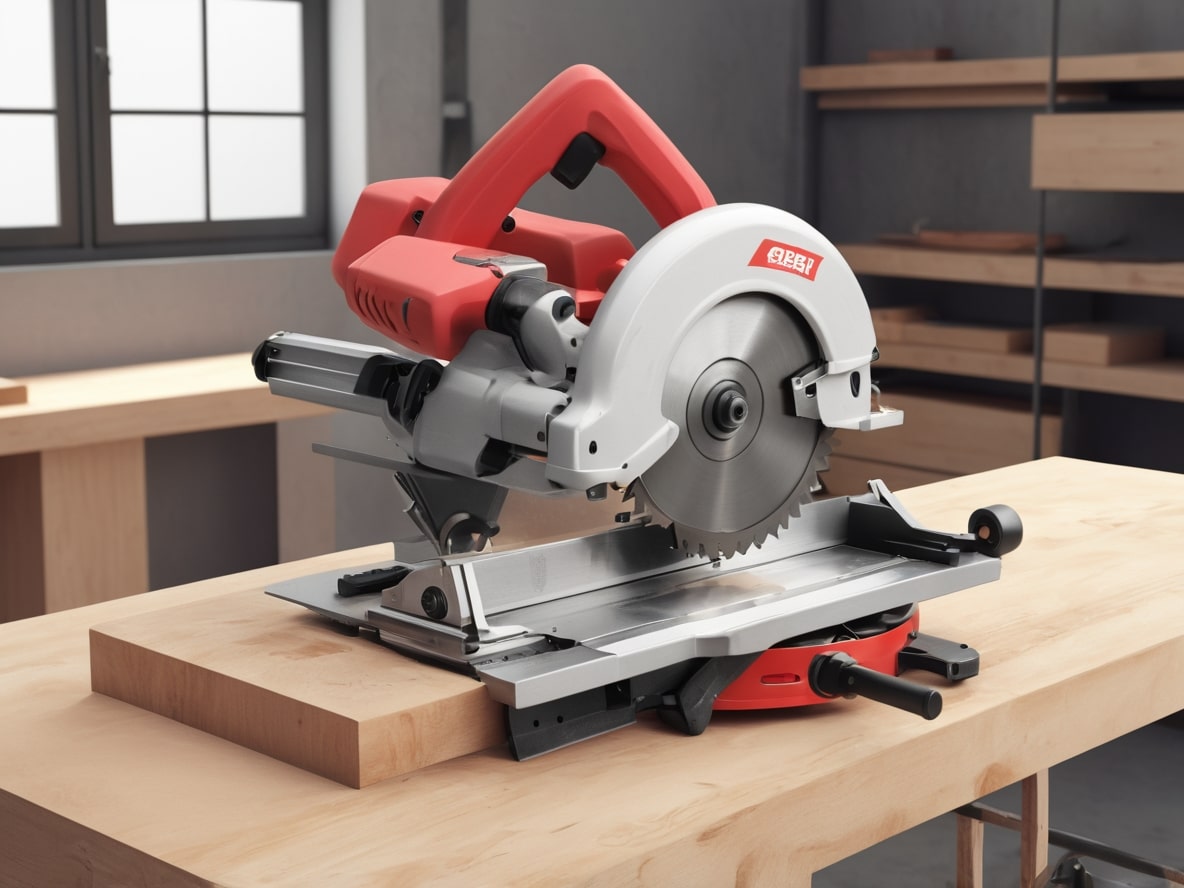
Sawing

Ripping

Machining
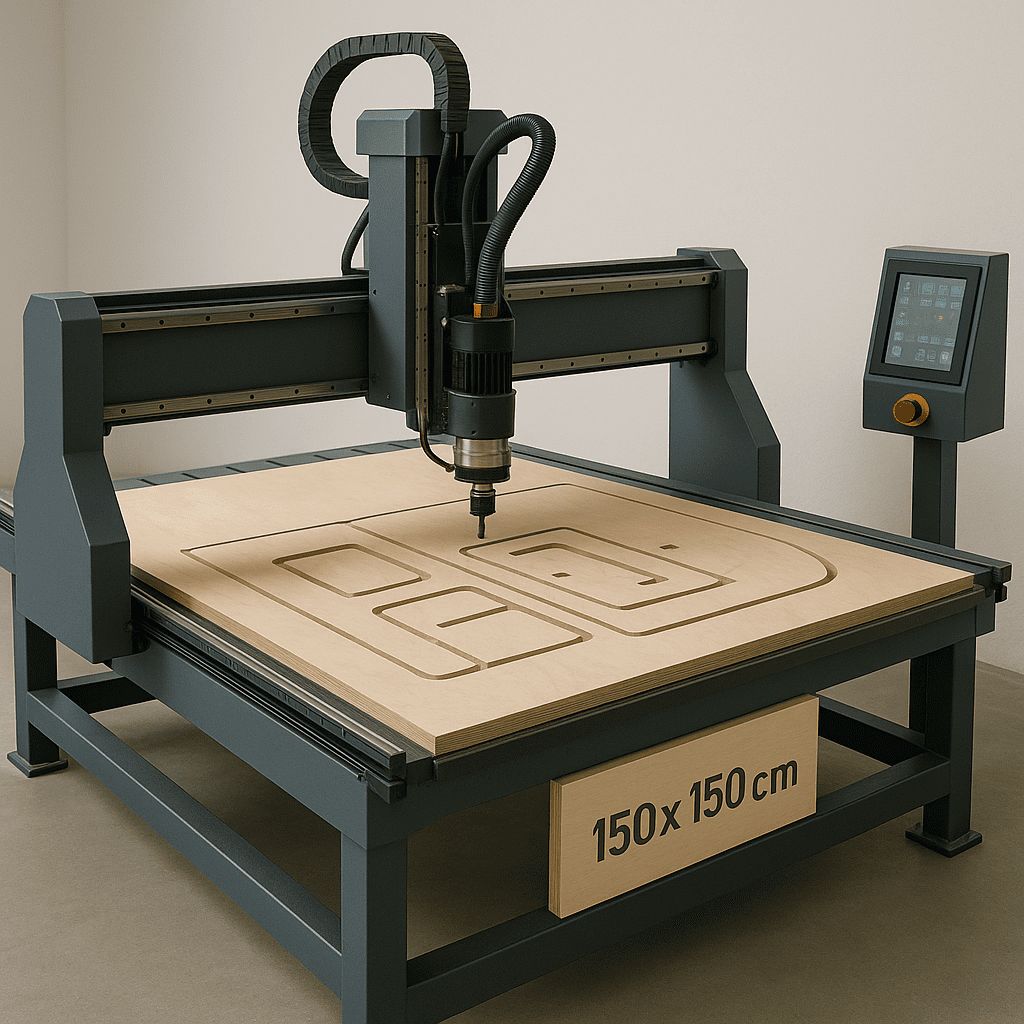
Cutting to size
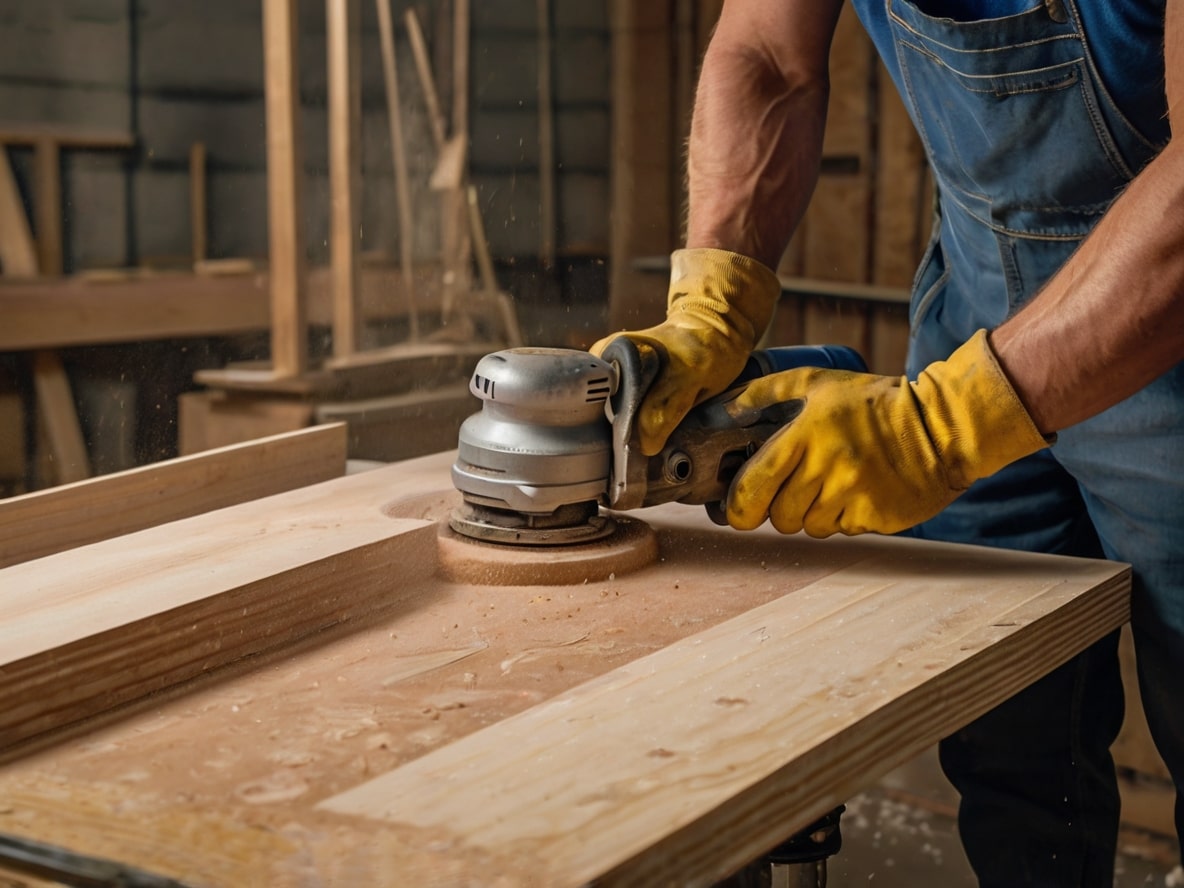
Sanding
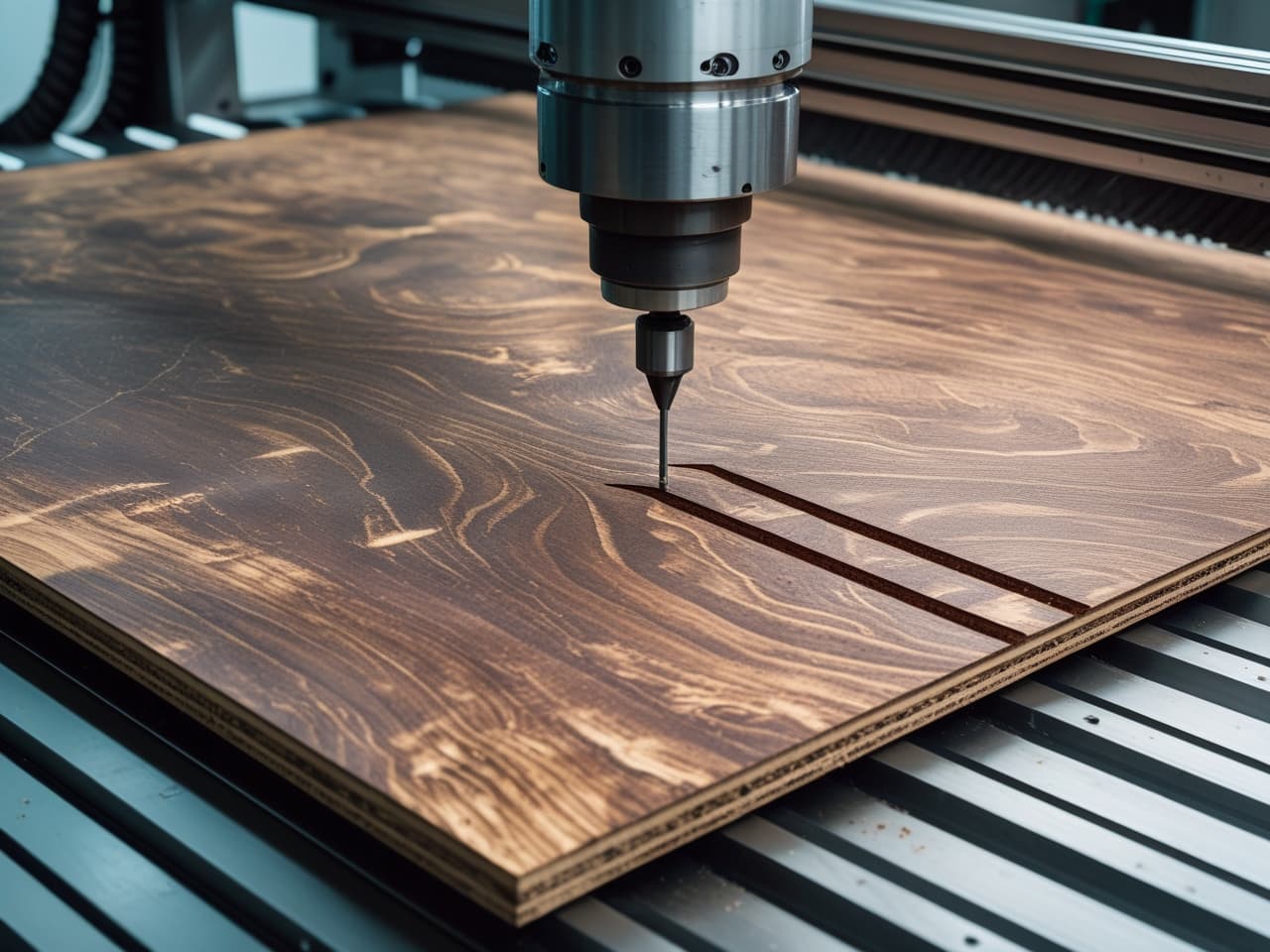
Grooving
Milling

Painting
Timber treatment in the manufacture of wooden garden furniture
Working with wood in this category begins with selecting the material for the climate, operating conditions and loads. Larch, pine, oak and ash are used most often — each species has its own strength and durability. Larch, for example, is valued for its natural resistance to moisture and rot, which is a big plus outdoors. After the species is chosen, the wood is dried to the required moisture content — this rules out warping and cracking in use. An under-dried blank will later warp and crack once it is finished furniture, so drying is given special attention.
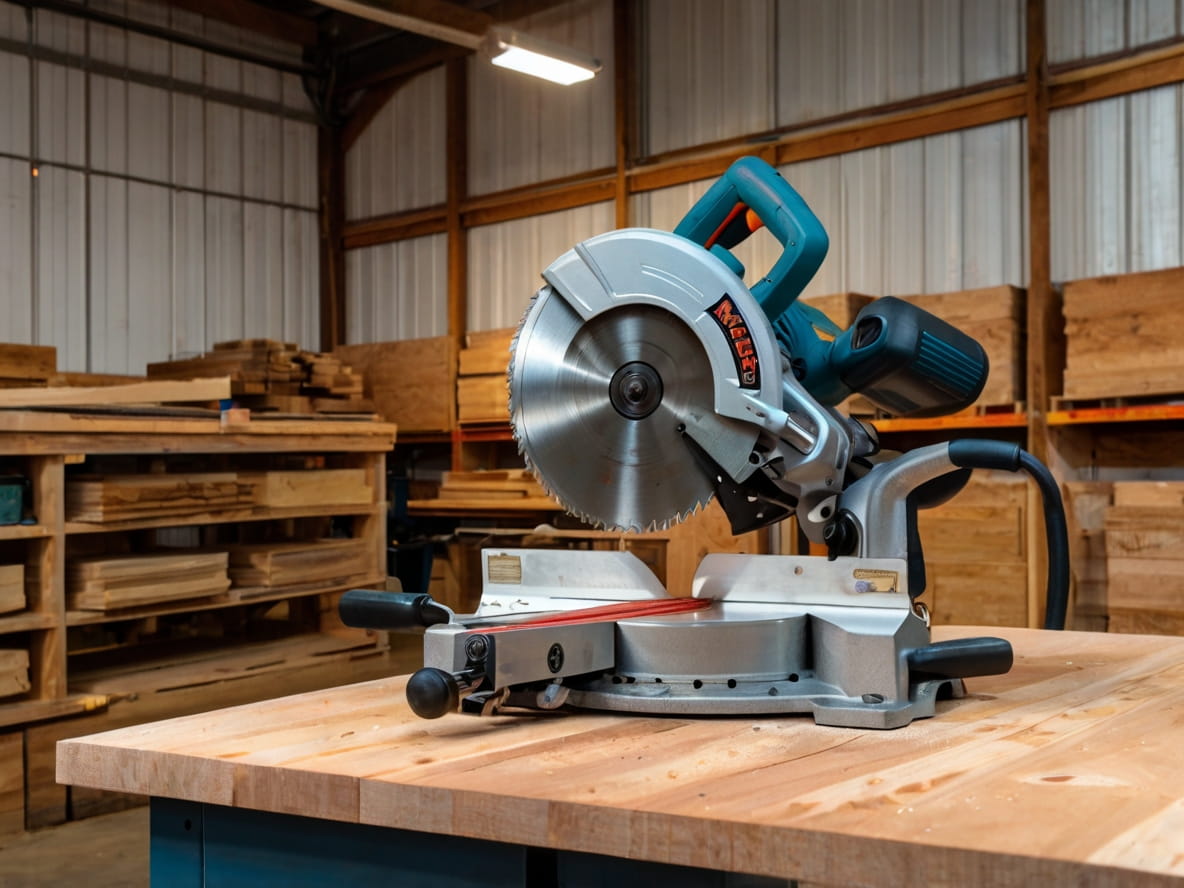
Cutting and sizing are carried out to match the final shape of the products. Precise equipment holds the dimensions and angles. The next stage is surface treatment: planed or sanded, depending on the type of item. Some elements, especially in areas of body contact, undergo additional hand finishing. Seats and armrests are sanded most thoroughly of all: a splinter on a garden bench or lounger is not only unpleasant but also grounds for a complaint, so wherever a person touches the wood, the surface is worked to a smooth finish.
Next come antiseptics that protect against rot and insects. The items are then coated with protective compounds — oils, varnishes, waxes or paints that are resistant to moisture and ultraviolet. Some elements are painted in specified colours to match a corporate style or a designer concept. Antiseptic and protective coating are not cosmetics but the foundation of outdoor furniture’s durability: it is they that keep the wood from rotting, going blue with fungus and cracking in the sun, extending the service life from a single season to many years.
Fasteners are selected individually: stainless steel or special steel with anti-corrosion treatment. All joints are sealed, which extends the service life and preserves the appearance for many seasons. The entire cycle is built so that the finished item can be used outdoors in any climate without concern. It is precisely the sum of the small details — species, drying, antiseptic, coating, stainless fasteners and sealed joints — that determines whether garden furniture lasts a couple of years or two decades, and a weak link in this chain nullifies all the other efforts. Expensive timber without proper protection will rot just as cheap timber does, and a perfect coating will not save a poorly dried blank — only the whole chain works together.
The production stages of woodworking and manufacturing
How garden furniture production is organised at TigerWood
Creating wooden garden furniture begins with the client’s enquiry. At this stage the brief is drawn up: dimensions, operating conditions, requirements for the material and the appearance. Drawings and 3D models are then prepared if the project is bespoke. For series orders, already established documentation and templates are used. The more precise the input about where and how the furniture will stand — under a canopy or in an open field, in the south or in a temperate region — the more correctly the material and protection will be selected, since the operating conditions for garden furniture differ radically.
The next stage is the purchase and preparation of the timber. The material is brought to the warehouse, checked for moisture content and defects, and then sent to the drying shop. Once the required parameters are reached, the wood goes for primary processing, where it is cut and sized for the future products. Rejecting material at the intake stage saves far more than it costs: a blank with a crack or a hidden defect will reveal itself in the finished furniture under load, when it can no longer be fixed without replacing the part.
Next comes the joining of elements, sanding and surface treatment. Adhesive compounds and mechanical fasteners are used depending on the design. After assembly, the item goes to the paint shop or the finishing area, where the protective coating is applied. Once dry, the products are checked against the brief, packed and prepared for dispatch. For outdoor furniture the coating stage is doubly critical: it is the coating that first takes on the rain and sun, and the quality of the item’s strength and appearance over time depends directly on it.
A partnership approach in wooden garden furniture production
Cooperation with TigerWood on wooden garden furniture is built on clear and transparent principles. The main emphasis is on convenience for companies looking for a production contractor. Garden furniture for business requires strict adherence to deadlines, technical parameters and logistics — these are the key reference points of the process. Garden furniture is seasonal: missing the start of the warm season means losing the lion’s share of annual sales, so predictable deadlines are especially critical here for dealers and shops.
Every partner can work either from ready-made designs or from individual drawings. This is especially important for sellers and architectural studios that need items to match the overall concept of a site. Various supply options are available: single batches, series production, pilot samples for marketplaces and displays. A pilot sample helps out a seller: before buying a full run, they check how the market receives the product, and a small trial batch makes this possible without the risk of getting stuck with unsellable stock in the warehouse.
Special attention goes to packaging and transport. Garden furniture often travels to other regions and countries across Europe, which calls for extra protection in transit. TigerWood uses sturdy crating, packaging with protection against moisture and mechanical impact, and, where necessary, arranges the products compactly for transport. Knock-down sets are especially convenient here: they take up less space in the vehicle, which lowers the delivery cost per unit and makes it easier to carry the goods into a warehouse or sales floor.
All products come with the documentation needed for trade and for taking part in tenders. This makes work easier for dealers, shops, developers and other partners. Additional components or decorative elements are made by agreement. This approach lets a partner focus on sales without spending resources on refining or adapting the products to their goals. A ready package of documents is especially important for municipal orders and public landscaping: without it you cannot pass the procurement procedures, and a contractor usually has neither the time nor the expertise to prepare them.



What other categories of wooden products are available to order
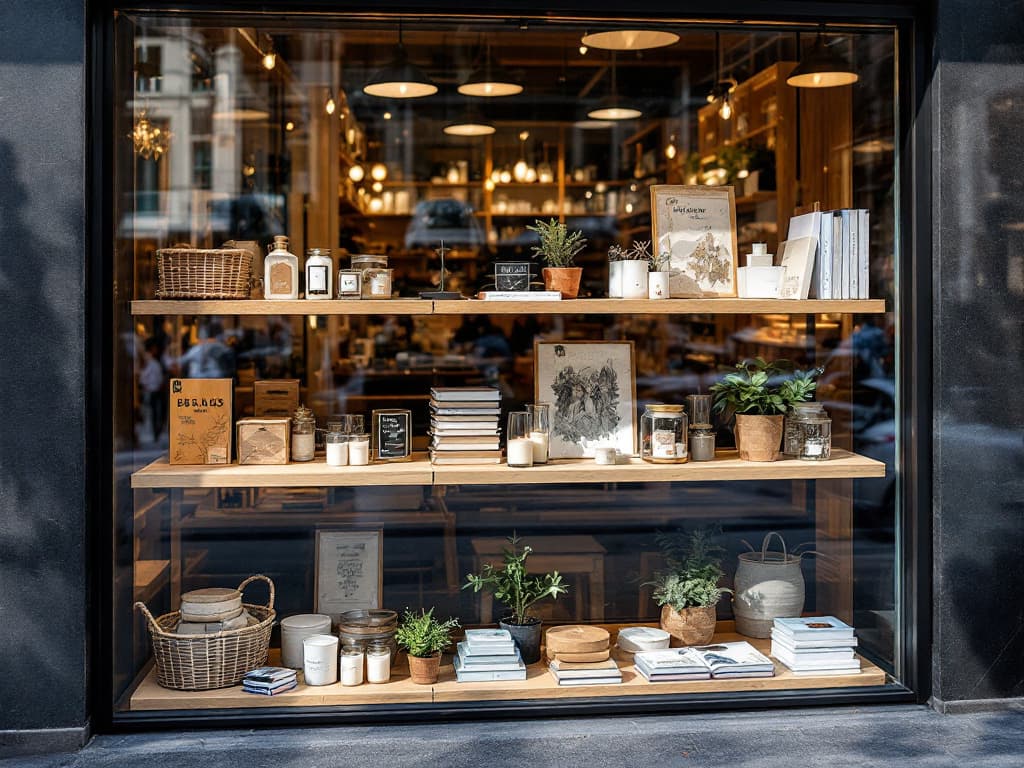
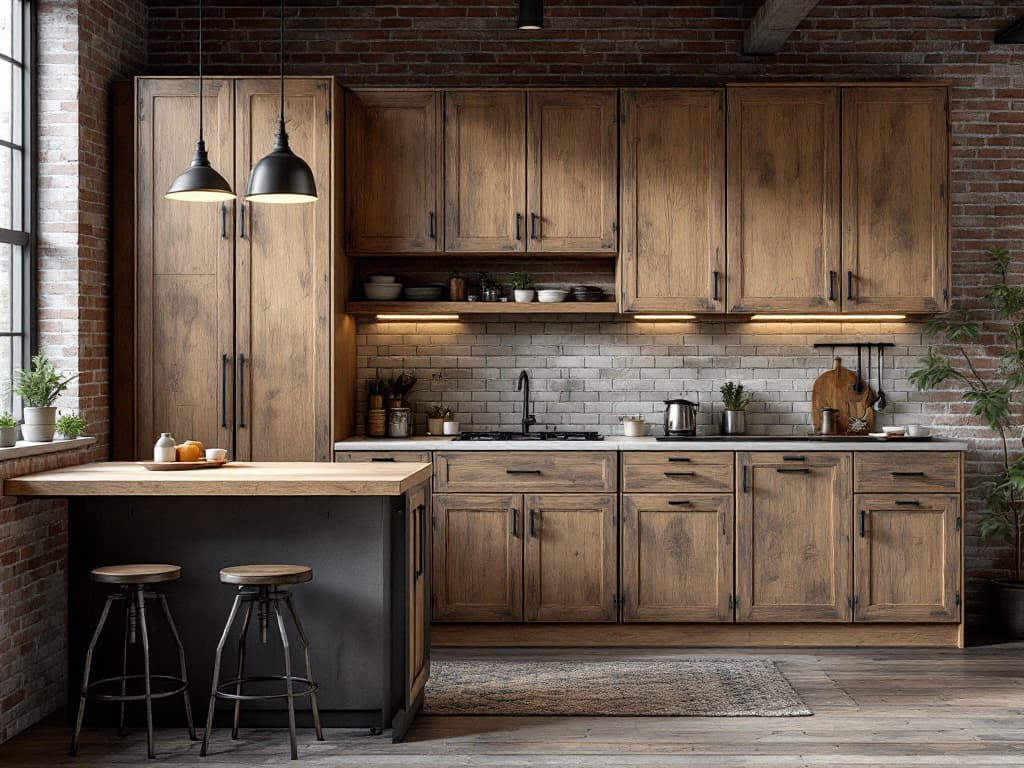
Besides garden furniture, TigerWood produces a wide range of wooden products for commercial use. A separate category is goods for cafés and restaurants: bar counters, tabletops, furniture for dining rooms and outdoor terraces. These, too, take account of heavy loads and daily use in a public space. For a summer café this is doubly convenient: both the outdoor furniture for the veranda and the furnishings for the dining room can be ordered from a single manufacturer in one style, without a mismatch between the indoor and outdoor areas. A guest moving from the veranda into the dining room should not feel they have changed venue, and a single furniture style is exactly what delivers this coherence of impression.
Decorative elements — wall panels, partitions, wooden consoles and other interior details — are made with an eye to design solutions and current trends. They are often ordered when fitting out hotels, restaurants, offices and retail spaces. Wood in an interior works on the atmosphere and status of a site, and the ability to take both the outdoor and the interior range from a single contractor spares the customer having to reconcile supplies and match differing quality between them.
Also available is the production of wooden structures for retail equipment: podiums, stands, display cases, exhibition stands. These are adapted to a brand’s concept with an eye to merchandising tasks. Such furniture makes a product stand out on the sales floor and works on recognisability, and when executed in the same style as the brand’s outdoor range, it supports a coherent image at every point of contact with the customer, from the sales floor to the summer terrace.
An intermediate category between furniture and structural elements is products for zoning: wooden partitions, mobile screens, stands for arranging public areas. Outdoors and on terraces they divide the space and provide privacy without walling it off entirely, while their mobility makes it possible to change the layout for an event or a season without major works.
As a result, TigerWood acts as a universal contractor for projects that need not only furniture but a broader range of wooden products with an eye to visual and functional compatibility. For a large site such as a leisure resort or a public landscaping project, this is a noticeable simplification: garden benches, terrace furniture and decorative elements all arrive in a single style from one manufacturer, rather than being assembled piece by piece from different workshops.
Examples of our work and partner projects

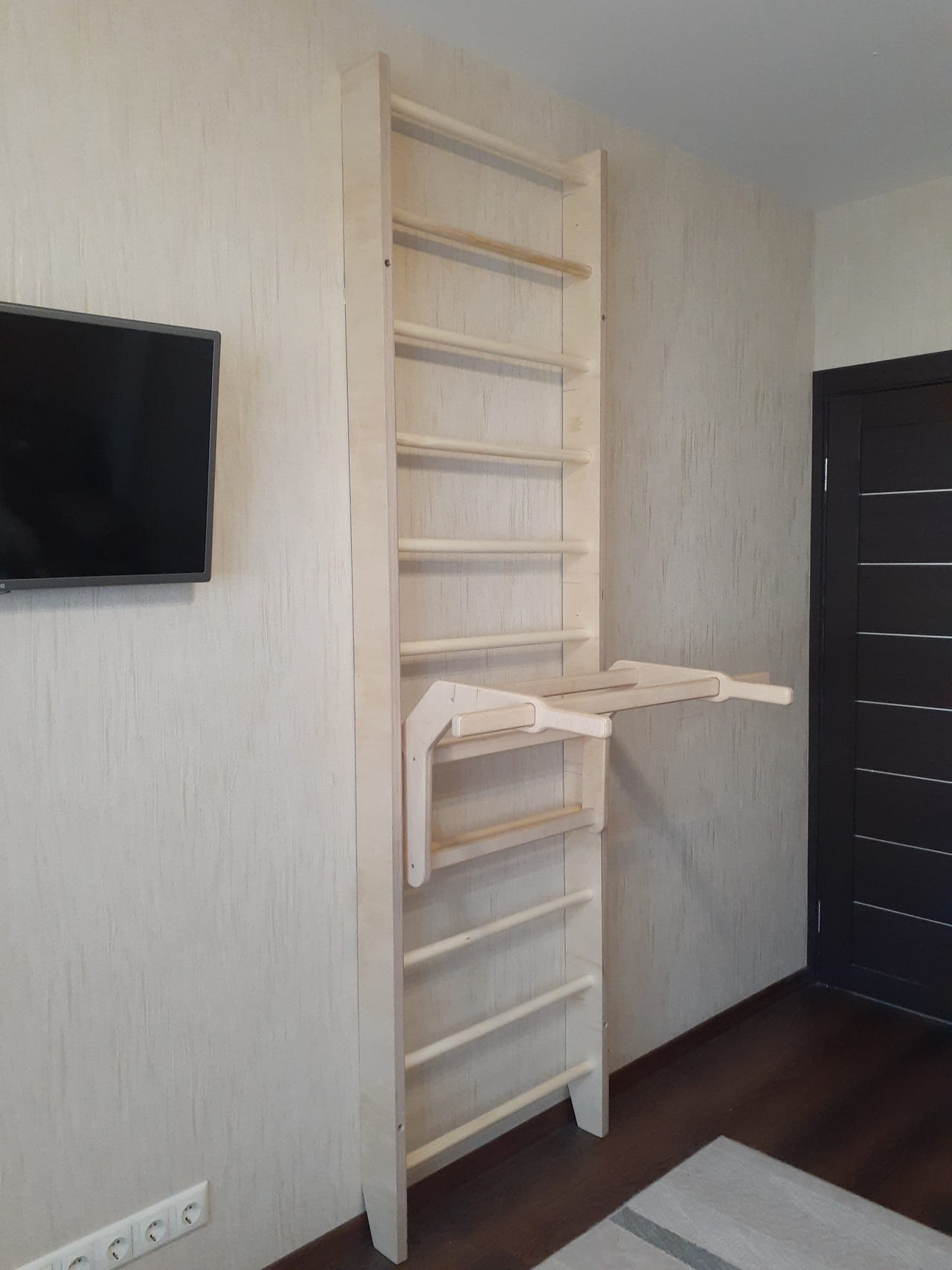


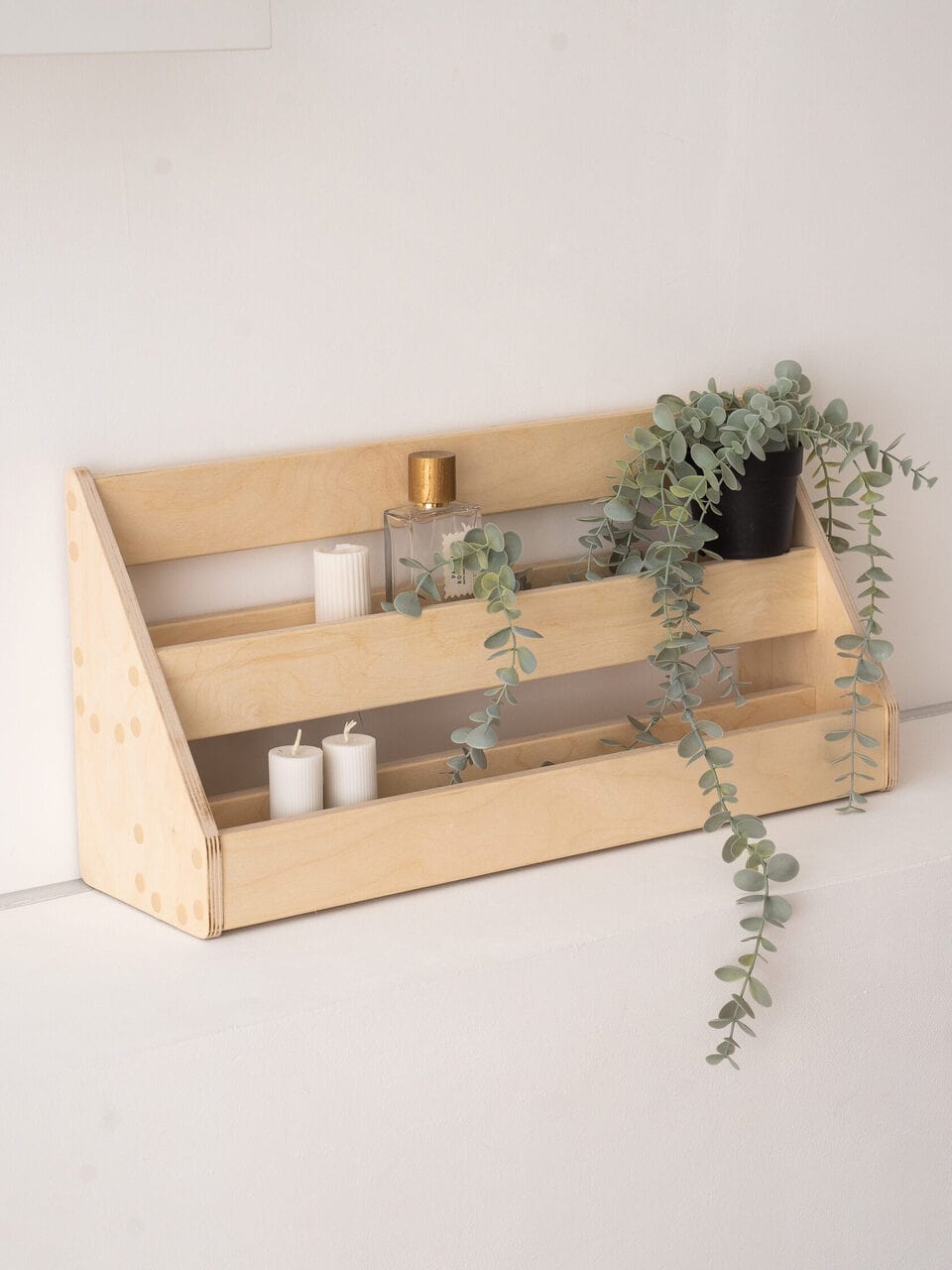
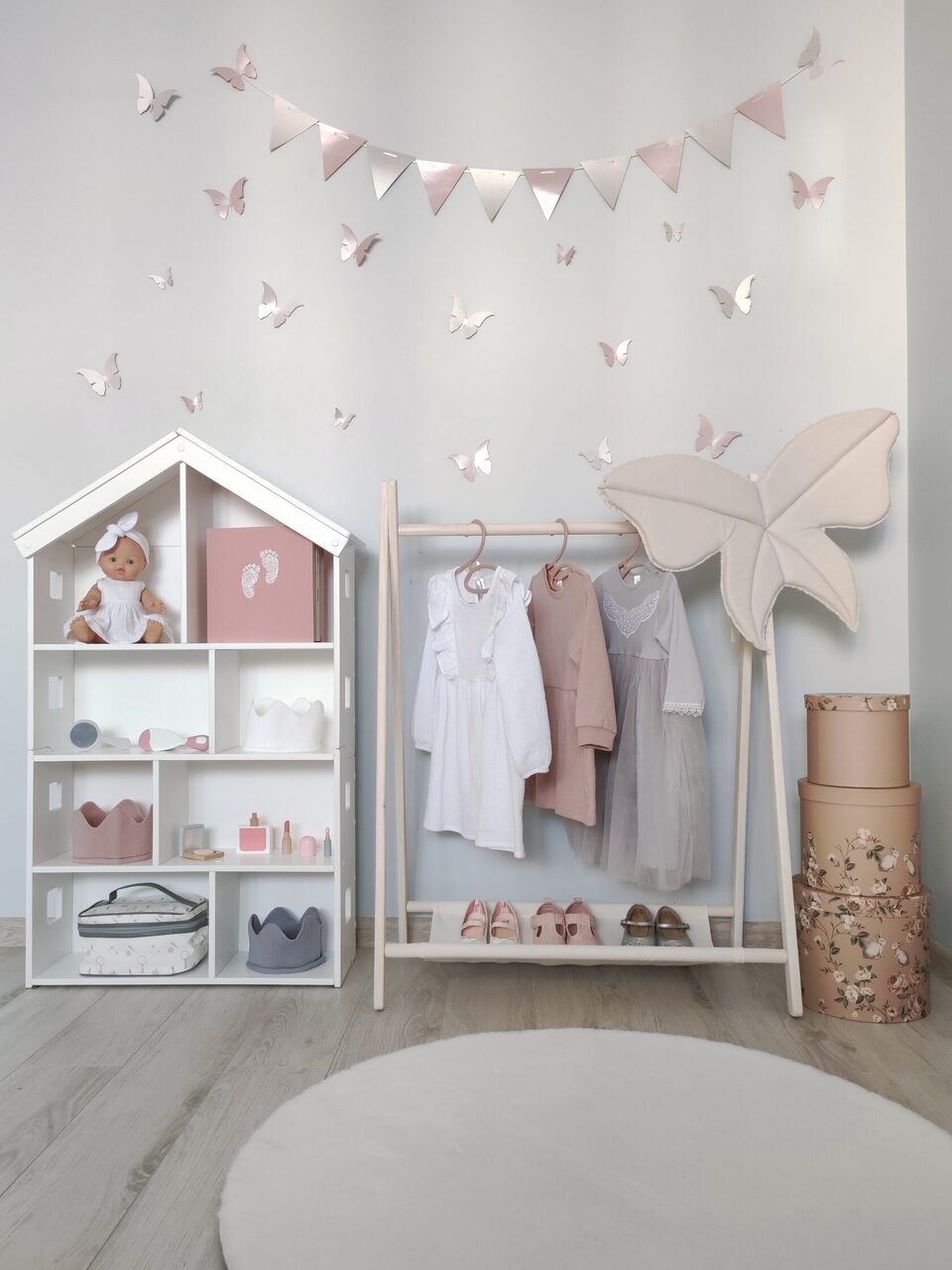
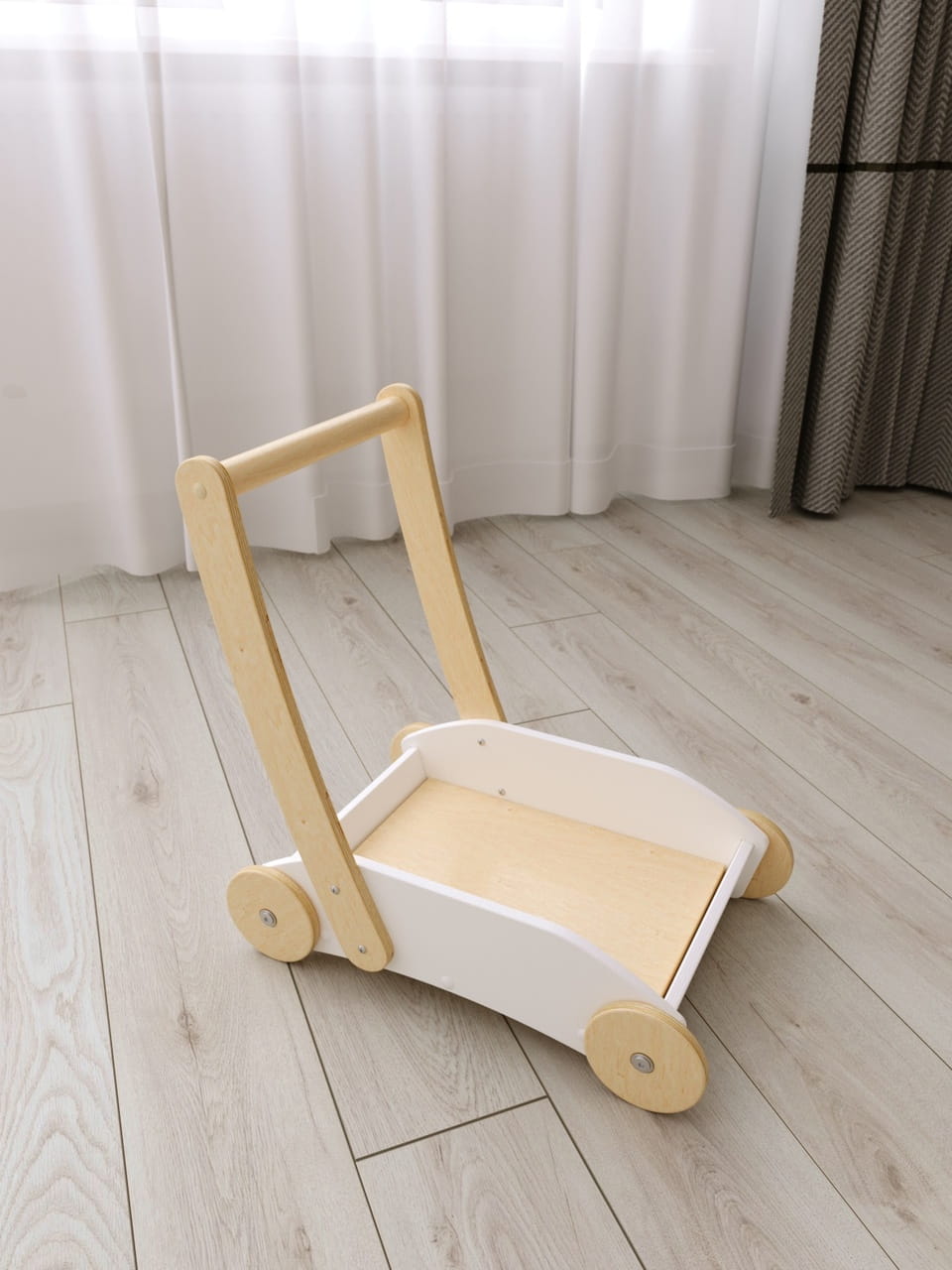


What has already been delivered: examples of projects and products
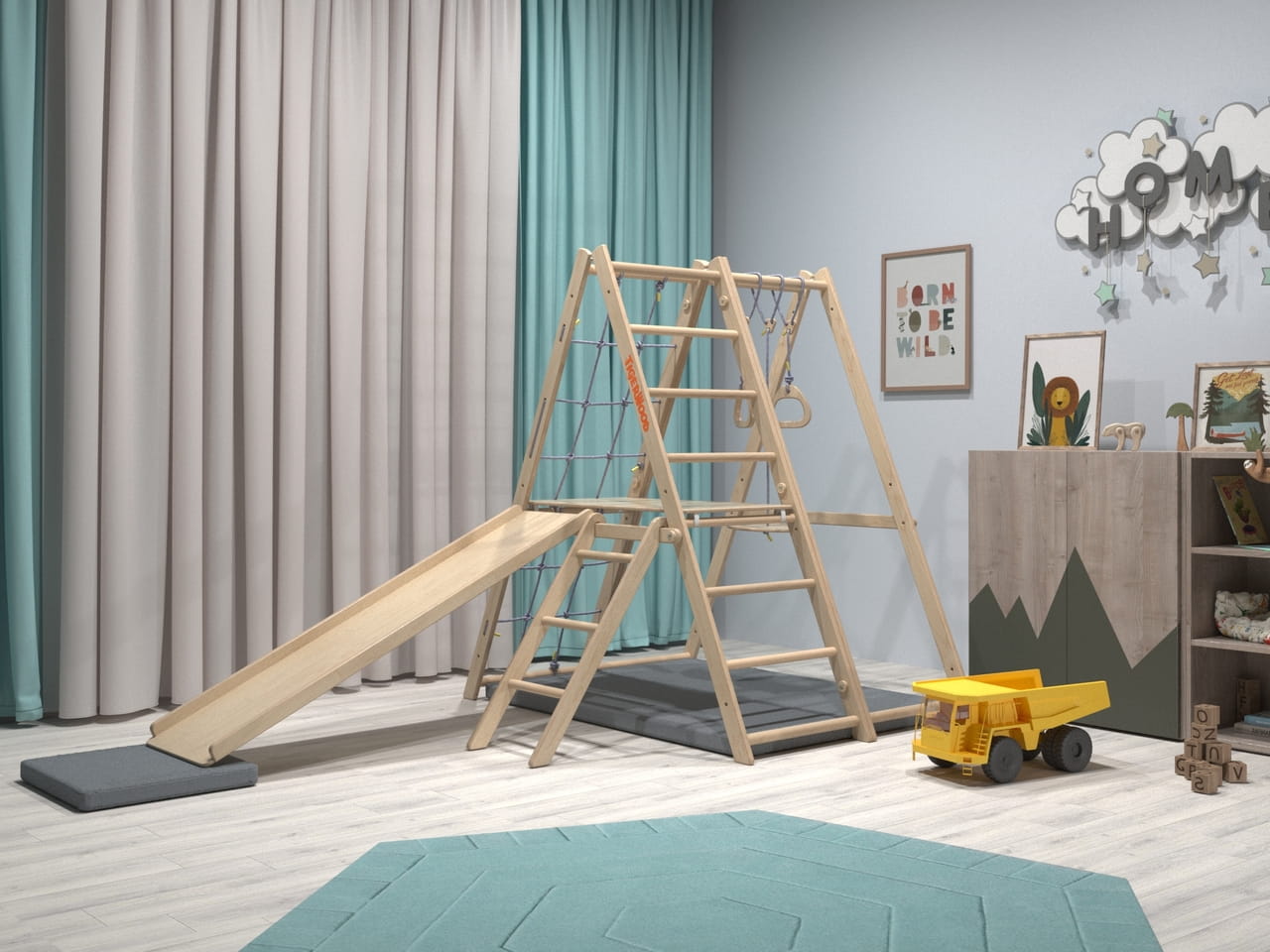
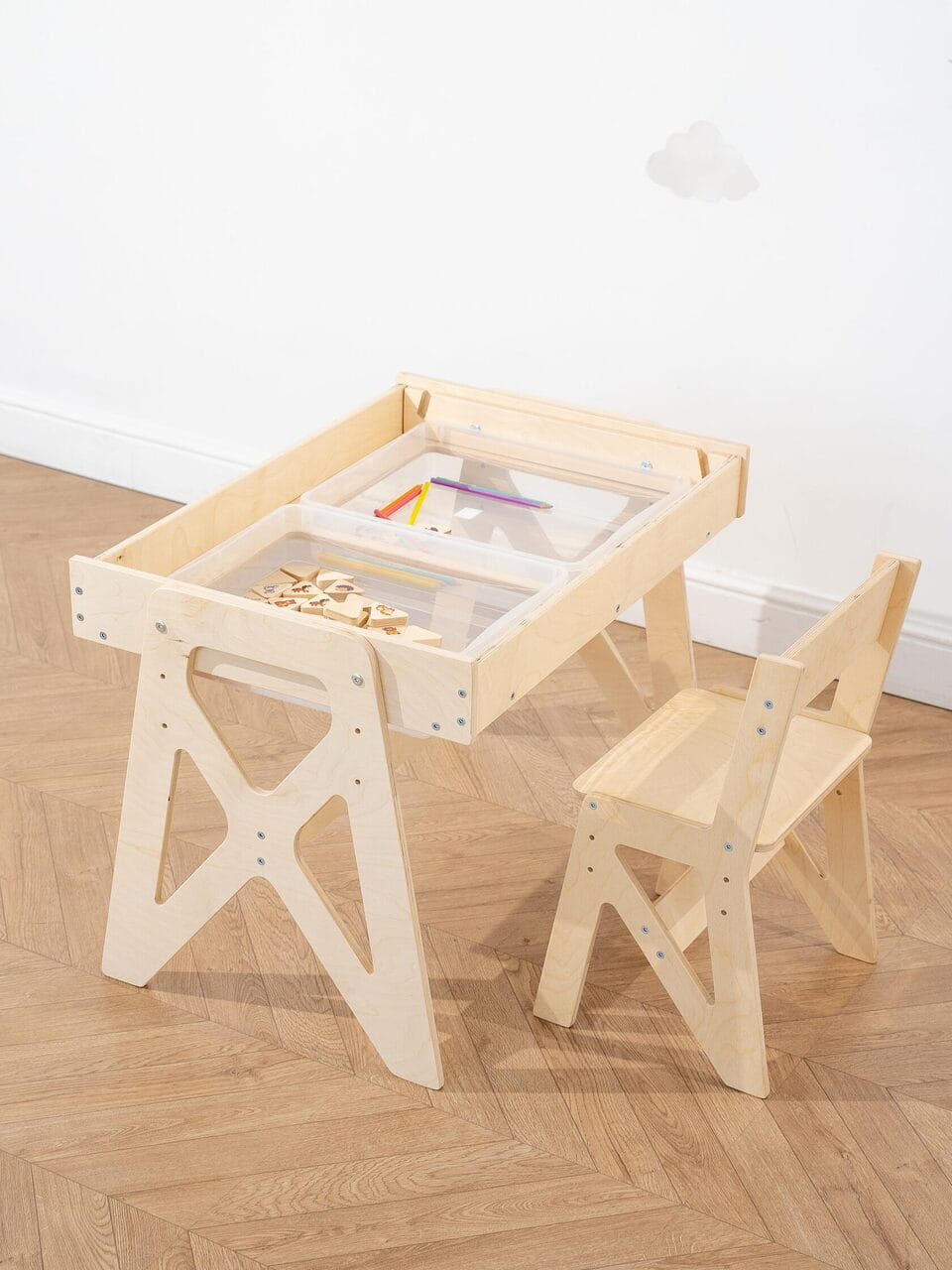
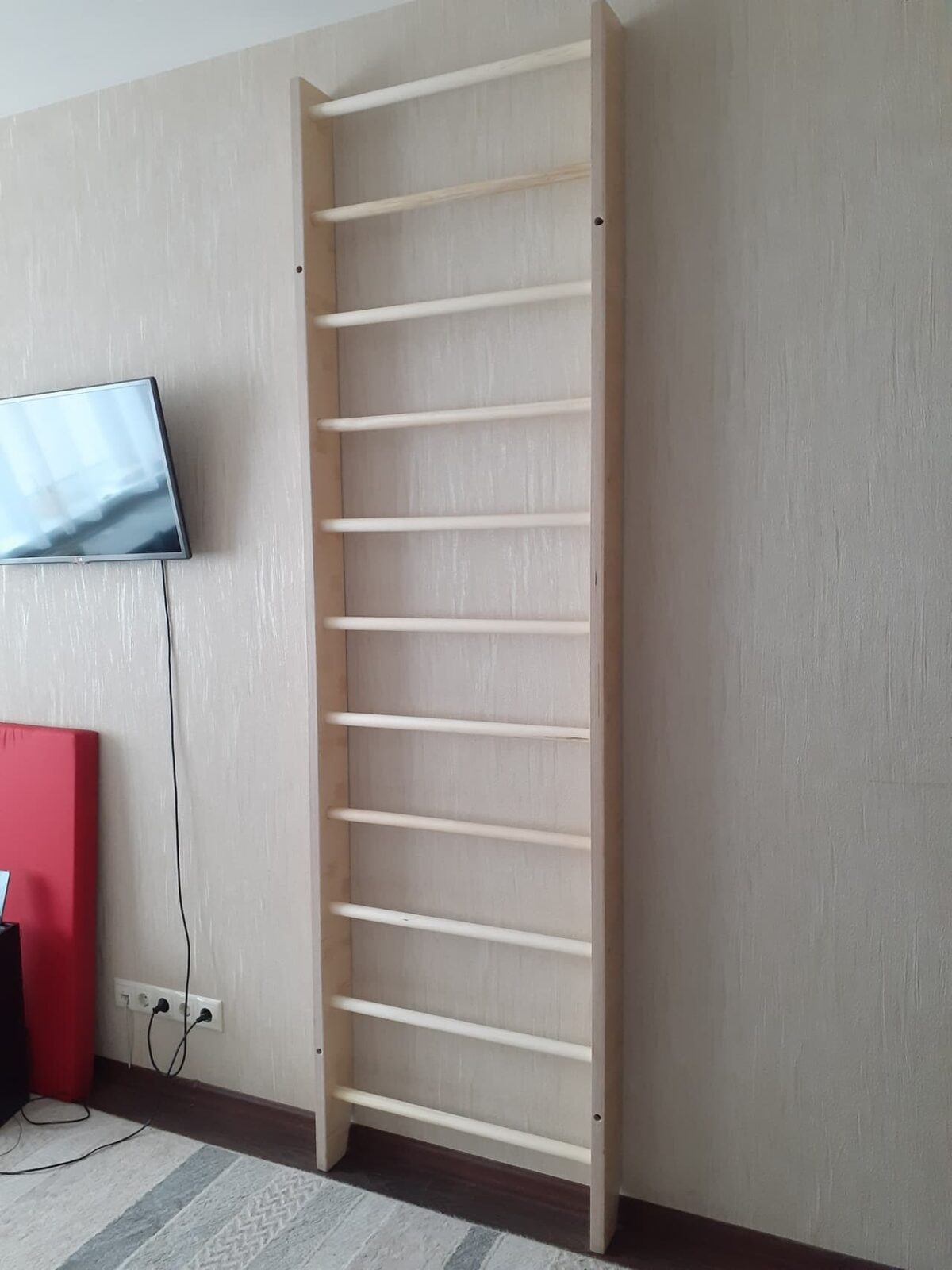
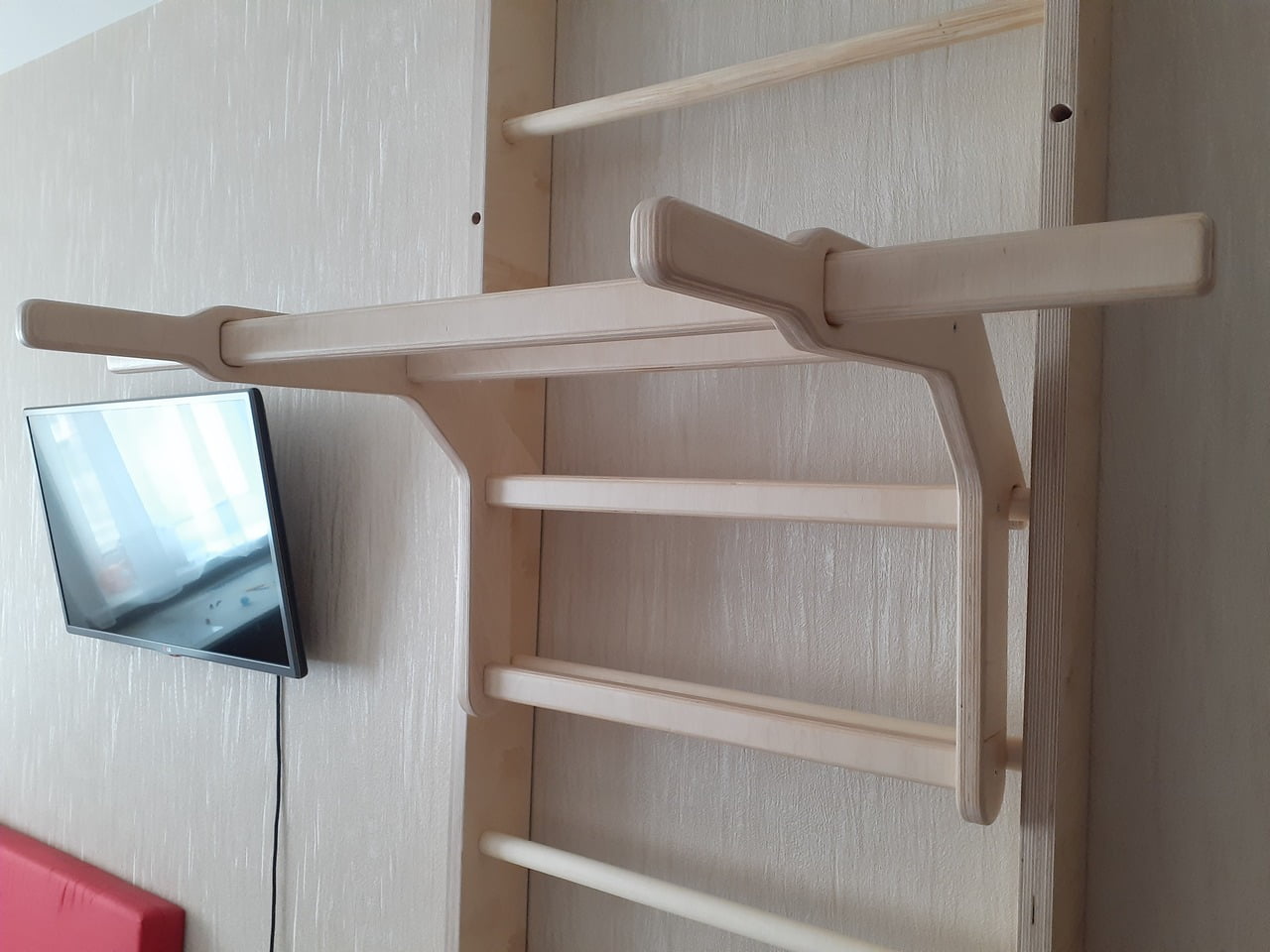
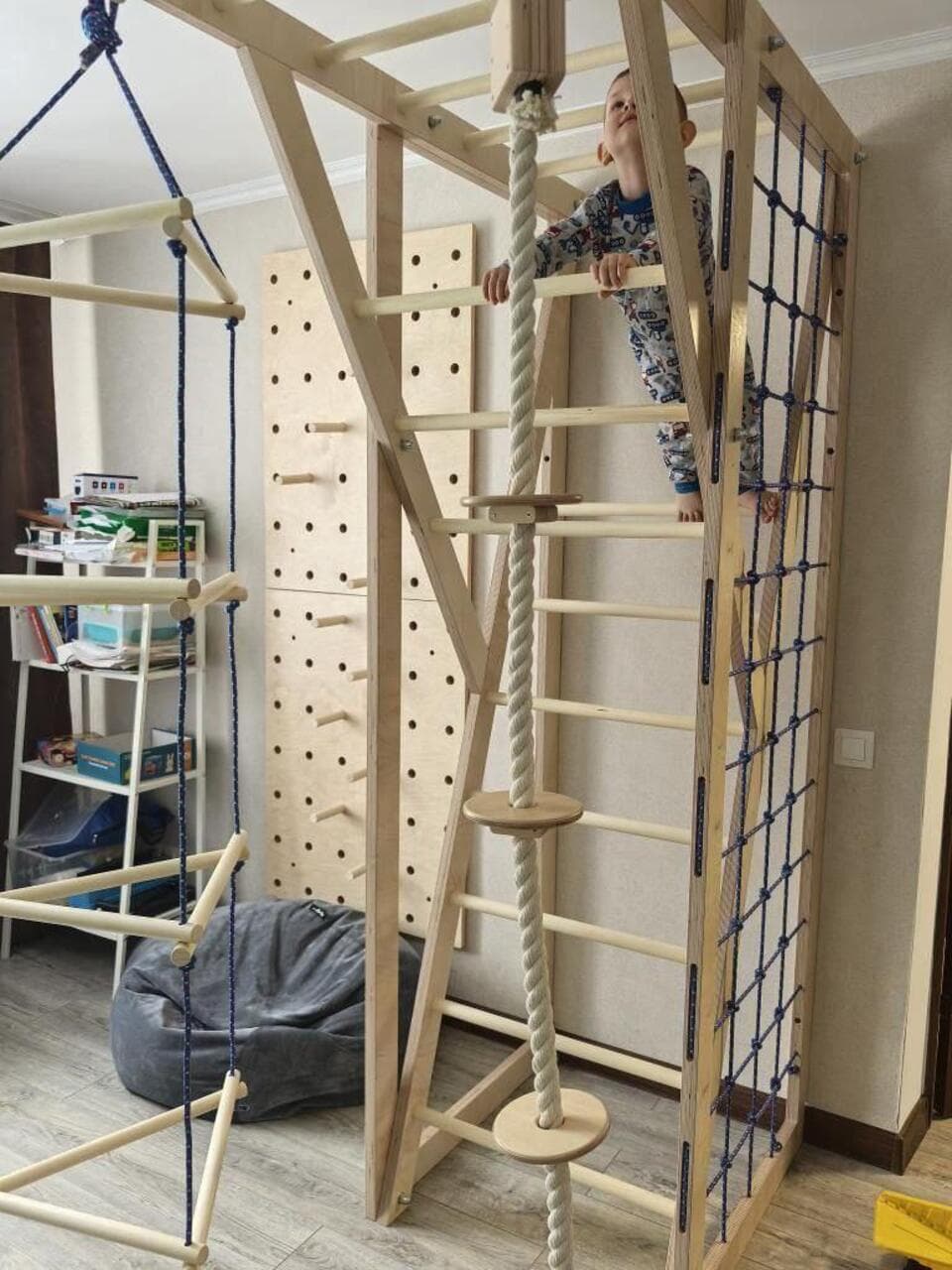
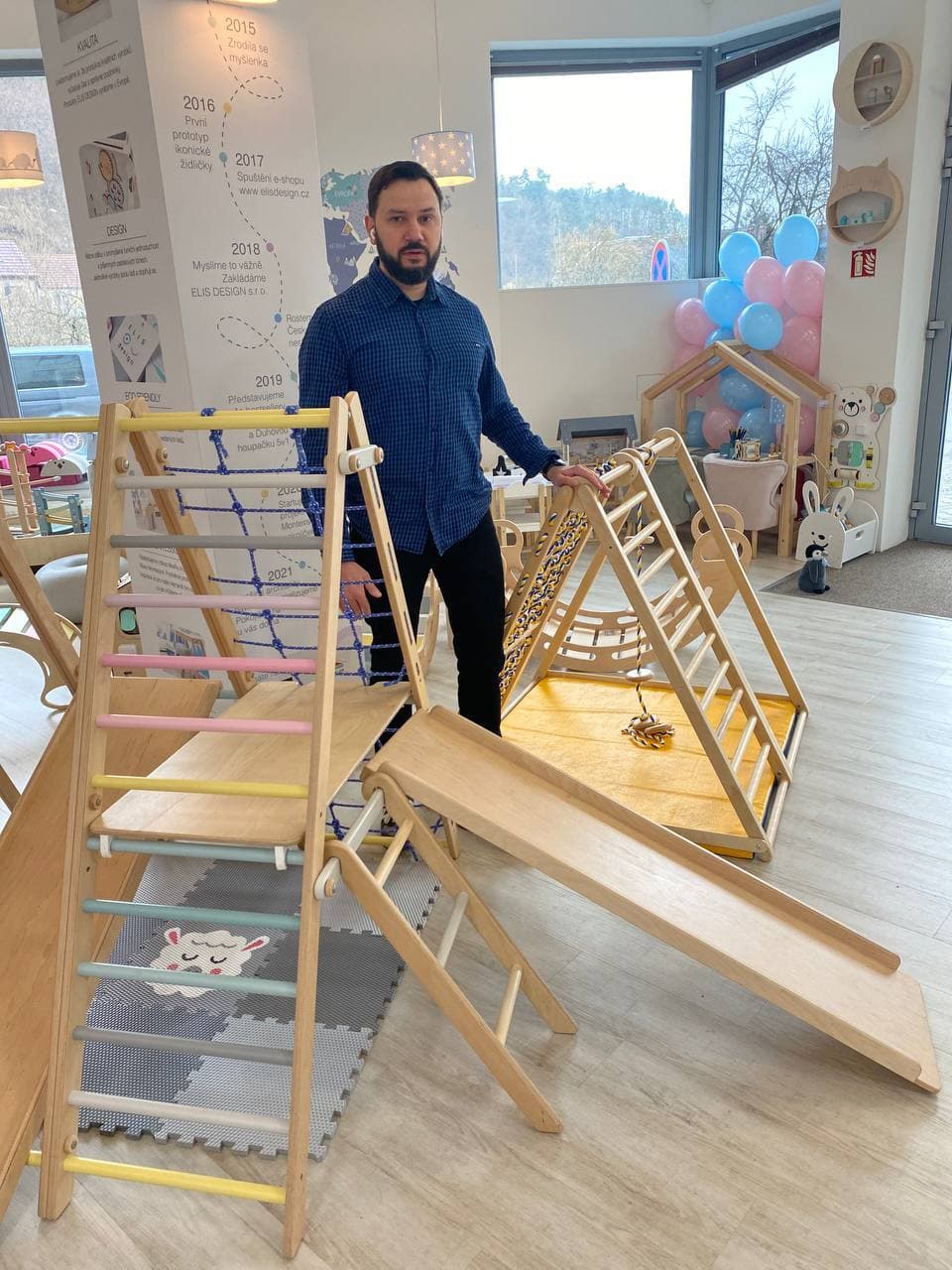
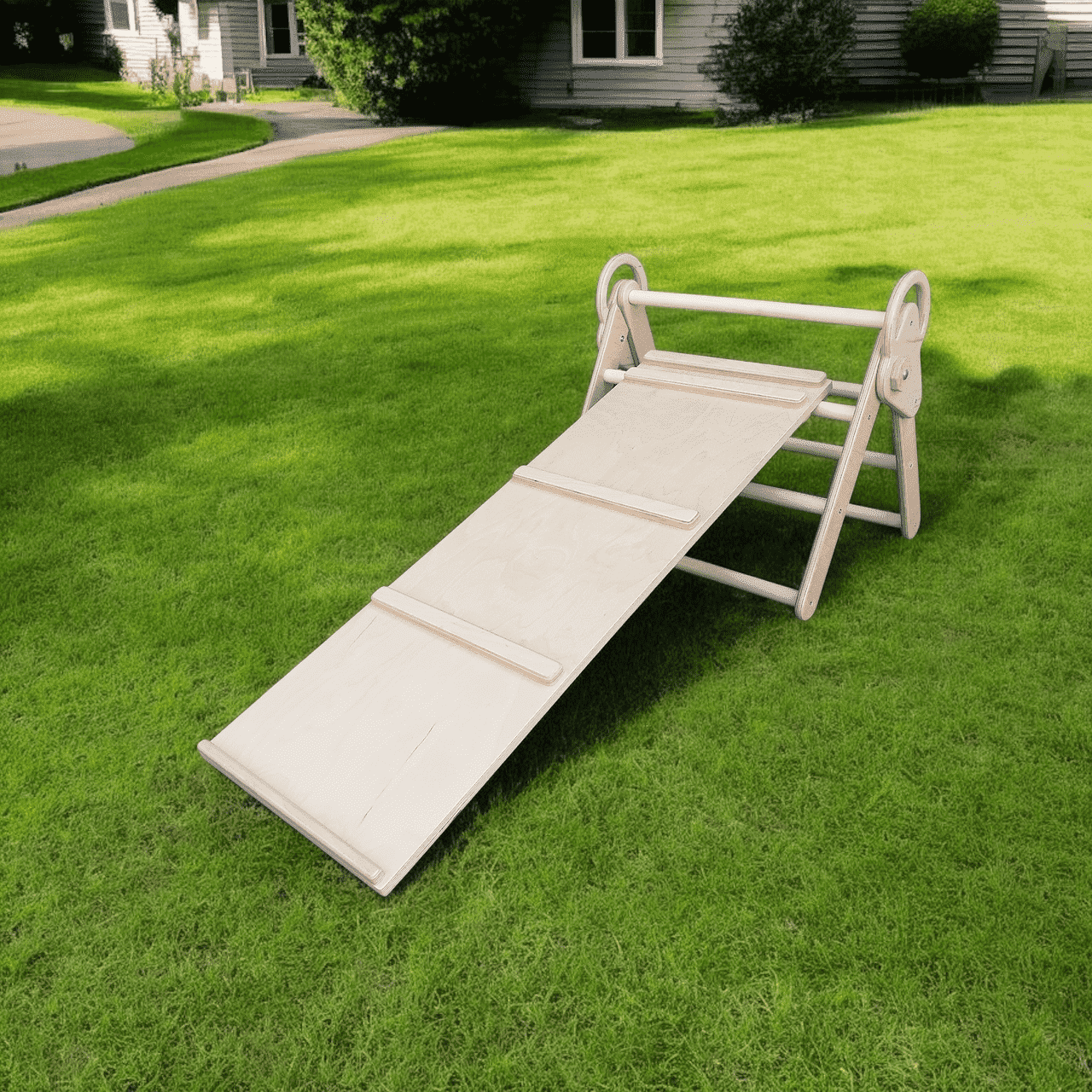
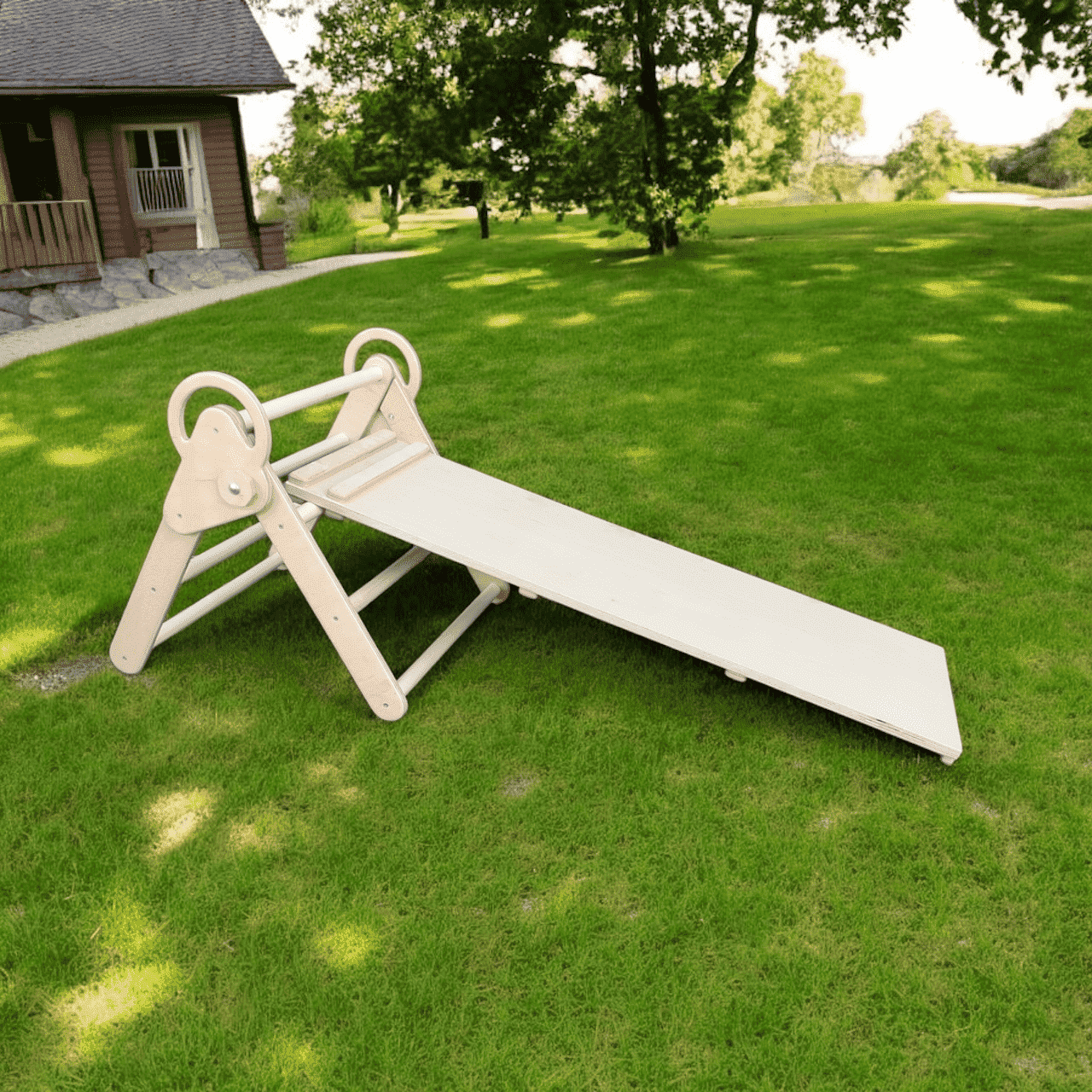
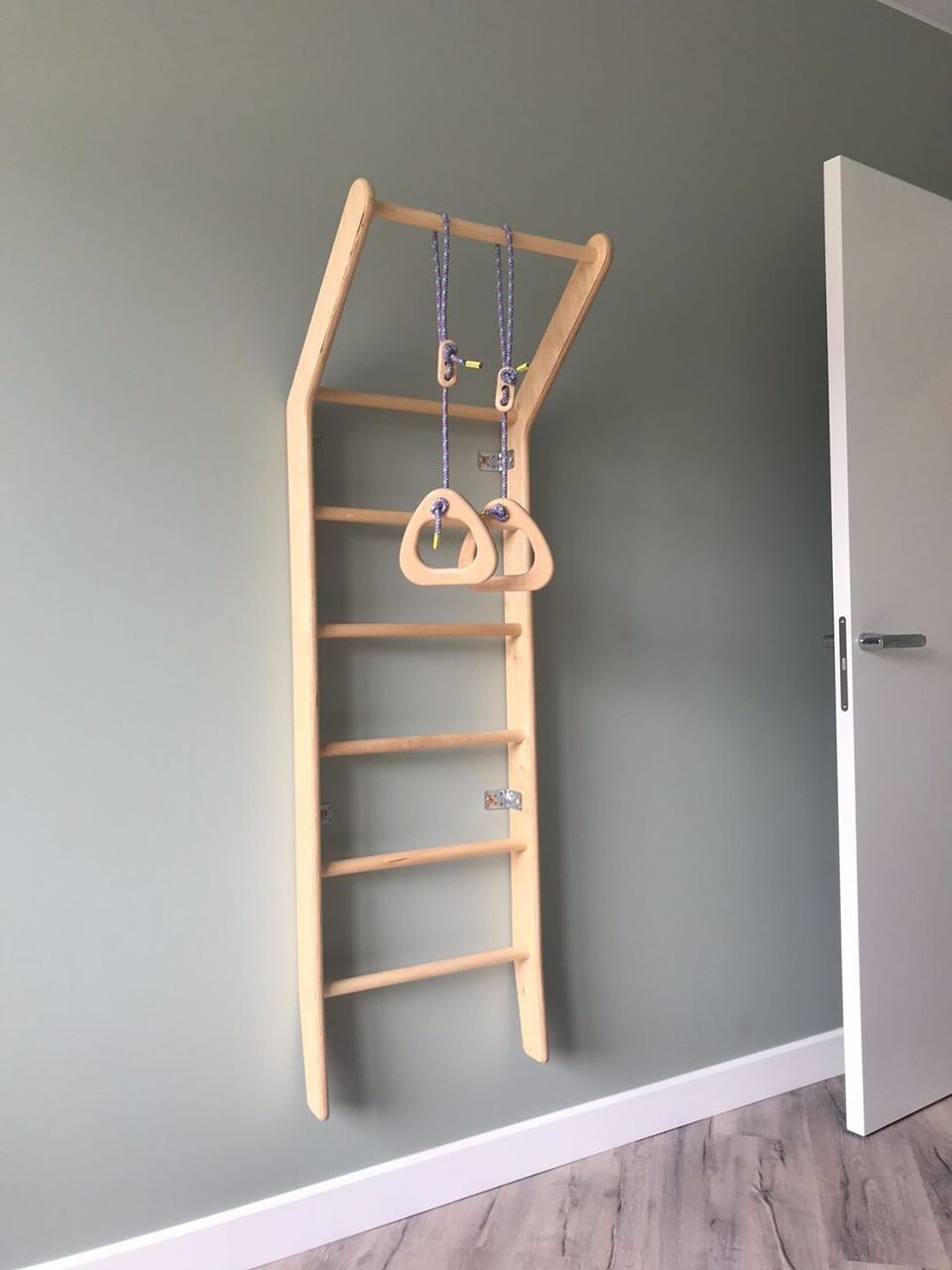
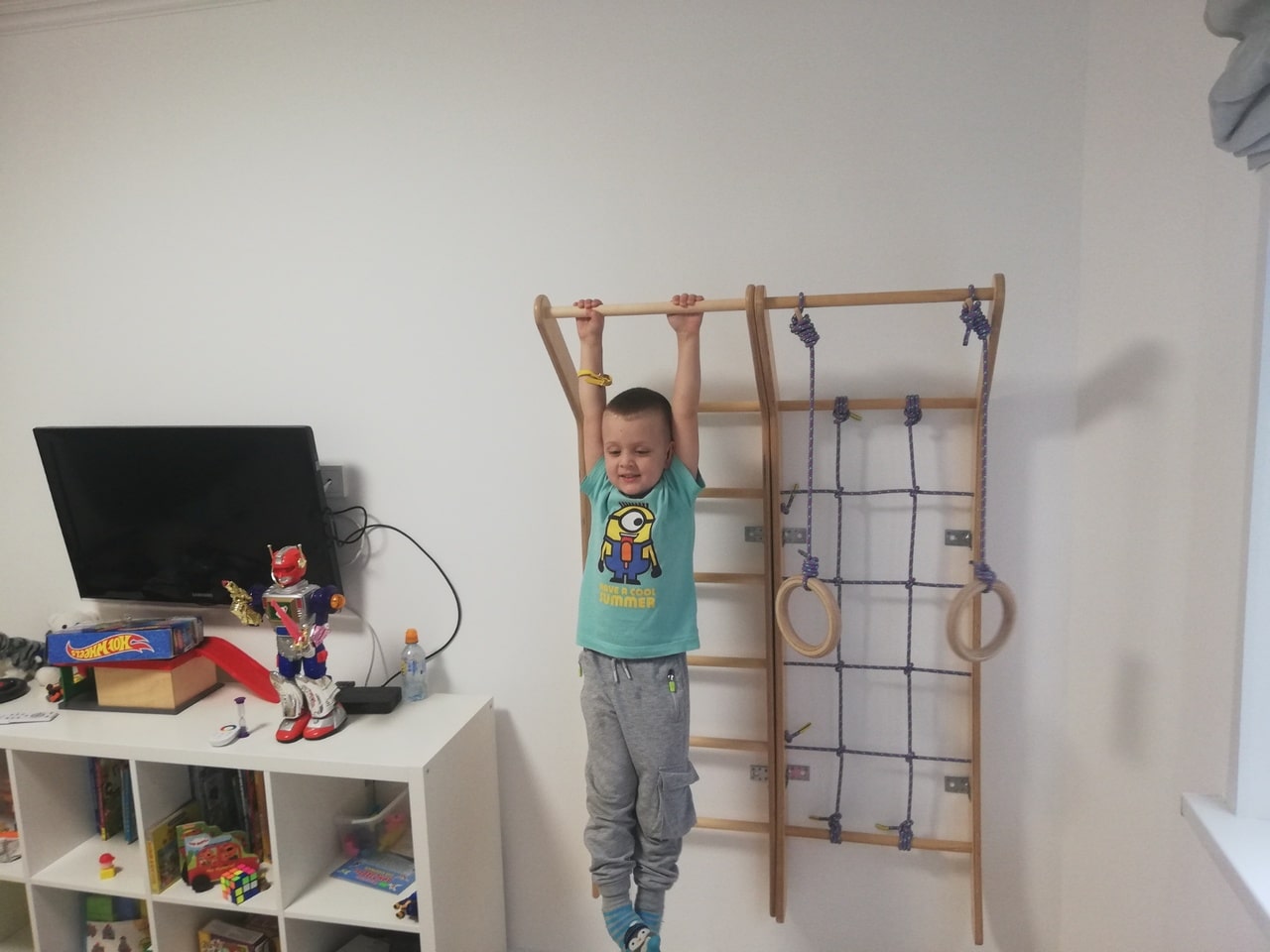
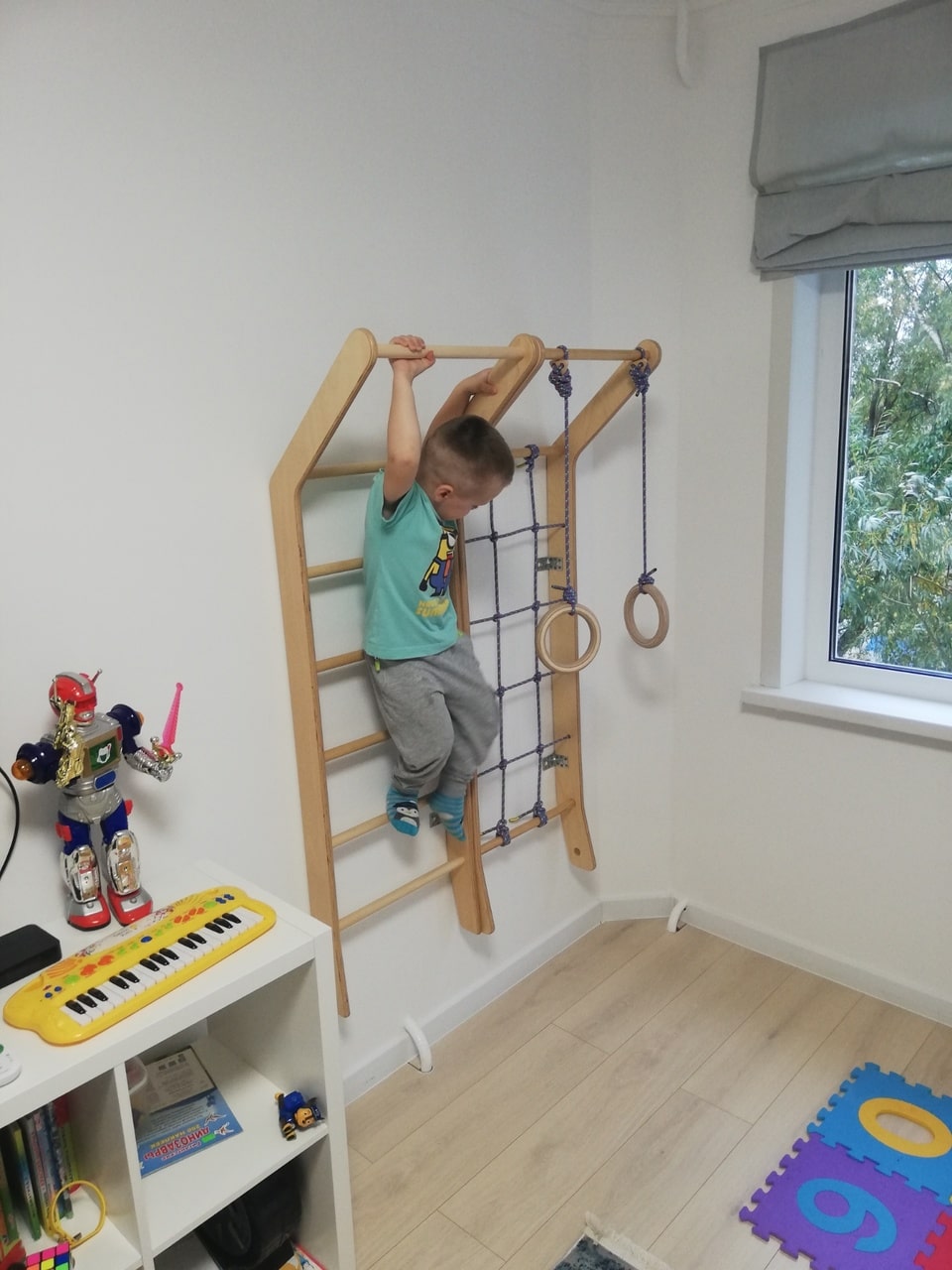
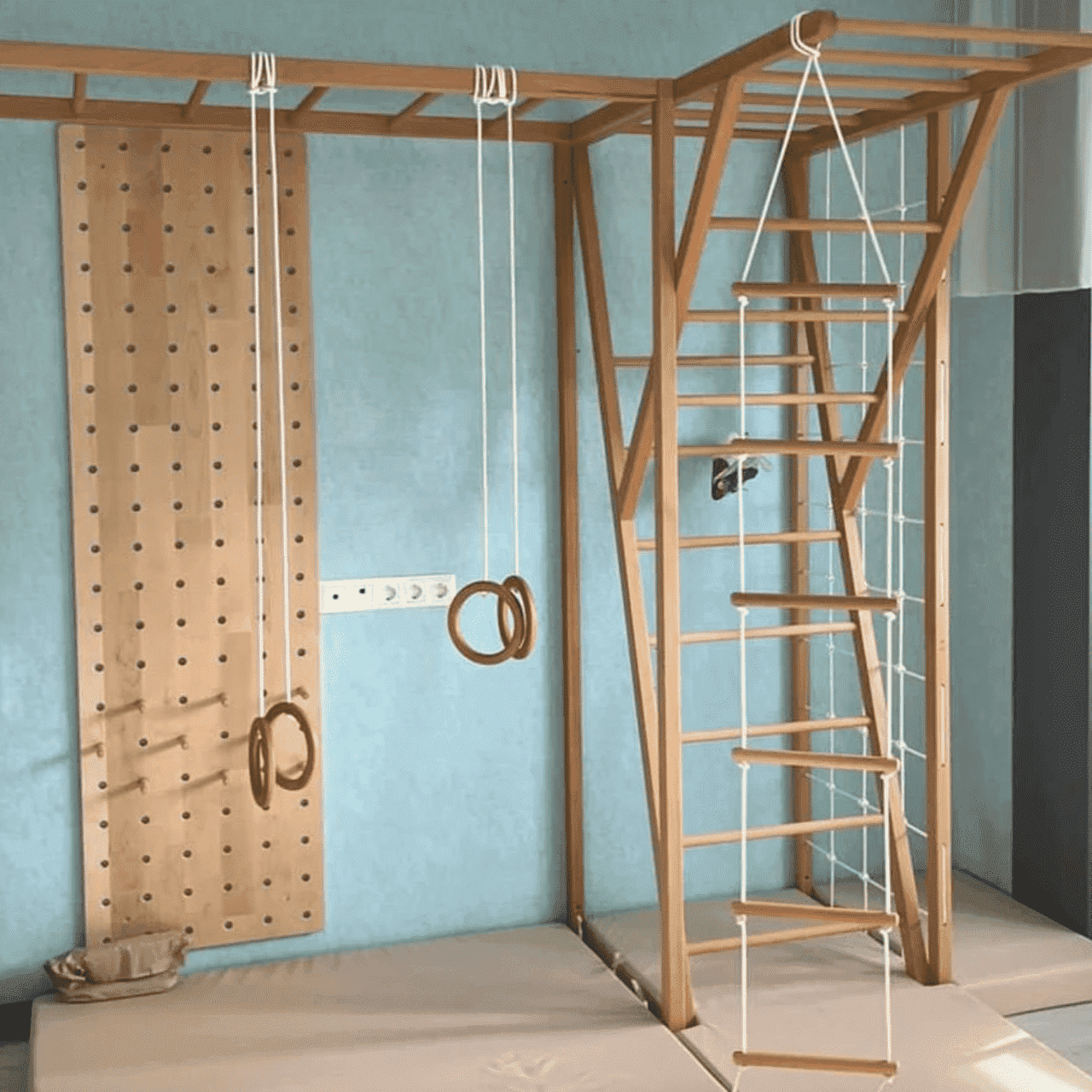
TigerWood’s production facility has made hundreds of items of wooden garden furniture for a variety of sites. Among the projects are series deliveries of benches and tables for landscaping the courtyards of large residential complexes, loungers and swings for coastal hotel complexes, and decorative pergolas and tables for café terraces. The spread of tasks is enormous: a courtyard bench, a resort lounger and a restaurant terrace live in different conditions and are loaded differently, and the portfolio is exactly what shows that the facility handles this whole spectrum.
Particularly notable are unique items made to individual drawings: sets for glamping sites with combined materials, landscape design elements for country residences, and designer benches with carving for cultural venues. Sometimes furniture was created as part of architectural competitions and projects with an artistic component. Such orders test not only the production but also the ability to bring a non-standard idea to life in the material, preserving both the artistic intent and outdoor durability. Combining beauty and durability in an outdoor item is harder than in an interior one, and it is precisely such orders that best show the level of a production facility.
There has also been a series of deliveries of stools, log stores and mobile tables for marketplaces — the products left in finished batches and were displayed under the customers’ brands. In each case the requirements for packaging, logistics and documentation were taken into account, which shortened the clients’ cycle from order to sale. For a marketplace seller this is a key point: the faster the product travels from the production facility to the listing, and the more reliably it is packed, the fewer returns and the higher the turnover on the platform. With seasonal goods, speed is especially important: a week lost at the start of summer turns into revenue not earned, which cannot be recovered until the following year.
For architectural studios and developers, projects of comprehensive site landscaping were carried out, where garden furniture played a key role in creating a comfortable environment. The deadlines and level of detail of the products met the requirements of construction and design documentation. In such projects the furniture is not a separate purchase but part of an overall vision: benches, pergolas and small forms must fit the style of the entire site, so the work is done in close cooperation with the designers.
Who already works with us

Cabinet furniture makers

Joinery workshops

Interior designers

Architects

Private craftsmen and artisans

Online sellers

Advertising agencies

Set designers

Restorers

Toy manufacturers

Artists and sculptors

Construction companies

Exhibition equipment manufacturers

Educational institutions

Sports equipment makers

Wooden packaging manufacturers

Private customers

Shops and boutiques

Manufacturing enterprises

Restaurants and cafés
Who orders garden furniture from TigerWood: the customer profile
Wooden garden furniture is ordered by a wide variety of organisations. One of the key directions is retail: chain stores, marketplaces, local sales platforms. They take products in both series and trial volumes, selling them under their own brands or on an OEM basis. For trade, garden furniture is a seasonal but fast-moving product with a high markup at peak demand, so shops buy it in advance to meet spring with full shelves rather than chasing the season. A shop that misses spring loses the most profitable period, when garden furniture sells most briskly, so purchasing is planned with a time buffer.
A significant share of clients consists of architectural studios and developers taking part in landscaping projects. For them it is important that the products match the visual concept, that a full package of project documentation is provided, and that the furniture can be built into the overall structure of the site. For a developer, a well-landscaped area with thoughtfully chosen garden furniture is added value for a residential complex: a flat buyer assesses not only the floor area but also the cosy courtyards where they want to spend time. A comfortable shared area is increasingly becoming an argument when choosing a home, and developers take this into account, investing in landscaping on a par with the buildings themselves.
Garden furniture is actively ordered by hotels, leisure resorts, glamping sites, guesthouses and children’s camps. Here the furniture must be comfortable, safe and easy to maintain, and this calls for special design solutions and treatment. In a leisure area, furniture directly affects the guest’s impression: a comfortable lounger by the pool or a cosy gazebo often becomes the very thing a guest returns for and leaves a good review about, so hoteliers do not skimp on such furnishings. A good review of a leisure area works on occupancy just as well as advertising, and wooden furniture adds that very atmosphere of cosiness that guests value and remember.
Cafés, restaurants, coffee shops and food courts are also interested in outdoor furniture — it works on summer verandas and terraces while supporting branding and the styling of the space. Here special attention goes to design and resistance to intensive use. A summer veranda for a café means extra seating and revenue in the warm season, so its furniture must both look good in a guest’s photo, withstand the flow of visitors and survive the vagaries of the weather. A successful veranda becomes a venue’s calling card: guests photograph it and share it on social media, attracting new visitors at no advertising cost.
Orders also come from landscape design companies, municipal customers, developers of cottage estates and private investors landscaping recreational areas. Municipal customers have their own requirements — vandal resistance, anti-vandal fasteners, a full package of documents for procurement — and a manufacturer able to work with this segment is valued for understanding its specifics no less than for the quality of the items themselves. Experience with municipal procurement saves the customer a great deal of time: the contractor knows in advance which documents will be needed and which standards the furniture must meet.
Wooden product manufacturing — Garden furniture
Professional manufacture of wooden garden furniture
The manufacture of wooden garden furniture brings together aesthetics, ergonomics and resistance to the elements. TigerWood creates benches, tables, loungers, pergolas, swings, stools and other items for public and private use. Combining all of this in one item is harder than it seems: beautiful but flimsy furniture will not survive outdoors, while sturdy but uncomfortable furniture will not fulfil its main task — providing comfort at leisure.
Materials and technologies
Each item is made from carefully selected timber that undergoes drying, treatment and protection against rot and the elements. Moisture- and UV-resistant coatings are used. All structures are designed with an eye to standards, ease of use and strength. It is precisely the combination of these measures, rather than any one secret compound, that gives the furniture a long life out in the open, and skipping any step shortens its service life.
A flexible approach and scaling
Items are made both to ready-made drawings and to an individual brief. Adaptation to a brand, a project’s style or specific dimensions is available. TigerWood’s processes are geared to production runs from a single piece to large wholesale. This flexibility also suits a growing business: you can start with a trial batch, gauge demand and then scale up the volume of the same range without changing supplier or losing the familiar quality and style.
Clients and tasks
The products work in the landscaping of residential complexes, on private plots, in hotels, cafés, on terraces and in landscape projects. Among the customers are sellers, developers, architectural studios, hoteliers, shops and public institutions. Such a broad circle of clients is exactly what speaks to the versatility of the category: garden furniture is equally needed by a private owner for a holiday home and by a city for a park, simply with different requirements for the strength, safety and styling of the products.
Logistics and packaging
TigerWood arranges delivery across Europe and beyond, ensuring reliable packaging and compliance with logistics requirements. The products are dispatched ready for sale, installation or display on shelves. For a seasonal product this is especially important: well-planned logistics make it possible to deliver a batch exactly at the start of the warm season, when demand for garden furniture is at its highest, rather than late, when the sales peak has already passed and the goods have to be sold off at a discount.
Timber species for garden furniture
For outdoor furniture the species decides a great deal: from natural moisture resistance to price and appearance. One timber resists rot on its own, another needs serious protection, a third is prized for its texture and status. That is why the choice of species is always made to suit the operating conditions and the budget. Below are the main species that wooden garden furniture is made from, along with their strengths.
| Species | Strengths | Where it’s used | What to look for |
|---|---|---|---|
| 🌲 Larch | Natural moisture resistance, strength, attractive grain | Benches, tables, terrace furniture | Priced higher than pine |
| 🌲 Pine | Affordability, light weight, easy processing | Mass-produced items, sets for holiday homes | Good protection is essential |
| 🌳 Oak | Maximum strength and wear resistance | Park benches, premium items | Price, weight |
| 🌳 Ash | Strength, resilience, expressive texture | Frames, bent elements, decor | Requires protection from moisture |
In practice, larch is used where durability without frequent maintenance matters — it is naturally resistant to moisture and rot. Pine wins on price and goes into mass-produced items, but it requires quality protective treatment. Oak and ash are for high-load and prestige solutions where strength and a handsome texture are needed. Species are often combined: a load-bearing frame from a strong wood and the visible elements from a species with an expressive grain. But whatever the species, for outdoor use it is not the species alone that decides but its combination with drying, antiseptic and a durable coating.
Protecting wood from the outdoors: the treatment stages
The durability of outdoor furniture rests not on a single magic compound but on a chain of operations, each closing off its own threat. Skipping any link becomes a weak point through which the wood begins to break down. Here are the main stages of protecting garden furniture from the environment.
- 💨 Drying — relieves internal stresses and prevents warping and cracks.
- 🛡️ Antiseptic — protects against rot, fungus and wood-boring insects.
- 🌂 Oil, varnish or wax — seals out moisture and provides resistance to ultraviolet.
- 🔩 Stainless fasteners — do not rust and leave no streaks on the wood.
- 💧 Sealing of joints — keeps water out of the joints where it lingers.
End grain and joints are especially vulnerable: it is through them that moisture enters the wood fastest. That is why they are treated more thoroughly and sealed. For furniture that overwinters outdoors the protection must be at its maximum, while items that are put away for winter under a canopy or indoors last even longer. Renewing the coating once every one or two seasons is standard practice for outdoor wood, and it is incomparably cheaper than the full replacement of furniture that neglected care leads to.
Lead times, volumes and cost of garden furniture
The exact price and lead time are quoted after a calculation: it all depends on the species, the complexity of the design, the type of protection, the volume and the availability of drawings. But the overall logic is transparent, and it is useful to understand it in advance — especially given the seasonality: it makes more sense to order garden furniture in winter or early spring so as to meet the season ready. Below are reference points for typical garden furniture orders: they do not replace a calculation, but they show how volume and complexity affect the outcome.
| Order type | Approx. lead time | Min. batch | What affects the price |
|---|---|---|---|
| 🪑 Benches, tables, stools (standard) | from 10 days | to be agreed | Species, run size, protection |
| 🛋️ Loungers, swings | from 2 weeks | from 1 pc. | Design, safety |
| 🏛️ Pergolas, canopies, sets | from 2–3 weeks | per project | Size, installation |
| 🎨 Custom design project | from 3–4 weeks | from 1 pc. | Engineering, carving, prototype |
The price is affected most of all by the species, the complexity of the design and the level of protection. Furniture made from larch and oak is more expensive than pine, and an item with carving or a complex shape is more expensive than a plain one. Run size works the other way round: a series of identical benches for public landscaping is costed at a lower rate than one-off pieces. And the savings are not made on protection — you cannot cut corners on it in outdoor furniture — but on planning: standard models and a project agreed in advance remove unnecessary costs and rework.
How to order garden furniture wholesale
The ordering scheme requires no engineering preparation — it is enough to describe the task and the operating conditions, and the production facility will clarify what is missing. The path from enquiry to finished furniture usually fits into a few clear steps.
- 📝 Send a sketch or a description with dimensions, species, purpose and operating conditions.
- 📋 Agree on the material, protection, fasteners and finish, and receive an estimate of the lead time and cost.
- ✅ Approve the parameters and, if necessary, produce a trial sample.
- 🏭 Start production: drying, cutting to size, assembly, antiseptic, protective coating.
- 🚚 Receive the packaged furniture, if necessary knocked down or with on-site installation.
This procedure is convenient both for a one-off purchase and for regular seasonal deliveries to retail. It is easier for regular partners: for established models it is enough to repeat the order for the new season, and the batch goes into production. As a result, ordering garden furniture turns into a predictable process with clear lead times, price and quality, and deliveries arrive on time, right at the peak of demand. And feedback from the first season is taken into account in the next: successful models, materials and protection are locked in as a standard, and preparing for a new season goes even faster and more accurately than for the first.
Myths and reality about wooden garden furniture
There are plenty of misconceptions around outdoor wooden furniture that lead to disappointment. The first myth is that “wood outdoors rots quickly, plastic or metal is better”. In reality, properly treated timber lasts for years, and larch and oak are naturally resistant to moisture; moreover, wood does not scorch in the sun the way metal does, nor fade the way cheap plastic does. The second myth is that “the main thing is to paint it and everything will hold”. Paint alone is not enough: without drying, antiseptic and stainless fasteners the furniture will warp and loosen, however handsome it looks on the outside.
The third myth is that “garden furniture needs no care, it is outdoor furniture after all”. On the contrary: renewing the protective coating once every season or two multiplies the service life, while neglected wood quickly greys and cracks. The fourth myth is that “the more expensive the species, the always better”. For many tasks practical larch is more sensible than costly oak, and pine with good protection works excellently in the budget segment. The fifth is that “a rush order for the season costs the same”. Drying and multi-layer protection cannot be sped up, so furniture for the warm season is ordered in advance, in winter.
Understanding these nuances makes the choice calmer and more cost-effective. Wooden garden furniture is about a sound combination of species, treatment and care, not about the magic of natural materials in itself. When the material is chosen to suit the conditions, protected at every stage and given minimal seasonal care, it lasts a long time, looks pleasant and creates that atmosphere of warmth for which wood is chosen over cold metal and plastic.
Care, storage and service life
The lifespan of garden furniture depends not only on how it was made but also on care. The basic rules are simple: renew the protective coating in good time, wipe away standing water, do not leave the furniture to overwinter in the snow if this can be avoided, and put lightweight items away under a canopy or indoors for the cold season. It is water lingering on end grain and in joints that most often triggers the breakdown of wood, so these places are watched especially closely.
Items under oil are renewed with a thin layer — this restores the protection and a fresh look without streaks or removing the old coating. Once a season it is worth checking the fasteners: stainless hardware does not rust, but joints weaken over time from load and swings. With such simple care, benches, tables, loungers and pergolas last many seasons, retaining both strength and appearance. Proper work at the production facility lays the foundation, and careful use simply prolongs what has already been made well. In essence, outdoor furniture is the joint work of the manufacturer and the owner: the first builds in durability at the manufacturing stage, the second maintains it with minimal seasonal care, and together they give the item a long life.
Garden furniture for different tasks and sites
Outdoor furniture solves very different tasks depending on the site, and the approach to each is its own. A city park and the courtyard of a residential complex need vandal-proof benches, firmly anchored to the base and rated for a huge flow of people. A private plot and a holiday home need cosy sets of tables and benches that can be put away for winter. A hotel and a leisure resort need comfortable loungers and swings that work on the guest’s impression. A café and a restaurant need durable terrace furniture that survives both the flow of visitors and the weather.
Landscaping and landscape projects are a separate story. Here garden furniture is built into the overall vision of the site: benches, pergolas and small architectural forms must fit the style of the entire site and work in concert with the planting, paths and lighting. For such projects, what matters is not only the items themselves but also the project documentation, compliance with standards and the manufacturer’s ability to keep to the construction schedule, where the furniture is just one stage of a big plan.
Understanding the site helps to avoid overpaying and making mistakes. An expensive carved set is out of place in a busy city public garden, while a lightweight decorative bench will not survive the vandal load of a park. A good production facility clarifies straight away the type of site, footfall, climate and storage conditions, and then selects the species, design and protection to suit them. As a result, a holiday home, a park and a resort complex each receive exactly the furniture that works in their conditions rather than disappointing after a season.
Comprehensive landscaping and working with a project
One of the conveniences of a turnkey order is the ability to equip an entire area from a single manufacturer. Benches, tables, pergolas, log stores, bin structures and decorative elements made from agreed materials and in a single style give a coherent image of the space with no mismatch. The customer does not have to reconcile supplies from different workshops and match shades — a single point of contact and a single responsibility for the whole set remove unnecessary risks.
The clearer the initial data, the more accurate the result. It is ideal when there is a landscaping project with a site plan, a style and requirements for standards. But a detailed description with measurements and a reference is a perfectly workable starting point too, and a technologist will clarify what is missing. When the input is complete, the design, the calculation and the launch run smoothly, and the finished garden furniture takes its place on the site exactly according to plan and in a single style, rather than ending up as a set of random pieces assembled at the last moment before the site is handed over. Thoughtful landscaping with furniture that is coherent in style noticeably improves the perception of the whole area and works on its value in the eyes of residents, guests or buyers.
What is the lead time for made-to-order garden furniture?
The lead time depends on the batch volume and complexity: standard benches and tables are made faster, loungers, swings and pergolas take longer, on average from 10 to 30 working days. The exact date is quoted after a calculation. For the warm season it is more sensible to place an order in advance, in winter.
Can furniture be ordered to an individual design?
Yes, furniture is made to the client’s drawings or through joint design with a TigerWood designer. It is enough to send a sketch or a reference — a bespoke solution will be put together for a specific plot, style and operating conditions, rather than a standard item from a general catalogue.
Which timber species is garden furniture made from?
Most often pine, larch, ash and oak. The species is selected to suit the operating conditions: larch and oak where resistance to moisture and durability matter, pine for budget items with quality protective treatment.
How are the items protected from moisture and sun?
Comprehensive protection is applied: antiseptic against rot and fungus, moisture-resistant coatings and UV-resistant oils or paints against the sun. End grain and joints are treated especially thoroughly, and stainless fasteners are used — it is the combination of these measures that ensures durability outdoors.
Is it possible to produce a large batch for a marketplace?
Yes, orders are accepted from sellers for series production with marketplace labelling and packaging. Both pilot batches to test demand and a large run are possible — terms are found for each volume, and the packaging is designed for transport that is not handled with care.
Is delivery to other regions available?
Yes, delivery is made across Europe and beyond via freight carriers. The format is selected to suit the volume and geography, and knock-down sets and compact packaging lower the transport cost and make it easier to carry the goods into a warehouse.
Is it possible to get product samples before the main order?
Yes, pilot samples can be dispatched before the main order. This is convenient both for sellers testing demand on a marketplace and for landscaping customers who need to assess the quality and appearance of an item in person before launching a large batch.
How is the furniture packaged for dispatch?
The items are packed in sturdy crating with protection against mechanical damage and moisture. Large structures are, where necessary, dispatched knocked down as a set of parts with fasteners and an assembly diagram, which reduces the risk of damage and simplifies transport.
Is documentation provided for the products?
Yes, all the necessary documents are supplied, including the product passport and accompanying certificates. This makes work easier for dealers, shops and developers, while for municipal orders and taking part in tenders a full package of documents is downright mandatory.
What guarantees are provided for the products?
The guarantee is set out in the contract and depends on the conditions of use, since furniture outdoors and under a canopy wears differently. Following the recommendations for care and seasonal renewal of the coating noticeably extends the service life of the items.
We’re always here to help — choose the way that suits you best to get in touch
Call us, message us on a messenger or reach out via social media — we’ll respond promptly!
We work across all of Europe
Useful information and articles
The Specifics of Radius Milling for Creating Rounded Edges on Wooden Products
The Specifics of Radius Milling for Creating Rounded Edges on Wooden Products Radius milling, or edge rounding, is one of the most sought-after and critically important stages in producing high-quality wooden
The Role of Milling in Making Decorative and Functional Wooden Parts
The Role of Milling in Making Decorative and Functional Wooden Parts Wood is a material that people have been using for thousands of years. It is valued for its natural
Stages of Filling and Sanding Wooden Products: Creating a Flawless, Even Surface
Stages of Filling and Sanding Wooden Products: Creating a Flawless, Even Surface Woodworking is not merely a mechanical process but a true craft, in which every stage is decisive for the

The synthesis of wood and metal: technological aspects of combining wood and aluminium to create durable products
The synthesis of wood and metal: technological aspects of combining wood and aluminium to create durable products In the field of professional woodworking, the search for the ideal material often leads