

Furniture for cafes and restaurants
Furniture for cafes and restaurants means tables, chairs, bar counters, modular sofas, decorative partitions, reception desks, shelves, menu holders and decor made from solid wood, plywood, MFC, MDF and particleboard for food-service venues. We produce both standard models and bespoke projects: moisture-resistant materials for daily washing, reinforced joints for heavy use, a durable finish and a style matched to the concept of the room. Below we explain what restaurant furniture is made of, how the production process works, which items are in the range, who orders batches and what lead times, volumes and terms you can expect.
Furniture for cafes and restaurants
Furniture for cafes and restaurants is not just a set of functional objects — it is part of the venue’s atmosphere and style. The category covers chairs, tables, bar counters, partitions, trays, menu holders, shelves, decor, reception desks and other accessories. Each piece plays a practical role while working for the concept: a guest subconsciously reads the level of a place from its furniture before the menu even arrives. That is why the interior of a food-service venue is not chosen as an afterthought, but as part of a carefully considered image.
Producing furniture for the food-service sector demands a special approach to materials and technology. The pieces must be not only attractive but also comfortable, durable and resistant to intensive use. We work with quality timber and panel materials that undergo special treatment — it extends service life and preserves appearance. Furniture in a venue works under far tougher conditions than at home: it is washed ten times a day, moved, knocked, has drinks spilled on it, and it must withstand all of this without losing its looks.
Every element — a chair, a table, a partition — plays its role in the interior, and it is important that all the parts come together as a single ensemble. Our production is geared towards distinctive, stylish and functional pieces that highlight the venue’s individuality and give guests comfort. A mismatch is glaring here: a random set of furniture from different sources looks cheap even when the individual pieces are good, which is why interiors are more often ordered as a coordinated set in a single style.
What matters to our clients and partners

Professional team
Experienced craftsmen, engineers and CNC operators. Thorough quality control at every stage

Flexibility and a tailored approach
We adapt to any task: we work from your drawings or develop the cutting and machining program ourselves

End-to-end approach
We offer the full range of woodworking services — from sawing to painting and assembly

Wide delivery coverage
We work with clients across many European countries. We help with logistics and packaging

Fast lead times
Large-scale production and streamlined processes let us complete even complex orders quickly

Modern equipment
We work with panel saws, CNC machines, routers and sanding machines
Production specifics of furniture for cafes and restaurants
Producing furniture for cafes and restaurants differs noticeably from residential furniture. First of all, intensive use has to be built in: elevated humidity, frequent moving, mechanical loads. That is why, for the food-service sector, strength, resistance to external impact and durability come first. A home chair is sat on hundreds of times over ten years, whereas in a busy cafe it takes that hundreds of times in a week, and what would last a decade at home is put to the test here within a few months.
One of the specifics is a material with high resistance to moisture and temperature. In venues, furniture is constantly washed and wiped down, so surfaces are treated with special compounds that protect against damage and wear. The area around the sink and bar counter is especially vulnerable: there, moisture and splashes act on the furniture almost continuously, and without proper protection an unsealed edge swells within the venue’s first months of operation.
The second specific is design. The interior has to match the venue, whether a cosy retro cafe or a minimalist modern restaurant. And it is not only about style: the furniture must be comfortable for guests. Chairs and tables need to stay comfortable even during a long stay, while a bar counter must be practical for both staff and patrons. An uncomfortable chair quietly shortens the visit: a guest who feels hard and cramped leaves sooner, and the venue loses out on the order, which is why ergonomics here are treated as part of the economics.
On top of that, non-standard solutions are often requested: partitions for zoning, reception desks, trays with signature elements and other accessories. All of this highlights the venue’s individuality and makes its atmosphere recognisable. In an era where a guest also chooses a place for the sake of a social-media photo, memorable wooden decor works both for the atmosphere and as free advertising that patrons create themselves.
What furniture for cafes and restaurants we make
Tables

Partitions
Shelves
Chairs

Trays
Reception desks
Bar counters

Menus

Decor
Other wooden products for cafes and restaurants
In addition to the main furniture categories for cafes and restaurants, other wooden products are available for styling and fitting out venues. These include, for example, decorative elements — shelves and stands that work both for looks and for function. Such details are often underrated, and wrongly so: it is small things like a textured shelf or an unusual stand that create the very cosiness which sets a memorable place apart from a faceless space with food.
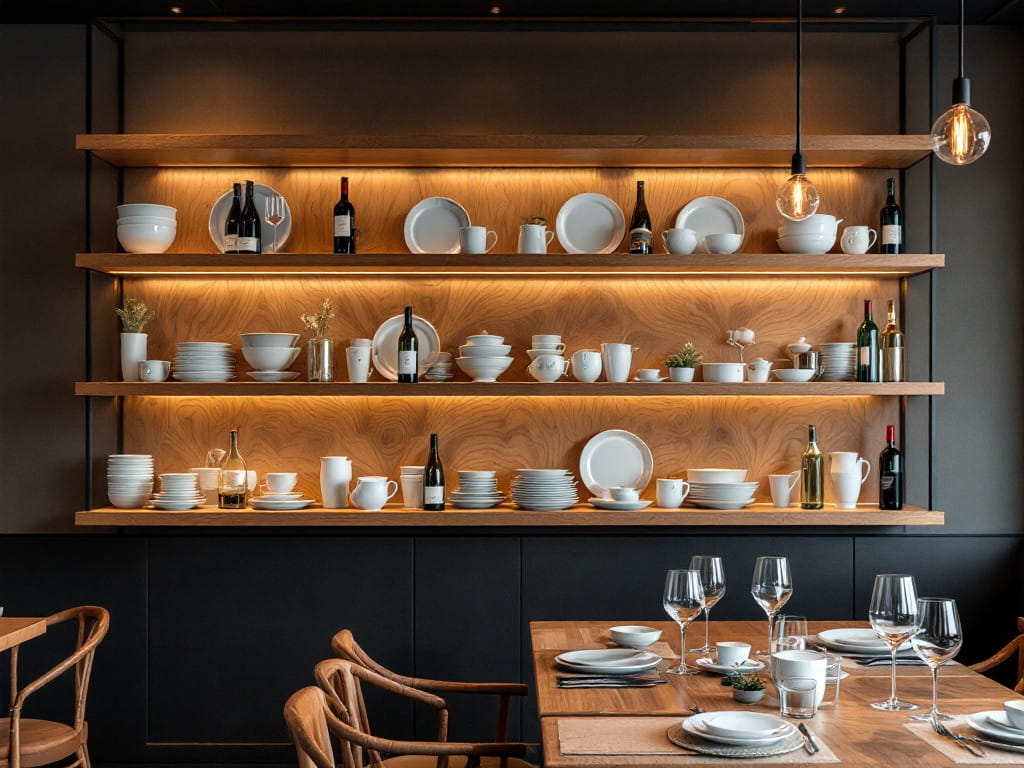
Shelves are handy for accessories, menus and everything that needs to be within reach without cluttering the space. Wooden menu stands become both a decorative element and a convenient way to present dishes and drinks. Each such product calls for its own approach: it must fit the aesthetic while withstanding the loads and conditions of food service. After all, even a small stand handled dozens of times a day wears out quickly if it is made from the wrong material.
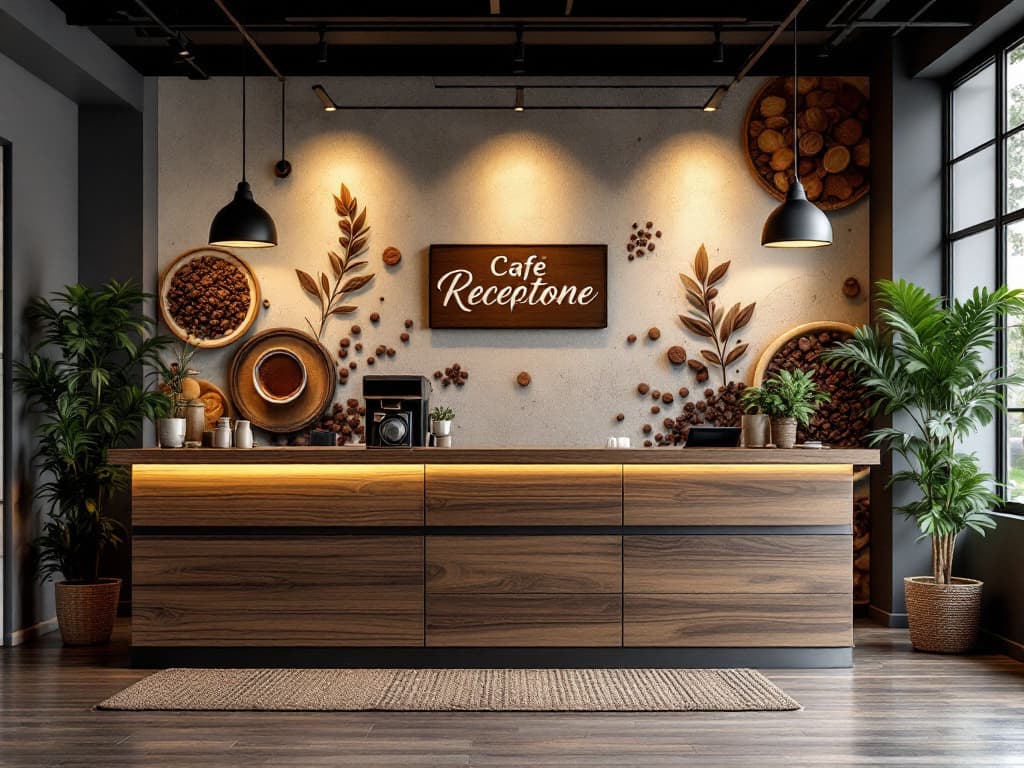
This same category includes reception desks, which greet guests and shape the first impression of the venue. It is important that the desk matches the rest of the furniture while remaining both functional and stylish. The reception is the point a guest looks at first, still standing in the doorway, so it is made with particular care: a sloppy desk at the entrance sets a lowered bar for how the rest of the interior is perceived. Conversely, a solid desk with a neat finish immediately signals to the guest that details are cared for here — and that expectation is then carried over to the kitchen and the service.

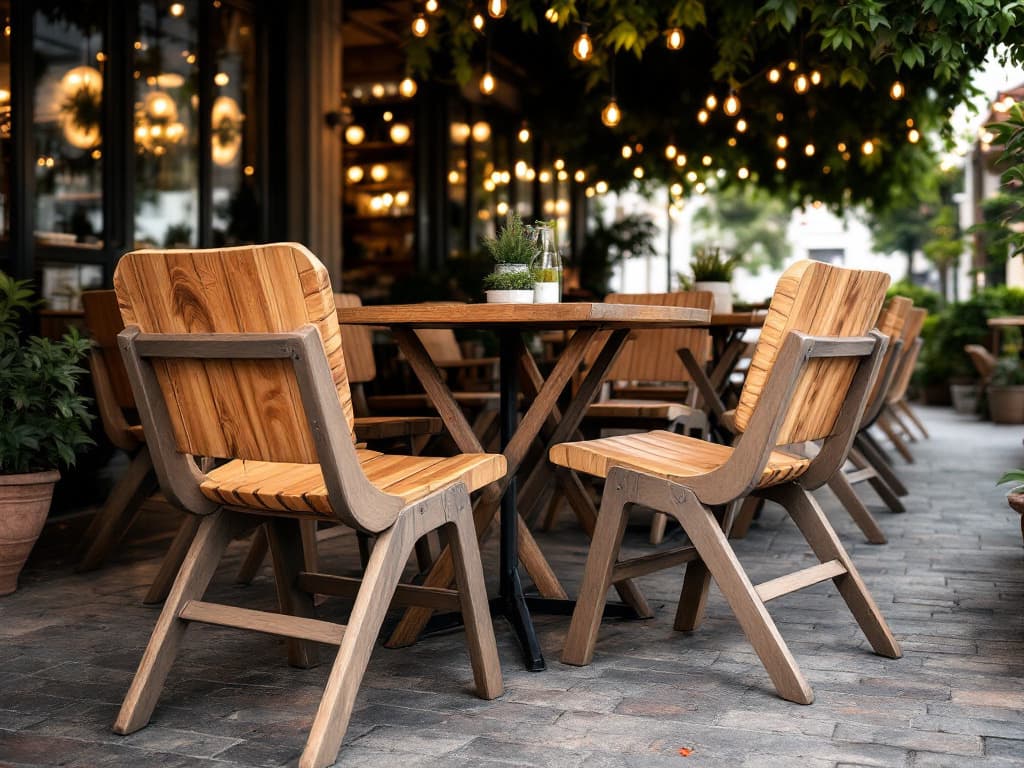
Furniture for cafes and restaurants is a set of pieces, each with its own role in the interior. Chairs, for example, must be both comfortable and attractive in design. It is important that they match the rest of the interior and support an atmosphere of cosiness and style. The chair is the most heavily loaded piece in the room: it is moved and rocked all day long, so three requirements come together in it at once — strength, comfort and appearance — and none of them can be sacrificed.
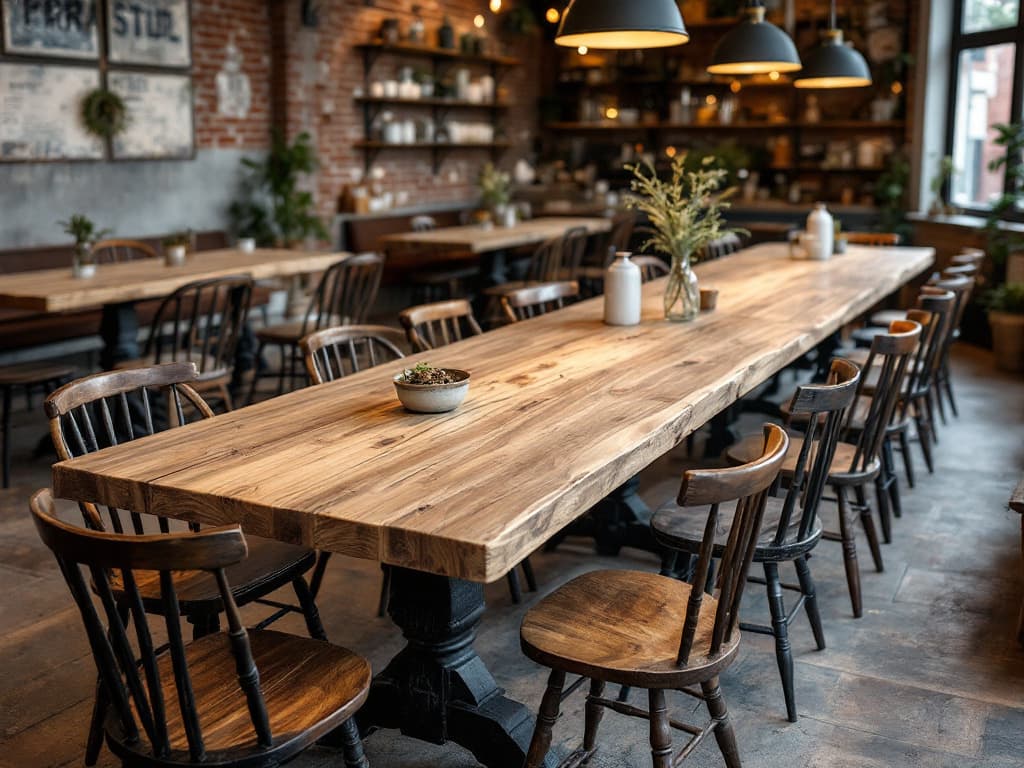
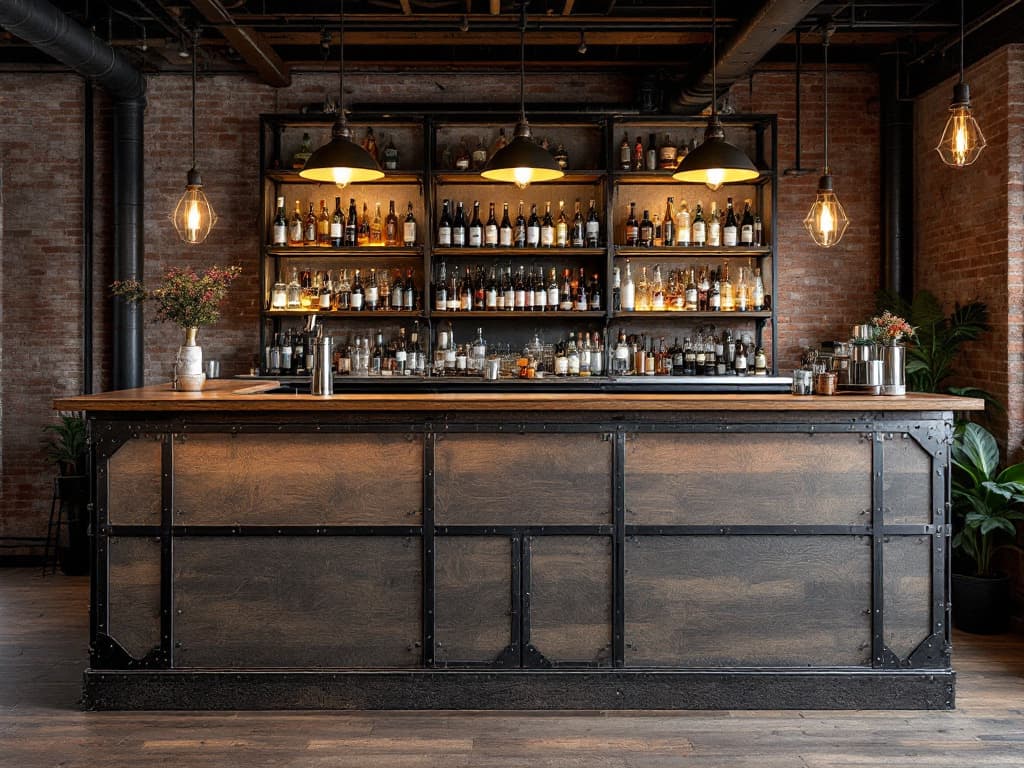
Tables and bar counters are the venue’s core furniture and, at the same time, what shapes the overall perception of the room. Tables must be strong, stable and comfortable for guests, with no wobbling or rocking on an uneven floor. A bar counter has to be not only good-looking but also functional, so staff can serve customers with ease. A well-thought-out counter speeds up the bartender’s work, while a poorly designed one slows it down at peak hours, when every second counts — and that directly hits revenue.
Partitions are not only about zoning but also a way to create secluded corners for guests. They are made in different styles and sizes for a specific type of venue — from solid panels to openwork lattices that let the light through. Smart zoning noticeably increases comfort: guests do not like sitting in the middle of a busy room, and a wooden partition gently creates a sense of their own space without dividing the room with permanent walls. It is a flexible solution: a partition can be moved or removed when the concept changes, whereas a permanent wall fixes the layout for good and requires renovation with any change of format.
Decorative elements — shelves and menu stands — highlight the venue’s individuality and help organise the space sensibly. Small touches such as a signature stand or a shelf in a matching style tie the interior together and work for recognisability: it is precisely from such details that the sense arises that thought went into the place, rather than it simply being filled with the first furniture to hand.
The types of wood and sheet-material processing we use
Cutting
CNC

Cross-cutting

Drilling
Sawing

Ripping

Machining
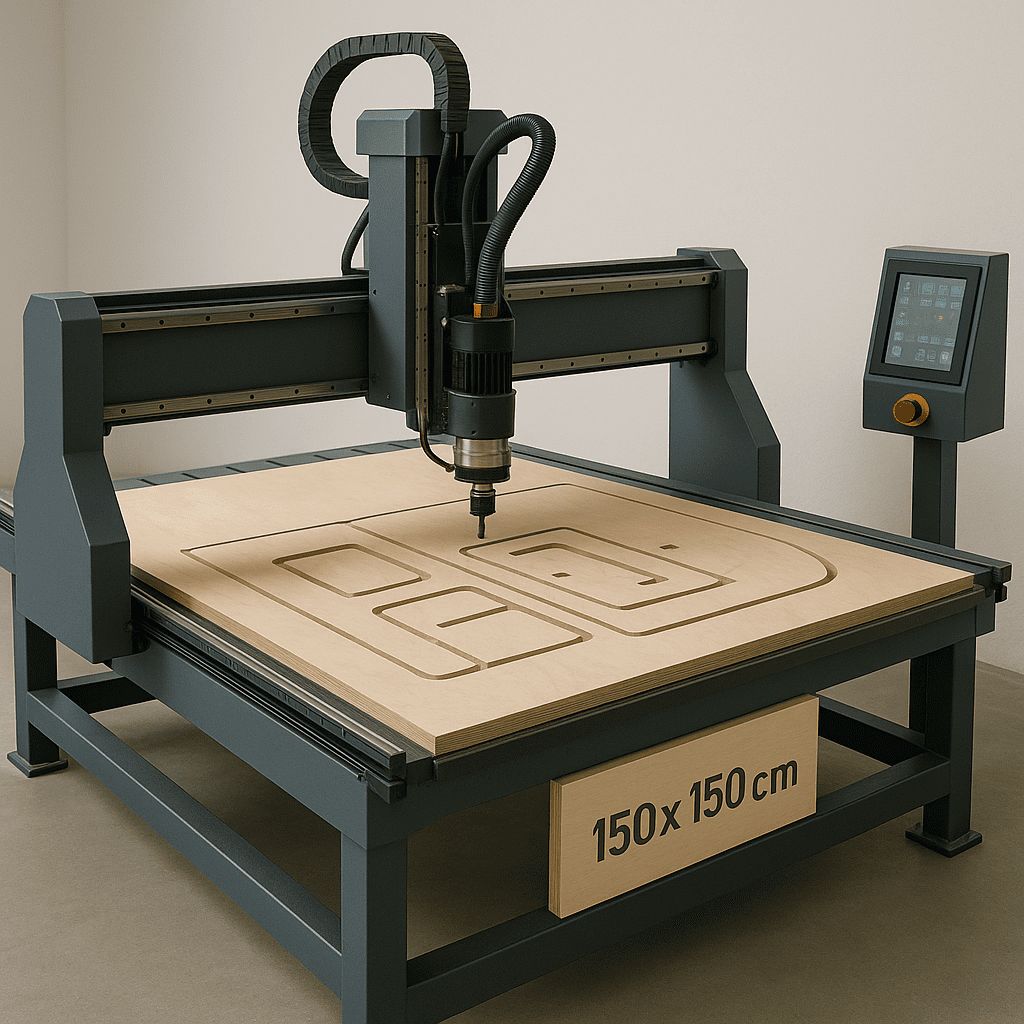
Cutting to size
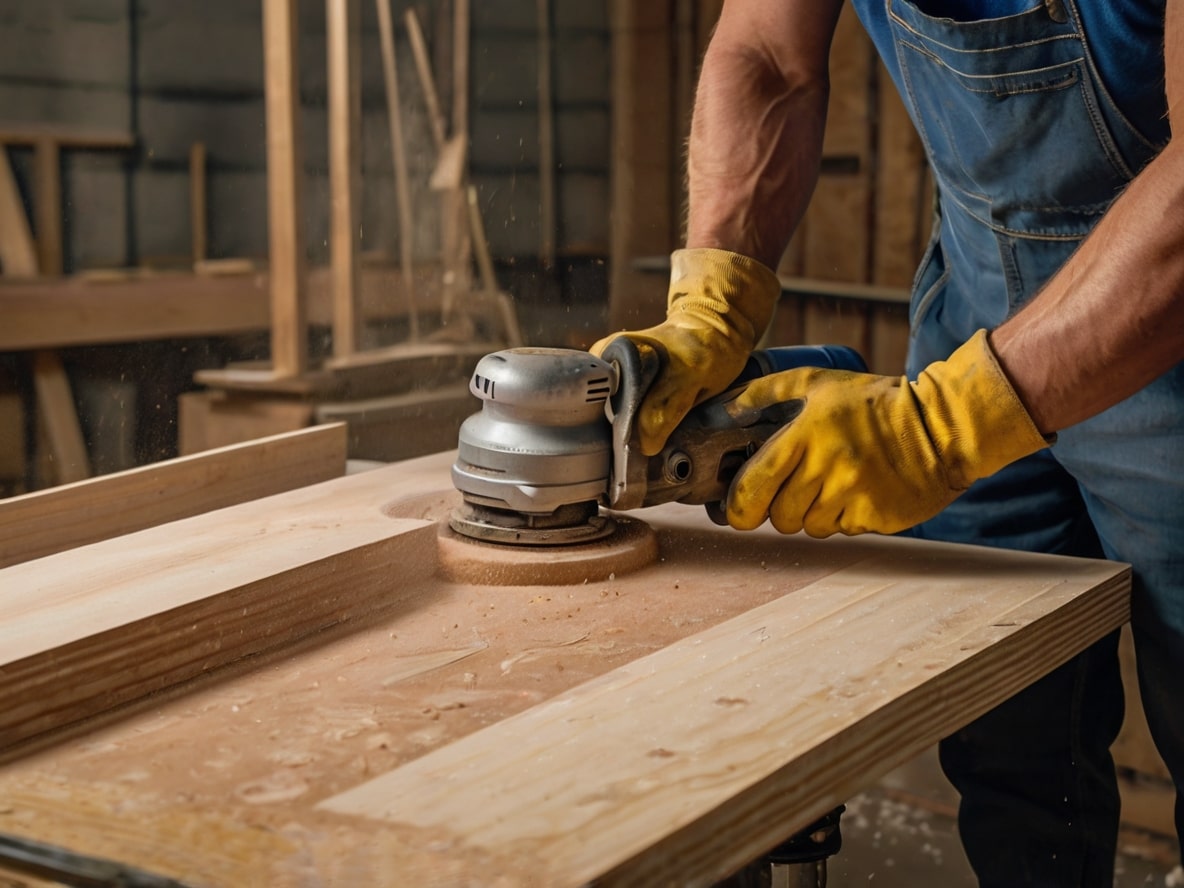
Sanding
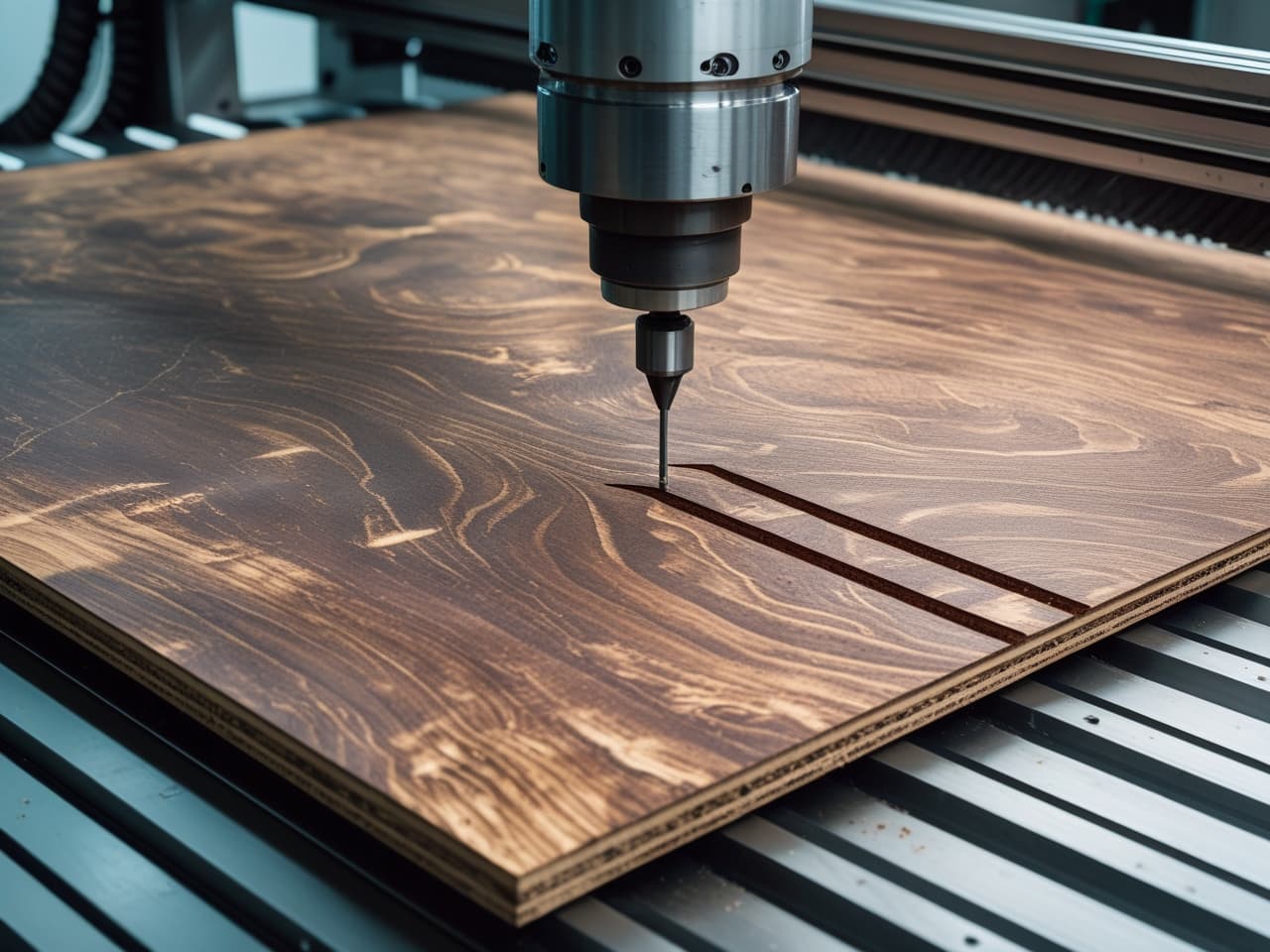
Grooving
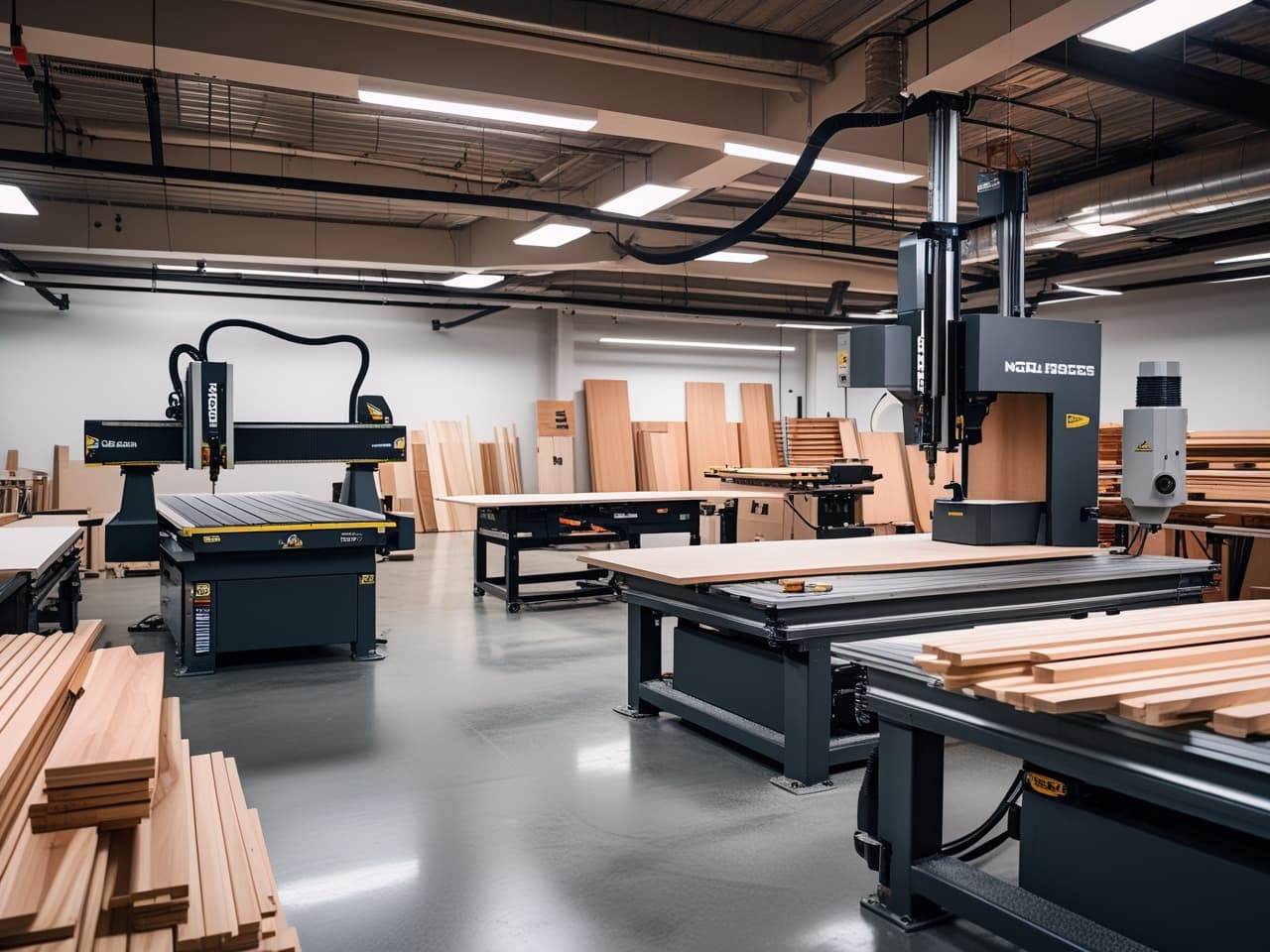
Milling

Painting
Working with the material: producing furniture for cafes and restaurants
Working with the material for restaurant furniture starts with a discerning choice of timber. It must be both beautiful and resistant to the environment. For food service, preference is given to hardwoods — oak, beech, ash: they are strong and durable, which makes them ideal for intensive use. Panel materials with a moisture-resistant impregnation are also in use, especially where price and practicality matter more. Hardwoods cost more, but in a busy venue they pay for themselves by not getting battered or worn away within the very first season.
The material undergoes special treatment that protects it from moisture and dirt and extends the furniture’s service life. In production we also build in various finish and coating options — to suit the interior style and the customer’s requirements. The finish is especially important here: a tabletop or bar counter in food service is wiped down dozens of times a day, and the coating must handle both moisture and cleaning agents with ease, without clouding or peeling in the most visible places.
Every stage of working with the material — from preparation to the final finish — calls for attention to detail and precision. This is exactly what yields pieces that both look beautiful and serve for a long time under the daily load of cafes and restaurants. In food service a weak point shows up faster than anywhere else: what would surface after years at home is noticeable here within a season, which is why cutting corners at any stage does not pay off and damages the manufacturer’s reputation.
The production stages of woodworking and manufacturing
Production stages of furniture for cafes and restaurants
Producing furniture for cafes and restaurants consists of several key stages, and each matters for a quality, durable result. The first is the selection and purchase of the material. It must be of high quality and undergo treatment that prevents damage and wear. Everything that follows depends on the raw material: on a poor base neither the design nor the finish will save it, which is why rejection is carried out strictly, rather than letting a questionable blank into production in the hope that it will not show in the finished piece.
Next comes design and styling. Here bespoke solutions are developed for each element, taking into account the venue’s interior and the customer’s requirements. Design matters both for aesthetics and for functionality: the furniture must be comfortable and meet the conditions of use. It is at this stage that it is decided whether the interior will fit the room’s dimensions, whether there will be enough seats and whether guests and waiters will collide in the aisles — mistakes in the layout are far more expensive to correct later. Remaking a table ordered in the wrong size, or reworking the arrangement in an already open room, costs both money and downtime, which is why all dimensions are checked on paper before production begins.
Once the design is approved, production starts. The material undergoes treatment and shaping, then the furniture is assembled and brought to the required appearance and quality. Each element is checked against standards and technical requirements. Control along the way is cheaper than a single inspection at the end: a defect is caught where it can still be fixed without losing the part, rather than once it has already gone into the assembled piece, ready to be shipped to the room.
After assembly and finishing, the furniture passes a final inspection and only then goes for dispatch. All items are made with durability and ease of use in mind — for food service this is critical. A venue cannot close for a week because of a chair that fell apart or a swollen tabletop, so reliability here is not a nice bonus but a mandatory condition: the furniture must work without a hitch, exactly as the kitchen itself works.
Benefits of cooperation: why choose products for cafes and restaurants
Working with a manufacturer of furniture for cafes and restaurants brings several tangible advantages. The first is attention to individual tasks and flexibility: for each project a unique solution is put together precisely to the customer’s requirements. Whether a new cafe is opening or a working venue’s interior is being refreshed, there is always an option to suit the specific conditions. For a restaurateur this matters: standard furniture rarely fits perfectly into the intended concept, whereas made-to-order furnishings work for the image of the place from day one. What is more, a bespoke project accounts for the room’s real layout with all its projections, niches and utilities, whereas ready-made ranges often leave awkward gaps and dead zones that have to be disguised.
Strength and durability are another important aspect. Food-service furniture must be both beautiful and functional: it has to bear heavy loads, survive rough handling and still keep its looks. Quality materials and proven technologies give the assurance that each element will serve for a long time while staying tidy. For a business this is direct savings: furniture that has to be replaced every year works out more expensive over its service life than quality furniture, and an unplanned replacement also disrupts the running of the room. Closing off part of the seating to rearrange during peak season means direct losses, which is why reliable furniture that simply works and needs no attention is more valuable to a venue than it seems when choosing by price.
A separate important point is safety. The interior of a venue must be not only comfortable but also safe for guests and staff. All items pass inspections and meet regulations, which gives confidence in their quality and reliability. Rounded corners, stable bases, no protruding fasteners — in a busy place with lots of people and children, these small things prevent injuries and, at the same time, spare the owner unnecessary risks and complaints.
Ease of maintenance cannot be overlooked either. Furniture for cafes and restaurants must be easy to clean and require no complicated care. In a high-traffic venue tables are wiped after every guest, and if a surface is fussy to clean, staff waste extra minutes on it that simply are not there at peak hours. A smooth, durable finish with no deep pores or gaps is exactly what solves this, speeding up table turnover and easing the load on staff during rush hours.


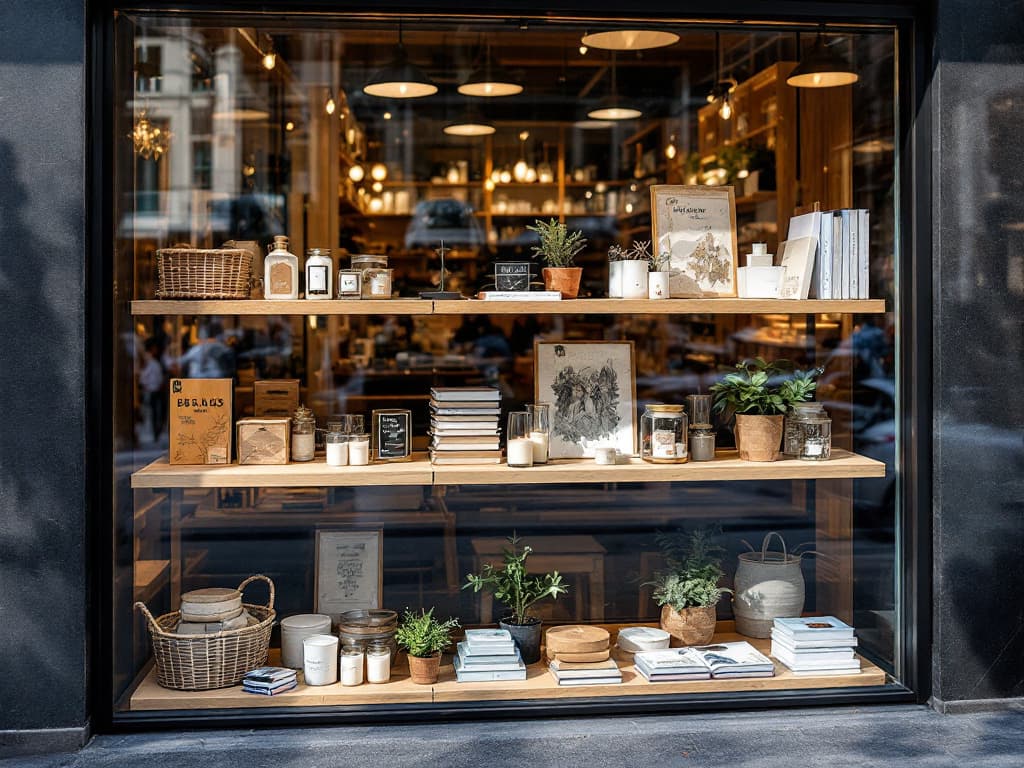
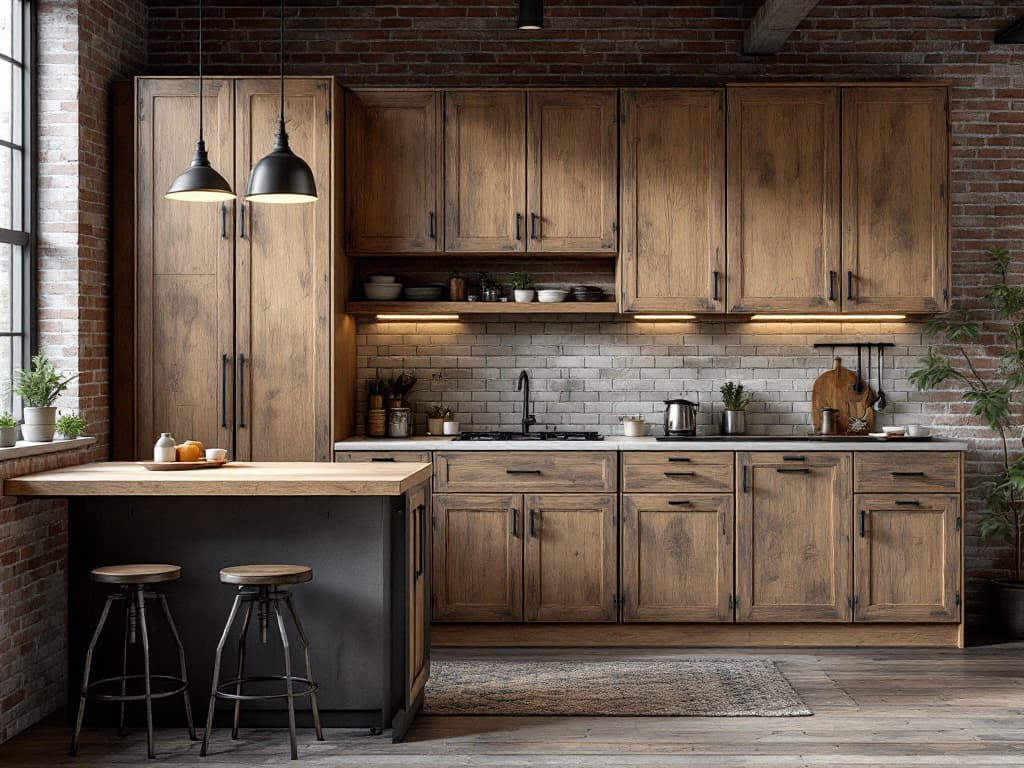
In addition to the main furniture, we offer items that will fit the venue’s concept and enhance its functionality. Decor and accessories in a matching style pull the interior together into a coherent image — beautiful and easy to use. It is precisely this integrated approach that sets a well-considered venue apart: when tables, partitions, shelves and small decor are kept to one aesthetic, the room is perceived as a single space rather than a random collection of objects. A guest almost never analyses this consciously, but feels the difference at once: in a thoughtful interior you want to linger and come back, while in one thrown together hastily you want to finish eating and leave sooner — and this has a direct effect on the venue’s revenue.
For restaurants and cafes, zoning elements matter — partitions that mark out areas for different groups of guests. Wooden partitions are made in various styles and configurations, creating the necessary separation and supporting a cosy atmosphere. Zoning also solves a practical task: a noisy group can be gently separated from a couple who came for a quiet dinner, and both scenarios coexist comfortably in one room without getting in each other’s way. Such flexibility broadens the venue’s audience: the same place suits both a noisy get-together and a calm business lunch, which means it works for more occasions and brings the venue more guests.
Accessories matter too — menu stands, storage shelves and decor that add style and individuality to the interior. They are kept in a single style with the main furniture, completing the look of the room. Such details cost little relative to the whole interior, but it is precisely they that create the sense of thoughtfulness and care which a guest reads subconsciously and which sets a favourite place, worth returning to, apart from a passing, faceless one.
Examples of our work and partner projects

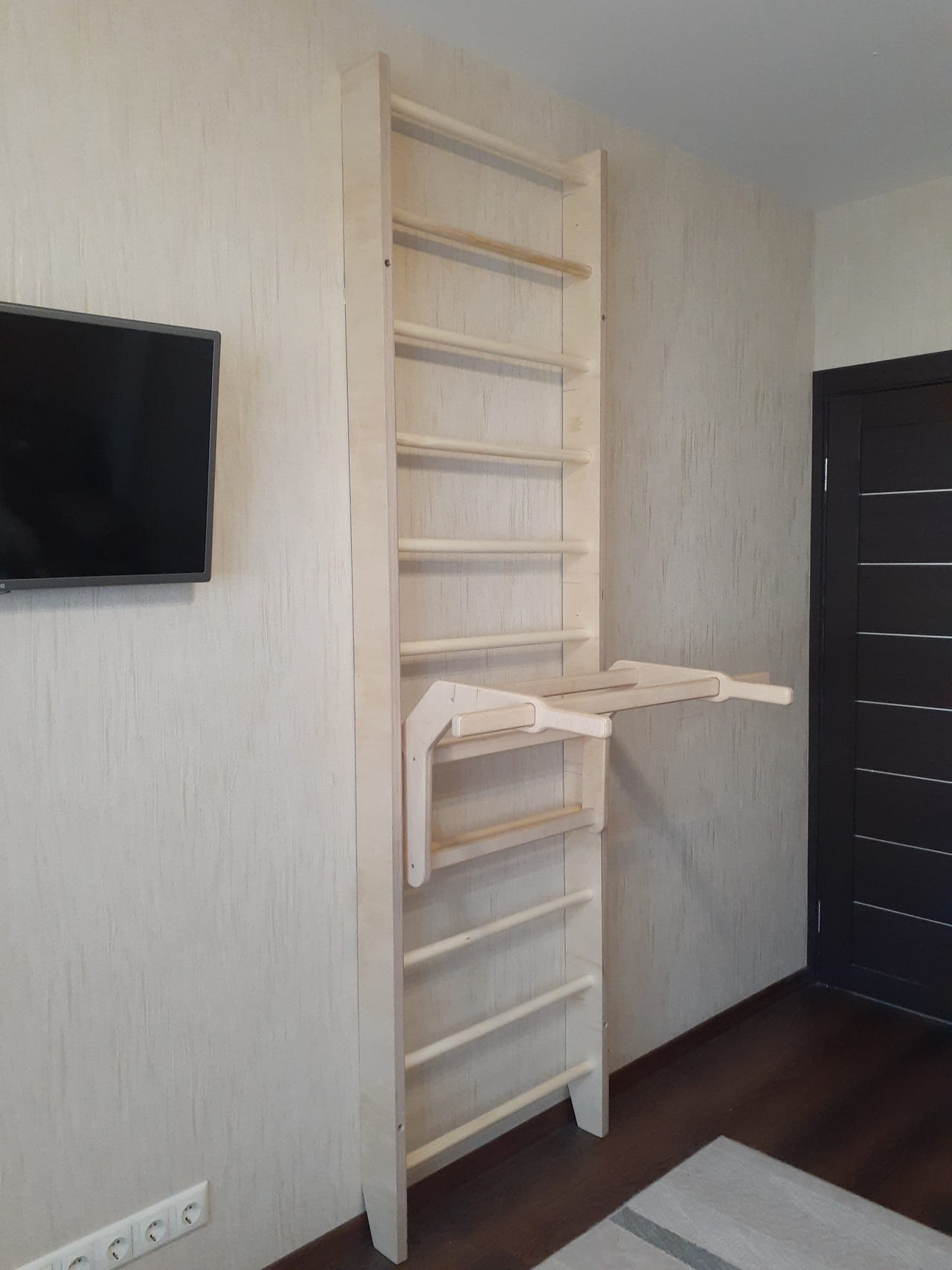


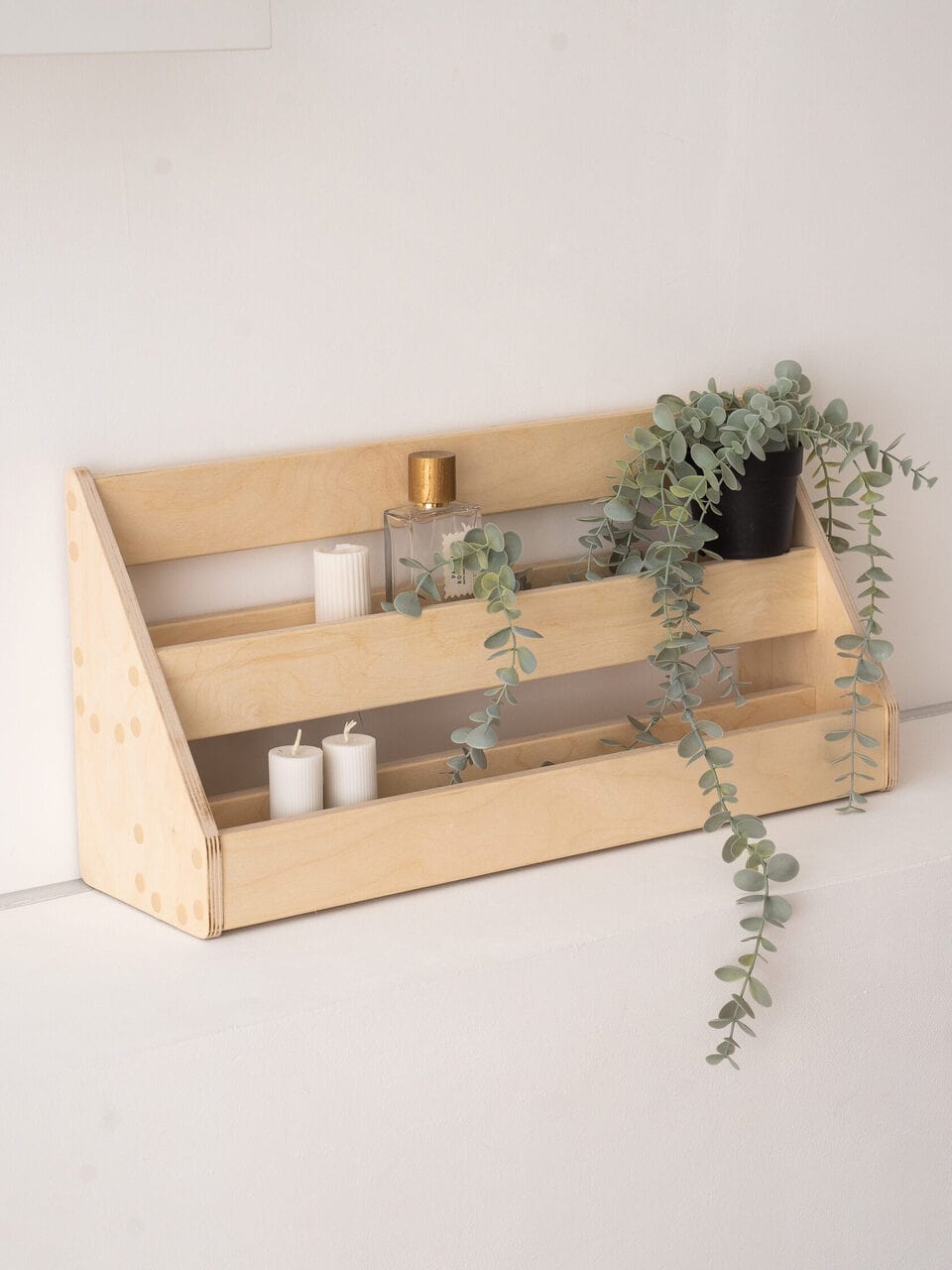
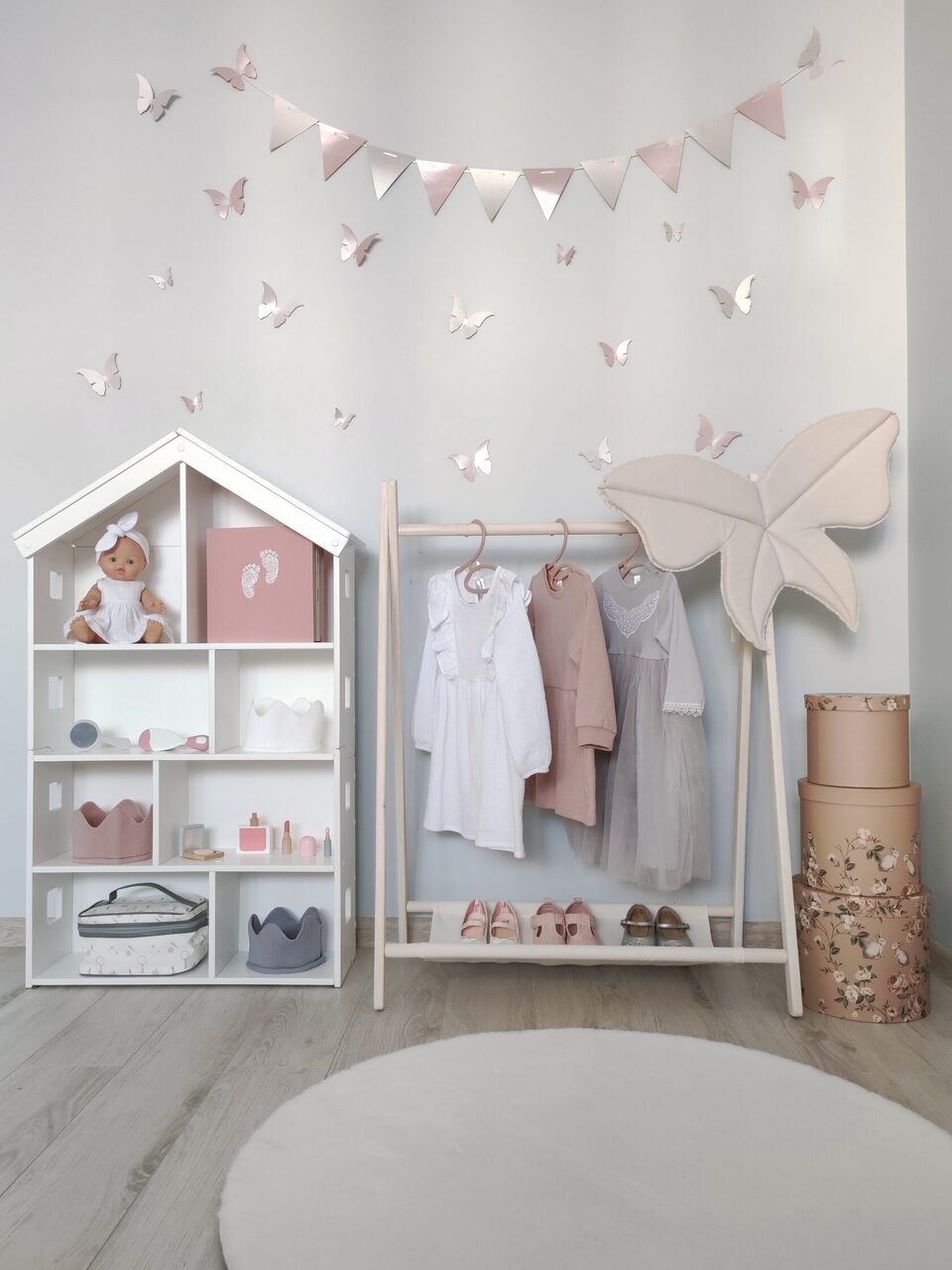
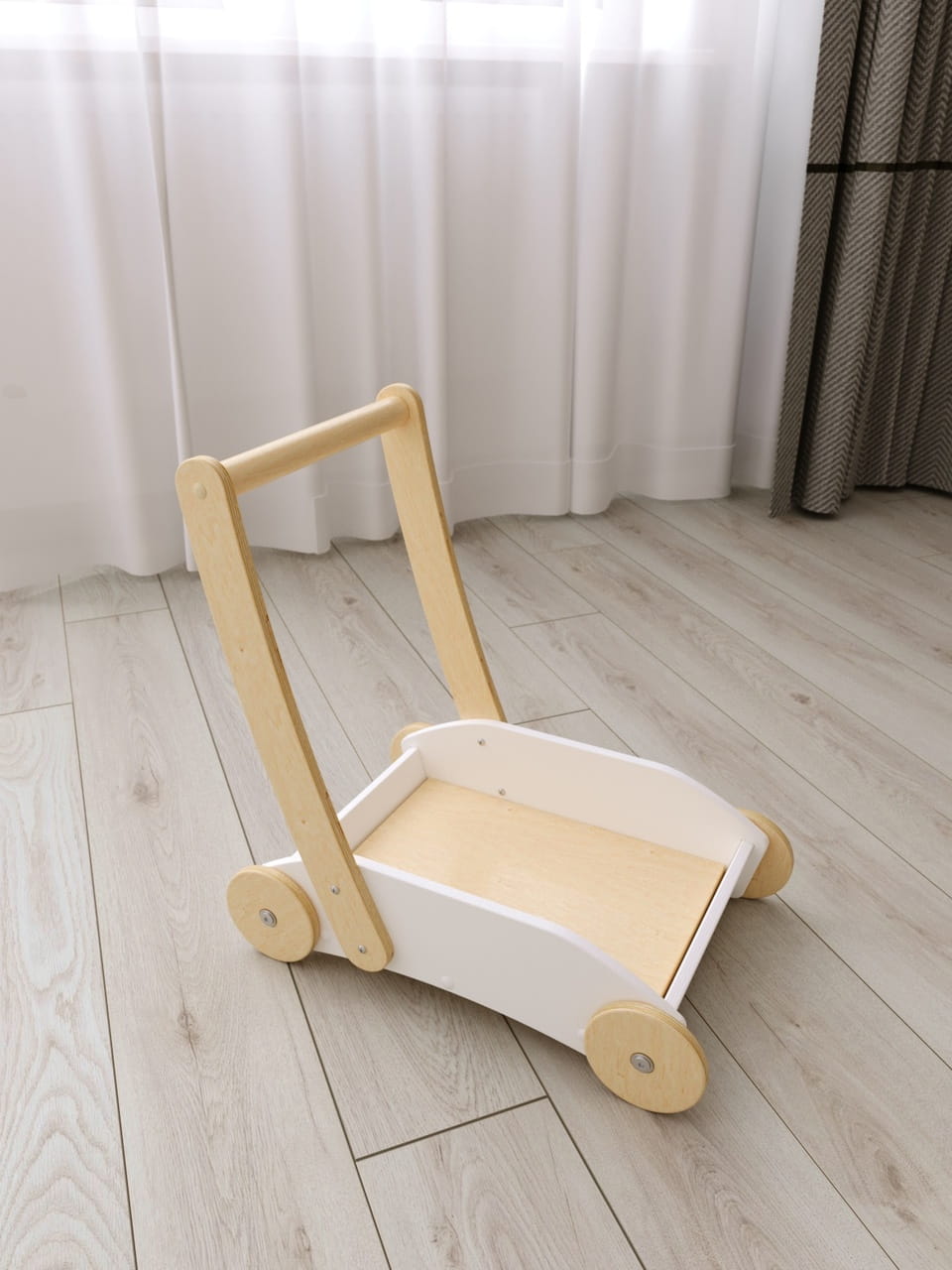

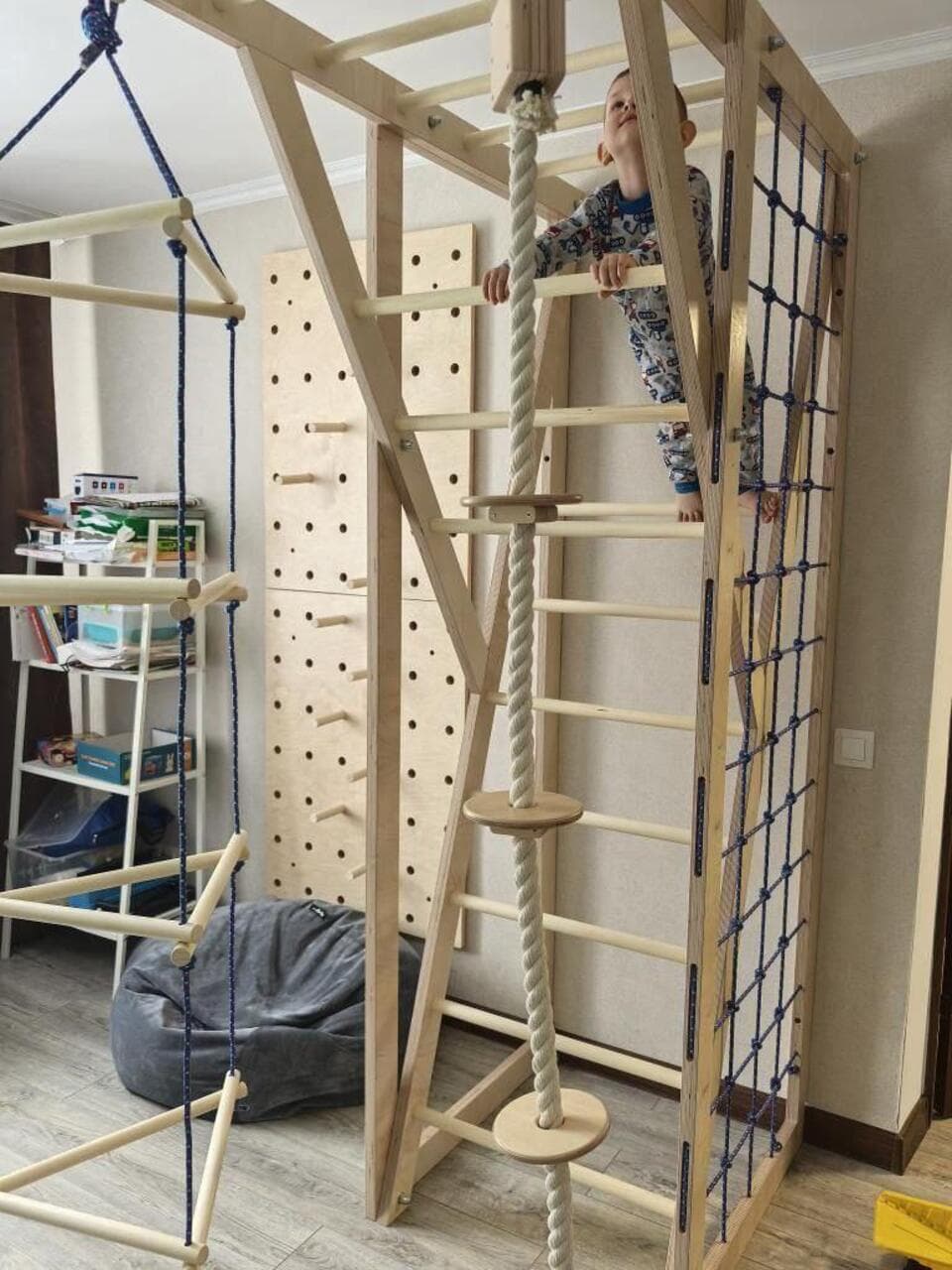
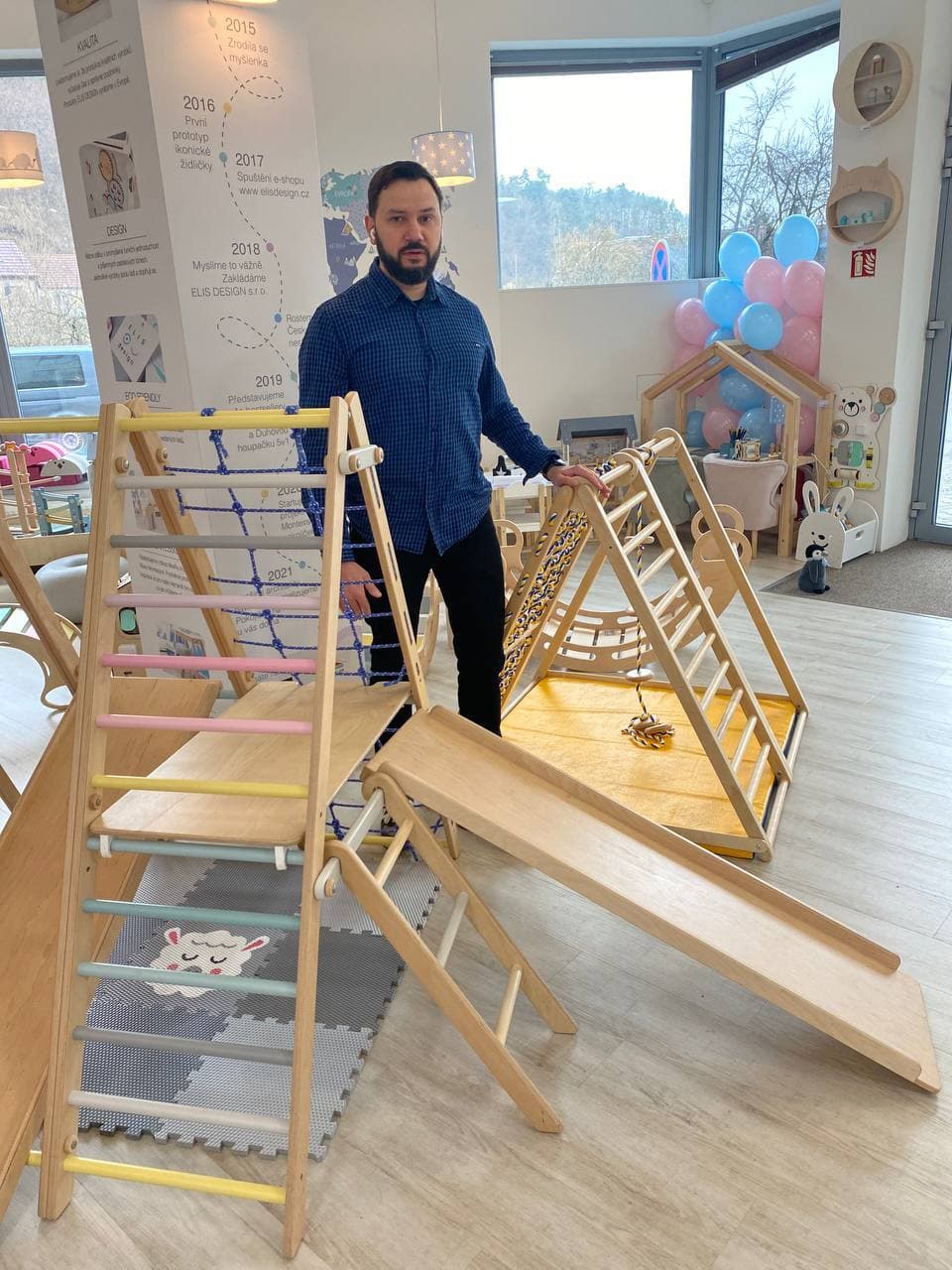
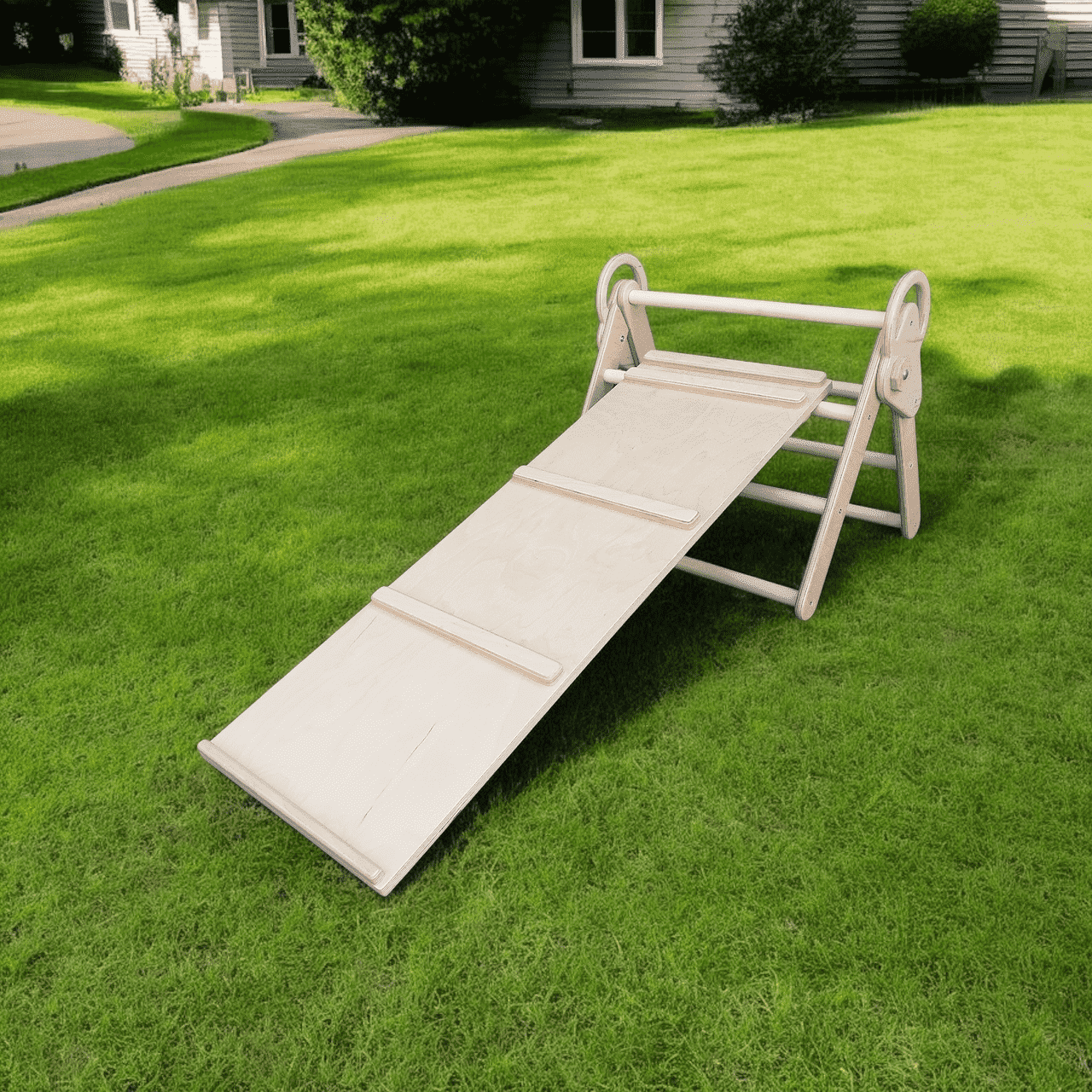
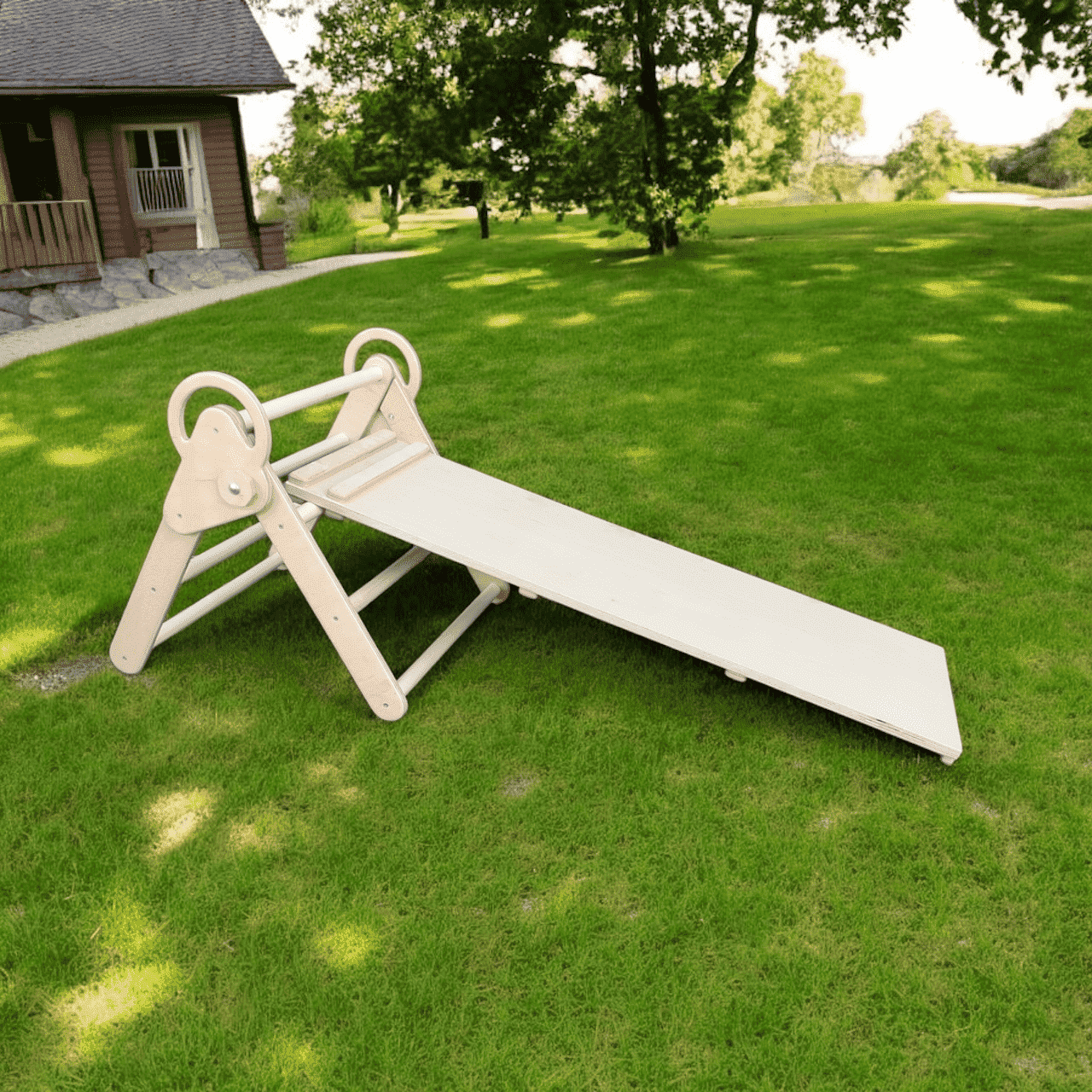

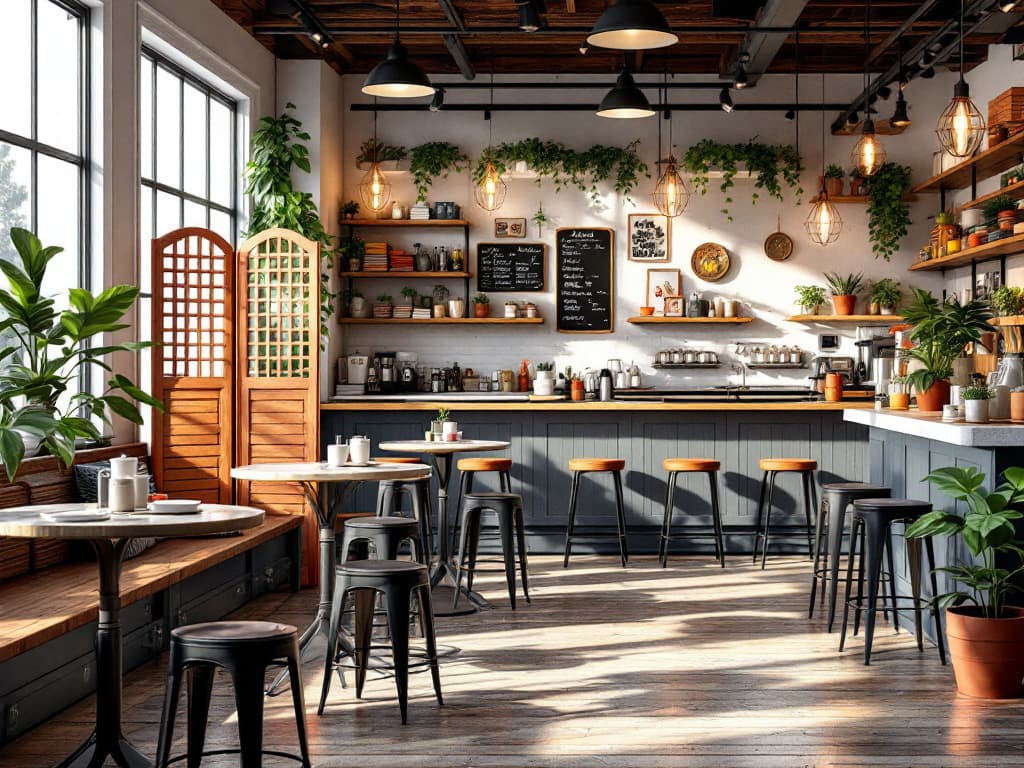
Producing furniture for cafes and restaurants always means an individual approach to the project. Examples of completed work show how varied the solutions can be depending on the client’s requirements. A cosy coffee shop, a noisy bar and a premium restaurant call for entirely different furnishings, even though all three belong to food service, and the portfolio is exactly what demonstrates this breadth — from clean, lightweight models to massive, statement furniture.
From chairs and tables in various styles to bar counters and zoning partitions — each piece is the result of careful work and attention to detail. Furniture for cafes and restaurants combines aesthetics and functionality, staying comfortable and practical in everyday use. This is what sets specialised furnishings apart from the beautiful but impractical: in food service there is no room for objects that look striking in a photo but cannot withstand real daily loads. An experienced restaurateur understands this and judges furniture not by the picture but by how it will behave after a year of guest flow, daily washing and constant rearranging — and it is precisely this horizon that sets a professional approach to fitting out apart from an amateur one.
Designing and producing such furniture is always joint work with the client, taking all wishes and requirements into account. Each project is tailored to the venue’s style and concept, to create its own atmosphere and maximum comfort for guests. A restaurateur usually comes with a ready idea for the place, and the task of production is not to impose a template but to help bring that idea to life in material, preserving both the vision and practicality.
Who already works with us

Cabinet furniture makers

Joinery workshops

Interior designers

Architects

Private craftsmen and artisans

Online sellers

Advertising agencies

Set designers

Restorers

Toy manufacturers

Artists and sculptors

Construction companies

Exhibition equipment manufacturers

Educational institutions

Sports equipment makers

Wooden packaging manufacturers

Private customers

Shops and boutiques

Manufacturing enterprises

Restaurants and cafés
Who chooses wooden furniture for cafes and restaurants
Furniture for cafes and restaurants is most often chosen by the owners and managers of restaurant chains, cafes and hotels, as well as design studios that plan interiors. Such clients value quality, attention to detail and flexibility for each project. For them furniture is not a consumable but part of a business asset: for years it shapes the venue’s face and directly influences whether a guest will want to return and recommend the place to friends. That is why such clients approach the choice of furnishings thoughtfully: they understand that furniture pays off not once but works for guest loyalty every day over many years.
Such furniture is also in demand among the owners of food courts, fast-food restaurants and other food-service formats where high throughput matters — and, along with it, durability and resistance to constant use. In fast food, furniture works at the limit: the flow of guests is huge, the stay short and frequent, so the most robust and low-maintenance models go here, ones that will withstand this rhythm without accelerated wear. Here it is not aesthetics but endurance and ease of cleaning that come to the fore: a guest spends mere minutes at the table, but the furniture must survive thousands of such short visits while staying tidy, stable and functional.
Working with such clients requires a special approach, because every project is unique. The furniture must be comfortable, functional, fit the venue’s style and, at the same time, bear daily loads — this is the customer’s main criterion. Finding the balance between all the requirements is harder than it seems: beautiful but fragile furniture will not do, while strong but uncomfortable furniture scares guests off, so the ability to bring it all together is exactly what is valued.
Wooden furniture for cafes and restaurants — from design to delivery
Producing wooden furniture for cafes and restaurants covers many stages — from choosing the material to the final finish and delivery of the finished pieces. Such products must both highlight the venue’s style and meet the requirements of comfort and functionality. In essence, this is work at the crossroads of design and engineering: a beautiful shape is worthless without a strong base, while strong but unattractive furniture will not create the atmosphere for which a guest chooses a place in the first place.
All food-service furniture — from chairs to tables and bar counters — must be strong and durable. Tables and chairs work under wear and tear: they are constantly moved, and moisture and dirt act on them. That is why strong materials resistant to external factors go into them. The difference between ordinary and specialised furniture here is not in the price per unit but in how long a unit lasts: what seems more expensive at the start pays for itself within a couple of years through the absence of replacements.
Wooden partitions, menu stands and shelves also matter in the interior. These elements help pull together a comfortable and beautiful space. They are made in various styles so that they harmonise with the venue’s overall design. It is precisely the pairing of the main furniture and such additions that gives a coherent image: disparate objects, even quality ones in themselves, will not create the sense of thoughtfulness that guests value and for which they return again.
Producing furniture for cafes and restaurants starts with choosing the material. Timber is carefully selected and taken through all the stages of treatment to ensure durability and stability. Then come design and styling, where the specifics of the venue’s interior are taken into account. The sequence here is fundamental: first a reliable base, then form and style, and not the other way round — a beautiful sketch not backed by the right material and construction does not last long in food service.
Production requires precision and attention to detail at every stage — from treating the timber to the final finish. Each piece, whether a chair or a table, undergoes mandatory quality control and meets safety standards. For a venue this is a guarantee that the furniture will not let it down at the height of service: a chair that breaks under a guest or a table that starts to wobble is not only a spoiled impression but also a reputational risk that any restaurateur tries to avoid at all costs.
Materials for cafe and restaurant furniture
In food service the material works under harsh conditions, so the choice of base determines durability, price and appearance alike. Moisture at the sink and bar, daily washing, constant mechanical loads, splashes and stains — all of this tests the furniture for strength every day. Below are the main materials from which furniture for cafes and restaurants is made, with their strengths and what to look out for when ordering.
| Material | Strengths | Where used | What to look for |
|---|---|---|---|
| 🌳 Oak, beech, ash | Strength, wear resistance, prestige look | Premium chairs, tables, bar counters | Price, weight |
| 🪵 Plywood | Strength, lightness, bending | Frames, seats, curved shapes | Edge treatment |
| ⬜ MFC (moisture-resistant) | Ready-made decor, price, washability | Tabletops, carcasses, partitions | Moisture-resistance class, edging |
| 🟤 MDF | Smooth painted surface, milling | Fronts, decor, shaped parts | Durable coating |
| 🪨 HPL / stone tabletop | Maximum resistance to moisture and abrasion | Work and dining surfaces | Edging, joints |
In practice, the frames of chairs and tables for intensive use are made from hardwoods and plywood, tabletops from moisture-resistant materials, and partitions and decor from MFC and MDF in the required style. Materials are often combined: a solid frame and a practical tabletop, a wooden bar front and a durable work surface. The key point is the protection of ends and edges: it is precisely through them that moisture gets inside the panel, and in a venue the contact with water and cleaning agents is almost continuous.
Furniture styles to match the venue format
Furniture sets the character of a venue, so the style is matched to the concept. In a loft bar, brushed wood, metal and dark tones are fitting; in a Scandinavian cafe, light woods, clean shapes and soft lines; in a classic restaurant, solid wood, carving and noble shades; in an eco coffee shop, natural texture and warm oil. The style pulls along the material, the finish and even the construction: a massive oak table cannot be placed in a light, minimalist cafe without breaking the image.
It is important that the furniture works for the concept rather than argues with it. A guest reads the level and character of a place in the first few seconds, and the interior plays no less a role here than the menu and the presentation. A competent manufacturer suggests successful pairings from the outset — which woods, shades and shapes will support the intended atmosphere. Hitting the style exactly makes a venue coherent and memorable, whereas a random set of furniture, on the contrary, blurs the image and cheapens the impression even with a good kitchen and polished service. A guest forgives much, but the overall feel of a place is made up of all the details at once, and the furniture here is one of the most conspicuous.
Finish, care and ergonomics of restaurant furniture
In food service the finish is responsible not only for looks but also for resistance to moisture, grease, alcohol and daily washing. Whether a tabletop survives years of use or clouds over within a season depends on the coating. The choice depends on where the element works and what load it bears. Below are the main finish options with their strengths as applied to venues.
| Coating | What it gives | Where it fits |
|---|---|---|
| 💧 Durable varnish | Tough film, protection from moisture and abrasion | Tabletops, bar counters |
| 🎨 Enamel | Dense colour, smooth washable surface | Fronts, decor, modern style |
| 🌿 Oil-wax | Natural look, repairable locally | Solid wood, eco and Scandi interiors |
| 🛡️ HPL/plastic | Maximum wear and moisture resistance | High-traffic areas, fast food |
For high-traffic areas and fast food, the most durable coatings are chosen; for premium venues, noble oil and varnish that highlight the texture. A smooth finish with no deep pores is important not only aesthetically: dirt packs into the pores and is hard to wash out, and in food service this is a matter of both hygiene and cleaning speed. Oiled surfaces are convenient in that they are touched up locally — a worn spot is refreshed without repainting the whole piece, which for heavily used furniture is a big plus and a noticeable saving on maintenance over time.
Ergonomics and layout of the room
Guest comfort and the room’s efficiency depend largely on ergonomics and arrangement. The height of the table and chair, the depth of seating, the width of the aisles between tables, the distance to the bar counter — all of this affects both the patron’s comfort and the waiters’ work. Too tight an arrangement scares guests off and hinders staff, while too loose a one eats into seats and revenue. The balance is sought as early as the design stage, for the specific area and format of the venue.
Scenarios are thought through separately: bar seats for a quick visit, soft sofas for long sit-downs, transformable tables for groups of different sizes. Made-to-order furniture is exactly what allows these nuances to be taken into account, rather than adapting the room to ready-made dimensions. Thoughtful ergonomics directly affect the economics: comfortable seating increases the average bill and the length of the visit, while a smart arrangement increases the number of guests the room can hold without a sense of crowding. In essence, each extra table well fitted in is additional revenue every evening, while each awkward aisle means lost guests and slowed-down waiter work, which is why layout is taken seriously and not treated as an afterthought.
Lead times, volumes and cost of furniture for venues
The exact price and lead time are quoted after a calculation: everything depends on the material, the complexity of the construction, the finish, the volume and whether drawings are available. But the general logic is transparent, and it is useful to understand it in advance — especially when the interior is needed for a venue’s opening, where lead times often matter more than price. Below are guidelines for typical orders of furniture for cafes and restaurants: they do not replace a calculation, but they show how volume and complexity affect the outcome.
| Order type | Approx. lead time | Min. batch | What affects the price |
|---|---|---|---|
| 🪑 Tables and chairs (standard) | from 2 weeks | to be agreed | Material, run size, finish |
| 🍸 Bar counter, reception desk | from 2–3 weeks | from 1 pc. | Size, complexity, finish |
| 🏛️ Full fit-out of the room | from 3–4 weeks | per project | Number of items, single style |
| 🎨 Bespoke design project | from 4 weeks | from 1 pc. | Engineering, sample, decor |
The price is affected most strongly by the material, the complexity of the construction and the finish. An oak table with a massive tabletop costs several times more than an MFC model, and a bar counter with complex geometry costs more than a standard one. Run size works the other way: a set of identical tables and chairs for the whole room is calculated at a lower rate than single pieces. And the saving here is not on strength but on planning: standard models, unification and a project agreed in advance remove unnecessary costs and rework.
How to order furniture for cafes and restaurants
The ordering scheme requires no engineering preparation — it is enough to describe the venue format and show a reference, and anything missing will be clarified at the workshop. Usually the path from enquiry to finished furniture fits into a few clear steps.
- 📝 Send the room plan, the venue format, the style and, if available, a drawing or reference.
- 📋 Agree on the materials, finish, construction and number of items, receive the project and a quote.
- ✅ Approve the project and, if necessary, produce a sample chair or tabletop.
- 🏭 Launch production: cutting, treatment, assembly, durable finish, quality control.
- 🚚 Receive the packed furniture, with installation and arrangement if needed.
This order suits both a single location and a chain of venues. It is easier for regular partners: with well-established models it is enough to repeat the order for a new location, and the batch goes into production. In the end, ordering furniture for cafes and restaurants turns into a predictable process with clear lead times, price and a result that fits the concept exactly and withstands the room’s real load.
Myths and reality about furniture for cafes and restaurants
There are plenty of misconceptions around restaurant furniture that cost owners dearly. The first myth is “you can take ordinary home furniture and save money.” In reality, domestic furniture is not designed for a flow of guests and quickly falls apart under the food-service load, and replacing it mid-season costs more than the initial saving. The second myth is “looks are the main thing, the rest is secondary.” On the contrary: in a venue it is the weak joints and a cleaning-fussy finish that give out first, not the appearance, and the whole construction needs thinking through.
The third myth is “expensive solid wood is always better.” For a high-traffic area, practical moisture-resistant MFC with a quality edge is often more sensible than fussy solid wood, while solid wood is used where status and tactility matter. The fourth myth is “furniture for all venues is the same.” Fast food, a lounge bar and a premium restaurant call for different furnishings in strength, style and seating. The fifth is “a rush order for the opening costs the same.” Urgency breaks the schedule and requires re-tooling, and drying and a multi-layer finish cannot be sped up, which is why furniture for an opening is ordered in advance.
Understanding these nuances makes the choice calmer and more advantageous. Furniture for cafes and restaurants is about a balance of strength, ergonomics and style for a specific format, not about hunting for the cheapest or the most expensive option. When the interior is chosen to match the real load and the concept, it serves for a long time, works for the venue’s image and does not let it down at the height of service, while the money and nerves saved on rework pay off a well-considered approach.
Logistics, installation and maintenance
Well-made furniture is easy to ruin in transit, which is why packaging is thought through separately. Facing surfaces, tabletops and soft elements are padded and protected, and large pieces are shipped disassembled where necessary — that way it is easier to carry them into the room and take them up a floor. On request, installation and on-site arrangement are possible, which is convenient before an opening, when lead times are tight and everything has to be assembled exactly by the date.
Delivery covers all of Europe and beyond, and the format is matched to the volume and geography: from a carrier company to a dedicated truck for a full room fit-out. For a chain of venues, logistics are set up once and then repeated for each new location. Maintenance is also worth planning in advance: tightening fasteners, locally refreshing the finish and replacing individual elements extend the furniture’s service life, while a modular construction allows a single part to be replaced rather than the whole piece.
Comprehensive fit-out and working with chains
One of the main conveniences of a turnkey order is the ability to fit out the whole room with a single manufacturer. Tables, chairs, a bar counter, partitions, shelves, a reception desk and decor, made from coordinated materials and in a single style, give a coherent interior with no mismatch. The customer does not have to juggle supplies from different workshops, match shades and work out whose delay derailed the opening. A single point of contact and single responsibility for the whole set means fewer risks and less routine.
For chain venues, repeatability is especially important. When a chain opens a new location, its interior must match the ones already running exactly — otherwise the format’s recognisability, the very thing the chain is built on, is lost. Production for a chain standardises the models and draws up process charts so that launching a batch for the next location takes minimum time and reproduces the quality with no deviations. In essence, a well-honed item is then reproduced almost automatically to a single standard.
Our capacity allows us to work both with a single small coffee shop and with a large order for a chain or a food court. For a one-off location, an individual project and a precise fit to the room matter more; for a chain, batch stability, lead times and a single style. A single manufacturer covers both requests, simply with a different tuning of the process. Such reach is convenient for a growing business: you can open the first location as an individual project and then replicate the successful solution across new venues without changing supplier or losing the usual quality.
Working with drawings and the room plan
Furniture for a venue goes into a specific room, so the accuracy of the plan matters here no less than in the kitchen. Ideally there is a room plan with dimensions and the location of utilities, windows, entrances and the bar area — then the arrangement and dimensions are calculated precisely, with no dead zones or cramped aisles. But a detailed description of the format with measurements is a perfectly workable starting point too, and anything missing will be clarified by the technologist at the design stage.
It is useful to attach a reference for style and colour: a shade sample, the desired texture, examples of similar interiors. This removes the main source of disputes — a divergence in how each person pictures the intended atmosphere. When the brief is complete, the project, the calculation and the launch run smoothly, and the finished furniture goes into the room exactly to plan and matches the concept, rather than turning out to be a surprise during arrangement right before the opening. For a venue, where the launch date is usually rigidly tied to the lease and advertising, such predictability is worth a great deal: the last thing a restaurateur needs on the eve of an opening is surprises with the furniture.
Furniture for different food-service formats
Food service is not one format but dozens, and each has its own furniture. A coffee shop needs light tables, convenient to rearrange, and cosy sofas for long sit-downs with a laptop. A bar needs high stools, a bar counter and wear-resistant surfaces that easily take spilled drinks. A restaurant needs statement furniture, thoughtful seating and soft zones. A canteen and fast food need the most robust, low-maintenance and easily washable models for a huge flow of guests.
A separate story is verandas and summer terraces. Outdoor furniture for venues lives under different conditions: rain, sun, temperature swings. Here moisture-resistant materials are used, protective oils and varnishes against ultraviolet, care is taken so that water does not stagnate in the joints, and the construction is made resistant to wind and light for seasonal removal to storage. Furniture that looks the same for the room and the veranda is prepared differently, and this difference is built in in advance, not after the first rain, when it is too late and too much of a pity to fix.
Understanding the format helps avoid overpaying and making mistakes. Expensive solid wood in a high-traffic canteen is excessive and will get battered quickly, while light decorative furniture will not survive a bar’s load. A good manufacturer immediately clarifies the format, the flow of guests and the conditions of use, and then matches the material, construction and finish to them. As a result, the coffee shop, the fast food and the premium restaurant each get exactly the furniture that works at their rhythm rather than disappointing within a season. Such a specific approach to the format saves the budget twice over: the venue does not overpay for excessive characteristics where they are not needed, and does not risk placing fragile furniture where it would quickly be put out of action.
Furniture for cafes and restaurants: the full picture
Putting it all together, the picture is transparent. Production matches durable materials to the format, cuts precisely, treats, assembles reliable joints, applies a wash-resistant finish and checks every piece for strength and safety. At each step it is not chance but technology and control that are at work, which is why the furniture withstands the room’s real load and serves for a long time. For the customer this means predictability on the three main questions: how much it costs, when it will be ready and how it will fit into the room.
A single coffee shop and a whole chain, a standard set and a bespoke design project, an indoor room and a summer veranda — all of this fits into a single manageable process. Our products ship across Europe and beyond, packed with protection for the facing surfaces, and arrive in saleable condition. All that remains is a small thing — send the room plan and describe the format, and then the project, the calculation and the launch run smoothly, with clear lead times and a quality of furniture for cafes and restaurants that will not let you down at the height of a venue’s service. And feedback on the first delivery is taken into account in the next one: successful decisions on models, materials and seating are locked in as a standard, and fitting out new locations of the chain goes even faster and more precisely than the opening of the first.
What materials are used to make furniture for cafes and restaurants?
Most often it is hardwoods — oak, beech, ash — as well as plywood and moisture-resistant panel materials. They are strong and resistant to external impact, which is important for intensive use in the room. The material is matched to the format: frames from hardwood and plywood, tabletops from moisture-resistant bases.
How long does wooden furniture for cafes and restaurants last?
With proper care and quality treatment, wooden furniture serves in a venue for many years, keeping its looks and strength. The lifespan depends on the material, the load and maintenance: tightening fasteners and refreshing the finish noticeably extend the life of the pieces even under high traffic.
Can furniture be ordered to a bespoke design?
Yes, furniture for cafes and restaurants is made to a bespoke design that takes into account the room layout, the style and the customer’s requirements. It is enough to send the room plan and a reference, and a unique solution will be put together for the specific venue rather than a standard set from a catalogue.
What furniture styles can be ordered for cafes and restaurants?
Furniture is made in a wide variety of styles — from classic to modern minimalism, loft and Scandi — to suit the venue’s concept. The style is chosen together with the material and finish, so that the interior supports the intended atmosphere rather than arguing with it.
How is furniture delivered?
After manufacture, the furniture is packed with protection for the facing surfaces and tabletops and delivered to any region of Europe. Large pieces are shipped disassembled where necessary, and on request installation and arrangement in the room before the opening are possible.
What guarantees are there on the furniture?
The furniture comes with a guarantee that depends on the type of piece and the conditions of use and is set out in the contract. It covers structural integrity and hardware — the very things on which the reliability of furniture in an intensively working room directly depends.
How can furniture for cafes and restaurants be ordered?
An order is placed through the website or directly via a manager, who will help with the project, the choice of materials and the calculation. For repeat orders for new locations of a chain the process is faster, since the models and standards have already been agreed.
Can I order not only furniture but also interior accessories?
Yes, besides furniture, accessories are available — menu stands, shelves, decorative elements — made in a single style with the main furnishings. This makes it possible to fit out the room comprehensively and put together a coherent image of the venue, without being torn between different suppliers and their schedules.
How is payment for the furniture made?
Payment is made in accordance with the contract — usually by bank transfer, with instalments possible depending on the terms of cooperation. For large orders and regular partners, payment terms are discussed individually and fixed at the conclusion of the contract.
Is it possible to return furniture if it does not fit?
A return is possible within the framework of the law if the item does not meet quality standards or the terms of the contract. For items made to a bespoke design, the terms are agreed separately, which is why the parameters are important to agree in advance — this is exactly what samples are made for before launching a batch.
We’re always here to help — choose the way that suits you best to get in touch
Call us, message us on a messenger or reach out via social media — we’ll respond promptly!
We work across all of Europe
Useful information and articles
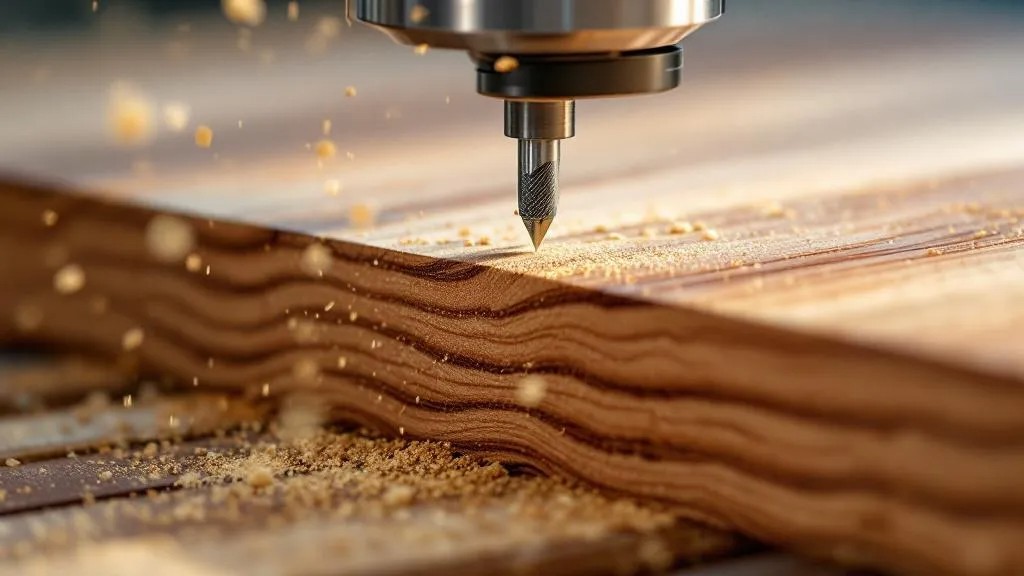
The Specifics of Radius Milling for Creating Rounded Edges on Wooden Products
The Specifics of Radius Milling for Creating Rounded Edges on Wooden Products Radius milling, or edge rounding, is one of the most sought-after and critically important stages in producing high-quality wooden
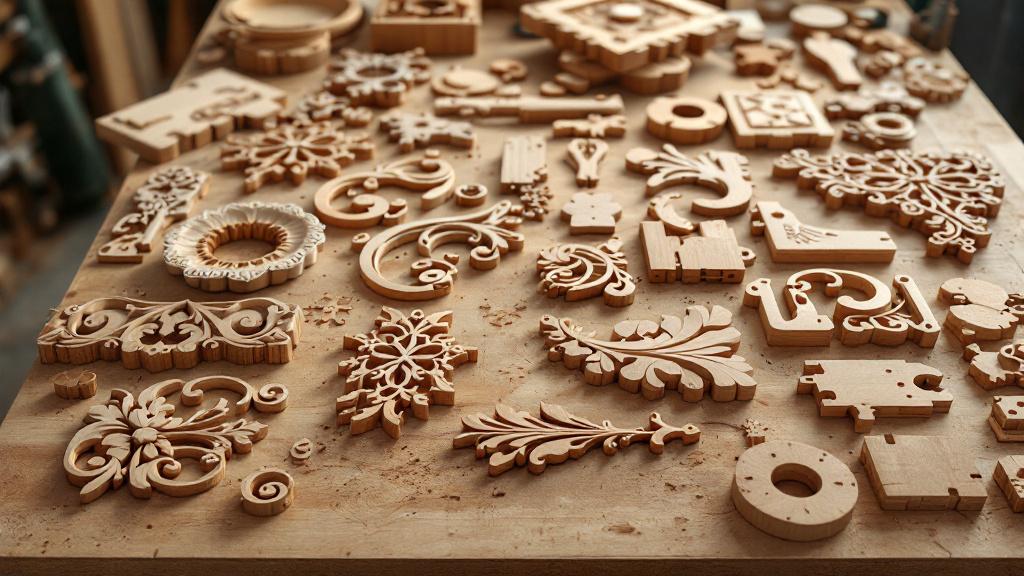
The Role of Milling in Making Decorative and Functional Wooden Parts
The Role of Milling in Making Decorative and Functional Wooden Parts Wood is a material that people have been using for thousands of years. It is valued for its natural
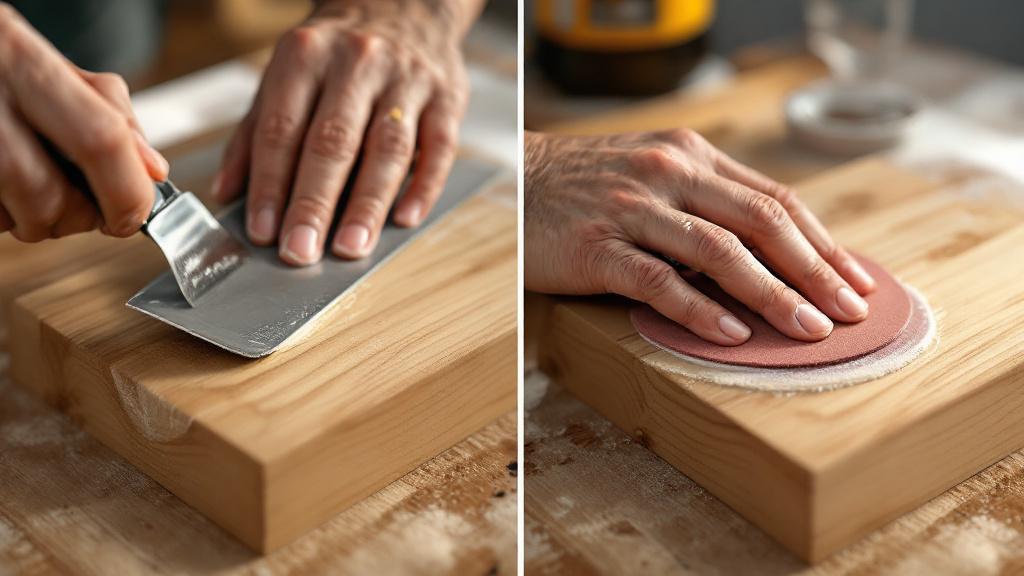
Stages of Filling and Sanding Wooden Products: Creating a Flawless, Even Surface
Stages of Filling and Sanding Wooden Products: Creating a Flawless, Even Surface Woodworking is not merely a mechanical process but a true craft, in which every stage is decisive for the

The synthesis of wood and metal: technological aspects of combining wood and aluminium to create durable products
The synthesis of wood and metal: technological aspects of combining wood and aluminium to create durable products In the field of professional woodworking, the search for the ideal material often leads