
The new honesty of materials: why Gen Z chooses wood

Generation Z has brought a philosophy of mindfulness to interior design, one that differs radically from the consumer boom of past decades. Today’s marketplace shoppers are looking not merely for a functional object, but for a story and a tactile experience. Eco-minimalism has become the answer to digital overload. In this context, wood acts as a grounding element that reconnects people with nature right inside a city apartment. Young buyers value imperfections: knots, fine cracks and colour variations are no longer regarded as defects.
Unlike millennials, who favoured flawless Scandinavian interiors with white surfaces, Gen Z gravitates toward authenticity. They readily order solid-wood pieces that keep their live edge and natural curvature. Marketplace searches have shifted toward queries about organic origin and ethical production. What matters is not the price, but durability and whether the material can be recycled.
Tactility takes centre stage. Where furniture was once chosen by eye, the feel under your fingertips has now become a decisive criterion. Smooth, “plastic” varnish is giving way to open pores. Buyers want to feel the warmth of the wood, its texture and even its scent. This is creating fresh demand for specific types of finish that were once considered niche or even “unfinished”.
The aesthetic of eco-minimalism is closely tied to the concept of wabi-sabi — the art of seeing beauty in the fleeting and the imperfect. On marketplaces this shows in the popularity of minimally processed pieces made from ash, oak and elm. Buyers want to see that an item was once part of a living tree rather than something rolled off a faceless assembly line. This desire for uniqueness turns every purchase into a personal act of self-expression.
The ecological footprint of a product is another critical factor. Gen Z reads product descriptions carefully for wood certification and the safety of the adhesives used. They are willing to pay more for natural oil instead of polyurethane varnish, seeing it as an investment in health and the environment. This shift is forcing manufacturers to rethink how they present their products, putting the origin of the raw material front and centre.
Interestingly, wood is now paired with the most unexpected materials: recycled plastic, concrete or coarse linen. Yet it is wood that remains the “heart” of an interior, setting the tone for the whole space. In the sections that follow, we take a detailed look at exactly which textures and finish types are dominating young buyers’ shopping carts right now.
Tactile texture: abandoning gloss in favour of brushing
One of the most sought-after wood-finishing techniques has become brushing. This is the process of removing the soft fibres of the wood with special wire brushes, bringing out the hard annual-ring pattern. Gen Z values this effect for its “honesty”. On marketplaces, items labelled “textured wood” or “relief surface” sell noticeably faster than their smooth counterparts. A piece like this is pleasant to touch and creates a play of light and shadow even in dim lighting.
Brushing accentuates the graphic quality of the material. It looks especially striking on larch and oak, where the ring structure is pronounced. Buyers seek pieces that look as though they have long been exposed to wind and water. This creates an illusion of age and nobility, even if the piece was made just a week ago. In a world where everything is going digital, that tangibility is priceless.
The advantages of pronounced texture in a modern interior
- Hiding minor flaws: Scratches and dents are virtually invisible on a textured surface, which matters for an active lifestyle.
- Visual depth: Even a small shelf in brushed wood looks more substantial and more expensive.
- Anti-glare effect: A matte textured surface produces no harsh glare, which is easy on the eyes when working at a computer.
- Uniqueness: The grain pattern cannot be replicated; every piece is unique by its very nature.
Deep brushing is often complemented by light charring or toning that emphasises the structure even further. Gen Z, however, prefers “natural” brushing with no change of colour. It matters to them to see the wood’s natural shade. This preference stems from a desire for clean design, where form and material do not compete with one another.
Marketplaces are responding to this trend with ever more home accessories: cutting boards, trays and gadget stands made from textured wood. Small items like these let buyers try out the eco-minimalist aesthetic without a big outlay. For many, this becomes the entry point into the world of quality designer furniture.
Light woods and the “raw wood effect”
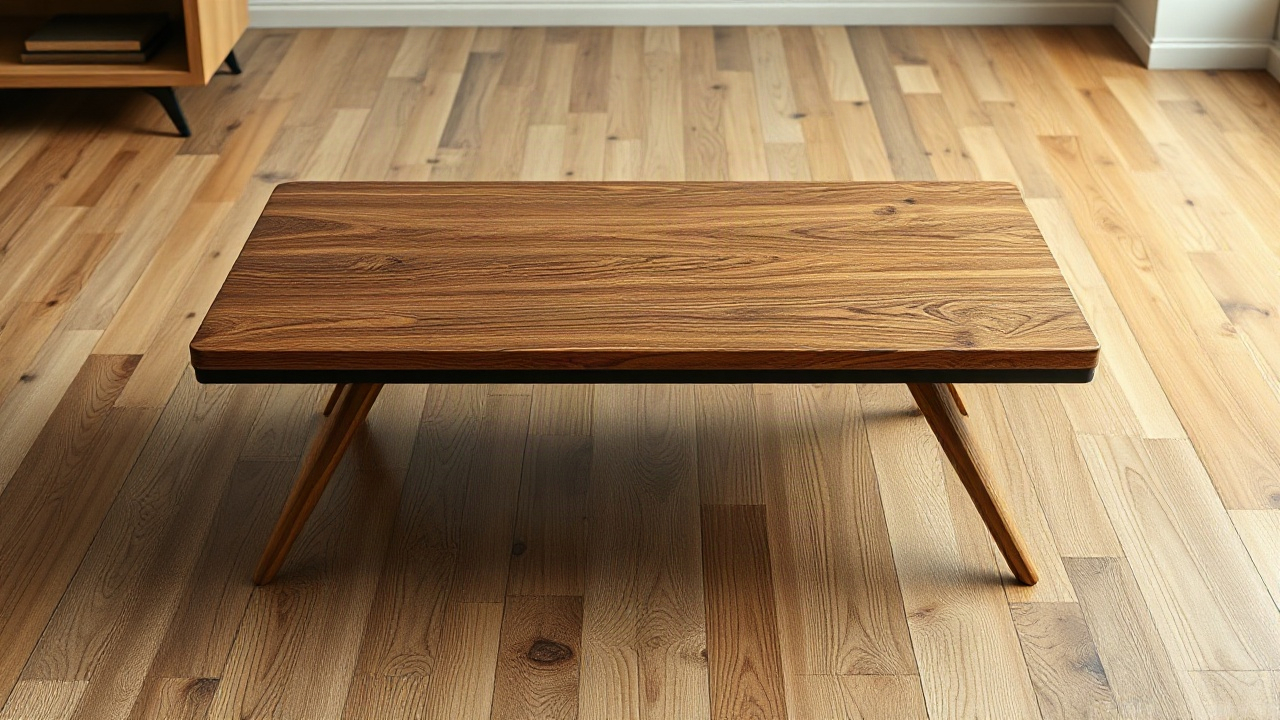
The popularity of dark, heavy woods such as wenge or mahogany is a thing of the past. Today’s favourite is a light palette: birch, ash, maple and whitewashed oak. But the secret lies not just in the colour, but in a finish that has come to be known as raw wood effect. These are special varnishes and oils with a small amount of white pigment added, which prevent the wood from yellowing and keep its appearance as close as possible to freshly cut timber.
Gen Z values light wood for its ability to make a space feel larger. In the small studio flats that are often a young person’s first home, bulky dark furniture feels oppressive. Light textures, by contrast, fill a room with air and light. This fits perfectly into the minimalist concept, where every piece should serve harmony rather than clutter everything around it.
| Wood species | Texture characteristics | Why Gen Z chooses it |
|---|---|---|
| Birch | Uniform, almost patternless | Affordability, understatement, Scandinavian vibe |
| Ash | Large, well-defined grain | Dynamic pattern, high strength |
| Oak (natural) | Classic rays, porous structure | Prestige, durability, “timeless” aesthetic |
| Pine (knot-free) | Soft colour transitions | Economy, pleasant coniferous scent |
Beyond the visual side, light wood is associated with hygiene and cleanliness. Dust is less noticeable on it, which is practical for anyone who would rather not spend a lot of time cleaning. That said, the finish must be absolutely matte. Any hint of gloss reads as dated and “plastic”. A matte finish absorbs light, creating a cosy, intimate atmosphere.
Another important aspect is how well it combines with other things. Light wood is the perfect neutral backdrop for plants, textiles and ceramics. Marketplace shoppers often look for ready-made sets: a table in pale ash, say, and wall shelves in a matching tone. This makes it easier to create a cohesive interior without hiring professional designers.
Natural oils and waxes: ecology inside the home
The safety of finishes has become a key concern. The younger generation studies the composition of finishing products closely. Traditional nitro varnishes, which release volatile organic compounds, are losing the battle to natural oils and hard waxes. Oil penetrates deep into the pores, protecting the wood from within while still letting it “breathe”. This creates that very warm touch effect, where the surface stays warm to the touch.
The popularity of oil finishes also comes down to how easy they are to restore. If a varnished table gets a scratch, the entire tabletop has to be re-sanded. With oil, it is enough to sand the damaged spot locally and apply a fresh coat. This repairability strongly appeals to Gen Z, who embrace the ideas of mindful consumption and keeping things in use for a long time.
Marketplaces are recording rising demand for products labelled “Livos”, “Osmo” or simply “finished with natural linseed oil”. For buyers, this signals quality and safety. It is especially relevant for items that come into contact with food or sit in the bedroom. Wax gives the surface a pleasant silky sheen that looks far more natural than chemical varnish.
Many brands have started stating in their product listings that their pieces are finished with products safe even for children’s toys. This is a powerful marketing trigger. Even if a buyer has no children, this information confirms the overall eco-friendliness of the product. In eco-minimalism, the quality of the finish is valued no less than the wood itself.
Trends in “wild” wood: live edge and natural flaws
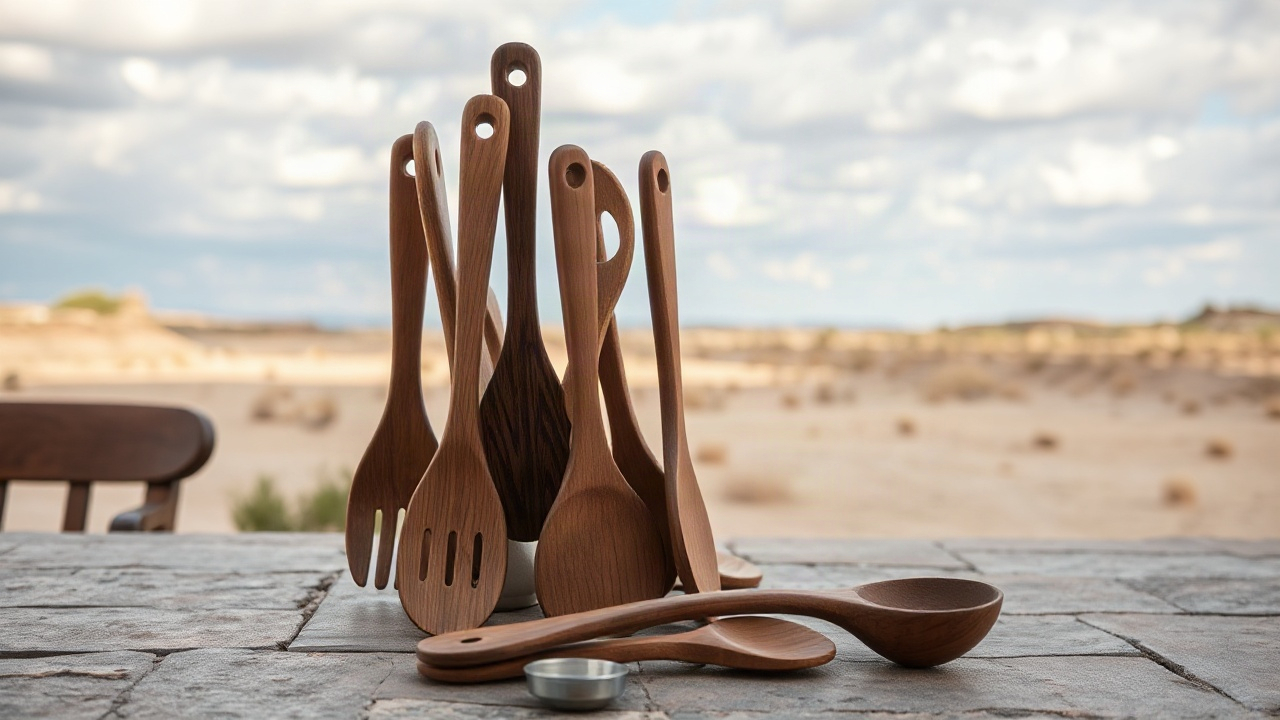
The Live Edge style is enjoying a new wave of popularity, evolving from rough loft into refined eco-minimalism. Where slabs used to be huge and heavy, Gen Z now chooses small coffee tables, consoles or cutting boards that preserve the natural shape of the trunk. It is a return to the roots, where every line is dictated by nature itself rather than by a designer’s drawing.
The wood’s imperfections have become its main virtues. Cracks filled with clear or black resin, knot marks, unusual pigment spots — all of this makes a piece feel “alive”. In marketplace listings, such features are presented as unique selling points. Buyers value the chance to own an item that no one else has.
How to spot quality “wild” wood
- Crack stabilisation: The presence of “butterflies” (wooden inlays) or good-quality resin that prevents further splitting.
- Sanding quality: Even a “wild” edge should be smooth and safe to touch.
- Even moisture content: Proper drying ensures the piece will not warp over time.
- No bark: Bark falls off over time, so on quality pieces it is carefully removed, keeping only the shape of the layer beneath it.
Interest in “wild” wood is also tied to a desire to add more natural forms to an interior. The straight lines and sharp corners of modern homes can often look sterile. A single live-edge piece can completely change the energy of a room, making it cosier and more relaxed. It is the perfect accent for a minimalist space, one that does not overload it with unnecessary decor.
Manufacturers working with these textures often use local species: elm, wych elm and oak. This supports the trend toward locality and a smaller transport footprint. Marketplace buyers feel they are taking part in supporting small workshops, which is another value that matters to Generation Z.
Matte black: graphic quality and accents
Despite the general love of light tones, one firmly established trend in eco-minimalism is black wood. But this is not a solid coat of enamel; it is a toning that leaves the wood’s structure fully visible. It may be the deep-charring technique (Shou Sugi Ban) or the use of special water-based stains. The essentials are a matte finish and preserving the grain pattern.
Black wooden elements are used as graphic accents. These might be table legs, mirror frames, hardware or small decor items. Black looks far softer and deeper in wood than in metal or plastic. It does not feel cold, retaining the natural warmth of the material. Gen Z often uses such pieces to create contrast in light interiors.
The popularity of this trend comes down to its versatility. Black wood looks equally good in an industrial context, in soft Scandinavian style and in strict minimalism. On marketplaces, people often search for “matte black ash” or “anthracite oak”. Queries like these show that the audience has become more expert and knows exactly what visual effect it wants to achieve.
Toning wood in dark shades also makes it possible to use less valuable species while giving them a noble look. Ordinary pine, for example, turns into a stylish art object after skilful brushing and a coat of charcoal oil. This opens up broad opportunities for furnishing a home stylishly on a budget, which is highly relevant for young people.
Multi-ply plywood: the aesthetic of functionality
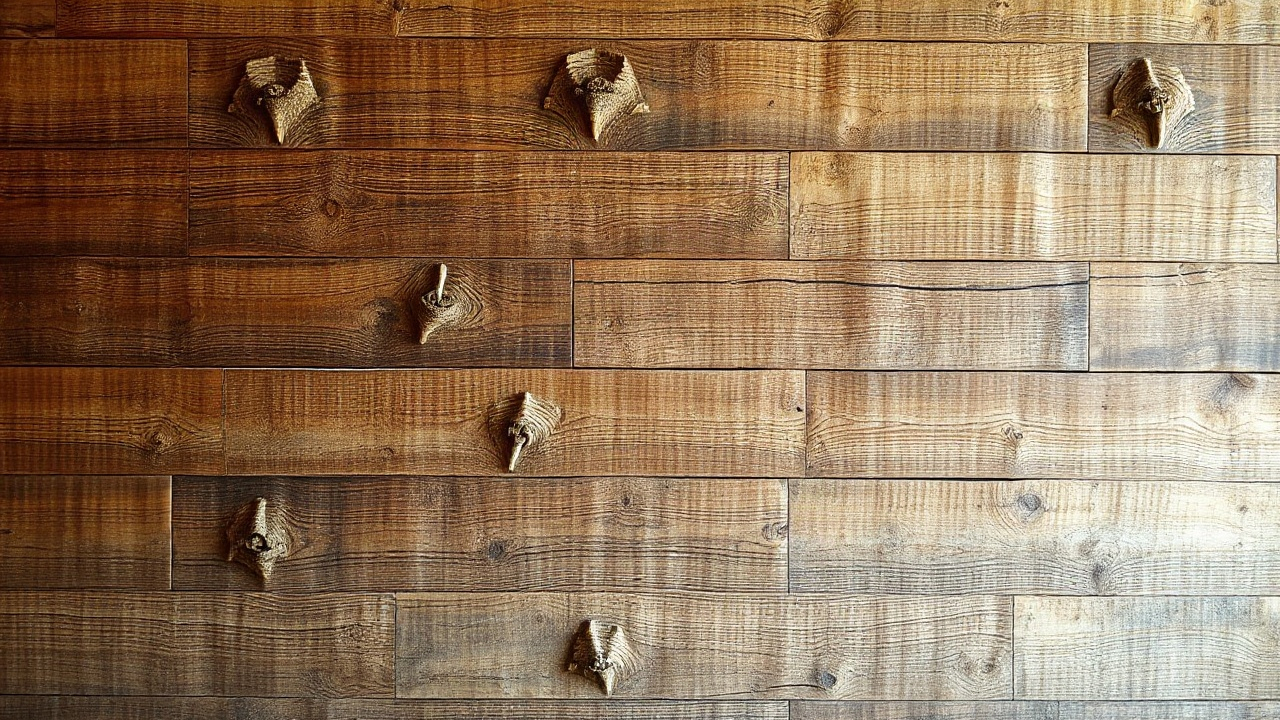
Plywood is no longer seen as a “cheap” base material. In the hands of eco-minimalist designers, it has become a symbol of honest design. Gen Z loves pieces made from high-quality birch plywood with exposed edges. The layered cross-section becomes a decorative element that highlights both the engineering and the natural character of the piece.
Storage systems, organisers and even flat-pack furniture made from plywood are in huge demand on marketplaces. This direction is closely tied to the concept of DIY (do it yourself) and customisation. Plywood is light, strong and looks very contemporary. It is ideal for creating work zones, which everyone has come to need in the era of remote work.
Why plywood has become a best-seller
- Geometric precision: A sheet material makes it possible to create perfect lines and complex shapes.
- Affordable price: With a high level of aesthetics, plywood pieces cost less than solid wood.
- Eco-friendly image: Using birch veneer is seen as a more efficient use of resources.
- Light weight: Furniture like this is easier to move during frequent relocations, which is typical of mobile Gen Z.
Plywood is usually finished with a clear oil or coloured glazes that do not obscure the layers on the edges. Pastel shades are also popular: dusty pink, olive or grey-blue, through which the wood texture shows. This creates a very soft, “Instagrammable” look that photographs beautifully on social media.
It is worth noting that buyers have started paying attention to the formaldehyde emission class (preferably E0 or E1). Information about the safety of the adhesive in plywood is one of the most common questions in product comments. This once again confirms how mindful today’s consumers are in their choices.
Micro-trends and accessories: wooden decor
Eco-minimalism is not only about sofas and tables. It is a multitude of small details that create the overall atmosphere. Marketplaces are seeing a boom in wooden accessories: incense-stick holders, minimalist numberless clocks, jewellery stands and kitchen utensils. The key requirement is the absence of superfluous decoration and a focus on the wood itself.
Gen Z values multifunctionality. A wooden board, for example, can serve for chopping, for an eye-catching presentation of snacks and as a decorative element on the kitchen wall. This does away with visual noise and unnecessary objects. Preference goes to simple geometric shapes: circles, ovals and rectangles with gently rounded corners.
A special place is held by items made from recycled wood. These are pieces created from old boats, barn boards or pallets. The “story” embedded in such an item is highly valued. Buyers feel they are saving the planet by choosing something with a past. On marketplaces, such products are often accompanied by detailed accounts of the material’s origin, which creates an emotional bond between brand and buyer.
To sum up this review of the trends, Gen Z’s choices are a balance of aesthetics, tactile comfort and environmental responsibility. Wood in an interior has ceased to be merely a building material and has become a way of declaring one’s values. By choosing matte textures, light tones and natural finishes, the new generation is creating spaces where you want to slow down and simply be in the moment.





