
How to choose the right wood-based materials for making furniture of every kind

Choosing wood-based materials is one of the most important stages in producing quality furniture. How well the material is selected determines not only the appearance of the future piece but also its strength, durability and comfort in use. This is especially true when furniture is intended for different purposes — from kitchen cabinets and tables to beds and office chairs — and the approach to choosing the wood must be considered and professional.
In this article I will try to explain in detail and as clearly as possible which factors to consider when choosing wood-based materials, which wood species are best suited to different types of furniture, and also what to pay attention to when buying and machining timber.
Why does the choice of wood-based material matter so much?
Wood is a living material. Every species of timber has unique properties: colour, texture, density, resistance to moisture and mechanical loads. These qualities determine how long the furniture will last, how well it will keep its attractive appearance and how comfortable it will be to use.
Imagine a kitchen table made of softwood that, after a couple of months of use, becomes covered in dents and scratches, or a cabinet made of a material prone to swelling in high humidity. Such situations are common if the material is chosen incorrectly.
It is also important to remember that different types of furniture carry different functional loads. For example, a bed must bear a person’s weight and not creak, while a cabinet must be stable and not warp under load. For each case there are optimal wood-based materials.
The main categories of wood-based materials for furniture
Before we delve into the details of the choice, it is useful to understand exactly which materials we can work with:
- Solid wood — a single piece of timber cut and machined to the required size. This is the most natural and expensive option, with excellent technical characteristics and beauty.
- Veneer — a thin layer of natural wood glued to a base of less valuable species or even to MDF and particleboard. It makes it possible to achieve a beautiful surface at a lower cost.
- Particleboard (PB) — pressed sawdust with adhesive. This is a budget-friendly and widespread option, but in strength and durability it falls short of solid wood.
- MDF (medium-density fibreboard) — a finer structure compared with particleboard, which gives a smoother surface and better workability.
- Laminated panels — coated with film or plastic to improve the appearance and provide protection.
Each of these materials has its pros and cons, and the choice depends on the furniture’s purpose, the budget and the requirements for appearance.
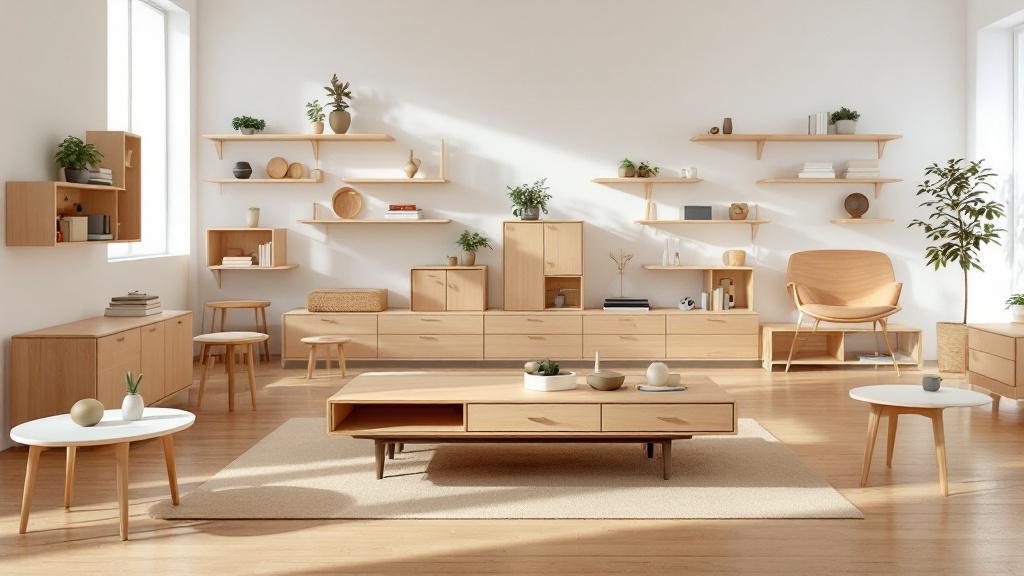
How to determine which material suits a particular type of furniture?
Furniture for the living room and bedroom
Here the main factors are aesthetics and durability. Solid wood, for example oak, ash or walnut, is the ideal choice. It looks luxurious, only gains in nobility over time and lasts for decades.
If the budget is limited, veneer on MDF is worth considering — such a material keeps the appearance of natural wood but costs less and is easier to machine.
Kitchen furniture
The kitchen is a place of high humidity and sharp temperature changes. That is why the materials must be moisture-resistant and heat-resistant.
For fronts, MDF with a PVC film or enamel coating is often used — this provides protection and is easy to clean. For carcasses, moisture-resistant particleboard or melamine-faced chipboard is suitable.
Solid wood can be used, but always with reliable protective impregnation and coating. Oak and beech, for instance, are very popular thanks to their durability.
Office furniture
Here practicality and wear resistance matter. The optimal choice is MDF with a laminated surface, particleboard with a protective film, and also solid birch or beech. They are strong enough while not being too heavy.
Which wood species are most popular and why?
Oak
Oak is a symbol of strength and durability. Its dense structure is resistant to mechanical damage and to moisture. Oak furniture lasts for decades without losing its looks. At the same time, oak sands and stains easily.
Ash
Ash is a little lighter than oak but also very strong. It is distinguished by a light colour and a beautiful pronounced texture, which gives furniture a special refinement.
Walnut
Walnut is a premium material with a rich dark tone and a noble texture. It is not only beautiful but also fairly strong, although it is softer than oak.
Beech
Beech is a versatile wood of medium hardness and light tone. It machines well, which makes it popular with furniture makers.
Pine
Pine is a softwood with characteristic knots. It is affordable and easy to machine, but requires additional protection against moisture and damage.
How to check the quality of wood when buying?
It is very important not to get the quality of the material wrong, so that you do not end up with a piece that quickly deteriorates.
- Moisture content of the wood. The optimal moisture content for furniture is around 8–12%. Wood that is too wet may warp, crack or rot.
- Uniformity of colour and texture. Solid wood should have no sharp colour changes or spots of rot.
- Absence of cracks and loose knots. Knots are acceptable, but they should not be loose or crumbling.
- The smell of the wood. Natural wood has a characteristic smell, while foreign chemical odours may indicate low quality or improper treatment.

Machining wood: from blank to finished product
Quality furniture is the result not only of the right material choice but also of skilful wood machining. Let us look at the key stages.
Drying the wood
A very important stage that has a direct impact on the furniture’s durability. Freshly felled wood contains a lot of moisture — up to 50%. Such wood is unsuitable for making furniture, as it may warp, crack or shrink.
Drying can be natural (air drying) or kiln drying (artificial). Kiln drying is considered more effective, as it makes it possible to bring the moisture content quickly and evenly to the required 8–12%. When buying wood, always check whether it has been properly dried.
Resawing and planing
After drying, the wood is machined: it is sawn, planed and its surface brought to a smooth finish. For furniture, an even and smooth surface, without burrs or chips, is especially important.
Milling and sanding
Milling makes it possible to create decorative elements and complex shapes that give furniture a unique design. Sanding, in turn, is needed to remove small imperfections and prepare the surface for the application of protective coatings.
Protecting the wood: so that the furniture lasts a long time
Wood, despite its natural beauty, is susceptible to environmental effects: moisture, ultraviolet light, fungi and insects. To avoid damage, it is treated with special compounds.
Impregnations and preservatives
Preservative compounds prevent rot and the appearance of mould. They are especially important for furniture that will be located in rooms with high humidity (kitchens, bathrooms).
Impregnations penetrate deep into the wood’s structure and preserve its natural appearance without changing the colour.
Varnishes and oils
Varnishes create a transparent protective coating that highlights the wood’s texture and gives it a sheen. They come in matt, gloss and semi-gloss. For furniture subject to mechanical loads (tables and cabinets, for example), it is advisable to choose more durable varnishes.
Oils nourish the wood, make it more elastic and protect it from drying out and cracking. Oil coatings are well suited to furniture made of solid species that need natural, “breathable” protection.
Paints and stains
If you want to change the colour of the wood, stains are used — they highlight the structure, giving the wood the desired tone. Paints, on the other hand, create a solid colour coating that conceals the texture. Paints are often used to coat furniture for children’s rooms or offices, where a bright colour is important.
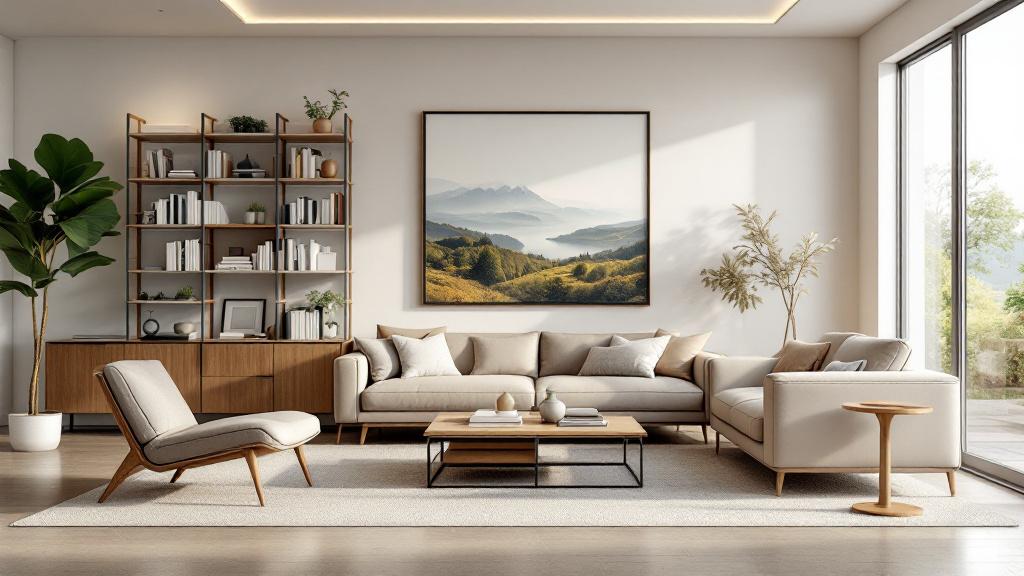
How the choice of wood-based materials differs for different furniture styles
Every furniture style — from classic to minimalism — requires a special approach to the choice of material.
Classic furniture
Here preference is given to solid wood of fine species — oak, walnut, mahogany. This makes it possible to create elegant carved elements and complex constructions. For the classic style, texture and naturalness matter, so artificial coatings are used minimally.
Loft-style and industrial-design furniture
For this style, rough and natural materials are suitable: untreated solid pine or birch, sometimes metal combined with wood. The material should look natural, with visible knots and cracks.
Contemporary minimalism
In minimalism, MDF and particleboard with a laminated or matt surface are often used. Colours are neutral, textures smooth, often glossy. This approach reduces cost and makes the furniture easier to care for.
Practical tips for choosing wood-based materials
- Define the functional requirements. First think about what load the furniture will bear, where it will stand and how often it will be used.
- Choose a suitable material. For furniture with high loads — solid hardwood; for decorative elements — veneer; for budget solutions — MDF or particleboard.
- Pay attention to quality. Check the moisture content, the absence of defects and the uniformity of colouring.
- Take the operating conditions into account. Humidity, temperature, the possibility of mechanical damage.
- Do not forget about treatment and protection. Even the strongest wood needs the right coating.
How to combine different materials for optimal furniture?
In modern furniture production, several materials are often combined. For example:
- A carcass of particleboard or MDF with a laminated surface — economical and practical.
- Fronts of solid wood or veneer — beautiful and durable.
- Decorative elements of plywood with an applied veneer — light and aesthetic.
This approach makes it possible to reduce cost while keeping an attractive appearance and good technical characteristics.
Conclusion
The choice of wood-based materials is the foundation of quality furniture. It should be approached responsibly and consciously, taking into account all the nuances: the type of furniture, the operating conditions, the budget and the desired appearance.
Solid wood is classic, durability and beauty, but not always an affordable option. Modern technologies make it possible to combine solid wood with other materials, keeping a balance of price and quality.
Do not forget that any wood needs proper drying, machining and protection. This is the guarantee that the furniture will serve for many years, delighting you with its functionality and appearance.





