
Why you should trust the cutting of sheet wood materials to professionals
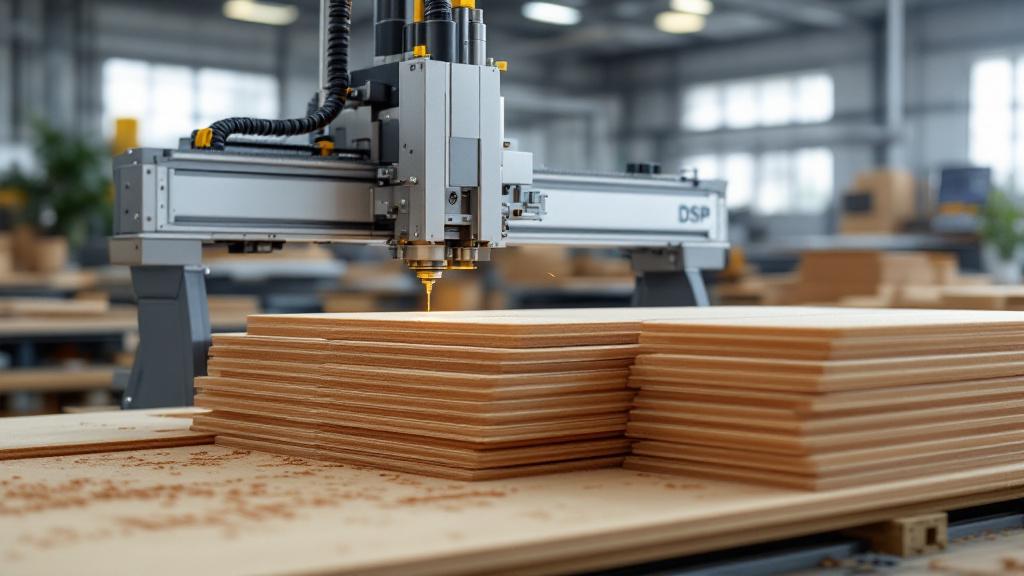
When it comes to working with wood, many people believe they can handle everything themselves. This is especially true of cutting sheet materials. It looks simple: mark it out, saw it, and you’re done. But in reality it’s nothing of the sort. And here is why it’s better to leave this job to the people who have been doing it for years.
What cutting-to-size is, and why it isn’t as simple as it looks
Cutting-to-size isn’t just about sawing a sheet of plywood or particleboard into pieces. It’s a whole science. You have to account for a host of little details in order to end up with quality parts, free of defects and with a minimum of waste.
At first glance, what could be difficult about it? You buy a sheet, mark out the required dimensions, and saw along the line. But this approach hides plenty of pitfalls that a beginner may not even suspect.
First you need to mark out the material correctly. Seems easy enough — grab a tape measure and a pencil, and off you go. But even here there are subtleties. If you don’t allow for the thickness of the saw blade, the dimensions of the parts may not add up. And that, in turn, means the piece will be assembled crooked, or won’t go together at all.
In addition, you have to take grain direction into account. This is especially important for plywood. Saw a sheet across the grain and you can end up with a ragged edge that’s hard to finish. And that affects the appearance of the finished piece.
Another important point is the choice of tool. You can’t use an ordinary handsaw to cut sheet materials. You need a special tool that delivers a straight, clean cut.
And all this is just the tip of the iceberg. Beyond it lie even trickier issues that call for experience and know-how.
If you want a quality product that will serve you for a long time and look the part, it’s better not to take the risk and to turn to professionals instead. They know all the fine points and can do everything to the highest standard.
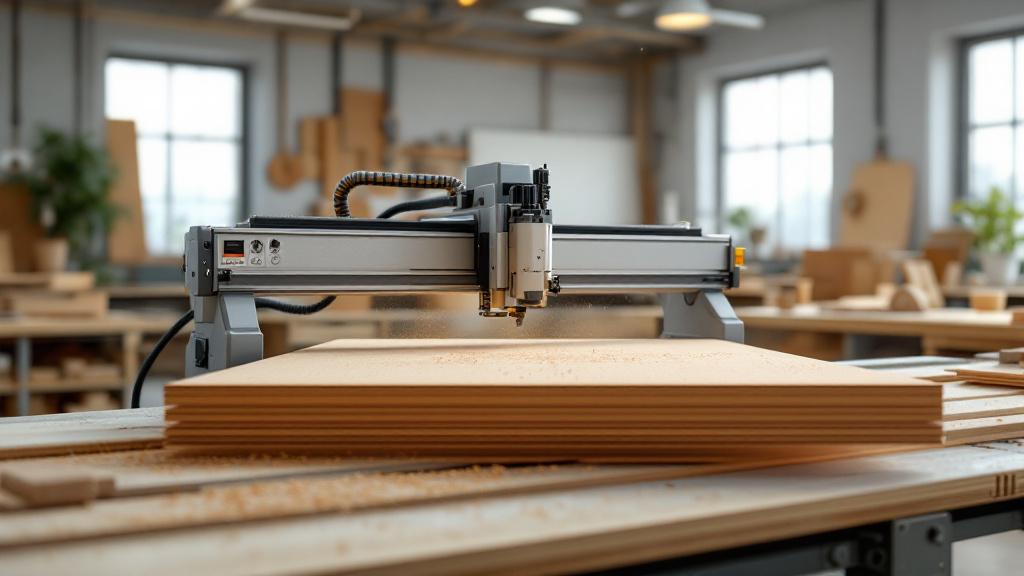
Precision and quality: the key to success
When people talk about cutting, the first thing that comes to mind is precision. It determines how well the parts fit together and how the finished piece will look. Even the smallest error can ruin everything.
Imagine you’re building a cabinet. If the parts are a couple of millimetres smaller than they should be, there will be gaps between them. That not only looks bad but can also affect the strength of the structure.
Professionals use special equipment that makes it possible to achieve perfect accuracy. These are CNC machines (computer numerical control) that cut material to pre-set parameters. They eliminate the human factor and get everything done quickly and to a high standard.
In addition, specialists keep an eye on the condition of their tools. A dull blade or cutter can cause chipping and unevenness along the edge. And that, in turn, calls for extra finishing, which increases the cost and the time of the job.
If you want your piece to look as if it were custom-made, you shouldn’t skimp on the cutting. It’s better to pay professionals once than to redo everything yourself later.
Saving time and materials
Many people think that cutting the material yourself will help save money. But that’s actually a misconception.
First, bear in mind that you’ll most likely use up more material than necessary. A beginner often makes mistakes in the calculations and lays out the cut incorrectly. As a result, part of the material simply goes to waste. Professionals use special software that optimises the cutting layout and minimises the number of offcuts.
Second, time is money. Cutting the material yourself will take you a lot of time. You’ll have to spend it learning the finer points, tracking down the right tool, and on the process itself. And if something goes wrong, you’ll have to redo it as well.
Professionals, on the other hand, will get it all done quickly. They have all the necessary equipment and experience. They can complete the order within tight deadlines and without any loss of quality.
Safety above all
Working with cutting tools always carries a risk. A single careless movement can lead to injury. This is especially true when handling large sheets.
Professionals observe all the safety measures. They work in special protective goggles and gloves and use extraction systems to remove dust. They have special fixtures that help clamp the material and prevent it from shifting during the cut.
If you decide to do it all yourself, you’ll have to buy all of this equipment. And it doesn’t come cheap. On top of that, you also have to learn how to use it. And that takes time and effort too.
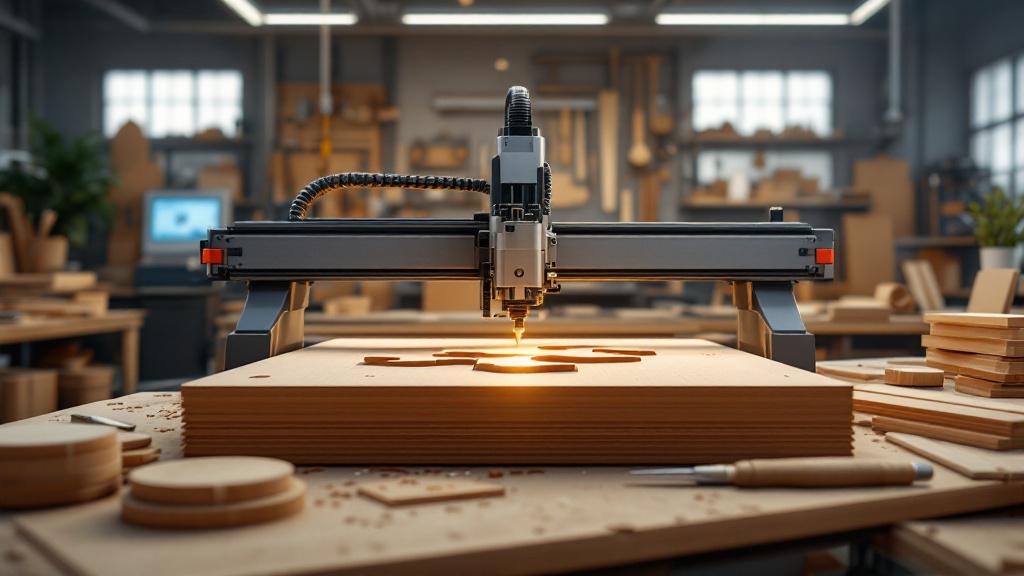
Optimising the cutting layout: how not to throw money away
Optimising the cutting layout is a process that makes the most efficient use of the material. If you’re making several parts from a single sheet, you need to arrange them so that waste is kept to a minimum.
Professionals use special software that automatically generates the optimal cutting plan. It takes into account the dimensions of all the parts, the thickness of the saw blade, and other parameters.
As a result, you get not only quality parts but also savings on material. And that, in turn, lowers the cost of the whole piece.
A wide range of materials and tools
Professionals work with a variety of materials:
- Plywood.
- Particleboard.
- MDF.
- Acrylic glass.
- Aluminium.
- Plastic.
Each of them calls for its own approach and its own tool. For example, plywood needs one blade and MDF another. If you try to cut MDF with a blade meant for plywood, you risk ruining both the material and the tool.
Professionals have all the necessary equipment and tooling in their arsenal. They know which blade or cutter suits a given material.
No chipping or unevenness
Another problem beginners run into when cutting on their own is chipping and unevenness along the edge. It can appear if the tool is dull or if the cutting mode is chosen incorrectly.
Chipping spoils the appearance of the piece and can make it harder to finish. Professionals use special equipment that makes it possible to avoid this problem.
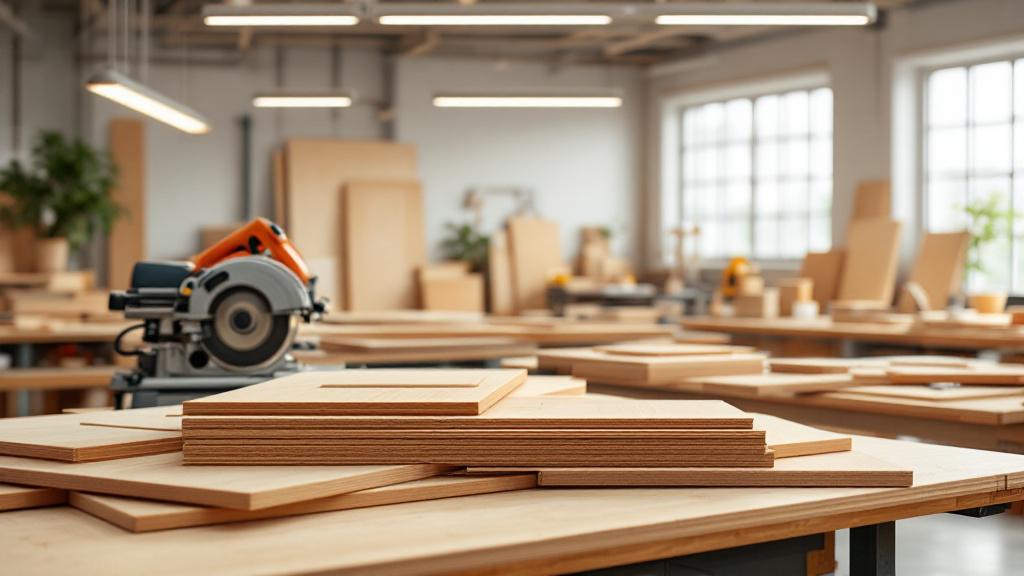
A quality guarantee
When you turn to professionals, you get a quality guarantee. If something goes wrong, they’ll redo everything at their own expense.
But if you do it all yourself, you’ll have to pay for the mistakes yourself. And you’re lucky if it’s only a small piece of material. But if it’s a whole sheet, that’s already a serious loss.
Additional services
Professionals can offer you not only cutting but other services as well. For example, drilling for fittings (hardware boring), routing grooves, edge banding, and so on.
This is very convenient, since you won’t have to look for other specialists. Everything can be done in one place.
Cutting sheet materials is a complex and demanding process that requires knowledge, experience, and special equipment. If you want a quality product that will serve you for a long time and look the part, it’s better not to take the risk and to turn to professionals. They’ll do everything quickly, to a high standard, and with a minimum of waste.
- Don’t take the risk of trying to do it all yourself if you don’t have the experience.
- Save time and materials by turning to specialists.
- Get quality parts free of chipping and unevenness.
- Spare yourself the headache and the risk of injury.
- Take advantage of the additional services professionals can offer.
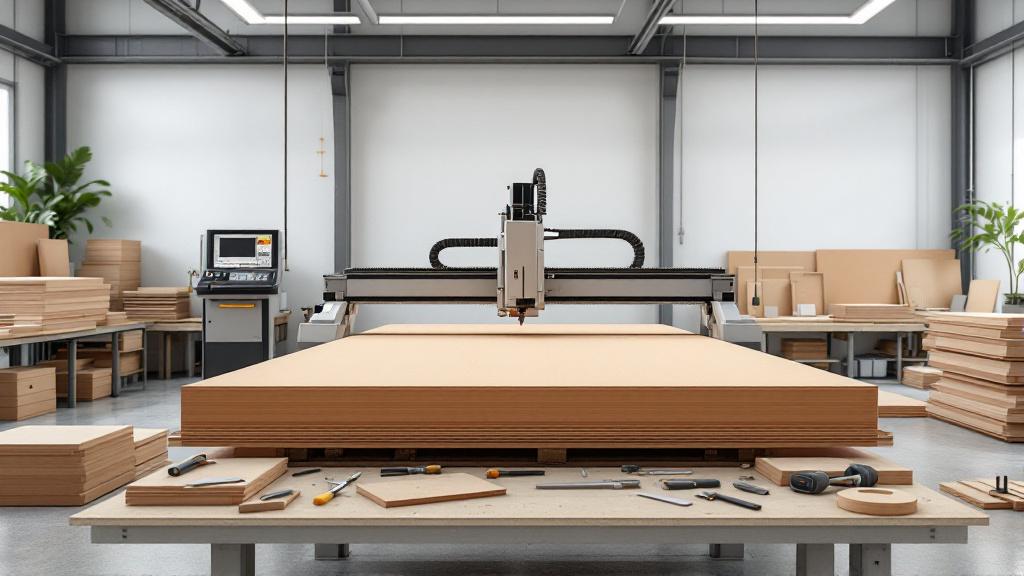
Where does quality come from? The secrets of professional cutting
At first glance, cutting is simple. But behind every straight cut, behind every perfectly fitted part, lies a whole chain of processes that many people never even think about.
First comes the material preparation. Professionals don’t just grab a sheet and start cutting. They inspect it for defects and check it for hidden internal stresses that could cause warping after the cut. This is especially important for plywood, where the layers may have been glued with flaws.
Next comes the software. Experienced craftsmen don’t just use a calculator. They have specialised programs that analyse the dimensions of all the parts and the direction of the grain. Such software doesn’t merely minimise waste — it takes into account how the finished piece will look. For example, if you need to make fronts for a cabinet, the program will arrange them so that the grain pattern is the same across all the parts. This is called grain matching, and it’s what makes furniture truly beautiful.
An important role is played by the choice of tool. Professionals always have a whole arsenal at hand. Cutting melamine-faced chipboard (MFC) requires a blade with a special sharpening angle to avoid chipping the laminated layer. Special cutters are used for the finish machining of plywood edges. Using the wrong tool is a direct route to defects, which a beginner most likely won’t notice right away.
After cutting, every part undergoes quality control. Craftsmen check dimensions to within tenths of a millimetre. They look at the quality of the edge, the absence of chipping, the straightness of the cut. If something is off, the part is immediately sent for rework or scrapped.
Another important aspect is equipment upkeep. Professional machines are complex mechanisms that require regular maintenance. Craftsmen keep an eye on the sharpness of the tools, the condition of the guides, and the settings. If a machine is out of tune, it starts to “wander”, and that immediately shows up in the quality.
- Material preparation — checking for defects and internal stresses.
- Cutting-layout optimisation — using specialised software to minimise waste and match the grain pattern.
- Choice of tool — using the right blade or cutter for each material.
- Quality control — checking every part after cutting.
- Equipment maintenance — regular adjustment and sharpening of the tools.
All these little things add up to give the kind of quality you can’t get in a garage on a makeshift setup.
Costs and benefits: let’s do the maths together
Many people think that turning to professionals is expensive. But let’s do the maths.
Let’s say you need to make the parts for a small cabinet. You’ve decided to do the cutting yourself. You’ll need to buy:
- A sheet of melamine-faced chipboard (MFC)
- A saw blade (if you already have a circular saw)
- A tape measure, pencil, square
- Protective equipment (goggles, gloves, respirator)
If something goes wrong, you can ruin a sheet of material. And that means extra costs. On top of that, your time is worth money too. If you spend a whole day on the cutting, that can be counted as lost earnings.
On the other hand, you turn to professionals. You pay only for the finished parts. The price already includes:
- The material (with an optimised cutting layout)
- Work on high-precision equipment
- A quality guarantee
Often the price of professional cutting is comparable to what you’d spend on the materials and tools for doing the job yourself. But in this case you get quality and save your own time.
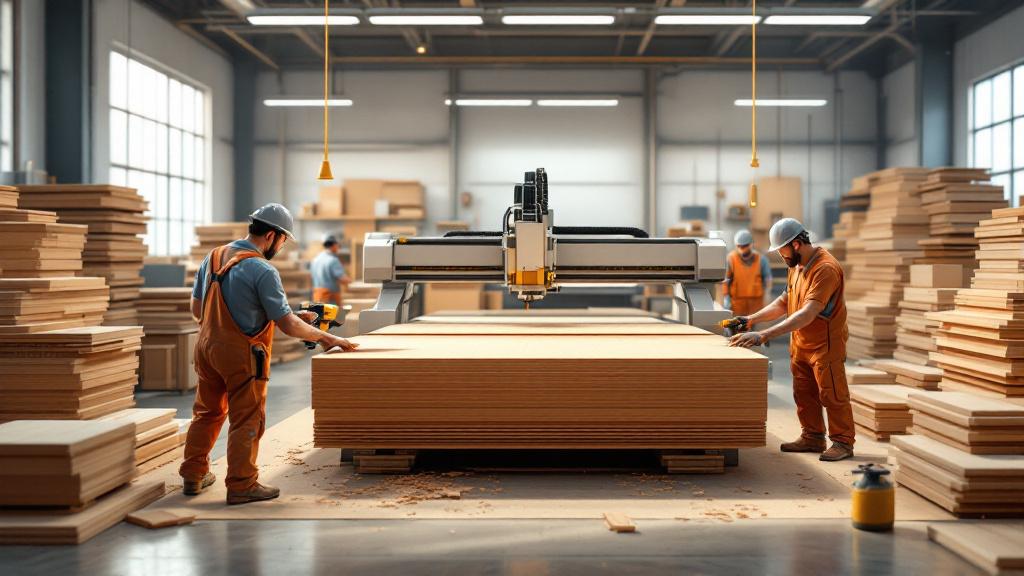
Professional services as part of the production process
In the business of making furniture or joinery, cutting is one of the key stages. The entire production process depends on its quality.
If the parts are cut inaccurately, this leads to delays at the following stages: hardware boring, edge banding, assembly. Time will have to be spent on fitting, which slows the work down and increases costs.
Professionals understand this and take their work responsibly. They know that their clients are other companies that depend on the quality of their services.
- Speed — professionals complete orders within tight deadlines, which helps shorten the production cycle.
- Precision — perfectly accurate cutting eliminates delays at the following stages.
- Quality — the high quality of the cutting affects the quality of the finished piece.
If you’re in manufacturing, you shouldn’t take the risk of doing the cutting yourself. It’s better to leave it to the professionals.
The less obvious advantages of a professional approach
When you order cutting from professionals, you get more than just quality parts. There are also other, less obvious but no less important, advantages:
Consultation. An experienced specialist can advise which material is best suited to your project and how best to arrange the parts to avoid defects.
Additional services. Many companies offer a full cycle of services: from cutting to assembly. This is very convenient, since you won’t have to look for different contractors.
Peace of mind. If you decide to do the cutting yourself, be prepared for something to go wrong. It could be ruined material, a broken tool, or something else. All of that is stress you can avoid by turning to professionals.
In summary: why you should trust the specialists
Cutting the material yourself is, of course, an interesting experience. But if you want a quality product and want to save time and money, it’s better to leave this job to those who specialise in it.
- Quality and precision. Professionals work on high-precision equipment, which rules out mistakes.
- Savings. Optimising the cutting layout makes it possible to save on material.
- Safety. Working with cutting tools always carries a risk.
- Guarantee. You get a guarantee on the work performed.
- Additional services. The option to order a full cycle of services in one place.
- Peace of mind. You spare yourself the headache and the stress.
We hope this article has helped you understand why cutting sheet wood materials is best left to professionals.





