
Why the sauna products niche stays in demand

The market for sauna and steam-room products is a unique blend of long-standing culture and modern consumer trends. Despite the arrival of countless high-tech ways to relax, the ritual of visiting the steam room remains a fundamental part of life for millions of people. It is not merely a hygiene routine but a deeply rooted form of social connection and well-being. For an entrepreneur this means steadily high demand that is barely affected by sudden swings in fashion. People have always built saunas and always will, which means consumables and equipment will always find a buyer.
What sets this niche apart is its high margins on certain product categories. While complex equipment such as heaters may carry a modest markup because of competition, add-on products — bath whisks, essential oils, textiles and small accessories — allow markups of 100% to 300%. This is because such purchases are often made on impulse or as a supplement to the main purchase, while their cost price stays fairly low with well-planned logistics.
On top of that, the sauna industry is moving firmly towards premiumisation. Today’s consumer is willing to pay more for eco-friendly materials, exclusive scents and designer accessories. Where the sauna was once associated with simple rural life, it is now a whole wellness industry. The emergence of new formats such as thermal complexes and private spa areas is broadening the target audience, drawing in not only country-house owners but also city dwellers seeking quality relaxation.
Classifying your range: from consumables to equipment
Building a well-thought-out product matrix is the key to survival in a narrow niche. The entire product list can be divided into three main groups, each serving its own financial purpose. The first group is anchor products. These include sauna heaters, chimneys, water tanks and doors. They draw the customer into the shop, call for professional advice and generate a high average order value, yet deliver a relatively low profit percentage because of aggressive price-cutting by manufacturers.
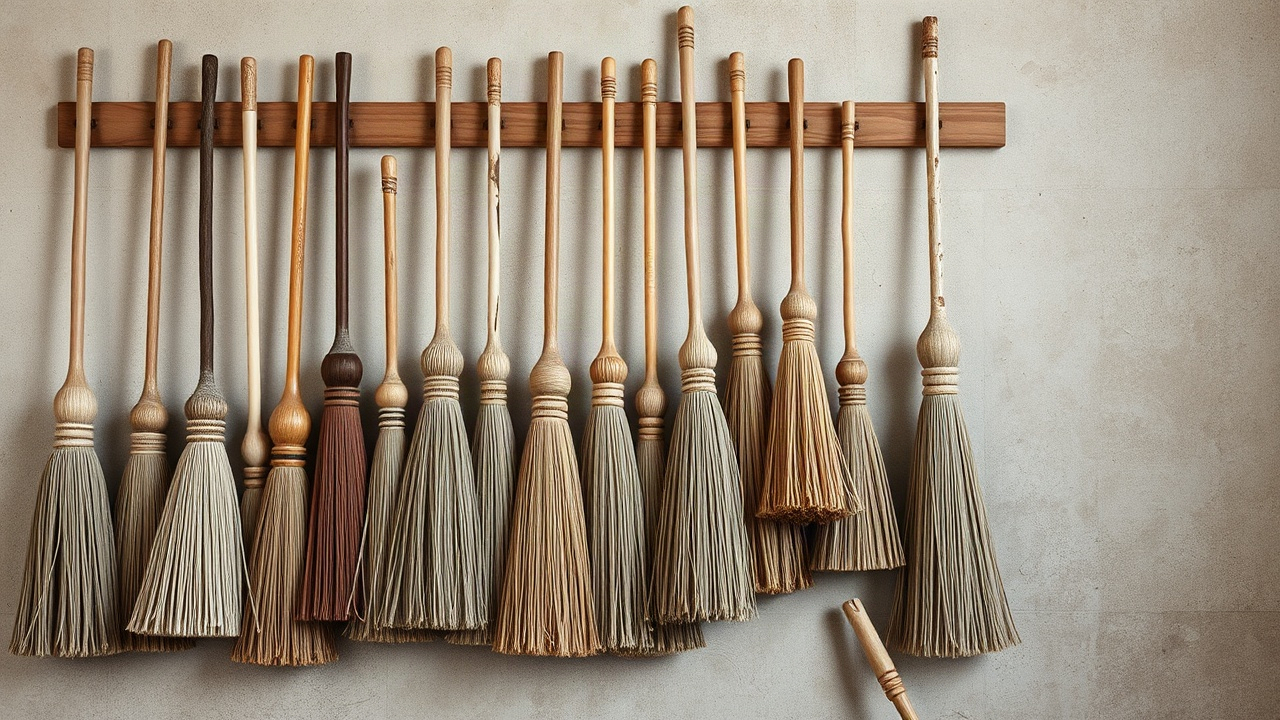
The second group is consumables. Bath whisks, fuel briquettes, steam-room salts and chimney-cleaning products. These are the items the customer comes back for again and again. They are what provide steady footfall and rapid capital turnover. The quality of a bath whisk, for instance, can be the decisive factor: if a customer likes the cut and the aroma, they will become a regular at your shop even if they bought their heater elsewhere.
The third group is accessories and textiles. This is the most emotional category, where margins peak. It includes:
- Wooden utensils: bath pails, tubs and dousing buckets.
- Textile items: felt and wool hats, kilts and robes.
- Measuring instruments: thermometers, hygrometers and sand timers.
- Lighting: linden-wood shades, salt lamps and moisture-proof fixtures.
Margins and pricing in the sauna business
To understand the economics of the business it is important to sort products by profitability. Below is a table showing an approximate distribution of markups in the retail segment, which helps balance the overall profitability of the operation.
| Product category | Average markup | Turnover | Role in the business |
|---|---|---|---|
| Heaters and chimneys | 15-25% | Low | Generating turnover |
| Timber (cladding, bench boards) | 20-35% | Medium | Attracting builders |
| Bath whisks and herbs | 100-250% | High | Generating net profit |
| Essential oils and cosmetics | 150-300% | High | Upsells at the till |
| Changing-room furniture | 40-60% | Low | Raising the average order value |
The biggest profit is hidden in the details. Selling a single sauna stone (jadeite or soapstone) in attractive packaging can, for instance, bring more profit in percentage terms than selling the entire metal body of a heater. It is important to train staff to offer related products. Someone buying a heater is a “hot” customer who needs stones, a chimney, heat shielding and a first batch of firewood or briquettes. Bundled selling is the key to high profitability.
Choosing suppliers and the logistics nuances
Working with suppliers in the sauna niche calls for flexibility. Large heater factories often dictate their terms and control recommended retail prices. In the accessories and textiles segment, however, the market is far more fragmented. Here you can and should work with small manufactories and private workshops. The best bath whisks, for example, are often supplied by gatherers from clean, unpolluted areas rather than by large agricultural holdings.
The logistics of heavy goods (heaters, tanks) eats up a significant share of profit, so it pays to look for regional makers of metalwork. Small decorative items and textiles, on the other hand, can be ordered in large batches, as they are light and need no special storage conditions. It is important to watch seasonality: bath whisks are gathered in early summer, and that is exactly when you need to lock in volumes and prices for the whole year ahead, otherwise by winter the purchase cost will have doubled.
Criteria for choosing a reliable partner:
- Certificates for the timber and impregnations (safety when heated).
- The ability to produce goods under your own private label (own brand).
- A flexible system of volume discounts and payment terms.
- Reliable supply during peak seasons (November–December).
Seasonality: how to smooth the dips and profit at the peaks

The sauna business is traditionally considered seasonal, with a pronounced peak in the cold months. From October to March, demand for accessories, cosmetics and bath whisks rises many times over. People visit public saunas more often and use their own more intensively. December is a month of extraordinary sales, when sauna products become popular holiday gifts. During this period it is important to keep a sufficient stock of gift sets on hand..
The summer period, however, should not be a loss-maker. Summer is a time of active building work. It is in the warm months that people buy heaters, doors, windows and materials for finishing steam rooms. To smooth out seasonality it is worth expanding the range with products for outdoor recreation and improving the grounds. Smokers, barbecue grills and outdoor wooden furniture — these categories fit the sauna theme naturally and keep buyers interested in the off-season.
Another way to fight seasonality is working with the B2B segment. Commercial saunas, spa centres and fitness clubs buy consumables all year round. Signing contracts for the regular supply of bath whisks, oils and disposable slippers ensures a steady cash flow in the quiet months. Working with professional bath attendants also pays off: they become opinion leaders and recommend your shop to their clients.
Fitting out the retail space and merchandising
The atmosphere in a sauna products shop plays a critical role. This is one of the few niches where aroma is a powerful sales tool. The scent of natural wood, dried wormwood and essential oils should greet the customer right at the entrance. Open display lets customers judge the quality of the wood, the softness of the felt or the texture of the stone by touch. The customer should be able to “try on” their future sauna.
Effective merchandising in this field means creating ready-made solutions. Instead of simply laying whisks out on shelves, it is worth setting up a small installation: a “First Steam Kit” or a “Sauna Party Basket”. When a customer sees a ready bundle, the barrier of choice disappears and the average order value grows. It is also important to separate the zones: the technical area with heaters and chimneys should be set apart from the cosy area with textiles and cosmetics.
Particular attention should be paid to lighting. Warm yellow light brings out the texture of the wood and creates the sense of cosiness typical of a sauna’s changing room. Using natural materials in the shop’s own fit-out (solid-wood shelving, linen curtains) inspires confidence in the quality of the goods on offer. Do not forget demonstration areas — being able to see a heater “in cross-section” or touch different types of cladding helps the customer decide faster.
Trends and innovations: how to surprise the discerning customer
The modern sauna is about not only tradition but also high technology. One of the main trends of recent years has been the use of Himalayan salt in interiors. A wall panel of backlit salt bricks not only looks beautiful but also creates the effect of sea air when heated. Selling such structures is a high-margin service that includes both the material itself and the installation work.
Another promising direction is automating processes in the steam room. This includes automatic dispensers that pour water onto the stones, lighting control systems (chromotherapy) and smart controllers for electric heaters. Buyers increasingly seek comfort and safety, so demand for sauna electronics is growing. Offering such solutions sets a shop apart from competitors that trade only in classic equipment.
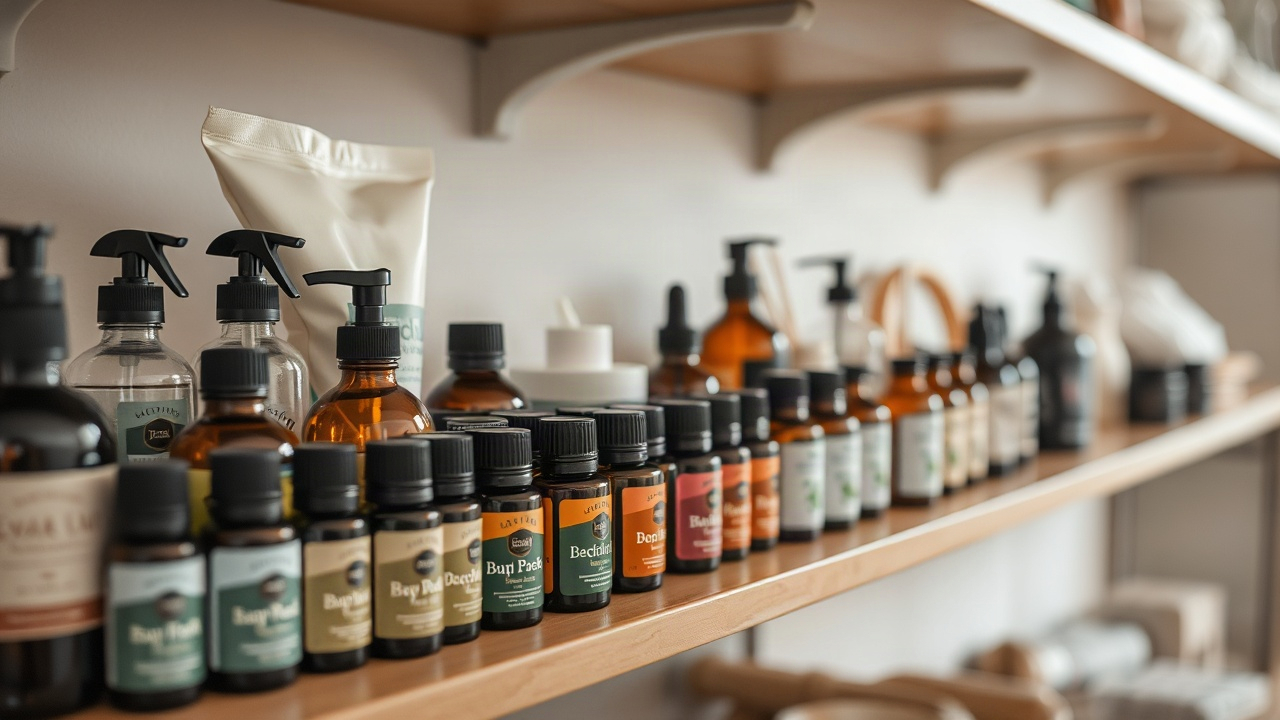
Nor should the eco-trends be forgotten. Natural paraben-free cosmetics, scrubs based on honey and sea salt, herbal teas and blends — all of this fits the healthy-lifestyle concept. Customers are becoming more informed and more demanding about product ingredients, so having “bio” or “eco” labelled products in your range is becoming a necessity rather than a luxury.
Marketing and promotion channels in a narrow niche
In the sauna products niche, local promotion and word of mouth work extremely well. If you have a physical shop, listing on maps and gathering positive reviews is priority number one. Many people search for products “near the country house” or “on the way to the cottage”. Outdoor advertising along the roads leading to residential estates also proves highly effective.
Content marketing lets you attract an expert audience. Running a blog or social media where you explain how to choose the right stones for a heater, how linden differs from alder or how to properly steep an oak bath whisk builds trust. Video reviews of heaters in action or test-drives of sauna accessories work brilliantly for engagement. People love watching fire and steam — use this in your visual content.
Useful tools for promotion:
- Partnering with construction crews (a referral scheme for bringing in customers for heaters).
- Running master classes on steaming or aromatherapy right in the shop.
- Creating loyalty programmes for regular customers and professional bath attendants.
- Active participation in themed trade fairs and festivals.
E-commerce in this niche has its own peculiarities too. Heavy goods are hard to sell through marketplaces because of expensive logistics, but accessories and textiles do superbly there. The optimal strategy is to sell bulky equipment through your own online shop with a delivery-and-installation service, while actively promoting the smaller items on Wildberries or Ozon, using their enormous reach.





