
Trends toward natural, eco-friendly décor

The popularity of eco-friendly materials in interiors has stopped being a passing phase and turned into a lasting standard of consumption. On the largest sales platforms, buyers increasingly choose wood, because the material is associated with cosiness, durability and safety. Amid the mass production of plastic goods, the unique texture of wood becomes a symbol of premium quality, even when we are talking about mass-market products.
Wood has a unique ability to fit almost any interior style — from Scandinavian minimalism to industrial loft. This widens the target audience for a seller. The very same item, say a rough-hewn shelf, can appeal both to the owner of a country house and to a resident of a modern city flat. The flexibility of the material lets you experiment with shapes and finishes, creating products for different price tiers.
Search-query analytics show that interest in natural materials grows steadily ahead of the holiday seasons and during periods of interior renewal. People look not just for functional things but for objects with a story that are pleasant to touch. The tactile experience becomes an important competitive advantage. A wooden surface finished with quality oil or wax inspires more trust and positive emotion than cold plastic or metal.
To start successfully in this niche, it is important to understand that the modern buyer has become more demanding. They care not only about looks but also about the origin of the wood and the composition of the varnishes and impregnations used. The ECO-friendly label on a product card can significantly lift the conversion to purchase. Working with wood lets you position a brand as responsible and mindful of the consumer’s health.
The variety of wood species opens up broad room for manoeuvre on cost price. You can use affordable birch or pine, skilfully highlighting their figure with tinting, or work with expensive species such as oak, ash or elm, aiming at the luxury segment. The strategy you choose depends on your production capacity and the expected margin per unit.
The market for wooden products on marketplaces is marked by high customer loyalty. If a buyer purchased a quality cutting board and was satisfied, there is a strong chance they will come back for a serving tray or a knife stand of the same brand. Building product lines in a single style helps raise the average order value through cross-selling within the store.
Kitchenware: bestsellers and hidden opportunities
The kitchen-accessories section is traditionally considered one of the most profitable for wooden products. The leaders here are cutting boards, serving platters, trays and trivets. High competition, however, forces the seller to look for unique selling propositions. It is already hard to impress anyone with an ordinary rectangular board, so attention shifts toward end-grain boards, live-edge products and complex geometric inlays.
Serving platters are a separate hit that never loses relevance. They are in demand both as a gift and as a table-setting element. Buyers value versatility, so models with removable sections or double-sided variants sell more briskly. It is important to pay attention to edge finishing and sanding quality, since any burr on a kitchen item leads to a negative review and a return.
- End-grain cutting boards — valued for durability and for being gentle on knives.
- Serving platters of various shapes (round, leaf-shaped, heart-shaped) — an excellent gift option.
- Wine tables — folding designs for romantic evenings, in feverish demand.
- Wooden trays with rims — handy for breakfast in bed and for serving.
It is worth paying attention to narrow niches such as spice-storage accessories, paper-towel holders and magnetic knife strips. These items take up little space in the marketplace warehouse, which lowers logistics costs. At the same time, their value in the buyer’s eyes is high because of their aesthetics and the order they bring to the kitchen.
The material for kitchenware must be as stable as possible. Most often beechis used, as it has high density and an affordable price. Oak and ash are chosen for the more expensive segment. It is important to remember certification: items that come into contact with food must be accompanied by documents confirming the safety of the glues and oils used.
Promoting kitchen products works effectively through visual content. Professional food photography, with cheese or fruit appetisingly arranged on a wooden board, works far better than just a photo of the item on a white background. The buyer should immediately “try on” the item for their own kitchen and feel the cosy atmosphere it creates.
Organizing space and storage systems
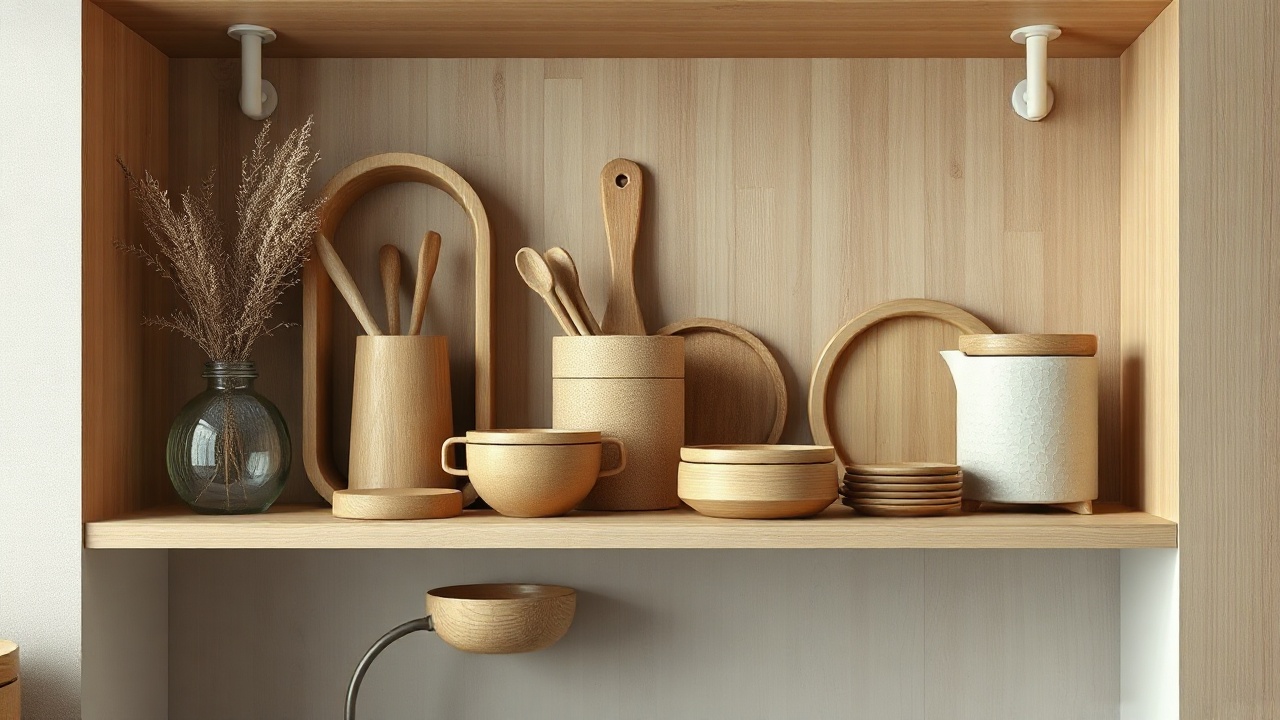
In an age of mindful consumption and a striving for order, products for organizing space show steady growth. Wooden desk organizers, boxes for storing small items and wall-mounted key holders are categories with fast turnover. People are willing to pay for an attractive solution to the problem of clutter at home.
A special category is bathroom items. Wooden bath caddies, toothbrush holders and soap dishes made from moisture-resistant species (larch or thermowood, for example) are becoming more and more sought after. Here the key factor is protection from moisture. Special impregnations let the wood serve for years even in high humidity, and this must be emphasised in the product description.
| Product type | Advantages | Production complexity |
|---|---|---|
| Wall-mounted key holders | Low material consumption, high margin | Low |
| Stationery organizers | Steady demand year-round | Medium |
| Bath caddies | High average order value, trending product | Medium |
| Storage boxes | Scalability, simple construction | Low |
Wooden coat hangers and clothes hangers are a product often bought in sets. Sellers who offer sets of 5–10 in a single style and colour gain an edge over those who sell them individually. Freestanding coat stands, which replace bulky wardrobes in small studios, are popular too. A knock-down design for such items is critically important for minimising shipping cost.
For the office and the home study, stands for monitors and laptops are relevant. Correct workplace ergonomics is becoming a priority for many remote-working professionals. Here wood beats plastic thanks to its prestigious look and the pleasant tactile feel when your hands touch the desk surface.
Nor should you forget small accessories such as glasses cases or boxes for watches and jewellery. These items are often chosen as corporate gifts or presents for loved ones. Quality hardware (hinges, clasps) plays no smaller a role here than the wood itself. Buyers notice how smoothly the lid opens and how neatly the inside is finished.
Children’s products: safety and development
Parents are one of the most active groups of buyers on marketplaces. They strive to surround their children with the safest, most natural things possible. Wooden toys are enjoying a renaissance. Unlike noisy plastic gadgets, they develop fine motor skills, imagination and tactile perception. Teethers, stacking rings, blocks and building sets made of unpainted wood or wood coated with safe paints are in huge demand.
Large-format children’s products also show excellent results. These can be Pikler triangles, kitchen helper towers, children’s tables and chairs. Such items demand a serious approach to the design side: no sharp corners, stability, perfect sanding and reliable fastenings are mandatory conditions. Any complaint about a splinter a child got can ruin a store’s rating.
Niche products for the nursery
Besides toys, there is a large segment of décor for children’s rooms. Growth charts, nightlights with soft light, shelves shaped like clouds or animals, name plates for the door. Such items are often bought on emotion, so the design and colour palette should match modern interior trends in nursery decoration (Scandi, boho, pastel tones).
An important aspect in making children’s products is the choice of wood species. Linden and birch are ideal thanks to their light weight and their lack of a tendency to form sharp splinters in the event of accidental damage. For teethers, beech or maple is traditionally used, as their wood is very dense and does not soften from saliva.
Home and comfort goods: light and décor
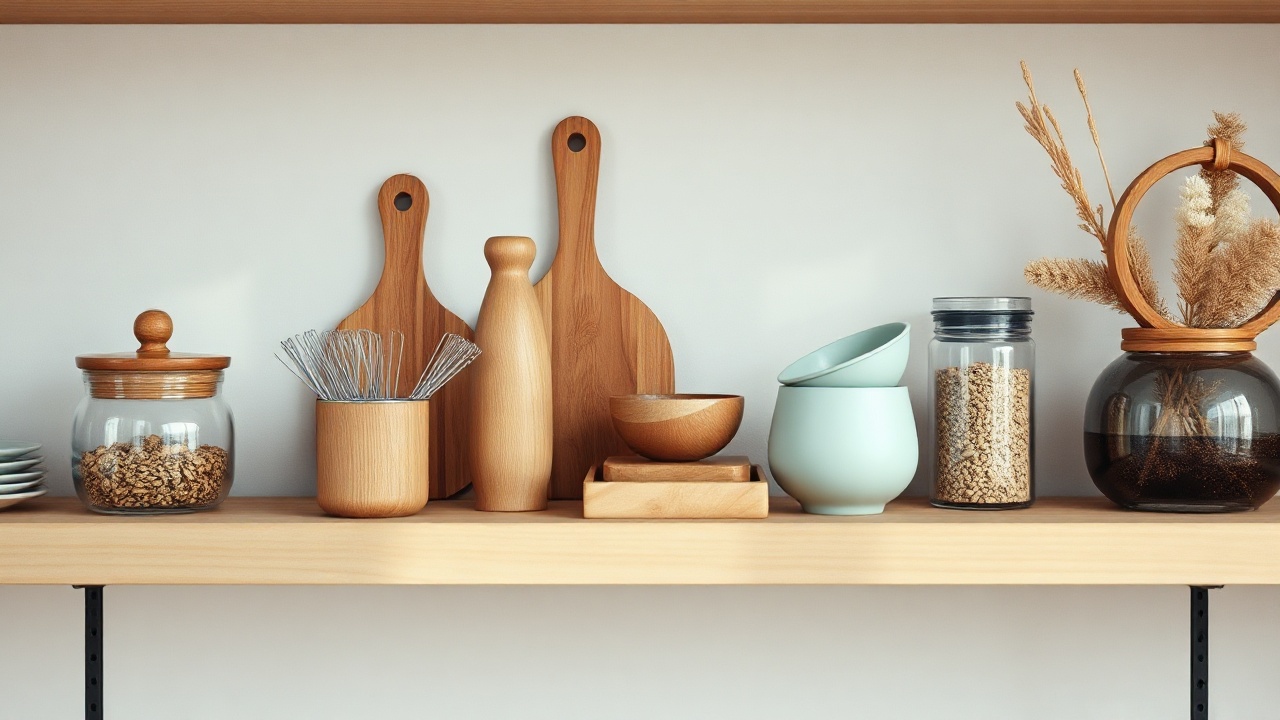
Lighting plays a key role in creating atmosphere, and wooden luminaires hold a special place here. Wall sconces, table lamps with a wooden base and massive chandeliers made from wood slices are products with high added value. In them wood is combined with electrical components, which calls for attention to fire safety and build quality.
Wooden wall décor is another promising direction. Slat panels, plywood world maps with engraving, mirrors in massive frames. Modular solutions are especially popular, where the buyer can compose the wall arrangement themselves from several elements. This encourages the purchase of several units at once.
- Wooden candle holders — create cosiness and are often sold in sets.
- Frames for pictures and photos — a classic that is always in demand.
- Decorative ladders — used as throw-blanket racks in living rooms.
- Wall clocks made from wood slices — each piece is unique thanks to the natural figure.
When making décor it is important to keep up with interior-design trends. Today minimalist forms, matte finishes and preserving the natural colour of the wood are in vogue. Buyers value being able to see the grain structure, so painting over the texture too heavily can reduce a product’s appeal.
The logistics of decorative items require careful packaging. Fragile elements such as clock hands or thin panel details should be protected with foam or dense corrugated cardboard. Investing in quality packaging pays off through the absence of damage during transport by the marketplace.
Small-format furniture: a solution for small flats
Full-size furniture is a tricky niche for marketplaces because of its dimensions, but small-format furniture thrives there. Side tables for sofas, hallway benches, small coffee tables and consoles are in demand thanks to their easy assembly and the option to ship them in flat boxes. Buyers appreciate furniture that can be assembled in 10–15 minutes without special tools.
The key to success in this category is design and functionality. For example, a table that can be pushed under the sofa for comfortable laptop work solves a specific consumer problem. Using solid wood in such items lends them prestige, setting them favourably apart from the melamine-faced chipboard (MFC) or MDF products that dominate the mass market.
It is important to think through the fastening system. If an item is meant to be assembled and disassembled repeatedly, it is better to use furniture bolts with barrel nuts rather than plain screws. Hardware quality directly affects brand perception. Flimsy legs or a wobbly construction will become a cause of returns and poor ratings.
The colour palette should be universal. The best-selling colours are natural oak, walnut, white and black. Offering products in several finish options lets you reach a larger number of buyers. At the same time, it is important that the photos on the product card convey the shade accurately, otherwise unjustified expectations will lead to refusals at pickup points.
Products for pets
The niche of pet products is growing steadily, and owners increasingly reject plastic in favour of natural materials. Wooden bowl stands with adjustable height are one of the most popular products. They look aesthetic in the interior and are more hygienic with a properly finished surface. Wood is heavier than plastic, so such stands are more stable and do not slide across the floor.
Wooden houses and scratching posts are a durable alternative to cardboard and fabric variants. They fit easily into a modern interior and last for years. Wall-mounted play complexes are also in demand for cats: steps, bridges and shelves that save floor space. Material safety comes first here — no toxic glues or varnishes with a harsh smell.
For dog owners, wooden indoor pens that look like a stylish piece of furniture rather than an iron cage are relevant. Boxes for storing pet toys are popular too. This niche allows you to be creative: you can add personalisation by putting the pet’s name on the item with laser engraving.
Working with pet products requires an understanding of animal physiology. For example, surfaces should not be too slippery, and the gaps between the slats in pens should rule out a paw or head getting stuck. Attention to such details builds buyer trust and sets your product apart from the competition.
Garden décor and products for country living
With the start of the outdoor season, demand for wooden items for the garden rises sharply. This is a category with pronounced seasonality but very high order values. Outdoor planters, decorative windmills, bird feeders and birdhouses are products bought to decorate a plot. Here it is important to use rot-resistant wood species such as larch or cedar, as well as quality wood preservatives.
Wooden trellises for climbing plants (pergolas) and garden paths made of wood slices or tiles also find their buyer on marketplaces. It is important that the product be convenient to transport. Knock-down constructions that take up minimal space when disassembled are the ideal option for selling through platform warehouses.
Sauna accessories are a stable sub-niche within products for country living. Wooden buckets, ladles, lampshades for steam-room lights, plaques with amusing sayings and headrests are bought year-round. For the sauna, linden, aspen or abachi is traditionally used, as these species do not release resin and have low thermal conductivity, which prevents burns.
In offering garden and sauna products, the seller should stress the durability of the items in harsh environments (humidity, temperature swings, UV). A detailed wood-care guide tucked into the box will be a pleasant bonus and reduce the likelihood of complaints about the natural darkening of the wood over time.
How to choose a strategy and not go bust
Success on a marketplace in the wooden-products niche depends on the balance between product uniqueness and the cost of making it. Mass-market goods (spatulas, plain boards) require huge turnover and minimal margin. Unique designer pieces let you earn more per unit but demand investment in marketing and quality content.
Before launching production it is essential to run a thorough competitor analysis. Study the reviews at the top of the listings: what do people complain about? Often it is poor sanding, cracks, a chemical smell or size mismatches. Eliminating these shortcomings in your own product is the simplest path to winning the market. Start with a small batch of test samples to check demand and fine-tune the logistics.
It is important to remember the “hidden pitfalls” of wood as a material. It breathes and can change its geometry as humidity changes. Kiln-drying the wood and using correct glue-up techniques (for example, finger-jointing) are what ensure the product will not dry out and crack in the marketplace warehouse or at the buyer’s home. The quality of the raw material must not be ignored for the sake of savings, since the price of a mistake in this niche is the loss of the store’s reputation.
Building a brand in the wooden-products category is a long game. Gradually expanding the range, paying attention to detail and packaging, and working with feedback will let you build a sustainable business. Wood is a material that will never go out of fashion, which means that with the right approach your product will always find its buyer.





