
Types of 2D and 3D cutting and their use in modern wood manufacturing
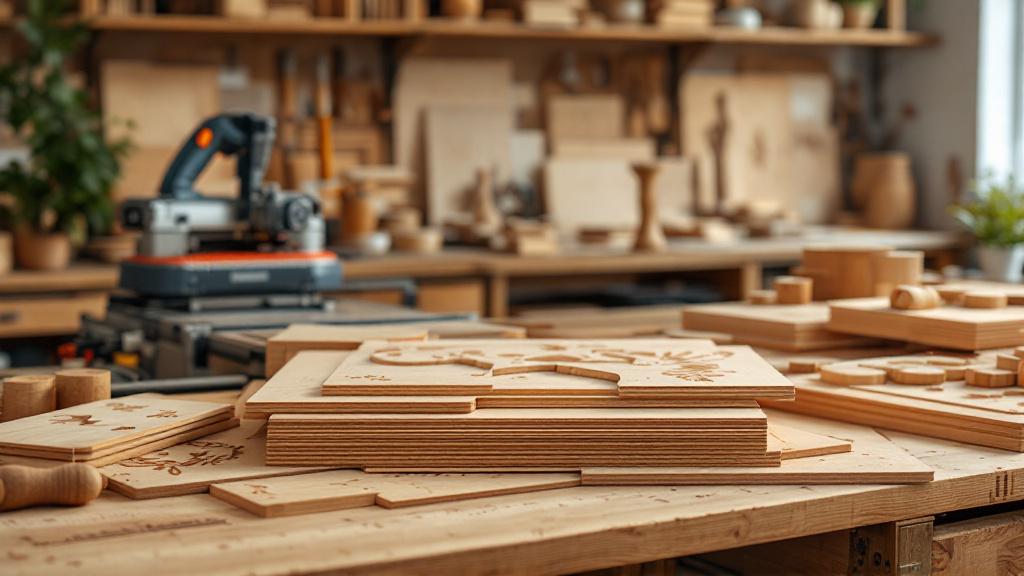
As a material, wood has accompanied humanity throughout its history. From simple tools to majestic works of architecture, its warmth, texture and workability have always been prized by craftsmen. Yet the methods of processing wood have undergone colossal change. Whereas a joiner once had only hand tools in their arsenal, today these have been replaced by high-precision computer numerical control (CNC) machines that have opened a new era in woodworking. These technologies make it possible to bring even the boldest design ideas to life with speed and precision that were previously unattainable.
Modern manufacturing of wooden products is unthinkable without 2D and 3D cutting technologies. They are the basis for creating everything from furniture and decor elements to complex architectural parts and advertising structures. 2D cutting means cutting sheet material along a flat contour, while 3D cutting (or milling) makes it possible to create three-dimensional, relief objects. Understanding the differences, advantages and areas of application of each method is the key to optimising production, cutting costs and, ultimately, creating a high-quality and competitive product. In this article we will take a detailed look at the main types of cutting, their technological features and how they are used to create unique wooden products.
CNC router cutting: the all-rounder of woodworking
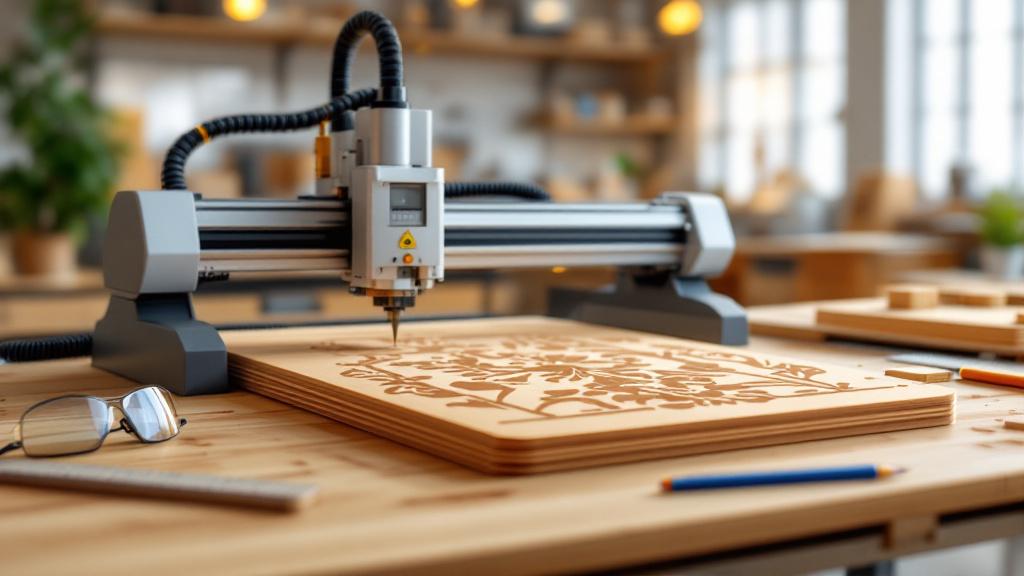
CNC router cutting is without doubt the most widespread and versatile technology in modern woodworking. At the heart of the method is the use of a rotating cutting tool — the router bit — which, moving along a path set by a program, removes material to form the required part. The machine, controlled by a computer, follows the digital model with jeweller’s precision, which eliminates the human factor and guarantees one-hundred-percent repeatability of products within a batch. This opens up virtually unlimited possibilities for both 2D cutting to size and the creation of complex three-dimensional forms.
In 2D cutting mode, the CNC router acts as a high-precision jigsaw. It allows straight and curved cutting of sheet materials such as plywood, MDF, particleboard and solid wood. It is used to cut furniture blanks, decor elements, templates, patterns and parts for exhibition stands and retail equipment. The positioning accuracy of the router bit, measured in hundredths of a millimetre, makes it possible to produce parts with perfectly even edges that fit together precisely, which is critically important when assembling complex structures. In addition, CNC routing makes it possible to optimise the nesting of parts on the sheet, minimising waste and reducing the cost of production.
However, the full power of router technology is revealed precisely in 3D processing. Here the machine ceases to be merely a tool for cutting and becomes a kind of sculptor. Moving not only in the horizontal plane (the X and Y axes) but also vertically (the Z axis), the router bit is able to create complex reliefs, bas-reliefs, patterns and full-fledged three-dimensional objects. This is exactly how carved kitchen fronts, decorative wall panels, exclusive headboards, staircase balusters, icons and panels are born. The software makes it possible to set the most intricate tool paths, imitating hand carving but with incomparably greater speed and precision.
An important advantage of router cutting is the wide range of materials it can process. The machine copes equally well with soft woods, such as pine or lime, and with hard ones, such as oak, ash or beech. By selecting the right type of router bit and the right cutting parameters (spindle speed and feed rate), you can achieve optimal processing quality for any kind of wood and its derivatives. This makes the technology indispensable for companies working with a wide range of materials and producing a diverse range of products.
Laser cutting and engraving: precision born of light
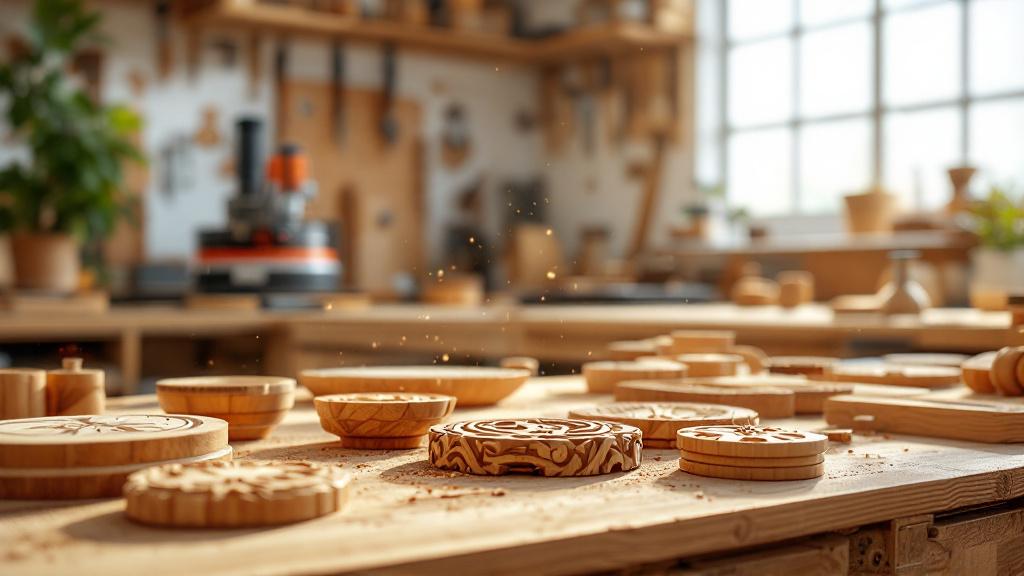
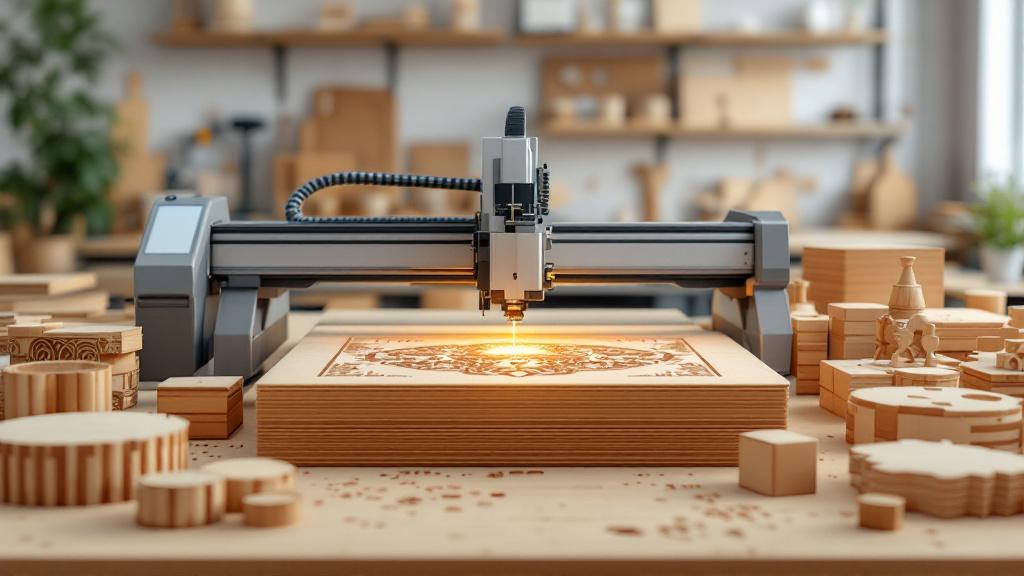
Laser cutting is a technology in which a focused, high-power laser beam serves as the cutting tool. Under its action, the material at the point of the cut instantly vaporises or burns away, leaving behind a thin and clean cut. This method belongs mainly to 2D processing, although modern machines can also perform surface 3D engraving. The main advantage of the laser is its incredible precision and its ability to work with very fine details that are beyond the reach of a router bit. The cut width can be just tenths of a millimetre, which makes it possible to create openwork patterns, complex ornaments and miniature items.
The main area of application for laser cutting in woodworking is the production of decorative elements, souvenirs, personalised gifts and branding elements. The laser is used to cut openwork napkin holders, boxes with intricate patterns, cake toppers, personalised hangers, decorative screens and elements for scrapbooking. The non-contact processing method eliminates mechanical pressure on the material, which makes it possible to work with thin and fragile blanks — for example, veneer or thin plywood — without fear of damaging or deforming them.
In addition to cutting, the laser is an unrivalled tool for engraving. By varying the power of the beam, you can apply images, inscriptions, logos and even photographs to a wooden surface with a high degree of detail. Engraving can be either vector (line) or raster. In the first case, the laser draws lines; in the second, it burns the image dot by dot, creating halftones and colour transitions by varying the depth and intensity of the action. This technology is used to brand products (applying logos to cutting boards, boxes, tool handles), make award plaques, signs and number tags, and create unique portraits on wood.
A characteristic feature of laser-cut wood is the dark, charred edge of the cut. For some items this effect is desirable, as it adds contrast and emphasises the outlines of the design. However, in cases where a clean cut without darkening is required, this aspect can be a drawback. Furthermore, the productivity of laser cutting on thick materials is significantly inferior to that of routing. The laser beam loses its focus and power as it penetrates the material, so this technology is not used for cutting thick slabs or timber. Its element is sheet materials up to 10–15 mm thick.
Plasma cutting technology: fire in the service of cutting
Plasma cutting is a process in which a jet of high-temperature plasma is used to cut the material. Although this technology is associated primarily with metalworking, its modified variants find limited use in woodworking too, especially in specific niches. Plasma is an ionised gas heated to extremely high temperatures, which is fed through the nozzle of the torch at enormous speed. Interacting with the wood, this jet does not so much cut as burn through the material, providing a very high cutting speed.
The main advantage of plasma cutting of wood is speed. It is many times faster than both router and laser cutting, which makes it effective for the rough cutting of large volumes of not-too-thick material, where high precision and edge quality are not required. For example, it can be used to quickly cut blanks from plywood or particleboard that will later undergo finishing by other methods. This approach makes it possible to significantly speed up the production cycle in the early stages.
However, the use of plasma in working with wood involves a number of significant drawbacks. First, there is a very high thermal effect on the material. The edges of the cut come out heavily charred, with a large amount of soot. The cut width is significantly greater than in laser or router processing, and the precision is lower. Therefore, this technology is completely unsuitable for finishing and decorative work. Obtaining a smooth and perpendicular edge is practically impossible, which imposes serious limitations on the further use of the cut parts.
Another serious limitation is the increased fire risk of the process. Working with open high-temperature plasma surrounded by wood dust and shavings requires the strictest observance of safety measures and the presence of powerful extraction and fire-suppression systems. This makes organising the workplace more complex and more expensive. As a result of these drawbacks, plasma cutting has not become widespread in classical woodworking and remains a highly specialised technology for coarse and rough operations, where speed is the decisive factor.
Waterjet cutting: the power of water and sand
Waterjet cutting is a technology in which the material is cut by a jet of water mixed with abrasive particles (for example, garnet sand), delivered under ultra-high pressure. It is a “cold” cutting method, which is its key advantage. The absence of any thermal effect completely rules out deformation, melting or charring of the material in the cutting zone. The edge comes out clean, with no change in the structure and colour of the material, which is especially important when working with valuable wood species or materials with a decorative coating.
In woodworking, waterjet cutting is prized for its ability to work with composite and multilayer materials. For example, it is ideal for cutting laminated panels, veneered MDF or sandwich panels, where other methods may cause the coating to chip or the material to delaminate. The water jet cuts all layers at once and equally cleanly, without disturbing their integrity. This technology is also indispensable when working with very thick blanks, up to 200–300 mm, where neither a router bit nor, much less, a laser can cope any longer.
The precision of waterjet cutting is comparable to that of the laser, which makes it possible to cut complex contours and small details. However, unlike the laser, it leaves no soot and can work with much greater thicknesses. This makes it sought after in the production of exclusive furniture, interior elements and parquet with complex inlays, where perfect edge quality is required without any additional processing. With a waterjet you can cut parts from solid wood that will fit together perfectly, creating seamless patterns.
Despite its obvious advantages, waterjet cutting also has its drawbacks, which limit its widespread use in woodworking. First, the process is relatively slow compared with router or plasma cutting. Second, waterjet equipment is quite expensive to purchase and maintain. And third, wood is hygroscopic, and prolonged contact with water can cause it to swell and deform. Therefore, after cutting, the parts require mandatory and thorough drying, which complicates the technological process. Most often this method is chosen for unique and high-value orders, where quality comes first.
3D milling: from relief to sculpture
If 2D cutting is about creating a contour, 3D milling is about creating volume. This technology makes it possible to transform a flat wooden blank into a full-fledged three-dimensional object with complex geometry, relief and texture. The process is based on the layer-by-layer removal of material by the router bit along a path set by a complex control program, which in turn is created on the basis of a digital 3D model. The possibilities of this technology are limited only by the designer’s imagination and the technical specifications of the machine.
The use of 3D milling in woodworking is extremely wide. One of the most popular areas is the manufacture of furniture fronts and decorative elements. This technology is used to create panelled doors with a classic or modern profile, kitchen cabinet fronts with carved patterns, and decorative overlays for carcass furniture. A CNC machine makes it possible to achieve perfect symmetry and repeatability of a pattern across all elements of a set, which is impossible by hand. This gives furniture an expensive and exclusive look.
Another important direction is the creation of decorative panels for interior finishing. These can be 3D wall panels with a wave-like, geometric or floral ornament, carved partitions for zoning a space, or decorative grilles for radiators. Such elements make it possible to radically transform any room, adding volume, dynamics and individuality. 3D milling makes it possible to realise any pattern, from the strict geometry of the Art Deco style to smooth natural lines.
And, of course, 3D milling is indispensable in the production of exclusive and artistic items. It is used to make:
- Carved icons and panels. The machine can reproduce complex canonical images with a high degree of detail.
- Staircase elements. Balusters, posts and handrails can be decorated with intricate carving, turning a staircase from a functional element into a central art object of the interior.
- Souvenirs. Three-dimensional logos, boxes, chess pieces, figurines — all of these can be made using 3D milling.
- Master models and prototypes. The technology makes it possible to quickly create accurate physical copies of digital models to assess ergonomics and design or for the subsequent making of casting moulds.
The 3D milling process usually consists of two stages: roughing and finishing. At the roughing stage, a large-diameter router bit is used to quickly remove the bulk of the excess material. At the finishing stage, a fine tapered or ball-nose bit comes into play, passing over the entire surface in small steps, working out the fine details and creating a smooth finished surface. This two-stage approach makes it possible to optimise processing time and achieve high quality in the final product.
Cutting sheet materials to size (2D cutting): the foundation for everything
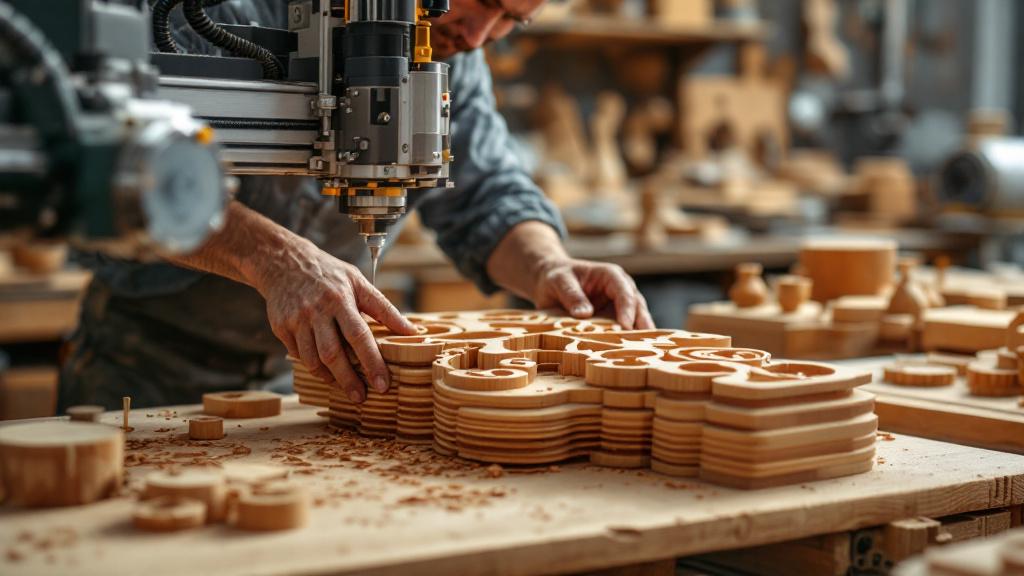
2D cutting of sheet materials such as plywood, MDF, particleboard, OSB or edge-glued panels is the foundation for a huge number of production processes in woodworking. Although this operation may seem simpler than three-dimensional 3D milling, the quality of the final product and the economics of the entire production depend directly on its precision and efficiency. Modern CNC machines make it possible to perform this task at maximum speed and with a minimum of waste, which makes them an indispensable tool in any furniture or joinery workshop.
The main application of 2D cutting is, without doubt, furniture production. Sheets of MDF or particleboard cut on a CNC machine are used to assemble the carcasses of cabinets, kitchens, tables and chests of drawers. The precision of the cut guarantees a perfect fit of the parts to each other, with no gaps or misalignment. All the necessary fastening holes (drilling) can also be made on the same machine within a single technological cycle, which significantly speeds up and simplifies the subsequent assembly. The parts come out absolutely identical, which is critically important for batch production.
Besides furniture, 2D cutting is widely used to make elements of retail and exhibition equipment. Shelving, display cases, reception desks, advertising stands — all of these are assembled from parts cut on a router or laser machine. CNC makes it possible to cut parts of complex curved shape, which gives designers freedom to create original, eye-catching structures. 2D cutting is also used to make letters and logos for interior design and outdoor advertising.
Another important area is the production of templates, patterns and stencils. For many joinery workshops that make products by hand, having accurate templates is the key to quality. By ordering a template cut from plywood or plastic on a CNC machine, a craftsman gets a perfectly accurate tool that can be used many times, ensuring the repeatability of their products. Stencils cut by laser or router are used to apply designs, logos or technical markings to wooden surfaces.
The efficiency of 2D cutting depends largely on the right software. Modern CAM programs can automatically nest the parts on the sheet of material in the most optimal way (nesting) in order to minimise waste. They calculate the tool path, taking its diameter into account, and make it possible to set “tabs” — small bridges that hold the cut part in the sheet, preventing it from shifting and being damaged by the router bit. This comprehensive approach makes CNC 2D cutting a high-tech and cost-effective process.
Creating decorative elements and patterns
The ability to create complex patterns and decorative elements is one of the key advantages of modern wood-cutting technologies. It is precisely these details that give wooden products individuality, aesthetic value and a unique style. CNC machines, whether router or laser, make it easy to realise ornaments of any complexity, from strict classics to ornate baroque or modern abstract patterns, turning an ordinary piece of furniture or interior element into a work of art.
Router cutting is used to create relief (three-dimensional) patterns. Using V-shaped or radius router bits, you can cut grooves of various depths and profiles into the surface of the material, forming a design. This technique is widely used to decorate furniture fronts, door leaves and wall panels. For example, the classic panels on doors are the result of exactly this kind of routing. The technology makes it possible to create both simple geometric patterns and complex floral ornaments, monograms and coats of arms.
Laser cutting, in turn, is indispensable for creating flat openwork patterns. The laser beam can cut incredibly thin and delicate elements that cannot be produced with a router bit. In this way, decorative grilles for screens and partitions, overlay elements for furniture, and openwork inserts for boxes and lamps are made. A pattern cut by laser into thin plywood or veneer creates an effect of lightness and airiness, a play of light and shadow, which is actively used by interior designers.
Combining different techniques makes it possible to achieve even more interesting results. For example, you can first mill a relief pattern into a front and then use the laser to apply fine engraving with additional details. Or you can make openwork cut-out inserts, cut by laser, in a solid milled panel. This combination of volumes and see-through elements makes the decor more complex, multi-layered and visually appealing.
When creating patterns, the preparation of the digital model plays an important role. Vector graphics editors (for 2D patterns) or 3D modelling programs are used for this. The designer draws each element of the future ornament, which is then converted into a control program for the machine. There are huge libraries of ready-made vectors and 3D models of patterns, which allow the customer to choose a variant they like or use it as the basis for creating their own unique design. This makes the technology accessible even to those who have no skills in digital design.
Production of furniture fronts and components
Furniture fronts are the “face” of any kitchen, cabinet or set. It is precisely their appearance that determines the overall impression of the furniture and the interior as a whole. 2D and 3D cutting technologies on CNC machines have brought about a real revolution in the production of fronts, making it possible to move away from standard flat doors and create truly exclusive solutions of varied design. The use of CNC guarantees not only aesthetic appeal but also the highest geometric precision, which ensures a perfect fit of the fronts to the carcass and even gaps.
The most common material for making milled fronts is MDF (medium-density fibreboard). This material has a homogeneous, dense structure, with no fibres or knots, which makes it ideal for milling. It does not crumble, allows a clean and smooth cut profile to be created, and is excellent for subsequent painting, lacquering or covering with PVC film. A CNC machine can apply any design to an MDF board: from a classic frame (panel) to complex modern 3D patterns.
The process of making a front on a CNC machine begins with creating a computer model. A designer or process engineer designs the appearance of the front, chooses the type of milling (the “groove” itself that the router bit will cut) and its position. Next, the program creates the tool path. On the machine itself, the MDF board is securely fixed to the work table, after which the program is started. The router bit passes along the given contour with high precision, forming the relief. The whole process is automated and requires the operator only to monitor the operation of the equipment.
In addition to decorative milling, a CNC machine performs other important operations. It cuts fronts precisely to size, makes recesses for fitting hinges, and mills grooves for glass or decorative inserts. All these operations are performed in a single set-up of the part, which ensures high precision and reduces production time. The ability to make curved, radius fronts is also an important advantage of CNC. Such elements are used in corner kitchen modules or designer furniture, and giving them the correct geometry by hand is extremely difficult.
In addition to fronts, other furniture components are also made on CNC machines:
- Carved legs for tables, chairs and sofas.
- Decorative “crowns” and cornices for cabinets.
- Pilasters and decorative overlays.
- Backrests and armrests for beds and armchairs.
The use of CNC in the production of furniture components makes it possible not only to diversify the design but also to standardise quality, ensuring full interchangeability of parts and simplifying the assembly process for the end consumer.
Making advertising and souvenir products
Thanks to its natural beauty and warmth, wood is a very popular material for making advertising and souvenir products. And 2D and 3D cutting technologies make it possible to give these items any shape and apply the necessary information to them, turning a simple piece of wood into an effective marketing tool or a memorable gift. Laser and router processing on CNC machines are the key technologies here.
In the advertising industry, CNC router cutting is used to make three-dimensional letters, logos and signs. Cut from wood or plywood and painted in corporate colours, such elements look far more solid and attractive than their plastic counterparts. They are used to decorate the interiors of offices, shops, cafés and restaurants, as well as for outdoor advertising. The machine can cut letters of any font and size with perfect precision.
Laser engraving is an indispensable tool for branding products. Applying a company logo to wooden items increases their value and brand recognition. Engraving is applied to:
- Corporate gifts: diaries with a wooden cover, pens, USB drives in a wooden case.
- Packaging: wooden crates and boxes for premium spirits, tea or gifts.
- Products for the HoReCa segment: menus in wooden folders, cutting boards, coasters bearing the establishment’s logo.
In souvenir production, the possibilities of laser and router cutting are even wider. The laser is used to cut fridge magnets, keyrings, Christmas tree decorations, construction sets and jigsaw puzzles from plywood. The high precision of the laser makes it possible to create very fine and openwork details. Router 3D cutting is used to make more three-dimensional souvenirs: figurines, boxes with a relief lid, backgammon, chess and various board games.
Personalisation is another important trend that has become possible thanks to CNC technologies. Laser engraving makes it possible to apply a name, a congratulatory text or a memorable date to any wooden item. This makes a gift unique and personal. For example, personalised cutting boards, wedding hangers with the newlyweds’ names or baby birth records with a child’s details are very popular. The ability to fulfil an individual order quickly and inexpensively is a serious competitive advantage for any workshop.
Application in architecture and interior design
2D and 3D wood-cutting technologies have opened up new horizons for architects and interior designers, giving them a tool for realising the boldest and most unconventional ideas. Wooden elements made on CNC machines make it possible to create unique spaces with a distinctive character, add accents and shape the overall style of a room. From large-scale architectural structures to elegant interior details — precise wood processing finds application everywhere.
One of the most striking examples of the use of CNC cutting in interiors is decorative partitions and screens. Cut from plywood, MDF or solid wood, they are used for zoning a space in studio apartments, open-space offices, cafés and restaurants. Openwork patterns cut by laser or router do not create a feeling of enclosed space, preserving “air” and light, yet they clearly delineate functional zones. The pattern of the grille can be absolutely anything — from strict geometry to complex floral or ethnic ornaments — which makes it possible to fit it into any interior style.
Another popular direction is the making of 3D wall panels. These are modular elements, usually of MDF or solid wood, with a relief surface milled on a CNC machine. Joined together on a wall, they create a single seamless expanse with a three-dimensional design (waves, honeycomb, geometry, abstraction). Such an accent wall becomes the central element of the interior, adding dynamics and depth. The play of light and shadow on the relief surface creates a constantly changing visual effect throughout the day.
In architecture, router processing on large-format CNC machines is used to make complex elements of façades, terraces and small architectural forms. For example, it can be used to create carved window and door surrounds in a traditional style, decorative brackets to support a roof, and balusters and railings for verandas and balconies. The technology is also used to create parametric structures — complex curved benches, canopies and pavilions made up of many unique parts cut on a CNC machine and then assembled into a single structure.
In addition, precise cutting is essential for creating elements of complex geometry, such as parts for domed structures or bent-laminated arches. A CNC machine cuts the segments with the highest precision, which ensures their perfect fit during assembly and the strength of the whole structure. Thus, modern technologies make it possible not merely to decorate but to construct complex and expressive architectural and interior solutions from wood — solutions that were previously either impossible or required colossal amounts of manual labour.





