
The phenomenon of pet humanisation
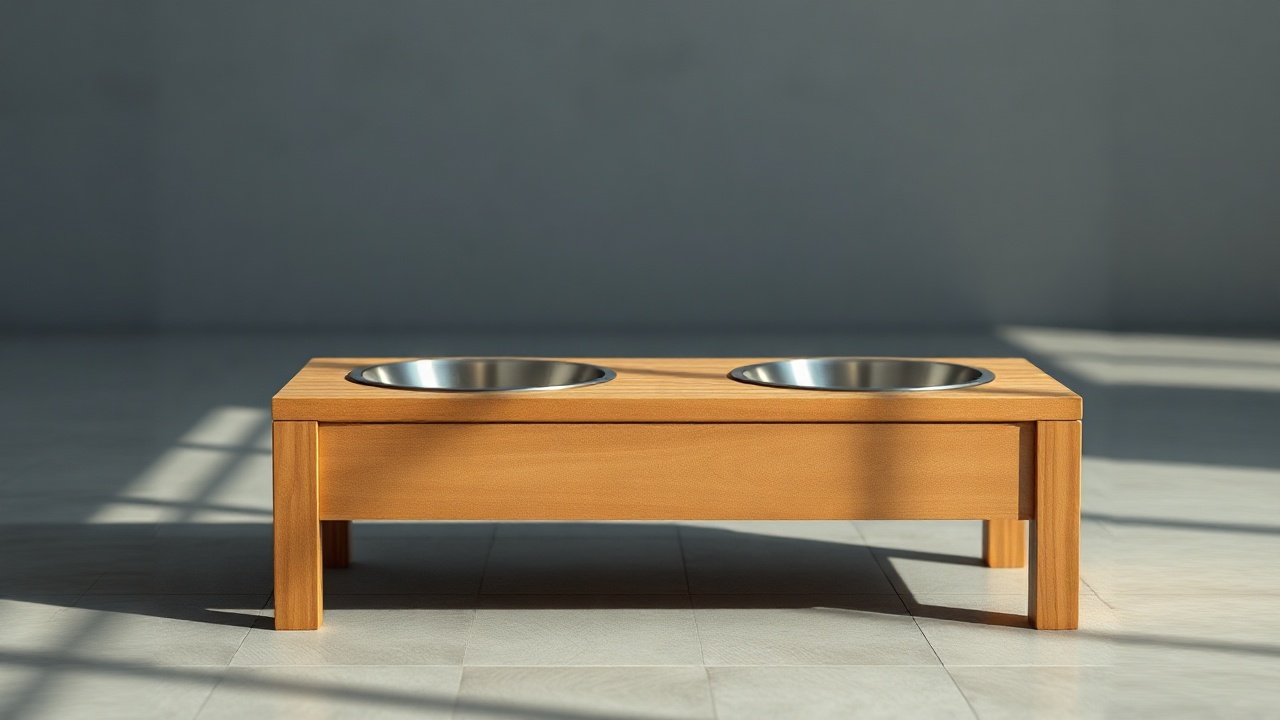
The pet products market is undergoing a tectonic shift driven by the global trend towards the humanisation of pets. Today a cat or a dog is seen not merely as a domestic animal but as a full-fledged member of the family. This is reshaping consumer behaviour: owners are willing to spend on their companions’ comfort sums comparable to what they spend on interior furniture or quality food. The aesthetics of the living space become a priority, and tasteless plastic accessories give way to items that fit harmoniously into contemporary design.
Wood as a material is a perfect answer to this demand. It conveys warmth, reliability and sustainability. Unlike the cheap-plastic or fuzzy-carpet mass-market from China, wooden items look expensive and premium. On the marketplaces there is a shortage of high-quality, aesthetically refined products, which opens an enormous window of opportunity for local manufacturers and small workshops.
Demand for natural materials is reinforced by health awareness too. Owners increasingly scrutinise the lacquers coating the bowls and the origin of the timber used for scratching posts. The eco agenda has stopped being niche and has become a mainstream quality standard. As a result, products made from solid oak, ash or top-grade birch plywood earn high organic reach and positive reviews thanks to their visual and tactile superiority.
Interestingly, the buying audience in this category is extremely loyal. If someone has bought a stylish dark-oak bowl stand, there is a high probability they will come back for a scratching post or an activity centre in the same style. Building product lines (collections) is the key to a high average order value. Marketplaces let you execute this strategy effectively through recommendation and bundle tools.
The ‘mid-plus’ and ‘premium’ price segments in wooden pet products show steady growth even during periods of economic turbulence. The psychology of spending is such that people cut back on the comfort of their loved ones — even the four-legged ones — last of all. This makes the niche resilient and promising for long-term business planning.
Wooden items are also highly durable. Unlike cardboard scratching posts, which crumble to dust within a month, a solid-wood base lasts for years. Buyers are beginning to appreciate the value of a long-term investment, preferring to buy one quality item instead of five cheap analogues. This rational approach is becoming a sales driver for mindful brands.
Wooden scratching posts as an alternative to carpet
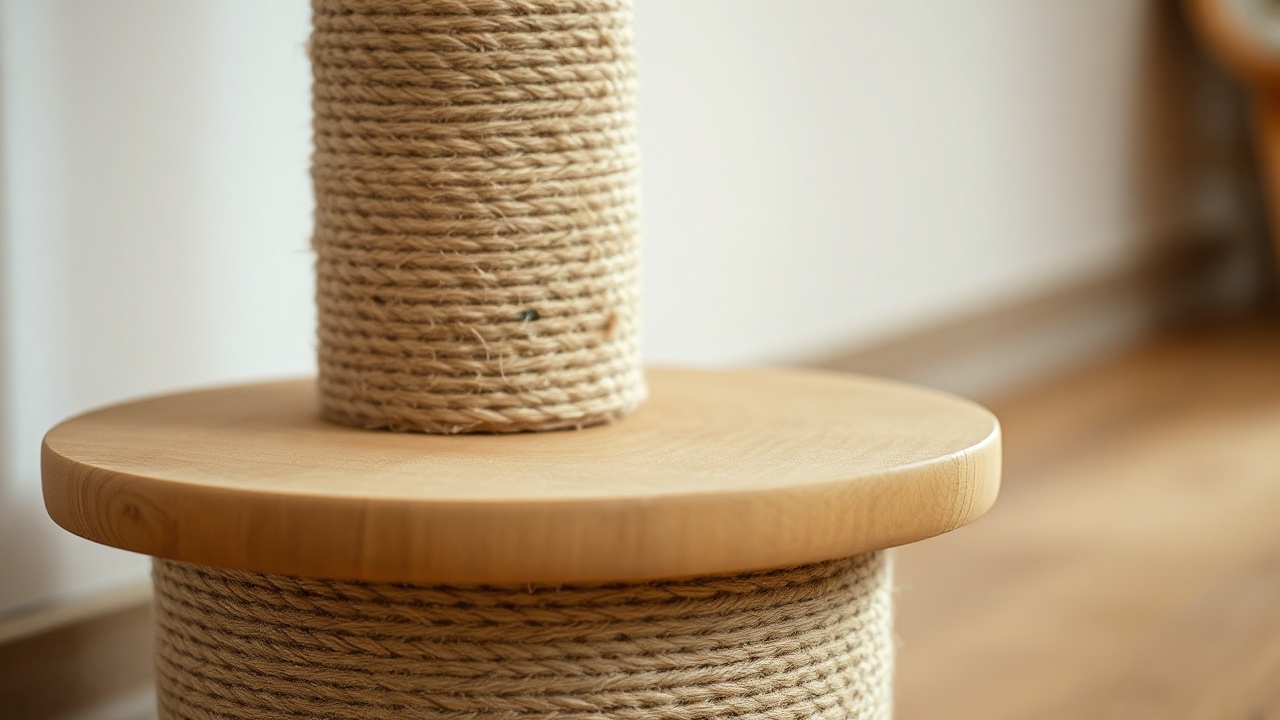
Traditional scratching posts made from PVC pipes wrapped in jute and covered with garish plush are gradually becoming a thing of the past. A modern interior in the Scandi, loft or minimalist style calls for different solutions. Wooden scratching posts made from solid wood or quality plywoodbecome not just a utilitarian object but an element of décor. They can be wall-mounted, floor-standing or take the form of complex multi-level structures.
The advantage of wood here lies in its mass. A heavy base provides stability, which is critical for large cats such as Maine Coons. Lightweight structures often tip over and frighten the animal, whereas solid wood stands monumentally in place. This is one of the main purchase triggers and is worth highlighting on the product page on the marketplace.
Technologically, such items allow materials to be combined. For example, replaceable sisal or carpet panels are fixed to a wooden frame with concealed fasteners. When the working surface wears out, the owner simply swaps the block rather than throwing away the whole item. This is eco-friendly and economical, which is highly valued by today’s audience.
The design possibilities of wood are practically limitless. You can use laser cutting to create unique patterns, engraving with the pet’s name, or scorching for a vintage look. Such details turn an ordinary object into a personalised gift, which works excellently during the gifting seasons.
In production it is important to pay attention to the finish. The wood must be perfectly sanded to rule out splinters. Using hardwax oil preserves the timber’s texture, protects it from moisture (should the cat decide to mark its territory) and keeps the surface safe for licking and gnawing.
The main types of popular wooden scratching posts:
- Wall panels shaped like honeycombs or geometric figures;
- Posts made from a solid log with partial rope wrapping;
- Corner scratching guards to protect furniture;
- Horizontal scratchers with elements of cork or bark.
Eco bowls and stands: the aesthetics of mealtime
Feeding a pet is a daily ritual, and owners want it to look beautiful. Ordinary steel bowls that clatter across the floor are being displaced by ergonomic wooden stands. The main point here is the correct height. Vets recommend raising the bowls to reduce the strain on the animal’s cervical spine, especially in large dogs and older cats.
Wooden stands make it possible to integrate bowls into the kitchen interior so that they do not look out of place. Using moisture-resistant species such as larch or oak, combined with special impregnations, makes such items durable. Water and food residue do not break down the wood’s structure if the coating technology has been followed.
On the marketplaces there is now brisk demand for height-adjustable models. This is ‘growing’ furniture for puppies that saves the owner from having to buy new accessories every three months. Design solutions using bolts or joints add functionality to the product and make it stand out among static competitors.
Particular attention should be paid to double and triple stations (for water, dry and wet food). Compactness and order in the feeding zone are an important buyer requirement. If a stand has raised edges that prevent food scattering, this becomes a powerful competitive advantage.
| Criterion | Plastic bowl | Wooden eco stand |
|---|---|---|
| Durability | Low (scratches, dulls) | High (with proper care) |
| Aesthetics | Minimal (looks cheap) | Premium (a designer object) |
| Stability | Slides across the floor | Substantial, does not shift |
| Sustainability | Questionable (microplastics) | Absolute (natural materials) |
| Ergonomics | None | Can be matched to the pet’s height |
For the marketplaces it is important to offer products in a range of colour options: ‘natural oak’, ‘wenge’, ‘bleached ash’. This lets the buyer match the stand to the colour of their kitchen furniture. Lifestyle photography in an interior setting works better here than a plain shot on a white background, because it conveys a way of life.
Enclosed houses and beds: personal space
Cats are territorial animals for whom a refuge is a vital need. Fabric tent houses quickly lose their shape and collect dust. Wooden capsule houses solve both of these problems. They are static, easy to wipe clean with a damp cloth and serve as a fully-fledged piece of furniture — for example, a bedside table or a plant stand.
Structures made from plywood and assembled on a tongue-and-groove principle keep the use of glue and metal fasteners to a minimum. This is a huge plus for positioning the product as eco-friendly. The interior of such a house can be complemented with a soft mattress with a removable cover, creating a complete product.
Models with perforations shaped like paws, stars or geometric cut-outs are popular. This is not only décor but also ventilation, plus a way for the pet to watch what is going on from its hideaway. A cat’s psychological comfort converts directly into the owner’s gratitude and a positive review in the shop.
For small dog breeds, wooden beds with raised sides create a sense of security. Unlike soft baskets, a wooden frame does not deform under the animal’s weight and keeps a tidy look for years. This is the ideal solution for owners who value order and minimalism.
Wall-mounted activity complexes are an innovative direction. These are whole ‘routes’ of bridges, shelves and steps mounted on the walls. In small apartments, vertical zoning of space for a cat is a lifesaver. Wood is indispensable here because of its strength and its ability to withstand dynamic loads during jumps.
Materials and safety: what the manufacturer needs to know

Working with wood intended for animals demands strict compliance with safety standards. Pets may gnaw the edges of items, so using toxic glues with an emission class above E1 is unacceptable. The ideal choice is top-grade birch plywood (Sh2) or solid hardwood. Softwoods (pine, spruce) are cheaper, but they can exude resin, which is not always desirable for household accessories.
Sanding is the stage where you must not cut corners. Every edge must be rounded and worked with a fine-grit abrasive. The presence of burrs means a guaranteed return and a risk of injuring the animal. Outgoing quality control must be total.
The choice of finish determines not only the appearance but also the durability. Oils for worktops or children’s toys are the optimal option. They penetrate deep into the structure, emphasise the grain of the wood and create a dirt-repellent layer. At the same time the wood continues to ‘breathe’ and stays pleasant to the touch.
Sharp chemical odours should be avoided. The sense of smell in cats and dogs is tens of times more sensitive than a human’s. An item that smells of cheap lacquer or solvent may be rejected by the pet — and therefore returned to the seller. The natural aroma of wood, by contrast, attracts animals.
- Use of certified timber (FSC);
- Water-based glues with high adhesion;
- Oils with natural pigments;
- Concealed hardware with no sharp edges.
Marketing strategy on the marketplaces
For successful sales of wooden items in the Pet Care niche it is not enough simply to make a quality product. You need to package it correctly in the digital space. The main barrier for the buyer is the high price compared with plastic. Your task is to justify that price through values: durability, aesthetics and the pet’s health.
Video content plays a decisive role. Shoot a short clip (rich content) showing the item being assembled, its stability and, most importantly, the animal interacting with it. The sound of claws on wood or the sight of a cat sleeping in a stylish house evokes an emotional response and trust.
The infographics should address the main objections:
- ‘Won’t the wood get soggy from water?’ (show a coating test);
- ‘Will it hold a heavy cat?’ (state the maximum load);
- ‘Is it hard to assemble?’ (a 5-minute assembly diagram);
- ‘Is the coating safe?’ (eco-certification badges).
Working with reviews in this category has its own specifics. Buyers often attach photos of their pets in the interior. Encourage this! Live ‘in action’ photos sell better than any studio shots. Reply to reviews in detail, emphasising the brand’s expertise and love of animals.
Niching is another path to success. Instead of selling ‘just a scratching post’, offer a ‘scratching post for Maine Coons made from Siberian larch’. Narrow positioning lets you step out of price competition with the big brands and attract targeted traffic that is ready to pay for specific characteristics.
Logistics and packaging: fragility and weight
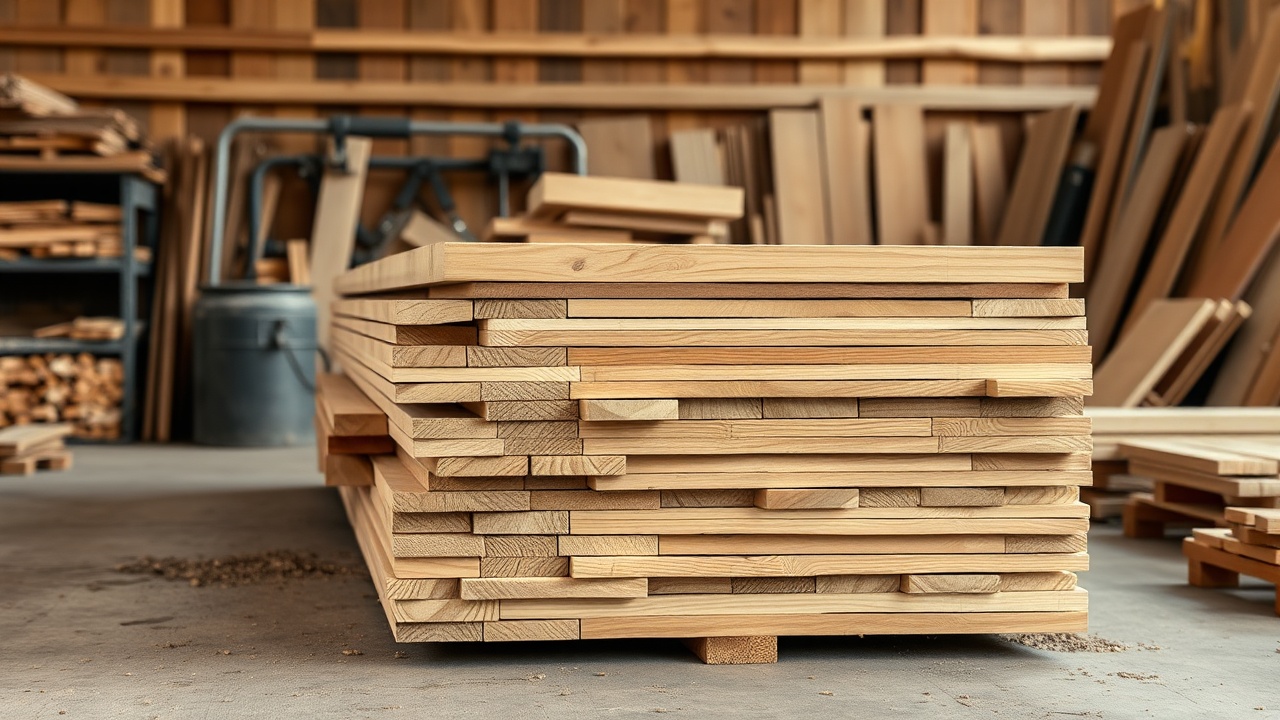
Wooden items are often bulky and heavy cargo. This imposes certain constraints on marketplace logistics. Working under the FBO system (marketplace warehouse) requires perfect packaging, because the product may pass through dozens of hands and sorting centres. Use five-ply corrugated cardboard, foamed-polyethylene corner guards and bubble wrap.
Flat-pack knock-down structures are the gold standard for scaling. They take up less warehouse space, reduce logistics costs and are less prone to damage in transit. Include a quality Allen key and a clear instruction sheet in the kit — this saves the buyer’s nerves and lowers the return rate due to ‘missing parts’ or ‘assembly difficulty’.
The weight of an item can be both a minus (a high storage tariff) and a plus (a sign of quality). It is important to find the balance. For example, make the base of a scratching post from heavy solid wood, and the decorative elements or the walls of a house from lighter but strong plywood. This optimises logistics costs without sacrificing consumer qualities.
To protect against moisture during storage in unheated warehouses, it is recommended to place moisture-absorbing inserts (silica gel) inside the packaging. Wood is a living material, sensitive to humidity swings, and your task is to deliver it to the buyer in pristine condition, with no warping or mould.
Pre-shipment checklist
- Check the completeness of the hardware (better to add +1 spare screw);
- No chips on the corners and visible surfaces;
- Even oil/lacquer coating (no runs);
- Legibility of the barcodes on the outer packaging;
- A wood-care instruction sheet is included.
Prospects and range expansion
The niche of wooden pet products is in a phase of active formation. Those who enter it now with a quality product have a chance to take leading positions and build a strong brand. Besides the standard items, it is worth looking at adjacent directions: smart feeders in wooden housings, play labyrinths, and even indoor wooden puppy pens.
The trend of the coming years will be customisation. The ability to choose the wood colour, a size for a specific breed, or to order the pet’s name burned onto the front of a house — that is what the audience is willing to pay extra for. The marketplaces are gradually rolling out tools for selling custom products, and this direction promises high margins.
The integration of technology is also inevitable. For example, scales for portion control or a water-consumption sensor can be built into a wooden bowl stand. Combining a classic material with modern electronics creates a product with a unique selling proposition that is easy to scale into international markets.
Nor should small accessories be forgotten. Wooden toys (coffee-wood chew sticks, interactive puzzles for dogs) require less material but have a high turnover rate. They are perfect for upselling and for improving the shop’s overall profitability.
Ultimately, success in this niche will come to those who combine craftsmanship with modern marketing. Wood is not merely a material; it is a philosophy of care and style that resonates deeply in the hearts of today’s pet owners.





