
The wooden-tableware phenomenon: why serving boards took the market by storm
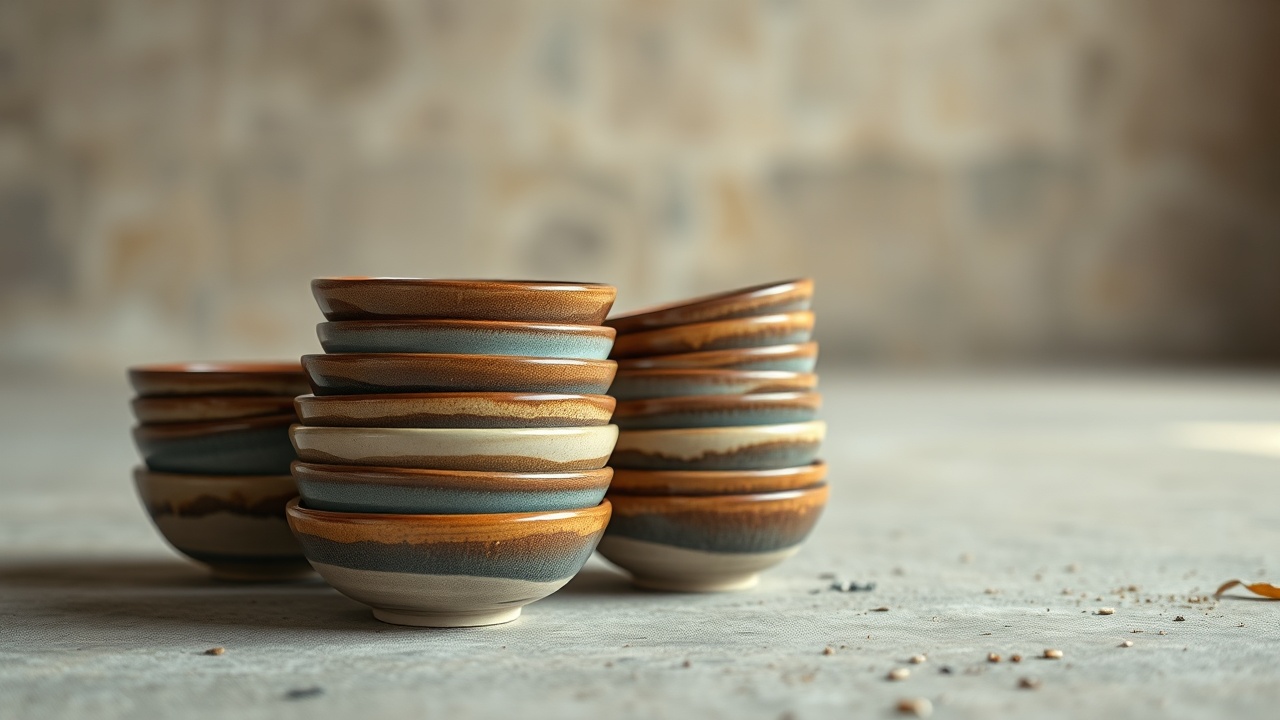
A few years ago a modest piece of finished wood with a handful of recessed compartments sparked a genuine revolution in the homeware category. The serving board stopped being mere kitchen kit and became a symbol of cosy living, the picture-perfect breakfast and the ideal gift. That success was no accident — it was the meeting point of the sustainability trend and the visual hunger of a social-media audience.
The main driver of this explosive growth was affordable production paired with high added value. Small joinery workshops discovered that offcuts of premium species such as oak or ash could be turned into a product selling for five to ten times the cost of the material itself. The aesthetic of natural wood fitted perfectly into the Scandinavian and hygge concepts that dominated interior design in recent years.
For the buyer, a serving board became an easy way to touch “the good life.” Arranging nuts, cheese or fruit attractively — even in an ordinary flat — created the feel of a restaurant plating. It worked as a psychological trigger: people were buying not just a board, but the script for a pleasant evening. It was exactly this emotional component that pushed the category to the top of the sales charts on every major marketplace.
Versatility played an important role too. A serving board makes a fine gift for a colleague, a mother, friends at a housewarming — or a keeper for yourself. With no strict sizing to worry about and an obvious function, buyers were spared the agony of choice. At a time when the gift market was oversaturated with plastic trinkets, warm, textured wood was a breath of fresh air.
Producers were quick to ride the wave and began experimenting with shapes. Models appeared in the form of hearts, leaves, Christmas trees and even the outlines of countries. This made it possible to segment the market by holiday and topical occasion, sustaining strong demand year-round. But mass adoption was followed by saturation, which today forces makers to seek out new niches and forms.
Anatomy of success: margins and the production cycle
From a business standpoint, the serving board is the perfect “entry” product. Launching a first batch did not require multi-million investments in a machine park. Many started with an ordinary hand router in a garage, gradually moving on to CNC machines (computer numerical control). Automation made it possible to scale production and achieve perfect repeatability from piece to piece — critical when working with large retailers.
The economics of the process looked extremely attractive. Using an oak or beech panel kept the material cost per item low, while an oil finish required only time and care. The main costs fell on sanding and packaging, since it was the tactile feel and the presentable look that determined the final price on the shelf.
- A low barrier to entry for small businesses.
- High aesthetic value paired with a straightforward technology.
- The option to use offcuts from furniture production.
- A long shelf life with no loss of quality.
Marketing for serving boards was built around visual content. Sellers invested in high-quality food photography, showing the product in action. Photos of beautifully arranged grapes and honey worked better than any written description. This created a self-reinforcing demand: buyers took their own photos, posted them online, and thereby advertised the product to their circle.
But the simplicity of production also played a cruel trick. The market was instantly flooded with hundreds of look-alike offers. Price dumping became the inevitable companion of popularity. To survive, market leaders had to move into branding, more elaborate designs and better finishing quality. Those who could not offer something unique were quickly knocked out of the top spots as their margins collapsed.
The overproduction crisis: why the trend began to fade
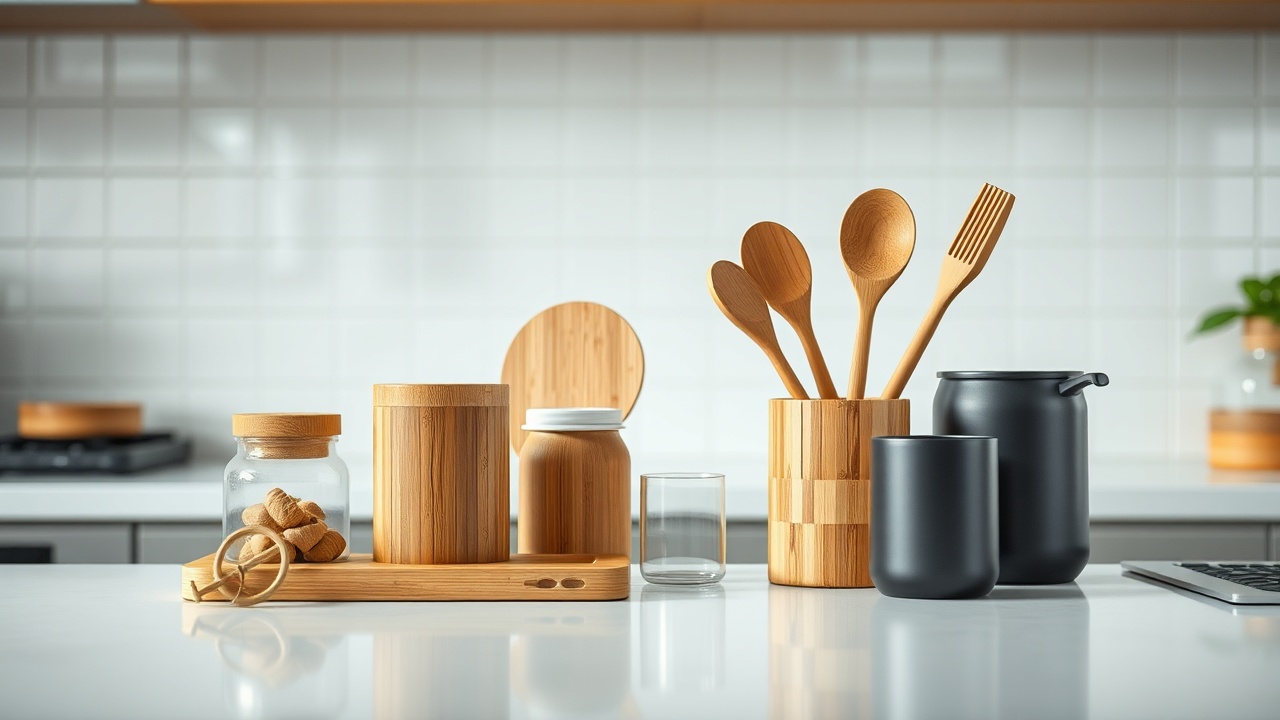
Every “hype” product passes through a saturation stage, and serving boards were no exception. Once a divided wooden platter appeared in every other home, it stopped being anything exclusive. The product moved from the category of coveted objects into the category of everyday household basics — which always leads to waning interest from the most active audience.
The consumer became more demanding. Where once any finished board would sell, attention now goes to the wood species, the quality of the panel glue-up and the safety of the oil used. Many cheap mass-market models let users down: they cracked after the first wash or gave off an unpleasant smell. This bred a certain scepticism in part of the audience.
| Comparison criterion | Growth stage (the past) | Maturity stage (the present) |
|---|---|---|
| Competition | Low, a handful of workshops | Extremely high, thousands of sellers |
| Quality requirements | Minimal — the object itself was enough | High — checking certificates and oils |
| Design | Simple geometric shapes | Signature forms, inlay, scorching |
| Sales channels | Instagram and craft fairs | Marketplaces, large retail chains |
A second reason for the decline is limited functionality. Convenient as it is for serving snacks, a serving board is a specific item that is not used every day. Unlike ordinary plates, households rarely keep more than one or two. Once the initial demand was met, repeat sales began to fall.
Finally, fashion itself changed. Strict Scandinavian minimalism is giving way to more eclectic styles. Colour, ceramics and glass are returning to interiors. Wood remains relevant, but its form and presentation need rethinking. The serving board in its classic “board with holes” form began to be perceived as visual noise from the previous decade.
Ecology and sustainability in tableware production
Today’s buyer increasingly asks: where did the wood for this tableware come from, and what will become of it in five years? Sustainability has become not just a marketing word but a market requirement. Producers who use wood from responsible sources and certified natural finishes gain a significant edge over those who buy raw material of unknown origin.
In serving-board production the emphasis has shifted to the use of the “live edge” and to preserving the natural imperfections of the wood. Knots, cracks filled with food-safe resin, and colour variation are now considered a virtue rather than a defect. This underscores the uniqueness of each piece and its natural origin — something greatly valued in the age of mass-produced plastic.
Durability has become another important aspect. Buyers are willing to pay more for a piece that will last for years. This has pushed producers to adopt deep-impregnation and heat-treatment technologies. Thermally modified wood barely absorbs moisture and does not warp, which solves the main problem of wooden tableware — its short life in contact with food.
Demand is also growing for products made from reclaimed materials. Using old beams, dismantled barns or offcuts from high-end furniture to create tableware is a powerful trend. Such pieces carry a story of their own, which adds value in the eyes of the conscious consumer.
What comes next: the interior market’s new favourites

The place of the classic serving board will not stay empty. It is being taken by objects that combine function with art. One of the leading contenders for the title of the new bestseller is textured handmade ceramics. Unlike wood, ceramics allow you to play with colour, glaze and form across a far wider range.
Irregular ceramic plates, with plant imprints or the coarse texture of stoneware, create a sense of warmth and individuality. They are also more practical to look after: they can be washed in a dishwasher and used in a microwave. The market is gradually redirecting buyers’ budgets from wood to clay.
- Ceramic sets for tapas and sauces.
- Pieces in tinted and crinkled glass.
- Stone trays in slate or marble.
- Combined pieces: wood plus metal or concrete.
Another important trend is layering. Instead of one large serving board, people are starting to assemble compositions from small bowls, sauce dishes and boards of different levels. This allows more flexible table setting for varying numbers of guests and types of dish. Modularity is becoming the key word in kitchen-accessory design.
It is also worth watching products made from recycled plastic and composites. Designers are creating remarkable pieces that look like natural stone or terrazzo, yet are lightweight and eco-friendly. This segment appeals to a younger audience for whom innovation and care for the planet come first.
Hybrid materials: when wood meets stone and resin
To revive interest in wooden tableware, producers began experimenting with material combinations. Serving boards finished with elements of epoxy resin, marble inserts or brass handles look considerably more upmarket and interesting than classic models. This is no longer just kitchen kit but a collector’s piece.
Resin makes it possible to create the illusion of water, ice or cosmic nebulae inside a wooden base. Such pieces are in huge demand in the premium segment and as corporate gifts. Working with it, however, demands real expertise, since the resin must be food-grade and flawlessly polished.
Stone, for its part, adds a sense of monumentality and coolness. Trays with a marble base and wooden sides are ideal for serving cheese, since stone holds the right temperature for longer. Hybrids like these cover two needs at once: the aesthetic and the functional.
The use of concrete in tableware is becoming an interesting direction. Special formulations make it safe for food contact. Loft-style concrete serving boards find their fans among lovers of industrial design. The contrast of warm wood and cold grey concrete is a visual device that will stay relevant for a long time to come.
How sellers can adapt to shifting demand
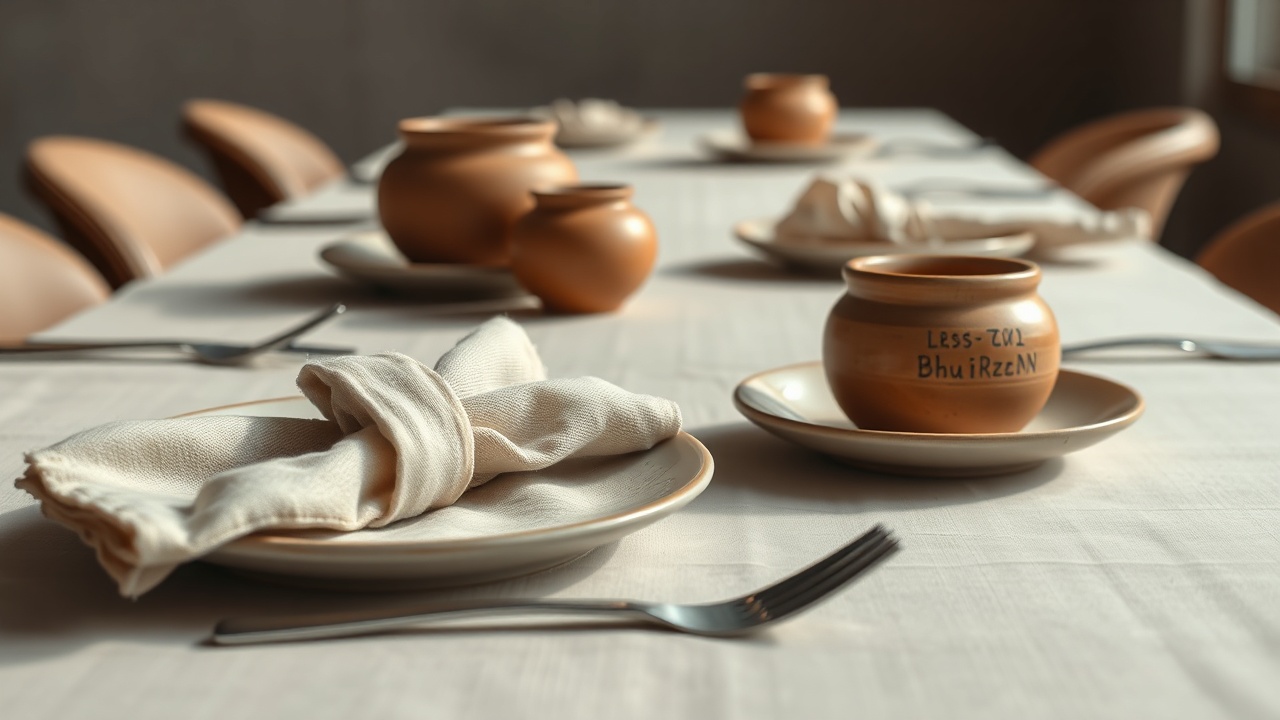
For anyone selling home accessories, sensing a change of direction in good time is essential. Betting solely on standard serving boards today is a path to a slow erosion of profit. You need to broaden the range with complementary products that build a single ecosystem in the kitchen.
The first step is moving from selling individual items to selling ready-made sets. The buyer wants a finished solution. A serving board paired with matching skewers, linen napkins or a small jar of signature sauce sells far better. This raises the average order value and customer loyalty.
- Analyse the reviews: what are buyers missing in the current models?
- Follow interior-design trends (Pantone, the fairs in Milan and Paris).
- Test small batches of new materials and forms.
- Invest in packaging: for the gift segment it is 50% of success.
The second key point is working with content. Video reviews showing ways to use the product in different scenarios (breakfast, a party, a romantic dinner) work more effectively than static photos. You need to sell not the object, but the lifestyle it embodies.
A third direction is customisation. The option to add an engraving, choose the oil colour or change the size to a bespoke order sets small producers apart from cheap mass-market imports. In an age of algorithms and identical products, a personal touch becomes a powerful competitive tool.
A look ahead: what will be the next hit
Looking forward, one can assume the market will move towards “smart” and maximally tactile tableware. Simple shapes will give way to bionic design — forms that echo natural lines but without superfluous decoration. These could be plates resembling river pebbles, or bowls like opening flower buds.
We will also see growing interest in authentic techniques. Hand wood carving (the kuksa, traditional boards), hand-shaping without a potter’s wheel — everything where “the maker’s mark” is visible. In a world overflowing with perfect objects made by robots, the slight imperfection of handwork will become a mark of luxury.
Technology will also play its part. Serving boards may appear with built-in temperature sensors or wireless-charging warming. Though for a cosy kitchen this might seem excessive, a gadget-dependent audience will greet such novelties with interest. But the core of demand will still be the desire for warmth, comfort and the chance to slow down.
In summary, the serving-board case taught the market the importance of aesthetics and of packaging meaning. Whoever understands which “script for happiness” the consumer will want to buy next — and offers a quality, beautiful tool to match — will become the new sales leader in the homeware category.





