

Wooden children’s products
Wooden children’s products are toys, play complexes, wall bars, slides, swings, playhouses, pull-up bars, ladders and Montessori-method developmental items made from plywood, solid wood and panel materials. The products are designed for the home, kindergartens, playgrounds and early-development centres: eco-friendly materials, rounded corners, safe finishes and a strength reserve for heavy use. Below we explain what children’s products are made from, how the production process works, which categories the range covers, who orders these items wholesale, and what lead times, volumes and terms you can count on.
Manufacturing wooden children’s products
Wooden children’s products are items that develop a child while staying safe in any setting, from a bedroom at home to an outdoor playground. The TigerWood range brings together a broad set of such products: toys, play complexes, wall bars, slides, ladders, playhouses, swings and pull-up bars, as well as developmental toys and Montessori-method items. Wood here is not a fashion statement but a deliberate choice — it is warm to the touch, sturdy and free of the chemicals you would rather not leave children alone with.
Our production capacity lets us make products that meet high standards of quality and safety. Every item is developed around the real needs of children and the wishes of buyers — hence solutions for different age groups, from toddlers to schoolchildren. Wooden children’s products do more than entertain: they support physical and intellectual development, whether that is fine motor skills while assembling a construction set or strength and coordination on a wall bar. In essence, a good wooden item plays two roles at once — it keeps a child occupied and quietly teaches, and the parent gets not just a toy but a development tool they are happy to pay for.
Every product in this category undergoes thorough inspection to meet strict safety and quality standards — there is no other way with children’s goods. Manufacturing wooden children’s products rests on three pillars: safe materials, attention to every detail and compliance with regulations. Skip even one of them and you release an item you cannot trust with a child, and that kind of defect costs more than any saving. A batch recall, a return from the store, lost customer trust — these are consequences far easier to avoid during production than to sort out afterwards. That is why, in children’s products, quality control is not a line to cut but a mandatory part of the cost.
What matters to our clients and partners

Professional team
Experienced craftsmen, engineers and CNC operators. Thorough quality control at every stage

Flexibility and a tailored approach
We adapt to any task: we work from your drawings or develop the cutting and machining program ourselves

End-to-end approach
We offer the full range of woodworking services — from sawing to painting and assembly

Wide delivery coverage
We work with clients across many European countries. We help with logistics and packaging

Fast lead times
Large-scale production and streamlined processes let us complete even complex orders quickly

Modern equipment
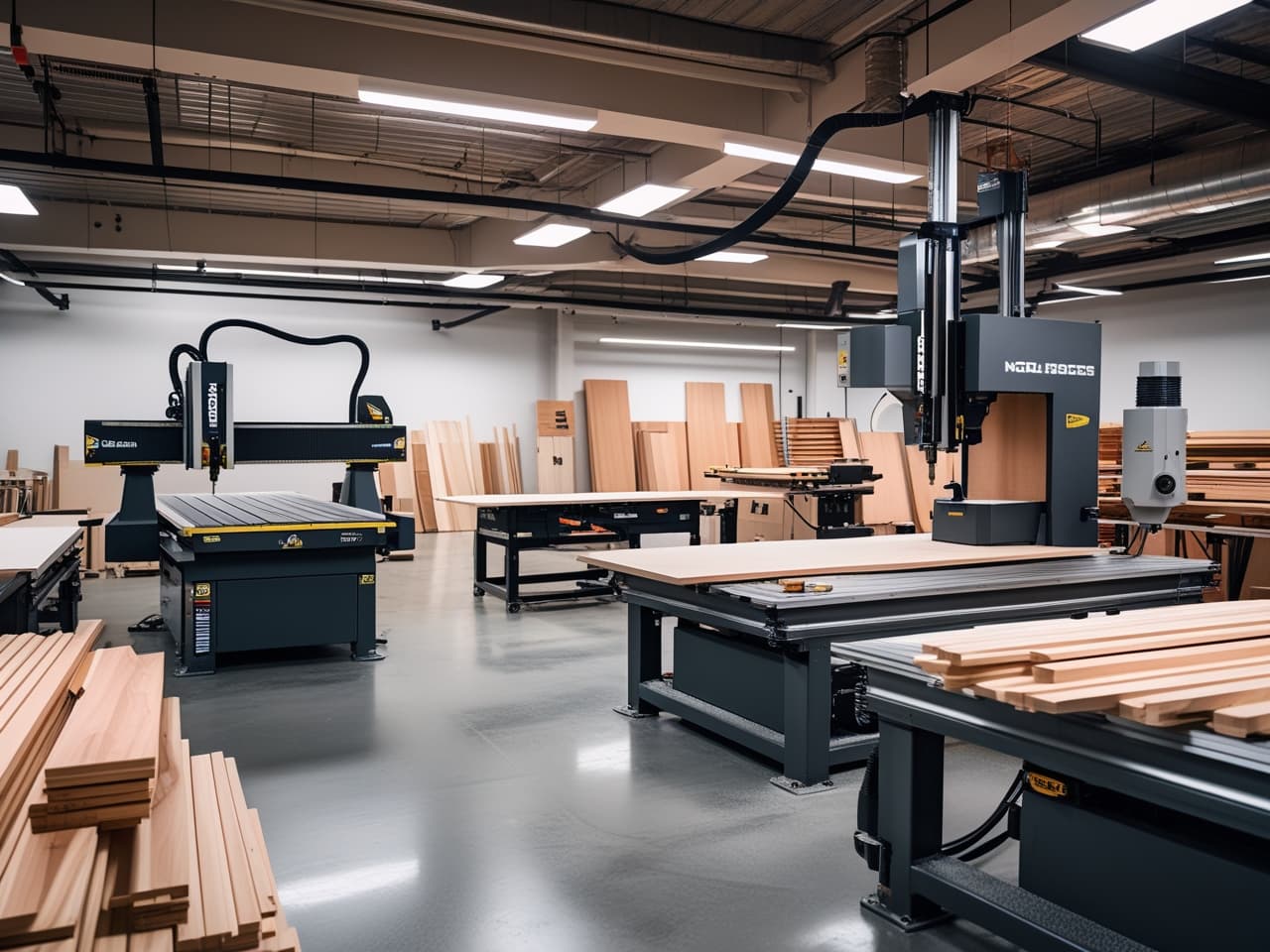
We work with panel saws, CNC machines, routers and sanding machines
Why wooden children’s products are chosen more often
Wooden children’s products have qualities valued by parents, manufacturers and retailers alike. The first is eco-friendliness. Wood contains no toxic substances and is safe for a child, which is why it suits toys, play complexes and children’s interior elements so well. A parent who reads the composition of a plastic toy usually has no such questions about a wooden one — and that noticeably influences the choice in the store.
Swings, wall bars and developmental toys made of wood are strong and durable. Unlike their plastic counterparts, wooden structures withstand higher loads and last for years, often passing from an older child to a younger one. For the seller this is a double plus: the product does not need frequent replacement, is returned as defective less often and works for the store’s reputation. Here durability translates directly into customer loyalty.
There is an aesthetic side too: wood has a living texture and a material that is warm to the touch, creating a sense of cosiness in a nursery. Natural materials shape a calm, healthy atmosphere, and for a growing child the environment matters a great deal. Wooden products fit almost any interior — from a classic nursery to a modern early-development centre — without clashing with the overall style through garish plastic.
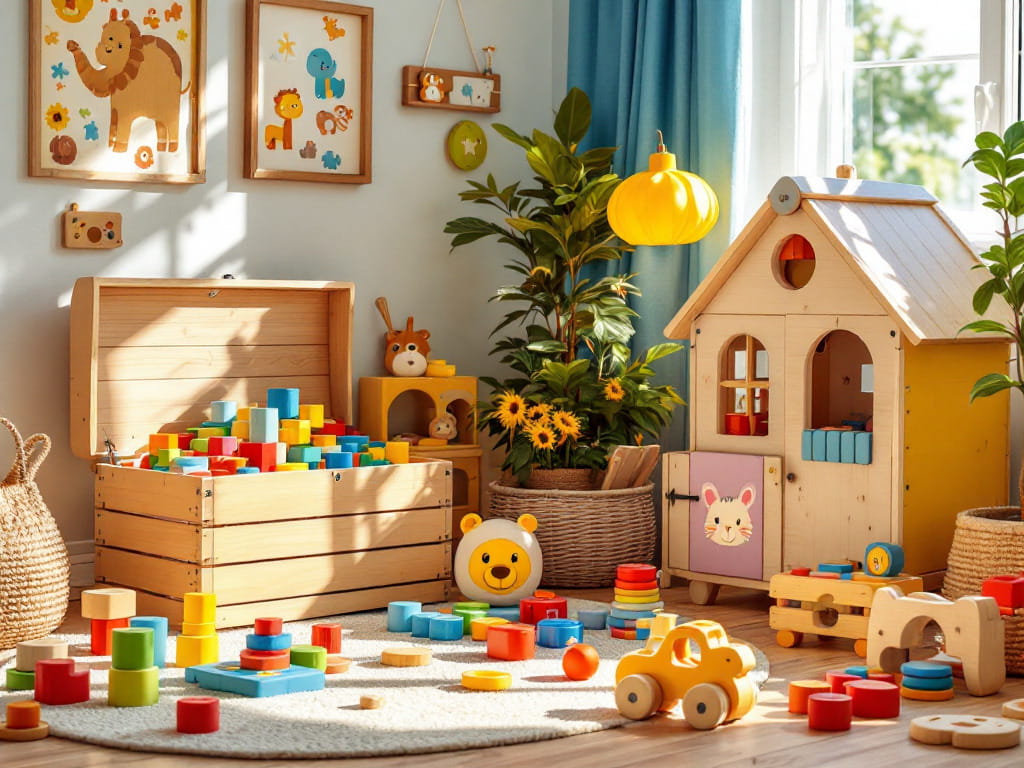

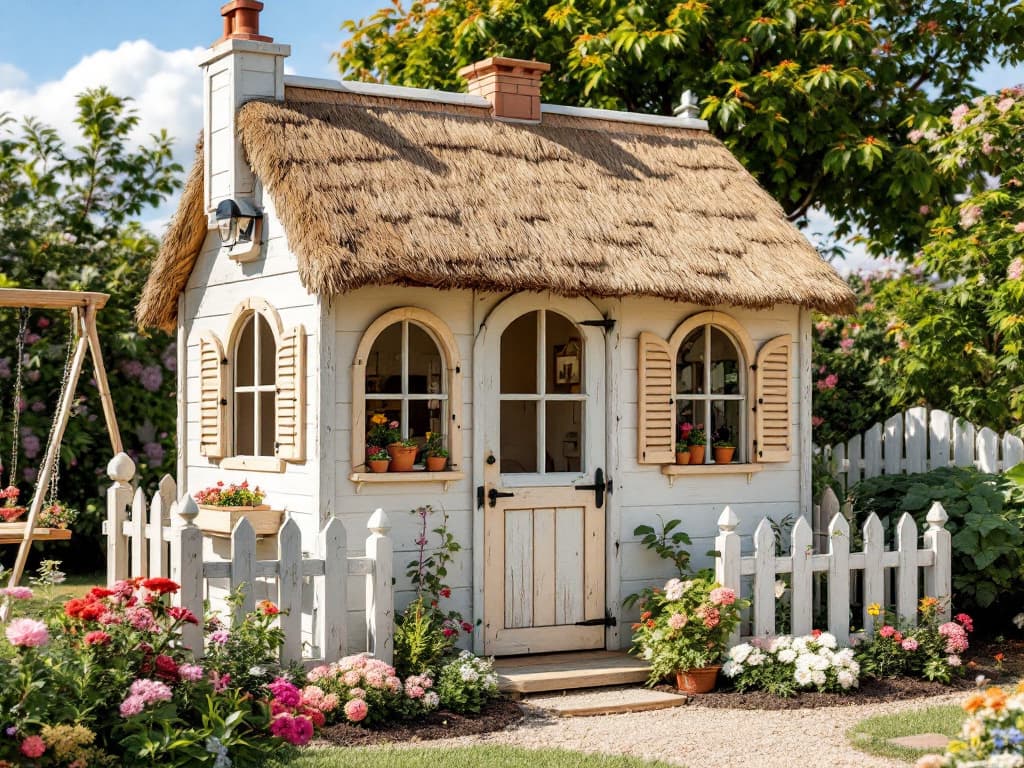

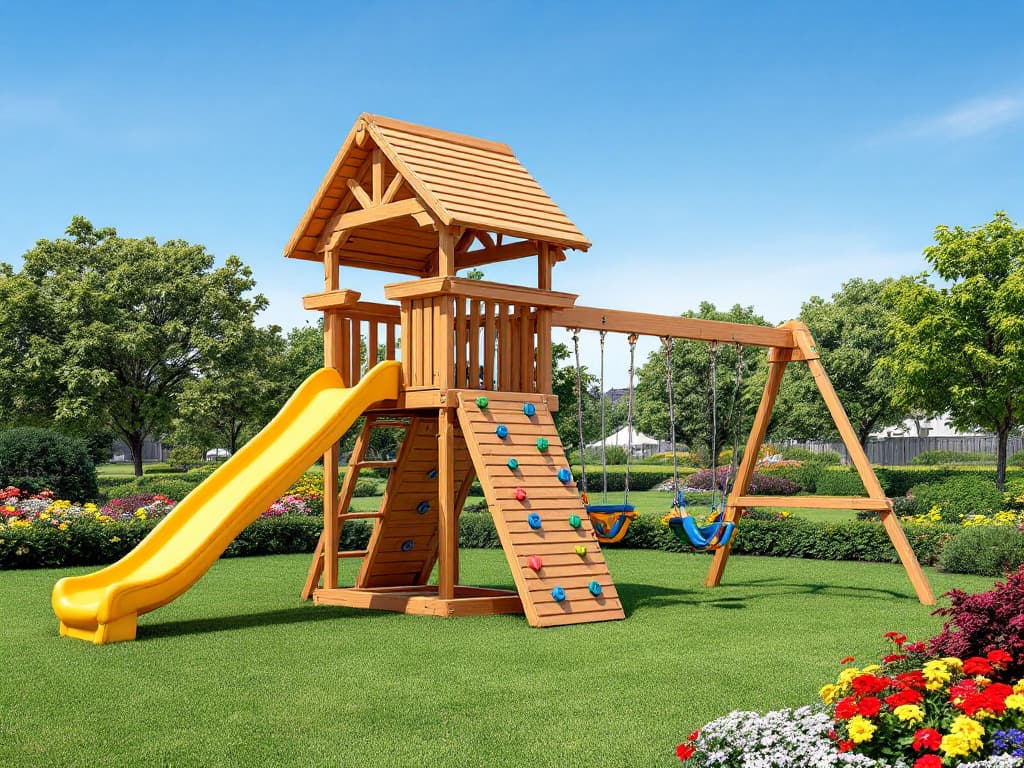


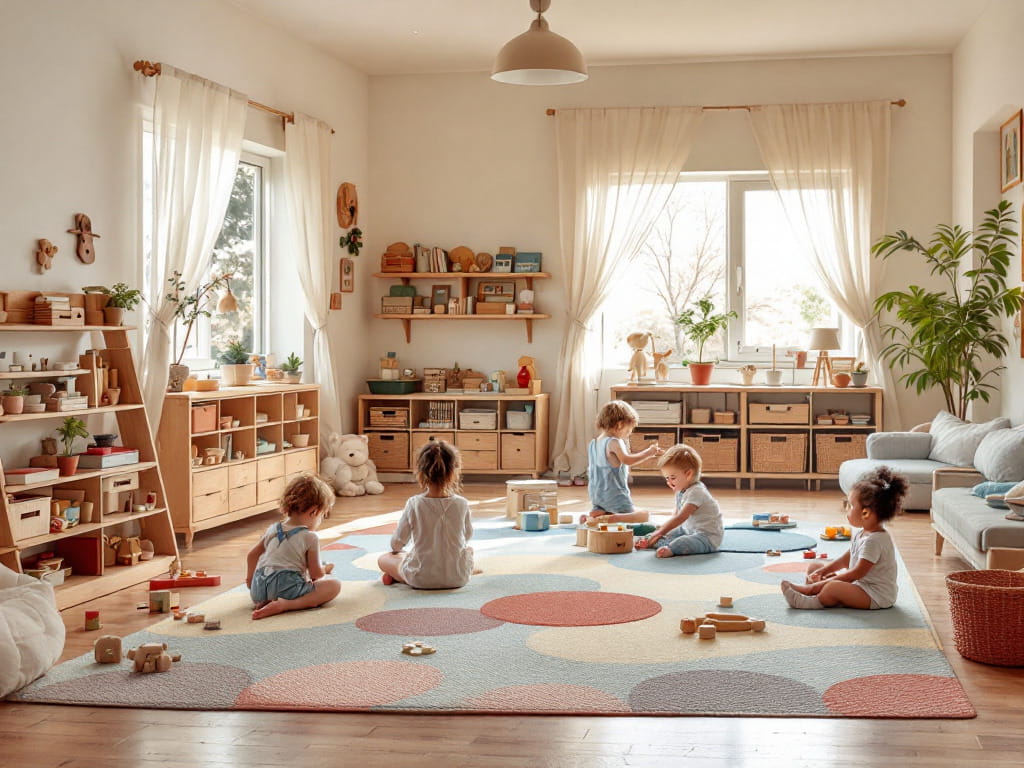
Beyond children’s products, TigerWood also makes other wooden goods that are handy for rounding out a range across different market segments. Sub-categories include home furniture, landscaping elements and interior items for commercial premises. For a buyer this is a plus: some items can be sourced from a single manufacturer, without piecing an order together across different contractors and checking each one’s quality separately.
Each category has its own set of advantages: quality materials, precise execution and room for an individual approach. Wooden landscaping elements, for instance, go into decorative fences, benches and garden structures that beautify a plot and serve for years in the open air. Such variety widens the client base — from private customers to organisations engaged in landscaping and design. In essence, a single production base covers both children’s themes and grown-up tasks.
There are also products for comfortable, functional interiors — decorative panels and partitions for offices, cafés, restaurants and other commercial spaces. All of it is made to the client’s wishes, so the solutions differ from task to task. One needs a zoning screen for a lounge, another an accent wall panel for a meeting room, and both requests are met on the same equipment as the children’s products.
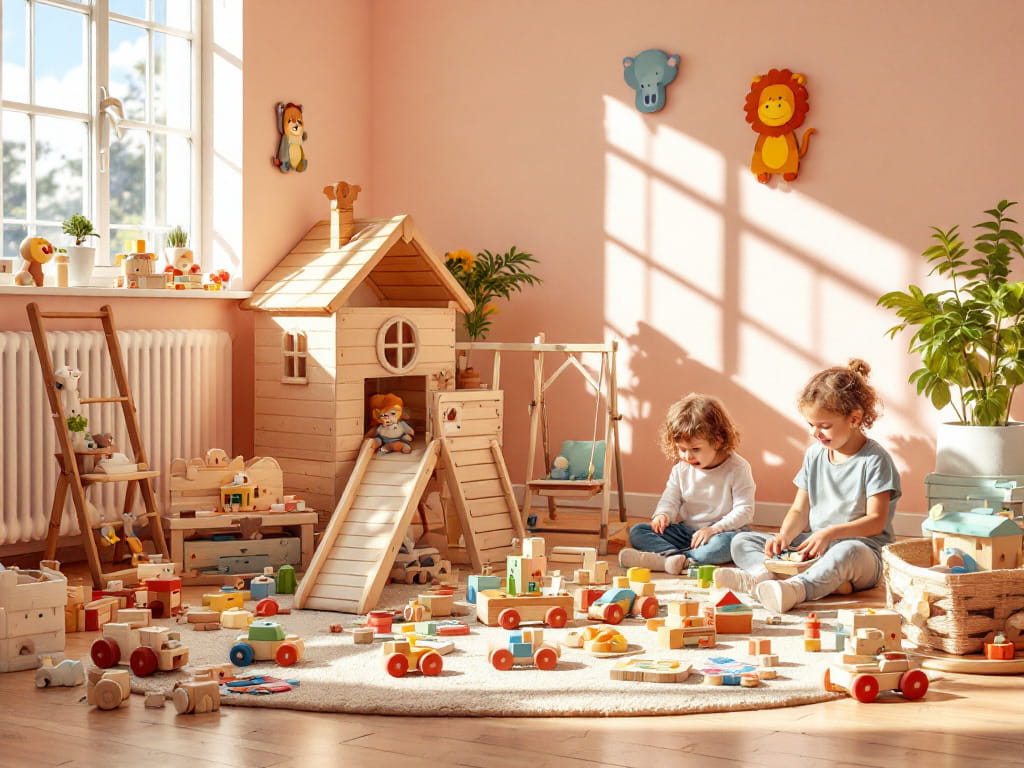
Wooden toys — here you’ll find classics like toy cars and building blocks, as well as more complex constructions for motor skills, focus and logic. They support early development while simply delighting the child, and the calm wooden texture appeals to parents tired of plastic.
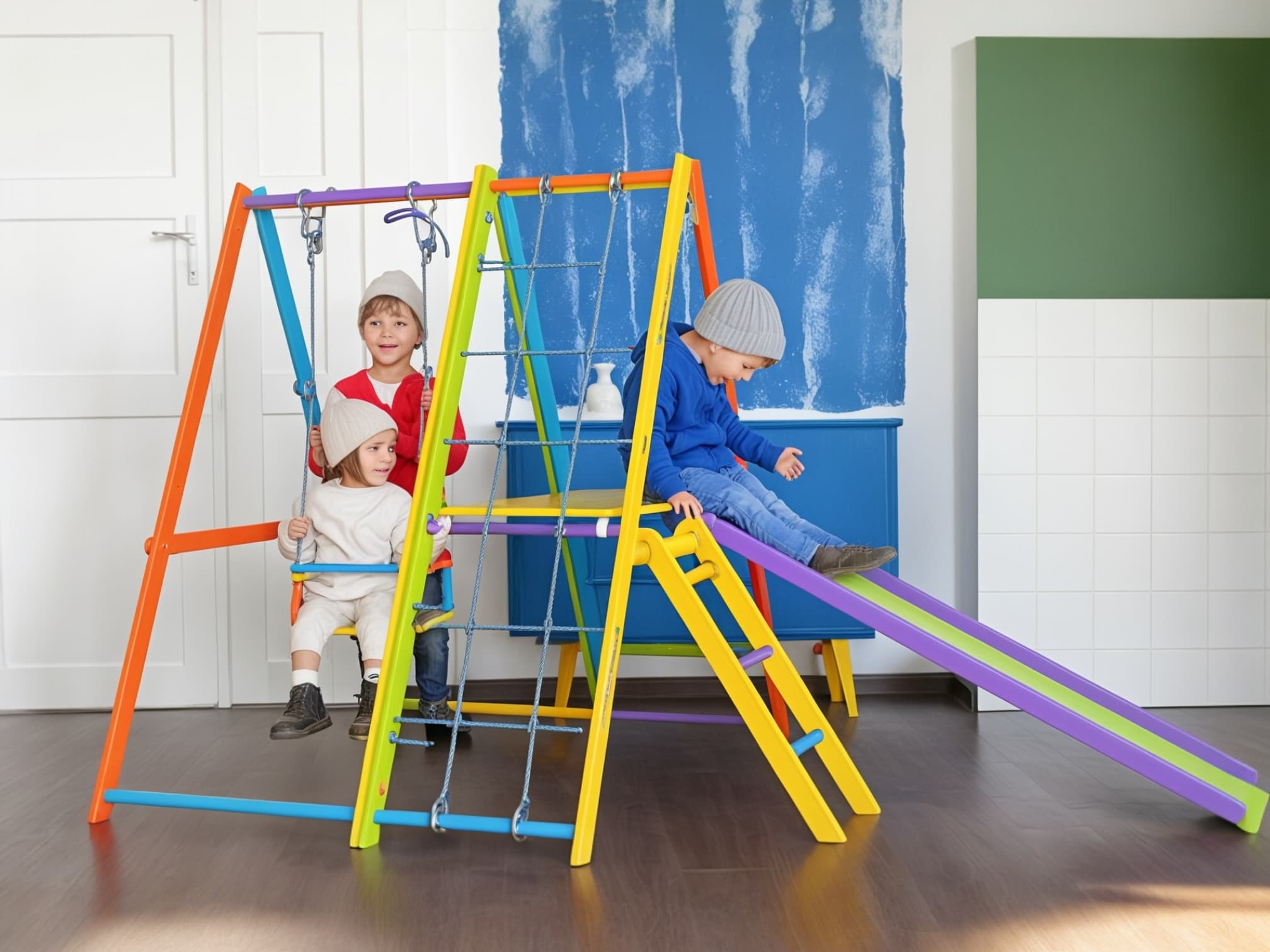
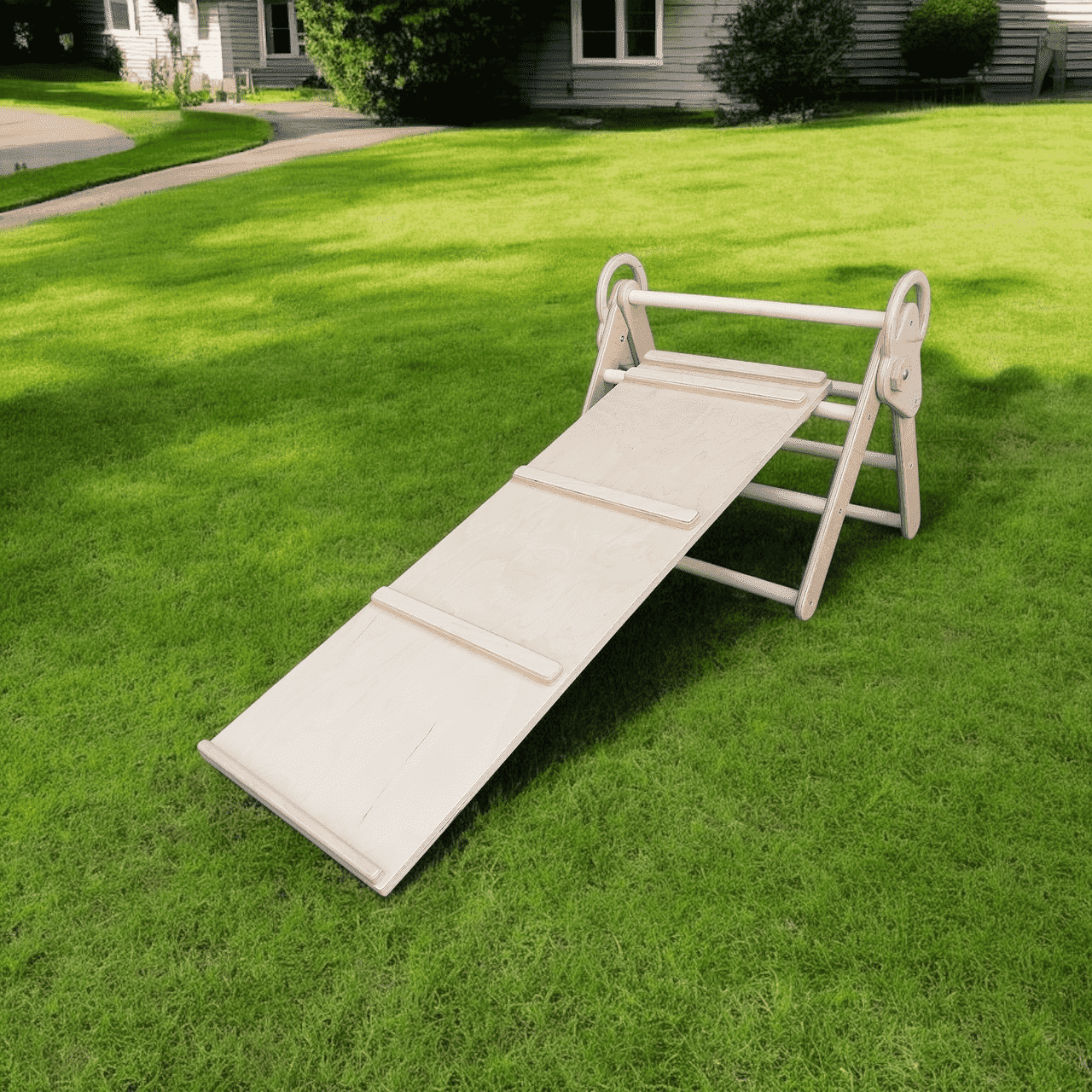
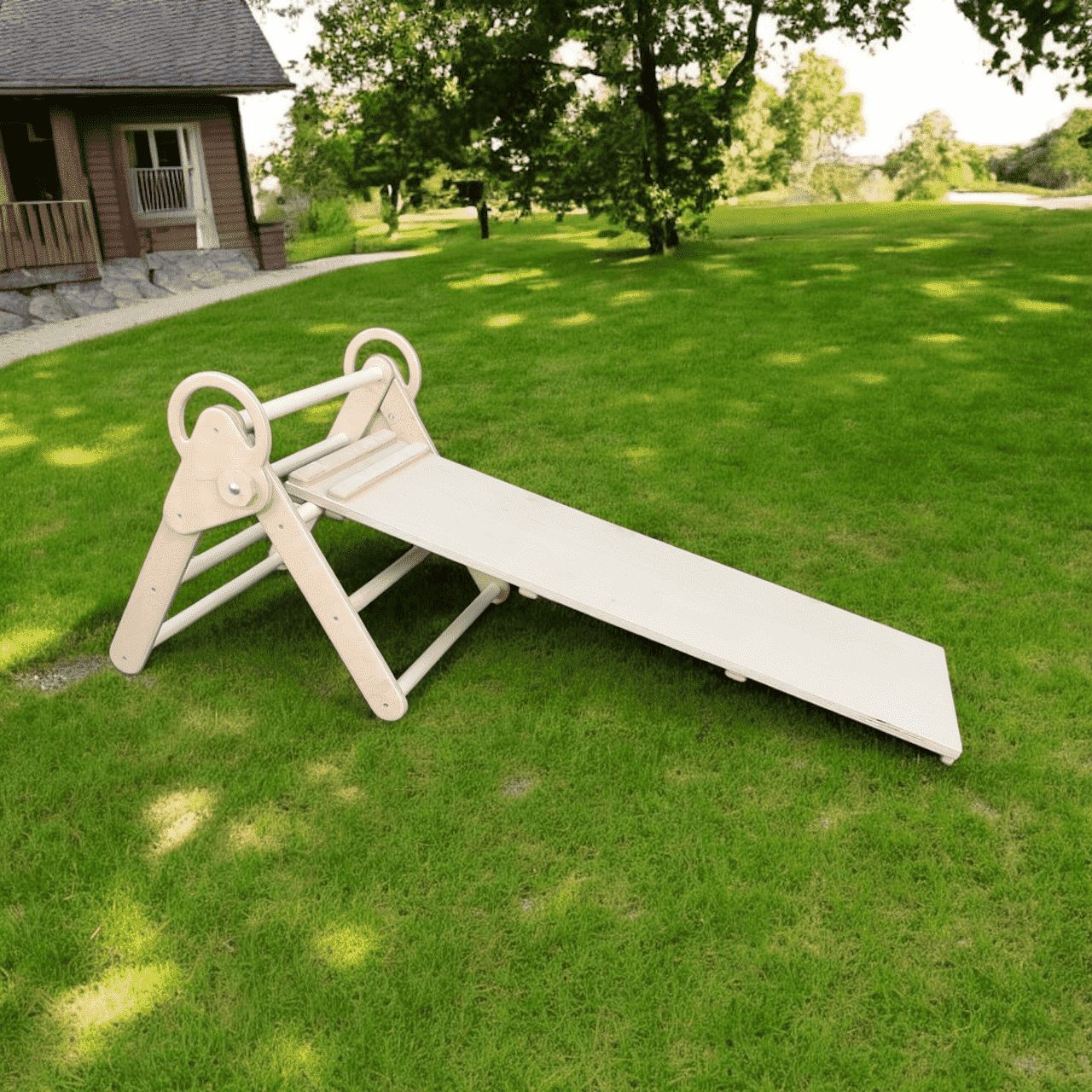
Play complexes and playgrounds — from simple structures to multifunctional playgrounds with slides, ladders and pull-up bars. They get children moving, developing coordination, strength and stamina, and in a kindergarten yard or at home they become a magnet for active play.
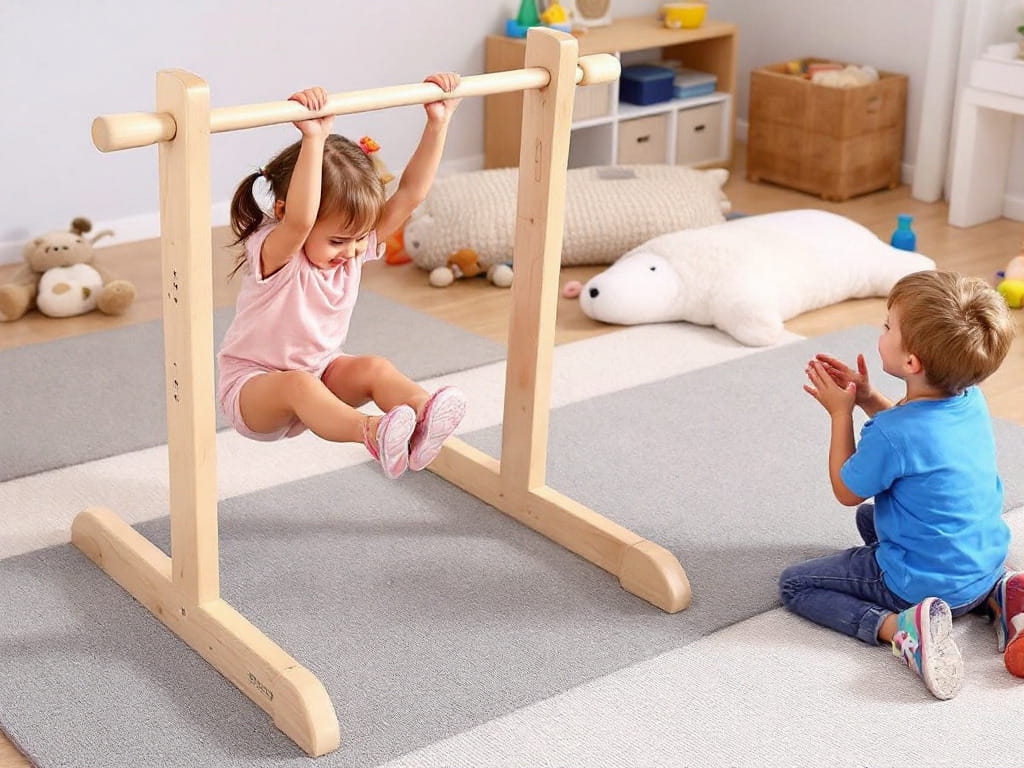
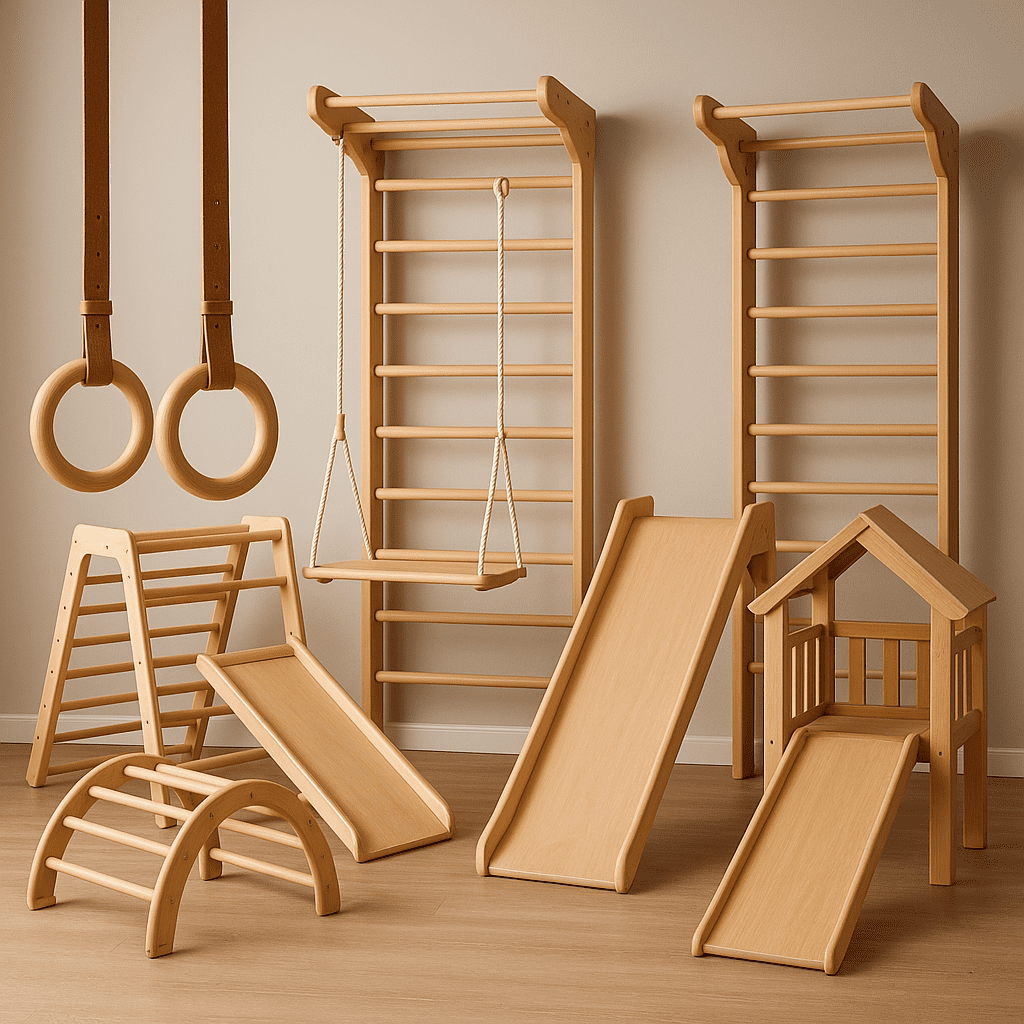
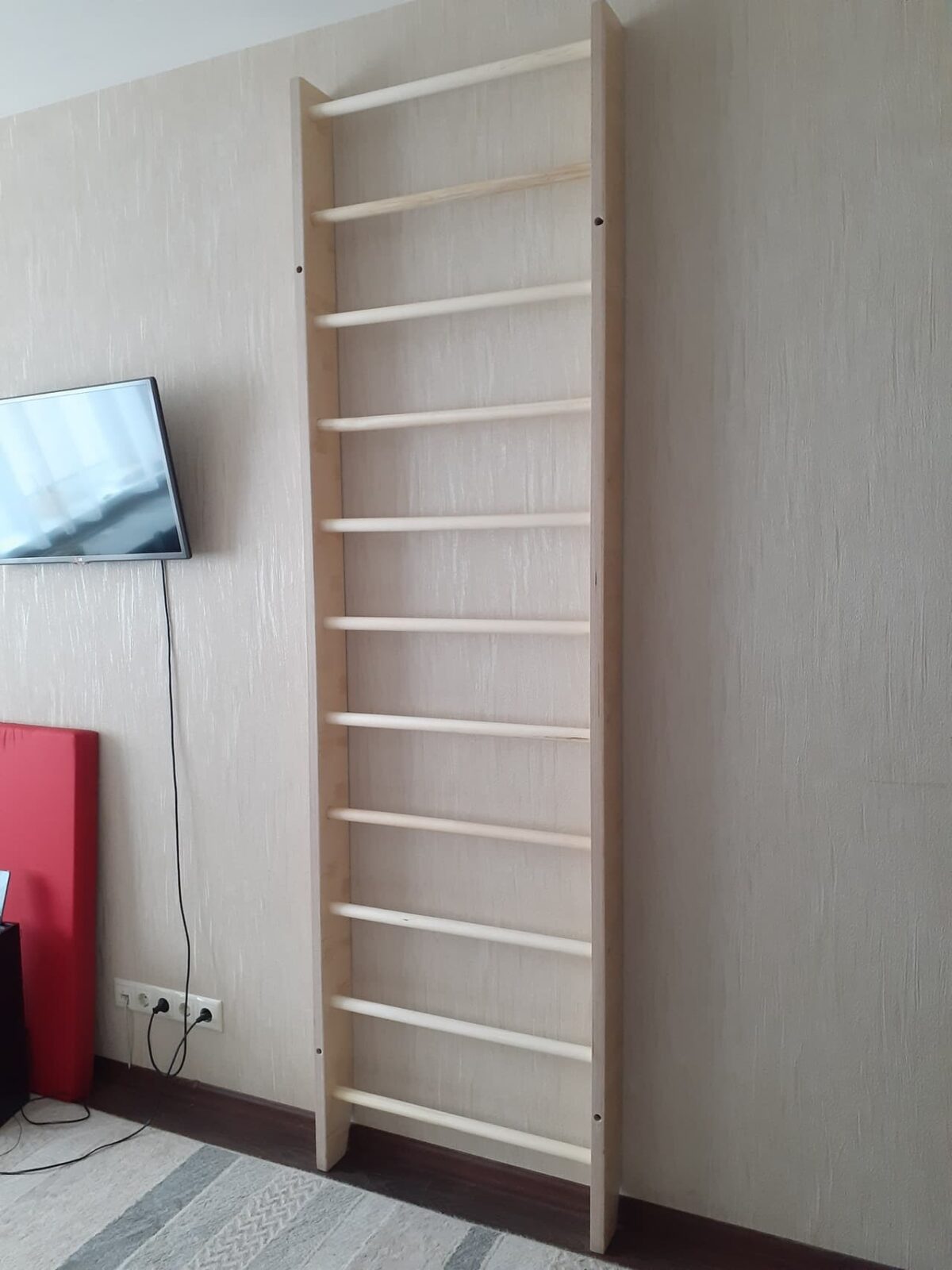
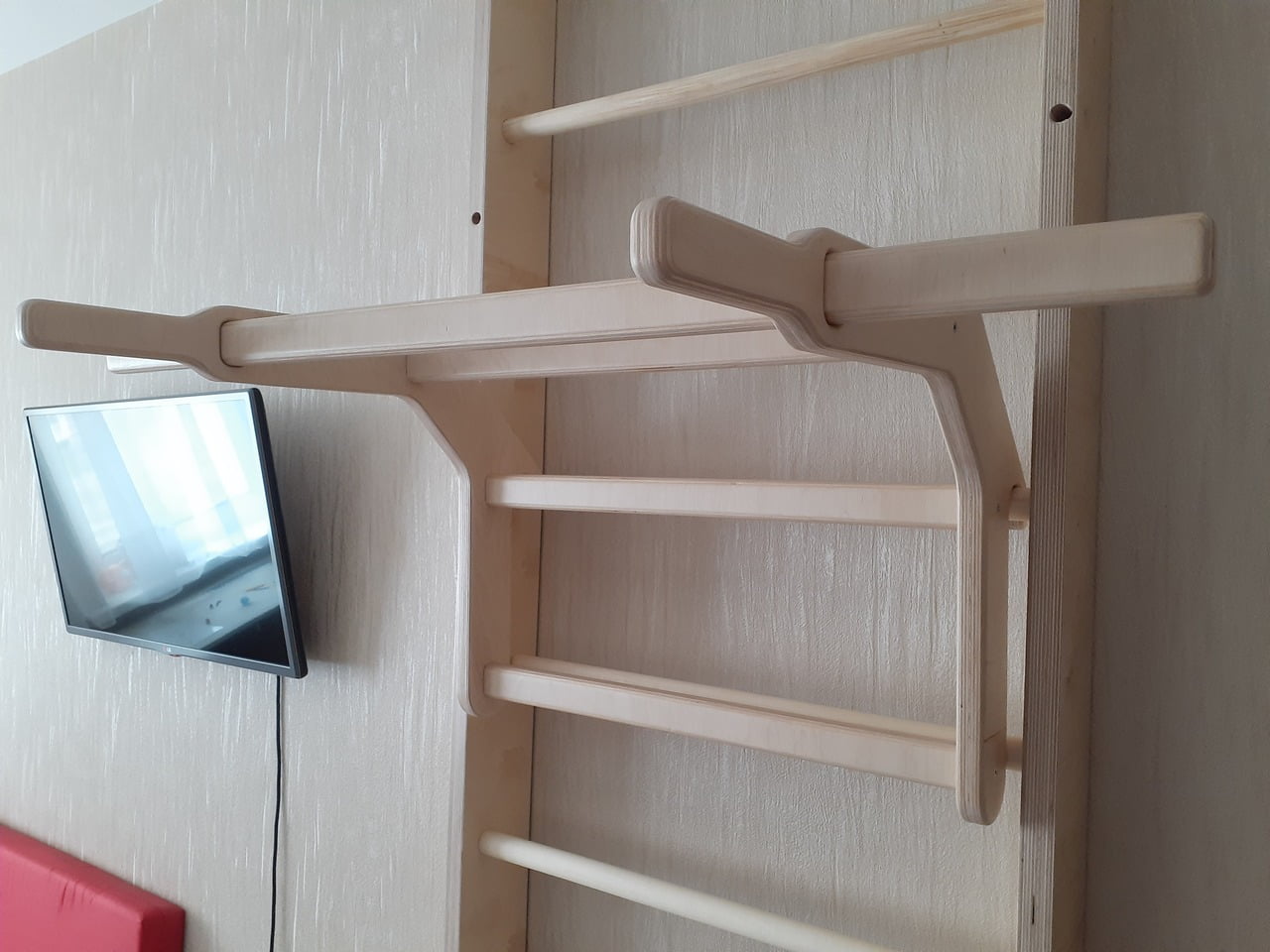
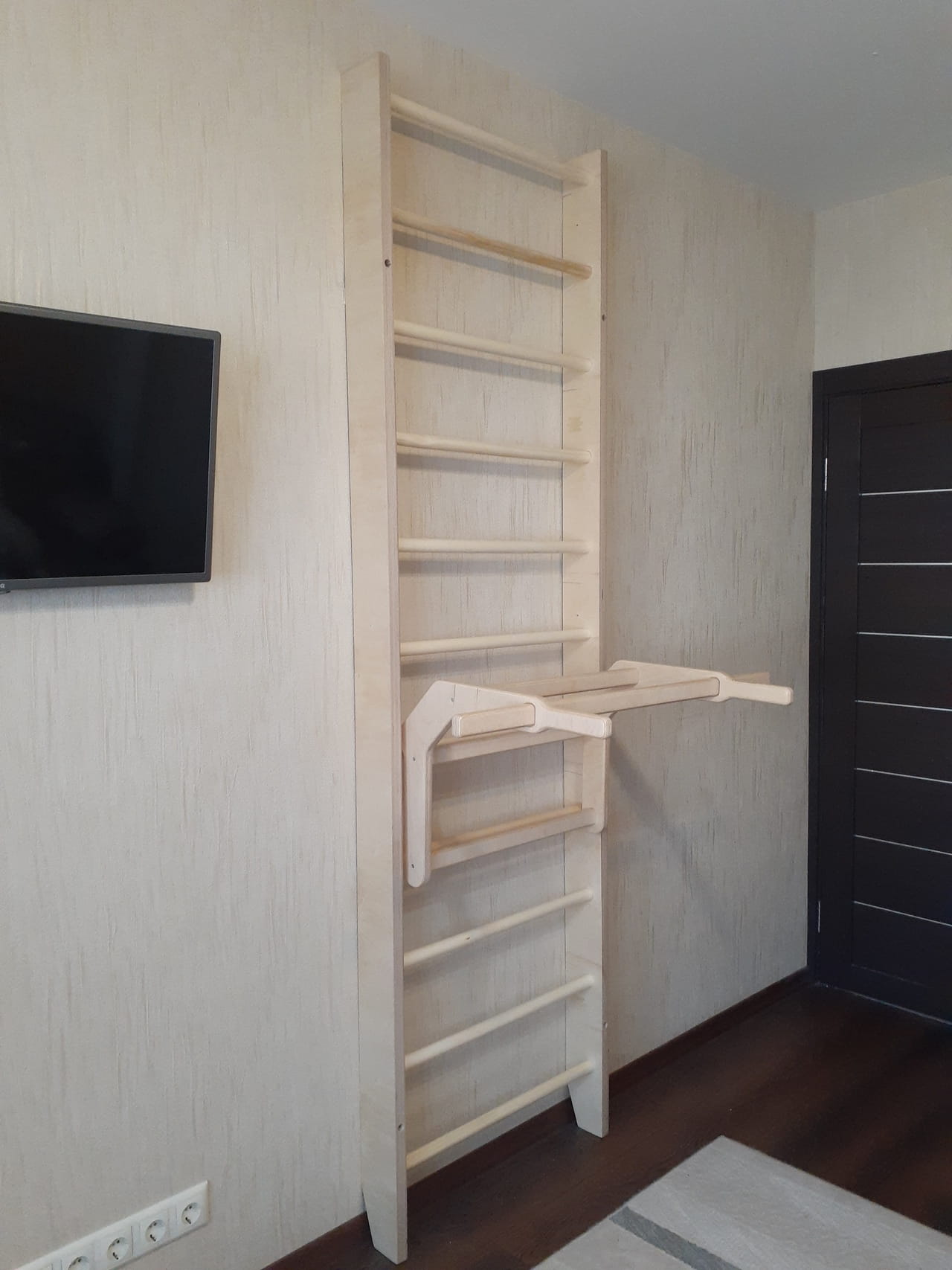
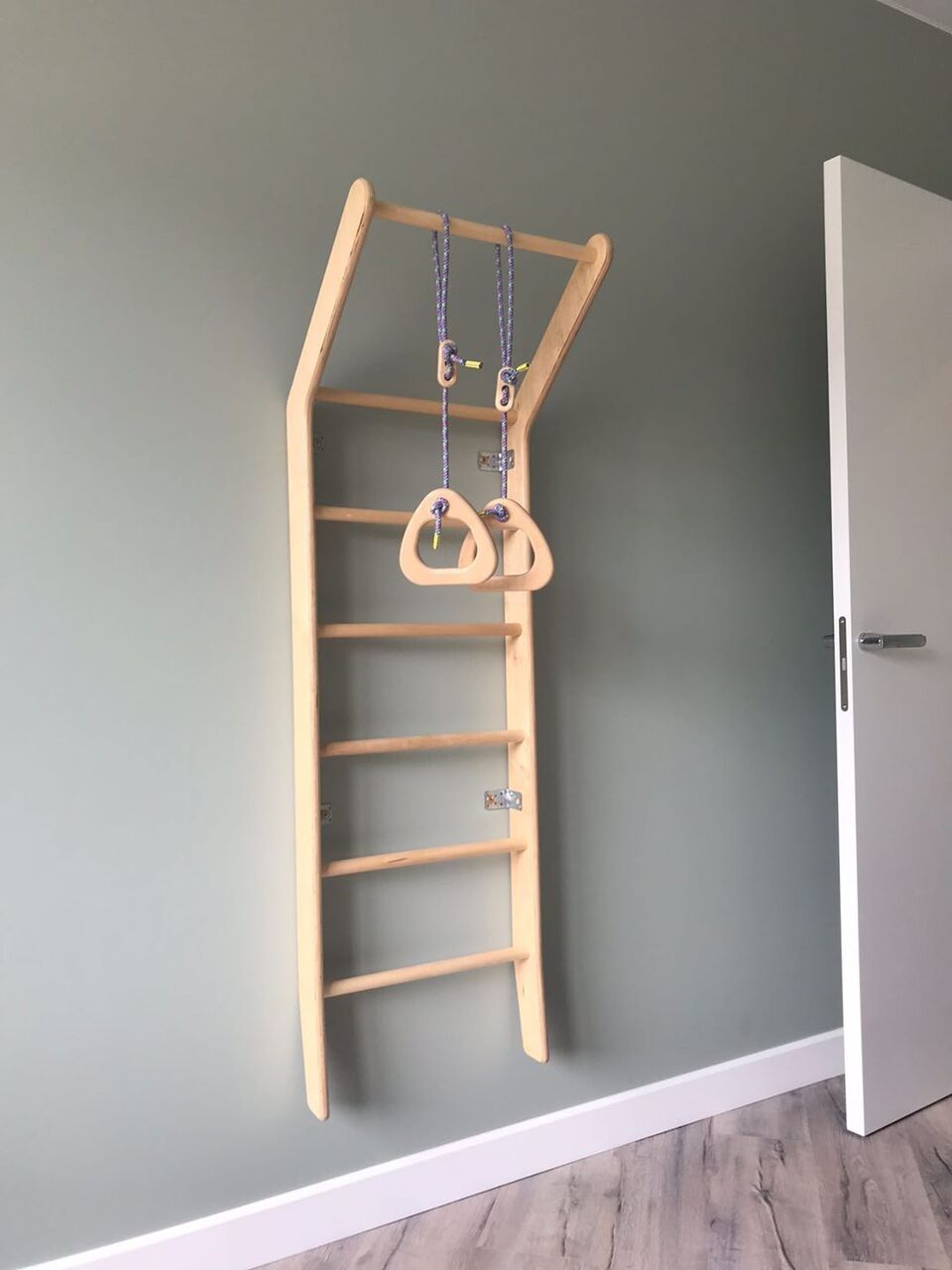
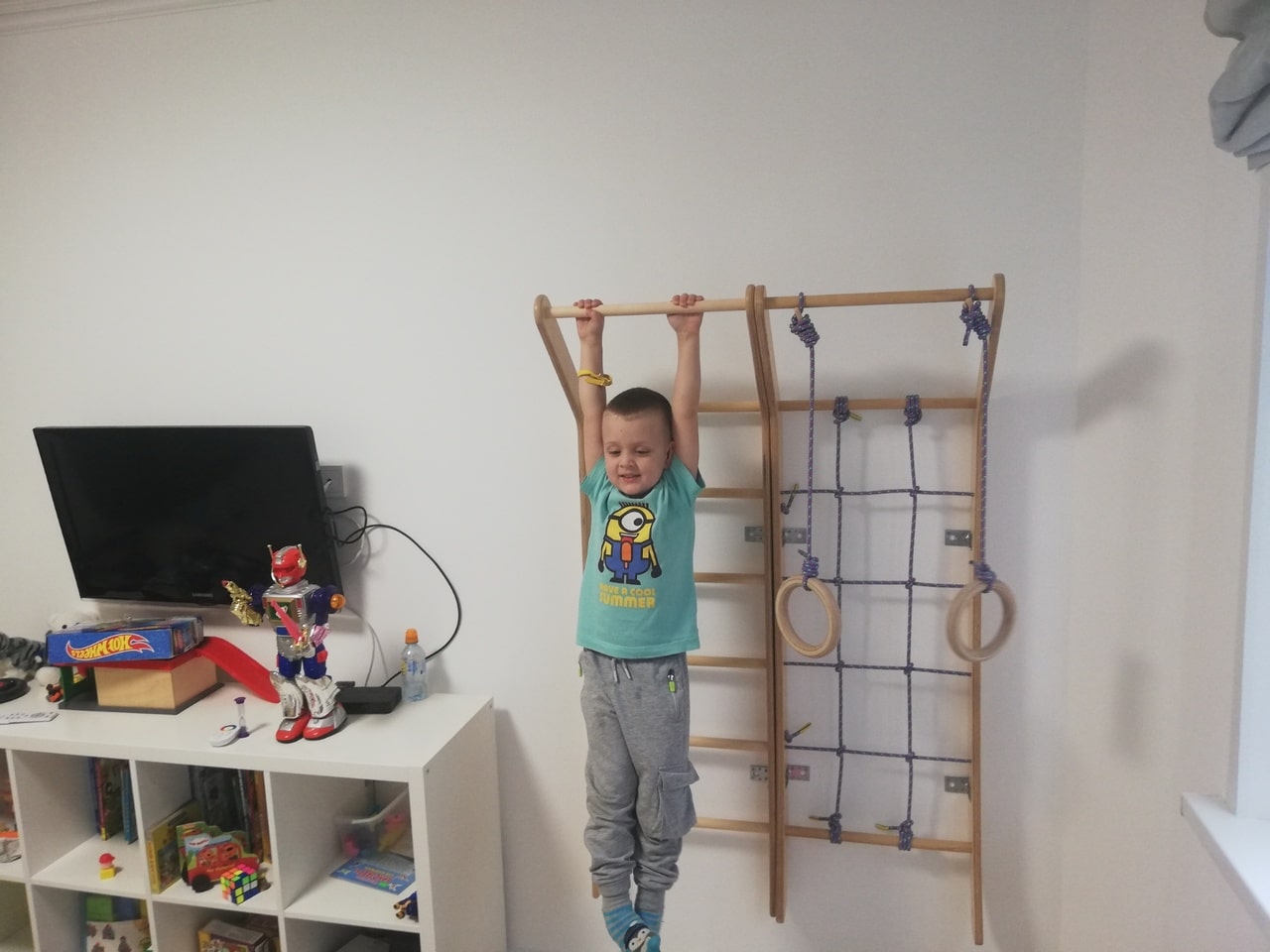
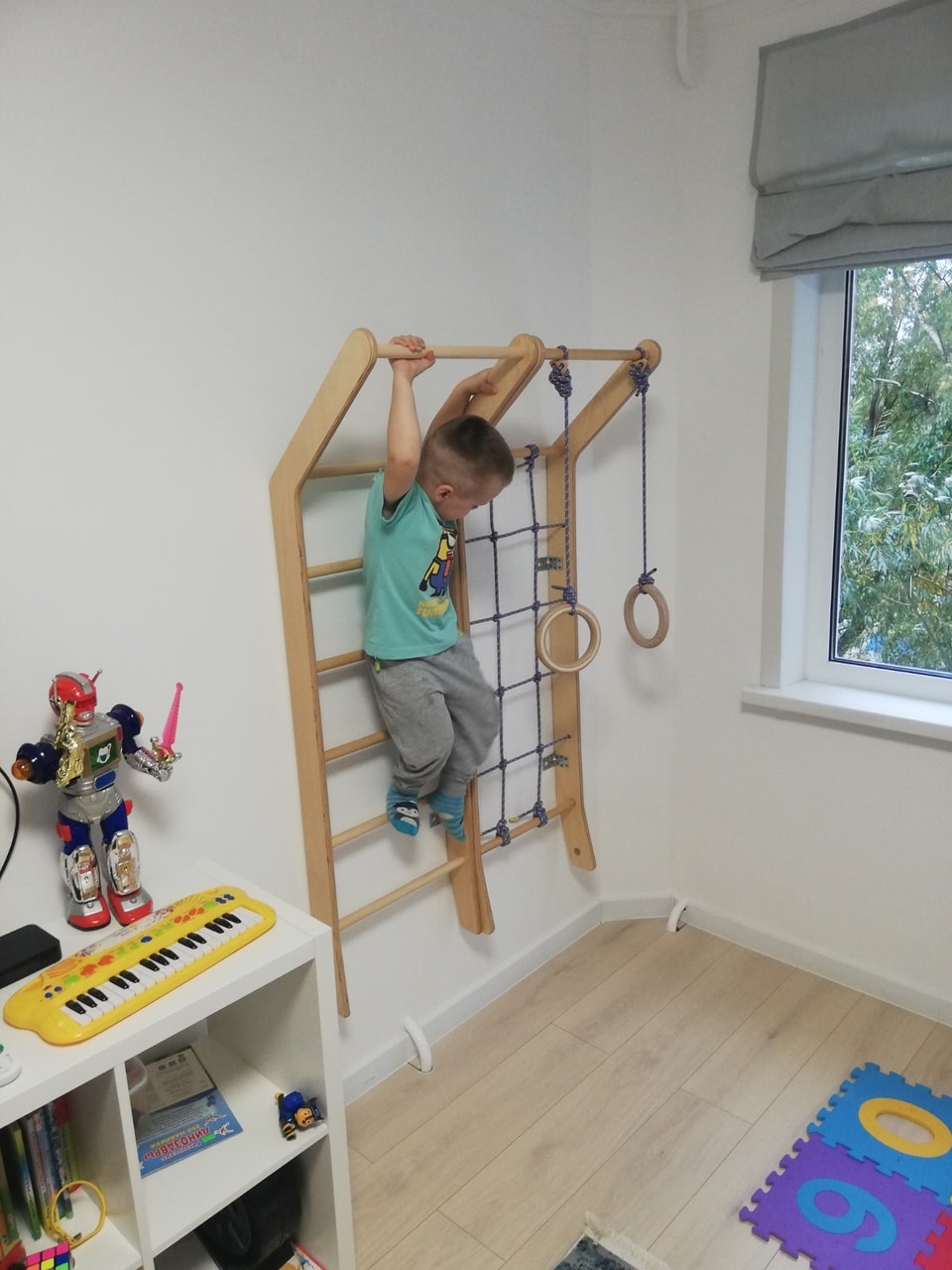
Wall bars — functional and safe, they build strength, stamina and coordination while taking up little space. They are easy to expand with a rope ladder, climbing rope, rings or a pull-up bar, creating a full home gym for a daily workout.
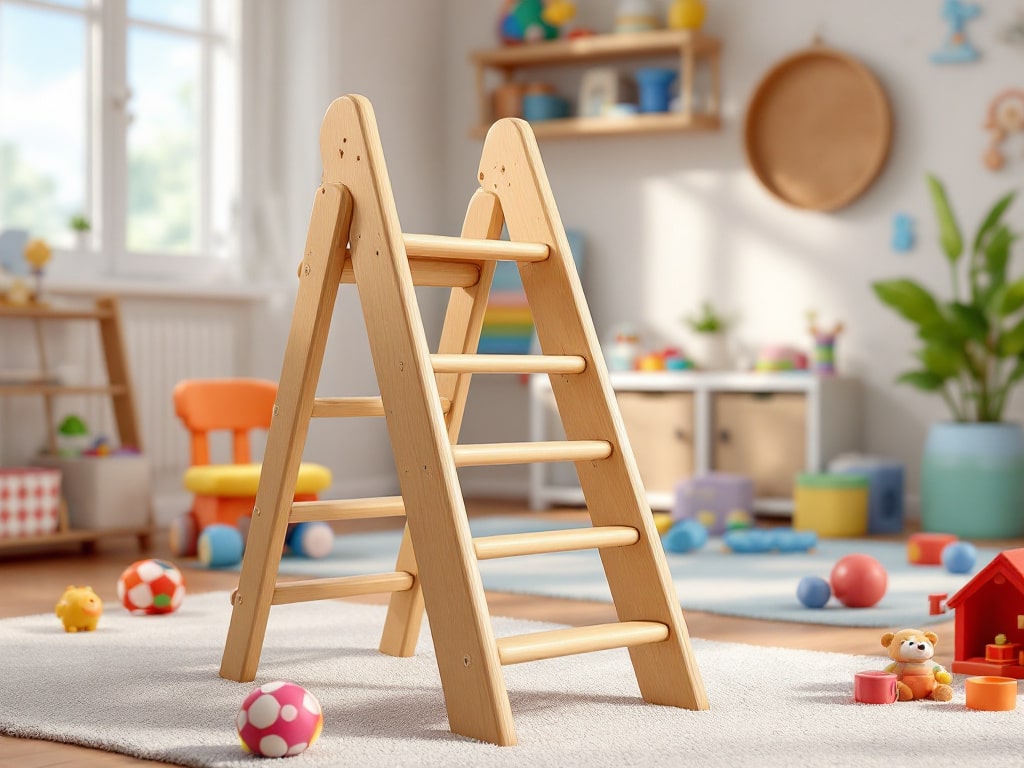
Slides and ladders — they support physical development, training agility and motor skills. A slide can go at home or on a playground, and the height and gradient are chosen to suit the age, so the descent is fun but safe. For a toddler it is also the first experience of conquering height on their own.
Playhouses and swings — a cosy wooden playhouse often becomes a favourite spot for play and solitude, where a child invents their own worlds. Swings add movement and joy, developing activity and coordination, and the gentle rocking also soothes little ones.
Developmental and Montessori toys — they help train attention, memory, logic and creative thinking. They fit neatly into the Montessori concept, which bets on independence and curiosity: the child explores the object themselves rather than following prompts. Such items are increasingly taken up by both kindergartens and parents keen on early development.
The types of wood and sheet-material processing we use
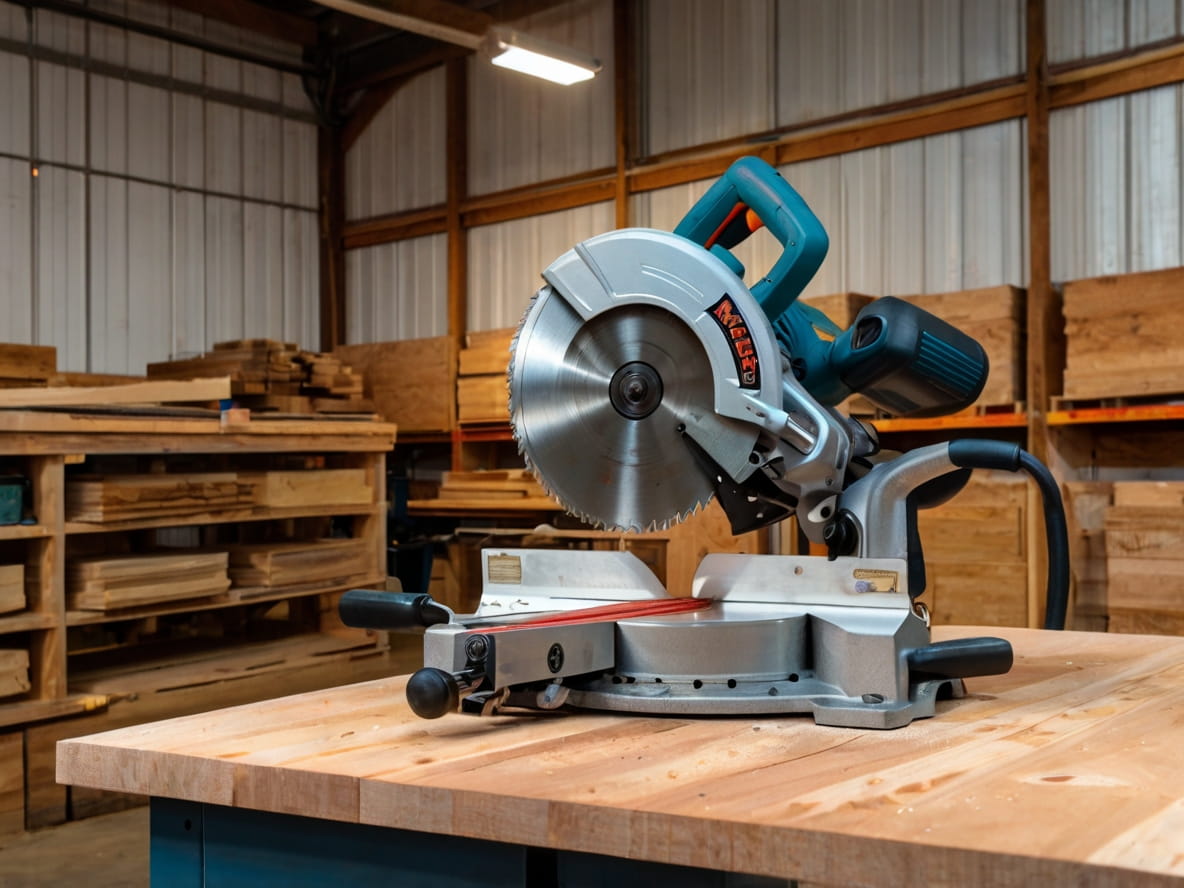
Cutting
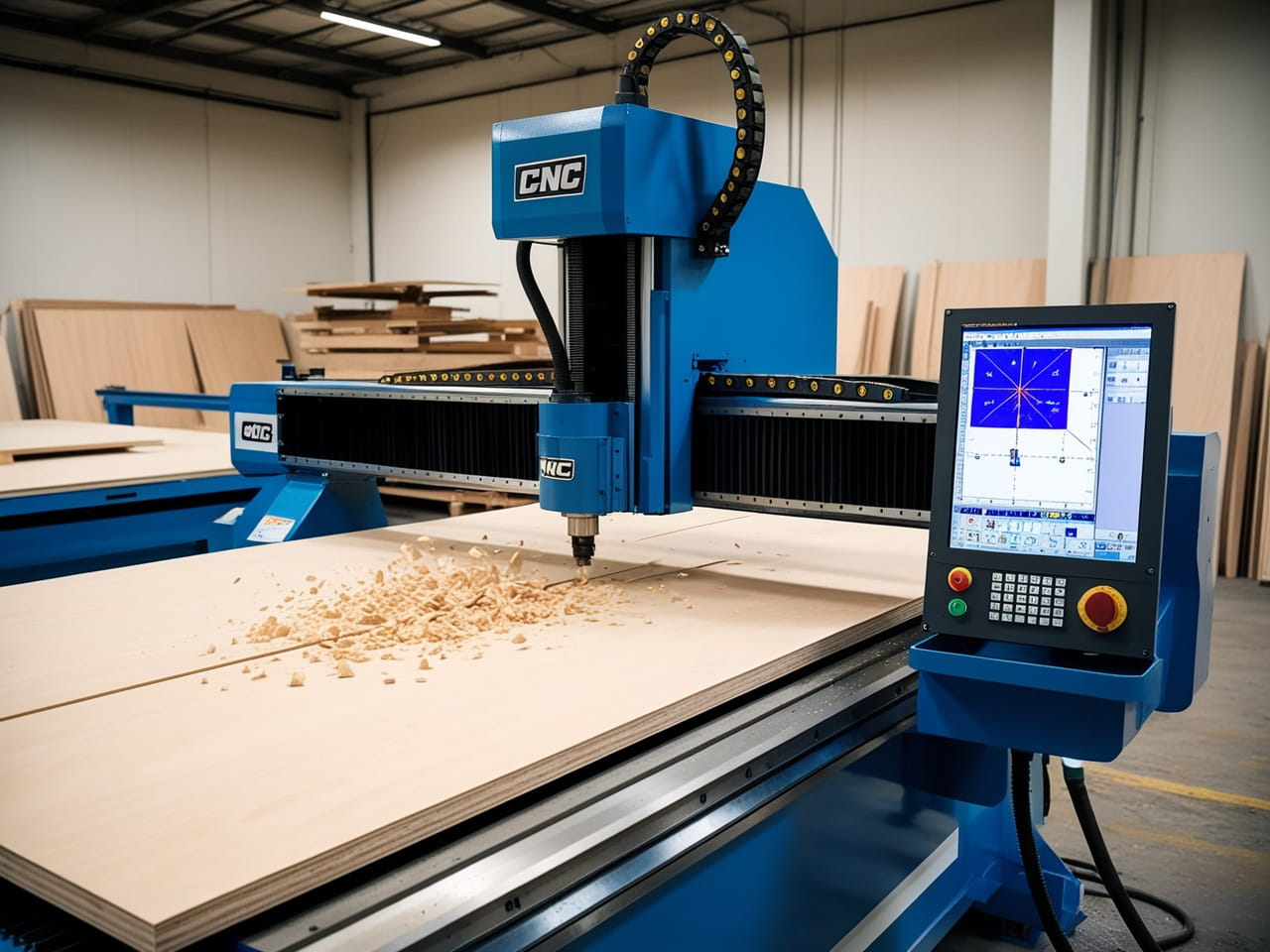
CNC

Cross-cutting

Drilling
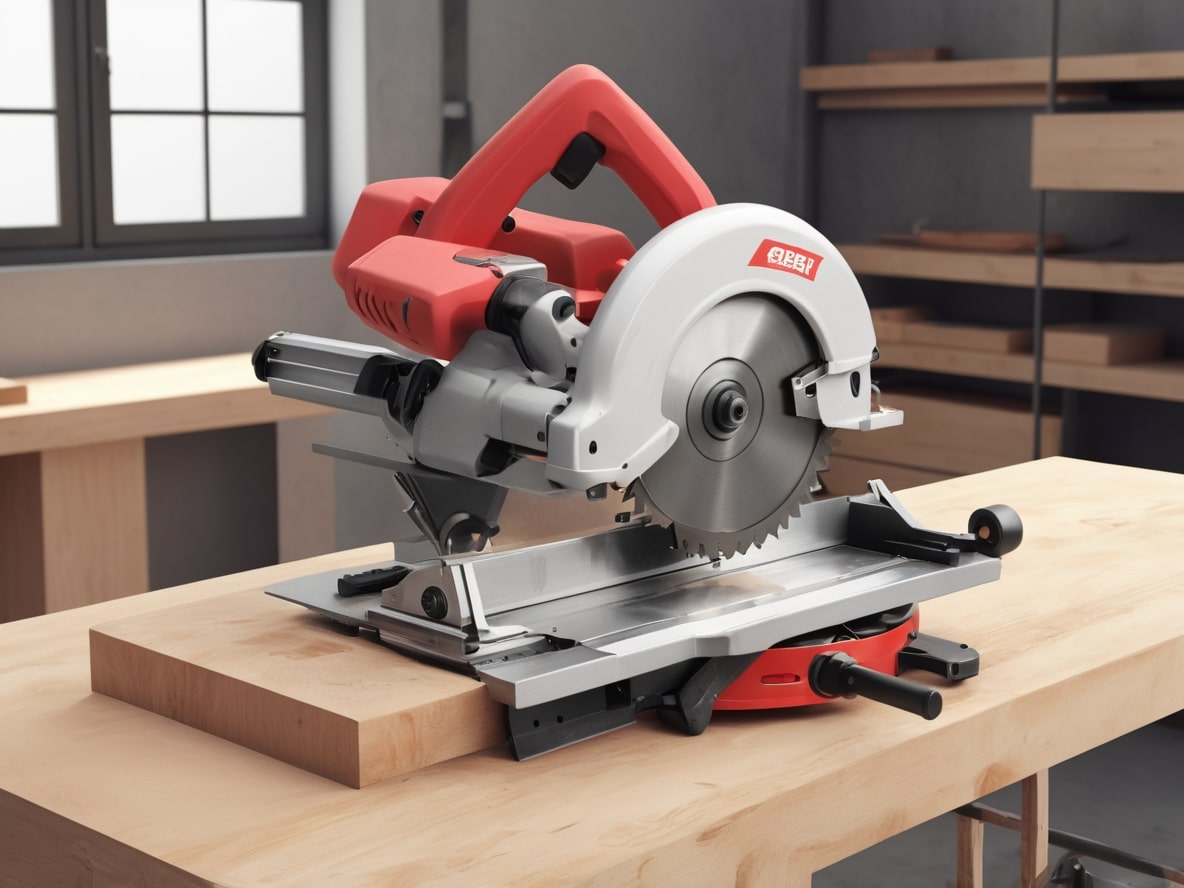
Sawing

Ripping

Machining
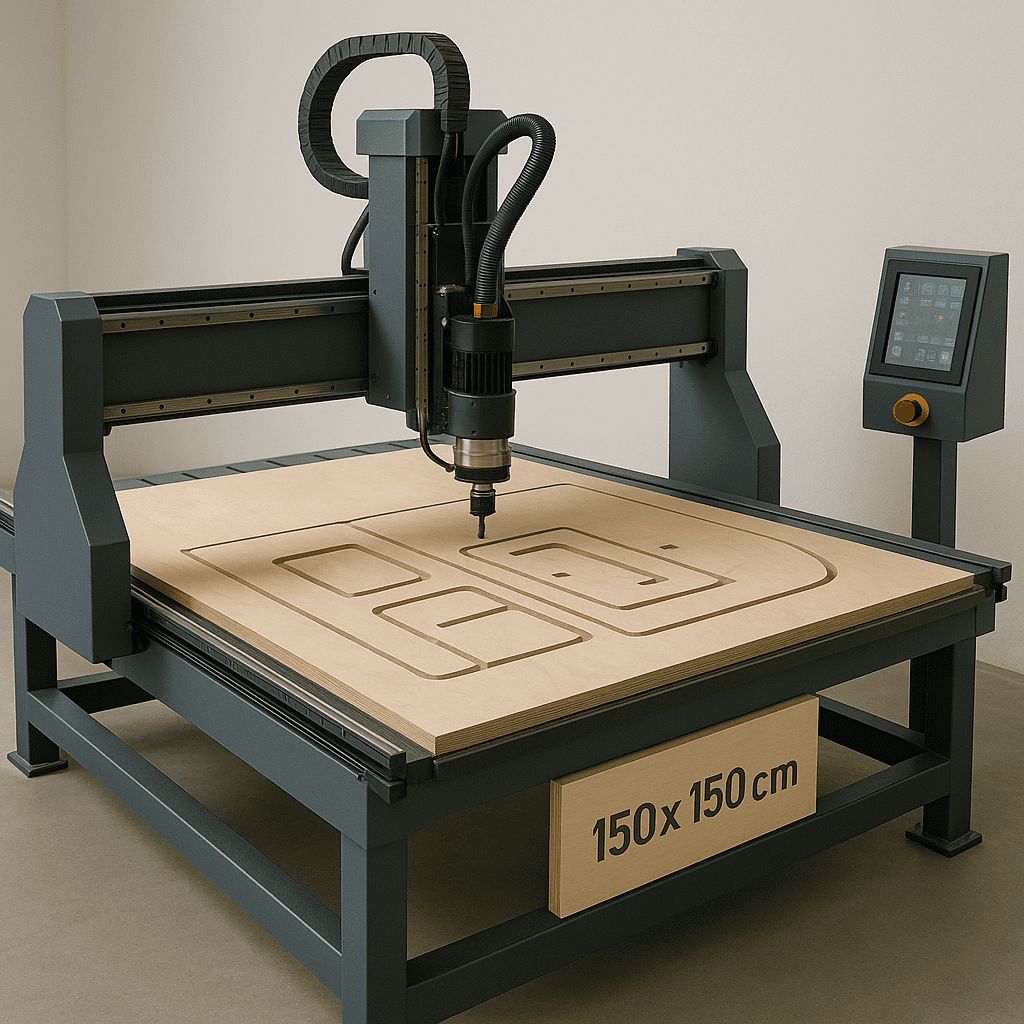
Cutting to size
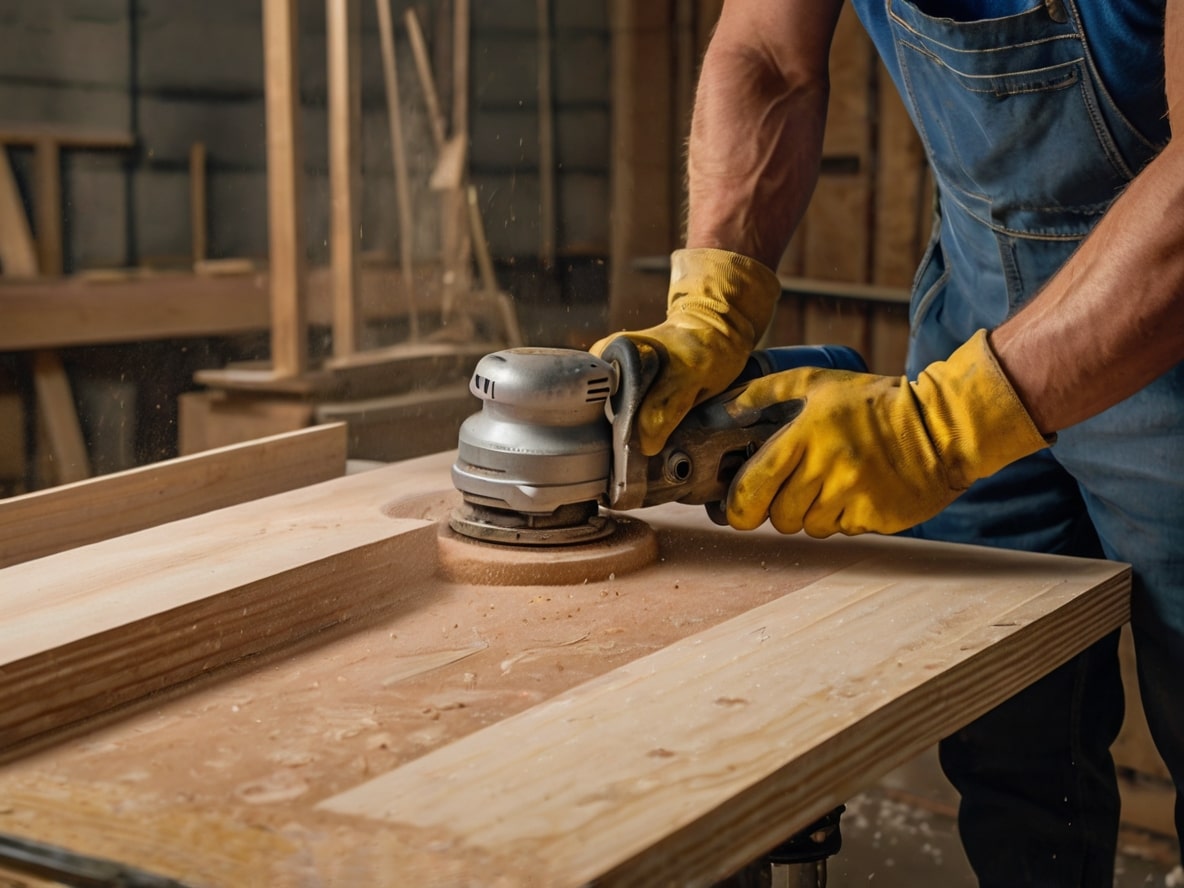
Sanding
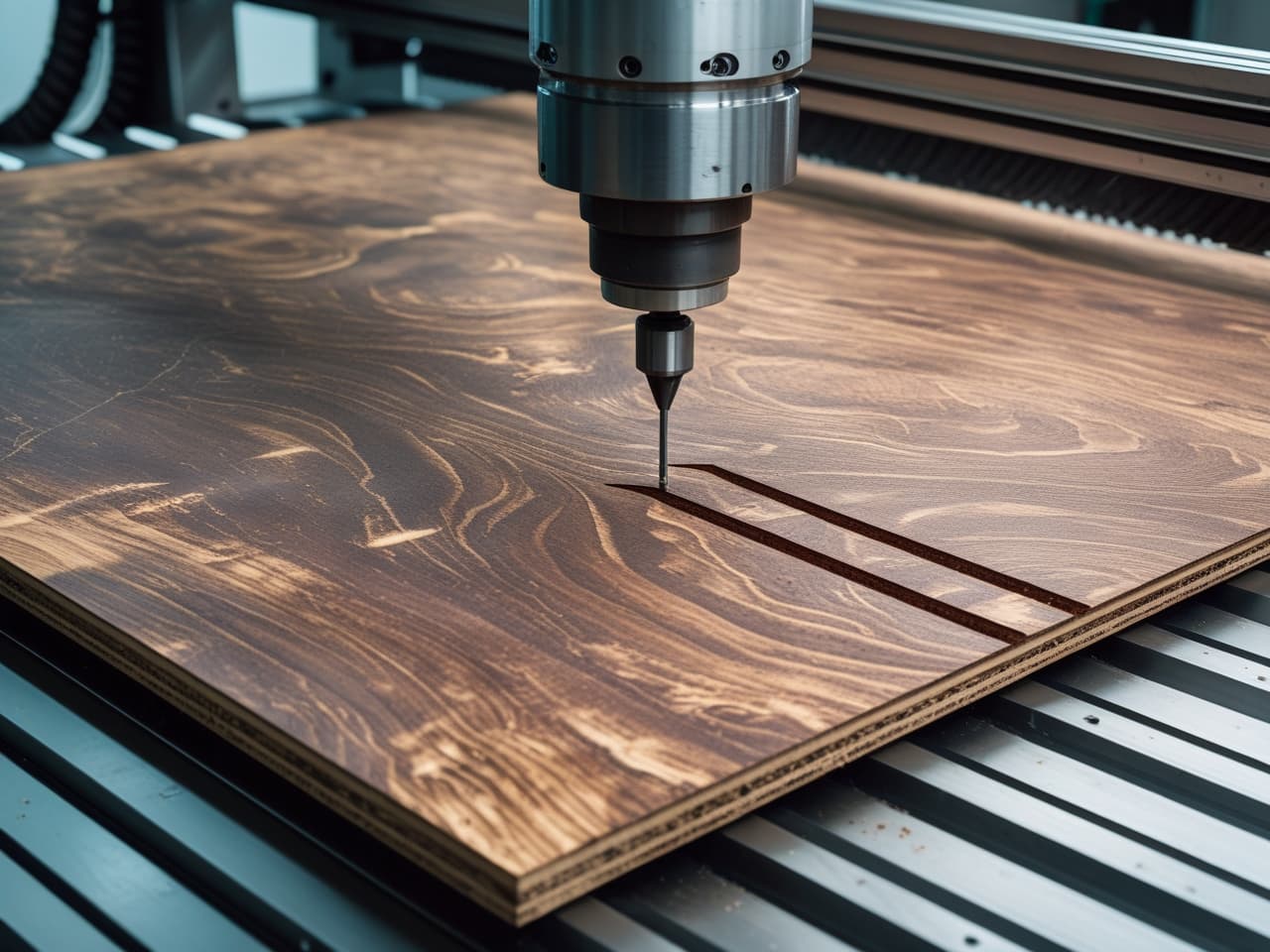
Grooving
Milling

Painting
Working the material: the production process
Manufacturing wooden children’s products starts with a fastidious choice of material. TigerWood works only with quality timber that has undergone eco-friendly treatment and is free of harmful substances. Quality control is present at every stage, not just at the end — so safety and durability are built into the item from the very start rather than checked after the fact, when nothing can be fixed.
Wooden elements undergo special treatment that protects them from damage in use — and children’s products wear out fast and hard. Timber quality is tracked at every step: from choosing the blank to the final finish. Careful processing gives the item durability and preserves the natural texture for which wood is chosen over plastic.
Once the material is prepared, comes precise cutting and assembly of each item. Components pass several checks to weed out possible defects before they reach a child. At the finish, products are sanded and coated with protective compounds — this gives the item a neat look and extends its service life. A smooth, splinter-free surface in children’s products is not a luxury but a mandatory safety requirement.
The production stages of woodworking and manufacturing
Production stages: how wooden children’s products are made
Manufacturing wooden children’s products breaks down into several key stages, each requiring care and skill. Let’s run through them in order — that makes it clearer why the finished item turns out safe and lasts a long time.
The first stage is choosing the material. Timber for children’s products must be of high quality, free of cracks, loose knots and hidden defects that will make themselves known later. Special attention goes to environmental cleanliness: no toxic substances, because a child puts a toy in their mouth and touches everything with their hands. A defective blank is rejected straight away, not slipped into production in the hope it will pass unnoticed.
The next stage is cutting and processing. Each element is cut with high precision so the parts fit perfectly during assembly, with no gaps or misalignment. Additional treatment is carried out here to increase the strength and durability of the wood. Precision at this step matters doubly: in children’s structures a loose joint is not just about looks but about reliability, on which safety depends.
The third stage is assembly and joining of elements. Components are carefully brought together into a single structure, with attention to the rigidity and reliability of the joints. The item is then tested for strength and stability: swings must not wobble, and a complex must hold the weight of several children at once. Only after passing this check does the structure move on through the cycle.
The final stage is finishing and sanding. The surface is brought to a smoothness without a single splinter and coated with safe compounds that give the wood a neat look and protect it from moisture and wear. For outdoor items the finish is chosen to resist rain and sun, for indoor ones to be pleasant to the touch and stand up to frequent contact. At this point the item is ready for packing and shipment.
The benefits of partnering with TigerWood on wooden children’s products
Partnering with TigerWood on wooden children’s products gives partners several advantages at once. The first is an individual approach: solutions are tailored to the specific client rather than handing out one template for everyone. Such items meet requirements for safety, functionality and appearance, and their development takes current trends and standards into account. As a result, the product does not gather dust on the shelf — it lands in the market’s demand rather than running against it.
TigerWood has experience working with a range of partners — from large stores to retail chains — and that already speaks to reliable supply and meeting deadlines. Established processes and a prepared team keep quality up at every stage: from development to final shipment. For a chain whose shelves must not stand empty, predictability of supply often matters no less than the product itself — and that is exactly what they look for in a steady manufacturer.
Partners have flexibility in the design, dimensions and functionality of the items — making it easier to hit the end buyer’s demand and build their own offering. Strong, durable products made from safe, eco-friendly materials hold customers’ attention and sell readily: a parent will almost always prefer a wooden item they trust over cheap plastic. This is what sustained demand for TigerWood products is built on.


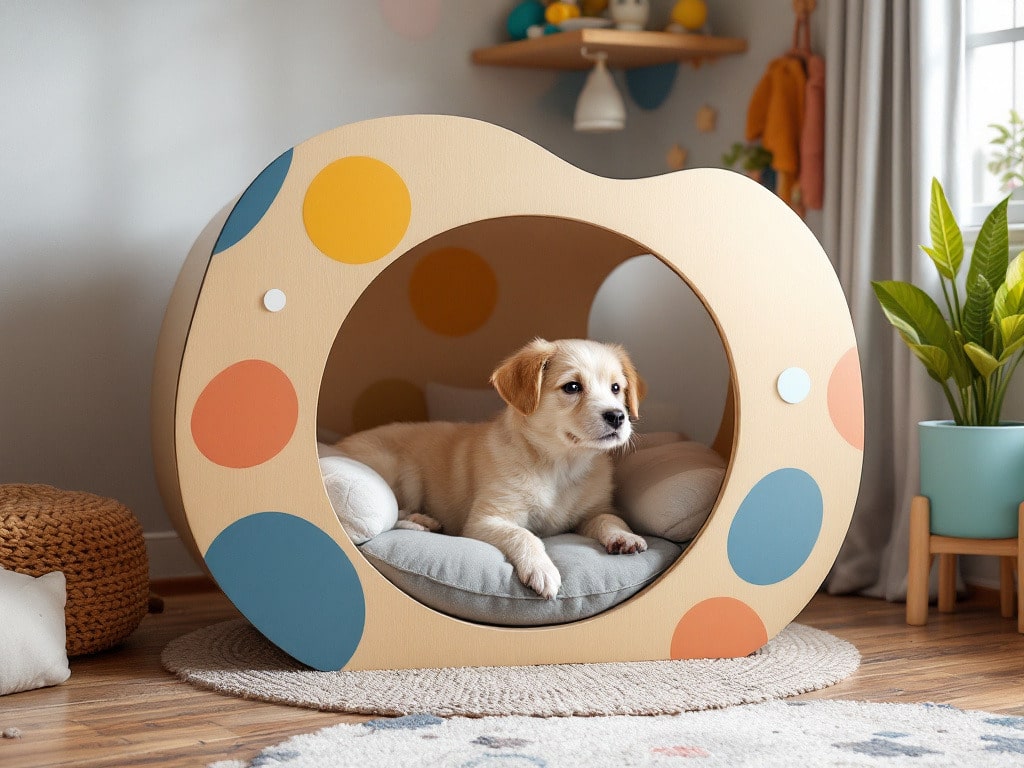
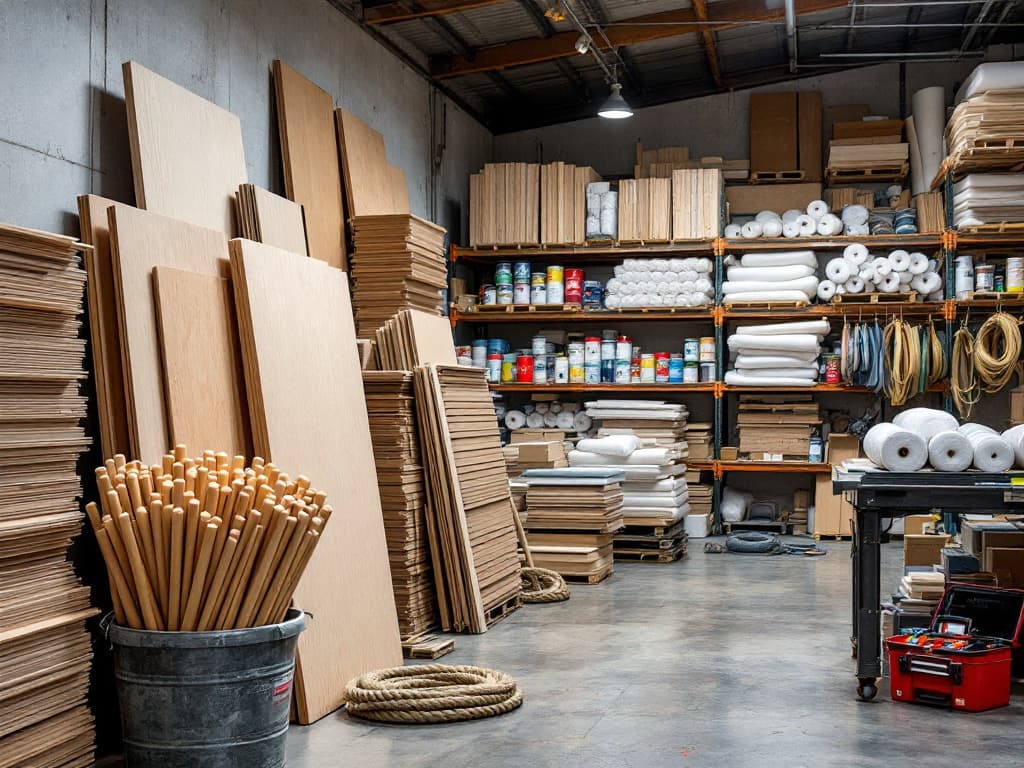
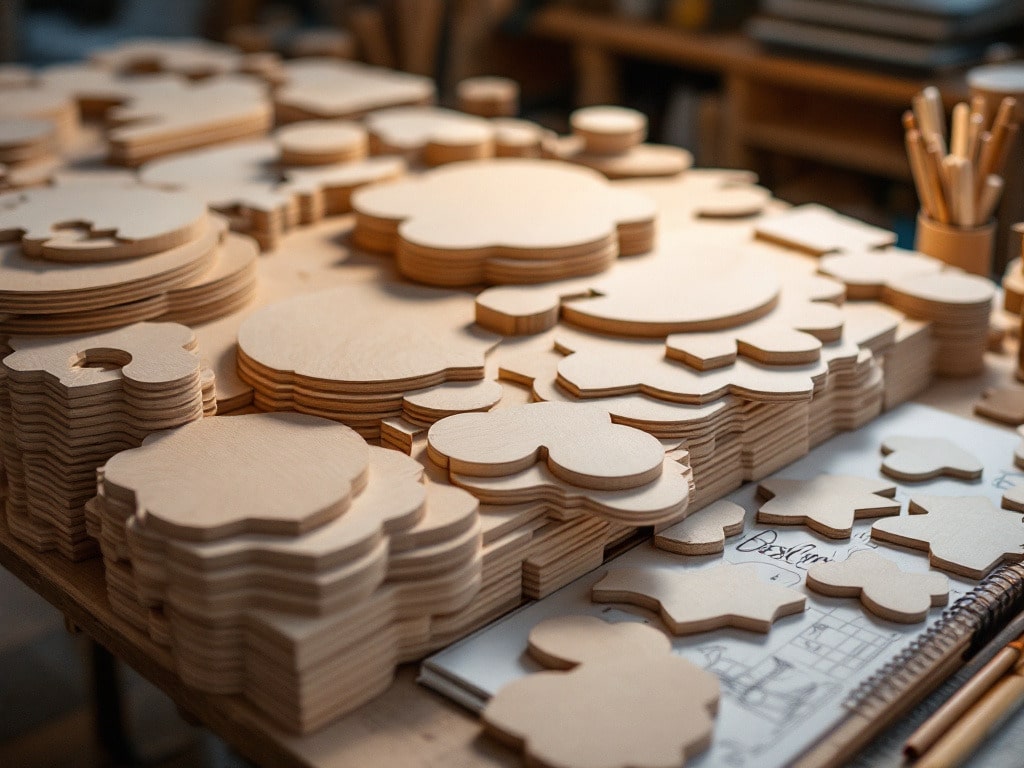
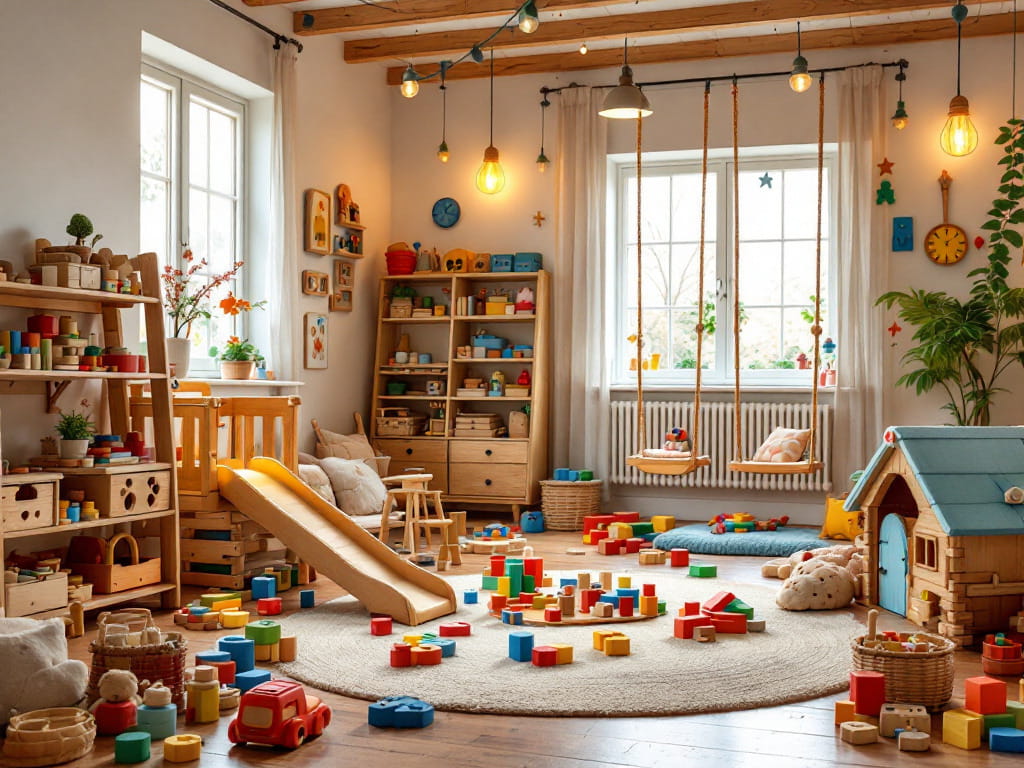
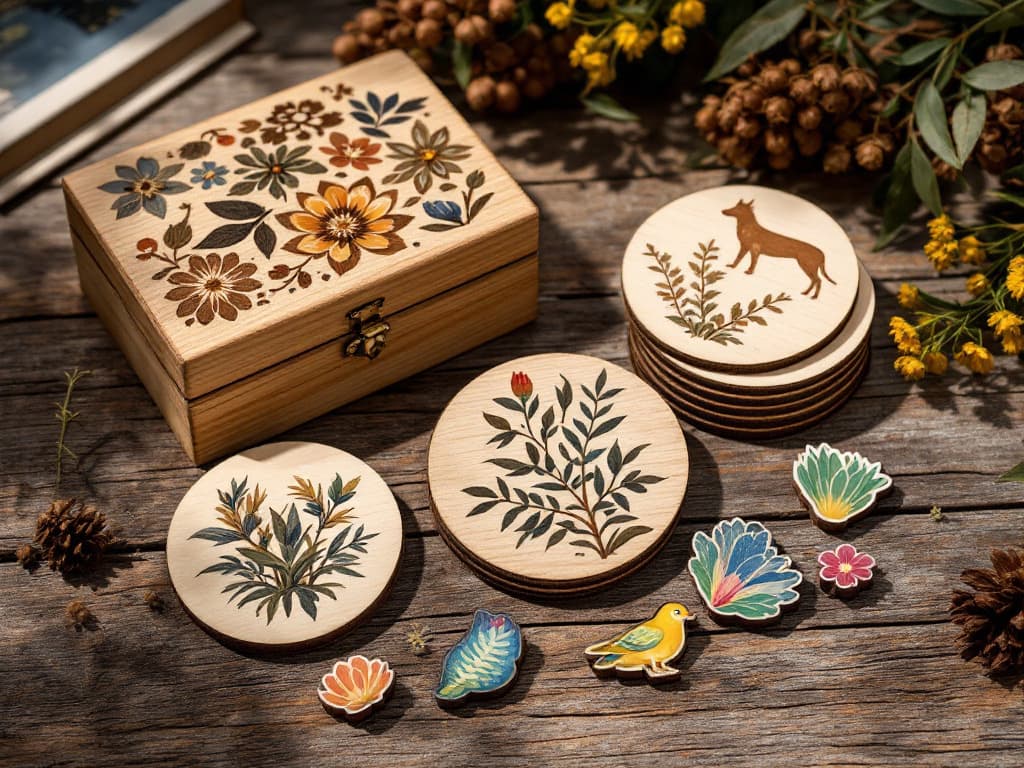
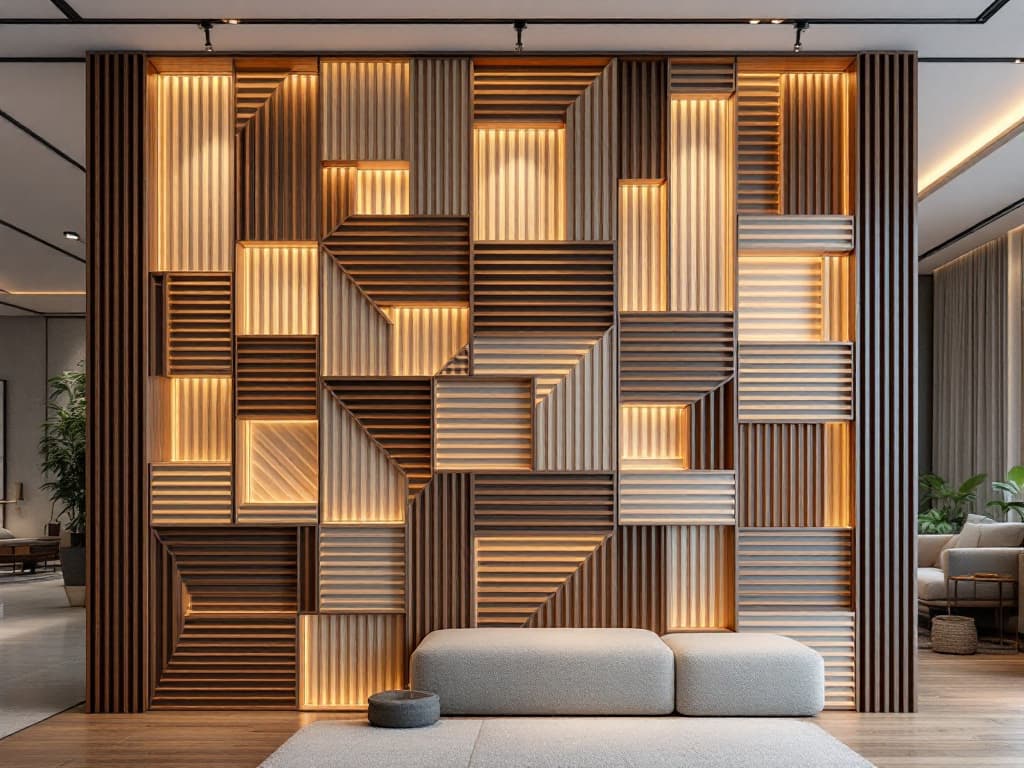
TigerWood makes more than wooden children’s products — the range is broader and geared to different types of clients. In interior décor there are decorative panels, partitions and other elements from which a stylish, functional space is assembled. Such a set is convenient for anyone fitting out a whole facility: both the children’s zone and the shared spaces can be ordered from a single manufacturer in one style.
A separate line is furniture for home and office: shelving, cabinets, tables, chairs. These items stand out for their quality, durability and thoughtful design, so they are equally at home in commercial premises and living areas. The logic is the same as with children’s products: precise processing, reliable joints and a safe finish — the tasks of grown-up furniture are simply different.
TigerWood also has solutions for outdoors: garden furniture, landscaping and décor elements, products for country houses and cottages. All of it passes quality control and meets strict standards, so it suits the creation of comfortable, safe spaces in the open air. Outdoor items are made with protection against moisture and sun — otherwise the wood would quickly lose its look under rain and UV.

Examples of our work and partner projects
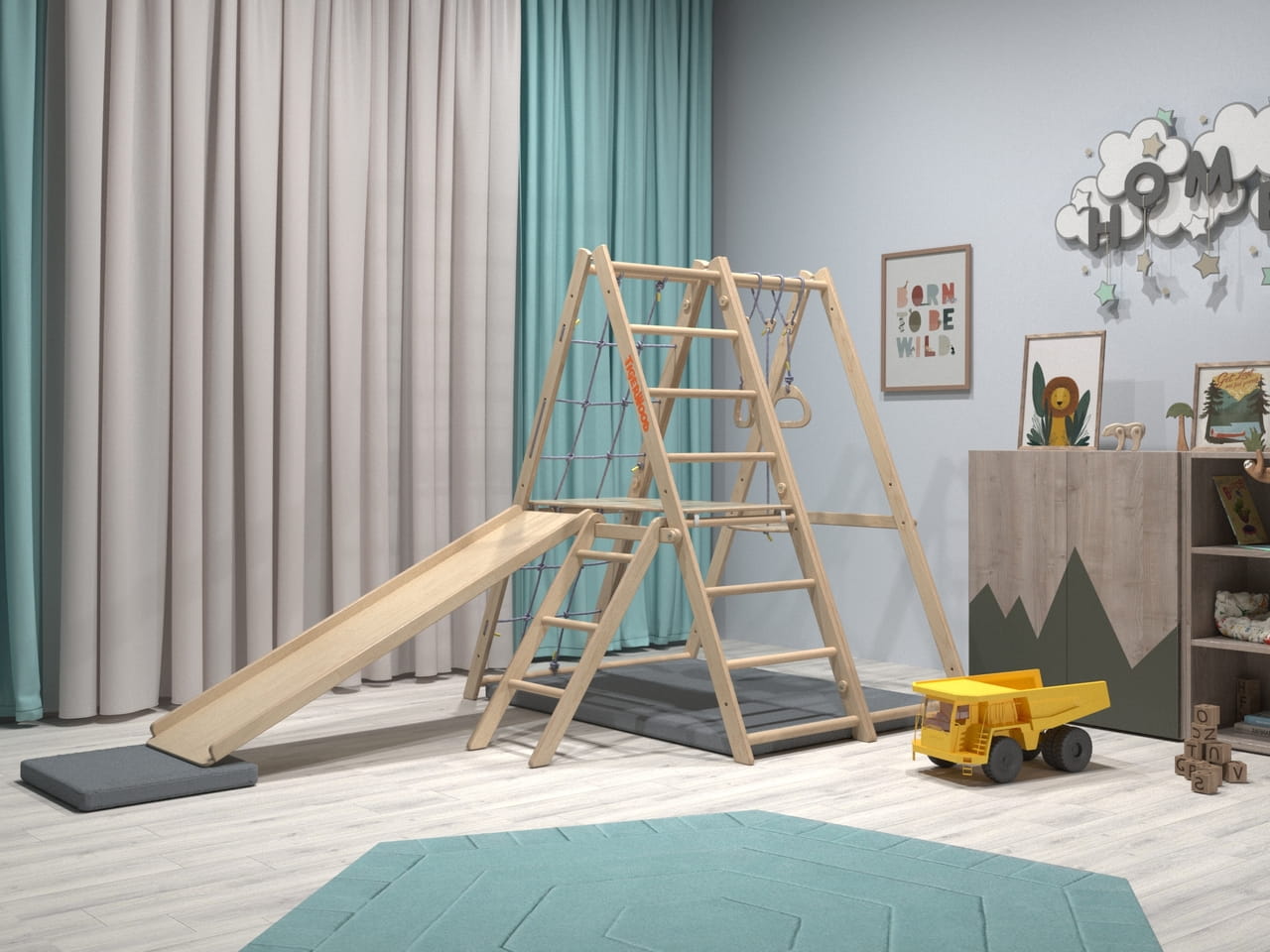
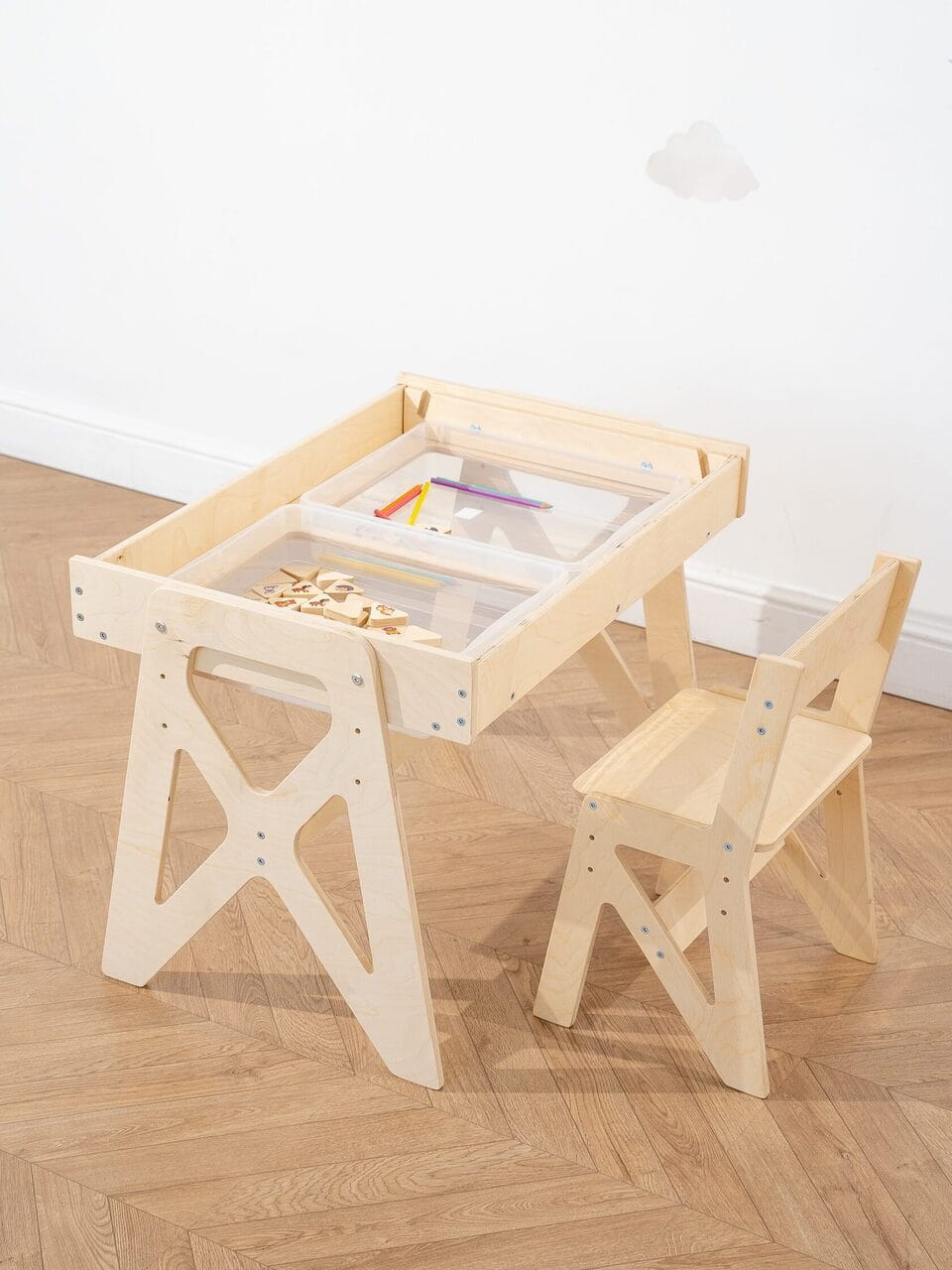



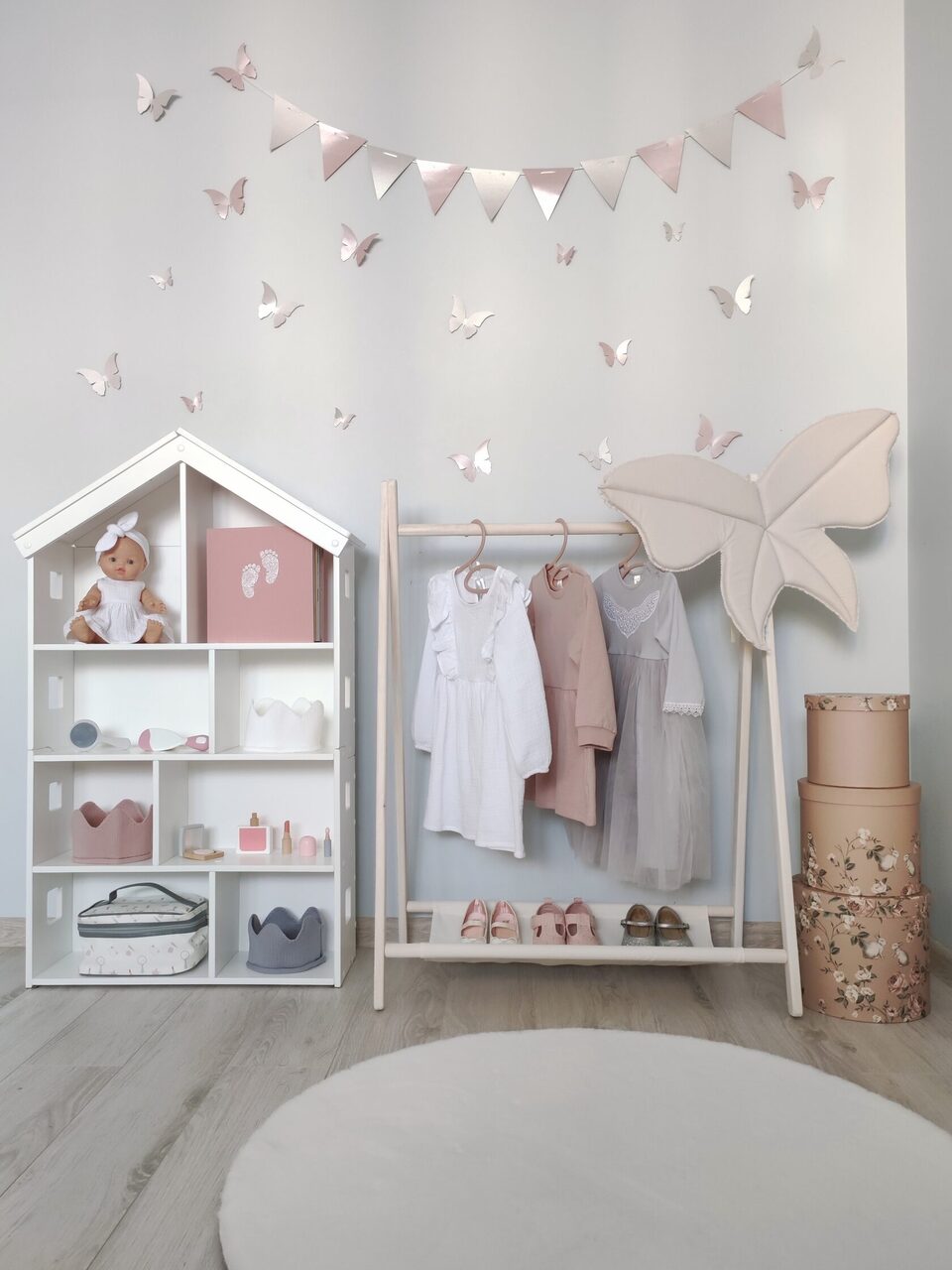
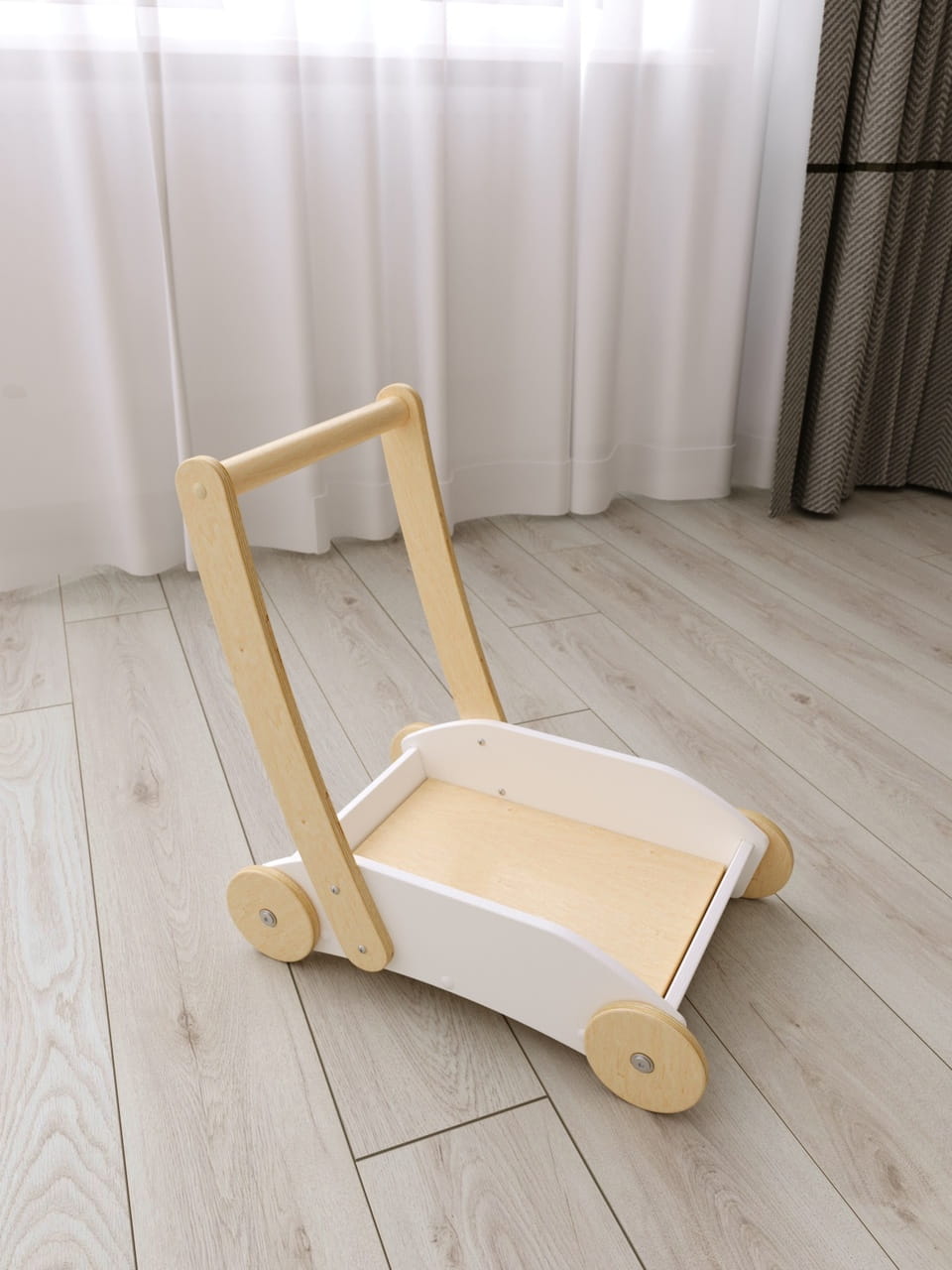

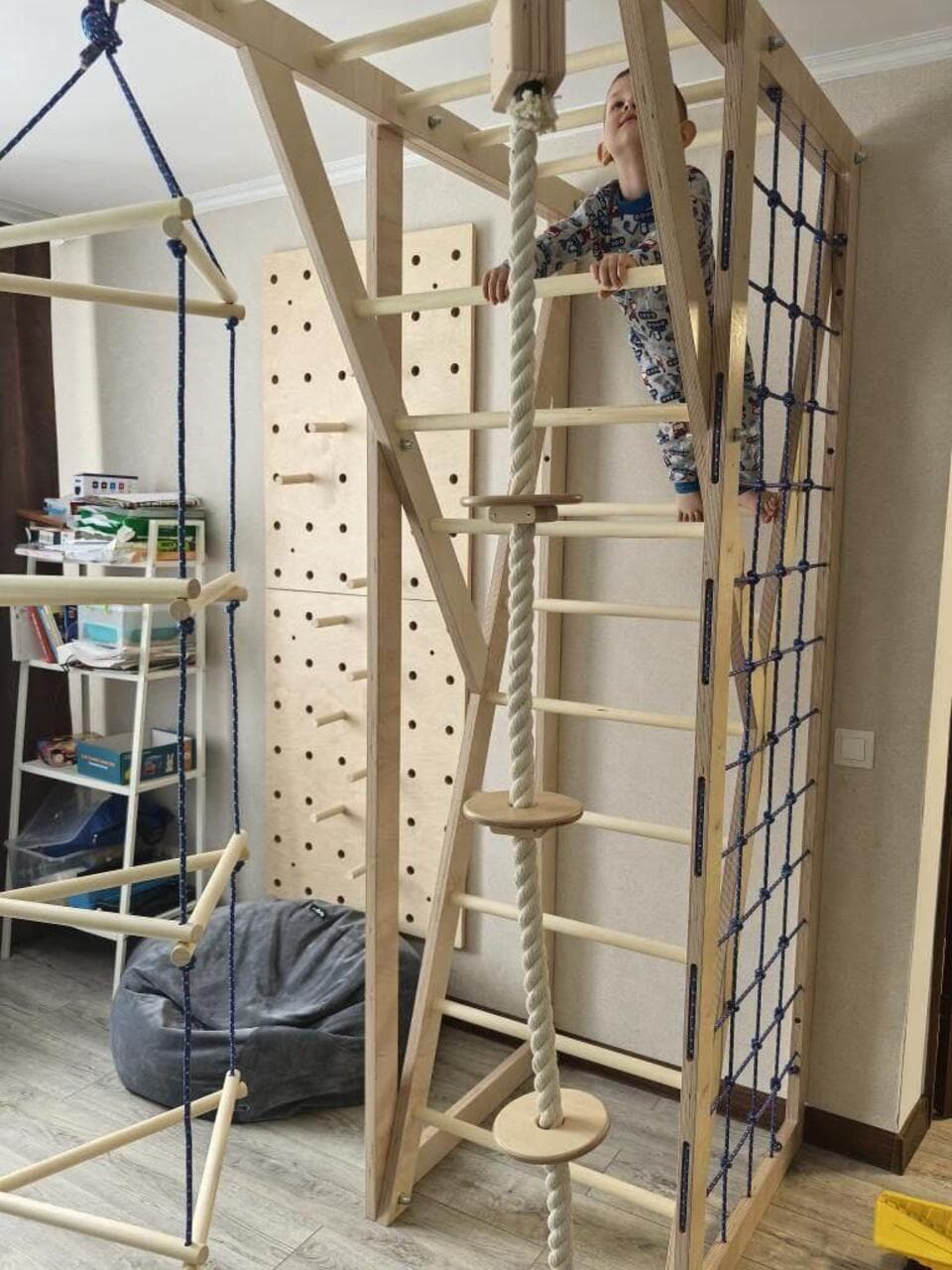
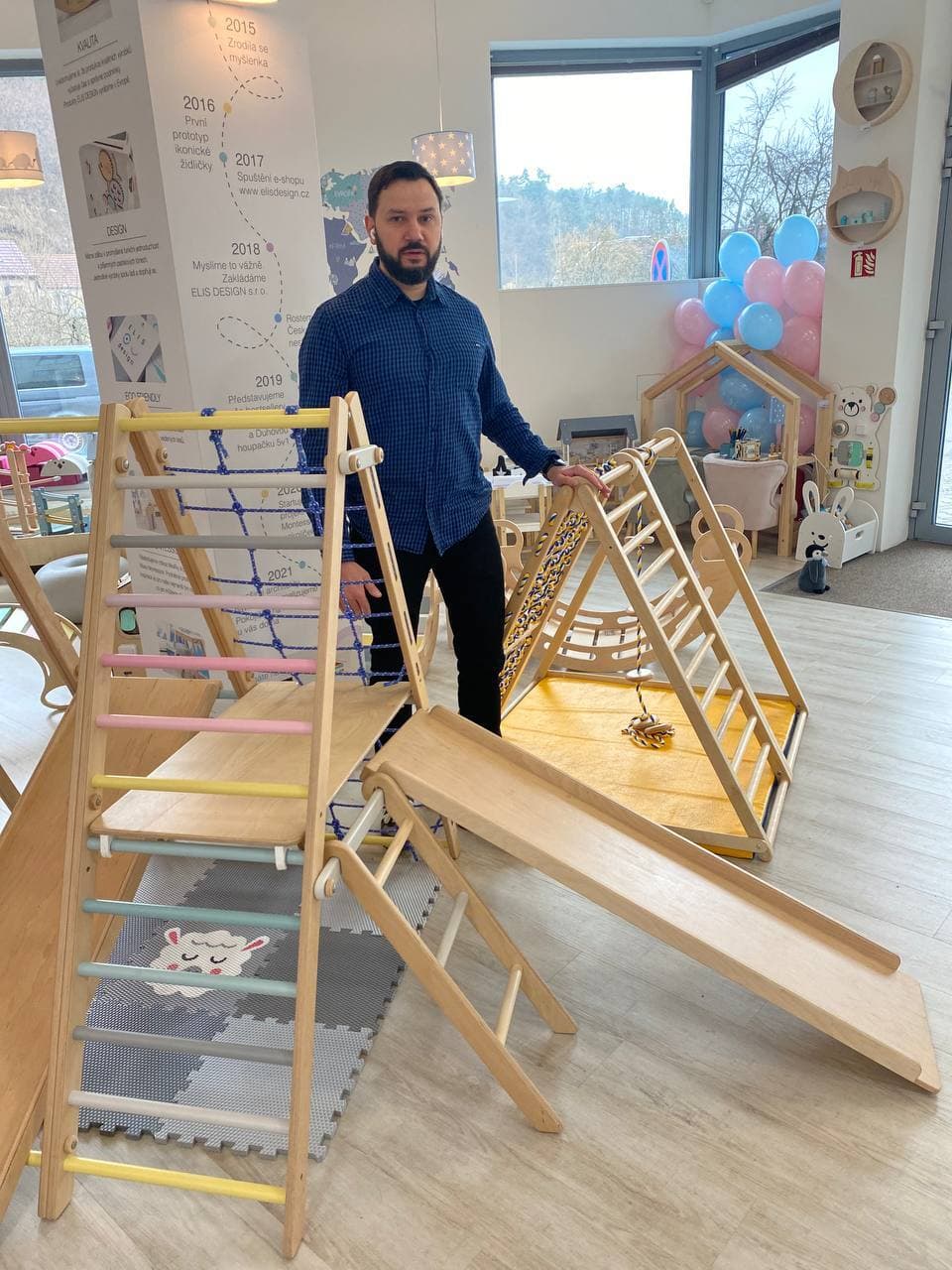

Examples of our work: what wooden products for children look like
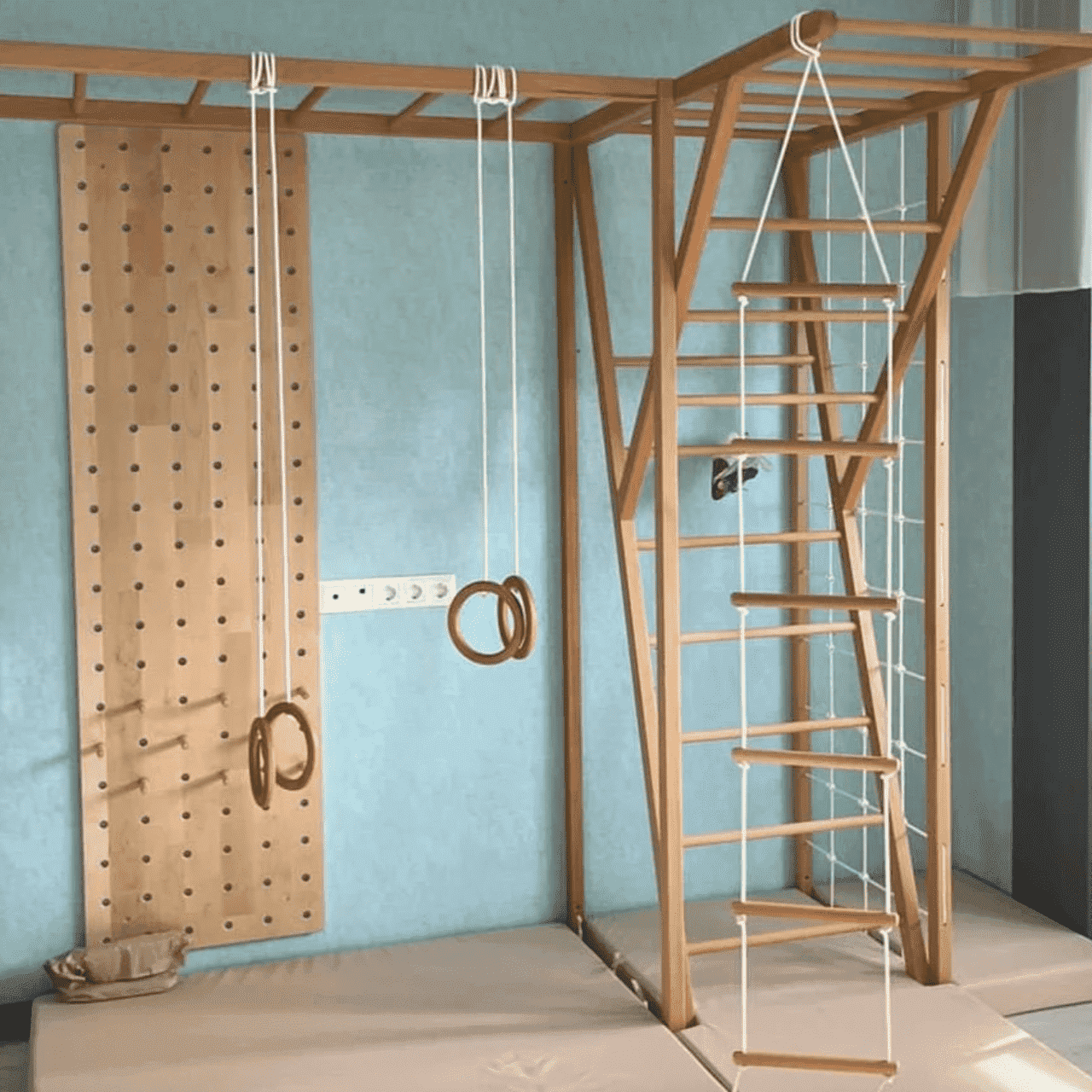
The TigerWood portfolio features a variety of wooden children’s products that show both the quality and the attention to detail. One telling example is wooden wall bars with elements for pull-ups and coordination training. They are made with the safe use of children of different ages in mind, and in service they clearly demonstrate the strength and durability of the products: such a wall bar easily outlives several children in a family.
Another example is play complexes where, besides slides and ladders, there are modules for developmental games that support a child’s all-round development. Such complexes are often installed on open playgrounds and quickly become a favourite play spot for a whole yard. For a kindergarten or a country house it is a ready-made solution around which active leisure is organised, rather than a scattered set of apparatus.
TigerWood wooden toys are another clear example: safe and at the same time developing creative and motor skills. They often complement play complexes and corners assembled for a specific project, working in tandem with them. The child switches between active play on the complex and calm assembly at the table, while the whole environment stays consistent in one material and style.
Who already works with us

Cabinet furniture makers

Joinery workshops

Interior designers

Architects

Private craftsmen and artisans

Online sellers

Advertising agencies

Set designers

Restorers
Toy manufacturers

Artists and sculptors

Construction companies

Exhibition equipment manufacturers

Educational institutions

Sports equipment makers

Wooden packaging manufacturers

Private customers

Shops and boutiques

Manufacturing enterprises

Restaurants and cafés
TigerWood works with different types of clients: large store chains, small and medium trading companies, and organisations from the field of children’s education and leisure. Among the partners are sellers of children’s goods and companies that install playgrounds and equipment for children’s institutions. Each has its own order format, but the request is common: a safe, certified product you would not be ashamed to place next to children.
TigerWood also has long-term relationships with private clients, including those engaged in landscaping and creating a comfortable environment for children in homes and gardens. Product quality and attention to requests make the manufacturer a reliable partner for many organisations across Europe and beyond. Long relationships here are no accident: if the product does not let you down and supplies arrive on time, the client comes back for the next batch rather than looking for a new supplier.
Manufacturing children’s products from wood
Wooden children’s products from TigerWood are a set of solutions for the development of children of different ages. Wooden products are in high demand for their eco-friendliness, safety and durability — three qualities a parent puts first. The range includes toys, play complexes, wall bars, slides, ladders, playhouses, swings and developmental items, including Montessori-method elements. In essence, it is a ready-made line with which a store or kindergarten covers most children’s needs.
All items are made from quality timber that undergoes strict inspection at every production stage. Hence the reliability and durability of each item — defects are weeded out before they reach the buyer. TigerWood’s production capacity lets it turn out products that meet strict quality and safety standards, and does so just as consistently in a small batch as in a large run.
Work is carried out with both large retail chains and small companies trading in children’s goods. An individual approach makes it possible to meet the most varied requests — from a unique play complex for a specific site to supplying a standard line for a store. A large retailer cares about volume and repeatability, a small seller about flexibility in quantity, and production handles both formats with ease. Such versatility is also convenient for a growing business: you can start with a small trial batch, gauge demand and then scale up the volume for the same line without changing supplier or losing the accustomed quality.
TigerWood gives partners not only a quality product but also flexible terms of work — clear deadlines, reasonable volumes and clear approvals. For a business this is exactly what turns a one-off supplier into a regular one: when cooperation is convenient and predictable, orders repeat themselves.
Materials and safety of wooden children’s products
In children’s products the material decides almost everything: it determines both safety and how long the item will last under heavy use. The panel or solid wood must be free of toxic resins, the surface smooth and splinter-free, and the load-bearing joints must hold the weight of several children at once. Below are the basic materials children’s products are most often made from, with their strengths and what to look for when ordering.
| Material | Strengths | Where it’s used | What to look for |
|---|---|---|---|
| 🪵 Birch plywood | Strong, smooth edge, holds loads | Complexes, wall bars, swings, playhouses | Grade, edge sanding |
| 🌳 Solid wood (beech, birch) | Natural feel, pleasant texture | Toys, frames, ladders | Drying, no loose knots |
| 🟤 MDF | Smooth painted surface | Developmental panels, game parts | Safe lacquer, saliva resistance |
| ⬜ MFC (melamine-faced chipboard) | Ready decor, colour range, price | Carcass elements, boxes | Emission class, edge quality |
For load-bearing structures — wall bars, complexes, swings — birch plywood and solid wood are most often used: they hold weight and do not delaminate. For developmental toys and panels, MDF and solid wood with a safe coating are suitable. The key point is the finish: the compounds must be non-toxic and saliva-resistant, since a toddler puts the toy in their mouth. And of course certificates: for the material, the lacquer and the glue — without them a children’s product can neither be sold nor placed in an institution.
Standards and certificates for children’s products
Children’s products are a category where documents are not a formality but a pass to the market. Products for children are subject to mandatory conformity assessment, and materials and coatings are tested for toxicity and safety on skin contact. Without certificates the product will not be accepted by a large chain, a children’s institution or a moderated marketplace. That is why a responsible manufacturer keeps its documents in order and provides them to a partner on request.
Besides chemical safety, the design is also checked: the absence of sharp corners and protruding fasteners, resistance to tipping, the strength of joints under dynamic load. All of this is built in at the design stage, not checked at the very end. For a parent and a buyer, the presence of certificates is a simple way to tell a considered, tested product from a makeshift item you cannot trust with a child. A serious supplier does not see documents as a burden: it understands that real safety stands behind them, and presents them without extra prompting rather than getting by with vague talk of quality.
How to choose wooden children’s products by age
The same product suits a toddler and a schoolchild differently, so the selection always starts from age and task. Toddlers need large parts with no small pieces that can be swallowed, and a gentle load. Preschoolers need more complex structures that develop motor skills and logic. Schoolchildren need sports apparatus with a load reserve. Below is a guide that helps match a category of children’s products to an age.
| Age | Suitable products | What they develop |
|---|---|---|
| 👶 1–3 years | Large toys, blocks, push-along toys, playhouses | Motor skills, perception, first games |
| 🧒 3–6 years | Slides, swings, Montessori sets, complexes | Coordination, logic, imagination |
| 🧑 6–10 years | Wall bars, pull-up bars, sports complexes | Strength, stamina, agility |
| 👨👩👧 Family/yard | Outdoor playgrounds, large complexes | Joint active play |
The boundaries are of course approximate: much depends on the child themselves and on whether the product is at home or on a playground. But the general logic holds — you should not give a three-year-old a tall pull-up bar, nor offer a ten-year-old a push-along toy. It is good when a product “grows” with the child: adjustable elements, removable modules, complexes that can be expanded as they get older. Such an approach stretches the useful life of the purchase and saves the budget of a family or an institution.
Wood versus plastic: an honest comparison
The wood-versus-plastic debate in children’s products is settled not by emotion but by facts. Wood holds loads better, lasts longer, is more pleasant to the touch and does not smell of chemicals — but it needs care and costs more. Plastic is lighter and cheaper, yet cracks faster in frost, fades in the sun and raises questions about composition for some parents. Below is a short comparison, without bias in either direction.
- 💪 Strength — wood holds loads and impacts better, especially on outdoor structures.
- ♻️ Eco-friendliness — a natural material with no questionable composition, closer to parents’ hearts.
- ⏳ Service life — quality wood outlives several children, while plastic is more often single-use.
- 🧼 Care — wood needs gentle care and coating renewal, plastic needs almost none.
- 💰 Price — wood costs more up front but works out cheaper per year of service.
The conclusion is simple: for heavy-duty, durable and “statement” products, wood almost always wins, while plastic remains a niche for cheap, lightweight items. This is precisely why demand for wooden children’s products holds steady, and stores are glad to put them on display — they keep their look longer and are returned as defective less often. For the seller it is also a question of margin: a quality wooden product can be positioned in a higher price segment, where the buyer knowingly pays for durability and safety rather than chasing the lowest price.
Lead times, volumes and pricing of children’s products
The exact price and lead time are quoted after a calculation: it all depends on the type of item, the run, the complexity of the structure and the finish. But the general logic is transparent, and it helps to understand it in advance — especially when buying for the season, when demand for children’s products rises. Below are guidelines for typical orders: they do not replace a calculation, but show how volume and complexity affect the outcome.
| Order type | Approx. lead time | Min. batch | What affects the price |
|---|---|---|---|
| 🧸 Wooden toys | from 1–2 weeks | from small wholesale | Run, complexity, painting |
| 🤸 Wall bars, pull-up bars | 2–3 weeks | to be agreed | Configuration, hardware |
| 🏰 Play complexes | from 3 weeks | per project | Size, number of modules |
| 🎨 Custom project | from 3–4 weeks | from 1 pc. | Engineering, sample, design |
What affects the price most is not the dimensions but the complexity of the structure, safe hardware and finish quality. A play complex with several modules and painting costs more than a simple wall bar, even if a comparable amount of wood is used. The run works the other way: the more identical items, the lower the price per piece — the program is written once and the material is cut more economically. That is why a trial batch and a large run are priced at different rates, and that is normal.
How to order children’s products wholesale
The ordering process requires no engineering background — it is enough to describe the task, and the rest will be clarified at the factory. Usually the path from enquiry to a finished batch fits into a few clear steps.
- 📝 Send a list of items, the age group and the purpose (home, playground, institution), and a drawing or reference if available.
- 📋 Agree on materials, coatings, hardware and dimensions, and receive a lead-time and price calculation.
- ✅ Approve the parameters and, if needed, produce a trial sample.
- 🏭 Launch the batch: cutting to size, processing, assembly, safe finish, quality control.
- 🚚 Receive the labelled, packed products and arrange shipment to your region.
This order works well both for a one-off purchase and for regular supplies to a chain. It is easier for regular partners: the accumulated context speeds up approvals, and standard items are launched almost at a word. As a result, ordering children’s products becomes a predictable process, where the deadlines, the price and the result are all clear — with a full package of safety documents.
Myths and reality about wooden children’s products
There is no shortage of misconceptions around wooden children’s products. The first myth — “wood is impractical, gets dirty and spoils quickly”. In reality a quality coating makes the surface resistant to moisture and easy to care for, and structures of plywood and solid wood calmly survive years of active use. The second myth — “wooden toys are boring”. On the contrary, a simple shape gives room for imagination: the child invents the game themselves rather than following flashing buttons, and that is exactly what advocates of early development value.
The third myth — “the more massive, the safer”. Safety depends on the design, the finishing of edges and the quality of the fasteners, not on excess weight, which only makes moving and lifting harder. The fourth — “certificates are only needed by large chains”. Documents confirm that materials and coatings are safe, and matter to any buyer, since it is about a child’s health. The fifth myth — “a wooden product cannot be repaired”. On the contrary: a loosened joint is tightened, a worn coating is renewed, an individual module is replaced without replacing the whole structure.
Understanding these nuances helps you choose more calmly and not overpay for imaginary advantages. Wooden children’s products are about durability, safety and common sense, not about the magic of naturalness in itself. When competent processing and quality control stand behind the material, the item honestly earns its price and serves more than one child.
Caring for wooden children’s products
The service life of a wooden children’s product also depends on how it is cared for. The basic rules are simple: wipe off dirt with a soft cloth without a coarse abrasive, do not leave the item in water for long, and for outdoor structures check the fasteners and renew the protective coating once a season. Toys that a child puts in their mouth just need wiping; aggressive chemicals are unnecessary here and even harmful.
Outdoor complexes and swings last longer if they are protected from constant damp and touched up in worn spots in good time — moisture and UV are the main enemies of wood in the open air. Indoor products need almost no attention: gentle cleaning and an occasional check of the joints. With such simple care, wall bars, complexes, playhouses and toys serve for years and pass from an older child to a younger one, keeping both their safety and their appearance.
Order scenarios for children’s products: examples from practice
The logic of production is easier to grasp through specific situations. A chain of children’s stores orders a line of wooden toys under its own brand: standard shapes, but its own palette, packaging and logo. Here repeatability and consistent quality matter — the hundredth toy car must be the same as the first, and the coating equally safe across the whole batch. The run is priced at a single rate, and samples are agreed in advance so the colour and finish match expectations.
Another scenario is a kindergarten that needs wall bars, slides and a set of developmental toys for the opening of a new group. The structures are chosen for the age and load, the finish is resistant to daily cleaning and disinfection, and the documents are prepared for acceptance. A third case is a country house ordering an outdoor play complex: a slide, swings, a playhouse and a ladder in one object. Here protection from rain and sun, resistance to tipping and safe rounded elements come first.
These stories share one thing: a brief settled in advance turns the order into a predictable process. Tasks of different scale — from a run of toys to a single yard complex — are handled at one production site, just with different settings and a different order of operations. The more precisely the customer describes who and where the product will serve, the closer the result to the concept and the fewer the reasons for rework.
Working with drawings and custom projects
The clearer the source material, the faster the order is calculated and the fewer discrepancies in it. Ideally there is a drawing or at least a reference with dimensions, but a description with the age group, purpose and colour wishes is a perfectly workable start too. Production will clarify what is missing itself: the customer’s job is not to understand the technology but to explain clearly what product is needed and who it is for.
Custom projects start with a sketch, require engineering work and sometimes a trial sample — and so cost more and take longer than standard ones, but the result is exactly on task. Orders often live at the intersection: a standard base plus individual details, for example a standard complex with a chain’s brand colour and logo. Such a hybrid gives a reasonable balance of price and uniqueness — you do not overpay for exclusivity where the standard suffices, but you get a recognisable look where it matters.
It is also useful to attach a colour reference: a shade sample, the desired degree of gloss, the type of coating. This removes the main source of dispute — a divergence in how each person pictures the required tone. When the brief is complete, calculation, approval and launch run smoothly, and the finished batch of children’s products matches the picture in the customer’s head rather than turning out to be a surprise at acceptance.
Private-label production and efficient material use
For stores and sellers, the ability to release a product under their own brand matters. Individual labelling, a brand palette, chosen packaging — all of this makes the product recognisable on the shelf and on the marketplace. Wooden children’s products under a private brand work well for loyalty: a buyer who once chose a quality item comes back for the next one deliberately. For the seller it is a way to stand out among identical plastic and build steady demand.
Efficient material use in production is reflected in the price. A well-planned cutting map reduces waste, and combining items into a single run cuts changeovers — and that goes into the estimate without hidden surcharges. Offcuts go into small parts and samples, so losses are minimal. When consumption is calculated in advance, the price of children’s products stays transparent, and deadlines are not missed because a sheet of plywood suddenly ran out. A careful attitude to material is an indirect but honest sign of order at the production site.
A separate benefit of a full cycle is single accountability. When cutting, processing, assembly, painting and control all run under one roof, quality is not diluted between contractors, and parts fit without adjustment. There is no need to assemble the product piece by piece and work out who is to blame if something does not fit. One contractor for the whole cycle means fewer risks, less correspondence and consistently repeatable quality from batch to batch.
Wooden children’s products: the overall picture
Put it all together and the picture is clear. Production selects safe materials, cuts and processes the blanks precisely, assembles reliable structures, applies a non-toxic finish and checks every item for strength and safety. At every step it is not chance at work but technology, regulations and control, so the result is repeatable and predictable — and for children’s products predictability of safety matters more than anything else.
Small wholesale and a large run, a simple toy and a big outdoor complex, a standard line and a private-label product — all of it fits into a single manageable process. Products travel across Europe and beyond, labelled and packed with protection for vulnerable spots, and arrive in sellable condition. Little remains — describe the task and send a list of items, and then calculation, approval and launch run smoothly, with a full package of safety documents and quality you can trust with a child. And feedback on the first delivery is taken into account in the next: successful decisions on design, colour and packaging are fixed as a standard, and the repeat order goes through even faster and more precisely than the first.
The developmental function and benefits of wooden products
Wooden children’s products are valued not only for safety — a real developmental function stands behind them. A simple wooden toy does not dictate a scenario: the child decides for themselves what a block or figure will become, and that trains the imagination more than a ready-made electronic game with a single algorithm. Assembly, sorting and construction develop fine motor skills and logic, and motor skills at an early age are directly linked to speech and attention. That is why wooden sets are so loved by teachers and Montessori-method advocates.
Sports products work on another side of development — the physical. A wall bar, a pull-up bar, a complex with ladders and ropes train strength, stamina, coordination and the vestibular system. The child learns to judge height, plan movement and overcome a little fear — and all of it in play, not by compulsion. Regular activity on such apparatus at home releases some of the excess energy and noticeably helps posture, especially in schoolchildren who sit a lot at a desk.
A separate value is the tactility of the natural material. Wood is warm to the touch, has a living texture and a pleasant weight, and these sensory signals matter for a small child who explores the world with their hands. All told, wooden children’s products offer not a one-off entertainment but an environment for development — physical, intellectual and sensory at once. That is precisely why they are chosen deliberately rather than on a leftover basis of “just to keep the child busy”. Both teachers and parents increasingly look not at the brightness of the packaging but at what skill the toy trains and how long it will hold interest — and simple wooden forms win here over one-off novelties that pall within a week.
Logistics, packaging and acceptance
A well-made product is not hard to ruin on the road, so packaging is thought through separately. Vulnerable spots — corners, painted surfaces and protruding elements — are padded and protected, while large complexes are shipped disassembled as a set of parts with fasteners and an assembly diagram. This reduces the risk of damage, saves space in the vehicle and makes it easier to carry up to a floor or deliver to a country plot.
Delivery works across Europe and beyond, and the format is chosen to suit the volume and geography — from a haulage company to a dedicated vehicle for a large batch. It is agreed in advance how to accept the goods by quantity and appearance, and whether rigid crating is needed for fragile items. A transparent shipping scheme saves both sides time and removes most disputes before they could even arise, and for regular supplies the logistics are set up once and then simply repeated.
Outdoor and indoor children’s products: what’s the difference
The place of use dictates both the material and the finish. Indoor products — toys, indoor wall bars, developmental sets — are made with an emphasis on tactility and safe contact: a smooth surface, non-toxic coating, tidy edges. There is no rain or frost here, but there is daily close contact with the child, so material safety and the absence of sharp parts come first.
Outdoor products — playgrounds, large complexes, swings and playhouses for the yard — live in different conditions. Here weather resistance comes to the fore: moisture-resistant plywood or treated solid wood, protective oils and lacquers against rain and UV, a thought-out water run-off so water does not stagnate in the joints. Reinforced fasteners are used, and the structure is designed to resist tipping and hold the load of several children at once. Skimping on protection here turns into rapid ageing of the wood in the open air. Cracked paint and a surface greyed by moisture not only spoil the look but also make the structure less safe, so outdoor products are designed from the start with a resistance reserve rather than on a leftover basis.
Understanding this difference helps you avoid overpaying and mistakes. There is no point ordering an indoor toy in an outdoor version, and a yard complex with no weather protection will not survive even one season. A good production site clarifies straight away where the item will stand and selects the material and finish for the real conditions. As a result, both indoor and outdoor children’s products serve exactly as long as expected, rather than disappointing after a couple of months of use.
There is also seasonality of demand: outdoor products are taken up more actively towards spring and summer, indoor ones year-round, with a peak towards the holidays. By planning a purchase in advance, a store or institution gets the right range on time and at a calm price, rather than in a rush at the height of the season, when the queue at the production site is longer and there is less time for approvals. The same principle works with large complexes for playgrounds: it is better to order them in winter or early spring so that by the season’s opening everything is installed and checked, rather than being finished on the fly while children are already playing.
What wood is used to make children’s products?
We use environmentally clean timber, most often birch plywood and solid wood, as well as MDF and MFC with safe coatings. The material is tested for the absence of harmful substances and selected to suit the item: load-bearing joints from a strong base, developmental details from panel material with a non-toxic finish.
Can products be ordered to a custom project?
Yes, TigerWood makes products to individual order, taking all the client’s requirements into account — from a non-standard complex size to a brand palette and logo. It is enough to send a sketch or a description with the age group and purpose; the rest will be clarified at the calculation stage.
How long does it take to make children’s products?
The lead time depends on complexity and volume: simple toys are made in one to two weeks, large complexes and big batches take longer, up to several months. The exact date is given after a calculation. Seasonal purchases are wiser to place in advance rather than at the peak of demand.
What safety measures are taken when making children’s products?
Control is present at every stage: the material, the geometry of the parts, the cleanness of the edges, the strength of the joints and the stability of the assembled item are all checked. The absence of sharp corners and protruding fasteners is watched separately. This end-to-end control is what ensures the safety and durability of a children’s product.
Does the company have quality certificates for its products?
Yes, TigerWood products are certified to European and international quality standards. Documents are provided to a partner on request — without them the product will not be accepted by a large chain, a children’s institution or a moderated marketplace, so they are kept in order.
Can product samples be obtained before ordering?
Yes, before signing a contract you can review product samples. This helps assess the quality of the timber, coating and hardware in advance, and for a custom project — agree the colour and finish before launching the whole batch.
What delivery options does the company offer?
TigerWood arranges delivery across Europe and beyond, and the format is chosen to suit the volume and geography — from a haulage company to a dedicated vehicle for a large batch. Large complexes are often shipped disassembled to reduce the risk of damage on the road.
How can products be ordered?
An order is placed through the website or directly through a manager — it is more convenient that way to discuss the details: materials, dimensions, deadlines and terms of supply. For repeat orders from regular partners the process goes faster, since the main parameters are already agreed.
What guarantees does the company provide on its products?
A guarantee is provided on all items and is set out in the contract — it covers structural integrity and quality, giving the client confidence in the product’s durability. For children’s products this is especially important: behind the guarantee stands responsibility for safety.
What payment types are available for cooperation?
Various payment methods are available — bank transfer, settlement via electronic payment systems and other convenient options. Terms are discussed individually: for wholesale batches and regular partners, separate settlement schemes are possible, which are agreed when the contract is signed.
We’re always here to help — choose the way that suits you best to get in touch
Call us, message us on a messenger or reach out via social media — we’ll respond promptly!
We work across all of Europe
Useful information and articles
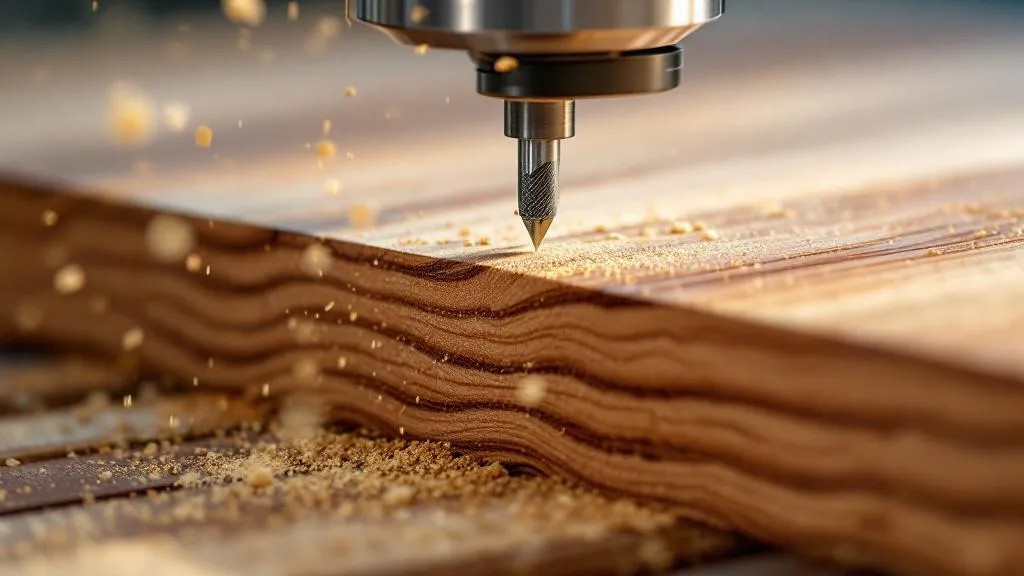
The Specifics of Radius Milling for Creating Rounded Edges on Wooden Products
The Specifics of Radius Milling for Creating Rounded Edges on Wooden Products Radius milling, or edge rounding, is one of the most sought-after and critically important stages in producing high-quality wooden
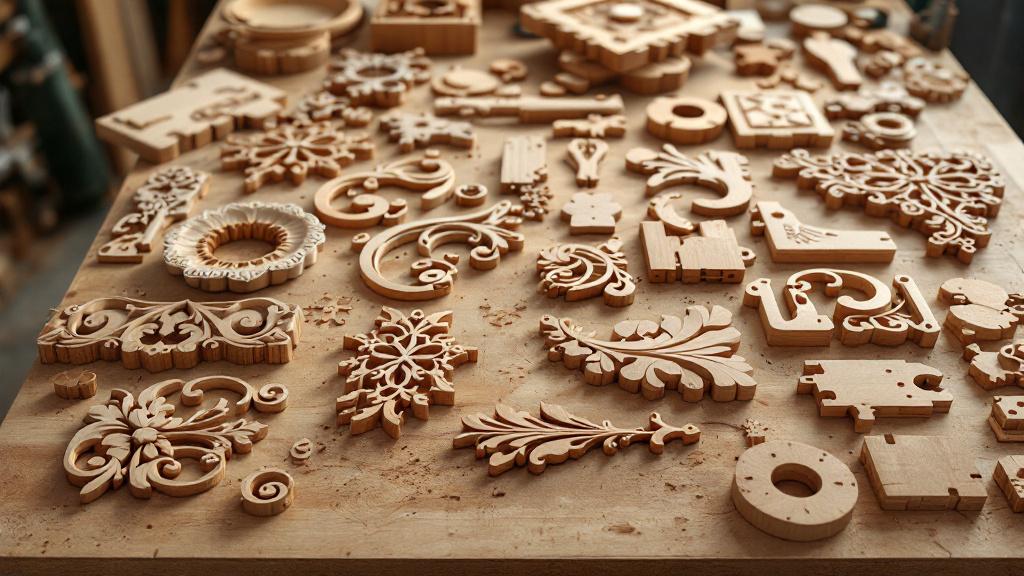
The Role of Milling in Making Decorative and Functional Wooden Parts
The Role of Milling in Making Decorative and Functional Wooden Parts Wood is a material that people have been using for thousands of years. It is valued for its natural
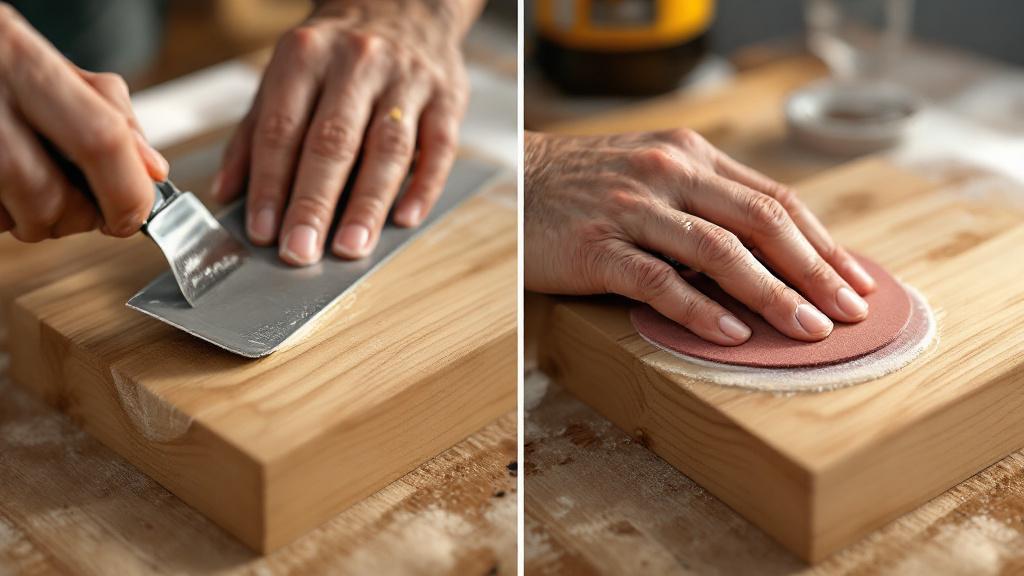
Stages of Filling and Sanding Wooden Products: Creating a Flawless, Even Surface
Stages of Filling and Sanding Wooden Products: Creating a Flawless, Even Surface Woodworking is not merely a mechanical process but a true craft, in which every stage is decisive for the

The synthesis of wood and metal: technological aspects of combining wood and aluminium to create durable products
The synthesis of wood and metal: technological aspects of combining wood and aluminium to create durable products In the field of professional woodworking, the search for the ideal material often leads