
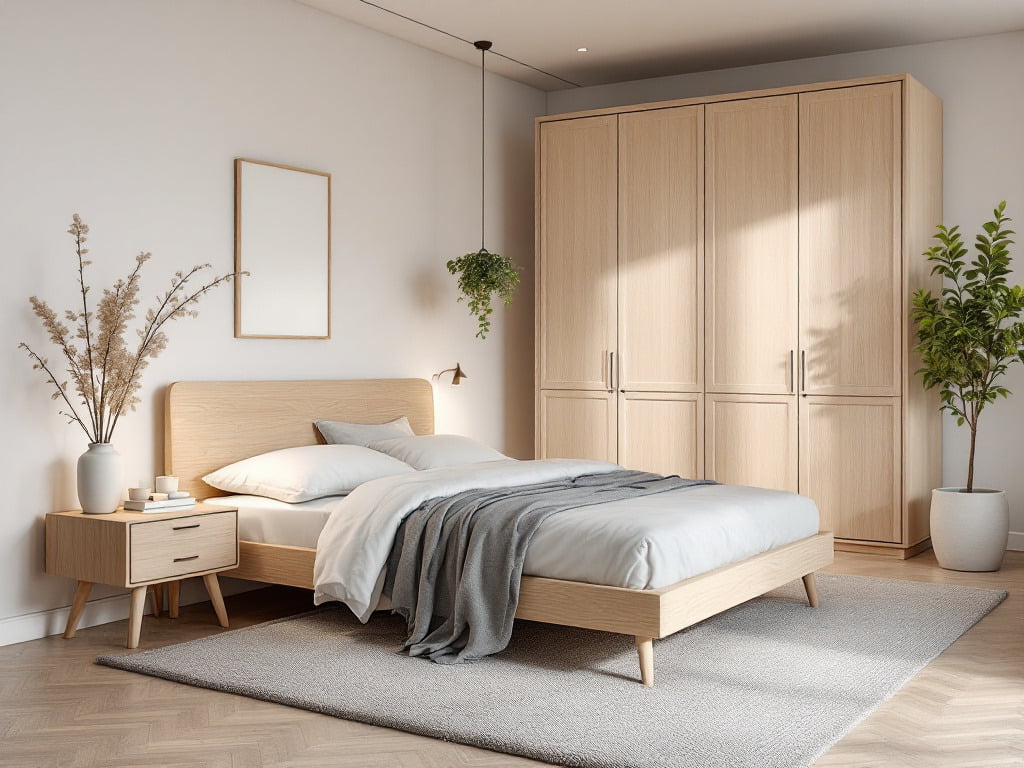
Wooden interior decor
Wooden interior decor covers carved and slatted panels, wall modules, partitions, screens, shelves, shelving units, planters, three-dimensional letters, wall art and framing made from solid wood, plywood, MFC and MDF for commercial spaces. Production runs from the client’s drawings and visual references: design, CNC cutting, milling, sanding, tinting and final finishing tailored to a specific style, room and load. Below we break down which species and materials interior decor is made from, how the production process is organised, which product lines the range includes, who orders these items, and what lead times, volumes and terms you can count on.
Wooden interior decor: creating solutions for commercial spaces
Wooden interior decor brings together items that change the very way a space is perceived. Unlike mass-market goods, these products set the mood in commercial interiors — on exhibition stands, at points of sale, in offices, shops, cafes and showrooms. This isn’t about a few trinkets hung on a wall; it’s about working with space through the volume, texture and structure of natural wood. Well-chosen decor can lift even a featureless room, while poor choices can spoil the impression of an expensive fit-out. Visitors rarely understand finishes, but they unerringly sense whether a space feels comfortable or not, and thoughtful wooden decor works precisely on that intuitive feeling of warmth and quality.
The production cycle covers design, machining, assembly and finishing. The main goal is to marry function with aesthetics: to make decor not only beautiful but also practical, honed to the needs of the business. Every project can be unique — built to specific room parameters, a given style or the character of the client’s audience. The window display of a shoe boutique and a lounge area in a coworking space call for completely different approaches, even though both solutions are made from wood at the same production facility.
The workshop produces wooden panels, partitions, decorative modules, counters, boxes, shelves and other elements that turn a plain room into a striking interior zone. Often what’s needed is not just decor but a considered element of zoning or accent that serves several purposes at once — from organising space to delivering the right visual message. One and the same partition can divide a hall into functional areas, serve as an advertising surface and set the overall style. This versatility is what sets considered interior decor apart from mere ornamentation: every element earns its place in the space not only through aesthetics but through very concrete usefulness.
Such decor is most often placed where both tactile and visual contact with the visitor matters. Wood offers a rare chance to play with texture and volume, covering both classic and contemporary solutions. A well-considered design together with a quality finish turns interior decor into an element that shapes the image of both the space and the business as a whole. A visitor rarely analyses details consciously, but the overall sense of “expensive and cosy” is built up precisely from such small things. Wood on walls, counters and partitions works more quietly than advertising, yet more convincingly: it doesn’t shout about quality, it creates the feeling of it at the level of first impression — one that’s hard to argue with afterwards.
What matters to our clients and partners

Professional team
Experienced craftsmen, engineers and CNC operators. Thorough quality control at every stage

Flexibility and a tailored approach
We adapt to any task: we work from your drawings or develop the cutting and machining program ourselves

End-to-end approach
We offer the full range of woodworking services — from sawing to painting and assembly

Wide delivery coverage
We work with clients across many European countries. We help with logistics and packaging

Fast lead times
Large-scale production and streamlined processes let us complete even complex orders quickly

Modern equipment
We work with panel saws, CNC machines, routers and sanding machines
Structural and aesthetic features of wooden interior decor
Interior pieces differ from souvenir or household goods not only in size but in a whole set of technological and design subtleties. The main difference is that structural strength and a presentable appearance must be maintained at the same time. Decor is most often selected to match a specific interior concept, so precision in dimensions, shades and overall style is critical. An error of a couple of shades in tone — and the element falls out of the ensemble like a wrong note, even if it’s made flawlessly in itself.
Every item is designed with a public or commercial space in mind, where wear-resistance requirements are higher than at home. Shelving units and counters bear the weight of goods, decorative partitions keep their shape and looks under daily use, and panels and screens work not only for beauty but for zoning. In a shop or cafe, hundreds of people touch the decor every day, so what would last a decade at home is tested for durability here in a matter of months.
A separate task is ease of assembly and disassembly. Modular solutions are in high demand in retail and exhibition formats, where the interior changes often and structures must go together without special tools. At the same time, the appearance must stay flawless even after a dozen assembly-disassembly cycles. An exhibition stand assembled and dismantled at every event is a good test: cheap fasteners quickly work loose, and the element loses its looks by the third setup.
Each element of interior decor often becomes a visual focal point, and the demands on the finish here are higher than usual. Eco-friendly oils, wax, paints and lacquers come into play, emphasising the wood’s texture while resisting dirt and not fading. Surfaces are sanded to smoothness; patination, tinting, matte or gloss lacquering are applied. It is the finish that decides whether a piece looks expensive or cheap: one and the same panel reads completely differently under different coatings.
These features set interior products apart as a distinct segment of woodworking — with more complex workflows and deep attention to both the appearance and the internal structure of each element. In essence, interior decor sits at the intersection of design and engineering: a beautiful form is worth nothing without a sturdy, well-thought-out base beneath it, and vice versa. Good interior decor is born where designer and technologist speak the same language: the concept is tested for feasibility, and engineering doesn’t kill the aesthetic but supports it.
What interior decor is made from wood
Panels

Shelves

Partitions

Frames

Shelving units

Boxes
Railings

Decorative modules

Wall art

Three-dimensional letters
Balusters
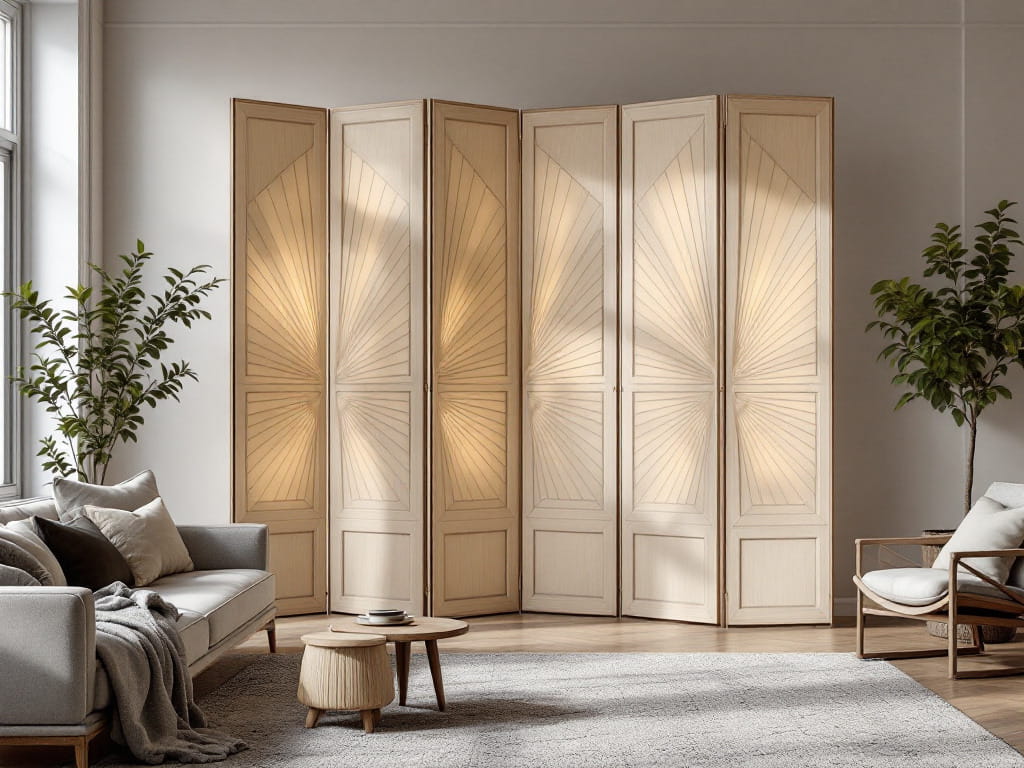
Screens

Counters
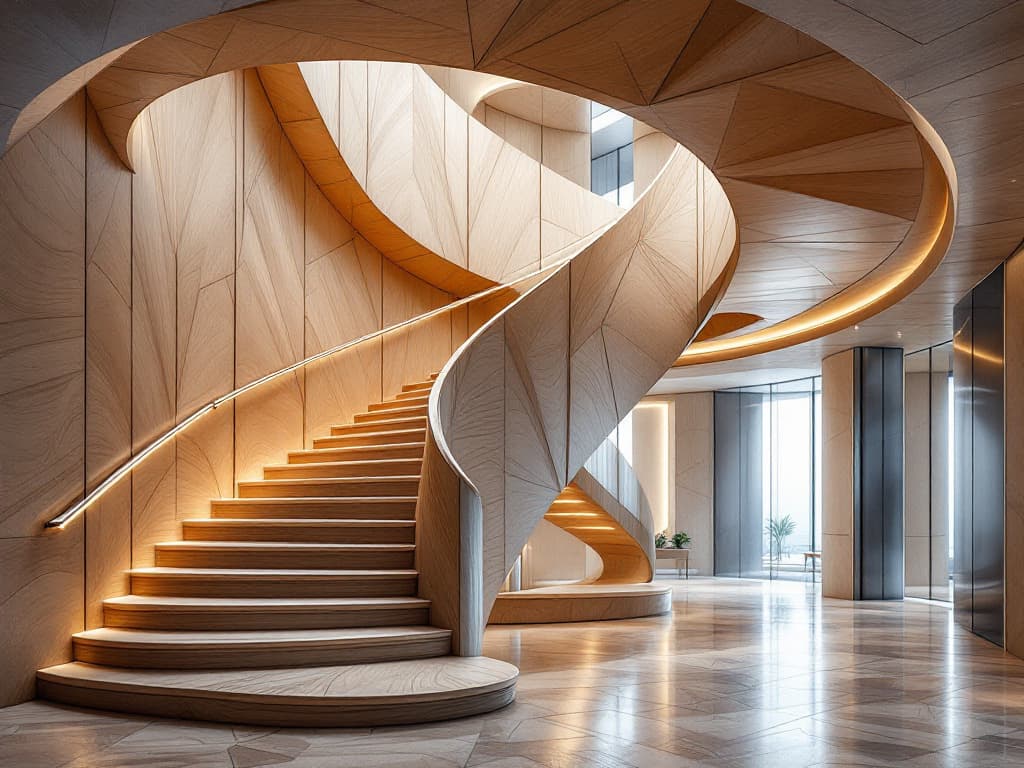
Stair treads

Planters
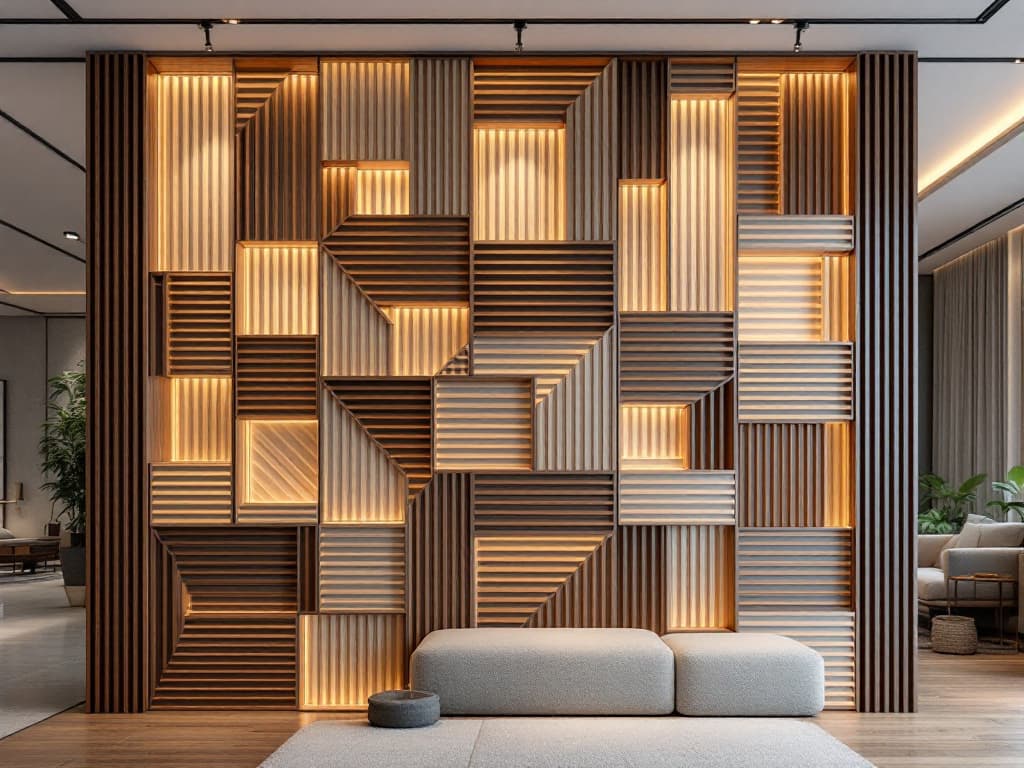
Sliding walls
Wooden solutions for interiors: lines that create style
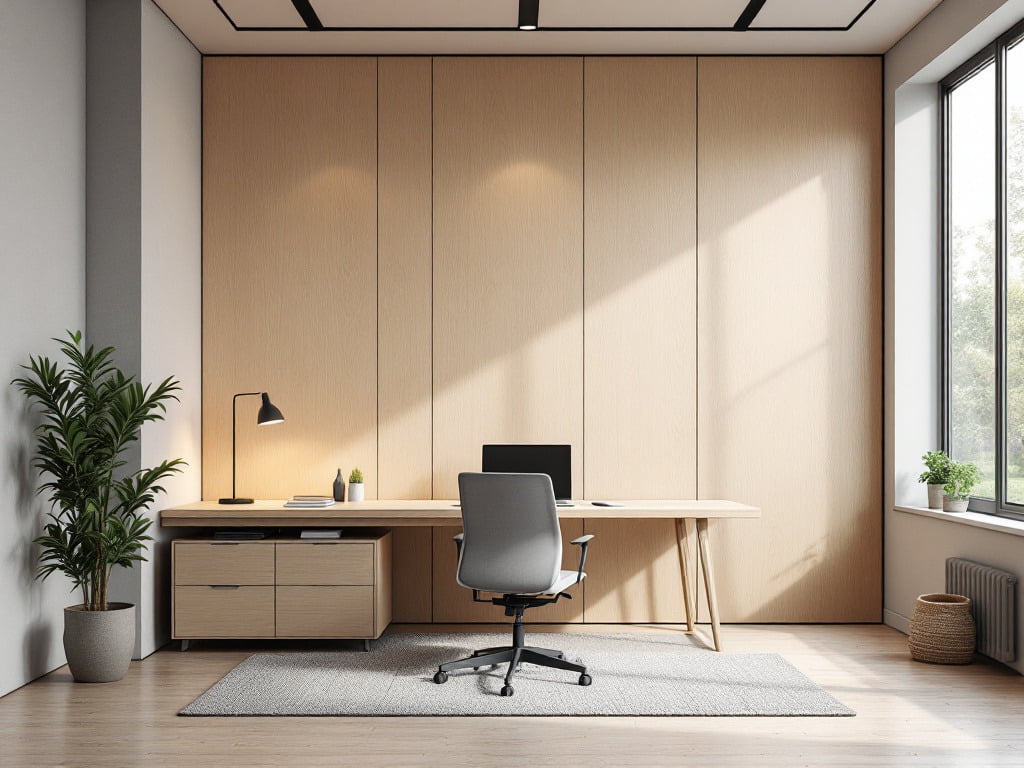
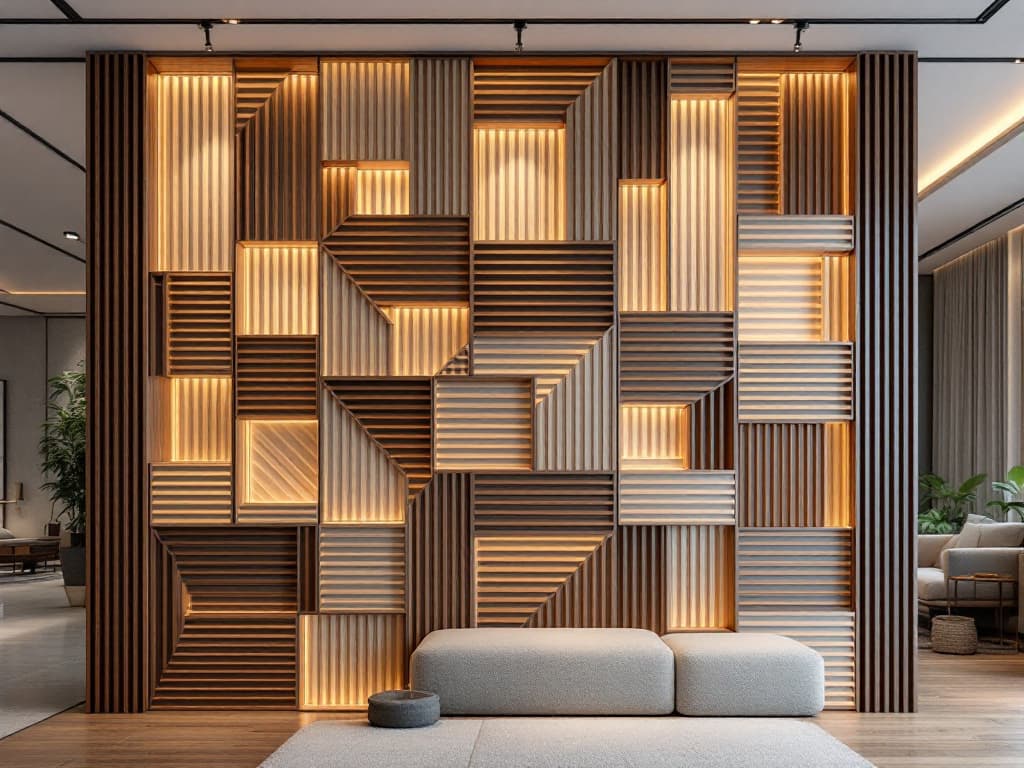
The interior decor category brings together several standalone lines, each with its own role in a commercial space. Wooden panels and slats are a popular choice for walls, ceilings and counter fronts. They’re made both in strict classic designs and in decorative versions with textured patterns, cut-outs and inlays of other materials. A slatted panel, for instance, can simultaneously hide an uneven wall, improve the hall’s acoustics and set a fashionable rhythmic pattern — three jobs in one solution. It’s precisely for this multifunctionality that slatted panels have won over designers: a single element covers several needs at once, saving both space and project budget.
- 📦 Shelves, boxes, modular shelving units — for points of sale, displays, showrooms and internal zoning. Here compactness, strength and versatility matter, and they’re often made as a series so the whole interior holds a single style.
- 🪟 Modules, partitions, balusters, screens — mark out functional zones in cafes, shops and offices without walling the space off completely. Here the play of light, shadow, transparency and volume comes into effect — something wood handles particularly well.
- 🔤 Three-dimensional letters, stair treads, frames, railings — details that give the interior a finished look. Precise calculation of form and scale is critical here: the element must not clash with the composition and has to sit well alongside glass, metal and textiles nearby.
- 🪴 Planters and decorative stands — the final accents that bring live greenery into the interior. They work both practically and aesthetically, and often become part of a venue’s brand identity.
Any of these lines is adapted to a specific task, colour scheme, dimensional constraints or style. Producing such items is always bespoke, and the result matches exactly the purpose the element serves in the space. That’s why interior decor is rarely taken from a ready catalogue “as is” — almost always something is adjusted to the room’s dimensions, the shade of neighbouring surfaces or the brand concept.
Interior elements in detail: a brief overview of the key lines
Within the wooden interior decor category there are several subcategories, each responsible for its own zone of the space. Panels and slats go on cladding walls and partitions, adding depth and rhythm to a room — especially in commercial interiors where texture and volume matter. Below we go through the main subcategories in a little more detail: where they work and what to look at first.
- 🛍️ Counters and display units — in retail floors and showrooms they combine product presentation with decor. Precise proportions are especially important here: in a cramped hall, every centimetre affects how the whole space is perceived.
- 🗄️ Shelves, boxes, modular structures — help make economical use of floor space. They’re often assembled as a flexible storage or display system that scales easily and can be reconfigured for a new range.
- 🚪 Partitions and screens — handle zoning. The structure can be solid or partly transparent, and this is how work areas, lounge zones and separate blocks are formed in an open space without load-bearing walls and needless expense.
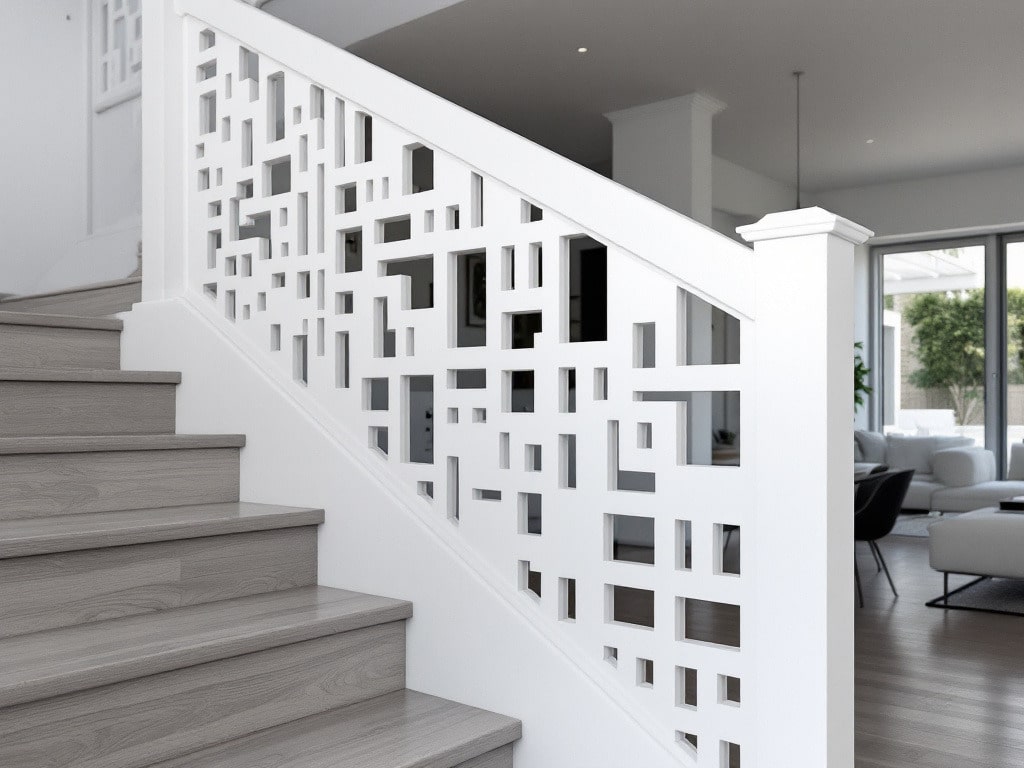
- 🪜 Balusters, railings, stair treads — architectural accents that underline the status of a space. They’re installed not only in homes but in the representative areas of offices, restaurants and hotels, where a staircase often becomes the central element.
- ✨ Planters, frames, inserts, three-dimensional letters — final decor and accents. They’re branded, fitted into a company’s corporate identity, or used for seasonal dressing of window displays and halls for the holidays.
All of these elements can be kept in a single style, and then they work not only for the design but for the branding and commercial appeal of the interior. Style-coherent decor reads to the visitor as a sign of thoughtfulness and the venue’s level, whereas a mismatch, on the contrary, leaves a sense of randomness — even if each detail is decent on its own.
The types of wood and sheet-material processing we use
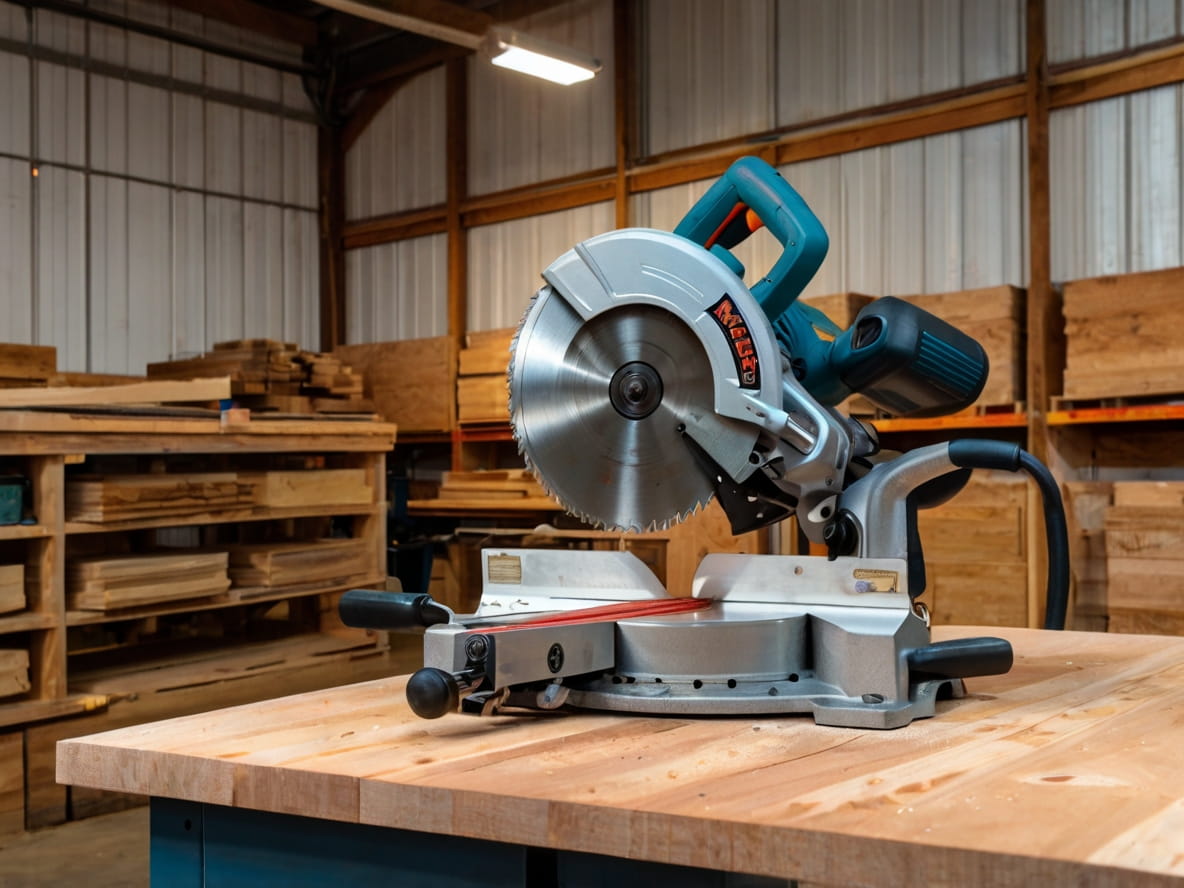
Cutting
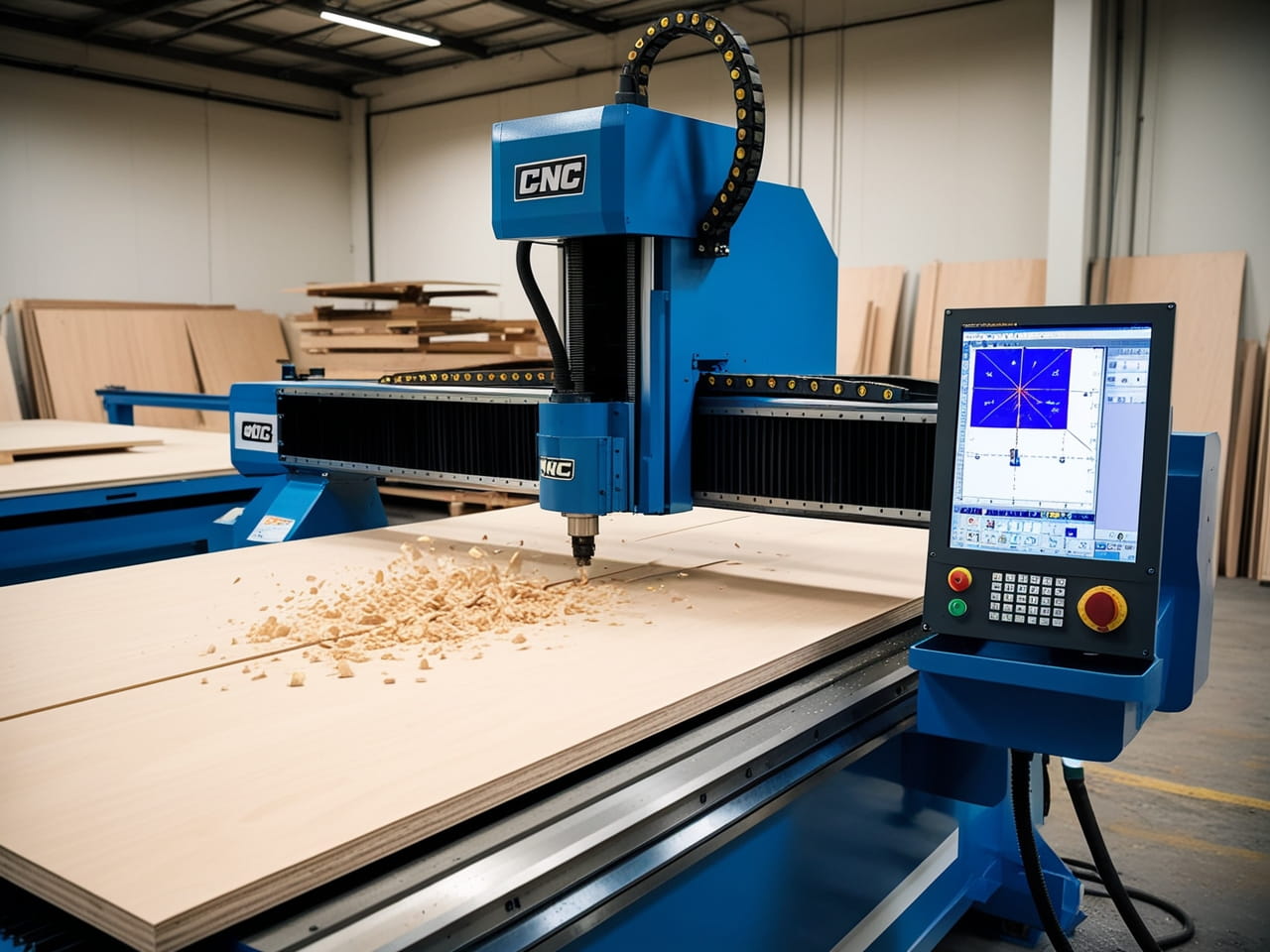
CNC

Cross-cutting

Drilling
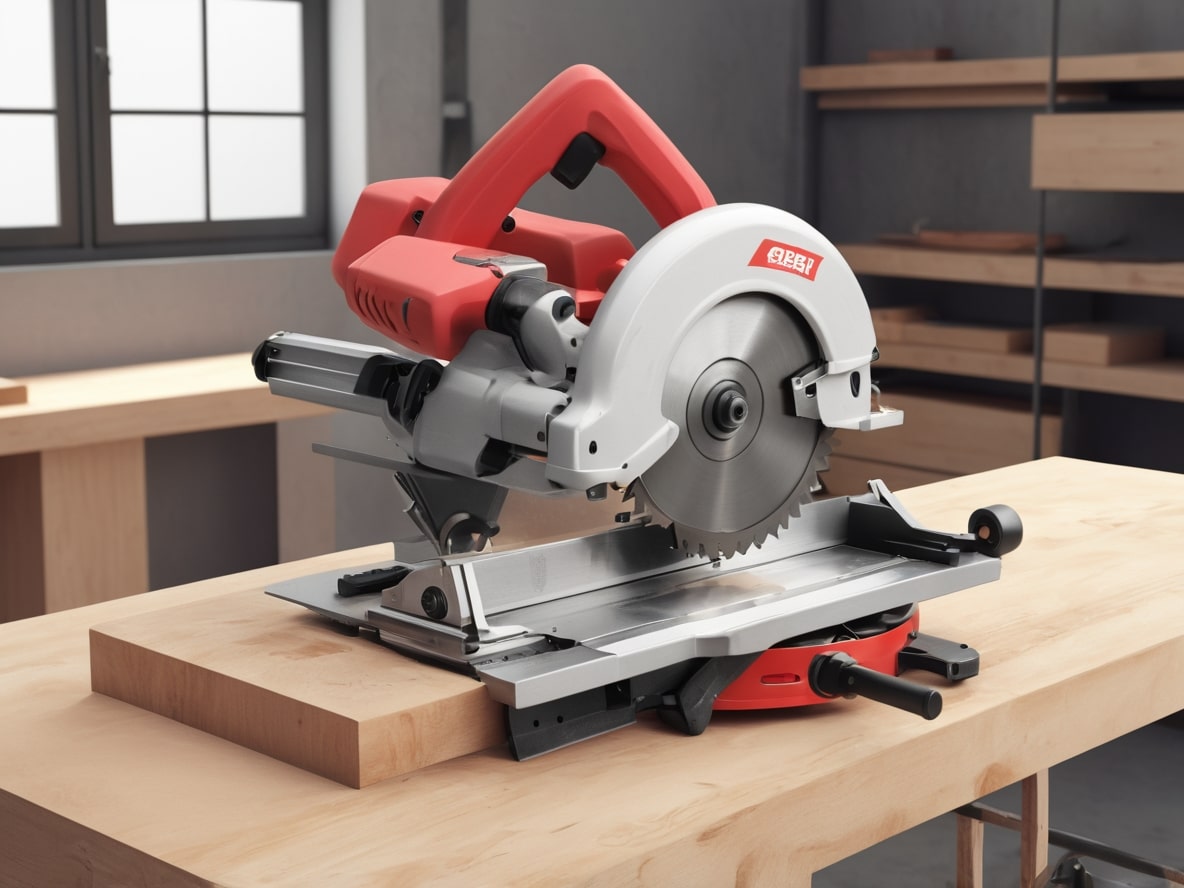
Sawing

Ripping

Machining
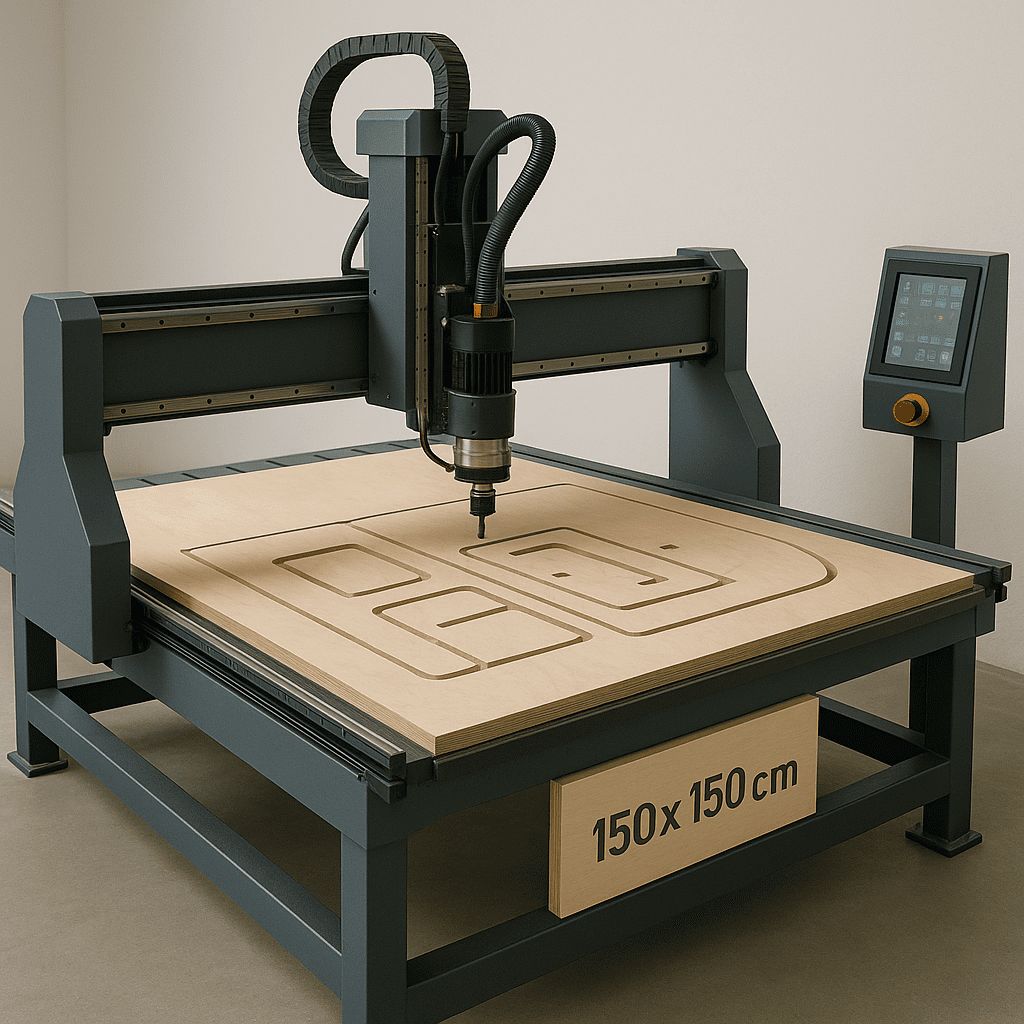
Cutting to size
Sanding
Grooving
Milling

Painting
Working with wood in the production of interior solutions: how material becomes form
Producing interior decor calls for a special attitude to timber. Here it’s not just a board or a sheet, but a structural base that will be perceived as part of the room’s architecture. That’s why work begins with selecting wood with perfect geometry and a stable structure. A warped or twisted blank is unacceptable in decor: if a wall panel is even slightly out of true, it’s visible a mile off and spoils the whole impression of the interior.
The species is chosen for the task. For decorative elements, lime, ash and pine are often used — they cut, sand and take tinting well. If a part is load-bearing, oak, beech or dense plywood come into play. Moisture content is watched separately: all materials go through drying and conditioning so the shape stays stable and the part doesn’t warp in service. Lime, for instance, is ideal for carving thanks to its softness, but is no good where the element will bear weight — there you need oak.
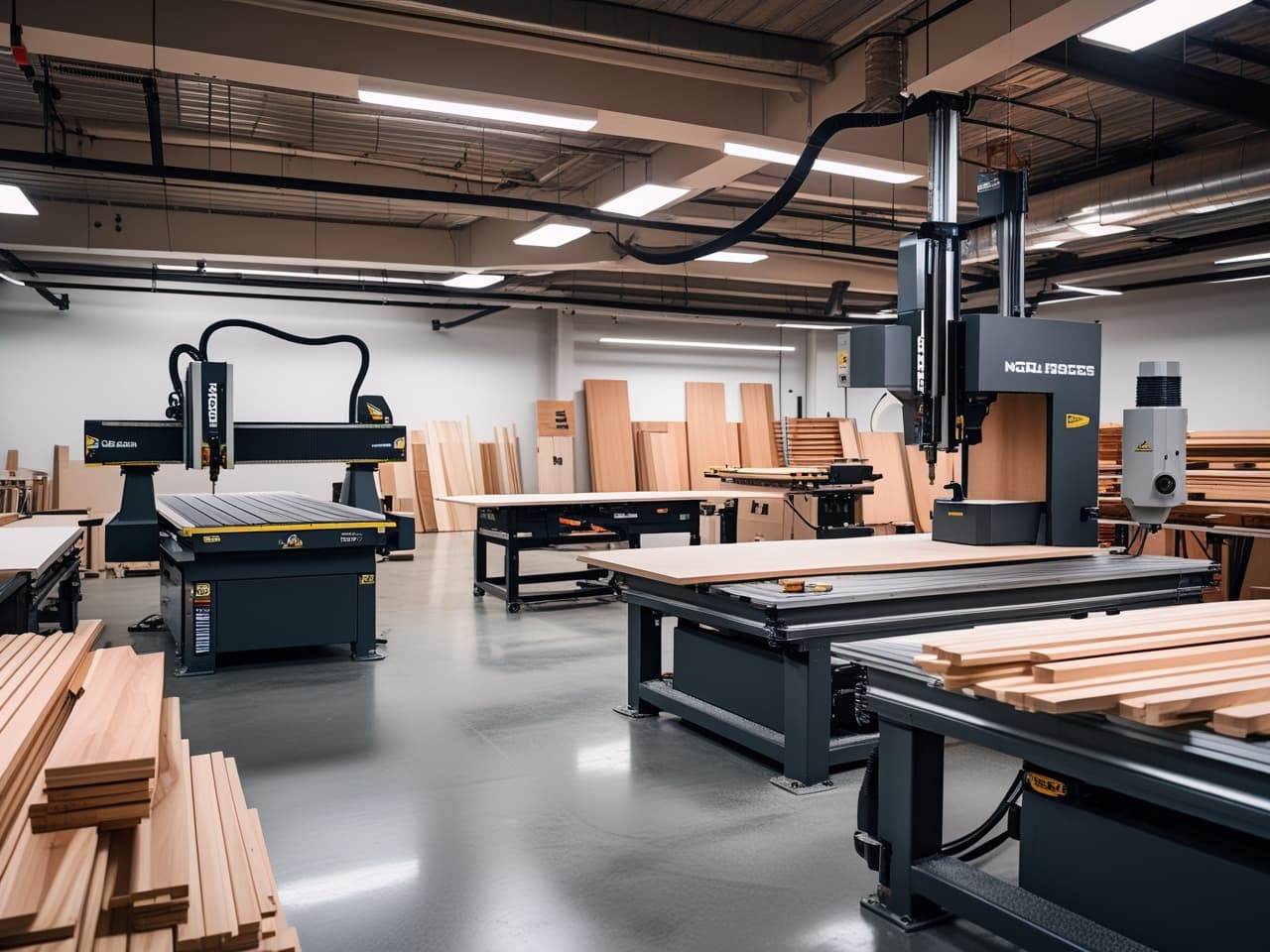
Next comes cutting and milling on high-precision equipment. Both standard solutions and unique templates developed for a specific project are used. Special attention goes to edges and joints: it’s these that determine both the appearance and the reliability of the finished structure. A sloppy edge with tear-out gives away amateur work instantly, whereas a neatly machined and sealed one, on the contrary, reads as a sign of quality even when the piece is examined up close.
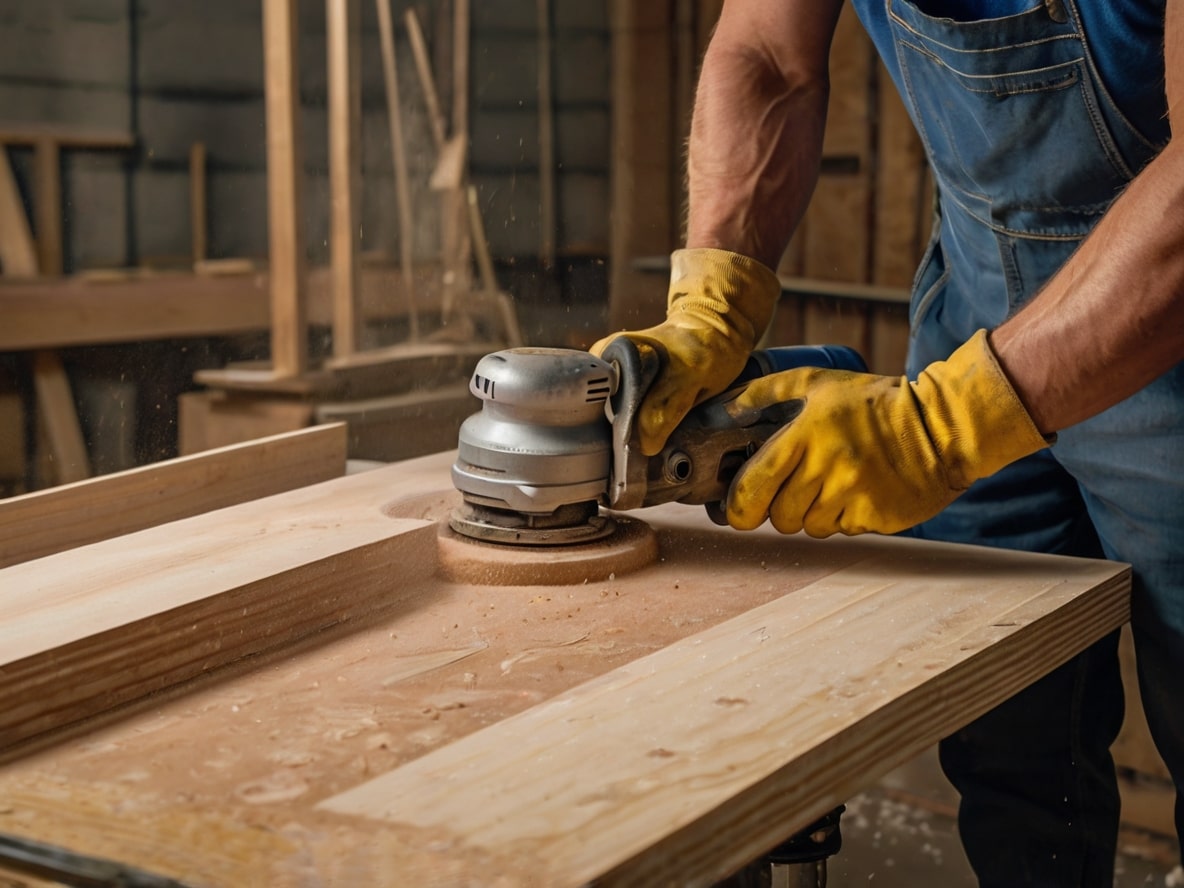
Then comes sanding — by hand or on machines. The cleaner the sanding, the more evenly the finish lies: under lacquer or oil, any missed roughness turns into a noticeable defect. The surface is brought to matte, gloss, textured or smooth — depending on what the design requires. This unnoticed stage largely determines the outcome: a beautiful coating holds only on a well-prepared base.
Final finishing means tinting and coating with lacquer, oil or paint. Where needed, artificial ageing, brushing and patination are applied. All of this is so the item looks organic in the interior, without any cheap “brand-new replica” feel. In a historic building or a loft, a fresh glossy panel would look alien, whereas a brushed surface with a time-worn effect, on the contrary, matches the character of the room and works towards the right atmosphere.
The production stages of woodworking and manufacturing
The production process of interior items: step by step
Producing wooden interior solutions starts with design — and this is the key stage, where not only the appearance but the structure is laid down. A 3D model and drawings are developed, dimensions and loads are calculated, and templates or CNC programs are prepared to the brief. An error on paper is cheaper than an error in the material: better to recalculate the model ten times than to redo a finished batch afterwards because of an unaccounted load or a wrong dimension for a specific niche.
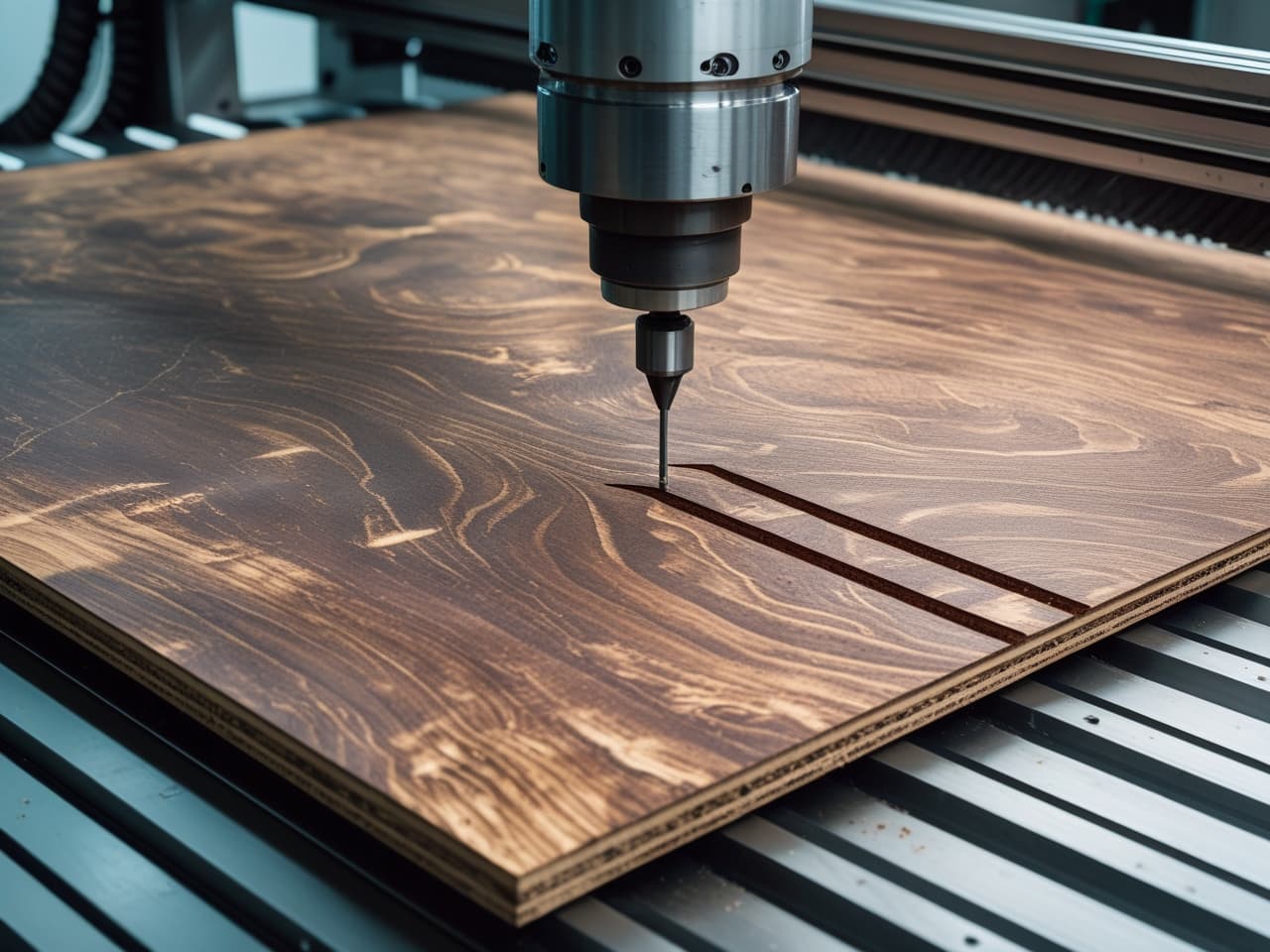
The next stage is cutting to size. Depending on volume and shape, sheet material or solid wood is used. Blanks are cut to the required dimensions and then milled, giving the parts their final shape. This is also where grooves, recesses, holes and other fastening features are formed. Ready seats greatly simplify further assembly: the structure goes together by the markings rather than being fitted in place with the risk of damaging the visible surface.
After milling, the parts are sanded, often in several passes: first rough machining, then fine finishing. Surfaces are brought to a state where they’re pleasant to the touch and look good even without a finish. For interior decor, tactility matters no less than appearance: a visitor often runs a hand over a panel or counter, and a smooth surface is subconsciously read as “quality and expensive”.
Assembly is done by hand or semi-automatically. Concealed fasteners, dowels, glue and locks are used — depending on the structure. After assembly, the item is checked for stability, geometry and functionality. Concealed fixings are especially valued in interior decor: protruding screw heads cheapen the look, whereas a neat joint with no visible fasteners looks whole and considered, just as the designer intended.
The final stage is finishing. Oil, lacquer or paint is applied to the part, after which the item is dried and packed. On request, individual branding is added: engraving, pyrography, laser marking. A logo or corporate pattern right on the decor turns an ordinary shelf or counter into a carrier of brand identity — something especially valued by chains and marketplace sellers who need the product to work for brand recognition.
Wooden interior decor: opportunities for cooperation with TigerWood
Cooperation with a maker of interior decor starts with the client’s tasks. Sellers, designers, retail chains and distributors value flexibility, reliable supply, precise lead times and the ability to customise to a project. In the interior-solutions segment this is especially noticeable: it’s not about a faceless print run but about sets for specific rooms, styles and goals. A designer comes not for a “panel in general” but for a panel of the right shade, size and texture for their already approved project.
TigerWood builds its processes so that a partner can quickly slot the products into their business model. It’s important not just to make an item but to do it in a format convenient for scaling, transport and installation. Already at the design stage, the fine points of installation, logistics and even packaging requirements are taken into account if the products will be resold. A panel that can’t be properly packed and delivered without chips is useless, however beautiful it may be — so logistics is thought through together with the design.
The approach is designed for clients who need a result within set parameters — with no delays or reworking on their side. Products are supplied ready-made or as assembly kits, depending on the specifics of the project. A finished item is convenient when installation speed matters; a kit of parts — when the structure needs to be carried into the room in pieces or assembled precisely on site to fit the hall’s non-standard geometry.
Capacity allows work with both small series and large wholesale batches. This helps marketplaces, where the range is constantly updated and models change often. Regular production is also possible: for permanent partners, process cards are drawn up so that launching a new batch takes minimum time. In essence, a position once fine-tuned is then reproduced almost automatically — the client only needs to say “repeat it”, and the batch goes into production without lengthy re-approvals.
A separate line is bespoke projects for interior bureaus, architectural studios and construction-and-decor companies fitting out public spaces. Here precise execution of drawings and a non-standard approach to material processing matter. This format lets studios expand their portfolio and offer end clients unique interior solutions no one else has. For a bureau, a reliable production partner means the chance to take on bold ideas, knowing they can be realised in material. Without such a partner, a bold concept risks staying a pretty picture on screen; with one, it turns into a real, working object exactly as the author envisaged.


Interior decor and other lines: how wood is applied across different categories
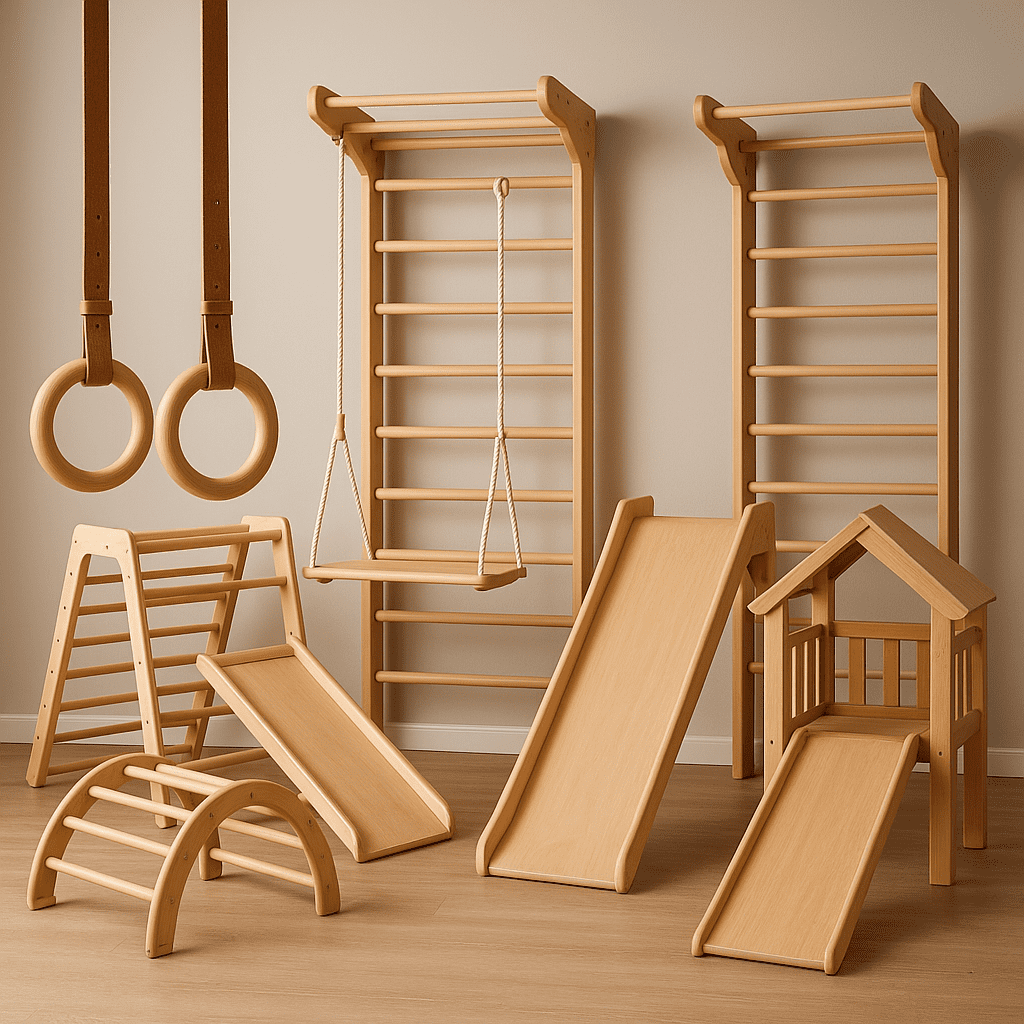
Interior decor is just one of the woodworking lines at TigerWood. Besides decorative elements and functional structures for dressing spaces, work is also done in other product categories. This matters to companies that want to cut the number of contractors: the fewer suppliers, the simpler quality control, logistics and paperwork — and the less chance that one of them lets you down on deadlines and derails the whole project. One responsible manufacturer across several categories means a single point of contact and single responsibility for the result, rather than passing the blame between contractors at the first hitch.
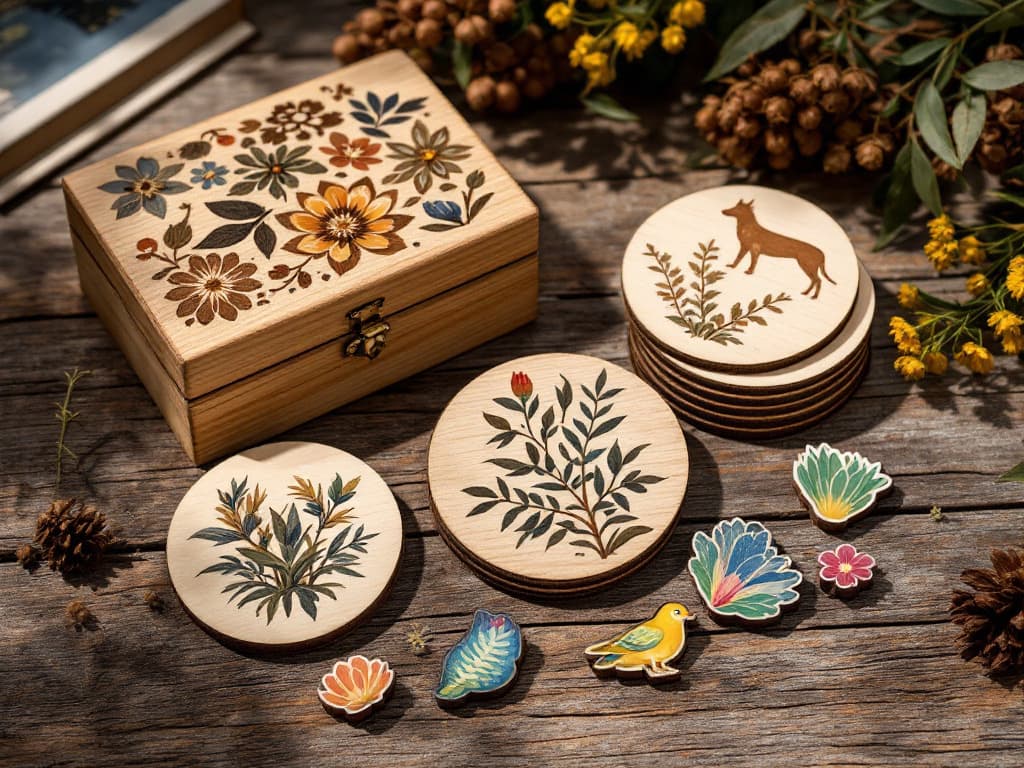
The “Souvenir products” category includes a whole range of subcategories: photo frames, stands, pyrography items, wall art, boxes. It’s in demand in retail, gift points of sale, on marketplaces and in corporate supply. For a shop selling interior decor, a souvenir line is a logical addition to the range: a customer who came in for a panel is happy to also take a small gift item in the same style.
The “Packaging” category means wooden crates, cases, trays, gift and shipping boxes. Here not only looks but strength are valued, especially in the segment of premium goods, alcohol, tea, cosmetics and perfumery. For an expensive product, packaging is part of the impression: a wooden case subconsciously signals the premium nature of the contents even before the box is opened, and often becomes a reason to keep it after purchase.
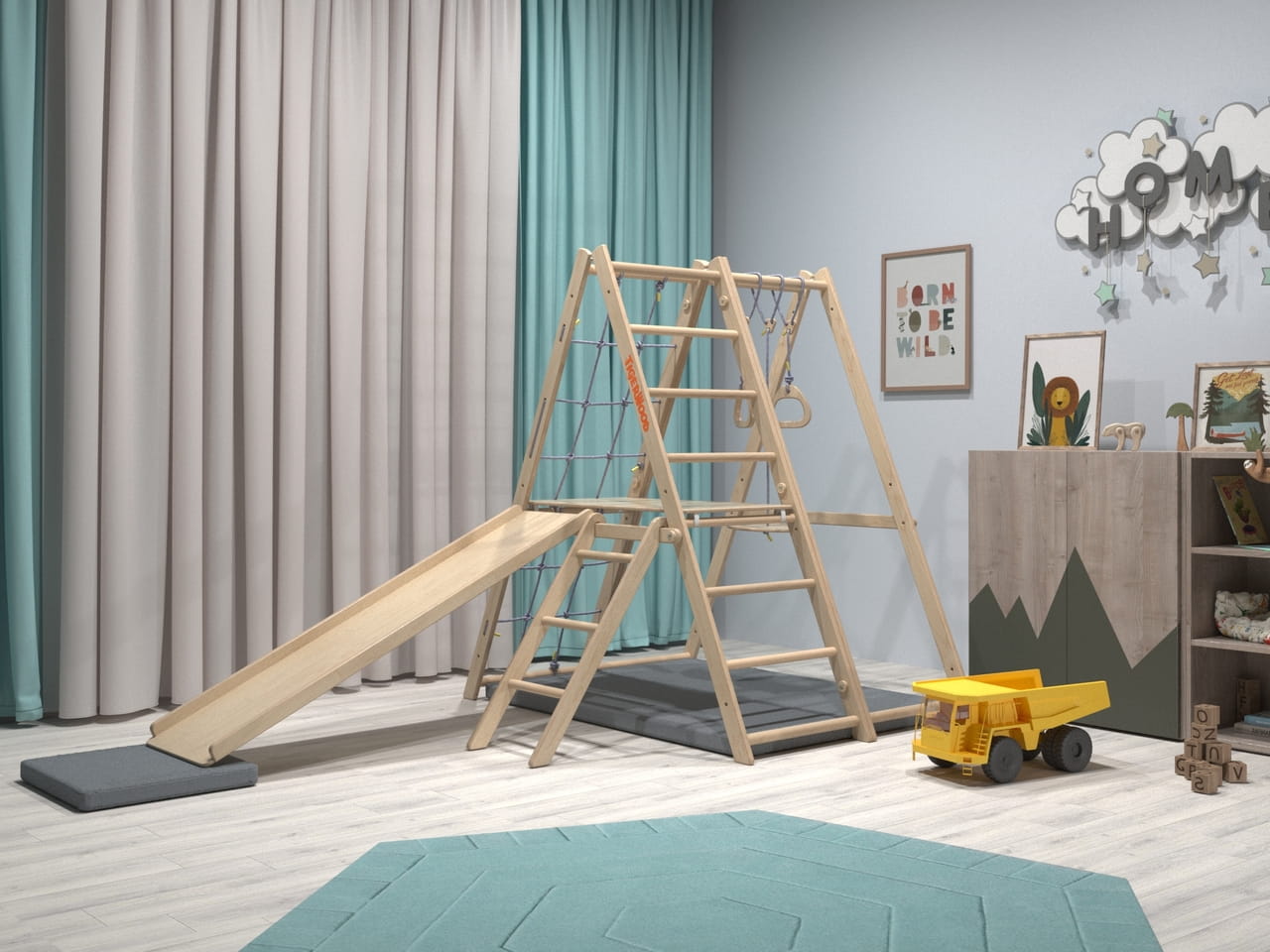
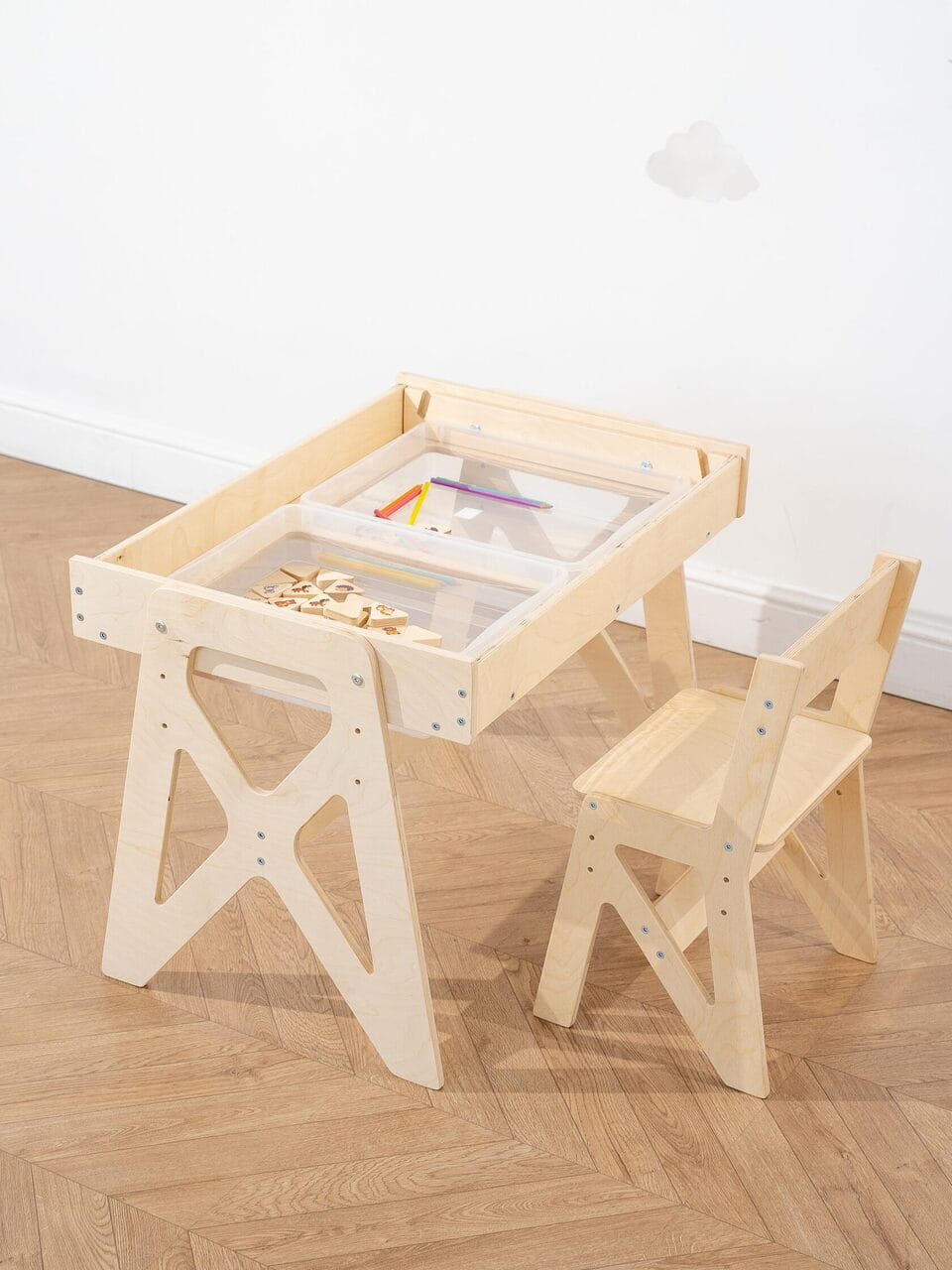
For the “Furniture” category, interior elements, individual modules, furniture frames and decorative parts are developed. The particularity of this line is heightened requirements for structure and durability: furniture is used every day, and a weak joint shows up fast. Furniture and interior decor are often ordered together so the whole room holds a single style — from wall panels to a reception counter and storage cabinetry.
In addition, TigerWood makes elements for exhibition stands, showroom dressing and decorative displays. This way a company orders a comprehensive solution in one place — interior, packaging and presentation items in a single style. For an exhibitor this is especially convenient: a stand, branded sample packaging and handout elements kept in one aesthetic work towards a cohesive brand image far more strongly than disparate items from different suppliers.

Examples of our work and partner projects
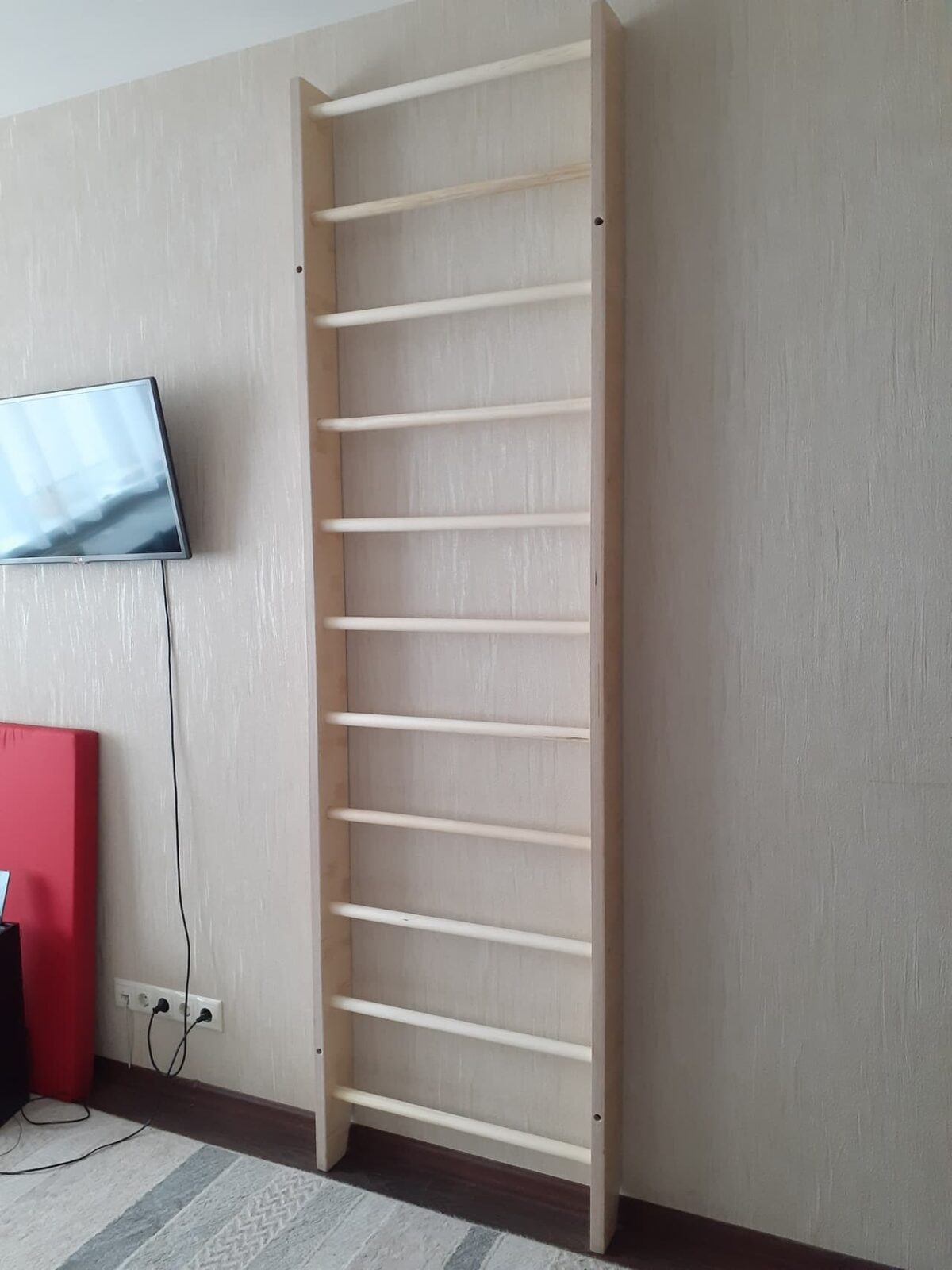

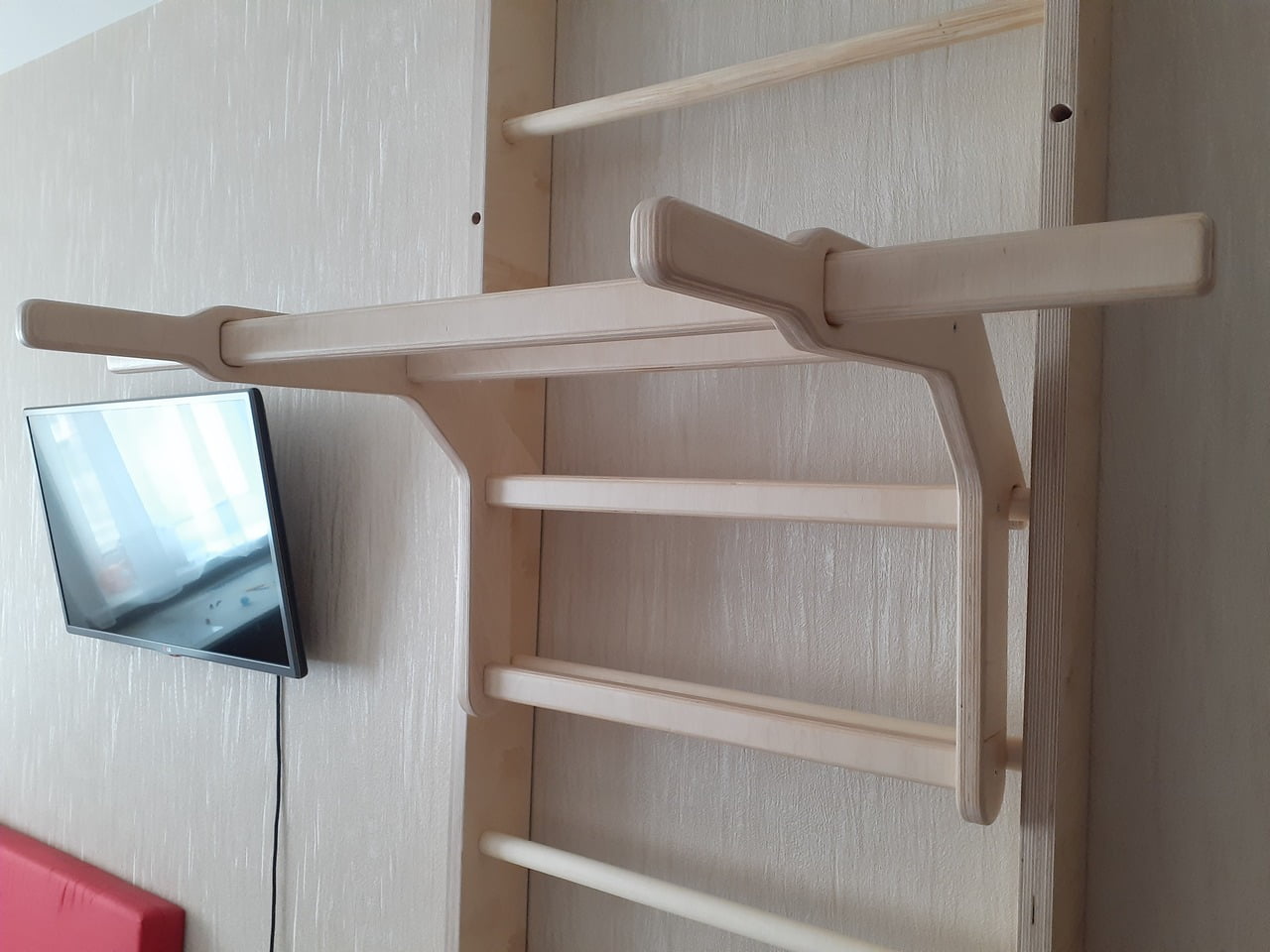
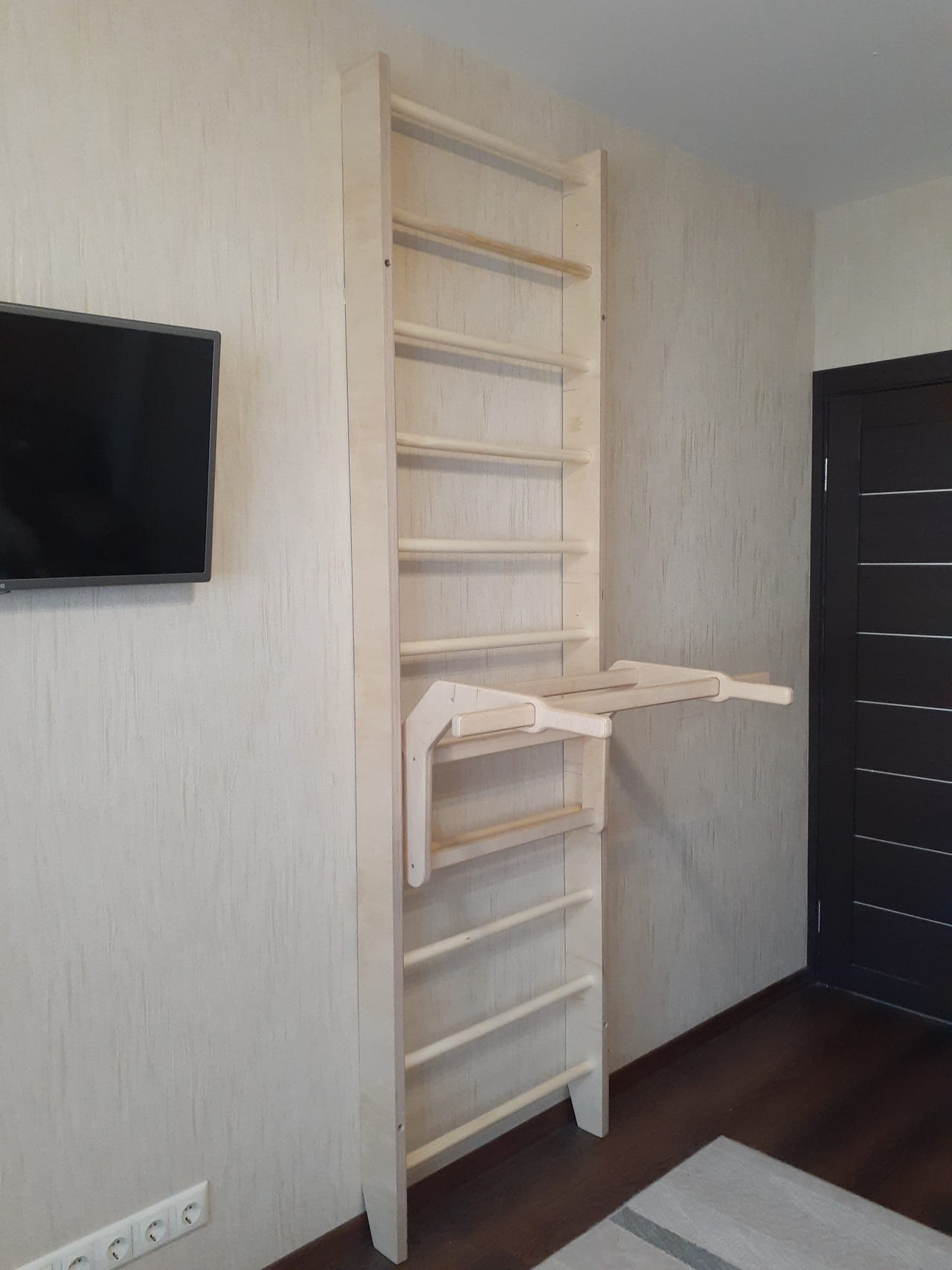


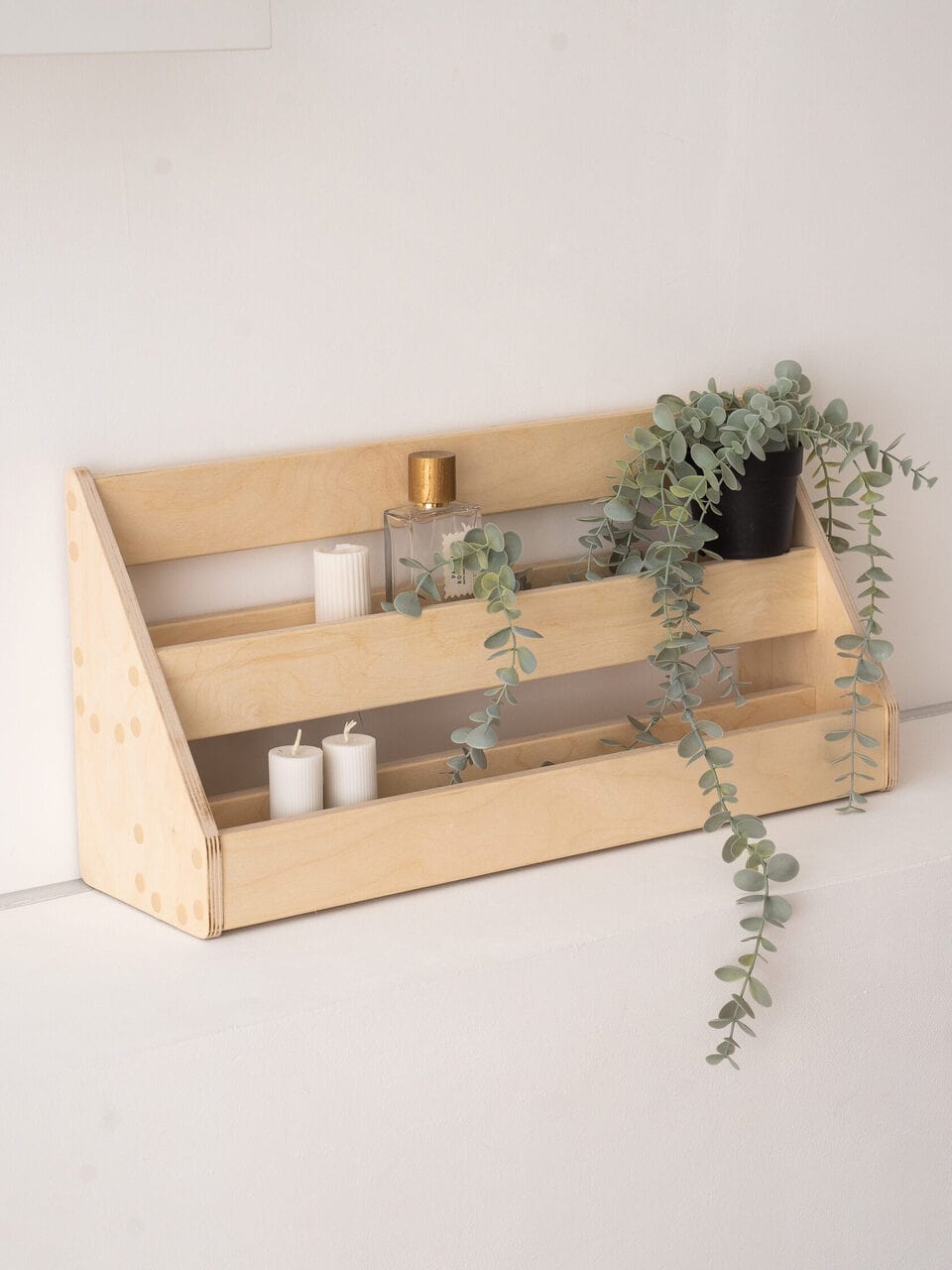
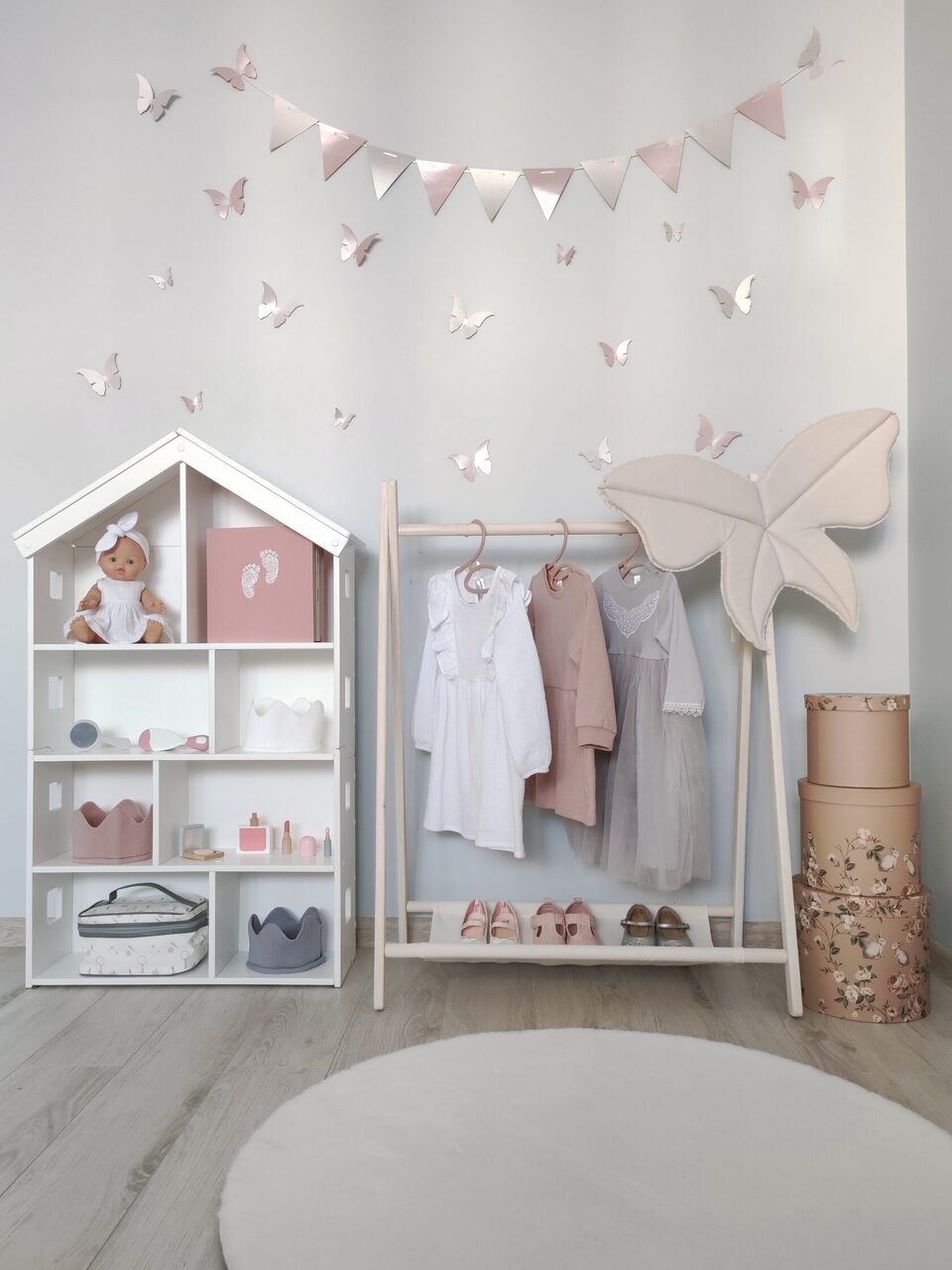
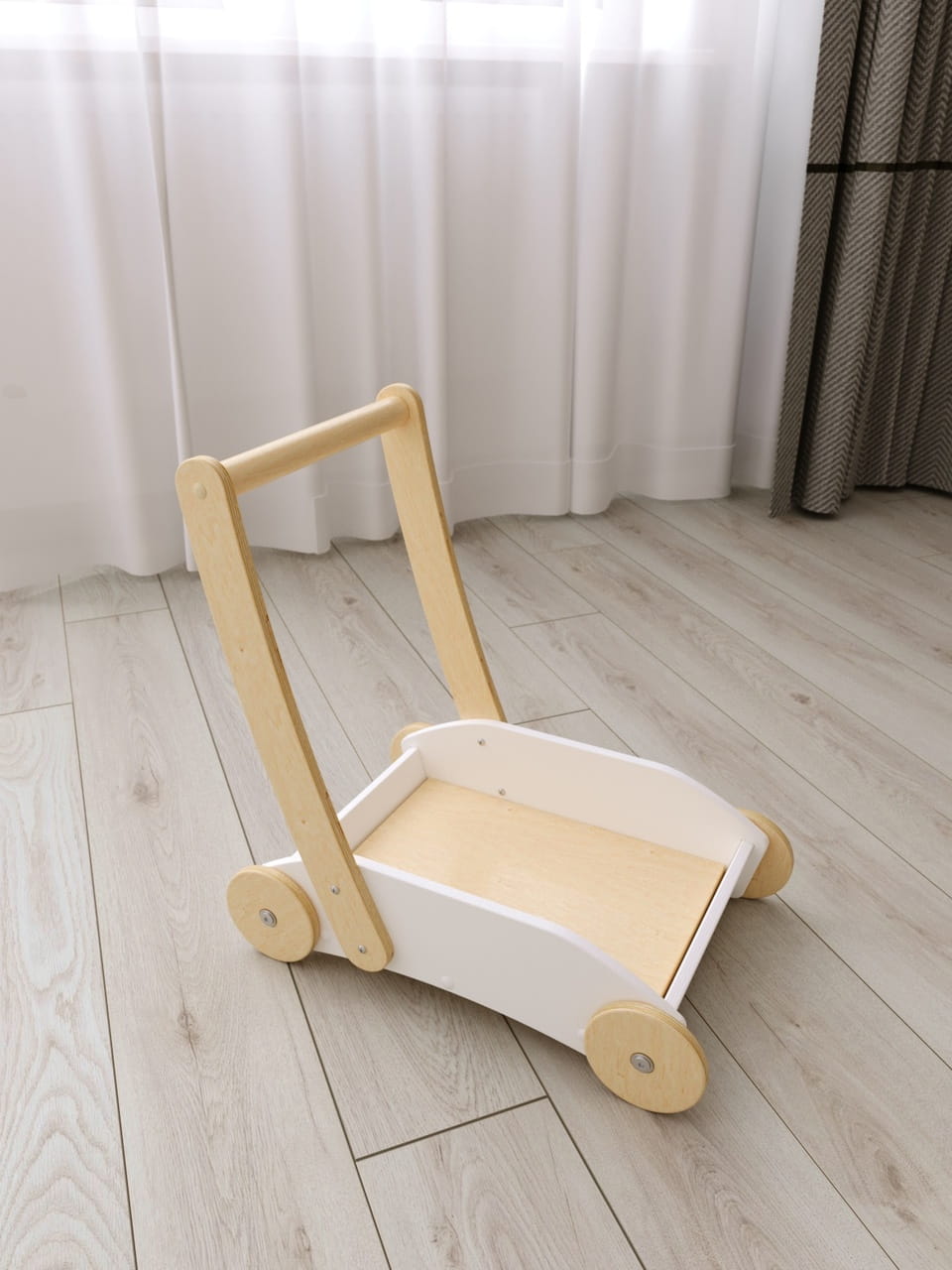

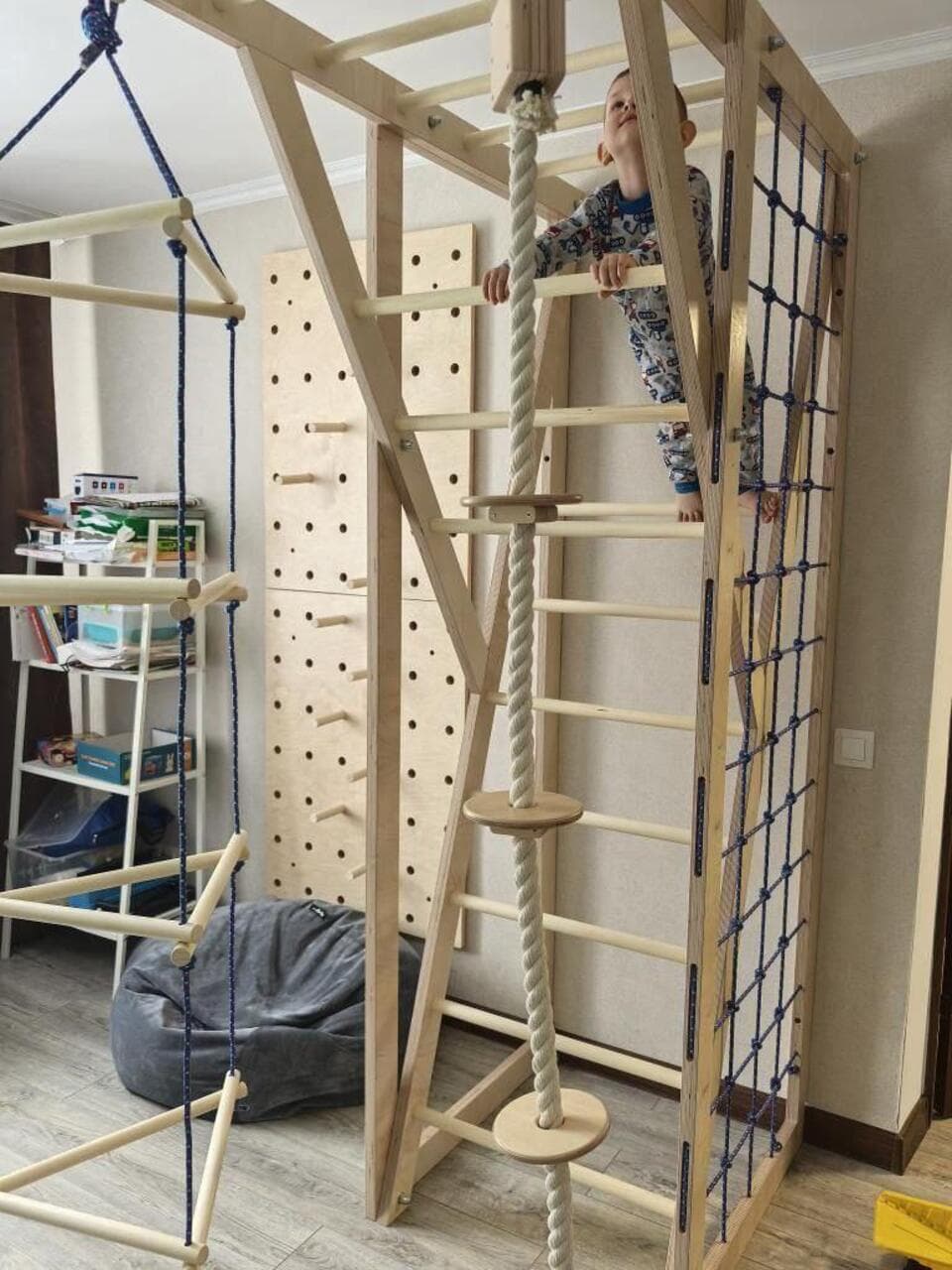
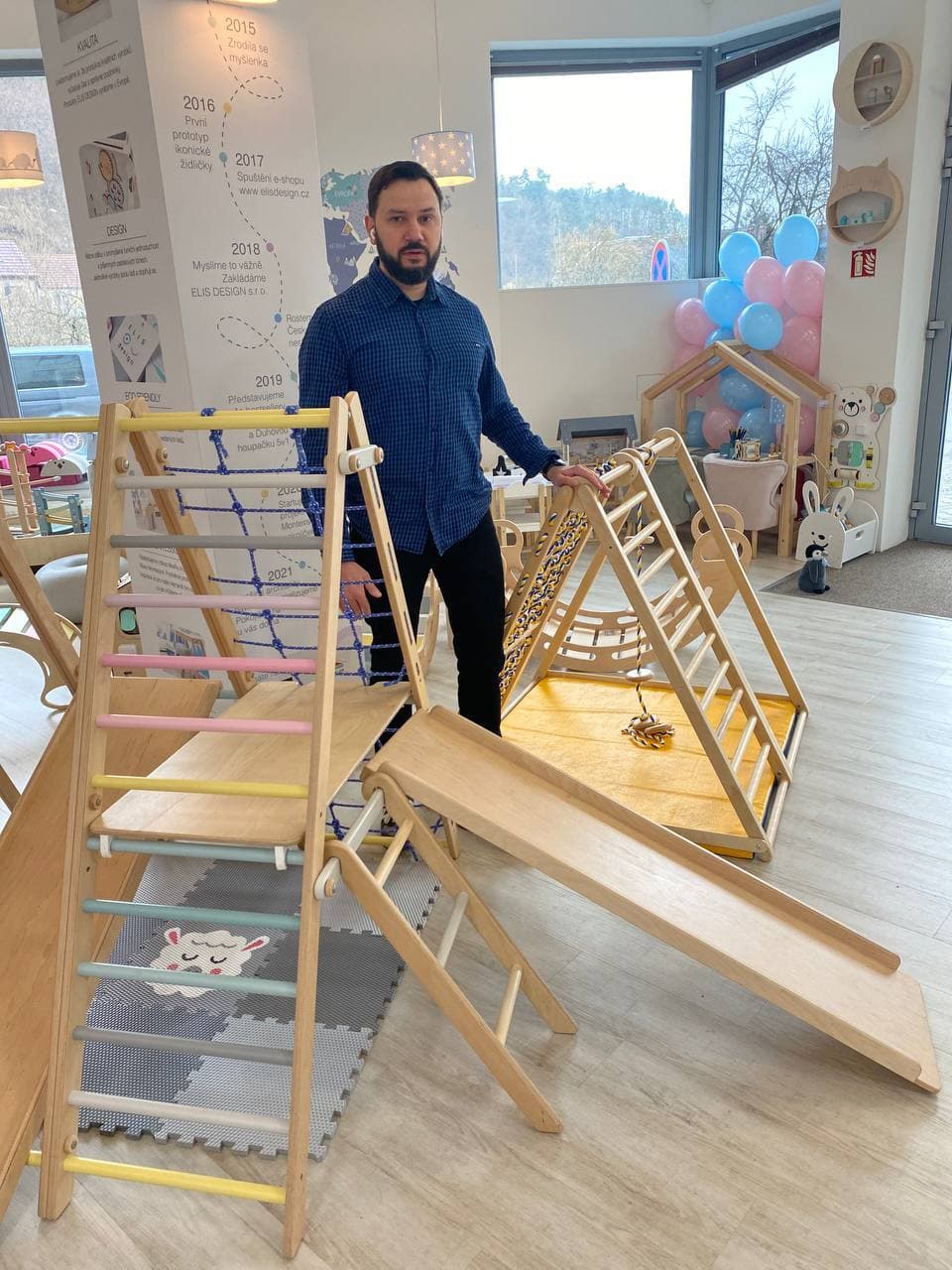
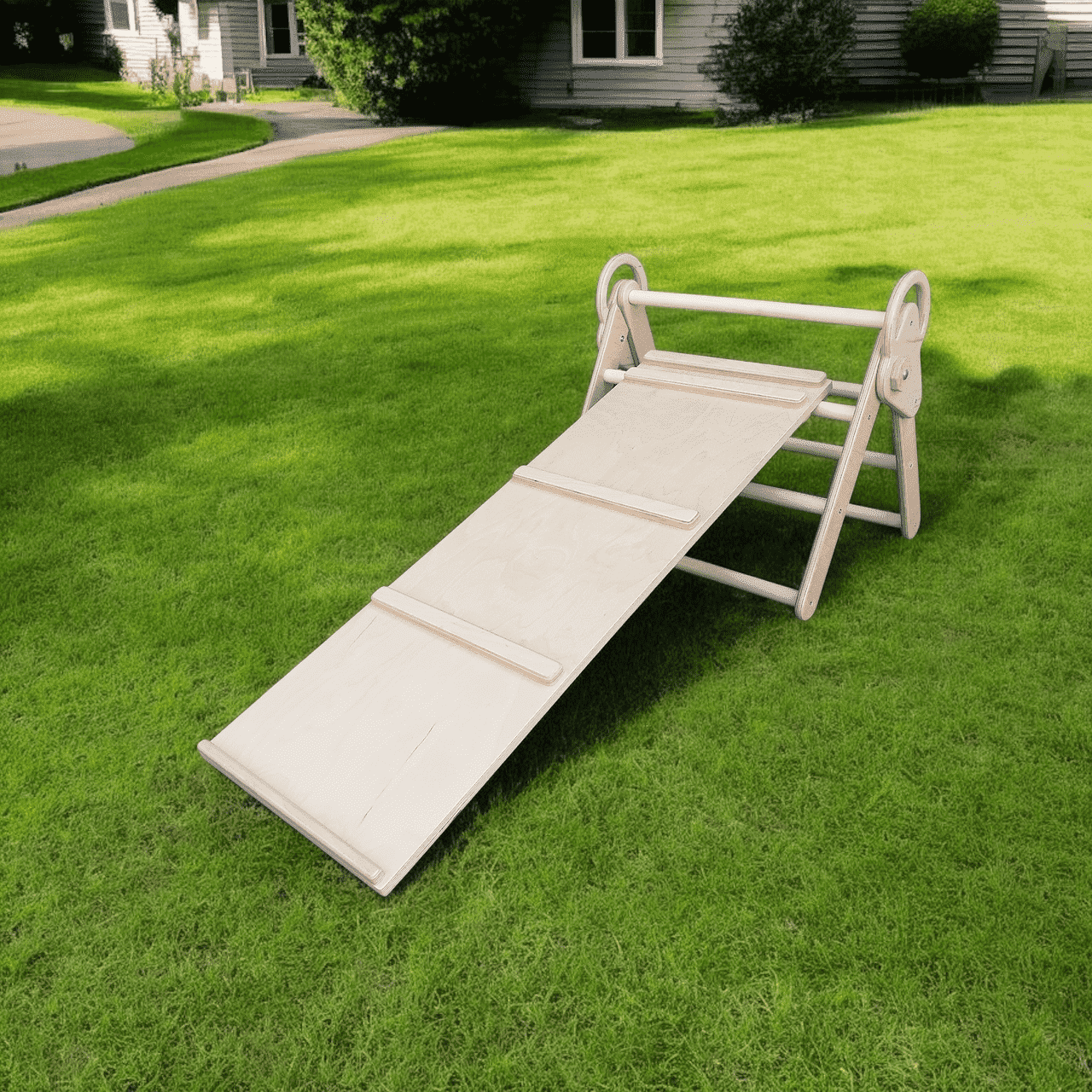
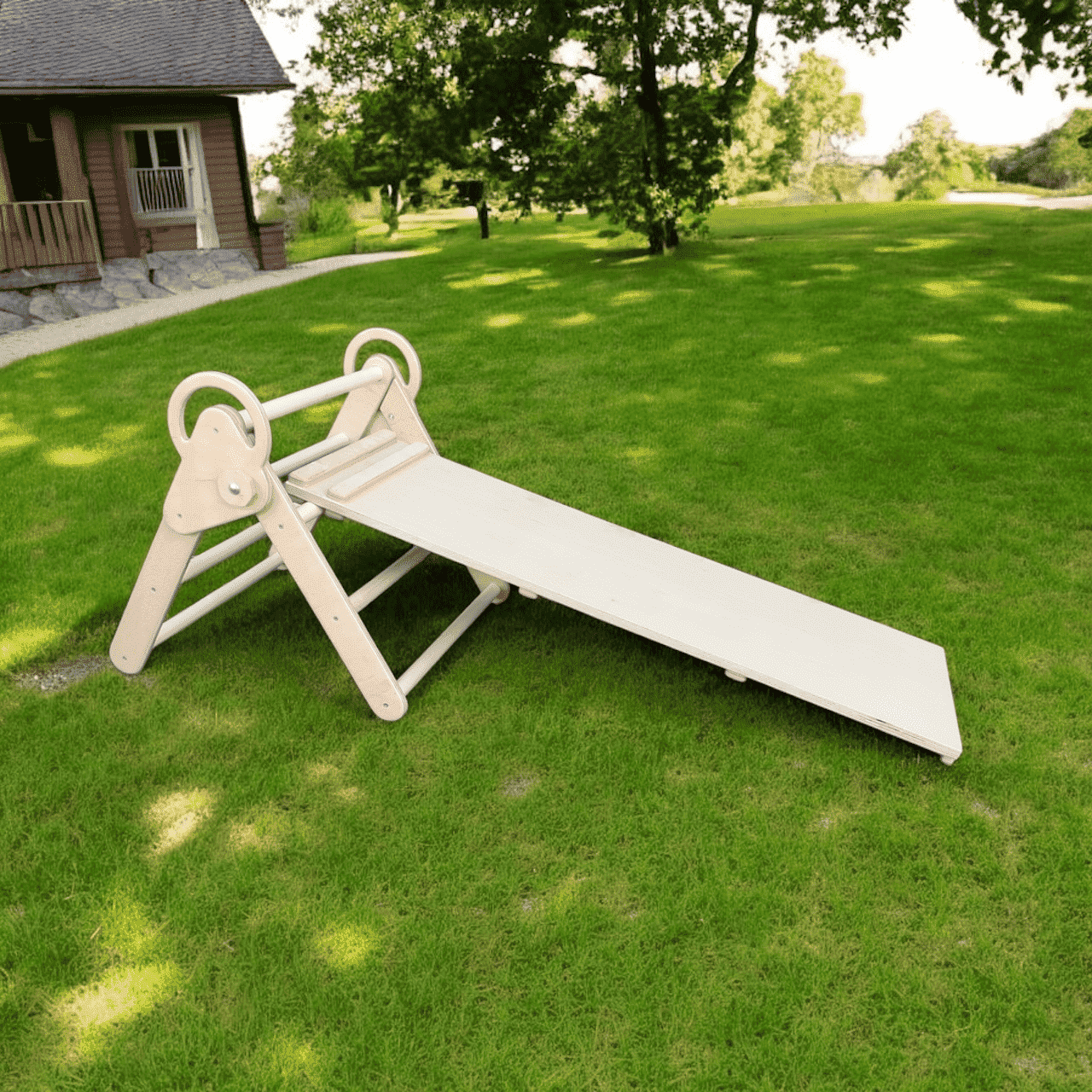
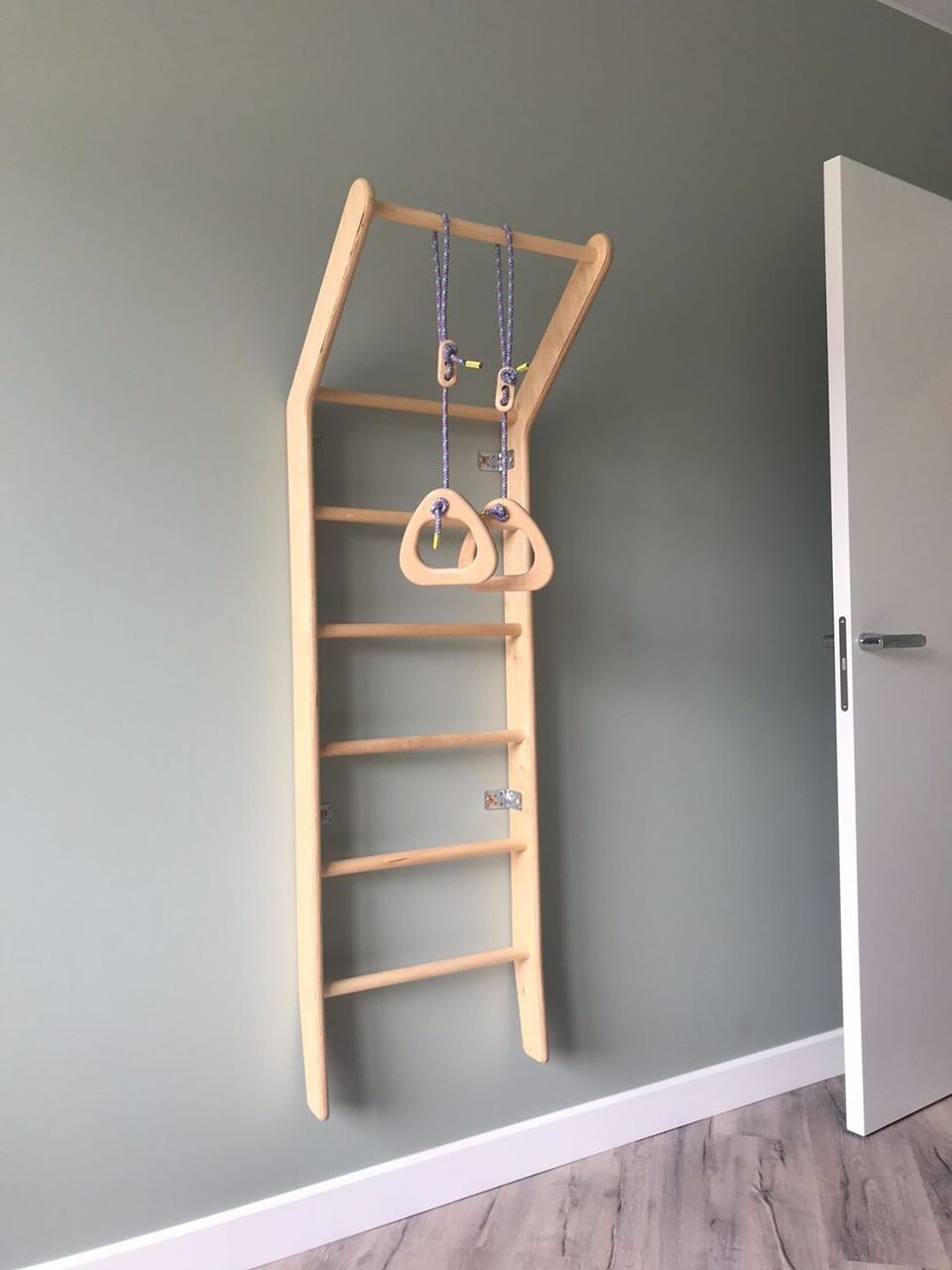
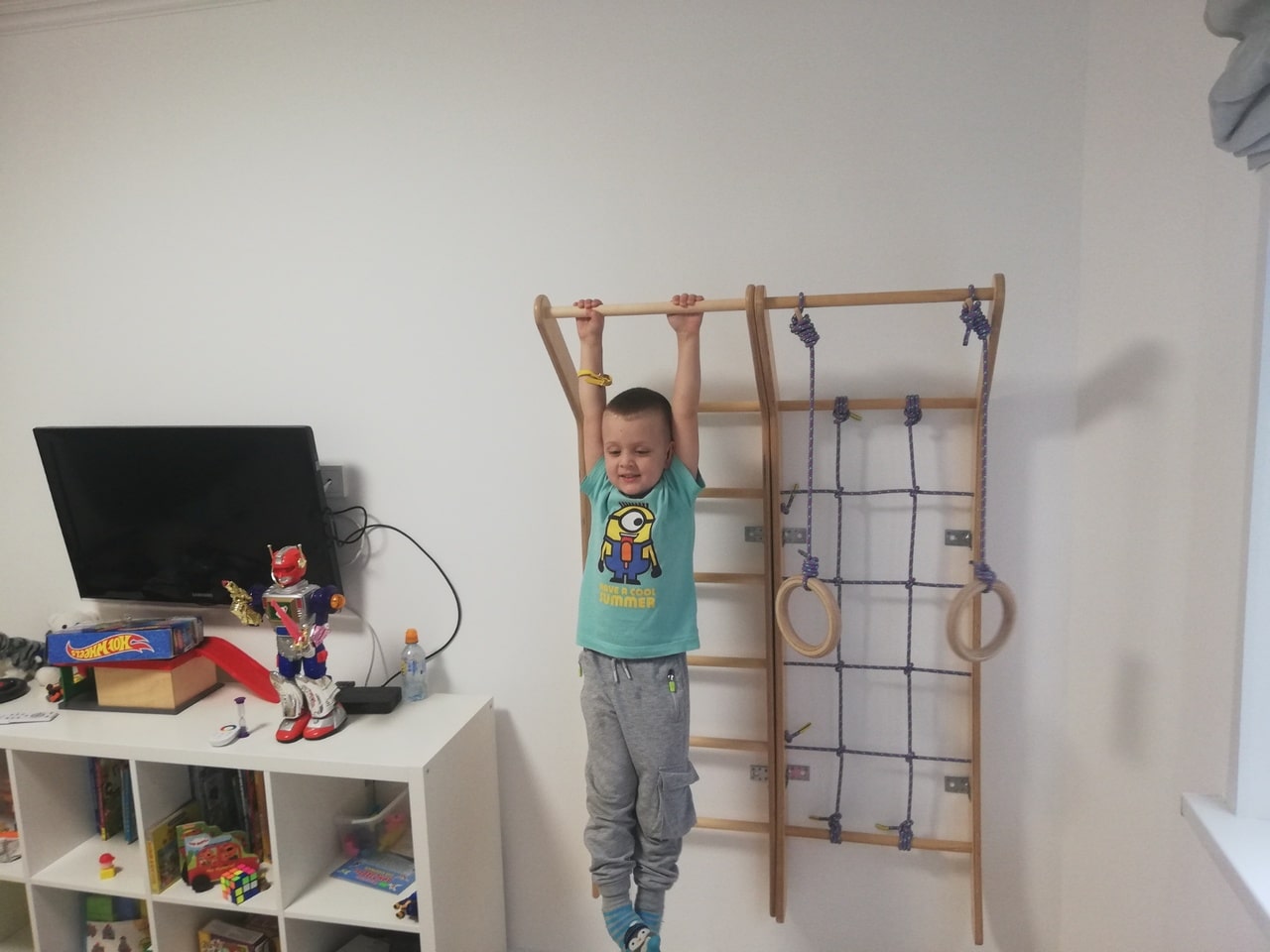
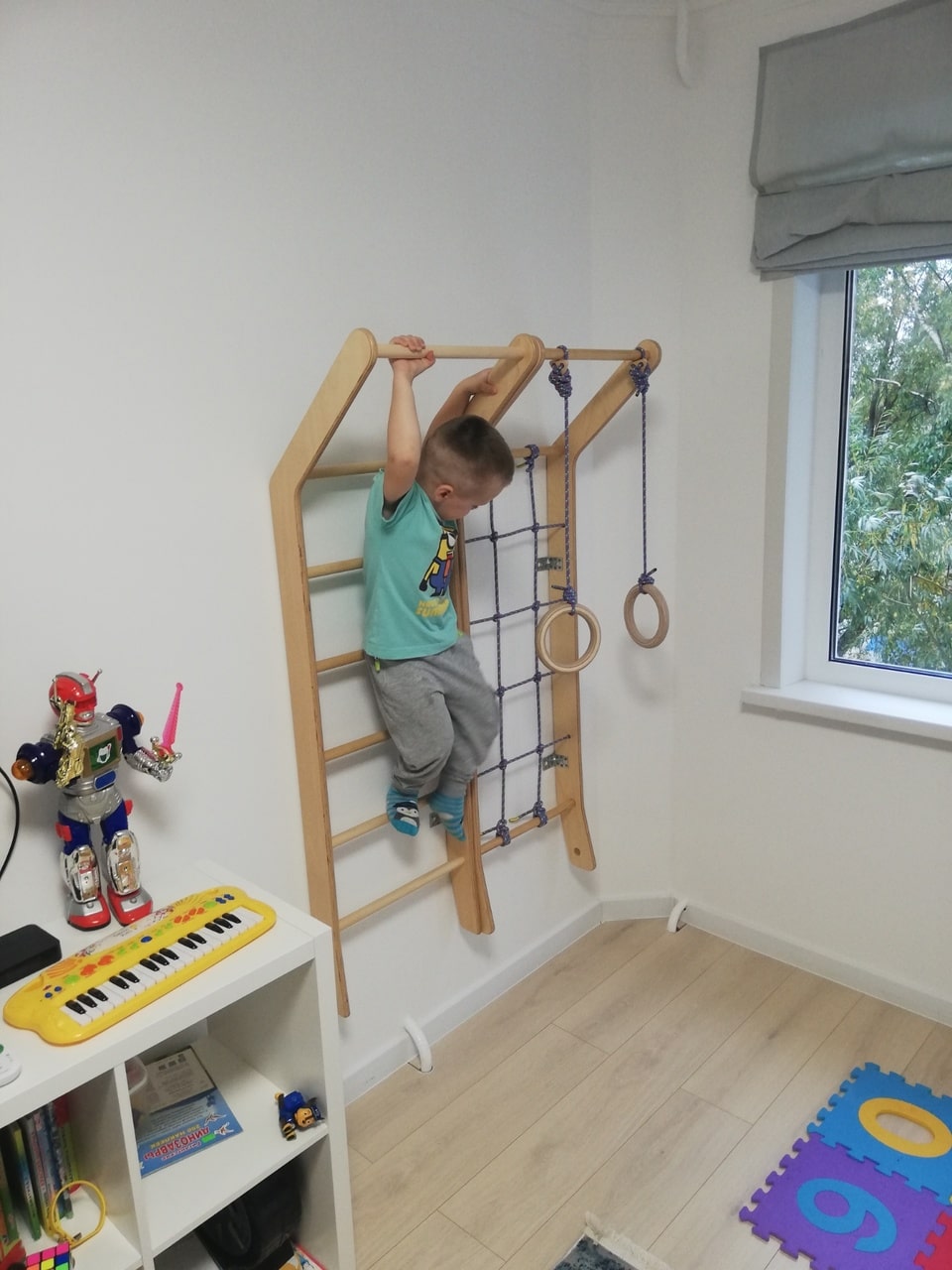

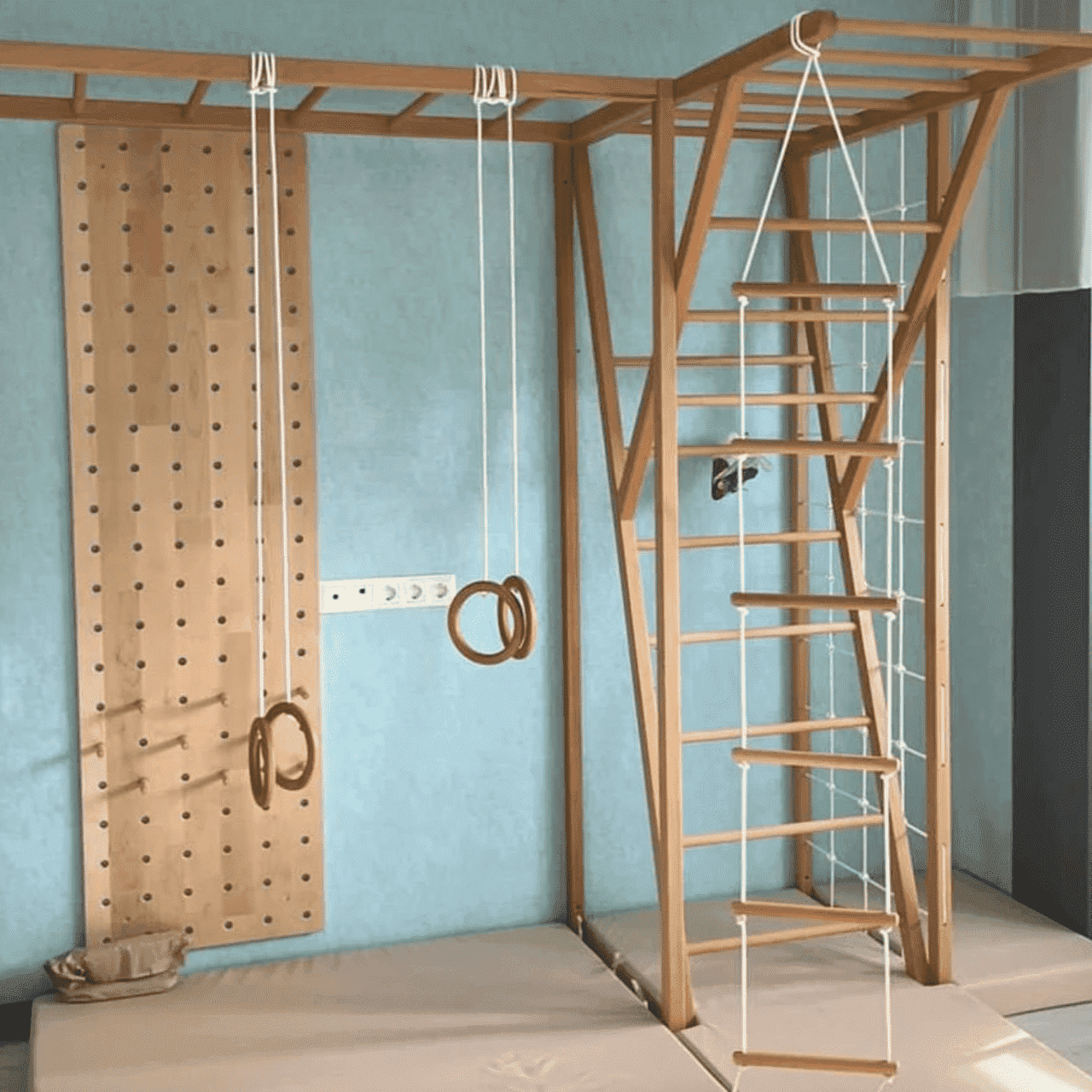
Examples of completed projects: what finished interior decor looks like
TigerWood has plenty of interior solutions for various business sectors behind it. One example is dressing the window displays of a clothing chain store: decorative slats, counters and branded shelves in natural wood. Thanks to the texture, it was possible both to create a sense of cosiness and to present the goods to advantage. Warm wood in a clothing display works on contrast: it softens the coldness of the retail floor and makes items on the shelves look more expensive than on bare metal.
For a bookshop in Vienna, we developed a project of modular shelves, partitions and wooden frames for posters. The pieces were made in a vintage style with an ageing effect — to match the historic character of the building, where a brand-new look would seem alien. The structure allowed the configuration to be changed quickly to suit the theme of events: today a zone for an author meeting, tomorrow a display of new releases. For a bookshop that lives by events, this flexibility proved no less important than the look of the furniture itself.
For a coffee-bar chain, as part of a corporate project, we created a design of planters, decorative screens and wooden signs. The task was tricky — to create a sense of intimacy in an open-space format room with no load-bearing walls. Skilful work with the material helped: the screens and greenery in planters gently broke the large hall into cosy islands without walling it off completely, so a guest feels they’re in a quiet corner rather than in the middle of a thoroughfare. It is precisely this sense of personal space that makes a visitor linger longer in the coffee shop and come back again — which means the decor here works directly on the venue’s revenue.
Another project is interior decor for a yoga studio, where wooden panels and partitions went into zoning and gave the space naturalness and warmth. Here tinted surfaces and oils that emphasise the wood’s structure were at work. For practices tied to calm and concentration, natural material and a muted texture matter no less than the layout: wood dampens the hall’s echo and creates that tactile softness of atmosphere for which people come to such places.
What unites all the projects is that they were completed on the set deadlines and precisely to the visual design requirements. On request, products are branded, kitted for installation, and logistics accounted for. This allows interior items to be fitted into any commercial space with minimal loss of time. For a business, the deadline here is often critical: the opening of a shop or cafe is tied to a date, and decor that arrives late derails not only the dressing but the whole launch of the site.
Who already works with us

Cabinet furniture makers

Joinery workshops

Interior designers

Architects

Private craftsmen and artisans

Online sellers

Advertising agencies

Set designers

Restorers

Toy manufacturers

Artists and sculptors

Construction companies

Exhibition equipment manufacturers

Educational institutions

Sports equipment makers

Wooden packaging manufacturers

Private customers

Shops and boutiques

Manufacturing enterprises

Restaurants and cafés
Who orders wooden interior decor from TigerWood
TigerWood’s core pool of clients for interior decor is legal entities from retail, interior design, architecture, corporate solutions and retail chains. Furniture salons, marketplaces, showrooms and chain points of sale often get in touch. Each has its own motivation: a salon needs decor to present furniture, a chain — a single style across all sites, and a marketplace seller — a unique product that stands out in the general listings among hundreds of similar cards.
Decorative elements are also ordered by interior designers who need unique items for their project concept. Work is done to a brief or a visual reference — this helps out when standard catalogue solutions don’t fit. For a designer, the ability to realise their exact idea rather than pick something similar from what’s ready is a matter of professional reputation: the client pays for a bespoke project and is entitled to expect the decor to be exactly as in the visualisation.
Among the clients are furniture manufacturers who complement their sets with natural-wood elements: railings, decorative inserts, frames, tabletops. An exact match in colour, tone and thickness is critical for them, achieved through a clear system of sample and prototype approval. A colour mismatch between the carcass and a decorative insert is immediately noticeable and devalues the whole set, so the shade is checked against a control sample rather than by word of mouth.
Distributors of interior decor take both serial batches and test lots — for launching a new brand or dressing window displays. TigerWood adjusts production to different volumes, from a trial batch to large wholesale. A test lot is especially important here: before buying a print run, it makes sense for a distributor to check how the market takes the product, and a small trial batch allows this without major outlay and the risk of being stuck with dead stock.
A separate category is architectural bureaus fitting out hotels, business centres, beauty salons and offices. Here precise elaboration of drawings and stylistic unity of the whole facility come to the fore. The client receives products ready to integrate into the interior without reworking on site. For a large facility such as a hotel this is fundamental: dozens of identical elements must match down to the smallest detail, otherwise a mismatch will be noticeable in every room and undermine the impression of the declared level.
Wooden interior decor: production and features
Natural materials in modern commerce
Here wood is not just a fashionable trend but a working tool for those who create a comfortable, warm and recognisable space. Wooden interior decor is at home in shops, cafes, offices, salons and at exhibitions. It shapes visual identity and noticeably raises the level of trust in the brand. The psychology is simple: a natural material is subconsciously associated with honesty and quality, so a venue with wooden decor is perceived as more solid and reliable.
A project-based approach to every element
All TigerWood items are honed to a specific task. A cascade of shelves, a counter, a planter or a decorative screen — each element is designed for the right size, style and load. Thanks to this they’re built into finished interiors without extra costs and on-site rework. A project-based approach saves the client both money and nerves: the part arrives exactly for its place rather than “roughly fitting” and requiring the wall or the structure itself to be trimmed during installation.
Scaling and repeat-order capabilities
For a business, not only quality matters but supply stability. TigerWood can relaunch the same batch — which is critical for retail chains, exhibition solutions and branded points of sale. The process is standardised, so repeatability of quality and appearance is guaranteed. When a chain opens its tenth site, the decor in it must match the first exactly, otherwise the very point of the recognisable format the chain is built around is lost.
Complete interior fit-out
Within a single category, a complete fit-out of a room is ordered — from panels and modules to shelves, partitions and three-dimensional letters. Such comprehensiveness makes life easier for designers, marketers and logisticians. The client gets all the items needed in one place and saves time and resources. Instead of bringing together supplies from five contractors with different deadlines, shades and packaging, they run one project with one contractor — and get an interior where all elements are guaranteed to go together.
Materials and wood species for interior decor
The material in interior decor determines the appearance, the durability and the price. The same panel made from lime, oak or MDF looks and behaves differently, so the choice of base always follows the task: where the element will stand, what load it bears, whether the natural grain matters or a flat painted plane is needed. Below are the main materials interior wooden decor is made from, with their strengths.
| Material | Strengths | Where it’s used | What to look for |
|---|---|---|---|
| 🌿 Lime | Softness, ideal for carving | Carved decor, wall art, overlays | Not for load-bearing parts |
| 🌳 Oak, beech | Strength, noble texture | Railings, stair treads, load-bearing decor | Price, weight, machining difficulty |
| 🌲 Ash, pine | Expressive grain, affordability | Panels, slats, counters | Pine is softer, prone to dents |
| 🪵 Plywood | Shape stability, bends into arcs | Curved modules, frames | Machining and sealing the edge |
| 🟤 MDF | Flat plane ready for painting | Painted panels, letters, milling | Moisture resistance only with a coating |
In practice, carved and relief decor is more often made from lime and MDF, load-bearing elements like railings and stair treads from oak and beech, and curved forms from plywood, which holds a bend well. Materials are often combined within a single project: solid wood where the grain shows and load matters, board where a flat painted surface is needed. A separate topic is edges: with board materials, the cut is the first to give away the quality of the work, so it’s sealed with edge banding, veneer or prepared for painting.
Styles and trends in wooden decor
Wood fits equally well into the most varied styles, and this is one reason for its popularity in commercial interiors. In Scandi and minimalism, light species and smooth surfaces are valued; in loft, brushed texture and an ageing effect; in classic, carving, mouldings and dark noble tones. Slatted and lamella panels have held the top of the trends in recent years: they add rhythm and volume to a wall, improve acoustics and suit almost any concept.
The choice of style pulls along both the material and the finish. For a warm Scandinavian interior, light ash or painted MDF in pastel tones is taken; for a brutal loft, tinted wood with a pronounced texture; for premium classic, solid oak with matte lacquer. A competent manufacturer suggests these pairings at the start so the decor doesn’t clash with the overall concept but works for it. A fashionable trend stuck into the wrong style looks alien, whereas a precise hit, on the contrary, makes the space cohesive. That’s why trends are chased with caution: what looks striking in one interior may look out of place in another, and an experienced manufacturer will honestly warn about this before the launch rather than after.
Finishing coatings for interior decor
The finish in interior decor is responsible both for the appearance and for resistance to the load of a public space. It protects the surface from dirt, moisture, ultraviolet and abrasion, and also sets the character: matte velvet, warm oil or mirror gloss are perceived completely differently. The choice of coating depends on where the element works and what image it must support. Below are the main finishing options.
| Coating | What it gives | Where it’s appropriate |
|---|---|---|
| 🌿 Oil | Emphasises texture, warm natural look | Panels, counters, eco and scandi interiors |
| 💧 Lacquer | Sturdy protection, various degrees of sheen | Stair treads, railings, load-bearing decor |
| 🎨 Enamel | Dense colour, flat smooth plane | Painted panels, letters, contemporary style |
| 🕯️ Patina/brush | Ageing effect, expressive texture | Loft, vintage, historic interiors |
There’s no universal answer: for load-bearing and often-touched elements, sturdy lacquer or enamel is used; for a warm natural look, oil; for loft and vintage, patina and brushing. Compositions are often combined: a primer levels the base, and the top layer is responsible for durability and looks. At the same time, any coating honestly reveals the preparation — an under-sanded surface will give orange peel, a missed dent will turn into a glare. That’s why in interior decor, which is examined up close, sanding before the finish matters no less than the composition itself.
Installation, fixings and maintenance
Good decor is important not only to make but to install competently, so installation is thought through as early as the design stage. Panels and modules are set on concealed fixings so no heads are visible, heavy elements are additionally secured to the wall, and modular structures are assembled on detachable joints for quick disassembly. It’s decided in advance whether the item will be one-piece or knock-down — this affects both the method of delivery and the ease of installation on site.
Caring for wooden decor is simple but depends on the coating. Lacquered and painted surfaces just need wiping with a soft cloth without harsh abrasive or aggressive chemicals. Oiled items are periodically refreshed with a thin layer — this restores protection and a fresh look without streaks. Elements in high-load zones are worth inspecting once a season for loosened fixings. With this simple maintenance, wooden interior decor keeps its looks for years and doesn’t require premature replacement. For a business this is direct savings: an element that holds its looks for five to seven years works out cheaper per service life than a cheap finish that has to be redone at every cosmetic refurbishment.
Lead times, volumes and cost of interior decor
An exact price and lead time are quoted after calculation: everything depends on the material, complexity of form, type of finish, volume and availability of drawings. But the general logic is transparent, and it’s useful to understand it in advance — especially when the decor is needed for the opening of a site or the date of an event. Below are guidelines for typical interior-decor orders: they don’t replace a calculation, but they show how complexity and volume affect the outcome.
| Order type | Approx. lead time | Min. batch | What affects the price |
|---|---|---|---|
| 🪵 Panels and slats | 5–10 days | from small wholesale | Area, pattern, finish |
| 🚪 Partitions and screens | from 10 days | to be agreed | Structure, transparency |
| 🏬 Counters, displays, shelving units | from 2 weeks | per project | Load, hardware, print run |
| 🎨 Bespoke decor to drawing | from 2–3 weeks | from 1 pc. | Complexity of form, sample |
The strongest pressure on price comes from complexity of form and the finish. A smooth panel under oil is cheaper than a milled one with multi-layer enamel by several times, even if the dimensions are the same. Print run works the other way: the more identical elements, the lower the price per piece — the program is written once, and the material is cut more economically. That’s why a trial batch for one display and equipping a whole chain are calculated at different rates. And the saving is not on quality but on planning: a competent layout and a correct drawing at the input remove unnecessary costs and rework.
How to order wooden interior decor
The ordering scheme requires no engineering background — it’s enough to describe the task and show a reference, and the missing details will be clarified at the production facility. Usually the path from enquiry to finished decor fits into a few clear steps.
- 📝 Send a drawing, sketch or visual reference with dimensions, purpose and the style of the room.
- 📋 Agree the material, finish, colour and installation method, and get a lead-time and cost calculation.
- ✅ Approve the parameters and, if necessary, make a sample or test prototype.
- 🏭 Launch production: design, cutting, milling, sanding, finishing, assembly.
- 🚚 Receive the packed products, if required with branding and a kit for installation.
This order suits both a one-off fit-out and regular supply to a chain. For permanent partners it’s simpler: for a fine-tuned position it’s enough to say “repeat it”, and the batch goes into production. As a result, ordering interior decor turns into a predictable process with clear lead times, price and a result that fits precisely into the space concept. And feedback on the first project is taken into account in the next: successful decisions on material, shade and fixing are locked in as a standard, and repeat orders for the same chain or brand go even faster and more precisely.
Myths and reality about wooden interior decor
There are plenty of misconceptions around wooden decor. The first myth is “wood in a public place is impractical, wears out and gets dirty quickly”. In reality, a properly chosen coating makes the surface resistant to load, moisture and cleaning, and a worn finish can always be renewed without changing the structure itself. The second myth is “natural wood is always expensive”. Solid wood is indeed pricey, but most tasks are covered by veneer, quality plywood and painted MDF, which give the same visual effect for reasonable money.
The third myth is “decor can simply be picked from a catalogue and hung up”. For a commercial space, adjustment to dimensions, shade and style is almost always needed, otherwise the element falls out of the ensemble. The fourth myth is “what matters is a beautiful picture, the structure is secondary”. On the contrary: a partition that wobbles or a shelf that sags under weight will spoil the impression faster than any successful design can create it. The fifth is “a rush order costs the same”. Urgency breaks the schedule and requires changeovers, while drying and a multi-layer finish can’t be sped up, so haste costs more.
Understanding these nuances makes the dialogue with production more concrete, and the result closer to expectations. Wooden interior decor is about the combination of considered design and reliable engineering, not about the magic of naturalness in itself. When behind a beautiful form there is the right material, precise machining and competent installation, the decor serves for a long time and works for the image of the space exactly as intended.
Logistics and packaging of decor
Well-made decor is easy to spoil on the road, so packaging is thought through separately. Visible surfaces and edges are the most vulnerable: they’re padded, corners are protected, large panels are secured so they don’t bend or knock against each other. Bulky structures are often shipped disassembled — as a kit of parts with fixings and an assembly diagram, which reduces the risk of damage and simplifies carrying into the room and lifting to the floor.
Delivery covers all of Europe and beyond, and the format is selected to suit the volume and geography: from a freight company to a dedicated vehicle for a large batch. It’s agreed in advance how to accept the goods by quantity and appearance, and whether a rigid crate is needed for fragile positions. A transparent shipping scheme saves time for both sides and removes most disputes before they could arise, and for regular supply the logistics is set up once and then simply repeated.
Which items fall into the interior decor category?
This includes wooden panels and slats, counters, shelves, planters, screens, partitions, stair treads, railings, three-dimensional letters, wall art and decorative modules. All of this is used for dressing and zoning commercial premises — shops, cafes, offices, showrooms and exhibition spaces.
Can items be ordered to a specific size and style?
Yes, items are made to a technical brief, drawings or visual references — it’s enough to send a sketch or reference. Precise adjustment by dimensions, colour and form to a specific room and interior style is possible.
Which sectors is wooden interior decor suitable for?
Wooden interior decor is in demand in retail, foodservice, corporate design, offices, showrooms, beauty salons and exhibition pavilions. Wherever atmosphere and brand recognition matter, natural wood works towards the right impression.
How is an order placed?
An order is formed after approval of the brief or visual references. Then come calculation, agreement of lead times and preparation for launch, and if necessary the making of a sample. Shipping is possible to any region across Europe.
Can a series of identical items be ordered?
Yes, production works both for unique solutions and for a series. Supply of batches with identical characteristics is possible — this matters for chains and branded points of sale, where the decor must match down to the smallest detail across all sites.
Which wood species are used?
Both hardwoods and softwoods are used — pine, ash, oak, beech, lime — as well as plywood and MDF. The choice depends on the task and operating conditions: lime for carving, oak for load, MDF for a flat painted plane.
How are items assembled?
Assembly uses dowels, glue, screws and locks — depending on the structure, often with concealed fixings for a neat look. If required, assembly diagrams and recommendations are included so that installation on site goes without questions.
Is branding possible?
Yes, items are complemented with a logo, engraving, pyrography or custom design elements. Branding is especially relevant for marketplaces and points of sale, where the decor simultaneously works as a carrier of corporate identity.
How long does production take?
Lead times depend on volume, complexity and production load — usually from 5 to 20 working days. The exact date is quoted after calculation. Large projects for a site opening are more sensibly placed in advance, with a margin for sample approval.
Is there delivery across Europe?
Yes, delivery is arranged to any region across Europe via freight companies or agreed logistics. The format is selected to suit volume and fragility: large and visible elements are packed with reinforced protection of edges and surfaces.
We’re always here to help — choose the way that suits you best to get in touch
Call us, message us on a messenger or reach out via social media — we’ll respond promptly!
We work across all of Europe
Useful information and articles
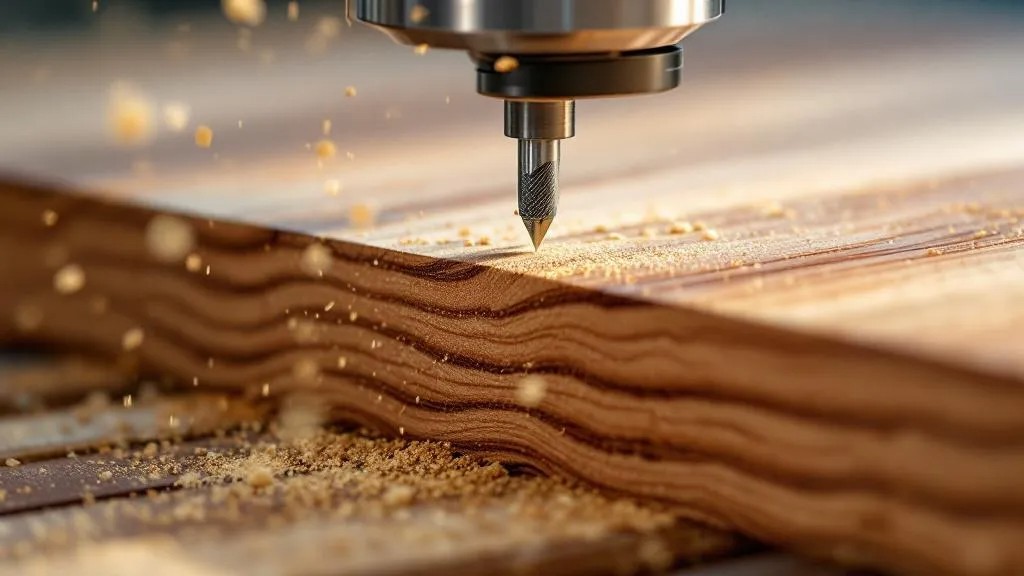
The Specifics of Radius Milling for Creating Rounded Edges on Wooden Products
The Specifics of Radius Milling for Creating Rounded Edges on Wooden Products Radius milling, or edge rounding, is one of the most sought-after and critically important stages in producing high-quality wooden
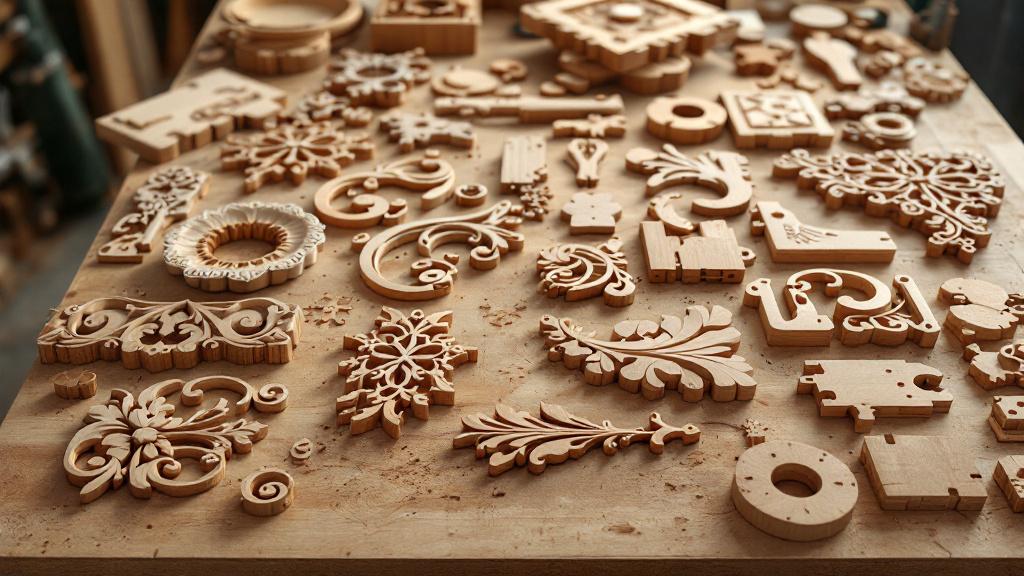
The Role of Milling in Making Decorative and Functional Wooden Parts
The Role of Milling in Making Decorative and Functional Wooden Parts Wood is a material that people have been using for thousands of years. It is valued for its natural
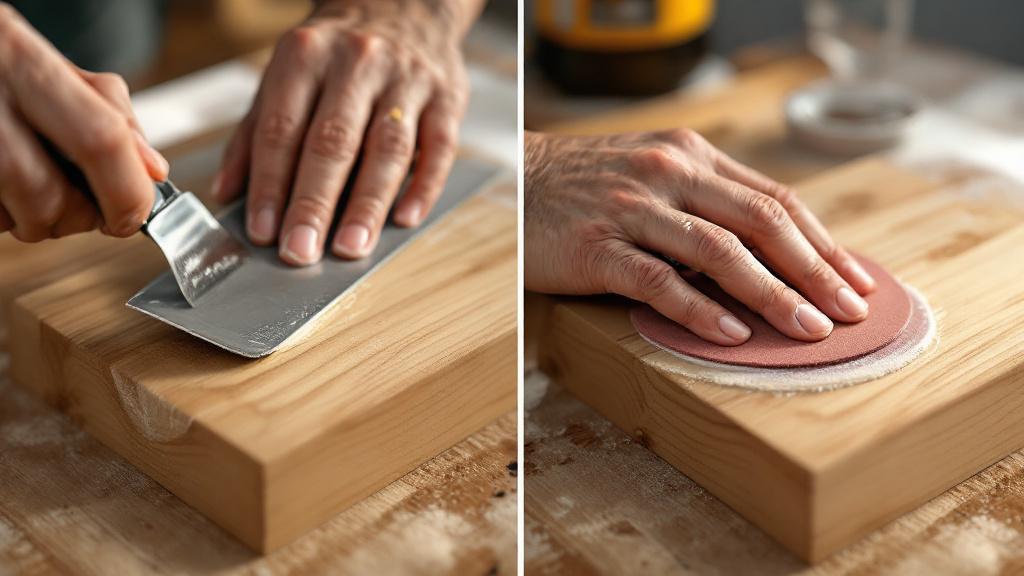
Stages of Filling and Sanding Wooden Products: Creating a Flawless, Even Surface
Stages of Filling and Sanding Wooden Products: Creating a Flawless, Even Surface Woodworking is not merely a mechanical process but a true craft, in which every stage is decisive for the

The synthesis of wood and metal: technological aspects of combining wood and aluminium to create durable products
The synthesis of wood and metal: technological aspects of combining wood and aluminium to create durable products In the field of professional woodworking, the search for the ideal material often leads