
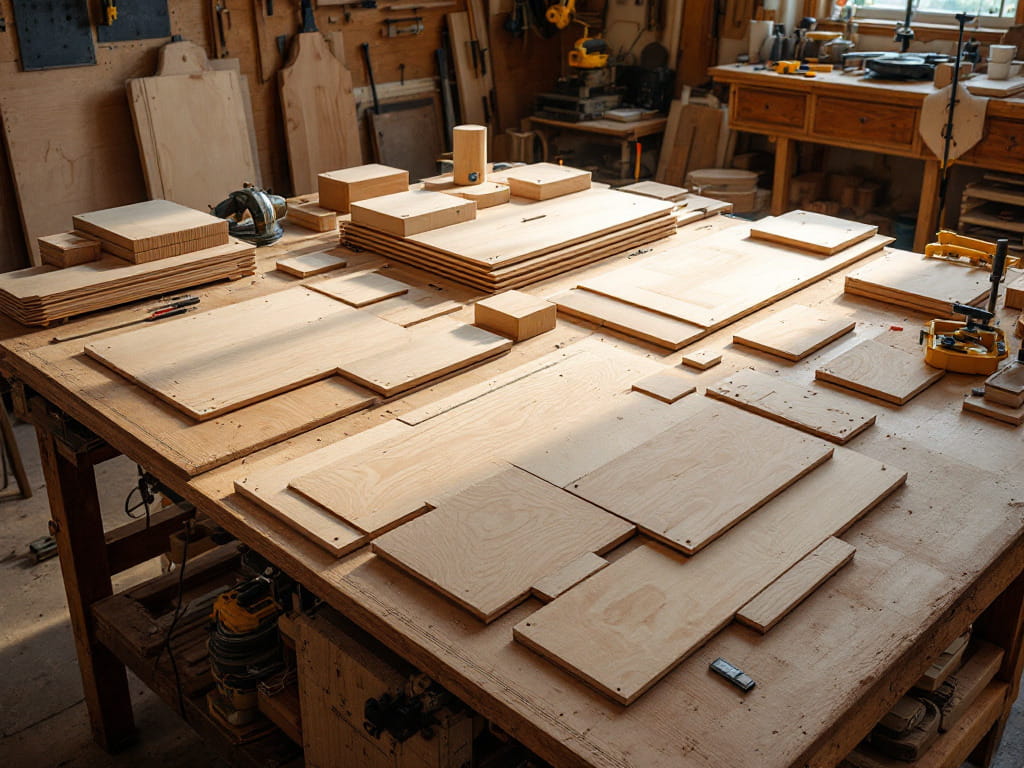
Wooden blanks wholesale
Wooden blanks wholesale means handles, battens, round rods, frame elements, panels with holes and grooves, fronts, frames, side panels, bottoms and decorative parts made of solid wood, plywood, particleboard, MFC and MDF. Production works to the customer’s drawings and to standard positions: precise cutting to size, milling, drilling, sanding and protective treatment for furniture, construction, finishing and further assembly. Below we explain which species and materials blanks are made from, how the production process is organised, which product types make up the range, who orders parts wholesale, and what lead times, volumes and terms you can count on.
Production of wooden blanks and components
Wooden blanks and components are the foundation on which many production lines and construction sites rely. They are used to assemble frame systems, fronts, decor, panels with holes, tops, side panels and frames, and they also go into finishing work. In essence, this is a semi-finished product that has already undergone precise machining and only needs to be installed or brought to a final finish. The customer does not have to build everything from scratch — they receive ready-made parts of the required size and geometry.
Products in this category are made from quality timber, selected and prepared for the specific task. The species is chosen to suit the customer’s needs and the field of application — from soft pine to hard oak. On the production floor, particular attention is paid to precision and clean machining: they determine how long a part will last and how easily it fits into place during installation. A blank with a wandering dimension undermines all further assembly, so the geometry is held strictly. In essence, a blank is a promise that the part will fit into place with no rework, and the manufacturer must keep that promise for every position in the batch, not just for the control sample.
TigerWood produces a variety of blanks and components for the most diverse projects — from construction to furniture and decor. The products are aimed at wholesale buyers and large organisations that need reliable raw material and parts for their own production. Furniture companies, builders, design studios and others come for such parts — and all receive products that meet strict standards. For them, outsourcing blanks is a way to avoid loading their own machines and keeping extra staff for operations that are easier to order.
The category includes handles, battens, frame elements, panels, parts with holes and grooves, interior decor and other items for structure and finishing. Each has its own dimensions, species and machining, so they are selected strictly to match the type of work. A handle needs resistance to breakage, a panel a flat surface, a decorative part a clean cut and a neat edge. A single list of positions covers both rough construction tasks and fine finishing — it is only a matter of how the part is prepared. Such a broad range is convenient for the customer: instead of looking for different contractors for each type of part, they get the entire set from one place, with consistent quality and clear logistics.
What matters to our clients and partners

Professional team
Experienced craftsmen, engineers and CNC operators. Thorough quality control at every stage

Flexibility and a tailored approach
We adapt to any task: we work from your drawings or develop the cutting and machining program ourselves

End-to-end approach
We offer the full range of woodworking services — from sawing to painting and assembly

Wide delivery coverage
We work with clients across many European countries. We help with logistics and packaging

Fast lead times
Large-scale production and streamlined processes let us complete even complex orders quickly

Modern equipment
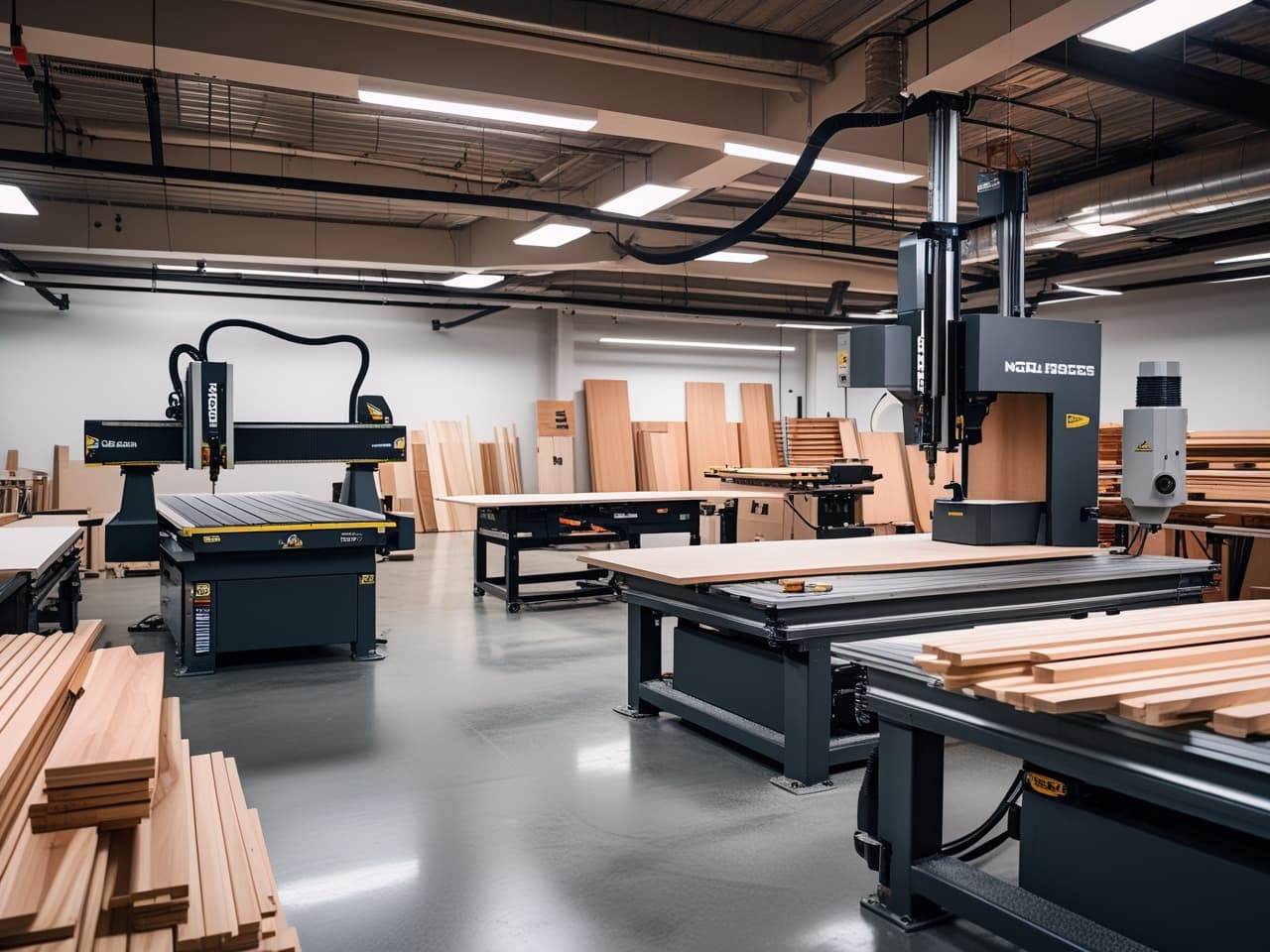
We work with panel saws, CNC machines, routers and sanding machines
Features of producing wooden blanks and components
Producing blanks requires precision and skill: the same part often has to be adapted to different applications and operating conditions. The key point is the selection of timber, which determines both the appearance and the working properties: strength, stability, durability. A dead knot or a hidden crack in a blank will surface out on the job, when the part warps or splits under load. That is why defects are screened out at the input stage rather than put to use in the hope that it will pass.
When manufacturing, we also consider what will happen to the part next. Construction blanks must withstand moisture and UV, otherwise out in the open they quickly lose their appearance and strength. For such tasks, additional treatment is applied — impregnation with protective compounds, which increases resistance and extends service life. A part for a dry room and a part for outdoors may look the same, but they are prepared differently, and that difference is built in advance, not after the first season.
A distinct feature of the category is the variety of species. Depending on the task, both soft pine or spruce and hard oak or beech are used. Each species has its own character: density, strength, behaviour under the tool and how it takes a finish. Pine is lighter and cheaper, and works well for mass-produced construction blanks; oak is stronger and more attractive, but more expensive and harder to machine. The right choice of species for a specific application is half the result before the machine is even switched on. A mistake at this step cannot be cured by subsequent treatment: no matter how much you sand and paint soft pine, it will never bear a load like oak, so the species is matched to the task from the very start.
Many wooden blanks carry additional elements — grooves, holes, decorative fragments or points for fasteners — which noticeably increase their functionality. All of this is done with high precision, so that the parts match perfectly and assemble easily. It is precisely the ready grooves and holes that turn a simple blank into a part that only needs to be joined: the installer does not have to drill and fit on the spot, which means assembly is faster and error-free.
What wooden blanks and components are produced
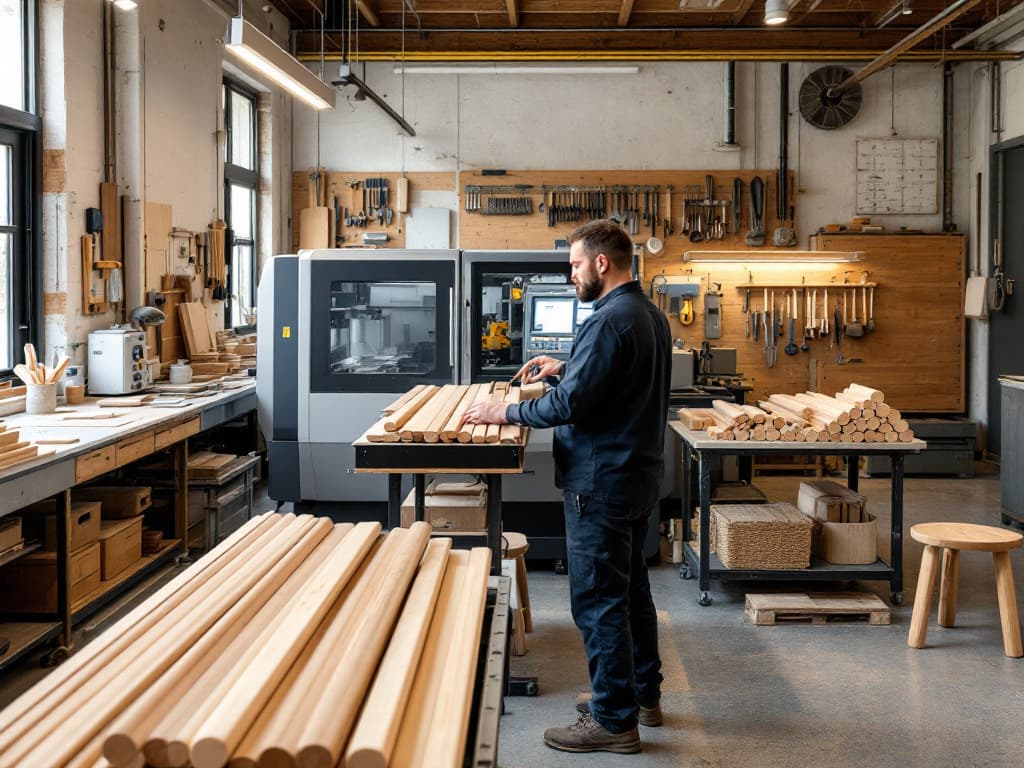
Handles

Fronts

Slats
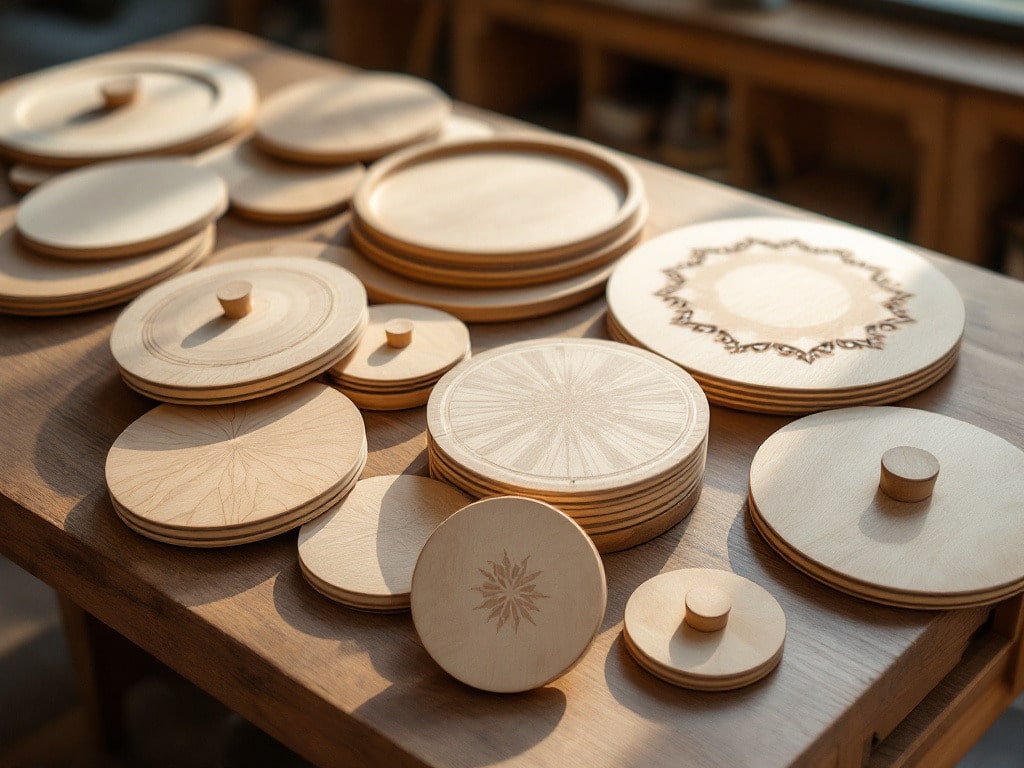
Lids
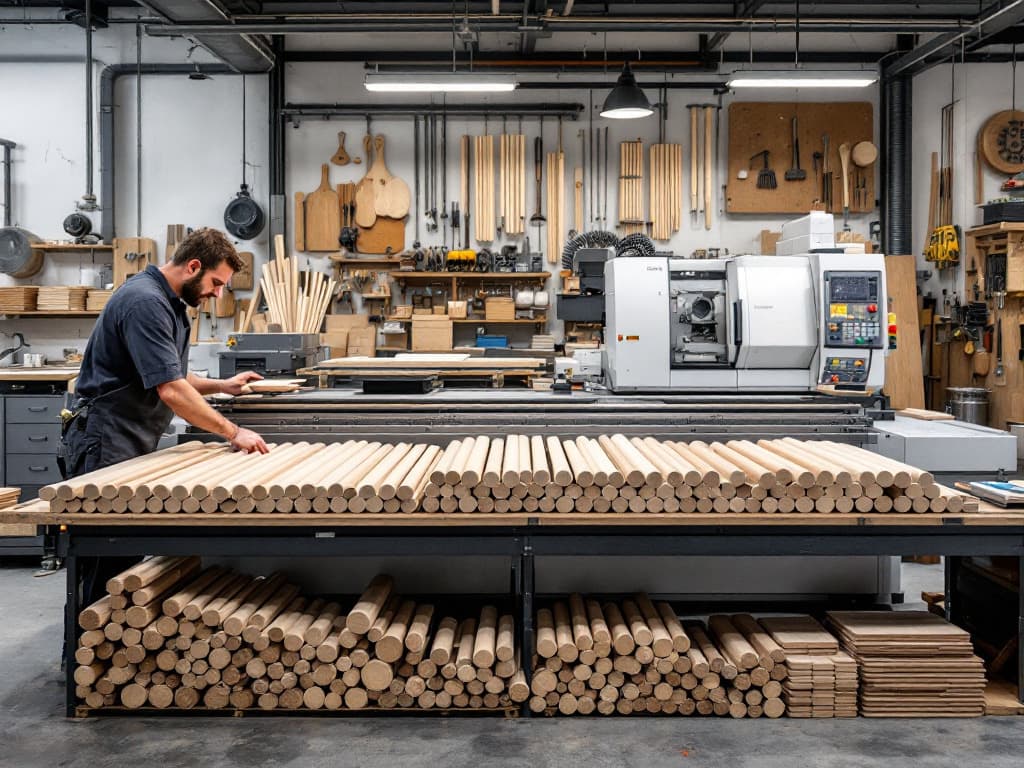
Round rods

Frames
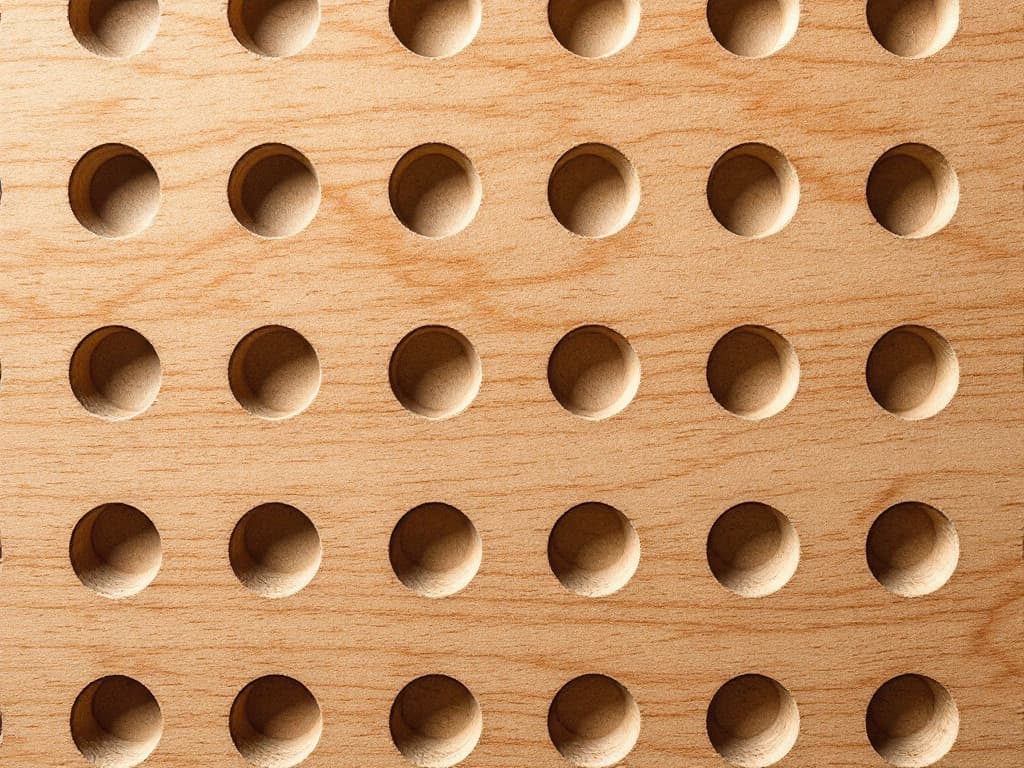
Panels with holes
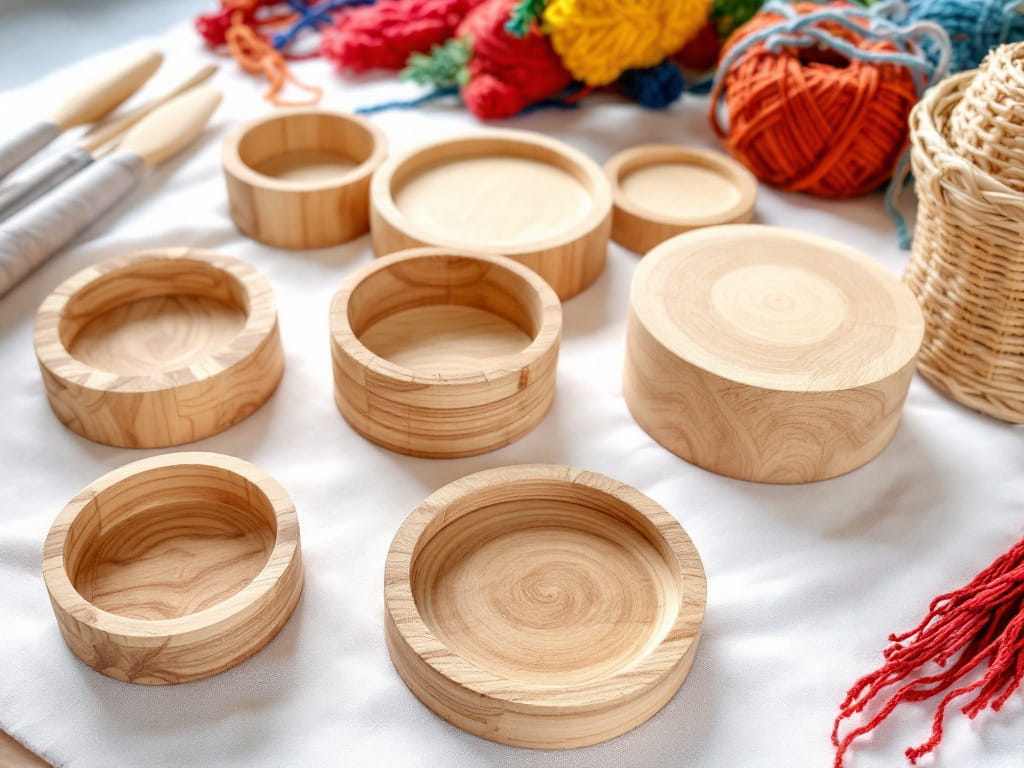
Bottoms
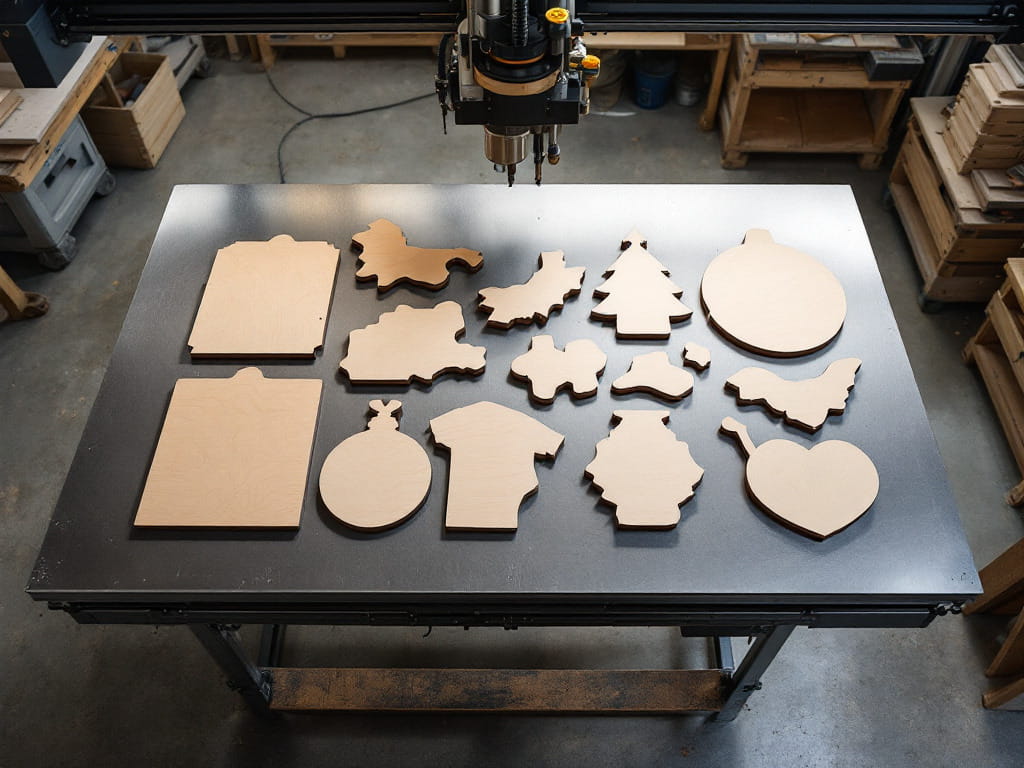
Parts

Frames

Supports
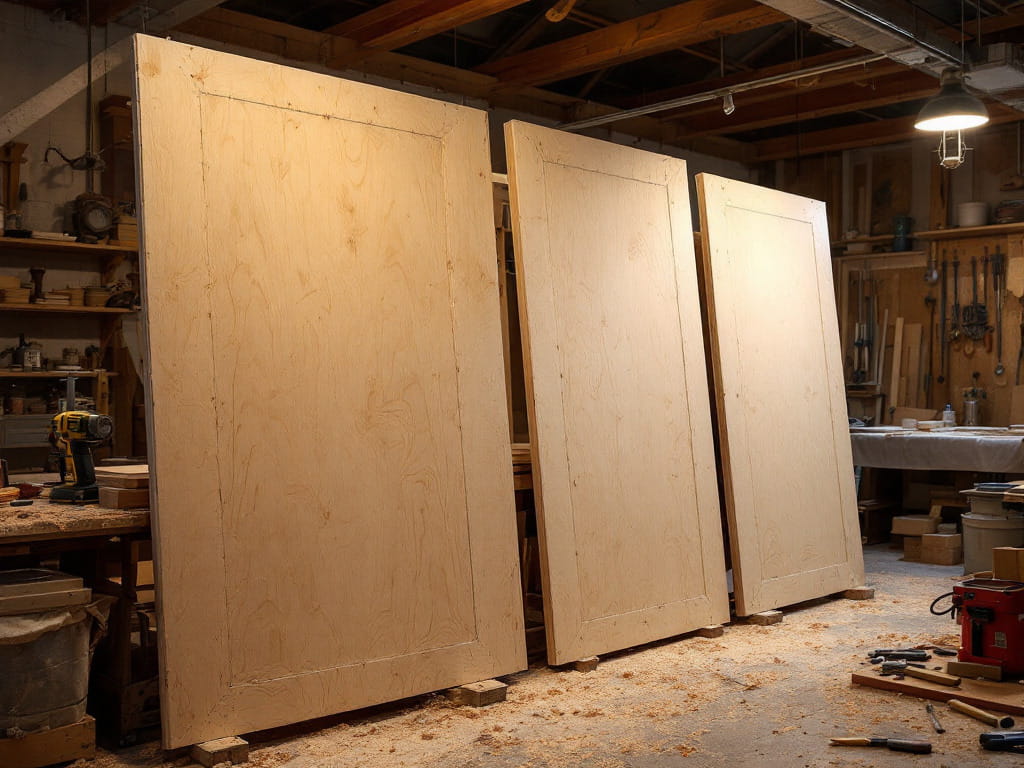
Side panels

Products

Battens

Decorative elements

Blanks with grooves
Types of wooden products: from handles to frame systems
The range of blanks is broad — from simple handles to complex frame systems and decorative elements. To match the customer’s requirements, we select the type that best fits their task, and several types are often combined in one project. Below we go through the main groups: how they differ, where they are used, and what matters in each when ordering.
Handles and round rods go into agriculture, construction and furniture production. They are used to assemble frames or fitted as elements in various systems. Round rods work well as supports, posts and other load-bearing parts where resistance to breakage matters. The requirements for a shovel or rake handle are simple but strict: straight grain with no knots, otherwise it will break in the very first season under load — which is why the species and grade of wood are chosen carefully here.
Another important group is parts with holes and grooves. They are used to assemble panels that go into fronts, side panels or parts of a frame. Ready holes allow fasteners or a decorative insert to be fitted straight away, without drilling on site. In essence, it is a construction kit: parts arrive with the seating positions already marked out, and assembly comes down to joining them per the diagram. For serial products this saves a huge amount of time, since every panel repeats the previous one down to the millimetre, which means the assembly result is predictable and consistent from one item to the next.
A separate significant part of the category is decorative elements for interiors and exteriors. They are made in various styles and design options to vary the look of residential and commercial premises. A carved architrave, a shaped overlay, a decorative batten change the appearance of a room or facade without a wholesale rebuild. Such parts are more often ordered to individual drawings: each project has its own styling, and a standard catalogue rarely covers it in full.

TigerWood’s wooden products are divided into several key sub-categories, and each has its own character. Handles and round rods, for example, go into both structures and decor, and find wide use in agriculture and construction. Behind the outward simplicity of such products lies a very specific requirement for the raw material: straight grain, the absence of knots and correct drying, otherwise the part will not withstand the load or will warp under a change in humidity.
Parts with holes and grooves usually go into complex panels and frame structures. Grooves and holes allow fasteners to be built in and ensure a reliable fixing of the joints to one another. Precision at this stage is critical: if a hole is offset by even a couple of millimetres, the part will not seat properly and the whole assembly will start to skew. That is why such blanks are made on CNC machines, where repeatability is guaranteed by the program, not by the operator’s hand.
Frame elements and fronts are an important part of construction and finishing materials. They are made with high precision, because the strength and reliability of the entire structure rest on them. A frame can be made from different species, and that is precisely what allows the material to be matched to the specifics of the project: in some places the lightness of pine is needed, in others the strength of oak. The choice of species determines the weight of the finished structure, its resistance to loads and the final price — which is why the decision is made deliberately, not at random, for a specific task.
Decorative elements — frames, lids, side panels and others — often go into finishing and furniture, including doors and window frames. They are executed in various styles, tailored to a specific design solution. Here the clean cut and neat edge come to the fore: a decorative part is in plain view, and any carelessness reads immediately. That is why such blanks are sanded more thoroughly than usual and are often prepared for painting or tinting right at the production stage.
The types of wood and sheet-material processing we use
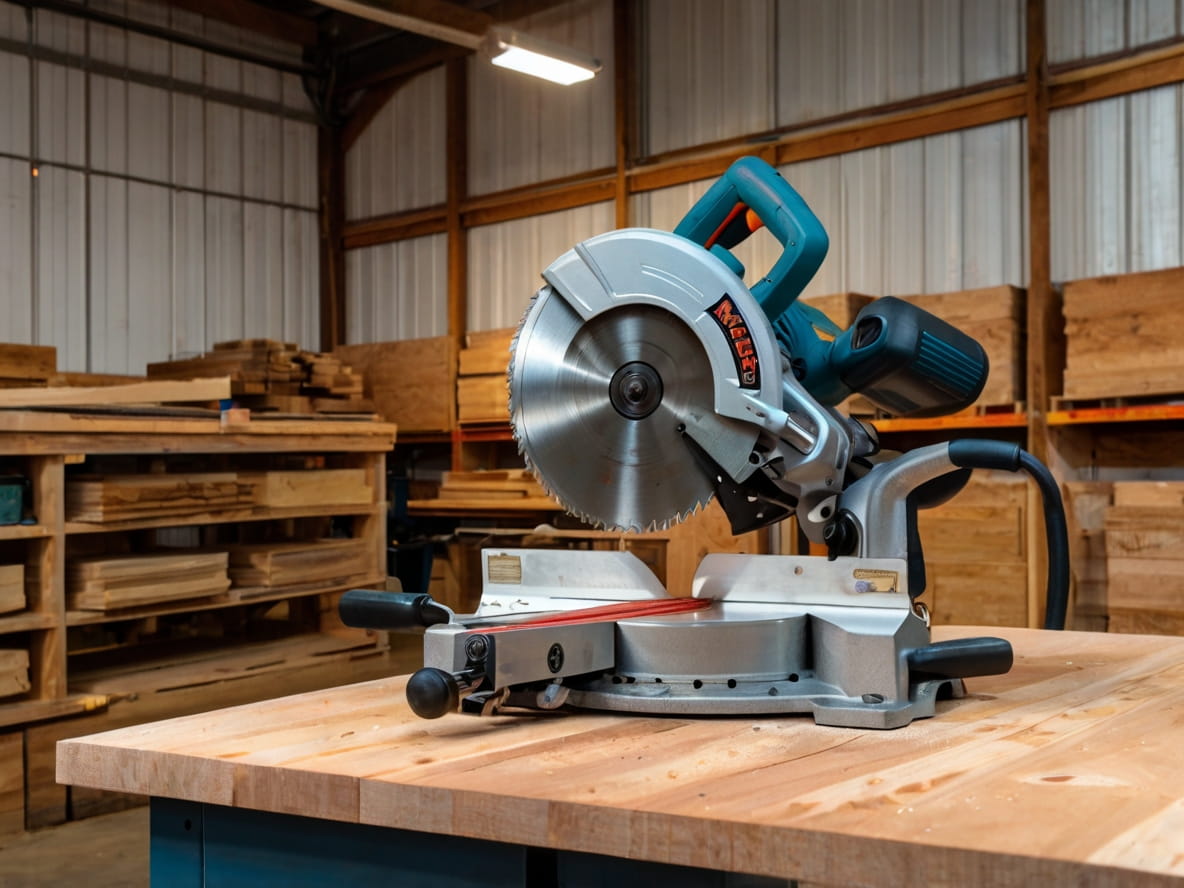
Cutting
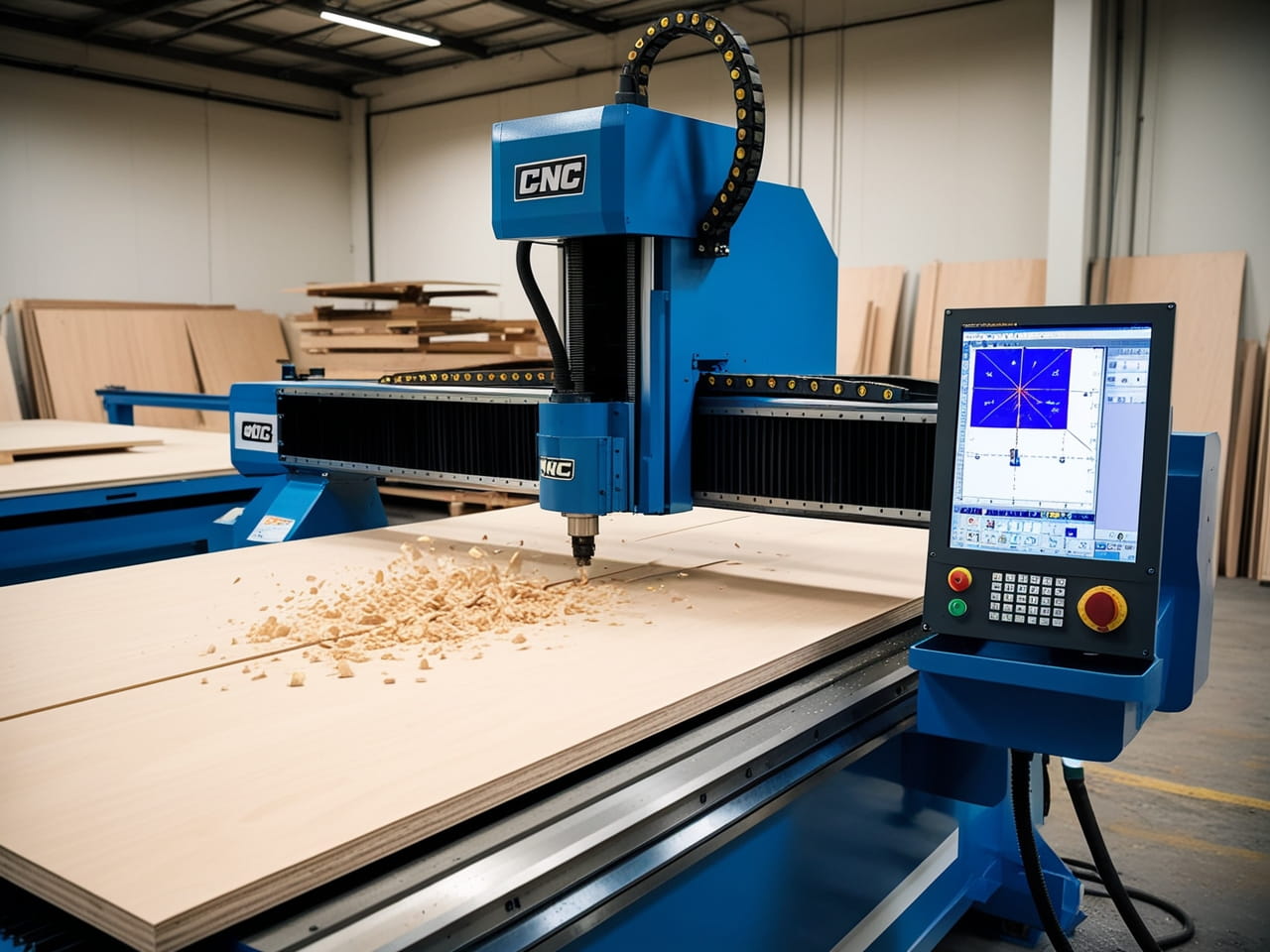
CNC

Cross-cutting

Drilling
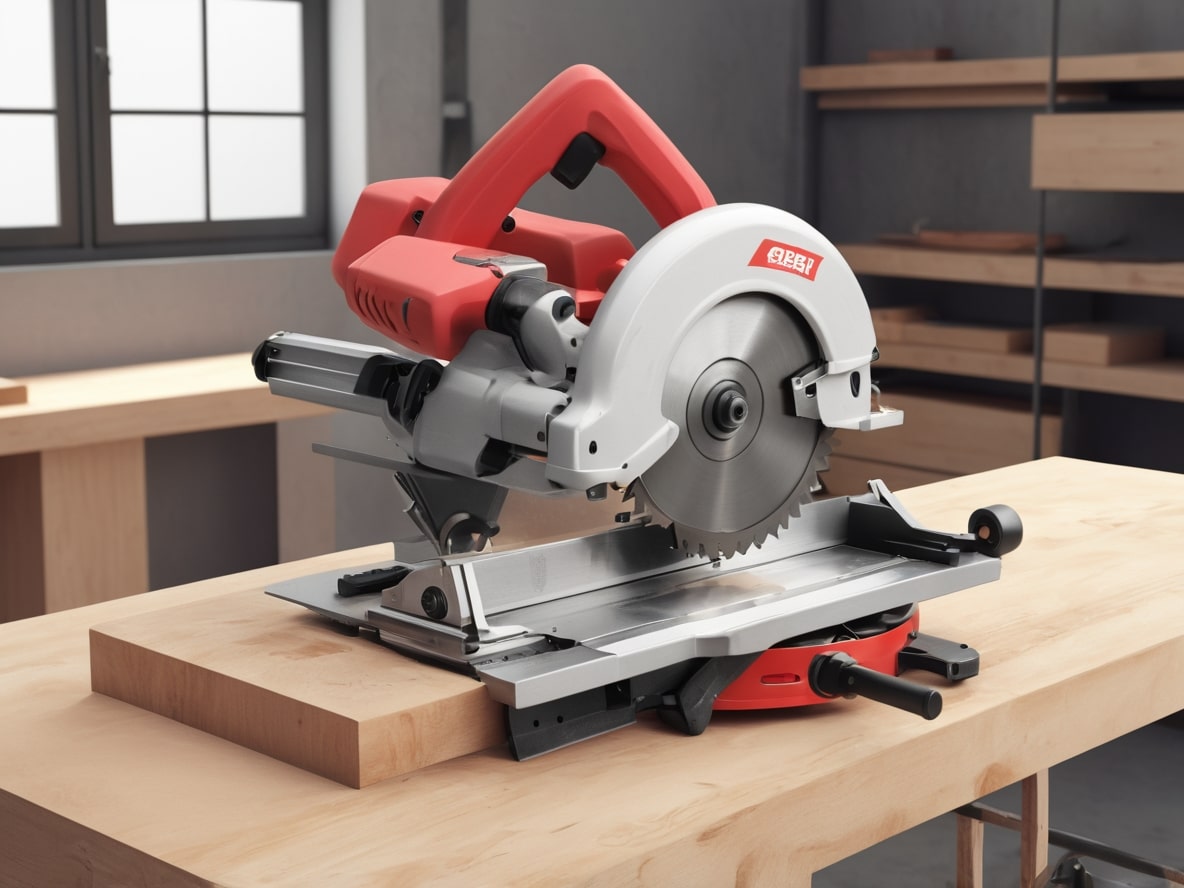
Sawing

Ripping

Machining
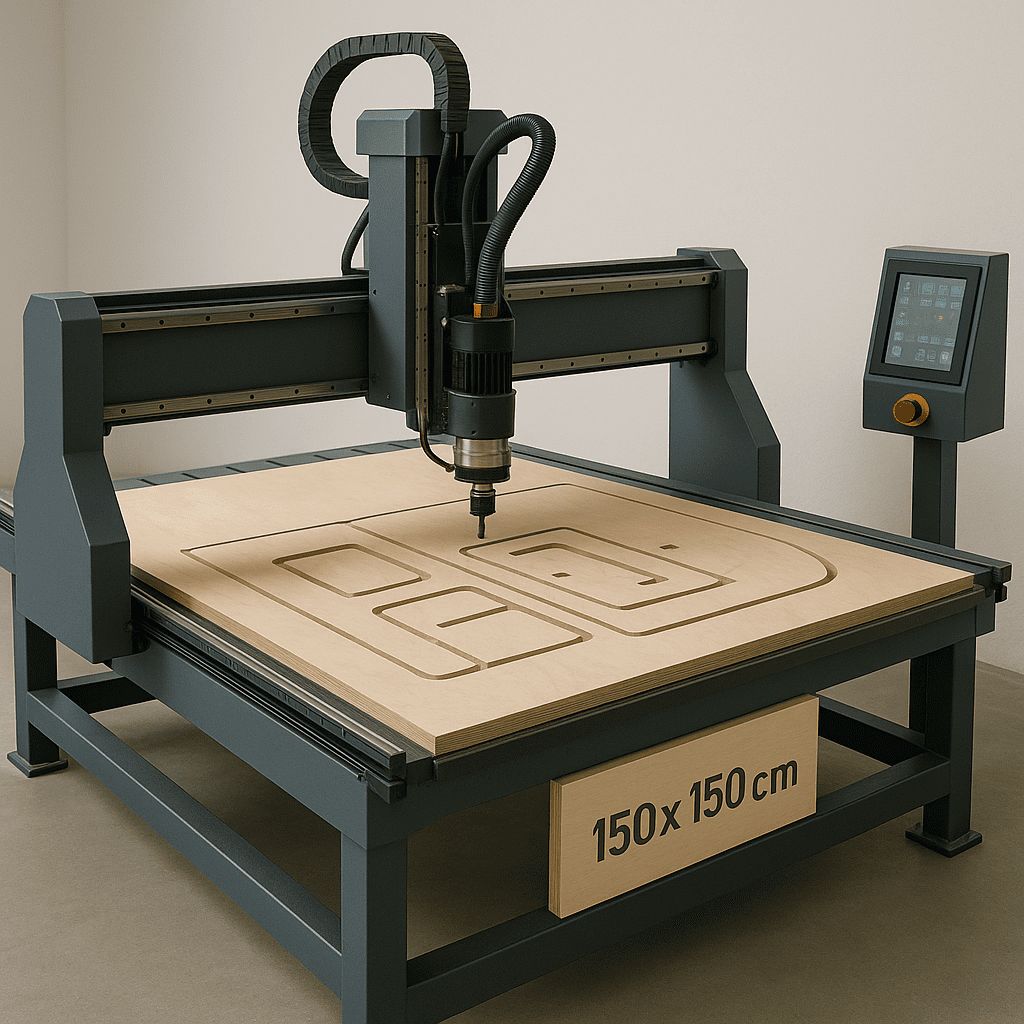
Cutting to size
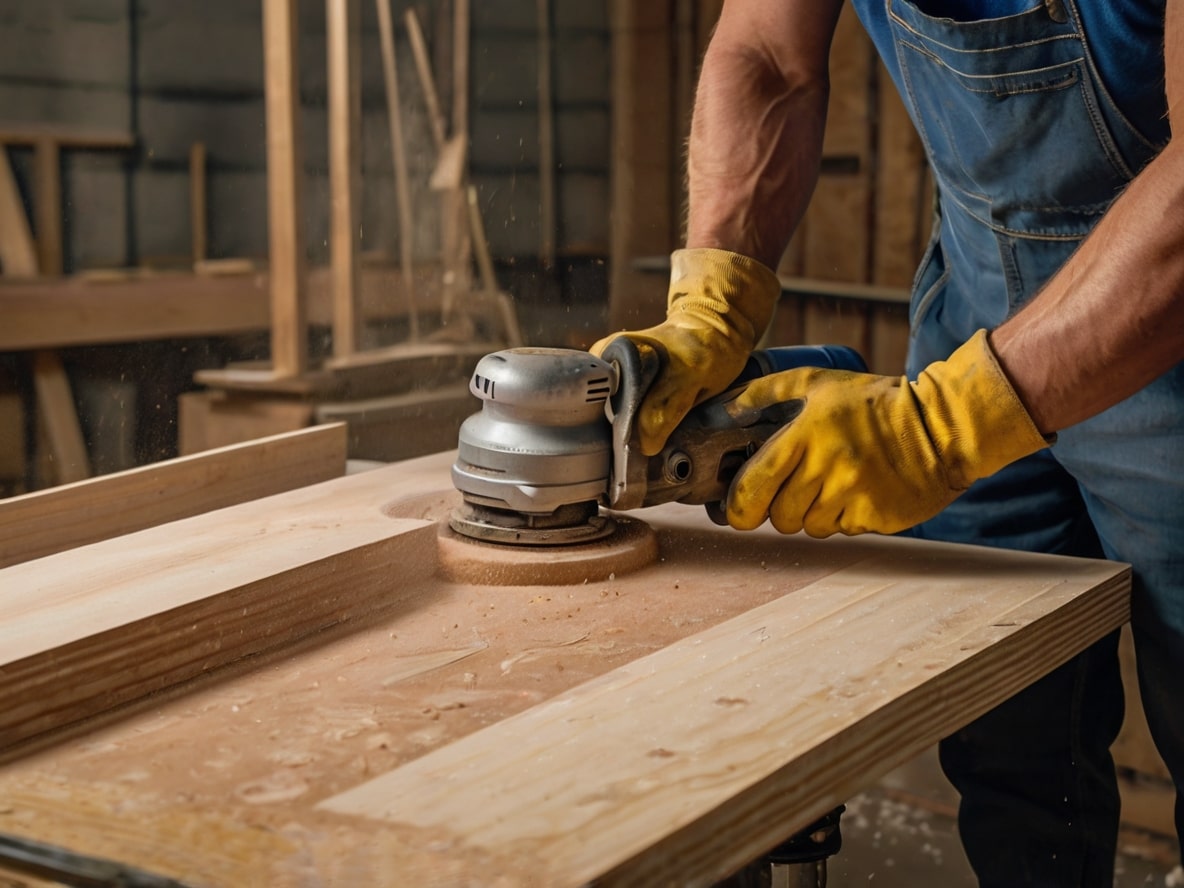
Sanding
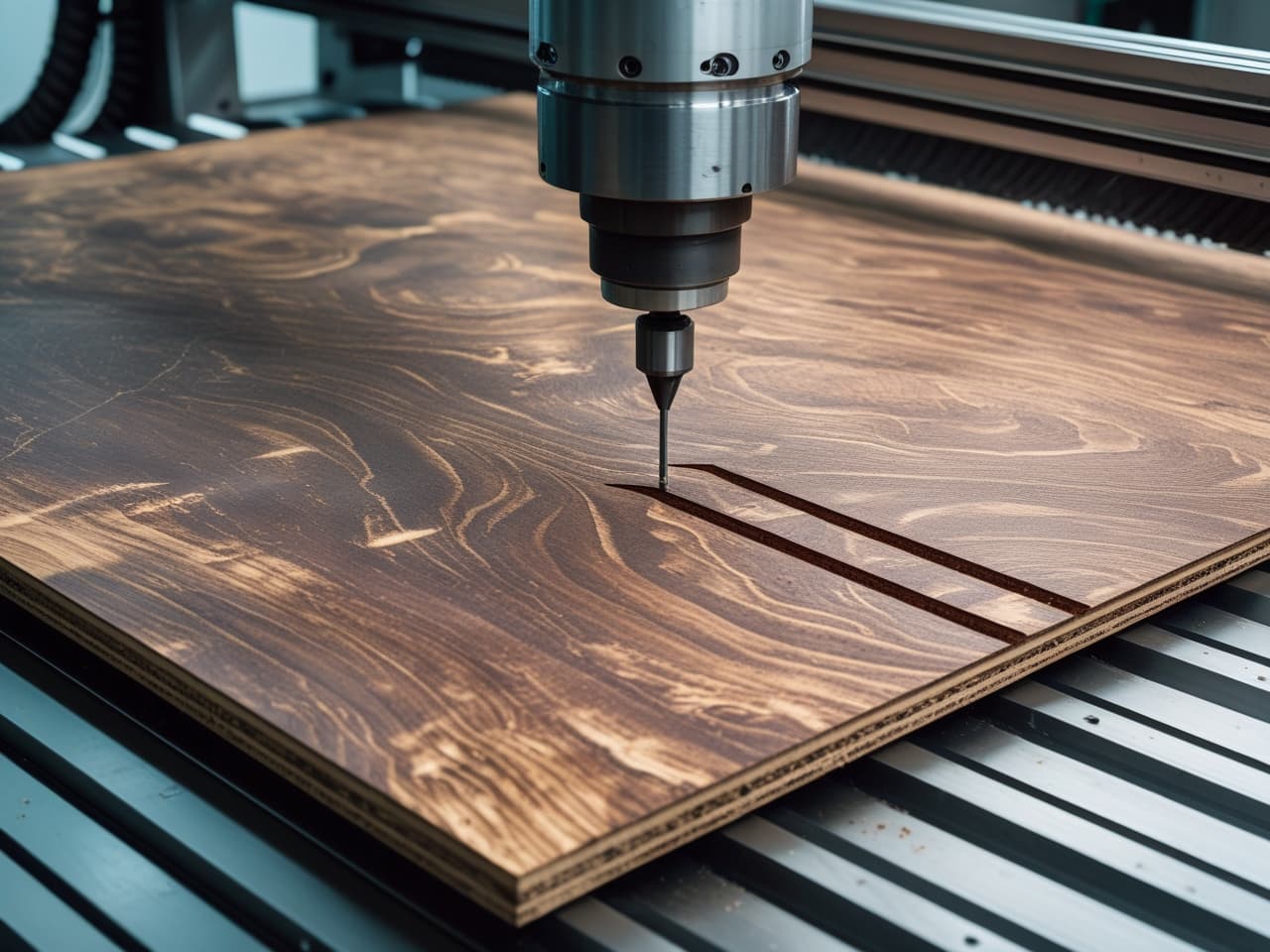
Grooving
Milling

Painting
Technologies for working with wood in the production of blanks and components
Working with wood in the production of blanks is divided into several technological stages, and the machining quality is monitored at each. It all begins with selection: the material must be free of defects, cracks and rot. Then comes preliminary preparation — above all drying, which relieves internal stresses and prevents cracking. To skip drying is to end up with a part that will warp in a month or two and drag the whole structure with it, which is why this step is given particular attention.
At the machining stage, modern machines come into play, delivering high precision of cut and fit. They make it possible to hold the required dimensions and shape, which directly affects the ease of subsequent installation. When all the parts in a batch match one another, assembly goes like clockwork; the moment one blank falls out of dimension, the installer loses time fitting each one. Repeatability is precisely the main value of machine processing in serial orders.
After the main machining, a part may go through additional stages — sanding or painting. This improves the appearance and increases durability, especially for items that will work in damp conditions or in the open air. A smooth sanded surface takes the protective compound better, and the compound itself keeps out the moisture that would otherwise penetrate the fibres. For outdoor blanks such treatment is not decoration but a necessity: without it the wood quickly greys and cracks.
Production concludes with a check for compliance with quality standards. This guarantees that every batch meets the safety and durability requirements, not just the first control part. Dimensions are measured on a sample basis, and the cleanliness of machining and the strength of joints are assessed. A batch that fails the check does not go to the customer — correcting a part in production is always cheaper than dealing with a complaint and a return already from the site.
The production stages of woodworking and manufacturing
Stages of producing wooden blanks and components
The production of wooden blanks breaks down into several key stages. The first is the purchase and preparation of timber: the material must be of good quality and suitable for further machining. Then the wood is dried, relieving internal stresses — this prevents cracks and ensures the stability of the part in service. Almost everything that follows depends on the wood’s moisture content: over-dried, it crumbles when cut; under-dried, it warps after installation, so drying is brought to the required level rather than rushed.
The second stage is machining. Modern machines carry out precise cutting and forming, and the blank receives the required dimensions. Each element must be precisely fitted — the ease of installation and the strength of the finished item depend on it. A slight play in one part in an assembled structure adds up with the play of neighbouring ones, and in the end the joint starts to wobble. That is why tolerances are held strictly, and complex elements are made on CNC, where the dimension repeats from part to part.
The next stage is machining for the specific purpose. Some parts need grooves and holes, others thorough sanding, others still a protective coating. It all depends on where the blank will work and what will be done with it next. A construction batten and a decorative strip go through this stage in completely different ways: the former will do with rough machining, the latter will be brought to a smoothness ready for finish. This flexibility is what allows a single production line to cover both rough and finish tasks.
The final stage is quality control and inspection of the products. Here the blanks’ compliance with standards, their strength, resistance to external influences and durability are assessed. Only after passing the check does a batch go to packing and shipment. Such final control is not a formality but insurance for both parties: the customer gets a predictable result, and the production does not risk its reputation over a missed defect that would surface already on site.
Advantages of cooperating with TigerWood in the production of blanks and components
Cooperating with TigerWood gives clients several tangible benefits when purchasing blanks for construction and production. The first is stable product quality. The blanks and components meet strict standards, which means they last long and do not let you down in service. For anyone building their own item from these parts, the reliability of the raw material is critical: a single defective blank drags the defect of the whole structure with it, and the cost of the error turns out to be far higher than the value of the part itself.
For wholesale clients, TigerWood offers flexible terms: prompt delivery and a choice of the required material characteristics. The customer receives products that match their requirements and specification, not “something similar”. Each order is approached specifically — we advise which species to take and how to machine and pack the part for the particular task. Such a consultation saves the client money: often the required result is achieved with a cheaper material if it is prepared correctly.
Another significant advantage is working with different wood species, which makes it possible to match the material to the location and manner of use of the blank. Both hard species such as oak and beech and soft pine and spruce are used — it all depends on the specifics of the project and the budget. The same element in pine and in oak differs in weight, strength, price and appearance, so the choice of species is always a compromise between the task and the money, discussed at the outset.
The range is broad: handles, round rods, panels with holes, frame elements and decor. All of this works in various fields — from construction to furniture and interiors. The customer takes products precisely for their task and, if needed, gets tips on installation and use. The ability to cover several positions at once with a single supplier is convenient: there is no need to gather an order piece by piece, compare the quality of different contractors and reconcile the mismatch during overall assembly.
In addition, TigerWood maintains transparency and honesty in working with clients. All production stages undergo quality control, and every order is completed strictly within the agreed lead time. For many, the predictability of lead times matters no less than the goods themselves: when a part is needed by a specific installation date, a delivery failure halts the entire construction or assembly. That is why we try not to move the promised dates, and if we do adjust them, we give advance notice.


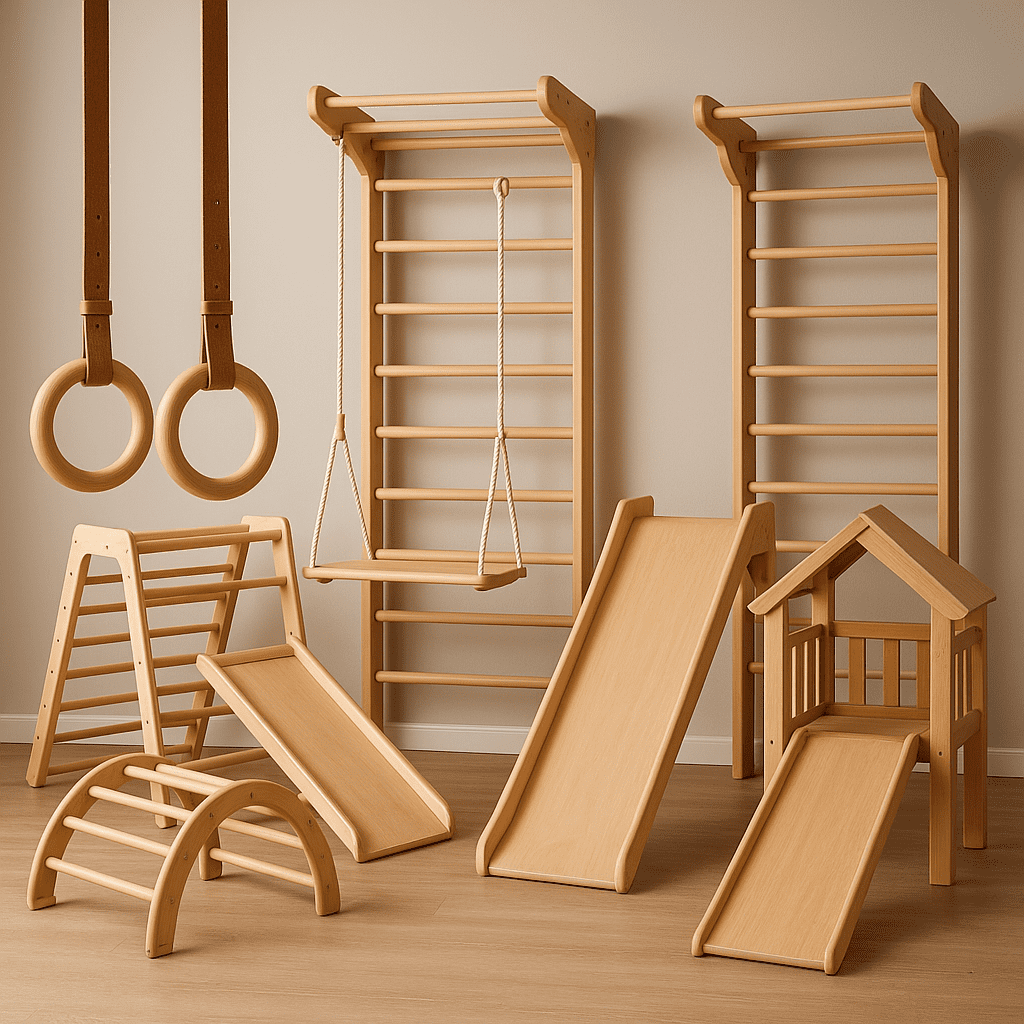

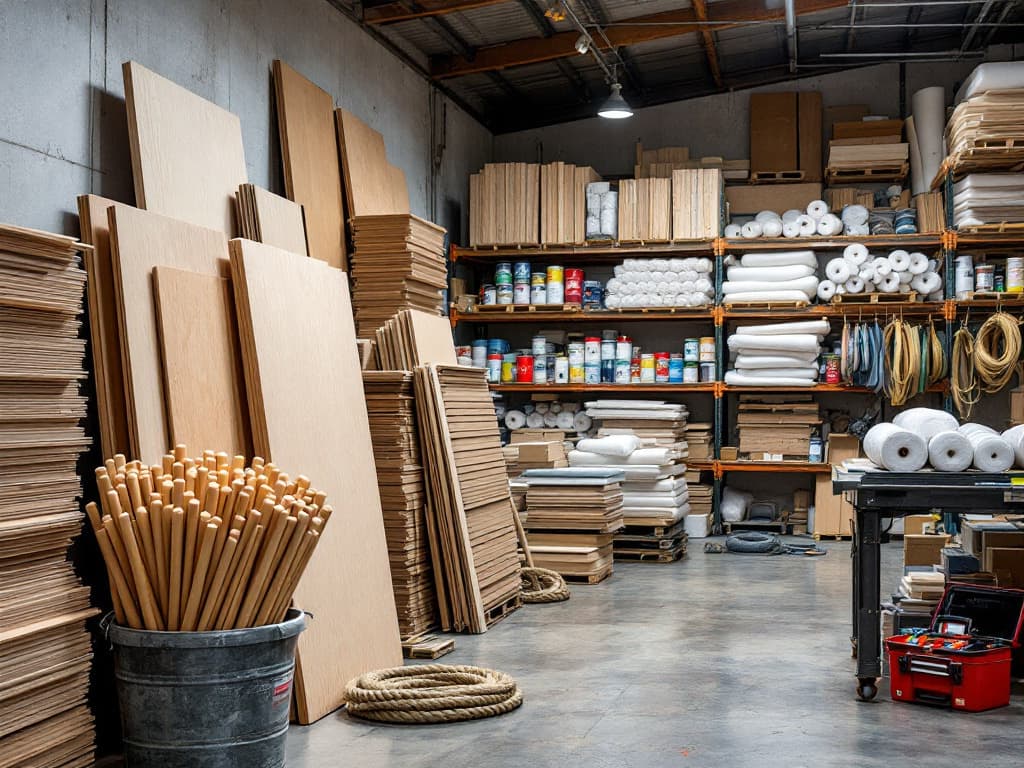
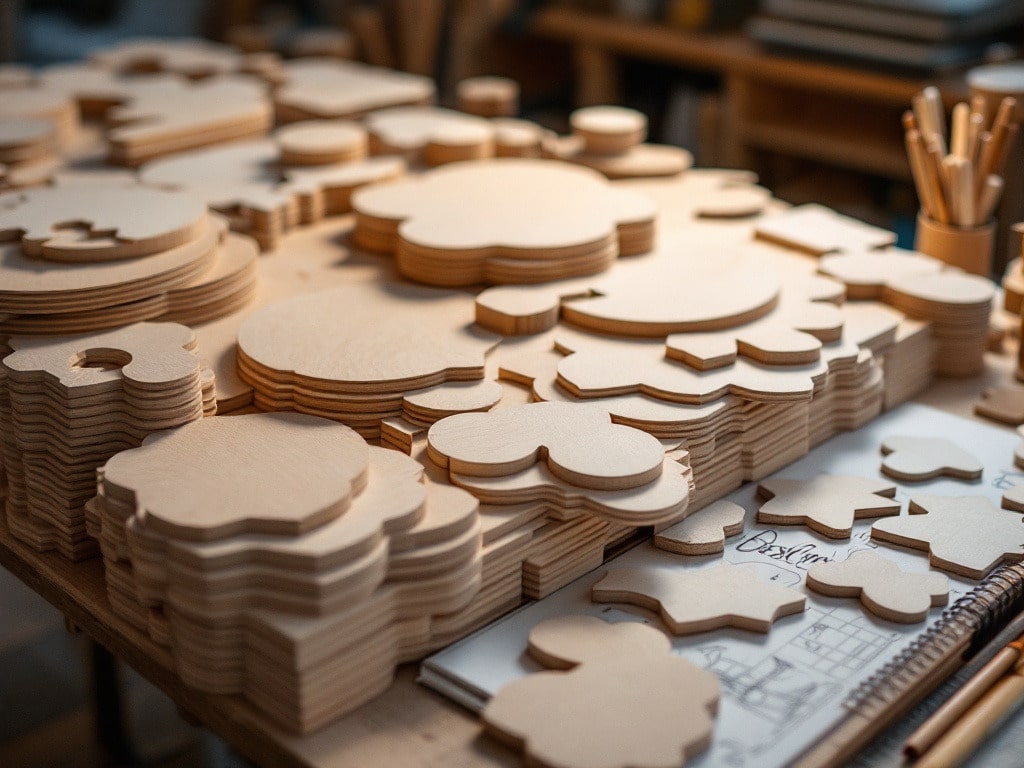



Besides wooden blanks and components, TigerWood also offers other construction and finishing materials. The catalogue features various product categories useful to companies and contractors in construction, finishing and production. Such a set is convenient for those running a whole project: some positions are covered by a single supplier, which means fewer approvals, a uniform quality standard and clear overall logistics instead of a dozen scattered orders.
The catalogue also features construction materials — panels, boards, battens, frame elements — and a variety of decor for interior and exterior finishing. Each category is made on modern equipment and to strict quality standards. This allows the customer to keep a uniform level across the whole site: both the rough frame and the finish come out of one production culture rather than being assembled from parts of random quality from different workshops.
There are also additional services — made-to-order production and consultations on the choice of materials for a specific project. This helps hit each client’s requirements precisely rather than fitting the task to a ready catalogue. A sound consultation at the outset often saves the customer both money and time: the specialist suggests a simpler or cheaper solution that covers the same task without overpaying for excessive characteristics.
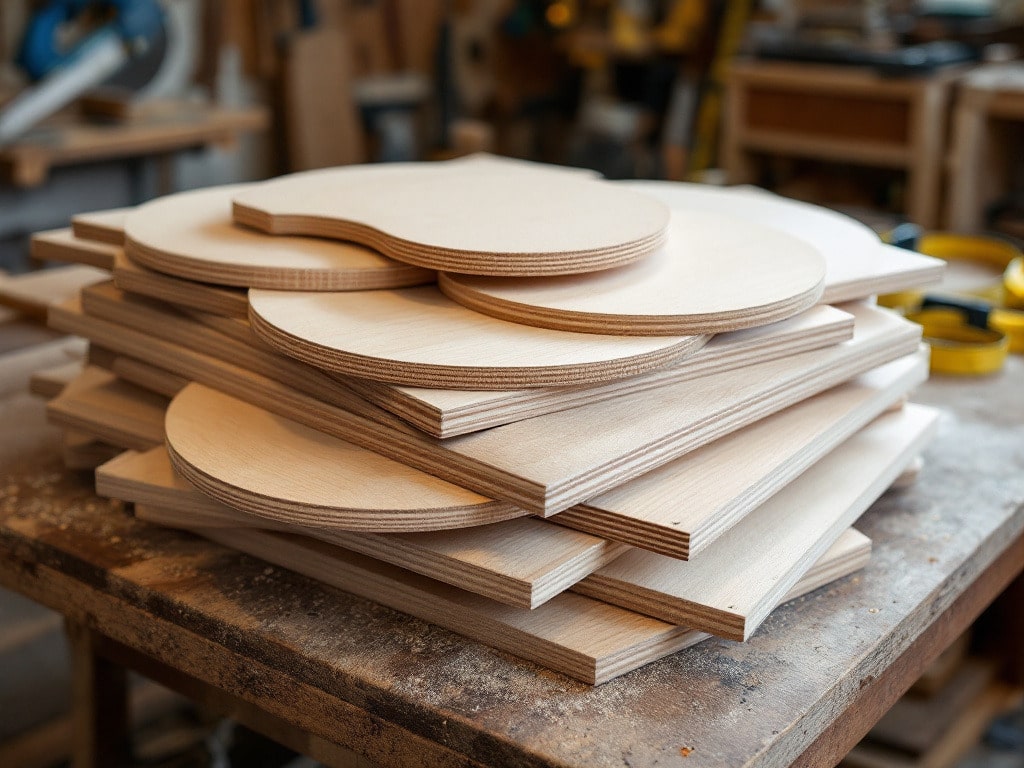
Examples of our work and partner projects
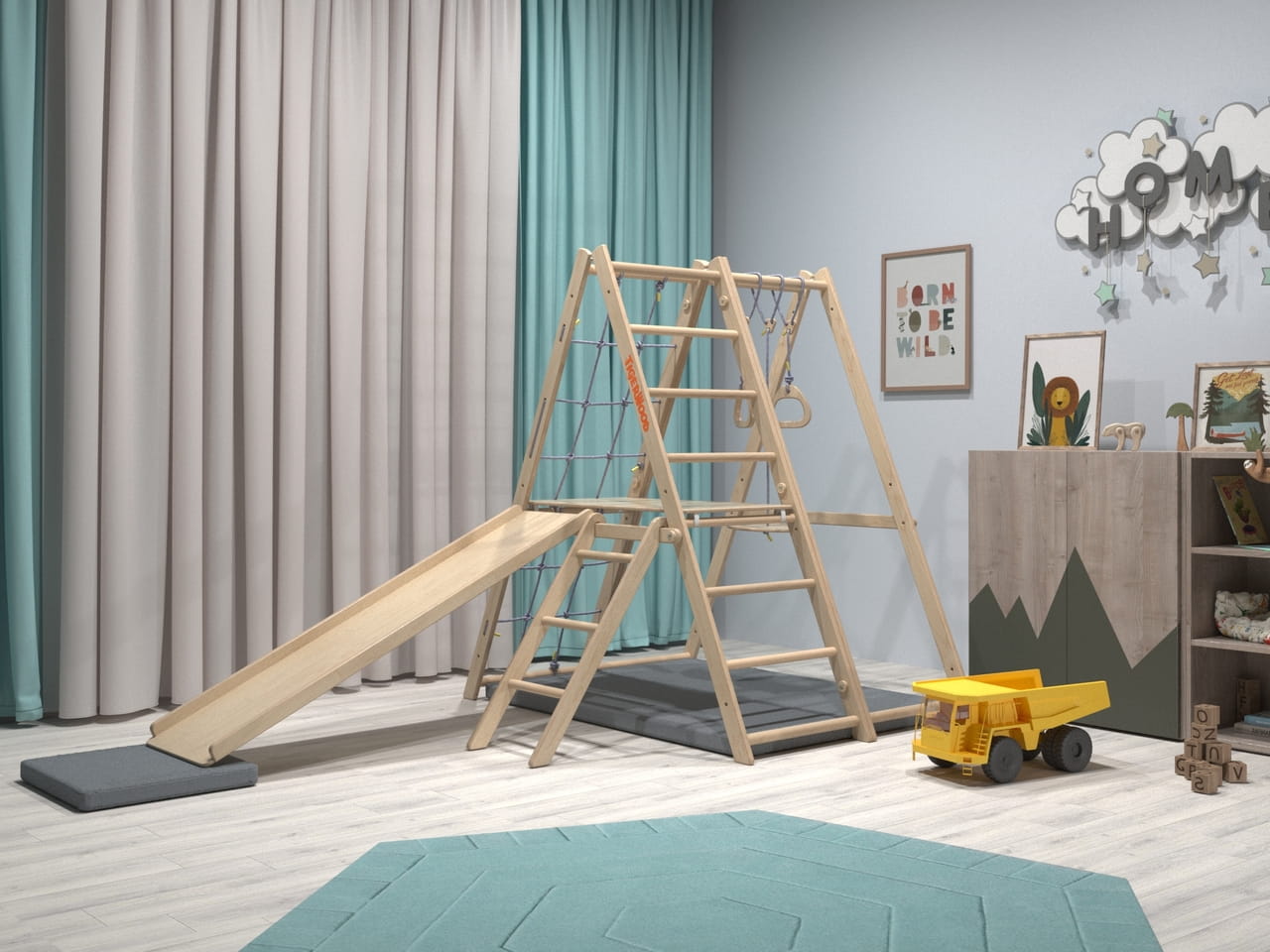
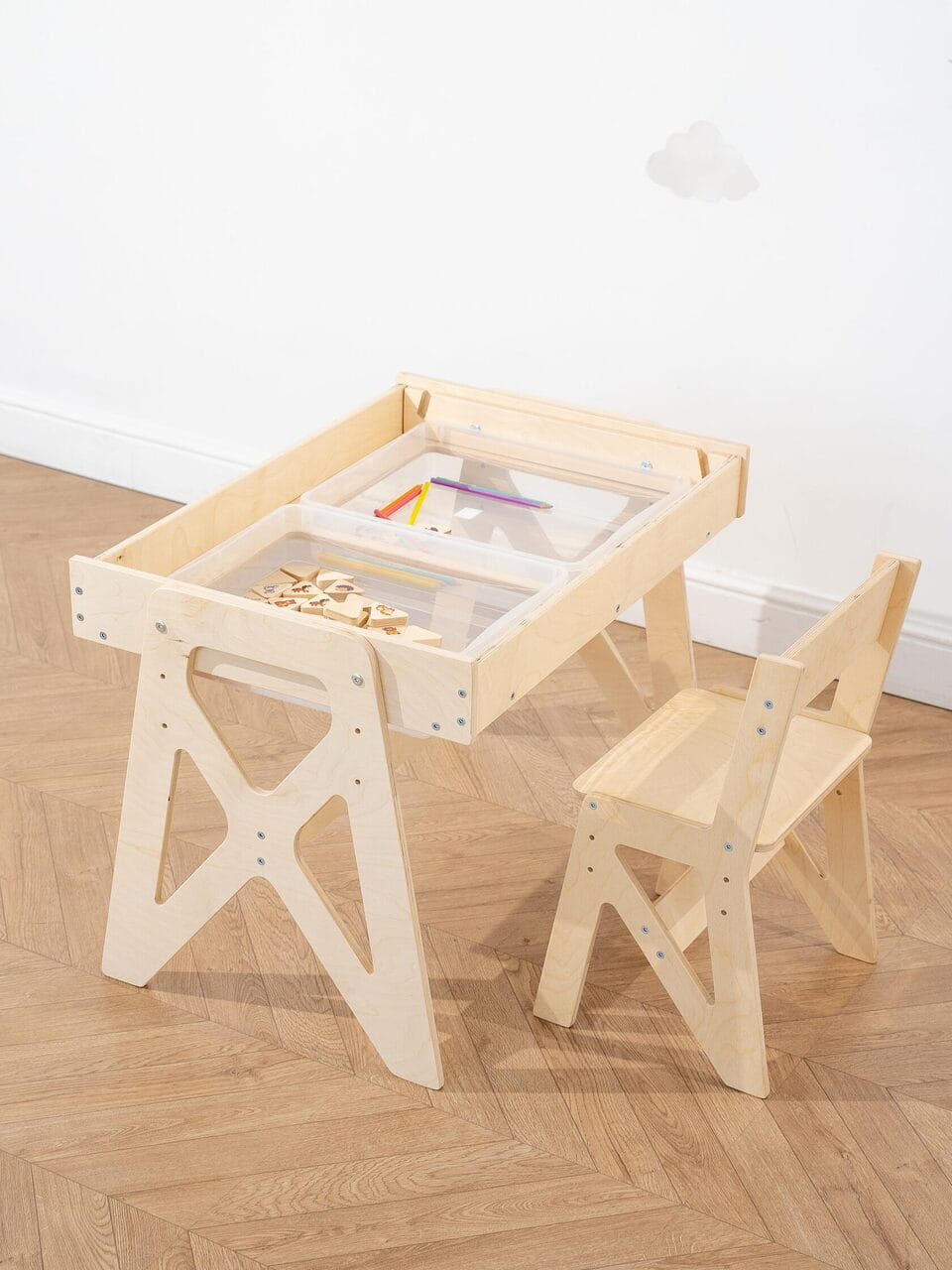
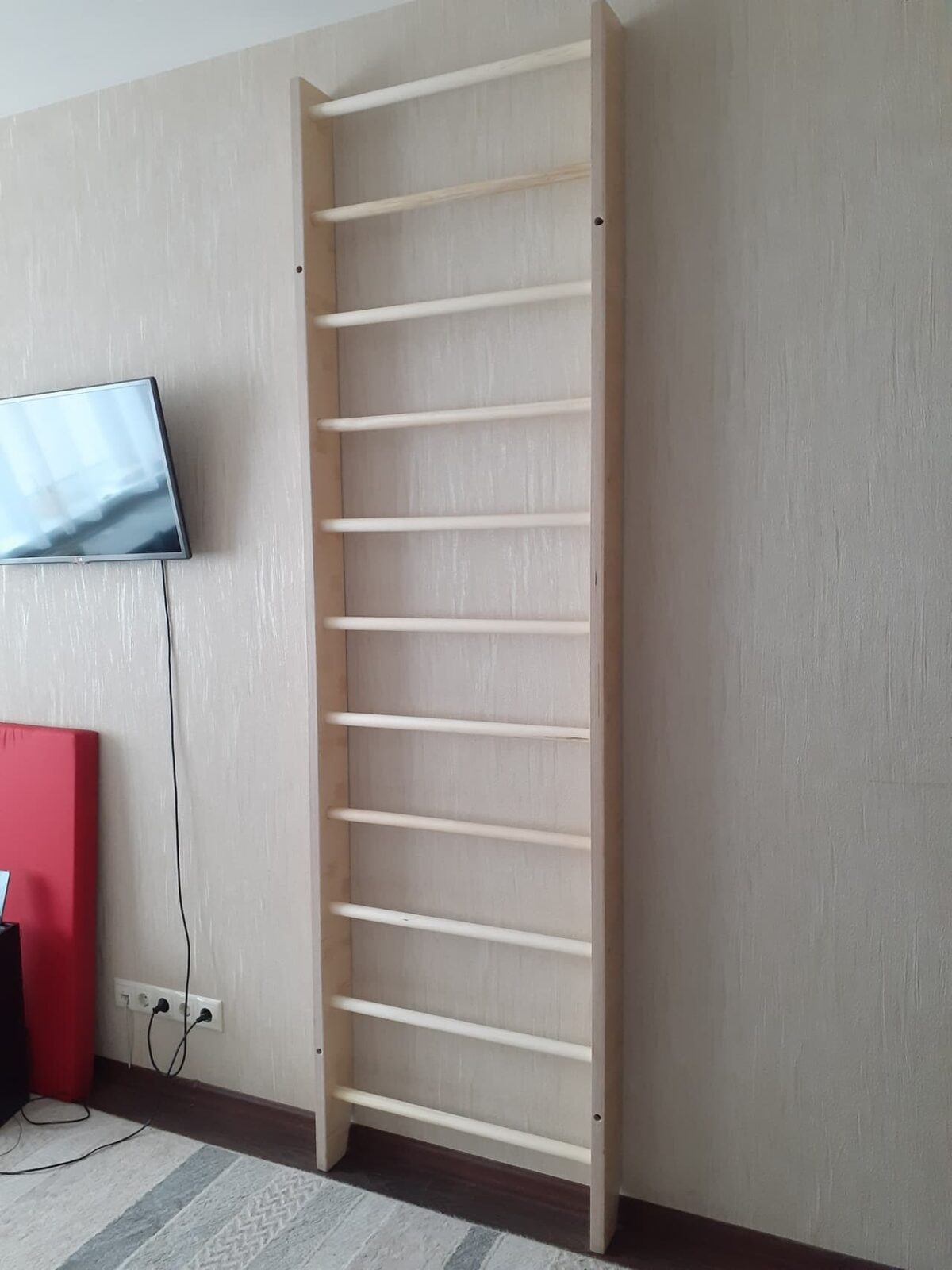

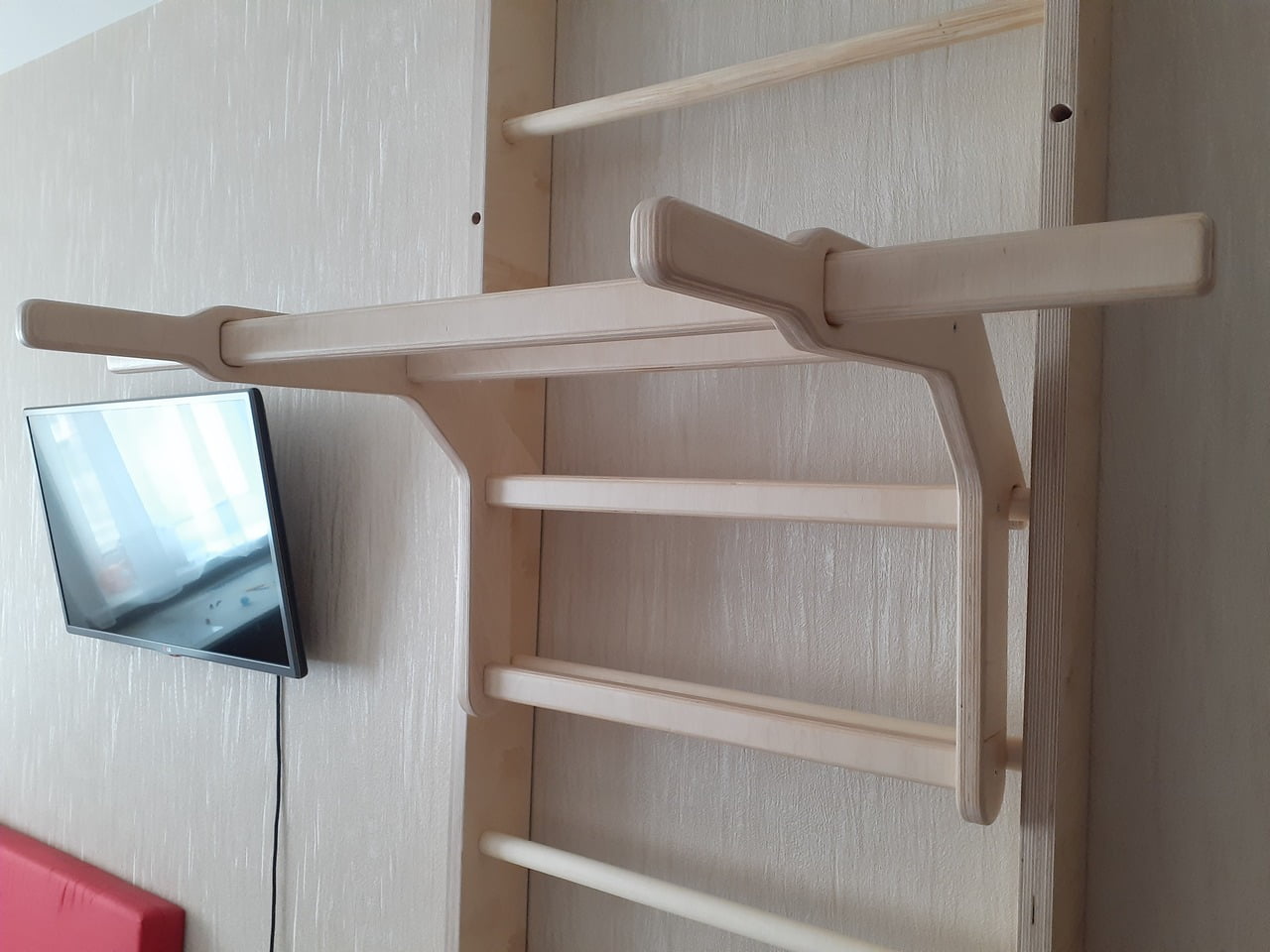
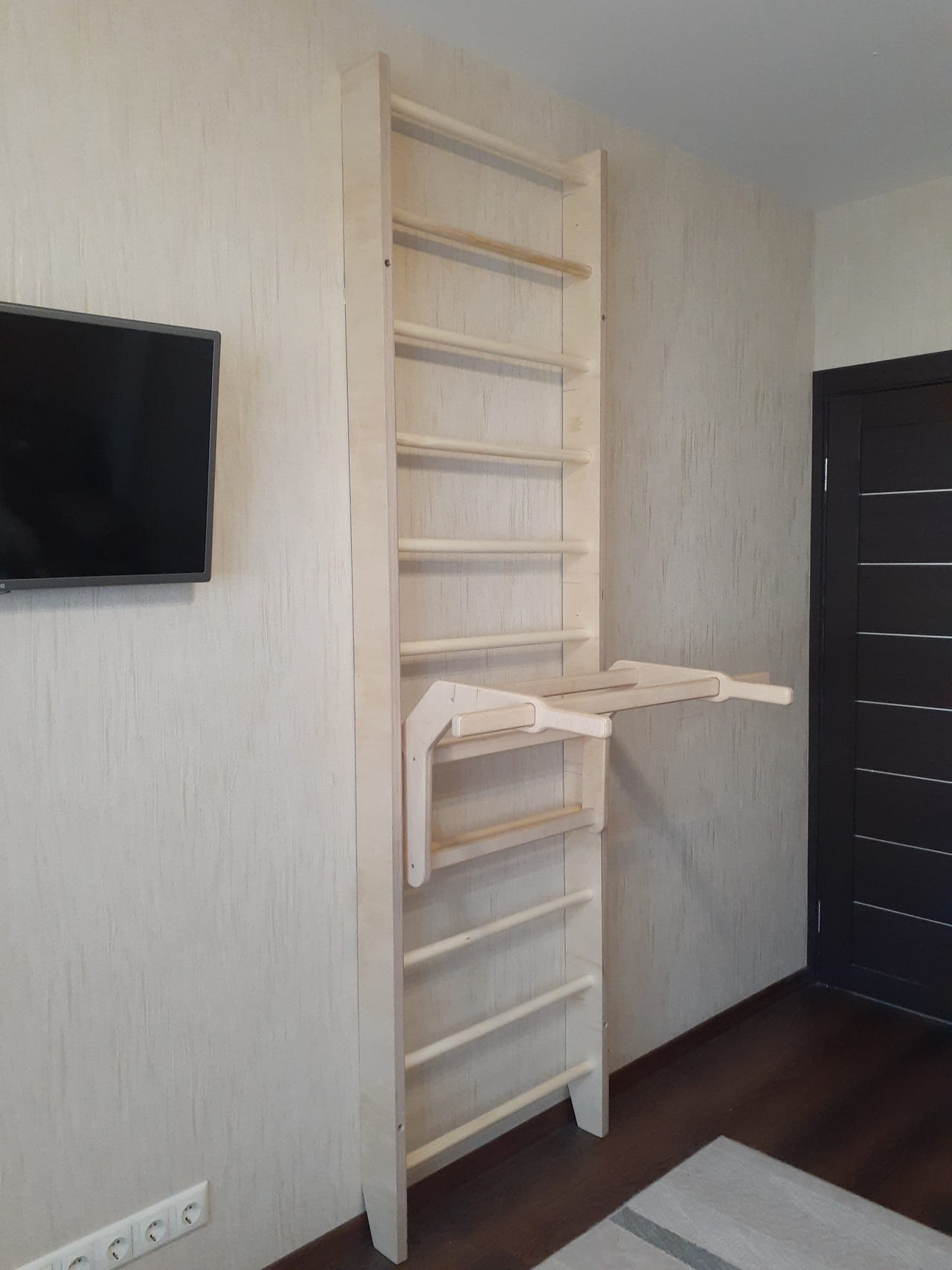




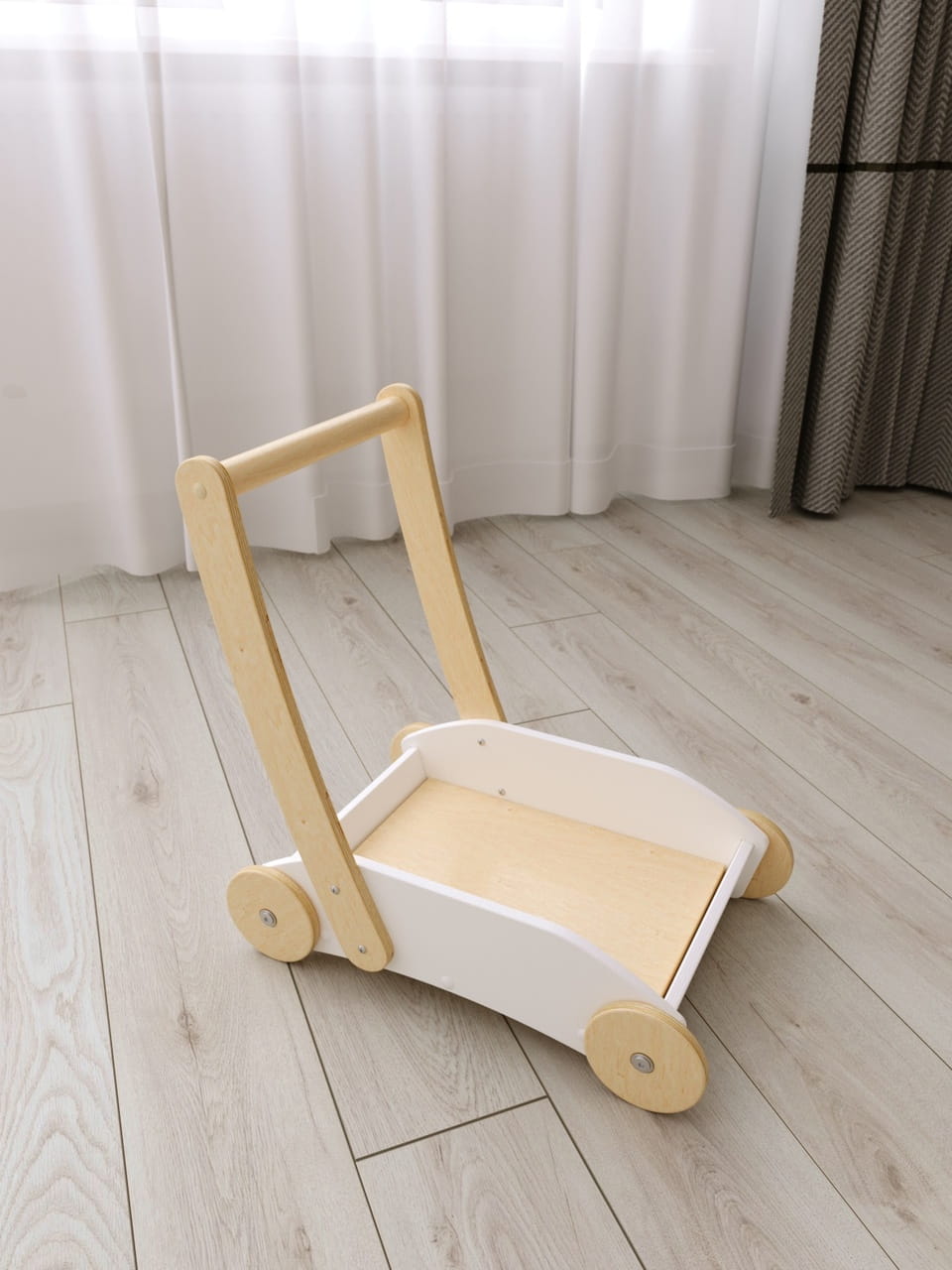

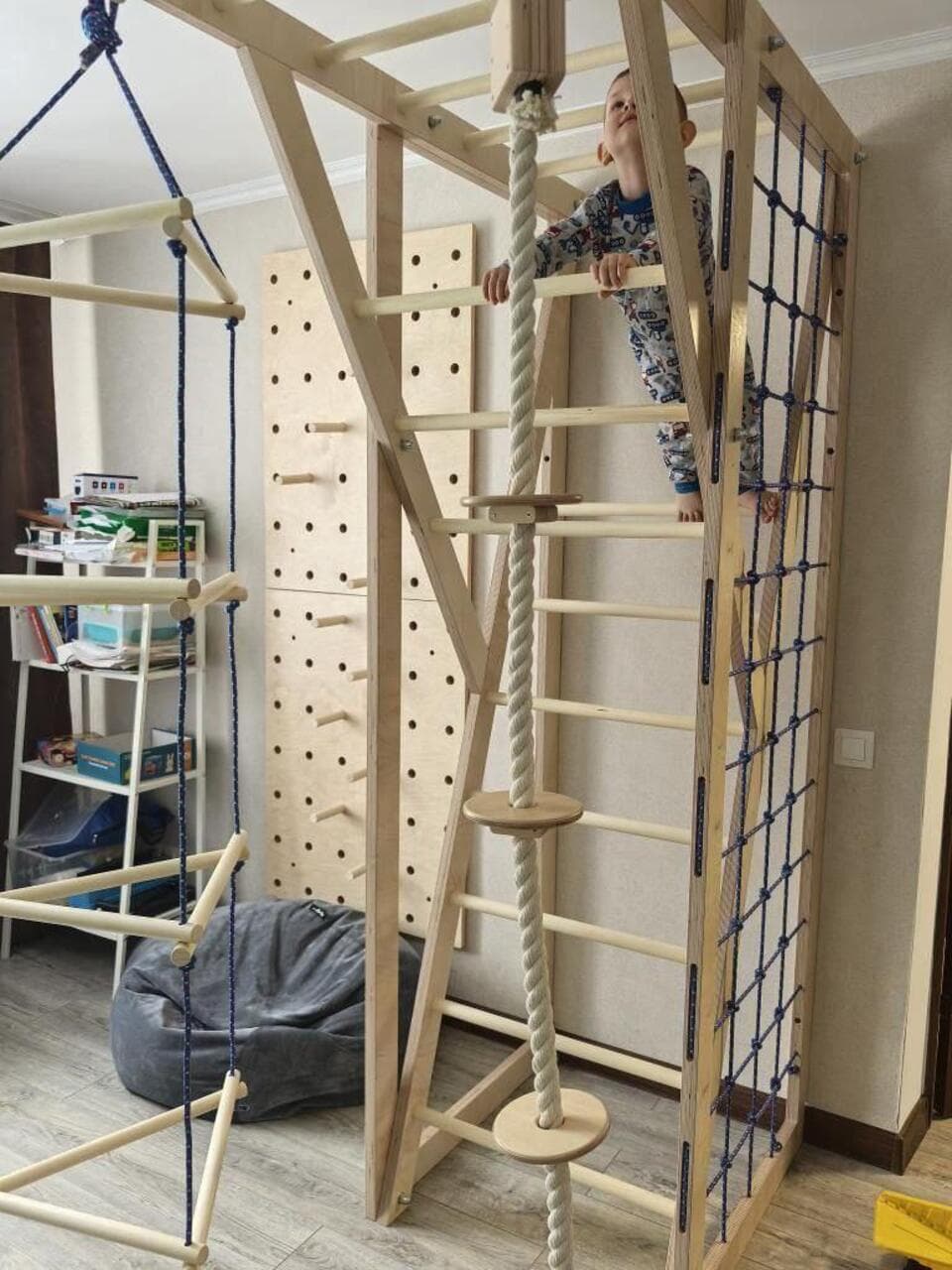
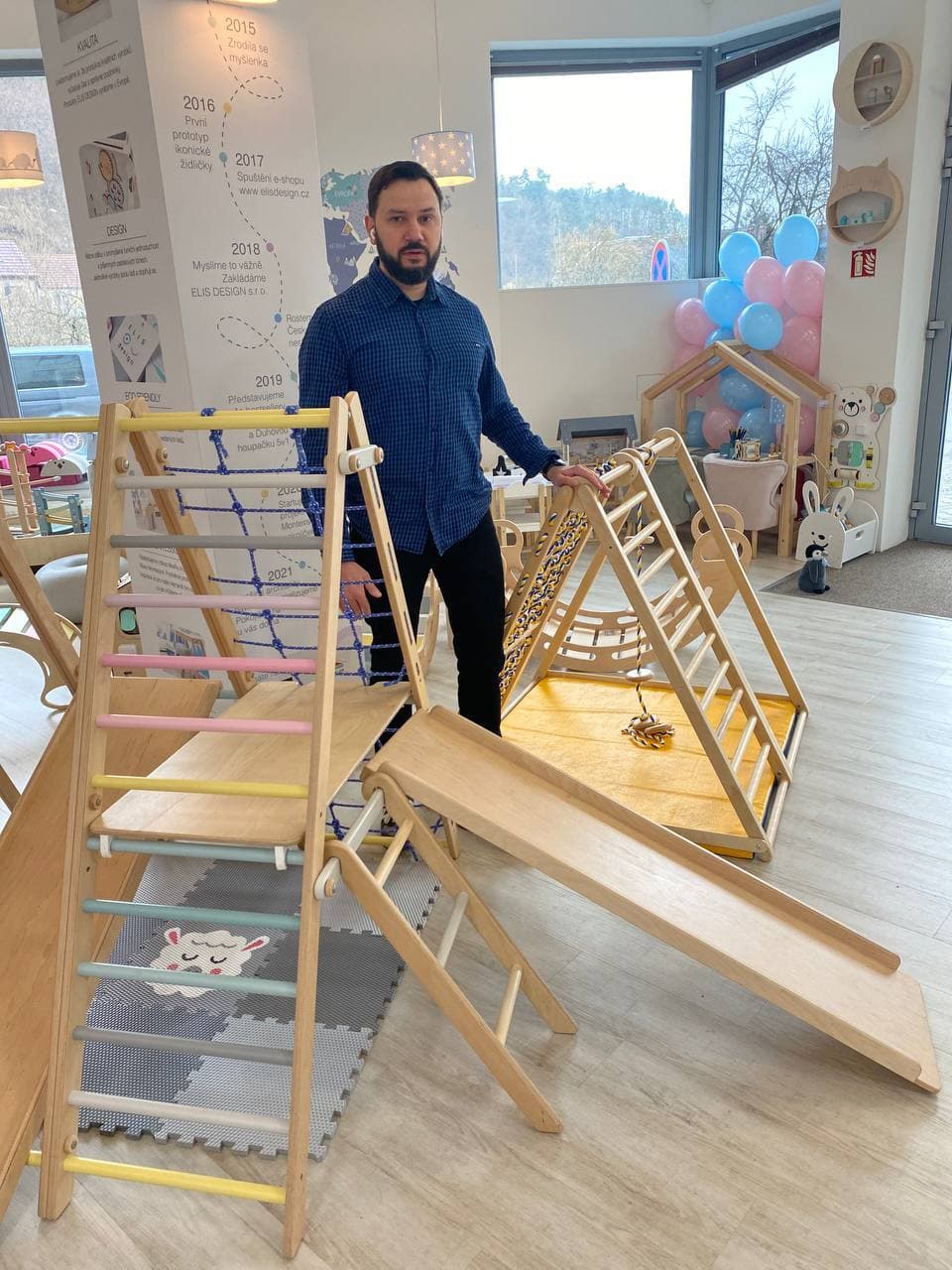

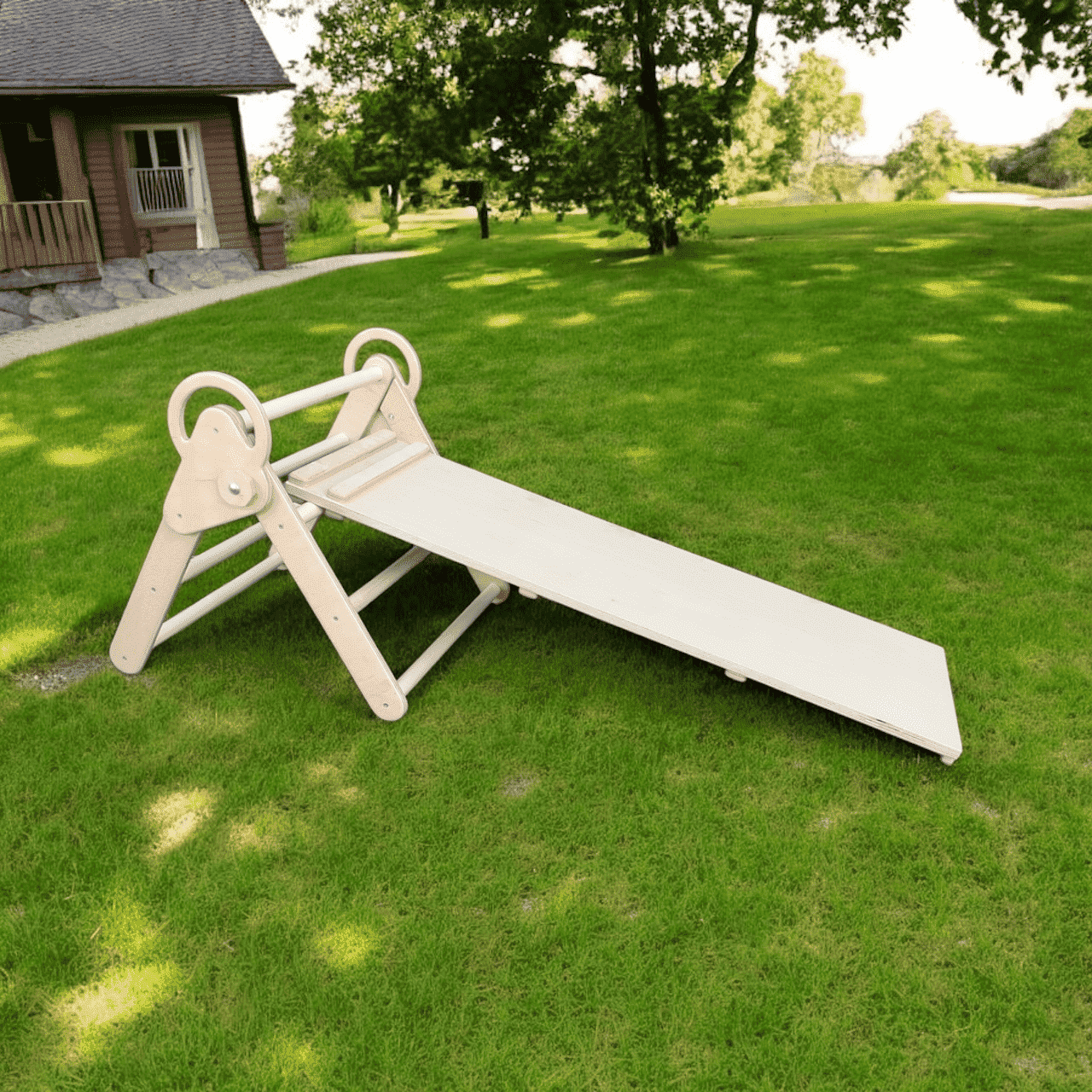
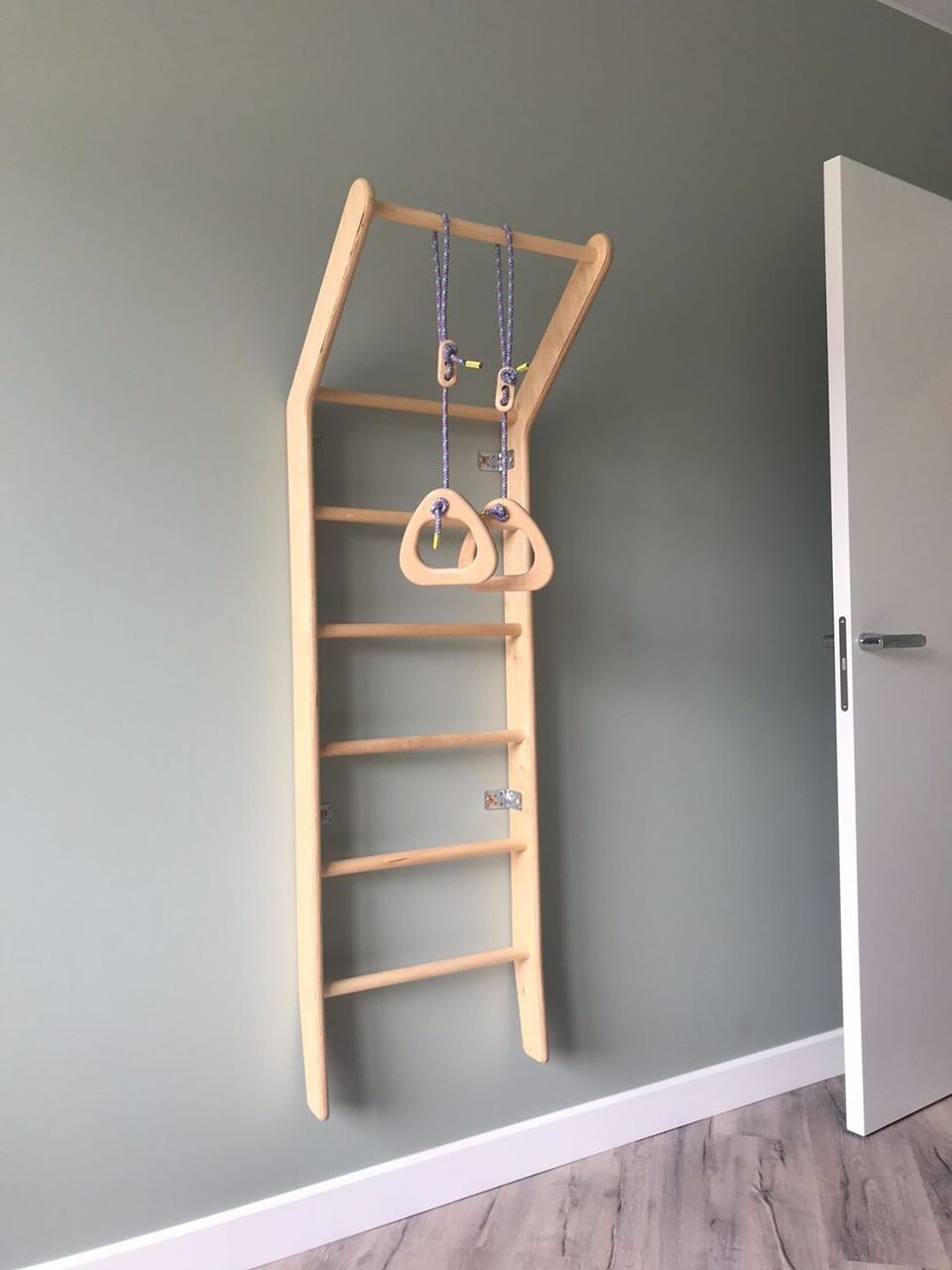
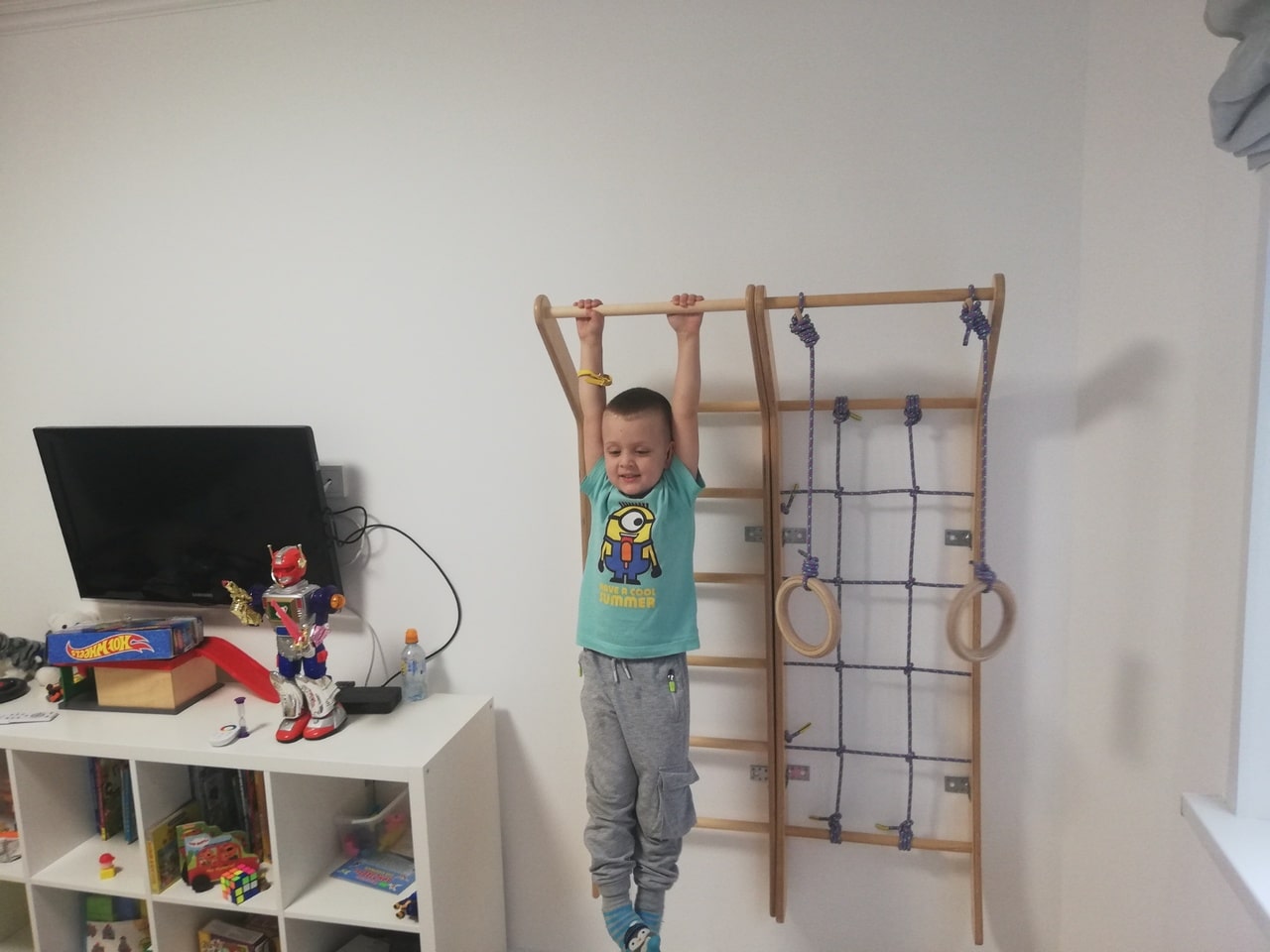
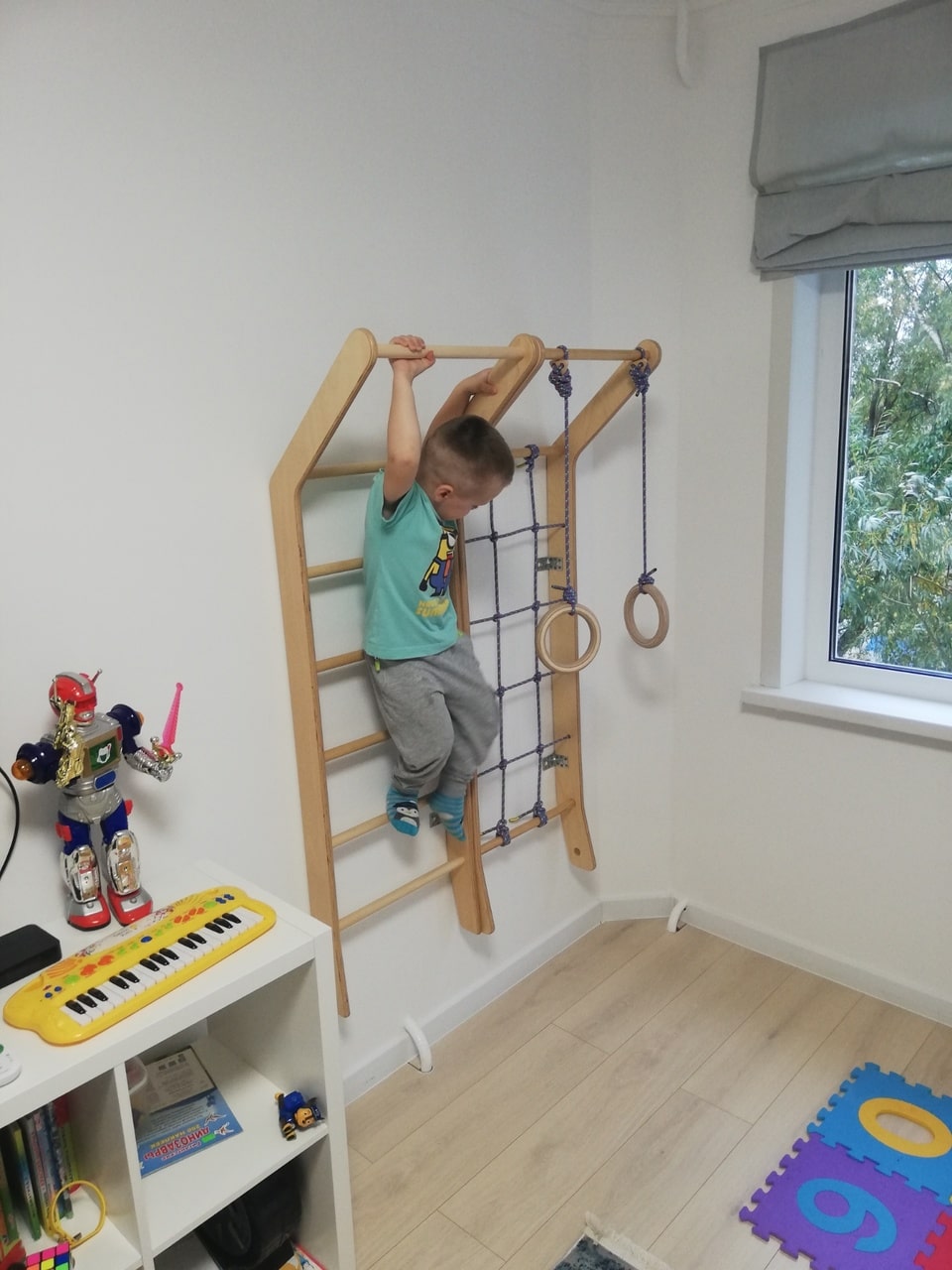

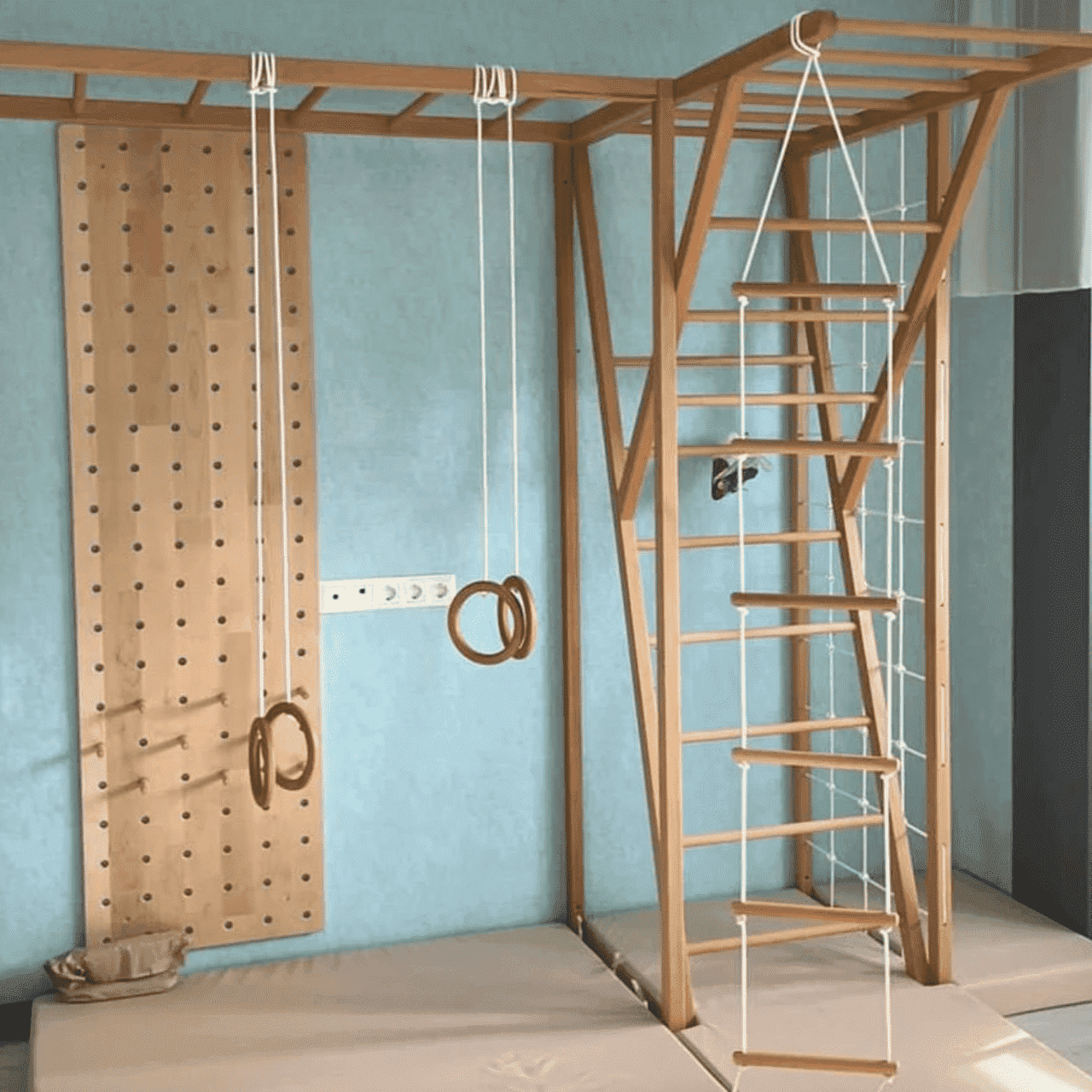
Examples of work with wooden blanks and components
TigerWood has a good many projects behind it where wooden blanks and components were used. The products go into construction, interior finishing, furniture production and other structures. Blanks with holes and grooves, say, become the basis of panels for external and internal finishing — they are put into fronts, partitions and wall coverings. The ready seating positions in such panels speed up installation many times over: the crew only has to assemble the structure by the marking rather than mark out and drill each part on site.
Frame elements made of quality wood give the structure strength and stability — this is critical when erecting large buildings and facilities, where the main load rests on the frame. Decorative parts such as frames and side panels, on the contrary, work on the appearance: they are used to assemble one-of-a-kind interiors and facades. A single product stream covers both the load-bearing and the aesthetic task, and both are made with the same precision — just with different requirements for appearance and finish.
Projects built on blanks and components from TigerWood stand out for their quality and durability. Each order is completed exactly to the client’s requirements, and that is precisely what keeps customers for the long term. The logic is simple: when parts arrive as ordered and on time, the client has no reason to look for a new supplier. So a one-off order gradually turns into ongoing cooperation, where both parties already understand each other from a half-word.
Who already works with us

Cabinet furniture makers

Joinery workshops

Interior designers

Architects

Private craftsmen and artisans

Online sellers

Advertising agencies

Set designers

Restorers

Toy manufacturers

Artists and sculptors

Construction companies

Exhibition equipment manufacturers

Educational institutions

Sports equipment makers

Wooden packaging manufacturers

Private customers

Shops and boutiques

Manufacturing enterprises

Restaurants and cafés
TigerWood works with a number of large clients: construction companies, contractors, design studios, furniture manufacturers and other organisations. The products go into the most diverse projects — from large construction sites to highly specialised finishing and interior design. This spread of customers is exactly what speaks to the versatility of the blanks: the same part can go into the foundation of a large-scale facility and into fine designer work.
In addition, TigerWood cooperates with wholesale sellers and resellers who sell the products in various European countries. Customers value the quality of the material, promptness and flexibility in servicing orders. For a reseller it is important that the goods do not let them down under their own brand and arrive consistently — then they can calmly resell them onward without risking their own reputation with the end buyer.
Active work is also underway with contractors engaged in renovation and construction: they are supplied with all the necessary materials for their projects. Each client receives quality and reliable blanks and components for the most diverse tasks. For a contractor, a single supplier of materials means less headache with procurement: there is no need to look for handles in one place, panels in another and decor in a third — everything arrives in one coordinated delivery.
Production of wooden blanks and components
The production of wooden blanks is complex, multi-task work that requires precision and adherence to technological standards at every step. TigerWood produces a wide range in this category: handles, round rods, parts with holes and grooves, frame elements, decor and much more. All of this works in various fields — from construction and finishing to furniture and interior solutions. In essence, it is one base from which the customer assembles the required set for a specific project.
A distinctive feature of the production is only quality timber, which undergoes thorough machining at every stage. Every item goes through strict quality control, and that is exactly what guarantees its reliability and durability. The products meet safety standards and operating requirements. Control at all stages, not just at the finish, costs less than a one-off inspection: the error is caught where it can still be corrected without losing the part.
Working with TigerWood gives clients several advantages at once: a wide range, stable quality, reliability and promptness in fulfilling orders. Flexible terms are provided for wholesalers — different material options and the possibility of individual machining for the task. It is precisely the combination of “a wide choice plus customisation” that regular customers value: there is no need to choose between a ready catalogue and a fully individual, expensive production.
TigerWood works with the most diverse customers — from large construction companies to design studios — and selects products that fit their requirements precisely. The different scale of tasks does not get in the way of a unified approach: both a large contractor and a small studio receive a part that is equally precise and on time, just with different volumes and settlement terms. Flexibility on volume is especially important for small customers: they do not have to take a wagonload of parts to get a reasonable price and attention to the order.
Wood species and materials for blanks
The choice of species and material for a blank decides more than it seems at first glance. It determines the weight, strength, price, moisture resistance and appearance of the finished part. The same support in pine and in oak will behave differently under load and differs in price several times over. That is why calculating an order almost always starts with the question of where the part will work and what requirements are placed on it. Below are the main species and panel materials from which wooden blanks are made, with their strengths.
| Material | Strengths | Where used | What to look for |
|---|---|---|---|
| 🌲 Pine, spruce | Lightness, affordable price, easy machining | Handles, battens, frames, construction parts | Softness, prone to dents |
| 🌳 Oak, beech | Strength, beautiful texture, wear resistance | Supports, furniture parts, decor | Price, harder to machine |
| 🪵 Birch plywood | Shape stability, holds fasteners | Panels, frames, parts with grooves | Edge finishing, grade |
| 🟤 MDF | Uniformity, ideal for milling | Shaped and decorative parts | Vulnerable to moisture without a coating |
| ⬜ MFC / particleboard | Ready decor or low price | Carcass parts, side panels, lids | Emission class, edge quality |
In practice, soft species are taken where price and lightness matter more — handles, battens, a rough frame. Hard species go into load-bearing and visible parts where strength and beautiful texture are needed. Plywood wins where a part bears a load and must hold fasteners, while MDF is indispensable for shaped milling and painting. Materials are often combined in one project, balancing price and reliability. A separate matter is moisture and edge treatment: with panel materials it is precisely the cut that first draws in moisture, so visible edges are banded or protected.
Types of wooden blanks and their applications
The range of blanks covers both rough construction tasks and fine finishing. To make it easier to get your bearings, here are the main groups with their purpose — from simple handles to complex panels with ready boring.
- 🪵 Handles and round rods — supports, posts, tool handles; resistance to breakage matters.
- 🧱 Battens and slats — frames, battening, auxiliary structures.
- 🔲 Panels with holes and grooves — fronts, side panels, parts of a frame ready for assembly.
- 🏗️ Frame elements — load-bearing parts of structures where rigidity is needed.
- 🎀 Decorative parts — frames, overlays, shaped elements for finishing and furniture.
- ⚙️ Parts with boring — blanks with ready positions for fasteners and hardware.
The boundaries between groups are conditional: the same panel can be both a rough sheathing and a facing front — the difference is in the machining and finish. That is exactly why, when ordering, it is important to state the part’s purpose right away, not just its dimensions. A blank that “looks the same” is prepared in completely different ways depending on whether it will be hidden inside the structure or put on full display.
Machining of blanks: from sawing to a protective coating
The path from a board or panel to a finished blank is a set of operations, and each is responsible for its own result. Part works on the geometry, part on the strength, part on the appearance. Understanding what each stage is responsible for helps the customer set the task more precisely and not overpay for the superfluous. Here are the main operations that make up a finished part.
- 📏 Drying — relieves internal stresses, prevents cracks and warping.
- ✂️ Cutting to size and sawing — set the blank’s base dimensions and shape.
- 🛠️ Milling — grooves, chamfers, profile, decorative relief and a curved contour.
- 🕳️ Drilling and boring — holes for fasteners strictly to the marking.
- 🪄 Sanding — removes roughness, prepares the surface for finish.
- 🛡️ Impregnation and coating — protection against moisture, UV and biological damage.
The set of operations is always chosen to suit the task: a construction batten will do with sawing and rough machining, while a decorative part needs the full cycle with milling, thorough sanding and a protective coating. That is exactly why two outwardly similar blanks can differ noticeably in price — behind the apparent simplicity hides a different number of passes and a different complexity of tooling. Drying, meanwhile, stands apart: it cannot be skipped or sped up by an act of will, otherwise the part will warp already after shipment. That is exactly why a serious manufacturer will not undertake to turn out a complex blank “by tomorrow” from raw material — they understand that such haste will end in defects and complaints, and it is more honest to name a realistic lead time straight away.
Dimensional accuracy and why it matters
A blank is a part that will be joined to something, so its value depends directly on dimensional accuracy. A tolerance of a couple of tenths of a millimetre, unnoticeable on a single part, adds up in an assembled structure with the tolerances of neighbouring elements, and the joint starts to wobble or does not come together at all. For the installer, an accurate blank means assembly by the marking with no fitting on the spot, while an inaccurate one means hours lost filing each part.
That is precisely why complex blanks with grooves and holes are made on CNC machines, where the dimension is set by the program and repeats from the first part to the last. Manual machining is acceptable for simple positions, but in a series and in critical joints the repeatability of the machine is indispensable. This is doubly beneficial for the customer: the batch arrives uniform, and assembly goes predictably and fast, with no surprises on site. For a large batch this is a direct saving of man-hours: the crew does not have to rework each part with a file, and installation fits within the planned schedule rather than stretching out because of fitting.
Lead times, volumes and cost of wooden blanks
The exact price and lead time are named after calculation: everything depends on the species, print run, machining complexity and type of protection. But the general logic is transparent, and it is useful to understand it in advance in order to plan procurement around the construction or production schedule. Below are benchmarks for typical blank orders: they do not replace a calculation, but they show how volume and complexity affect the outcome.
| Order type | Approx. lead time | Min. batch | What affects the price |
|---|---|---|---|
| 🪵 Standard handles, battens | from 2–5 days | from small wholesale | Species, batch volume |
| 🔲 Panels, parts with boring | from 5–10 days | to be agreed | Number of holes, precision |
| 🏗️ Frame kits | from 10 days | per project | Material, machining, protection |
| 🎀 Decor to drawings | from 1–2 weeks | from 1 pc. | Milling, finish, tooling |
What presses hardest on the price is not the sawing itself but the complexity of the machining and the protection. A simple batten is several times cheaper than a panel with precise boring, even if a comparable amount of wood went into it. The print run works the other way: the more identical parts, the lower the price per piece — the program is written once, and the material is cut more economically. That is why a trial batch and a large order are priced at different rates. The saving here is not on quality but on planning: a sound layout reduces waste, and a correct drawing at the input removes rework.
How to order wooden blanks wholesale
The ordering scheme is simple and requires no engineering preparation — it is enough to describe the task, and whatever is missing will be clarified in production. Usually the path from enquiry to a finished batch fits into a few clear steps.
- 📝 Send a drawing, sketch or description with dimensions, species and the part’s purpose.
- 📋 Agree the material, machining, boring and protective coating, and get a lead time and price calculation.
- ✅ Approve the parameters and, if necessary, produce a trial sample.
- 🏭 Launch the batch: drying, cutting to size, milling, drilling, sanding, protection.
- 🚚 Receive the packaged products and arrange shipment to your region.
Such an order suits both a one-off task and regular supplies for serial production. It is easier for regular partners: the accumulated context speeds up approvals, and standard positions are launched almost from a half-word. In the end, ordering wooden blanks turns into a predictable process where the lead times, the price and the quality of the parts at the output are all clear.
Where wooden blanks are used: industries and tasks
Blanks are a universal semi-finished product, and they spread across completely different industries. Furniture production needs precise boring and repeatability, builders need strength and weather resistance, designers need a clean cut and neat decor, and agriculture needs sturdy handles and supports. Understanding these emphases helps to select the material and machining before the start. The table below gathers the frequent application scenarios.
| Industry | Typical blanks | What is critical |
|---|---|---|
| 🛋️ Furniture production | Panels, side panels, parts with boring | Precision, repeatability |
| 🏗️ Construction | Battens, frames, battening | Strength, moisture protection |
| 📐 Design and finishing | Decor, frames, overlays | Clean cut, finish |
| 🌾 Agriculture | Handles, round rods, supports | Resistance to breakage, species |
| 🏬 Retail equipment | Stand frames, panels | Uniformity of the print run |
The more precisely the customer states the industry and the operating scenario, the less room is left for guesswork. A shovel handle and a decorative interior batten are made from different raw material and machined differently, even though both are wooden blanks. Such a concrete conversation at the outset saves weeks of rework later and helps to choose the material that is optimal in price straight away, rather than overpaying for excessive characteristics where they are not needed.
Storage and care of wooden blanks
Even a quality blank can spoil under improper storage, so a couple of simple rules are worth knowing. Wood dislikes sharp swings in humidity: in a damp room it takes on moisture and swells, in an over-dry one it loses moisture and cracks. Blanks are best stored in a ventilated place with no direct contact with the ground and water, on bearers, stacked with spacers between rows, so that air passes freely and the parts do not warp.
Blanks under a protective coating tolerate storage more easily, but they too do not benefit from water pooling on the ends. Outdoor parts are checked periodically and their protective layer renewed — moisture and UV are the main enemies of wood in the open air. When these simple conditions are met, blanks retain their geometry and strength right up to the moment they go into use, rather than turning into defects in the warehouse before work even begins. This is especially important when buying ahead for a future project: if the parts lie for several months in unsuitable conditions, by the time of installation some of them may warp, and instead of a saving the customer gets a loss and a schedule failure.
Myths and reality about wooden blanks
There are plenty of misconceptions around blanks that get in customers’ way. The first myth — “a blank is just a cut piece of wood, there’s not much to pay for”. In reality, behind a part lie the choice of species, drying, precise cutting to size, milling and protection — and it is precisely this preparation that distinguishes a finished semi-finished product from a raw board. The second myth — “the harder the species, the better, always”. Not always: for a light frame, oak is excessive and expensive, while pine will cope for less and without the extra weight. The species is chosen to suit the task, not by the principle of “the more expensive, the more reliable”.
The third myth — “drying isn’t that important, the wood will keep anyway”. Quite the opposite: an undried blank will warp and crack already after installation, dragging the whole structure with it, and no machining precision will save that. The fourth myth — “accuracy is only needed for furniture”. For a construction frame, geometry matters no less: a skew in the supports and battens echoes throughout the entire building. The fifth — “urgent means the same in price”. Urgency breaks the schedule and requires changeovers, and drying cannot be sped up, so haste almost always costs more.
Understanding these nuances makes the dialogue with production more concrete and the order more profitable. Wooden blanks are about competent preparation and precision, not about the magic of naturalness in itself. When there is proper drying, precise cutting to size and quality control behind the material, the part honestly works off its price and lasts a long time, and assembly goes without surprises.
Logistics and packaging of blanks
A well-made blank is not hard to spoil on the road, so the packaging is thought through separately. Long parts — handles, battens, panels — are fixed so that they do not bend or knock against one another, facing and machined surfaces are cushioned, and the ends are protected. Large batches are often bundled and palletised — this makes it more convenient to load, count and unload, while the risk of damage in transit is noticeably reduced.
Delivery operates across all of Europe, and the format is matched to the volume and geography: from a freight company to a dedicated vehicle for a large batch. It is agreed in advance who is responsible for loading and how to accept the goods by quantity and appearance. A transparent shipment scheme saves both parties time and removes most disputed situations before they could even arise, and for regular supplies the logistics are set up once and then simply repeated along the well-worn path.
Blanks for an individual project and a series
Orders are conditionally divided into two streams, and each has its own logic. Standard blanks are proven positions with a clear price and a short lead time: standard handles, battens, slats, repeating panels. They are launched almost from a half-word. Individual projects start with a drawing, require engineering work, sometimes a trial sample — and are therefore more expensive and take longer, but the result is exactly to the task. Many orders live at the junction: a standard base plus individual boring or decor for a specific facility.
The logic is easier to grasp with concrete situations. A furniture workshop without its own CNC brings a parts map for a month: cutting and boring are taken on in batches, and the workshop concentrates on assembly. A construction crew orders a batch of timber and frame elements for a specific facility with moisture protection and precise dimensions. A designer comes with a single complex task — shaped decorative overlays to an author’s sketch, where first a sample is made and only then the print run. Tasks of different scale are covered at one production line, just with a different setup.
The clearer the source material, the faster an order is calculated. Ideally, there is a vector drawing in DWG or DXF — the machine reads the geometry directly. But a hand sketch with dimensions is quite workable too: what matters are the overall dimensions, species, purpose and machining requirements. If something is missing, the process engineer will clarify it themselves. The customer’s task is not to understand the technology but to describe clearly what part is needed and where it will work — the production will take care of the rest.
Wooden blanks wholesale: the overall picture
Put it all together, and the picture turns out transparent. Production matches the species to the task, dries the material, cuts it precisely to size, mills it, drills the boring, sands it and, if needed, applies protection. At every step it is not chance but technology and control that work, so the parts come out repeatable from batch to batch. For the customer this means predictability on the three main questions: how much it costs, when it will be ready and how the part will fit into place during assembly.
Small wholesale and a large print run, a simple handle and a panel with complex boring, a standard position and decor to a drawing — all of this fits into one manageable process. The products travel across all of Europe, packaged with protection of the ends and facing surfaces, and arrive in working order. Little remains — to describe the task and send a drawing, and then the calculation, approval and launch go along the well-worn path, with clear lead times and stable quality of wooden blanks. And feedback on the first batch is taken into account in the next: successful decisions on species, machining and packaging are locked in as a standard, and a repeat order goes even faster and more accurately than the first — so a one-off supply gradually grows into well-established cooperation.
What types of wood are used to produce blanks?
Both soft species (pine, spruce) and hard ones (oak, beech) are used, as well as panel materials — plywood, MDF, MFC. The species is chosen to suit the client’s needs and the specifics of the project: soft where price and lightness matter, hard for load and beautiful texture.
How long does the blank production process take?
The lead time depends on the complexity and volume: standard handles and battens are made in a few days, panels with boring and decor to drawings take longer, up to several weeks. The exact date is named after calculation, once the material, machining and protection have been agreed.
Can products be ordered to individual dimensions?
Yes, TigerWood makes blanks to the customer’s individual dimensions and requirements — from a non-standard batten length to a panel with a unique boring pattern. It is enough to send a drawing or sketch with the overall dimensions; the rest will be clarified at the calculation stage.
What additional services are provided when ordering blanks?
Sanding, impregnation and painting of blanks are available, as well as boring for fasteners and consultations on the choice of material and design. This makes it possible to get a part ready for installation rather than a semi-finished product that has to be reworked in-house on the customer’s side.
What is the warranty on the products?
A warranty is provided on all products and covers defects of material and manufacture. It is set out in the contract — for the customer this is confirmation that the quality of the blanks is answered for, rather than shipped “as is” with no obligations.
Can product samples be obtained before ordering?
Yes, product samples are provided to get acquainted with the quality and characteristics of the material. This helps to assess the species, machining and finish in advance, and for an individual project — to agree the details before launching the whole batch.
How do I place an order for blanks?
An order is placed through the website or directly through a manager — this makes it more convenient to discuss the material, dimensions, machining and lead times. For repeat orders, the process goes faster for regular partners, since the main parameters have already been agreed earlier.
How is delivery of the products carried out?
Delivery is carried out through trusted freight companies across all of Europe. The format is matched to the volume and geography, and long and fragile positions are bundled and protected so that they arrive without damage.
What quality standards are observed in the production of the products?
TigerWood’s products undergo strict quality control at all stages of production, from the choice of timber to the finished item.
Which companies already work with TigerWood?
TigerWood works with many large clients — construction companies, furniture manufacturers, design studios, contractors and wholesale sellers. Such a circle of customers is exactly what confirms the versatility of the blanks and the stability of quality from batch to batch.
We’re always here to help — choose the way that suits you best to get in touch
Call us, message us on a messenger or reach out via social media — we’ll respond promptly!
We work across all of Europe
Useful information and articles
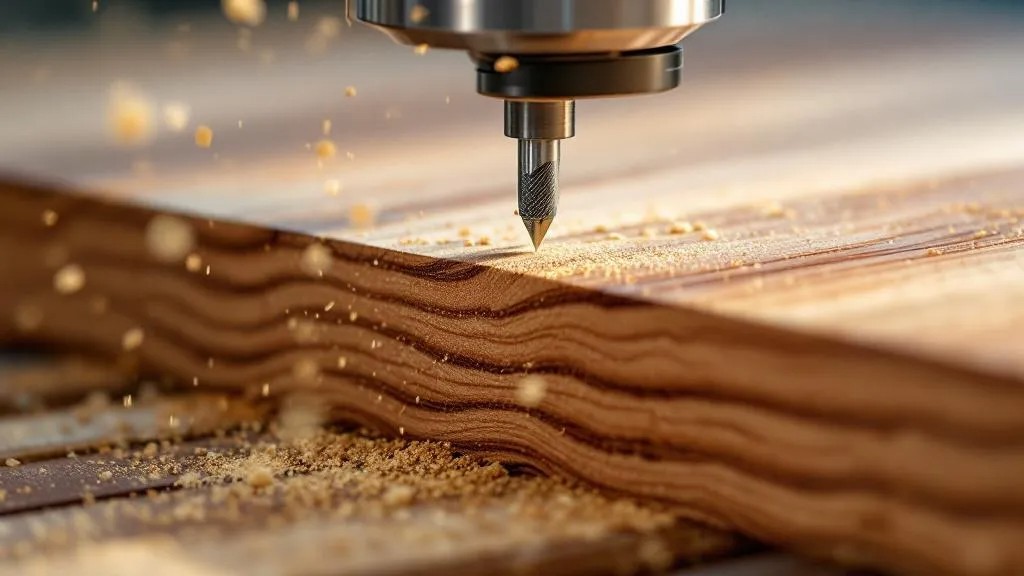
The Specifics of Radius Milling for Creating Rounded Edges on Wooden Products
The Specifics of Radius Milling for Creating Rounded Edges on Wooden Products Radius milling, or edge rounding, is one of the most sought-after and critically important stages in producing high-quality wooden
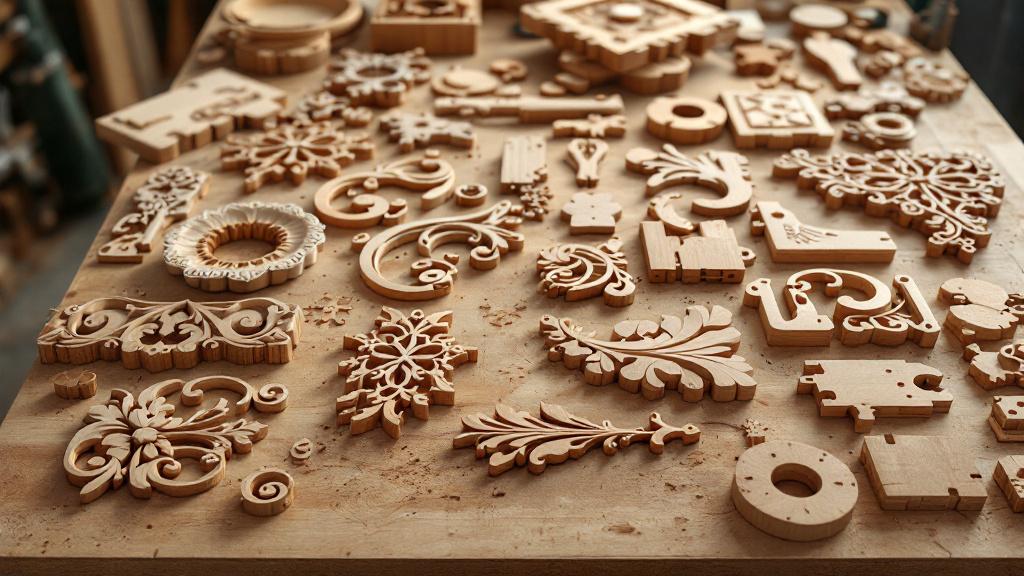
The Role of Milling in Making Decorative and Functional Wooden Parts
The Role of Milling in Making Decorative and Functional Wooden Parts Wood is a material that people have been using for thousands of years. It is valued for its natural
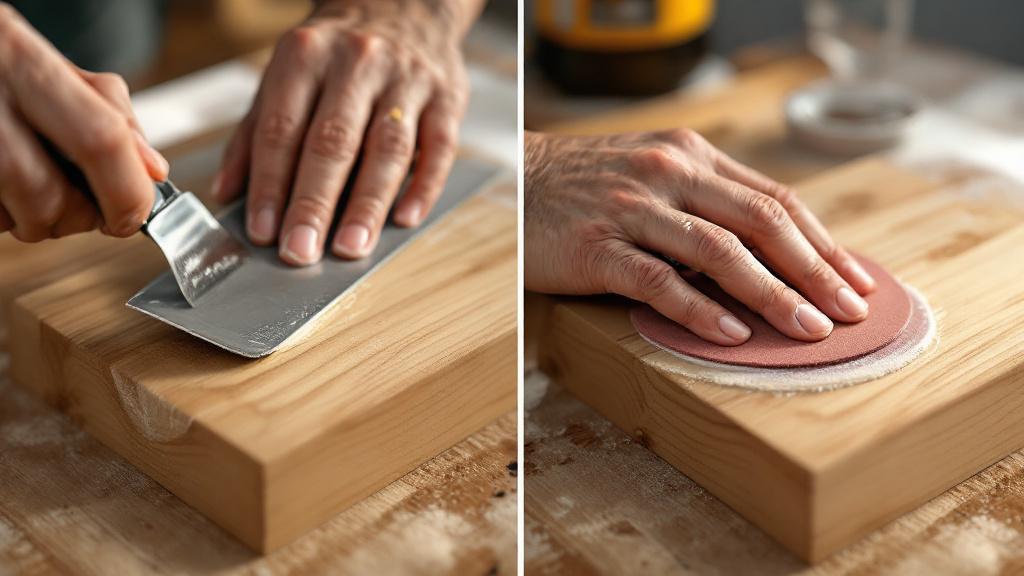
Stages of Filling and Sanding Wooden Products: Creating a Flawless, Even Surface
Stages of Filling and Sanding Wooden Products: Creating a Flawless, Even Surface Woodworking is not merely a mechanical process but a true craft, in which every stage is decisive for the

The synthesis of wood and metal: technological aspects of combining wood and aluminium to create durable products
The synthesis of wood and metal: technological aspects of combining wood and aluminium to create durable products In the field of professional woodworking, the search for the ideal material often leads