

Wooden sports goods
Wooden sports goods are apparatus and equipment for training, made from board materials: plywood, particleboard, MFC and MDF. Wholesale supply for gyms, schools and clubs includes gymnastic plyo boxes, vaulting boxes, steps, support blocks, balance boards and elements of children’s play complexes. Below you’ll find which products are made from wood, which species and materials go into them, how production works, how long the equipment lasts and how to place an order for your facility.
Manufacturing of wooden sports goods: our core focus and product range
Behind the phrase “wooden sports goods” lies a broad line-up of equipment for training and keeping fit. The very same item can be found in a professional fitness centre, a school gym and a home workout corner alike. The backbone of the range is gymnastic rings, wall bars, push-up handles, balance boards and other apparatus where a comfortable grip and safety under load come first.
You simply cannot make such equipment without precision: the health of whoever trains on it is at stake. That is why structural strength, a safe grip and the ability to withstand intensive loads take priority — the apparatus has no right to fail on the next rep. At the same time, wood also wins on looks: its warm texture sets a completely different mood in a gym or studio than cold metal and plastic.
At TigerWood, quality is monitored across the entire chain — from the choice of timber to the final finish. The products come out durable, reliable and pleasant to look at, which is why they are equally popular with professional gyms and with amateurs setting up training at home. In the sports equipment market, it is precisely this balance of strength and appearance that keeps demand steady.
What matters to our clients and partners

Professional team
Experienced craftsmen, engineers and CNC operators. Thorough quality control at every stage

Flexibility and a tailored approach
We adapt to any task: we work from your drawings or develop the cutting and machining program ourselves

End-to-end approach
We offer the full range of woodworking services — from sawing to painting and assembly

Wide delivery coverage
We work with clients across many European countries. We help with logistics and packaging

Fast lead times
Large-scale production and streamlined processes let us complete even complex orders quickly

Modern equipment
We work with panel saws, CNC machines, routers and sanding machines
Features of manufacturing wooden sports goods: the key points
Manufacturing wooden sports equipment has its own specifics, and they are tied to function. It is not enough to choose a strong, wear-resistant material — it has to withstand repeated loads and remain comfortable to grip throughout the whole workout. Rings, wall bars and balance boards are fitted with reliable mountings and their shapes are ergonomically thought through: rounded edges, the right grip diameter, no splinters — all of this works to ensure the apparatus never becomes a cause of injury.
A separate matter is the species of wood. Hardwoods are used for sports equipment: oak, ash and birch. They are dense, hold up well under load and do not work loose from constant use. The blank is then always treated with protective compounds against moisture and temperature swings — without this, even strong timber will crack over time, and an apparatus that bears a person’s weight cannot be allowed such a weakness.
Another feature of this kind of production is working to a specific order. Equipment is made to individual dimensions and requirements: to suit the gym’s ceiling height, the age of the children in a club, or the size of a home corner. This lets you assemble a solution exactly for the facility, rather than fitting the space around a standard apparatus that either won’t fit or sits idle.


Wooden sports goods: other product subcategories
Beyond the obvious rings, wall bars and balance boards, the range of wooden sports goods is noticeably wider. It also includes jump platforms, sports benches and equipment for Pilates and yoga. Many of these items rarely make the top line of a catalogue, even though a real club or studio can’t do without them — they cover everyday exercises, not just the eye-catching strength moves.
There are also more niche products: yoga mats on a wooden base, stands for fitness equipment and cardio-machine elements with wooden parts. Such items are valued where not only the training result matters but also the look of the space — wood holds its quality and service life, yet looks warmer and more premium than solid plastic and fits easily into a studio interior.
Wood has a property that metal and plastic lack — it creates a sense of comfort. In a gym where the equipment is made of a warm material, a workout feels calmer and more pleasant, and that directly affects whether a person comes back. For a fitness studio, wooden equipment also works as part of the brand image: neat solid-wood apparatus is memorable and sets it apart from a generic gym full of identical metal.

Within wooden sports goods, several subcategories stand out, each with its own logic of use. The short breakdown below will help the customer get oriented faster and choose what their gym, club or home actually needs, rather than taking everything at once by name alone.
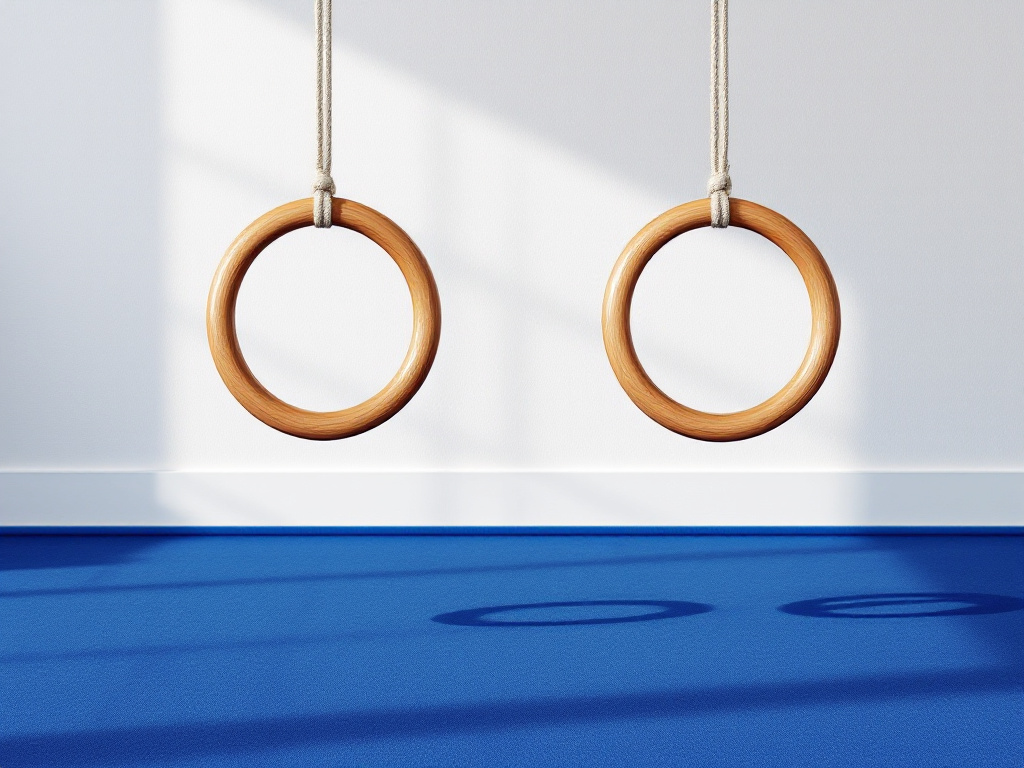
🤸 Gymnastic rings — are just about the most versatile piece of apparatus, equally at home in a professional gym and in a doorway at home. They are made from strong timber and fitted with reliable mountings and adjustable straps. Working on rings builds strength and coordination and engages the muscles of the whole body at once, rather than a single isolated group.
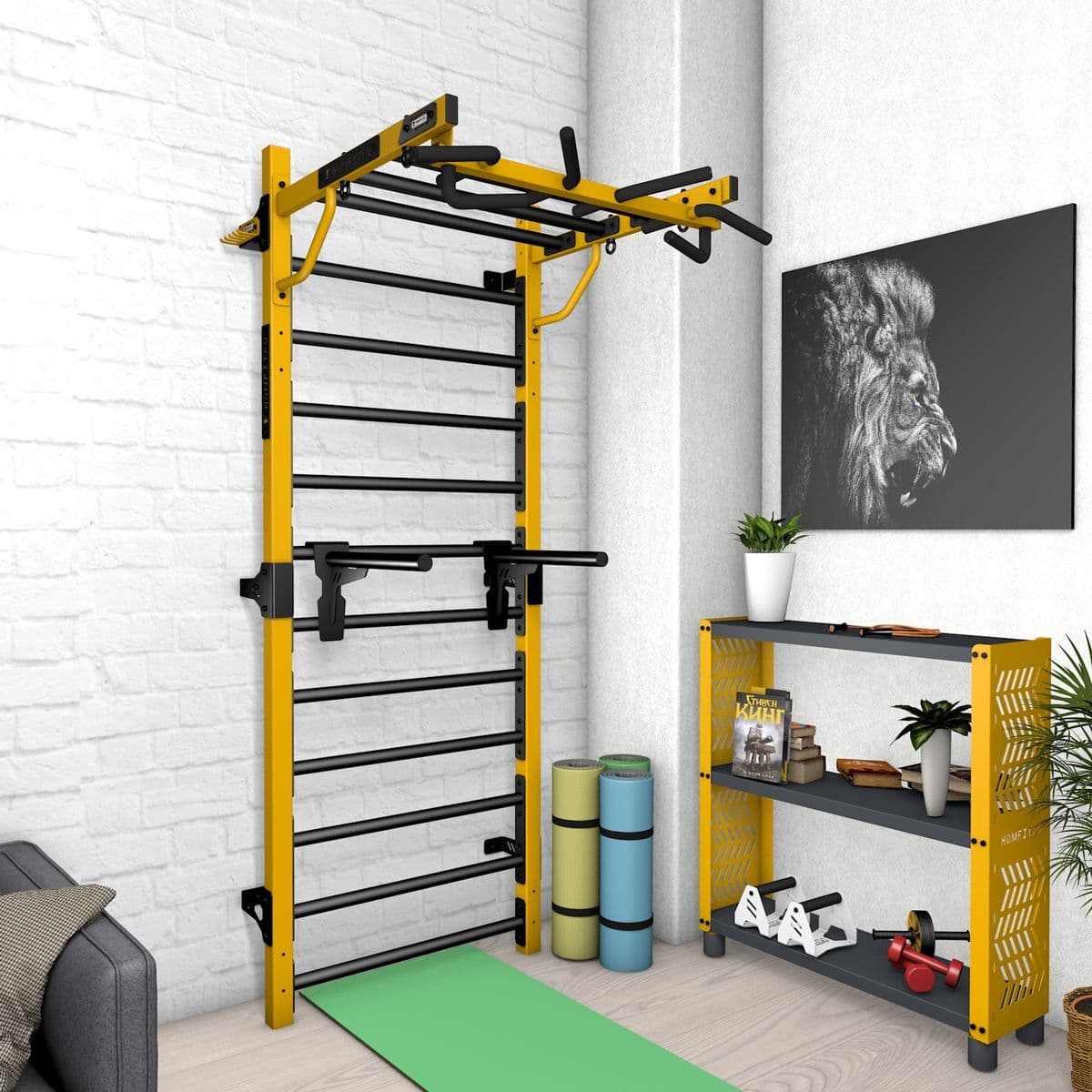
🧗 Wall bars — are the base for training flexibility and strength, and can be built up with modules. Pull-up bars, ropes and add-on sections for pull-ups and dips are attached to the wooden frame, turning it into a small gym complex on a single frame. That is exactly why wall bars are firmly established in schools, children’s clubs and gyms where a stream of people train on them.
💪 Push-up handles — are a small but useful piece of apparatus for working the upper body. They let you deepen the movement and increase the range of motion, which makes the load more intensive while the wrists work in a more natural position. Made from quality wood, the handles are strong and stable, so they don’t slide out under weight or create a risk of slipping off mid-push-up.
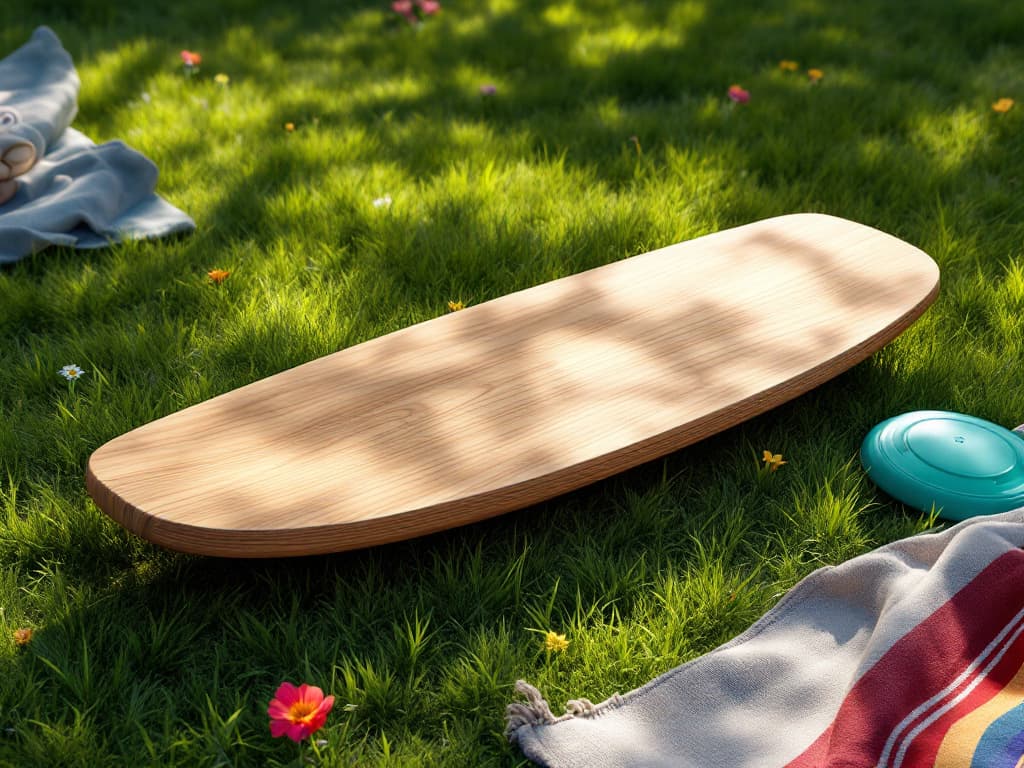
🌀 Balance boards — are apparatus for coordination and balance, loved by professionals and beginners alike. They engage the leg muscles and the deep stabilising groups that are barely used on ordinary machines. The design of wooden balance boards is simple and compact, so they are easy to carry, tuck under the bed or take with you — an ideal option for home workouts.
The types of wood and sheet-material processing we use
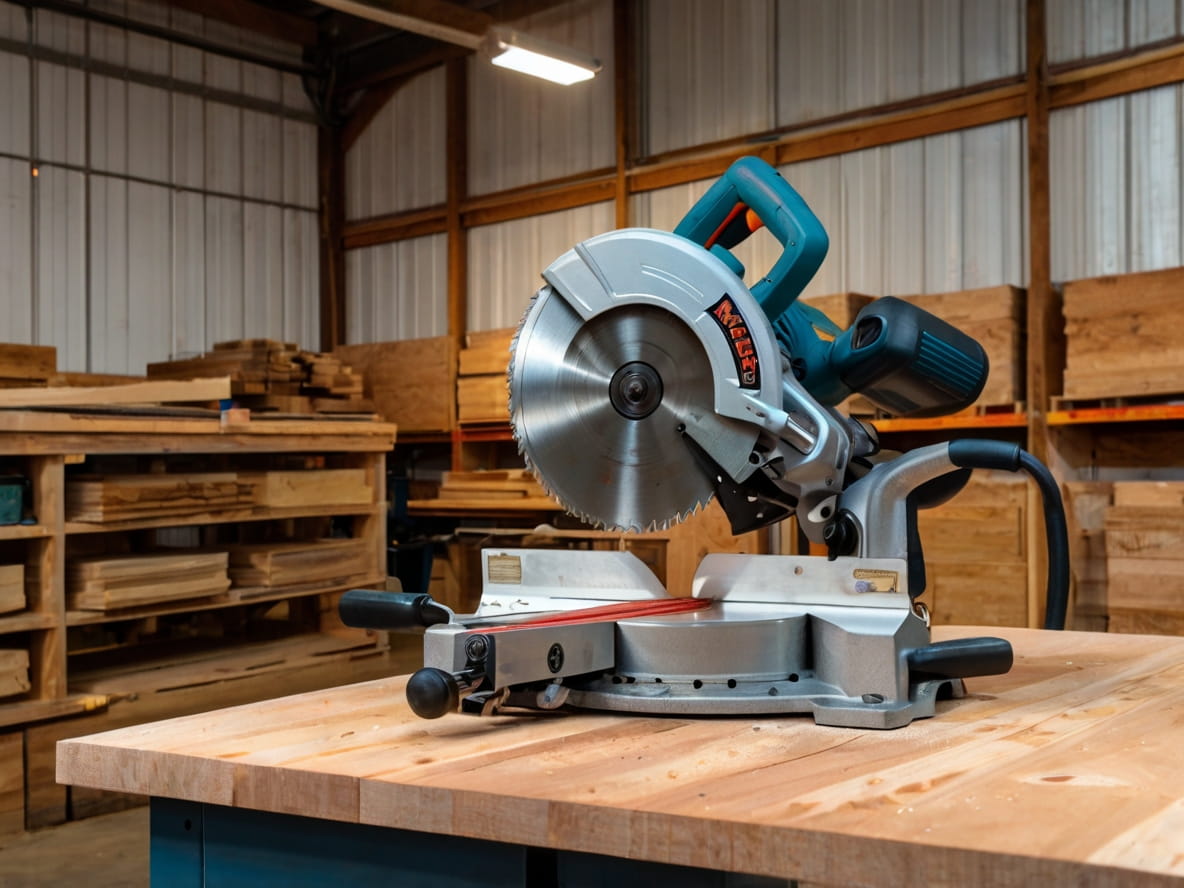
Cutting
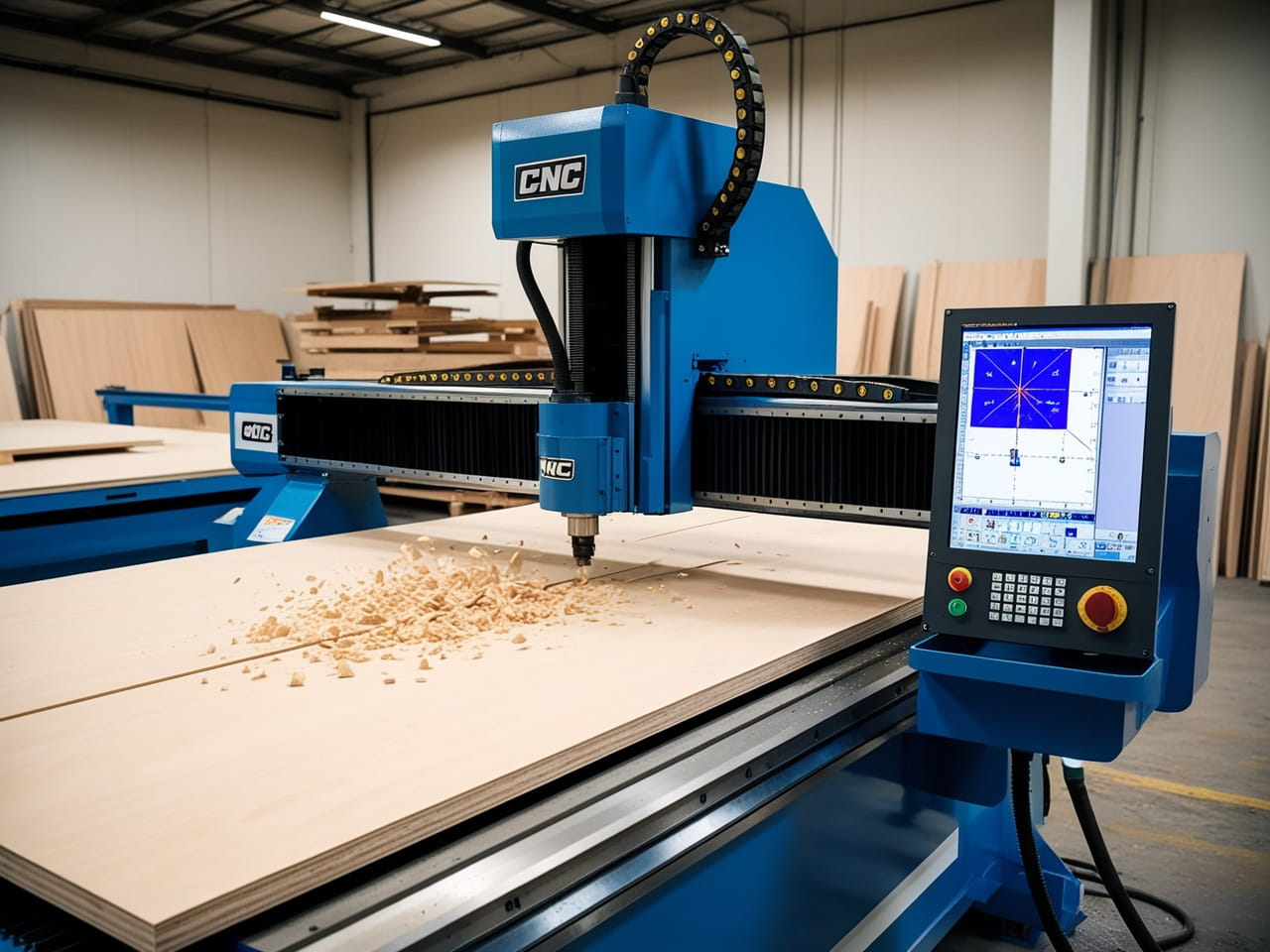
CNC

Cross-cutting

Drilling
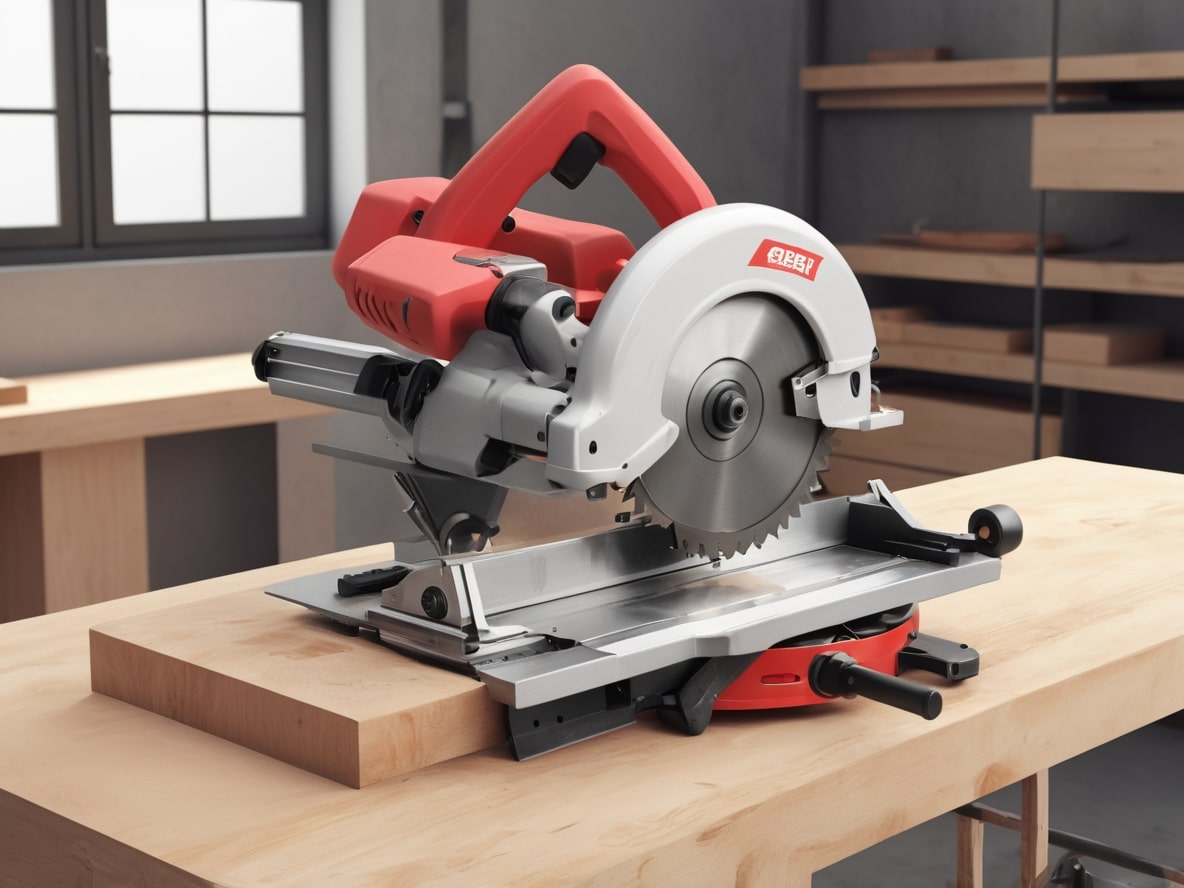
Sawing

Ripping

Machining
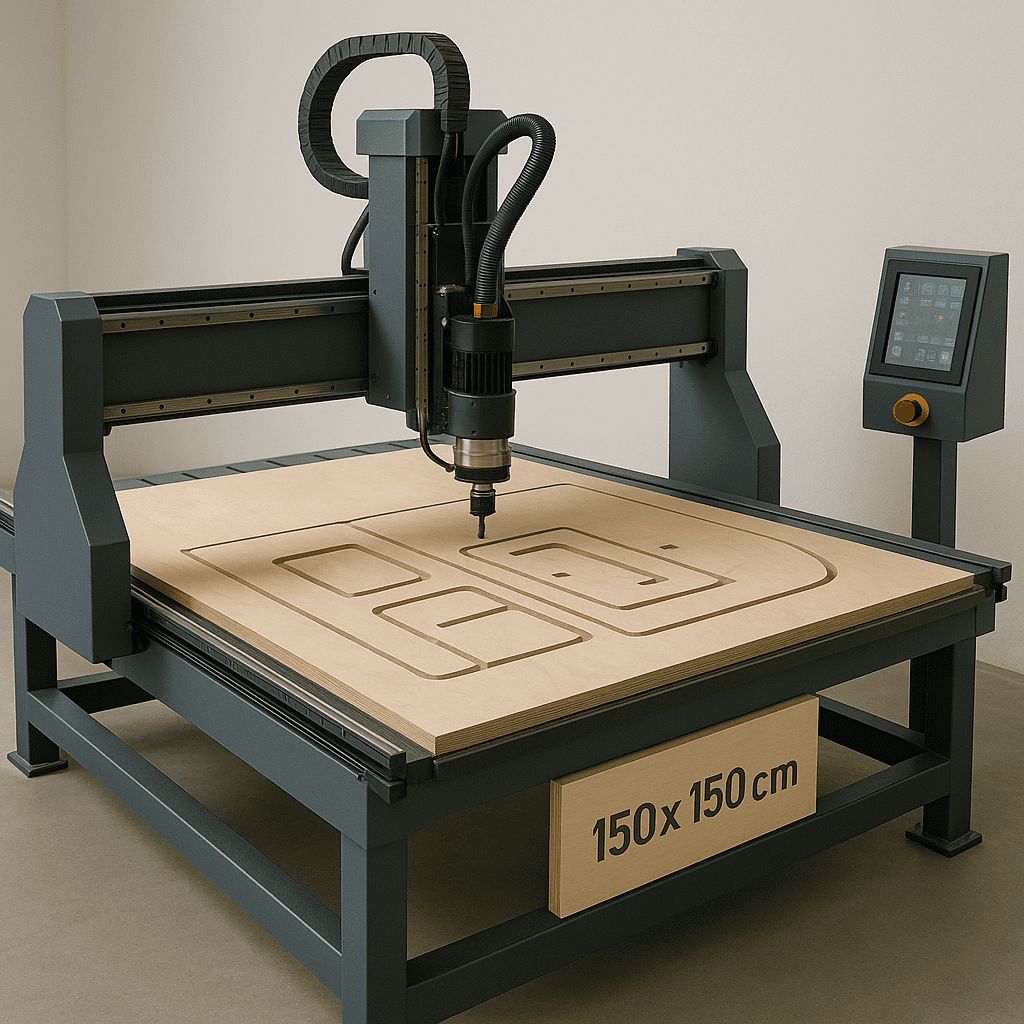
Cutting to size
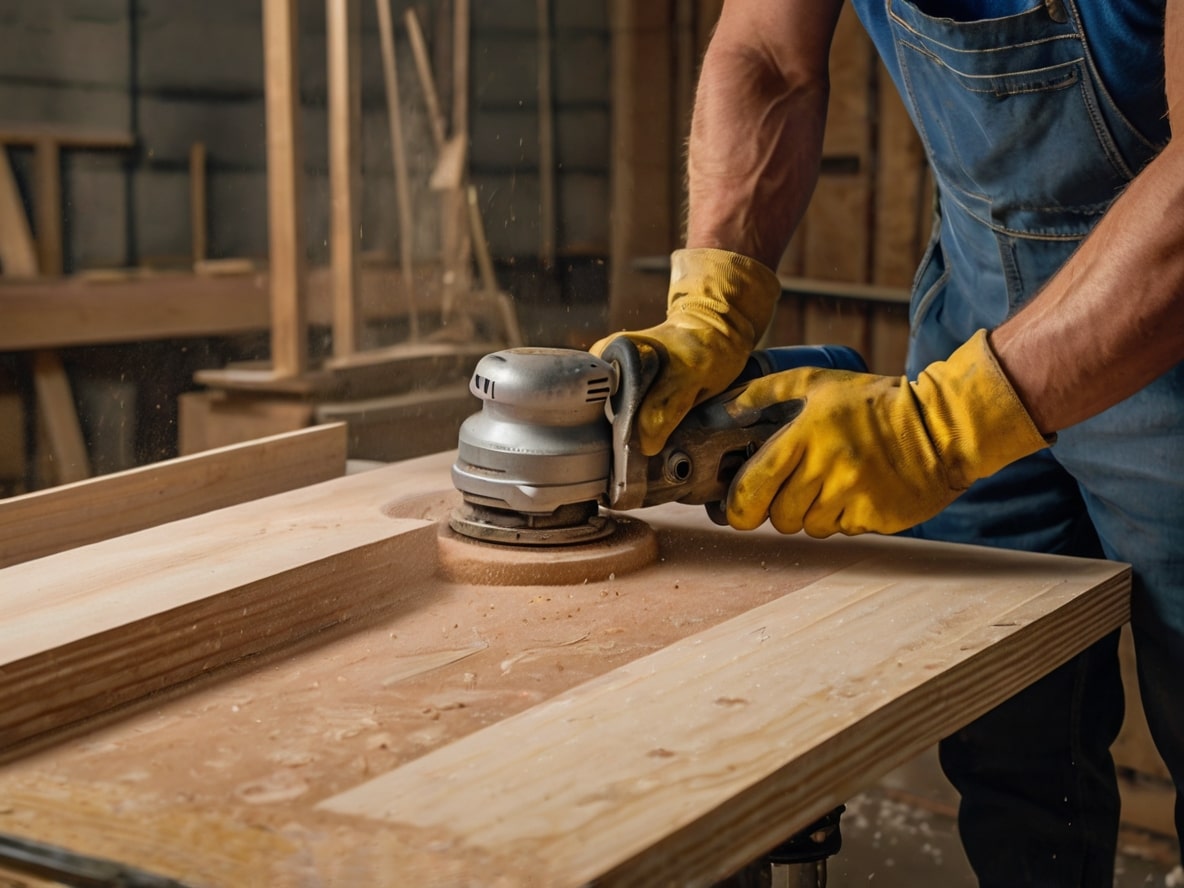
Sanding
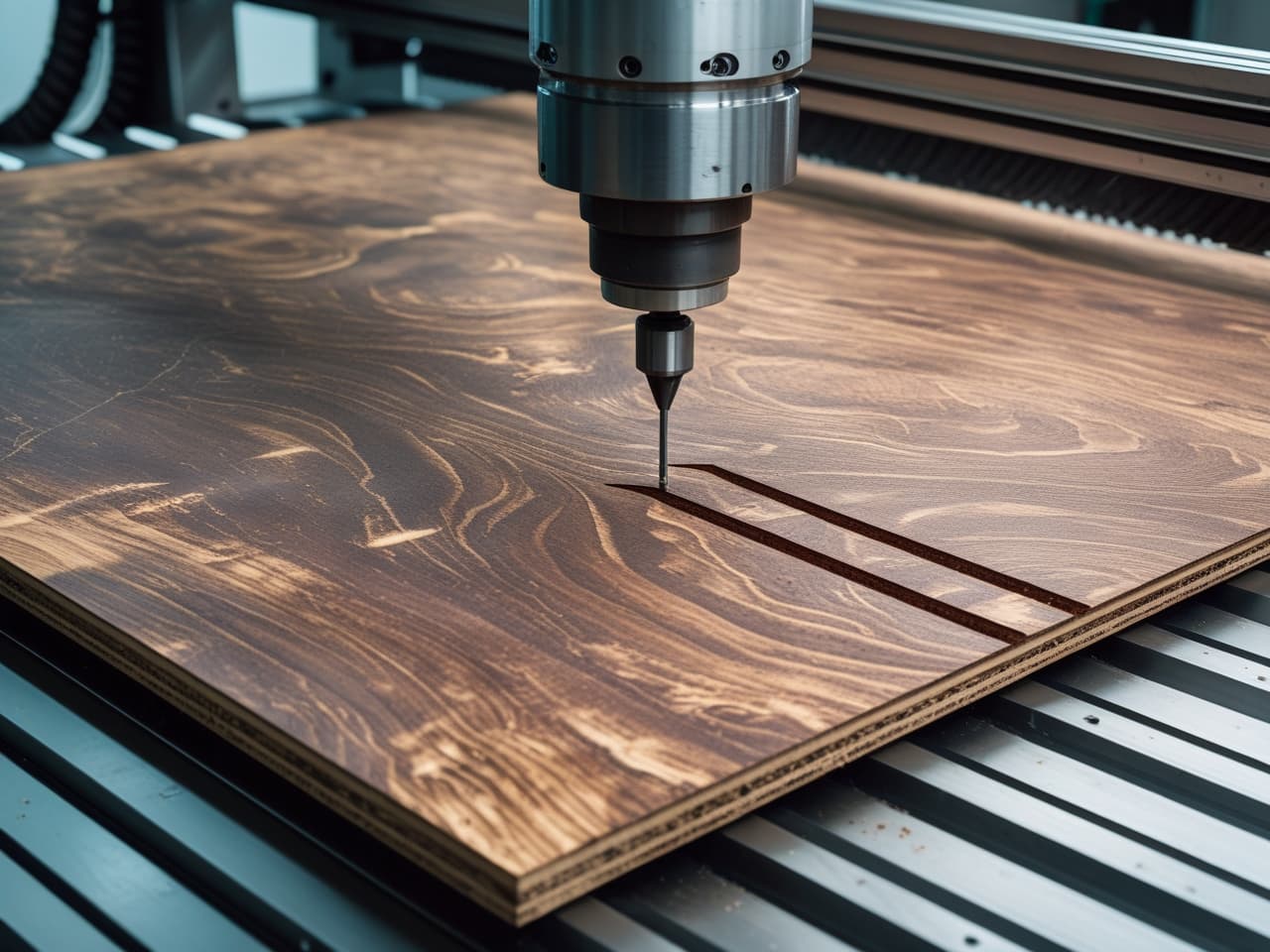
Grooving
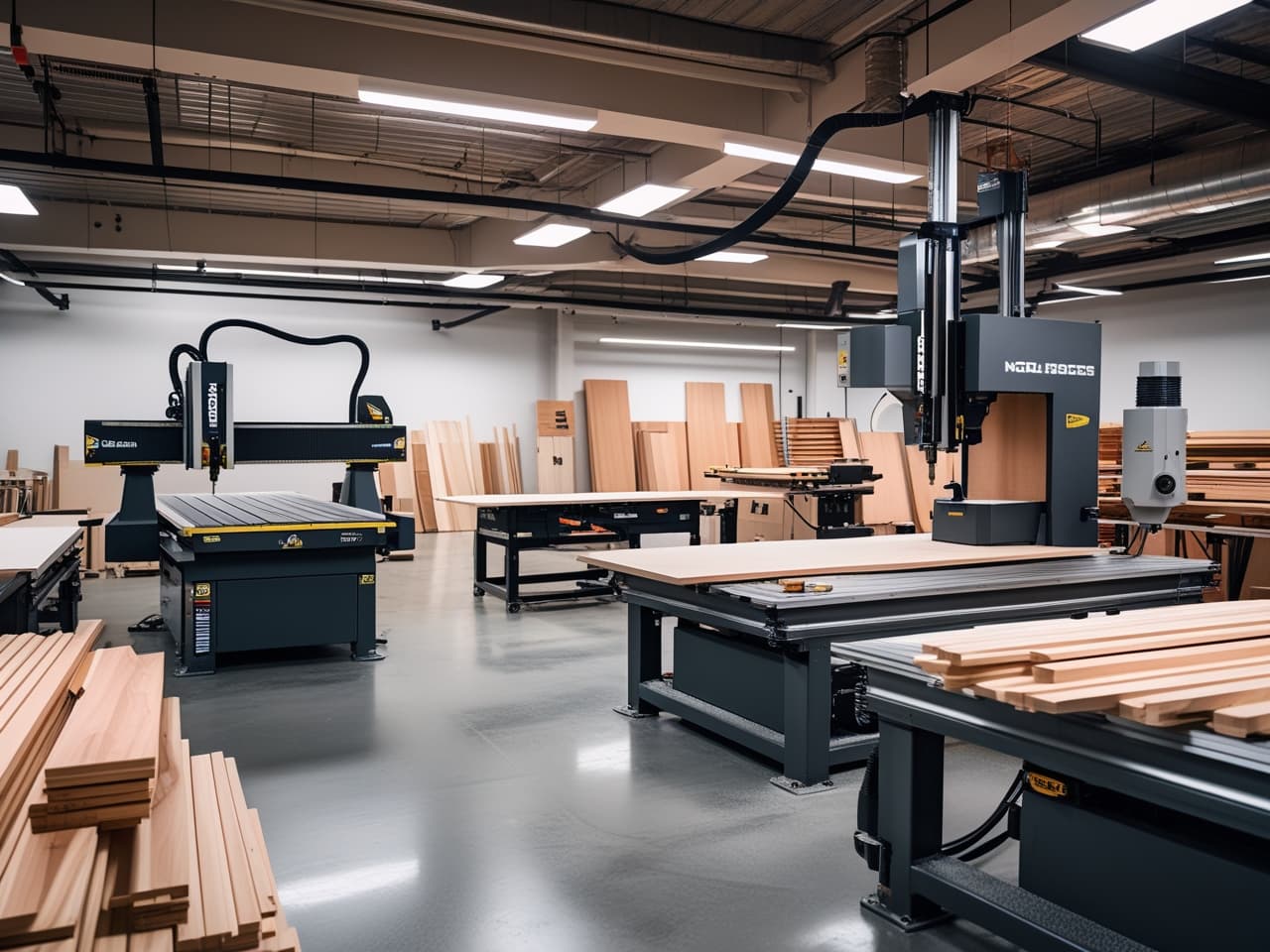
Milling

Painting
How the material is handled in the manufacture of sports goods
Work on sports equipment starts with the material, and here there are no trifles. At TigerWood, only quality timber that has passed strength and durability checks goes into production — an apparatus that bears a person’s weight has no right to be assembled from a random board. Most often hardwoods are used: oak, birch and ash. They are dense and cope well with the cyclic load that repeats thousands of times on training apparatus.
Every part is prepared in advance so that cracks and warping don’t appear later. The wood is impregnated with an antiseptic — it seals the material against moisture, fungus and other adverse factors, which is especially important for equipment in a humid gym with showers nearby. The finish is lacquer or oil: the coating not only refreshes the look but also improves wear resistance, while a smooth surface at the same time protects the palms from splinters and chafing.
At every stage two things are kept in mind — safety and function. Because of this, the finished apparatus and accessories turn out not just handsome but comfortable in real use: the right grip diameter, a stable base, no sharp edges. Beauty here is secondary to making the apparatus comfortable and non-intimidating to use.
The production stages of woodworking and manufacturing
Stages in the manufacture of wooden sports goods
The manufacture of wooden sports equipment is split into several stages, and each affects the outcome in its own way. Skipping or rushing any of them means ending up with an apparatus that either quickly fails or turns out to be unsafe. Below is what this chain looks like, from board to finished product.
🌳 Stage one — choosing the timber. Once the requirements for the product are known, the species is selected to suit the load and purpose. The blank is checked for strength, moisture content and absence of defects, and then cut to the dimensions of the specific apparatus. A mistake at this step carries on down the whole chain, so the raw material is selected strictly.
🪚 Stage two — processing. The part is sanded and brought to a smooth, even surface with no splinters. For sports equipment this is not cosmetics but safety: a rough edge chafes the palms, and a protruding splinter can wound you right in the middle of an exercise. That is why the surface is finished with particular care.
🔩 Stage three — assembly. The apparatus itself is assembled from the finished parts. Joints are drawn together with reliable fasteners, which directly determine the strength of the structure under a person’s weight. At this point additional elements are also fitted: mounts for pull-up bars, ring mechanisms, adjustable straps — everything that makes the apparatus functional and adjustable to the user.
🎨 Stage four — finishing. The assembled product is coated with protective compounds that shield the wood from moisture and wear. This step combines décor and protection: the apparatus gains a finished look and, at the same time, a reserve of service life. For equipment that stands in a humid gym or is taken outdoors, it is often the coating that decides how long it will last.
Advantages of working with TigerWood on the manufacture of wooden sports goods
Working with TigerWood on sports equipment has several trump cards that make it convenient for the customer to run this particular order. The first is an individual approach. A solution is offered to fit the task, rather than trying to sell what already sits in the warehouse. Whether you need a standard wall bar or a custom apparatus for a specific gym, the quality and precision of workmanship are the same in both cases — only the amount of design work at the start differs.
The second trump card is the material. Only quality timber goes into production, and that is directly reflected in the equipment’s service life. Hardwoods, pre-treatment and protective coatings produce apparatus that isn’t afraid of constant load. For sports goods this is critical: a machine in a gym works every day, and cheap savings on material would turn into cracks and replacement within a single season.
The third is flexibility on timing. Large batches are handled without stretching out lead times, and delivery and installation are kept to a competitive schedule. Throughout it all, a real person stays in touch, ready to advise on the project and suggest how to make the apparatus more convenient or cheaper without loss of quality. For the customer’s business this means predictability: it’s clear when the equipment will arrive and who will answer questions along the way.


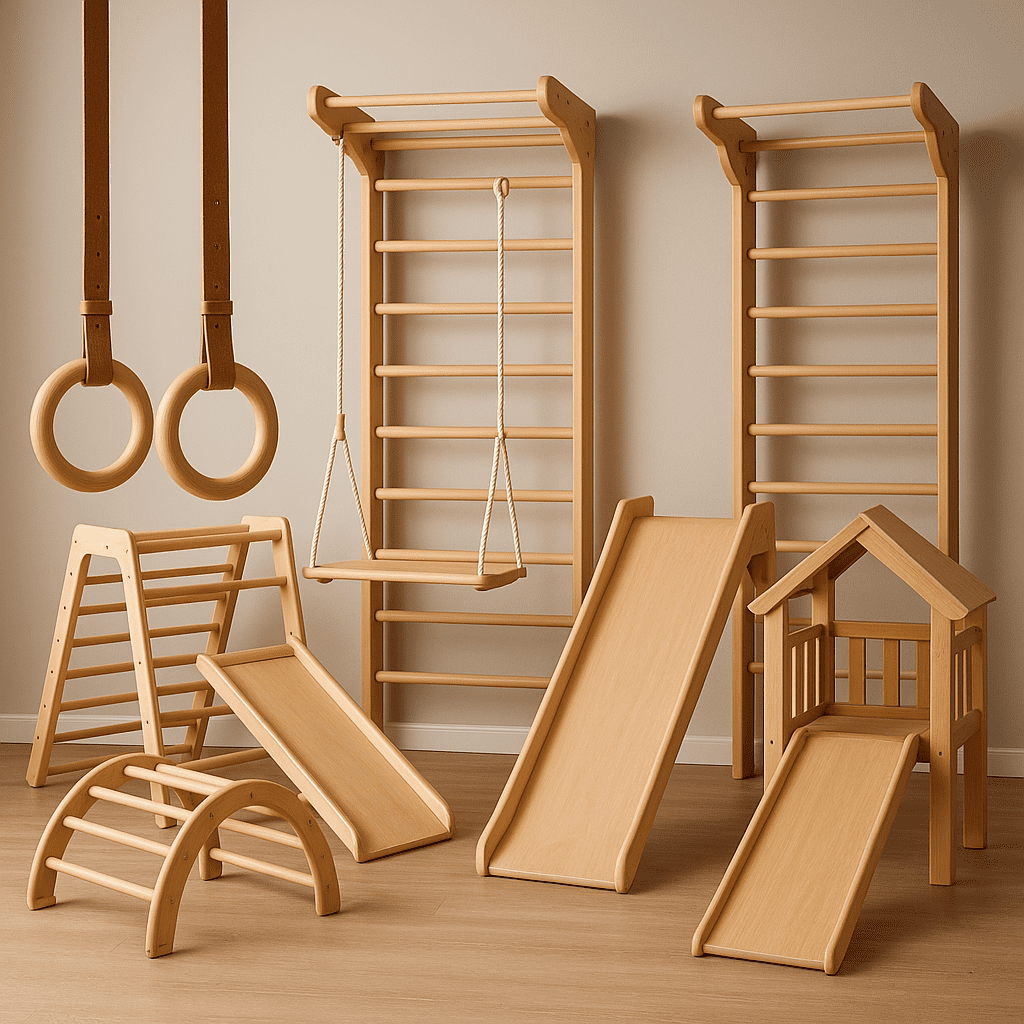

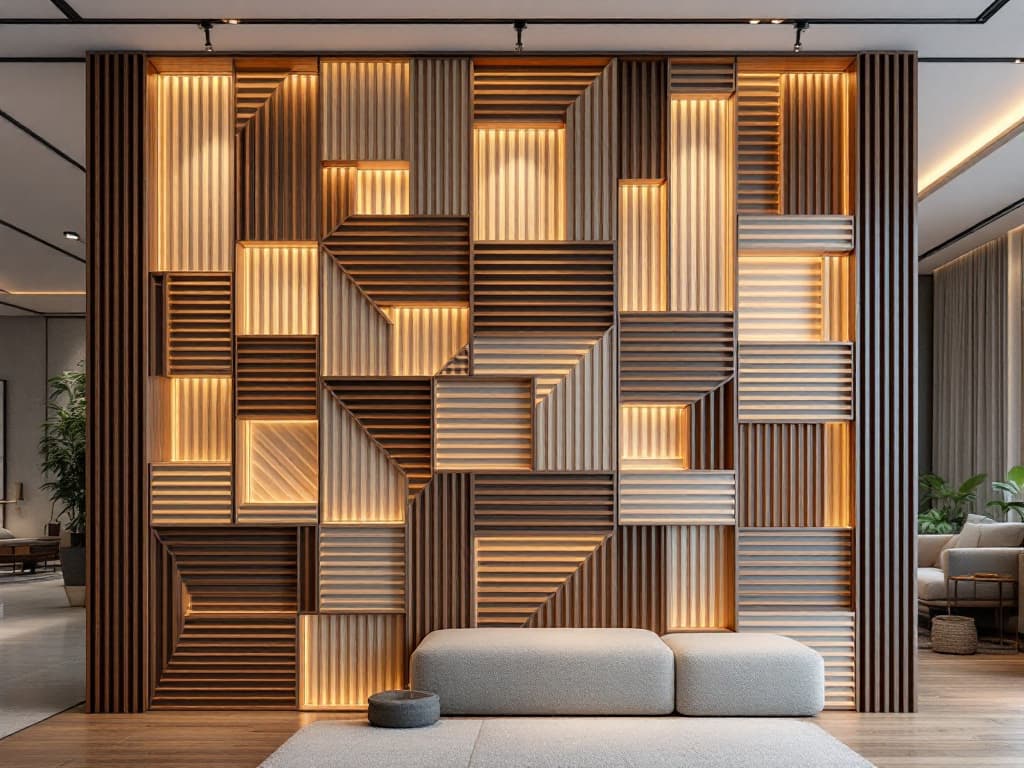
Varieties of wooden sports goods: other product categories
Besides rings, wall bars and balance boards, TigerWood has other categories of sports goods too — for gyms, studios, schools and home use. These are the items that complement the core equipment and let you kit out an entire facility from a single manufacturer, without piecing together apparatus from different suppliers with different quality and appearance.
For example, wooden sports benches — used both for stretching and for strength exercises. A bench can be fitted with built-in pull-up bars and ropes, turning a simple item into a multifunctional training station. This approach saves space in the gym: one bench covers several scenarios at once instead of three separate pieces of apparatus.
A separate group is cardio machines with wooden structures: treadmills, exercise bikes and similar devices that fit organically into a fitness centre’s equipment. They are chosen for their eco-friendliness and distinctive design — against a backdrop of solid plastic and metal, a wooden machine looks more premium and clearly sets apart a studio for which its own atmosphere matters.

Examples of our work and partner projects
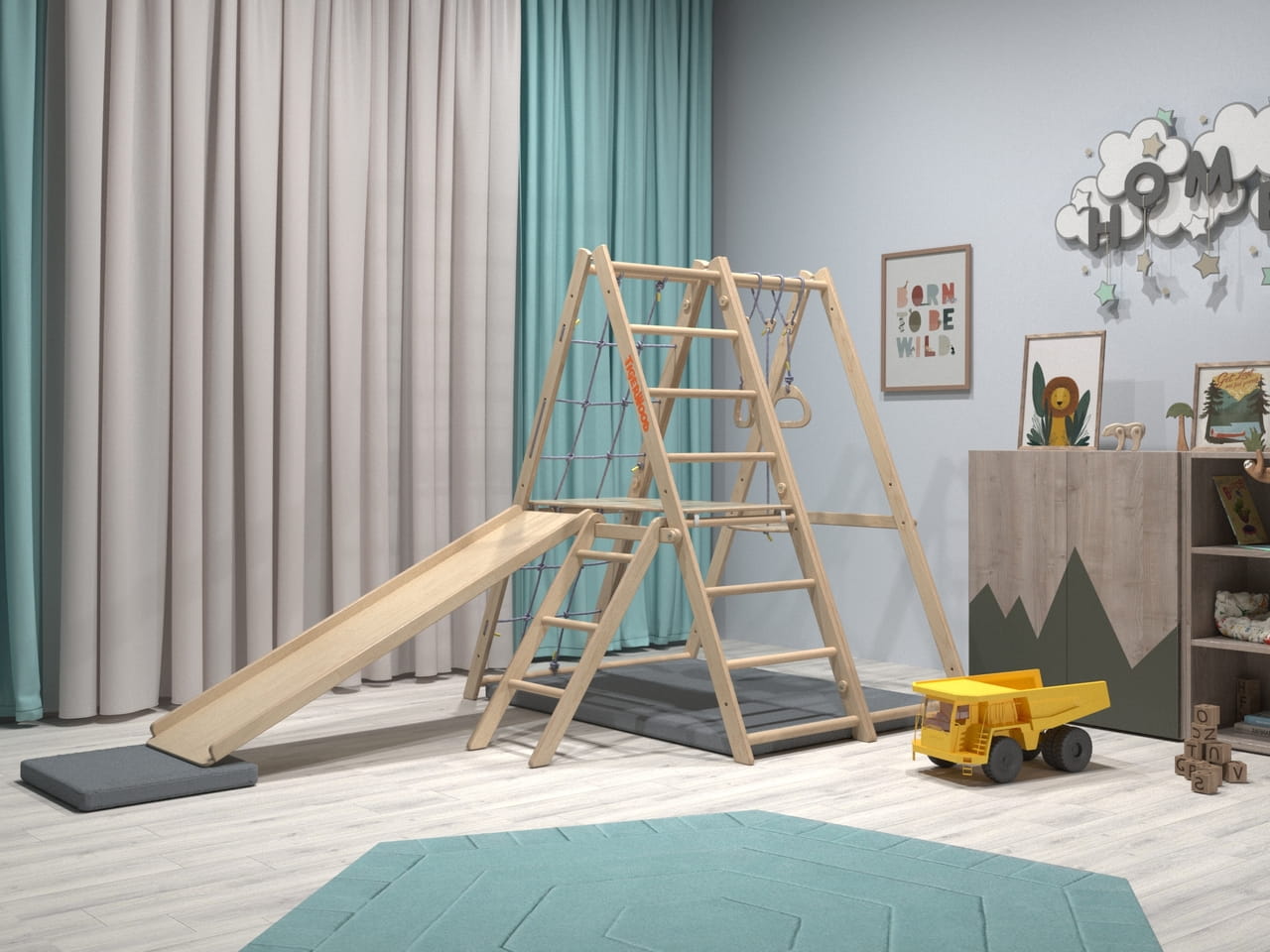
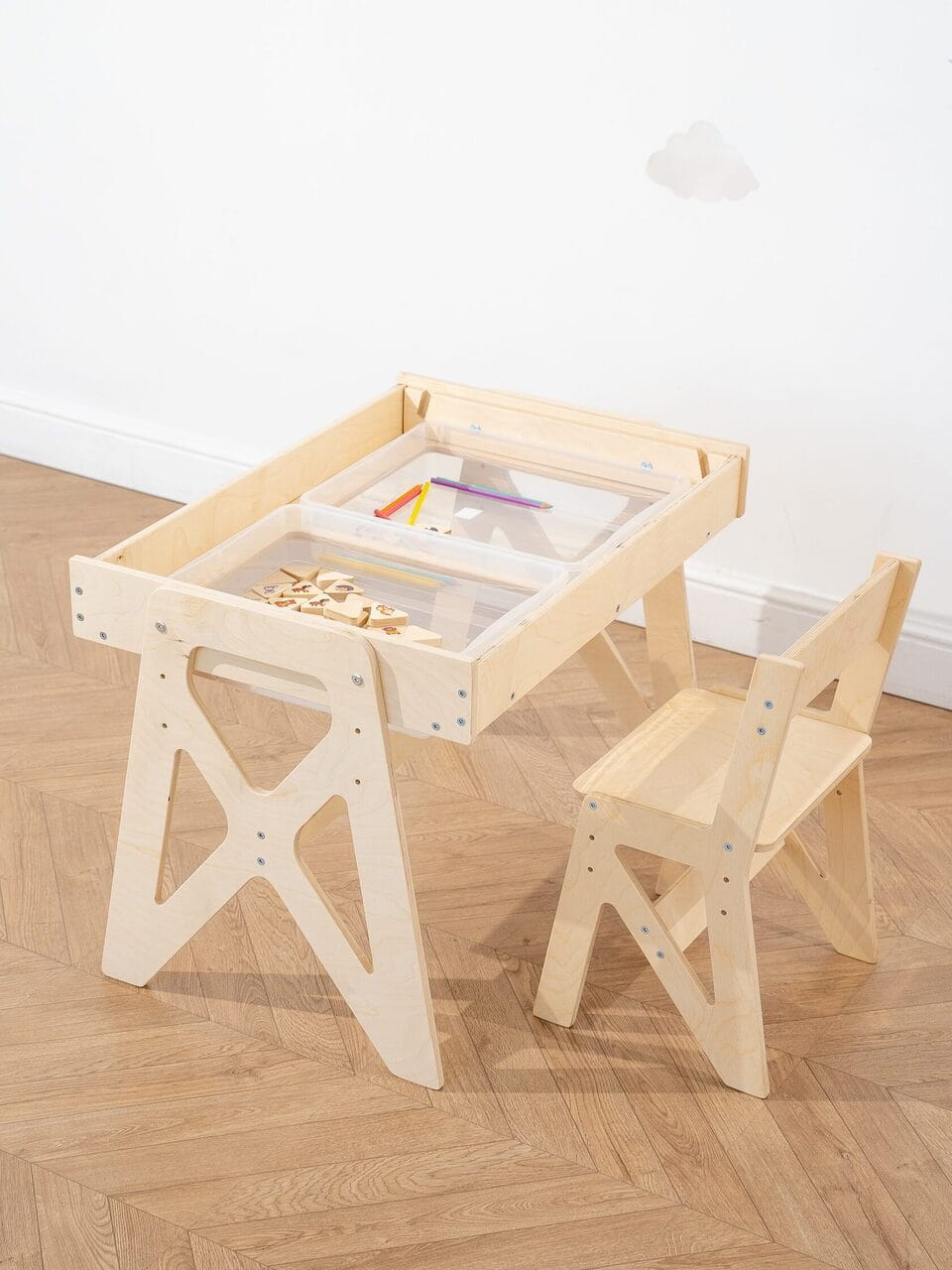
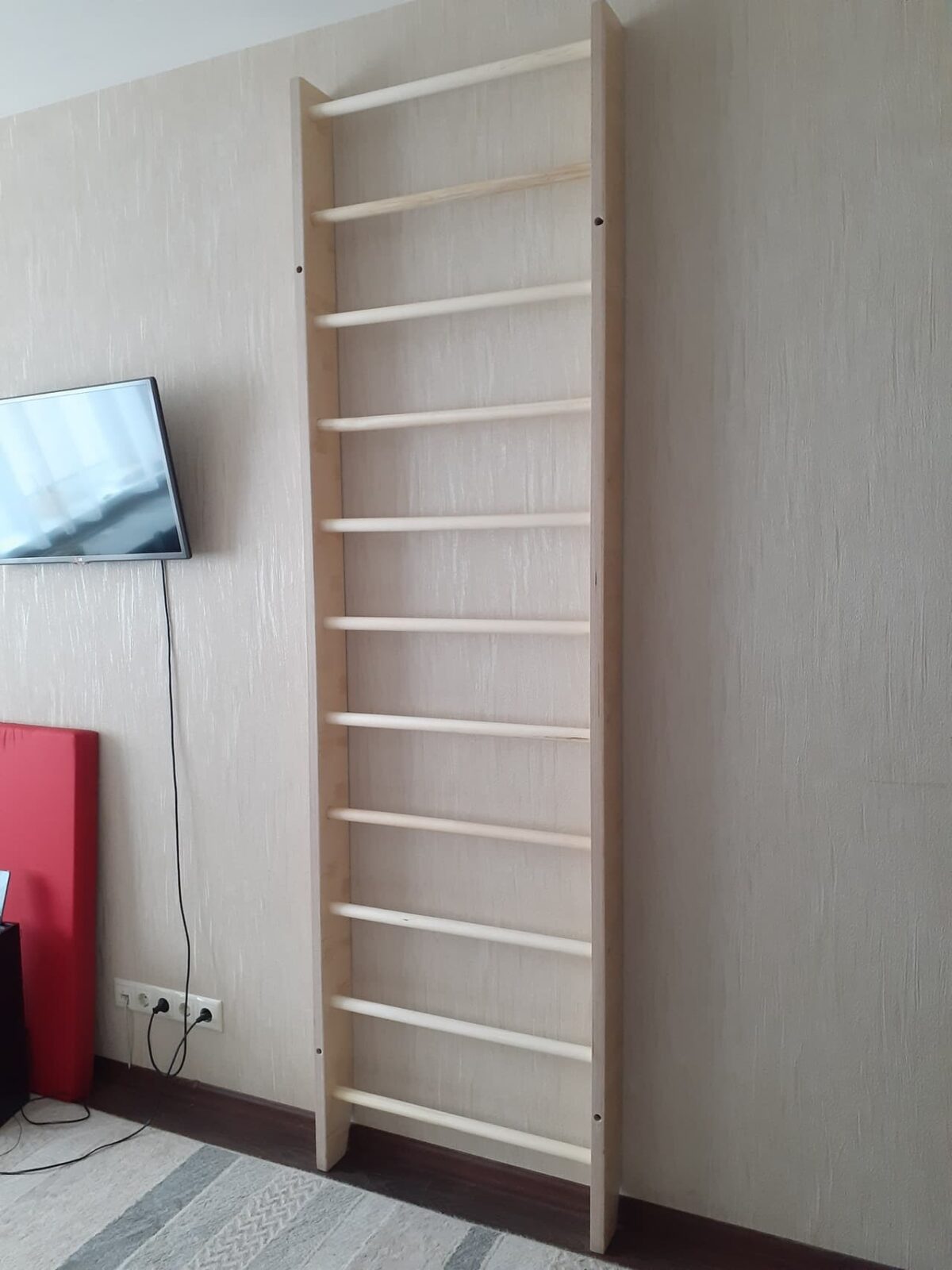

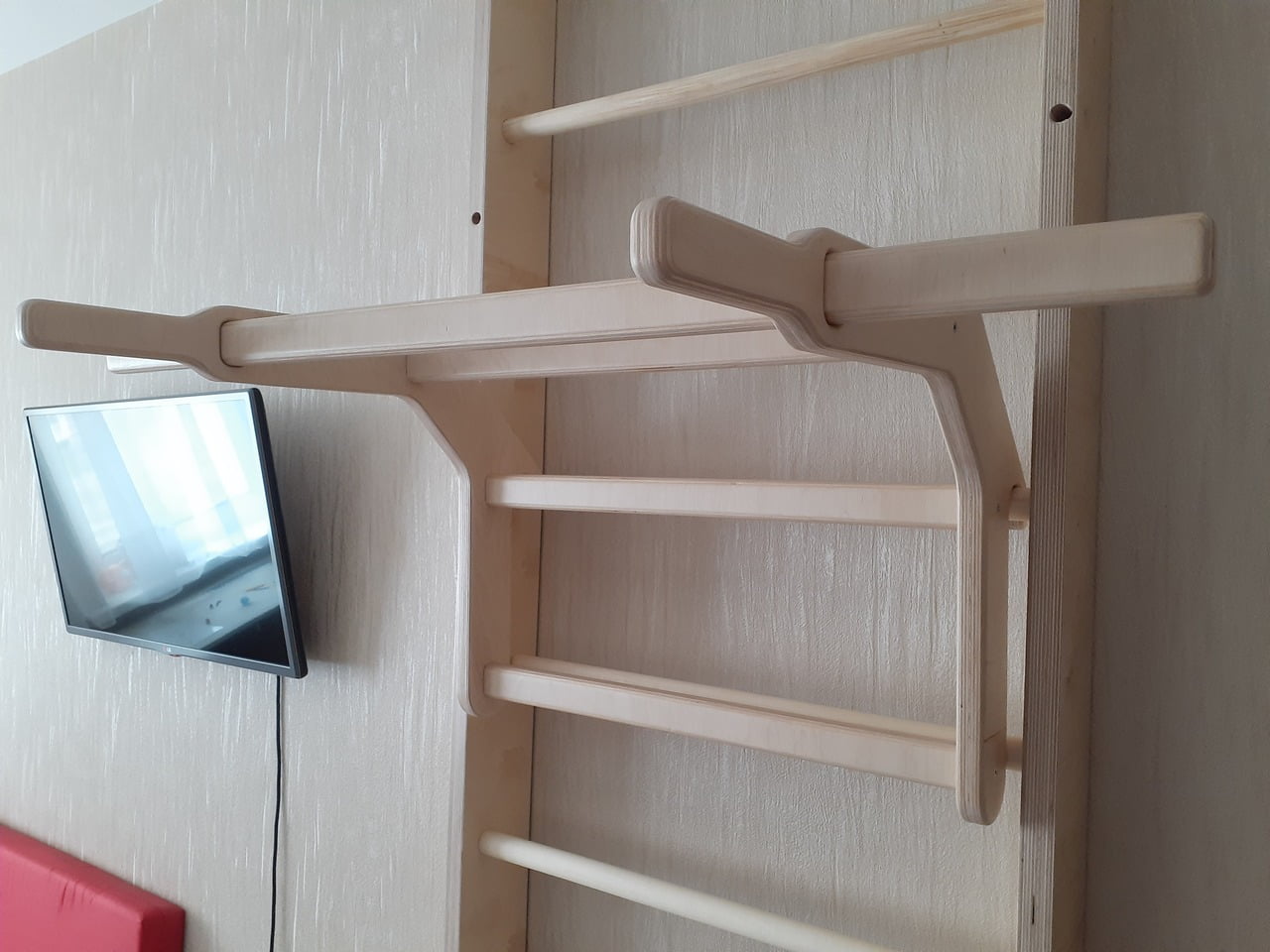
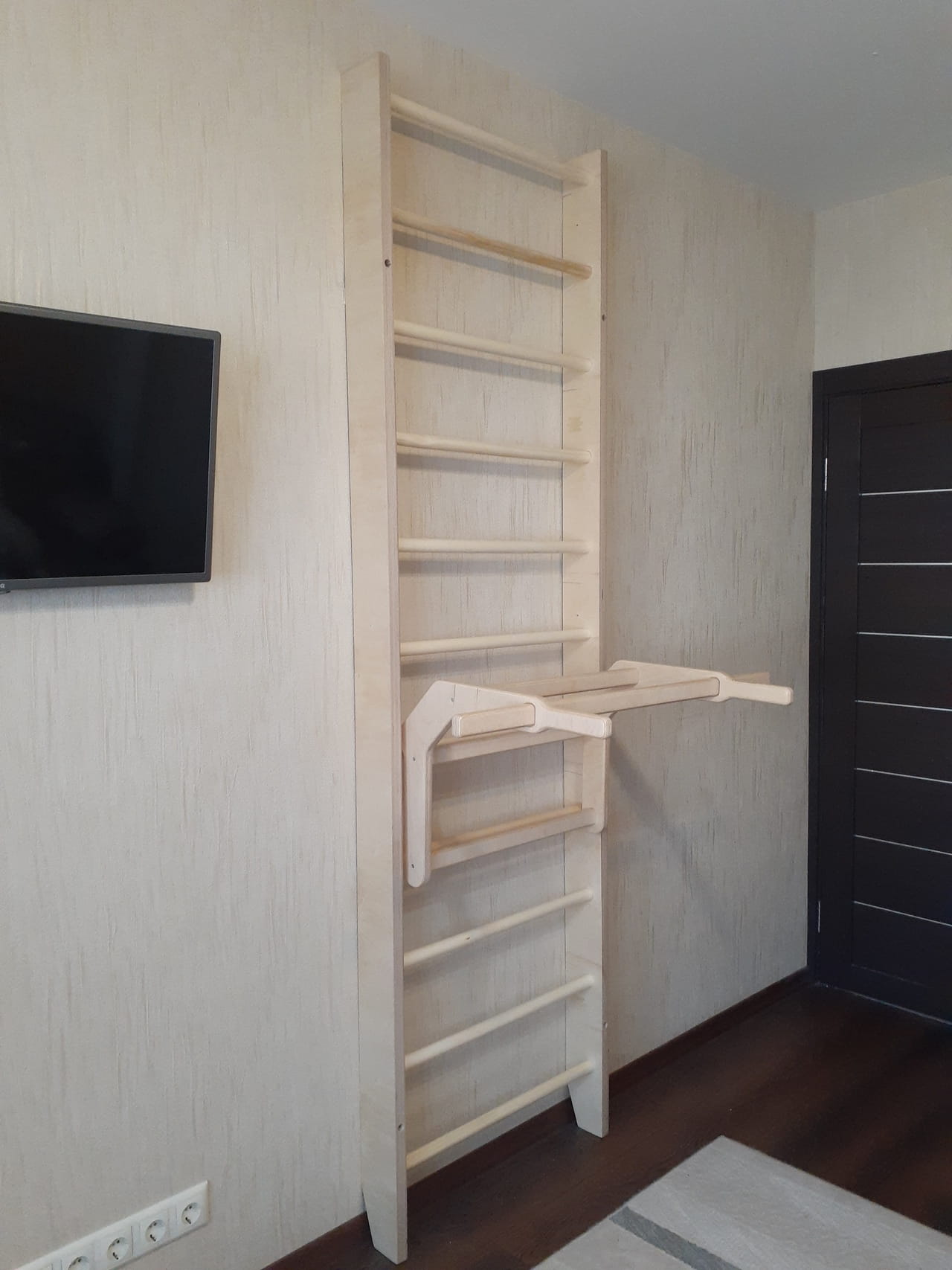


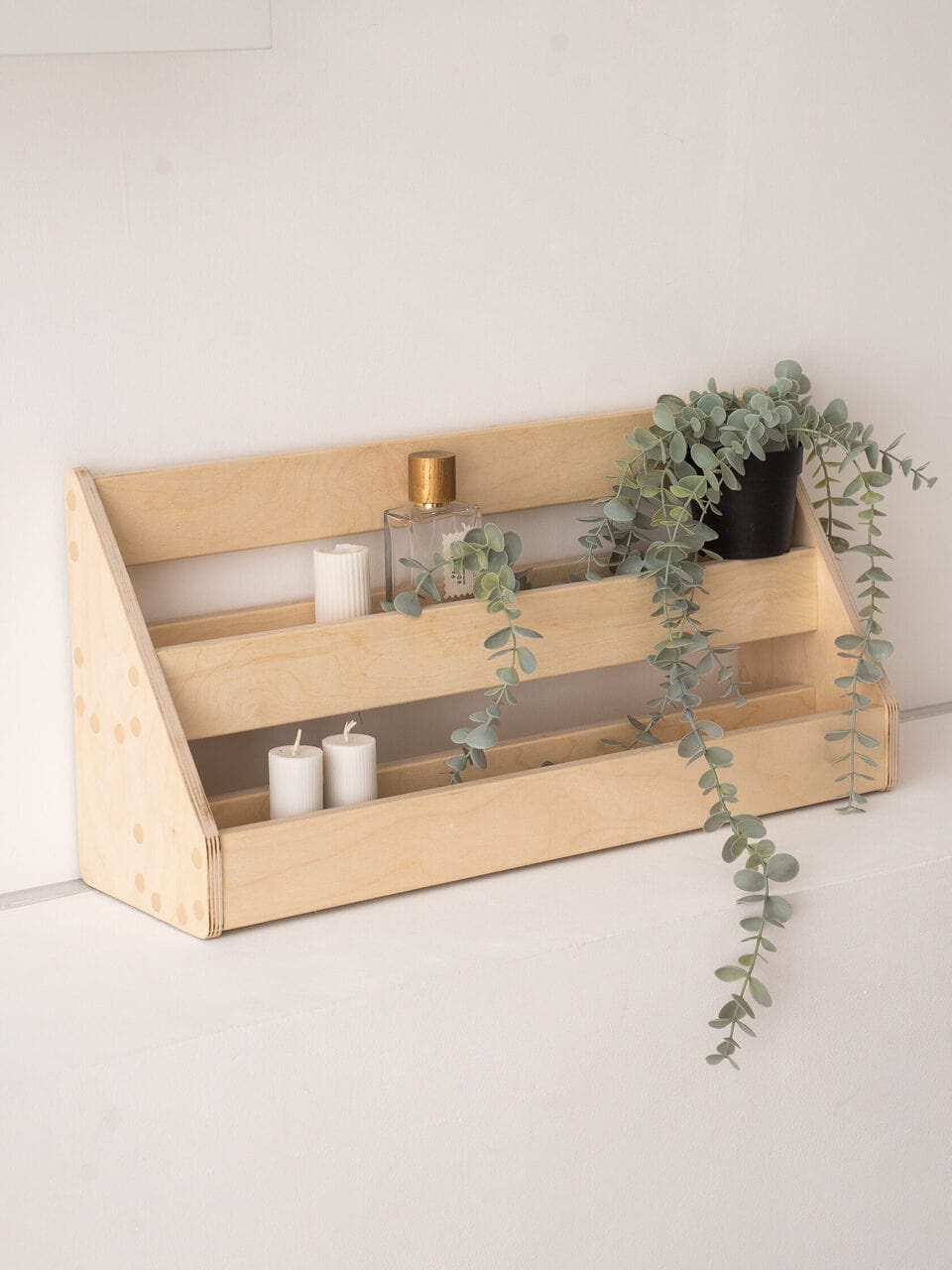
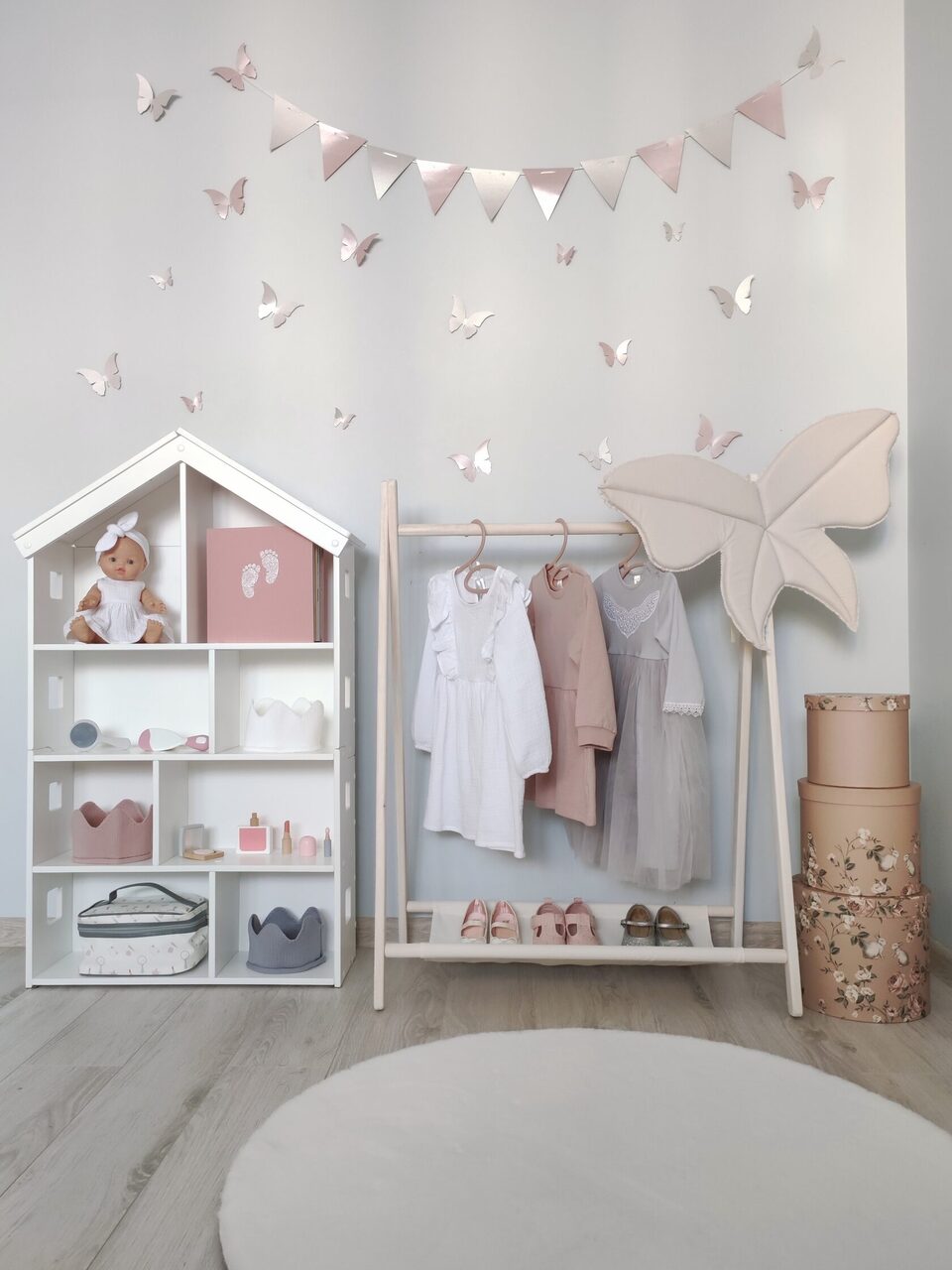
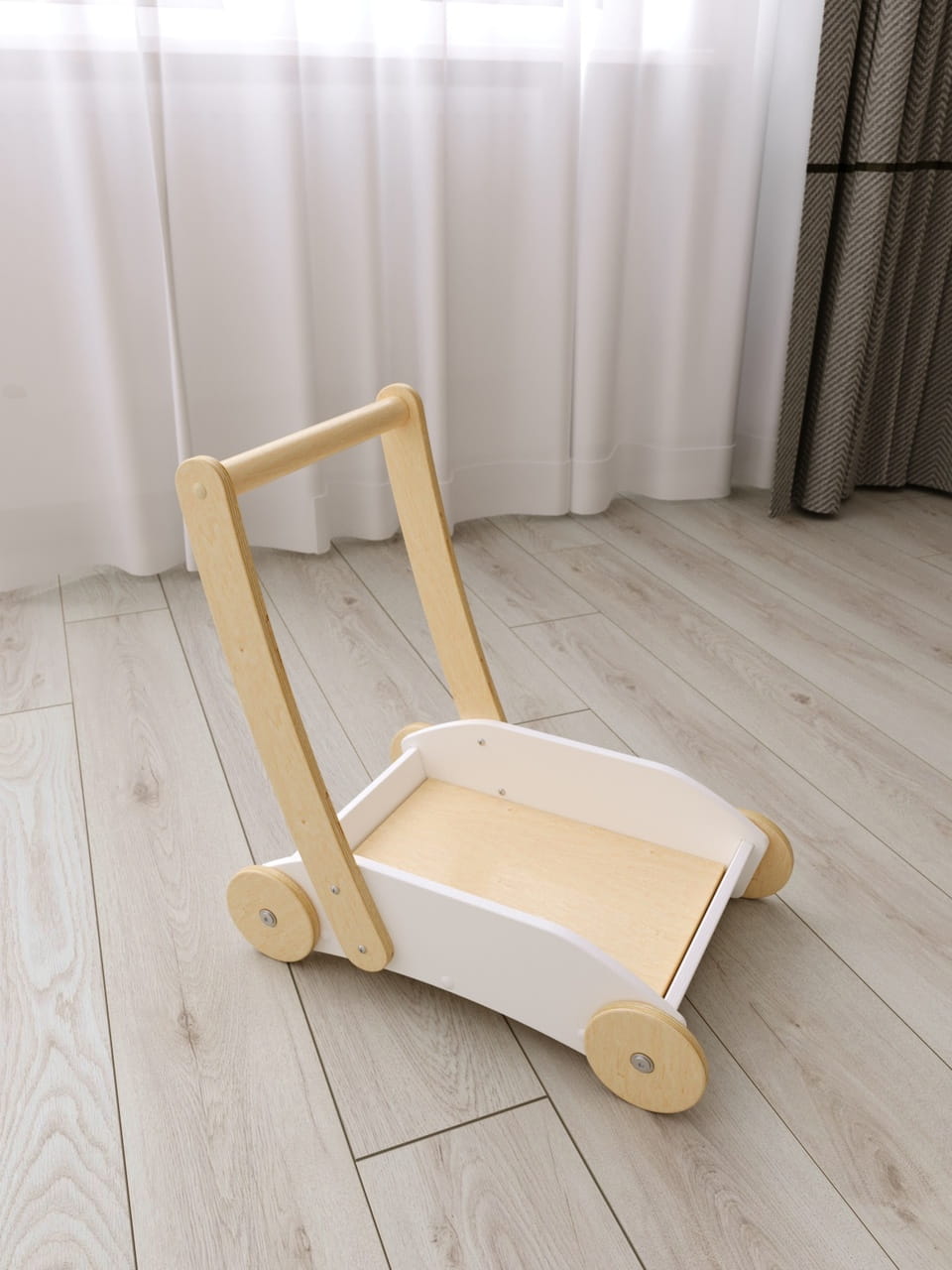

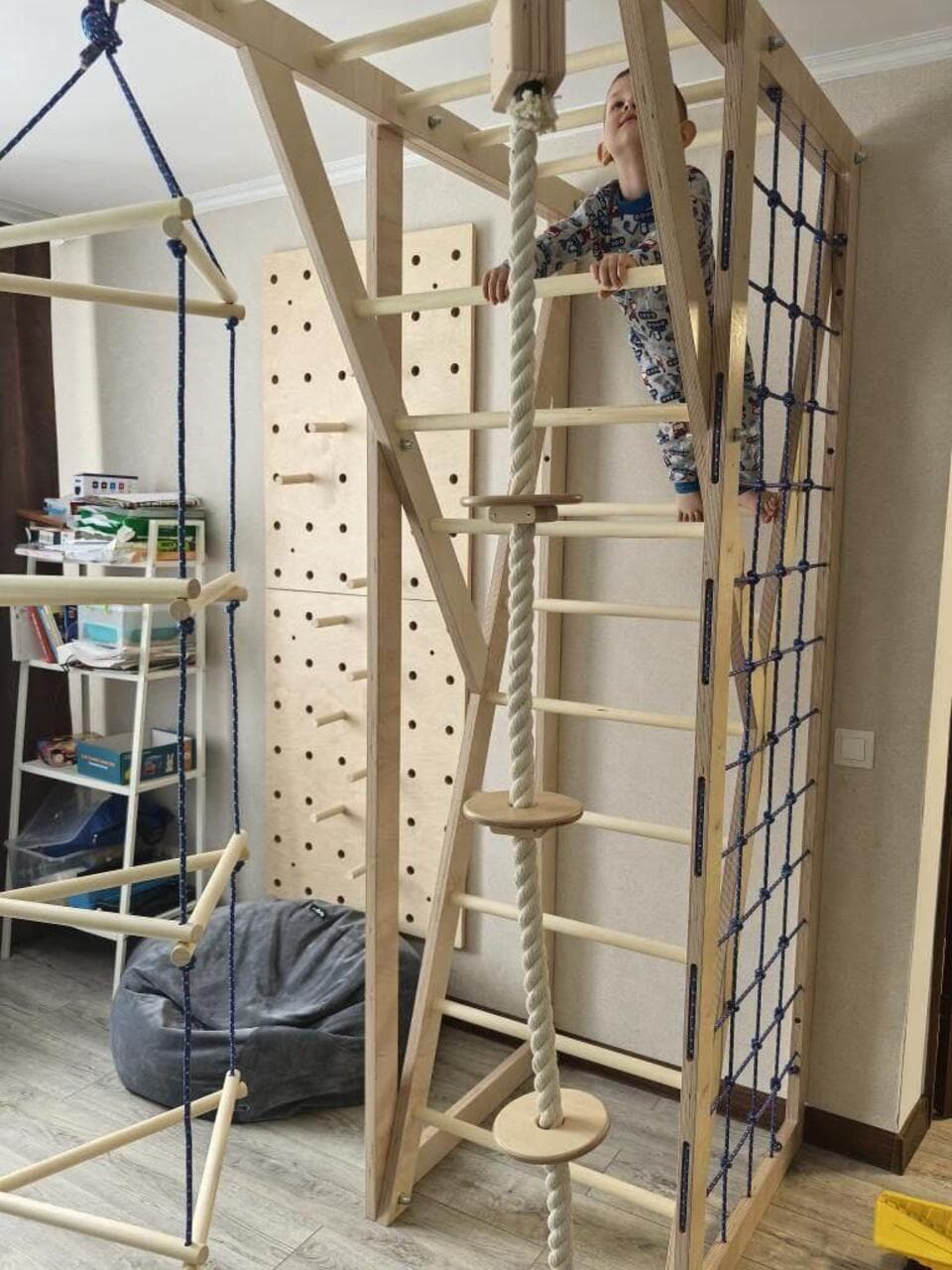
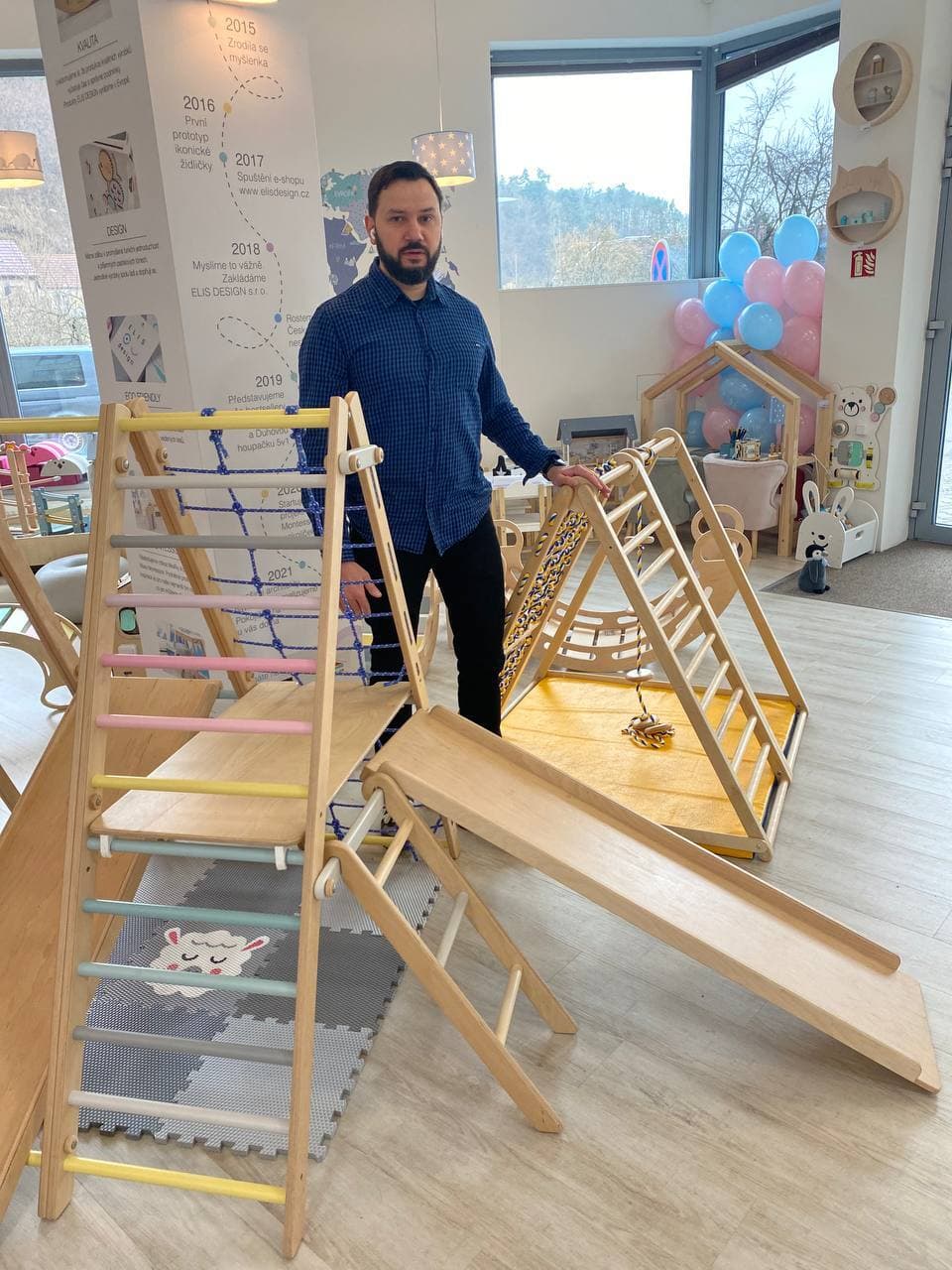
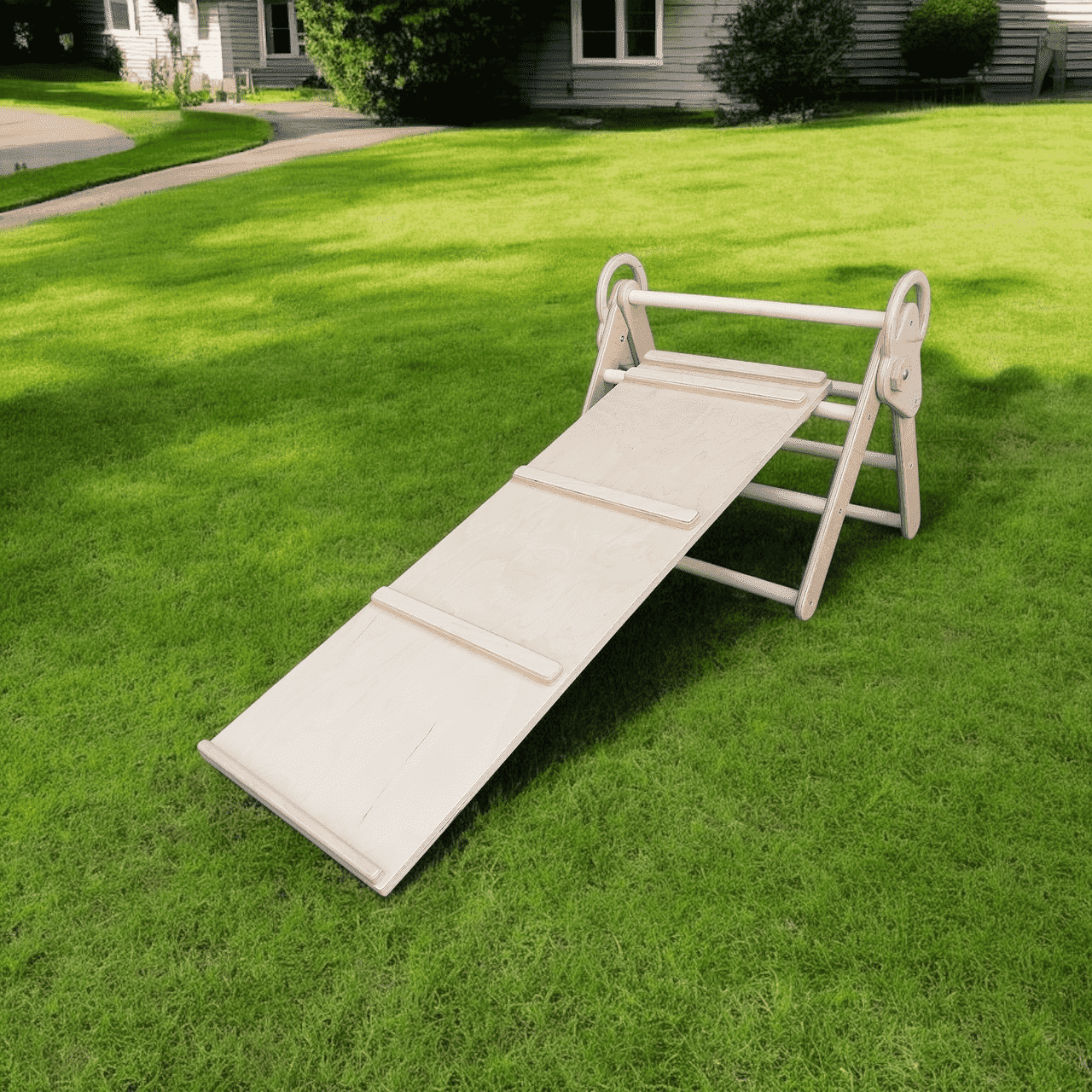
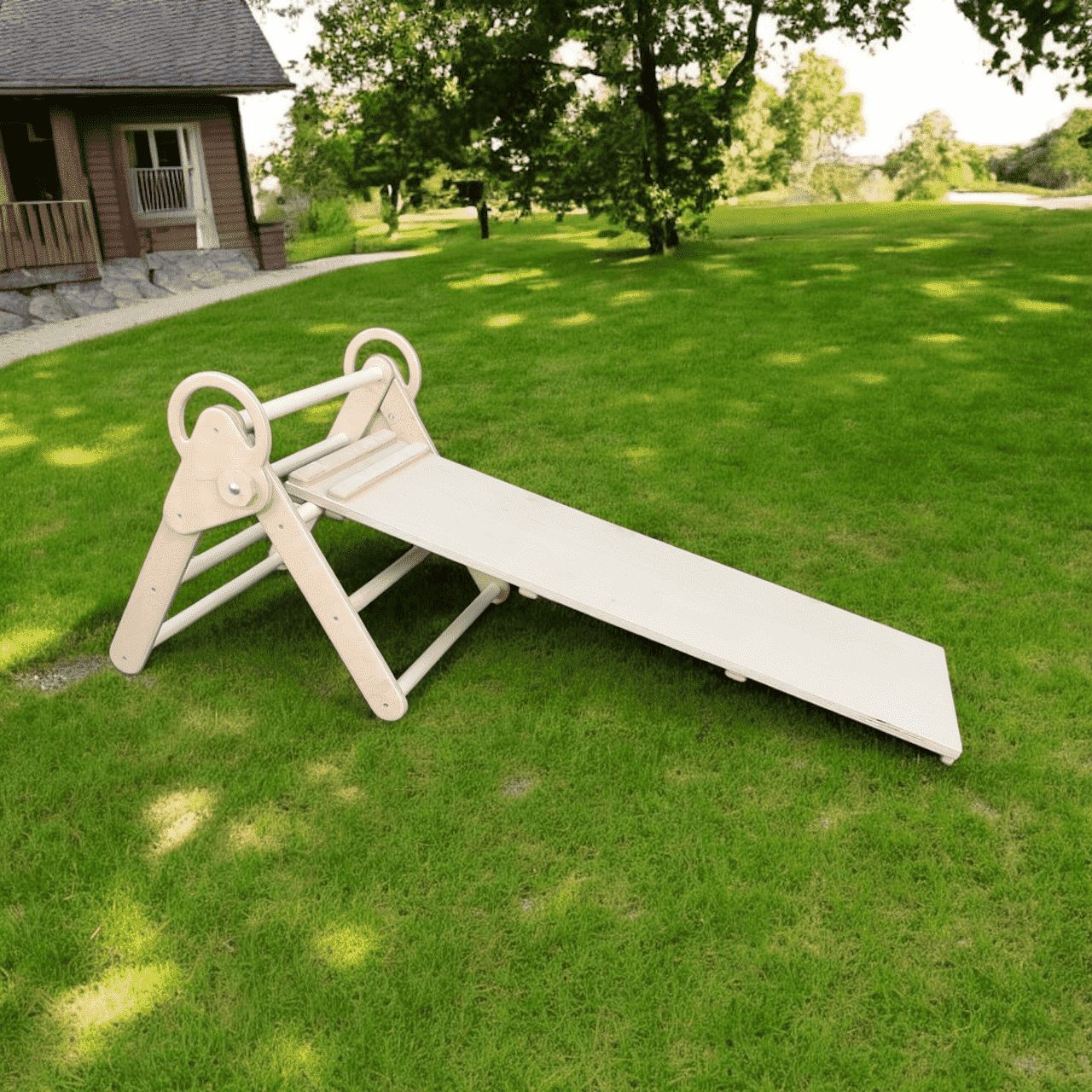
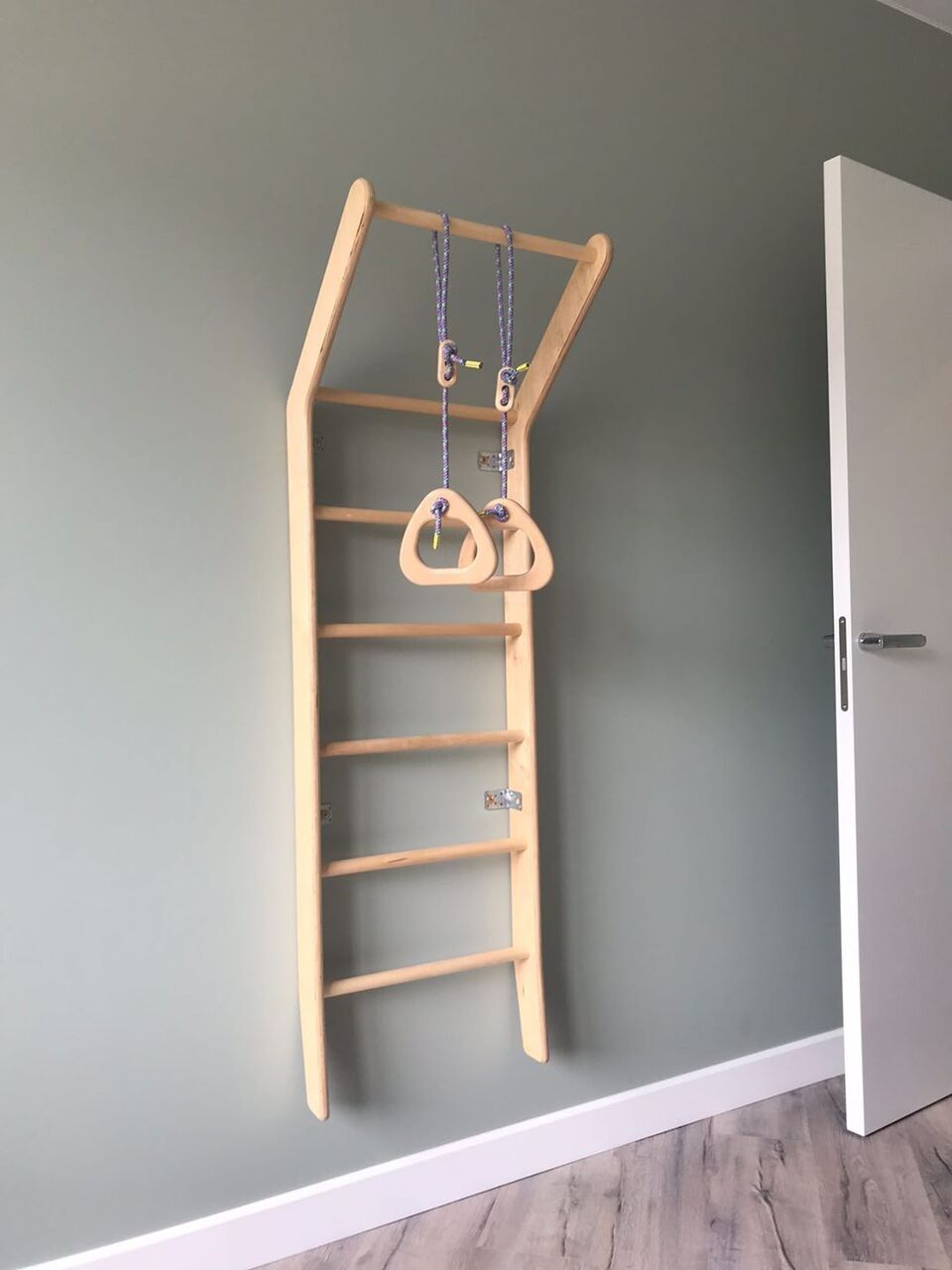
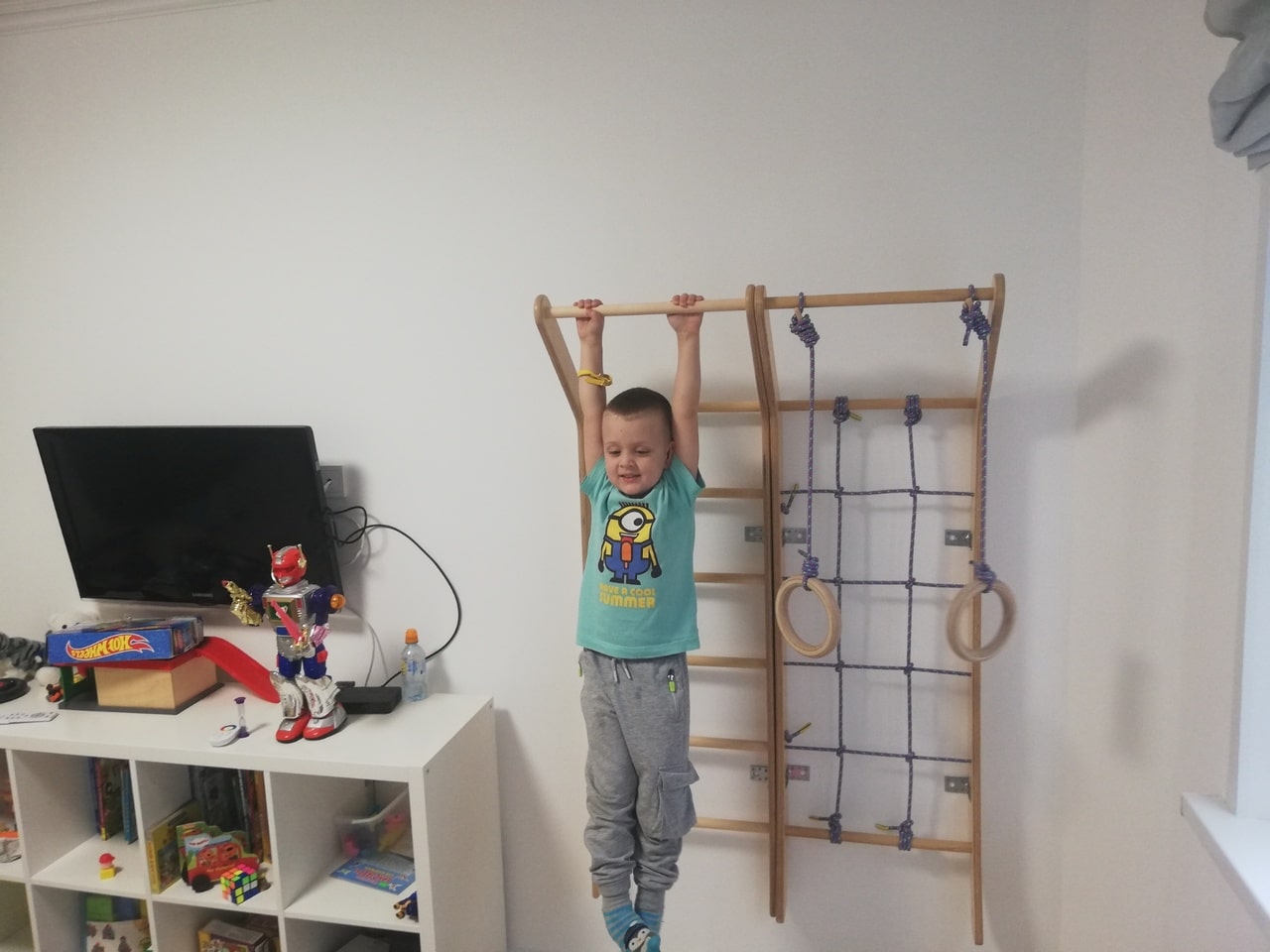
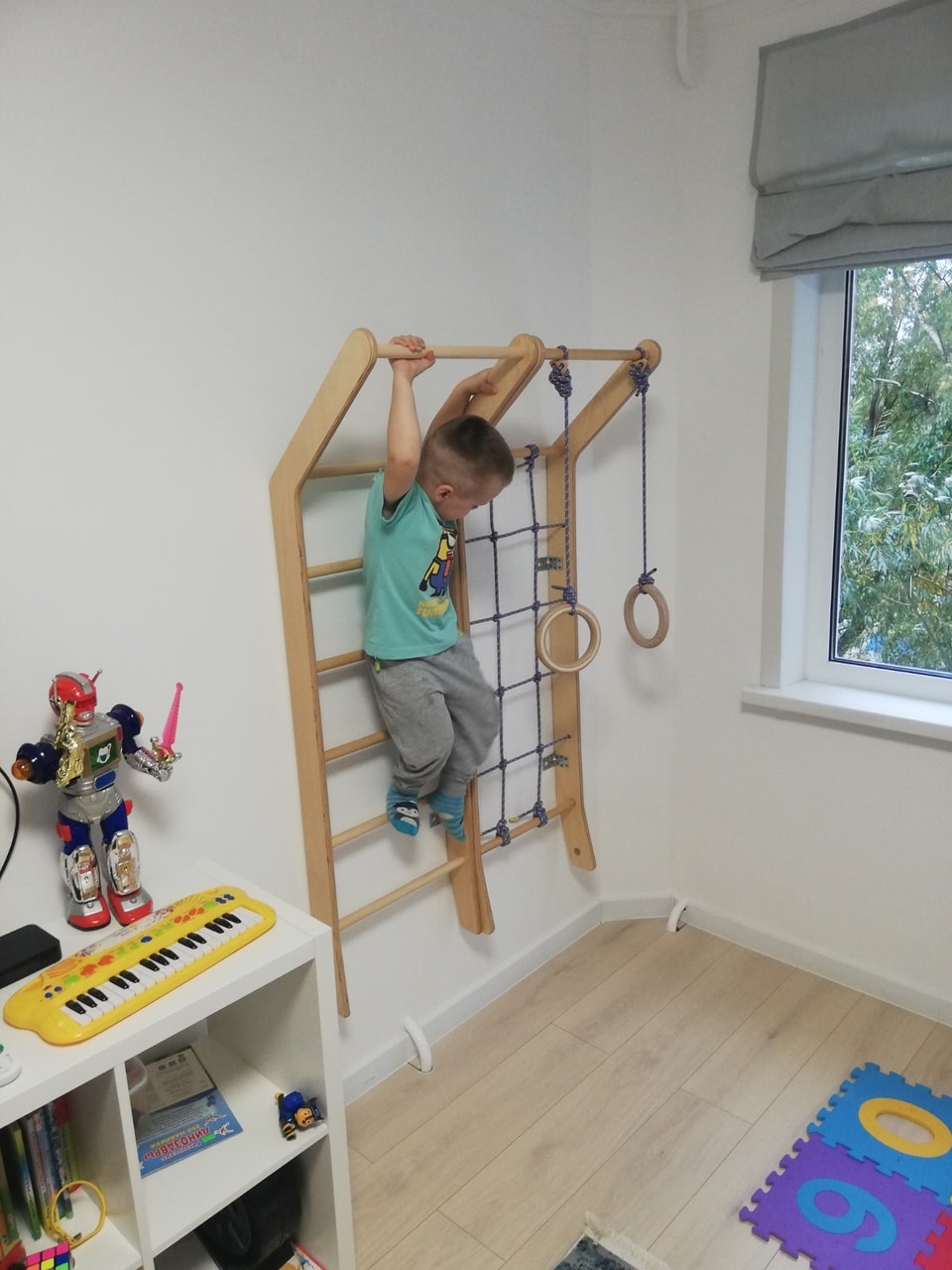

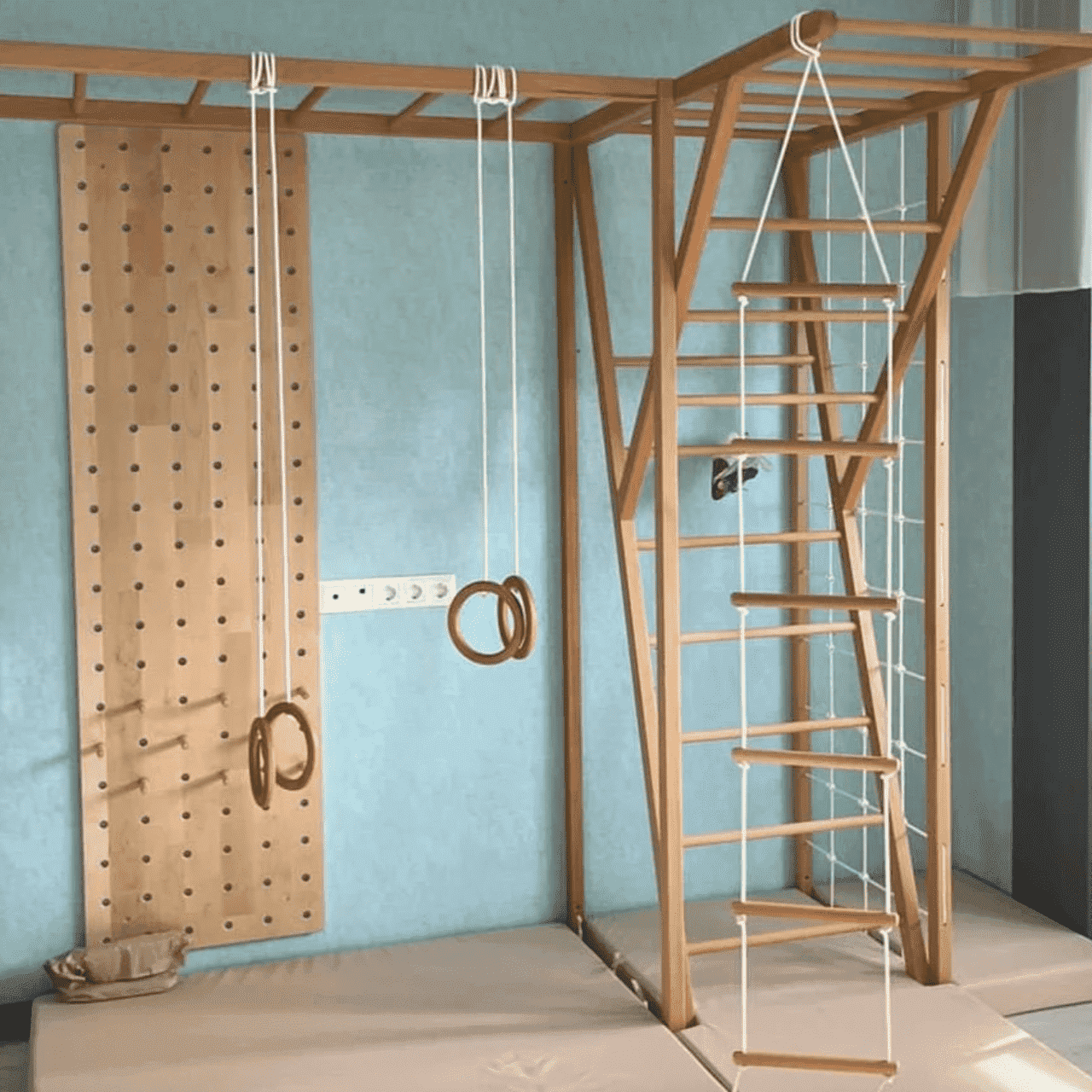
TigerWood has a good number of sports-equipment projects behind it for organisations across Europe and beyond. Among the examples are wall bars for large fitness centres, gymnastic-ring complexes for training gyms and push-up handles made for sports schools. Each of these orders differed in both volume and requirements, but went through one and the same fine-tuned technology.
Working to an individual project is precisely what makes it possible to tailor equipment to a specific facility. Quality material and careful assembly give the apparatus a long service life and stable characteristics from batch to batch. Telling examples are the complexes for fitness studios, where wall bars were assembled with additional modules, and the balance boards that quickly became a fixture of regular workouts, without which sessions no longer happen.
In their reviews, customers note not only the quality of the apparatus itself but also how the order is handled — from consultation to shipment. Clear work at every stage shortens the wait and removes unnecessary questions, and for an organisation kitting out a gym on a tight schedule, the predictability of the process is sometimes more important than a couple of per cent on the price.
Who already works with us

Cabinet furniture makers

Joinery workshops

Interior designers

Architects

Private craftsmen and artisans

Online sellers

Advertising agencies

Set designers

Restorers

Toy manufacturers

Artists and sculptors

Construction companies

Exhibition equipment manufacturers

Educational institutions

Sports equipment makers

Wooden packaging manufacturers

Private customers

Shops and boutiques

Manufacturing enterprises

Restaurants and cafés
TigerWood’s circle of customers is wide: sports clubs, fitness studios, schools and educational institutions, as well as private entrepreneurs launching their own sports and fitness facilities. Each has its own requirements — for load, dimensions, styling — and working with such clients rests on the reliability of the products and the ability to account for the specifics of each project, rather than handing everyone the same standard set.
A separate area is working with suppliers of sports equipment who need reliable goods for onward resale. Such partners come with their own quality and styling requirements, and a wooden-sports-goods manufacturing solution is tailored to them, one that meets strict standards. For a reseller this means the products can go on the shelf under their own brand with no fear for their reputation.
Manufacturing of wooden sports goods
Manufacturing of wooden sports goods: a core focus for TigerWood
Sports equipment is one of the pillars of TigerWood’s range. It covers a wide spectrum of products: gymnastic rings, wall bars, push-up handles, balance boards and other apparatus equally at home in a club and at home. Wood is valued here for its combination of looks and function — the apparatus works as it should and looks good enough that you won’t want to hide it away in a far corner of the gym.
Advantages of wooden sports goods
Wood combines three qualities at once: strength, durability and eco-friendliness. Because of this, the apparatus stops being merely a machine and becomes part of the gym’s interior, giving it a cosy atmosphere. Against plastic and metal counterparts, wooden equipment stands out visually while serving for years without losing its working characteristics — meaning that here aesthetics don’t come at the expense of service life but go hand in hand with it.
The process of manufacturing wooden sports goods
It all starts with quality material. The apparatus is made from hardwoods — oak and ash, which are strong and resistant to load. The blank always undergoes processing so that cracks and defects don’t appear later. Next come assembly, finishing and painting, and it is precisely this bundle of stages that delivers both a long service life and a neat look for the finished equipment, rather than one at the expense of the other.
An individual approach to every order
Every order at TigerWood is approached individually, with a solution offered to fit the specific task. This makes it possible to get the most out of the apparatus in terms of functionality and safety and to tailor it fully to the client’s needs. As a result, a fitness studio, club or school gets equipment to suit its format — the floor area, the age of those training, the load — rather than a universal set that is excessive in some places and falls short in others.
Wood species for sports goods
The species of wood in sports equipment decides more than it seems. The very same apparatus made from soft pine and from hard ash will behave completely differently under a person’s weight: the first will quickly dent and work loose, the second holds its shape for years. That is why dense species are used for load-bearing items, while soft ones are left for parts that don’t take the main weight. The table below shows where each type of timber is appropriate.
| Species | Character | Where used in equipment |
|---|---|---|
| 🌳 Oak | Very strong, heavy, wear-resistant | Rings, bars, load-bearing joints |
| 🌲 Ash | Strong and springy, bends well | Handles, push-up supports, gymnastic elements |
| 🪵 Birch | Dense, even, affordable | Wall bars, benches, balance boards |
| 🌿 Beech | Hard, with a beautiful grain | Grips, decorative parts |
| 🟫 Plywood (birch) | Holds its shape, doesn’t warp | Platforms, bases, sides |
Oak and ash are the working pair for places where wood bears weight: bars, rings, mounting joints. Birch is cheaper and more even, so it goes into bulky elements such as wall bars and benches, where area and stability matter more than the ultimate strength of a single point. Birch plywood is separately good for platforms and bases: it doesn’t crack along the grain and holds its plane even with humidity swings in the gym.
Not only the species matters, but also the preparation. Even oak put into use while green will crack over time and lose strength. That is why the timber is dried to the required moisture content, boards with large knots near load-bearing zones are rejected, and only then is it cut to size. In sports equipment a knot in the wrong place is a potential breaking point under load, and this is treated more strictly than in ordinary furniture.
Safety of wooden sports goods
A piece of sports apparatus differs from ordinary furniture in that people hang, jump and fall on it. A flaw in the design here results not in a chipped corner but in an injury, which is why safety is built in at every step rather than checked only at the very end. It all begins with geometry: rounded edges, the right grip diameter, a stable base. A smooth, splinter-free surface protects the palms, while a well-considered centre of gravity keeps the apparatus from tipping over at the worst possible moment.
- 🪵 Material with no knots in load-bearing zones — where the wood takes weight, hidden breaking points are eliminated.
- 🔩 Reliable fasteners — galvanised and stainless joints that don’t rust or unscrew from vibration.
- 🤲 A smooth grip — sanded handles and bars free of splinters, so they don’t chafe or hurt the hands.
- ⚖️ Stability — a calculated centre of gravity and a wide base against tipping over.
- 🧪 A safe coating — compounds with no harmful fumes, especially for children’s and school equipment.
A separate matter is fasteners and their wear. An apparatus that looks intact can be dangerous because of a loosened joint, which is why metal elements that can be tightened are fitted in load-bearing connections, and a safety margin above the calculated value is built in. In production the finished product is tested under load, not merely inspected: it is important to make sure that a ring, wall bar or handle holds the weight with a reserve, rather than at its limit.
For children’s and school facilities the requirements are twice as strict. Here it’s not only strength that matters but also the absence of sharp corners, a safe height and a coating with no harmful fumes. A child uses an apparatus unpredictably, so the design is thought through with allowance for non-standard handling. Sports goods for children are designed so that even with a clumsy movement the risk of injury is reduced to a minimum.
Sports goods for schools, kindergartens and clubs
A separate large segment is equipment for children’s institutions. A school gym, kindergarten and club work under constant load: the apparatus is used every day, by dozens of children in a row, and often not by the instructions. That is why sports goods for such facilities are made with a double safety margin and with special attention to safety — here the cost of a mistake is higher than anywhere else, and the institution is responsible for the equipment.
Wood beats metal for children’s play areas on several counts at once. It doesn’t heat up in the sun and burn the palms in summer, doesn’t freeze to the hands in winter, cushions impacts more softly than hard metal and looks warmer and friendlier. For a space where children exercise, this is a noticeable difference: a warm wooden wall bar feels calmer than a cold metal structure and fits better into the interior of a gym or playroom.
Which sports goods a children’s facility needs
A basic set for a school or kindergarten is made up of several groups. Wall bars with pull-up bars and ropes provide the main load on the upper body and coordination. Gymnastic boxes, steps and stepping-over modules develop motor skills in younger children. Balance boards and beams train balance, while soft mats and support blocks cushion falls. The set is chosen to suit the age: what suits senior pupils is already excessive for a kindergarten, and vice versa.
Importantly, all this equipment can be ordered in a single style and to suit a specific space. The height of the wall bars is fitted to the ceiling, the dimensions of the modules to the gym’s floor area, and the styling to the overall look of the institution. A single manufacturer spares a school or kindergarten the mismatch you get when apparatus from different suppliers doesn’t line up in either size or colour. As a result the facility gets a coherent, safe play area rather than a random collection of items.
Care of wooden sports equipment
An apparatus’s service life is set in production, but it is care that extends it. Wood lives long if it is minimally looked after: wipe off moisture after workouts, don’t leave equipment out in the rain unnecessarily, and once a season check the fasteners and tighten the joints if needed. The end grain and joints suffer most, where water collects, so these spots are watched first, and at the first signs of wear the coating is renewed.
The coating is a consumable protection, and it is periodically restored. Oiled products are refreshed with a thin layer without removing the old one, while lacquered ones are touched up locally in worn spots. The grip on rings and bars is polished by hands over time, and that is normal, but if roughness or burrs appear, the surface is sanded again. Such maintenance takes minimal time yet pushes back a major repair or replacement by years.
A separate merit of wood is its repairability. A loosened joint is tightened, a cracked slat is replaced, worn protection is reapplied — and the apparatus is back in service. A metal counterpart with a fatigue crack more often goes to scrap in its entirety, whereas a wooden one is repaired in place. That is exactly why quality wooden equipment, with sensible care, serves many seasons, and the investment in it pays off through a long service life and fewer replacements.
Types and sizes of wooden sports equipment
The range of products in this category is wide, and it’s easier to navigate by purpose. Some apparatus is fixed to the wall and ceiling, others stand on the floor, and still others are so compact they fit into a bag. Both the dimensions and the strength requirements depend on the purpose: a wall bar bears the whole body’s weight in motion, whereas a balance board bears it only while you stand on it. The table below gives a rough guide to the main groups.
| Product | Approx. size | Where placed |
|---|---|---|
| 🧗 Wall bar | height 2.2–2.8 m | Wall-mounted, gym/home |
| 🤸 Gymnastic rings | straps 2.5–3 m, grip diameter ~28 mm | Suspended from ceiling/frame |
| 💪 Push-up handles | 15–25 cm in height | Floor, portable |
| 🌀 Balance board | 30–50 cm in diameter | Floor, portable |
| 🪑 Sports bench | length 100–120 cm | Floor, gym/studio |
Standard sizes are convenient for compatibility: rings with a standard grip diameter suit the familiar gymnastic standard, and a wall bar of standard height fits under most ceilings. But as soon as a non-standard space appears — a low ceiling, a narrow niche, a children’s format — individual dimensions come into play. The apparatus is designed for a specific spot, and then it sits exactly to the dimensions, rather than hanging over or jamming.
Sports goods to individual design
A custom order is justified when a standard solution doesn’t fit in size, load or styling. The engineer starts from the floor area, ceiling height, and the age and level of those who will be training, and then selects the species, the cross-section of elements and the type of fasteners. The fuller the input — the gym’s dimensions, the desired set of apparatus, photos of the location — the more precise the result and the fewer revisions at the production stage.
How to choose sports goods for a gym
Kitting out a gym is not about buying handsome apparatus individually but about assembling a working system for a specific audience. Before choosing equipment, it’s worth answering a few questions: who will train and how, how much space there is, what the footfall and budget are. The set of apparatus, the material and the safety margin all depend on these answers. Below is what to look for so as not to overpay or misjudge the set.
- 👥 Audience — children, amateurs or pros; this determines the height, load and complexity of the apparatus.
- 📐 Floor area and ceilings — the room’s dimensions set the size of wall bars, suspensions and the layout.
- 🔁 Footfall — the greater the flow, the higher the demands on the material’s strength and wear resistance.
- 💰 Budget — determines the wood species and the amount of custom development.
- 🎨 Style — a unified look for the apparatus works for the studio’s image and recognisability.
A common mistake is buying equipment “to grow into” or, conversely, skimping on strength in a high-traffic gym. An expensive professional apparatus sits idle in a home corner, while a light amateur structure in a high-footfall club quickly fails. It’s smarter to choose sports goods exactly to match the real load: then money isn’t frozen in excess equipment, and nothing breaks before its time from overload.
Ordering the set from a single manufacturer also helps. When the wall bars, rings, benches and balance boards are made from coordinated materials and in a single style, the gym looks coherent rather than pieced together from all over. Plus there’s a single point of responsibility for the whole set: if something needs reworking, you won’t have to work out whose apparatus it is and who to contact. For a studio owner this saves both time and nerves.
Wood versus metal and plastic in sports equipment
Choosing a material for an apparatus is always a compromise, and wood has its own strengths. Unlike metal, it doesn’t heat up in the sun or freeze in the cold, is pleasanter to the touch and cushions grip vibration more gently. Unlike plastic, it is stronger, more repairable and doesn’t look cheap. On top of that, wooden equipment is eco-friendly and creates in the gym that warm atmosphere which cold materials cannot provide.
Metal has its own niche — extreme loads and outdoor structures where maximum load-bearing capacity matters. But at the contact points people hold with their hands, wood is often more comfortable: the right diameter, a warm texture, no slipperiness from sweat. That is why you often see a sensible combination — a metal frame and wooden grip elements — which takes the best of both materials and doesn’t force you to choose one at the expense of the other.
Plastic wins on price and lightness but loses on feel and durability. A cheap plastic apparatus clouds, scratches and cracks over time, and once broken it is almost impossible to repair. A wooden counterpart serves longer and ages more nobly: even worn wood looks appropriate, whereas peeling plastic instantly reads as a cost-cutting move. For a studio that watches its image, this is a notable argument in favour of wood.
It all comes down to the task. Where atmosphere, tactile comfort and repairability matter, wooden sports goods prove more practical than their modern-looking counterparts. Where extreme load or an aggressive outdoor environment comes first, wood is combined with metal or cedes part of its functions to it. Understanding these boundaries helps you avoid overpaying for material for its own sake and instead use it where it genuinely works better.
How to order wooden sports goods
The order follows a clear chain, and the fuller the initial data, the more predictable the timing and price. At the start the task is discussed: what set of apparatus is needed, for which facility, for what audience and in what volume. This is also where it’s decided whether a standard solution will do or individual development is required. Then come calculation, approval and production, and at the finish — delivery and, if needed, installation on site.
- 1️⃣ Request — set of apparatus, type of facility, audience, room dimensions, batch volume.
- 2️⃣ Calculation — selection of species, structure and fasteners to suit the load, plus a preliminary estimate.
- 3️⃣ Approval — clarification of dimensions and configuration, with a sketch or sample if needed.
- 4️⃣ Production — drying, cutting, assembly, finishing and testing under load.
- 5️⃣ Delivery and installation — shipment of the batch and installation of wall-mounted apparatus on site.
A wholesale order is costed differently from a single one. With a large volume the unit cost is lower and the logistics are easier to plan as one delivery, which is why kitting out a chain of gyms or buying for resale is done in batches. For regular clients a reserve of material and repeatability are maintained: a new batch arrives just like the previous one rather than differing in shade and size, which matters when apparatus is topped up in an already assembled gym.
Lead times depend on the type of apparatus and the production workload. Standard equipment is shipped faster, while custom structures need time for design. Drying and protective treatment cannot be rushed — these are the stages where haste hits quality, and therefore safety too. That is why, for a season launch or a gym opening, it’s smarter to place the order in advance, with a margin for production and delivery, rather than in the last week before the start.
Myths about wooden sports goods
Several persistent misconceptions surround wooden sports equipment. The first myth — “wood is weaker than metal and will break quickly.” In reality hardwoods withstand serious loads, and sound construction matters more than the material itself: a properly assembled wooden wall bar is more reliable than a crookedly welded metal one. The second myth — “a wooden apparatus is bound to give you a splinter.” A sanded, coated surface is smooth to the touch, and the grip is only polished by hands over time rather than roughening.
The third myth — “wood can’t be used in a humid gym or outdoors.” It can, if it is treated: a moisture-resistant impregnation and a protective coating let an apparatus stand both in a gym with showers and on an open-air site. The fourth myth — “wooden equipment requires complicated care.” Care is minimal: wipe off moisture, check the fasteners once a season and renew the coating. The fifth — “wood is dearer than plastic for no reason.” Reckoned per unit of service life and repairability, it often works out cheaper than cheap plastic, which is replaced in its entirety.
Understanding these nuances makes the choice calmer. Wooden sports goods are not about fragile aesthetics but about working equipment which, with the right material, assembly and care, serves for years and is pleasanter to use than cold counterparts. When an apparatus is chosen to suit the task, protected at every stage and given minimal care, it holds the load, looks good and creates in the gym that atmosphere for which wood is chosen in the first place.
Where wooden sports goods are used
The field of application for wooden equipment is far wider than the gym alone. It is taken into CrossFit boxes and functional-training studios, where naturalness and a reliable grip are valued; into kindergartens and schools, where safety matters; into rehabilitation centres, where the soft texture of wood is more comfortable for recovery. Home workouts are a separate large segment: compact rings, handles and balance boards are convenient to keep at home, and wooden versions fit an interior better than metal ones.
Gymnastics and calisthenics are the natural element for wooden apparatus. Rings, parallel bars, bars and handles here work with one’s own body weight, and a warm, comfortable wooden grip is valued especially highly. In yoga and Pilates, wood is used in base mats, blocks and stands, where both function and the calm aesthetic of the space matter. Even in dance and choreography halls, wooden barres and supports remain a classic proven over decades.
A separate area is outdoor sites and workout zones. Here wood is combined with metal and treated for the open environment so that the apparatus survives rain, sun and frost. Such sites are set up in courtyards, parks and on school grounds, and wooden elements make them friendlier than concrete-and-metal structures. Whatever the site, the principle is the same: equipment is chosen to suit the real load and conditions, not a pretty picture.
Wholesale supply of sports goods
A wholesale order is a separate format of work in which stability and repeatability come to the fore. Gym chains, equipment suppliers and institutions buy equipment in batches, and it’s important to them that each new delivery is just like the previous one: the same size, the same shade, the same build quality. For such tasks a reserve of proven material is kept and the technology is fixed so that the apparatus doesn’t “drift” from batch to batch.
The economics of wholesale are simple: the larger the volume, the lower the unit cost. Cutting a batch is more efficient, the logistics are easier to plan as one delivery rather than a dozen small ones, and all of this is reflected in the price. That is why kitting out a whole gym, refreshing equipment across a chain or buying goods for resale is more cost-effective by the batch than topping up apparatus piece by piece as needed. The difference is especially noticeable on large orders, where even a small saving per unit adds up to a tangible sum.
For resellers and suppliers of sports equipment, the ability to work under their own brand also matters. Equipment is made to agreed standards, with the required styling if needed, so that the products can go on the shelf without fear for reputation. A single point of responsibility for the whole batch relieves the buyer of the dispatcher’s role: there’s no need to reconcile deliveries from different workshops and work out whose apparatus turned out defective.
Eco-friendliness and durability of wooden equipment
Wood has an argument that plastic and metal lack — it is a renewable and recyclable material. Producing wooden equipment is less energy-intensive than making plastic or metal counterparts, and an apparatus that has served its time can be recycled or put to secondary use without harm to the environment. For studios and brands that keep to an eco-friendly agenda, this is not just words but part of an image that clients pick up on.
Durability and eco-friendliness go hand in hand here. An apparatus that serves for years and is repaired in place generates less waste than a cheap disposable counterpart that is replaced every season. Quality wooden equipment, with sensible care, outlives more than one generation of trainees, and it is precisely this long service life that makes it, reckoned over the years, more economical than it seems at the start from the price tag.
There is also a purely human factor. A natural material is pleasanter in contact, doesn’t zap you with static, doesn’t smell of chemicals and creates in the gym a calm atmosphere that is conducive to training. More and more studios consciously choose wood precisely for this feeling of warmth and naturalness, moving away from the cold industrial style. In the end, wooden sports goods win not on a single parameter but on the sum of them — from ecology and service life to plain convenience and pleasant aesthetics. And this choice is ever less often seen as a compromise for the sake of looks: in strength and reliability a well-made wooden apparatus is no worse than the usual materials, and in feel it noticeably outdoes them.
Turnkey outfitting of a sports facility
One of the conveniences of ordering from a single manufacturer is the ability to kit out a facility in its entirety rather than assembling apparatus piecemeal. Wall bars, rings, benches, balance boards and handles from coordinated materials and in a single style give a coherent look to the gym with no mismatch. The customer doesn’t have to reconcile deliveries from different workshops, match up shades and fit incompatible mountings — a single point of contact is responsible for the whole set and its timing.
The clearer the initial data, the more precise the result. Ideally there’s a floor plan with dimensions, ceiling heights and a description of the audience. But a detailed description with photos and measurements is also a workable start, and a specialist will clarify what’s missing. When the input is complete, calculation, approval and production run without unnecessary revisions, and the finished sports goods go into the facility exactly to plan and in a single style, rather than turning out to be a random collection of items bought at the last moment.
An integrated approach saves both money and time. A batch from one workshop costs less than scattered purchases, wall-mounted apparatus is installed in an organised way, and the warranty and subsequent servicing stay in one pair of hands. For a gym owner this means predictability at every stage — from the first calculation to the moment the site is fully ready to receive people and work at full load with no on-the-spot reworking. And if in time the set needs expanding or a single apparatus replacing, the order history is already known to the manufacturer: new equipment will arrive in the same style and size as the first batch and will fit organically into the already assembled gym.
What materials are used to manufacture wooden sports goods?
Hardwoods go into production — oak, ash and birch. They are dense, hold up well under cyclic load and don’t work loose from constant use, so equipment made from them serves for a long time and stays reliable even under intensive training.
How can I order sports goods for a gym?
It’s enough to leave a request describing the task — how many pieces of apparatus are needed, for which gym and for what exercises. The equipment is then designed individually, taking into account your wishes on dimensions, configuration and styling, rather than picked from ready stock.
Which wooden products can be used for fitness?
A wide set of products suits fitness: gymnastic rings, wall bars, push-up handles, balance boards, benches and other apparatus. From them you can put together both a small home corner and full studio outfitting — all in a single material and style.
What load can wooden sports goods withstand?
Every product is checked for strength, so the apparatus withstands the serious load expected at sports facilities. The exact limit depends on the type of machine and the wood species, but a margin is built in with intensive use in mind, not one-off use.
Can I order a custom machine?
Yes, a custom apparatus is standard practice. An individual solution is developed for the task in terms of dimensions, structure and configuration, taking the client’s wishes into account: from dimensions to suit a specific gym to special mountings and additional modules.
How long will the manufacture of sports goods take?
The time depends on complexity and volume: standard apparatus is made faster, while custom structures need time for design and approval. Exact times are given when the order is costed, and production strives to keep to a tight schedule without loss of build quality.
Can wooden machines be used outdoors?
Yes, equipment for outdoor use is prepared separately: the wood is additionally treated with moisture-resistant and protective compounds against precipitation, sun and temperature swings. Such an apparatus stands calmly on an open-air site and doesn’t crack in its very first season.
What warranty obligations does the company provide?
The equipment comes with a warranty for its service life — it rests on quality assembly and reliable material treatment. Put simply, the manufacturer answers for the apparatus not failing under normal use, rather than washing its hands of any obligation right after shipment.
What discounts are available for large orders?
For large batches and regular clients a flexible system of discounts applies. The greater the order volume, the more favourable the unit price, so kitting out a whole gym or buying equipment for resale turns out noticeably more economical than taking apparatus piece by piece.
What other fitness goods can be made to order?
The range isn’t limited to basic apparatus: made to order are yoga mats on a wooden base, jump platforms and cardio-machine elements too. In essence, almost any wooden product can be ordered for fitness, if you describe the task and the required dimensions.
We’re always here to help — choose the way that suits you best to get in touch
Call us, message us on a messenger or reach out via social media — we’ll respond promptly!
We work across all of Europe
Useful information and articles
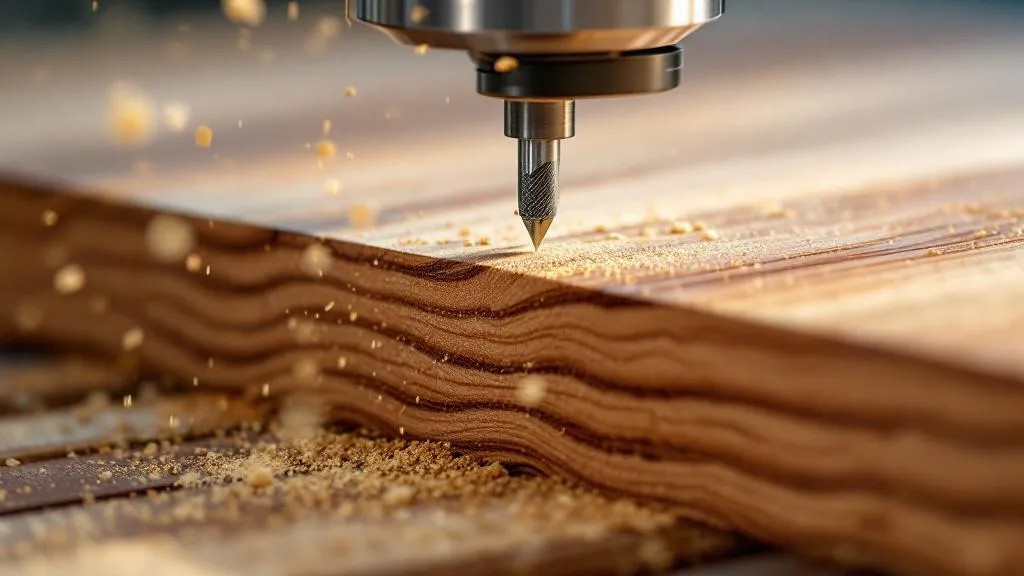
The Specifics of Radius Milling for Creating Rounded Edges on Wooden Products
The Specifics of Radius Milling for Creating Rounded Edges on Wooden Products Radius milling, or edge rounding, is one of the most sought-after and critically important stages in producing high-quality wooden
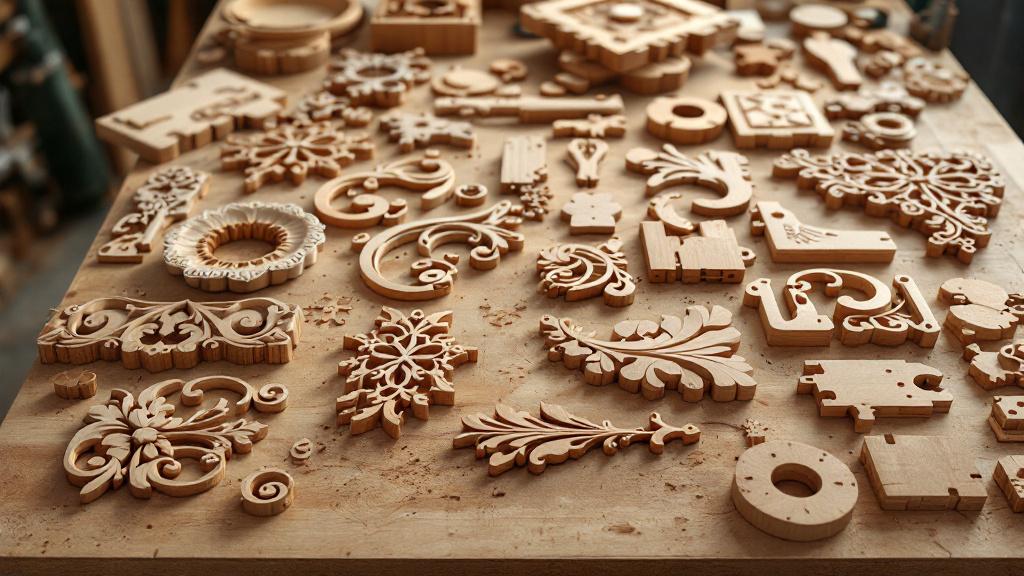
The Role of Milling in Making Decorative and Functional Wooden Parts
The Role of Milling in Making Decorative and Functional Wooden Parts Wood is a material that people have been using for thousands of years. It is valued for its natural
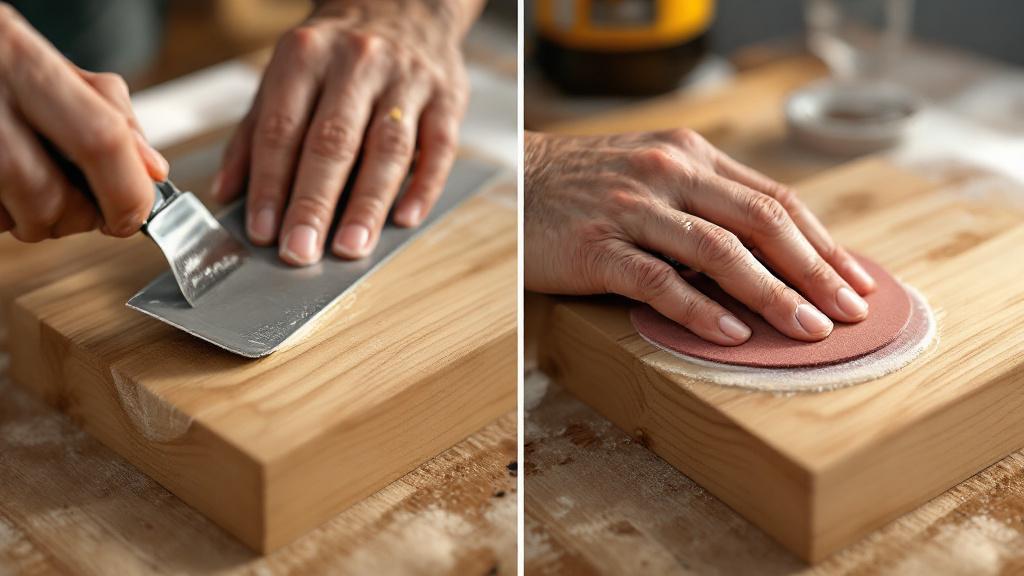
Stages of Filling and Sanding Wooden Products: Creating a Flawless, Even Surface
Stages of Filling and Sanding Wooden Products: Creating a Flawless, Even Surface Woodworking is not merely a mechanical process but a true craft, in which every stage is decisive for the

The synthesis of wood and metal: technological aspects of combining wood and aluminium to create durable products
The synthesis of wood and metal: technological aspects of combining wood and aluminium to create durable products In the field of professional woodworking, the search for the ideal material often leads