

Wooden household goods
Wooden household goods are boxes, organisers, shelves, stands, hangers, bins and drying racks for the home, the shop and the production floor. They sell steadily in retail and online, and made from sheet materials — plywood, MDF, particleboard and MFC — they are produced wholesale for brands, chains and marketplaces. Below: which household goods are made from wood, which species and materials go into production, how manufacturing is organised and how to place a wholesale order for your own tasks.
Wooden household goods: manufacturing and wholesale
Wooden household goods are a broad category needed almost everywhere: in the flat and the house, at a plant, in a shop, an office, a hotel. It covers hangers, boxes, stands, crates, bins and drying racks. They are all sturdy, eco-friendly and durable, yet also pleasant to look at — a wooden organiser or shelf does not merely store things but at the same time brings order and adds warmth to a room, which faceless plastic cannot.
You cannot make such products without good raw material and equipment — both the look and the service life depend on them. Select timber goes into production, already processed to remove defects and add strength. TigerWood produces household goods across a wide range of models and sizes, so it is easier for a business to pick a ready solution for its task rather than fit the space to whatever is already in stock.
Wooden household goods help organise space, store things and keep everyday essentials to hand. Because of this they are bought not only by private customers but also by furniture makers, interior designers, retail outlets and other companies. You can order any volume, taking custom sizes and requirements into account. Every item passes quality control and is made on modern equipment, so the batch comes out uniform rather than thrown together.
What matters to our clients and partners

Professional team
Experienced craftsmen, engineers and CNC operators. Thorough quality control at every stage

Flexibility and a tailored approach
We adapt to any task: we work from your drawings or develop the cutting and machining program ourselves

End-to-end approach
We offer the full range of woodworking services — from sawing to painting and assembly

Wide delivery coverage
We work with clients across many European countries. We help with logistics and packaging

Fast lead times
Large-scale production and streamlined processes let us complete even complex orders quickly

Modern equipment
We work with panel saws, CNC machines, routers and sanding machines
Features of manufacturing wooden household goods
Manufacturing wooden household goods calls for attention to detail — an item must be not only attractive but genuinely convenient in daily use. One feature of the category is the huge spread in design and purpose. A hanger can be plainly utilitarian or decorative for a specific interior. Crates, boxes and stands store anything — from stationery and food to small accessories and personal belongings — and a dedicated shape is thought through for each scenario.
Material processing is watched separately — it is what determines an item’s durability and resistance. Each piece goes through several stages: from selecting and sawing the timber to the final finish. The varnishes and coatings used are eco-friendly and safe for health, since household goods are constantly in contact with hands and sometimes with food. On top of that the products adapt easily to the customer: you can order a non-standard size or add a required function.
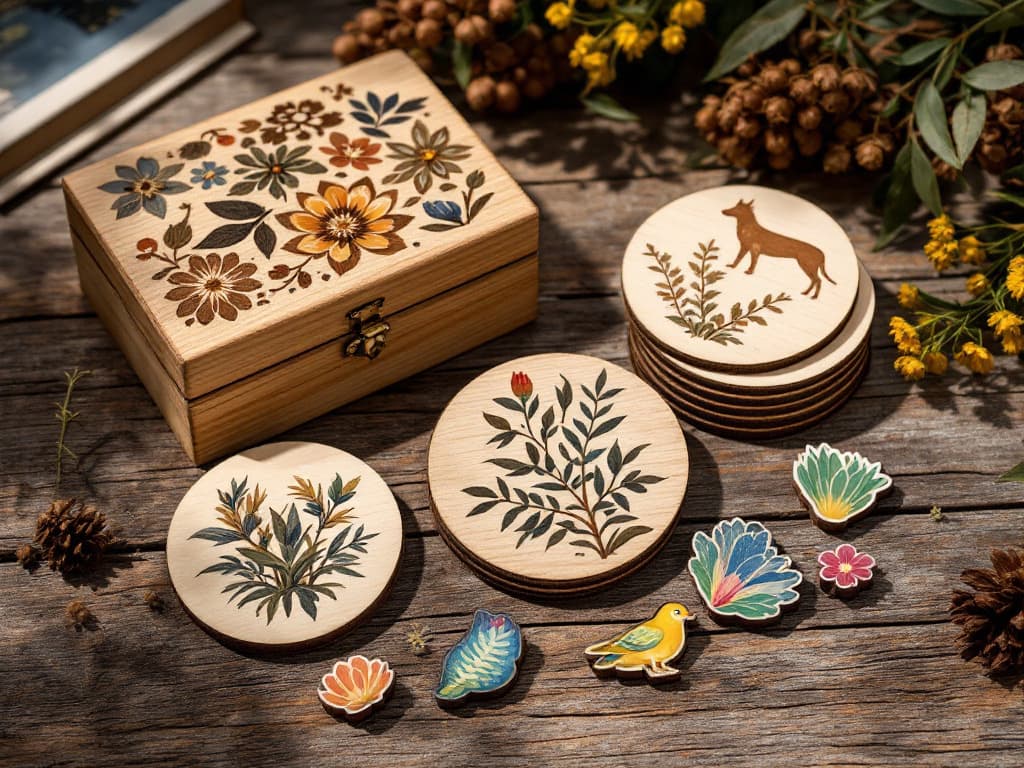
Aesthetics matter no less. Wooden household goods not only do their job but also work as part of the interior. Hangers and stands are made in a minimalist or retro style, crates and drying racks — with carved patterns and decorative elements. Thanks to this, every task finds its own solution: from a simple utilitarian object to an exclusive designer piece you would be happy to place in full view.
Which household goods are made from wood

Hangers
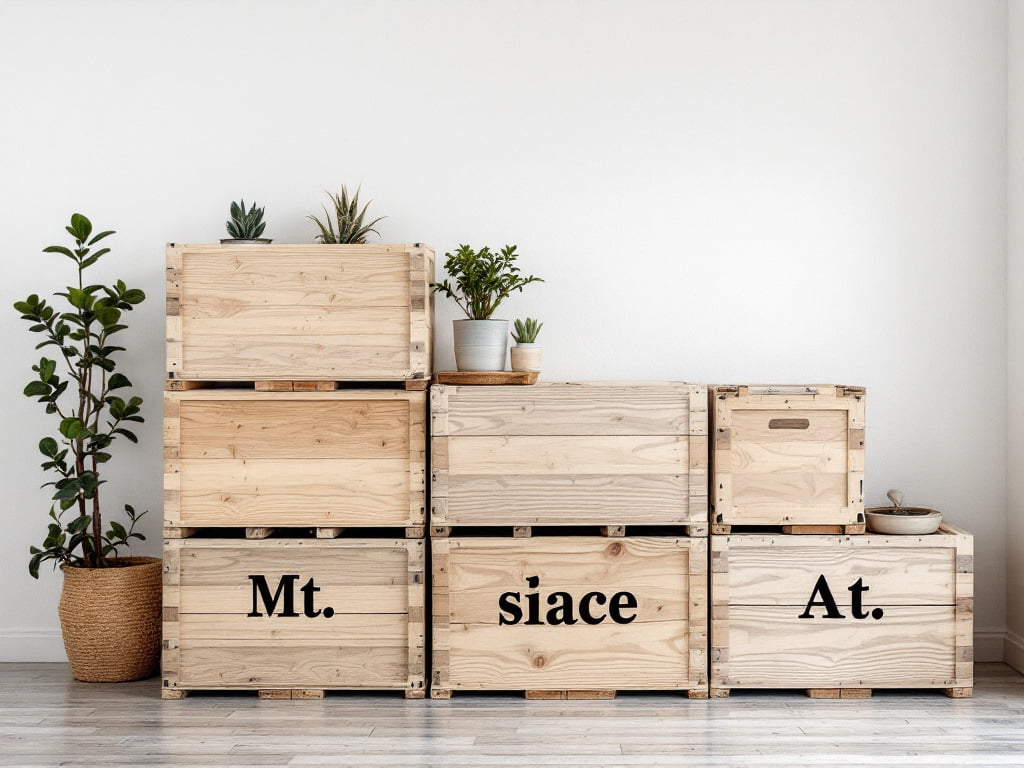
Crates
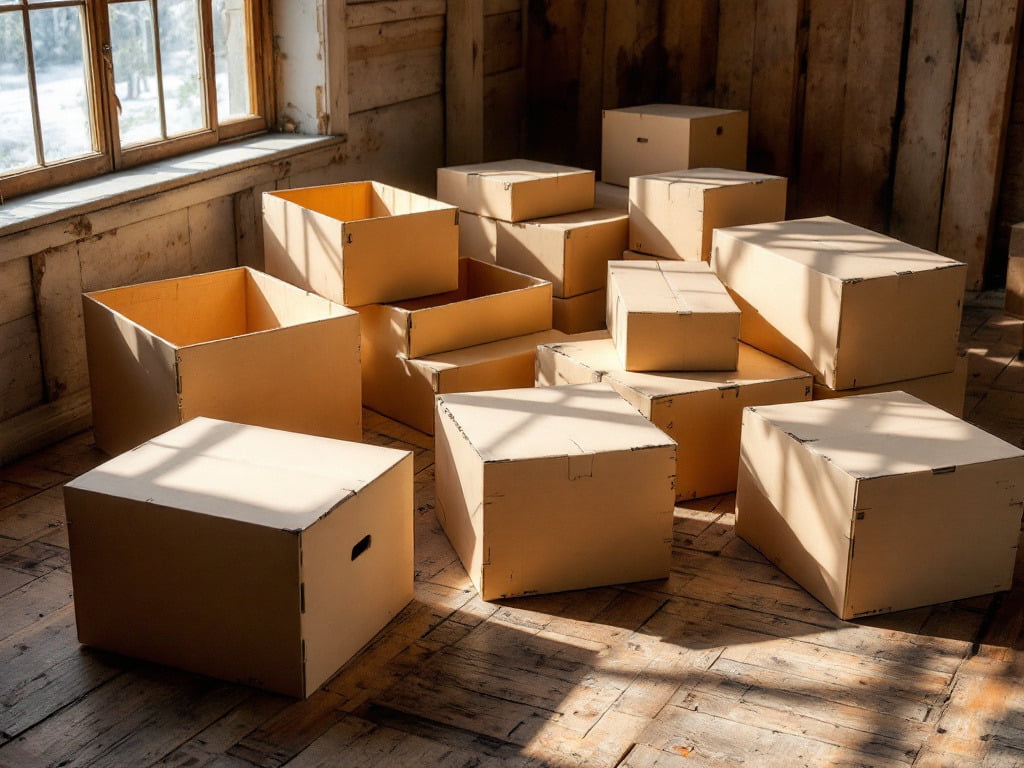
Boxes

Bins
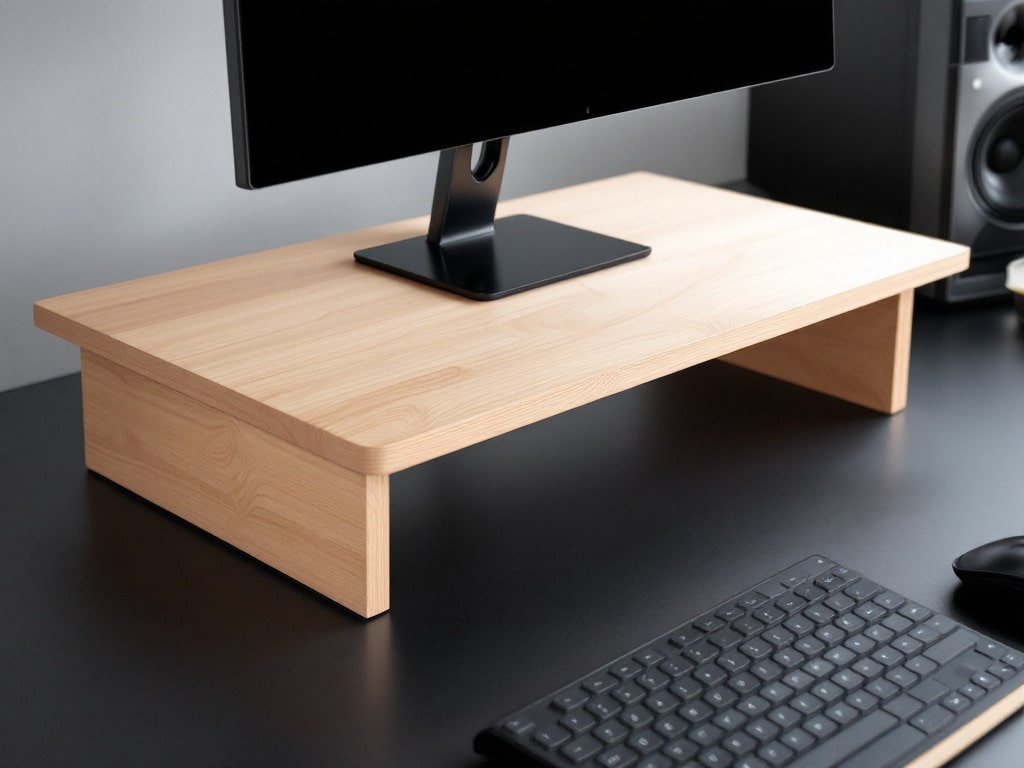
Stands
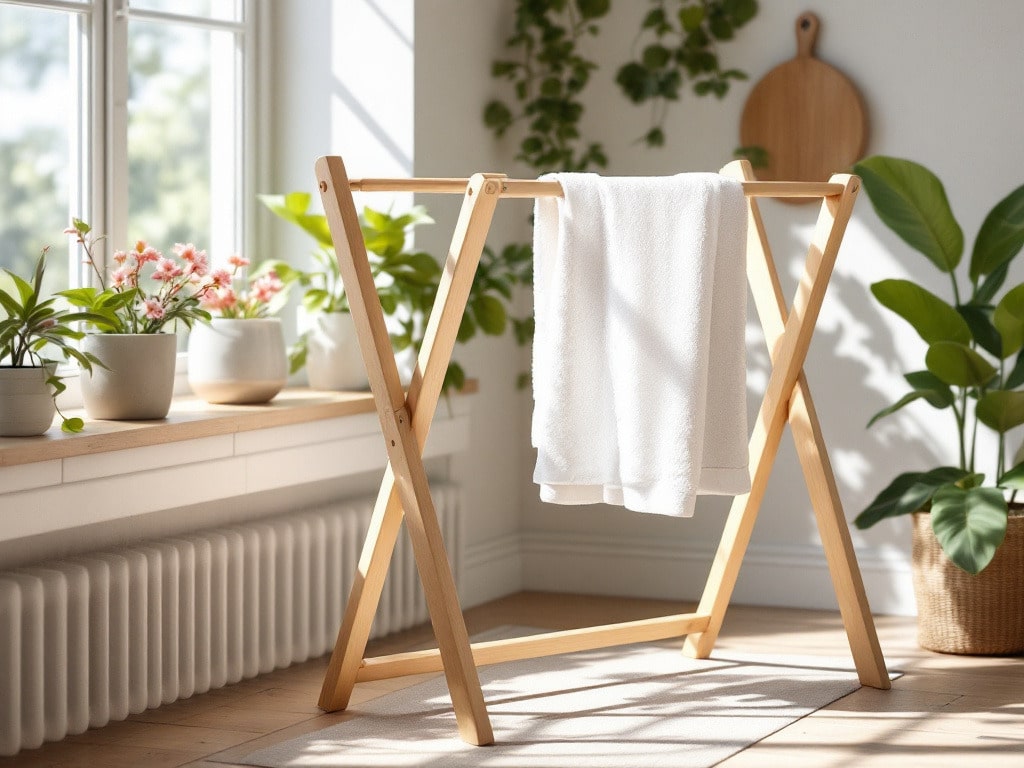
Drying racks
The range of wooden products for household goods
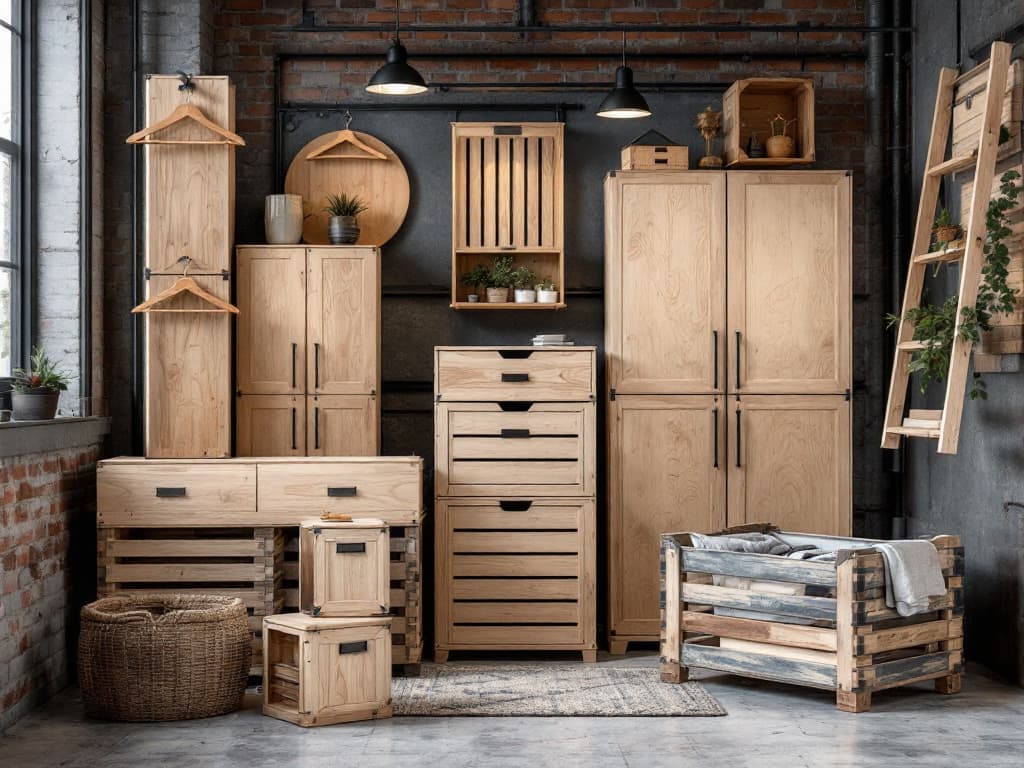
Within the category TigerWood has several sub-groups of products for a wide variety of purposes. Hangers, boxes, stands, crates, bins and drying racks are made to order, taking the customer’s wishes into account. Even a single hanger comes in a mass of variants: wall-mounted, free-standing, with extra shelves or hooks. The specific design is chosen for the task — for a hallway, a wardrobe or a sales floor — rather than handing everyone the same model.
The range also includes stands for various needs: for kitchen utensils, books, tableware. Wooden crates and bins are handy for storing anything — from clothing to food. A separate group is drying racks: for dishes, fruit, vegetables and other produce. They are made across a wide range: from compact household units to large drying racks for professional use in production or on a farm.
Each sub-group offers a choice of material and finish — to suit the task and budget. Items are made from different species: oak, pine, larch, ash — each with its own character and price. Protective layers are applied on top, extending service life and shielding the wood from moisture and wear. Thanks to this variability, the same item can be built in both a budget and a premium version.
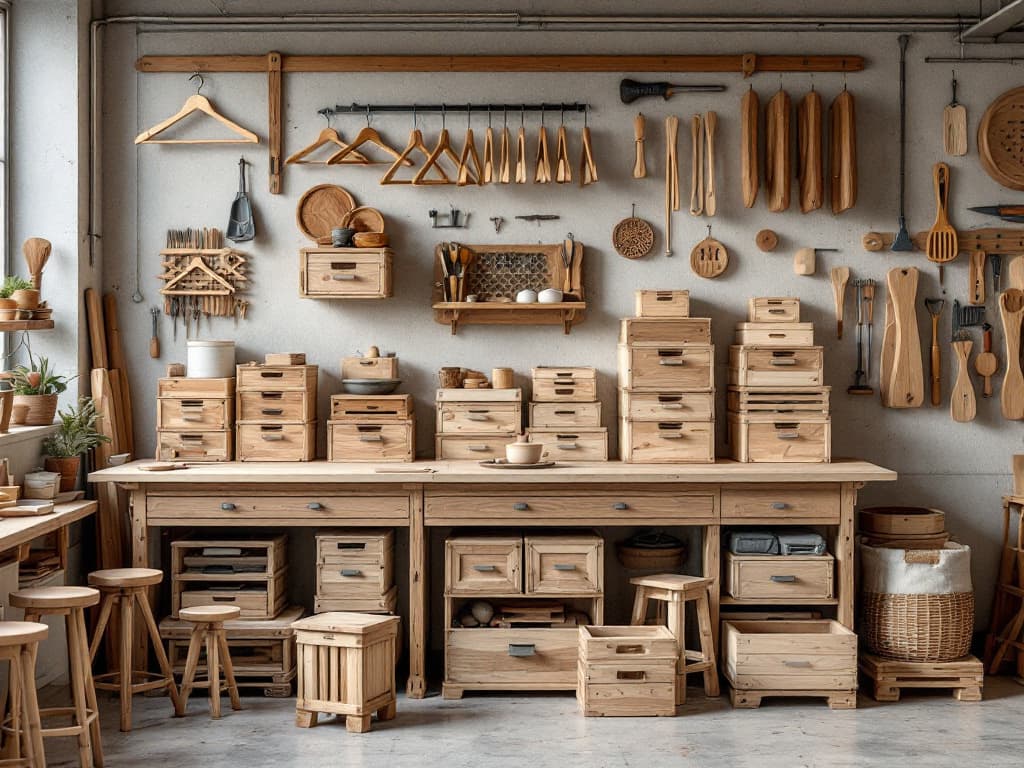
- 🧥 Hangers — for the home and commercial premises, in various styles and sizes. Made to order with extra shelves and hooks, so a single hanger handles both outerwear and small items like scarves and bags.
- 📦 Boxes — a universal solution for storing the most varied things. Made both in a plain functional form and in a decorative one — with shaped cut-outs or painting, so the box does not hide away in a cupboard but stands on display as part of the interior.
- 🪵 Stands — help bring order to a space. The range includes stands for books, tableware and other items, as well as kitchen models that keep utensils to hand and free up the work surface.
- 🗄️ Crates — reliable for storing all sorts of things. They are taken both for the home and for commercial storage in a warehouse or shop, where strength under load and easy stacking matter.
- 📥 Bins — roomy crates for large volumes. Suitable both for household items and for materials in shops and warehouses, where a lot needs to be tucked compactly into a single container.
- 🍎 Drying racks — for dishes, fruit, vegetables and other produce. Made in various sizes and designs: from compact household ones to large units for farms and production sites where crops are dried in batches.
The types of wood and sheet-material processing we use
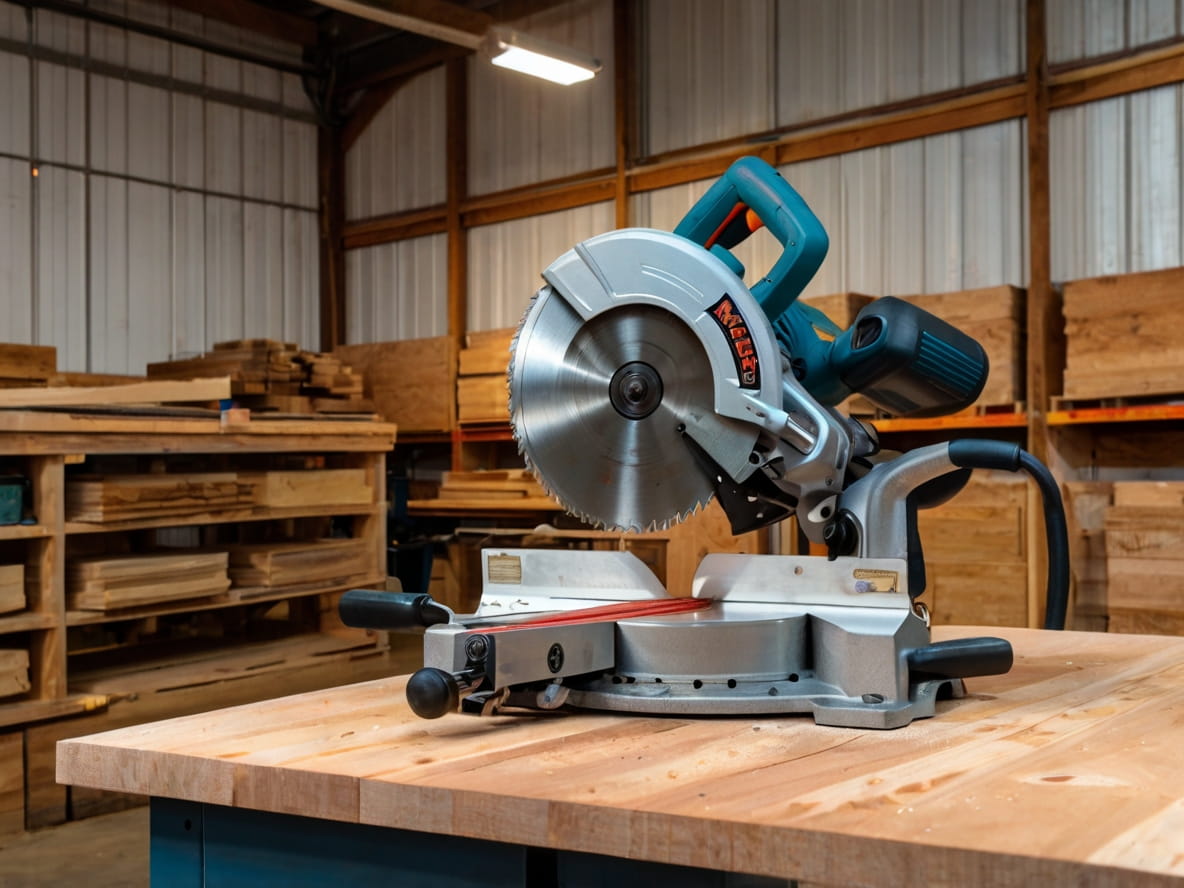
Cutting
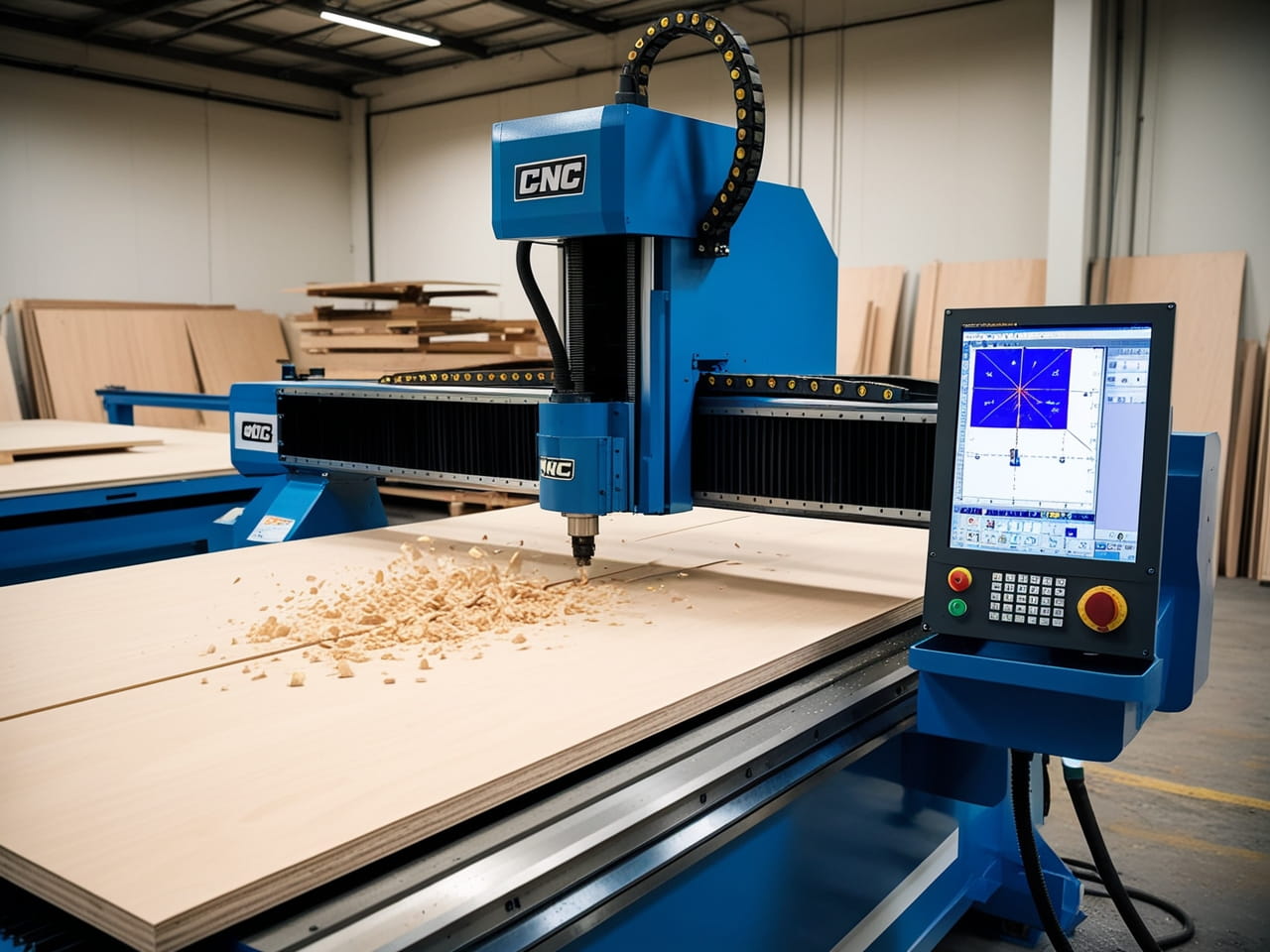
CNC

Cross-cutting

Drilling
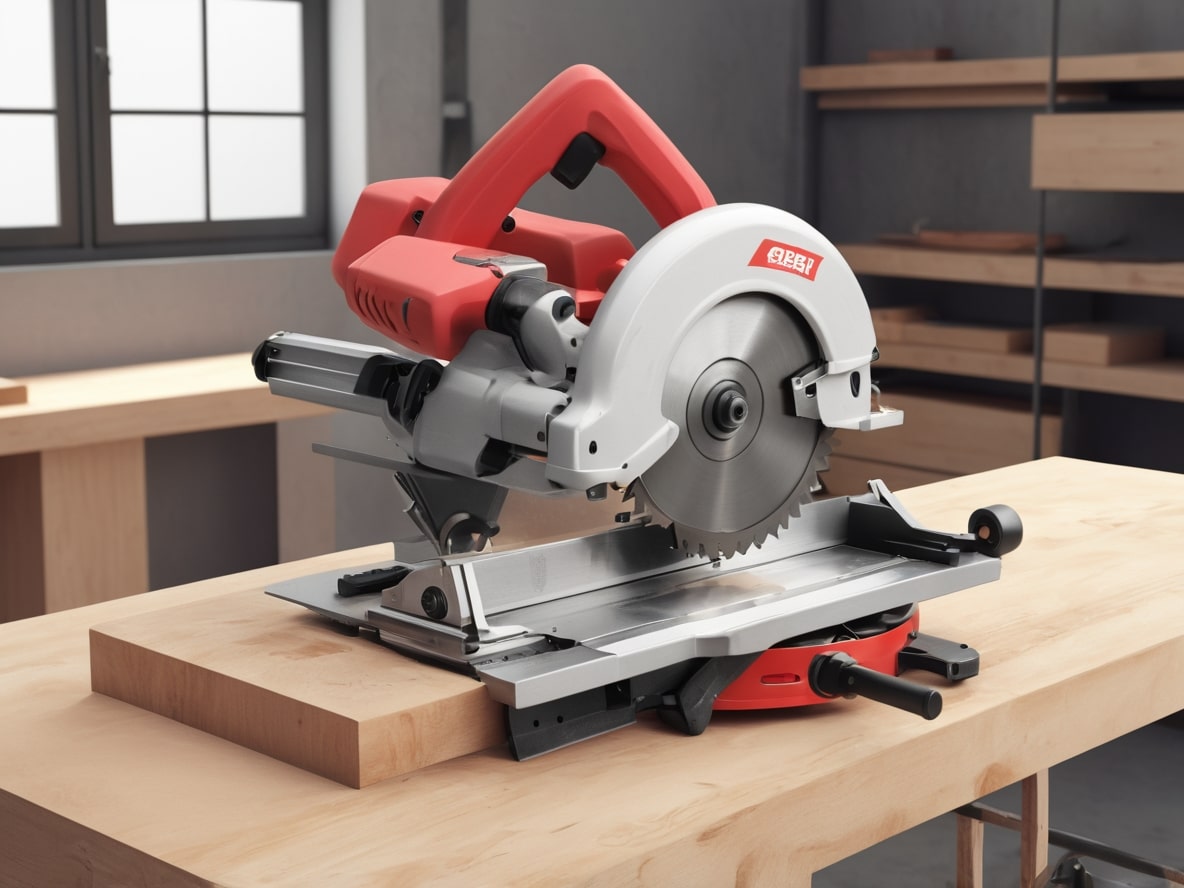
Sawing

Ripping

Machining
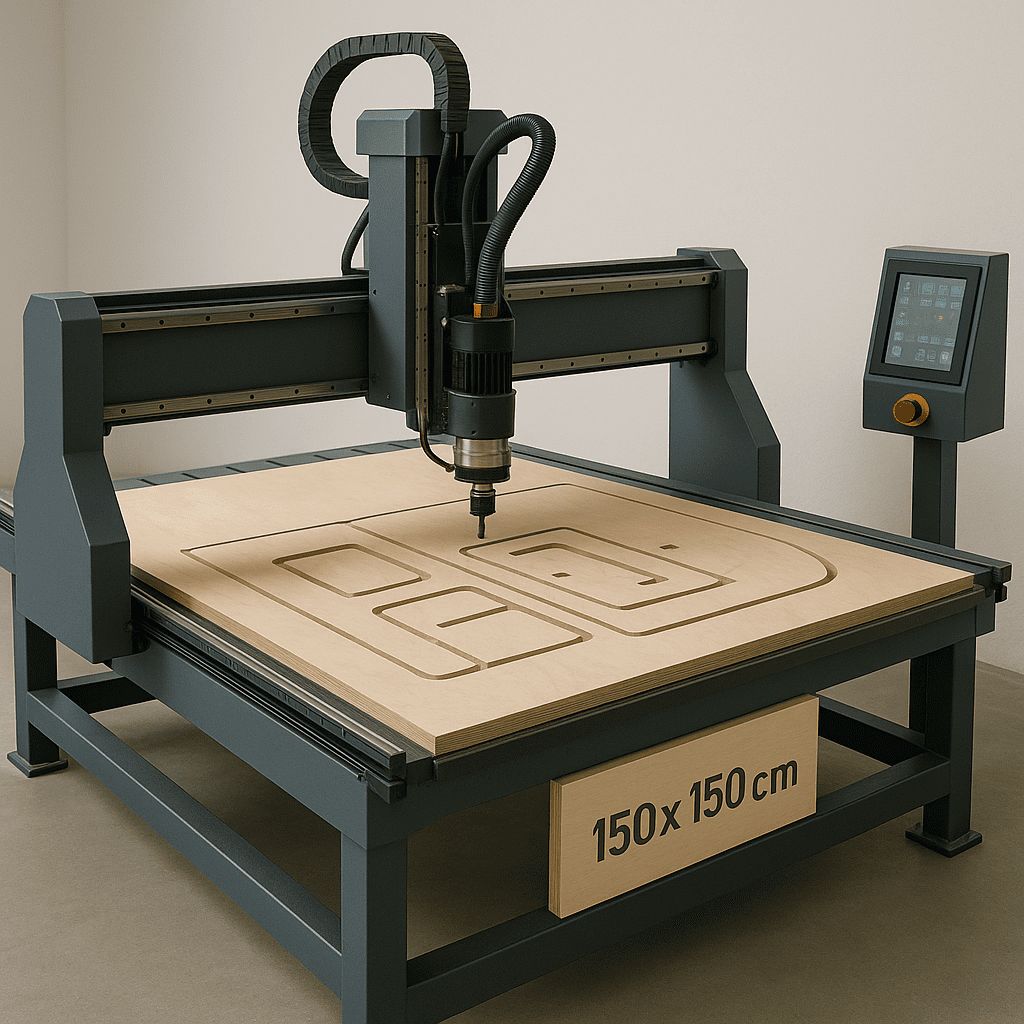
Cutting to size
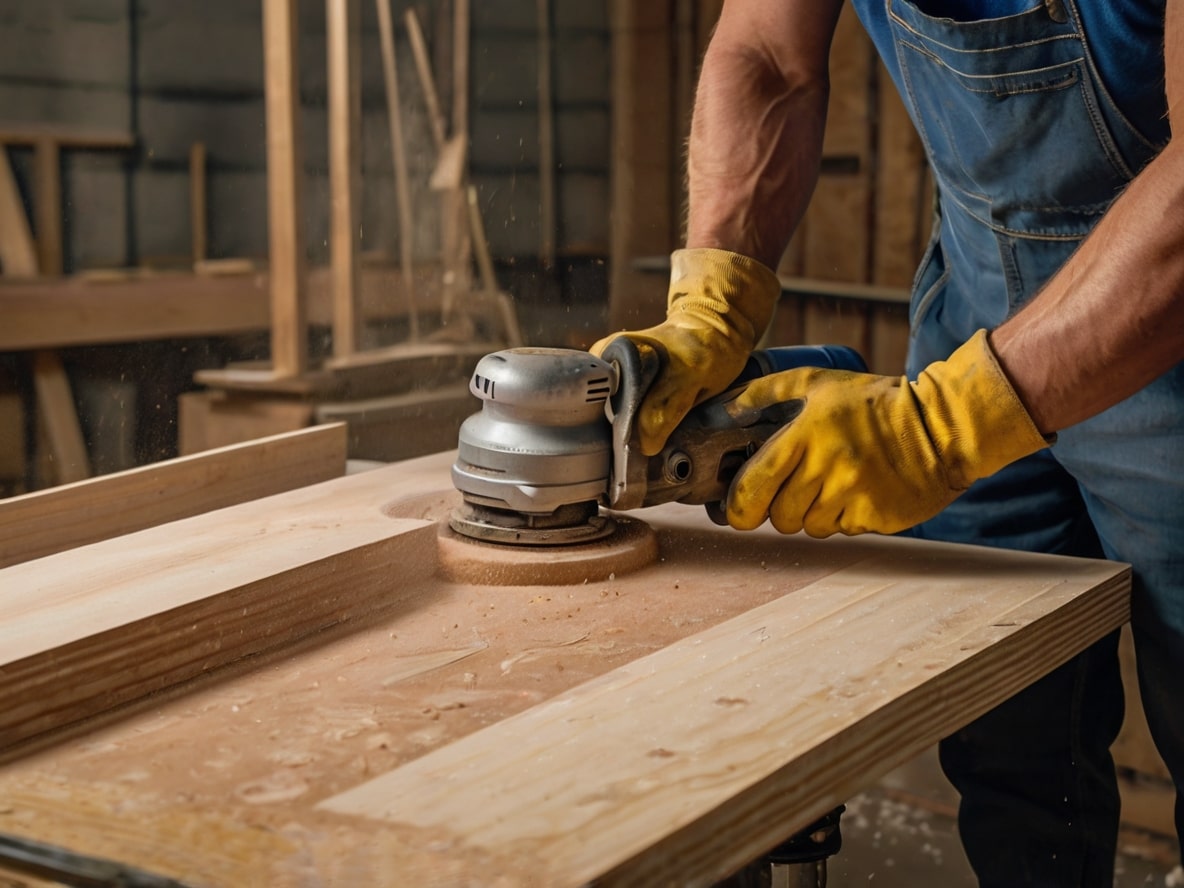
Sanding
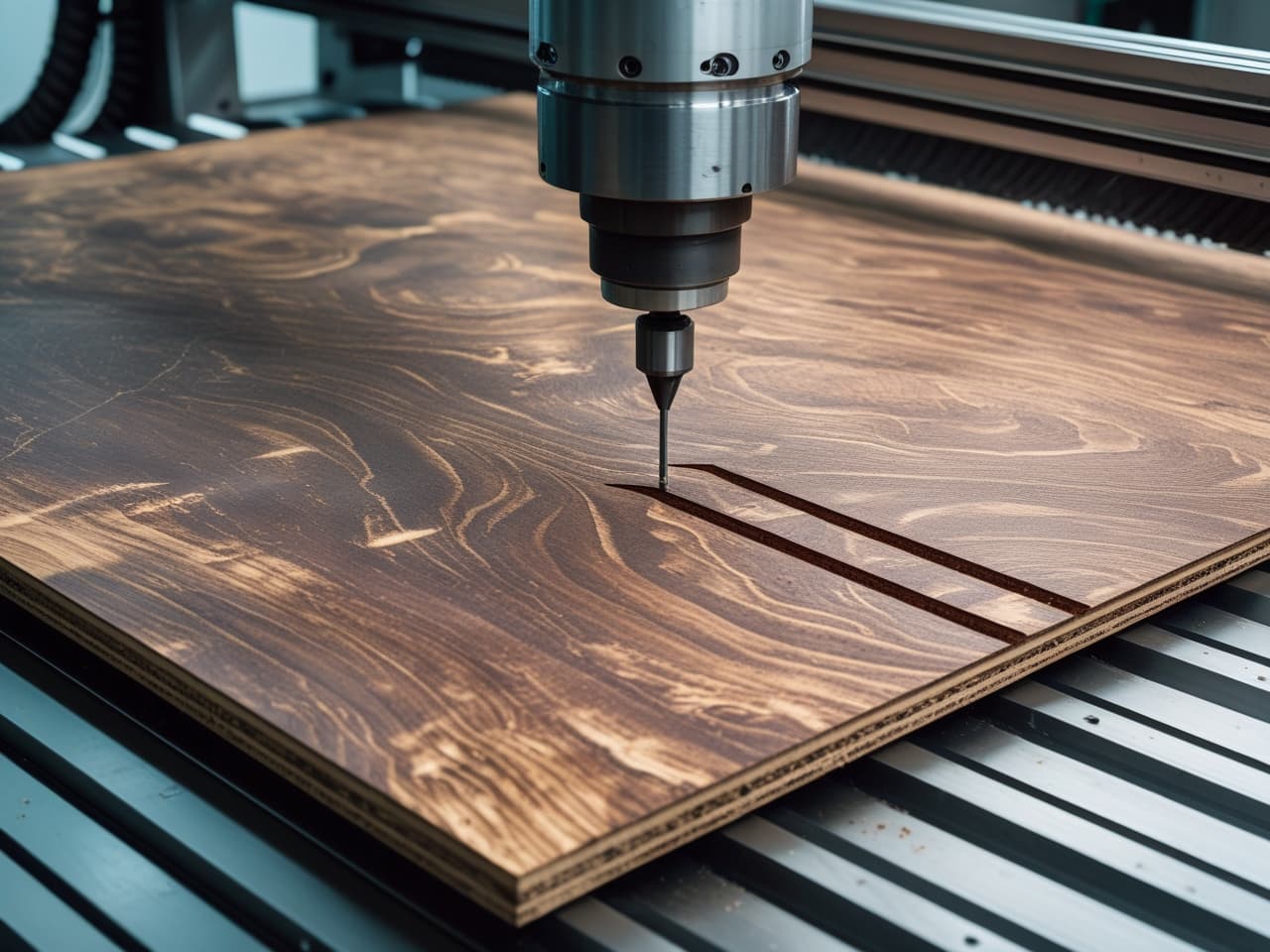
Grooving
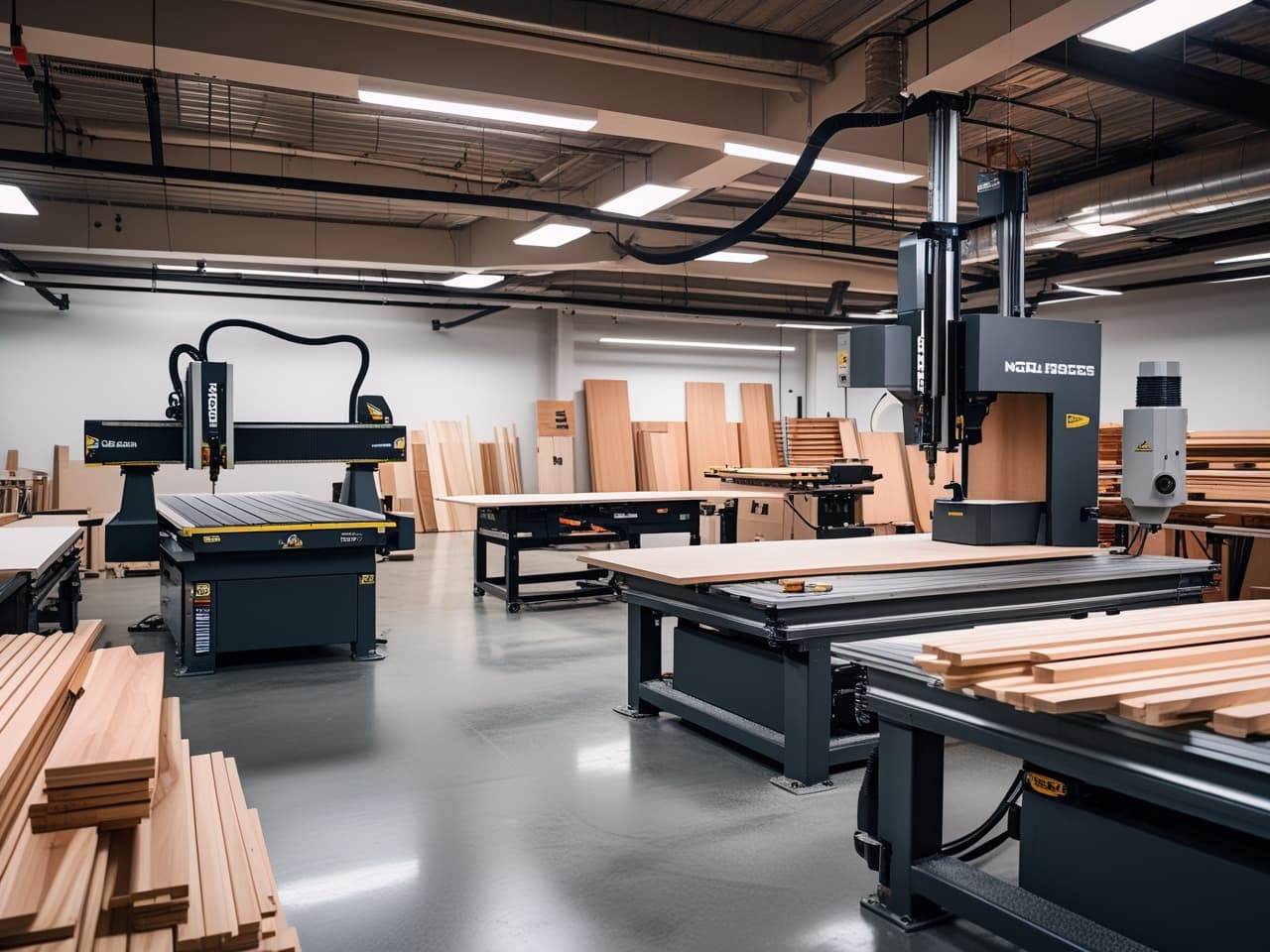
Milling

Painting
How the material is handled when manufacturing household goods
Work on a household item starts with the material. Only processed timber goes into production — that is how defects are removed and strength is added to the item. The species is chosen to match the type of product: lighter wood is taken for light hangers, while dense, strong wood is used for crates and bins that bear weight and take knocks. How long the finished item lasts depends directly on this choice.
Next the material goes through a full cycle: drying, cutting, sanding and antiseptic treatment — all of which work towards a long service life. After that the wood is coated with varnish or oil, which add strength and at the same time bring out the grain. The result is an item that is both functional and beautiful — a wooden household product need not be hidden away like cheap plastic ware; on the contrary, it is placed on display.
Modern technologies are used too — laser cutting and milling. They provide high precision and allow complex patterns to be applied that would take a long time and be costly to do by hand. This approach unlocks design possibilities: from neat branded logos on an item to openwork decorative elements that make even a utilitarian household product look elegant.
The production stages of woodworking and manufacturing
Stages of manufacturing wooden household goods
Manufacturing wooden household goods follows a chain of several stages. The first is selecting and purchasing raw material of the required species. Then the timber goes into primary processing: it is sawn into blanks of the set dimensions. Next the blanks are dried so that later, in use, the item does not warp and does not crack. Skipping the drying means getting a reject already in the customer’s hands, so this step is not cut for the sake of speed.
The next stage is finishing the blanks: sanding, smoothing the corners and surfaces, antiseptic treatment. Then milling and laser cutting come into play, adding decorative elements or the required holes for assembly. Everything is completed by a protective coating — varnish or oil — that extends service life and highlights the look. This order guarantees that both the function and the appearance of the item come out at a high level.
Every stage is kept under control by specialists, so the quality at the output is even rather than a matter of luck. Because of this the customer receives goods that meet requirements on three fronts at once — strength, functionality and appearance. For a wholesale customer this means predictability: the whole batch is identical, and it can confidently be put on the shelf under their own brand.
Advantages of working with TigerWood in the manufacture of wooden household goods
Working with TigerWood on household goods gives a business several pluses at once. The first is an individual approach: the solution is chosen for the specific customer’s task, be it a shop, an interior designer or a furniture maker. All items are made to strict quality standards, which builds in both durability and functionality. This is not a one-off batch taken at random, but products with a predictable result.
The second plus is flexible product customisation. Items are made to individual drawings, which means you can build something unique exactly to the needs of the business. This is especially valuable for shops and commercial companies that want to offer the customer an original product and stand out from competitors with an identical range. A design of your own becomes a competitive advantage here.
The third plus is the speed of production and delivery, which lets you receive an order promptly, without long standstills. On top of that the price stays at a competitive level, so purchasing costs less without losing quality. For a business this is direct savings: deadlines are not missed, and the purchasing budget stays within reasonable limits, which is especially important for regular supplies.
Finally, all products meet environmental standards: certified timber and safe coatings are used. For companies that stake their reputation on sustainable development and an eco-friendly image, this is a weighty argument. A natural, certified product is easier to promote under a “green” agenda, and the buyer increasingly makes a conscious choice for exactly such items instead of plastic.


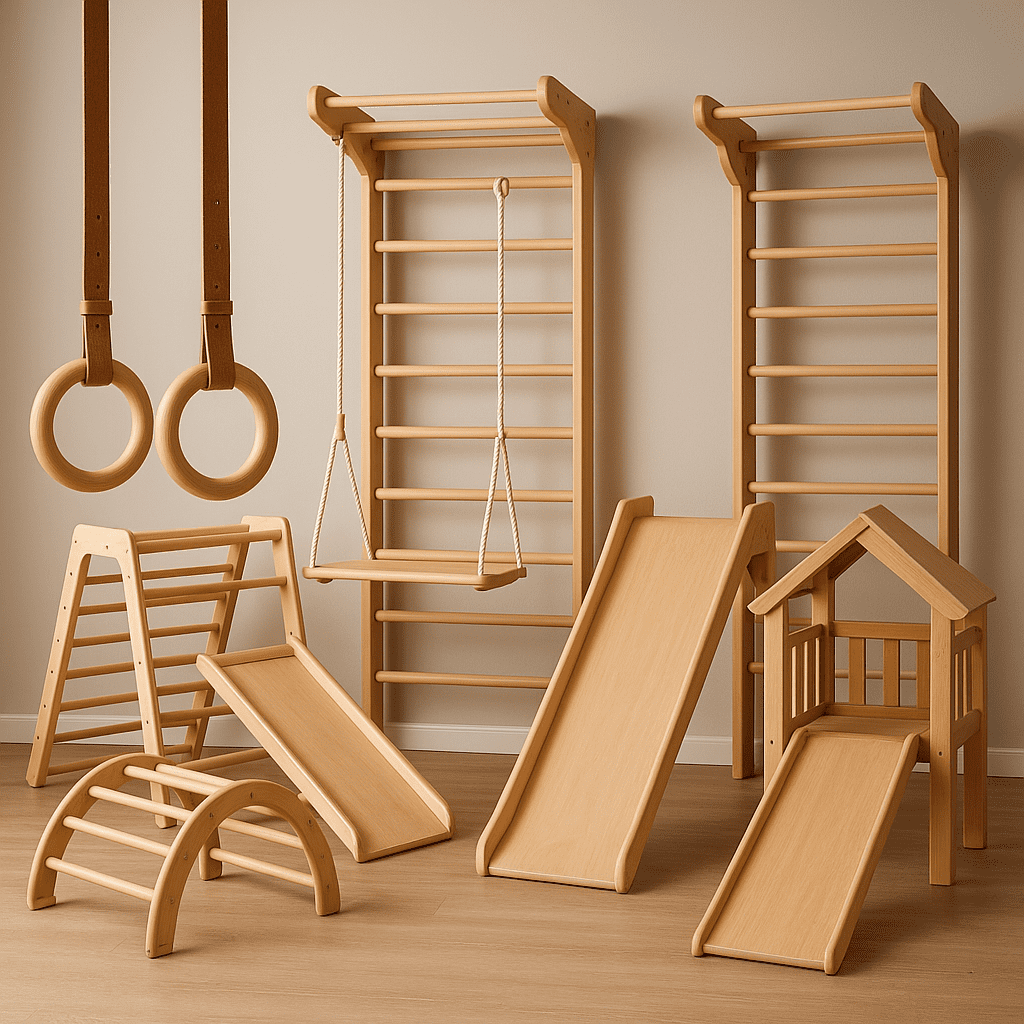
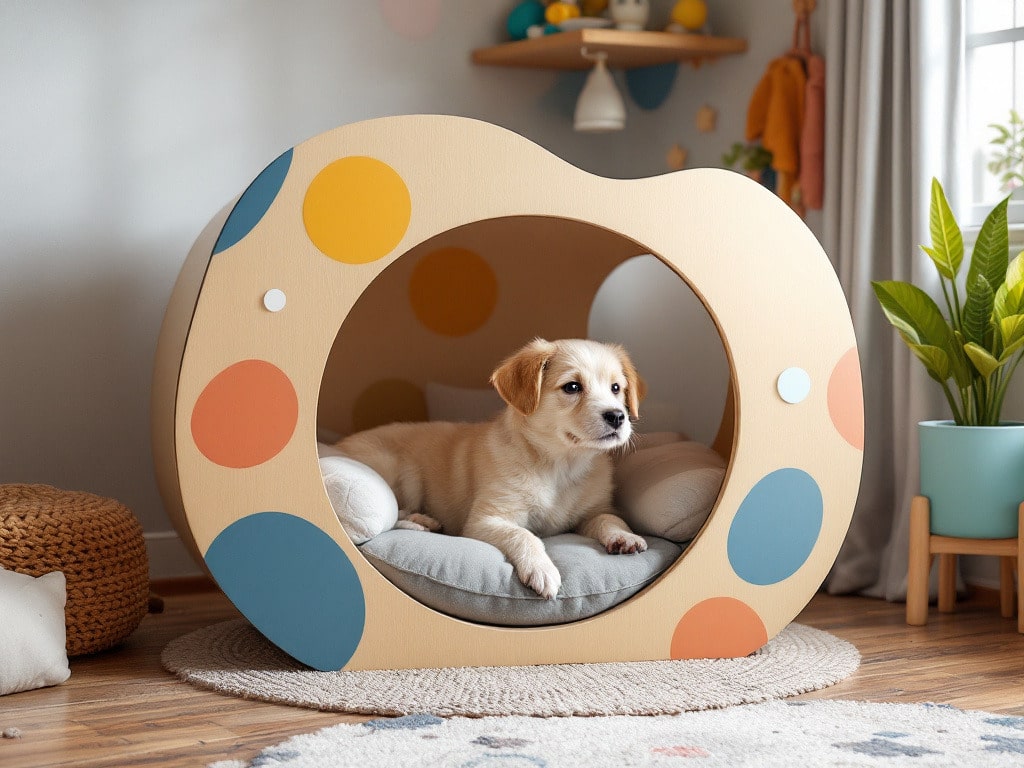
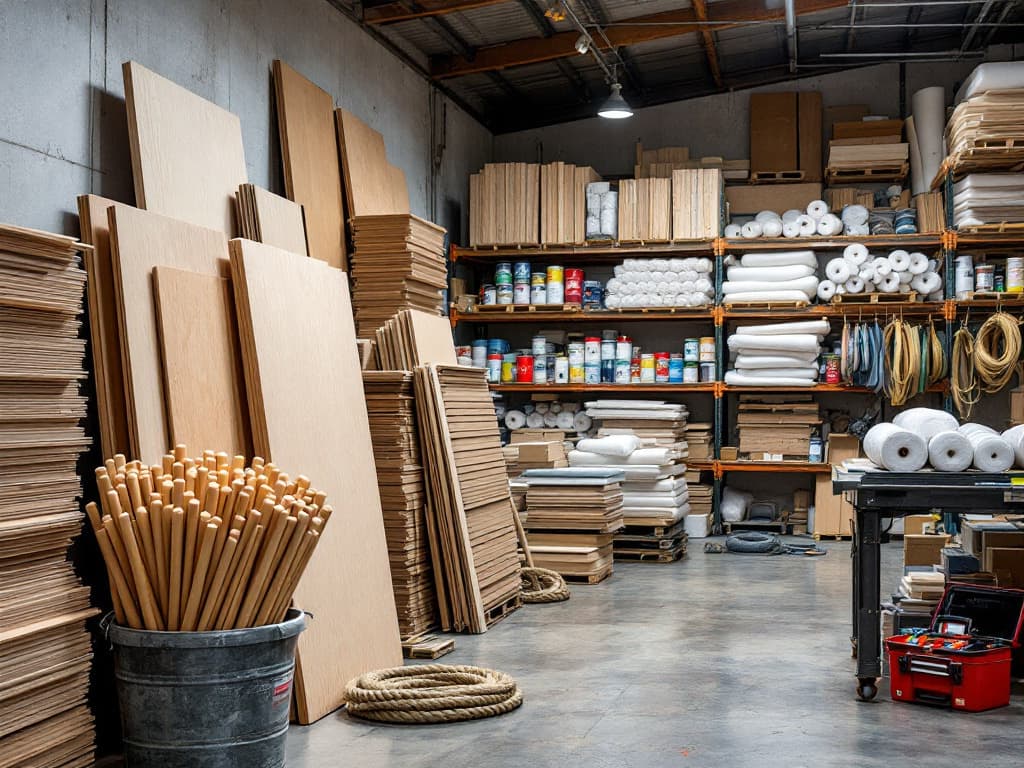
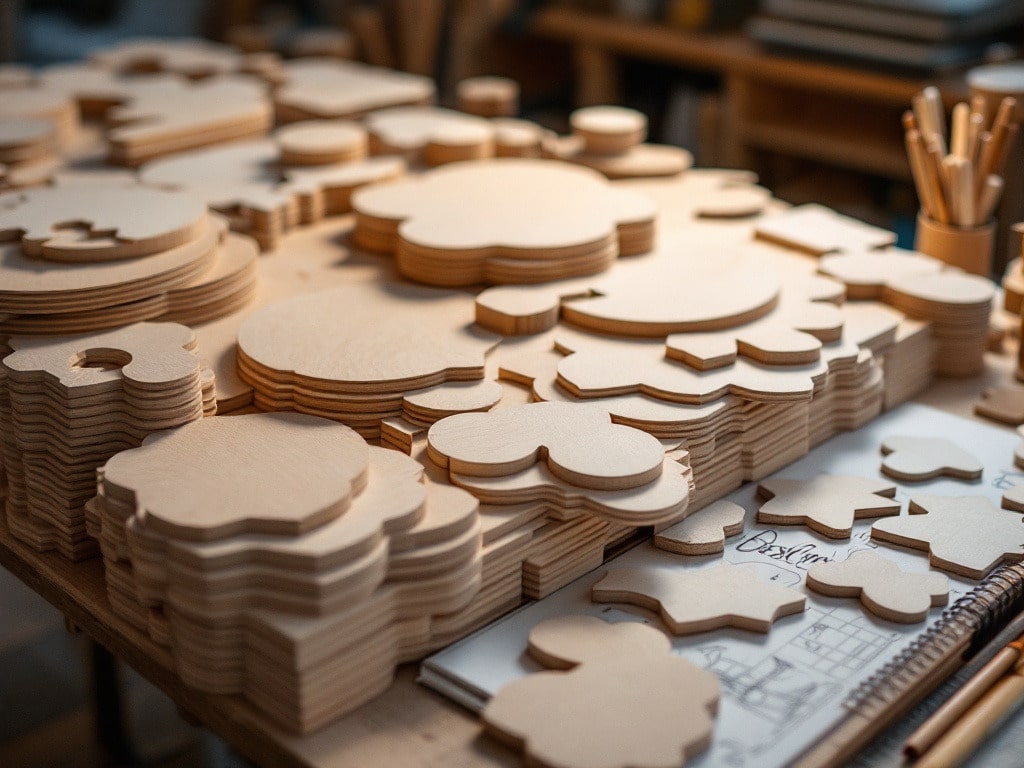

Types of other categories of wooden products
TigerWood’s catalogue is not limited to household goods — alongside them runs a wide list of other wooden products for business needs. These are furniture blanks, decor elements, building materials and components for furniture assembly. They are taken both to finish a ready project and to launch a new one, and a household-goods customer can add these items to the same order without looking for a separate supplier.
For example, tables, chairs, shelves and other furnishings for offices and the home are made — they go well with household goods in a single material and style. Components for individual furniture projects are also available, including decorative elements such as carved panels and false beams. This is convenient when you need to furnish a space as a whole, rather than assembling it from incompatible parts from different workshops.
For those who make or sell furniture, wooden frames, fronts, doors and other components are available. From these, items are assembled with the required characteristics and design for the end customer’s request. In essence, a furniture maker receives ready-made quality parts and saves on their own cutting to size, while retaining control over the final look of the product.
All products are made to current standards, which builds in a long service life across the most varied fields — from home and office to retail and production. A single level of quality across all categories means the customer can expand cooperation into new areas without checking each time whether the execution will slip.
Examples of our work and partner projects
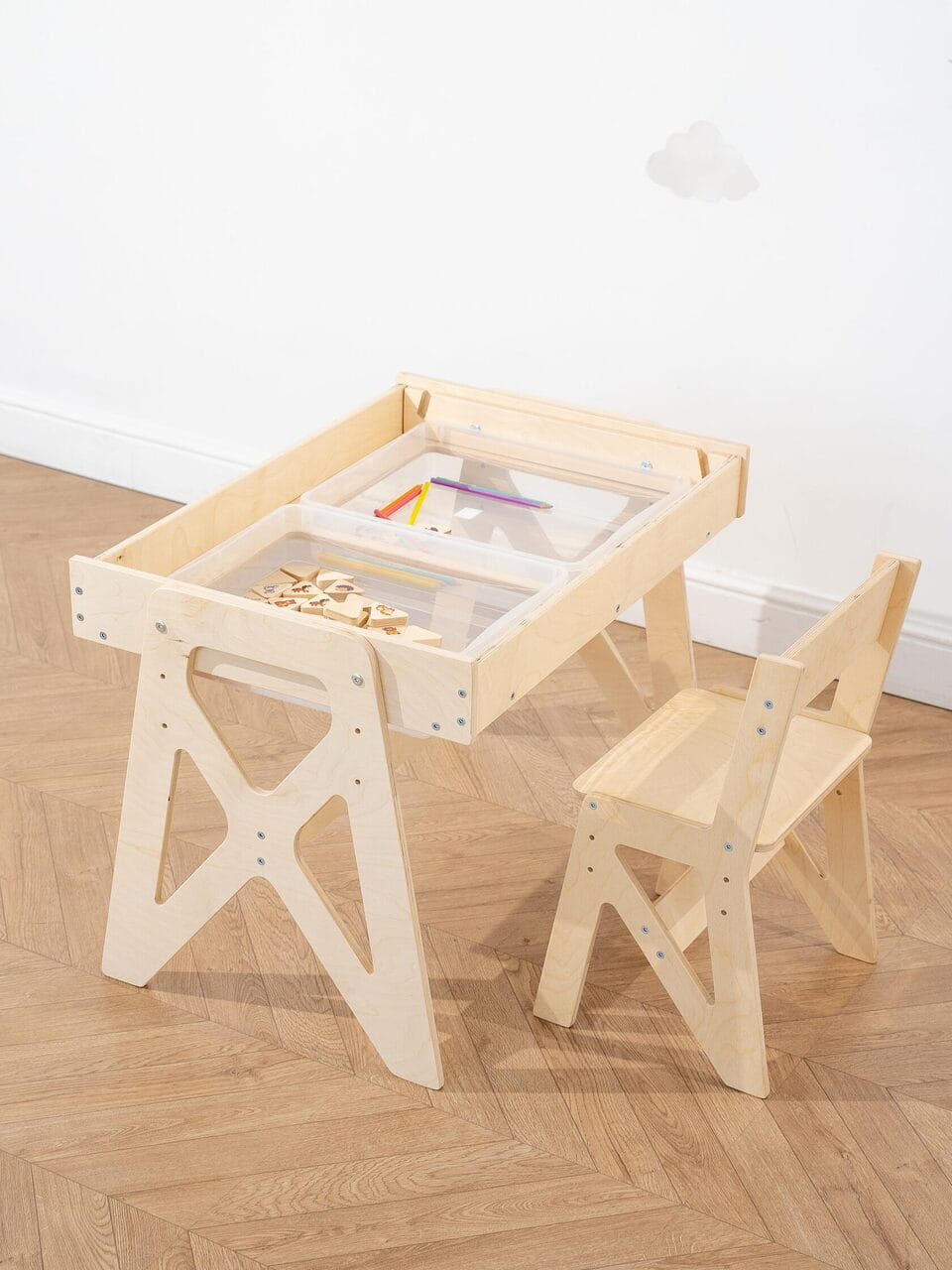
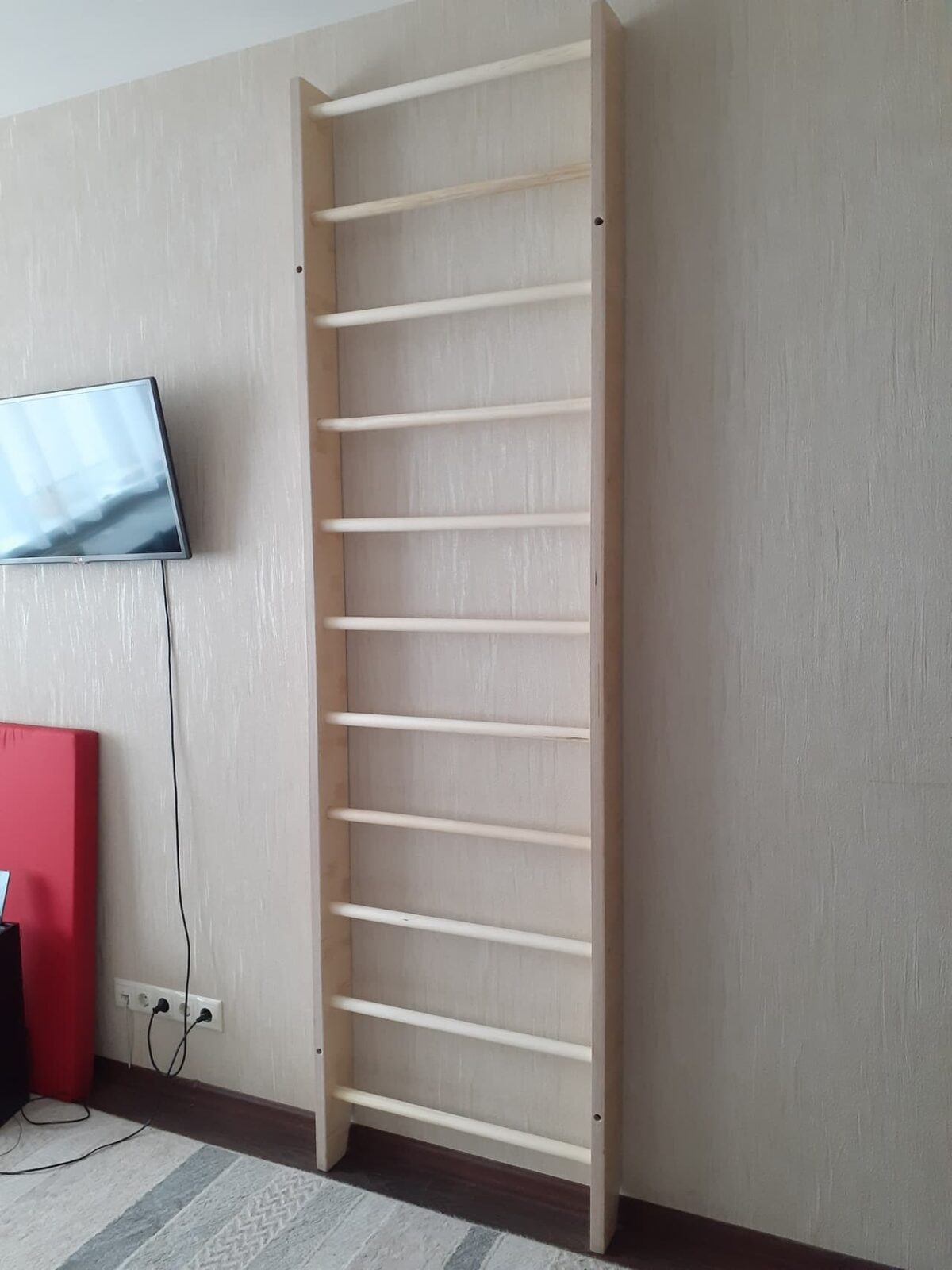

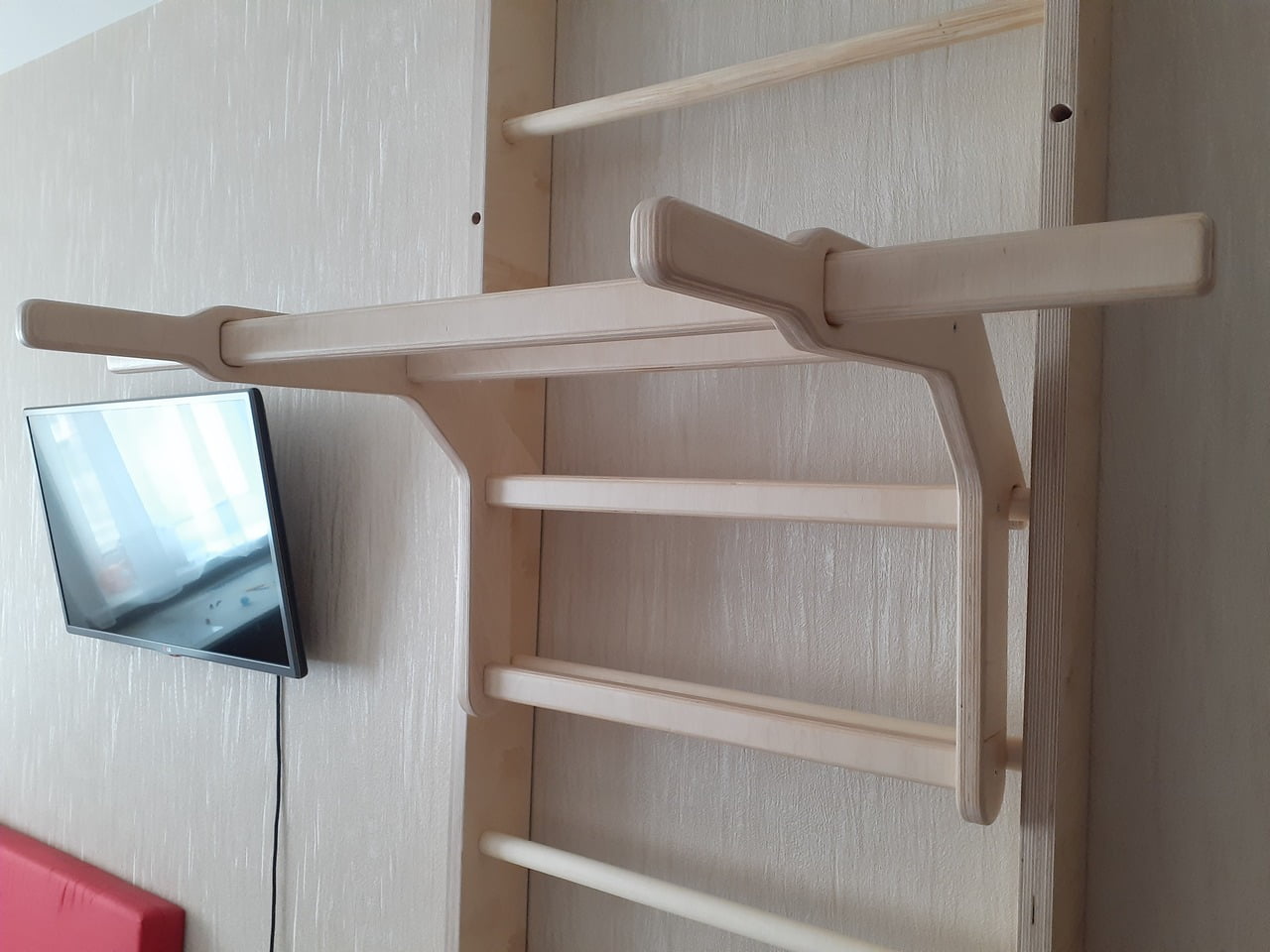
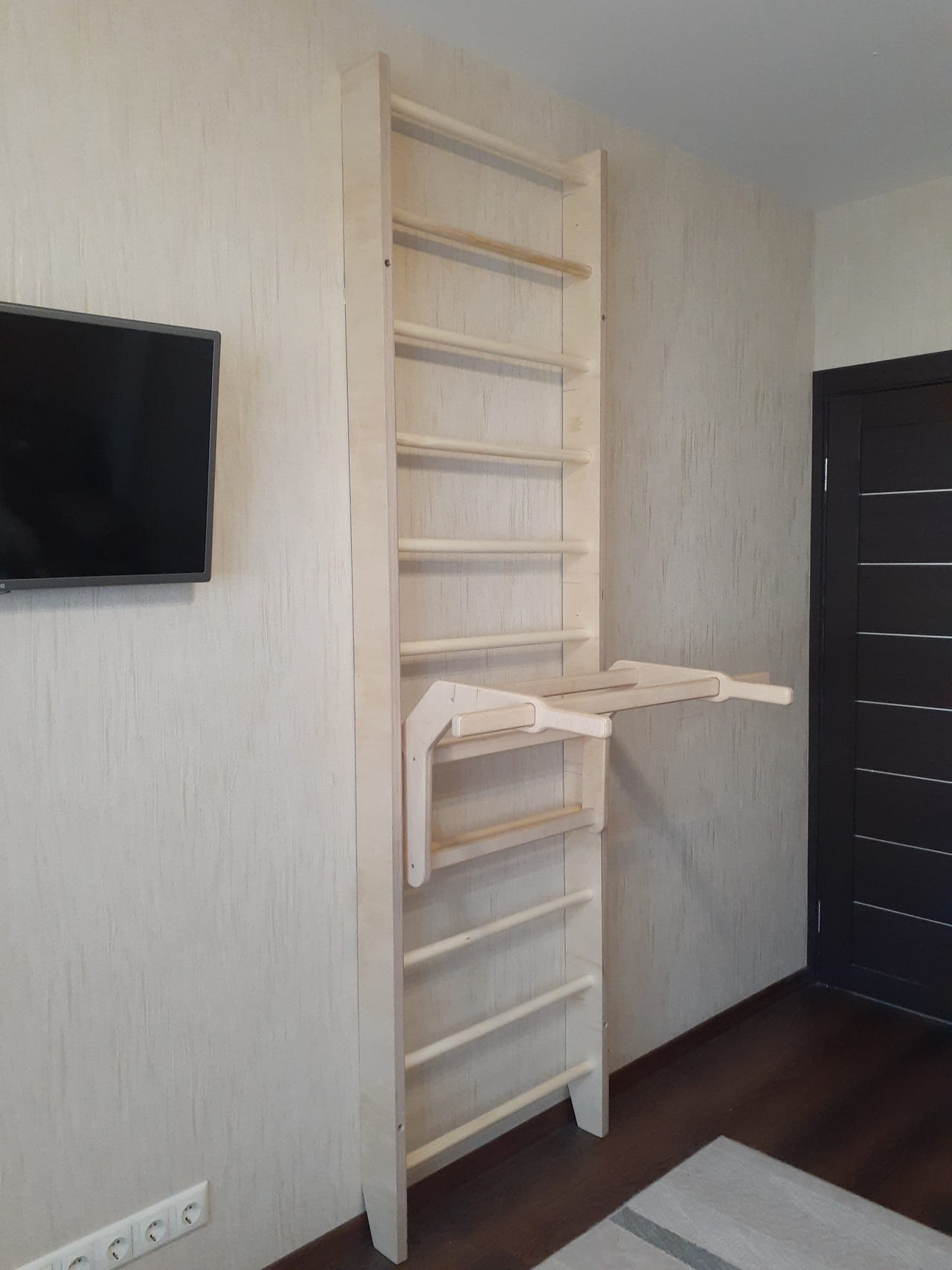


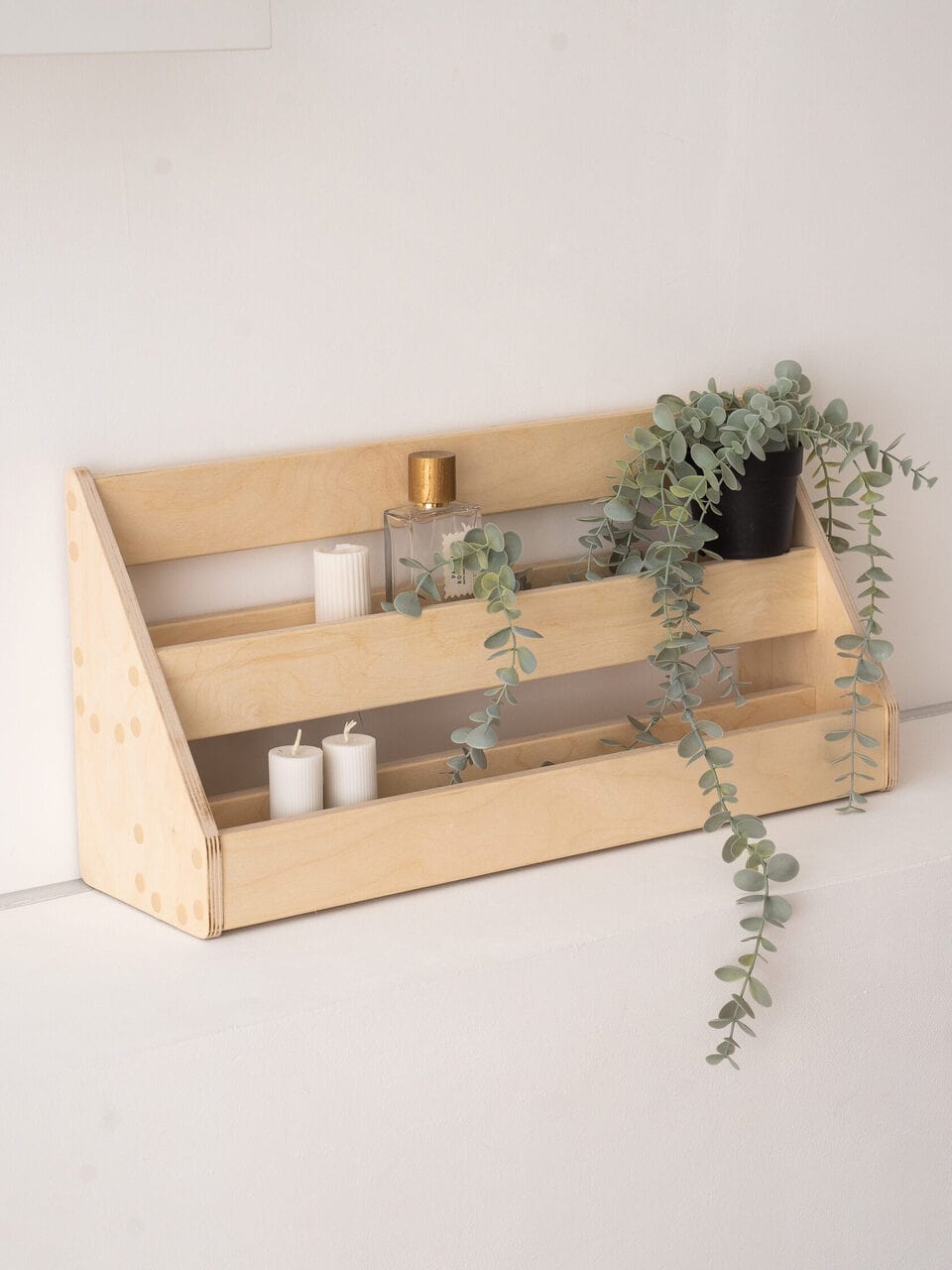
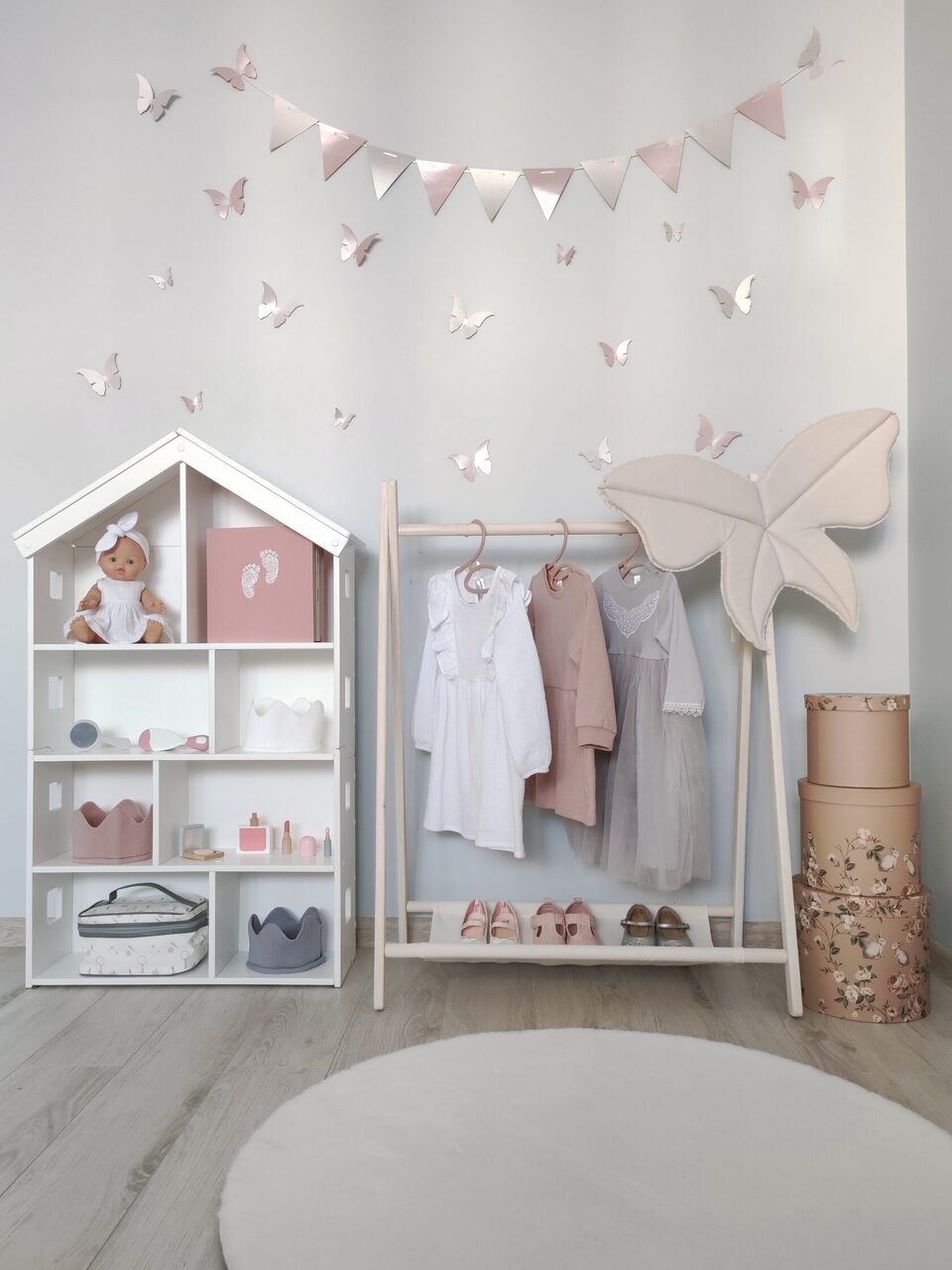
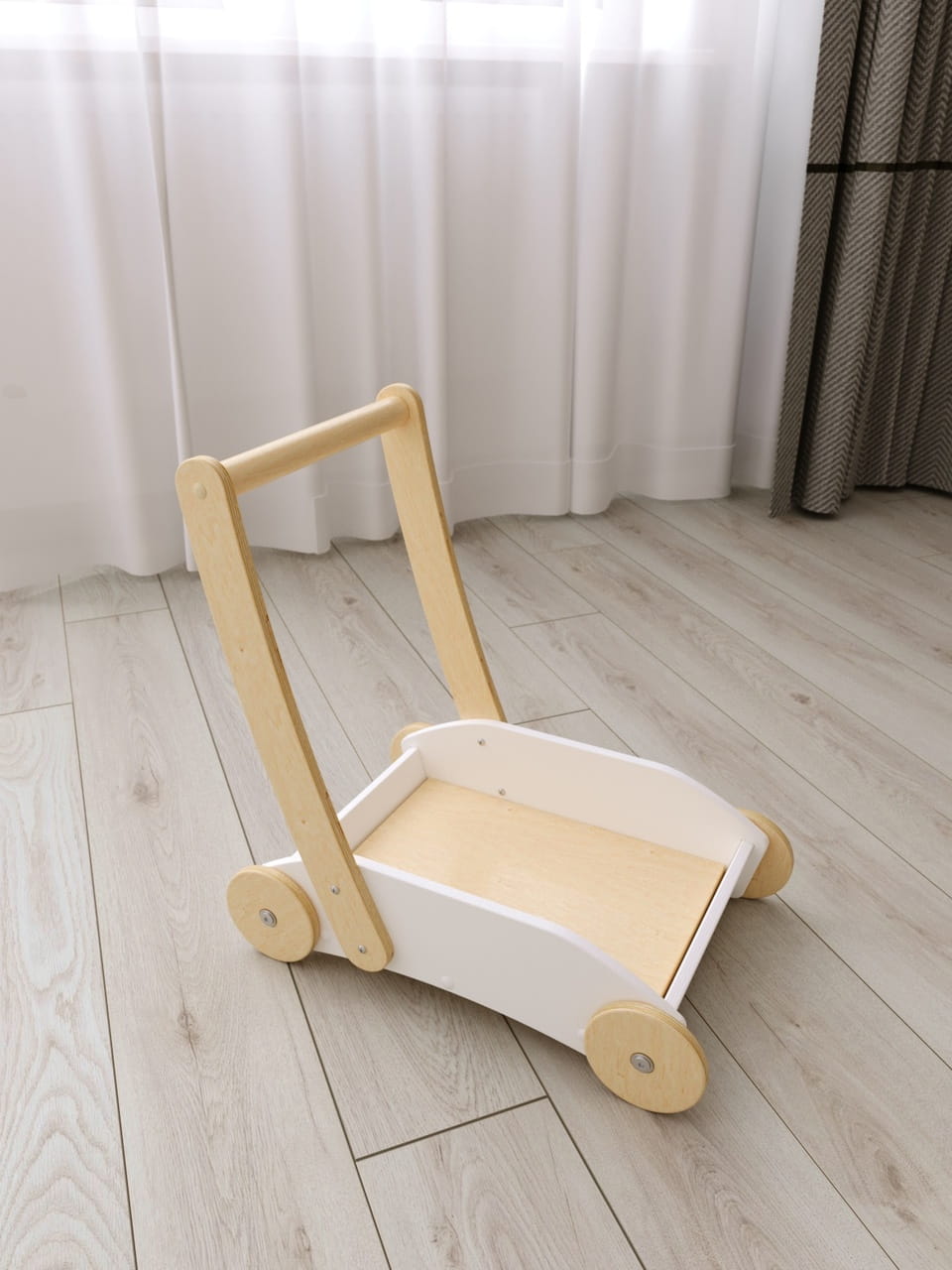

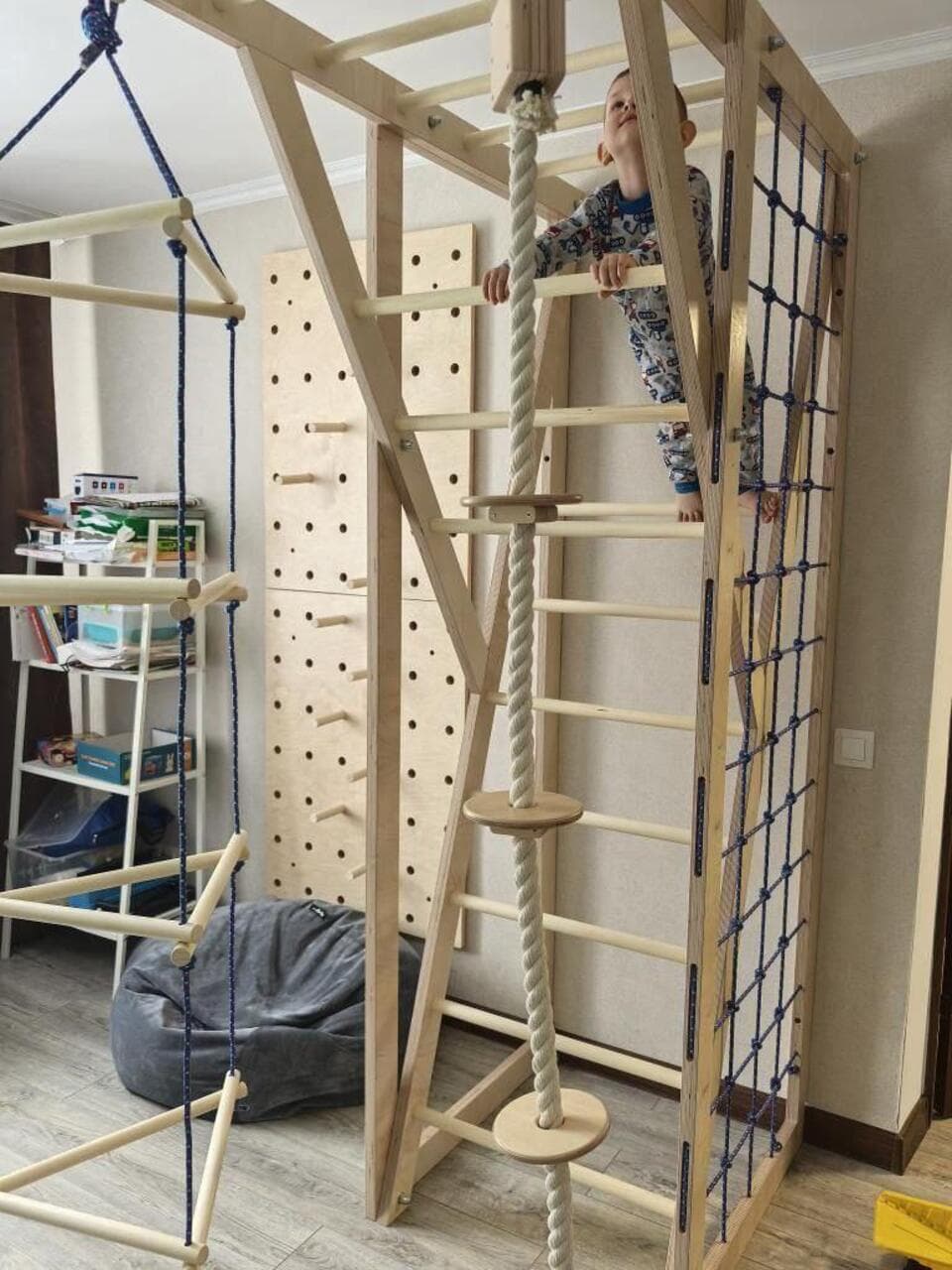
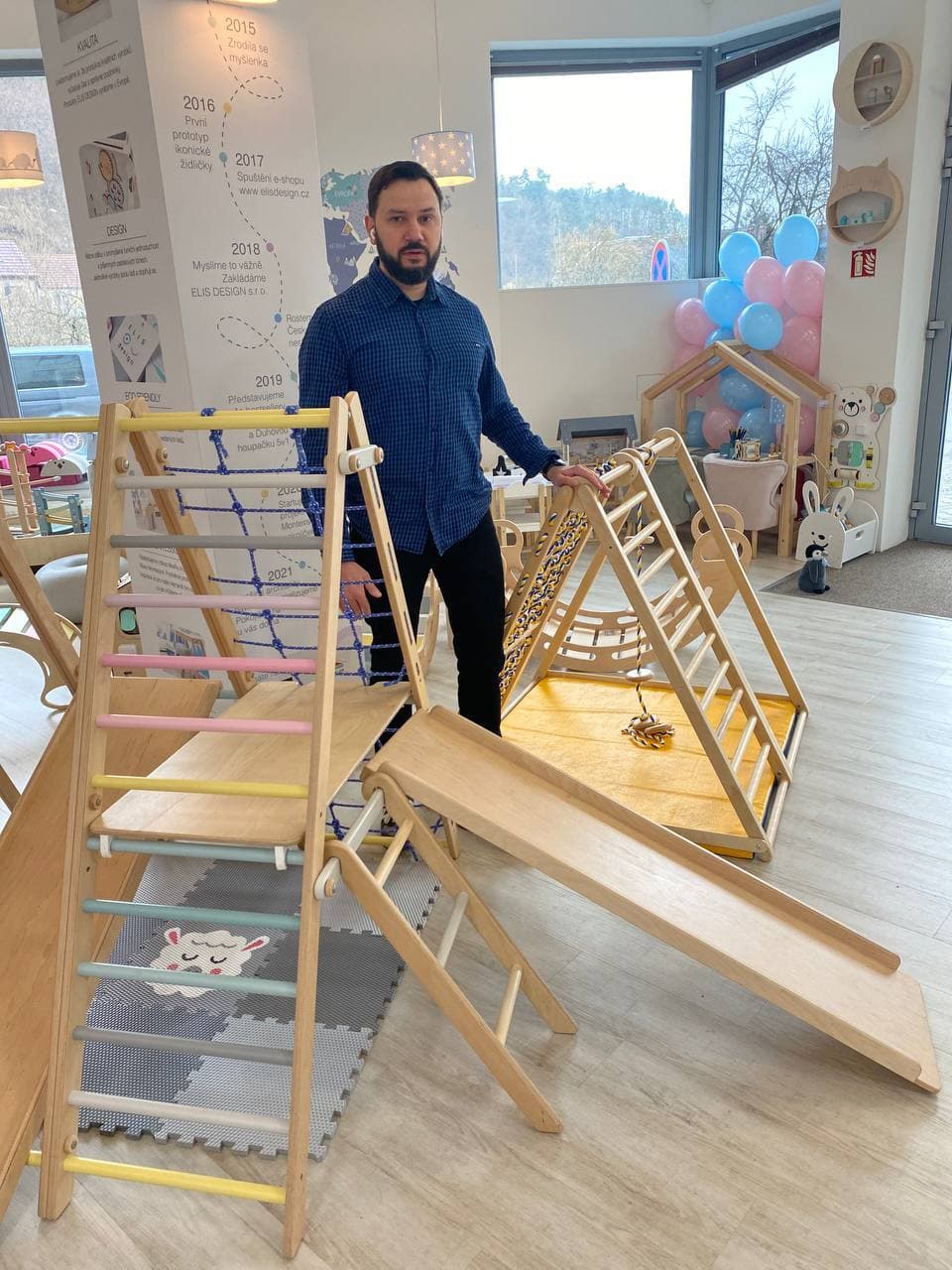
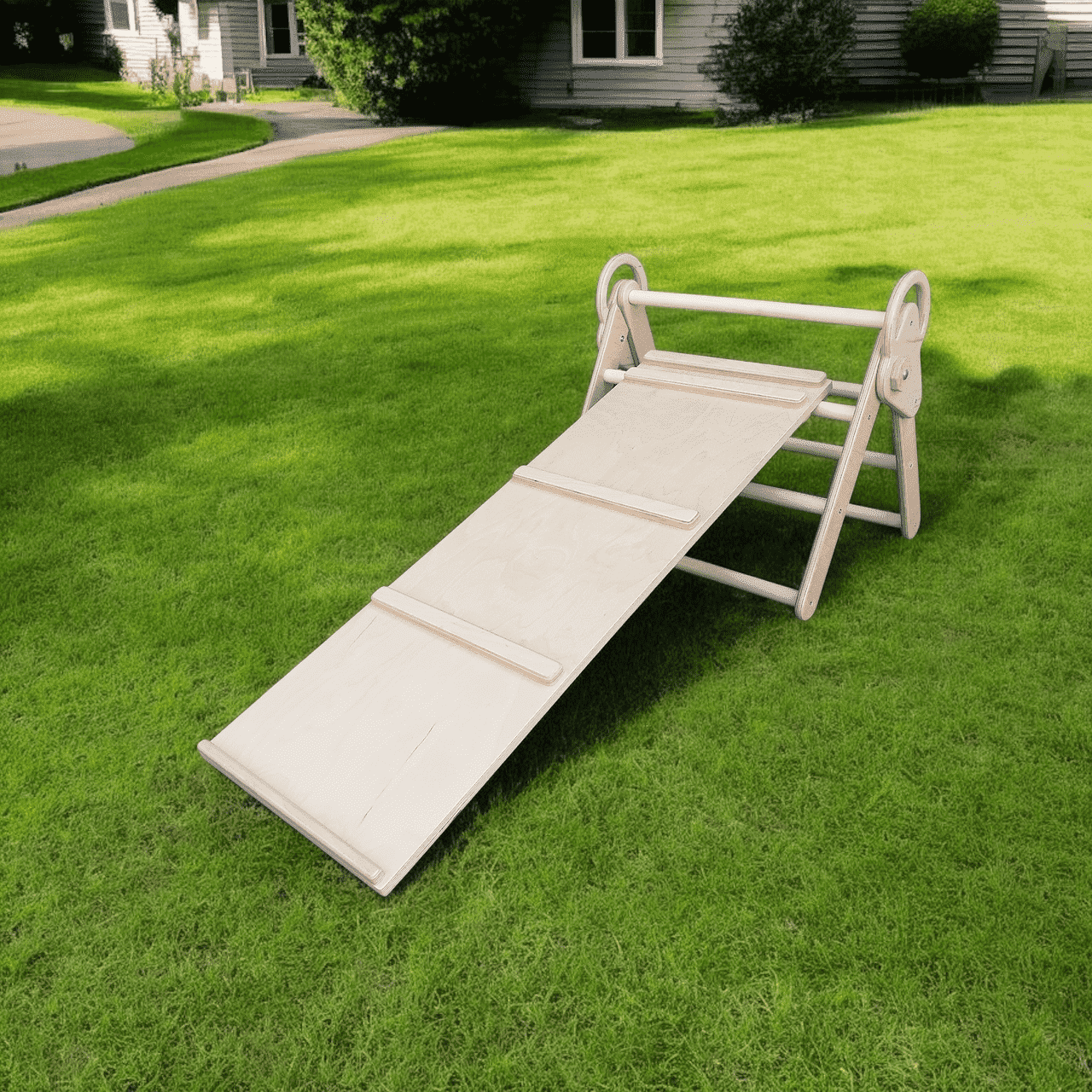
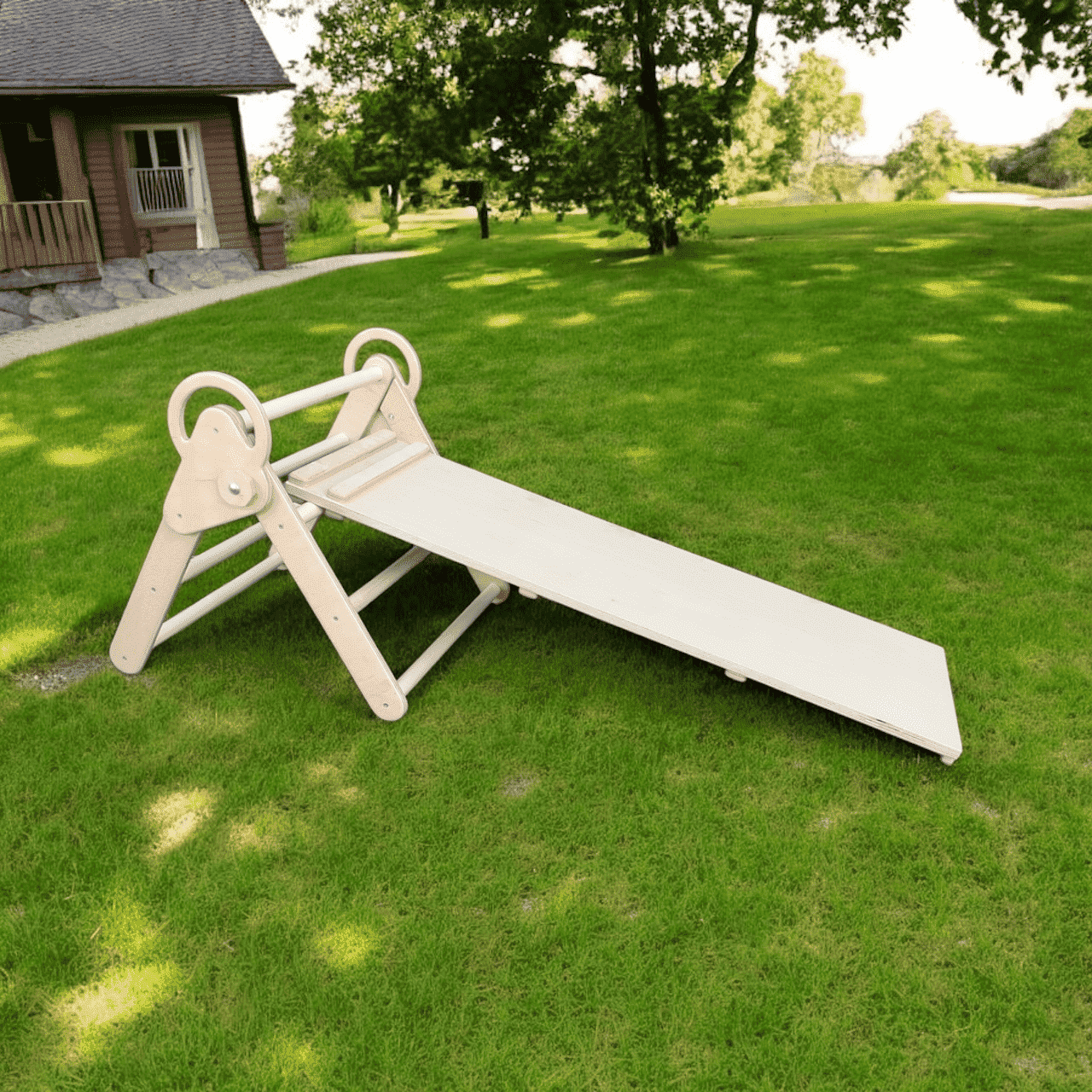
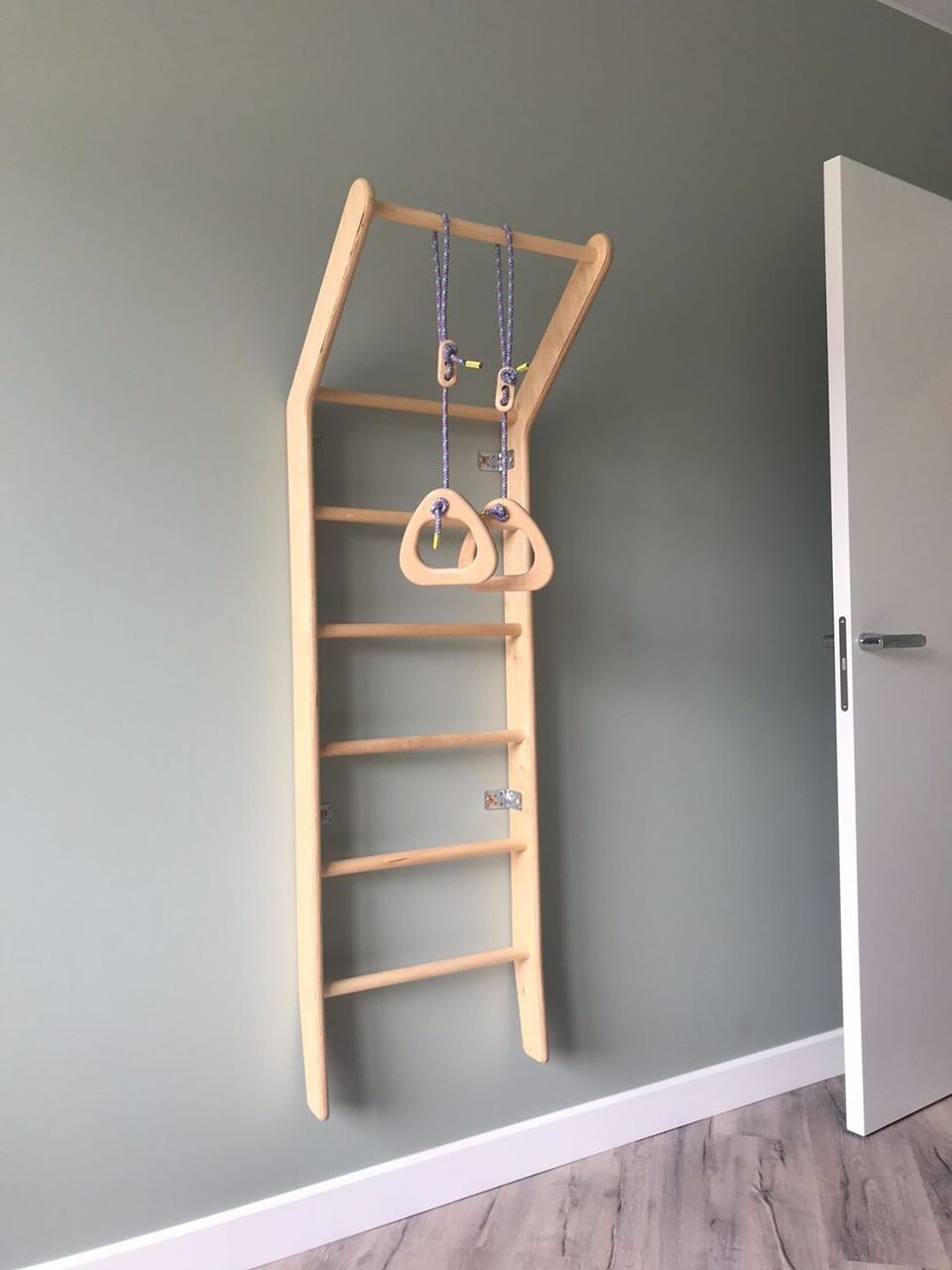
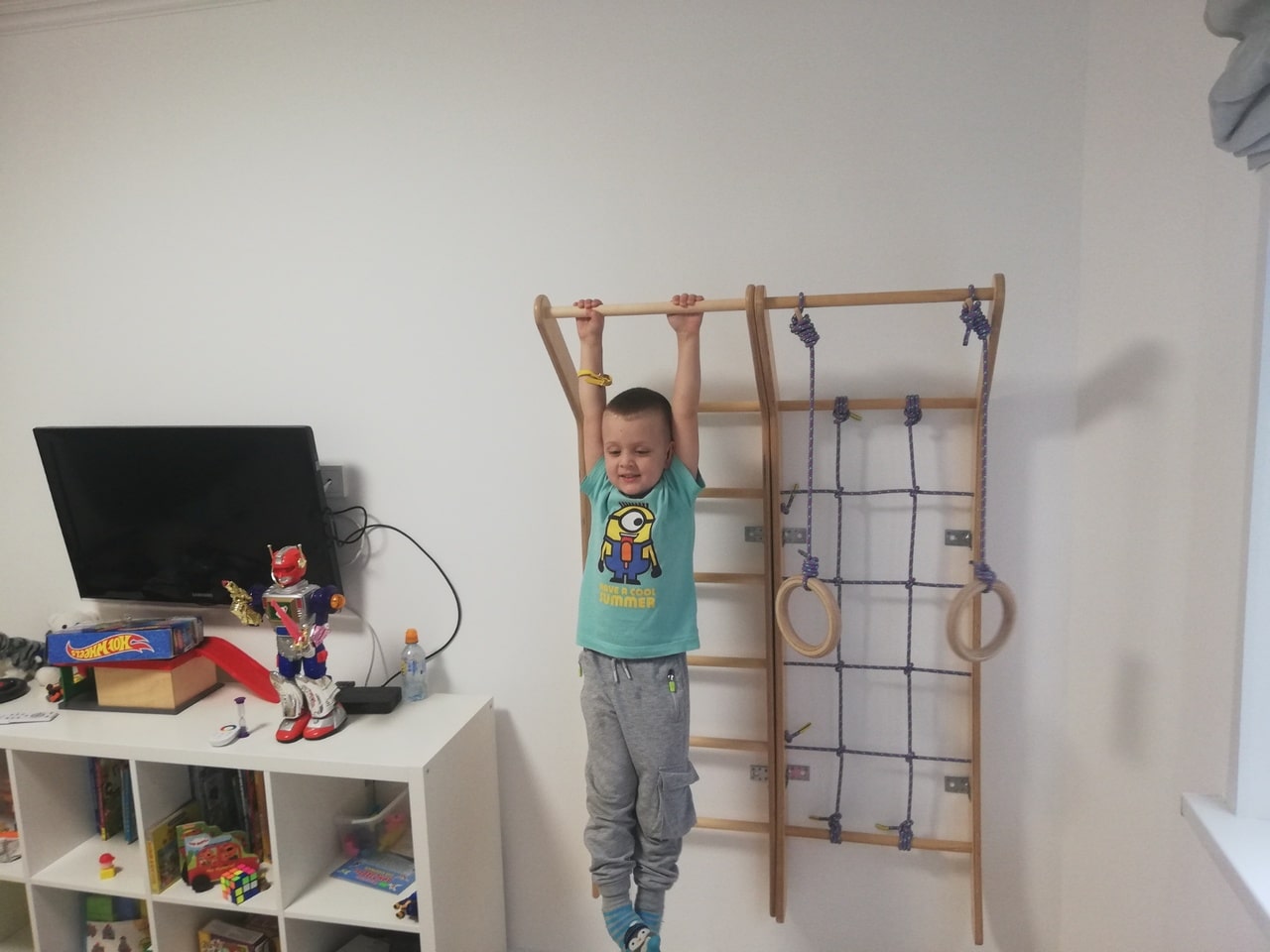
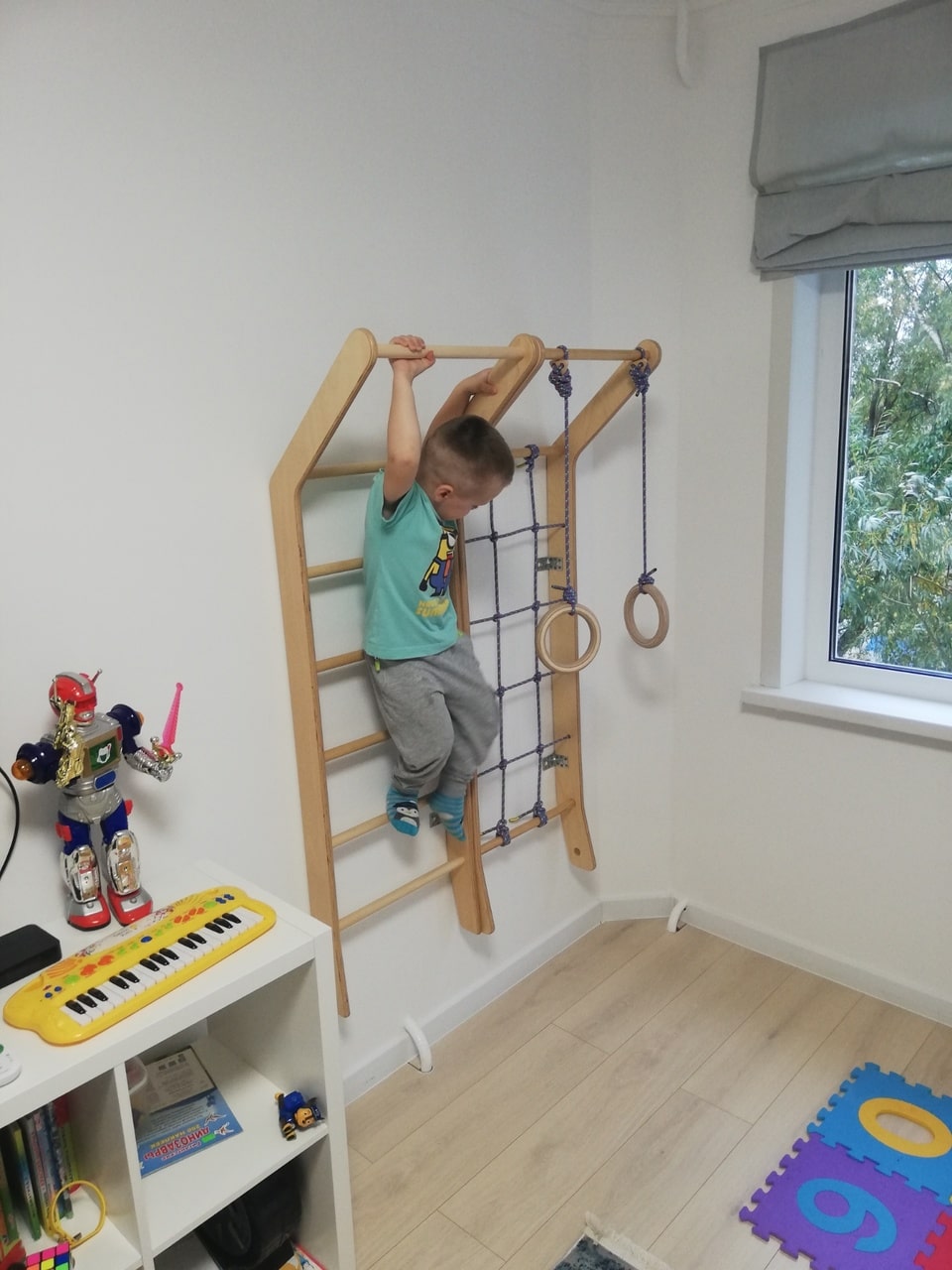

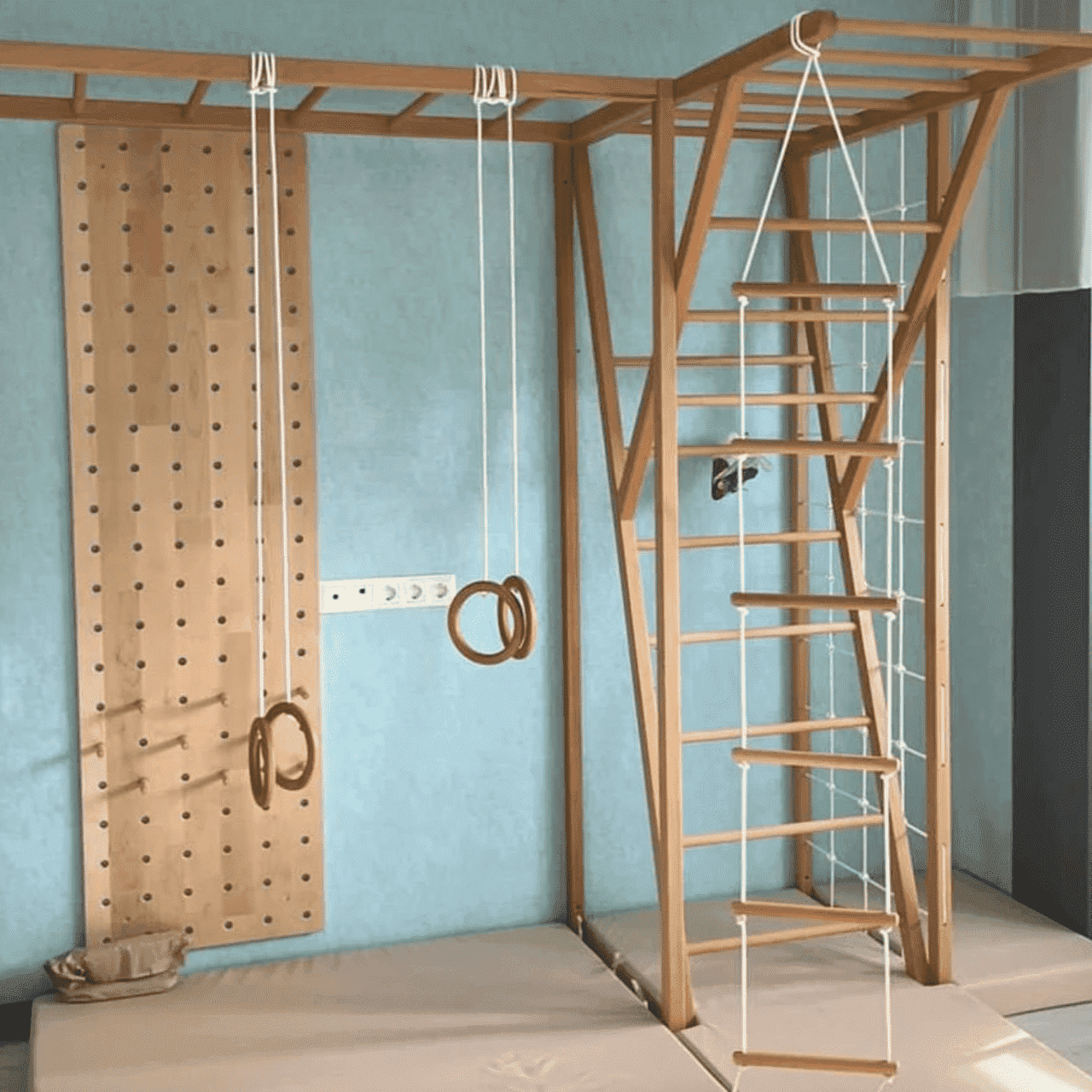
TigerWood has worked with very different customers, and this experience allows it to keep quality high across the most varied fields. Several completed projects on household goods and other wooden products show well how differently such orders can be structured — from one-off designer models to large series for chains.
One example is hangers for a large furniture store. Here not only strength and functionality mattered but also a stylish look: the hanger stood on the sales floor and worked on the store’s image. Exclusive models were developed to the request, setting the outlet apart from competitors with a standard range.
Another example is crates and boxes for storing goods in a large retail chain. Here convenience and the strength of the material came first, since the containers work under constant load. Crates of various shapes and sizes were made that suited storage in the warehouse and transport between the chain’s outlets equally well.
A separate block is drying racks for large agricultural enterprises. They noticeably sped up work on production lines where throughput matters. Such projects show well the breadth of possibilities: one and the same manufacturer makes both household trifles and industrial wooden equipment, adapting to entirely different industries.
Who already works with us

Cabinet furniture makers
Joinery workshops

Interior designers

Architects

Private craftsmen and artisans

Online sellers

Advertising agencies

Set designers

Restorers

Toy manufacturers

Artists and sculptors

Construction companies

Exhibition equipment manufacturers

Educational institutions

Sports equipment makers

Wooden packaging manufacturers

Private customers

Shops and boutiques

Manufacturing enterprises

Restaurants and cafés
TigerWood’s circle of customers is broad: large shops, distributors, furniture makers, construction companies, interior designers and architectural firms. Each has its own specifics and its own requirements, so the approach to each is individual — a solution is chosen for the task rather than handing everyone the same price list. This is what makes it possible to offer genuinely needed items rather than template ones.
Among the clients are retail chains and the hotel business too — they need wooden products for decorating interiors and organising space in rooms. The products go to hotels, cafés, restaurants and other places that value things that are functional and beautiful at once. In such establishments an object’s appearance works on the atmosphere, so wood beats cold plastic.
They also work with small enterprises and start-ups that need quality yet inexpensive solutions for their projects. For such clients there are favourable terms allowing them to start with minimal costs. This matters when a business is only testing a niche and is not ready to invest a large budget in a big batch at once — you can start small and scale volume as demand grows.
Wooden household goods from TigerWood
Wooden household goods: strength, functionality and style
TigerWood’s range of household goods is broad: hangers, boxes, stands, crates, bins, drying racks. Everything is made from quality timber that has undergone strict processing, which builds in durability and resistance to loads. Even a single hanger comes in a mass of variants — from a simple, clean model to a decorative one with shelves and hooks — so a design of its own is chosen for a specific interior or task.
An individual approach and flexibility in production
One of the main pluses of working with TigerWood is the ability to order an item to an individual drawing and size. This lets you hit the business’s requirements precisely and get a unique product rather than fitting the task to a ready template. Manufacturing household goods runs through several stages — from choosing the material to the final finish — and each of them is kept under control for stable quality.
Eco-friendliness and safety of wooden products
Serious attention is paid to eco-friendliness here. Only materials safe for health go into production, so the items are fit for any conditions — from the kitchen to the nursery. The varnishes and oils for coating also meet strict environmental standards. For a household item that is constantly in contact with hands and food, this is not marketing but a basic safety requirement.
Guaranteed delivery and reliable supply
TigerWood provides delivery across Europe and beyond, reliably and on time. The customer does not have to worry about logistics — the goods arrive when needed rather than whenever they happen to. High production speed and flexible delivery terms become a separate advantage, especially for those working to specific sales dates or seasonal demand.
Wood species and materials for household goods
The material in household goods is chosen for the load and purpose of the item. A light hanger and a heavy warehouse bin need different properties of wood: one calls for neatness and low weight, the other for strength and impact resistance. Hence the difference in species and in the price of the finished item. The table below shows where each material is more appropriate in this category.
| Material | Properties | Where it is used |
|---|---|---|
| 🌲 Pine | Light, inexpensive, warm | Hangers, boxes, light shelves |
| 🌳 Oak | Very strong, wear-resistant | Crates, load-bearing bins |
| 🪵 Larch | Resistant to moisture | Drying racks, items for kitchen and outdoors |
| 🌿 Ash | Strong, beautiful grain | Decorative and premium models |
| 🟫 Plywood / MDF | Even sheets, neat appearance | Organisers, sides, shelves |
Pine is the workhorse base for mass-produced light items: it is inexpensive, easy to work and pleasant to look at. Oak is taken where a household item bears weight and takes knocks — into crates and bins for the warehouse. Larch calmly withstands moisture, so it is appropriate in drying racks and kitchen ware. Ash, with its expressive grain, goes into decorative and premium models, while plywood and MDF give an even surface for organisers and shelves.
Regardless of species, the material is dried and calibrated in advance. A household item often lives in swings of humidity — in the kitchen, the bathroom, an unheated warehouse — and without drying the wood warps over time and cracks run across the item. That is why the blank is brought to the required moisture content, boards with large knots are rejected, and only then it goes into cutting to size. This preparation is invisible to the buyer, but it is exactly what sets apart an item that serves for years from one that dried out and cracked within a season.
Household goods for the home and daily life
At home, wooden household goods solve a simple but constant task — to bring and hold order. Organisers sort small items into place, shelves free up surfaces, hangers gather clothes in the hallway, and drying racks and stands bring order to the kitchen. All these things share one plus: they are not only functional but also look like a piece of the interior, rather than utilitarian plastic you want to hide.
The kitchen is a separate zone with its own requirements. Here resistance to moisture and easy cleaning matter, so kitchen household goods are made from suitable species and coated with safe compounds that contact food without harm. Trivets, spice organisers, drying racks for dishes and fruit — they all work under daily load, and wood wins over metal here in that it does not rattle, does not rust and is nicer to the touch.
The hallway and living rooms are about combining usefulness and looks. A hanger greets guests first, so its shape and finish work on the impression of the home. Shelves and bins help put things out of sight while staying beautiful. The warm texture of wood sets a cosiness that a cold metal rack cannot give, and that is exactly why owners increasingly choose wooden household goods even where cheap plastic would have cost less.
Household goods for business, retail and HoReCa
In the commercial segment, wooden household goods work differently than at home — on throughput and on the image of the establishment. In a shop these are containers for storage and display, bins for goods, stands for price tags and small items. In a hotel and restaurant — drying racks, stands, organisers, menu holders that catch the guest’s eye and therefore have to be neat. Here the object both performs a function and works on the atmosphere.
For retail the key words are uniformity and repeatability. When bins, stands and shelving elements are made in a single style and identical sizes, the sales floor looks coherent and the warehouse fills up without wasted space. A chain orders such household goods in series so that every outlet shows the same picture, and here it is especially important that the batch does not “drift” in quality and shade from supply to supply.
Household goods for the HoReCa sector
For cafés, restaurants and hotels, wooden items give what metal and plastic cannot — a warm, natural aesthetic. Wooden trays, bread bins, stands and menu holders give an establishment character and underline its concept, be it rustic, Scandinavian or eco. At the same time the items are built for real use: a durable coating withstands frequent cleaning and moisture, while a sturdy construction endures a flow of visitors.
For this segment branding and adaptation to the interior are almost always important. A logo on a menu holder, a signature wood shade, a shape for a specific concept — all of this turns a utilitarian object into part of the establishment’s image. Serial production makes it possible to fit out a chain of outlets in a single style, while flexibility on individual orders makes it possible to create something non-standard for a specific restaurant that wants to stand out.
Types of wooden household goods and their formats
It is convenient to lay the range of household goods out by purpose — that way it is easier to assemble a line-up for a shop or marketplace. Some items are compact and domestic, others large and for the warehouse, others still decorative and premium. The table below gives a rough guide to the main groups, their typical size and place of use.
| Item | Size guide | Where it is used |
|---|---|---|
| 🧥 Hanger | wall-mounted / free-standing | Hallway, shop, wardrobe |
| 📦 Box / organiser | 15–40 cm | Home, office, sales floor |
| 🗄️ Crate | 30–60 cm | Home, warehouse, shop |
| 📥 Bin | from 50 cm | Warehouse, storeroom |
| 🍎 Drying rack | from compact to industrial | Kitchen, farm, production |
A well-assembled line-up usually covers several groups. Compact organisers and stands cover impulse domestic demand, hangers and crates provide the main turnover, large bins go into the warehouse segment, and decorative models raise the average check. Such a set lets a seller offer something both to the buyer of a couple of small home items and to a business fitting out a whole warehouse or shop.
Household goods to an individual project
When a standard format does not fit, an item is made to an individual drawing — for a non-standard size, a specific niche or a brand’s signature style. The technologist works from the dimensions, purpose and conditions of use, then selects the species, thickness and type of joints. The fuller the input — sizes, purpose, print run, wishes on the finish — the more precise the result and the fewer revisions at the production stage.
How to order household goods wholesale
A wholesale order runs along a clear chain, and the fuller the initial data, the more predictable the lead times and price. At the start the task is discussed: which items are needed, for which segment, in what print run, with or without branding and by what date. Here it is also decided whether a ready model will do or development to a drawing is needed. Then come calculation, approval, a sample if necessary, production and delivery.
- 1️⃣ Enquiry — set of items, segment, print run, type of branding, deadline.
- 2️⃣ Calculation and design — selection of species and construction, a sketch, a preliminary estimate.
- 3️⃣ Sample — for a large batch, making a trial item for approval.
- 4️⃣ Production — cutting to size, assembly, finishing, quality control.
- 5️⃣ Packing and delivery — packing for the print run and dispatch to the required region.
Wholesale is more profitable than retail thanks to the unit cost: a large print run is more rational in cutting, and branding a batch costs less per item. For chains and sellers this is a chance to keep a stable price and repeatability: a new batch arrives just like the previous one, which is critical when goods are topped up into an already assembled line under a single brand.
Flexibility on print runs helps out when launching a new product or testing demand. A small test batch can be brought out without freezing the budget in a large warehouse stock, and you can see how it goes. Lead times depend on the print run and complexity: standard models ship faster, items to an individual project need time for approval and a sample. For seasonal peaks it is wiser to place an order in advance.
Branding and individual design of household goods
For a shop or chain a wooden household item is also a carrier of the brand. A logo, a signature shade, a recognisable shape turn a utilitarian object into part of the marketing that works right in the buyer’s hands. Wood has several techniques for this, and each gives its own effect: a strict monochrome engraving, three-dimensional milling, colour printing or an accent tint in the brand colours.
- 🔥 Laser engraving — a durable burnt-in logo right in the wood, does not wear off over time.
- 🎨 Colour printing — a bright image and complex graphics for eye-catching accents.
- 🪓 Milling — three-dimensional relief and pattern that give an item a premium look.
- 🎨 Tinting — a signature wood shade in the brand colours.
Individual design goes beyond a single logo. For a brand you can change the very shape of an item, add non-standard elements, think through signature packaging. For a shop this is a way to offer the buyer something competitors do not have and raise the recognition of its own brand. This is especially valuable on marketplaces, where an original design makes a listing stand out in a stream of identical offers.
The ability to work under someone else’s brand matters for resellers too. Items are made to agreed standards, with the required styling, so the goods can be put on the shelf under one’s own name without fear for quality. A single point of responsibility for the whole batch relieves the buyer of the dispatcher’s role: there is no need to reconcile supplies from different workshops and work out whose element turned out defective.
Wood versus plastic and metal in household goods
When choosing a material for a household item, wood has weighty arguments. It is warm to the touch, pleasant in the hands, does not rattle or rust like metal, and does not look cheap like thin plastic. A plastic organiser clouds over time, scratches and cracks, and once broken is barely repairable. A wooden analogue lasts longer, ages more nobly and is fixed in place — a cracked element is replaced rather than throwing out the whole item.
Metal wins in narrow niches — where extreme load or moisture resistance is needed. But in daily life it is cold, noisy and prone to rust if the coating is damaged. Wood is friendlier in this sense: it does not scorch the hands, muffles sound and creates a feeling of cosiness. For the kitchen, hallway and living rooms this is a noticeable difference, because of which wooden household goods are perceived as more homely and of higher quality.
Eco-friendliness matters too. Wood is a natural, renewable material, and safe coatings do not release harmful substances, which is critical for objects in contact with food and hands. Cheap plastic is riskier in this sense: a dubious composition and smell put off a buyer who increasingly makes a conscious choice for the natural. For a brand with a “green” agenda a wooden range is not only a product but part of the image.
It all comes down to the task. Where warmth, the look in an interior, repairability and eco-friendliness matter, wooden household goods are more practical than plastic and metal analogues. Narrow technical niches stay with metal and plastic, but for the main mass of domestic and retail items it is exactly wood that gives the best balance of usefulness, durability and appearance, and at the same time a higher perceived status of the product.
Caring for wooden household goods
The service life of a household item is set in production, but simple care extends it. Wood serves long if it is minimally looked after: wipe off moisture, do not leave the item in water for long, once a season inspect the fastenings and refresh the coating on items in active use. The ends and joints, where water collects, suffer most, so these places are watched first.
Kitchen items need a little more attention because of constant contact with moisture and food. Drying racks and stands are better not left wet — dry them off periodically and, if necessary, refresh the oil coating in a thin layer; this restores protection without streaks. With such care wooden ware does not darken, does not crack and stays hygienic rather than turning into a breeding ground for moisture and odours.
Repairability is an underrated merit of wooden household goods. A loosened joint is tightened, a worn surface is re-sanded and coated, a broken-off element is replaced — and the item returns to service instead of disposal. With such simple care hangers, crates, shelves and drying racks serve many years, and the investment in a quality product pays off through a long life and fewer replacements. Production sets the foundation, and careful use simply extends what has already been made properly.
Organising storage with household goods
The main value of household goods is order, and order rests on a system rather than random boxes. When crates, bins and organisers are chosen to a single module, they stack together without wasted space, pile up and are easily found on the shelf. Mismatched containers, on the contrary, eat up space and turn a storeroom into chaos where you spend longer looking for the item you need than using it.
For the home a storage system is built around zones. In the hallway — hangers and bins for seasonal things; in the kitchen — organisers and stands for utensils; in the storeroom — roomy crates and shelves. Wooden items are convenient here in that they can be chosen in a single style, and then the system looks coherent rather than assembled from whatever came to hand. Open and closed containers are combined: some for what is needed to hand, others to hide the surplus.
For a business, sound storage is direct savings. Modular containers for shelving and the warehouse fill the height and depth without gaps, speed up receiving and picking, and reduce goods breakage. At a retail outlet neat bins and stands also work on the display, helping goods sell. In both cases the investment in a well-thought-out household-goods system pays off through the time that would otherwise go on searching, reshuffling and fixing disorder. And time saved is already a direct benefit, whether a calm morning at home or the sped-up work of a warehouse, where every extra minute of searching is multiplied by the number of employees and work shifts.
Quality control of household goods
The quality of a household item is decided not at the final inspection but at every step of production. The blank’s moisture is checked after drying, boards with knots and cracks in load-bearing places are rejected before cutting, and finished joints are tested for strength. Such an end-to-end approach removes the situation where a reject surfaces already on the shop shelf or in the buyer’s hands — the defect is cut off at production.
Repeatability is checked separately — especially for serial orders for chains and marketplaces. Items are compared not only against the drawing but with one another: sizes, coating shade, smoothness of edges must match across the whole batch. It is exactly because of this that goods look the same on the shelf and in the listing, and the buyer gets exactly what they saw in the photo. Any discrepancy hits the seller’s rating, so it is cut off in advance.
The chain is closed by a check of safety and presentation: a surface without splinters, a coating without smell, a stable construction, intact packaging. Household goods checked at every stage cost more than nameless knock-offs at the input, but are noticeably more profitable per result — fewer returns, higher reviews, a stronger reputation for the customer’s brand. Quality control here works as insurance for the investment in the whole print run, not as a formal tick. For a brand it is also a defence of the name: a single defective item in a buyer’s hands can cancel out trust in the entire line, so rejection is carried out strictly at every stage, not only at the final acceptance of the finished batch, when it is already too late to fix anything.
Household goods for marketplaces and sellers
Selling on marketplaces is a separate scenario, for which household goods are honed in a special way. Here the product has to sell itself: look good in the photo, match the picture in real life and arrive intact. Wooden items are almost ideal for this — they are photogenic, are perceived as a quality natural product and keep their standard from supply to supply if made to a well-tuned technology.
The key thing for a seller is repeatability and packaging. The buyer orders by the listing and leaves a review by the fact, so any discrepancy hits the rating. A manufacturer that keeps the same quality across the whole print run is more valuable to a seller than one who slips items worse than the sample into the batch. Compact flat packaging lowers logistics costs and reduces breakage at pick-up points, and therefore the number of returns too.
Flexibility on print runs helps test a niche. A beginning seller can bring out a small batch of popular household goods, assess demand and scale up volume without freezing a large budget in warehouse stock. And the branding option makes it possible to enter the platform under one’s own brand rather than reselling an impersonal product. For a growing business this is a convenient starting point with clear economics.
Eco-friendliness and trends in wooden household goods
Demand for wooden household goods rests largely on the general turn towards the natural. The buyer increasingly chooses an item from a natural material instead of a plastic one, and companies more readily invest in a range that supports the image of a responsible brand. Wood is a renewable and recyclable material, and this is no longer an abstract plus but an argument read by both end consumers and wholesale customers.
In design a shift towards minimalism and honest texture is noticeable. Ever more popular are clean forms where wood is not hidden under solid paint but has its grain emphasised with a tint, brushing or clear oil. Such a style sits well both in a home interior and in commercial spaces — from eco-cafés to Scandinavian shops — and makes even a simple hanger or bin part of a well-considered look for a room.
Durability works hand in hand with ecology here. A household item that serves for years and is repaired in place generates less waste than cheap disposable ware replaced every season. In the end wooden household goods answer several demands of the time at once: they are natural, durable, pleasant to use and fit the current aesthetic, which means demand for them will stay steady for the foreseeable future.
Comprehensive turnkey fitting-out with household goods
One of the conveniences of ordering from a single manufacturer is the ability to fit out a site as a whole rather than assembling items piece by piece. Hangers, bins, shelves, stands and drying racks from agreed materials and in a single style give a coherent picture without a mismatch. The customer does not have to reconcile supplies from different workshops, match shades and adjust incompatible sizes — one point of contact is responsible for the whole set and its lead times.
The clearer the initial data, the more precise the result. Ideally there is a floor plan or a list of items with sizes and purposes. But a detailed description with photos and measurements is a working start too, and a specialist will clarify what is missing. When the input is complete, calculation, approval and production run without extra revisions, and the finished household goods fall into place as planned and in a single style rather than turning out a random set of objects.
A comprehensive approach saves both money and time. A batch from one workshop costs less than scattered purchases, delivery goes as a single supply, and the warranty and subsequent repeat orders stay in one pair of hands. If in time you need to expand the set or replace a single item, the order history is already known to the manufacturer, and the new item will arrive in the same style and size, fitting naturally into the already assembled system. For the business owner this means predictability for years ahead: the range can be calmly scaled without worrying that a topped-up batch will look alien against the previous one.
Myths about wooden household goods
Several persistent misconceptions live around wooden ware. The first myth is “wood in the kitchen and bathroom will quickly swell and rot”. In reality, properly dried and coated timber calmly withstands moisture if it is not left constantly wet; and larch is naturally resistant to damp altogether. The second myth is “a wooden household item is bound to give you a splinter”. A sanded and coated surface is smooth to the touch, and the edges are deliberately rounded.
The third myth is “wood is dearer than plastic for no reason”. Per service life and repairability it often works out cheaper: plastic is replaced whole, while a wooden item is fixed and refreshed. The fourth myth is “wood is hard to look after”. Care is minimal: wipe off moisture, occasionally refresh the coating. The fifth is “wood is impractical for business”. On the contrary: a single style, branding and stable batches make wooden household goods a convenient tool for both a shop and a chain.
Understanding these nuances makes the choice calmer. Wooden household goods are not about fragile aesthetics but about practical things that, with the right material, processing and care, serve for years and are nicer to use than cold analogues. When an item is chosen for the task, protected at every stage and given minimal care, it holds the load, looks good and creates in the home or establishment that atmosphere of warmth for which wood is chosen in the first place. And this choice is ever less seen as a compromise for the sake of looks: in strength and convenience a well-made wooden household item is no worse than the usual materials, and in feel it noticeably outdoes them.
How do I order wooden products from TigerWood?
It is enough to contact a manager — they will help you settle on the model, sizes and other characteristics. Then a commercial offer is drawn up, and once all the details are agreed the order is placed. The whole process is transparent, with no hidden terms, so the final price and lead times are known in advance.
What kinds of wooden goods can be ordered from TigerWood?
The range is broad: hangers, crates, boxes, bins, stands and drying racks. Any item can be made to individual order — for the required size, species and finish — rather than only chosen from a ready catalogue.
Can I order products in non-standard sizes?
Yes, items are made to individual sizes. This is handy when the product has to fit a specific niche, shelving unit or display case: matching to exact dimensions removes gaps and reworking in place.
What is the manufacturing lead time?
The lead time depends on the complexity of the items and the batch volume: standard models ship faster, non-standard ones need time for design. Exact dates are given when the order is calculated, and production aims for tight lead times without losing assembly quality.
Are the products environmentally safe?
Yes, only eco-friendly materials and safe coatings go into production — varnishes and oils that do not release harmful substances. That is why the items are safe for health and suit even the kitchen and nursery, where the requirements for materials are strictest.
Are discounts available for wholesale orders?
Yes, favourable terms apply for wholesale buyers, including discounts on large batches. The larger the order volume, the lower the price per unit, so buying goods by the batch for a chain or resale is noticeably more profitable than piece by piece.
Where can I see examples of the products?
Examples of items are on the site, and before a large order you can request samples and assess the quality in person. This is a sensible step: it is easier to approve a ready sample than to decide by a photograph and risk the whole batch.
Do you ship internationally?
Yes, we deliver across Europe as well as to a number of other international regions. The logistics are worked out for the specific destination so the goods arrive on time and undamaged even over long distances.
How does the quality control process work?
Quality control is built into every stage: the raw material is checked at the input, the intermediate processing stages are monitored, and the finished item is inspected before dispatch. Such an end-to-end approach cuts off rejects at production rather than letting them surface in the buyer’s hands.
Can I order an individual design for the products?
Yes, development of an individual design is available — from the shape of the item to signature styling and engraving. This lets you create a unique product for your brand that will set your range apart from competitors’ template solutions.
We’re always here to help — choose the way that suits you best to get in touch
Call us, message us on a messenger or reach out via social media — we’ll respond promptly!
We work across all of Europe
Useful information and articles
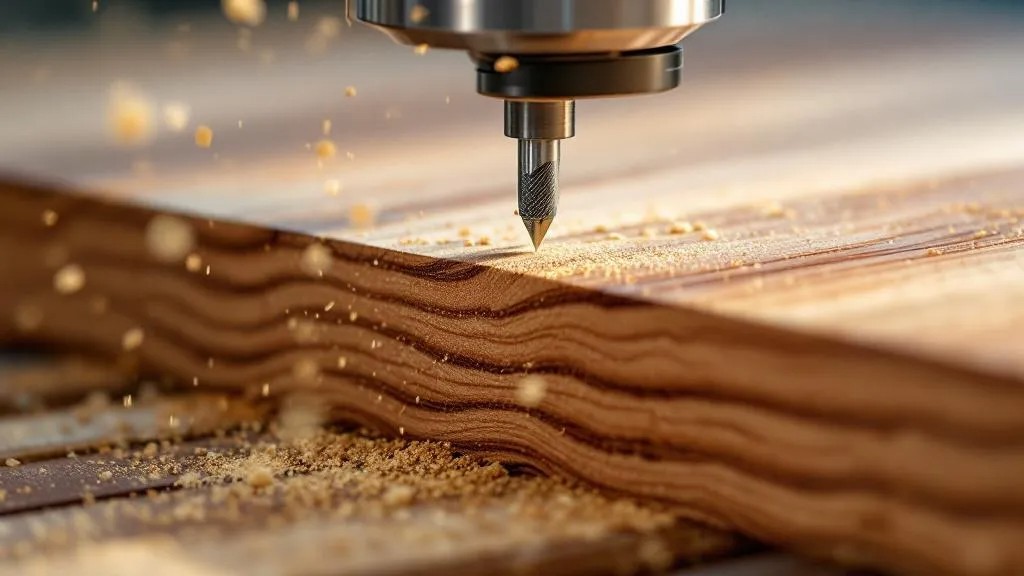
The Specifics of Radius Milling for Creating Rounded Edges on Wooden Products
The Specifics of Radius Milling for Creating Rounded Edges on Wooden Products Radius milling, or edge rounding, is one of the most sought-after and critically important stages in producing high-quality wooden
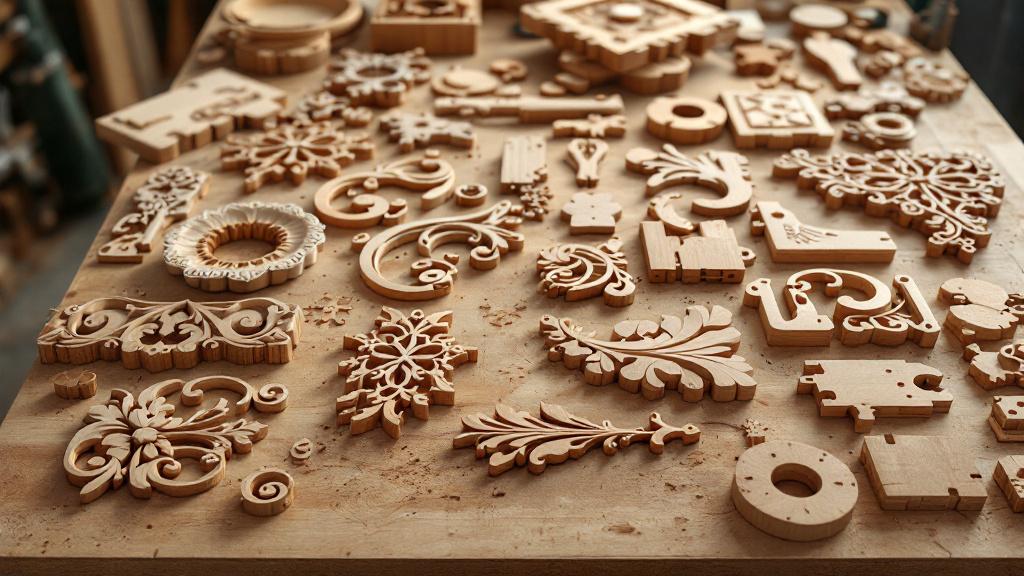
The Role of Milling in Making Decorative and Functional Wooden Parts
The Role of Milling in Making Decorative and Functional Wooden Parts Wood is a material that people have been using for thousands of years. It is valued for its natural
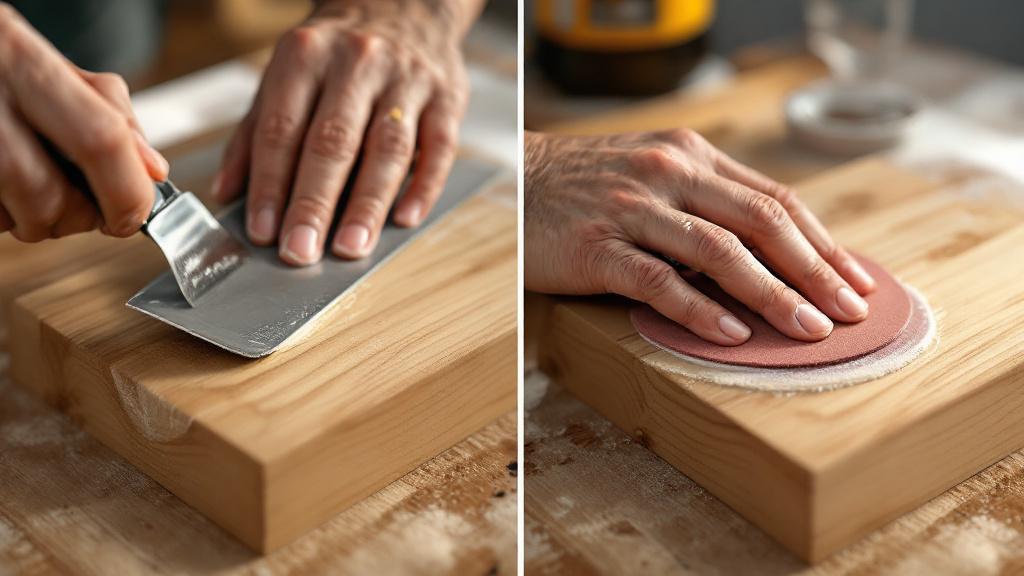
Stages of Filling and Sanding Wooden Products: Creating a Flawless, Even Surface
Stages of Filling and Sanding Wooden Products: Creating a Flawless, Even Surface Woodworking is not merely a mechanical process but a true craft, in which every stage is decisive for the

The synthesis of wood and metal: technological aspects of combining wood and aluminium to create durable products
The synthesis of wood and metal: technological aspects of combining wood and aluminium to create durable products In the field of professional woodworking, the search for the ideal material often leads